25 Kitchen Advertising Giveaways Collectors Still Seek
Somewhere in an American cupboard, a drinking glass that once held cheese spread is still doing its job as a juice tumbler. Advertisers learned long ago that a useful object carrying a logo would be kept for decades, and that a kitchen was the best place to put one.
Most of these items cost the original owner a few box tops, a coupon, or nothing at all. Today they turn up at estate sales and in online auctions, and collectors chase them with a seriousness the original marketing departments would have found hilarious.
Kraft Swankyswigs Cheese Spread Tumblers
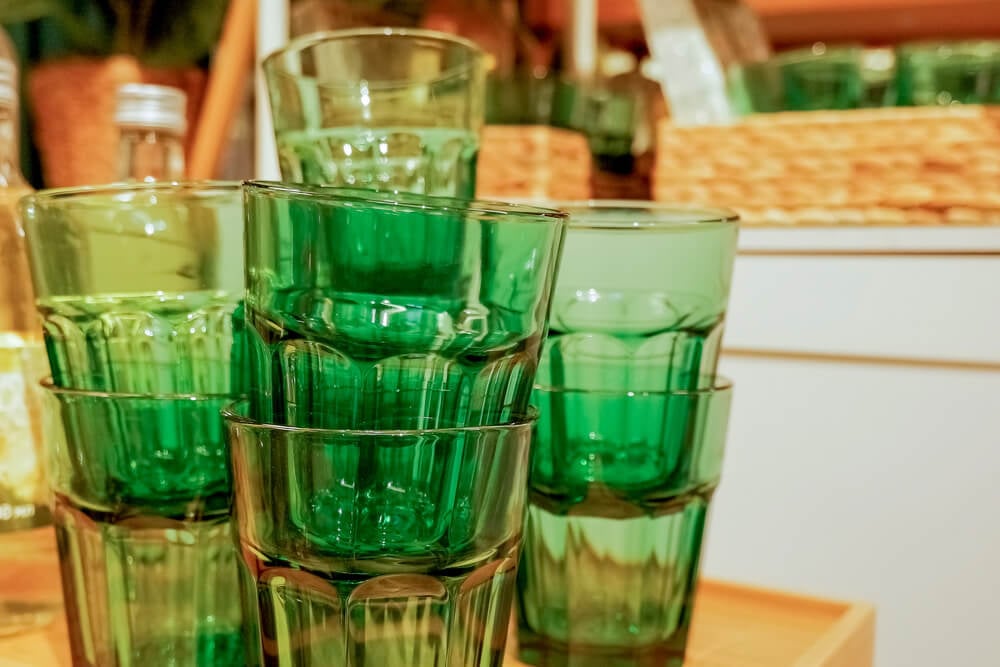
Kraft sold cheese spread in decorated glass containers meant to be washed and reused as drinking tumblers, a promotion that began in the early 1930s. The painted designs ranged from simple bands of color to cheerful patterns such as Bustling Betsy.
Plenty of households bought the cheese mainly for the glass. Value depends heavily on condition, since the enamel fades and scratches easily and rarely survives decades of dishwasher cycles.
Pillsbury Funny Face Plastic Mugs

Pillsbury’s Funny Face powdered drink mix of the 1960s came with a cast of cartoon flavors, and plastic mugs turned those characters into kitchen shelf decor. Goofy Grape, Lefty Lemon, and Jolly Orange all got their own mugs, and matched sets are what serious collectors want.
Plastic mugs are cheap to make and hard on the owner, so surviving examples are often stained, scratched, or warped. Value depends heavily on condition, and a crisp, unwarped face earns the most attention.
Hall China Autumn Leaf Made for Jewel Tea
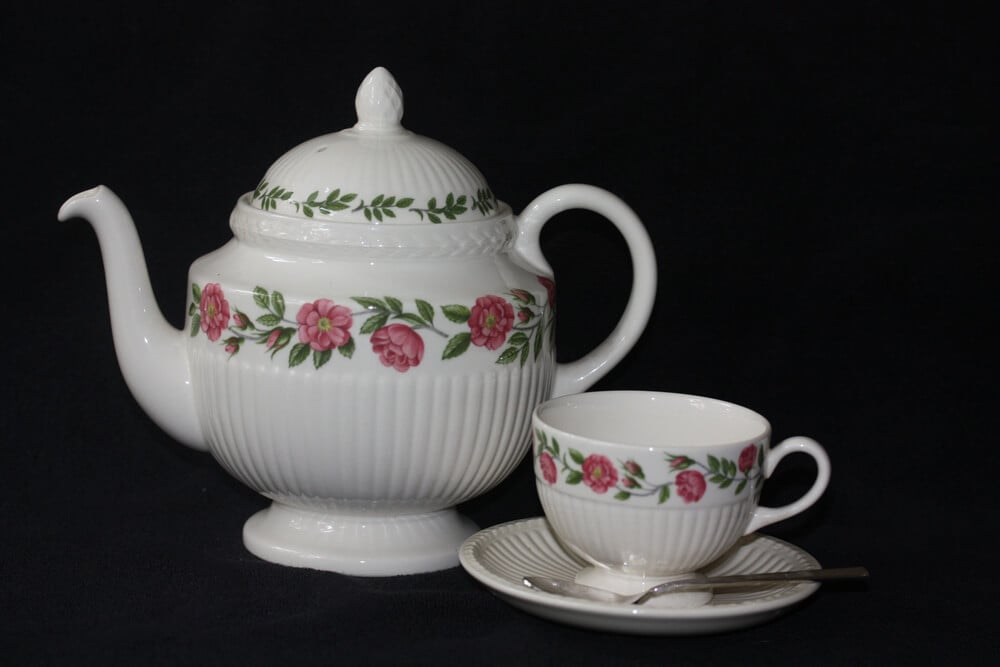
The Jewel Tea Company sold coffee, tea, and groceries through home delivery routes, and it offered customers a dinnerware pattern as a reward for loyalty. Hall China Company of East Liverpool, Ohio, produced the Autumn Leaf pattern for Jewel Tea beginning in 1933.
The orange and gold leaf design became one of the most recognized premium patterns in American kitchens, with teapots, mixing bowls, and serving pieces all in demand. Gold trim wear, utensil marks, and crazing in the glaze all affect value heavily.
Shirley Temple Cobalt Blue Wheaties Premiums
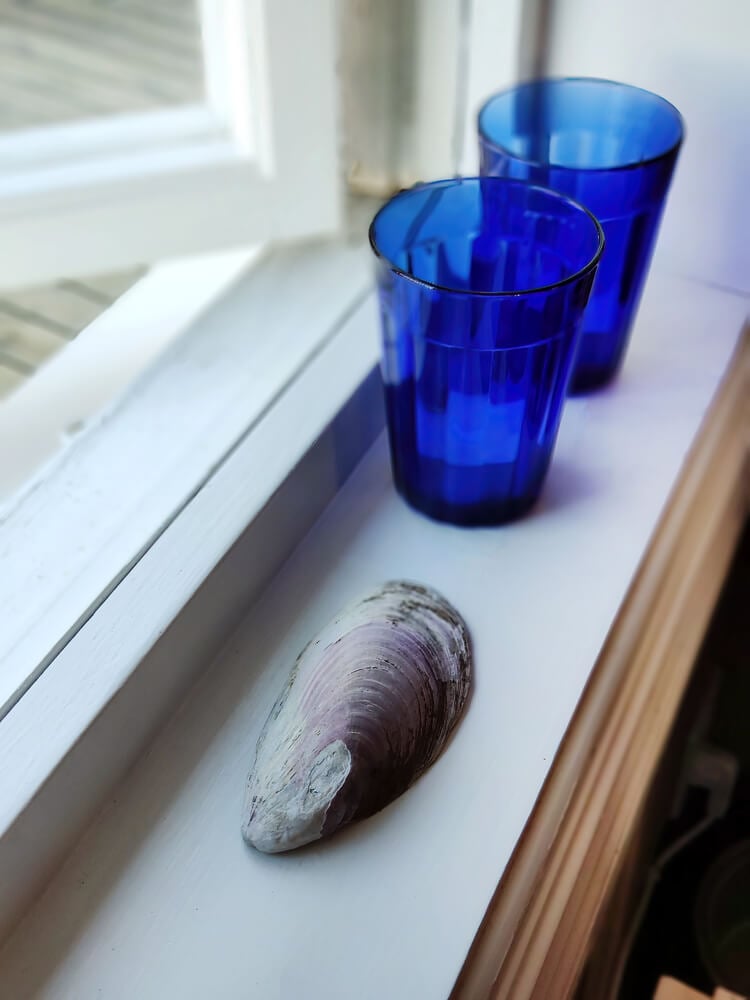
During the 1930s, Wheaties offered cobalt blue glass pieces decorated with the image of child star Shirley Temple, including a cereal bowl, a mug, and a milk pitcher. Hazel-Atlas Glass made the pieces, and the deep blue color remains a draw for collectors of Depression-era glass.
The pitcher is usually the most sought-after piece of the set. Chips, cracks, and worn images lower value heavily, so condition matters more than rarity here.
Betty Crocker Coupon Silverware
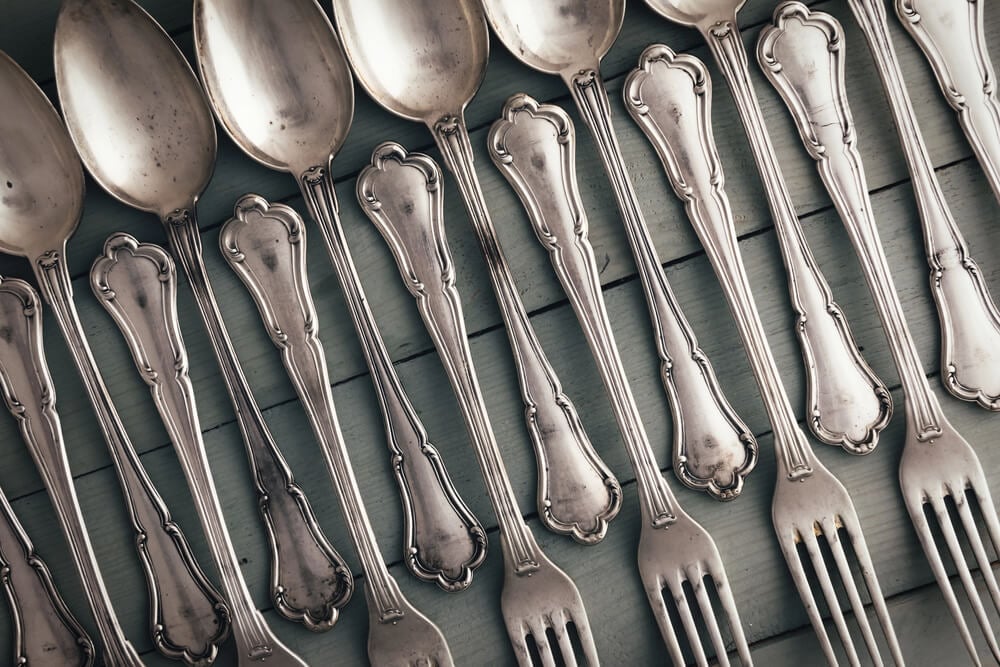
General Mills printed Betty Crocker coupons on its packages and let households redeem them for silverware made by Wm. Rogers & Son. Betty Crocker herself was an invented name, created in 1921, which makes the long-running coupon program a tribute to a woman who never existed.
General Mills retired the coupon catalog in 2006 after decades of operation. Plated silverware values depend heavily on condition, because worn plating and monogram engraving reduce what collectors will pay.
Welch’s Jelly Jar Drinking Glasses
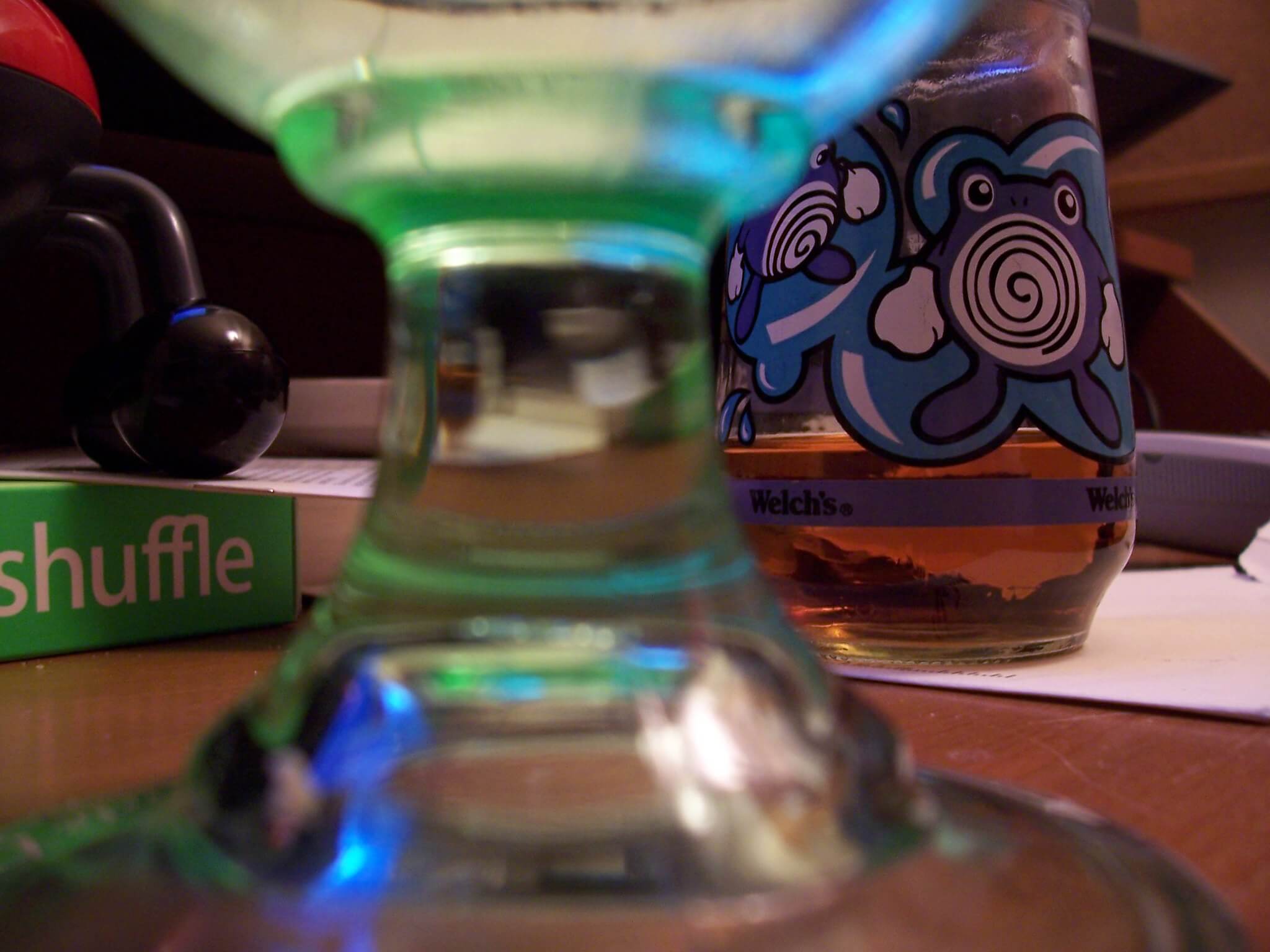
Welch’s packed grape jelly in glass jars designed to double as drinking glasses, and the idea ran for decades. Howdy Doody glasses from the early 1950s and later cartoon editions starring the Flintstones became childhood staples.
Many sets were used until the artwork wore off, which makes bright, unworn glasses hard to find. Value depends heavily on condition, and an unopened jar of jelly from the period is an unusual find.
Maxwell House Haggadah
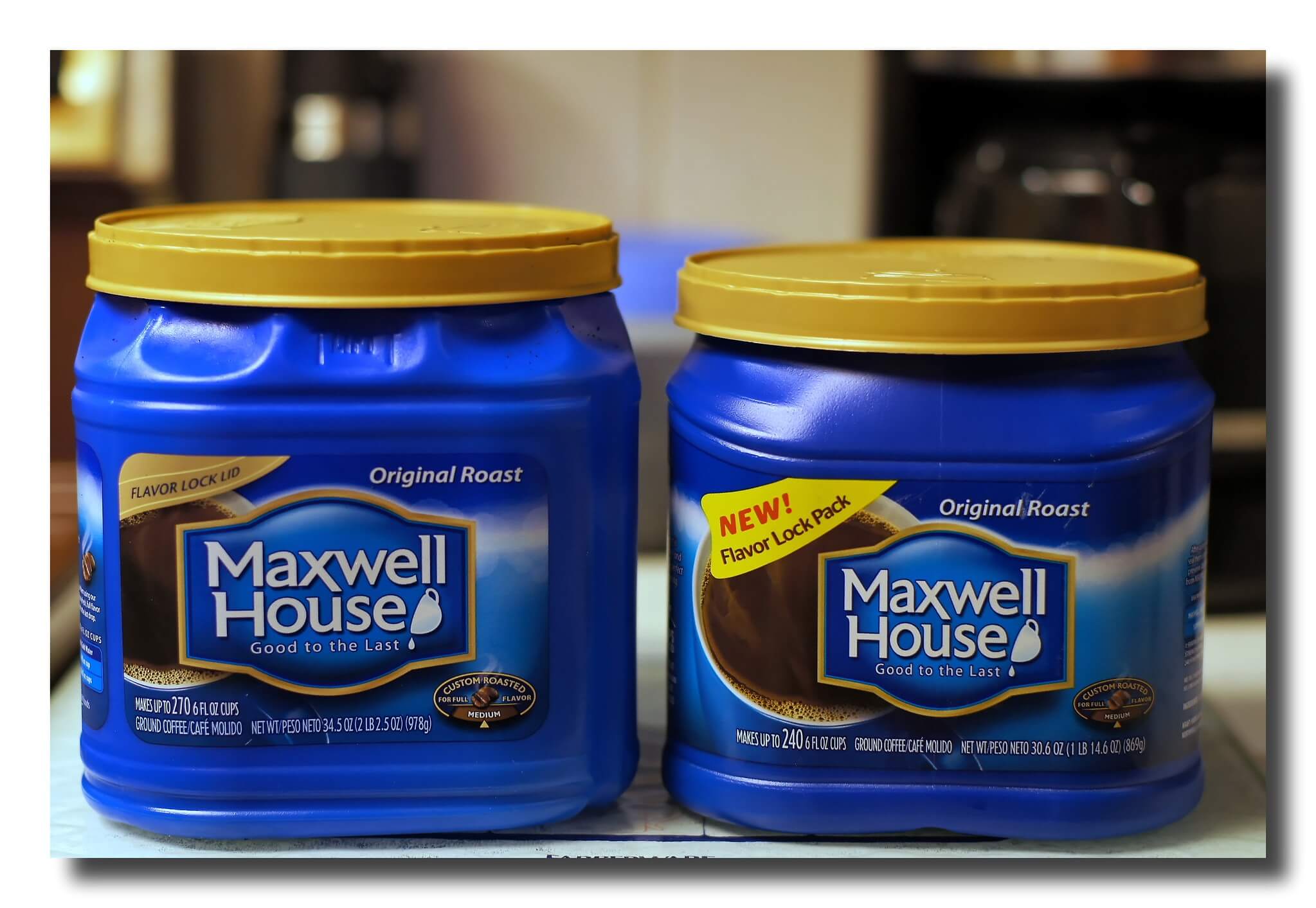
Maxwell House began giving away a Passover Haggadah with coffee purchases in 1932, and the booklet became a fixture of American seder tables. Advertising executive Joseph Jacobs had earlier helped win acceptance of coffee as kosher for the holiday, which gave the company a natural reason to tie its brand to Passover.
Collectors look for early printings and editions with distinctive cover art. Paper is fragile, and wine stains from seders past reduce value heavily.
Ovaltine Little Orphan Annie Shake-Up Mug
Ovaltine sponsored the Little Orphan Annie radio program in the 1930s and offered a Shake-Up mug as a premium for listeners. The mug let children mix their own drink by shaking the powder and milk, and the earliest versions appeared in 1931.
Mugs turned up in a range of colors, and rare color varieties command the most attention at collectible auctions. Cracked lids, faded decals, and chips all hurt value heavily.
Jell-O Recipe Booklets From Le Roy
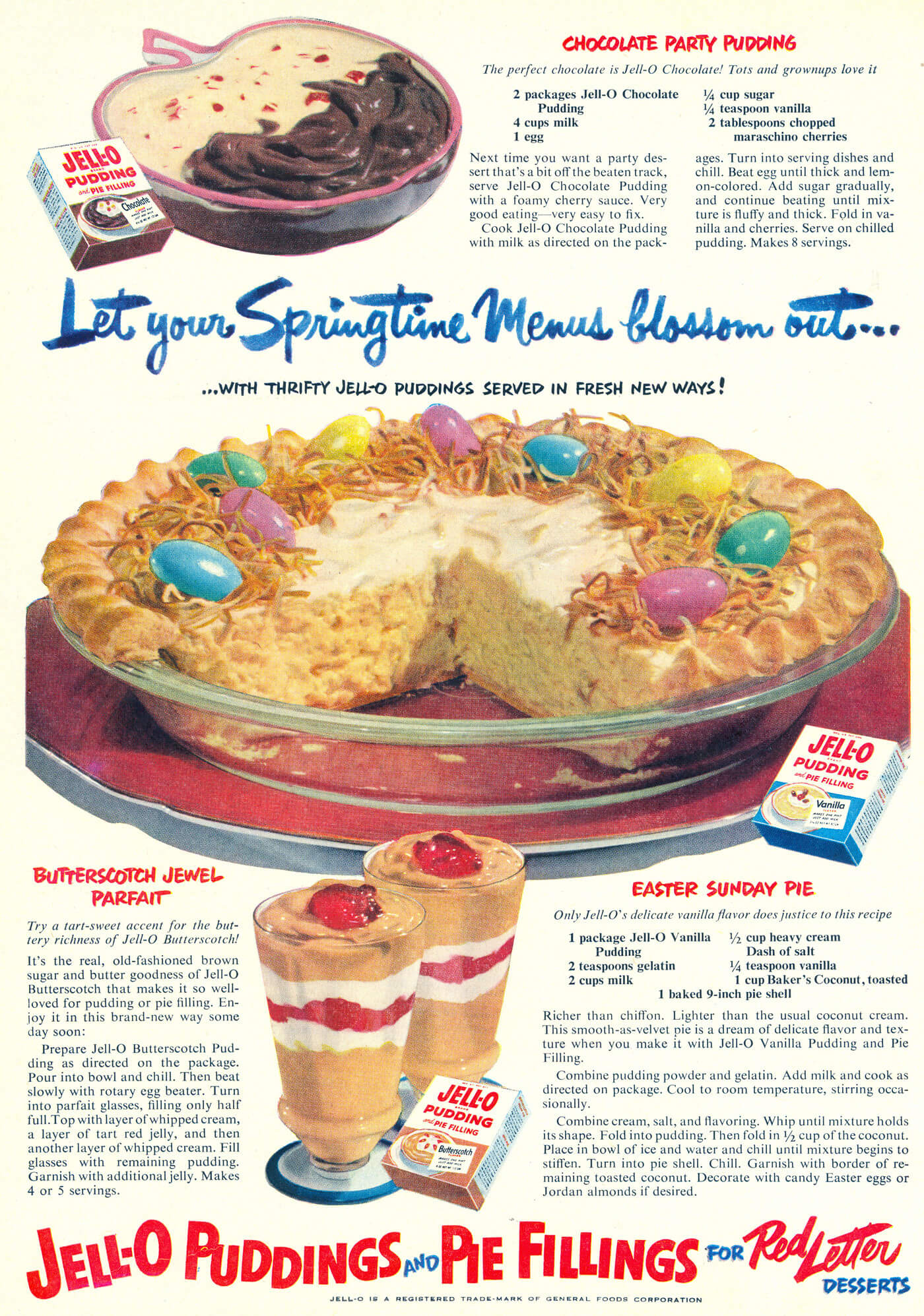
The Genesee Pure Food Company of Le Roy, New York, built Jell-O into a household name partly through free recipe booklets. Pearle Wait developed the gelatin dessert in the 1890s and sold the rights to Orator Woodward in 1899 for a modest sum.
Early advertising featured illustrations by Rose O’Neill, who also created the Kewpie characters. Booklet value depends heavily on condition, with clean covers and unmarked pages the most desirable.
Hall Westinghouse Refrigerator Dishes
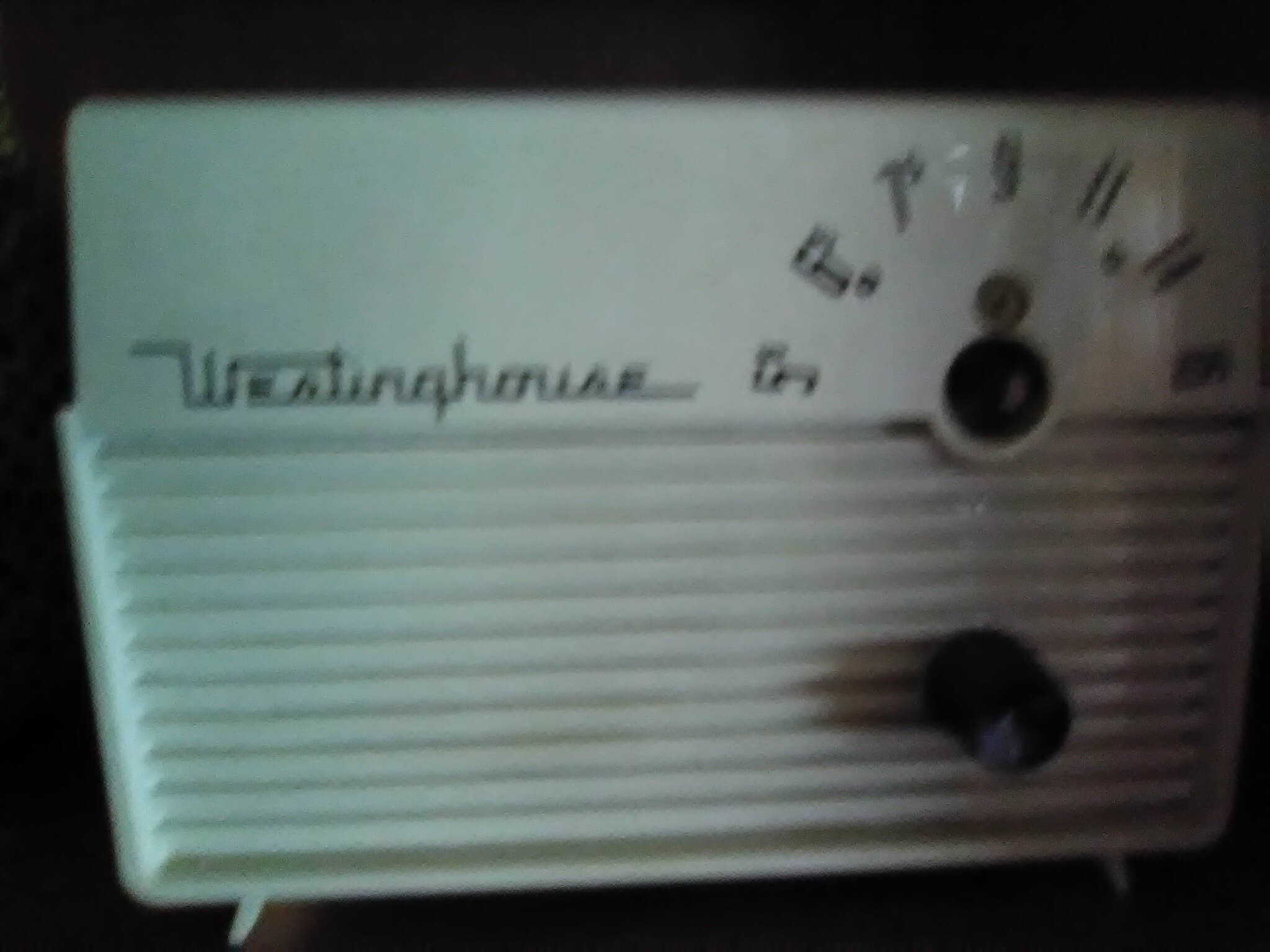
Hall China Company made stackable covered refrigerator dishes for Westinghouse in the 1930s, and the pieces came with new Westinghouse refrigerators. The Art Deco shapes were designed to save space on the shelf, and the glaze colors included yellow and blue.
Collectors now hunt for complete sets with matching lids. Crazing, chips, and missing lids reduce value heavily.
McDonald’s Garfield Glass Mugs
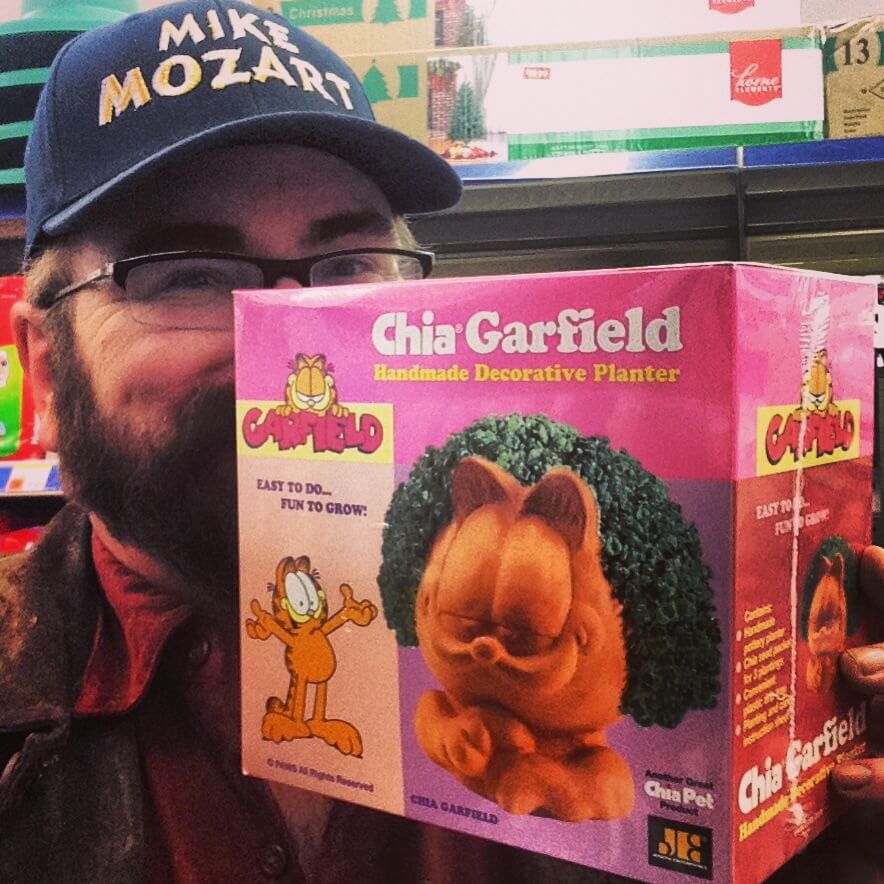
McDonald’s gave away Garfield glass coffee mugs in 1987, nine years after the lasagna-loving cat first appeared in newspaper comic strips. The mugs showed the orange tabby in various moods, and sets turn up in kitchens across the country because the mugs were practical enough to use daily.
Value depends heavily on condition, and printed artwork that has survived without scratches is the main attraction.
McDonald’s Camp Snoopy Collection Glasses
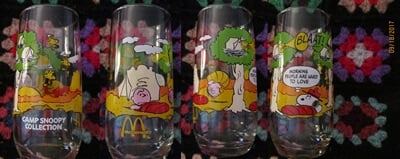
McDonald’s offered Camp Snoopy glasses in 1983, featuring the Peanuts beagle in outdoor scenes with his friends. The glasses were a natural fit for a comic strip already beloved by children.
Collectors of Peanuts memorabilia look for complete sets with sharp, unfaded printing. Value depends heavily on condition, and dishwasher wear is the usual enemy.
Burger King Empire Strikes Back Glasses
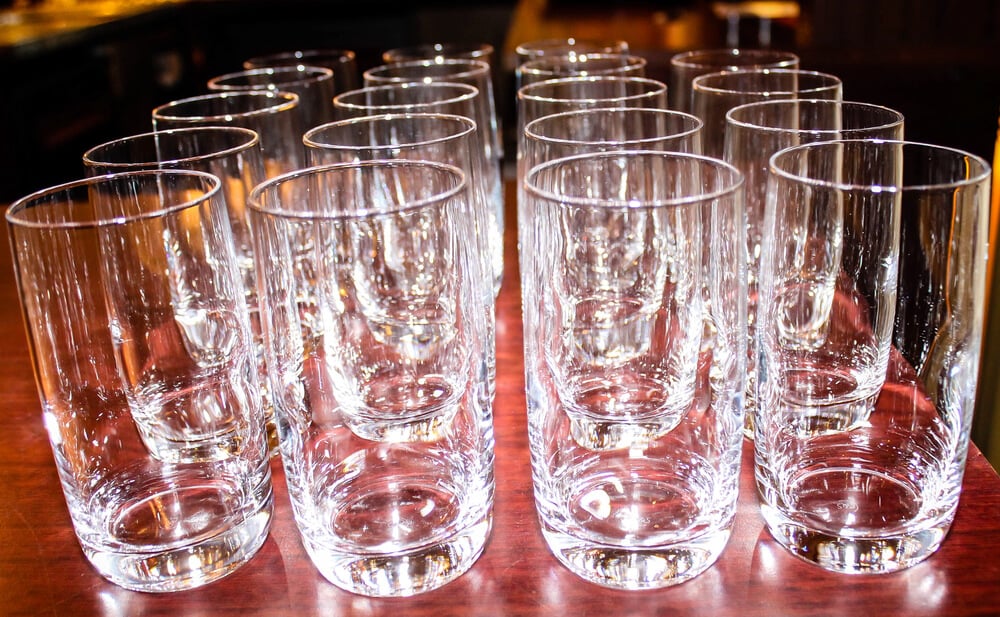
In 1980, Burger King and Coca-Cola teamed up to hand out glasses decorated with characters from The Empire Strikes Back. One glass paired Darth Vader with Boba Fett, while another showed R2-D2 and C-3PO.
Fans of the film turned the fast-food promotion into a hunt for the full set. Value depends heavily on condition, and crisp printing with no dishwasher fading brings the highest interest.
Pepsi Collector Series Looney Tunes Glasses
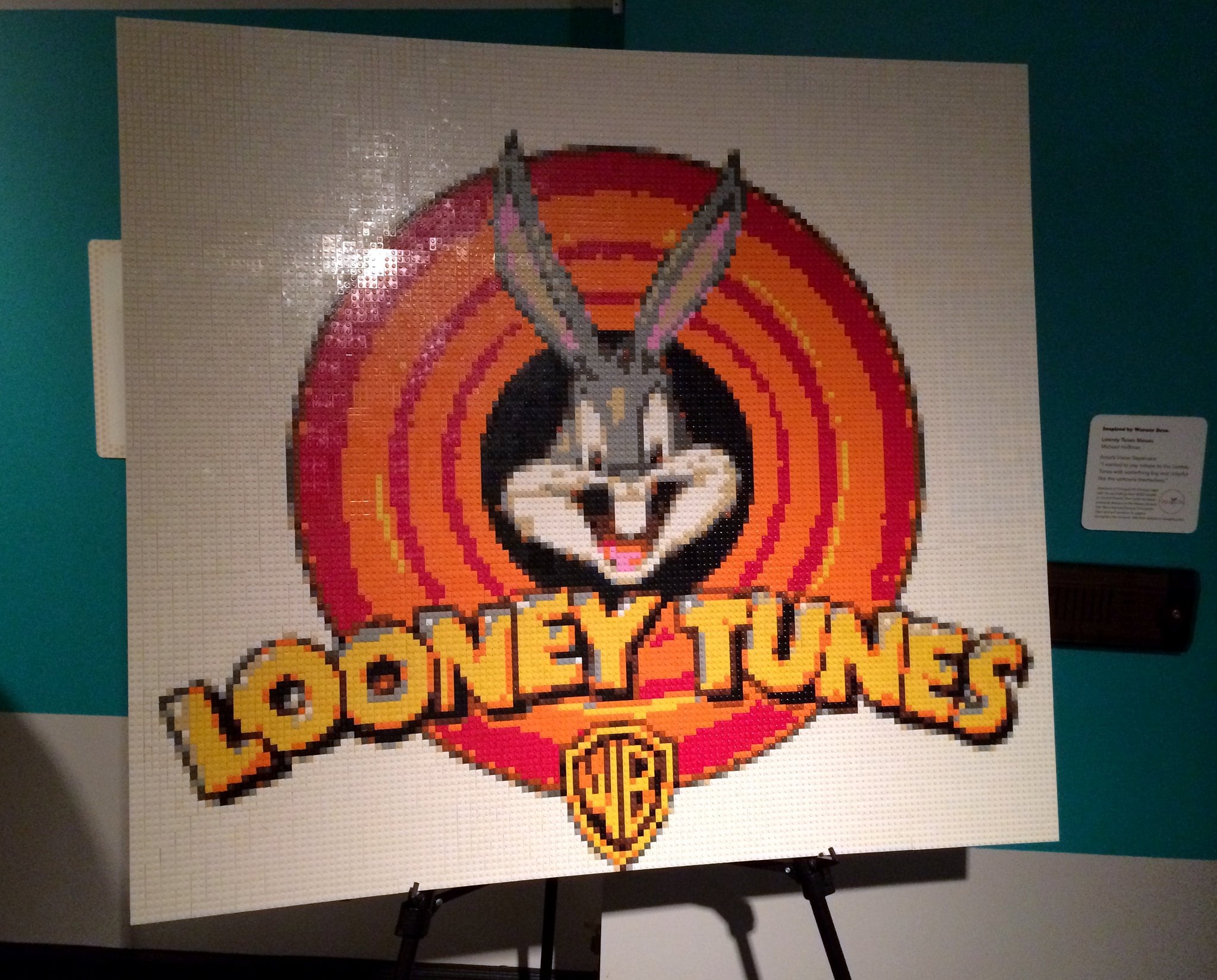
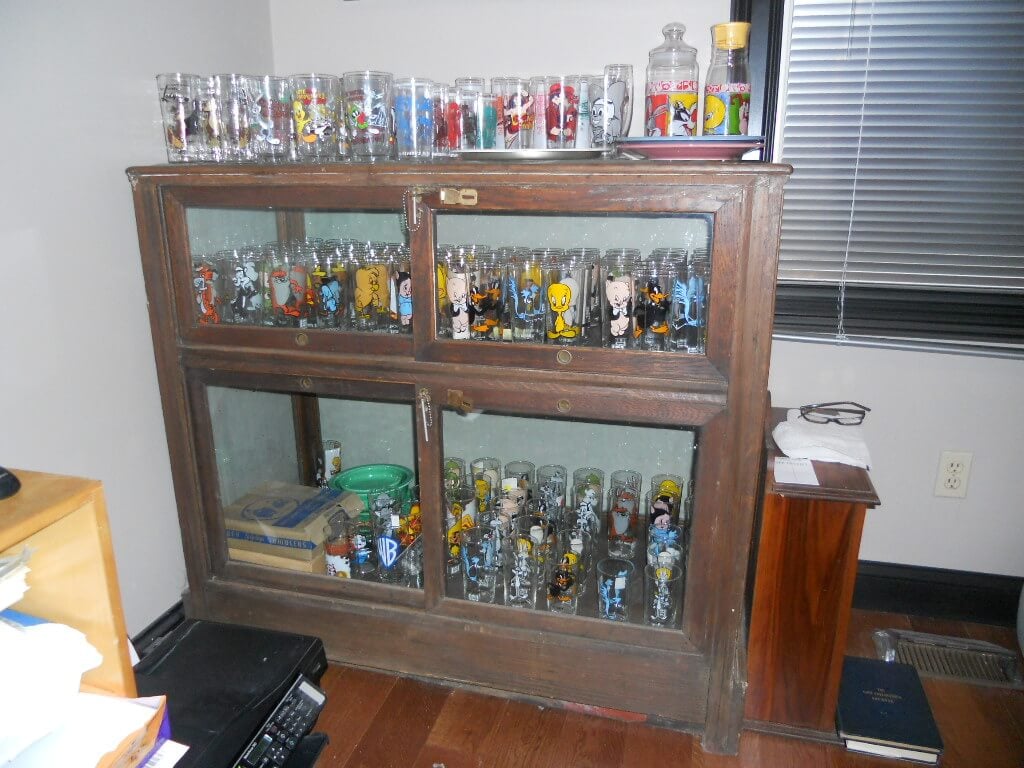
Pepsi issued a Collector Series of Warner Bros. Looney Tunes glasses in 1973, featuring characters such as Pepe Le Pew, Beaky Buzzard, and Elmer Fudd. A printing error on some glasses has become a selling point for collectors who prize variants.
The glasses were cheap enough that many households used them daily until the artwork wore thin. Value depends heavily on condition, and an unscratched, unfaded glass is worth noticeably more than a tired one.
Pillsbury Poppin’ Fresh Cookie Jar
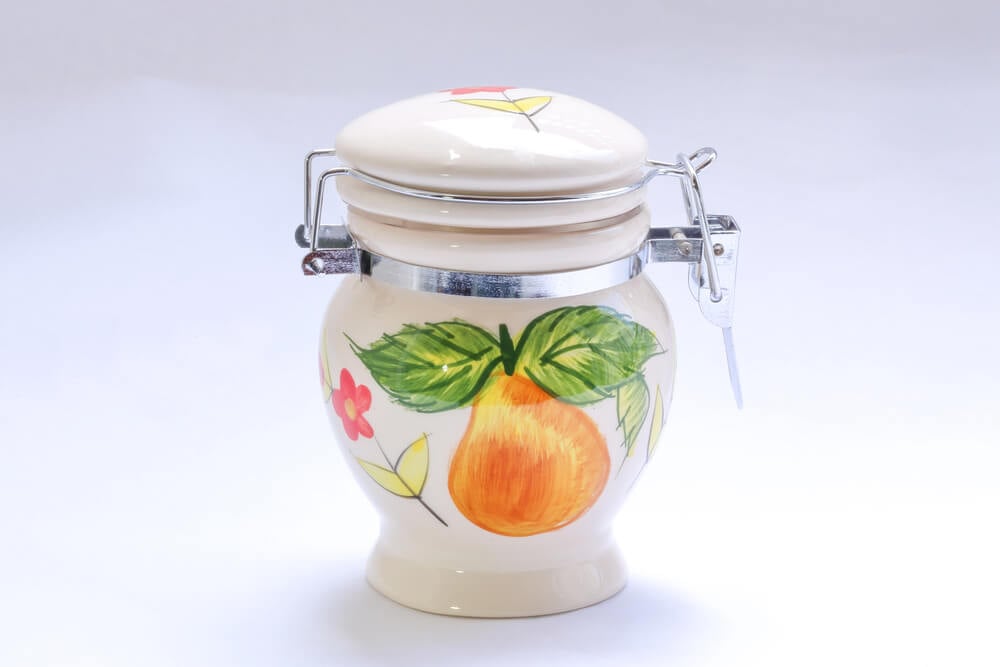
Poppin’ Fresh, the Pillsbury Doughboy, was created in 1965 by Rudy Perz at the Leo Burnett advertising agency. His ceramic cookie jars from the 1980s turned a television mascot into a countertop fixture.
Pillsbury has even brought a version back for modern kitchens, which keeps interest in the originals alive. Chips on the glaze and missing lids hurt value heavily.
Sunkist Glass Juice Reamers
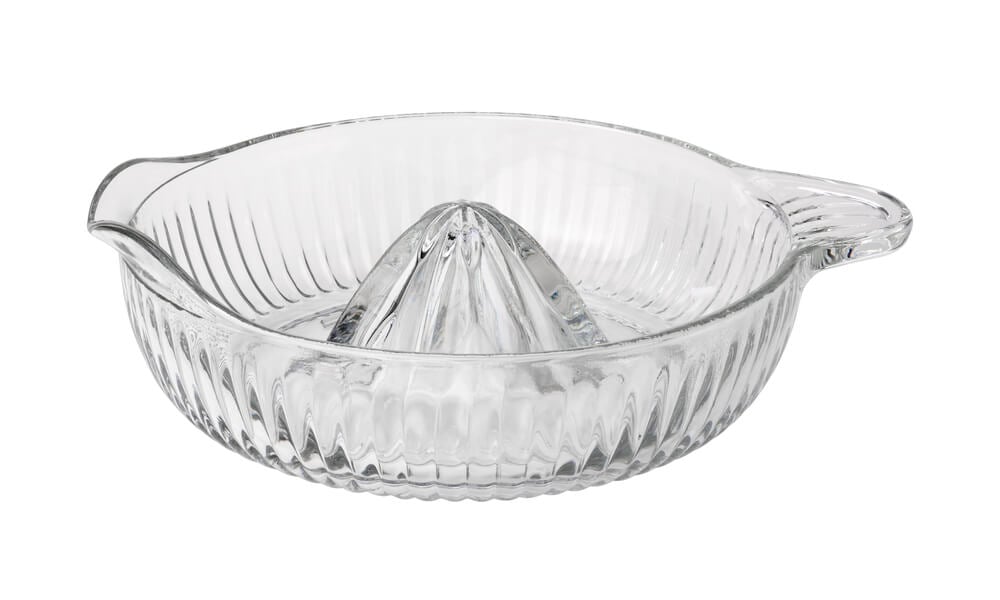
The California Fruit Growers Exchange promoted its Sunkist brand with glass juice reamers stamped with the company name, and examples from the 1920s are among the earliest. McKee Glass Company made Sunkist reamers in colors such as pink and jadeite green during the 1930s.
The reamers made a fresh glass of orange juice easier, which also made oranges easier to sell. Chips along the ridges and cracks in the base reduce value heavily.
Rumford Complete Cook Book
The Rumford Chemical Works of Rhode Island sold baking powder and promoted it with cookbooks, including The Rumford Complete Cook Book by Lily Haxworth Wallace in 1908. The company drew its name from Count Rumford, and Eben Horsford, the chemist behind the baking powder, built the business on that name.
The book stayed in print for decades, with later editions appearing as late as 1929. Value depends heavily on condition, with intact bindings and clean pages the most desirable.
Crisco Promotional Cookbooks
Procter & Gamble introduced Crisco in 1911 and sold the shortening with promotional cookbooks written by Marion Harris Neil. The Story of Crisco and A Calendar of Dinners With 615 Recipes were designed to teach cooks to replace lard and butter.
The booklets were free or low in price, but early copies are now scarce. Value depends heavily on condition, and grease stains on the pages are a common problem.
Campbell Kids Salt and Pepper Shakers
Grace Drayton created the Campbell Kids in 1904, and the round-cheeked pair has appeared on Campbell Soup advertising ever since. Plastic salt and pepper shakers modeled on the two children were sold and promoted for kitchen tables.
Collectors search for sets with unfaded paint and original stoppers. Value depends heavily on condition, since cracked plastic and worn paint are common.
Quaker Oats Dishes in the Oatmeal Box
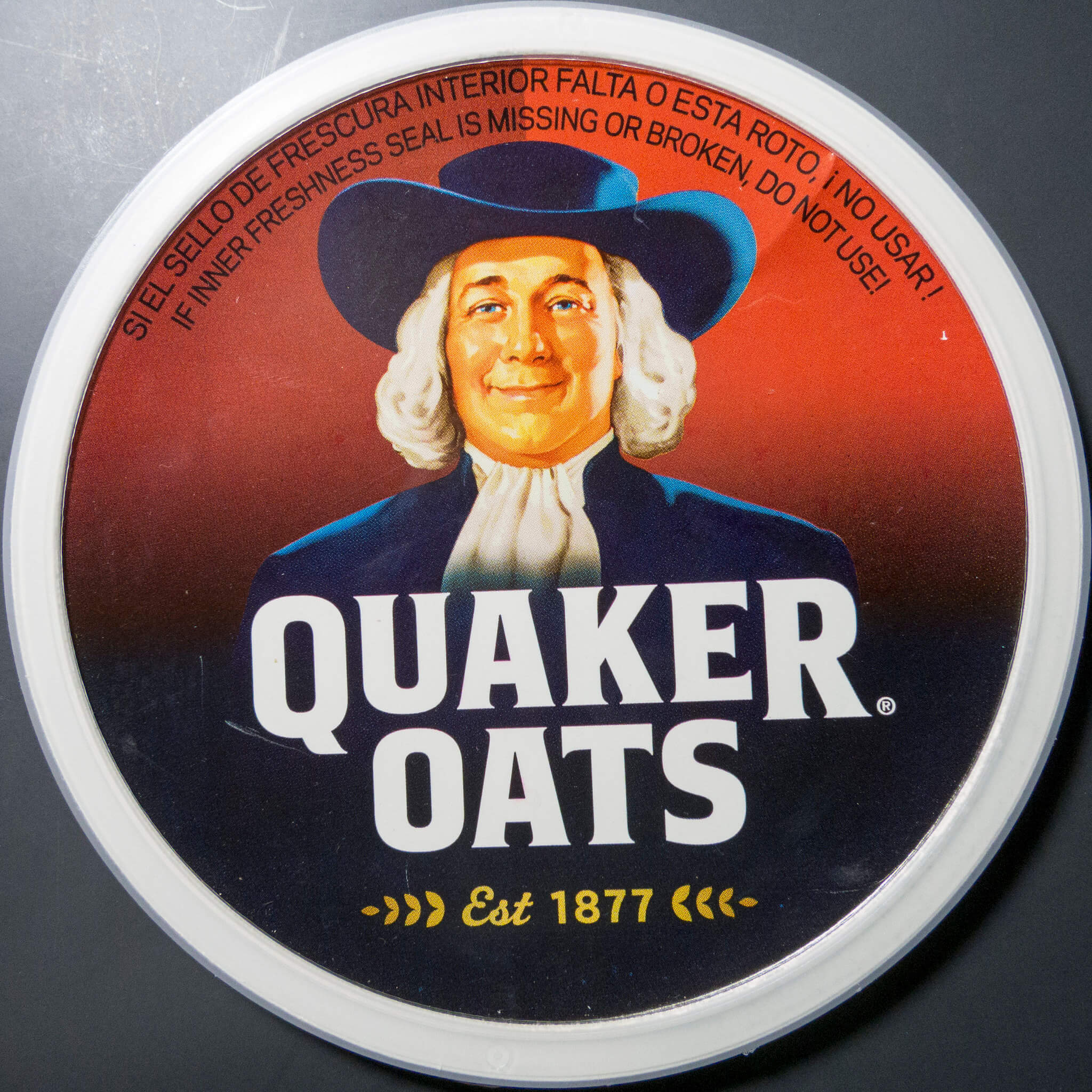
During the Depression, Quaker Oats and other cereal makers put glass and china dishes inside or alongside boxes of oatmeal to keep customers loyal. Quaker Mother’s Oats advertised fine china as a gift premium as early as 1930.
A family could assemble a full set of dishes over many mornings of breakfast. Chips and cracks cut value heavily, and complete matching sets are the real prize.
Hires Root Beer Mugs
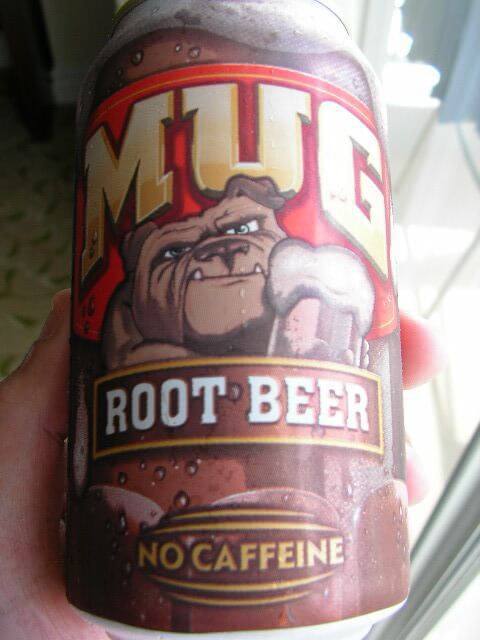
Charles Hires introduced his root beer to the public at the 1876 Centennial Exposition in Philadelphia. Early advertising mugs were made by Villeroy and Boch at Mettlach, and some bear date marks from 1906 and 1907.
Those stoneware mugs became fixtures of soda fountains and are among the older items on any collector’s shelf. Value depends heavily on condition, and hairline cracks and glaze wear are the first things buyers look for.
Reddy Kilowatt Electric Company Recipe Booklets
Reddy Kilowatt, a cartoon figure with a lightning bolt body and a light bulb nose, was created in 1926 by Ashton Collins Sr. of the Alabama Power Company. Electric utilities licensed the character and handed out recipe booklets that encouraged customers to cook on electric ranges.
Holiday booklets from utilities such as Potomac Edison pair Reddy with seasonal dishes. Value depends heavily on condition, and paper wear, stains, and torn covers are the usual flaws.
Planters Mr. Peanut Anniversary Jar
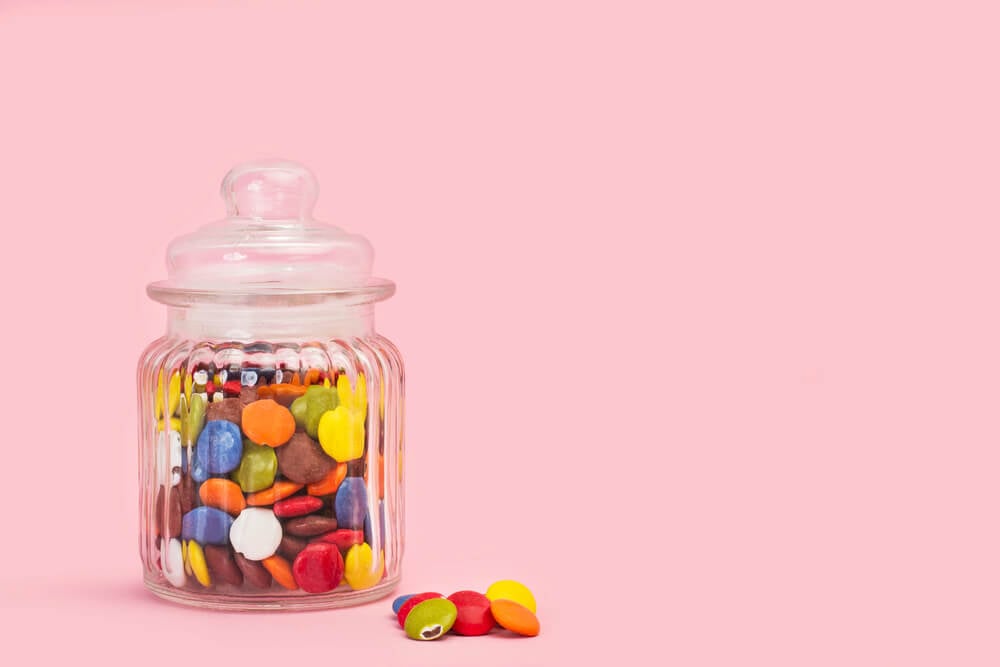
Antonio Gentile, a schoolboy, drew the first sketch of Mr. Peanut for a 1916 contest and received a modest cash prize. Planters later refined the character with a top hat, monocle, and cane.
The company marked the 75th anniversary of its mascot with a commemorative jar that remains a popular collector’s piece. Value depends heavily on condition, and a jar with its original lid and label intact is much easier to sell.
Borden Elsie the Cow World’s Fair Souvenirs
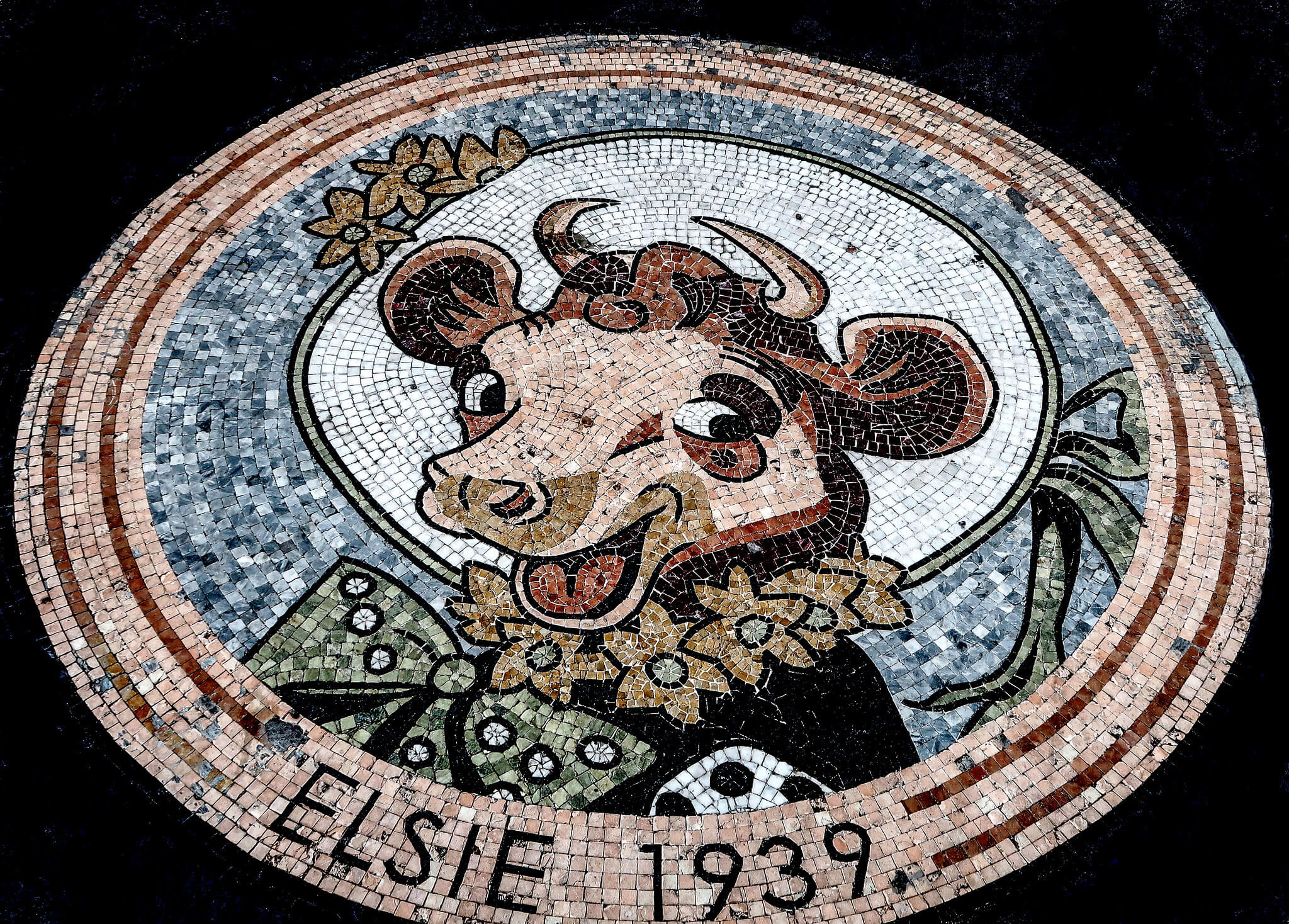
Borden introduced Elsie the Cow in advertising in 1936, and she became the star of Borden’s Dairy World at the 1939 New York World’s Fair. Souvenir items from that fair are dated, which helps collectors pin down which pieces came from the exhibit.
A cow with a mascot’s personality sold milk better than any slogan could, and the souvenirs went into kitchens across the country. Value depends heavily on condition, and chips, fading, and missing parts reduce it heavily.
McDonald’s McDonaldland Collector Series Glasses
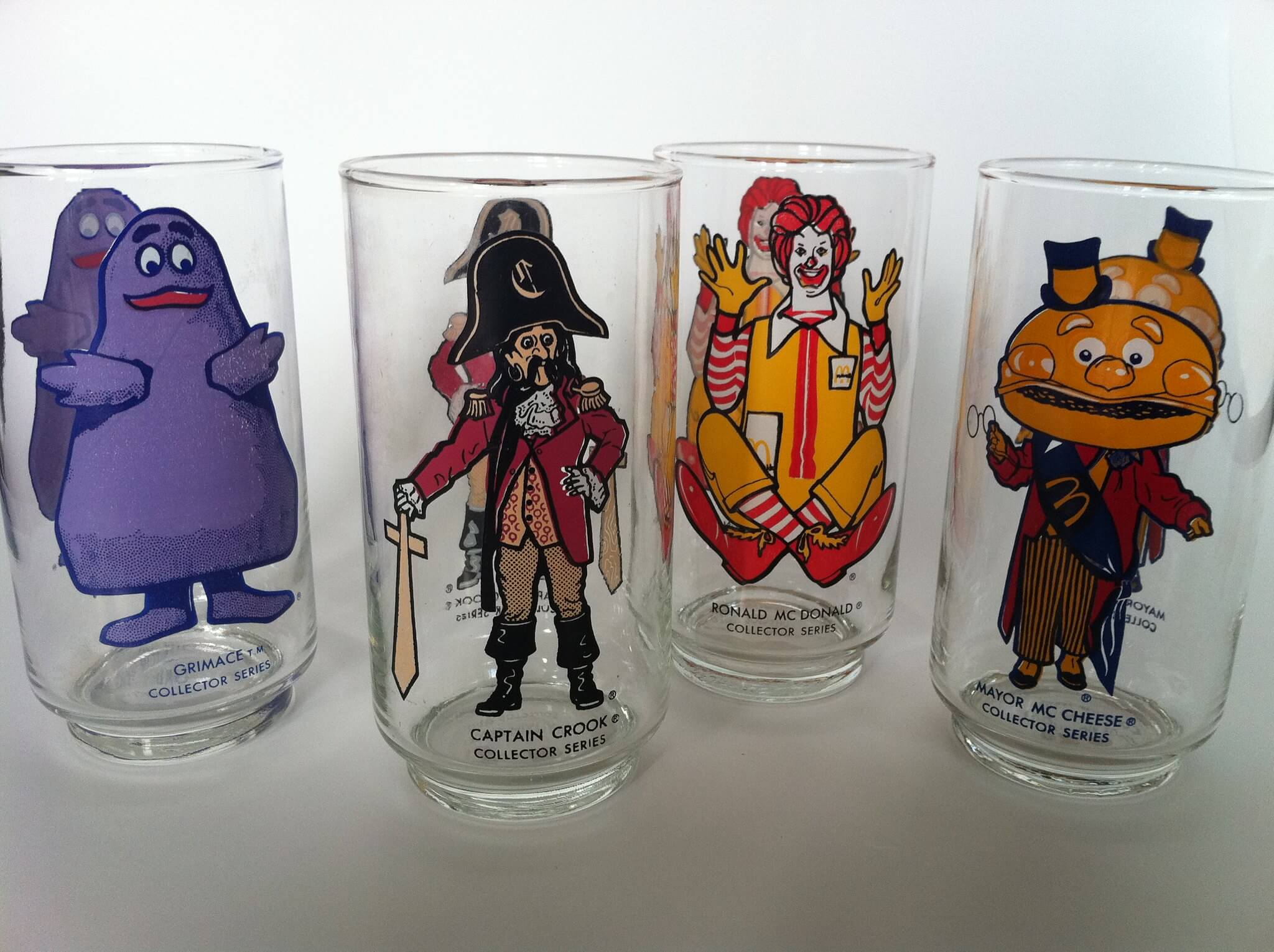
In the 1970s, McDonald’s issued Collector Series glasses decorated with McDonaldland characters, giving children a reason to ask for another meal. Households accumulated glasses over weeks, and the sets ended up in kitchen cabinets as everyday tumblers.
Vintage glasses now turn up regularly in online listings and estate sales. Value depends heavily on condition, with unfaded color and no chips at the rim as the main requirements.
Why a Free Glass Outlasts a Paid Ad
A magazine advertisement lasts one issue, while a mug sits in a cupboard for fifty years. That gap explains why companies spent money on cookie jars, glasses, and booklets that carried their names into the daily routine of a home.
A household that reached for the same tumbler every morning never thought of it as marketing.
The collectors who chase these items now are buying a little piece of that routine. Condition decides almost everything, and the pieces that survive in the best shape tend to be the ones nobody dared use.
The irony is hard to miss: the objects built to be handled daily are most valuable when they were barely handled at all.
More from Go2Tutors!

- 27 Silver Dollars and Half Dollars Worth Keeping
- 28 Restaurant Menu Items Nobody Orders Anymore
- 17 Places Built in Seemingly Impossible Spots
- 27 Vintage Rings Worth More Than They Look
- 25 Restricted Sites Tourists Can’t Enter
Like Go2Tutors’s content? Follow us on MSN.