Forgotten Luxury Items From the Gilded Age
Between the 1870s and early 1900s, America’s wealthiest families turned conspicuous consumption into an art form. The newly minted millionaires of the Industrial Revolution built palatial mansions, threw legendary parties, and filled their homes with objects specifically designed to broadcast their wealth to anyone watching.
While we remember the grand estates and famous family names, many of the luxury items that defined Gilded Age excess have faded into obscurity. Here is a list of forgotten luxury items that once separated the ultra-wealthy from everyone else.
Diamond-Encrusted Opera Glasses
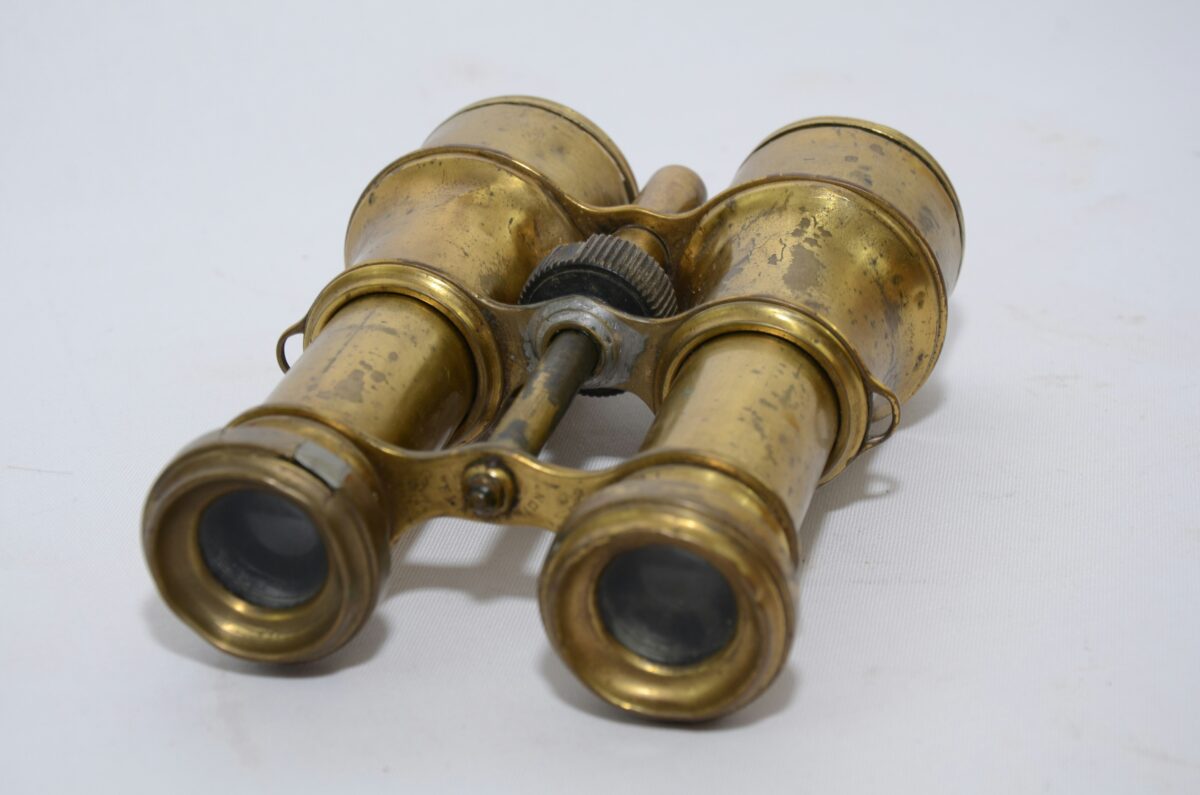
Attending the opera wasn’t really about the music. The wealthier you were, the more your opera glasses sparkled with diamonds and gold.
These weren’t simple viewing devices but pieces of jewelry meant to catch every eye in the theater. Families commissioned opera glasses crafted from rare materials and encrusted with precious stones, turning a practical item into a status symbol that announced your position before you even took your seat.
Walk-In Safes for Silverware
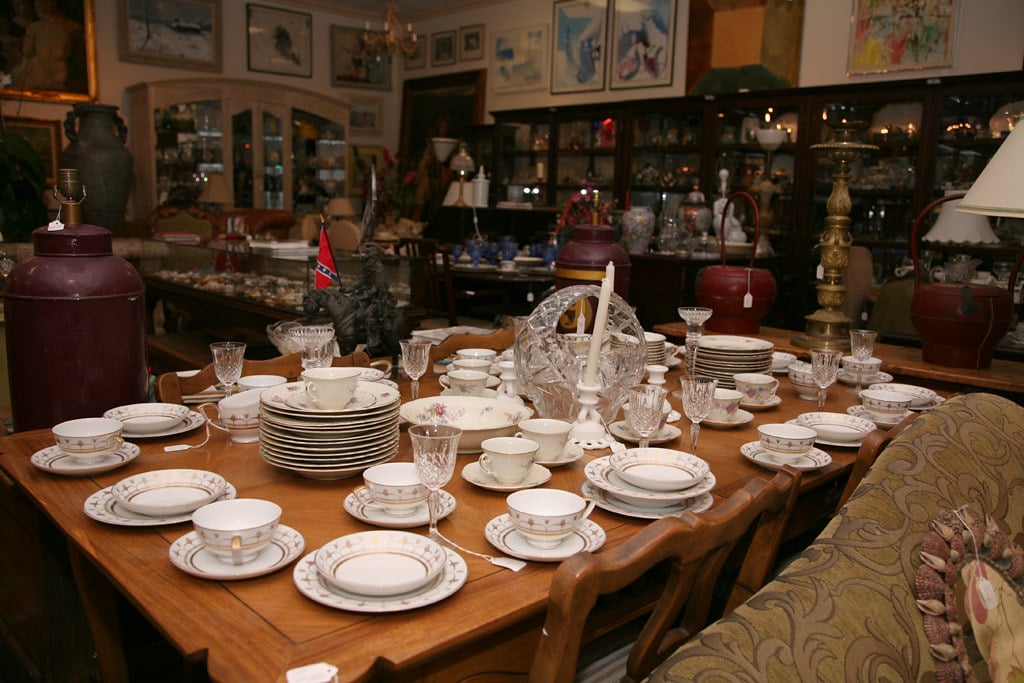
All that silver created a new problem that only the wealthy faced. Mansions needed walk-in safes built into their floor plans just to store the family silverware and valuables.
These weren’t small lockboxes hidden in closets but entire rooms with vault doors, designed to protect collections worth more than most Americans earned in a lifetime. The safes also protected important papers from fire, though everyone knew their real purpose was securing those mountains of polished silver.
Exotic Orchids

Orchidelirium gripped the Victorian upper classes with the force of an addiction. Wealthy collectors sent explorers to the far corners of the earth, spending fortunes to acquire rare orchid species that often died on the voyage home.
Single plants sold for the equivalent of thousands of dollars today. The craze was so intense that rival collectors spread false information about where orchids were found, and some hunters died in tropical jungles searching for the next prized specimen.
Having a collection of thriving exotic orchids proved you had both wealth and the heated conservatory to keep them alive.
Private Conservatories
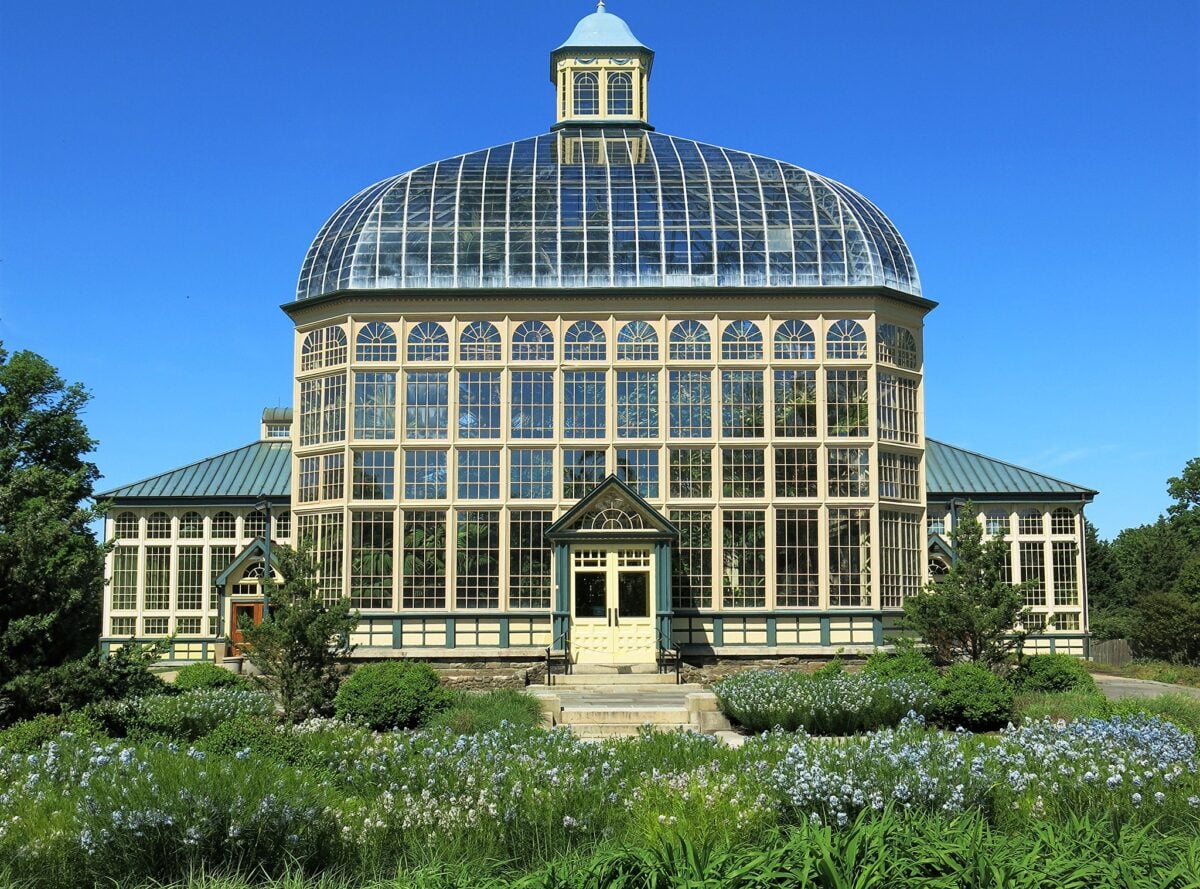
Speaking of conservatories, the wealthy built elaborate glass structures attached to their homes specifically for displaying exotic plants. These weren’t simple greenhouses but architectural marvels filled with tropical palms, ferns, and flowering specimens from around the world.
Families employed full-time horticulturists who earned premium salaries to maintain these indoor jungles. The conservatories served double duty as elegant spaces for receiving guests, proving that even your plant collection needed a stage.
Parlor Palms

Before orchids took over, parlor palms dominated Gilded Age interior decoration. These tropical plants appeared on marble-topped stands throughout mansions, positioned near fireplaces, on landings, and in every drawing room.
The larger and more exotic the palm, the better. Families competed to display the most impressive specimens, turning their homes into miniature rainforests. The palms required constant care and specific conditions to survive, which only added to their appeal as status markers.
Private Railway Cars
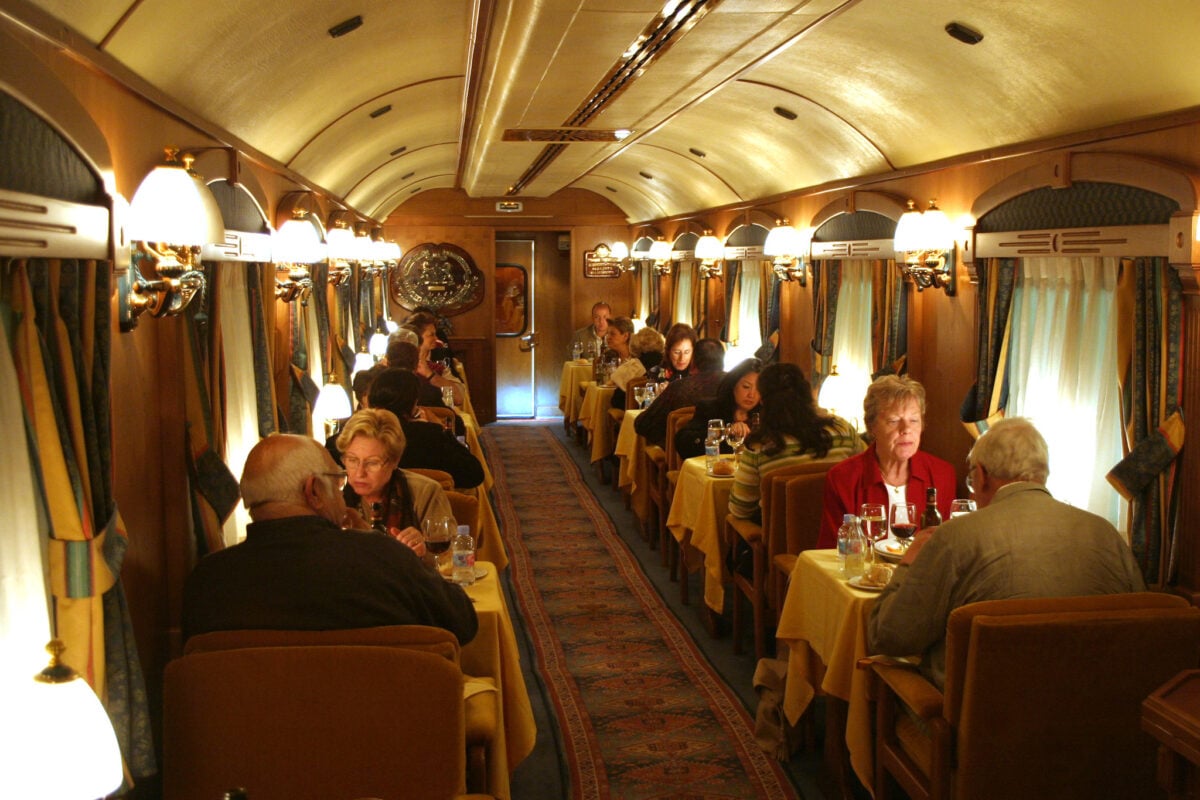
Owning a private railway car was the Gilded Age equivalent of having a personal jet. Families like the Fricks spent fortunes purchasing custom-built cars from the Pullman Company, outfitted with dining rooms, sleeping chambers, observation decks, and full kitchens.
These rolling palaces featured running water, electricity, heating, and refrigeration when most Americans lacked these amenities in their homes. The Fricks even commissioned custom Mintons china emblazoned with their car’s name in gold script, because regular dishes weren’t special enough.
Calling Cards
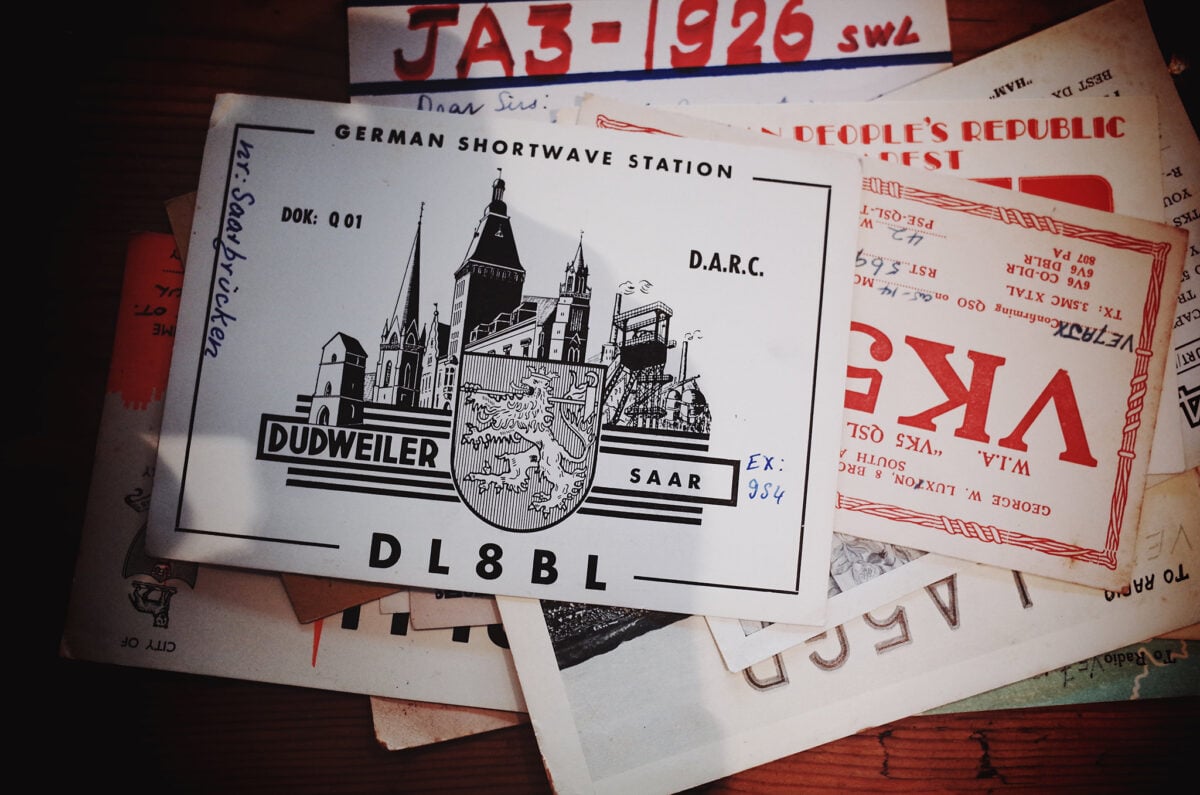
Social interaction followed strict protocols enforced through small printed cards. The calling card wasn’t just contact information but your ticket into high society.
Families ordered hundreds of cards printed on the finest paper with specific scripts and flourishes that conveyed their social standing. The rules governing when to leave cards, how to fold them, and what information to include filled entire etiquette books.
Making a mistake with your calling cards could mean social exile, and the wealthy hired professionals to ensure every detail met exacting standards.
Multiple Portrait Paintings

One portrait wasn’t enough. Wealthy families commissioned numerous painted portraits of themselves for different rooms, different houses, and different stages of life.
They hired multiple artists to capture various interpretations, creating entire galleries dedicated to family members. Even as photography became accessible, painted portraits remained the gold standard for the elite.
The practice showed you could afford to pay artists substantial sums repeatedly, and it ensured your image dominated every space you occupied.
Ornate Horse-Drawn Carriages

Before automobiles arrived, carriages were rolling advertisements for wealth. Families spent fortunes on custom-built carriages with intricate designs, fine materials, and details that required teams of craftsmen to execute.
The carriages that paraded down New York’s Fifth Avenue featured gilt trim, plush upholstery, and engineering that prioritized appearance over practicality. Even after the first automobiles appeared, many wealthy families continued commissioning elaborate carriages because the craftsmanship represented old money respectability.
Gold-Leaf Bathtubs
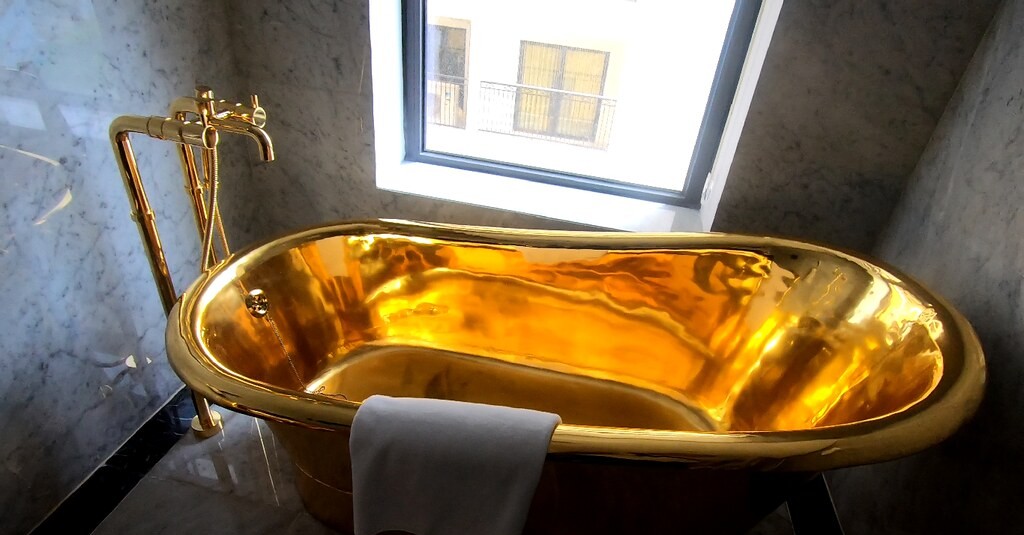
The Garrett family of Baltimore took bathroom luxury to extremes that still seem absurd today. Their bathtub was painted with 23-karat gold leaf, and their toilet was solid gold.
This happened during an era when most Americans used outhouses and running water was rare. The bathroom also featured Tiffany glass, German porcelain, and Italian paintings, turning a utilitarian space into a shrine to excess.
You can still visit the preserved bathroom at the Evergreen Museum and see proof that people really did use gold toilets.
Servant Call Systems
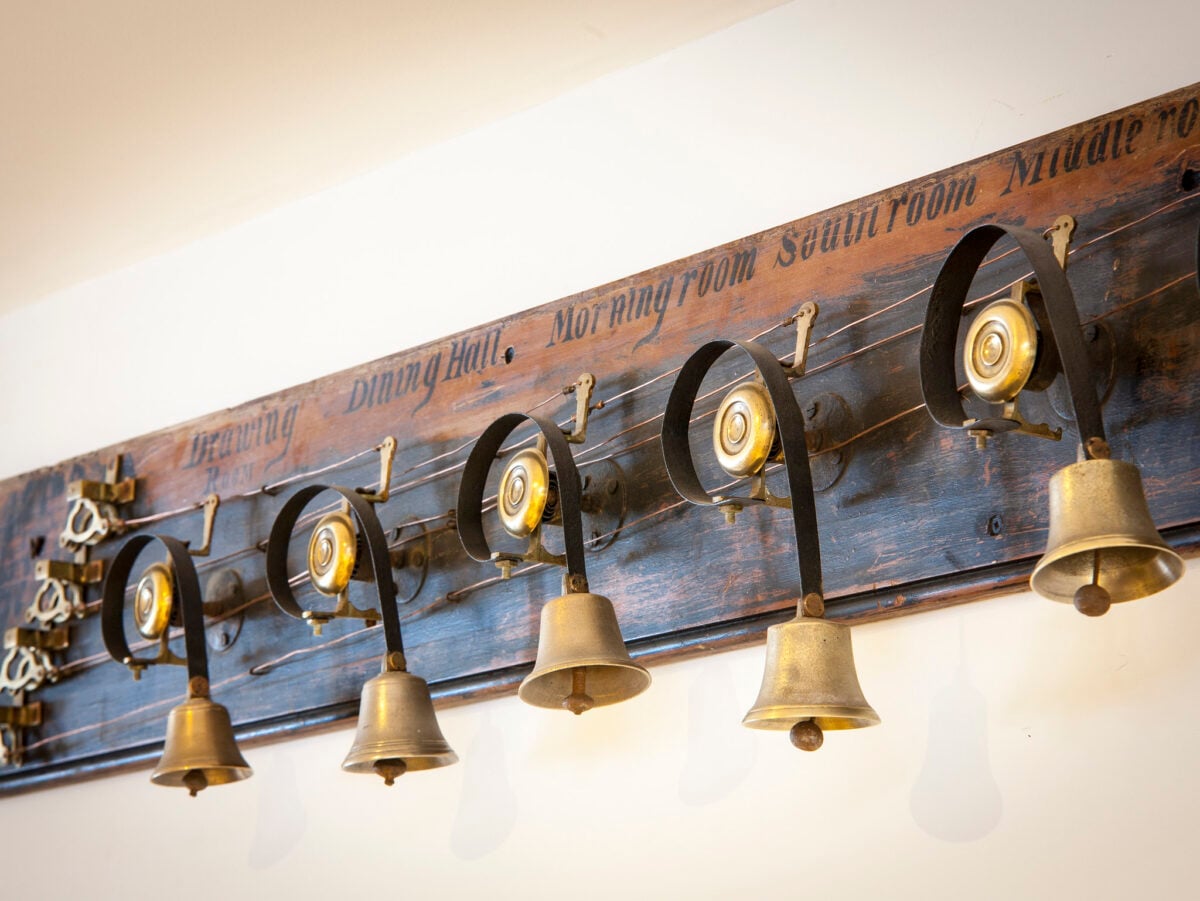
Wealthy families installed elaborate call systems throughout their mansions to summon servants instantly. Tapestry pulls next to fireplaces connected to wires running through walls, triggering buttons in call boxes in the basement.
Each pull was labeled so servants knew whether the lady of the house wanted tea in the blue drawing room or the yellow drawing room. The systems eliminated the need for servants to be visible, maintaining the illusion that comfort appeared magically without human effort.
Exposed Electric Light Fixtures
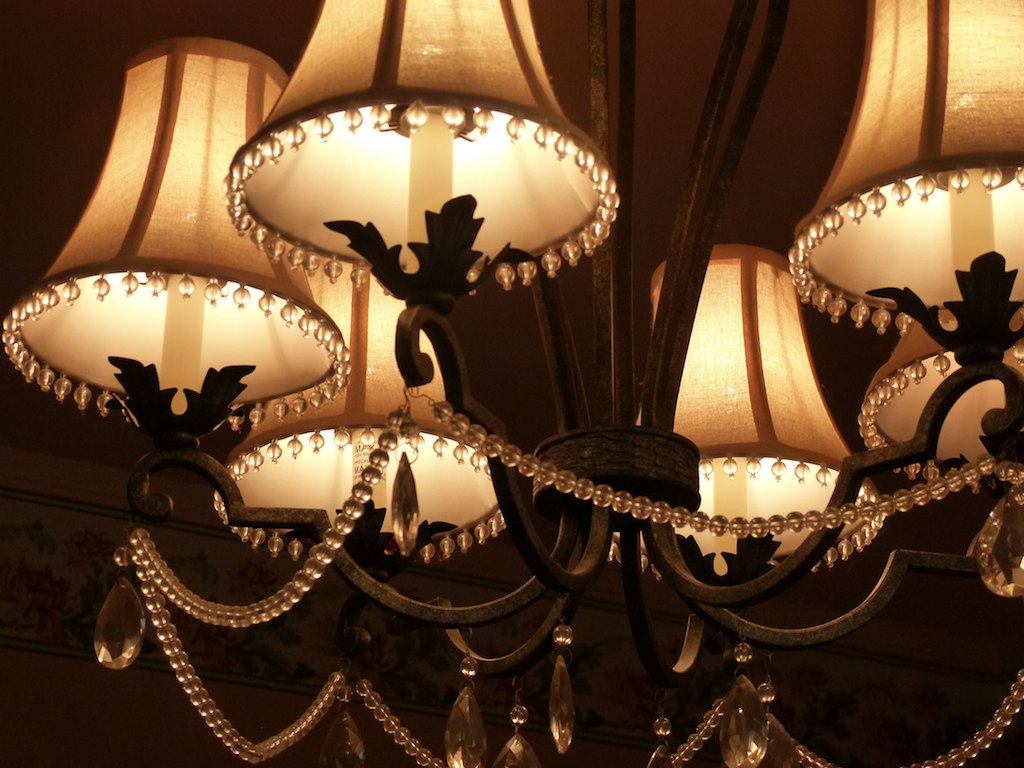
Early electricity adopters like J.P. Morgan wanted everyone to know they had this revolutionary technology. Instead of adding lampshades, wealthy families deliberately left bulbs exposed in ornate fixtures that showed off the glowing filaments.
Having electricity meant you could afford private steam-powered generators and weren’t afraid of this mysterious new energy source that made others nervous. The exposed bulbs served as conversation pieces and status markers, broadcasting technological superiority to every visitor.
Tiffany Glass Finger Bowls
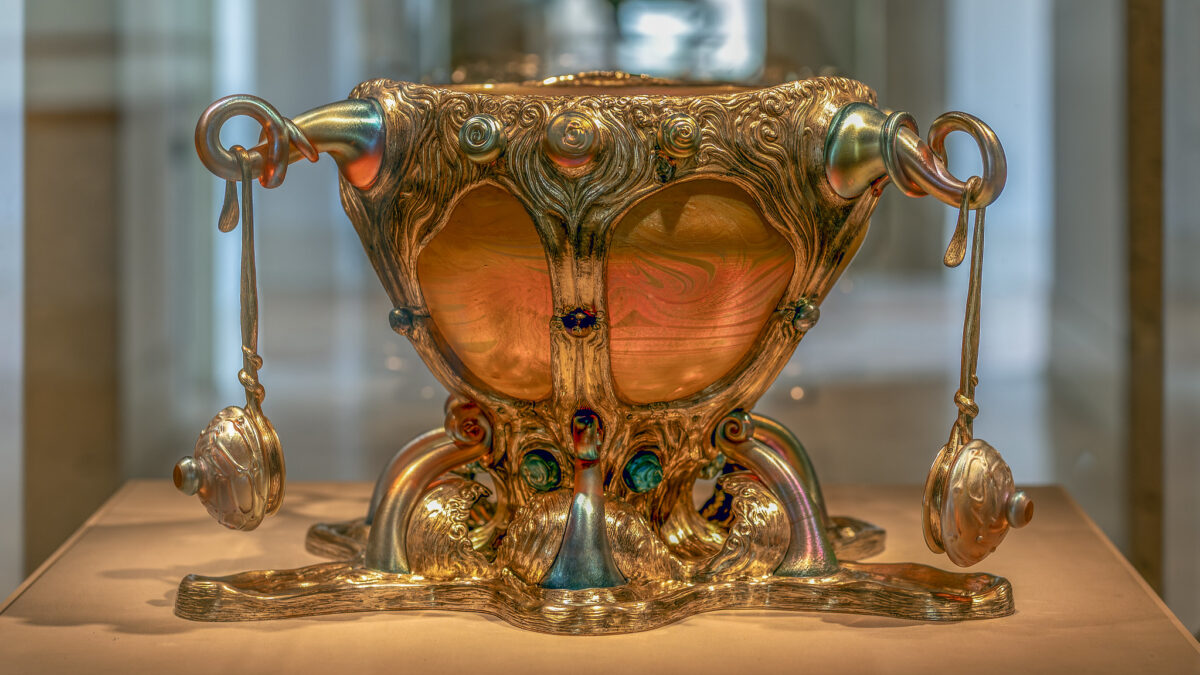
Finger bowls weren’t just practical items for rinsing your hands between courses. Wealthy families commissioned Tiffany to create silver-gilt finger bowls decorated with intricate patterns and sometimes embedded with semi-precious materials.
These small bowls could cost more than a working family earned in months. Tiffany’s Favrile glass pieces, with their distinctive iridescent finishes and organic forms, became essential elements of formal dining that demonstrated both wealth and refined taste.
Marble and Onyx Everything
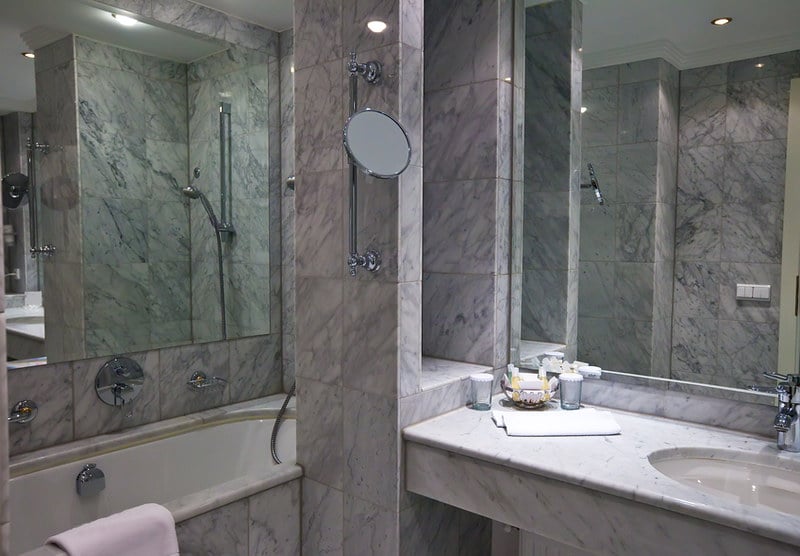
Gilded Age bathrooms featured materials that most people only saw in museums. Marble and onyx covered floors, walls, tubs, and sinks in the most luxurious homes.
Italian Statuario marble, prized for its exceptional quality and pure white color, was imported specifically for bathroom installations. The material choices weren’t about durability but about demonstrating you could afford to ship rare stone across oceans and hire craftsmen skilled enough to work with it.
Daily Fresh Flower Displays
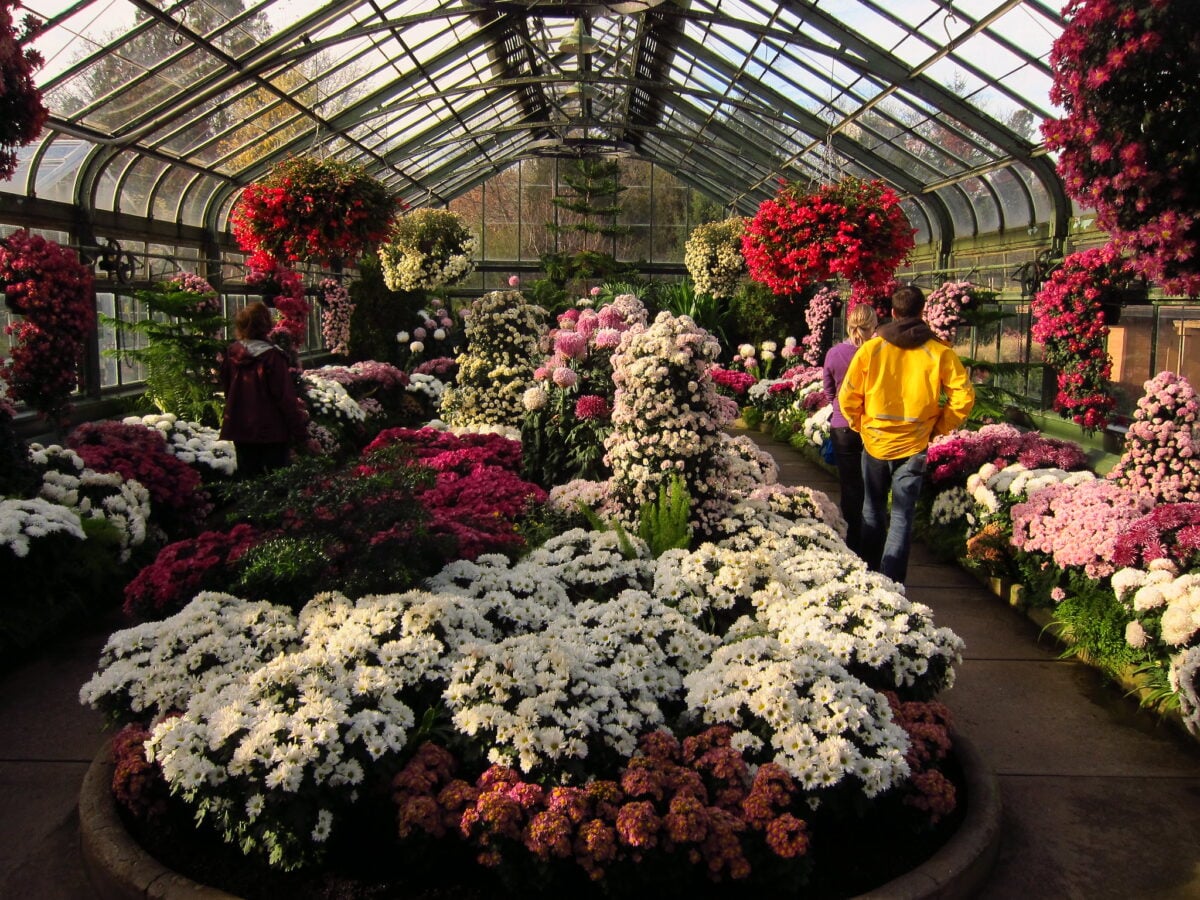
The Frick family kept 30 vases of fresh-cut flowers throughout their home on an average day, all supplied by their private greenhouse. They employed a full-time horticulturist who earned more than $2,000 annually in 1890s dollars just to arrange flowers and oversee decorations for social occasions.
The flowers weren’t occasional treats but daily necessities, replaced constantly to ensure nothing ever wilted. This level of floral excess required greenhouses, staff, and resources that transformed simple decoration into a show of overwhelming abundance.
The Legacy of Excess
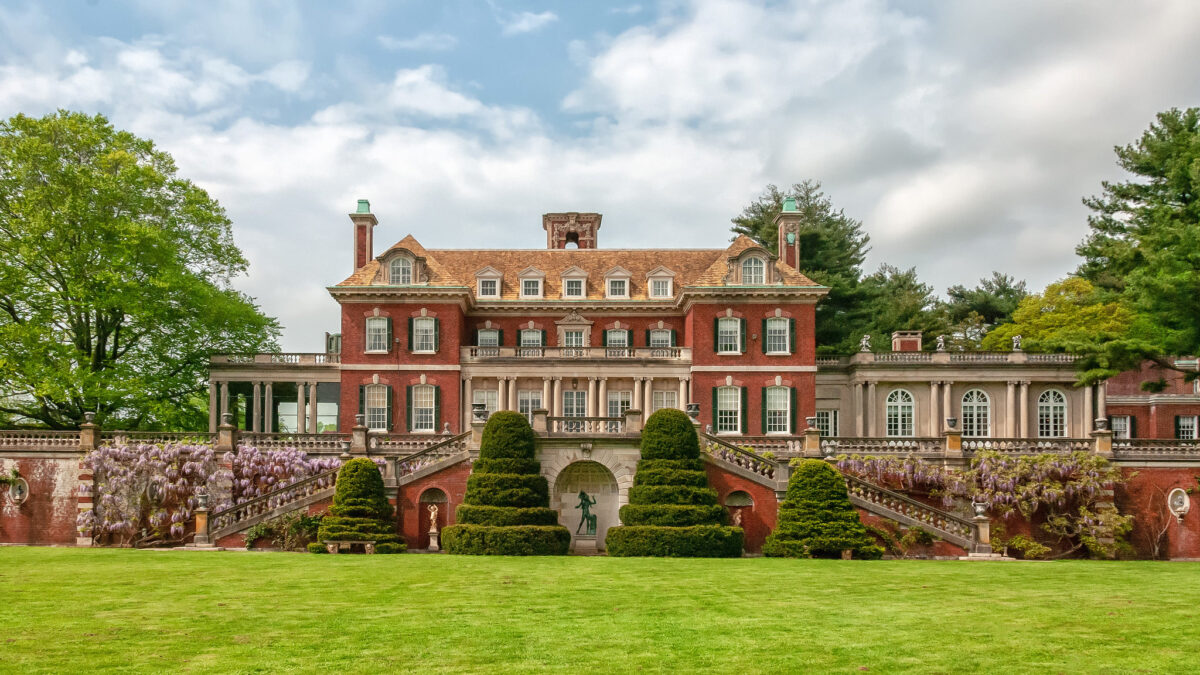
The forgotten luxury items of the Gilded Age reveal how the wealthy competed for status in an era before income taxes limited their fortunes. Today’s billionaires might own superyachts and private islands, but they rarely gold-plate their toilets or commission multiple painted portraits for different rooms.
The Gilded Age aristocracy operated under different rules, when displaying wealth wasn’t just acceptable but expected, and subtlety was for people who couldn’t afford better. Those diamond opera glasses and gold bathtubs have faded from collective memory, but they remain testaments to an era when excess itself was the ultimate luxury.
More from Go2Tutors!

- The Romanov Crown Jewels and Their Tragic Fate
- 13 Historical Mysteries That Science Still Can’t Solve
- Famous Hoaxes That Fooled the World for Years
- 15 Child Stars with Tragic Adult Lives
- 16 Famous Jewelry Pieces in History
Like Go2Tutors’s content? Follow us on MSN.