25 Lego Sets Now Selling for Hundreds
Plastic bricks were never supposed to behave like blue-chip stocks. Yet a set bought as a birthday gift in 2007 can now be worth more than a used car, provided nobody lost the minifigures.
The secondhand LEGO market runs on scarcity, nostalgia and a stubborn collector belief that a sealed box is sacred. Prices below are 2026 resale estimates, and every one of them moves sharply with condition, completeness and the state of the cardboard.
Ultimate Collector Series X-wing Fighter
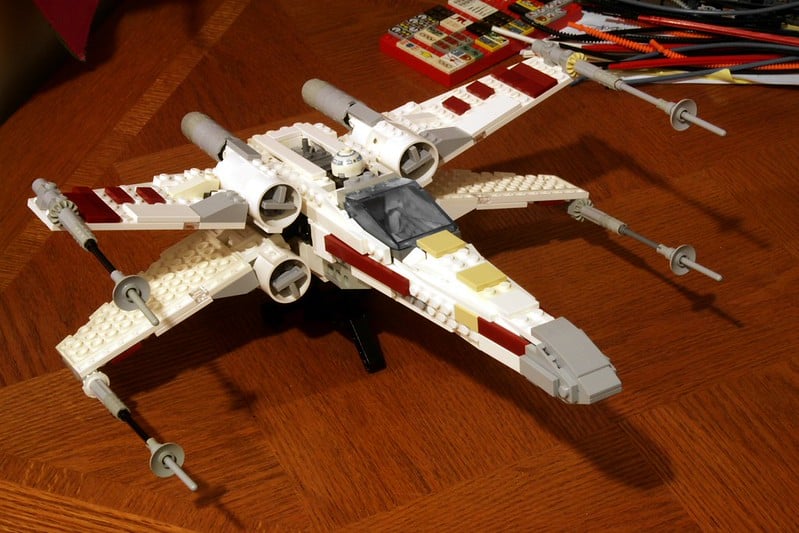
Released in 2000 as set 7191, this was among the sets that launched LEGO’s Ultimate Collector Series, a line aimed squarely at adults with shelf space. The X-wing used 1,304 pieces and was built to display scale rather than for swooshing around the living room, with wings that open into the familiar attack position.
Sealed boxes list for roughly 1,000 dollars or more today. Built and complete copies go for about 300 to 500 dollars, but the gray bricks on early sets are prone to uneven fading, and a model missing its display stand or original instructions loses a noticeable slice of that value.
Millennium Falcon From 2007
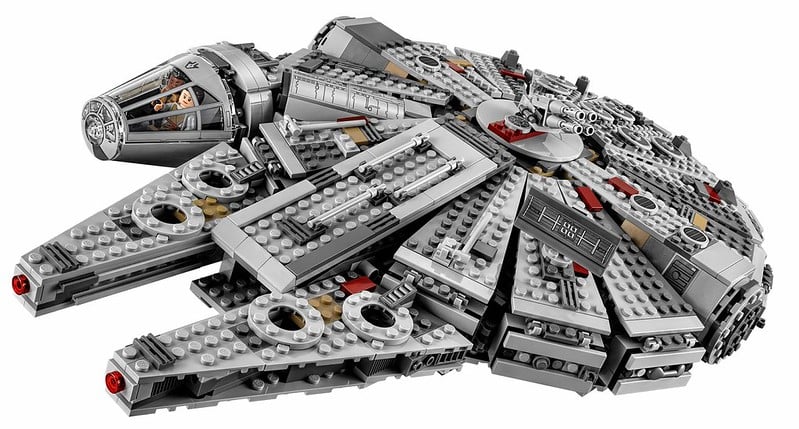
Set 10179 was a monster for its time, with 5,195 pieces and a retail price of 499.99 dollars at launch in 2007. It reigned as the largest LEGO set until the Taj Mahal arrived the following year, and it included minifigures of Han Solo, Chewbacca, Luke, Leia and Obi-Wan.
Sealed boxes list for several thousand dollars, with crisp corners and intact seals pushing the figure higher. Built and complete copies typically go for 2,500 to 4,000 dollars.
Missing minifigures or a lost instruction book drag that number down quickly, as does any yellowing on the light gray hull.
Imperial Star Destroyer With Gray Wedge
Landing in 2002, set 10030 used roughly 3,100 pieces and produced a hull longer than most coffee tables are wide. It was one of the earliest LEGO sets to pass the 3,000-piece mark and carried no minifigures at all, which surprised buyers then and still divides collectors now.
Resale runs about 1,500 to 2,000 dollars for a sealed copy with a clean, uncrushed box. Built examples usually land between 600 and 900 dollars. Sun exposure is the real enemy here, because the vast gray surfaces show discoloration plainly, and collectors inspect photos closely for mismatched panels before committing.
Death Star II Display Model
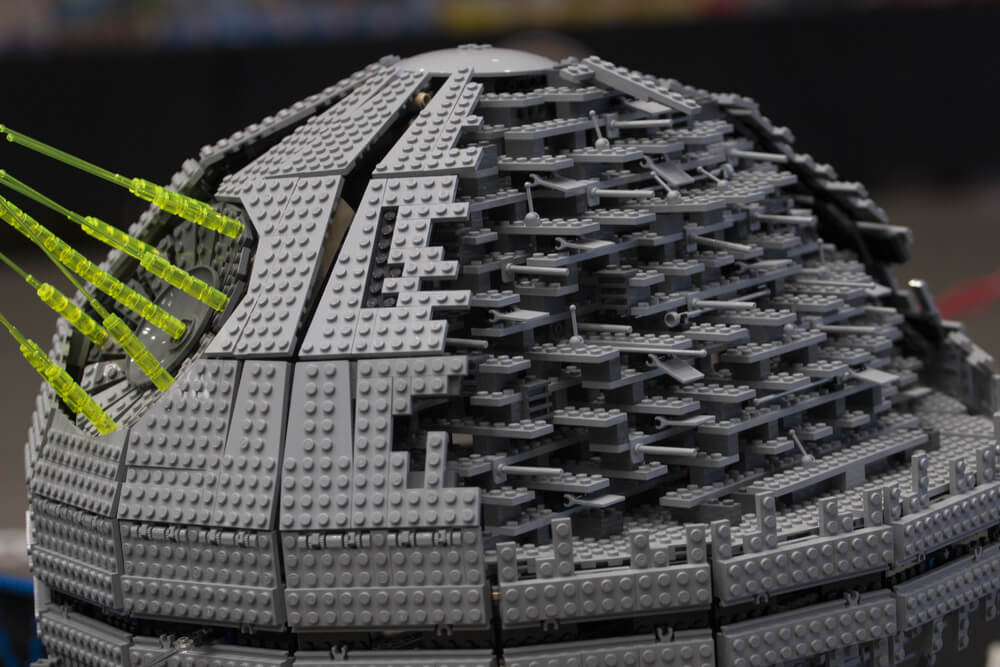
Modeled on the unfinished battle station from Return of the Jedi, set 10143 came out in 2005 with more than 3,400 pieces and a deliberately half-built sphere. Like the Star Destroyer, it shipped without a single minifigure, making it purely a display piece.
Sealed boxes list for around 1,000 to 1,500 dollars. Built and complete copies go for roughly 500 to 700 dollars, though the many exposed surface details make it a dust trap.
Collectors check carefully for snapped antennas and missing dark gray parts, because sourcing those individual pieces later adds both expense and frustration.
Rebel Blockade Runner Kit
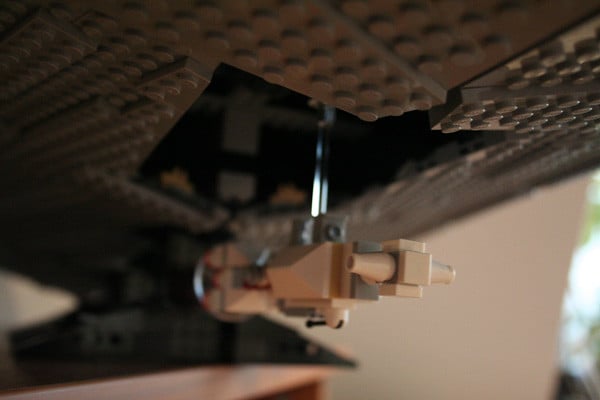
Known on screen as the Tantive IV, this ship is the very first vessel seen in the original Star Wars film, and set 10019 brought it to shelves in 2001. The kit used 1,748 pieces and is one of the scarcer early UCS releases on the secondhand market.
Resale runs about 1,000 to 1,500 dollars for sealed examples, with box wear making a big difference at that level. Opened and complete copies tend to bring 400 to 600 dollars.
Buyers often ask whether the long white hull has yellowed with age, since that discoloration is difficult to reverse without damaging the bricks.
Imperial Shuttle With Folding Wings
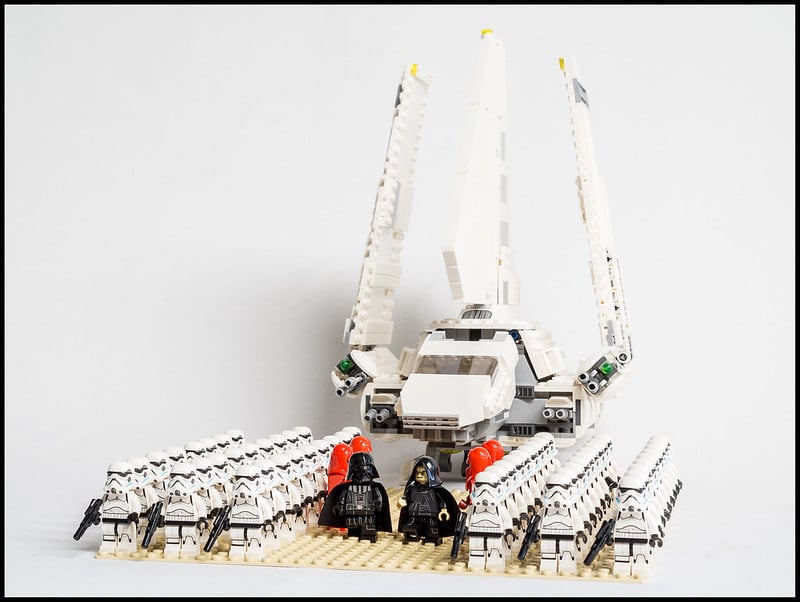
Arriving in 2010, set 10212 used 2,503 pieces and a working mechanism that folded the shuttle’s wings into landing position. Its minifigures included Darth Vader and the Emperor, which partly explains its continuing appeal.
Sealed boxes list for around 800 to 1,000 dollars. Built and complete copies go for roughly 400 dollars, sometimes more with every figure accounted for.
A stiff or broken wing joint is a common complaint, and sellers who test the folding action and photograph it in motion tend to get better offers than those who post a single static picture.
Death Star Playset From 2008
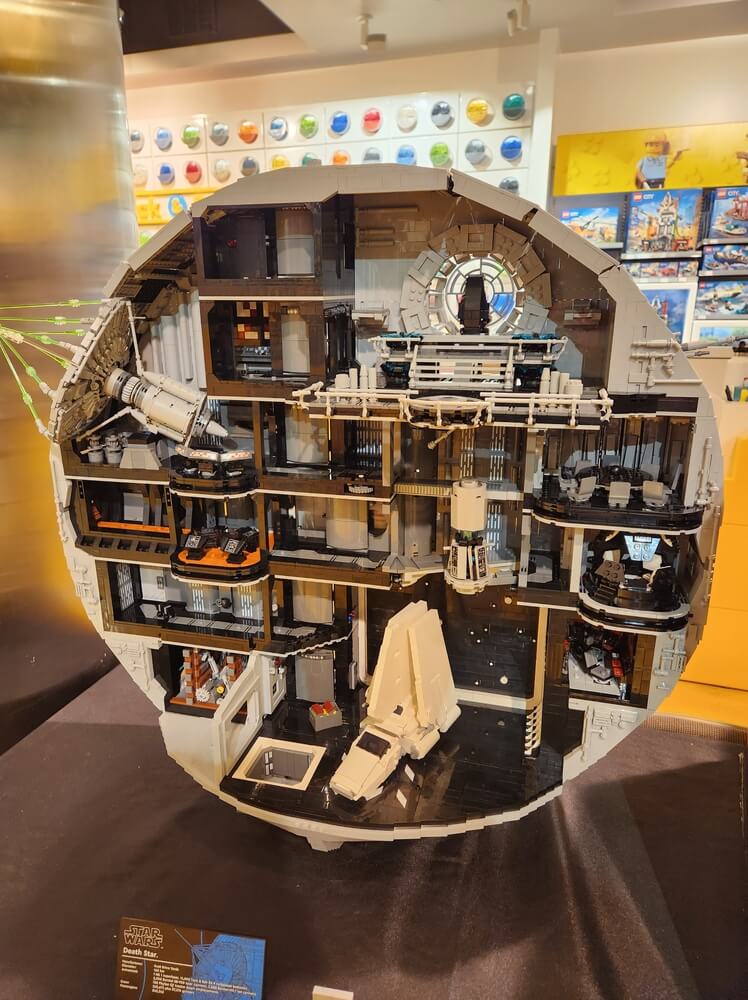
Instead of a display sculpture, set 10188 opened up like a dollhouse to reveal rooms from across the film. It packed 3,803 pieces and two dozen minifigures, including a trash compactor scene with a creature lurking in the water.
The set stayed in production for years, which kept its price grounded compared with shorter-lived releases. Resale runs about 800 dollars or more for sealed copies, while built and complete versions typically go for 400 to 500 dollars.
Missing minifigures matter most here, because several of them were exclusive to this set and are individually collectible.
Darth Maul Bust Sculpture
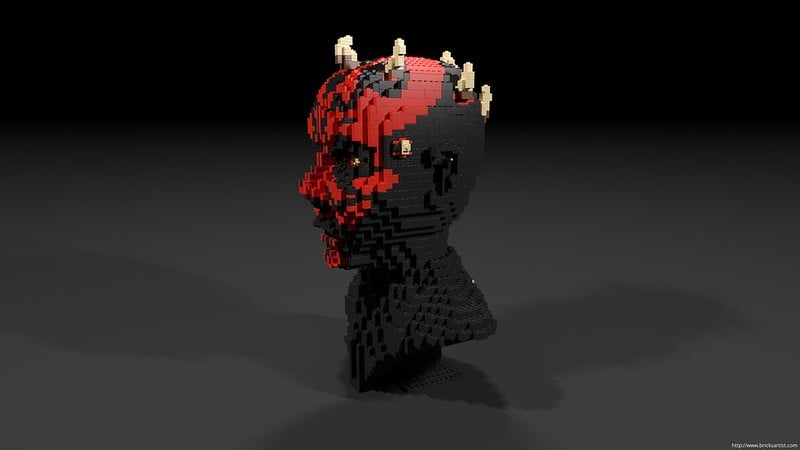
Not a ship at all, set 10018 from 2001 was a large bust of the Sith villain assembled from 1,868 pieces. It belongs to a short-lived run of big Star Wars sculptures that LEGO aimed at adult collectors in the early 2000s, a niche the company would revisit years later.
Sealed boxes list for over 1,000 dollars in strong condition. Built copies go for roughly 400 to 600 dollars.
The black and red pieces scratch and scuff easily, and a damaged crown of horns is an obvious flaw that buyers spot immediately in listing photos.
Statue of Liberty in Sand Green
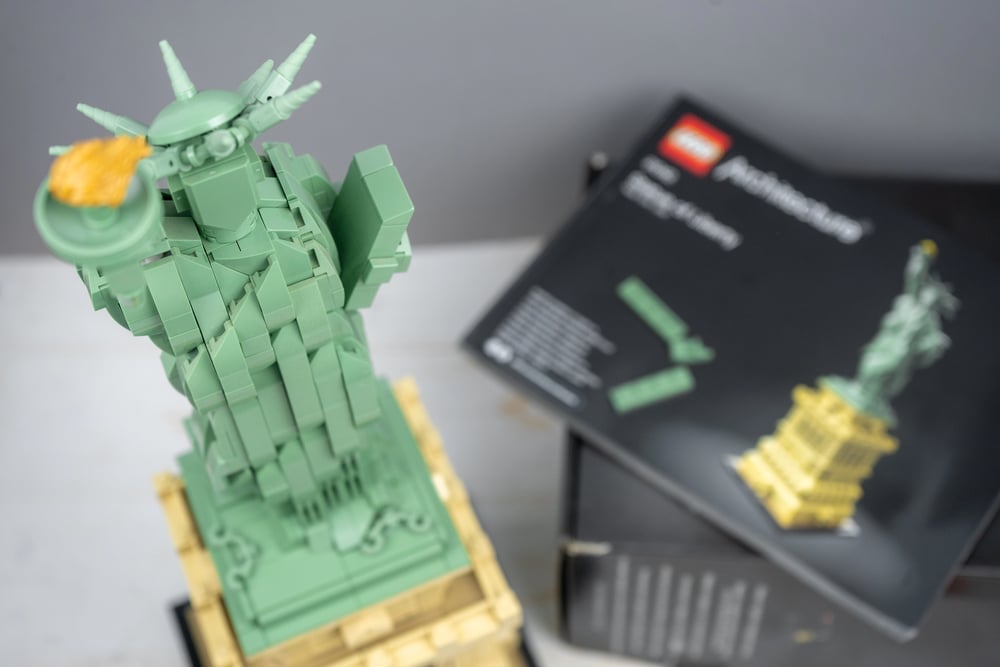
Nearly all 2,882 pieces in set 3450 came in sand green, an unusual color chosen to copy the oxidized copper of the real monument when the set appeared in 2000. LEGO later reissued the design as set 21042 in 2018, but the original still carries a premium.
Sealed boxes list for around 2,000 dollars or more. Built and complete copies go for roughly 700 to 1,000 dollars.
Collectors scrutinize color consistency, because sand green from different production runs can vary slightly in shade, and replacement bricks from later years leave the statue looking patchy.
Eiffel Tower at Over a Meter Tall
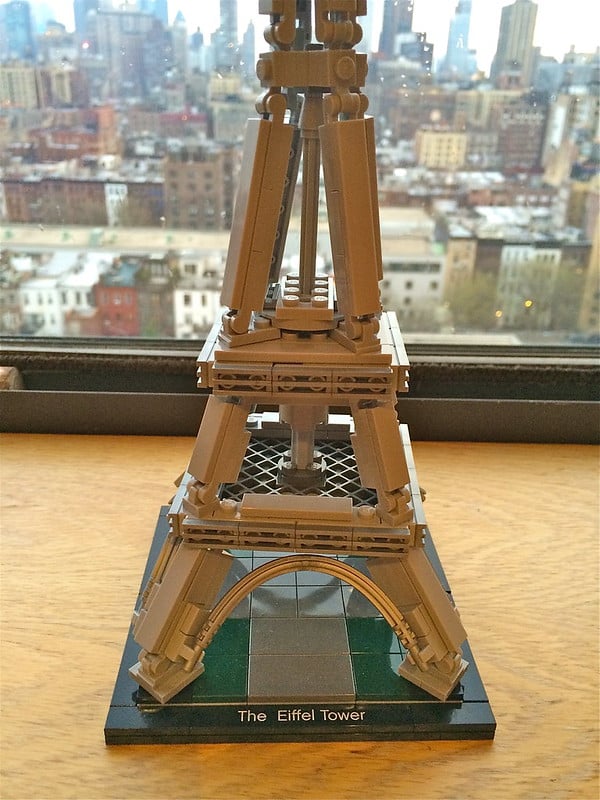
Standing about 108 centimeters tall when completed, set 10181 from 2007 used 3,428 pieces, mostly in brown and dark gray. For years it ranked among the tallest official LEGO sets ever sold.
Resale runs about 1,500 to 2,500 dollars for sealed copies with intact factory seals. Built examples usually go for around 700 dollars. Its height makes it fragile in transit, and many sellers refuse to ship it assembled.
The most important things to check are whether all four leg sections are present and whether the original instruction books came along with the bricks.
Taj Mahal Original Edition
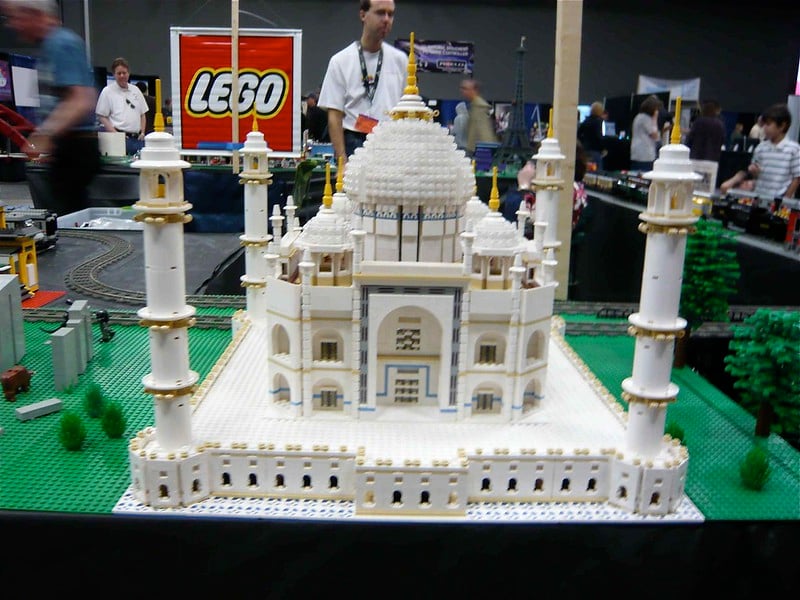
When set 10189 launched in 2008 with 5,922 pieces, it overtook the Millennium Falcon as the largest LEGO set ever produced. LEGO’s 2017 announcement of a reissue as set 10256 caused resale prices for the original to dip as speculators scrambled to sell.
Sealed boxes list for roughly 1,500 to 2,500 dollars now. Built and complete copies go for 500 to 800 dollars.
The white and tan bricks yellow unevenly under sunlight, and since the domes are so prominent, any color mismatch becomes obvious to buyers studying photos before making an offer.
Cafe Corner Modular Building
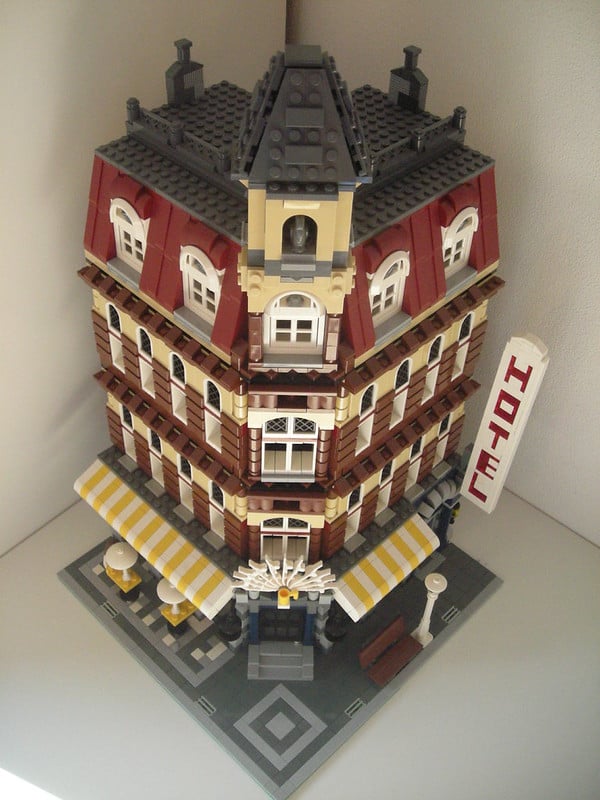
Designed by Jamie Berard, set 10182 from 2007 kicked off the long-running Modular Buildings series with 2,056 pieces. Its corner hotel layout and detailed facade established the template that later buildings followed.
Sealed boxes list for roughly 2,500 to 3,500 dollars, making it one of the more valuable non-Star Wars sets of that decade. Built and complete copies typically go for 800 to 1,200 dollars.
The interior is nearly empty compared with later modulars, but that matters less to collectors than whether the original box and every minifigure are still present.
Green Grocer Corner Store
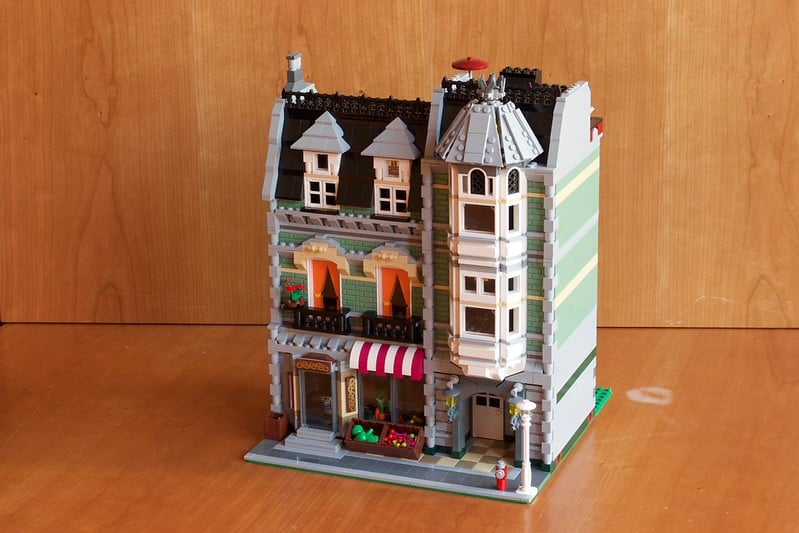
Third in the Modular series, set 10185 arrived in 2008 with 2,352 pieces and a sand green facade. Unlike Cafe Corner, it came with a furnished interior including a grocery shop and an upstairs apartment, a feature that became standard for the line.
Resale runs about 1,500 to 2,500 dollars for sealed copies, depending heavily on box creases and seal integrity. Built and complete versions go for around 700 to 900 dollars.
An unused sticker sheet and all of the original produce pieces add noticeably to a used copy’s appeal.
Market Street by a Fan Designer
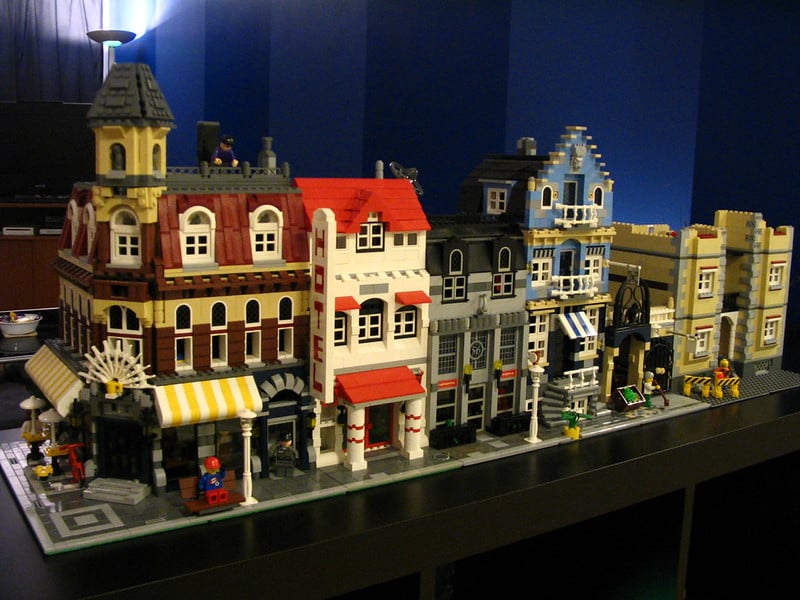
Dutch fan builder Eric Brok designed set 10190, which came out in 2007 through the LEGO Factory program, an unusual arrangement for an official set at the time. With 1,248 pieces, it was smaller than its Modular cousins and is often treated as an outlier in the series.
Sealed boxes list for roughly 1,500 dollars today. Built and complete copies go for around 500 to 700 dollars. Original packaging and instructions matter especially here, and collectors often reject copies that have been rebuilt with substitute parts in slightly different colors.
Fire Brigade in Vintage Style
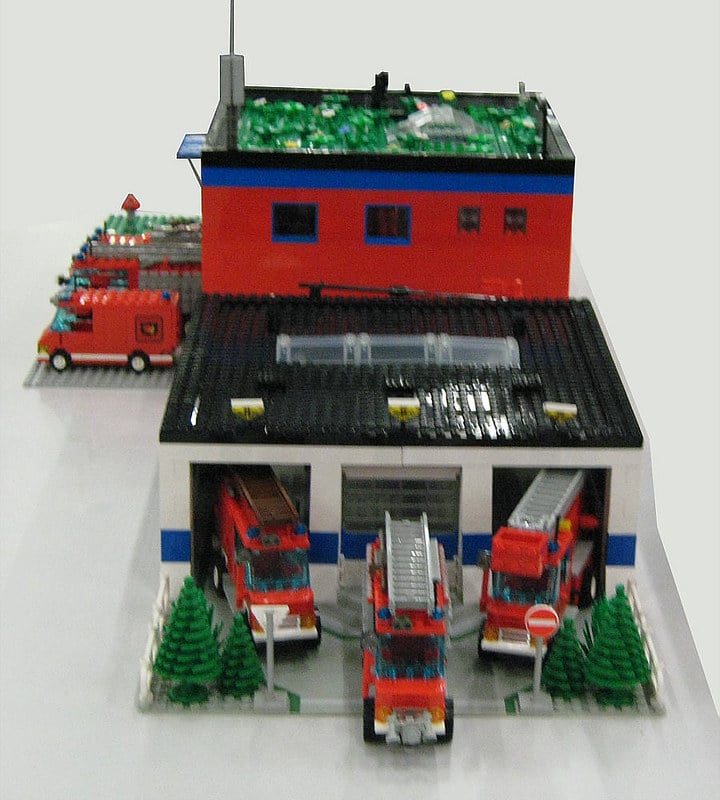
A 1930s-style firehouse joined the Modular lineup in 2009 as set 10197, with 2,231 pieces and a vintage fire truck that fit inside the garage. Its tan brick exterior and detailed bell tower made it one of the more popular entries in the series.
Resale runs about 1,000 to 1,400 dollars for sealed copies. Built and complete copies typically go for 400 to 600 dollars.
The truck is the piece most often lost or damaged, and missing firefighter minifigures sharply reduce what buyers will offer for an otherwise complete building.
Grand Emporium Department Store
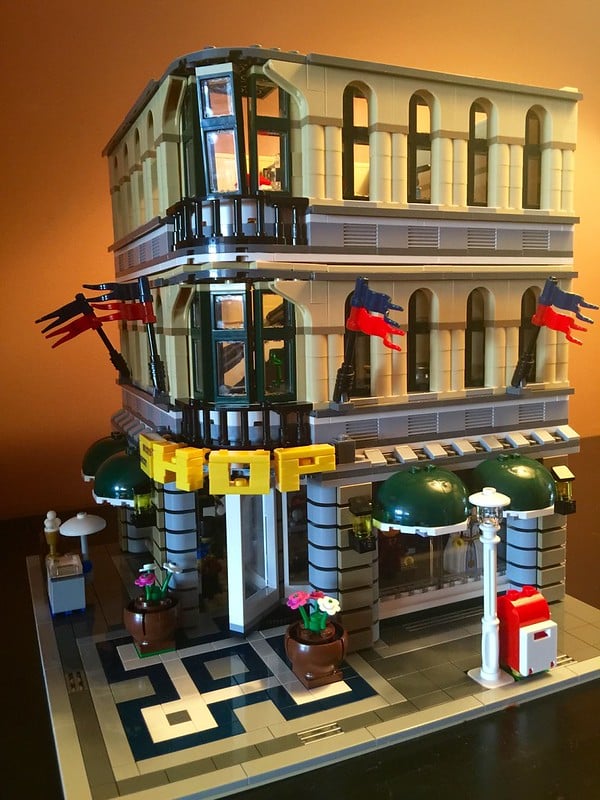
Three floors of shopping, an escalator and glass display windows defined set 10211 when it arrived in 2010 with 2,182 pieces. It became a fan favorite partly for its window washer minifigure perched on a platform outside the facade.
Sealed boxes list for around 600 to 900 dollars. Built and complete copies go for roughly 300 to 400 dollars.
Transparent window pieces scratch easily, and cloudy or scuffed glass is a common complaint, so sellers who photograph the windows clearly and note any marks tend to avoid disputes after the sale.
Grand Carousel With Motor and Music
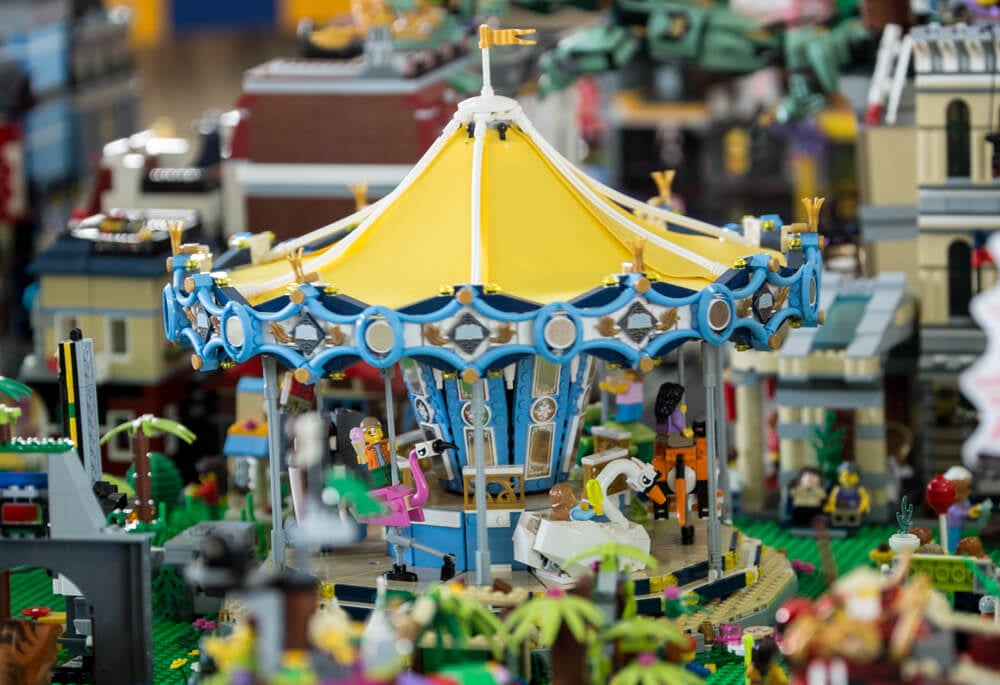
Powered by a Power Functions motor, set 10196 from 2009 turned its carousel while the horses rose and fell, all built from 3,263 pieces. It originally retailed for about 250 dollars, a figure that looks quaint today.
Built and complete copies go for roughly 1,000 dollars or more, while sealed boxes list for 2,500 to 3,500 dollars. Working order is the main question, since a dead motor or stripped gears turn a moving display into a static model.
Buyers also check that the canopy fabric is clean and that every horse is present.
Emerald Night Steam Locomotive
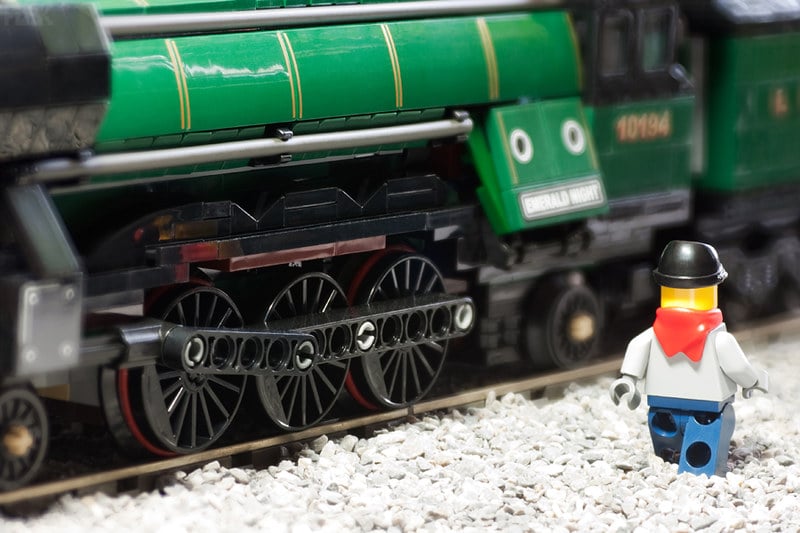
Inspired by classic express steam engines, set 10194 from 2009 was a large green locomotive with 1,085 pieces. It was compatible with Power Functions motors, letting owners run it on LEGO track rather than leaving it parked on a shelf.
Resale runs about 500 to 800 dollars for sealed copies. Built and complete versions usually go for 250 to 400 dollars.
Collectors check that the large driving wheels are intact and that the dark green bricks have not faded unevenly, since the long boiler shows any color difference plainly in good light.
Airport Shuttle Monorail System

Elevated track looping through a small airport terminal gave set 6399 from 1990 its appeal, with a nine-volt motor pulling the shuttle around the circuit. The specialized monorail track appeared in only a handful of sets, which makes complete copies hard to find.
Sealed boxes list for around 1,500 to 2,500 dollars. Built and complete copies go for roughly 300 to 600 dollars. The motor is the key concern, since replacing a dead one is expensive, and missing or cracked track sections can turn a nearly finished layout into a frustrating hunt through online parts marketplaces.
Futuron Monorail Transport System

Part of the Space line, set 6990 arrived in 1994 with a monorail running on the same specialized track used in the airport set. Its blue and transparent yellow color scheme gave it a distinct look among early 1990s space sets.
Resale runs about 1,500 dollars or more for sealed copies. Built and complete copies go for roughly 400 to 700 dollars.
The battery box and motor need to work, and collectors often ask for video evidence that the train moves smoothly around the full loop before agreeing to a price with the seller.
Yellow Castle From the Late Seventies
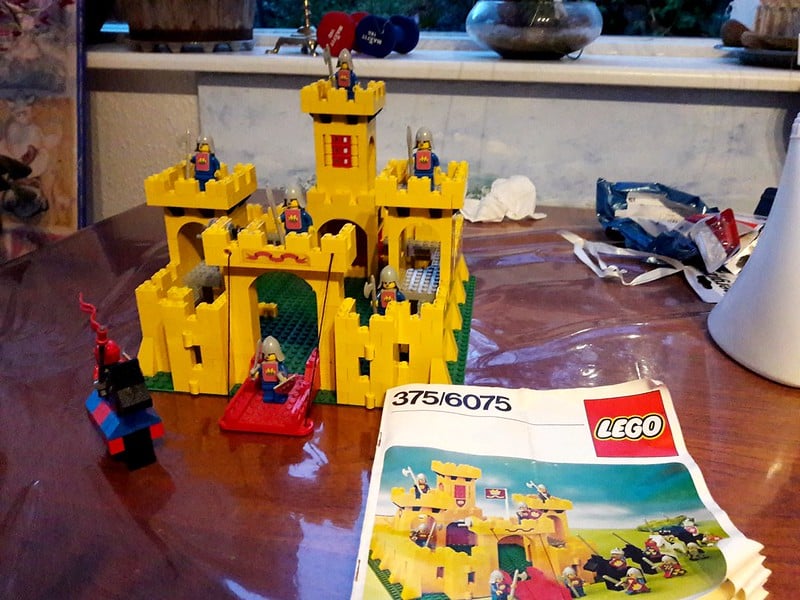
Often described as the first true LEGO castle set, set 375 debuted in 1978 and was also sold in some markets as set 6075. The bright yellow walls look odd to modern eyes but helped define the castle theme for decades afterward.
Built and complete copies go for roughly 200 to 500 dollars, depending on how much the yellow has faded. Sealed boxes are extremely scarce and can bring thousands.
Knights and horses are the parts most often missing, and collectors check carefully for broken drawbridge parts and the small chain links that were easy to lose.
Black Seas Barracuda Pirate Ship
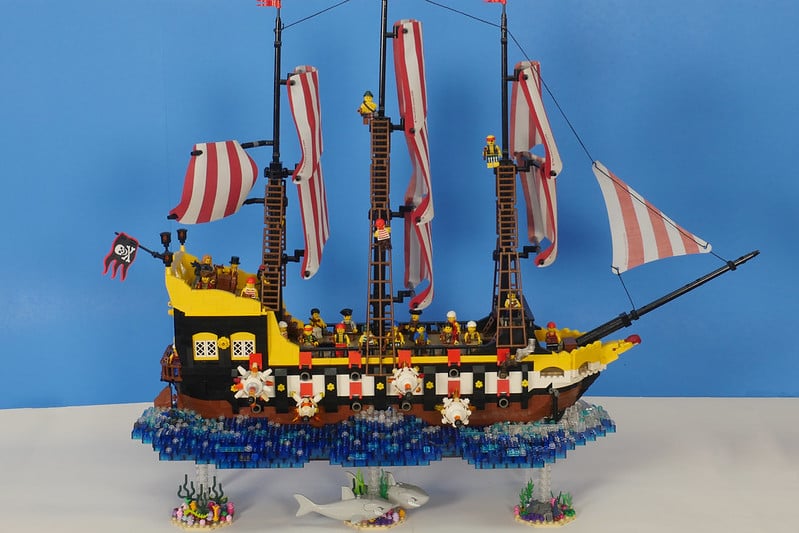
Sailing into stores in 1989 as one of the flagship Pirates sets, set 6285 featured a large hull and black sails. LEGO later reissued it as set 10040 in 2002, but the original remains more desirable among collectors.
Sealed boxes list for around 1,500 dollars. Built and complete copies go for roughly 300 to 500 dollars. Torn or missing sails are a common flaw, and the hull pieces can crack at stress points.
Sellers who include every cannon, the treasure chest and the full pirate crew draw much stronger offers than those with partial sets.
Eldorado Fortress Island Base

Imperial soldiers got a fortified island outpost with stone walls and a dock in set 6276 from 1989. It paired naturally with the Black Seas Barracuda for staged battles and remains a nostalgic favorite with collectors who grew up with the Pirates theme.
Resale runs about 1,500 dollars for sealed examples. Built and complete copies typically go for 300 to 500 dollars. The large baseplate sections can warp, and buyers check that the walls fit together properly.
Missing soldier minifigures and the small rowboat are among the most common gaps in used copies.
Technic Super Car With Steering
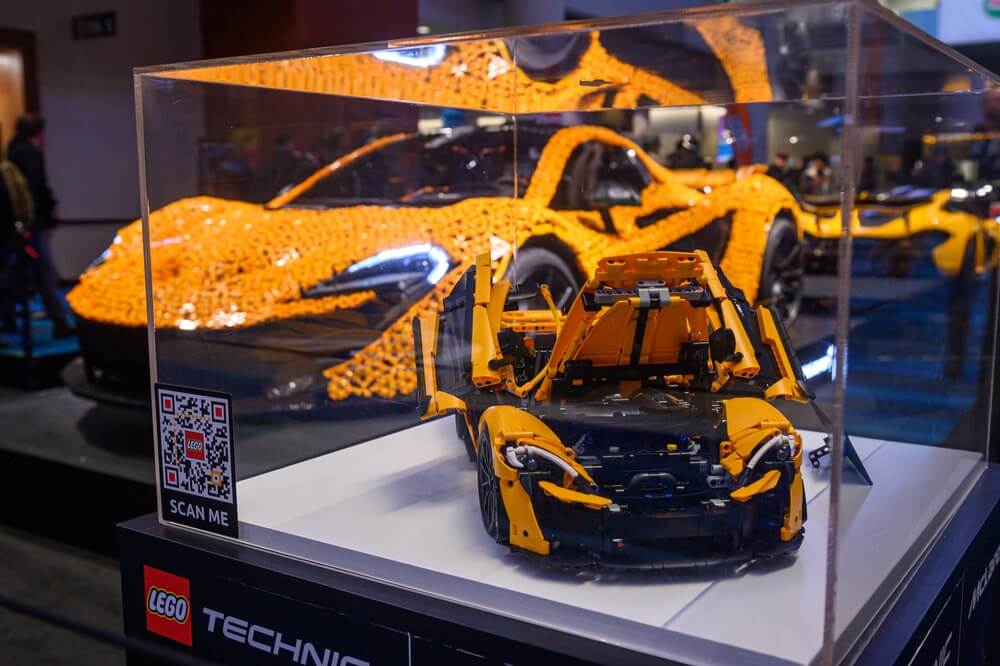
Many builders consider set 8880 from 1994 the high point of 1990s Technic engineering. Its 1,343 pieces delivered four-wheel steering, four-wheel drive, a V8 engine with moving pistons and a working gearbox, all packed into a sleek red frame. Sealed boxes list for over 1,000 dollars.
Built and complete copies go for roughly 250 to 400 dollars. Worn or broken gears are the usual problem, and collectors test every function before buying, since a seized gearbox or loose steering linkage can turn an impressive model into a frustrating repair project.
Town Plan Anniversary Edition
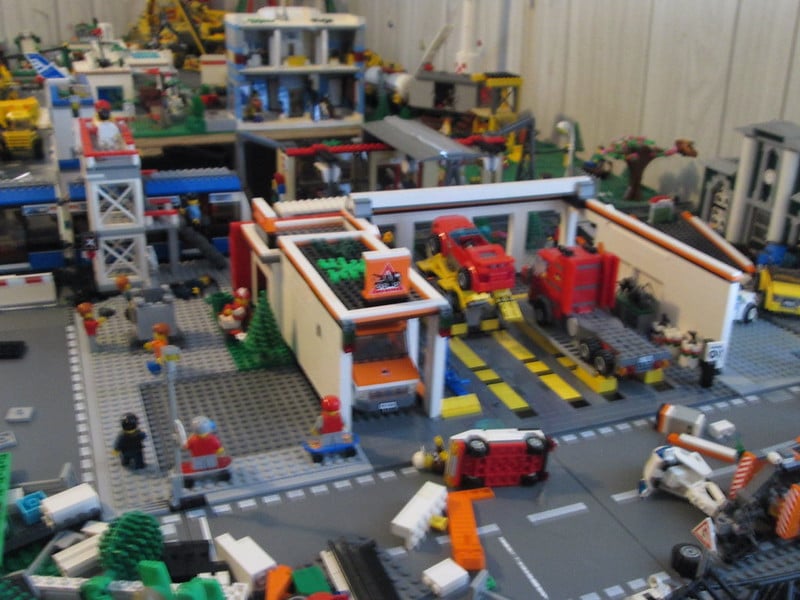
Celebrating the 50th anniversary of the LEGO brick patent, set 10184 came out in 2008 with 1,981 pieces and a nostalgic design based on the company’s early Town Plan sets. It included a gas station, a cinema and a commemorative booklet on LEGO history.
Resale runs about 400 to 600 dollars for sealed copies. Built and complete versions go for roughly 200 to 300 dollars. The booklet and original box matter more than usual here, since the set’s appeal is partly historical, and missing printed pieces can be difficult to replace.
Bricks That Outgrew the Toy Box
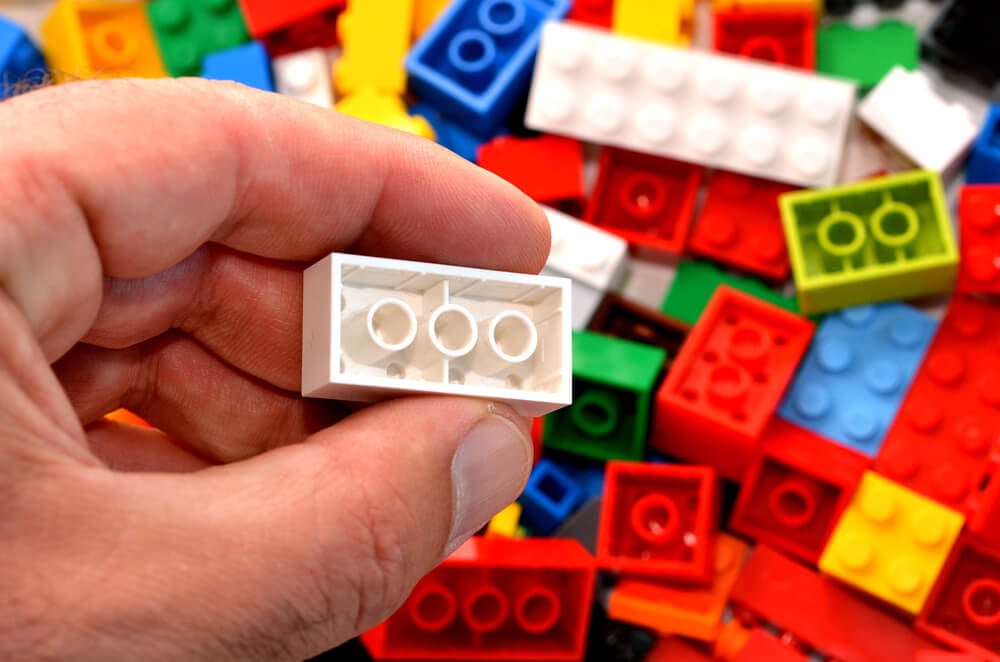
Every set on this list was once ordinary merchandise sitting on a store shelf. The difference between a 300-dollar used copy and a 3,000-dollar sealed one often comes down to whether someone resisted the urge to open the box.
That tension sits at the center of LEGO collecting.
Collectors now treat retirement announcements the way investors treat earnings reports. Some sets fall after reissues, while others climb steadily for decades.
The safest prediction is that whatever seems common on shelves today will look scarce soon enough.
More from Go2Tutors!

- The Romanov Crown Jewels and Their Tragic Fate
- 13 Historical Mysteries That Science Still Can’t Solve
- Famous Hoaxes That Fooled the World for Years
- 15 Child Stars with Tragic Adult Lives
- 16 Famous Jewelry Pieces in History
Like Go2Tutors’s content? Follow us on MSN.