15 Shark Tank Deals That Paid Off
The Tank has seen its share of wild pitches, awkward moments, and flat-out disasters. But for every entrepreneur who walked away empty-handed, there are others who turned a few minutes in front of the Sharks into multi-million dollar empires.
These success stories prove that sometimes all it takes is the right investor, the right timing, and a product people actually want.From cleaning sponges to doorbell cameras, the most profitable deals often came from the most unexpected places.
Here are 15 Shark Tank deals that didn’t just pay off—they absolutely crushed it.
Bombas

Randy Goldberg and David Heath walked into the Tank asking for $200,000 for 5% of their sock company, but Daymond John countered with an offer for $200,000 for 17.5%, a deal the founders accepted. The company built its business around donating one pair of socks to homeless shelters for every pair sold, which initially made some Sharks skeptical about profit margins.
Today, Bombas has generated over $1 billion in lifetime revenue and donated more than 100 million pairs of socks to those in need.
Scrub Daddy

Aaron Krause’s smiley-faced cleaning sponge looked like a novelty item, but Lori Greiner saw the genius behind its temperature-responsive material. She invested $200,000 for 20% equity, doubling what Krause originally asked for.
The product changes texture based on water temperature—firm in cold water for scrubbing, soft in warm water for wiping. Scrub Daddy has since earned over $1 billion in lifetime sales and expanded into 48 different cleaning products sold across 49 countries.
Ring
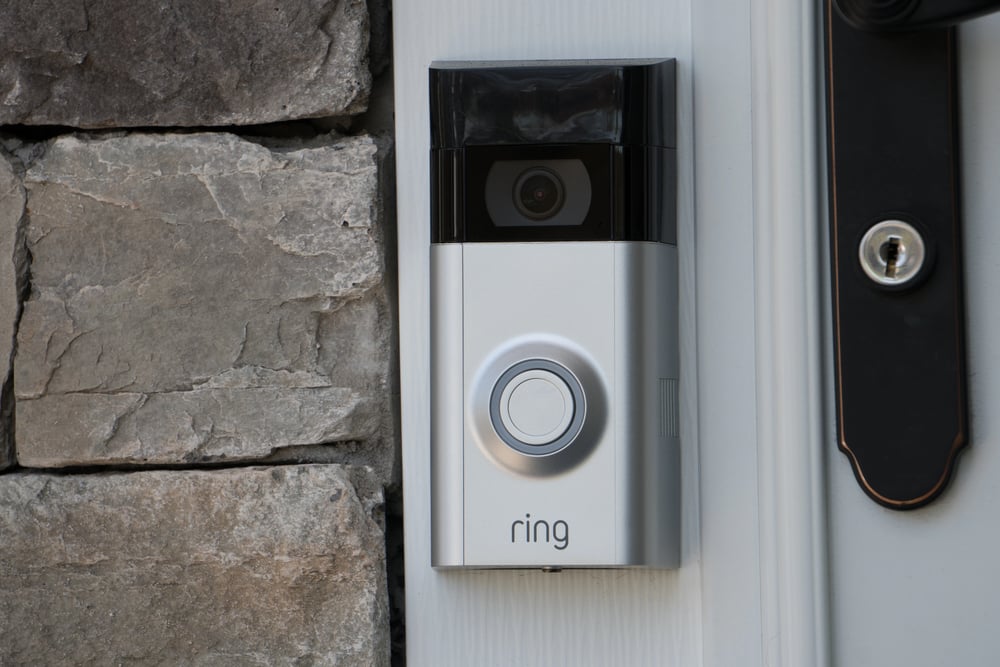
Jamie Siminoff’s DoorBot pitch didn’t go according to plan—he actually left the Tank without a deal after his device malfunctioned during the demonstration. Kevin O’Leary made an offer, but Siminoff turned it down because he wanted a lower equity percentage.
The company rebranded as Ring and continued growing, eventually catching Amazon’s attention. Amazon acquired the company for over $1 billion in 2018, about four and a half years after Siminoff’s 2013 Tank appearance.
Squatty Potty

Bobby Edwards pitched his bathroom footstool with a straight face, asking for $350,000 for 5% equity. Lori Greiner invested the full amount for 10% after recognizing the product’s potential to improve people’s bathroom experience through better posture.
The company achieved $164 million in total lifetime sales by 2021, when it was acquired by a publicly traded company at an annual revenue of approximately $16.8 million. Sometimes the most awkward products make the most money, and this toilet accessory proved that point perfectly.
Simply Fit Board

Linda Clark and Gloria Hoffman demonstrated their balance board workout device, and Lori Greiner immediately saw the home fitness potential. She invested $125,000 for 20% equity in the wobble board that promised a fun way to exercise.
The product generated approximately $125 million in lifetime sales thanks to its appeal to people who wanted to work out at home without complicated equipment. The simple design and effective marketing turned a basic balance board into a fitness phenomenon.
The Comfy

Brothers Brian and Michael Speciale pitched their oversized hoodie blanket for $50,000 and 20% equity. Barbara Corcoran invested the money for exactly that percentage, recognizing that comfort products often have broad appeal.
The wearable blanket became a sensation, generating over $150 million in revenue since the show. The product hit the sweet spot between loungewear and blankets, creating a whole new category that other companies have tried to copy.
Tipsy Elves

Evan Mendelsohn and Nick Morton brought their ugly Christmas sweater company to the Tank seeking $100,000 for 5% equity. Robert Herjavec invested the money for 10%, seeing potential in their holiday-themed apparel business.
The company has since expanded beyond Christmas sweaters to year-round novelty clothing and generated over $125 million in sales as of 2024. Their timing was perfect as ugly sweater parties became a holiday tradition across America.
Groovebook

Brian and Julie Whiteman created an app that let users order physical photo books of their smartphone pictures. Mark Cuban and Kevin O’Leary invested $150,000 for 80% of the licensing rights, which seemed like a steep price at the time.
Shutterfly acquired the company for an undisclosed amount that made the Sharks’ investment look brilliant. The deal showed how digital photo services could still have a physical component that people valued.
Copa Di Vino

James Martin pitched his single-serving wine glasses with built-in wine portions twice on Shark Tank, but famously walked away without a deal both times. Despite receiving offers from multiple Sharks, Martin refused to split his business or cede control.
However, Martin’s gamble paid off—the massive TV exposure helped him secure over $4 million in private investments, and Splash Beverage Group eventually acquired Copa Di Vino for $5.98 million in 2021.
Cousins Maine Lobster
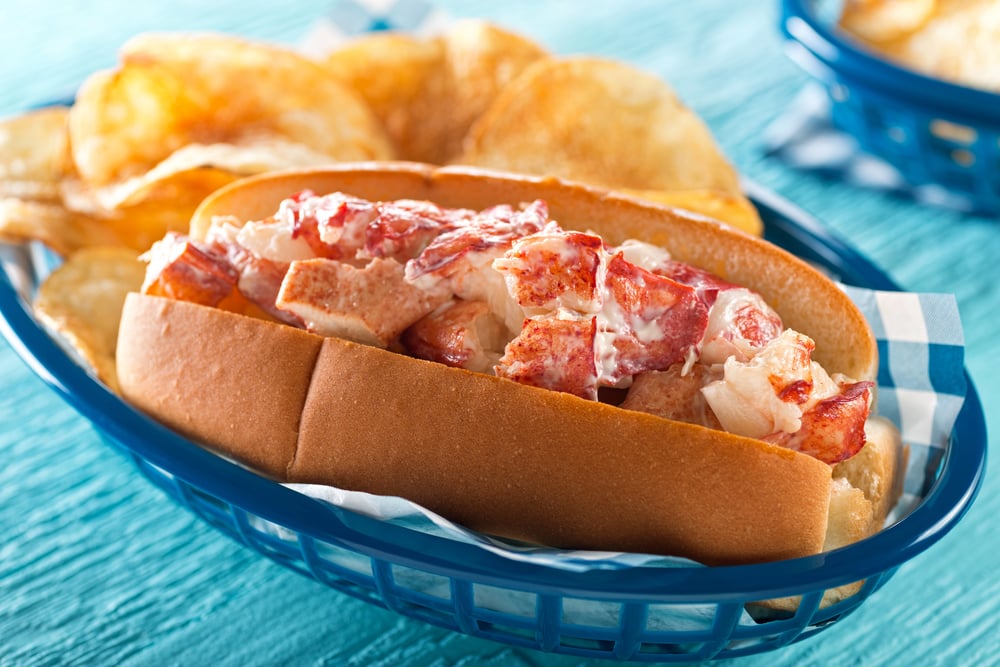
Jim Tselikis and Sabin Lomac brought their lobster roll food truck concept to the Tank, seeking $55,000 for 5% equity. Barbara Corcoran invested the money for 15%, believing in their authentic Maine lobster approach.
The business has expanded to over 60 food trucks and brick-and-mortar locations across the country, generating millions in annual revenue. Their success helped prove that food trucks could scale into legitimate restaurant chains.
Drop Stop

Marc Newburger and Jeffrey Simon demonstrated their car seat gap filler that prevents items from falling between seats. Lori Greiner invested $300,000 for 20% equity, seeing the universal appeal of solving an annoying everyday problem.
The simple foam device has generated over $30 million in lifetime sales because nearly every car owner can relate to losing things in that gap. Sometimes the most obvious problems make for the best business opportunities.
Readerest

Rick Hopper created magnetic eyeglass holders that clip to shirts, solving the problem of where to put reading glasses when not in use. Lori Greiner invested $150,000 for 50% equity and a share of the profits, recognizing the large market of glasses wearers who deal with this daily annoyance.
The product has sold millions of units and generated substantial returns for both the inventor and Greiner. The simple magnetic solution appealed to anyone who’s ever lost or broken their glasses.
Tower Paddle Boards

Stephan Aarstol pitched his direct-to-consumer paddle board business, asking for $150,000 for 10% equity. Mark Cuban invested the money for 30%, believing in the company’s online sales model and quality products.
The business has generated over $30 million in sales by cutting out retail middlemen and selling directly to customers. Their success helped validate the direct-to-consumer model that many other companies have since adopted.
Wicked Good Cupcakes

Tracey Noonan and Dani Vilagie brought their cupcakes-in-a-jar concept to the Tank, seeking $75,000 for 20% equity. Kevin O’Leary invested the money for 50.1% equity, seeing potential in their shipping-friendly packaging innovation.
The business grew to multiple locations and generated millions in revenue by solving the problem of shipping delicate baked goods safely across the country. Their success caught the attention of Hickory Farms, which acquired the company in 2021, proving that innovative packaging can transform a local bakery into a national brand.
PhoneSoap

Dan Barnes pitched his phone sanitizing device that uses UV light to kill germs on smartphones. Lori Greiner invested $300,000 for 10% equity, recognizing that people’s concern about phone hygiene would only grow.
The company has generated over $100 million in lifetime sales, and the COVID-19 pandemic significantly boosted demand for sanitization products. Their timing proved prescient as health consciousness became a major consumer priority.
The Sweet Success That Followed

These 15 deals prove that the Tank’s magic isn’t just about the money—it’s about finding the right Shark who believes in your vision and has the connections to make it reality. From billion-dollar acquisitions to steady multi-million dollar businesses, these entrepreneurs turned brief TV appearances into lasting legacies.
The best deals often came from solving simple, everyday problems that millions of people could immediately understand and appreciate.
More from Go2Tutors!

- The Romanov Crown Jewels and Their Tragic Fate
- 13 Historical Mysteries That Science Still Can’t Solve
- Famous Hoaxes That Fooled the World for Years
- 15 Child Stars with Tragic Adult Lives
- 16 Famous Jewelry Pieces in History
Like Go2Tutors’s content? Follow us on MSN.



