Games played by Vikings that were brutal
The Vikings weren’t just fierce warriors and skilled sailors. When they weren’t raiding or exploring, they found ways to entertain themselves that often looked more like combat training than fun.
Their games ranged from violent competitions that left people injured to tests of strength that could turn deadly in seconds. These weren’t the kind of activities anyone would find at a modern family picnic.
Here are some of the most intense and dangerous games that Vikings played for entertainment. Be warned, these activities make modern extreme sports look tame by comparison.
Glima wrestling

Vikings practiced a form of wrestling called glima that involved grabbing opponents by their belts or special harnesses and throwing them to the ground. Fighters tried to make their opponents lose balance using trips, sweeps, and quick footwork.
The goal was to force the other person onto their back or make them touch the ground with anything other than their feet. Matches could get rough, and broken bones weren’t uncommon when someone landed awkwardly.
The sport tested both technique and raw power, with the best wrestlers earning serious respect in their communities.
Knattleikr

This Viking game resembled a violent mix of hockey, lacrosse, and rugby played with a hard wooden stick and a small hard object that might have been made of wood or bone. Teams competed on a field, and the rules seemed to allow almost any level of physical contact to stop opponents.
Historical accounts mention players getting seriously hurt during matches, and some games apparently ended with deaths. The sport was so popular that sagas frequently mentioned skilled knattleikr players as notable figures in their communities.
Playing this game well could earn someone fame similar to modern professional athletes.
Tug of war over fire pits

Vikings took the classic tug of war game and added a terrifying twist by placing fire pits between the two teams. Competitors grabbed a rope and pulled, trying to drag their opponents into the flames or hot coals in the middle.
The losing team faced burns, and even the winners often ended up with rope burns and strained muscles. This game tested not just strength but also the willingness to hold on even when the situation got dangerous.
Anyone who let go too early brought shame to their team, so players often held on longer than was smart.
Skin pulling contests

Two Vikings would sit facing each other with a wet piece of animal skin stretched between them, each holding one end. They pulled as hard as they could until someone’s grip failed or the skin tore.
The wet hide became slippery, making it harder to maintain a grip as the contest went on. These competitions could last a surprisingly long time when two evenly matched opponents competed.
Winners earned bragging rights, while losers nursed sore hands and wounded pride for days afterward.
Swimming competitions in icy water
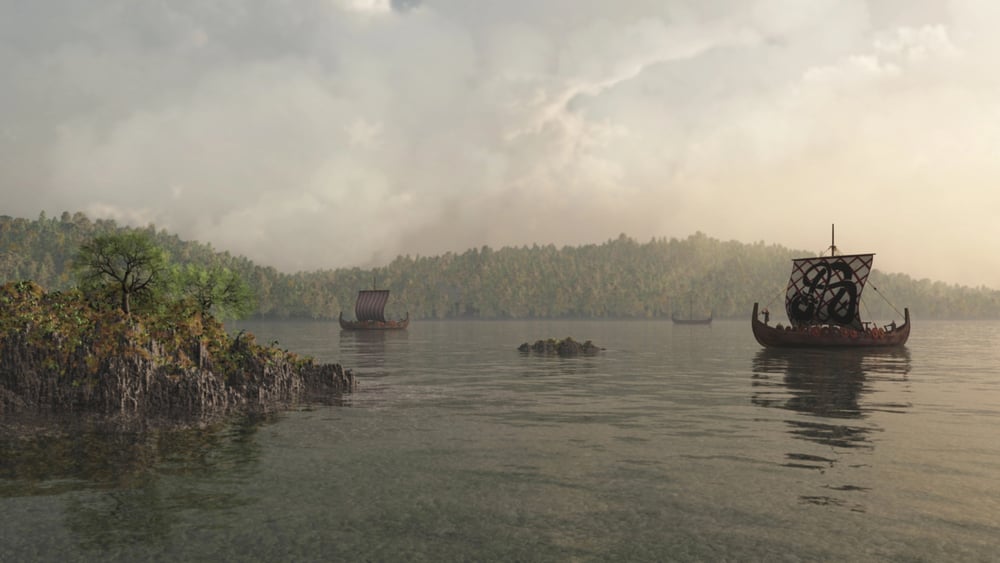
Vikings held swimming races in freezing cold rivers, lakes, and even the ocean during winter months. Competitors had to swim specific distances while fighting against cold water that could cause hypothermia in minutes.
Some contests involved swimming while fully clothed or even wearing light armor to make things harder. The combination of cold water and exhaustion meant these races carried real risks, and not everyone made it to the finish line.
Vikings saw this as preparation for the possibility of ending up in cold water during sea voyages.
Horse fighting

Vikings brought stallions together and encouraged them to fight each other while spectators watched and placed bets. Owners used sticks to goad their animals into attacking, and the fights continued until one horse fled or became too injured to continue.
These contests often turned into human brawls when owners disagreed about the outcome or felt their horse was being treated unfairly. The sport was eventually banned in Iceland after too many fights between humans erupted at these events.
Despite the ban, some Vikings continued the practice in secret because the betting was too profitable to give up.
Stone lifting challenges
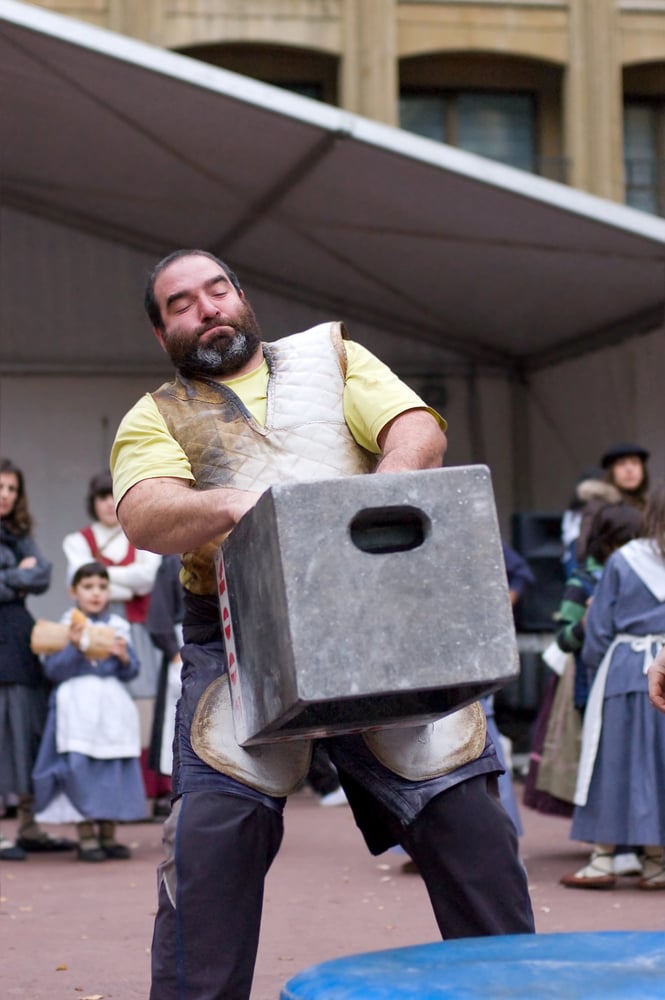
Vikings competed to see who could lift the heaviest stones, some weighing several hundred pounds. Special lifting stones still exist in Iceland and Scandinavia, with different stones marked for different levels of strength.
Attempting to lift these massive rocks could cause serious back injuries, hernias, or crushed feet if someone dropped the stone. Only the strongest men even attempted the largest stones, and lifting one earned a reputation that lasted for years.
This test of pure strength had no technique involved, just raw power and the willingness to risk injury.
Spear throwing at shields

Competitors took turns throwing spears at shields held by other people, testing both the thrower’s accuracy and the shield holder’s nerve. The person holding the shield had to stand perfectly still while a spear flew toward them, trusting that the thrower had good aim.
Accidents happened, and sometimes the shield didn’t stop the spear completely. This game served as combat training while also entertaining crowds who gathered to watch.
Anyone who flinched or moved away from an incoming spear faced mockery from their peers.
Swordfighting with dulled blades
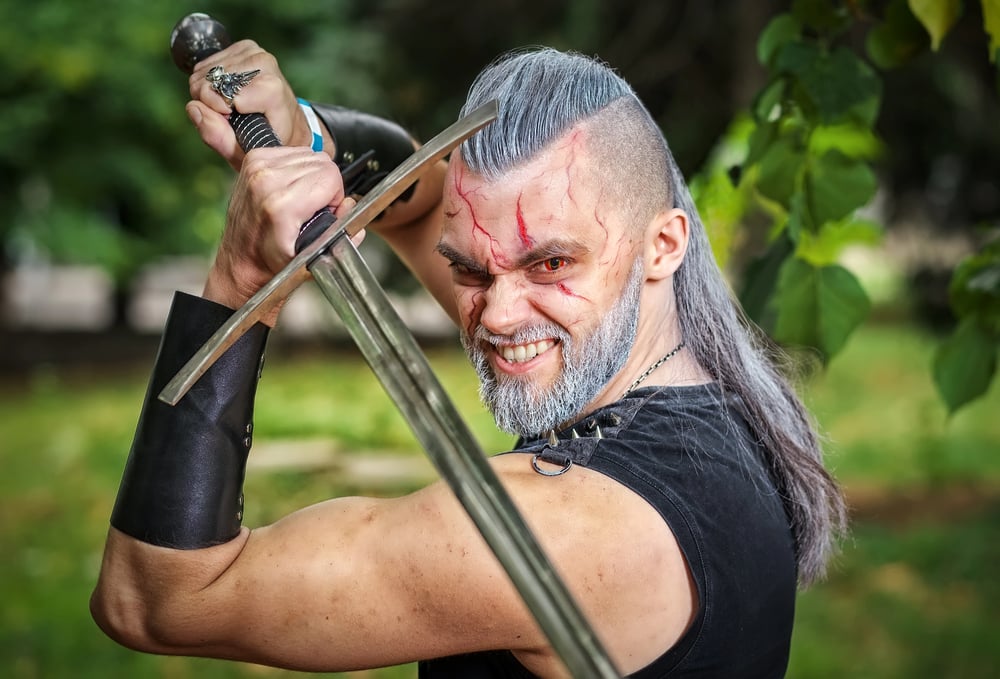
Vikings practiced combat with swords that had been dulled or blunted, but these practice weapons could still cause serious damage. Fighters wore minimal protection and struck each other with full force, resulting in bruises, cuts, and broken bones.
The training helped warriors prepare for real combat, but the line between practice and actual violence was thin. Some practice sessions turned into real fights when tempers flared or old grudges resurfaced.
Even with dulled weapons, people occasionally died during these training matches.
Ice skating races with weapons

Vikings created early ice skates from animal bones and challenged each other to races across frozen lakes and rivers. The twist came when competitors carried weapons and could use them to knock opponents off balance or off their skates entirely.
Falls on ice at high speed led to serious injuries, and the addition of weapons made things even more dangerous. This activity combined transportation skill with combat training in a way that only Vikings would think made sense.
The fastest skater didn’t always win if someone else managed to trip them at the right moment.
Rock dodging

One person stood in a designated spot while others threw rocks at them from a set distance, and the target had to dodge without leaving their position. The throwers aimed to hit the person while the target relied on quick reflexes and good timing to avoid getting struck.
Getting hit by a rock hurts, and repeated hits could cause real damage. This game tested reflexes that could save someone’s life in combat when projectiles were flying.
Only people confident in their agility volunteered to be the target.
Strength pulling with hooks

Two Vikings each placed a hook in their mouth or hooked onto their belt, then connected the hooks with a rope or chain. They pulled in opposite directions until someone gave up from pain or their hook came loose.
The mouth version was particularly brutal, as pulling too hard could damage teeth or tear the inside of someone’s mouth. This test of pain tolerance and strength had no real purpose except to prove who was tougher.
Spectators often bet on these contests, making them more popular despite the obvious risks.
Climbing competitions on cliff faces

Vikings competed to see who could climb steep cliff faces the fastest, often without any safety equipment. Falls from these cliffs could be fatal, and even smaller falls caused broken bones and serious injuries.
Competitors raced against each other, making the climbs even more dangerous as they took risks to gain speed. The most skilled climbers earned fame and respect, while others learned their limits the hard way.
This activity helped Vikings develop skills useful for raiding coastal settlements, but it doubled as brutal entertainment.
Ax throwing at moving targets

Vikings set up targets that moved or had someone stand near them, then threw axes trying to hit the target without hitting the person. The game required incredible accuracy and steady nerves from everyone involved.
Anyone standing near the target had to trust the thrower’s skill completely, and accidents did happen. This practice helped warriors improve their throwing accuracy for combat, but it also provided entertainment for onlookers.
The activity became more dangerous when competitors had been drinking, which apparently didn’t stop them from trying.
Endurance fasting contests
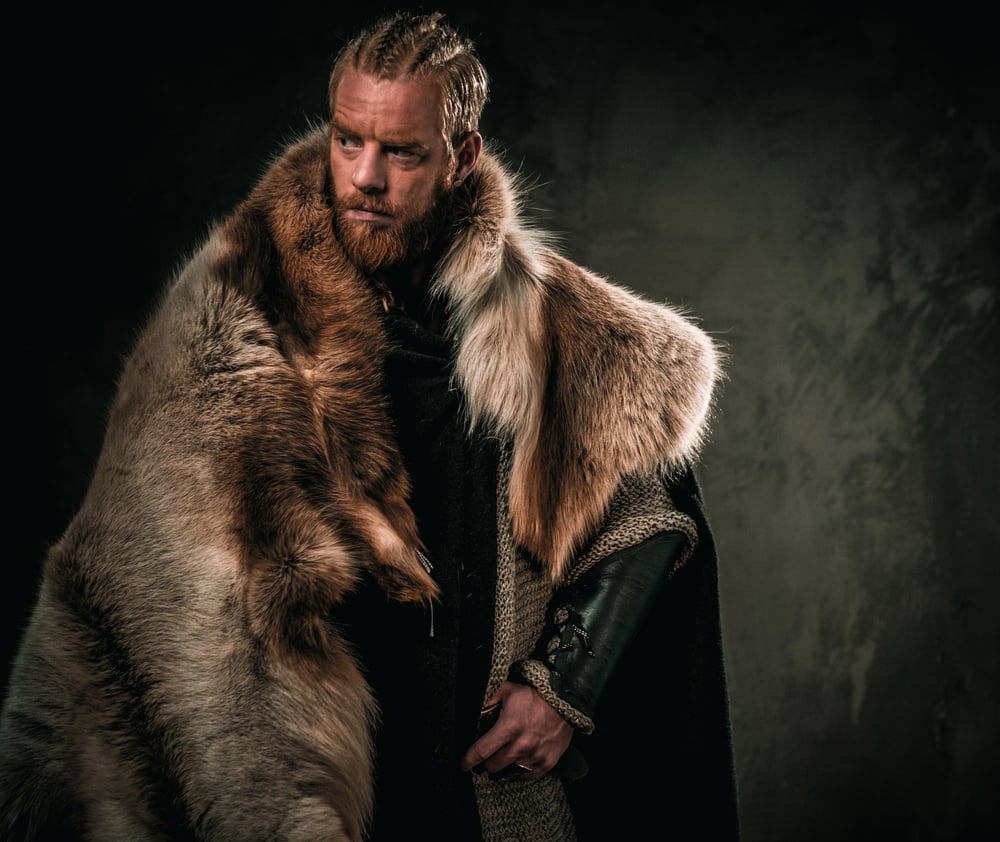
Vikings held competitions to see who could go the longest without eating while still performing physical tasks. Competitors had to complete challenges like lifting weights, running, or fighting while growing weaker from hunger.
These contests tested mental toughness as much as physical endurance, pushing participants to their limits. Some people passed out or became too weak to continue safely.
Winners proved they had the willpower to push through discomfort, a valuable trait for long sea voyages or harsh winters.
Boat ramming games

Out on the choppy waves, Viking crews would charge their narrow boats straight at one another. Hitting head-on meant splintering wood, sometimes cracking hulls apart.
Anyone tossed overboard faced cold water that could steal breath fast, even if they knew how to swim. Practicing battle moves mixed with sheer thrill – that kept spirits high during long voyages.
Timing every stroke together lets teams pick up serious speed before impact. Without perfect rhythm between rowers, a boat lost power right when it needed it most.
Victory went to whichever vessel stayed upright, still carrying every member of its crew.
Wrestling on narrow beams
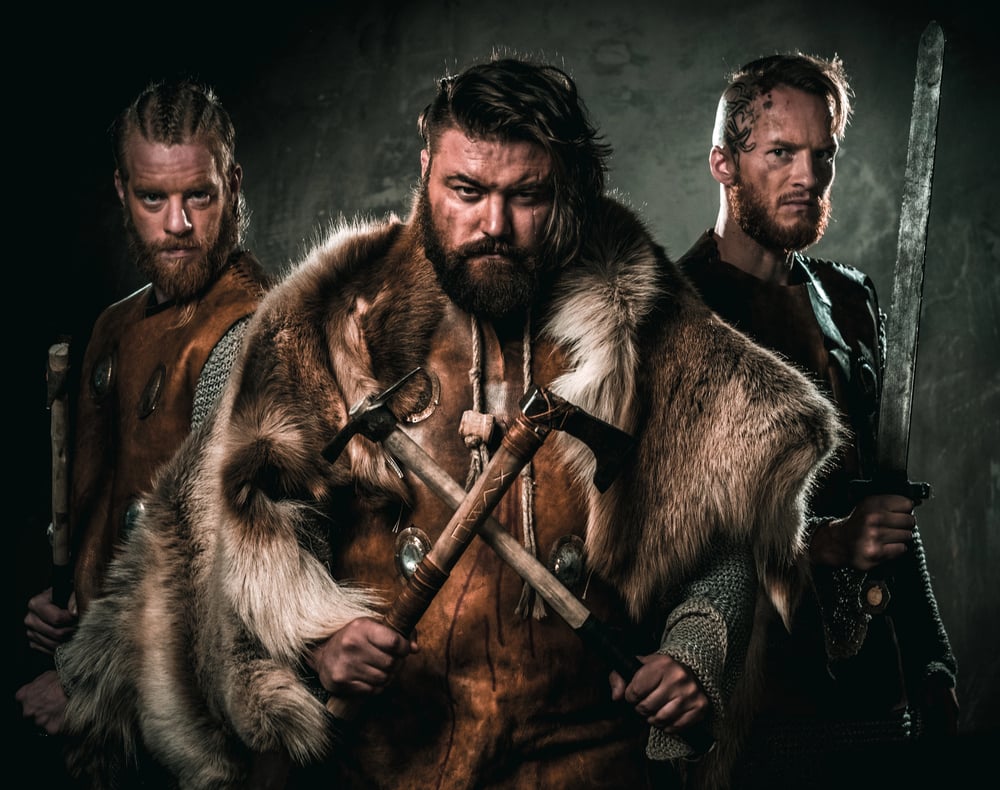
A shaky plank stretched across a stream, sometimes just above jagged stone below. On top of it, two men clashed without room to step back.
One slip meant dropping straight down – into icy currents or toward sharp edges. Staying upright took more than muscle; timing mattered just as much.
Cold soaked through clothes after a plunge, yet broken bones came only when luck ran out. Fighters who stepped forward knew eyes were locked on every move they made.
Balance wavered not just beneath their feet but in how fast they reacted.
When violence was entertainment

Back then, strength mattered above all else. Toughness shaped daily existence through contests that tested limits without apology.
Bravery stood clear in events built around endurance under pressure. Pain tolerance separated those fit to survive from those who were not.
Rules modern folks rely on – like safety checks or health guidelines – meant nothing in Viking times. What seems reckless now felt ordinary back then: training by doing what hurt.
These matches mirrored battle conditions so closely that only the strongest advanced. Weakness showed fast.
Competition doubled as preparation for war, leaving little room for hesitation or softness. Nowadays, people push boundaries too – but ambulances wait nearby, padding covers joints, and referees watch every move.
Still, even the boldest among us today play by rules meant to keep harm at bay. Vikings played differently.
Risk was part of it. Injury expected.
Protection? Not an option.
More from Go2Tutors!

- The Romanov Crown Jewels and Their Tragic Fate
- 13 Historical Mysteries That Science Still Can’t Solve
- Famous Hoaxes That Fooled the World for Years
- 15 Child Stars with Tragic Adult Lives
- 16 Famous Jewelry Pieces in History
Like Go2Tutors’s content? Follow us on MSN.



