Facts About Gladiators Movies Get Wrong
Hollywood loves gladiators. The blood, the spectacle, the drama of men fighting for their lives in front of screaming crowds—it makes for compelling cinema.
But the gladiators you see on screen bear only a passing resemblance to the historical reality. Directors prioritize entertainment over accuracy, and audiences end up with a distorted view of what gladiatorial combat actually looked like in ancient Rome.
They Didn’t Fight to the Death Every Time
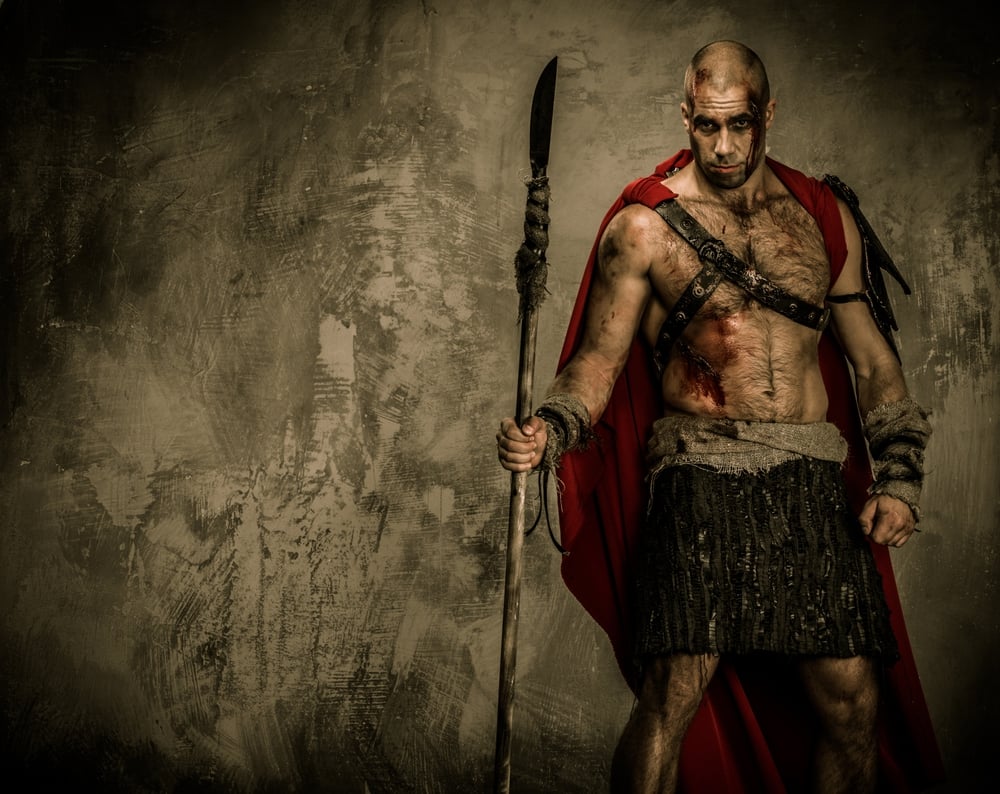
Most gladiator matches ended without anyone dying. Gladiators were expensive investments—trained fighters who required food, housing, medical care, and training.
Killing them off in every match would have been financially ruinous for the people who owned them. Instead, matches usually ended when one fighter yielded or became too injured to continue.
The defeated gladiator would appeal to the crowd and the sponsor of the games. Sometimes they granted mercy, sometimes they didn’t. But death wasn’t the automatic outcome that movies suggest.
Skilled gladiators could have long careers, fighting dozens of times over many years. Some even gained freedom and became trainers themselves.
The thumbs down gesture that movies love probably didn’t mean death either. Historians debate what hand signals actually indicated, and evidence suggests the crowd’s shouts mattered more than any specific gesture.
Gladiators Were Athletes, Not Desperate Survivors
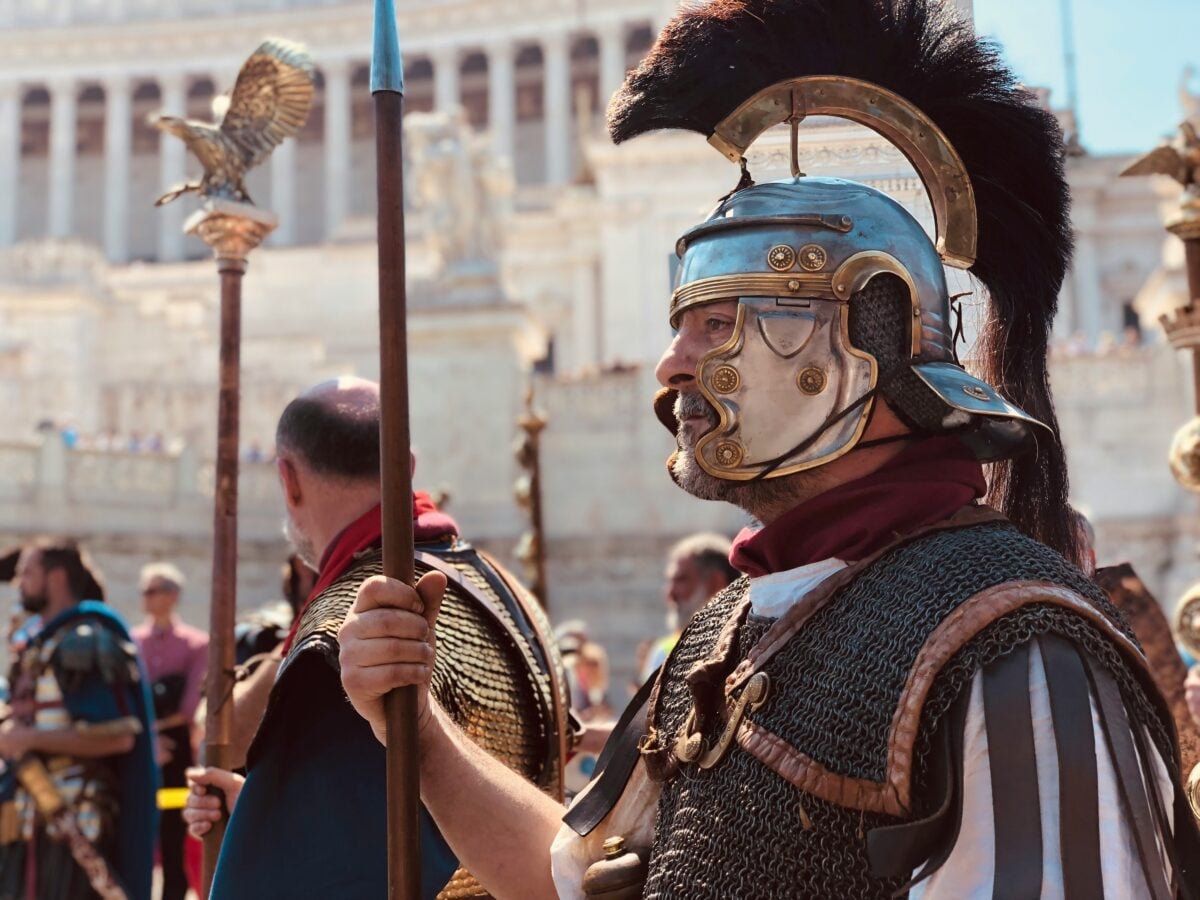
Movies portray gladiators as filthy, starving prisoners fighting with whatever weapons they could grab. Reality looked different. Gladiators received specialized training in specific fighting styles.
They worked with particular weapons and armor combinations that defined their combat role. A retiarius fought with a net and a trident.
A murmillo carried a sword and a rectangular shield. Each type had strengths and weaknesses that created interesting matchups.
These fighters ate specific diets designed to build muscle and fat. Archaeological evidence shows gladiators consumed lots of barley and beans, creating a body type that could absorb blows while maintaining strength.
They weren’t lean and cut like modern action stars. They were stocky and powerful, with enough body fat to protect vital organs.
Training facilities called ludi functioned like professional sports academies. Gladiators practiced techniques, studied opponents, and prepared for matches the way athletes do today.
The best ones became celebrities with fan followings.
The Colosseum Didn’t Host Everything Movies Show

The Colosseum is Rome’s most recognizable monument, so every gladiator movie eventually shows fighters there. But the Colosseum wasn’t completed until 80 CE, and gladiatorial combat existed for centuries before that.
Earlier matches happened in forums, temporary wooden structures, and other venues throughout the Roman world. Even after the Colosseum opened, gladiator matches occurred all over the empire.
Every significant city had an amphitheater. Provincial towns hosted games to celebrate holidays, military victories, and important political events.
Focusing only on Rome misses how widespread gladiatorial culture actually was. The Colosseum could flood the arena floor for mock naval battles, but this happened rarely and required enormous effort.
Most events featured standard gladiator matches, animal hunts, and public executions rather than the elaborate spectacles that movies emphasize.
Women Fought Too
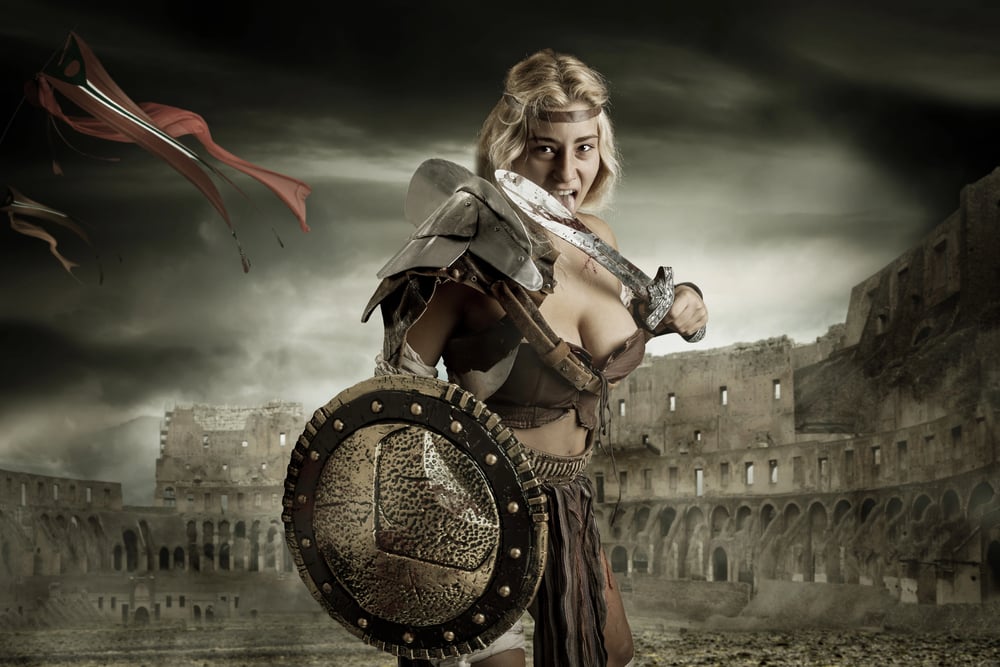
Female gladiators existed, though movies rarely acknowledge them. Archaeological evidence and historical records mention women fighters who trained and competed in the arena.
They were called gladiatrices and fought other women or sometimes animals. Roman society found female gladiators controversial and fascinating.
Some upper-class Romans considered it scandalous, while others attended their matches eagerly. Emperor Septimius Severus eventually banned female gladiators in 200 CE, suggesting they were common enough to require official prohibition.
Movies ignore gladiatrices almost entirely, perpetuating the myth that gladiatorial combat was exclusively male. This erasure removes an interesting aspect of Roman culture and limits how we understand gender roles in the ancient world.
Armor and Weapons Were Highly Regulated
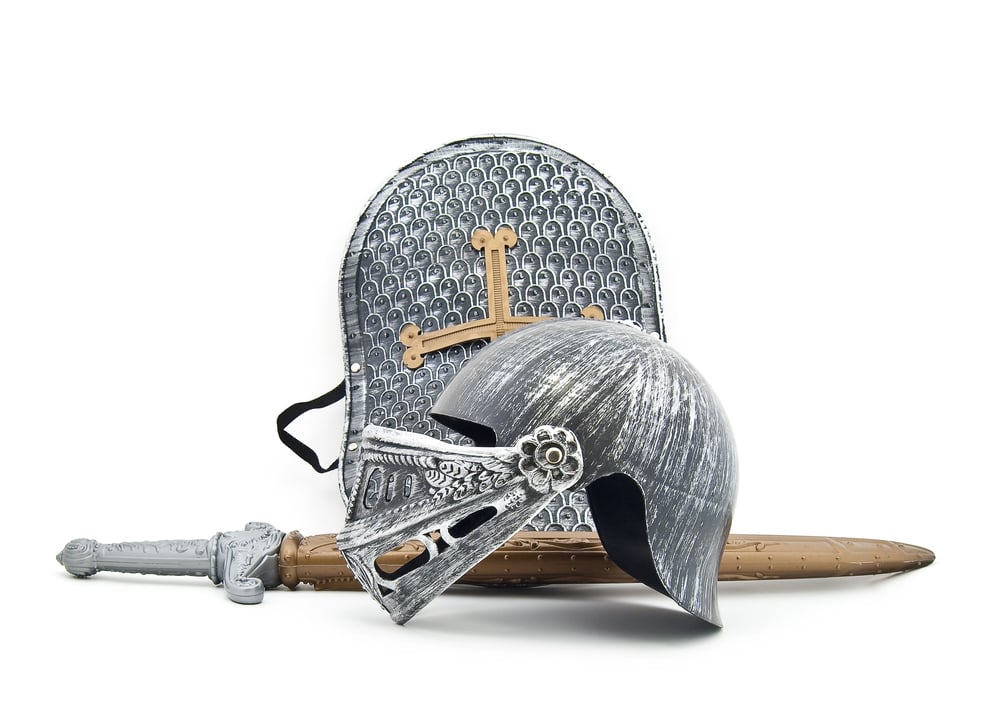
Gladiators didn’t grab random weapons and charge at each other. Each fighter type had standardized equipment that officials inspected before matches.
A thraex carried a small shield and a curved sword. A secutor wore a smooth helmet designed to prevent net entanglement.
The equipment wasn’t just for show—it created balanced matchups where different fighting styles could compete effectively. Movies show gladiators in minimal armor because it looks more dramatic when they’re exposed and vulnerable.
Historical gladiators wore substantial protection on arms, legs, and heads. They protected themselves because matches were supposed to demonstrate skill, not just provide quick deaths for entertainment.
The weapons were real and sharp, not the dull props that some people imagine. Gladiators trained with wooden weapons but fought with actual combat gear.
This is why medical care was so important and why most matches ended before fatal injuries occurred.
Spartacus Wasn’t the Only Rebel

The movie Spartacus immortalized one slave revolt, but gladiator rebellions happened periodically throughout Roman history. Gladiators were trained fighters held against their will—rebellion was a constant concern for their owners.
Spartacus’s revolt was the largest and most successful, but it wasn’t unique. Most rebellions were crushed quickly because Roman authorities took them seriously as threats.
The fact that Spartacus’s revolt lasted as long as it did and caused as much damage as it did made it exceptional. But the movie’s focus on one revolt obscures how gladiatorial slavery was a system that generated resistance repeatedly.
Other revolts were smaller and failed faster, so they don’t make good movie material. But they were part of the reality that gladiators and their owners navigated constantly.
Christians Weren’t Fed to Lions in the Colosseum

Movies love showing Christians being executed in the Colosseum, thrown to lions while Romans cheered. Some Christians were executed in amphitheaters as part of public punishments, but the scale and frequency at which movies depict it is exaggerated.
These executions happened during the arena’s midday shows, between gladiator matches, and weren’t the main attraction. The historical evidence for mass Christian executions in the Colosseum specifically is thin.
Romans executed criminals and prisoners in various ways and locations throughout the empire. Singling out the Colosseum as the primary site of Christian martyrdom reflects later Christian mythology more than historical fact.
This narrative served purposes for the early church, creating martyrs and sacred sites. Movies repeat it because it adds dramatic conflict and moral clarity to stories that need heroes and villains.
Gladiators Had Different Social Status Than Slaves
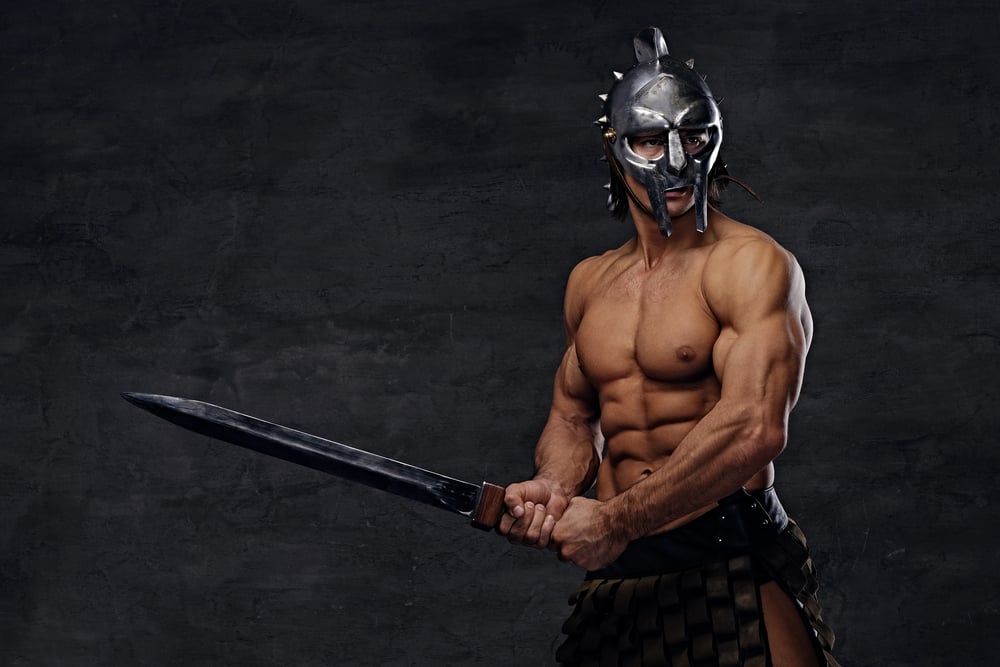
Some gladiators were slaves, but others were free men who chose to fight. Free gladiators signed contracts that made them legally similar to slaves while they fought, but they could earn money and eventually leave.
These volunteers included poor citizens seeking income, thrill-seekers wanting fame, and occasionally even aristocrats looking for excitement. Movies simplify this by making all gladiators slaves fighting for freedom.
The reality was more complex. Free gladiators gave up certain rights temporarily but weren’t property.
They could negotiate terms, and successful fighters commanded high fees for appearances. This mix of slave and free fighters in the same profession created unusual social dynamics that movies don’t explore.
Gladiators existed in a strange space between enslaved and free, entertainment and military, criminal and celebrity.
The Emperors Didn’t Make Casual Life or Death Decisions
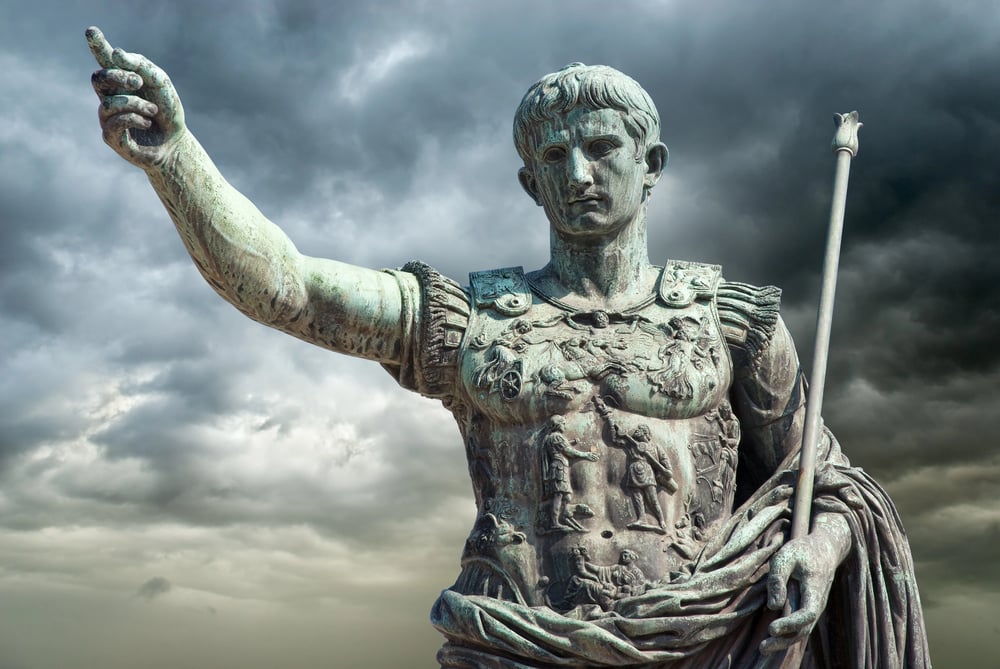
Movies love showing emperors casually deciding whether gladiators live or die with thumb gestures. The emperor attended games, but he wasn’t the only person making these decisions.
The sponsor of the games, the crowd’s reaction, and established customs all influenced outcomes. Emperors who interfered too much in matches or made unpopular decisions faced backlash.
The games had rules and expectations that even emperors needed to respect. Making arbitrary death sentences would have angered the crowd and damaged the emperor’s popularity.
Some emperors participated in matches themselves, which movies occasionally show. But they fought in rigged matches against opponents who wouldn’t seriously hurt them.
Emperor Commodus famously fought as a gladiator, but his opponents knew not to win too convincingly.
Gladiator Matches Weren’t Constant Chaos
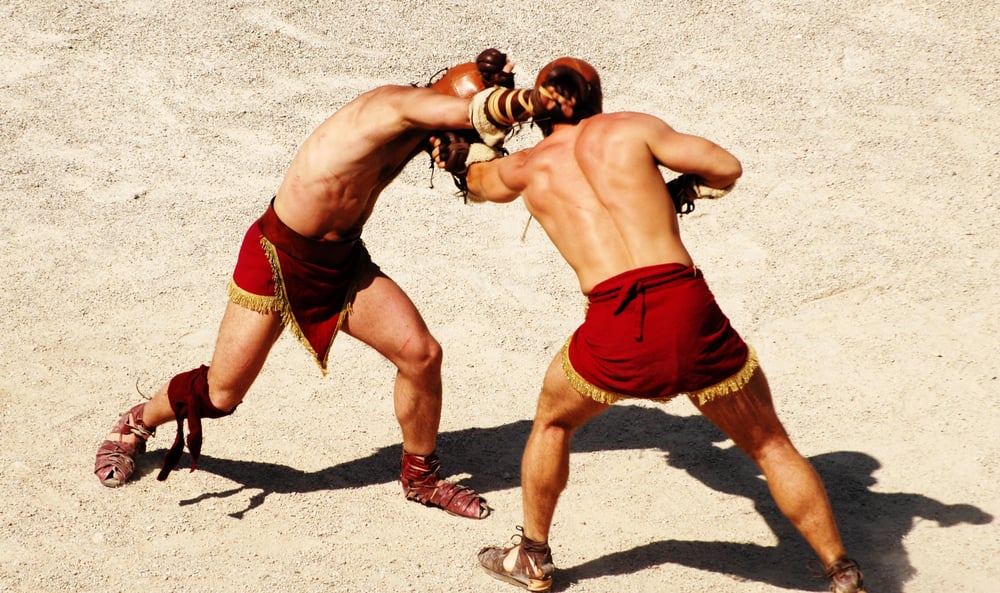
Movies show arena combat as frenzied violence with multiple fighters attacking simultaneously. Historical matches were usually one-on-one affairs with clear rules.
Referees monitored fights, stopped them when necessary, and ensured both fighters had fair chances. The crowd wanted to see skill, not random slaughter.
A match between a well-trained retiarius and a skilled murmillo provided drama through the contrast in fighting styles. Watching technique, strategy, and athleticism appealed to Roman audiences who understood the sport’s nuances.
Group battles called naumachia did happen, recreating historical battles with dozens or hundreds of participants. But these were special events, not standard programming.
Most days featured structured individual matches where you could actually follow what was happening.
The Underground Colosseum Section Wasn’t That Dramatic

Movies show the Colosseum’s underground hypogeum as a dark dungeon where gladiators waited in terror. The hypogeum was actually a sophisticated staging area with lifts, ramps, and storage for animals and equipment.
It was functional infrastructure, not a torture chamber. Gladiators had their own facilities outside the Colosseum where they lived and trained.
They arrived at the arena for matches but weren’t kept in the hypogeum for extended periods. The underground areas served technical purposes—moving animals, creating surprise entrances, and managing the logistics of large events.
The dramatic stone corridors you see in films are real, but their purpose was practical rather than atmospheric. Romans engineered these spaces to make their shows run smoothly, not to create ominous prison environments for dramatic effect.
Animals Fought Differently Than Movies Show

Animal hunts in the arena weren’t just about releasing lions into crowds of people. Professional beast hunters called venatores faced animals in structured hunts that demonstrated skill.
These were trained specialists who knew how to fight specific animals effectively.
The animals weren’t always lions either. Romans imported creatures from across their empire—bears, bulls, elephants, crocodiles, ostriches, and more.
The variety provided spectacle and required different hunting techniques. A venator fighting a bull needed different skills than one facing a leopard.
Movies focus on lions because they’re visually impressive and connect to Christian persecution narratives. But reducing arena animal events to just lion attacks misses the complexity of how Romans actually staged these hunts.
Gladiator Schools Had Rules and Structure
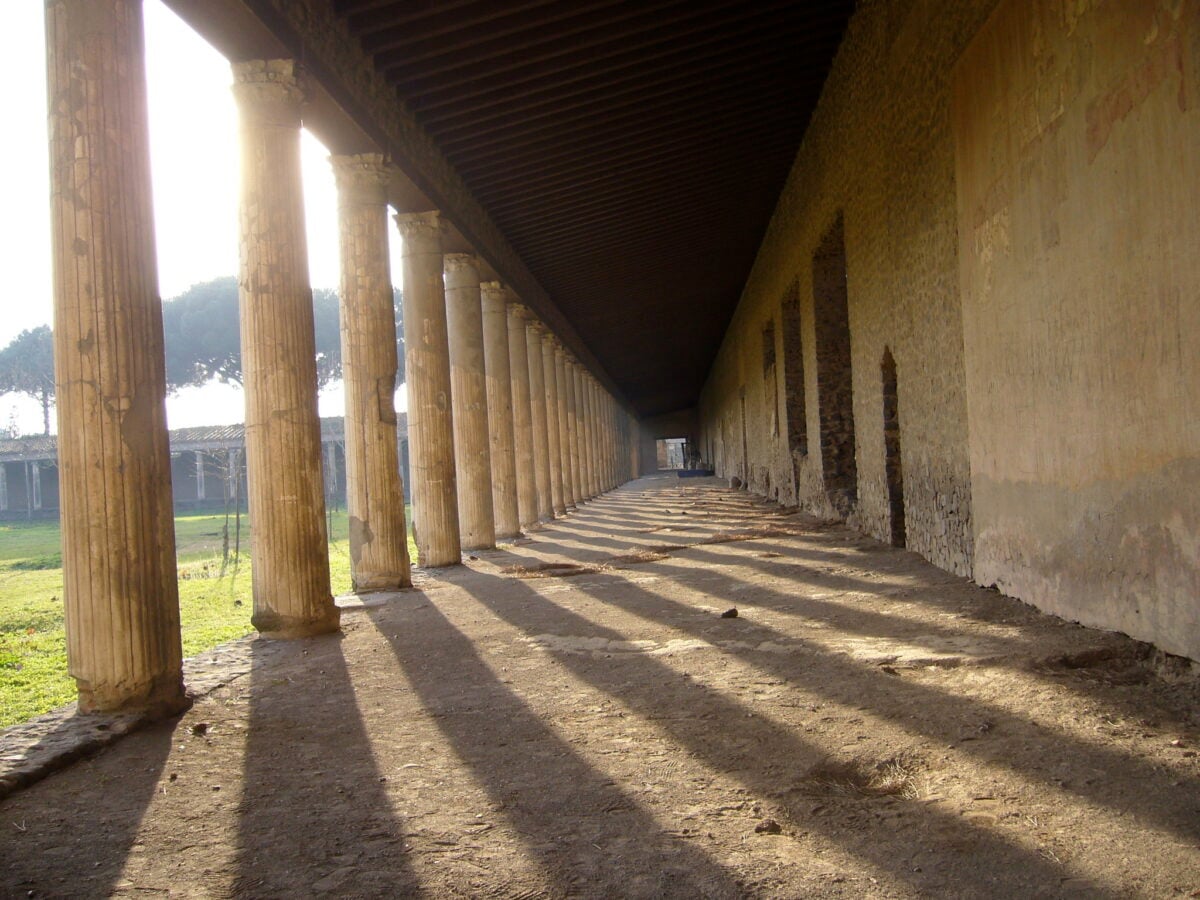
Training facilities weren’t just fight clubs where men beat each other randomly. The ludi operated with strict hierarchies, training schedules, and rules.
Experienced gladiators taught new recruits. Doctors provided medical care.
Managers handled scheduling and contracts. Life in a ludus was regimented but not always brutal.
Gladiators needed to stay healthy to fight, so their living conditions were adequate. They received better food than many poor Romans, had access to medical care, and could socialize within their school.
Movies emphasize the violence and oppression while ignoring that these were businesses that required organization to function. The ludus served as a workplace, home, and training facility rolled into one, creating communities with their own cultures and relationships.
Fame Didn’t Guarantee Freedom

Successful gladiators could become wealthy and famous, but this didn’t automatically make them free. Slave gladiators needed their owners to grant manumission, which happened but wasn’t guaranteed regardless of success.
Free gladiators who had signed contracts still needed to fulfill their terms. Some famous gladiators never gained freedom despite winning numerous matches.
Others gained freedom but chose to keep fighting because it was lucrative and they enjoyed the lifestyle. The path from arena success to freedom wasn’t as direct as movies suggest.
Movie narratives need simple goals—fight well, earn freedom, live happily. Reality was messier. Freedom required navigating legal systems, negotiating with owners, and having luck in addition to skill.
Many gladiators lived and died without ever gaining the freedom that movie heroes inevitably achieve.
When Entertainment Replaces Truth

Screen time shaves off the rough edges of truth. Squeezing life into two hours means reality takes a hit. When heroes rise, villains frown – no slow build allowed.
A sudden clash needs no lecture on ancient codes. Mid-duel explanations kill rhythm.
Often, fights ended without blood – bad news for dramatic scores. Fighting men once prepared much like today’s spotlighted athletes, never merely seen as lost beasts.
Here’s the twist – it takes the edge off tension, the kind creators carefully hone. Picture makers start with a story.
Yet their aim shapes what we watch, more than how things were. Even so, real history drifts further from battle scenes played out on film.
Many people today glimpse ancient Rome only through acted versions. Deep beneath movie versions, real fighters lived lives shaped by strict hierarchies – seasoned experts climbing tiers others rarely saw, skilled practitioners following winding roads ahead, single figures tangled in structures where sport, law, and public frenzy melted into forms now forgotten.
Though these realities dodge familiar story arcs, they reveal richer layers about human nature – and old ways of living – that staged battles could never reach.
More from Go2Tutors!

- The Romanov Crown Jewels and Their Tragic Fate
- 13 Historical Mysteries That Science Still Can’t Solve
- Famous Hoaxes That Fooled the World for Years
- 15 Child Stars with Tragic Adult Lives
- 16 Famous Jewelry Pieces in History
Like Go2Tutors’s content? Follow us on MSN.



