25 Neighborhood Games That Faded Without Anyone Noticing
There was a time when a street after dinner filled with kids organizing games out of nothing more than chalk, an old can, and a shared set of rules everyone somehow already knew. No apps, no equipment budgets, no adult referee required.
These games didn’t die in a single moment. They thinned out gradually, one summer at a time, as screens, structured activities, and smaller neighborhood groups made the spontaneous outdoor gathering harder to pull together.
Kick the Can
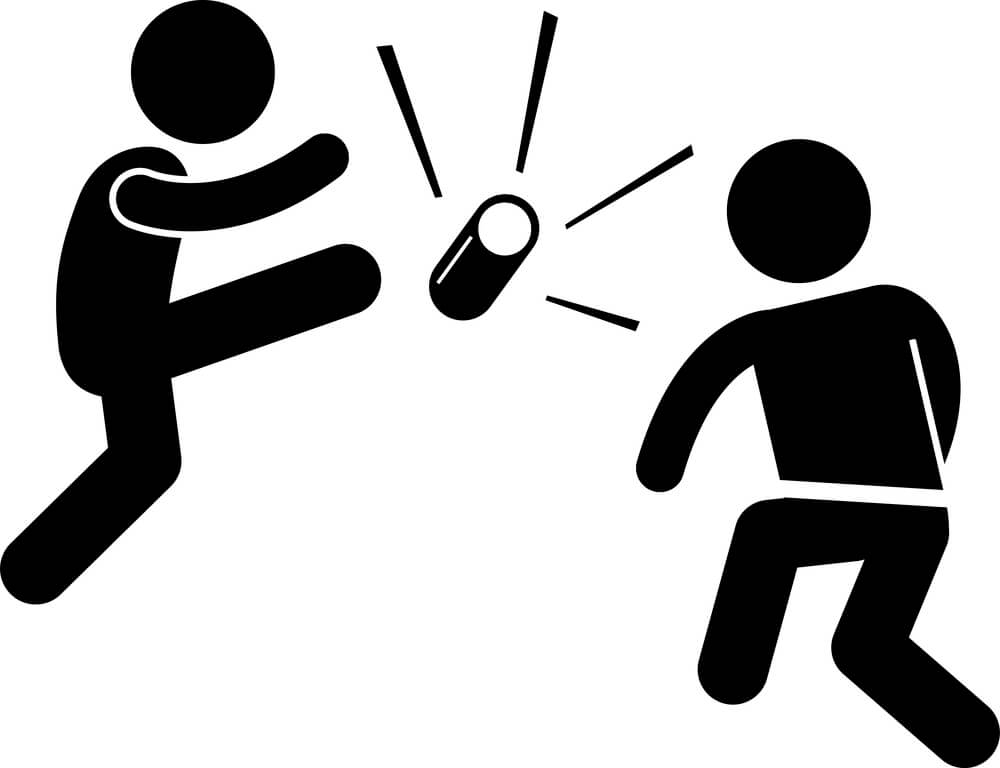
One player guarded a can placed in the center of the yard while everyone else hid, and a single well-timed sprint to kick the can could free every captured player at once. It combined hide and seek with a jailbreak twist that made the last few minutes of any round genuinely tense.
It required nothing but a can and a wide-open street.
Red Rover
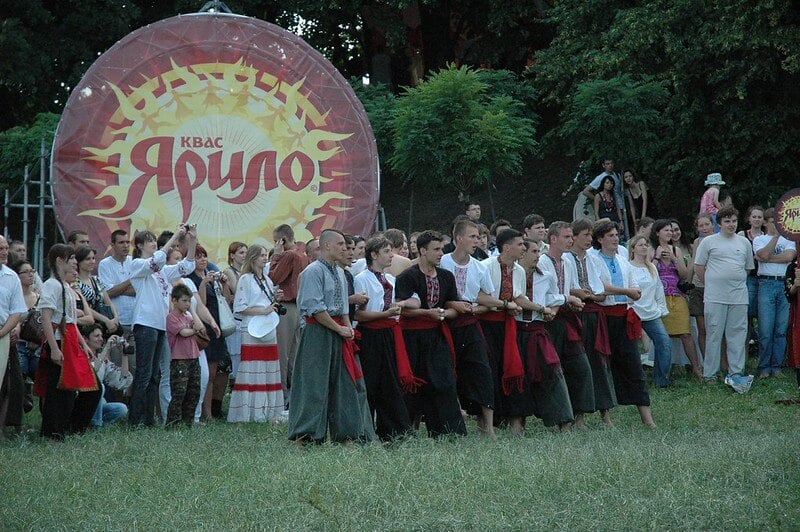
Two lines of kids held hands across a yard and took turns calling a player from the other side to run and try to break through the linked arms. Getting called was equal parts honor and dread, since a failed break meant joining the opposing line.
Safety concerns around the potential for collisions have made the game far less common on school playgrounds.
Hopscotch
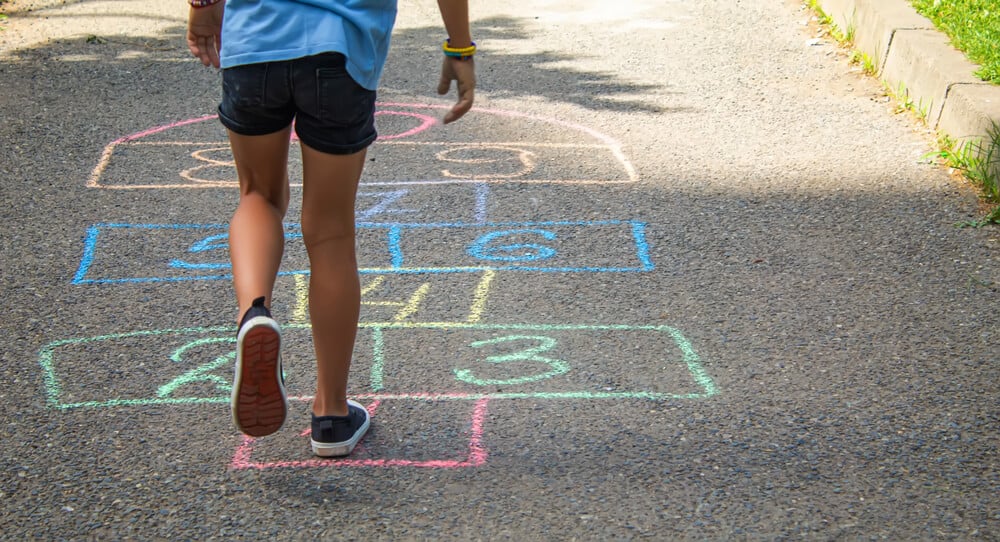
Chalk squares numbered one through ten or so covered sidewalks everywhere, with a tossed stone determining which square a player had to hop over on one foot. Nearly every kid on a block knew a slightly different version of the rules, argued over constantly.
It required nothing more than chalk and pavement, which is part of why it’s rarely spotted anymore.
Jacks

Played on a stoop or flat sidewalk, jacks involved bouncing a small rubber bouncer and scooping up metal jacks in increasing numbers before it hit the ground again. It rewarded quick hands and patience, and a good set of jacks was a genuine possession worth protecting.
The game largely disappeared alongside the stoop culture that hosted it.
Marbles
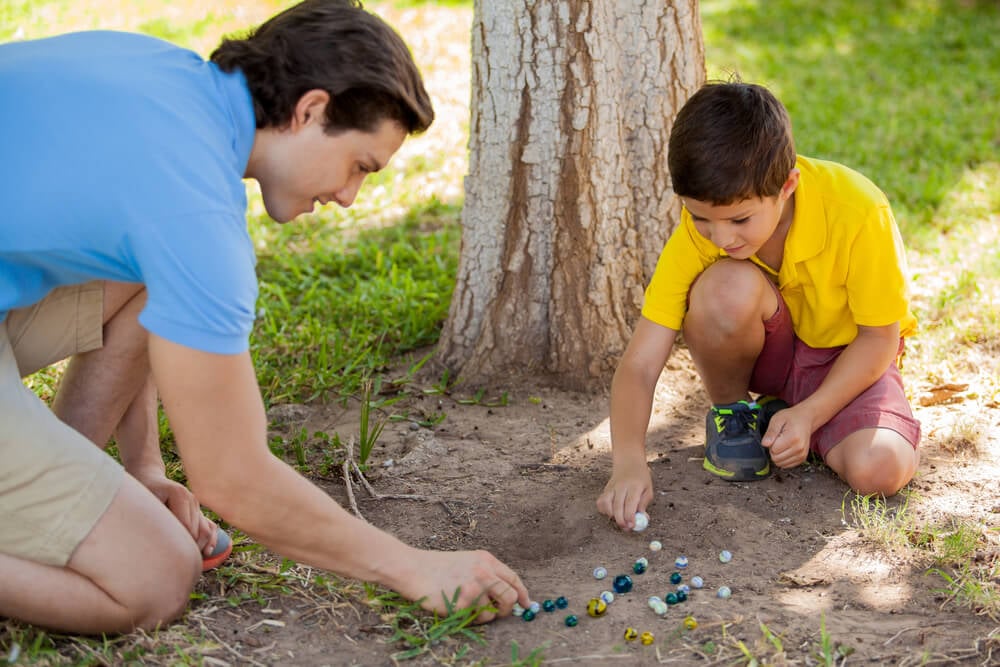
Kids drew a circle in the dirt, placed their marbles inside, and took turns trying to knock opponents’ marbles out using a favored “shooter.” Winning marbles from another kid carried real social weight, and a good collection was a point of pride.
Concerns about small parts and the decline of dirt lots have made the game a rarity.
Freeze Tag

A variation on standard tag where a tagged player had to freeze in place until another player crawled through their legs to release them, turning the game into a slow-building crisis for whoever remained free. It required a group large enough to make freezing a real risk.
Smaller, more scheduled play groups have made the loose, large-group version harder to organize.
Mother May I
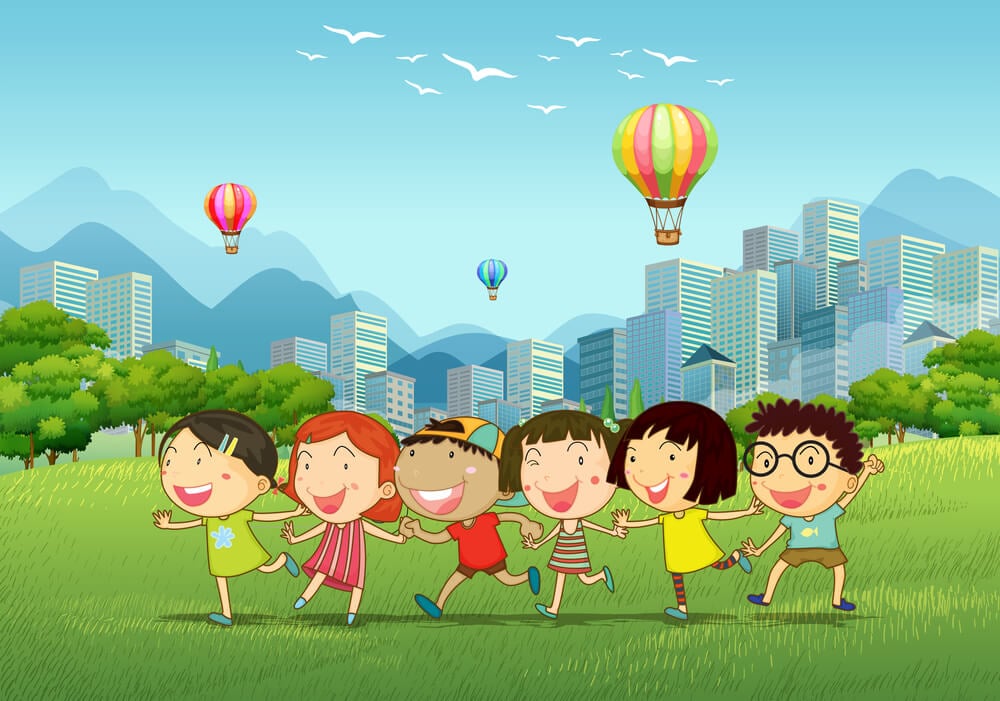
Players lined up and took turns asking “Mother, may I” before taking a set number of steps toward the person playing Mother, who could grant, deny, or modify the request. Forgetting to ask properly sent a player back to the start, which made the whole game as much about etiquette as speed.
It’s still taught occasionally but rarely organized spontaneously anymore.
Double Dutch
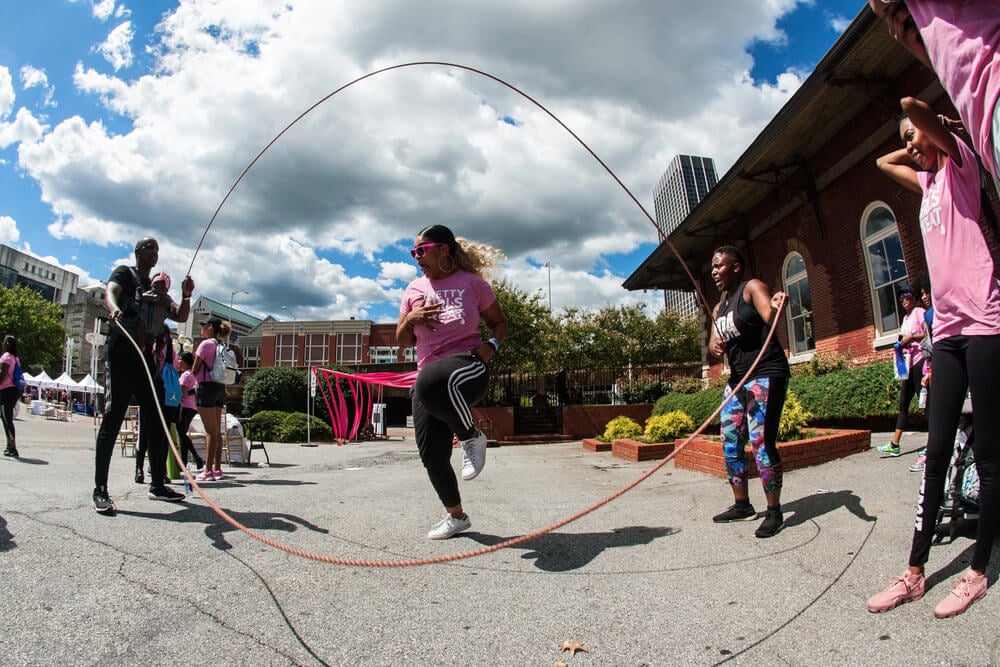
Two ropes turned in opposite directions while a jumper timed their entry, often to a chanted rhyme that set the rhythm for the whole group. It demanded real coordination and became a genuine spectator sport on some blocks, with kids gathering to watch the best jumpers.
Organized leagues have preserved the skill, but the informal sidewalk version has largely receded.
Ghost in the Graveyard

An after-dark variation of hide and seek in which one player, the “ghost,” hid while everyone else searched, scattering back to a home base the moment the ghost was spotted and the alarm was shouted. It required a neighborhood comfortable letting kids roam after sunset.
That kind of unsupervised evening freedom has become far less common.
Capture the Flag
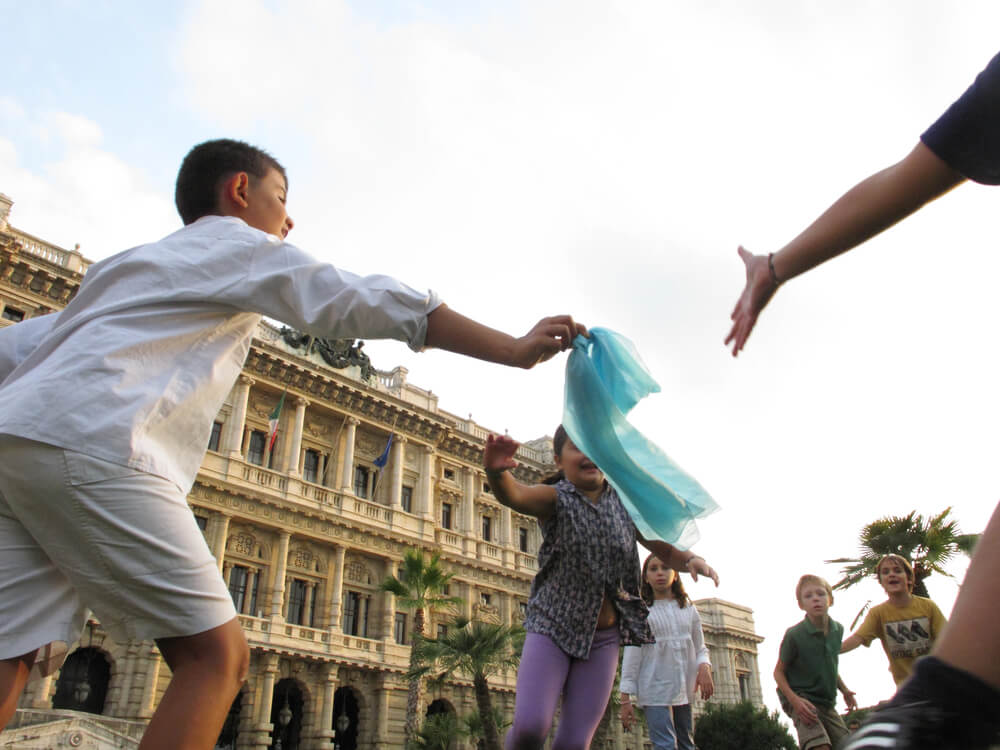
Two teams defended a flag on their own half of a yard or field while trying to steal the opposing team’s flag without getting tagged in enemy territory. It needed a fairly large group and an equally large open space to work well.
Smaller neighborhood cohorts and more limited access to open lots have made full games harder to assemble.
Four Square
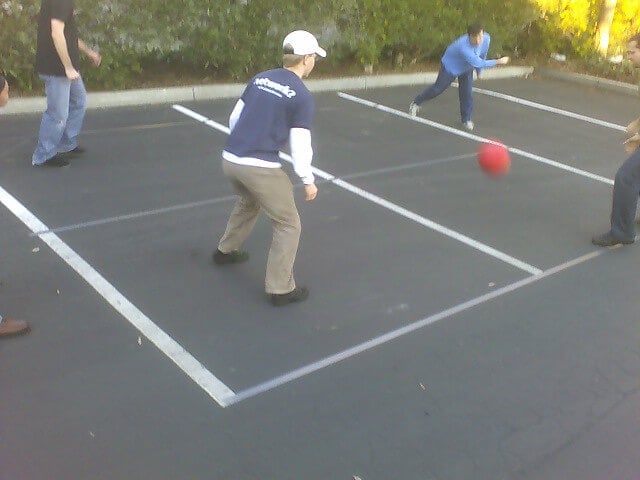
Drawn in chalk on any flat pavement, four square split a square into quadrants where players bounced a rubber sphere between each other’s sections, trying to eliminate opponents with tricky serves. It required almost no setup beyond chalk and something round to bounce, and games could start or end at a moment’s notice.
It survives on some school playgrounds but rarely appears in neighborhoods after school hours anymore.
Tetherball
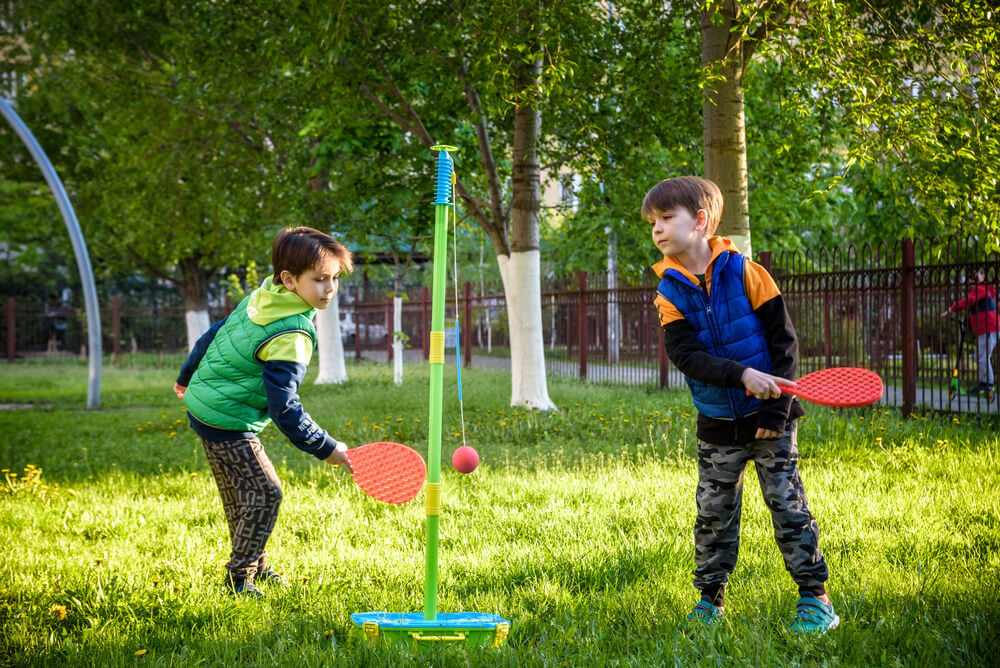
A rubber sphere attached by rope to a pole let two players compete to wrap the rope fully around the post by striking it back and forth. It was fast, physical, and required minimal space, which made it a fixture of both backyards and playgrounds.
The equipment has become less common as playground designs have shifted toward other structures.
Statues

One player would swing others by the hand and release them, and whatever position they landed in, they had to freeze and hold like a statue until the round ended. It rewarded the most dramatic or ridiculous pose, which made it as much a performance as a game.
It’s largely been replaced by more structured forms of movement play.
Steal the Bacon

Two teams lined up facing each other with a “bacon,” often a rag or bean bag, placed at the center, and a called number sent one player from each side racing to grab it and return safely. It combined memory, speed, and nerve, since number recall under pressure was half the challenge.
Larger organized groups made this practical in ways that are harder to replicate today.
Stickball
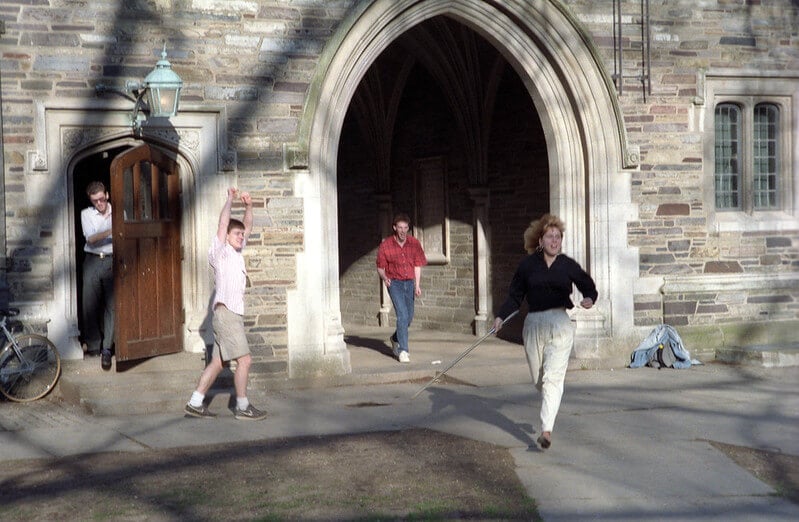
Played with a broomstick and a rubber sphere on city streets, stickball adapted the rules of baseball to fit narrow lots, using manhole covers and parked cars as bases. It thrived specifically because it needed almost no equipment and could be played almost anywhere pavement existed.
The decline of dense street play culture has made it far less common outside of nostalgic revival events.
Dodgeball

Teams threw a soft foam sphere at opposing players, eliminating anyone who got hit while allowing catches to eliminate the thrower instead. It was a staple of both gym class and neighborhood play for decades.
Concerns about the game’s aggressive nature have pushed many schools to phase it out, and the neighborhood version has faded alongside it.
Blind Man’s Bluff
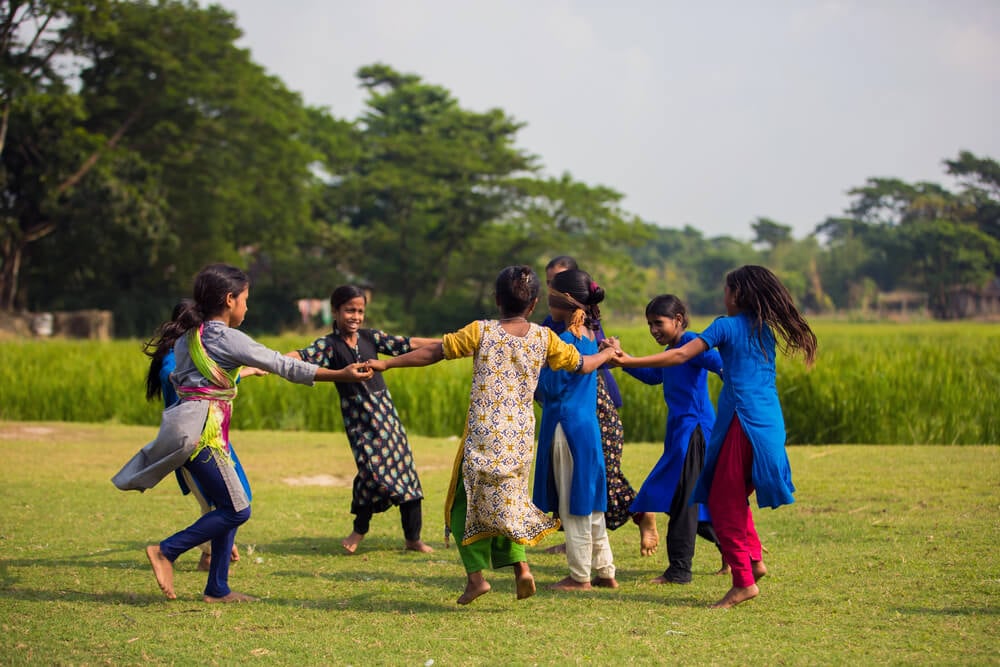
A blindfolded player tried to catch and identify another player by touch alone while the rest of the group scattered and taunted to stay just out of reach. It required trust among the group and a reasonably enclosed space to keep things safe.
It’s rarely organized now, partly because of safety concerns and partly because it needs a specific kind of group comfort to work.
Simon Says
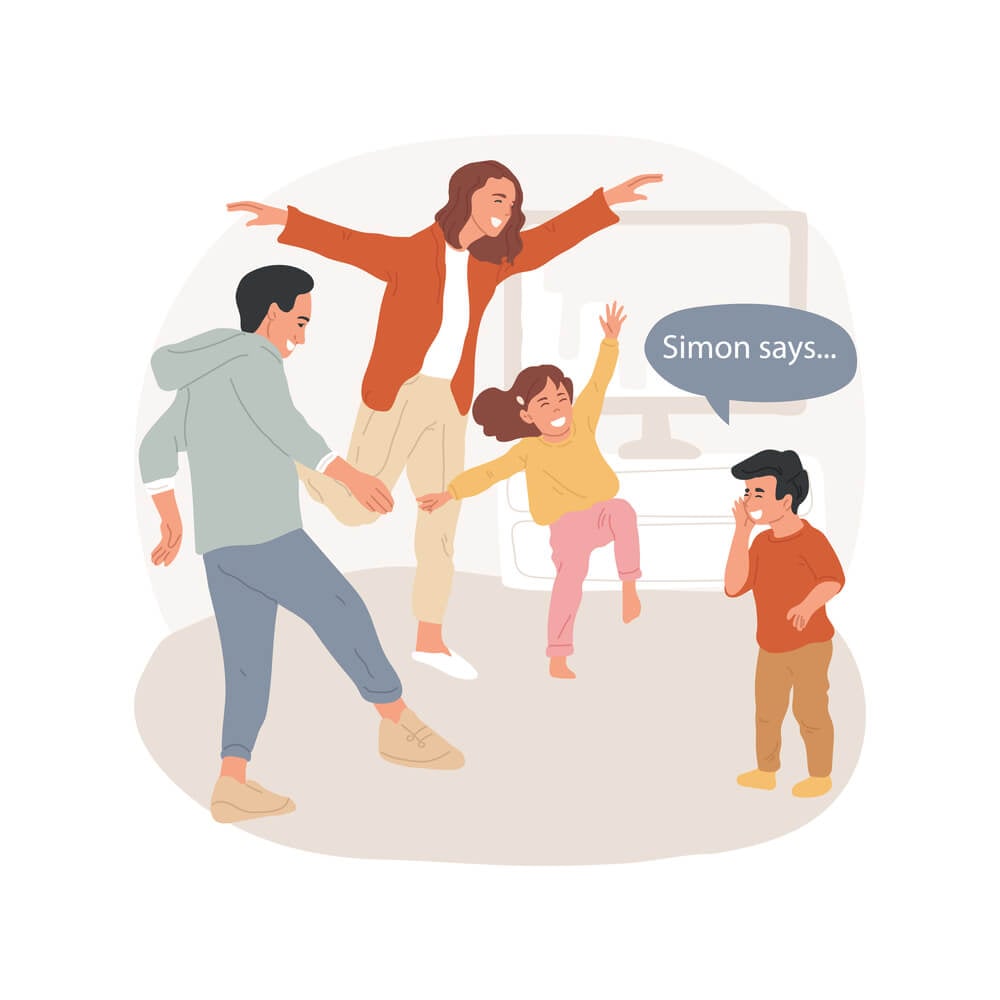
A leader called out actions prefaced with “Simon says,” and players who followed a command not prefixed that way were eliminated. It taught quick listening and impulse control disguised as a game, and required no equipment at all.
It survives mostly as a classroom activity rather than a self-organized street game.
Duck Duck Goose
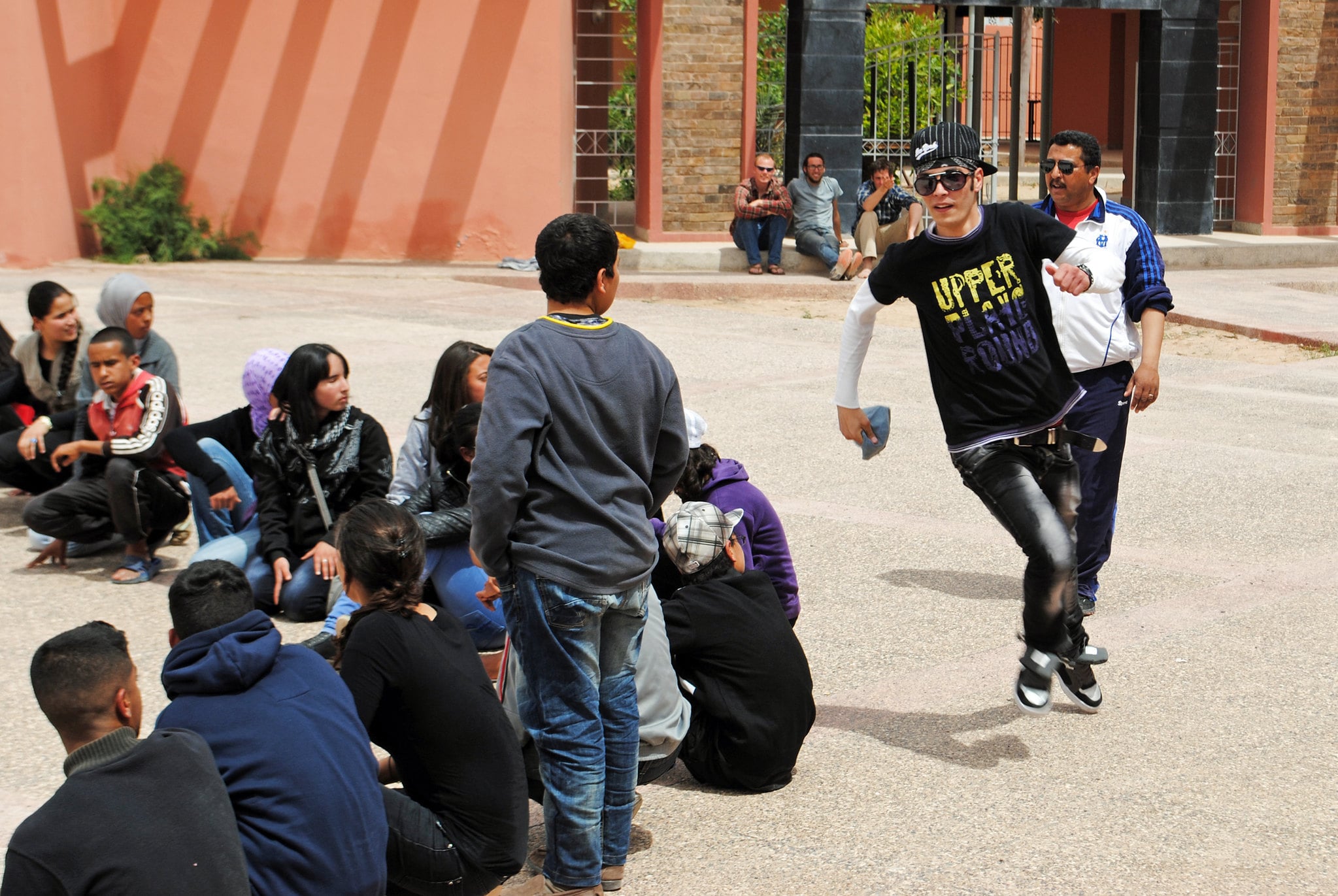
Players sat in a circle while one child walked around tapping heads and calling “duck” until choosing someone to call “goose,” triggering a chase around the circle. It was simple enough for very young children to organize themselves.
It’s mostly retreated into preschool settings rather than mixed-age neighborhood play.
Box Hockey
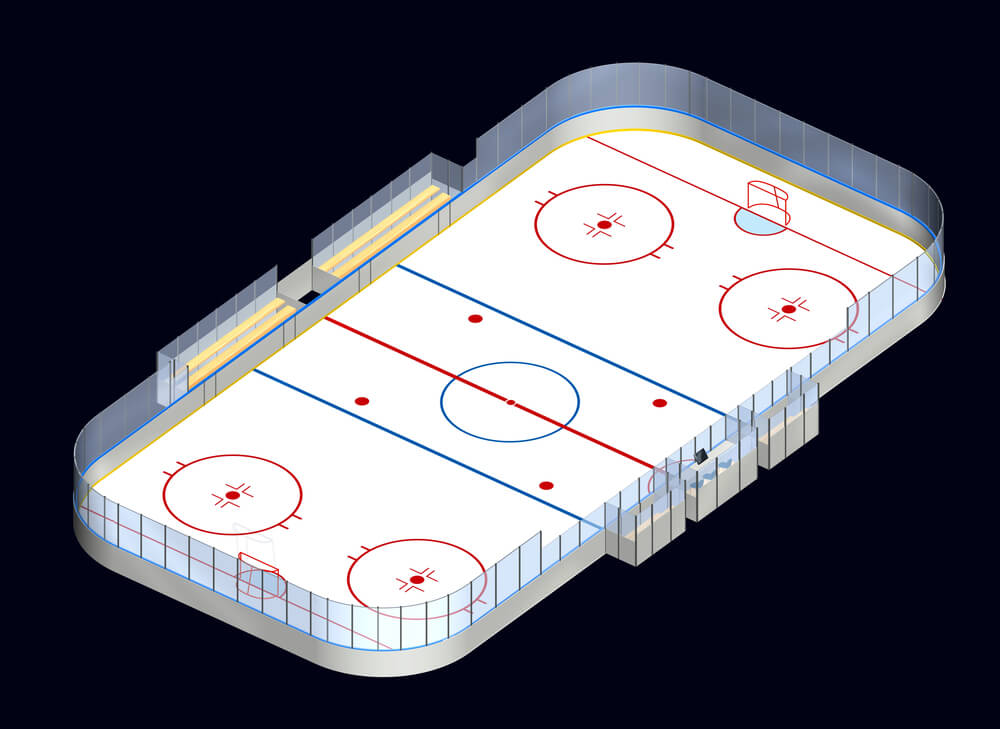
Played inside a wooden box with a divider and a small opening, two players used sticks to knock a puck back and forth through the gap, defending their own side. It required a specific piece of homemade equipment that most families built themselves.
The decline of handmade backyard equipment has made the game almost entirely disappear.
Tin Can Telephones

Two cans connected by a taut string let kids “call” each other across a yard, feeling the vibration carry their voice. It wasn’t a competitive game so much as a shared experiment in how sound traveled, repeated by nearly every generation of kids at some point.
Actual telephones in every pocket have made the appeal largely obsolete.
Bottle Cap Games
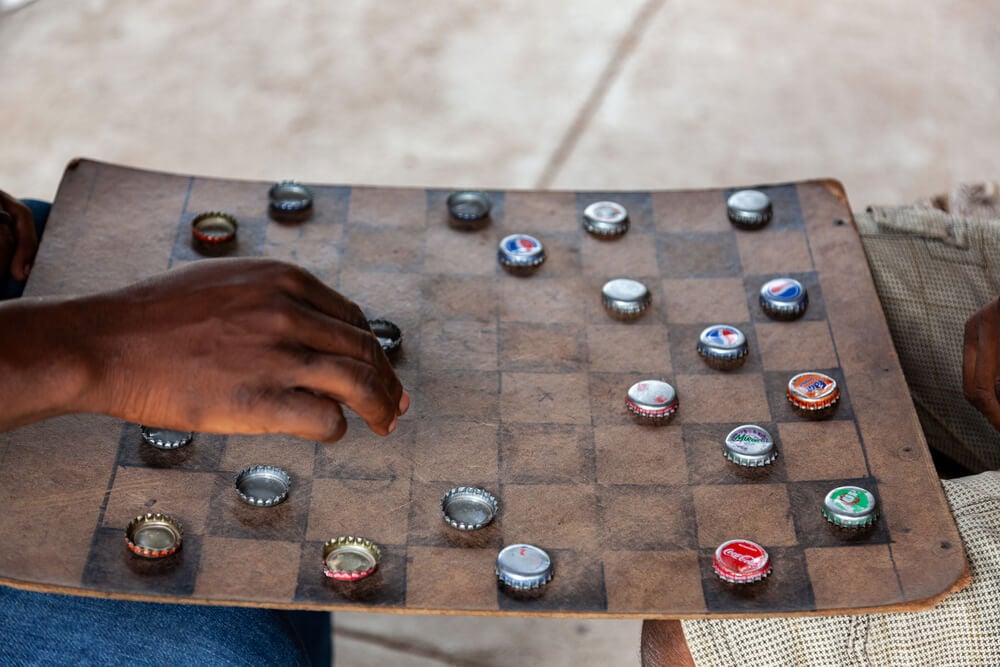
Kids collected bottle caps and used them for informal games of flicking, stacking, or trading, treating them almost like currency among the neighborhood. It cost nothing and used materials that were otherwise headed for the trash.
The decline of glass bottle culture removed the raw material the game depended on.
Sardines

A reverse version of hide and seek where one player hid and each subsequent finder squeezed into the same hiding spot instead of announcing it, until the entire group was packed together and the last finder lost. It rewarded creative, tight hiding spots and a willingness to be crowded.
It’s largely been replaced by more structured indoor games as unsupervised outdoor exploration has declined.
Wallball
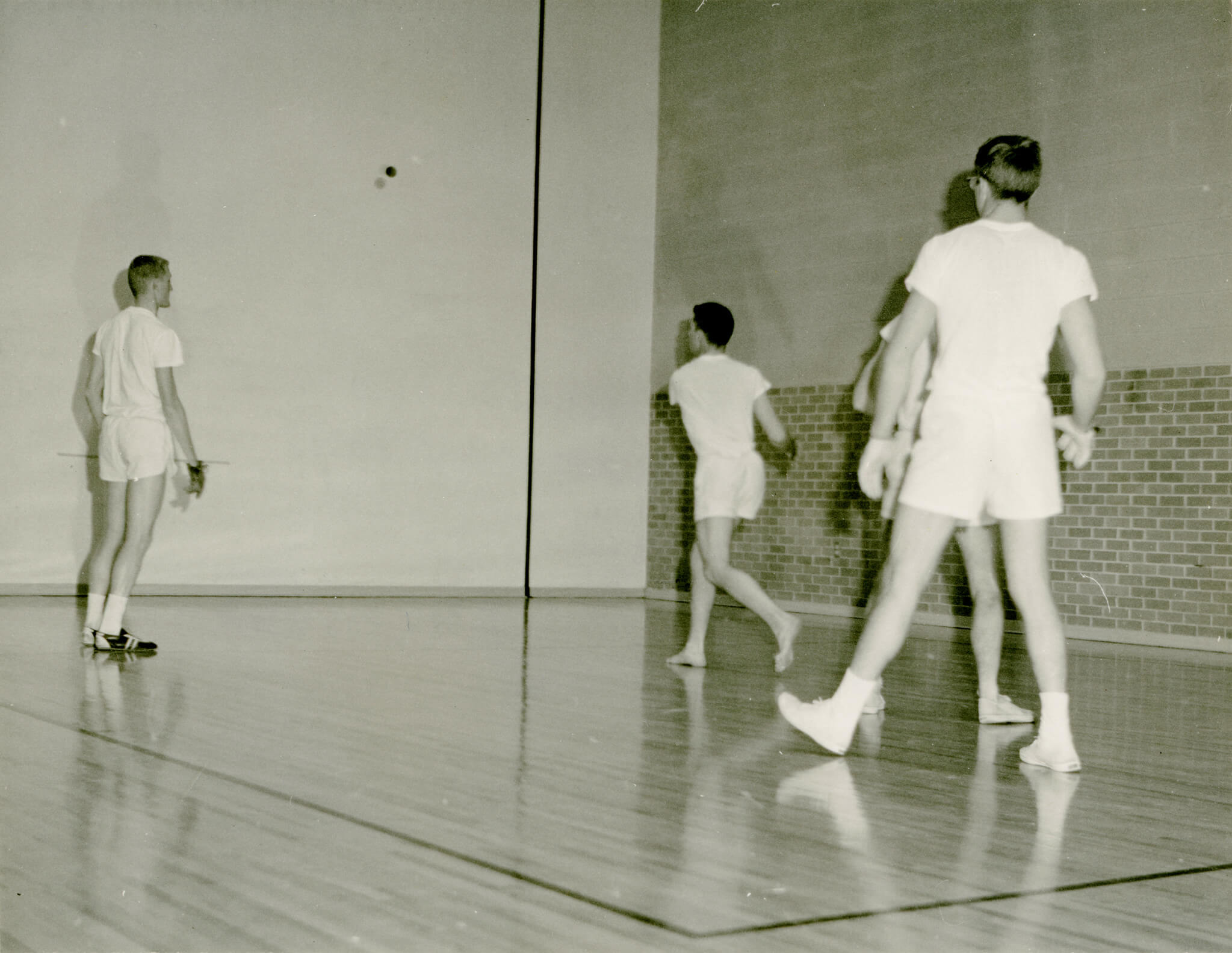
A rubber sphere thrown against a wall had to be caught or returned according to rules that varied wildly by neighborhood, often layered with elimination twists specific to that one group of kids. Every block seemed to have its own version, passed down rather than written anywhere.
Fewer blank walls in safe, accessible spots have made it harder to organize.
Ring Toss With Bicycles
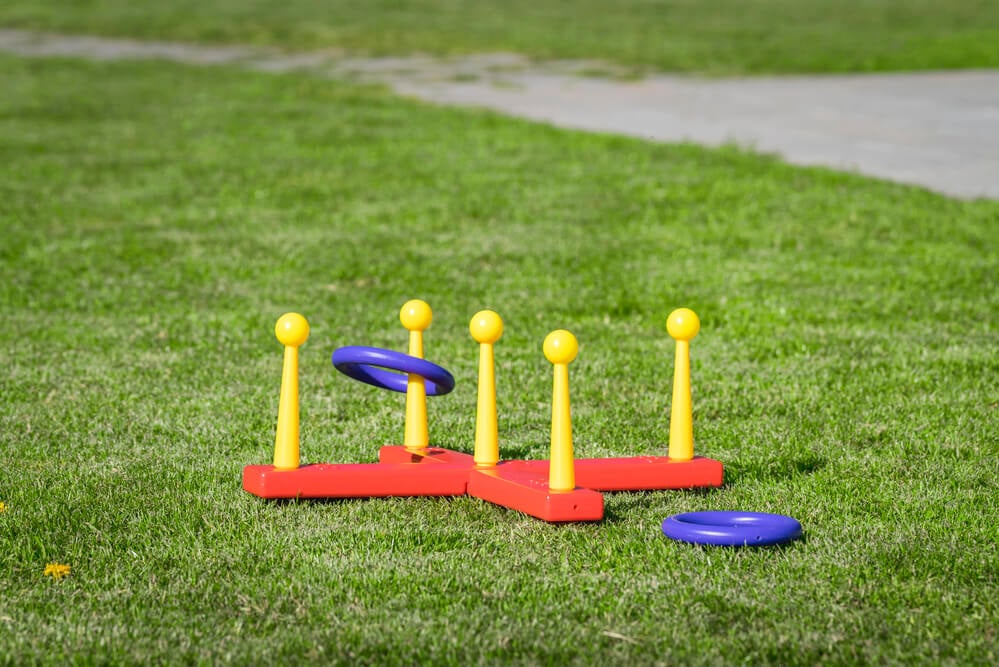
Kids on bicycles competed to toss rings or loops of rope onto a fixed post while riding past at speed, a homemade challenge that mixed cycling skill with aim. It required almost no equipment beyond a post and something to toss.
Organized youth cycling activities have largely replaced this kind of improvised street challenge.
The Street as a Shared Invention
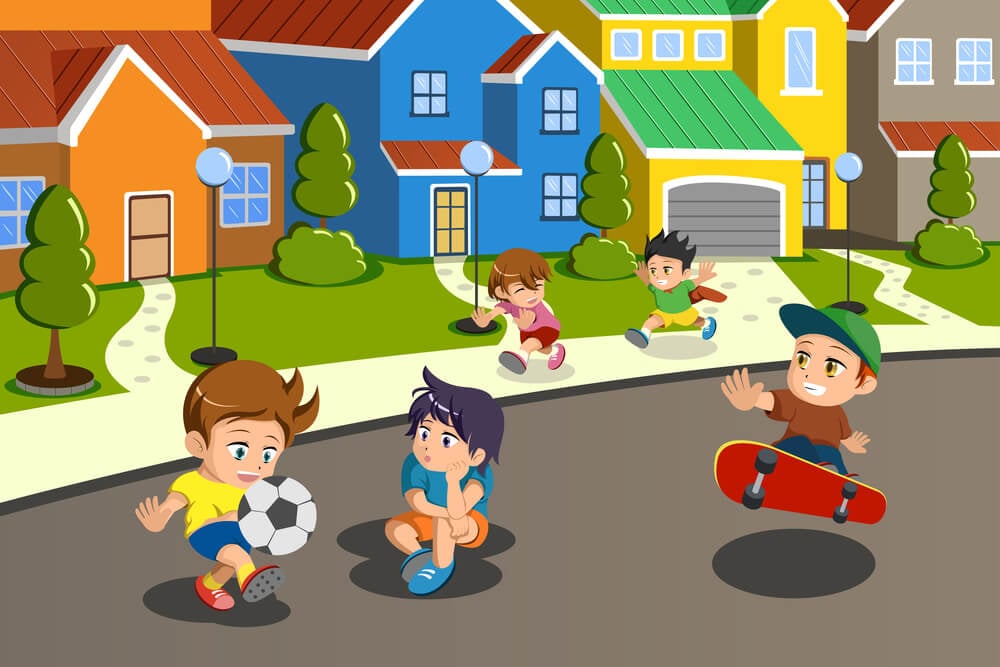
What made these games last as long as they did wasn’t the rules, which shifted from block to block and year to year, but the fact that they required a critical mass of kids willing to show up outside with nothing planned. That combination of free time, proximity, and low expectations turned out to be surprisingly fragile.
Losing the games mattered less than losing the conditions that produced them. A chalk-drawn square on a sidewalk was never really about the square; it was evidence that a group of kids had decided, on their own, to build something out of an empty afternoon.
More from Go2Tutors!

- The Romanov Crown Jewels and Their Tragic Fate
- 13 Historical Mysteries That Science Still Can’t Solve
- Famous Hoaxes That Fooled the World for Years
- 15 Child Stars with Tragic Adult Lives
- 16 Famous Jewelry Pieces in History
Like Go2Tutors’s content? Follow us on MSN.