25 Old Movie Posters Folded Up in Closets That Sell for Serious Money
Most vintage movie posters were treated like toilet paper with better graphics. After the film left the cinema, the poster came down from the lobby display, got folded up four times along factory-made creases, and went into the rubbish.
The studios expected this. Theatres weren’t storing material.
Nobody was thinking about posterity. The ones that survived did so by accident — left in a storeroom someone forgot to clear out, tucked into the back of a wardrobe, rolled into a cardboard tube and assumed to be worthless.
That systematic disposability is exactly what makes the survivors so valuable now. Condition still matters enormously, and most found posters turn out to be reprints or poor-condition originals worth very little.
But enough genuine articles keep appearing to make this one of the more surprising corners of the collectibles market — where the thing you’re hoping to find was specifically designed to be thrown away.
Metropolis (1927) — Up to $690,000
Fritz Lang’s Metropolis poster is the most valuable film poster ever sold at public auction. Only a handful of the original German release posters are known to exist; the most famous, designed by the graphic artist Heinz Schulz-Neudamm in the Art Deco style, features the robot Maria against a soaring futuristic cityscape.
One version sold at a London gallery in 2005 for $690,000, believed to have been purchased by Leonardo DiCaprio. A second example sold for $357,750.
The private market for the remaining examples has reportedly pushed individual prices considerably higher. If you find an original German Metropolis one-sheet in a flat, there will be people who would very much like to discuss it with you.
Dracula (1931) — $525,800

One of only two known surviving examples of the Style A one-sheet for Universal’s 1931 Dracula, featuring Bela Lugosi, sold at Heritage Auctions in November 2017 for $525,800, setting a new auction record for a film poster at the time. The second known example remained privately held.
Lugosi posters command premiums because he is one of the most recognisable figures in horror cinema history and original promotional materials from his career are exceptionally rare. What you’re looking for is a stone lithograph — pre-photomechanical printing — with National Screen Service markings in the bottom border.
The Mummy (1932) — Up to $1 Million+
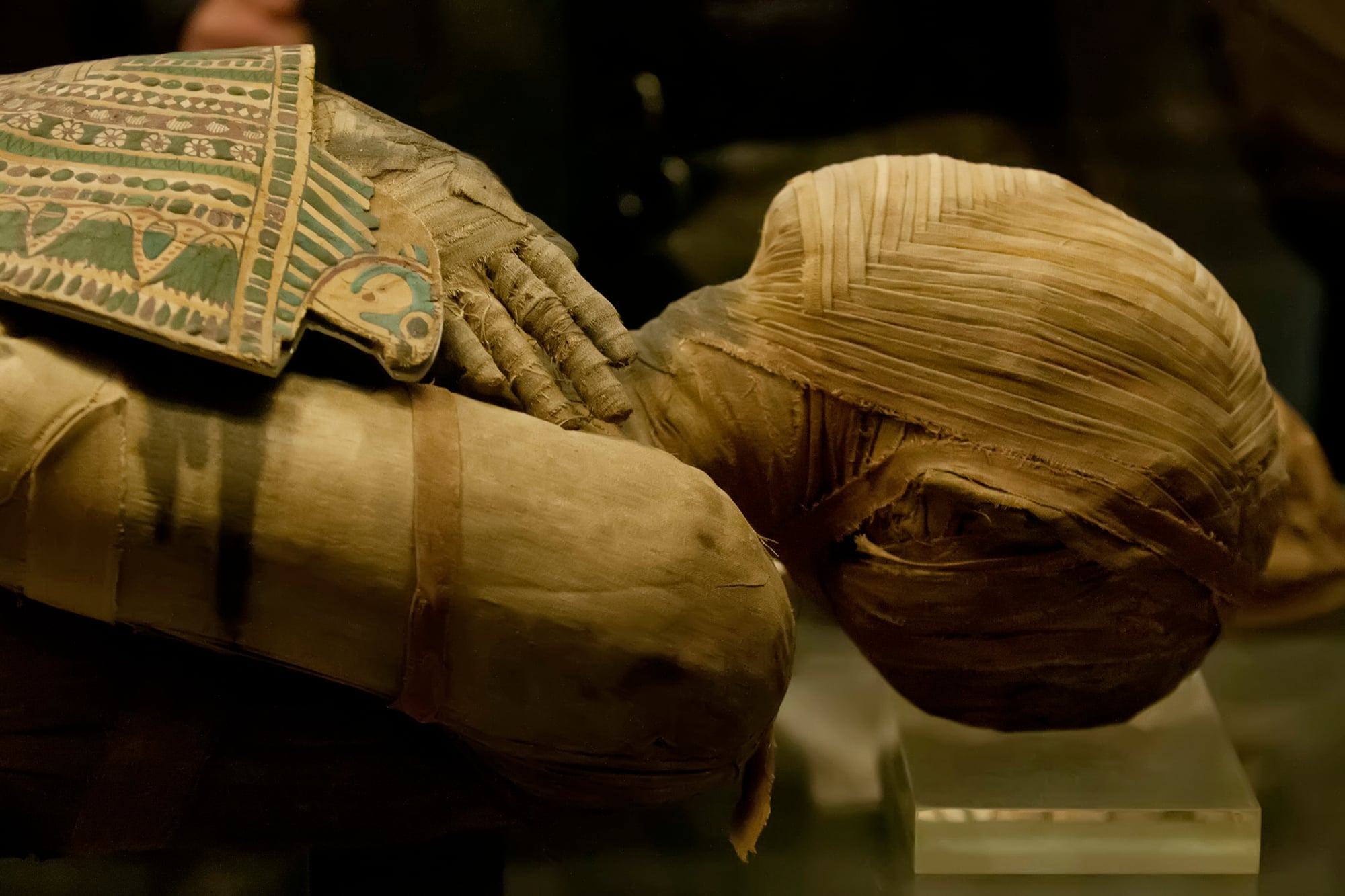
The original one-sheet for Boris Karloff’s The Mummy is one of only three known examples to have survived. Sotheby’s listed it for auction in 2018 with an estimate of $1 to $1.5 million, which would have broken all records.
Karloff posters share the premium that attaches to any golden age Universal Monster material in authentic original condition. The Egyptian-themed artwork, rendered in bold graphic art style, makes it visually one of the strongest posters of the era.
Condition dependency is severe: a linen-backed, professionally restored example might fetch multiples of what a folder with fold-line damage commands.
Frankenstein (1931) — Up to $358,500
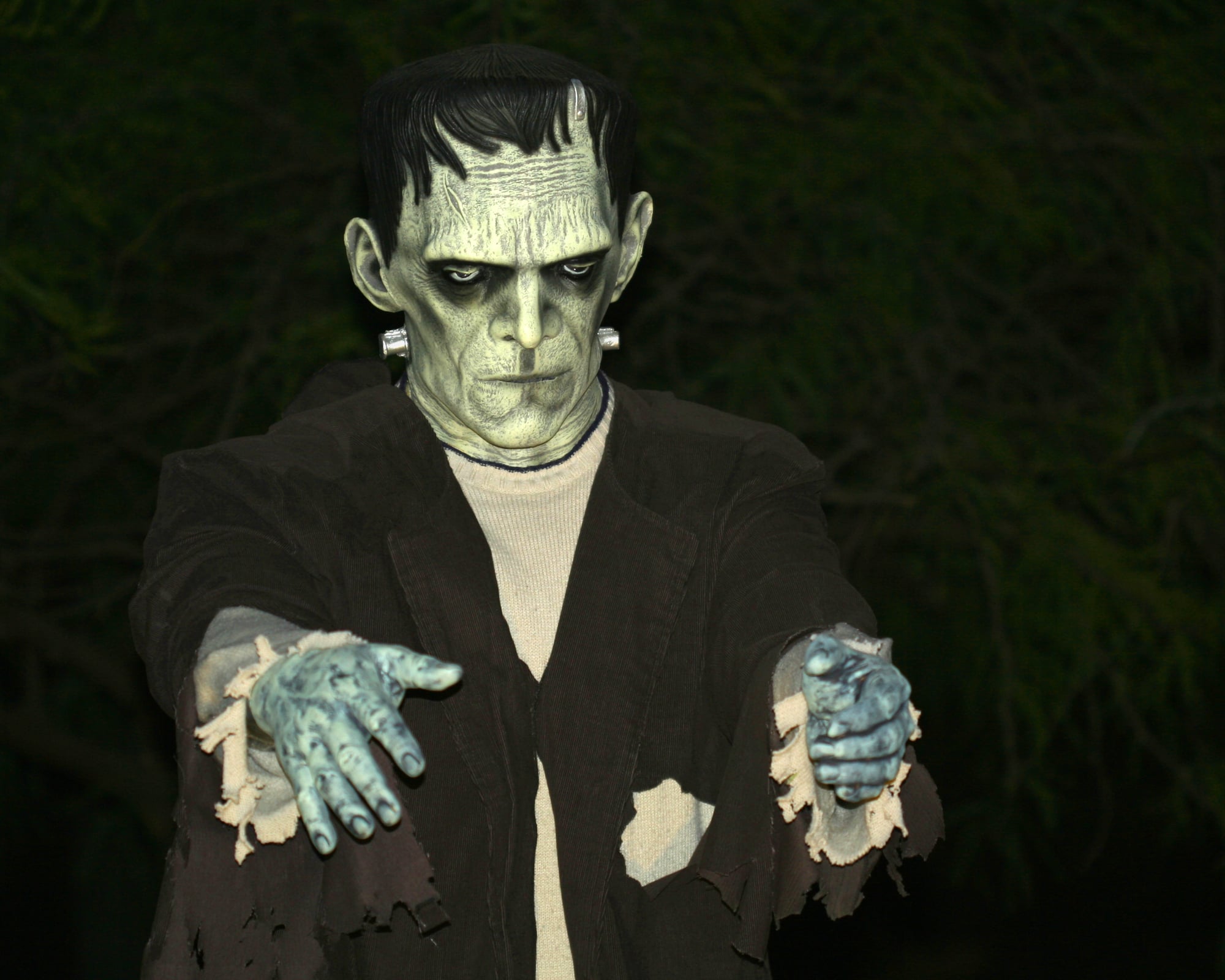
The story behind one of the more remarkable Frankenstein poster finds is that it was discovered in the 1970s in the projection booth of an abandoned cinema — the kind of unexamined back room that poster collectors spend years hoping someone will call them about. The poster was professionally restored and sold at Heritage Auctions in 2015 for $358,500, making it the most valuable Frankenstein poster ever sold.
Original pre-war Universal Horror posters are treated by the market as fine art rather than ephemera, and they’re priced accordingly.
King Kong (1933) — $388,375

The 1933 three-sheet for King Kong, featuring the distinctive colour artwork of Kong atop the Empire State Building, sold for $388,375. Kong posters in various formats and sizes circulate through the auction market regularly, but original theatrical one-sheets from the initial release are rare enough that authenticated examples immediately attract serious bidding.
The artwork for the 1933 release is widely considered among the finest film poster design of the classic Hollywood era.
Casablanca (1942) — $478,000

A 1946 Italian re-issue poster for Casablanca — large format, full colour — sold for $478,000 at auction in 2017. Casablanca is one of the most collected film titles in poster history, partly because the film’s reputation has only grown with time and partly because the poster artwork in various national editions is exceptionally strong.
Earlier examples, from the 1942 original US release, appear rarely and command more. A 1953 Italian two-folio Casablanca that sold for $26,290 in 2006 fetched $203,150 when the same poster came up again ten years later — a 673 percent increase in a decade.
Bride of Frankenstein (1935) — $334,600
The Bride of Frankenstein one-sheet, from the 1935 Universal sequel to the original Frankenstein, is considered by collectors to be one of the rarest and most desirable horror posters in existence. One example sold for $334,600 in 2007.
The combination of Boris Karloff, the striking visual design, and the extreme scarcity of surviving examples from this period makes these among the most sought-after pieces in the entire poster market.
The black cat (1934) — $334,600
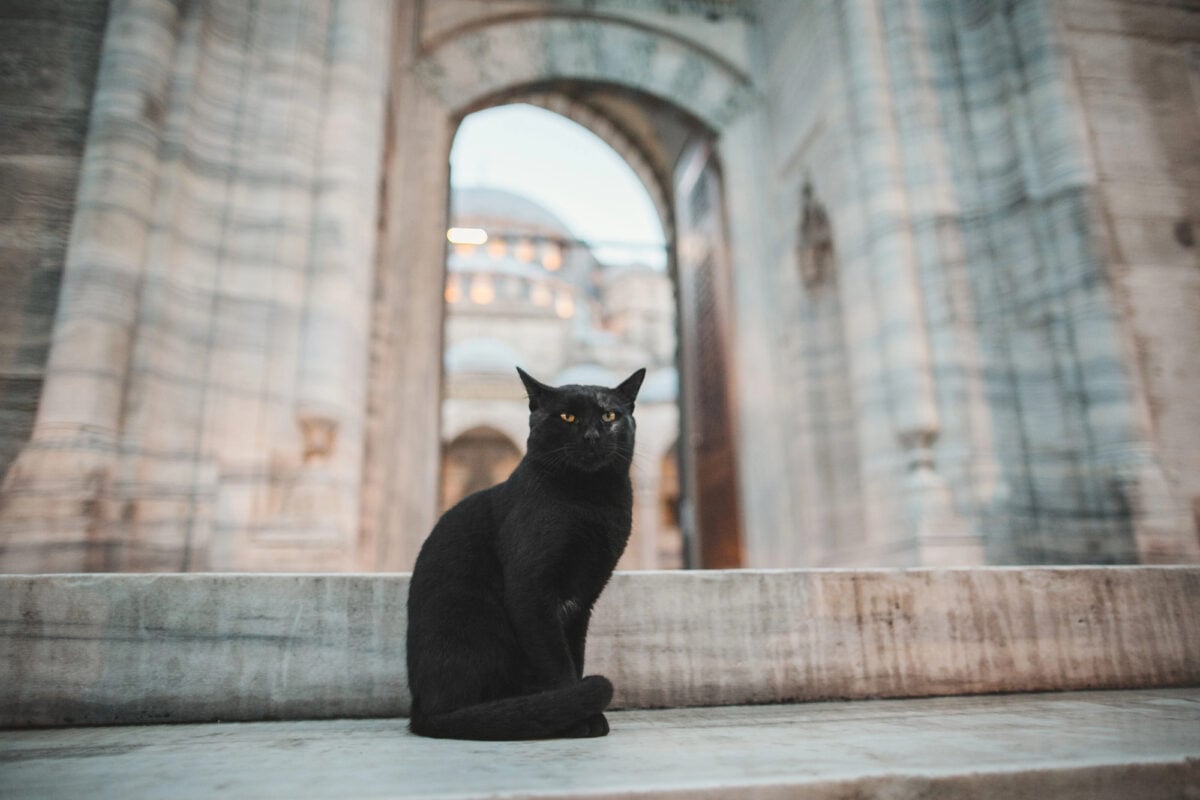
The 1934 Universal horror film The Black Cat, starring both Boris Karloff and Bela Lugosi — the two most collectible figures in horror poster history — produced multiple poster styles, each with their own market. The Style D and Style B versions have both sold for over $300,000 at Heritage Auctions.
Having both of the most recognisable names in the genre on a single original theatrical poster makes these particularly compelling for collectors who focus on Universal Monster material.
The Phantom of the Opera (1925) — $160,000+
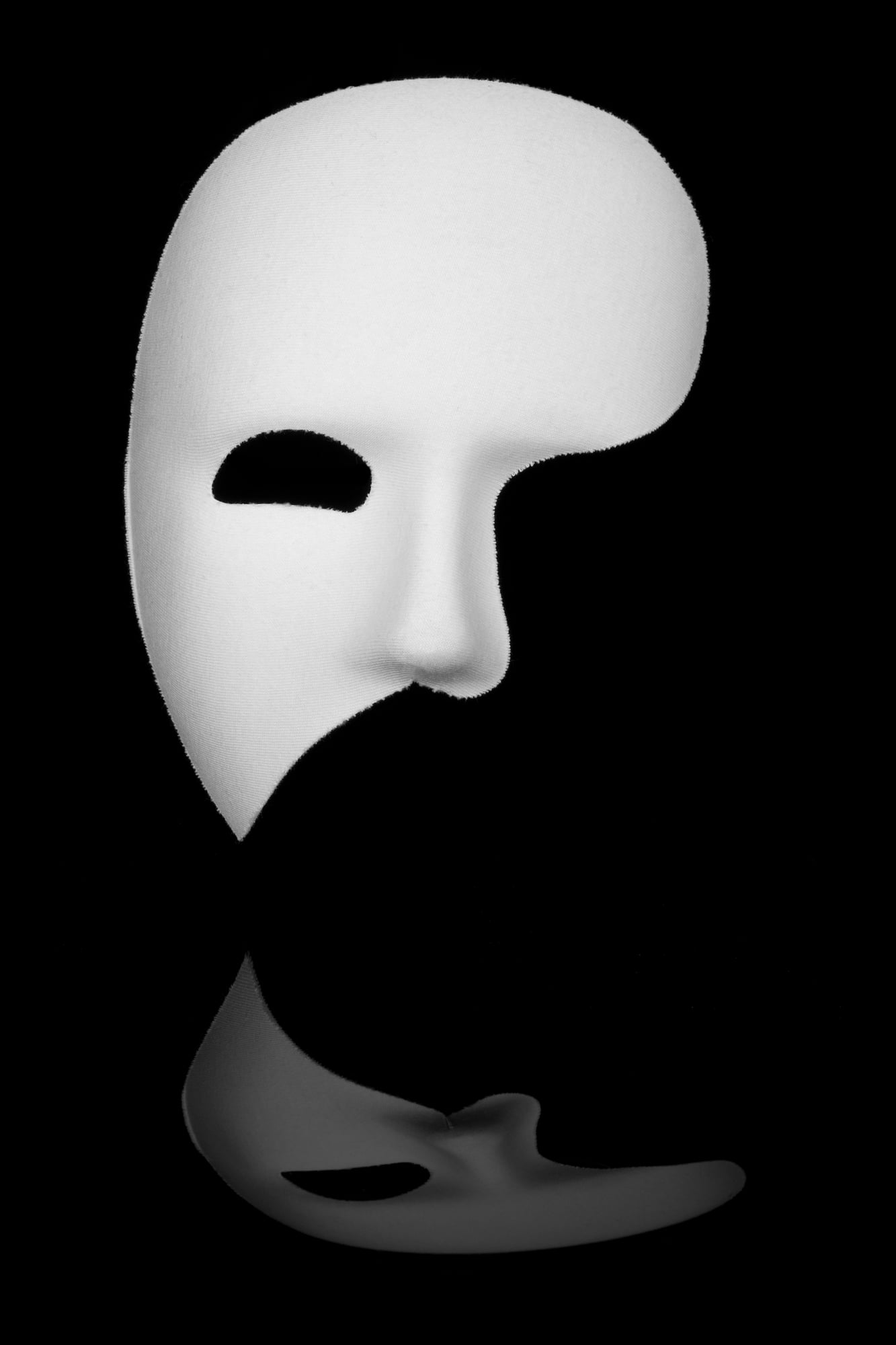
Original poster material from the 1925 Lon Chaney silent film The Phantom of the Opera is among the rarest pre-sound era material still appearing on the market. One example, previously owned by Nicolas Cage, sold at Heritage Auctions in 2014.
Chaney posters are desirable both as film memorabilia and as artefacts of silent film art — a period when poster design was entirely hand-rendered and the artists who made them are largely unknown. Only a handful of surviving Phantom posters in any format are documented.
The Wizard of Oz (1939) — Up to $40,000+
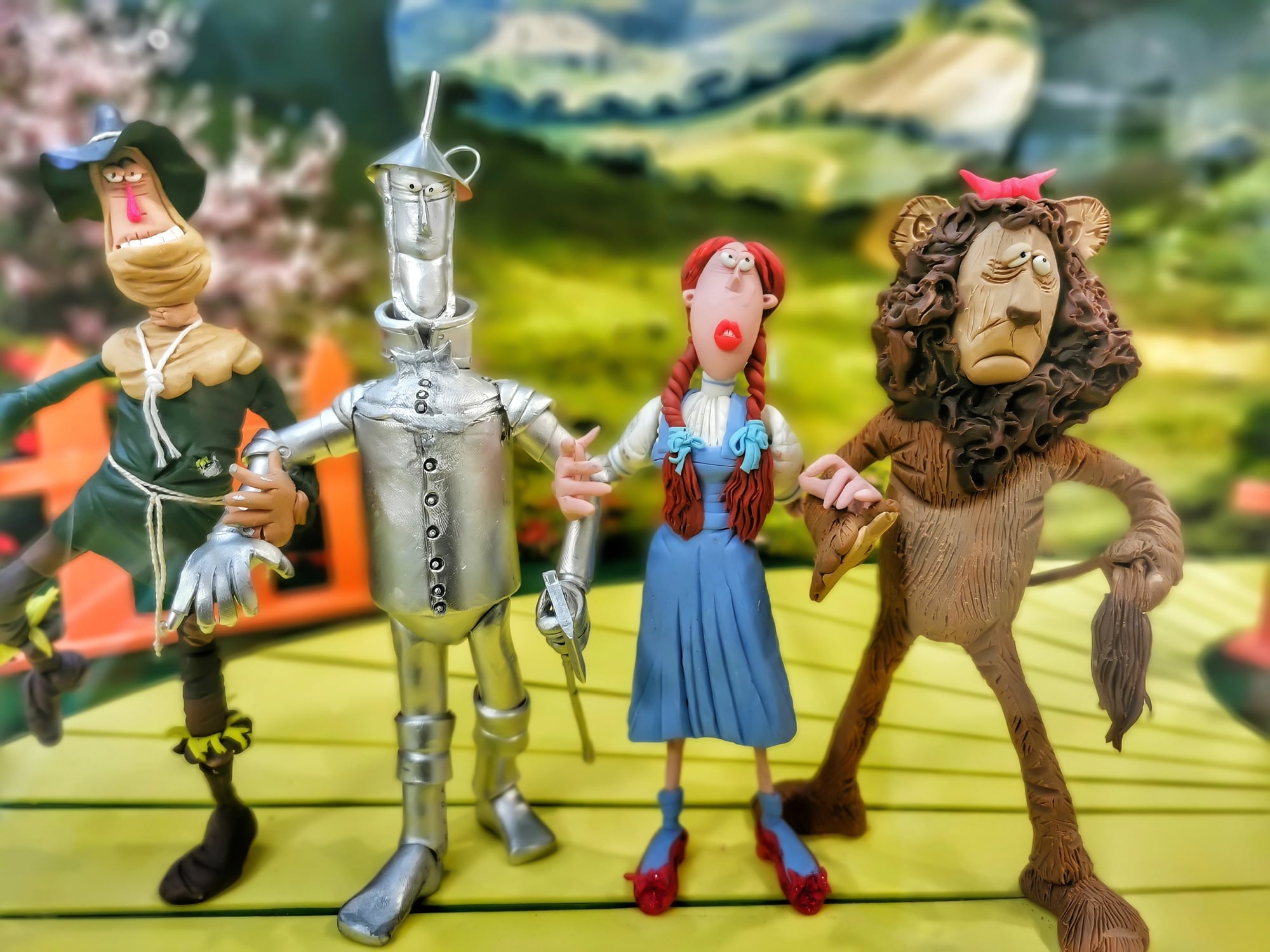
An original one-sheet for The Wizard of Oz in good condition can sell for upwards of $40,000 according to Heritage Auctions specialists. The title is one of the most beloved in cinema history and poster demand reflects that longevity.
The artwork from the 1939 MGM release is strong, but surviving examples have suffered decades of handling. Condition determines value more dramatically here than in cases where fewer examples exist overall — a well-preserved Wizard of Oz one-sheet is worth many times more than a heavily worn example of the same release.\
Breakfast at Tiffany’s (1961) — £13,000+

Christie’s sold an original double-sided Breakfast at Tiffany’s poster from 1961 for over £13,000 in 2004 — and that figure has risen considerably since, as Audrey Hepburn material has appreciated steadily across all collecting categories. The combination of the film’s cultural permanence, Hepburn’s iconic status, and the specific quality of the poster artwork (which includes one of the most reproduced images in twentieth-century cinema) has made even moderate condition examples valuable.
International editions in good condition frequently appear at specialist auctions.
Star Wars: A New Hope (1977) — Up to $100,000+

The range of values for original 1977 Star Wars posters is dizzying, partly because the film had multiple original poster styles, multiple print runs of the same style, and a complex international release history with country-specific variants. A first-printing Style A one-sheet in near-mint condition has sold for over $10,000 at recent Heritage auctions; examples in pristine condition with the right provenance have reportedly changed hands privately for considerably more.
Importantly, these posters were printed in far larger quantities than pre-war horror material, so condition matters far more — a worn Star Wars one-sheet may be worth relatively little while a perfect copy of the same design commands serious attention.
Star Wars: The Empire Strikes Back (1980) — Up to $10,000+

Empire Strikes Back posters in multiple formats circulate through the auction market regularly. Original one-sheets from the 1980 theatrical release in good condition have sold for $5,000–$10,000 depending on style and printing.
The “Revenge of the Jedi” advance posters — using the working title that was later changed to Return of the Jedi before release — are a specific sub-category that collectors particularly pursue because they were withdrawn from circulation before most people saw them.
Jaws (1975) — Up to £2,000+
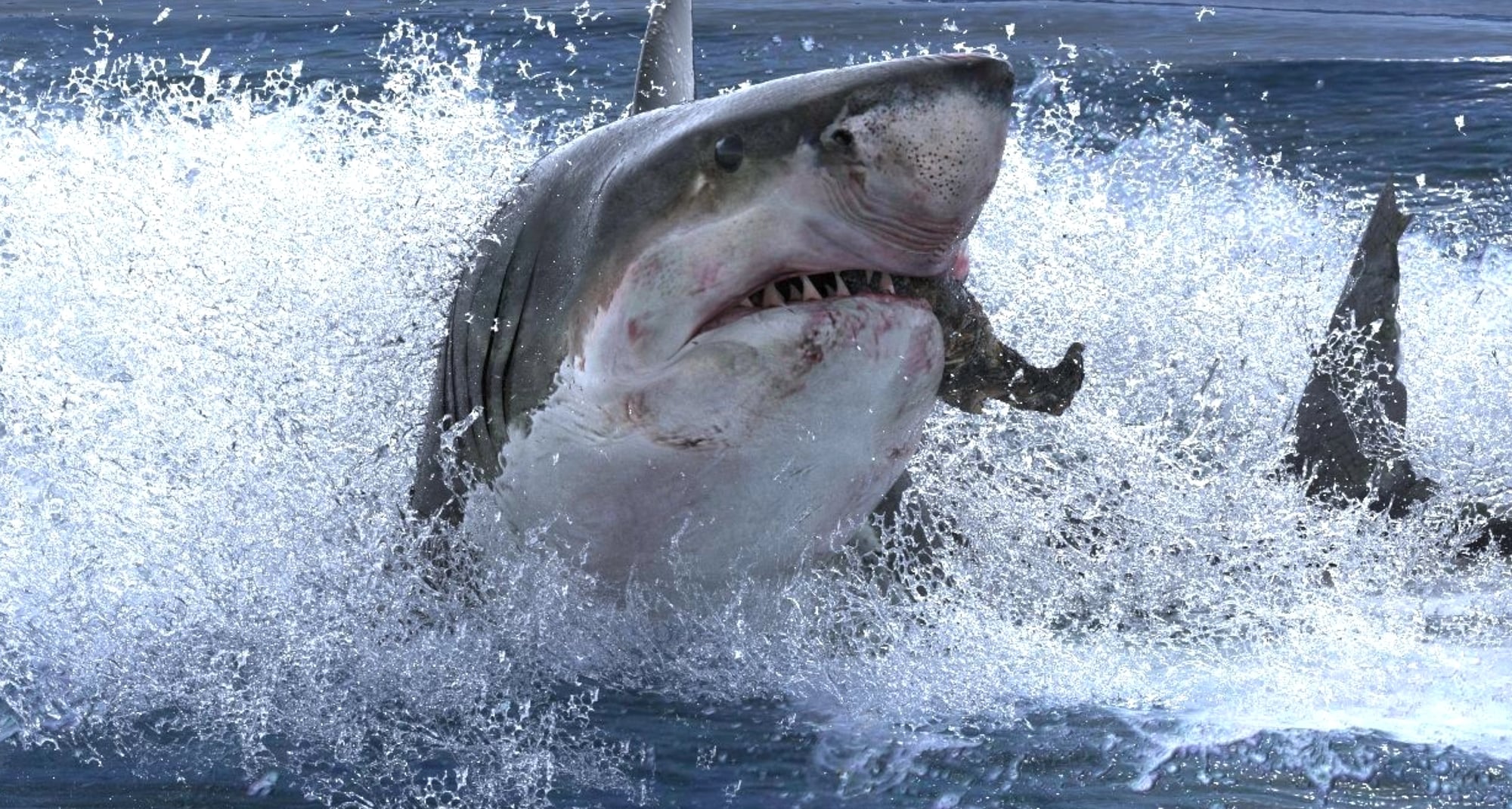
The Jaws poster — featuring the massive great white shark rising below an unknowing swimmer in a composition designed by Roger Kastel — is one of the most recognisable single images in cinema marketing history. Original theatrical one-sheets in mint condition have been valued at £2,000 and above in the UK market.
International variants, particularly Japanese versions, have their own following among collectors. The image itself is so well-known that distinguishing originals from reproductions is particularly important when evaluating any Jaws poster found in an attic.
James Bond: From Russia With Love (1963) — £10,000+
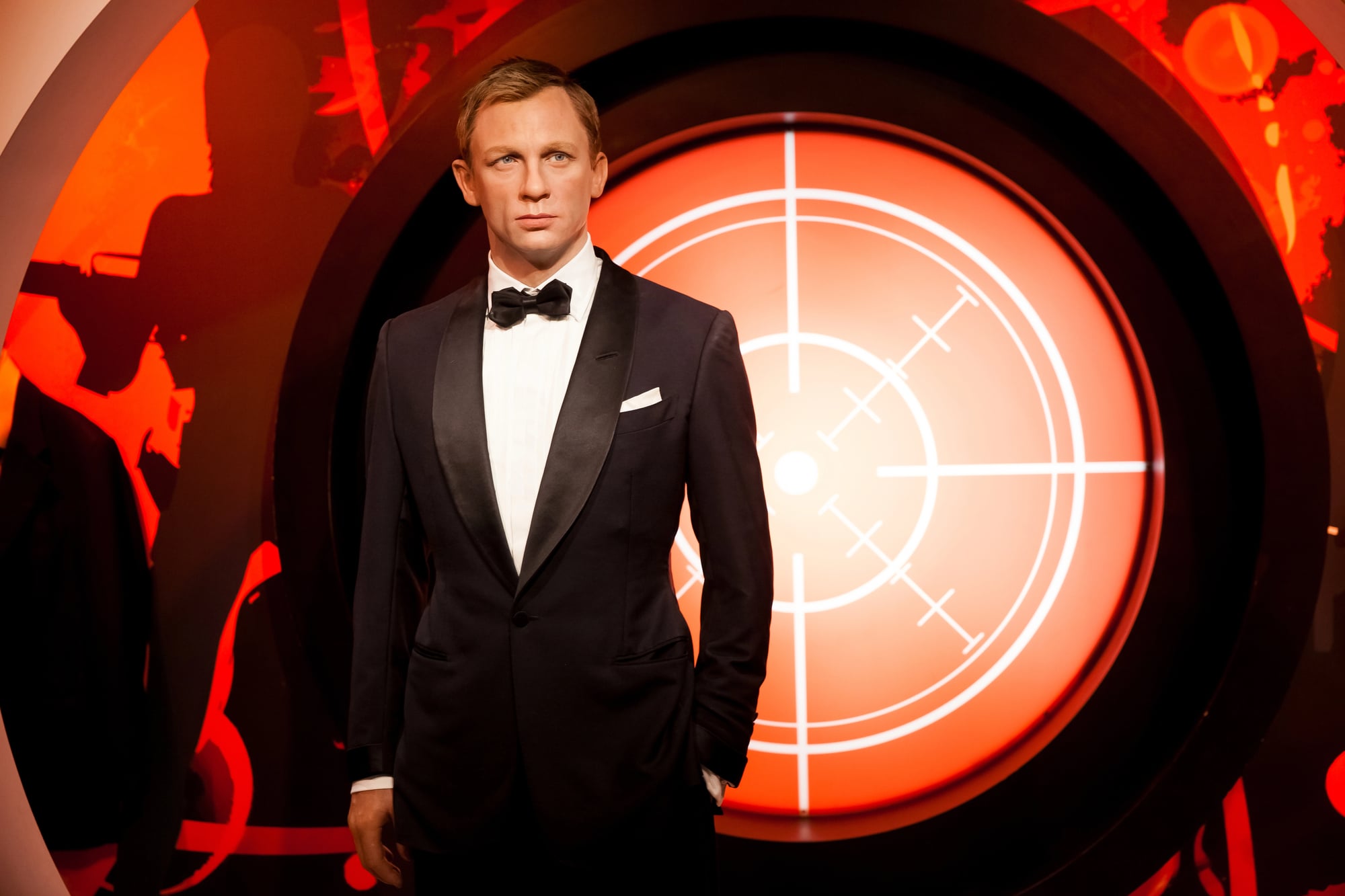
Original British “quad” format posters (approximately 30 x 40 inches) from the 1960s James Bond films are among the most sought-after film posters from that decade. A From Russia With Love quad in good condition has achieved over £10,000 at auction.
Bond posters are popular across two distinct collecting categories — film memorabilia and spy/action film collectibles — which keeps demand high. The Thunderball original US one-sheet has been valued at around $16,000.
Gone With the Wind (1939) — Up to $30,000

Original theatrical release posters from Gone With the Wind have sold for substantial sums at auction, with certain formats reaching $25,000–$30,000 in good condition. The film’s enduring cultural status and the length of its theatrical run — which produced multiple release formats in multiple countries — means that a wide range of original material exists, but truly first-run examples in strong condition are increasingly difficult to find.
Insert cards and half-sheet formats from the original release are regularly tested at specialist auctions.
Rear Window (1954) — Up to $35,000

Alfred Hitchcock is a perennially popular category for poster collectors, and Rear Window is among the most collected of his titles. Original US one-sheets from the 1954 release have sold for $20,000–$35,000 depending on condition.
Hitchcock poster values generally exceed those of similar-era non-horror films because of the director’s unique standing in cinema history and the sustained quality of the original poster artwork commissioned for his films.
E.T. the Extra-Terrestrial (1982) — Up to $5,000

John Alvin’s artwork for E.T. — the famous silhouette of the glowing finger touch — is one of the defining poster images of 1980s cinema. Original theatrical one-sheets from the 1982 release are not particularly scarce by pre-war standards but have accumulated enough years of distance and cultural weight that strong examples now sell for $2,000–$5,000 depending on condition and printing generation.
Given the enormous quantities printed, condition is the critical determinant of value.
Psycho (1960) — Up to $40,000
Original one-sheets for Alfred Hitchcock’s Psycho, featuring the distinctive text-heavy design by Saul Bass, have sold for up to $40,000 at specialist auctions. The combination of Hitchcock’s status and the specific genius of Bass’s graphic work makes these particularly desirable.
Insert cards and lobby card sets from the 1960 release have their own market. Psycho is one of the few films where the poster is studied as a significant work of graphic design independently of the film itself.
Vertigo (1958) — $35,000+

Saul Bass also designed the promotional materials for Vertigo, and original release posters have sold for $35,000 and above at auction. Vertigo was reassessed by critics beginning in the 1970s and ’80s and is now widely considered one of the greatest films ever made; its poster market has tracked that critical reappraisal.
The combination of Art Deco-influenced illustration, Bass’s distinctive graphic sensibility, and Hitchcock’s name means these are among the most aesthetically significant film posters of the 1950s.
A Clockwork Orange (1971) — Up to $10,000

Philip Castle’s distinctive artwork for Stanley Kubrick’s A Clockwork Orange — featuring Malcolm McDowell with his eye held open — is one of the most reproduced poster images in cinema. Original one-sheets from the 1971 US release have sold for $5,000–$10,000 in recent years, with condition playing a significant role.
As with all Kubrick titles, the auction market reflects the director’s exceptional critical reputation. The Shining and 2001: A Space Odyssey original materials are in a similar range.
The Public Enemy (1931) — $167,800

A “unique one-sheet” for the 1931 James Cagney gangster film The Public Enemy sold for $167,800 in 2016. Cagney material is collected both as classic Hollywood memorabilia and as gangster film genre collectibles.
Pre-war crime films produced strong poster artwork and are less extensively collected than horror titles, which means that genuine rarities in the category can surface without the same level of prior documentation that follows Universal Monster material.
King Kong (1933) Japanese Variant

Like many major films, King Kong was accompanied by distinct poster artwork for international markets, and the Japanese promotional materials are particularly striking — rendered in a completely different artistic tradition from the American originals. Japanese B2 format posters for classic Hollywood films have an active collector community, and original examples from the 1930s in any format can attract significant interest.
Country-specific variants sometimes appear at auction without the level of scrutiny applied to US materials, which cuts both ways — more chance of a genuine discovery, more chance of a sophisticated reproduction.
Flying Down to Rio (1933) — $239,000

Fred Astaire and Ginger Rogers’s first film together produced promotional material that became highly collectible as their partnership came to define the 1930s Hollywood musical. A mint-condition one-sheet for Flying Down to Rio sold at Heritage Auctions in 2008 for $239,000.
The pairing of two iconic names, the golden age art direction, and the extreme scarcity of surviving examples from this period all contribute to the figure.
The Adventures of Robin Hood (1938) — Up to $50,000

Original poster material from Errol Flynn’s The Adventures of Robin Hood — including stone lithograph one-sheets with the distinctive colour printing of 1930s Warner Bros. promotional material — has sold for $40,000–$50,000 at auction. Flynn’s poster material is less systematically collected than Universal Monster material but has a dedicated following among classic Hollywood collectors, and surviving examples from his peak years are genuinely scarce.
What To Look For

The critical distinction in vintage film poster collecting is between original theatrical release posters, which were produced by the studio or the National Screen Service for actual display in cinemas, and reproductions, which were printed later in vastly larger quantities. Reproduction posters almost universally carry no value.
Original theatrical posters from before 1970 were typically printed as stone lithographs or four-colour offset prints on specific paper stock; they often have National Screen Service numbers in the bottom border, factory fold lines in specific patterns, and paper characteristics that experienced dealers recognise immediately.
Condition is the other critical variable, and the degree to which it affects price differs by category. For a unique piece — the only surviving example of something — a poor-condition original still commands significant money.
For a title like Star Wars where hundreds of thousands were printed, a worn original may be worth little more than a reproduction. Professional linen-backing can restore structural integrity without substantially reducing value; amateur restoration that obscures the printing or alters the colour is a different matter entirely.
If you find something folded up in a box that looks like it might be an original theatrical poster, have it assessed by a specialist before doing anything to it.
The Value of What Was Disposable

Film posters were designed to advertise a product for a few weeks, then disappear. The studios never asked for them back.
The cinemas never expected to keep them. The graphic artists who designed them often worked anonymously and were paid a flat fee.
The entire system was built around impermanence — which is why the ones that survived it are worth what they are. Every valuable vintage poster in existence today is there because of some specific small act of preservation: a projector whose operator didn’t feel like throwing things away, a studio storeroom that was never cleaned, a rolling tube shoved to the back of a shelf and left there for fifty years.
The scarcity is architectural, built into the system that produced the objects. And the market for them reflects what it always costs to find things that were specifically designed not to last.
More from Go2Tutors!

- The Romanov Crown Jewels and Their Tragic Fate
- 13 Historical Mysteries That Science Still Can’t Solve
- Famous Hoaxes That Fooled the World for Years
- 15 Child Stars with Tragic Adult Lives
- 16 Famous Jewelry Pieces in History
Like Go2Tutors’s content? Follow us on MSN.



