25 Old Wooden Carvings and Folk Art Pieces That Sell for Far More Than Expected
Most people who encounter an old wooden carving in a barn, at an estate sale, or propped against a wall at an antique market don’t register it as anything significant. It looks hand-made, possibly rough, definitely old, and decorated with paint that has faded or chipped in a way that suggests neglect rather than history.
The assumption is that something that crudely made can’t be worth much. That assumption has cost people a great deal of money.
American folk art — particularly carved and painted wooden objects from the 18th and 19th centuries — has a collector market that operates by different rules than fine art. Rarity, authenticity, original surface, and regional character matter more than technical polish.
A piece carved by a self-taught craftsman from rural Pennsylvania two hundred years ago, still in its original paint with honest wear, regularly commands more at specialist auction than smooth academic work from the same period. What looks like primitive naivety to a casual observer is exactly what serious collectors are paying to find.
Carved Wooden Weathervanes
Antique copper and zinc weathervanes from the 19th century rank among the most actively traded categories in American folk art collecting. A full-bodied molded copper running horse weathervane in original surface sells for $5,000 to $50,000 depending on form, maker, and condition.
At the top of the market, a molded copper weathervane depicting a Native American with a bow and arrow sold for $5.84 million at auction in 2006. A cast zinc cow weathervane sold at South Bay Auctions for $11,000 after heavy bidding.
Most survive in barns and attics, where owners assume they’re rusty old weather instruments.
Cig Store Idians

The carved wooden figures that stood outside American tobacconists from the mid-1800s through the early 1900s are among the most recognizable — and valuable — forms in American folk art. A rare example brought over $200,000 at auction in 2010.
A figure attributed to carver Samuel Anderson Robb sold for $48,000 at Material Culture auction in Philadelphia. Common examples without attribution sell for $5,000 to $40,000 depending on size, condition, and original paint.
Duck and Shore Bird Decoys

A hollow drake broadbill decoy attributed to Illinois carver William Lohrmann sold for $10,320 at auction. Attributed decoys from named regional carvers — Elmer Crowell, Charles Perdew, Lem Ward — are the most valuable, with fine examples reaching $50,000 to $250,000.
Unattributed decoys in original paint still bring $500 to $5,000 regularly.
Santos and Religious Carvings
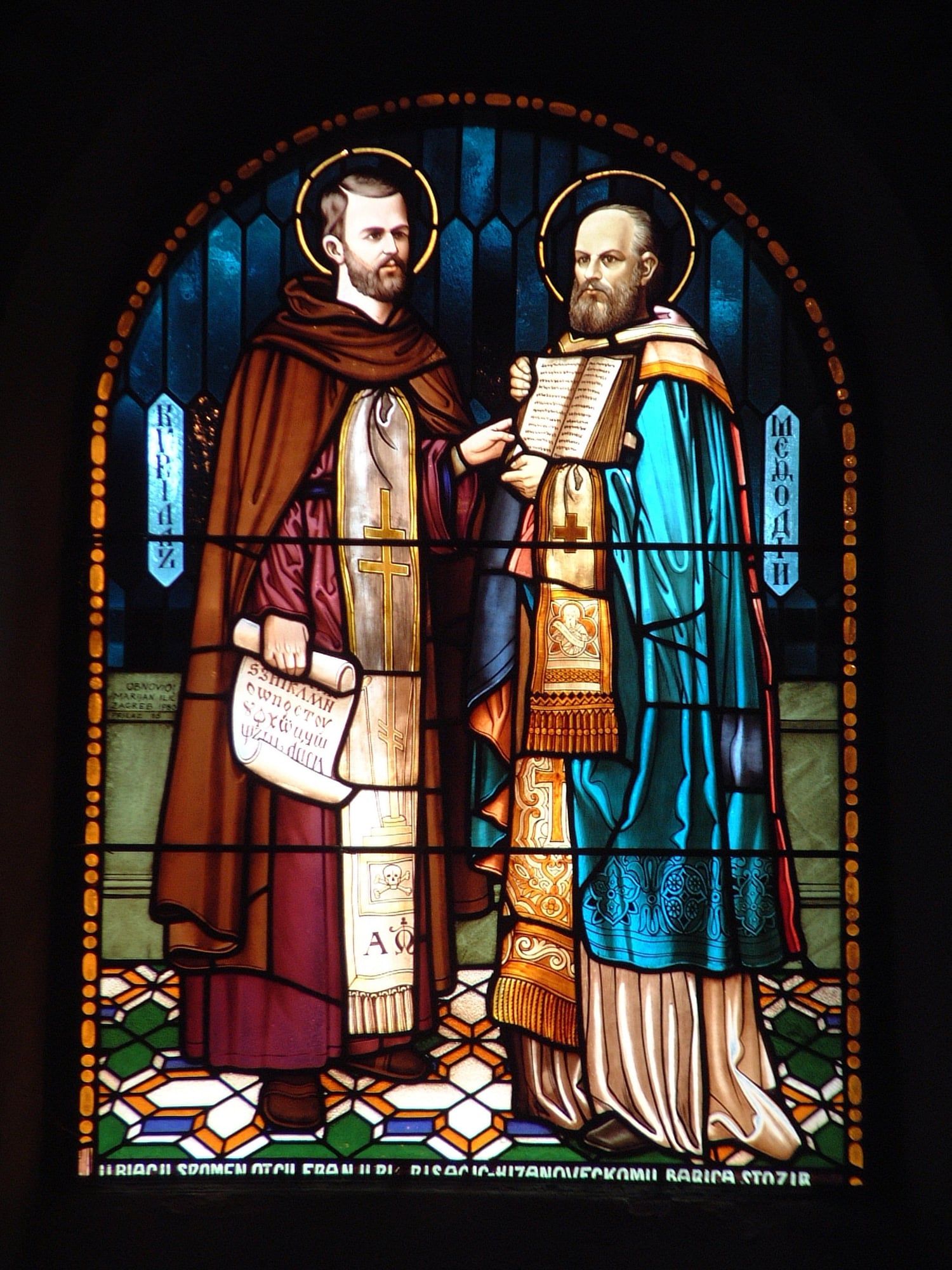
Fine early examples from the 18th and 19th centuries, particularly New Mexican retablos and bultos with original gesso and paint, sell for $5,000 to $24,000 at specialist dealers. Most arrive at dealers from families who kept them as household religious objects without understanding their art historical significance.
Carousel Horses

Outside row horses with elaborate carved and painted decoration sell for $10,000 to $80,000 depending on maker and condition. Dentzel menagerie animals bring premium prices because they’re rarer than horses.
Original paint is critical: restored carousel horses are worth significantly less than examples in honest original surface.
Tramp Art Frames and Boxes

Tramp art was made by itinerant craftsmen from approximately 1870 to 1940 using discarded wood from shipping crates and scrap timber. Large tramp art frames in excellent condition sell for $500 to $3,000.
Elaborate tramp art boxes with secret compartments or unusual architectural features bring $200 to $1,500.
Carved American Eagles
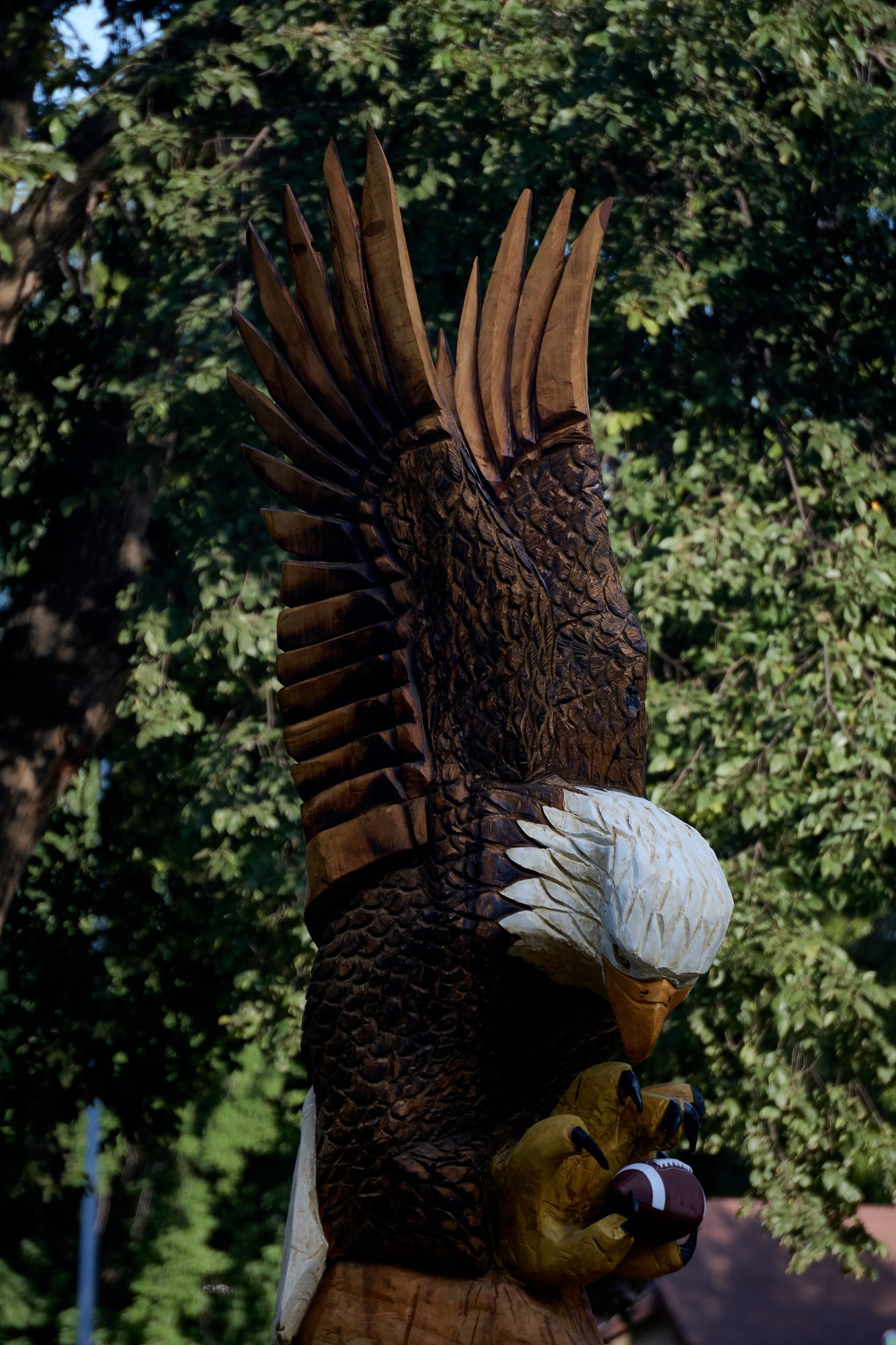
A carved wood eagle with provenance to the collection of dealer Pat Guthmann and published in American Primitive: Discoveries in Folk Sculpture sold for $4,320 at auction. Carved eagles with spread wings, original gilt paint, and strong execution from the Federal period sell for $2,000 to $20,000.
Ship and Sailor Carvings
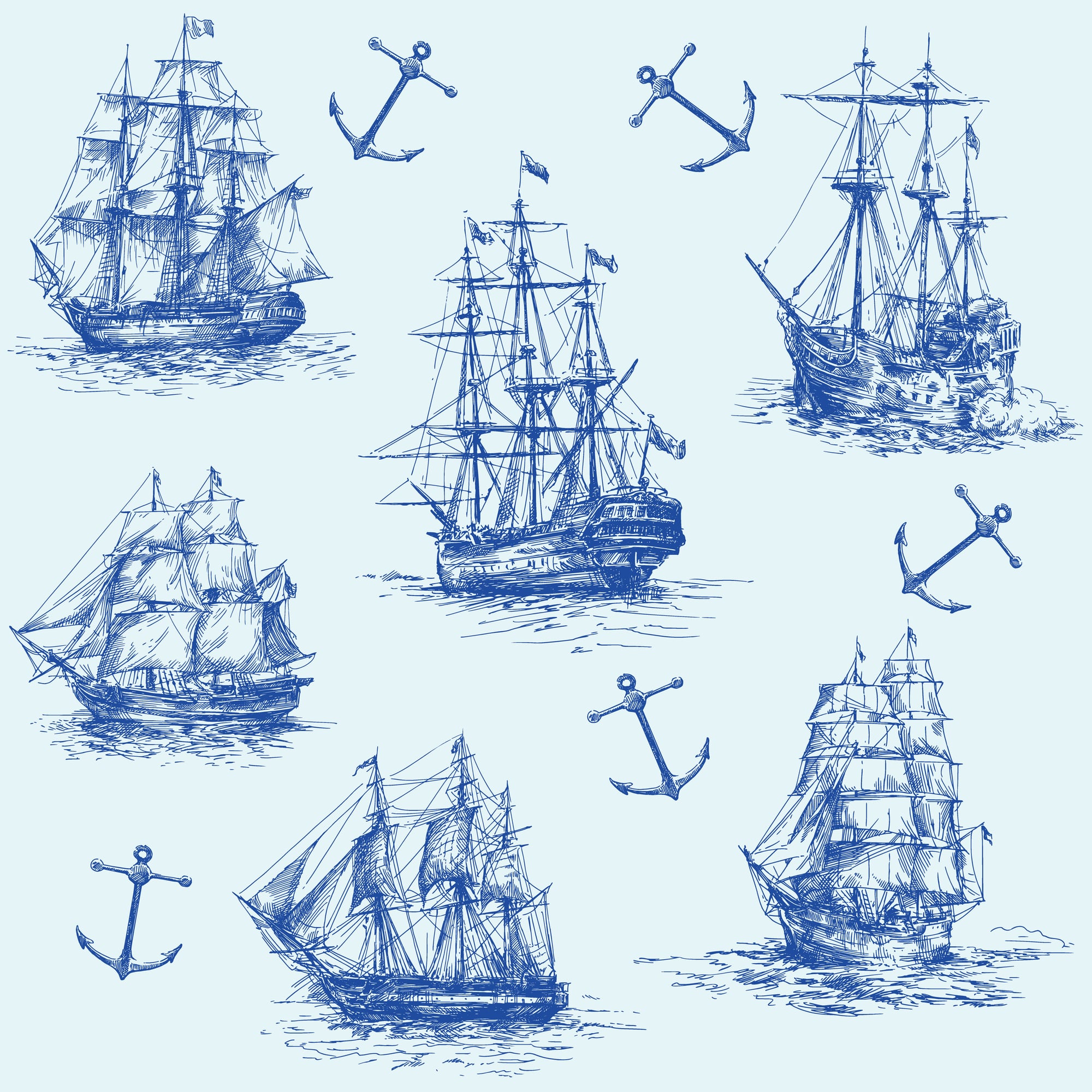
A large 19th-century scrimshaw whale tooth with engraved imagery sold for $7,080 at Cottone Auctions. Fine examples from the golden age of American whaling bring $2,000 to $20,000.
Whale tooth scrimshaw with documented provenance to specific voyages commands premium prices from maritime collectors.
19th-Century Trade Signs
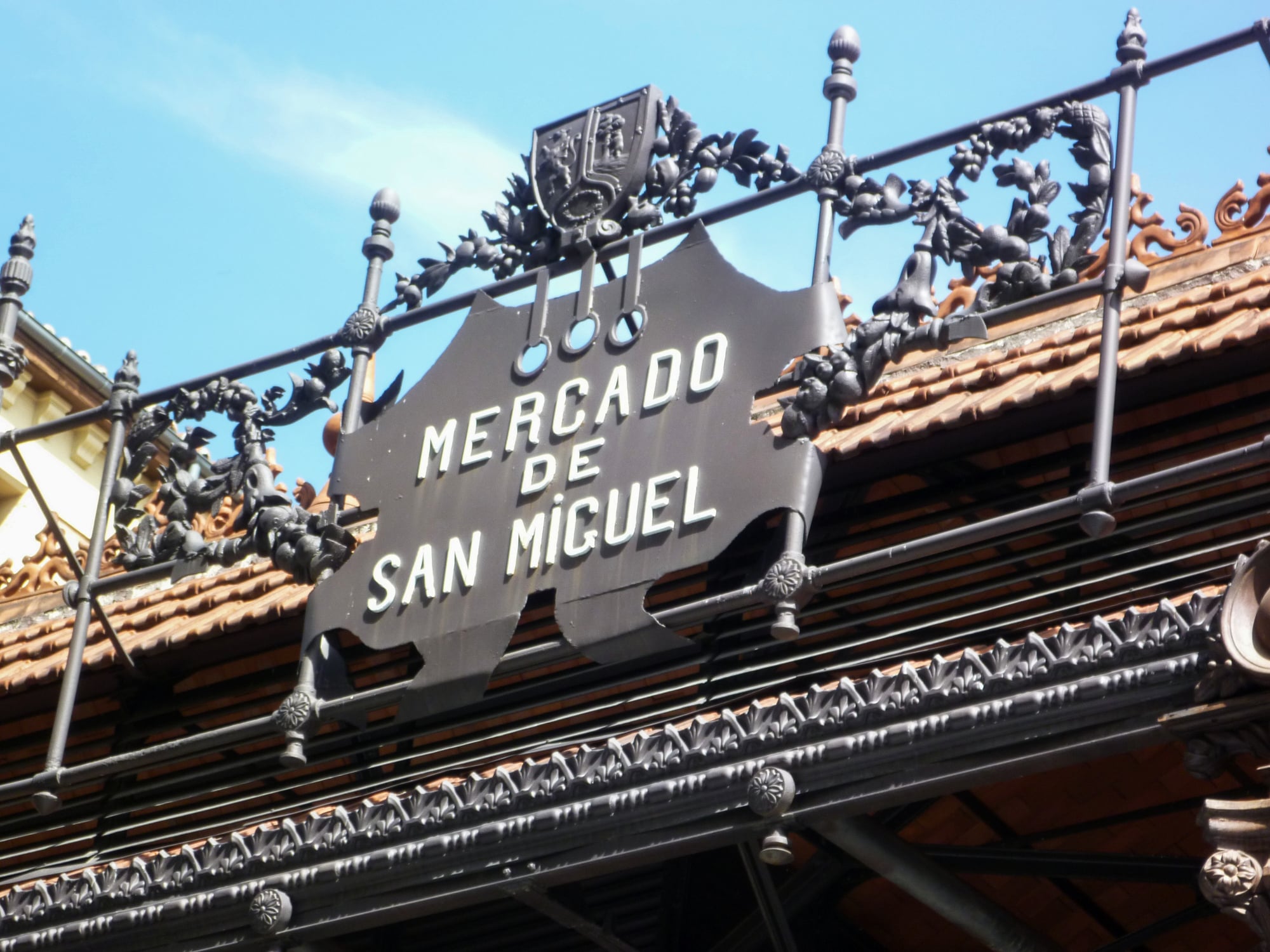
Carved and painted butchers’ signs, apothecary symbols, and boot-makers’ shoes from the 19th century sell for $1,000 to $15,000. The 19th-century carved pointing hand sold for $1,534 at Cottone Auctions and is a regular fixture in American folk art sales.
Carnival and Sideshow Carvings

Figural game-board targets with original paint and strong graphic character sell for $1,000 to $10,000 at specialist auctions. The most graphic and unusual examples — figures with movable parts, mechanical elements, or unusually bold original paint — consistently outperform their pre-sale estimates.
Hooked Rugs
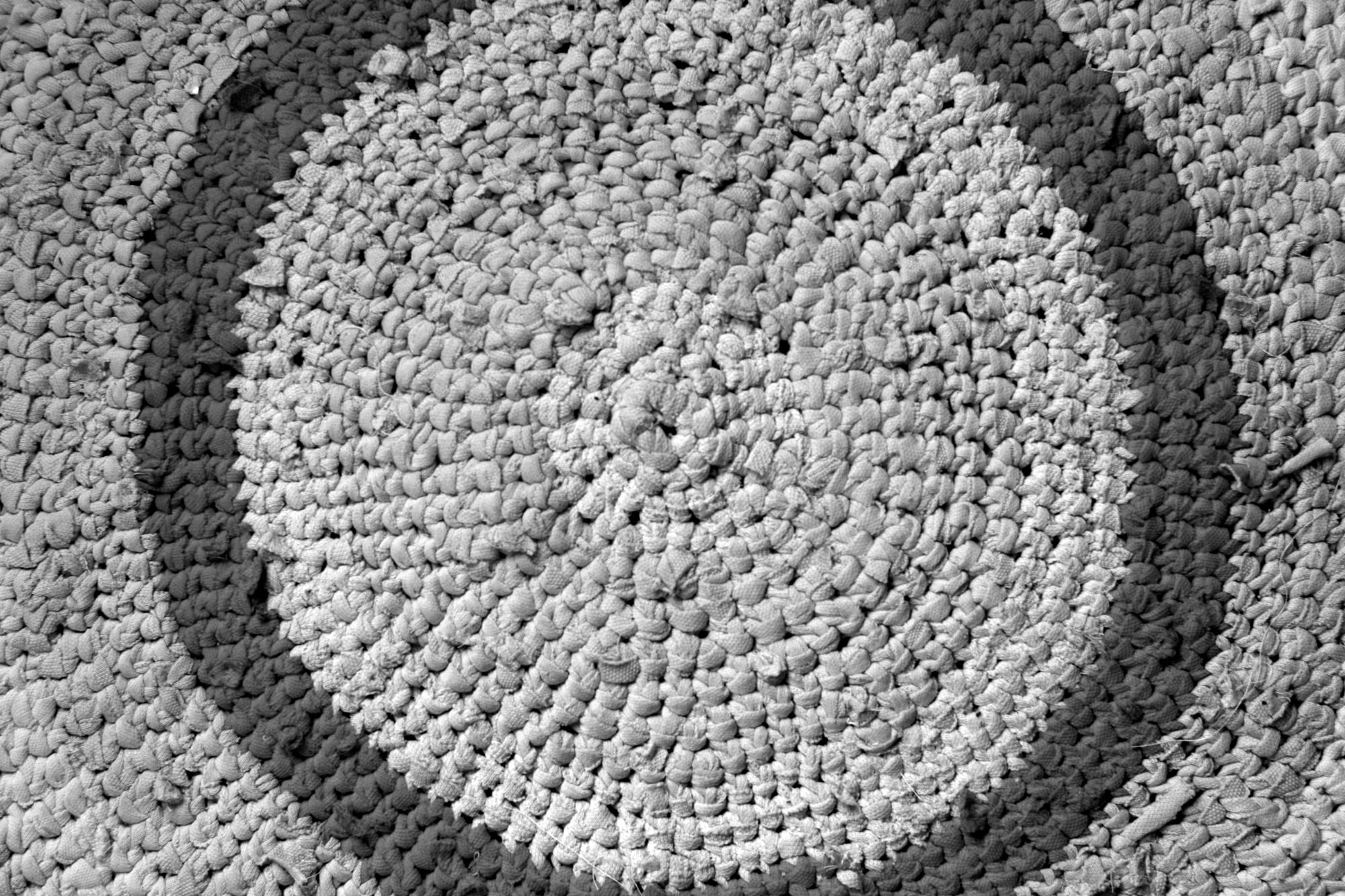
A hand-hooked whaling scene rug from New Bedford has sold for over $4,000 at specialist dealers. Early examples with original borders, strong color, and unusual subject matter bring $1,000 to $8,000.
A rug depicting a specific identified ship or location is worth more than a generic floral design from the same period.
Pennsylvania German Fraktur
Birth and baptismal certificates drawn by individual scriveners sell for $2,000 to $50,000 depending on the artist, artistic quality, and condition. Attribution to a known Fraktur artist can multiply value significantly.
Families who encounter them in old Bibles rarely recognize what they’re looking at.
Painted Wooden Gameboards

A 19th-century game board with vivid original red, black, and yellow paint in an unusual pattern can sell for $1,000 to $8,000 at Americana auctions. The Wendel Collection sale at New England Auctions demonstrated consistent demand for game boards as visual objects rather than gaming equipment.
Whirligigs

Figural whirligigs in original paint with working mechanical elements and strong sculptural character sell for $1,500 to $15,000. Weather exposure destroyed most examples, making indoor-stored survivors with intact original surfaces rare enough to command serious auction attention.
Carved Wooden Figurines by Known Artists

Work by Elijah Pierce, whose carved and painted religious scenes are now in the Smithsonian, sells for $5,000 to $80,000. Work by Bessie Harvey, Edgar Tolson, and Leroy Person occupies similar ranges.
Most of these artists worked outside the mainstream art world.
Carved Butter Molds and Kitchen Primitives

A carved butter print with an unusual design in original condition sells for $100 to $600. Rare forms — eagles, ships, patriotic motifs — bring $500 to $2,000.
The tools look completely functional and ordinary, which is why they’re often donated or discarded without examination.
Painted Decorated Furniture

A documented 18th-century painted dower chest from Berks or Lancaster County with original polychrome paint can sell for $10,000 to $80,000. The original paint surface is everything — stripped or repainted examples lose most of their value.
Families who refinish these pieces to “clean them up” are making the single most expensive mistake in antique furniture.
Carnival Glass

A Millersburg Peoples Vase in amethyst — one of the most coveted carnival glass pieces — has sold for over $100,000. More common patterns in common colors sell for $20 to $200.
Families who inherit carnival glass and assume it’s worthless colored glass are looking at a collector market that quietly assigned serious value while nobody was paying attention.
Shaker Furniture and Objects

Shaker oval boxes sell for $500 to $5,000 depending on size, original paint color, and condition. Shaker chairs, tables, and case pieces attributed to specific communities bring $2,000 to $30,000.
Shaker items with documented community history sell at the absolute top of the Americana market.
Native American Beadwork and Baskets
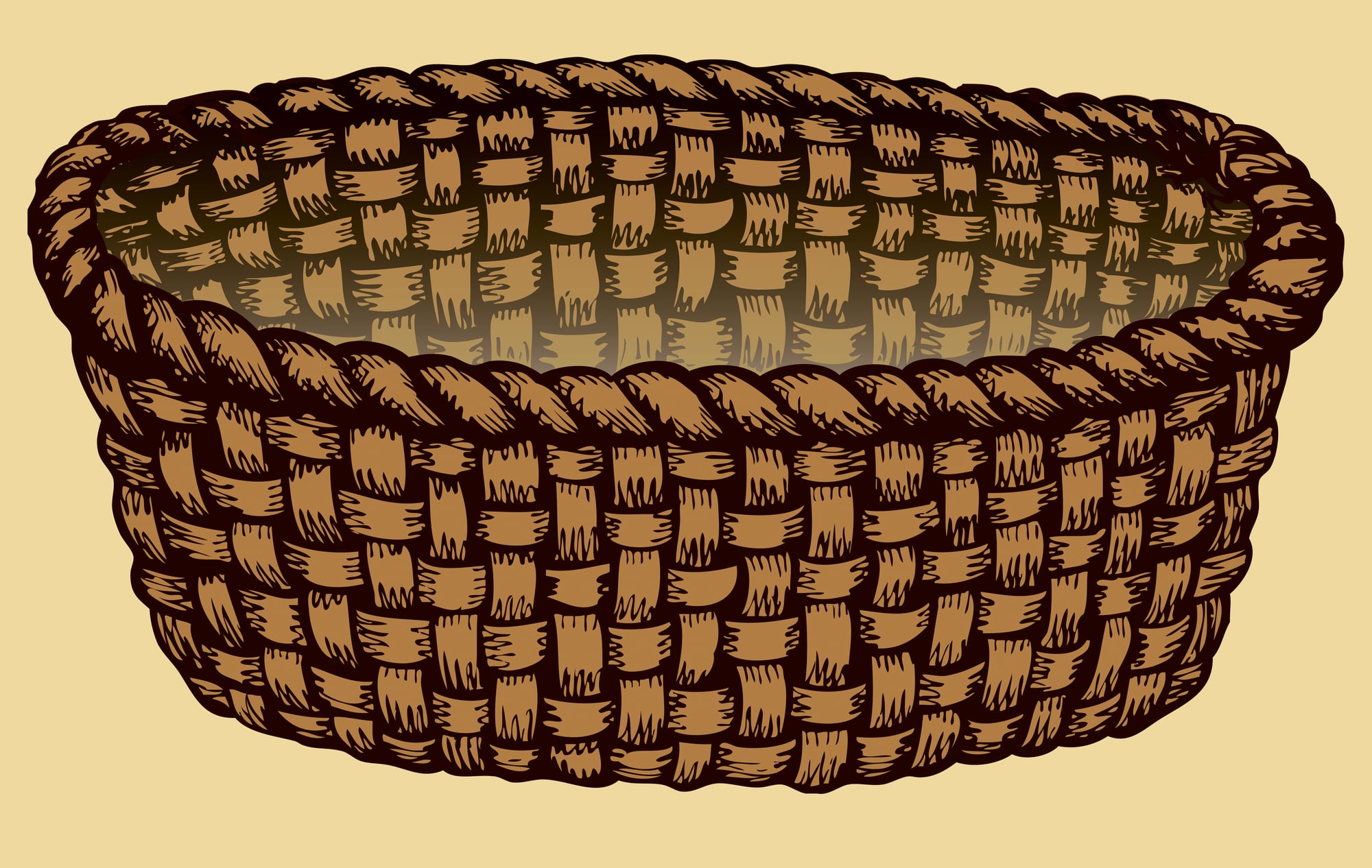
A documented Plains Indian beaded shirt or ceremonial garment can sell for $5,000 to $50,000. Baskets from specific California and Northeast makers in excellent condition bring $1,000 to $20,000.
The federal Indian Arts and Crafts Act and cultural patrimony laws affect what can legally be sold, making expert consultation essential before any transaction involving this material.
Sailor-Made Valentines

Shell art Valentines made by sailors in Barbados from the 1830s through the 1890s — intricate shell mosaics in hinged octagonal wooden cases — sell for $2,000 to $15,000 in excellent original condition. Most people who encounter one assume they’re looking at a curiosity with modest value rather than a significant example in an active collector category.
Painted Tinware (Toleware)

A painted tin document box with original red background and gilt decoration in excellent condition sells for $300 to $2,000. Presentation pieces with inscriptions or dated examples bring premiums.
Most families encounter them in kitchens and attics as tarnished old tinware that appears to have lost its usefulness.
Burl Wood Objects
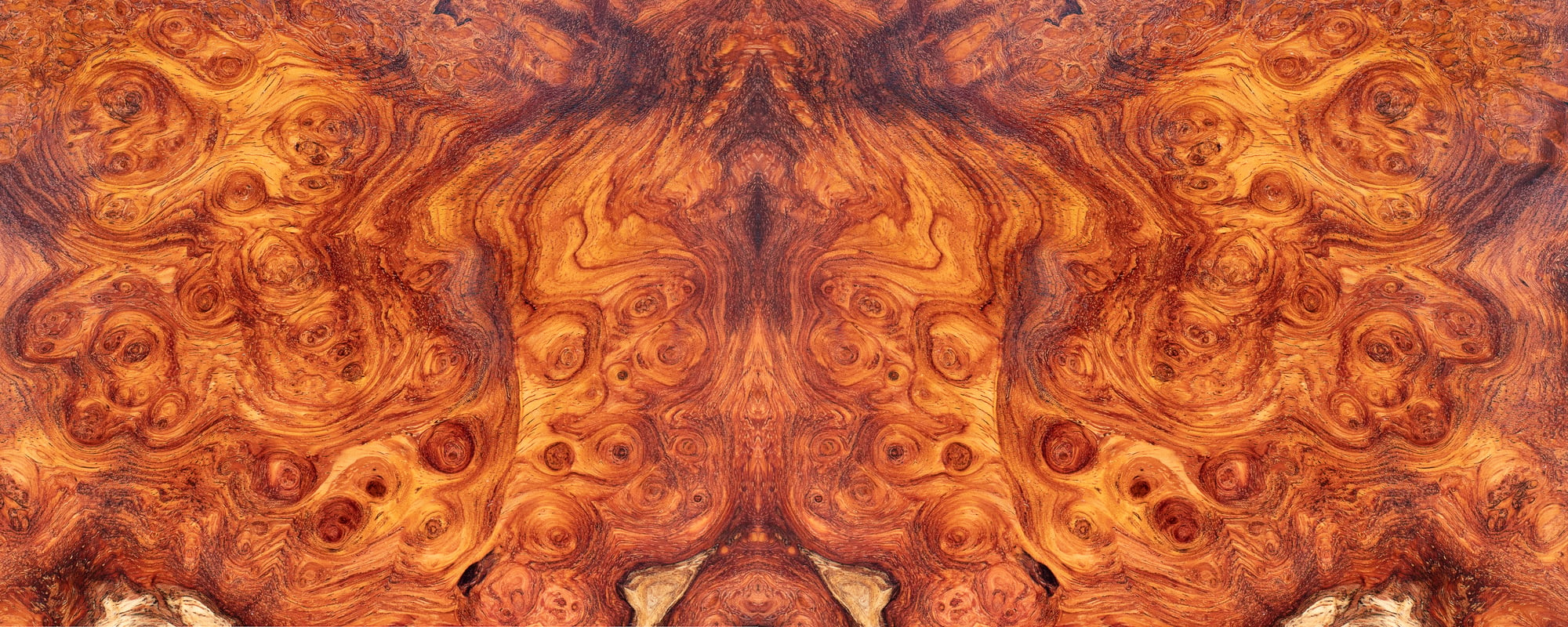
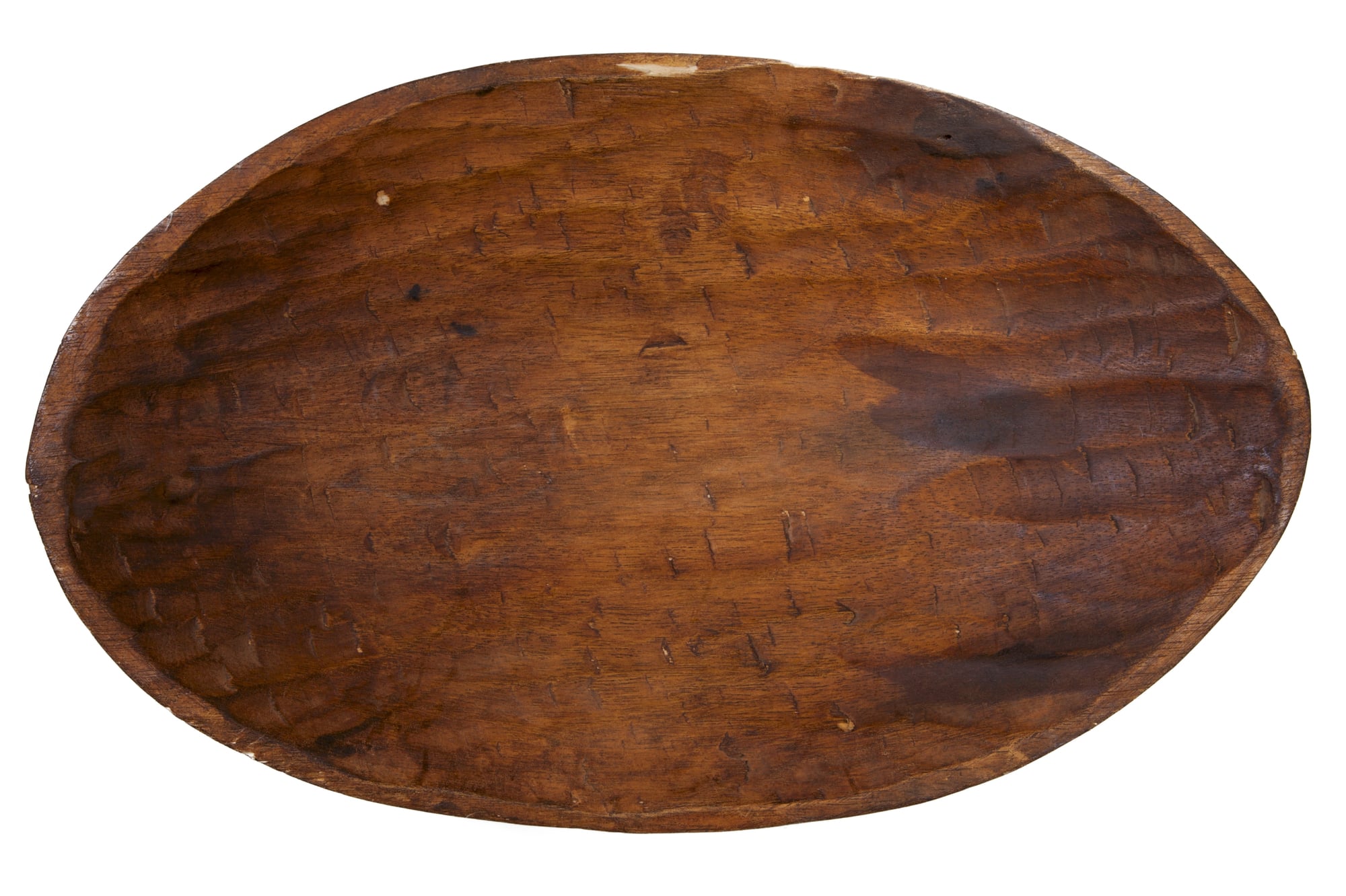
A large maple burl bowl with good original surface sells for $500 to $3,000. Burl mortars and pestles, burl ladles, and burl tankards from the early American period bring $200 to $1,500.
Museum-quality examples in original condition are genuinely scarce.
Samplers

A sampler dated before 1800 with a pictorial scene, genealogical information, and original frame in excellent condition can sell for $2,000 to $30,000 at specialist Americana auctions. Samplers with unusual subject matter consistently outperform their estimates.
They’re regularly discovered in frames that haven’t been opened in decades.
Carved Miniatures and Small-Scale Work

Sailors’ bone work from the Napoleonic prisoner-of-war era sells for $500 to $8,000. Small carved figures from named American folk artists bring multiples of what larger pieces by unattributed makers command.
The work most often dismissed as whittling is sometimes the most significant category in the room.
Where the Value Actually Lives

The common assumption is that value in art lives in technical accomplishment — in the brushwork of a trained painter or the precision of a formally educated sculptor. Folk art inverts that hierarchy.
What collectors pay for in this category is uniqueness, integrity of surface, regional identity, and the evidence of a specific hand working in a specific tradition with the materials available to them.
A smoothly refinished carousel horse is worth half what a worn original commands. A stripped Shaker box is worth a fraction of the same box in original paint.
A decoy with replaced eyes and a repainted surface loses most of its value the moment someone tries to improve it. The lesson that runs through every category in folk art is the same one: the older and more original the surface, the harder it is to replace, and the more collectors will pay for it.
More from Go2Tutors!

- The Romanov Crown Jewels and Their Tragic Fate
- 13 Historical Mysteries That Science Still Can’t Solve
- Famous Hoaxes That Fooled the World for Years
- 15 Child Stars with Tragic Adult Lives
- 16 Famous Jewelry Pieces in History
Like Go2Tutors’s content? Follow us on MSN.



