15 Bizarre Origins of Popular Foods That Will Change How You See Them
Ever wonder how the foods you eat every day came to exist? The stories behind some of your favorite dishes might surprise you more than their taste ever could.
From accidental discoveries to desperate survival tactics, the origins of popular foods are often stranger than fiction. Some were created by mistake, others born from necessity, and a few emerged from circumstances so odd they sound made up.
Sandwiches
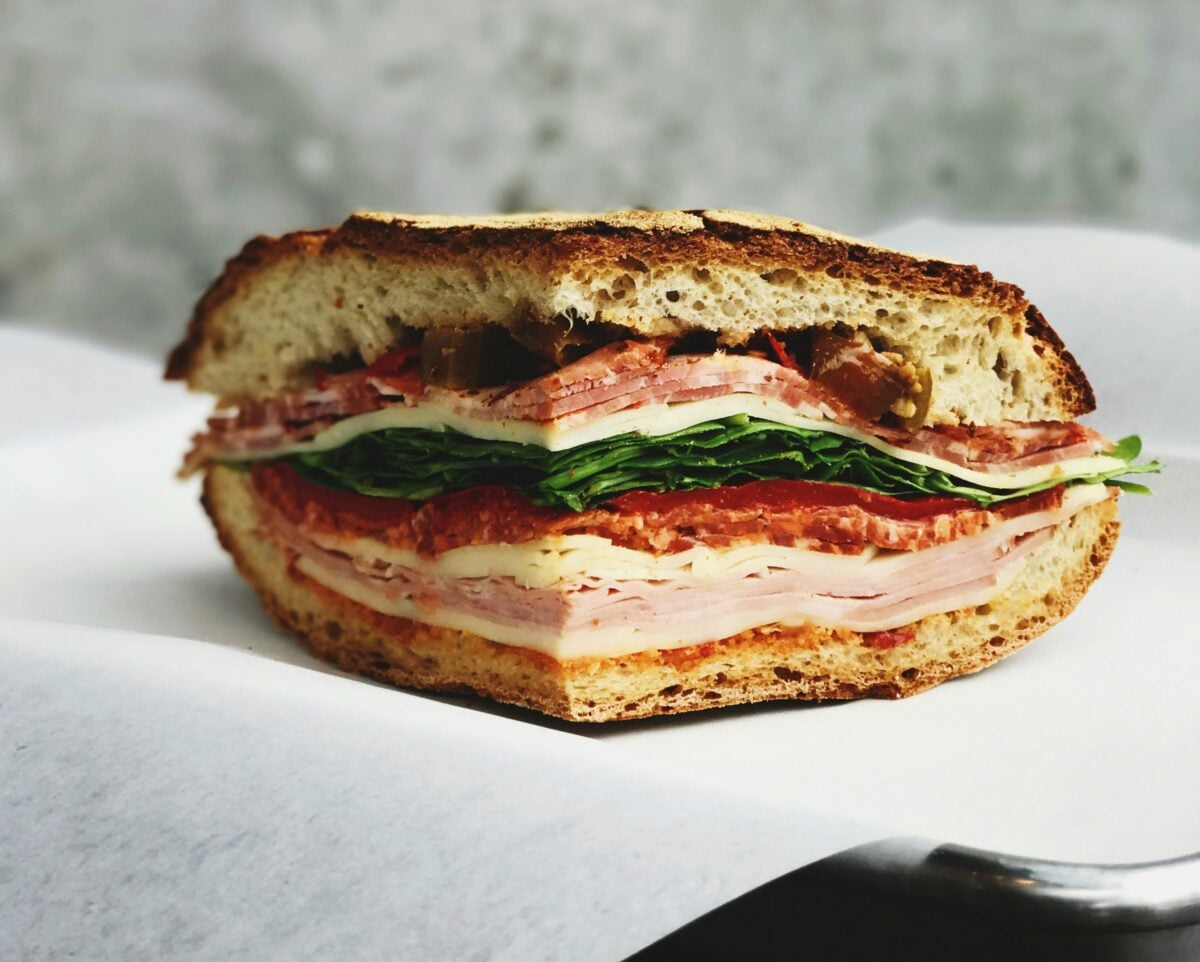
The Earl of Sandwich refused to leave his gambling table. In 1762, he ordered his servants to bring him meat between two pieces of bread so he could eat without getting his cards greasy.
The gambling addiction created lunch as we know it.
Potato Chips
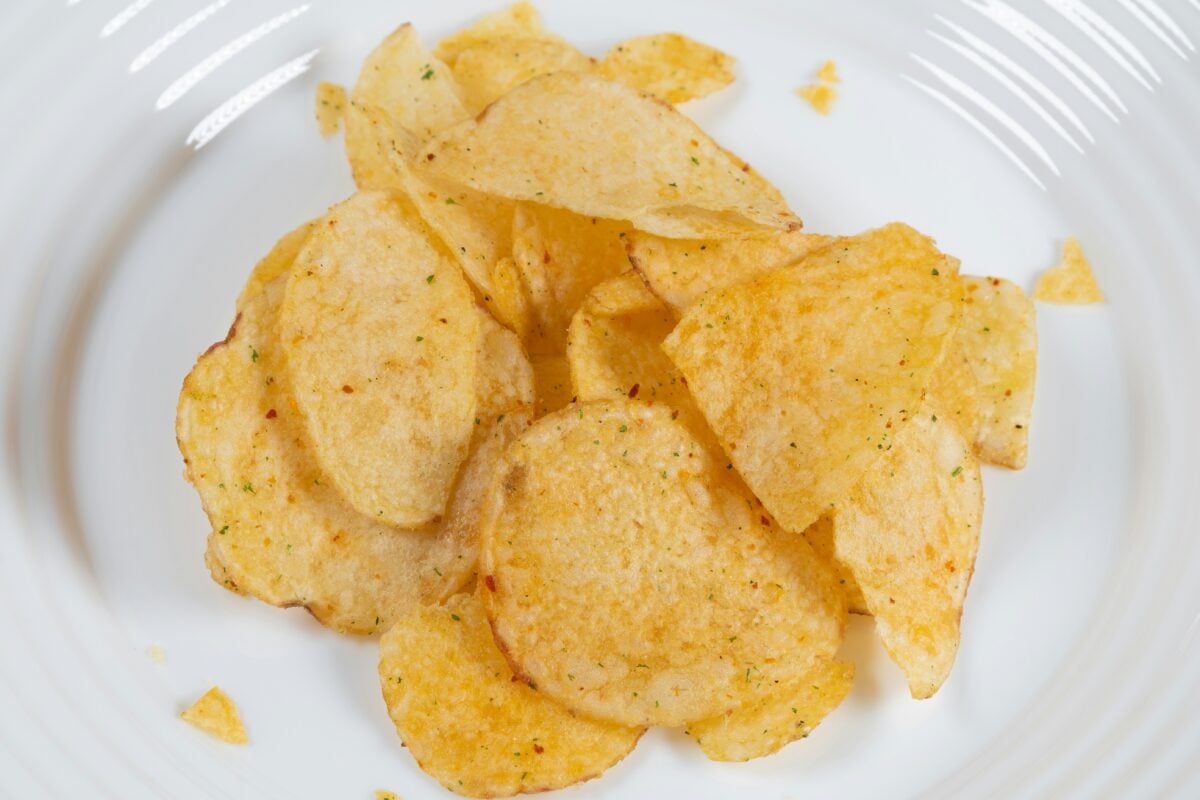
George Crum was fed up with a complaining customer. The chef at Moon’s Lake House deliberately made the thinnest, crispiest, saltiest potatoes possible in 1853 as an insult.
The customer loved them. Spite became America’s favorite snack.
Coca-Cola
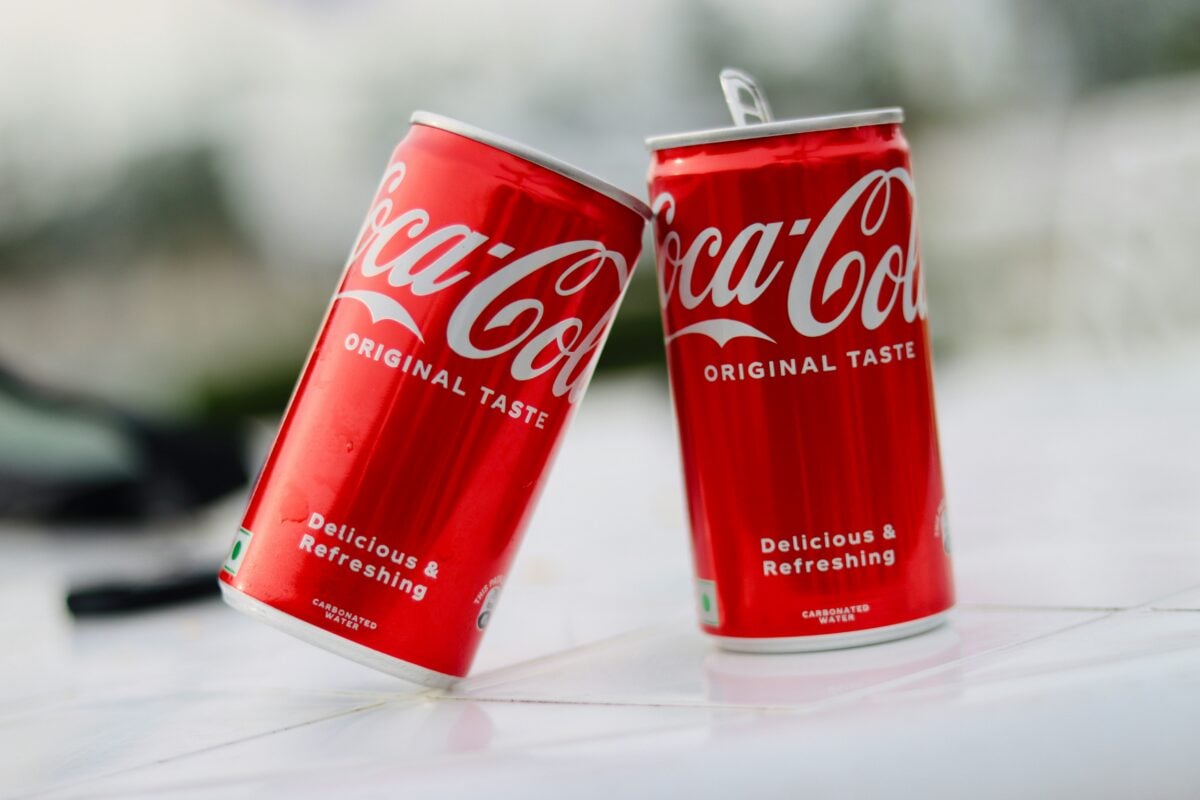
Dr. John Pemberton was trying to cure his morphine addiction (which he’d developed after being wounded in the Civil War) when he created a medicinal syrup in 1886 that combined coca leaves and kola nuts, thinking it would help wean him off the harder stuff. And his bookkeeper, Frank Robinson, suggested the name — thinking the two C’s would look good in advertising, which is perhaps the most accidentally brilliant marketing insight in history.
So what started as one man’s desperate attempt to break free from opioid dependency became the world’s most recognizable brand. The irony cuts deep.
Ice Cream Cones
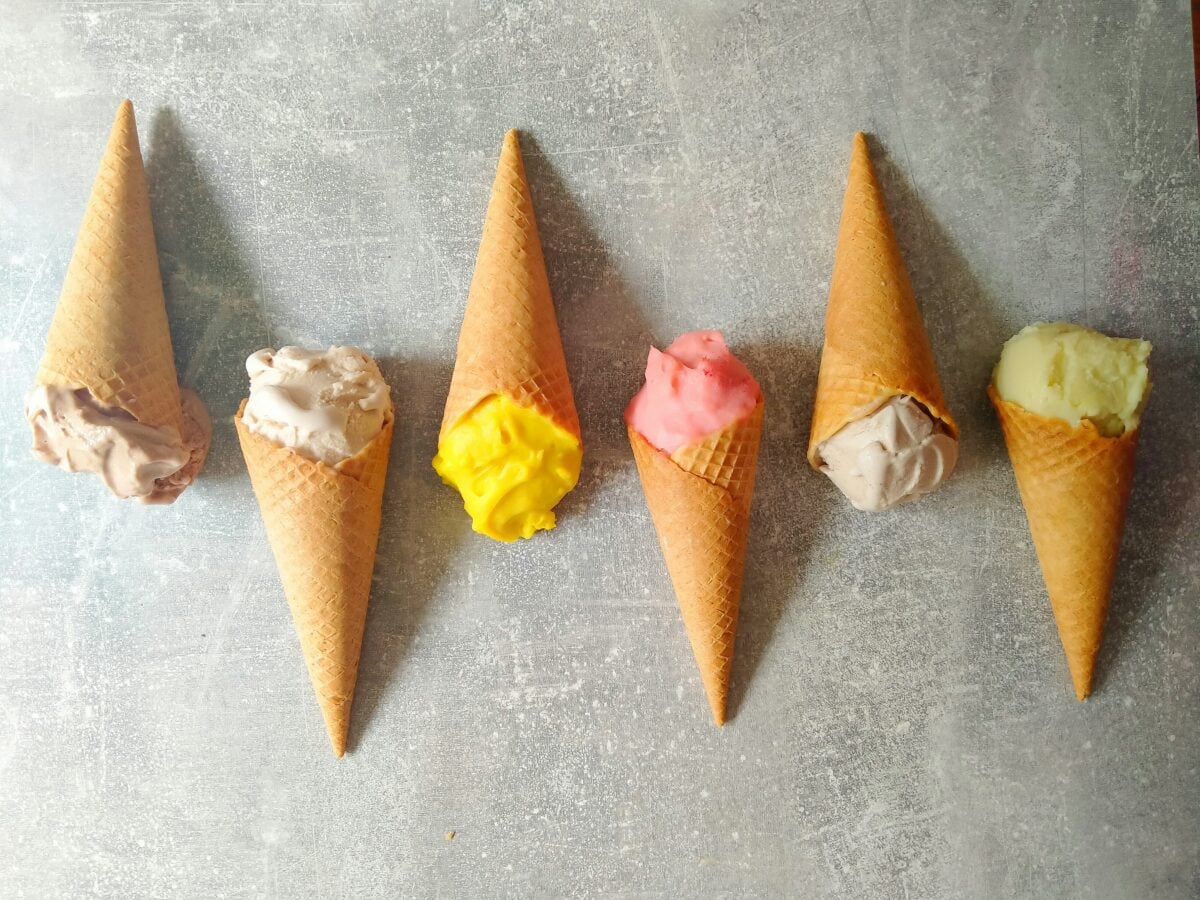
The 1904 World’s Fair in St. Louis ran out of bowls. An ice cream vendor partnered with a waffle maker next door who rolled his product into cones.
Supply shortage created the perfect handheld dessert.
Worcestershire Sauce
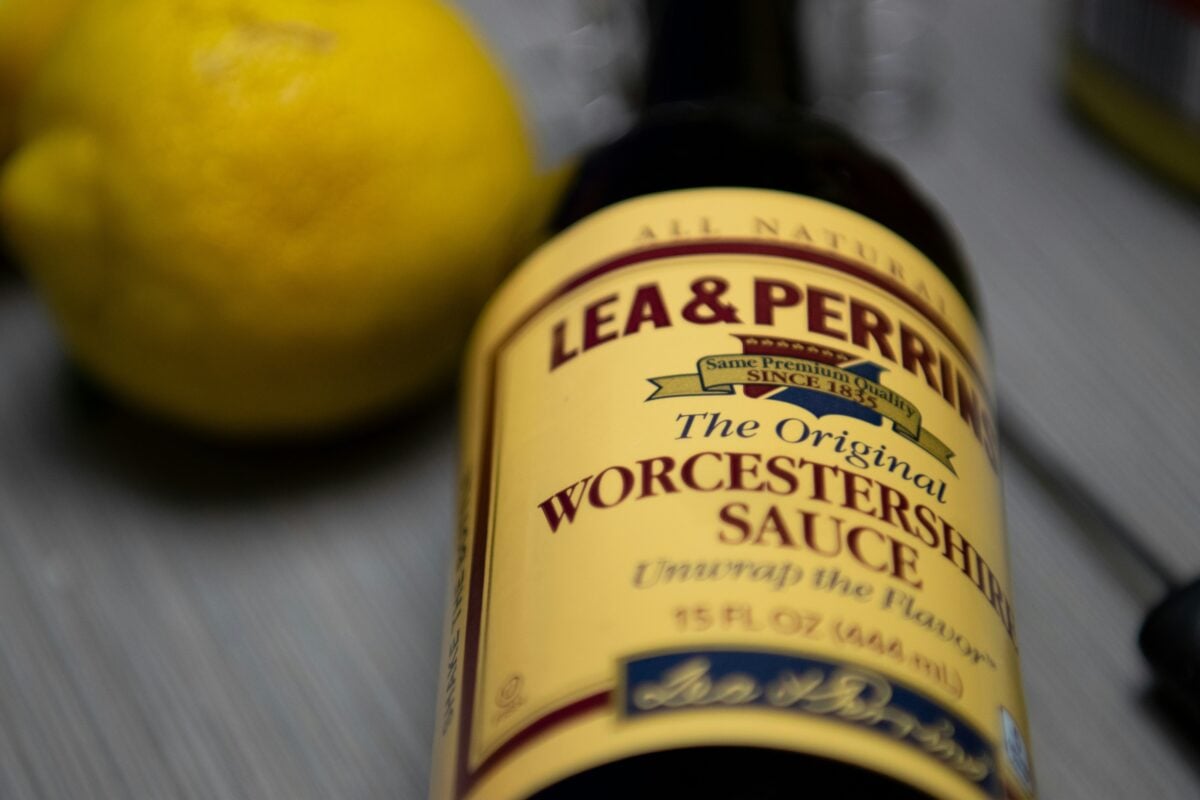
Two English chemists tried to recreate a sauce recipe from India in the 1830s. The result tasted so terrible they stored it in their cellar and forgot about it for two years.
When they finally tasted it again, fermentation had worked its magic, transforming disaster into the complex, umami-rich condiment that now sits in nearly every kitchen — though most people still can’t pronounce it correctly, and honestly, after 200 years, we should probably just accept that as part of its charm. The sauce that was too awful to serve became too essential to live without.
Sometimes the best things happen when we’re not paying attention.
Chocolate Chip Cookies
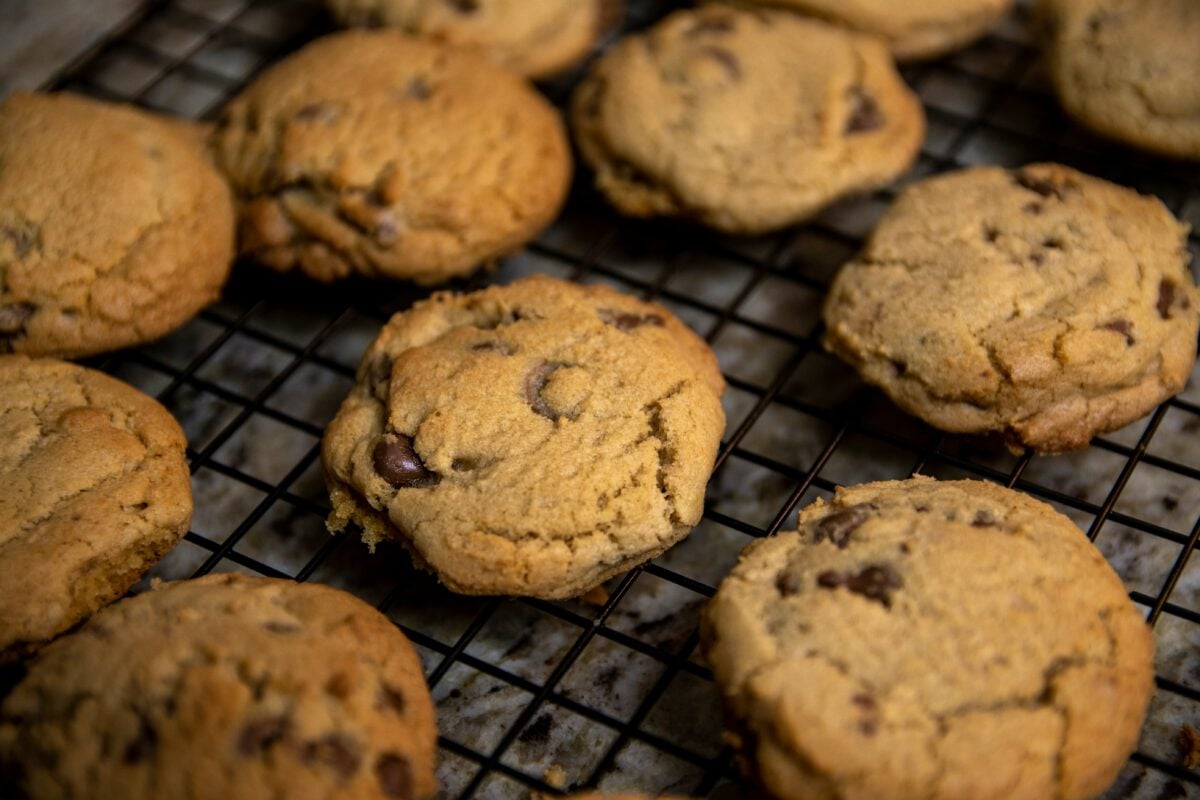
Ruth Wakefield owned the Toll House Inn and ran out of baker’s chocolate in 1938. She broke up a Nestle chocolate bar and mixed the pieces into her cookie dough, expecting them to melt evenly.
They didn’t. The chunks stayed intact, creating texture no one had experienced before.
Champagne

Dom Pérignon didn’t invent champagne, but he’s often credited with it because the story sounds better than the truth. Champagne happened because medieval French winemakers couldn’t control fermentation properly — their wine kept bubbling in the cellar when spring temperatures rose, and they couldn’t figure out why (they didn’t understand yeast yet).
What they considered a flaw, we now consider perfection, and it’s worth noting that some of our most celebrated traditions started as someone else’s quality control problems. The monks thought they were failing at winemaking.
They were accidentally creating luxury.
Nachos
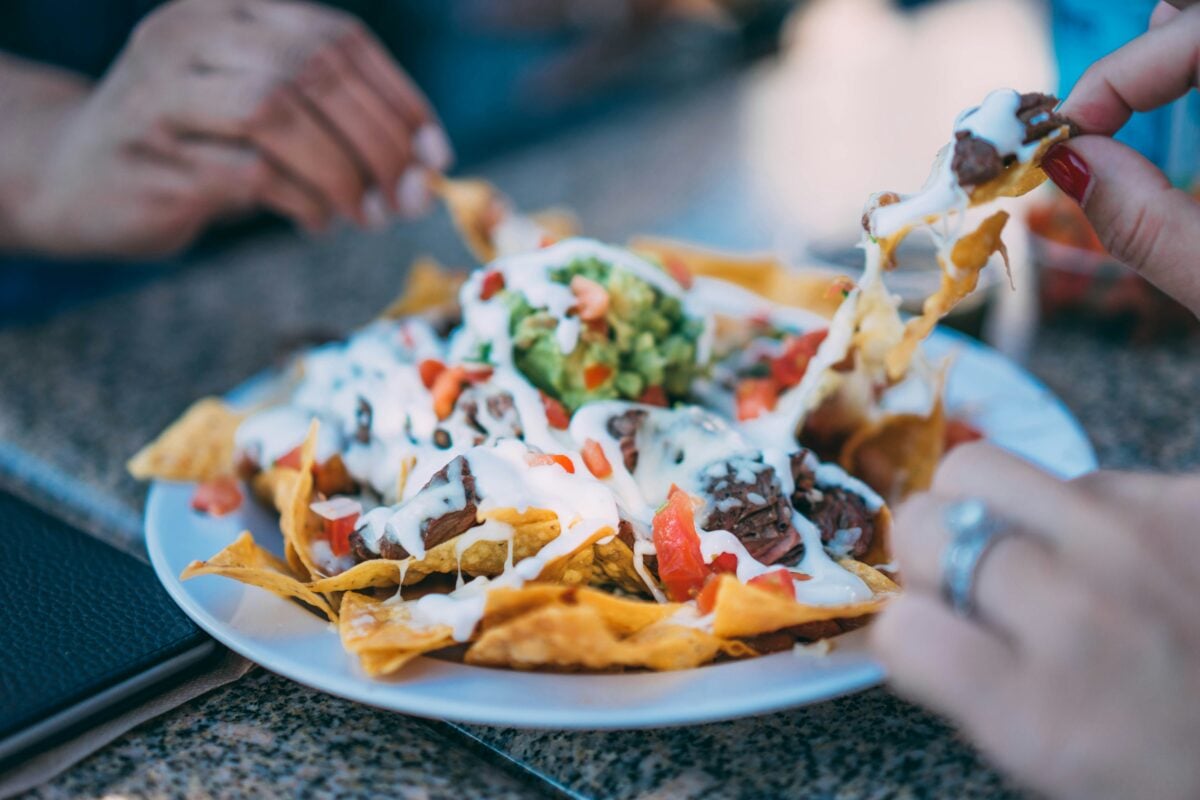
Ignacio Anaya had nothing left in his kitchen. In 1943, a group of American women crossed the border to his restaurant in Mexico after closing time.
He threw together what he had: tortilla chips, cheese, and jalapeños. They named the dish after his nickname.
Buffalo Wings
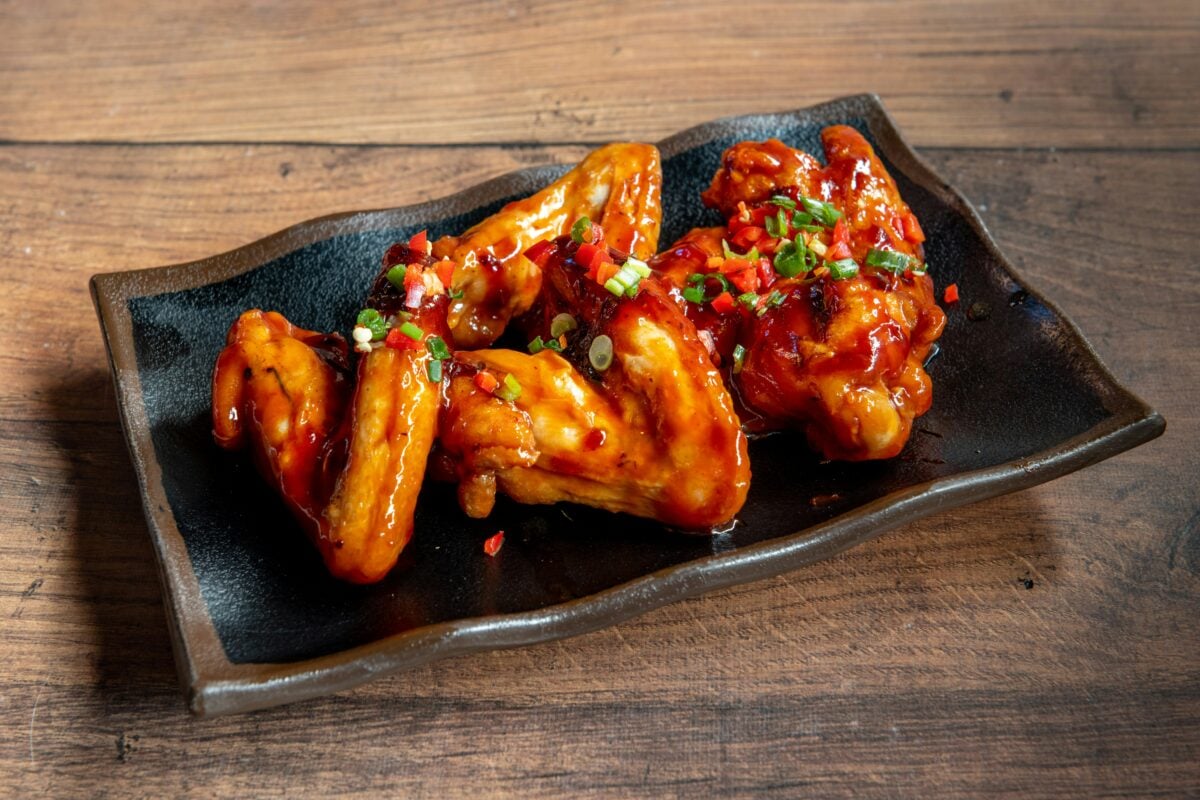
The Anchor Bar in Buffalo needed to feed their son’s friends late one night in 1964. Teressa Bellissimo took chicken wings (usually used for soup stock), fried them, and tossed them in hot sauce and butter — because that’s what was available, not because anyone had planned it that way, and certainly not because anyone thought chicken wings would become a multi-billion-dollar industry that peaks every Super Bowl Sunday.
The throwaway part of the chicken became the main event. Bar snacks don’t usually reshape American eating habits, but this one did.
Popsicles
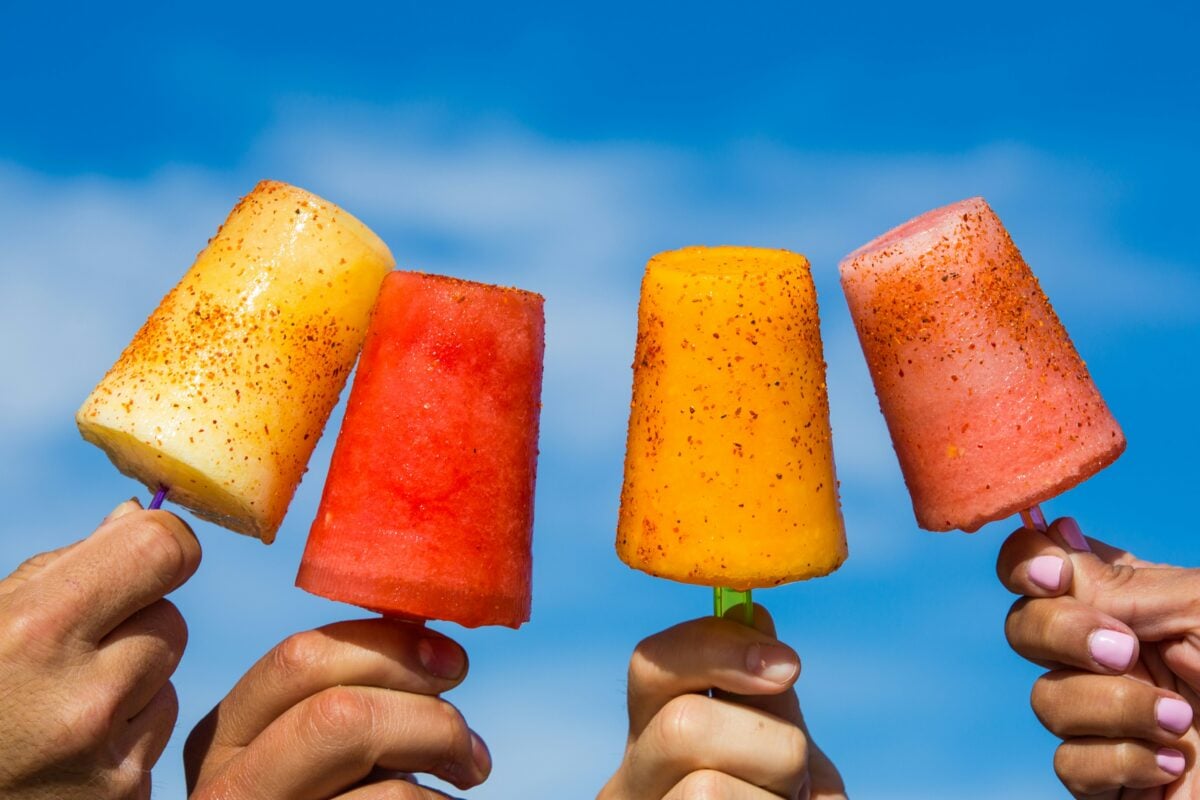
An 11-year-old boy left his drink outside overnight. Frank Epperson mixed soda powder with water on his porch in 1905, forgot about it, and found it frozen with the stirring stick still inside the next morning.
Childhood forgetfulness created summer.
Breakfast Cereal
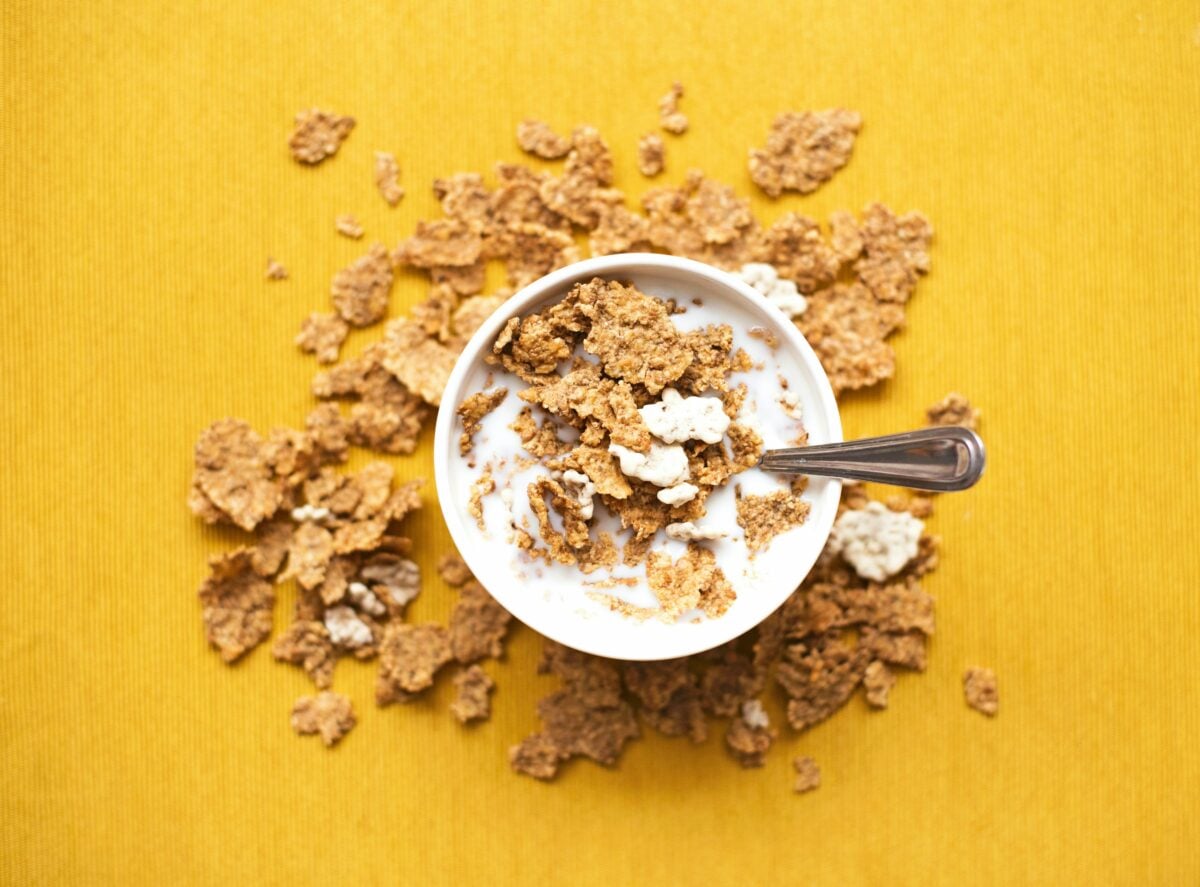
John Harvey Kellogg was running a health sanitarium and believed that bland foods would reduce passion and immoral behavior — he thought spicy or flavorful foods led to inappropriate thoughts and actions, which sounds absurd now but made perfect sense to a Victorian-era doctor obsessed with moral purity. So he developed cornflakes specifically to be as boring as possible, and his brother Will later added sugar to make them palatable for mass consumption (much to John’s horror).
Moral panic became morning routine. The man trying to eliminate pleasure from eating accidentally created a breakfast empire.
Tarte Tatin
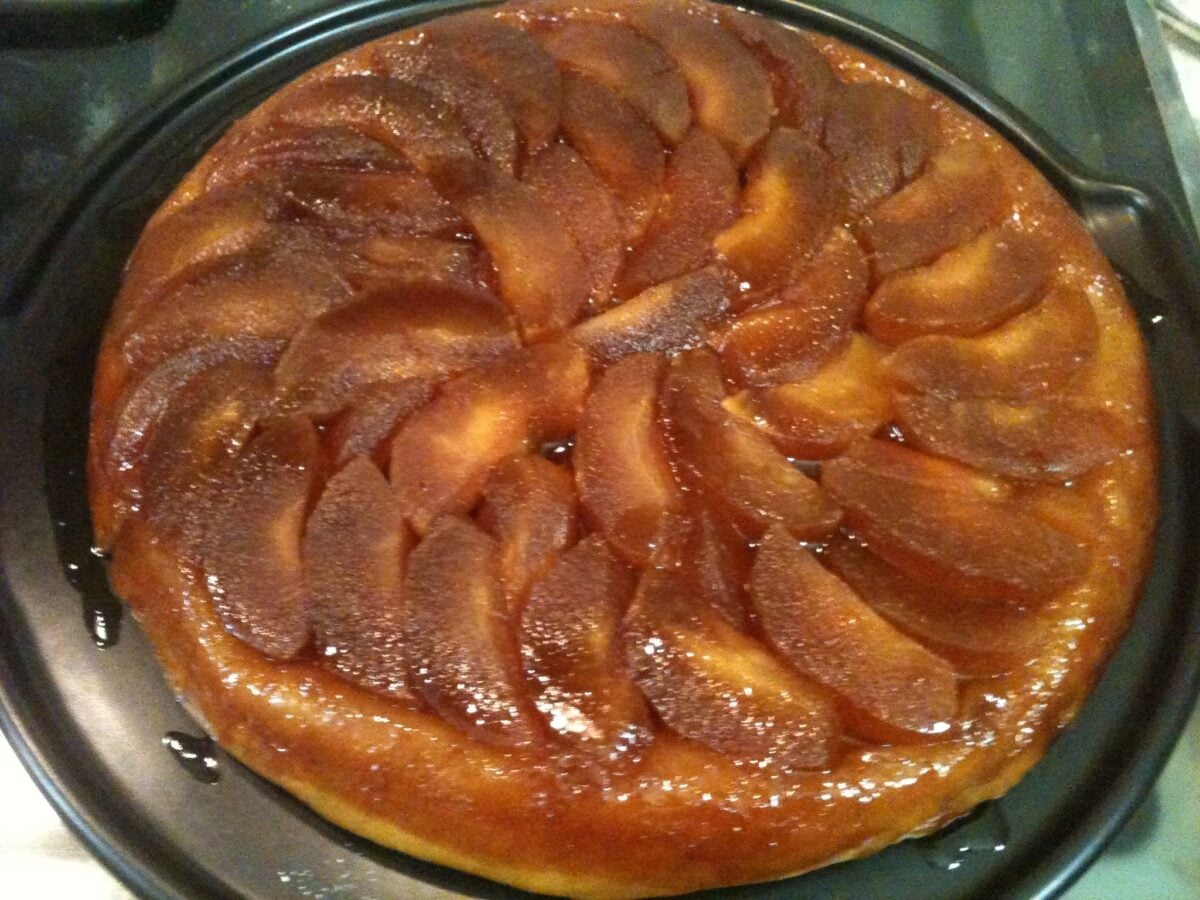
Two French sisters dropped an apple candy. Rather than start over at their hotel restaurant in the 1880s, they served it upside down.
Clumsiness became a classic French dessert that’s now more famous than most deliberate recipes.
Graham Crackers
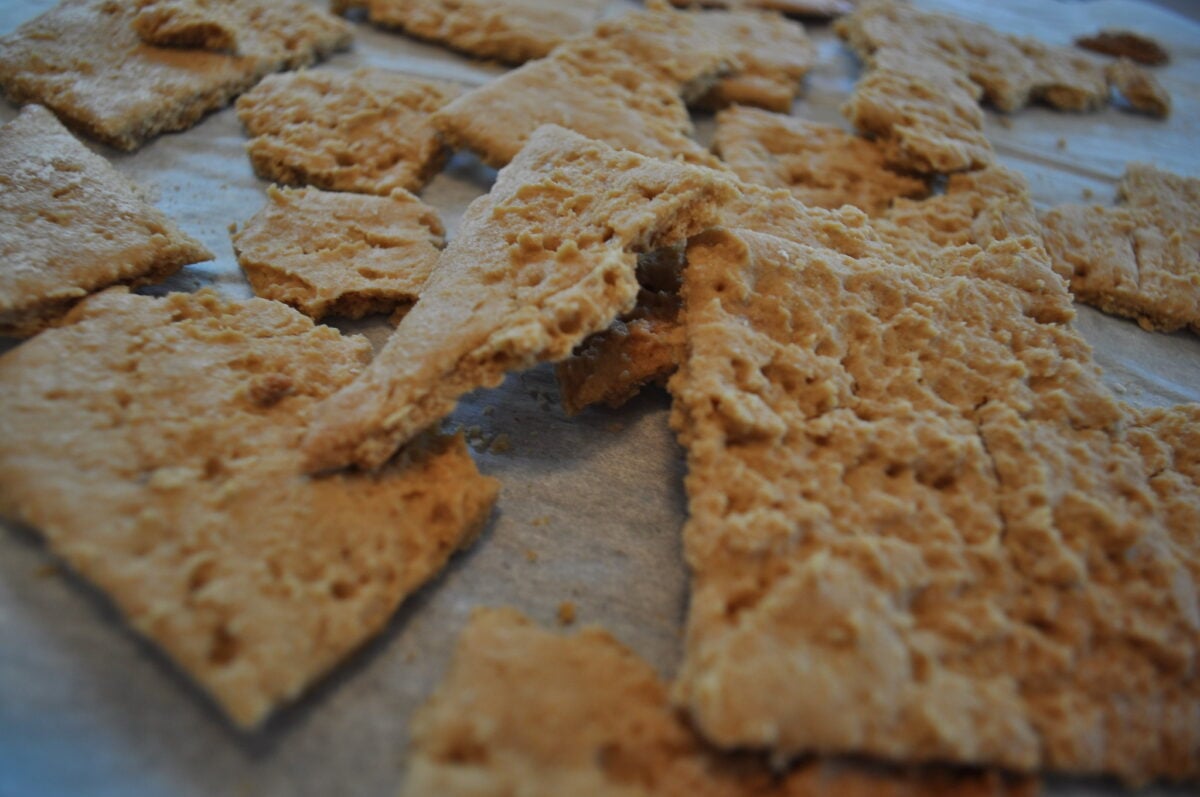
Sylvester Graham created these crackers in the 1820s as part of his crusade against what he considered the moral dangers of refined flour and rich foods — he genuinely believed that eating white bread and seasoned food would lead to spiritual corruption and physical illness, and his followers (called Grahamites) lived on his bland diet religiously. The crackers were supposed to suppress desires and promote virtue, but now they’re mainly associated with s’mores and childhood camping trips, which would probably horrify their inventor since s’mores combine his virtuous crackers with chocolate and sugar.
Moral reform became campfire tradition.
Fondue
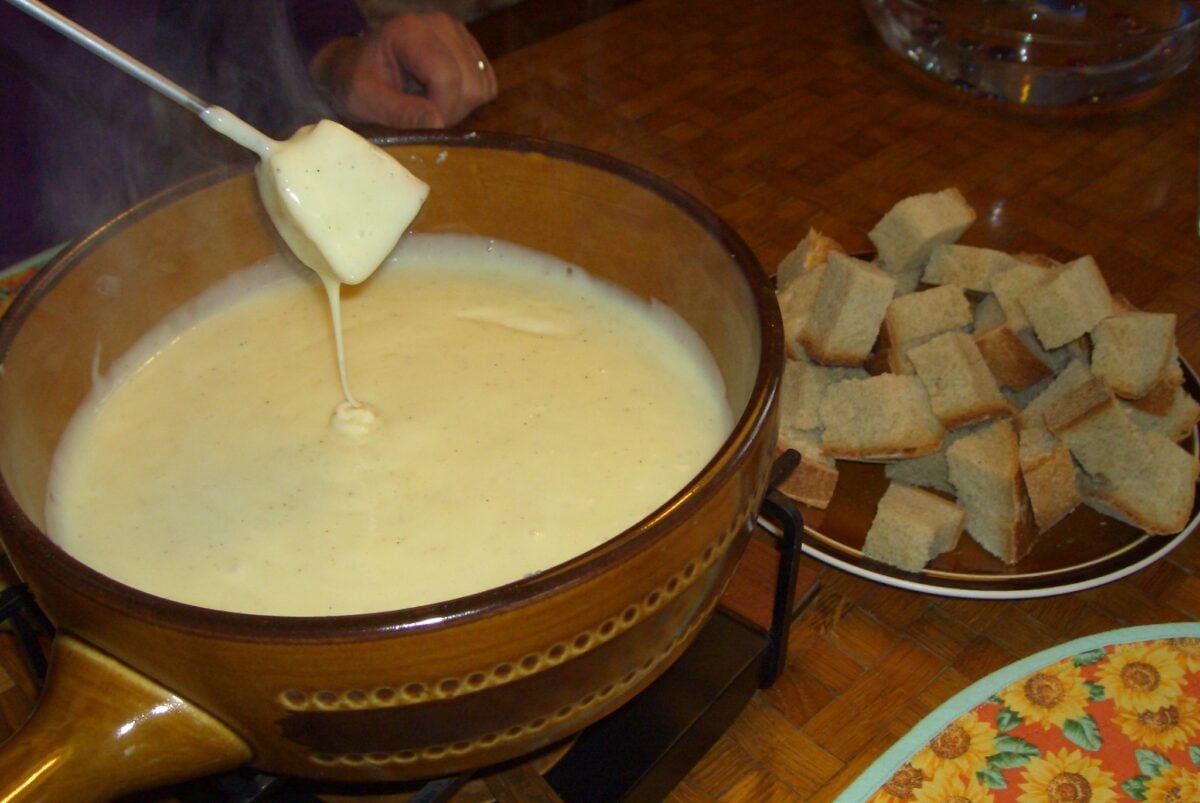
Swiss cheese makers needed to use up old, hardened cheese during long winters. They melted it with wine and ate it with bread to avoid waste.
Resourcefulness in the Alps became dinner party entertainment.
Fortune Cookies
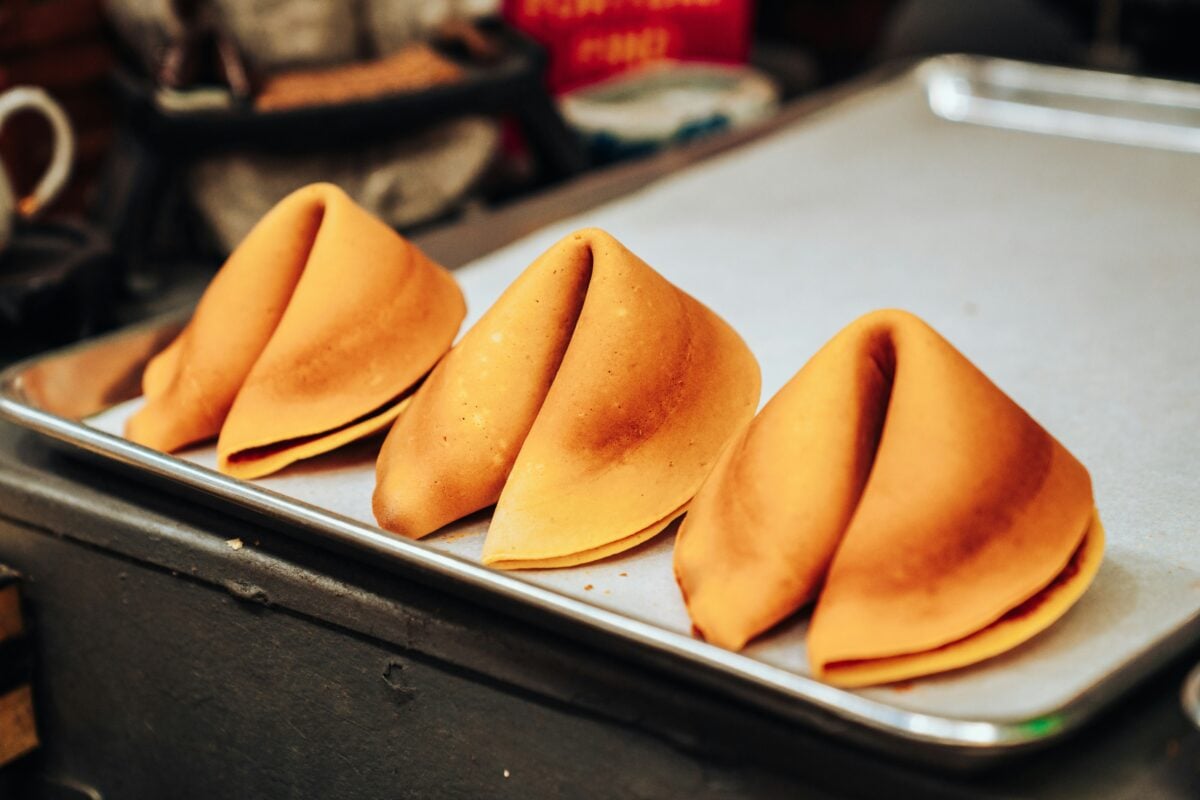
These aren’t Chinese at all. Japanese immigrants in California created them in the early 1900s, based on traditional Japanese crackers.
Chinese restaurants adopted them during World War II when Japanese Americans were interned. Cultural confusion became an American-Chinese restaurant staple that most people still think comes from China.
The Stories We Tell Ourselves
Food origins remind us that most of what we consider normal started as someone’s weird idea or lucky accident. The sandwich was a gambler’s convenience.
Champagne was fermentation gone wrong. Potato chips were an insult.
These stories matter because they reveal how arbitrary our traditions really are — and how often our best discoveries happen when we’re trying to solve completely different problems.
More from Go2Tutors!

- The Romanov Crown Jewels and Their Tragic Fate
- 13 Historical Mysteries That Science Still Can’t Solve
- Famous Hoaxes That Fooled the World for Years
- 15 Child Stars with Tragic Adult Lives
- 16 Famous Jewelry Pieces in History
Like Go2Tutors’s content? Follow us on MSN.



