25 Pieces of Propaganda So Effective People Believed Them for Generations
Some lies are clumsy. They fall apart under the smallest scrutiny, and people forget them within a decade. But the really effective ones — the ones engineered with purpose and patience — burrow so deep into the culture that they stop feeling like lies at all.
They start feeling like common sense, like history, like something your grandfather knew and his grandfather knew before him. That’s not an accident. That’s craft.
Propaganda doesn’t always arrive wearing a uniform. Sometimes it looks like a cereal commercial, a public health poster, or a beloved children’s story.
Sometimes it arrives as a scientific-sounding fact that nobody ever actually verified. The examples below span centuries, continents, and industries — but they all share one trait: they worked, spectacularly, for a very long time.
Diamonds Are Forever

The idea that a diamond ring is the only acceptable symbol of an engagement is not ancient tradition. It was invented in 1938 by the advertising agency N.W. Ayer on behalf of De Beers, which was sitting on an enormous stockpile of diamonds it needed to sell.
The phrase “A Diamond Is Forever” launched in 1947, and within a generation, the ritual felt as old as marriage itself. De Beers also convinced buyers that reselling diamonds was socially inappropriate — which, conveniently, protected prices by keeping secondhand stones off the market.
Carrots and Night Vision

British Royal Air Force pilots during World War II were shooting down German aircraft in the dark with startling accuracy. The real reason was radar — specifically, the newly developed Airborne Interception radar system that the British desperately wanted to keep secret from Germany.
So they fed the press a story: their pilots ate extraordinary amounts of carrots, which gave them exceptional night vision. Germany believed it. So did the British public. So, to be fair, did millions of parents for the next several decades.
Napoleon’s Height
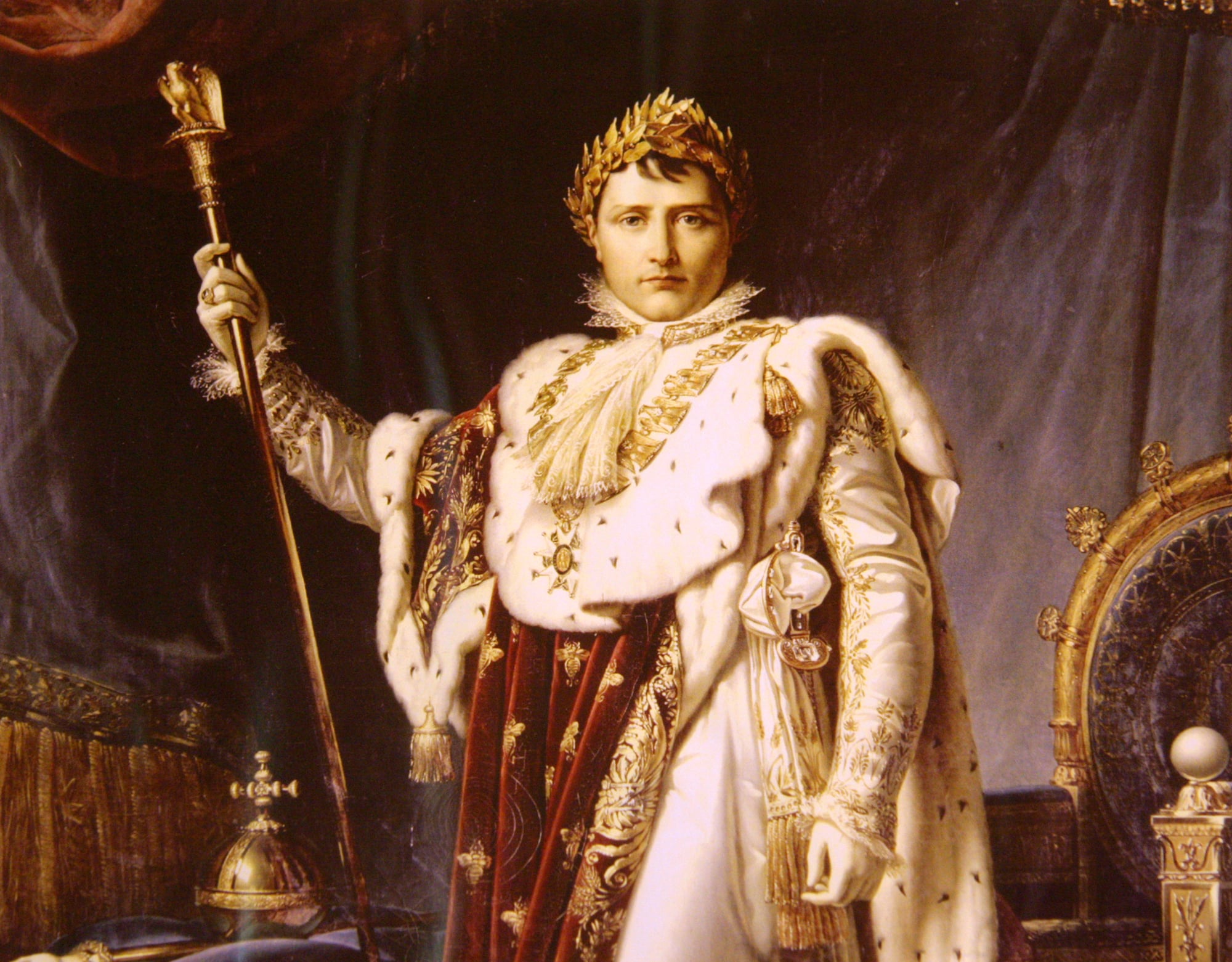
Napoleon Bonaparte stood around 5 feet 6 or 7 inches tall — average to slightly above average for a Frenchman of his era. The “short Napoleon” image was largely the invention of British caricaturist James Gillray, whose cartoons depicted a tiny, tantrum-prone emperor stomping around in oversized boots, and the caricature stuck so thoroughly that it became one of the most durable misconceptions in recorded history.
There’s even a psychological term named after him — “Napoleon complex” — built entirely on a myth.
Fluoride and Government Mind Control

This one runs in the opposite direction from most propaganda: the claim that fluoridating public water supplies was a communist plot to weaken American minds was itself a piece of paranoid folklore that spread through the mid-20th century with genuine ferocity. It had no scientific basis — fluoride’s dental benefits were well-documented by the 1950s — but the story tapped into Cold War anxieties so effectively that it persisted in fringe communities for generations and still circulates today, rewired for new political contexts.
The Great Wall Visible From Space

There is something almost mythological about the idea that human hands built something so vast it could be seen from the moon — the kind of fact that feels too poetic to question. But the Great Wall of China is roughly 15 to 30 feet wide, and astronauts have consistently reported they cannot see it from low Earth orbit without optical aids, let alone from the moon.
The claim was published as early as 1932, decades before anyone went to space to contradict it, which gave it plenty of time to calcify into “common knowledge.”
Breakfast Is the Most Important Meal

The breakfast industry has Kellogg’s and General Foods to thank for this one — or rather, the American public has those companies to thank for a century of guilt about skipping eggs. The phrase “breakfast is the most important meal of the day” was popularized through early 20th-century advertising campaigns designed to sell cereal to a public that hadn’t yet decided eating immediately after waking was mandatory.
Nutritional science is far more ambivalent about breakfast than the slogan suggests, but slogans written in the 1910s have a longer half-life than most people expect.
Columbus Proving the Earth Was Round

The story of Christopher Columbus bravely sailing west to prove the Earth wasn’t flat is a story about a man correcting medieval ignorance — except educated Europeans had known the Earth was spherical since ancient Greece. Eratosthenes calculated its circumference with impressive accuracy around 240 BC.
Columbus’s actual miscalculation was about the Earth’s size, not its shape; he thought Asia was much closer than it was. The flat-Earth version of the story was largely popularized by Washington Irving’s 1828 fictionalized biography of Columbus, which dressed invention up as history.
Lemmings and Mass Deaths

The image of lemmings blindly following each other off cliffs entered popular consciousness largely because of a 1958 Walt Disney nature documentary called “White Wilderness,” in which lemmings were filmed apparently hurling themselves into the sea. What the film didn’t disclose: the lemmings were imported to a location where they didn’t naturally occur, herded toward the cliff by the filmmakers, and in some cases thrown.
Lemmings do migrate in large groups and occasionally drown crossing water — but the suicidal plunge narrative was manufactured, then repeated so often in popular culture that it became shorthand for mindless conformity.
Turkeys and Rain

Turkeys are not so stupid they drown in rainstorms by staring at the sky. The idea — that turkeys are instinctively drawn to look upward at falling rain until they literally drown — has been circulating as folk “fact” for long enough that most people who’ve heard it never thought to question it.
Young domesticated turkeys do sometimes look skyward, likely due to a condition called tetanic torticollar spasms triggered by a genetic quirk, but they don’t drown from it. The extended version of the story, where whole flocks perish in light showers, belongs somewhere between tall tale and agricultural myth.
The Five Senses
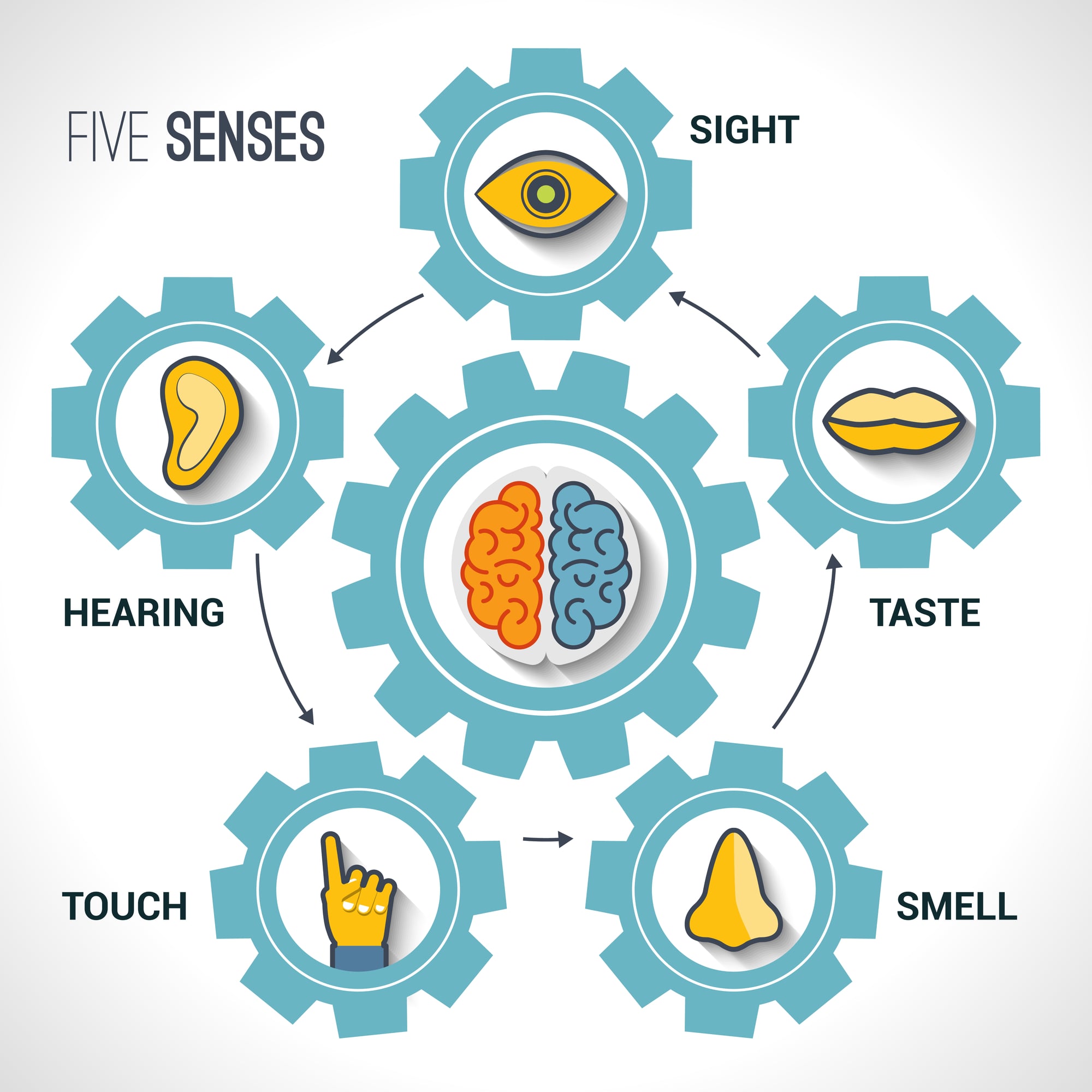
You have five senses — sight, hearing, smell, taste, and touch — and that’s the sum total. Aristotle said so, and the number stuck.
But the human body has considerably more than five senses in any neurologically honest accounting: proprioception (your sense of where your body is in space), thermoception (temperature), nociception (pain), vestibular sense (balance), and interoception (internal body states) are all distinct sensory systems. The “five senses” framework is nearly 2,400 years old and has been institutionalized through children’s education so thoroughly that dislodging it feels almost rude.
The War of the Worlds Panic

On October 30, 1938, Orson Welles broadcast a radio adaptation of H.G. Wells’s “The War of the Worlds” — and the story goes that millions of Americans, believing the Martian invasion was real, descended into mass hysteria. Crowds fled cities. People fainted. Cars clogged roads.
Almost none of this happened. The panic narrative was largely manufactured by newspaper editors who were furious at radio for eating into their advertising revenue, and who saw an opportunity to discredit the medium. The broadcast did frighten some listeners, but the nationwide hysteria was a press invention that became more famous than the original broadcast.
Hair and Nails Keep Growing After Death

It feels like something a doctor would confirm, which is probably why it survives. Hair and nails do not continue growing after a person dies — what actually happens is that the skin dehydrates and retracts, making hair and nails appear longer by comparison.
The dehydration illusion is subtle but visible, and the story fills a gap that the human imagination is always ready to fill with something more dramatic than tissue contraction.
The Roman Vomitorium

Ancient Romans did not build special rooms — vomitoria — where banquet guests could purge themselves between courses and return for more eating. A vomitorium was simply a passageway in an amphitheater through which crowds could quickly “spew out” after a performance — the word comes from the Latin for “spew forth,” referring to people, not food.
The misunderstanding transformed an architectural term into a piece of decadent fiction about Roman excess, and the decadent version was too satisfying to let facts interrupt.
Witch Burning in Salem

The Salem witch trials of 1692 produced twenty deaths — but none of the convicted were burned at the stake. Nineteen were hanged. One, Giles Corey, was pressed to death with stones.
Burning as a punishment for witchcraft was associated with Continental Europe, particularly Germany and France, not colonial New England. The burning-at-Salem image likely bled in from broader European witch-trial iconography and never fully separated itself, leaving most people with a vivid mental picture that belongs to a different country and a different century.
We Only Use 10 Percent of Our Brains

This one is genuinely useful propaganda because it flatters: you have untapped potential, the story says, and all you need to do is access the other 90 percent. Brain imaging technology demolished this claim decades ago — the brain is metabolically expensive, and the body doesn’t maintain expensive tissue it doesn’t use.
Virtually all brain regions are active at various times throughout the day. The myth’s origin is murky but has been traced to misquotations of William James, misreadings of early neuroscience, and, eventually, a self-help industry that found the idea commercially irresistible.
Stalin’s Airbrushing
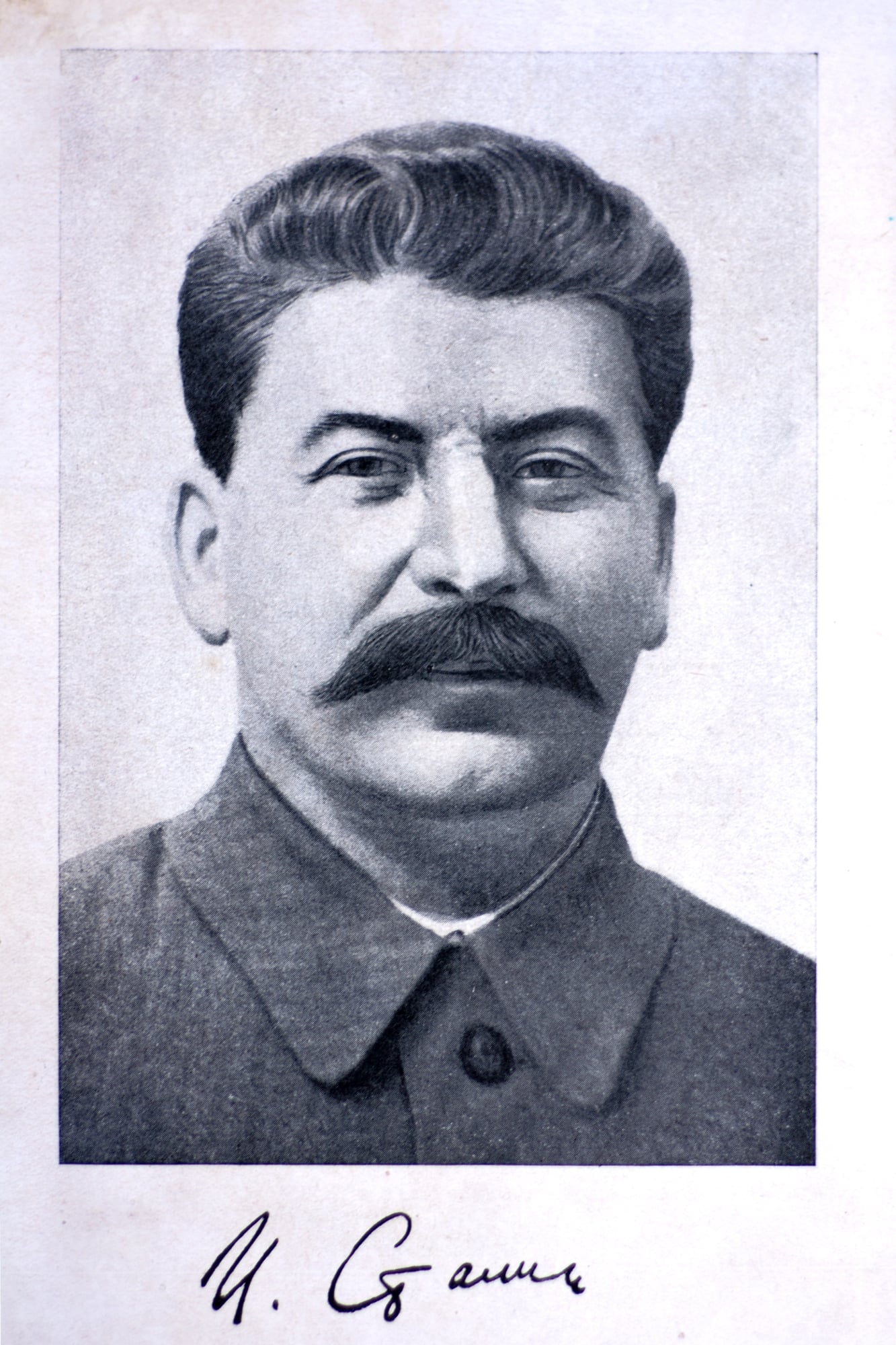
Soviet propaganda under Stalin didn’t just distort history — it literally redrew it. Photographs of Stalin alongside figures who had since been executed or exiled were systematically altered: the inconvenient figures disappeared from the images, leaving Stalin standing with fewer and fewer people as the purges progressed.
This wasn’t occasional; it was institutional, coordinated, and comprehensive enough that citizens who owned original photographs faced real danger. The practice reshaped what people believed they remembered — which is a specific and remarkable kind of propaganda, the kind that reaches backward.
Eating Before Swimming Causes Cramps

Generations of summer afternoons were delayed by the 30-minute rule: never swim immediately after eating, or you’ll get cramps and drown. The American Red Cross quietly revised its guidance on this years ago, noting there is no evidence that eating causes dangerous cramps in swimmers.
The idea likely originated as a precaution against the genuine physiological phenomenon of blood redirecting toward digestion after a meal — a real but minor effect that doesn’t translate into the drowning risk the warning implied. Parents still say it. Lifeguards still enforce it at some pools.
Marie Antoinette and Cake
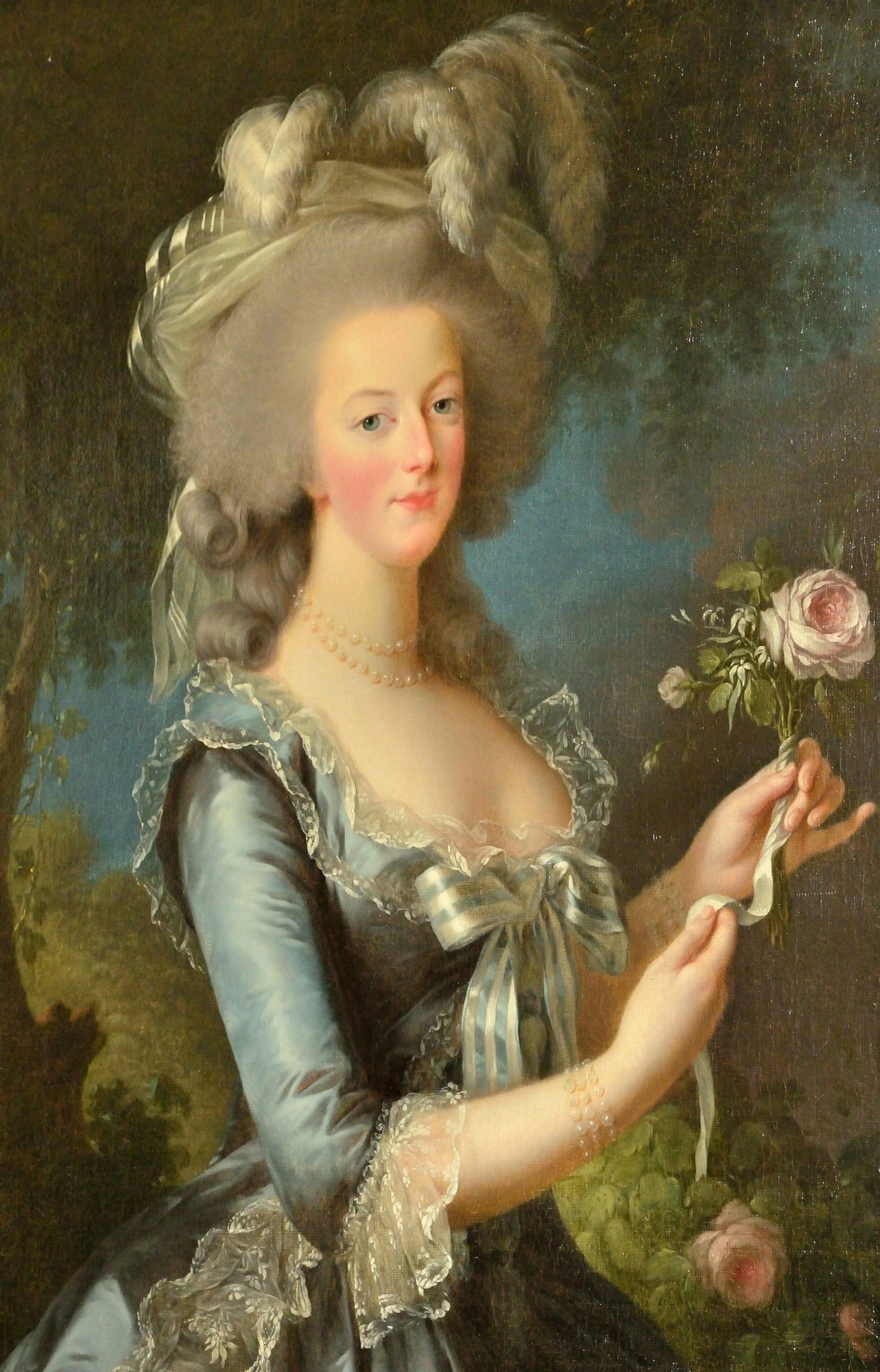
“Let them eat cake” — probably the most famous line attributed to Marie Antoinette, and almost certainly something she never said. The phrase appears in Jean-Jacques Rousseau’s “Confessions,” written when Marie Antoinette was around nine years old, attributed to “a great princess” whose identity Rousseau doesn’t specify.
It was attached to Marie Antoinette after her execution, when it was politically useful to cement her image as a symbol of royal indifference. The actual French phrase — “Qu’ils mangent de la brioche” — refers to enriched bread, not cake, which adds a second layer of distortion to a quote that wasn’t hers to begin with.
Goldfish Memory

The claim that a goldfish has a three-second memory has been around long enough that most people treat it as verified biology. It isn’t.
Goldfish have been shown in controlled experiments to remember things for months — they can be trained to press levers for food, navigate mazes, and respond to signals associated with feeding time. The three-second figure appears to have no identifiable scientific origin; it simply circulates as one of those “facts” that sounds plausible and diminishes a creature enough to be mildly amusing, which is its own kind of staying power.
Hitler Was a Vegetarian
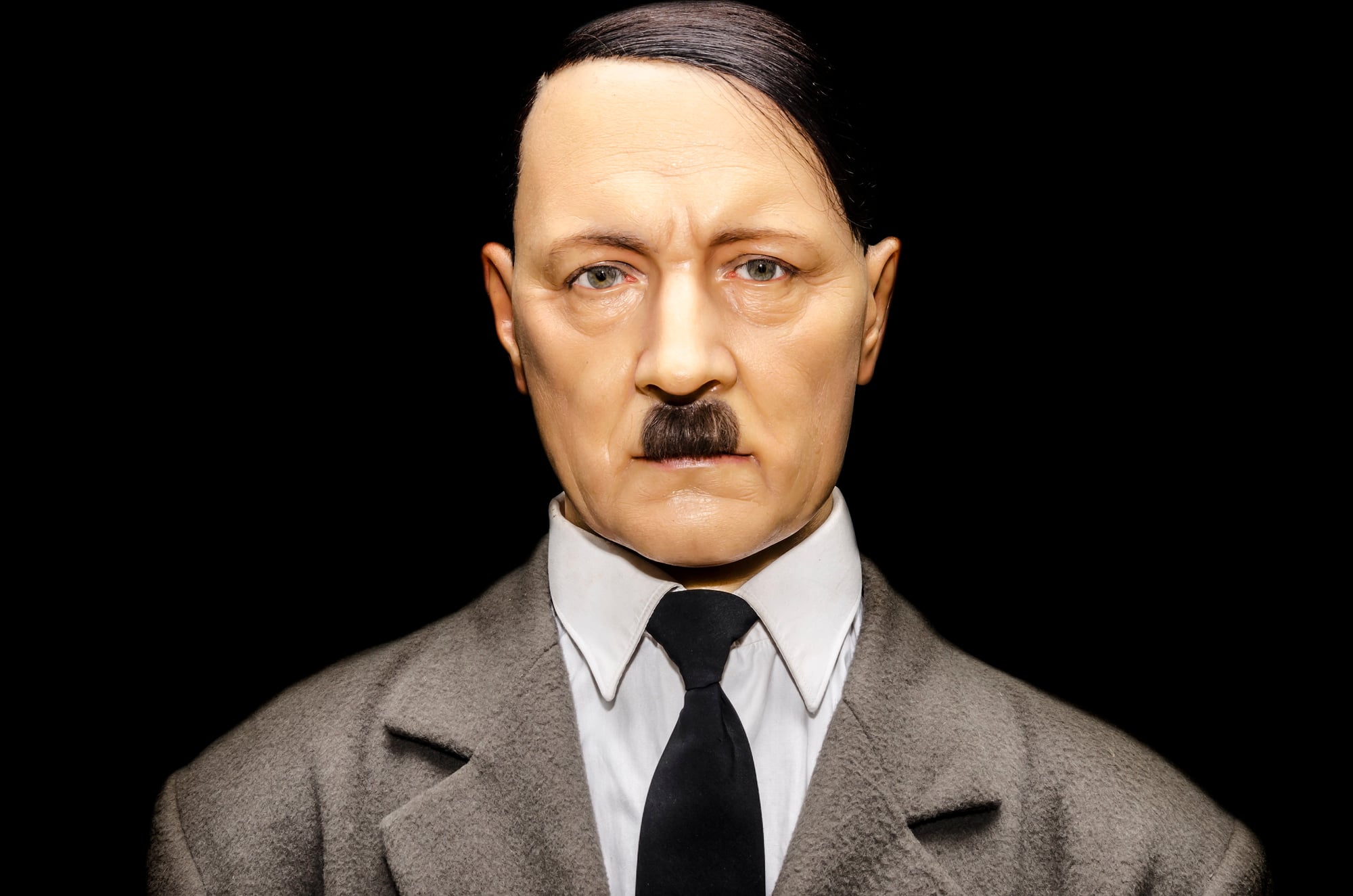
Adolf Hitler’s alleged vegetarianism has been used in various arguments — usually as a rhetorical weapon of the “even a vegetarian can be evil” variety. But the historical record is considerably murkier than the claim suggests.
Hitler did avoid red meat for long stretches, partly for digestive reasons, and Nazi propaganda promoted a sanitized image of him as pure and ascetic. Multiple accounts from contemporaries describe him eating meat, including sausages and game, at various points. The “committed vegetarian” identity was partly a propaganda construct by the Nazi image machine — which is a strange irony given how the fact is now deployed.
The Chastity Belt

Medieval knights did not lock their wives into chastity belts before leaving for the Crusades. The chastity belt as a serious medieval device is almost entirely a myth — the few examples in museum collections are now believed by most historians to be 18th or 19th-century novelties, not functional medieval instruments.
The story persisted because it confirmed a vivid image of medieval brutality and patriarchal control that audiences found both shocking and, in a dark way, satisfying — the kind of story that survives because it says something people feel should be true about a brutal era.
Sugar Makes Children Hyperactive

Double-blind studies have tested this claim repeatedly and the results are consistent: sugar does not cause hyperactivity in children. The belief was widespread enough that researchers in the 1990s specifically tested it by giving children drinks with and without sugar — including informing parents falsely about which drink their child had received — and found that parents rated their children as more hyperactive when they believed the child had consumed sugar, regardless of what was actually in the cup.
The placebo effect in reverse, essentially: the expectation of a behavior shapes the perception of it.
The Medieval Belief That the Earth Was Flat
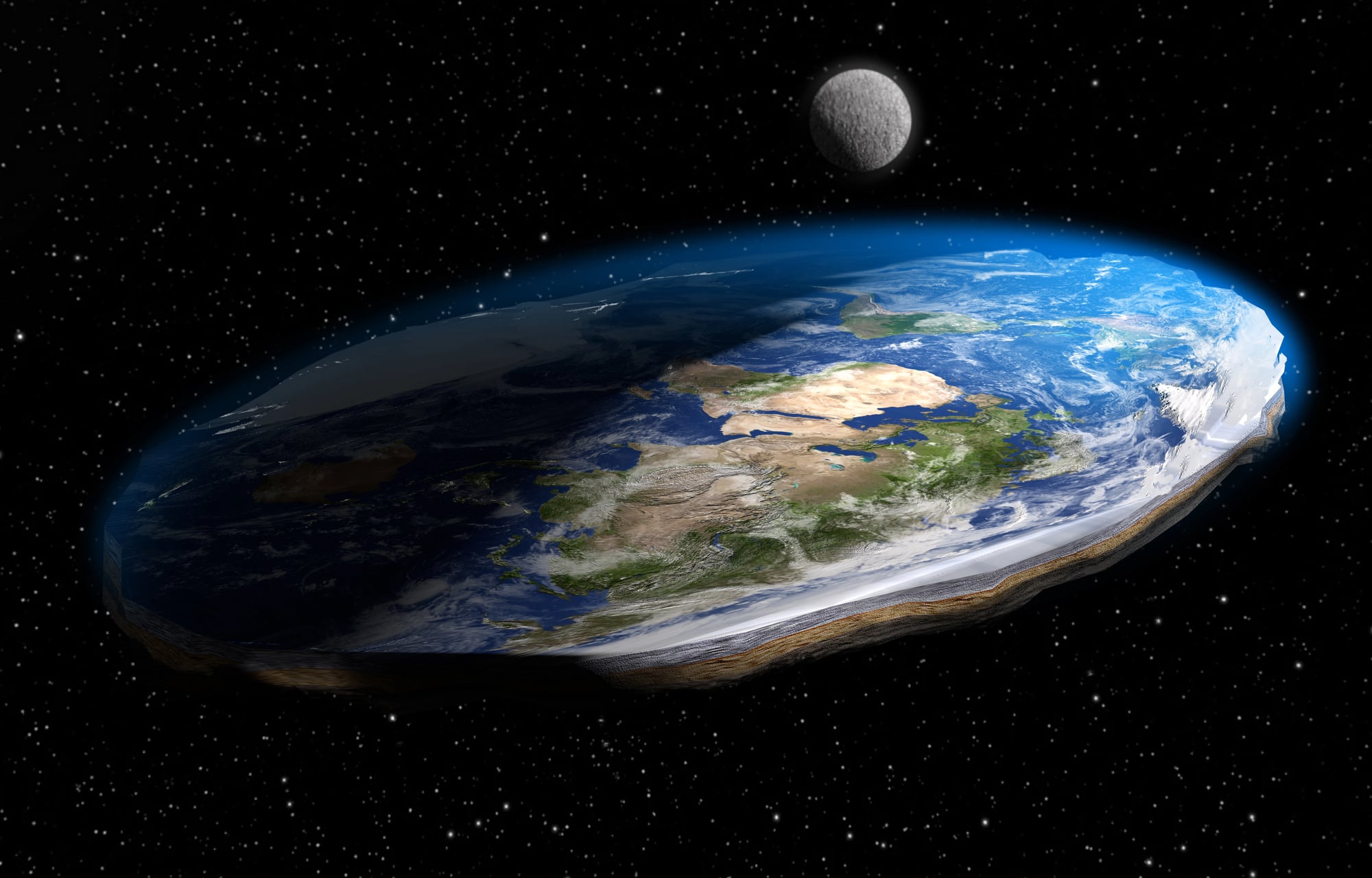
The widespread belief that people in medieval Europe thought the Earth was flat is itself a myth — a piece of counter-mythology that historians find genuinely exasperating. Medieval scholars widely accepted the spherical Earth; it was standard church teaching by the early medieval period, and universities taught Ptolemaic astronomy, which assumed a round Earth, as foundational curriculum.
The flat-Earth medieval narrative was largely invented in the 19th century, particularly by John William Draper and Andrew Dickson White, as part of a broader argument about religion suppressing science — an argument that required a more ignorant Middle Ages than the one that actually existed.
Abner Doubleday Invented Baseball

Baseball’s origins were murky and inconvenient, so in 1905, Major League Baseball established a commission to settle the question definitively. The commission, led by Abraham Mills, concluded that Abner Doubleday invented baseball in Cooperstown, New York, in 1839.
The conclusion was based primarily on the testimony of a single elderly man, Albert Spalding — yes, that Spalding — who had significant financial interests in establishing an American origin for the sport. Historians have found no evidence Doubleday had anything to do with baseball, and the man himself never claimed he did. Cooperstown still has the Hall of Fame.
Thomas Edison Invented the Lightbulb
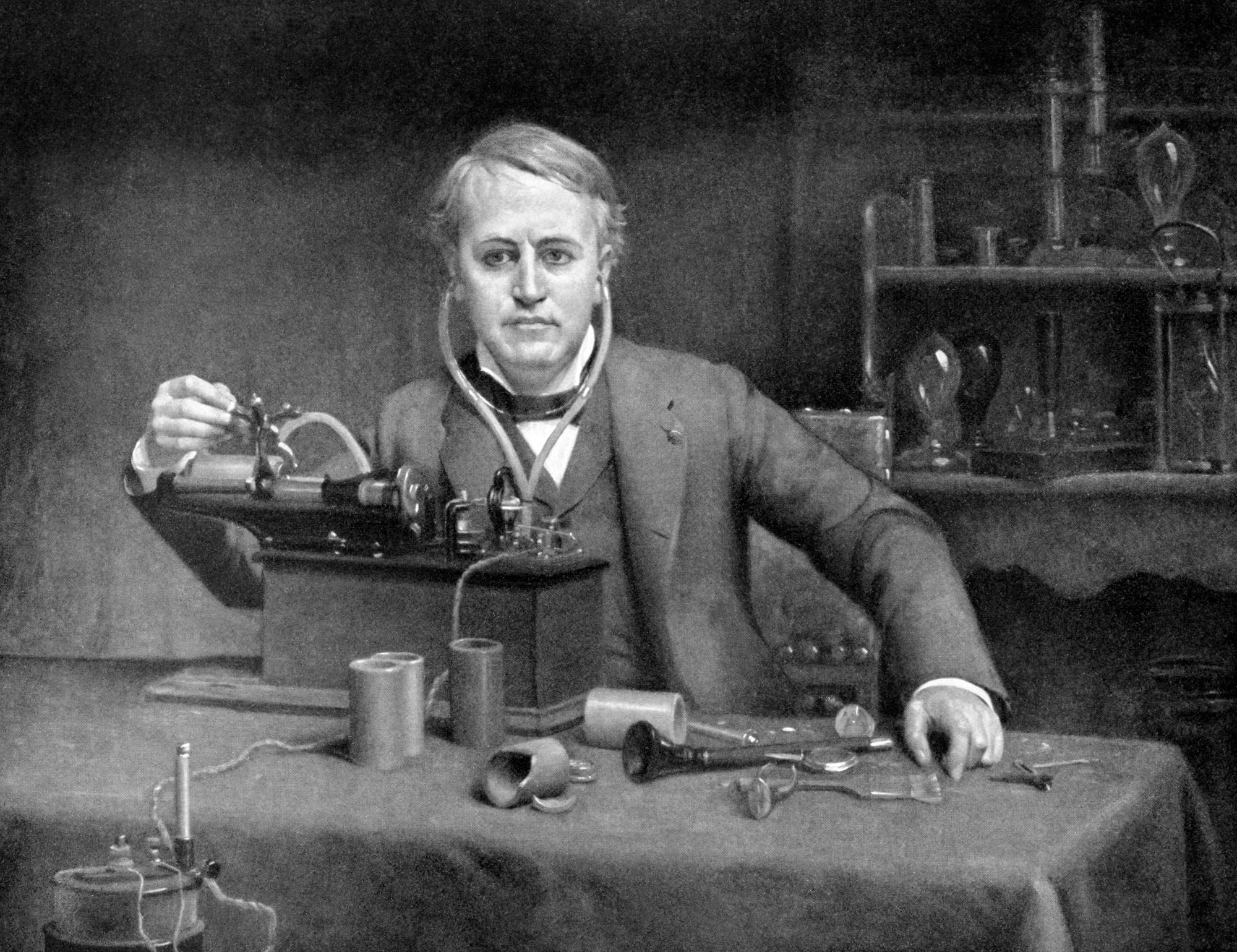
Edison did not invent the lightbulb. He perfected a commercially viable version of it in 1879 — a meaningful and impressive achievement — but at least 22 inventors had worked on incandescent light before him, including Humphry Davy, who demonstrated an electric arc light in 1802, and Joseph Swan, who patented a working incandescent bulb in Britain before Edison’s American patent was granted.
Edison’s genius was in systems: he created the entire electrical distribution infrastructure that made the lightbulb useful. But “invented” is the wrong word, and it’s been the wrong word for over a century.
When the Story Outlives the Truth

There is a pattern running through all of these, and it isn’t stupidity — it’s something more human than that. The myths that survive longest are the ones that offer something: a pleasing image, a satisfying villain, a flattering promise, a useful simplification.
Diamonds feel like love. A spherical Earth is impressive without needing a medieval church to reject it. The story of a brilliant lone inventor is cleaner than the truth of incremental, international, contested discovery.
People don’t hold onto false beliefs because they’re gullible. They hold onto them because the beliefs are doing something — telling a story that feels worth keeping.
That’s what makes propaganda so durable: not that it fools people, but that it gives them something they wanted to believe anyway.
More from Go2Tutors!

- The Romanov Crown Jewels and Their Tragic Fate
- 13 Historical Mysteries That Science Still Can’t Solve
- Famous Hoaxes That Fooled the World for Years
- 15 Child Stars with Tragic Adult Lives
- 16 Famous Jewelry Pieces in History
Like Go2Tutors’s content? Follow us on MSN.