16 Controversial Monuments Around the World and the Debates That Surround Them
Walking past a monument should be a simple experience, yet some of these towering structures spark heated debates that have raged for decades. The bronze figures and marble facades tell stories, but whose stories they tell — and how they tell them — remains fiercely contested.
These 16 monuments around the world continue to divide communities, challenge historical narratives, and force difficult conversations about memory, justice, and who deserves to be remembered in stone.
Robert E. Lee Monument, Richmond
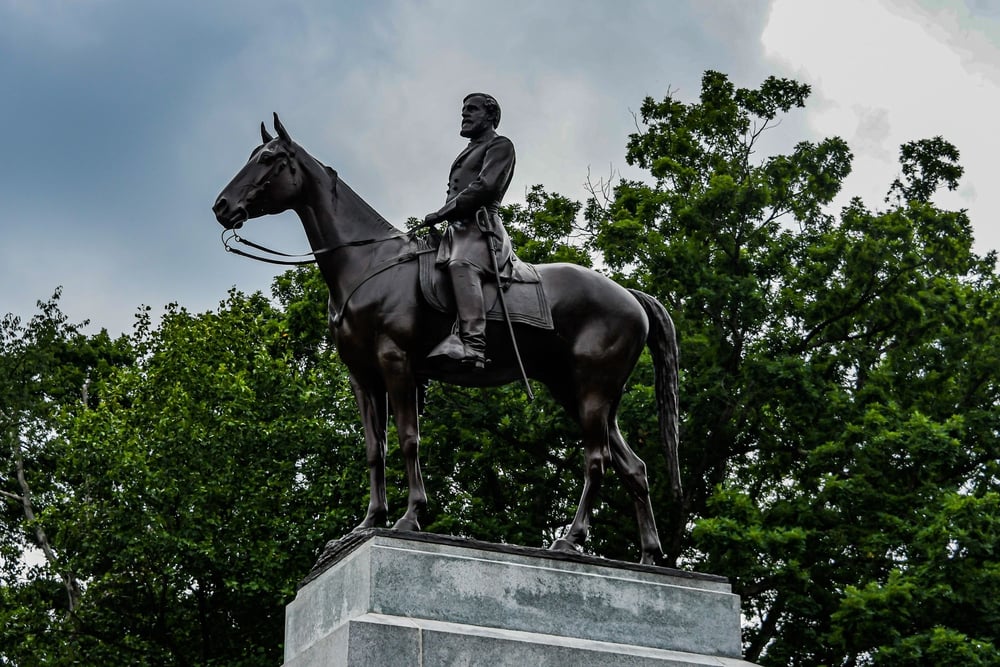
The 60-foot bronze statue of Confederate General Robert E. Lee towered over Richmond’s Monument Avenue for 130 years before its removal in 2021. Erected in 1890, the monument became a lightning rod for debates about Confederate memory and systemic racism.
The statue’s removal marked the end of an era, though the pedestal (covered in graffiti during 2020 protests) remained for months as a canvas for community expression before finally being dismantled.
Mount Rushmore
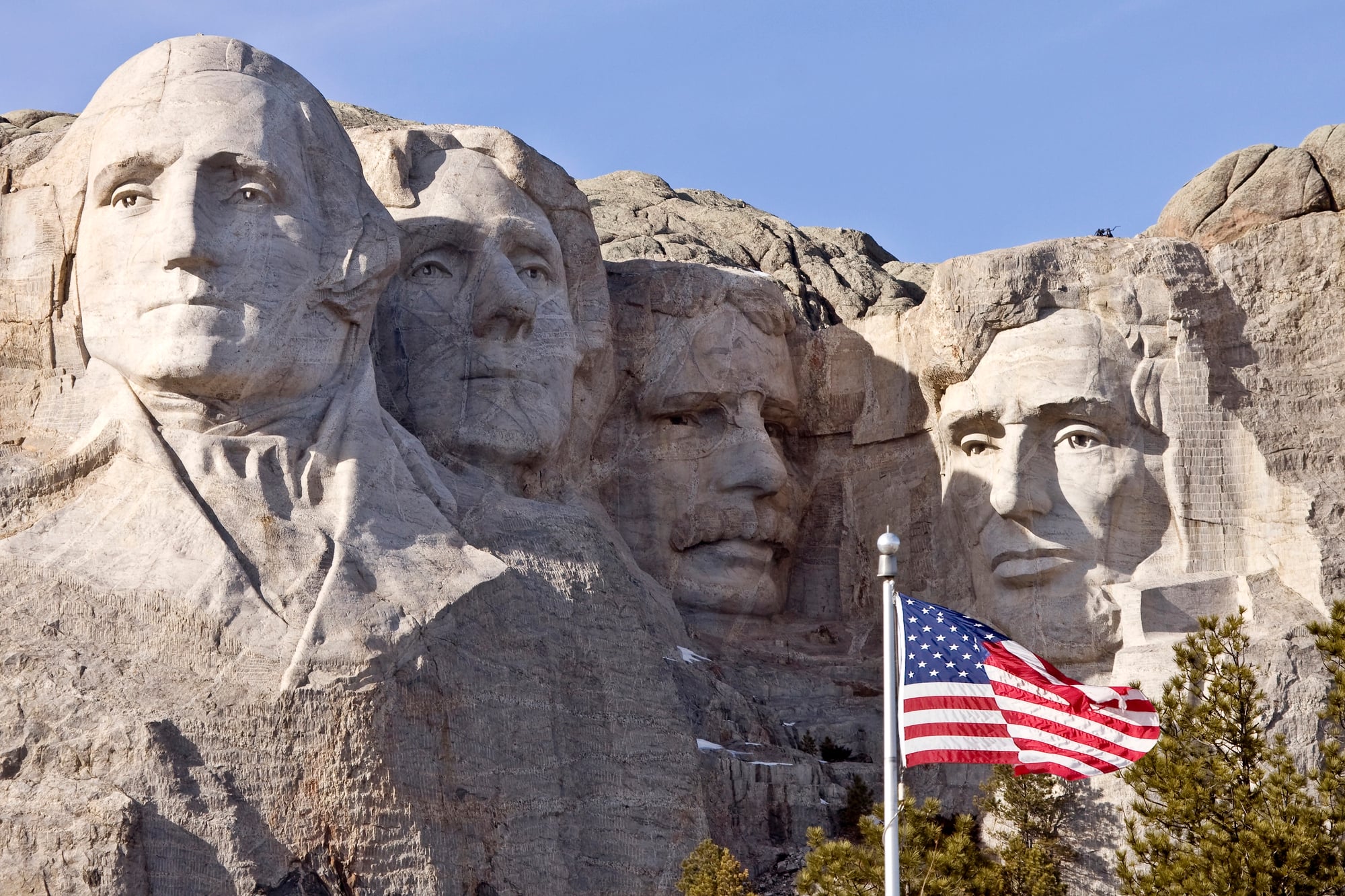
So here’s the thing about carving four presidents into a sacred mountain: the Lakota Sioux never agreed to it, and the Black Hills (where Rushmore sits) were taken from them in violation of an 1868 treaty — which technically makes the entire monument an ongoing act of trespass. The irony runs deeper when you consider that the sculptor, Gutzon Borglum, had ties to the Ku Klux Klan, and the mountain itself was named after a New York lawyer who came to the area in 1885 to inspect mining claims.
But it draws three million visitors a year, so there’s that.
Christopher Columbus Statue, New York
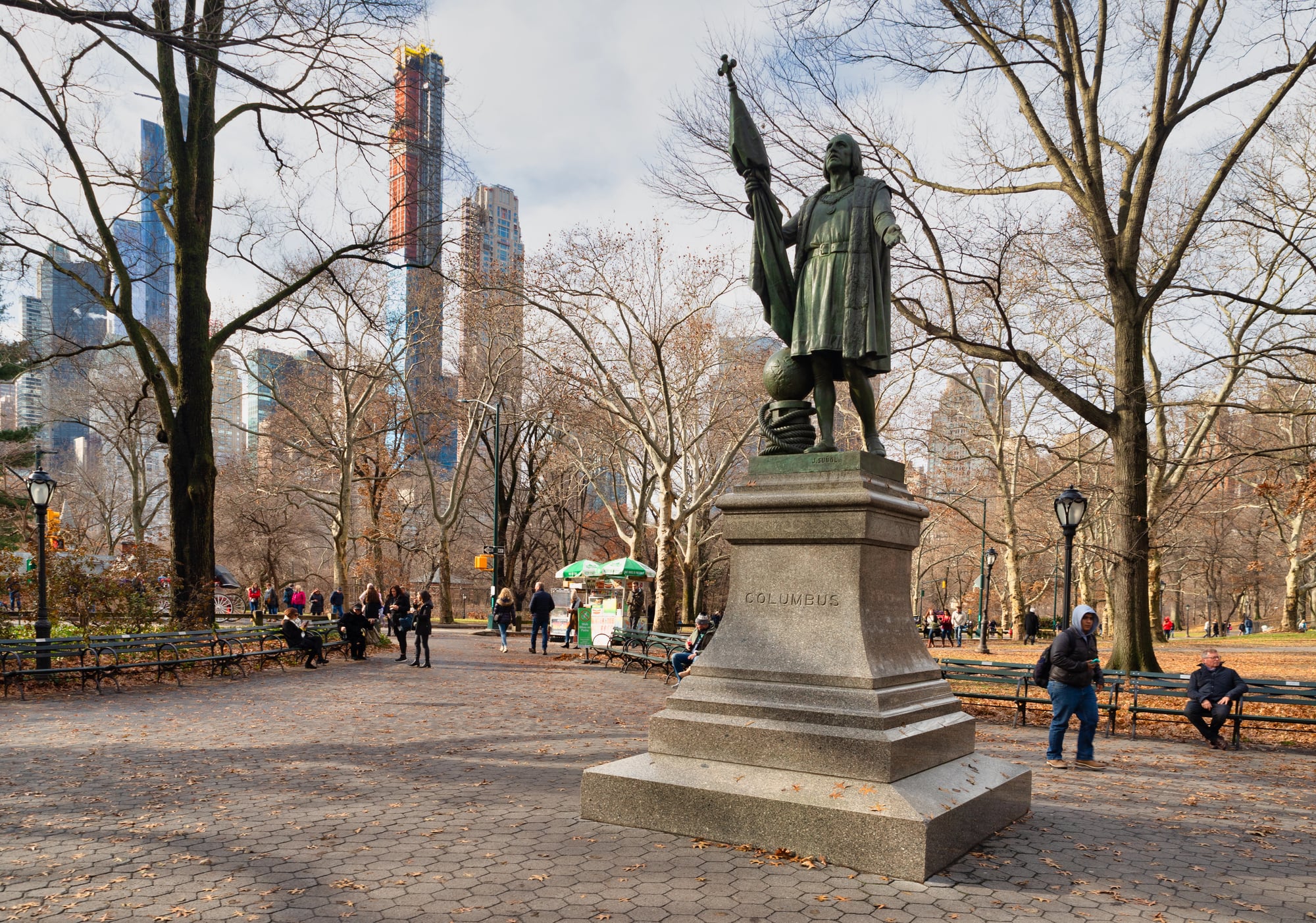
There’s something unsettling about celebrating an explorer who never actually knew where he was (Columbus died believing he’d reached Asia, not the Americas), while Indigenous communities mark October 12th as the beginning of centuries of genocide and colonization. The 76-foot monument at Columbus Circle has survived multiple removal attempts, largely because Italian-American groups view it as recognition of their own immigrant struggles — a reminder that monuments often mean different things to different people, regardless of what the bronze plaque says.
Yet the statue’s survival feels increasingly awkward as cities across the country reckon with Columbus’s legacy of enslavement and brutality toward Indigenous peoples.
Statue of Liberty
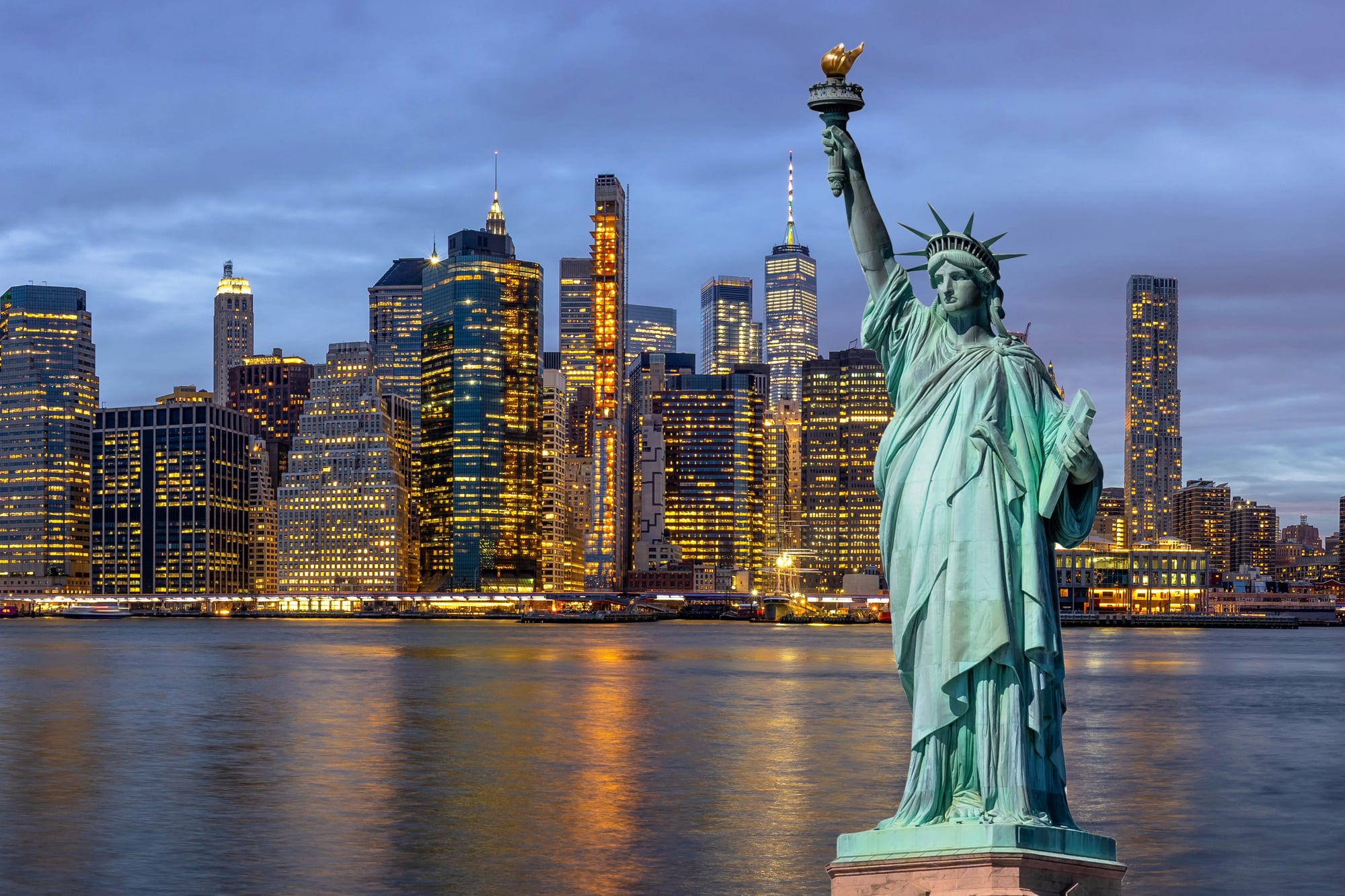
The Statue of Liberty gets complicated when you dig past the Ellis Island mythology. France gave it to America in 1886 as a celebration of the end of slavery, but it arrived during an era of Chinese Exclusion Acts and Jim Crow laws.
The statue’s torch-bearing figure was originally intended to represent freedom from bondage, yet it welcomed immigrants at the same time the country was systematically excluding others based on race and nationality.
Confederate Memorial, Arlington National Cemetery
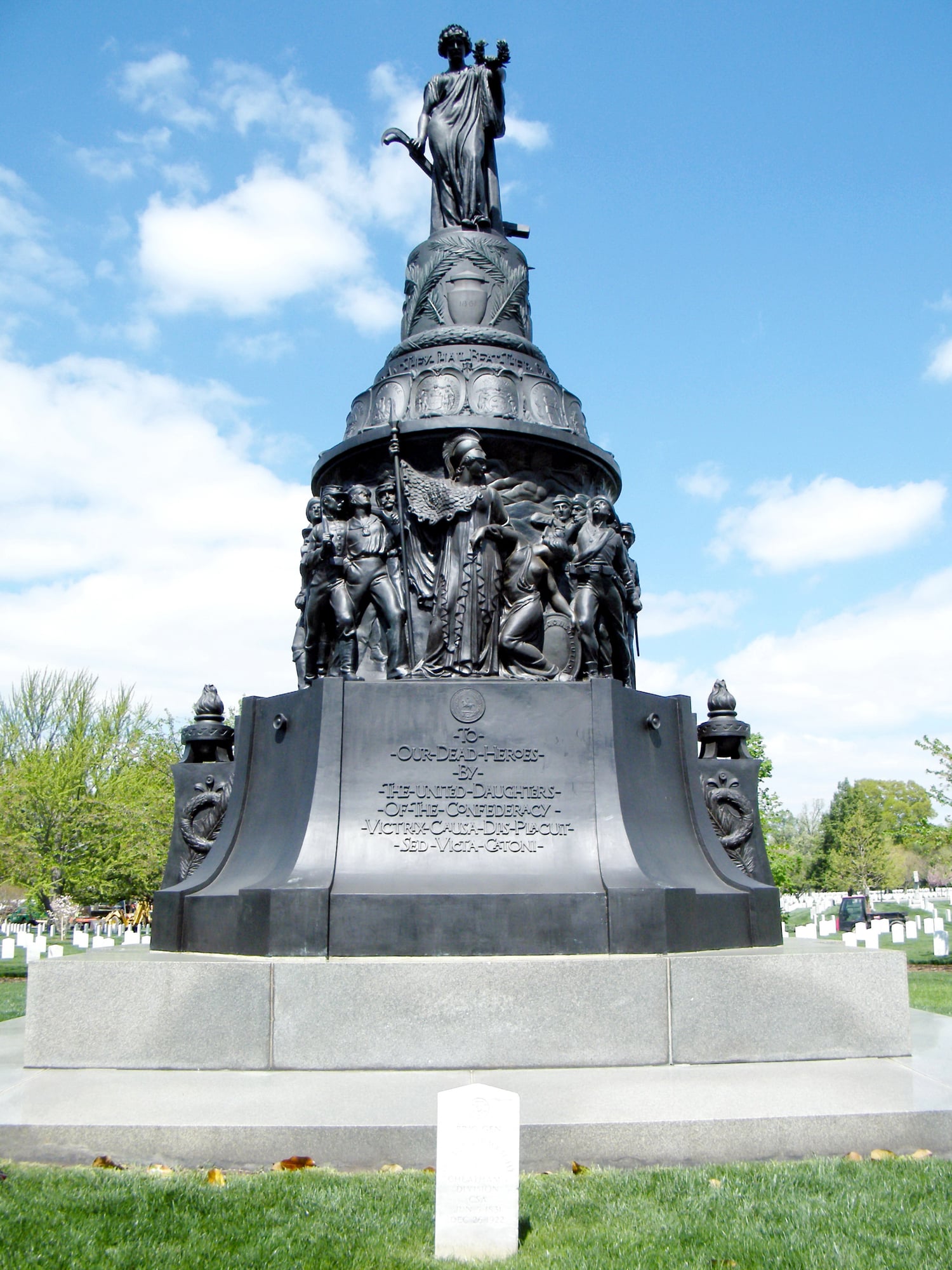
The Confederate Memorial at Arlington National Cemetery is a masterpiece of historical revisionism cast in bronze. Erected in 1914, the monument depicts enslaved people as loyal servants content with bondage — a romanticized vision of the antebellum South that erases the reality of chattel slavery.
The memorial sits in a cemetery built on Robert E. Lee’s former plantation, adding another layer of historical irony to its presence.
Crazy Horse Memorial
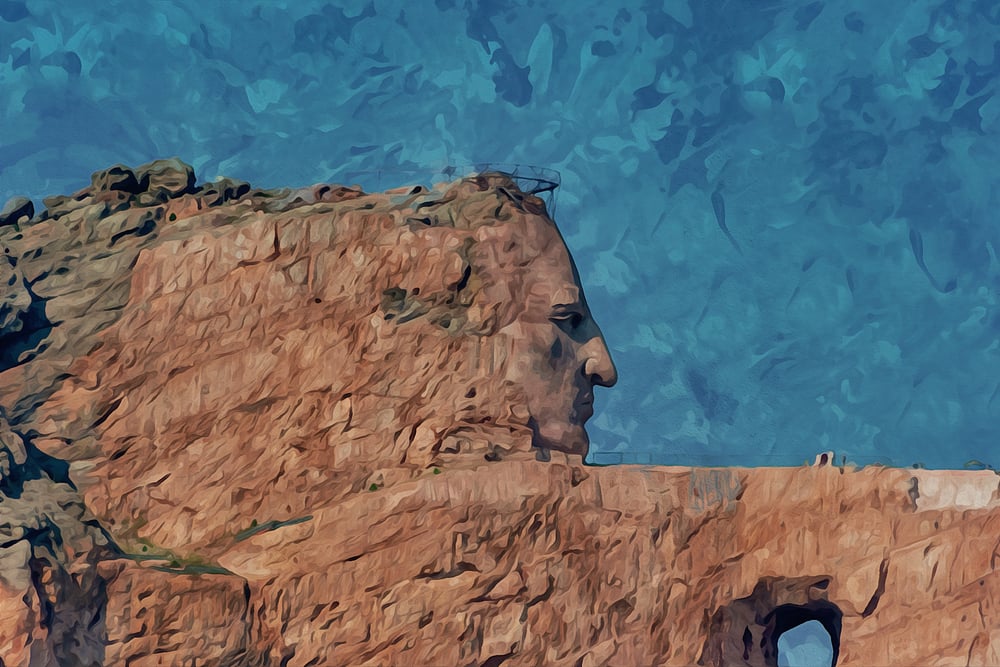
The Crazy Horse Memorial in South Dakota promises to be the world’s largest mountain carving when completed (the face alone dwarfs Mount Rushmore), but the project has divided Native American communities since construction began in 1948 — and that’s partly because Crazy Horse himself opposed being photographed, believing it would steal his spirit, making a 563-foot-tall sculpture of his face feel like a cosmic joke. Some Lakota leaders support the memorial as a symbol of Native pride, while others see it as a desecration of sacred land and a betrayal of Crazy Horse’s beliefs about humility and the natural world.
The project has been under construction for 75 years with no completion date in sight.
Lenin Statue, Seattle
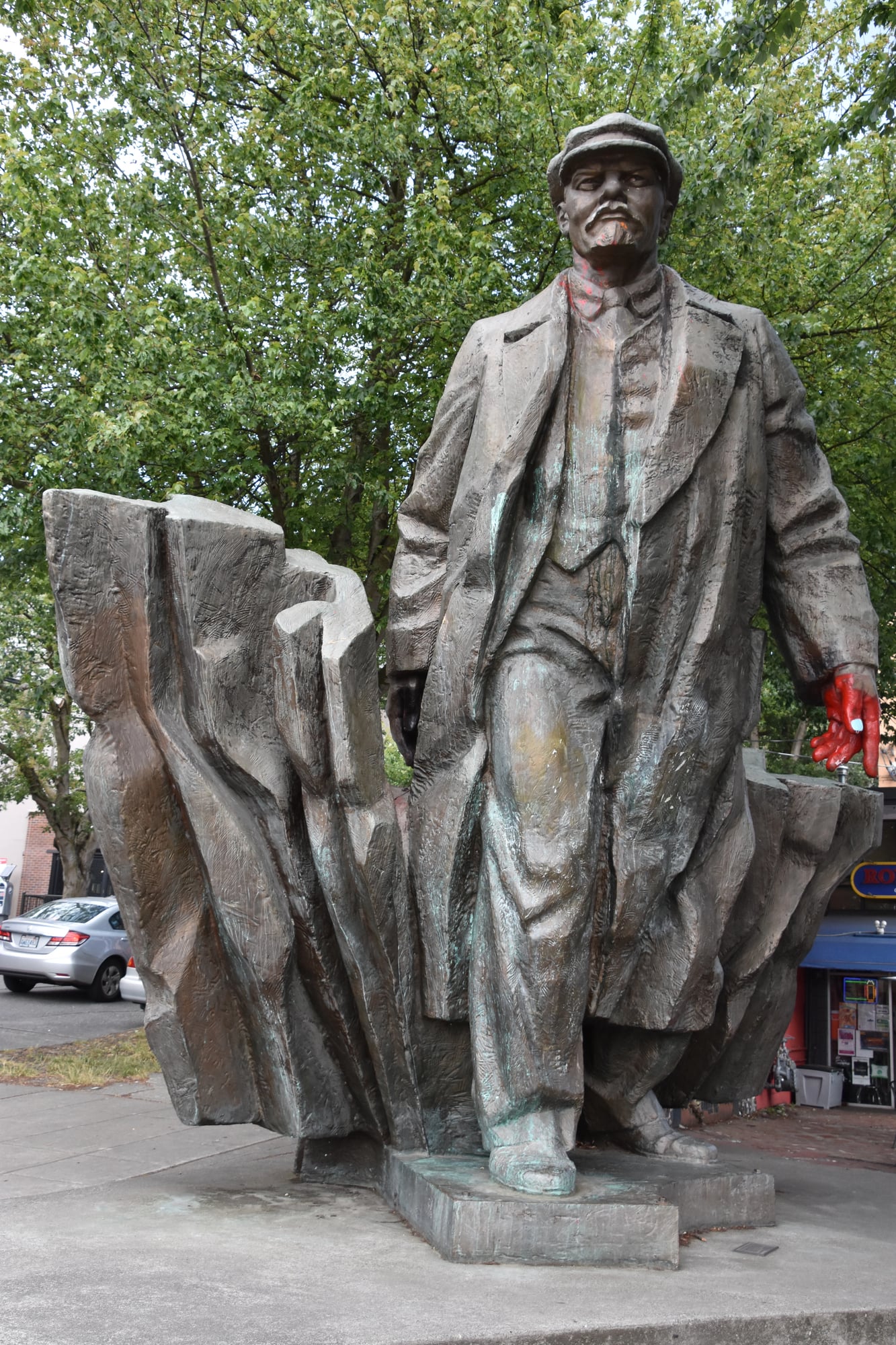
Seattle’s 16-foot bronze Lenin statue stands in the Fremont neighborhood like a communist ghost haunting a coffee shop district — which creates the surreal experience of sipping a $6 latte while staring at a monument to the founder of the Soviet Union. The statue was rescued from Slovakia after the fall of communism, shipped to Washington by an American who found it in a scrapyard, and now serves as an unofficial symbol of Seattle’s quirky embrace of the absurd.
But the joke wears thin for immigrants from former Soviet countries, who see Lenin’s presence as a painful reminder of political repression and mass suffering.
Arthur Ashe Statue, Richmond
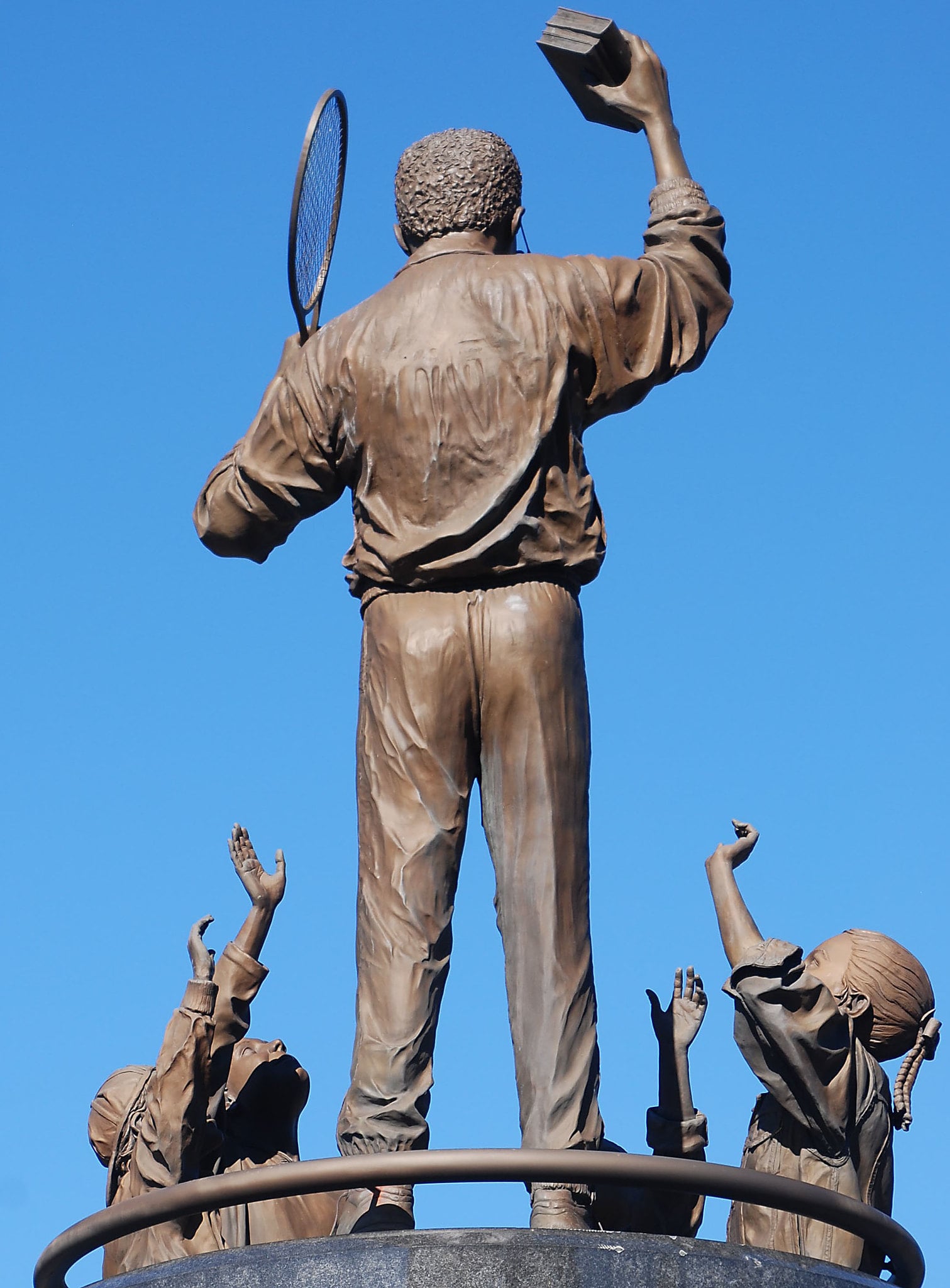
The Arthur Ashe statue on Richmond’s Monument Avenue broke the Confederate monopoly when it was installed in 1996, but its placement sparked immediate controversy within the Black community itself. Tennis great Arthur Ashe had specifically opposed being memorialized alongside Confederate generals, yet there his bronze figure stands, racket raised toward the sky, surrounded by children reaching upward.
The monument’s supporters argued it reclaimed the space from Confederate memory, while critics felt it forced Ashe into a context he would have rejected.
Parthenon Sculptures, British Museum
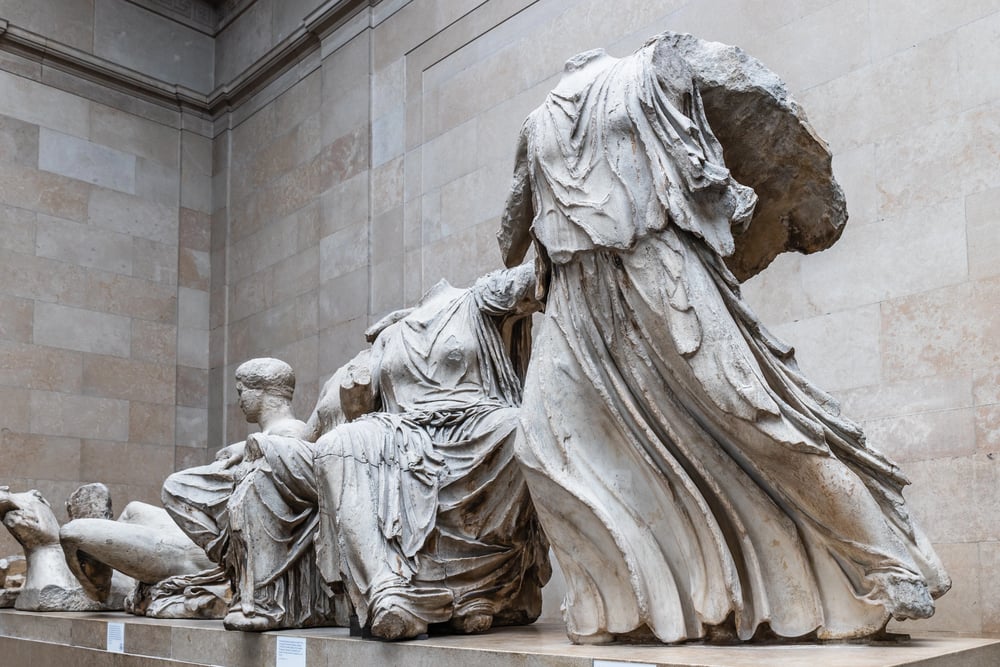
The Parthenon Sculptures (formerly called the Elgin Marbles) represent one of the world’s longest-running ownership disputes. Lord Elgin removed the marble friezes from the Parthenon in the early 1800s with permission from Ottoman authorities, but Greece argues that Ottoman rule was illegitimate and the sculptures belong in Athens.
The British Museum maintains that Lord Elgin’s acquisition was legal under the laws of the time, though that argument sounds increasingly hollow as Greece builds new facilities specifically designed to house the sculptures.
Yasukuni Shrine, Tokyo
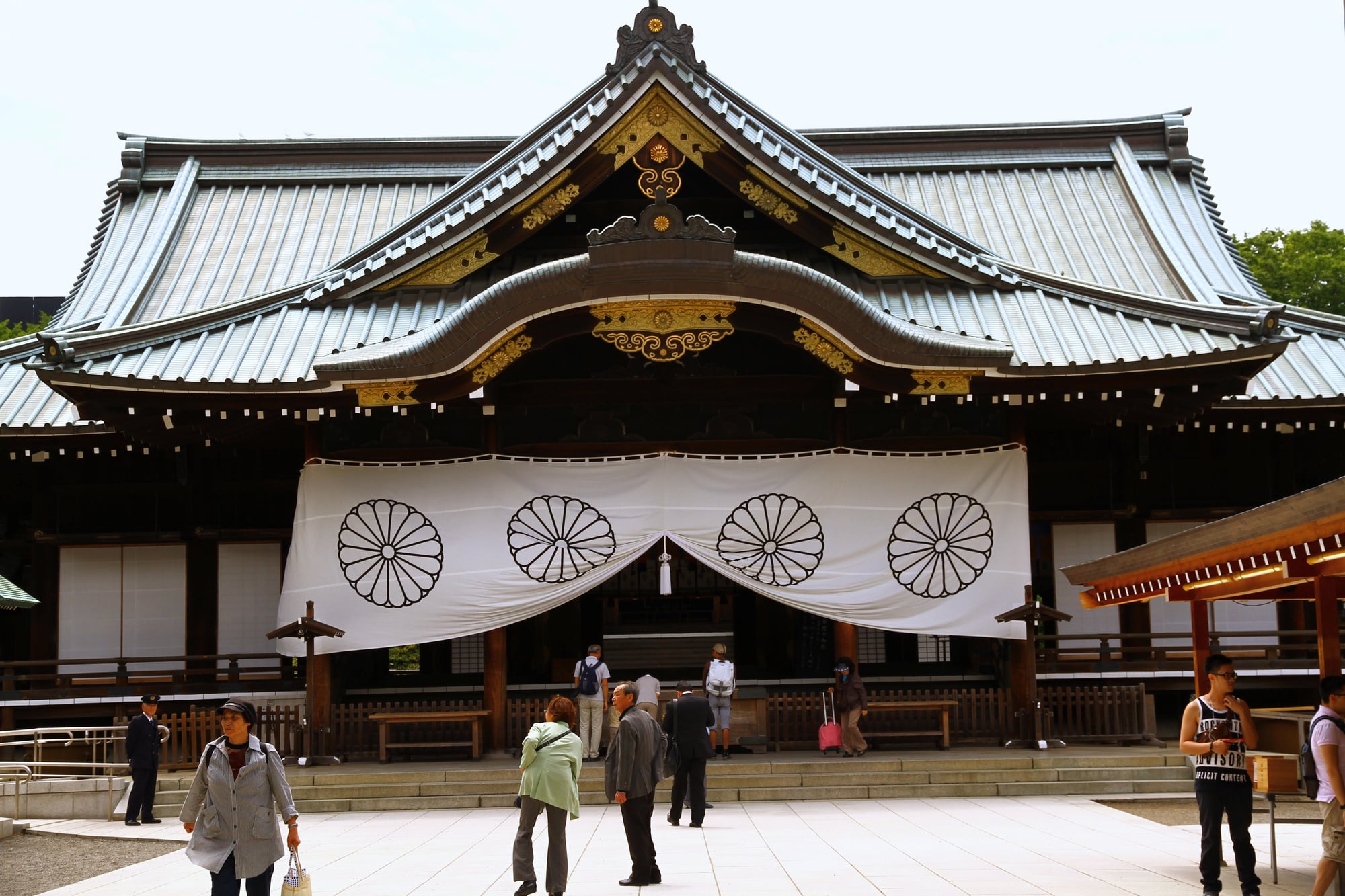
Yasukuni Shrine honors Japan’s war dead, but 14 Class-A war criminals from World War II are enshrined alongside ordinary soldiers — creating a diplomatic crisis every time a Japanese prime minister visits (and China and South Korea take it as a sign that Japan hasn’t truly reckoned with its wartime atrocities). The shrine’s museum presents a version of World War II that downplays Japanese aggression and frames the conflict as a defensive war, which makes every visit by Japanese officials an international incident.
So the shrine functions less as a place of mourning and more as a flashpoint for unresolved historical grievances that continue to shape East Asian politics.
Cecil Rhodes Statue, Oxford
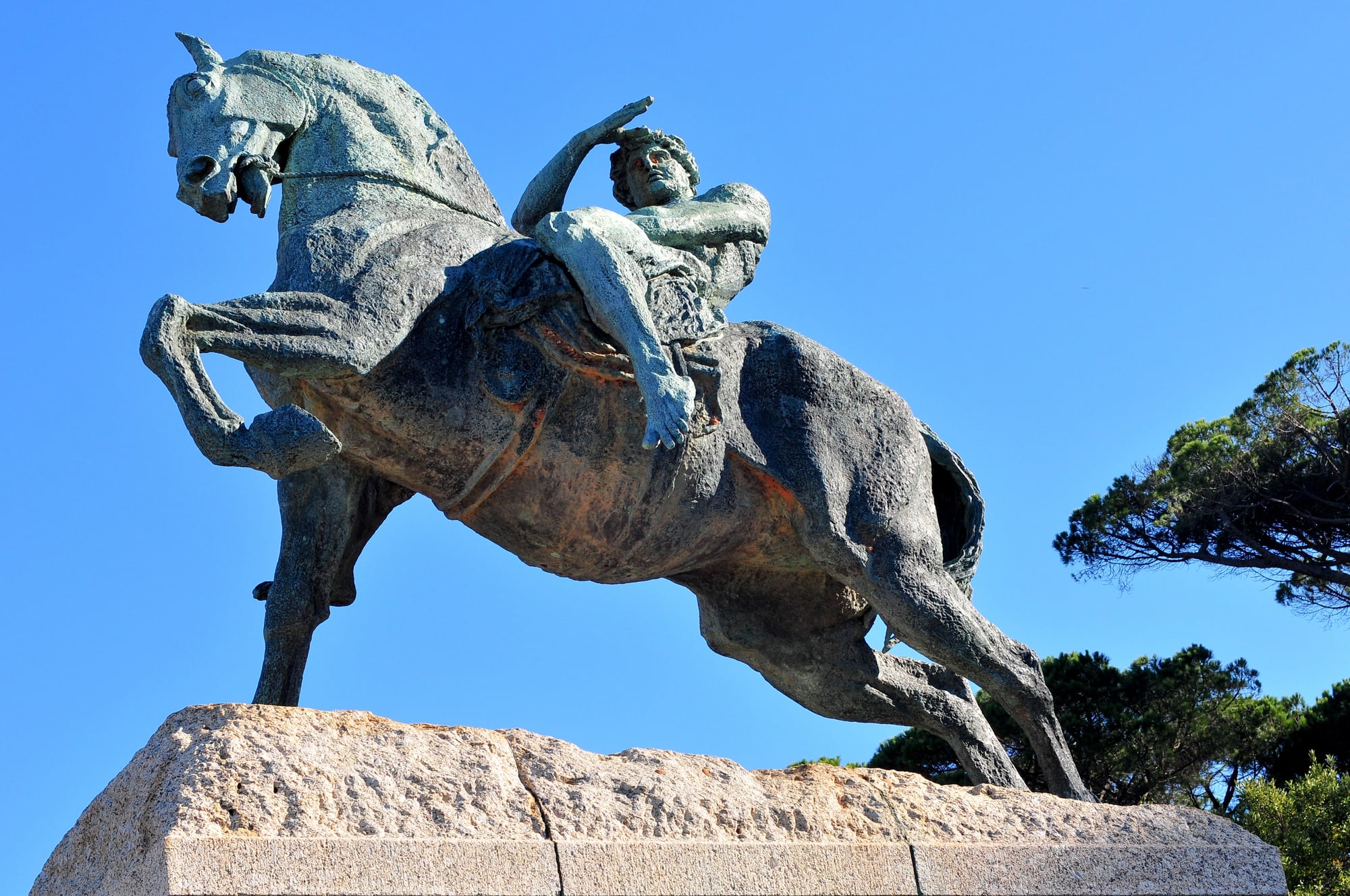
The Cecil Rhodes statue at Oxford University clings to its perch on Oriel College despite years of student protests calling for its removal — and Rhodes himself would probably find the irony delicious, given that he once declared his goal was to paint the map of Africa British red and believed Anglo-Saxons were a master race destined to rule the world. The “Rhodes Must Fall” movement argues that honoring a architect of apartheid South Africa sends a message about whose legacy Oxford values, while defenders claim removing the statue erases history rather than confronting it.
But keeping a statue of a white supremacist at one of the world’s most prestigious universities does seem to send its own message about whose history matters most.
Valley of the Fallen, Spain
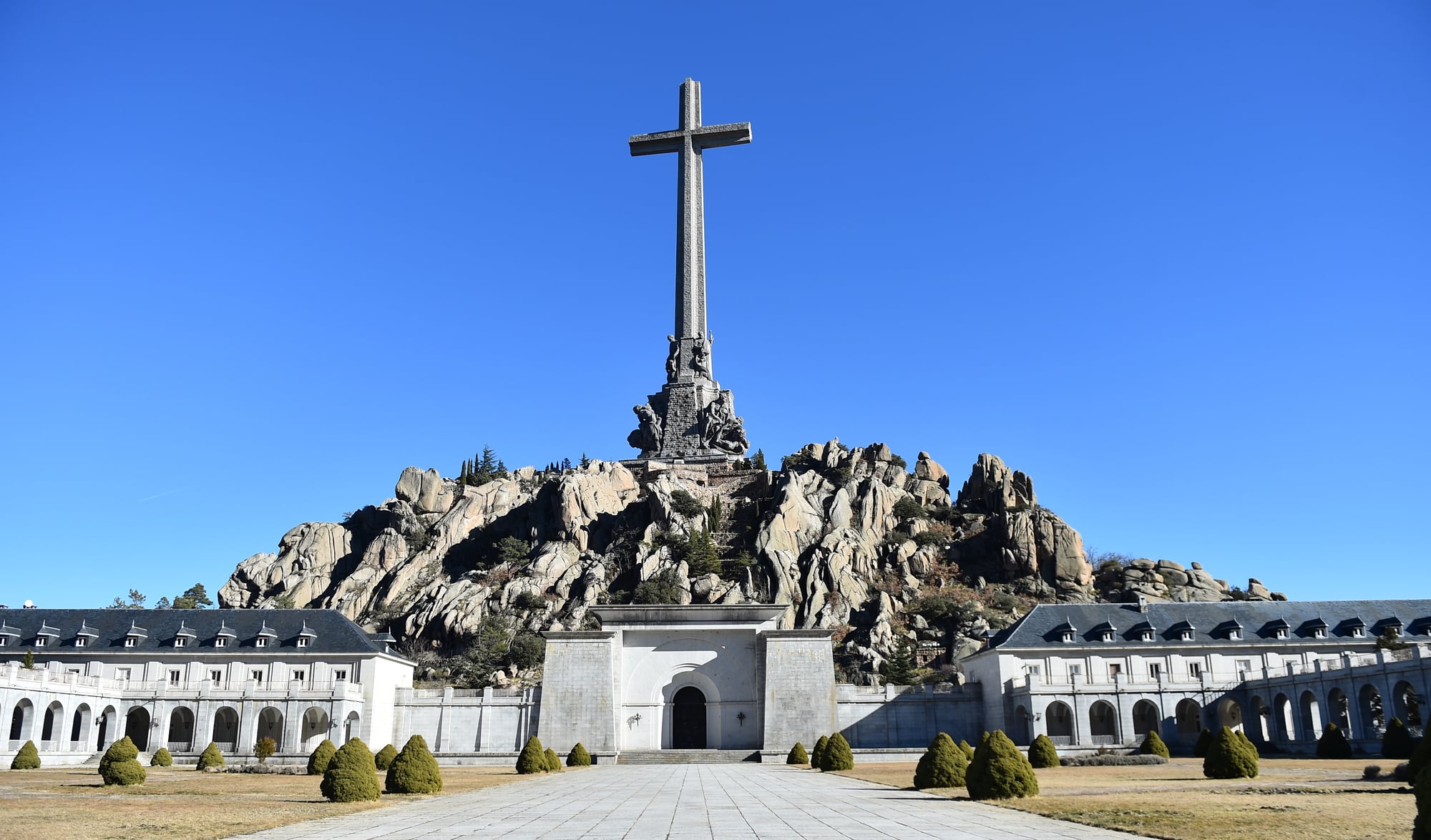
Spain’s Valley of the Fallen stretches across a mountainside like a monument to historical amnesia, where Francisco Franco’s tomb sat beneath a 500-foot cross until his remains were relocated in 2019 — but the site still houses thousands of Civil War dead from both sides, including victims of Franco’s regime buried alongside their killers without their families’ consent. The basilica was built partly by political prisoners using forced labor, which adds another layer of suffering to a place supposedly dedicated to reconciliation.
Visiting the Valley feels like walking through Spain’s unresolved relationship with its fascist past, where the aesthetics of memorialization can’t quite mask the underlying brutality.
Lenin’s Mausoleum, Moscow
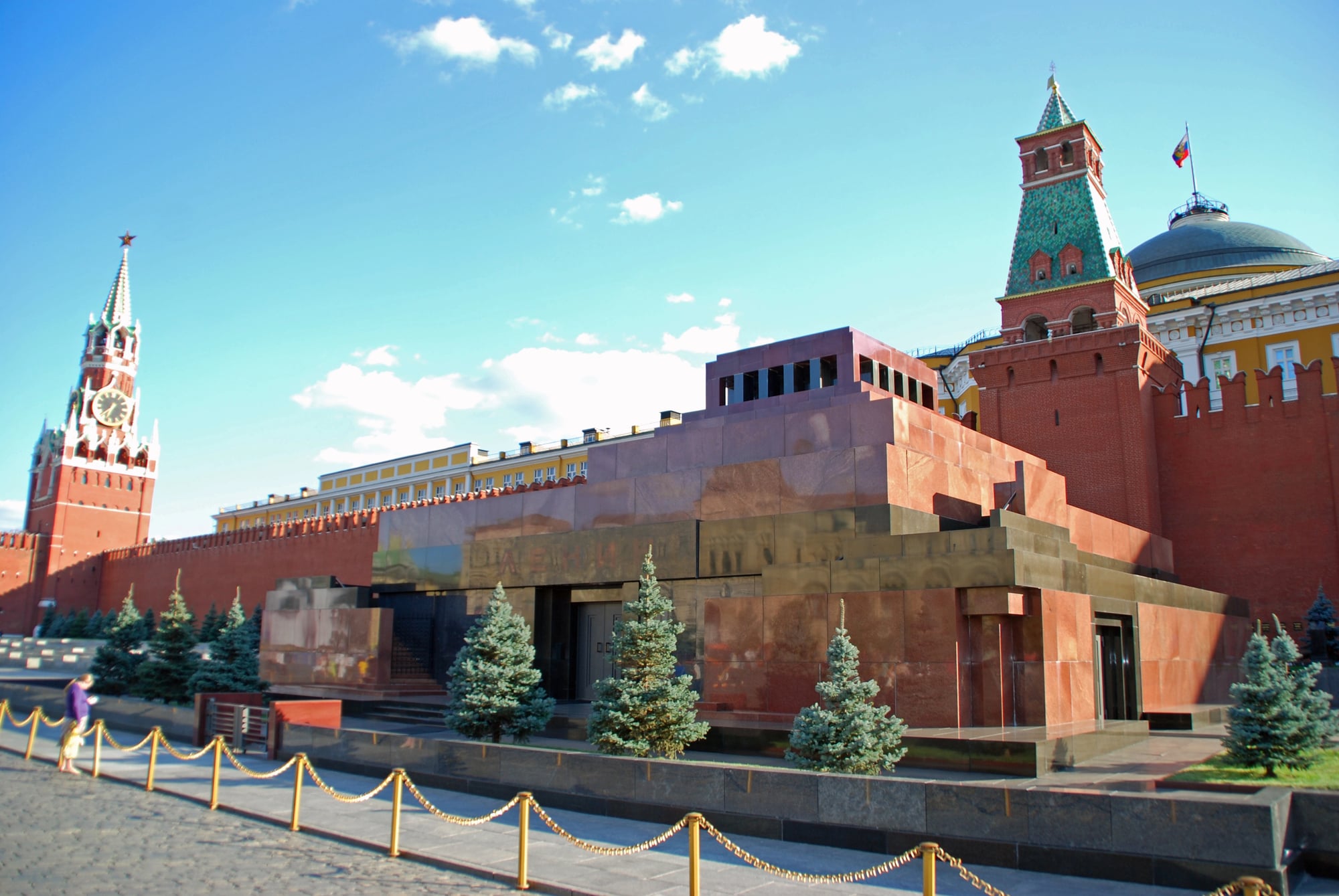
Lenin’s embalmed body has been lying in state in Red Square since 1924, maintained by a team of specialists who re-embalm him every 18 months. The mausoleum draws tourists and pilgrims in equal measure, though post-Soviet Russia seems unsure what to do with its communist founder’s physical presence.
Some Russians want Lenin buried, others see the mausoleum as an essential part of Russian history, and the government appears content to let him lie there indefinitely while avoiding any decision that might prove politically costly.
Statue of Limitations, Prague
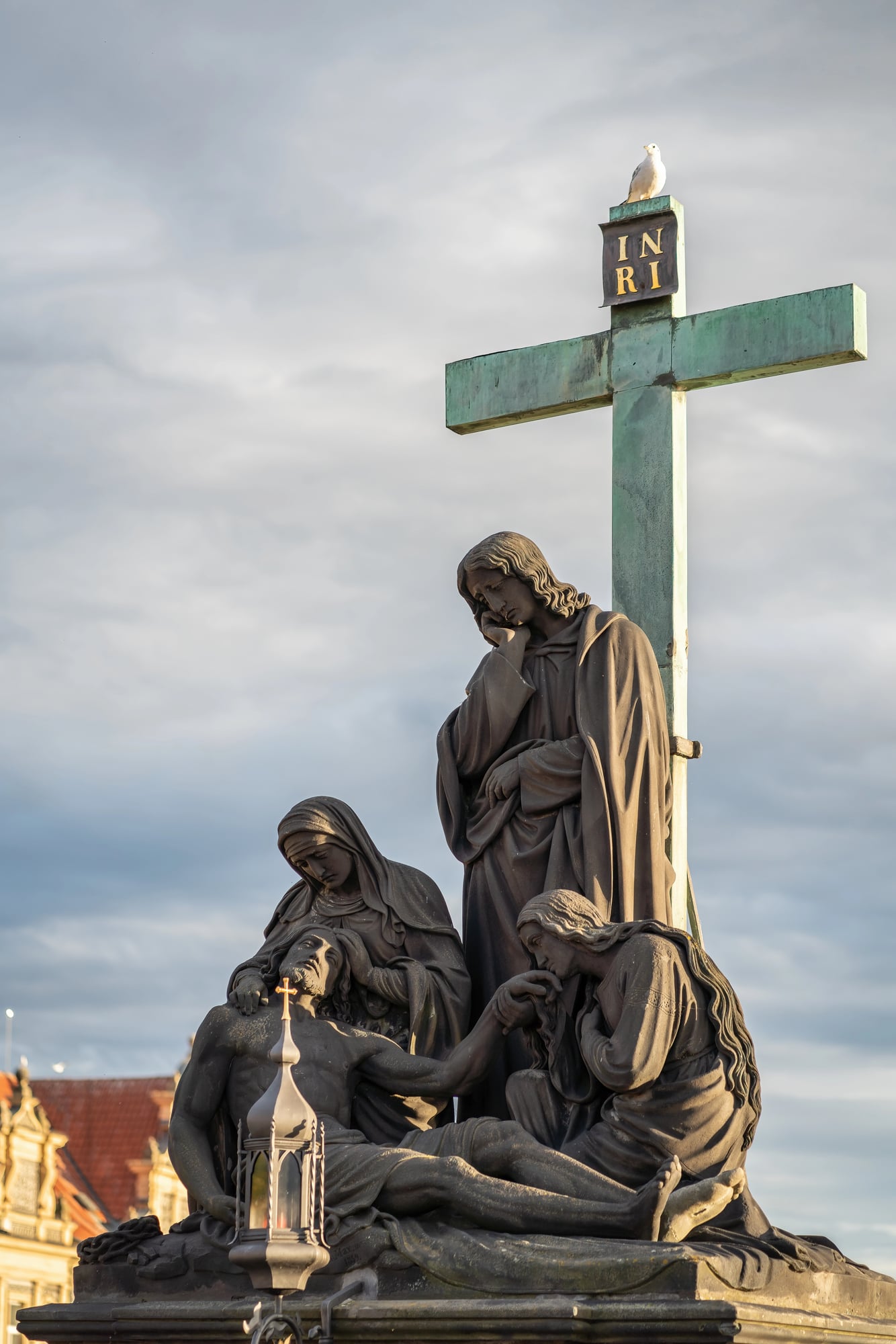
Prague’s Statue of Limitations — a sculpture of Franz Kafka’s head that rotates and constantly transforms — sits where a monument to Stalin once towered over the city, and the location couldn’t be more perfect for a writer who understood how power distorts reality and individuals disappear into bureaucratic machinery. The kinetic sculpture reflects Kafka’s fragmented identity as a German-speaking Jew in Czech Prague, but it also serves as a meditation on how monuments themselves change meaning as political systems rise and fall.
So the statue becomes both a memorial to Kafka and a commentary on the temporary nature of all political monuments, which seems like exactly the kind of paradox Kafka would have appreciated.
Comfort Women Statue, Seoul
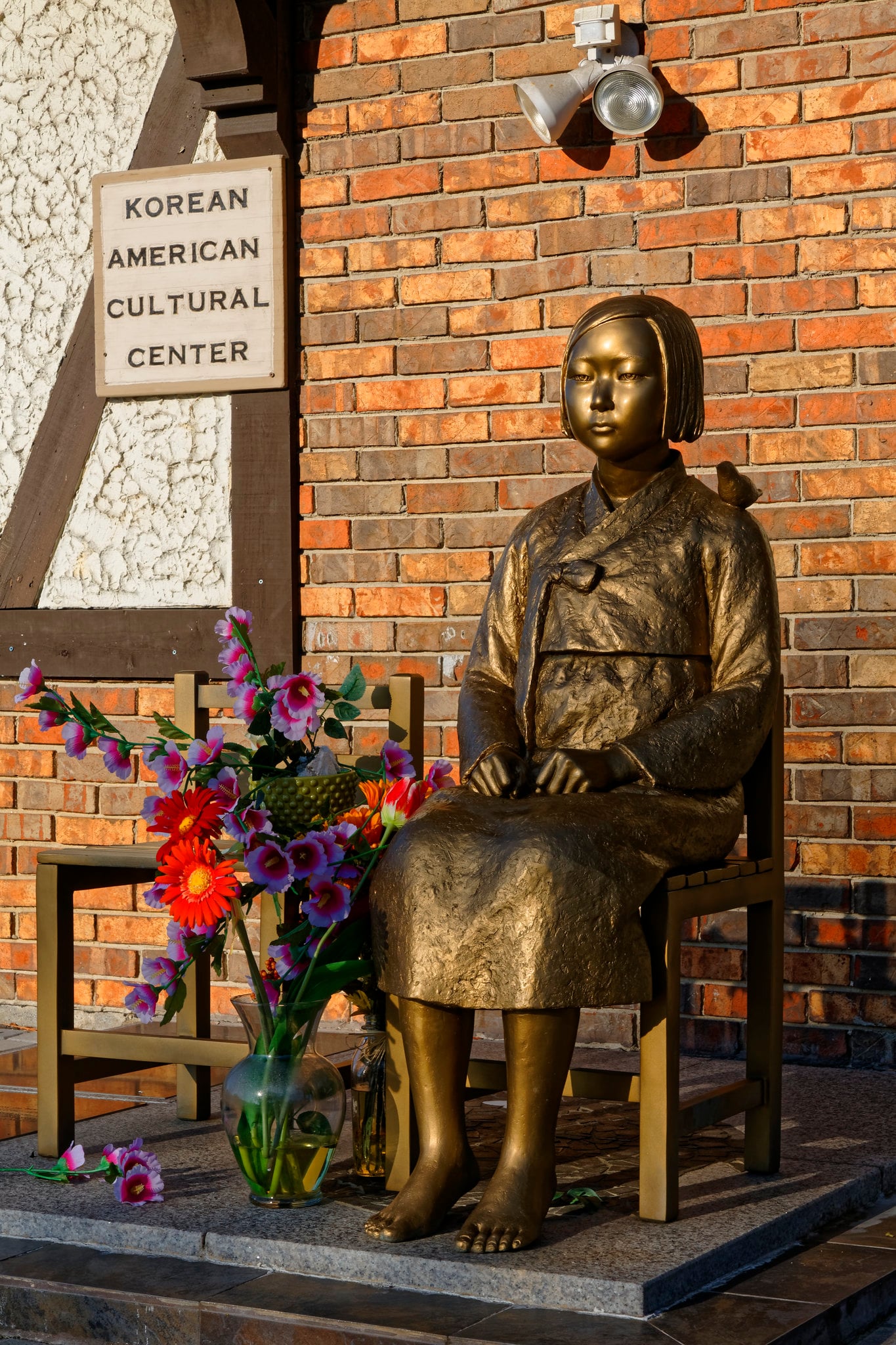
The Comfort Women statue outside the Japanese Embassy in Seoul has become a diplomatic wedge between South Korea and Japan since its installation in 2011. The bronze figure of a young woman in traditional Korean dress represents the estimated 200,000 women forced into military brothels during World War II.
Japan objects to the statue’s placement and argues that the 2015 comfort women agreement should have resolved the issue, while South Korean activists maintain that Japan has never offered a sincere apology or adequate compensation to survivors.
Jefferson Davis Monument, New Orleans
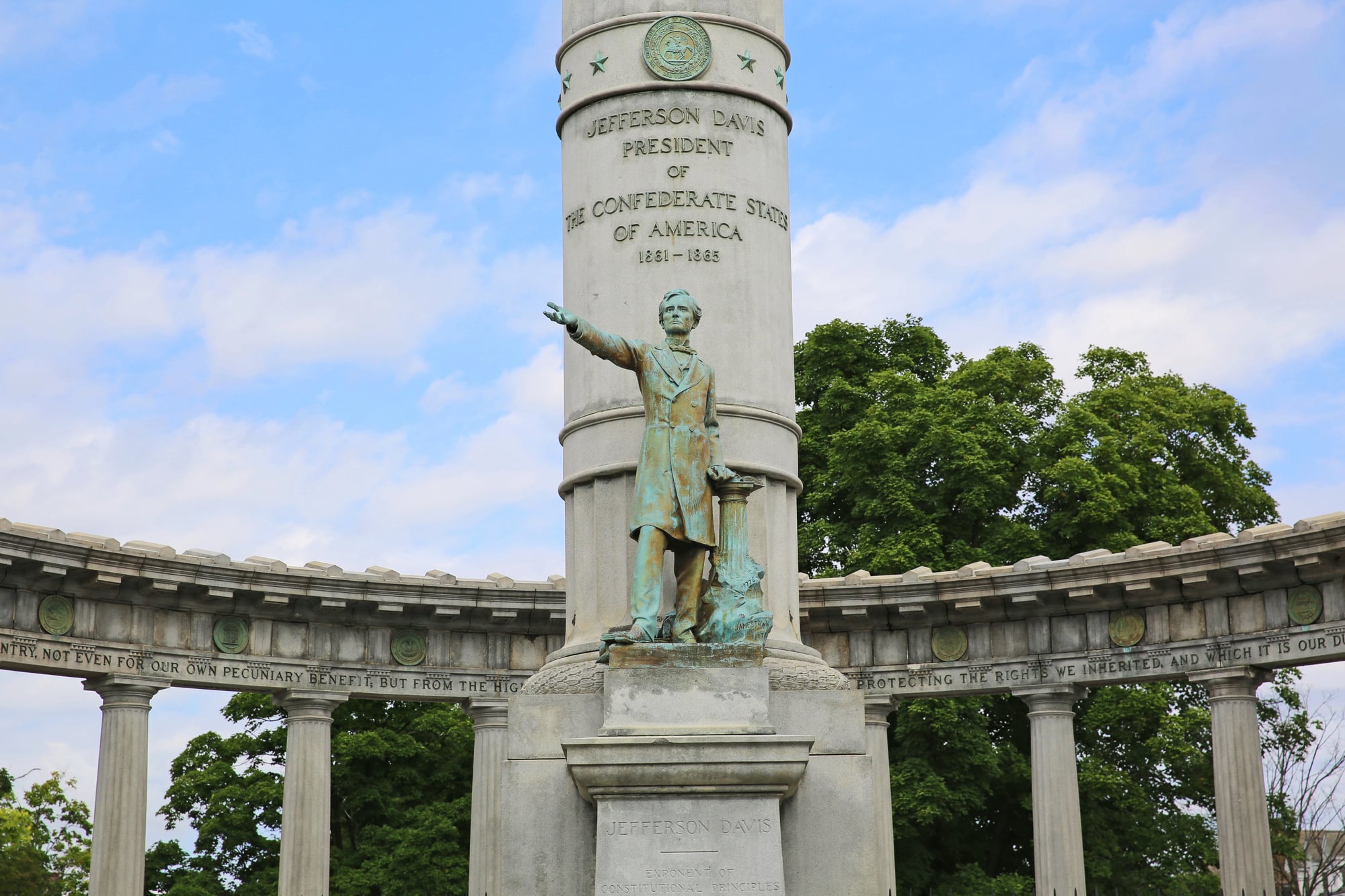
The Jefferson Davis monument in New Orleans stood for 106 years before its removal in 2017, but its history reveals how Confederate memory was constructed long after the Civil War ended — the monument was erected in 1911 during the height of Jim Crow, when Southern states were systematically disenfranchising Black voters and implementing legal segregation. Davis himself died in New Orleans in 1889, but the timing of the monument’s construction had less to do with mourning the Confederate president and more to do with asserting white supremacy in the face of Black political progress.
The monument’s removal sparked protests and counter-protests, but New Orleans ultimately decided that honoring the leader of a rebellion against the United States sent the wrong message about the city’s values.
Looking Beyond the Stone
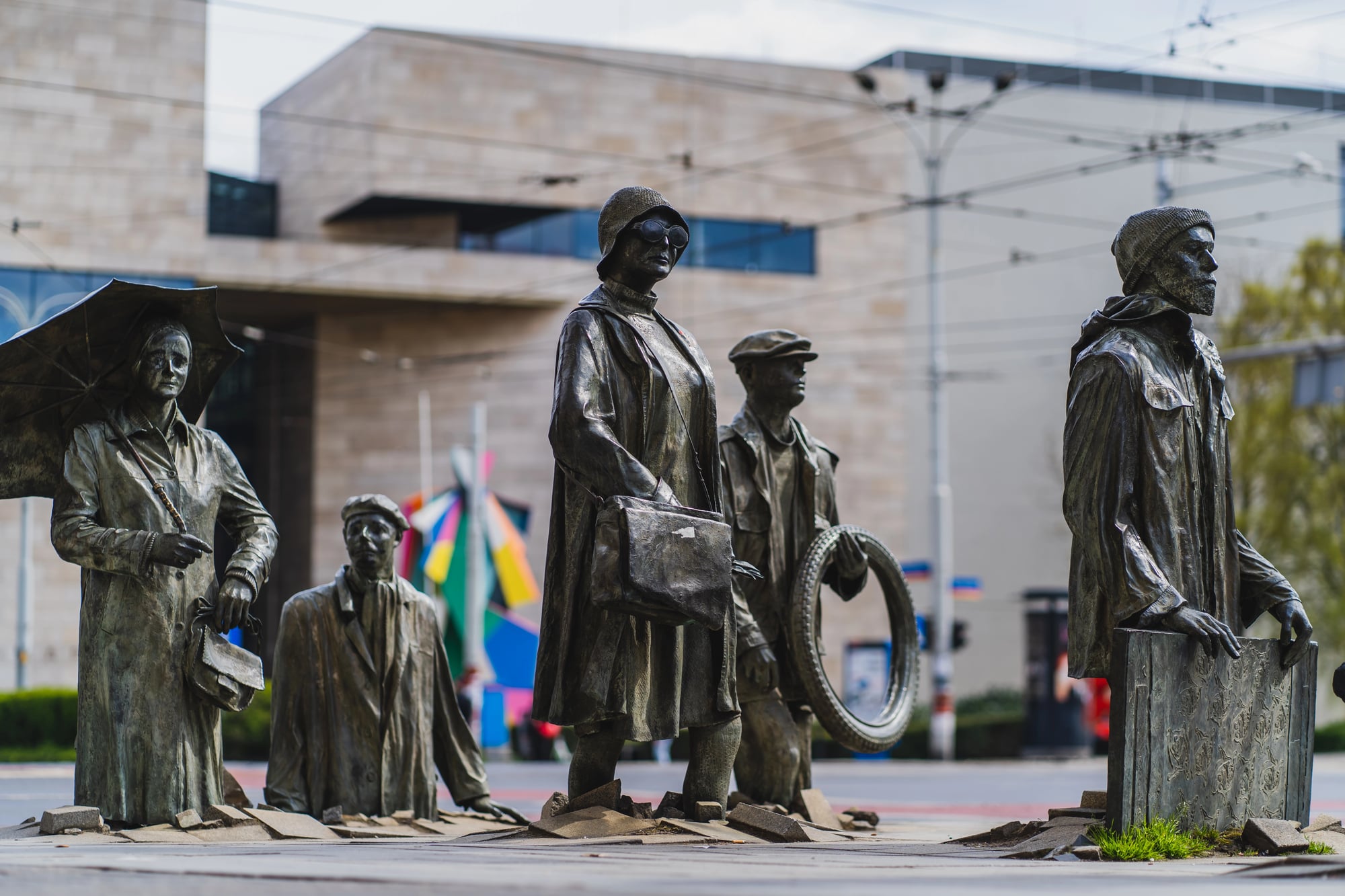
The debates surrounding these monuments reveal something deeper than disagreements about history — they expose ongoing struggles over who belongs in public memory and whose pain deserves acknowledgment. Each statue, memorial, and shrine carries forward the values of the people who built it, not necessarily the people who live with it today.
The conversations they spark, uncomfortable as they may be, force communities to reckon with inherited legacies and decide what kind of future they want to build together.
More from Go2Tutors!

- The Romanov Crown Jewels and Their Tragic Fate
- 13 Historical Mysteries That Science Still Can’t Solve
- Famous Hoaxes That Fooled the World for Years
- 15 Child Stars with Tragic Adult Lives
- 16 Famous Jewelry Pieces in History
Like Go2Tutors’s content? Follow us on MSN.



