18 Astronomy Discoveries Made Without Telescopes
The telescope was not invented until the early seventeenth century, yet by that point astronomers across multiple civilizations had already measured the size of the Earth, predicted eclipses decades in advance, and cataloged thousands of stars using nothing but patient observation, geometry, and record-keeping stretching back generations.
Eratosthenes Measures the Earth
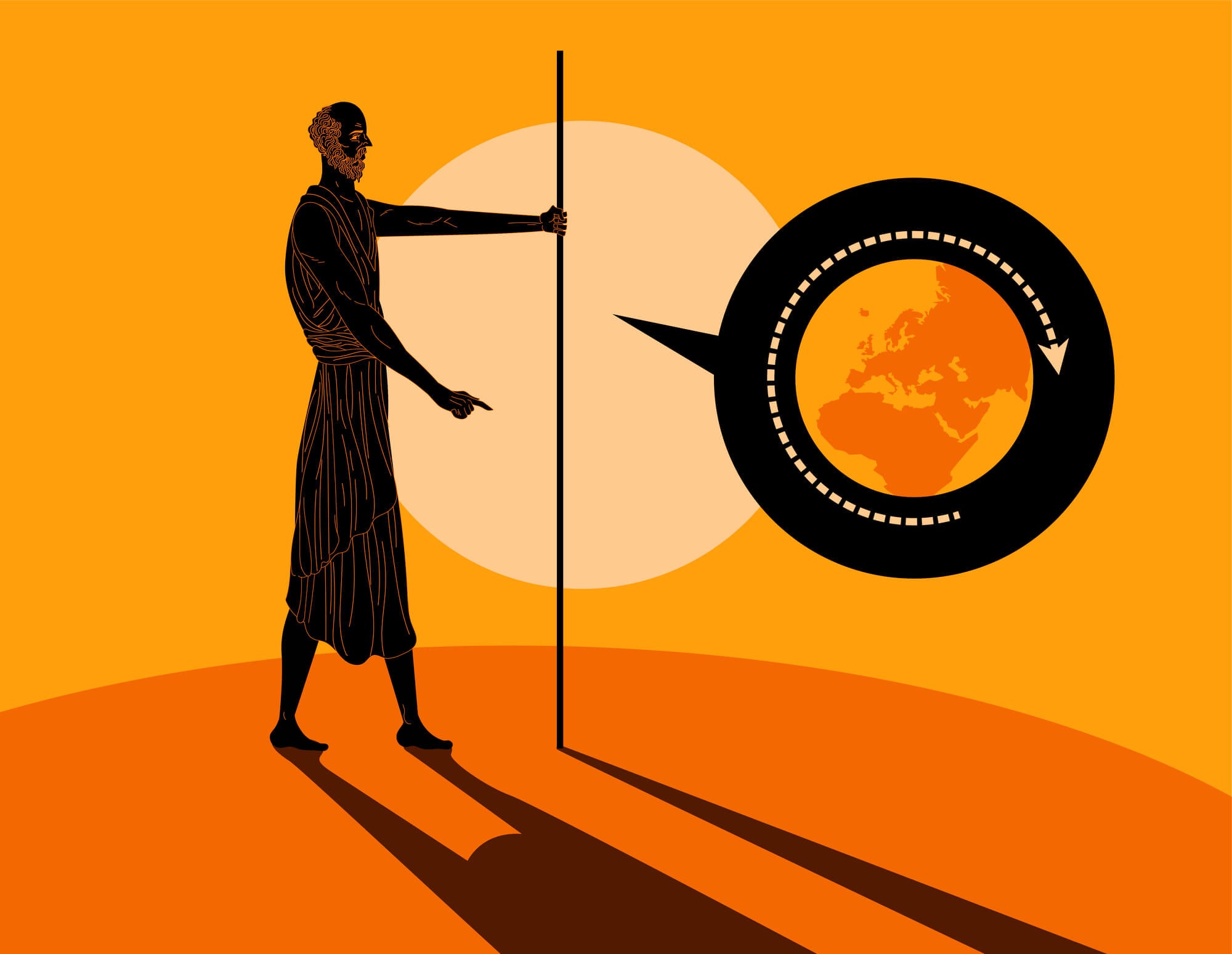
Around 240 BCE, the Greek scholar Eratosthenes calculated the Earth’s circumference by comparing the angle of the sun’s shadow at noon in Alexandria to a well in Syene, modern Aswan, where the sun struck straight down at the same moment. Using known distance between the two cities, he arrived at a figure widely estimated to be within a few percent of the modern accepted value.
He never left Egypt to make this measurement, relying entirely on geometry and reported distances.
Hipparchus Discovers Precession
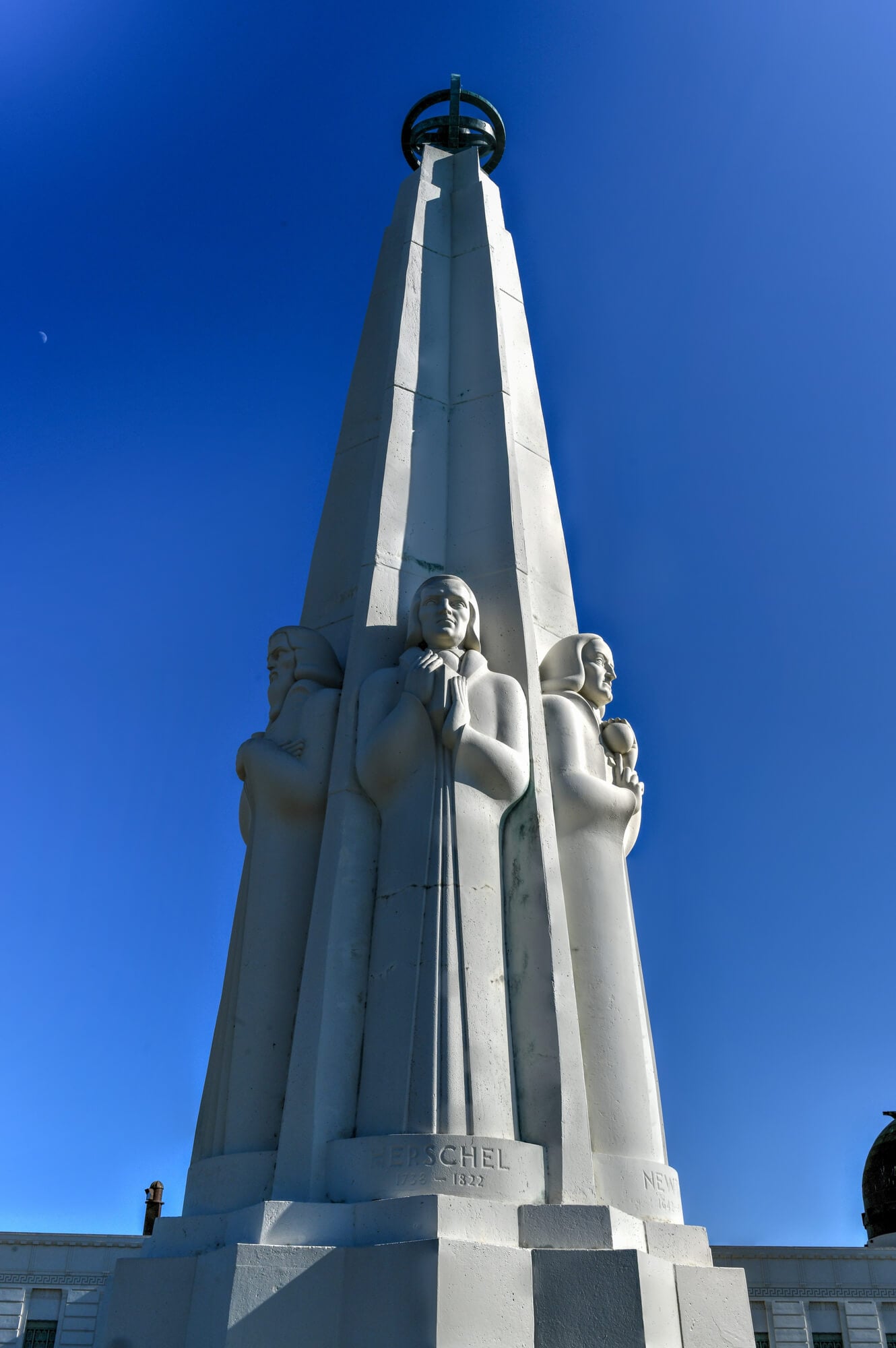
In the second century BCE, the Greek astronomer Hipparchus compared his own star positions against older Babylonian records and noticed the whole celestial sphere appeared to be slowly shifting, a phenomenon now known as the precession of the equinoxes. He correctly estimated the cycle at roughly one degree every century, remarkably close to the modern measured rate.
The discovery required comparing observations separated by more than a century, made possible only by careful record-keeping across generations.
Hipparchus’s Star Catalog

Hipparchus is also credited with compiling one of the first comprehensive star catalogs, recording the positions and relative brightness of roughly 850 stars using a magnitude scale that, in modified form, astronomers still use today. Much of his original catalog was later absorbed into Ptolemy’s Almagest.
His brightness ranking system, from the brightest first-magnitude stars to the faintest visible sixth-magnitude ones, remains the conceptual basis for how star brightness is classified.
Aristarchus Proposes a Sun-Centered Universe
Around 270 BCE, Aristarchus of Samos proposed that the Earth orbits the sun rather than the reverse, roughly eighteen centuries before Copernicus revived the idea. The proposal contradicted the dominant Aristotelian worldview and was largely rejected by his contemporaries, partly because no one could detect the stellar parallax the model implied.
His original text describing the theory has been lost, and it survives only through references made by later writers, including Archimedes.
Aristarchus Estimates Cosmic Distances
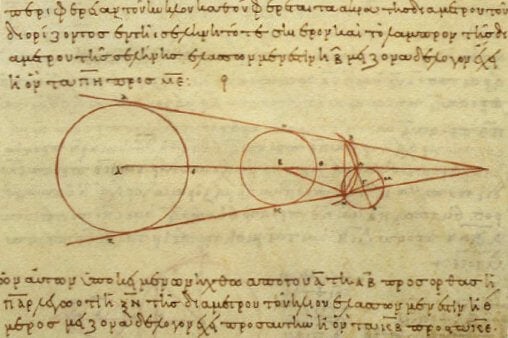
In the same era, Aristarchus attempted to calculate the relative distances and sizes of the sun and moon by measuring the angle between them during a half moon, reasoning correctly that this angle should reveal their relative distance from Earth. His instruments were too crude to measure the very small angle involved accurately, so his final numbers were far off.
The method itself, however, was geometrically sound and represents one of the earliest known attempts at measuring cosmic scale.
Babylonians Predict Eclipses
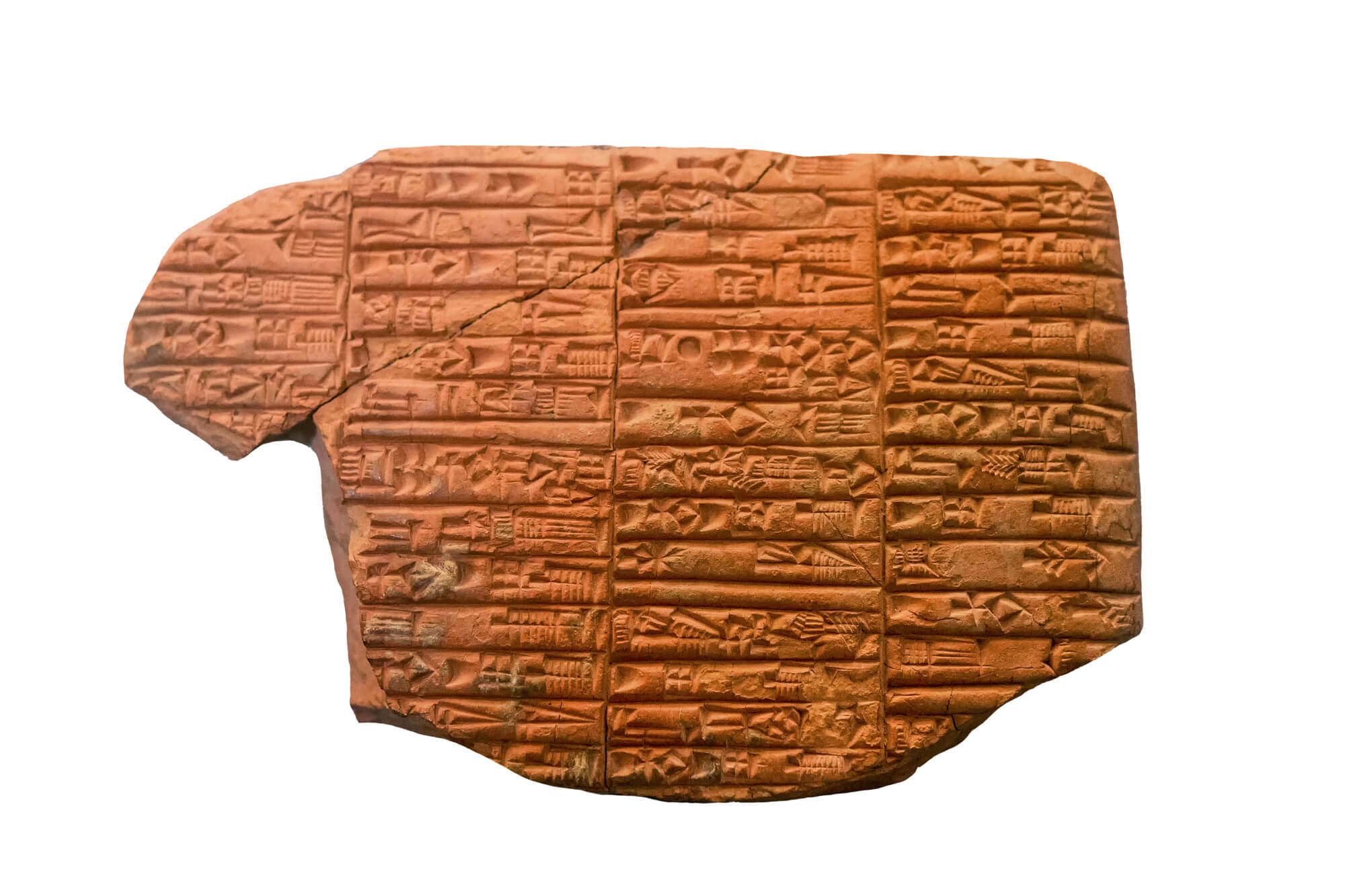
Babylonian astronomers by at least the fifth century BCE had identified the Saros cycle, an 18-year, 11-day pattern after which the sun, moon, and Earth return to similar relative positions, allowing eclipses to be predicted well in advance. Their predictions relied on centuries of meticulously recorded observations rather than any theoretical model of orbital mechanics.
Clay tablets recording these eclipse predictions, some dating back over two thousand years, still survive in museum collections today.
Chinese Astronomers Record the First Supernova
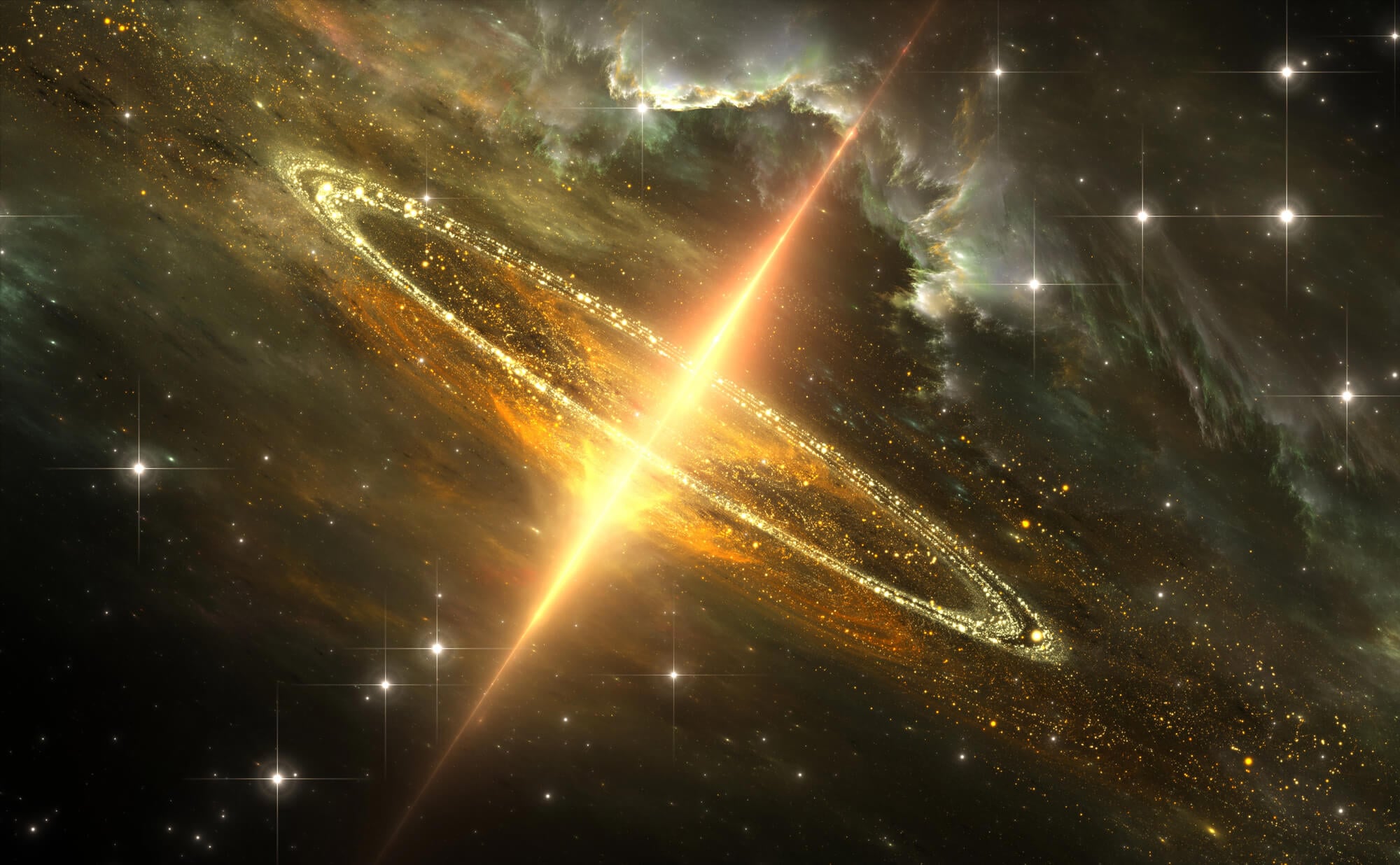
In 185 CE, Chinese court astronomers recorded a bright new star appearing in the sky and slowly fading over roughly eight months, in what is now recognized as the earliest confirmed record of a supernova, SN 185. Their meticulous court record-keeping, motivated by the belief that celestial events carried political significance, preserved details modern astronomers still use to identify the supernova’s remnant.
The event is documented in the official Book of the Later Han.
Chinese Astronomers Record the Crab Nebula Supernova

In 1054 CE, Chinese astronomers documented a “guest star” bright enough to be visible in daylight for weeks, an event now identified as the supernova that created the Crab Nebula. Japanese and Islamic records from the same period corroborate the observation.
The event is one of the best-documented pre-telescopic supernovae and remains a key reference point for studying stellar remnants today.
Tracking Sirius to Predict the Nile Flood
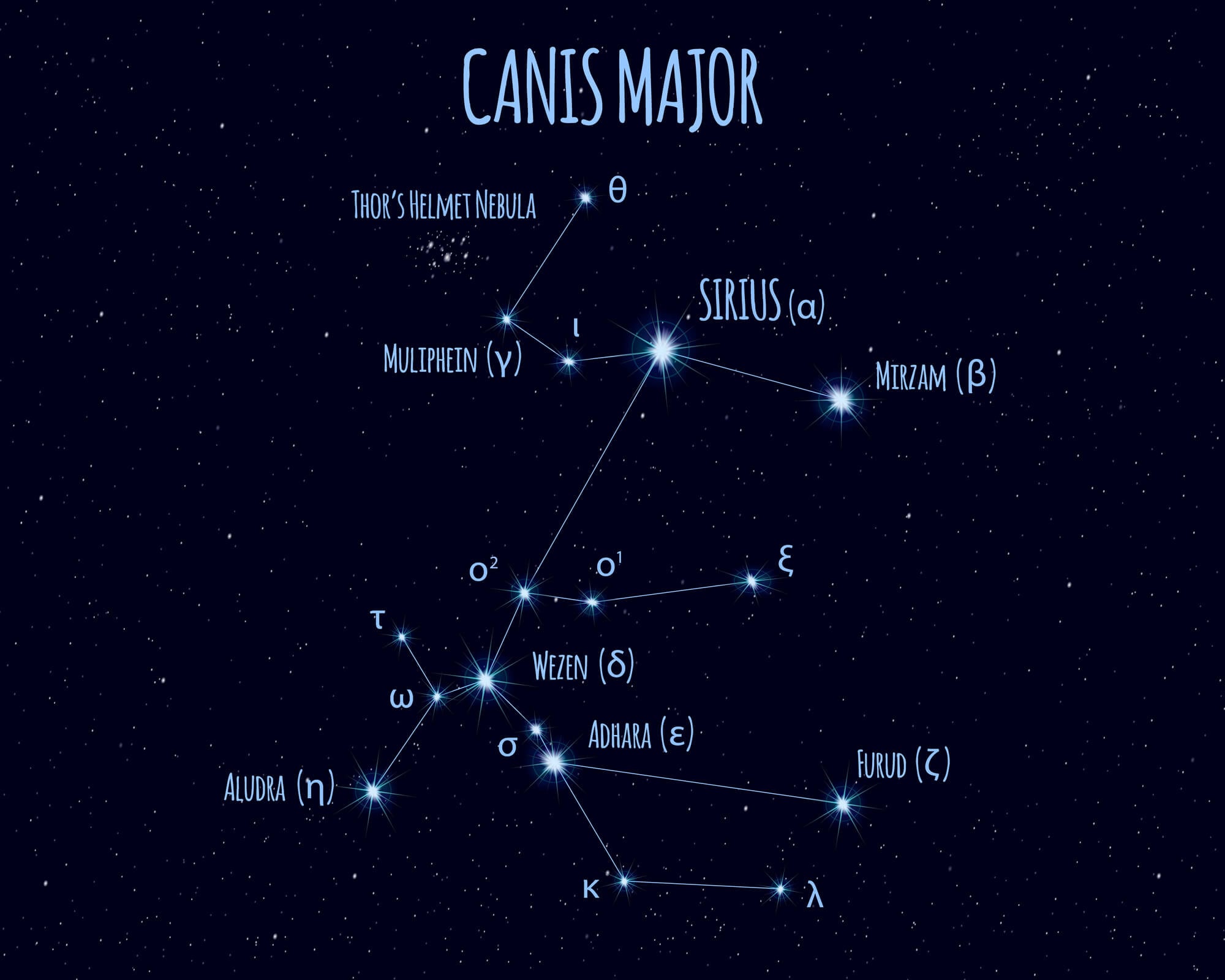
Ancient Egyptian astronomers observed that the annual flooding of the Nile reliably followed the heliacal rising of Sirius, its first visible reappearance in the dawn sky after a period of invisibility, and used this recurring event to anchor their civil calendar. The correlation, based purely on generations of patient unaided-eye tracking, allowed Egyptian officials to anticipate the flood with useful accuracy.
The Egyptian calendar’s 365-day structure is believed to be directly connected to this observation.
Meton Discovers the 19-Year Lunar Cycle
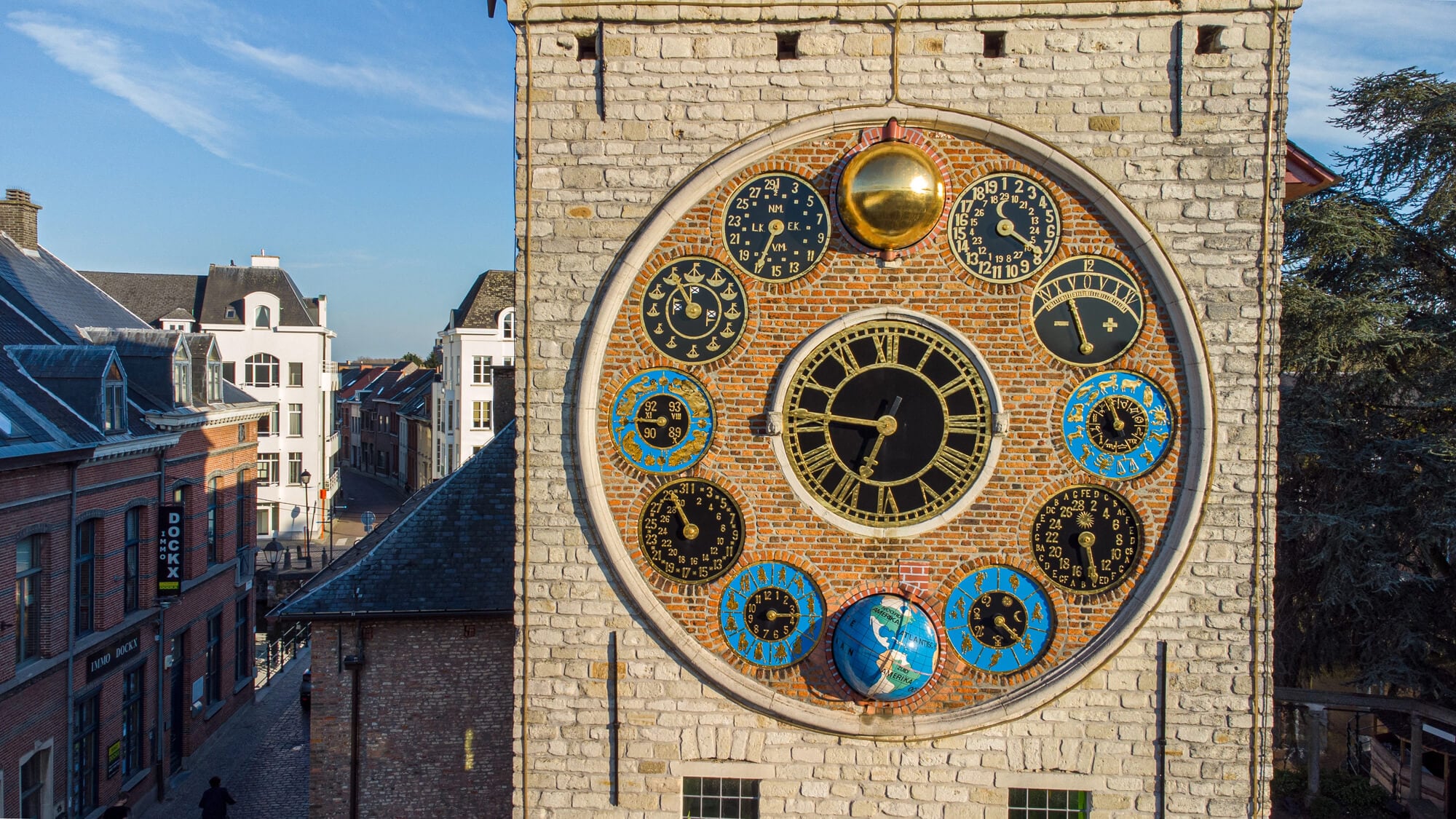
The Athenian astronomer Meton, observing in the fifth century BCE, identified that 19 solar years correspond almost exactly to 235 lunar months, a pattern now called the Metonic cycle. The relationship allowed lunisolar calendars to insert leap months at predictable intervals rather than by rough estimation.
Versions of Meton’s cycle still underlie the modern Hebrew calendar and the calculation of the date of Easter.
Al-Battani Refines the Solar Year
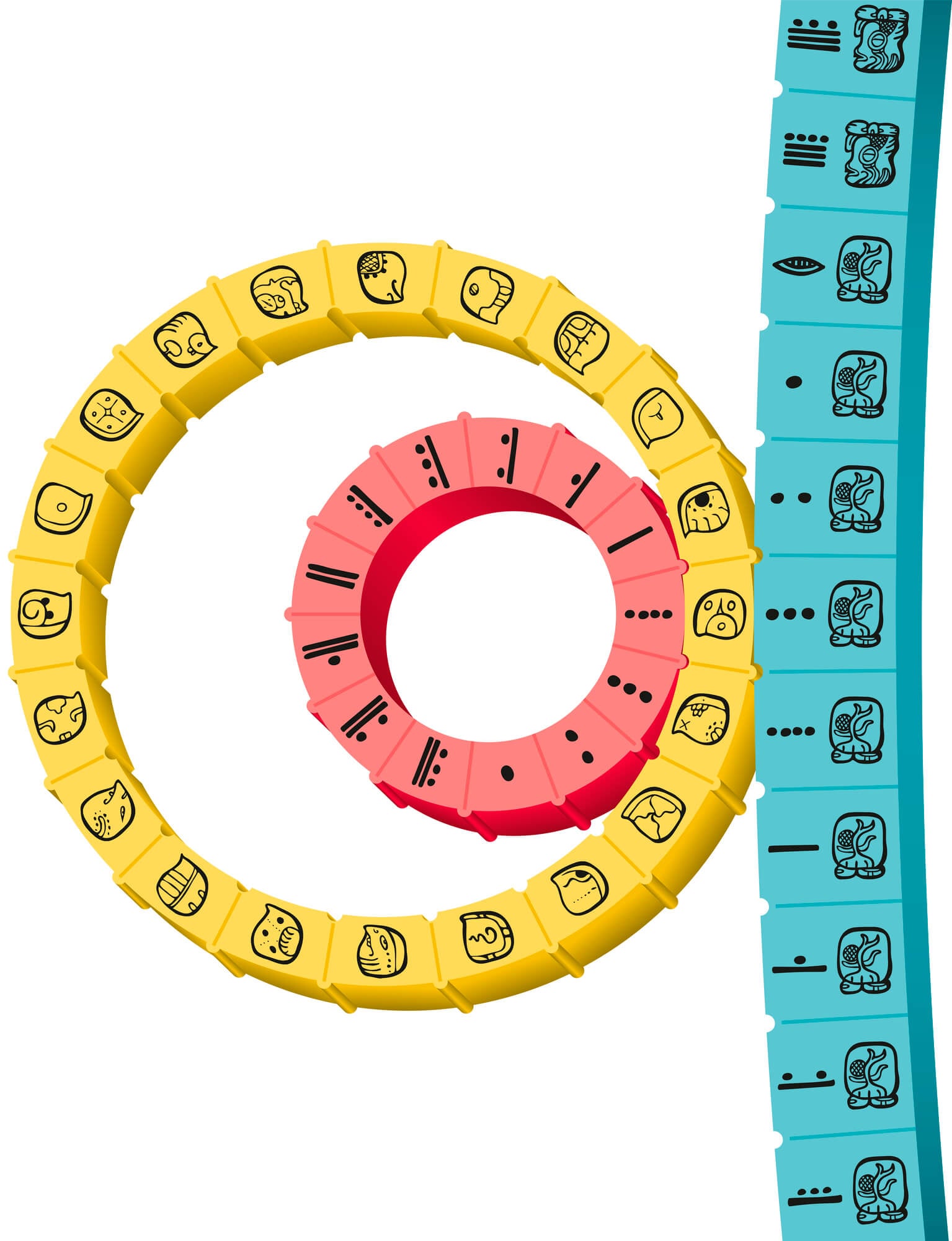
Working in ninth and tenth-century Syria, the astronomer Al-Battani measured the length of the solar year to within about two minutes of the modern accepted value, a striking level of precision achieved using large-scale unaided-eye instruments like sundials and armillary spheres. His astronomical tables, based on decades of his own observations combined with earlier Greek data, were translated into Latin and used by European astronomers for centuries.
Copernicus is known to have directly cited Al-Battani’s work.
Al-Sufi Records the Andromeda Galaxy
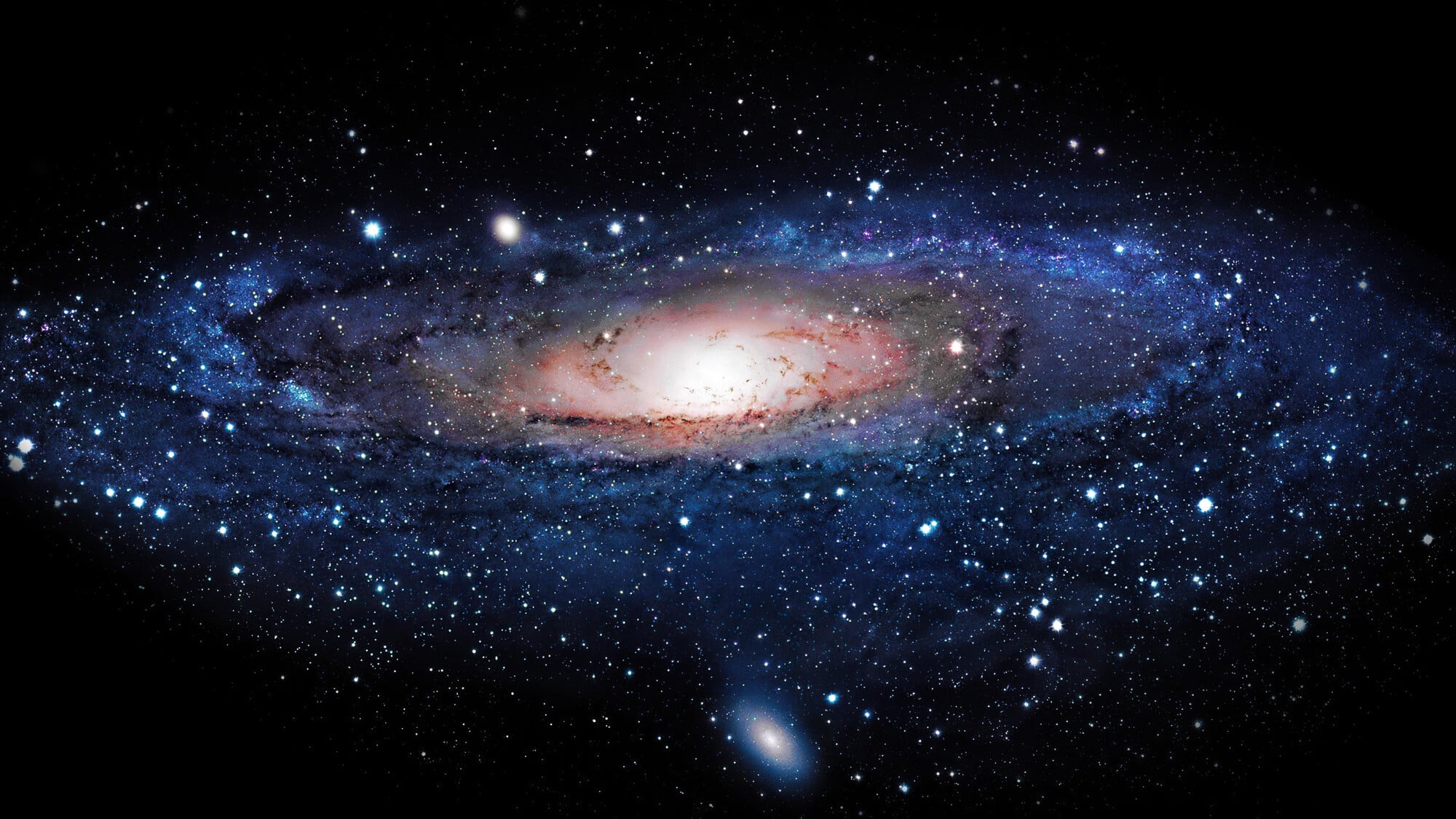
In 964 CE, the Persian astronomer Abd al-Rahman al-Sufi described a faint “little cloud” in the constellation Andromeda in his Book of Fixed Stars, in what is recognized as the earliest surviving written record of the Andromeda Galaxy. He had no way of knowing it was a separate galaxy millions of light years away rather than a nearby nebula.
His detailed star catalog, illustrated with constellation figures, remained a standard astronomical reference across the Islamic world and Europe for centuries.
Ulugh Beg’s Star Catalog
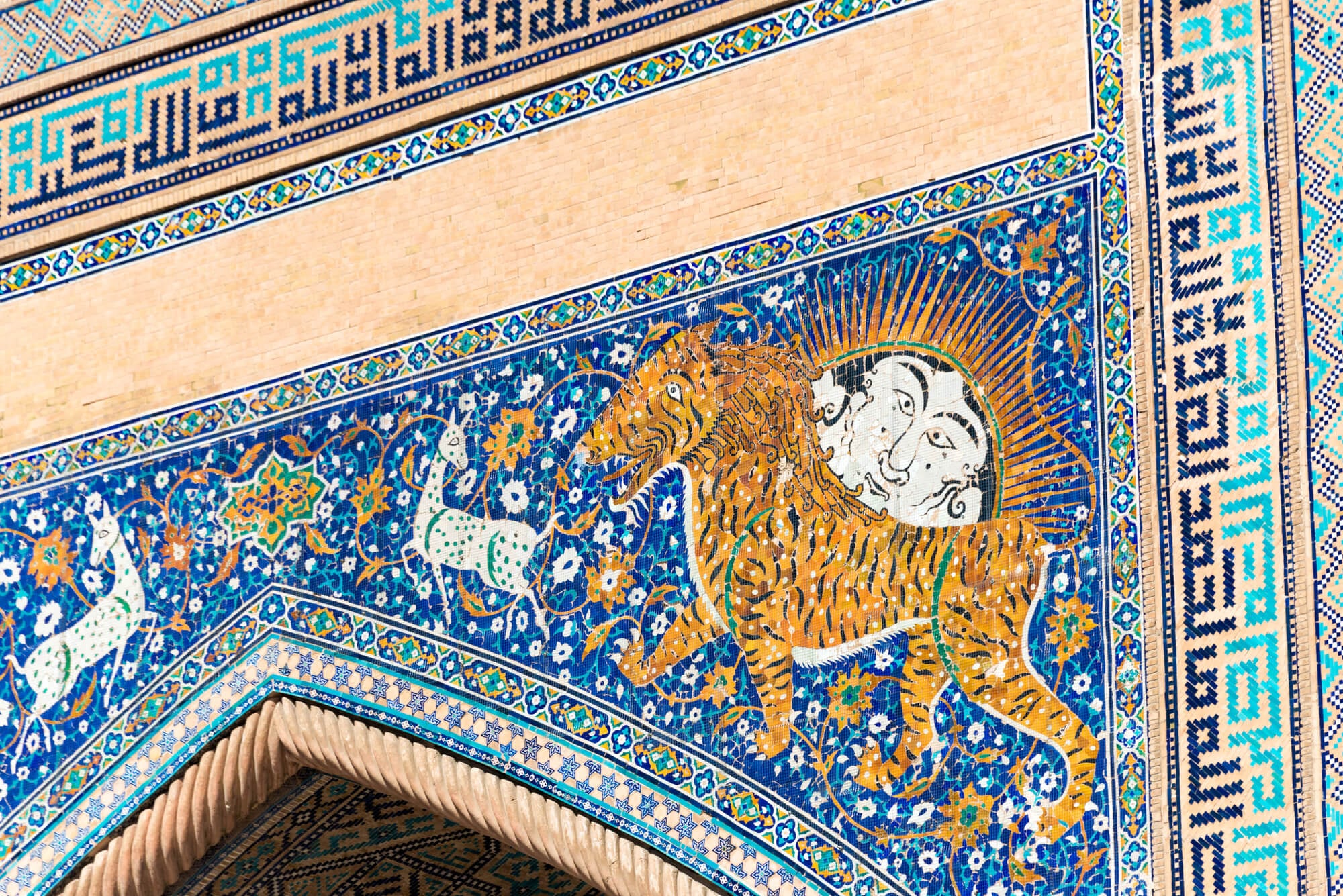
In the fifteenth century, the Timurid ruler and astronomer Ulugh Beg built a massive observatory in Samarkand and, using an enormous stone sextant with a radius of roughly 40 meters, produced one of the most accurate pre-telescopic star catalogs ever compiled, recording over a thousand stars. His measurements of stellar positions were precise enough that some remained the best available until telescopic observation surpassed them over a century later.
The observatory itself was largely destroyed after his death, but its foundations were rediscovered by archaeologists in 1908.
Ptolemy Compiles the Almagest
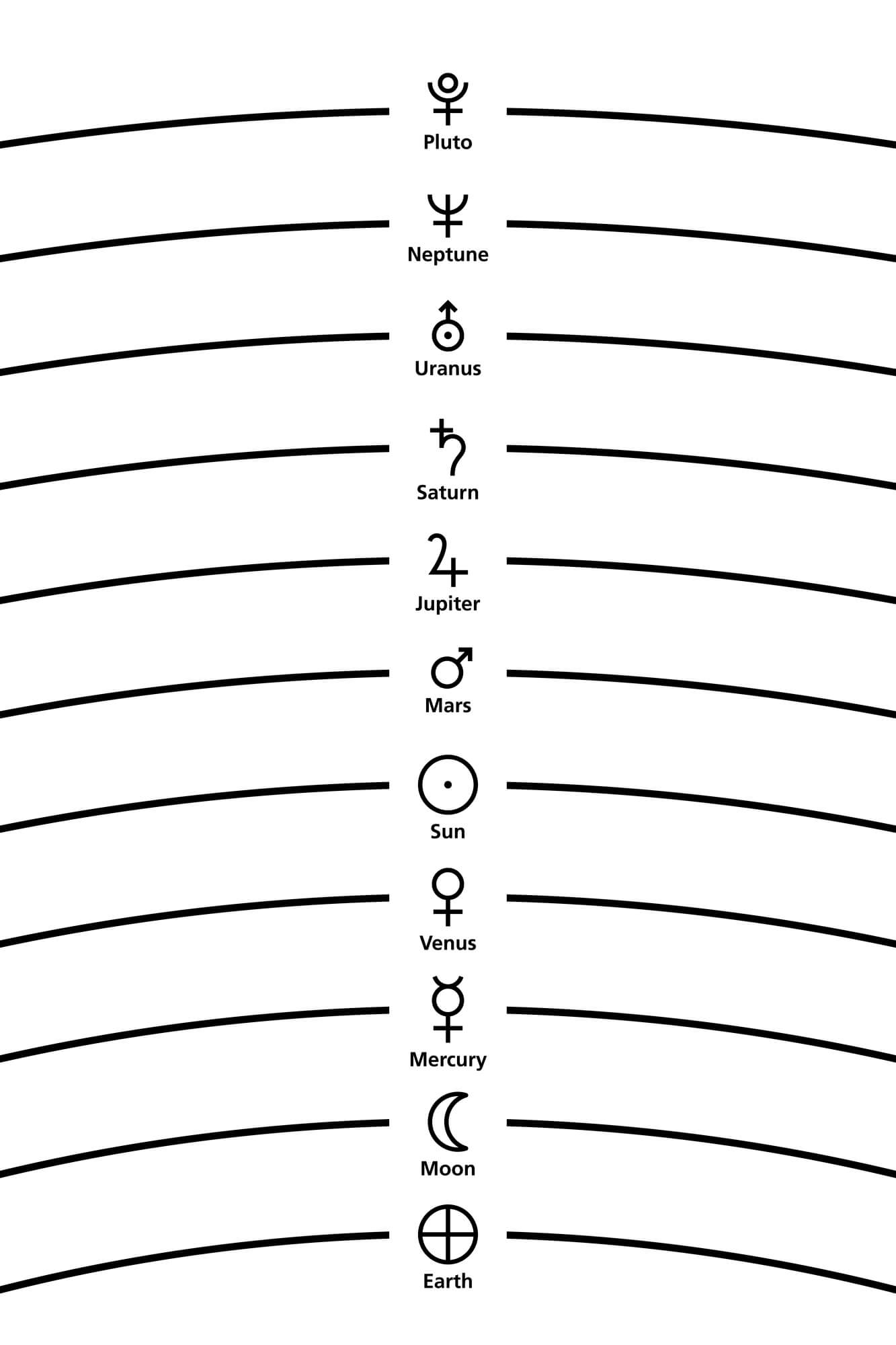
Working in Alexandria in the second century CE, Ptolemy compiled the Almagest, a comprehensive astronomical treatise that combined his own observations with earlier data, including Hipparchus’s star catalog, into a mathematical model of planetary motion. Although the model’s Earth-centered structure was eventually overturned, the underlying observational data remained the standard astronomical reference across Europe and the Islamic world for over 1,400 years.
Arabic astronomers preserved and expanded the text after the original Greek copies were largely lost in the West.
Anaxagoras Explains Eclipses

In the fifth century BCE, the Greek philosopher Anaxagoras correctly proposed that the moon shines by reflecting sunlight rather than producing its own light, and that solar eclipses occur when the moon passes directly between the Earth and sun. The idea was considered radical enough at the time that Anaxagoras was reportedly prosecuted in Athens for impiety over his naturalistic explanations of celestial phenomena.
His conclusions were reached purely through logical reasoning about the geometry of shadows, without any instrument beyond his own eyes.
Copernicus Publishes a Sun-Centered Model
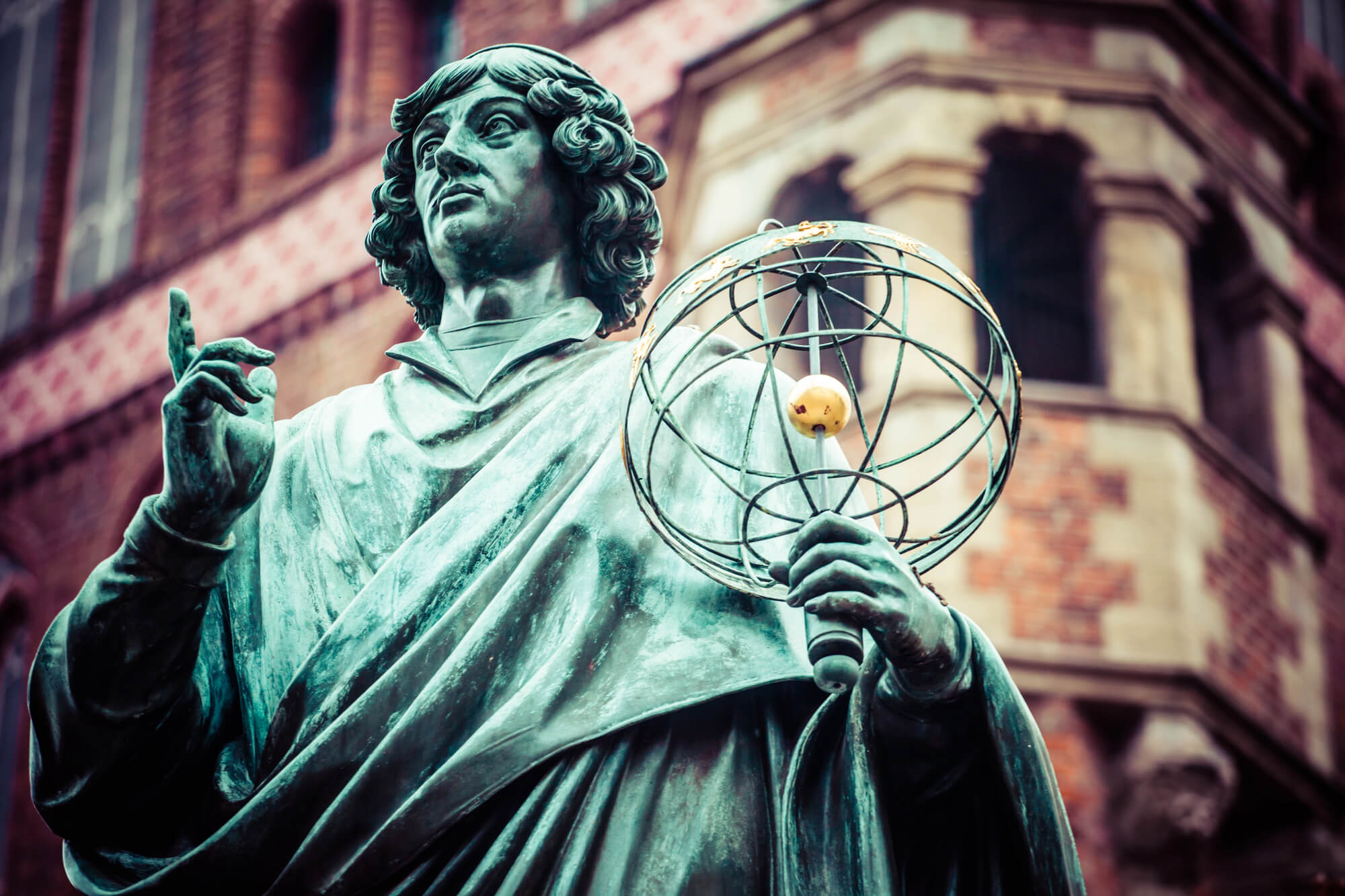
In 1543, Nicolaus Copernicus published De Revolutionibus Orbium Coelestium, mathematically formalizing a heliocentric model of the solar system based entirely on unaided-eye observations and careful geometric reasoning, decades before Galileo turned a telescope skyward. Copernicus reportedly saw the printed final copy of his book only on his deathbed.
The model still retained circular orbits and required complex adjustments to match observed planetary motion accurately, problems later resolved by Johannes Kepler.
Tycho Brahe’s Supernova and Star Catalog
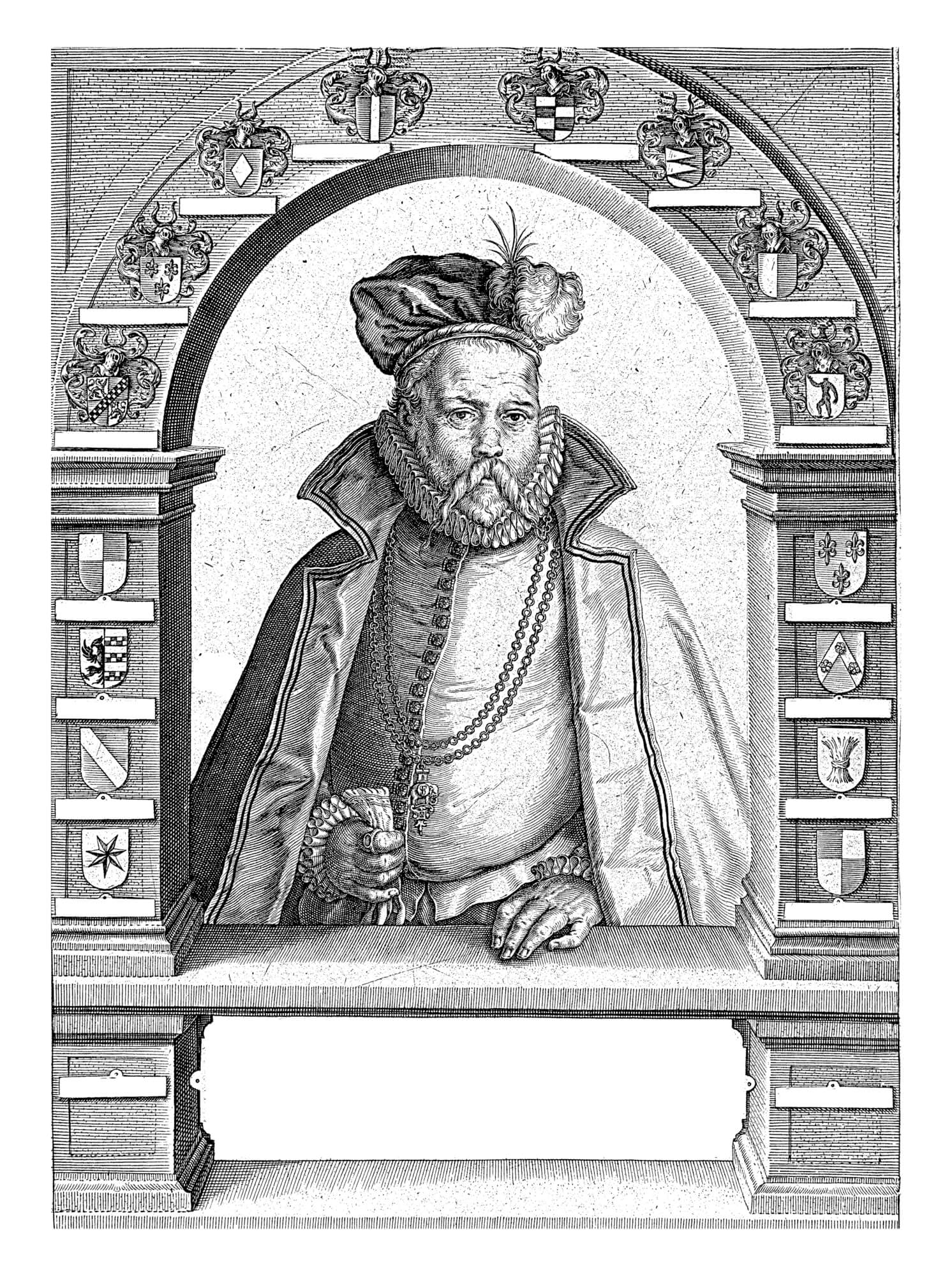
In 1572, the Danish astronomer Tycho Brahe observed a new star suddenly appear in the constellation Cassiopeia, brighter than Venus, and correctly argued from its lack of measurable parallax that it existed far beyond the moon, directly challenging the ancient belief that the heavens beyond the moon were unchanging. Working without a telescope, he went on to compile the most accurate unaided-eye star catalog ever produced, cataloging over a thousand stars with unprecedented precision using custom-built instruments at his Uraniborg observatory.
His data later allowed his assistant, Johannes Kepler, to derive the laws of planetary motion.
The Antikythera Mechanism
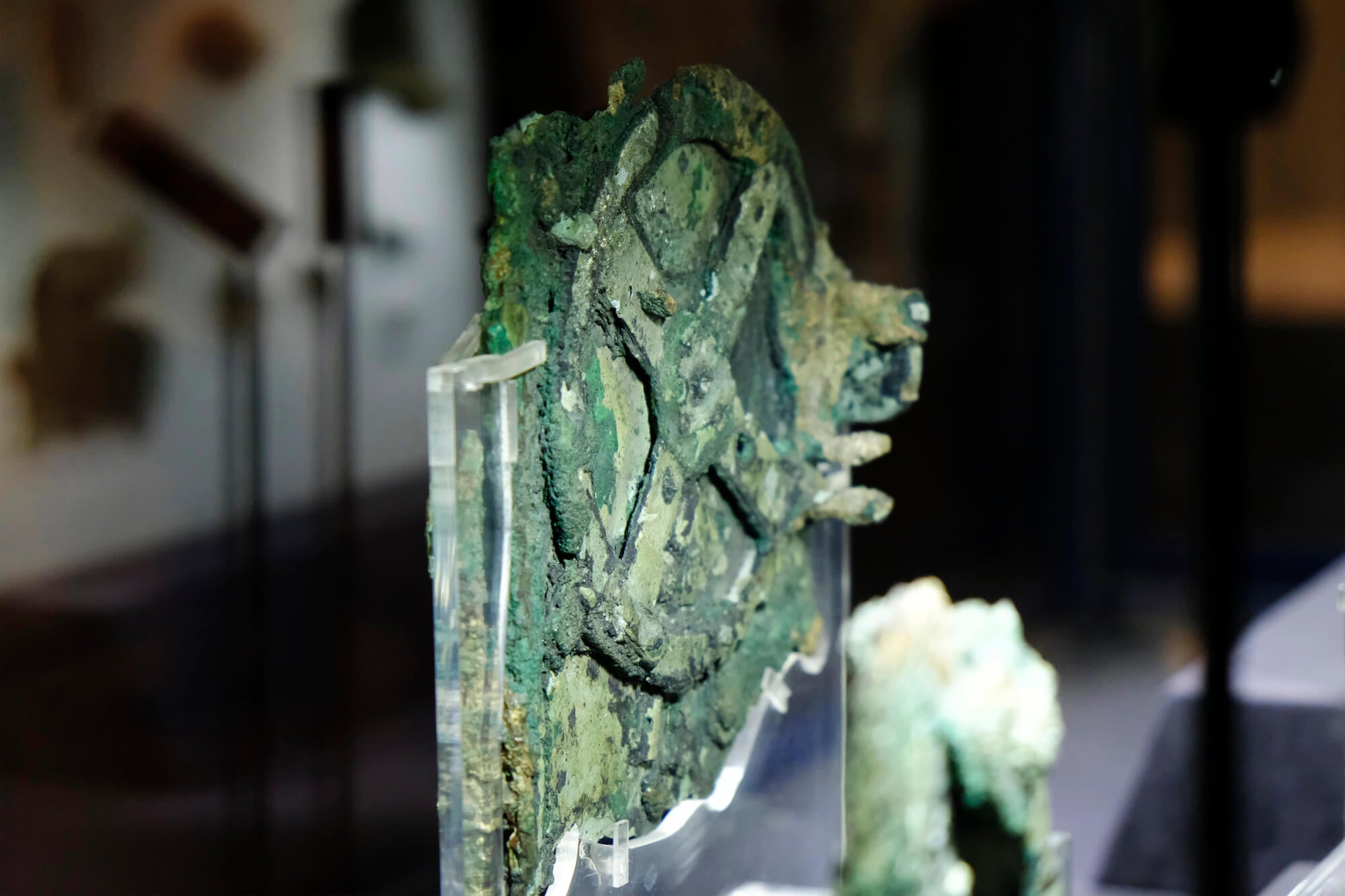
Recovered from a shipwreck off the Greek island of Antikythera in 1901, this intricate bronze device, dated to roughly 100 BCE, used dozens of precisely cut gears to predict eclipses and track the positions of the sun, moon, and known planets according to astronomical cycles, including the Saros cycle, that Greek astronomers had derived through generations of observation. Modern X-ray imaging in the 2000s revealed inscriptions and gearing far more sophisticated than anyone had previously realized existed in the ancient world.
No comparably complex geared mechanism is known to have been built again for well over a thousand years.
What Patience Could Measure
None of these discoveries required advanced technology. They required generations of people willing to write down what they saw, compare it to what earlier generations had written, and trust that the patterns they found meant something real.
That patience produced numbers, for the size of the Earth, the length of the year, the timing of eclipses, that held up astonishingly well once better instruments finally arrived to check them. The telescope didn’t start astronomy.
It just confirmed how much careful eyes had already gotten right.
More from Go2Tutors!

- The Romanov Crown Jewels and Their Tragic Fate
- 13 Historical Mysteries That Science Still Can’t Solve
- Famous Hoaxes That Fooled the World for Years
- 15 Child Stars with Tragic Adult Lives
- 16 Famous Jewelry Pieces in History
Like Go2Tutors’s content? Follow us on MSN.