29 Familiar Foods Once Advertised as Health Products
Many of the snacks, drinks, and pantry staples in the modern grocery aisle were launched with medical promises attached. Inventors were often pharmacists, doctors, or health reformers, and they marketed their products as cures for tired nerves, weak digestion, or anything else a customer might worry about.
Over time the claims faded or were banned, and the products survived as ordinary food. Their origins show how closely the history of nutrition is tied to the history of advertising.
Corn Flakes

Corn flakes came out of the Battle Creek Sanitarium in Michigan, where Dr. John Harvey Kellogg and his brother Will Keith Kellogg were experimenting with grain foods. Dr. Kellogg promoted plain, bland food as part of a healthy regimen for patients. Will Kellogg later turned the flakes into a commercial cereal, and the company he founded sold them as a convenient breakfast.
Graham Crackers

Sylvester Graham, a minister and diet reformer, urged Americans in the 1830s to eat coarse, unsifted flour as a path to good health. The cracker that bears his name was based on that philosophy. Its sweet modern form is a long way from the austere food he advocated.
Coca-Cola
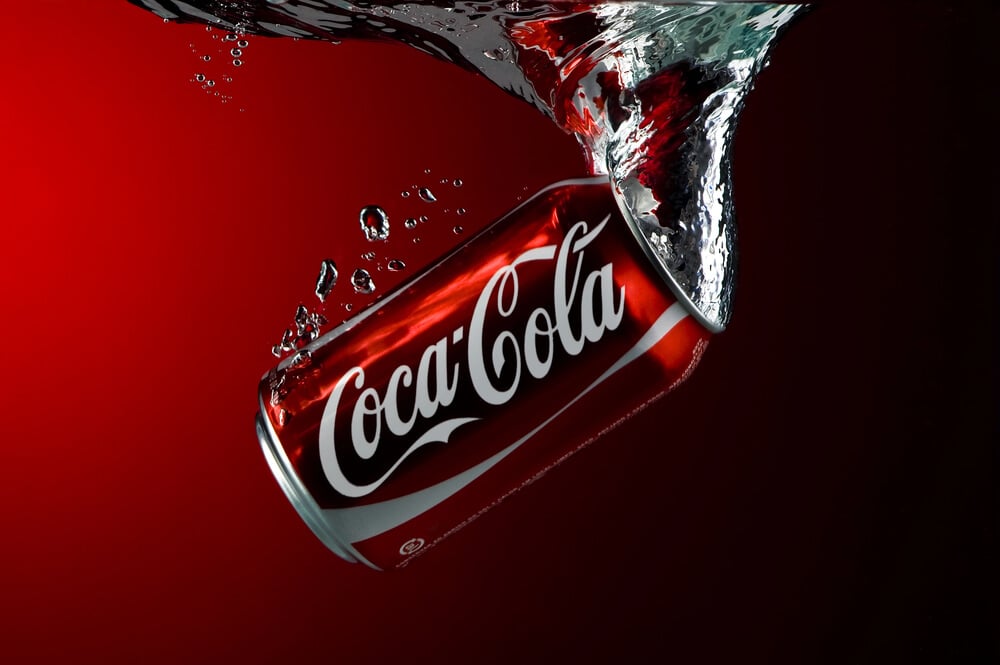
Pharmacist John Pemberton created Coca-Cola in Atlanta in 1886 and sold it at a drugstore fountain as a tonic for headaches and tired nerves. Early advertising called it a brain tonic. The original formula included extract of the coca leaf, and the drink eventually evolved into a purely recreational soft drink.
Dr Pepper
— Photo by monticello
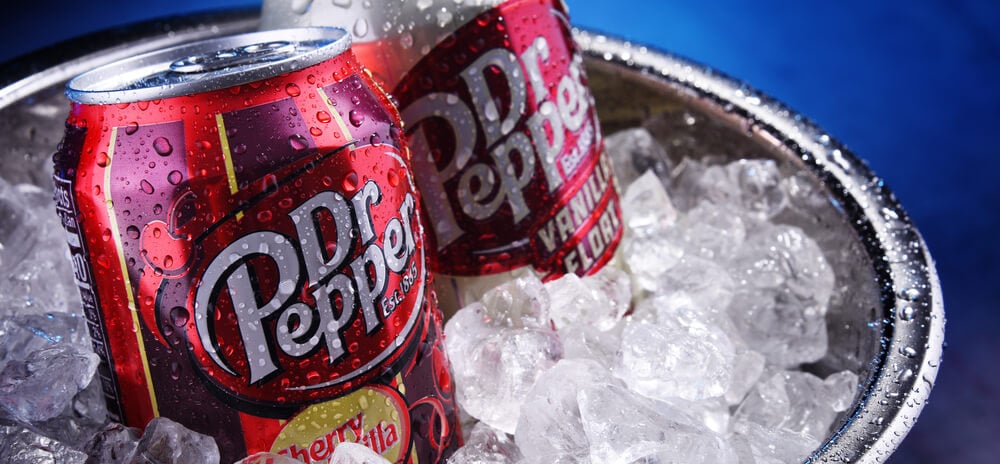
Dr Pepper was created in Waco, Texas, in 1885 by a pharmacist named Charles Alderton at a drugstore soda fountain. In the 1920s and 1930s its advertising promoted a daily drinking schedule at 10, 2, and 4 o’clock for an energy boost. The schedule suggested that the drink was a form of fuel rather than a treat.
Pepsi-Cola
— Photo by zeferli@gmail.com
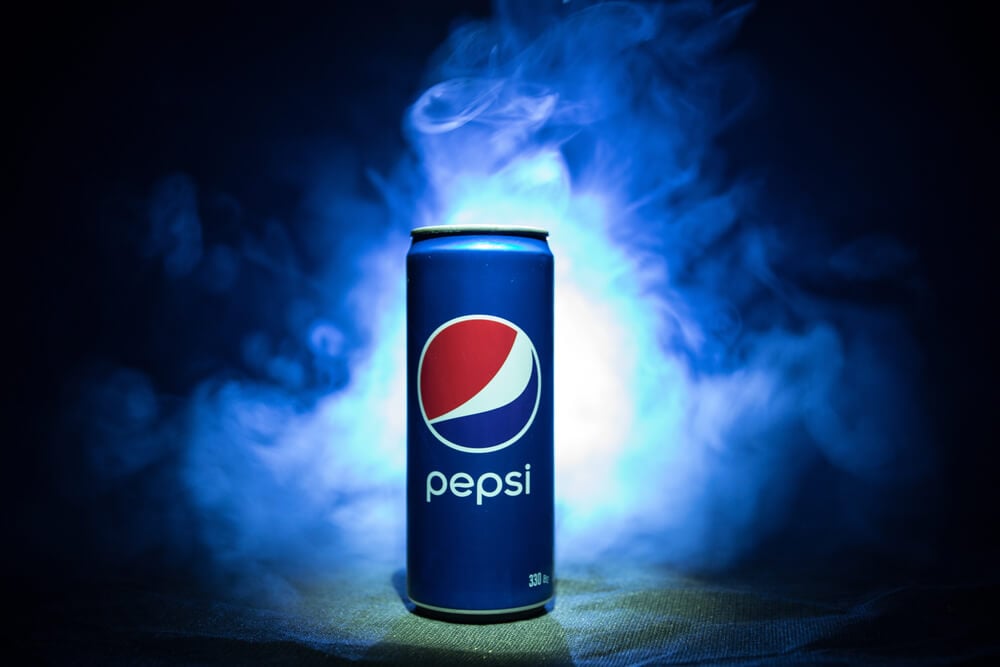
Caleb Bradham, a pharmacist in New Bern, North Carolina, made a drink in 1893 that was first called Brad’s Drink. He renamed it Pepsi-Cola in 1898, linking the name to the digestive enzyme pepsin. Bradham marketed it as a drink that aided digestion.
7 Up
— Photo by Sergio_Leon
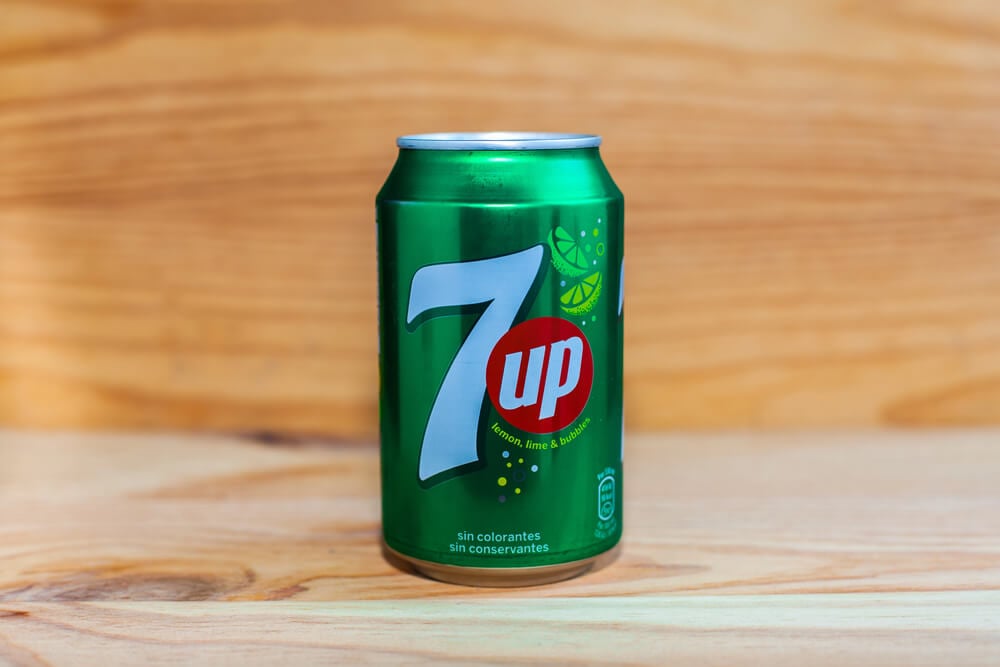
Charles Leiper Grigg introduced his lemon-lime soda in 1929 with the unwieldy name Bib-Label Lithiated Lemon-Lime Soda. The lithium in the name referred to lithium citrate, which was included in the drink until 1948. Advertisers promoted it as a healthful beverage, and the formula changed only after regulators intervened.
Moxie

Dr. Augustin Thompson of Lowell, Massachusetts, introduced Moxie in 1876 as Moxie Nerve Food, a medicinal tonic. Advertising claimed that it could restore energy and soothe nerves. The bitter flavor persisted, and the drink became a New England tradition, while the word moxie entered everyday speech.
Hires Root Beer
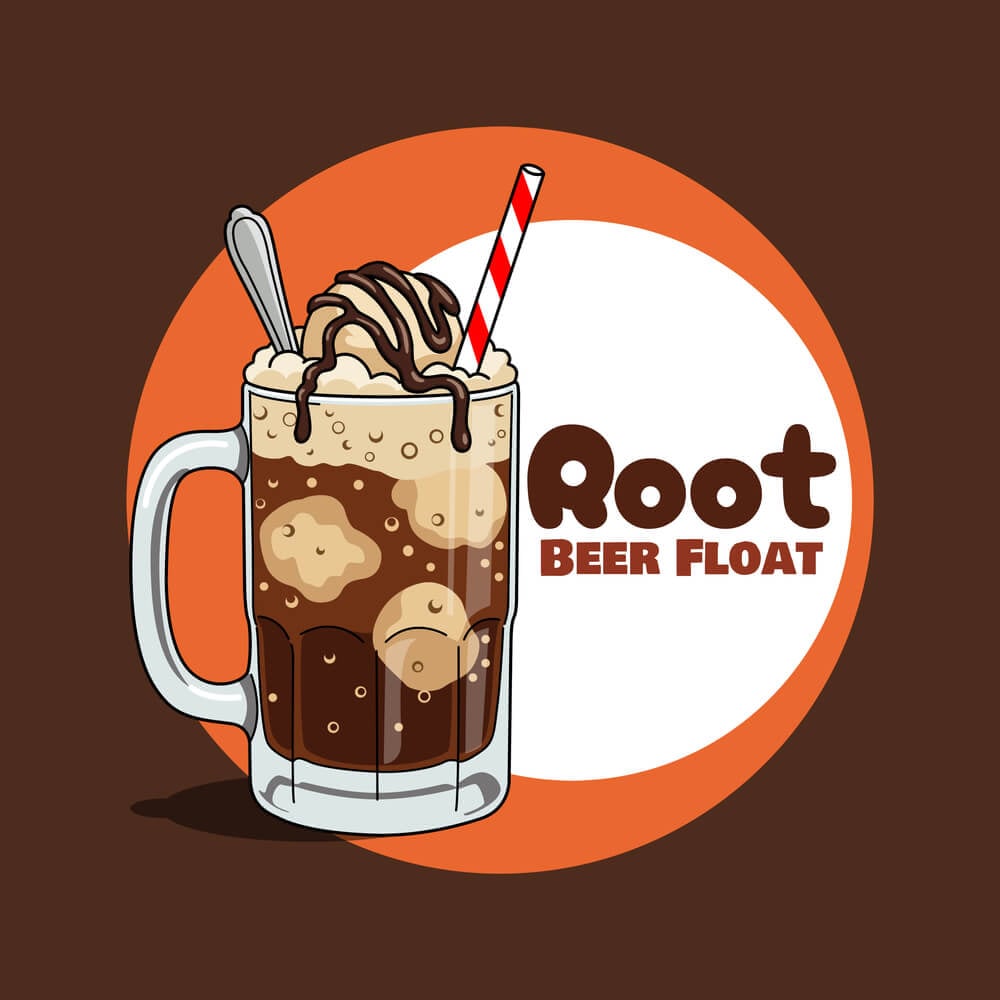
Charles Hires, a Philadelphia pharmacist, introduced his root beer at the 1876 Centennial Exposition. He first sold it as a dry mix for making an herbal drink at home and promoted it as a healthful alternative to alcohol. The product eventually grew into a bottled soft drink.
Ketchup
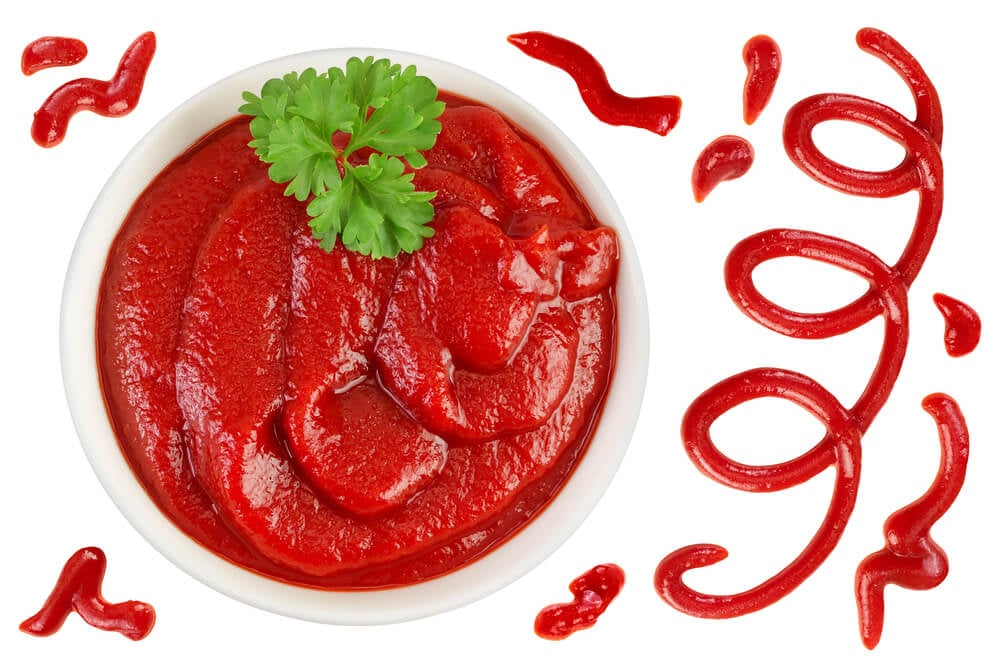
In the 1830s, Dr. John Cook Bennett published recipes for tomato preparations and promoted the tomato as medicine. Tomato pills were sold as cures for indigestion and other complaints. The pills disappeared, but the sauce they inspired remained a staple.
Peanut Butter
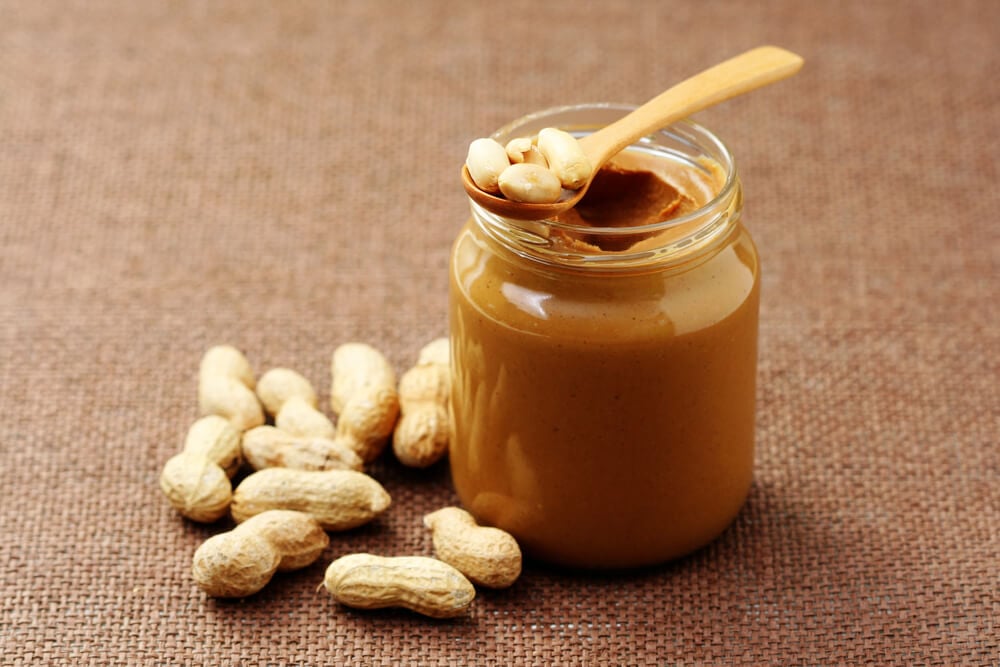
Dr. John Harvey Kellogg developed a form of peanut butter at his Battle Creek Sanitarium in the 1890s. It served as a protein-rich food for patients who could not chew meat well. Peanut butter later moved from health clinics to lunchboxes.
Grape-Nuts
— Photo by mikeledray
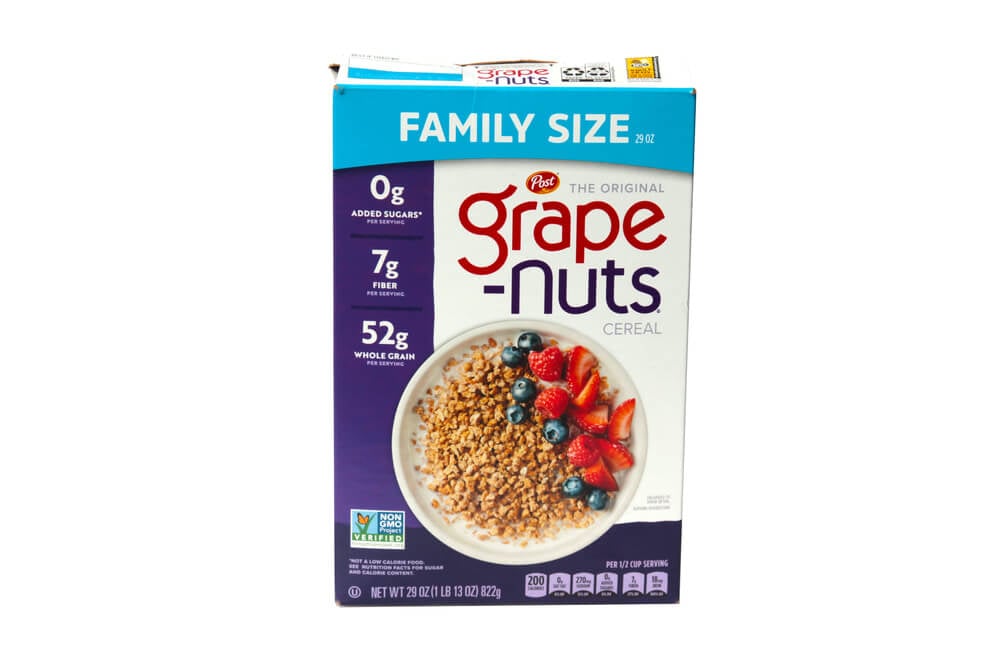
C. W. Post introduced Grape-Nuts in 1897, and his advertising made large claims for the cereal. Ads suggested that it could help with illnesses ranging from appendicitis to malaria and could even improve the blood. The cereal, made from baked wheat and barley, was a hard, nutty product that became popular regardless.
Postum

Post also created Postum in 1895 as a coffee substitute made from roasted grain. His advertising warned of coffee nerves and told readers that the drink offered a healthier way to open the morning. The famous slogan There’s a Reason became part of American advertising.
Welch’s Grape Juice
— Photo by homank76
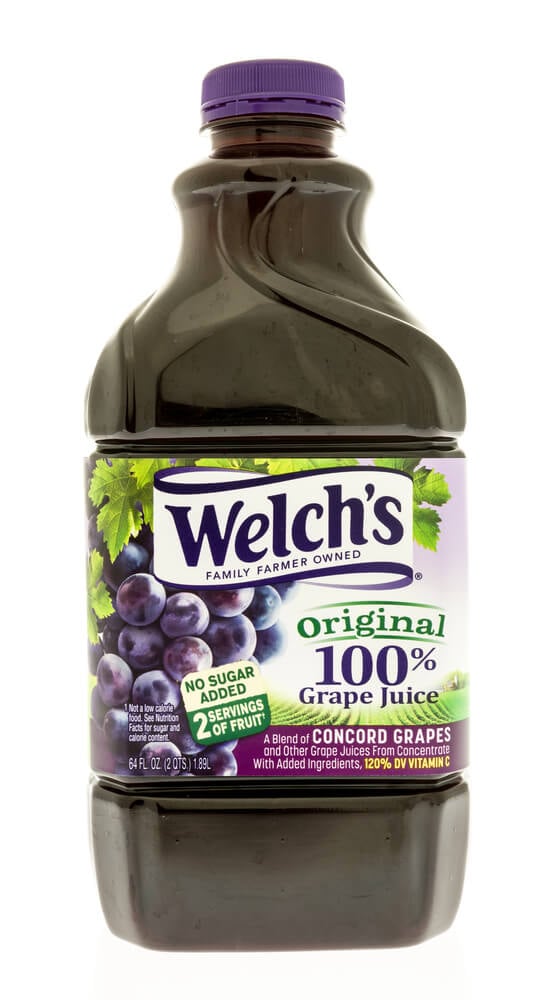
Thomas Welch, a dentist and Methodist, created an unfermented grape beverage in Vineland, New Jersey, in 1869. He called it unfermented wine so that churches could use it for communion. His son Charles later promoted the juice as a health drink.
Fleischmann’s Yeast
— Photo by mynewturtle
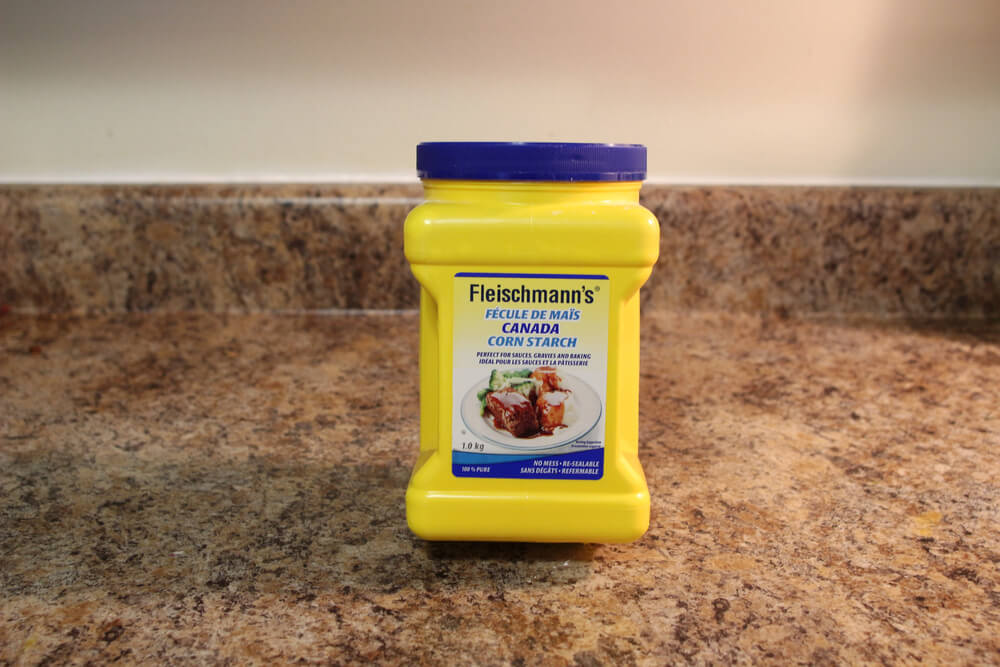
In the 1920s, advertisements for Fleischmann’s Yeast claimed that eating a cake of yeast daily could clear skin and ease digestive problems. The company was known for its baking yeast, but its marketing turned a pantry item into a health supplement. Regulators later challenged some of the claims.
Ovaltine
— Photo by samael1986
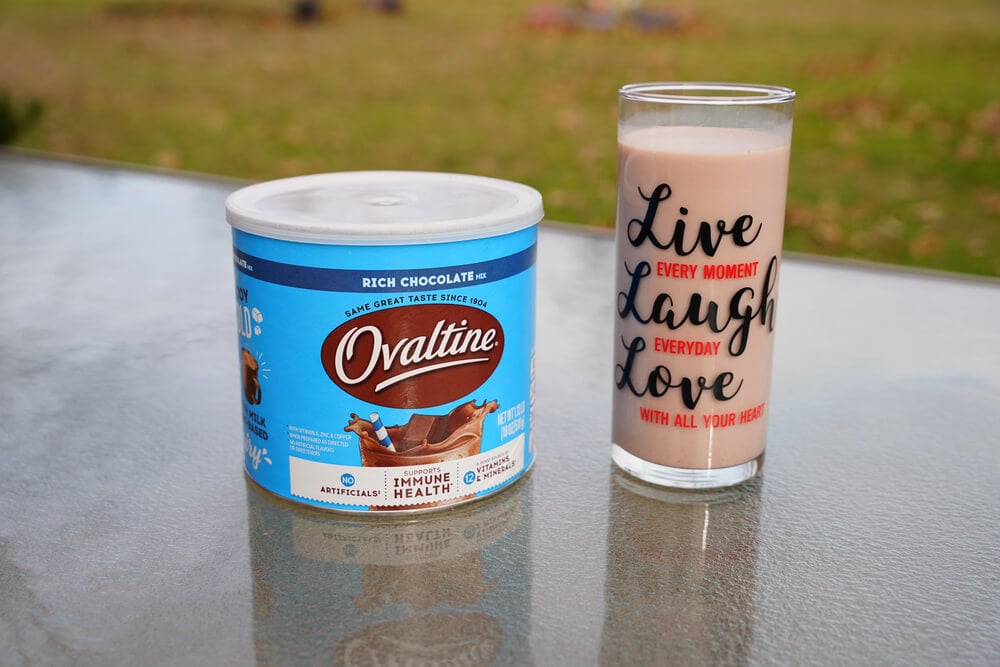
Albert Wander developed Ovomaltine in Bern, Switzerland, in 1904 as a malt extract and nutritional supplement. It was marketed internationally as Ovaltine and promoted as nourishment for children and invalids. The drink became a bedtime staple in many countries.
Horlicks
— Photo by RogerUtting
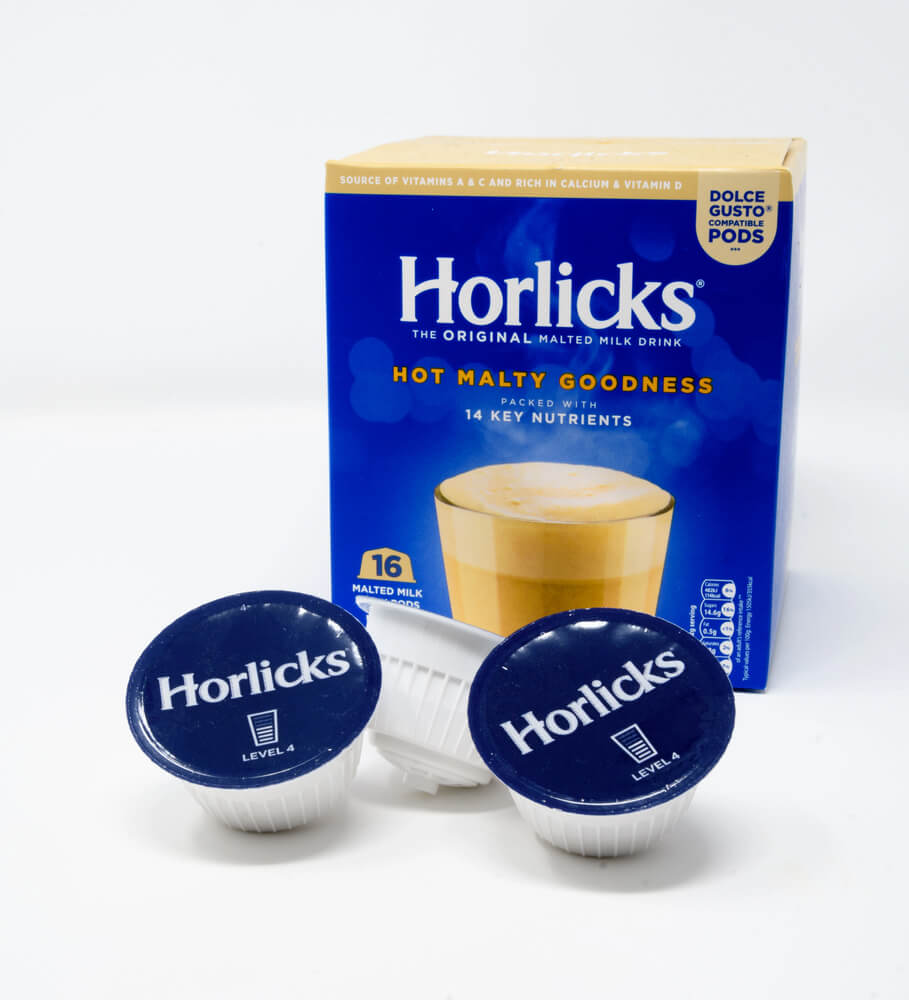
James and William Horlick created a malted milk product in the 1870s, first aimed at infants and invalids. It was sold as a nutritious food that could be prepared simply with water. Horlicks eventually became a popular bedtime drink, especially in Britain.
Beeman’s Pepsin Gum

Dr. Edward Beeman, a physician from Ohio, began selling chewing gum with pepsin in the 1890s. He marketed it as an aid to digestion. The gum was one of the early commercial successes in the chewing-gum business.
Tonic Water
— Photo by monticello
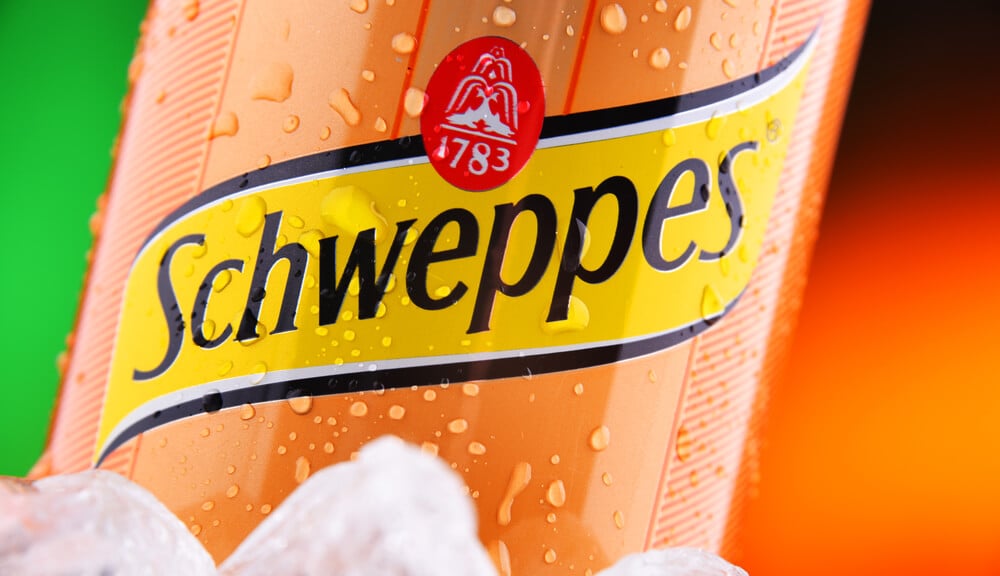
Tonic water got its name from quinine, which British colonists in India took to prevent malaria. The bitter medicine was mixed with sugar and soda water to make it easier to swallow. The medicinal drink later became a common cocktail mixer.
All-Bran
— Photo by claudiodivizia
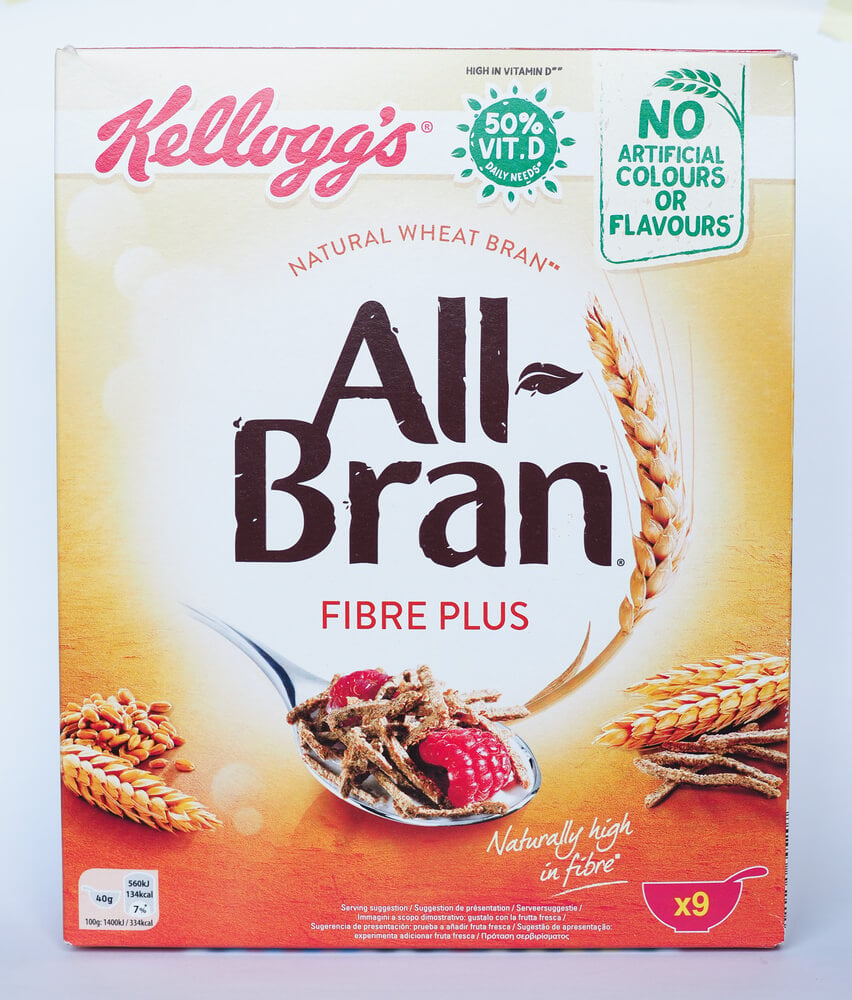
Kellogg introduced All-Bran in 1916, and its advertising promoted it as a remedy for constipation. The company explained the benefits of bran in plain language. The cereal remains one of the best-known high-fiber products.
Shredded Wheat
— Photo by dcwcreations
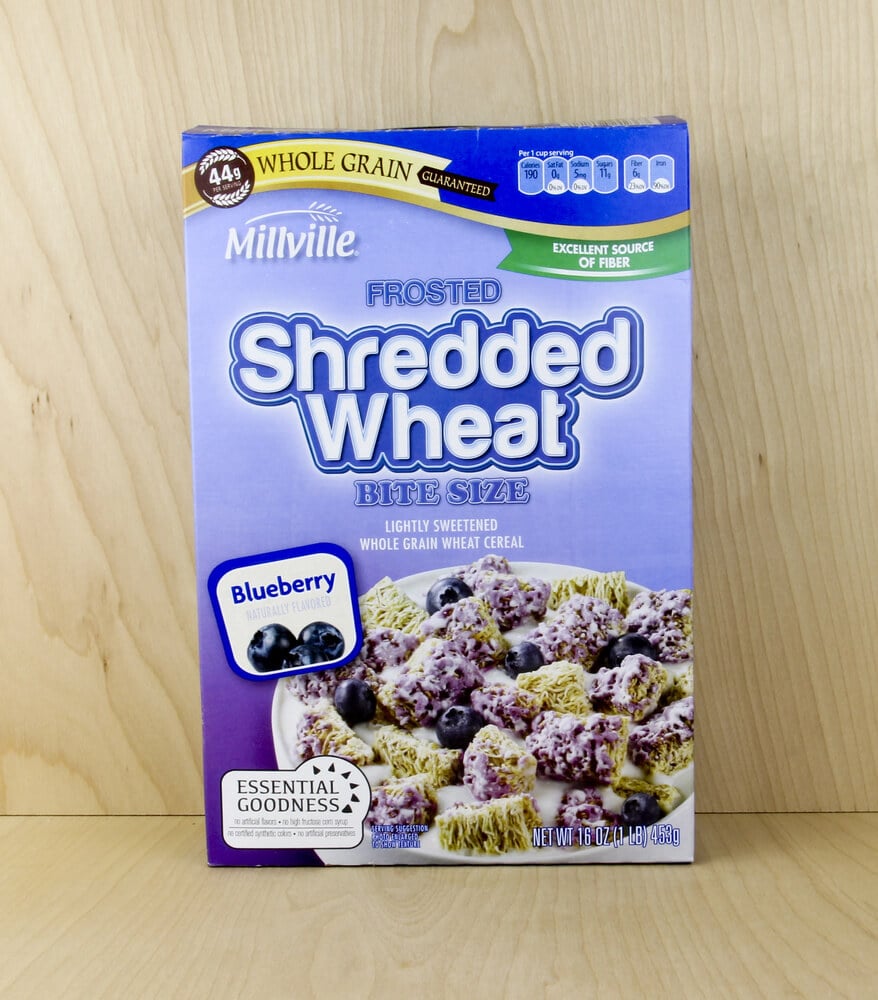
Henry Perky developed Shredded Wheat in the 1890s after meeting people with digestive problems. He promoted the biscuit as a natural, healthful food. The product was an early form of ready-to-eat cereal.
Bovril
— Photo by stuart49
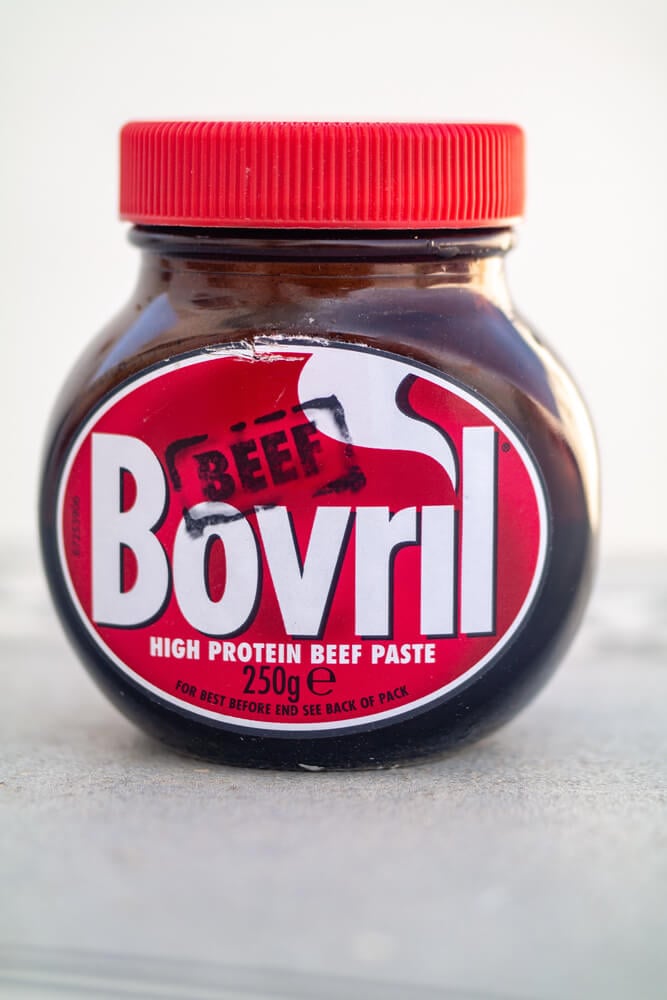
John Lawson Johnston developed Bovril in the 1870s as a concentrated beef extract. The name came from combining Latin for ox with a word from a popular novel. Advertisements promoted it as a strengthening food, and it was sold in jars and as a hot drink.
Danone Yogurt
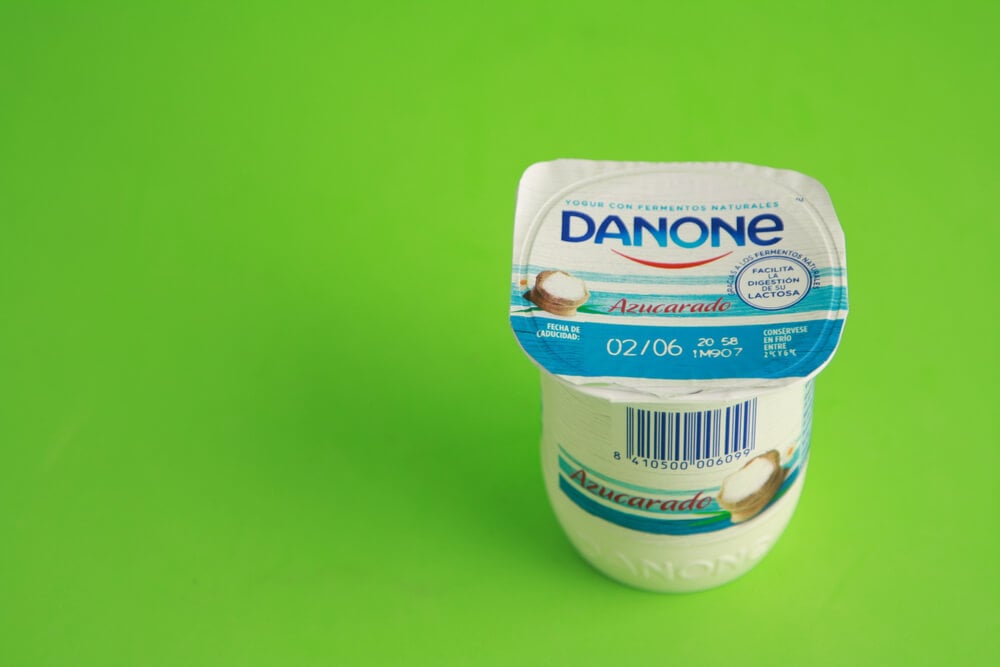
— Photo by Robcarfo
Isaac Carasso began producing yogurt in Barcelona in 1919 and sold it in pharmacies as a treatment for intestinal disorders. He named the company Danone after his son Daniel. The company grew into one of the world’s largest dairy businesses.
Guinness
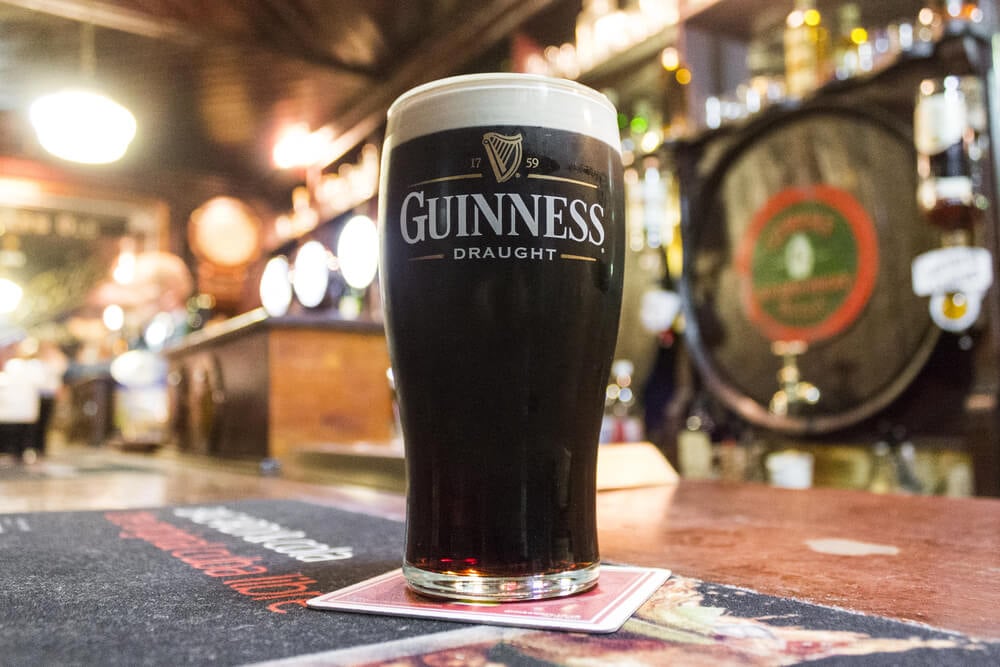
— Photo by jqnoc
In the late 1920s, Guinness launched an advertising campaign with the slogan Guinness is Good for You. The ads were based on market research in which customers said that the beer made them feel strengthened. The campaign ran in Britain for decades and became part of advertising history.
Hovis
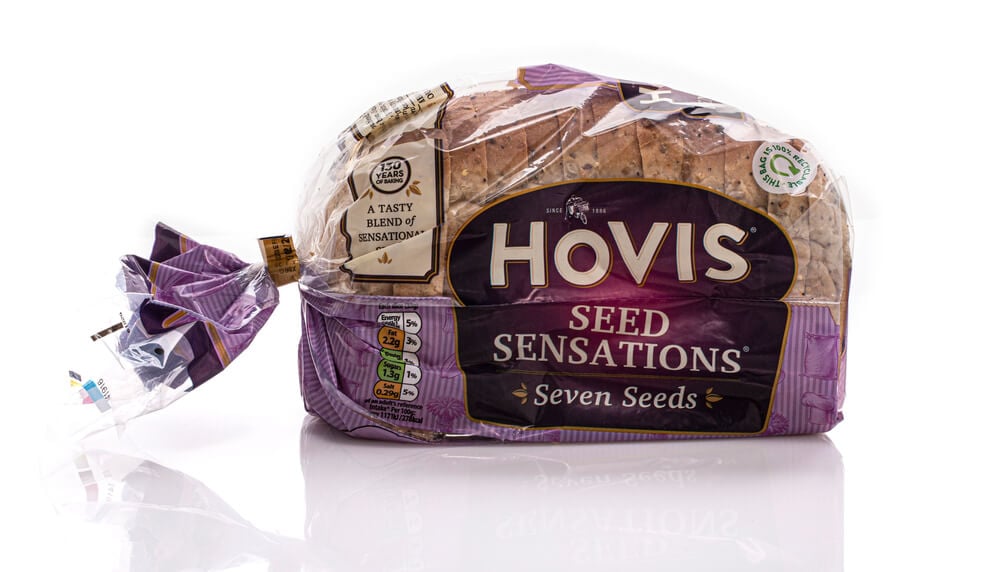
— Photo by urbanbuzz
Hovis bread was created in the 1880s, and its name comes from the Latin words meaning strength of man. It was marketed as a nutritious bread that was easier to digest than white bread. The brand became a household name in Britain.
Lucozade
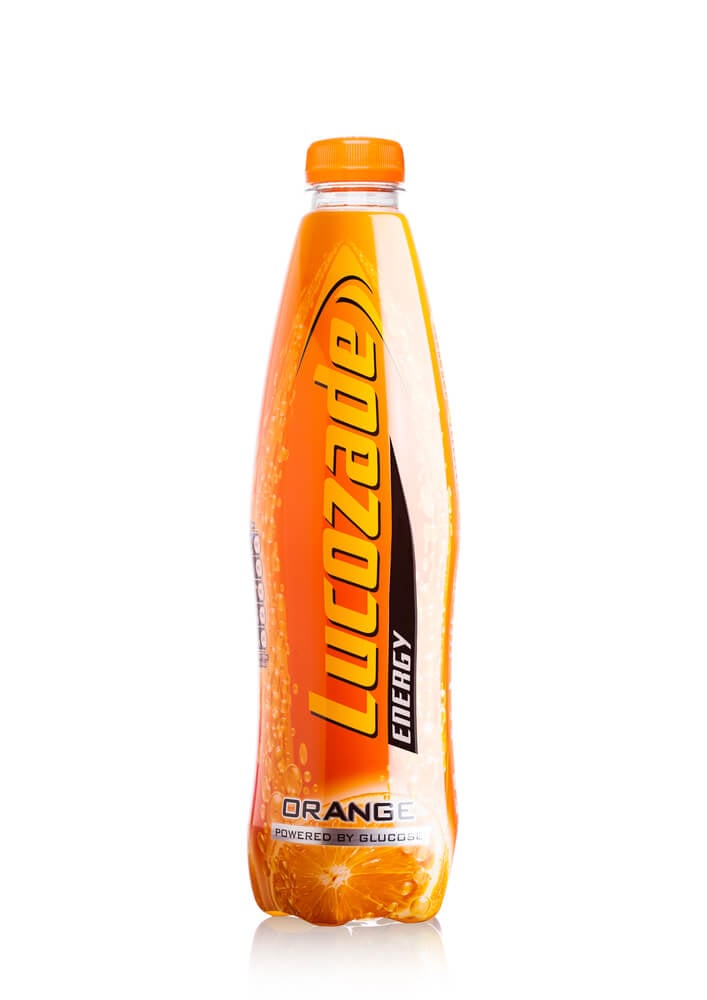
— Photo by DenisMArt
A chemist in Newcastle named William Owen created Lucozade in 1927 as a glucose drink for people who were sick. For decades it was sold in hospitals and recommended to patients during recovery. The brand later changed direction and was marketed as an energy drink for athletes.
Ribena

Ribena was developed in 1938 by H. W. Carter and Company in Bristol from blackcurrant juice rich in vitamin C. During World War II the British government distributed it to children as a way of providing vitamins when citrus was scarce. The drink remains popular, though its health claims have been questioned.
Vimto
— Photo by themarmaladetree.hotmail.co.uk
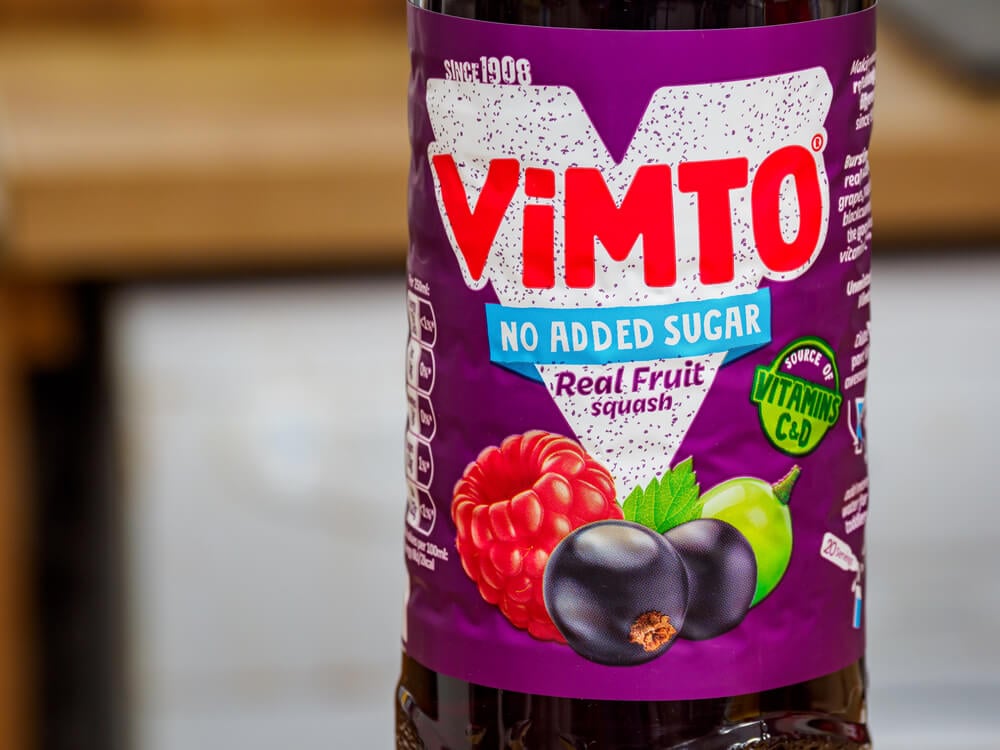
John Noel Nichols began selling a drink called Vim Tonic in Manchester in 1908. It was promoted as a health drink made from herbs, spices, and fruit. The name was shortened to Vimto, and it became a favorite across Britain.
Crisco
— Photo by wolterke
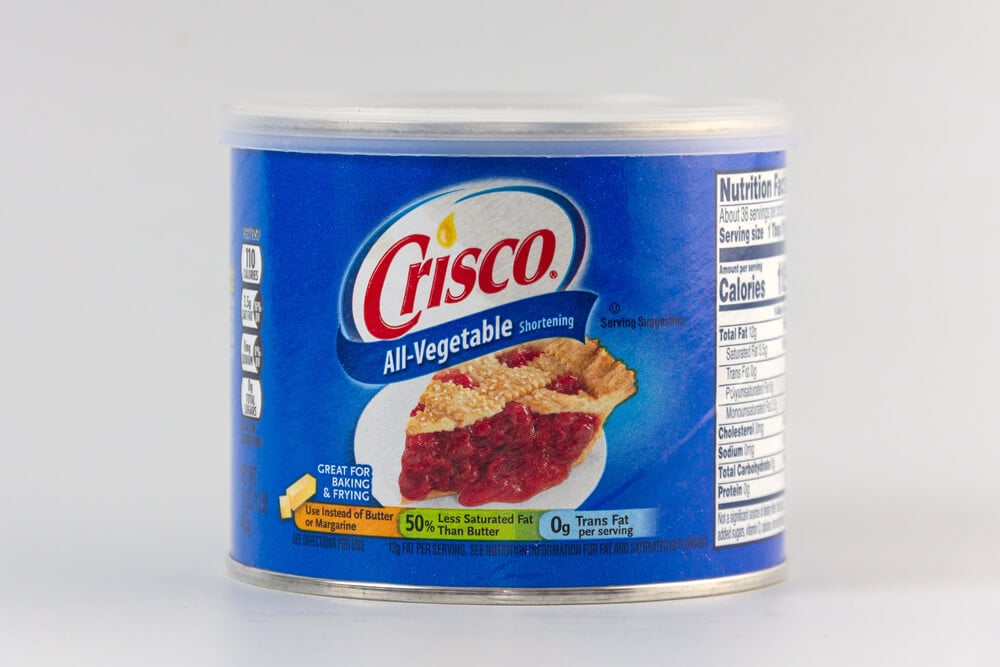
Procter and Gamble introduced Crisco in 1911 as a vegetable shortening. Advertisements promoted it as a modern and digestible alternative to lard. The company also published cookbooks that taught housewives how to use it.
Orange Juice

In the early twentieth century, California citrus growers promoted orange juice as a health drink. The California Fruit Growers Exchange marketed Sunkist oranges and encouraged consumers to squeeze them at home. The campaigns helped turn a fruit into a daily habit.
From the Pharmacy to the Pantry

Many of these products began in pharmacies, sanitariums, or medical practices, and their makers saw no conflict between selling food and curing ills. The line between a snack and a remedy was thin, and advertising pushed against it. Some claims were sincere, some were exaggerated, and some were simply false.
Regulation changed the landscape in the twentieth century, and the health claims largely disappeared from labels. What remains is a pantry full of products with medical origins. Their histories are a reminder that food marketing has always promised more than flavor.
More from Go2Tutors!

- 27 Silver Dollars and Half Dollars Worth Keeping
- 28 Restaurant Menu Items Nobody Orders Anymore
- 17 Places Built in Seemingly Impossible Spots
- 27 Vintage Rings Worth More Than They Look
- 25 Restricted Sites Tourists Can’t Enter
Like Go2Tutors’s content? Follow us on MSN.