25 Toys Nobody Plays With Anymore That Defined Recess in Elementary School
There’s a particular kind of grief that hits when you realize an entire category of joy has quietly disappeared. Not dramatically — no announcement, no farewell tour — just gone, the way a favorite diner closes and you only notice when you drive past and see a nail salon in its place.
The toys that ruled elementary school recess in the ’80s and ’90s occupy that strange emotional territory: too ordinary to be memorialized, too formative to be forgotten. You probably haven’t thought about most of these in years.
And yet, reading the name alone will put the exact weight of it back in your hand.
Jacks
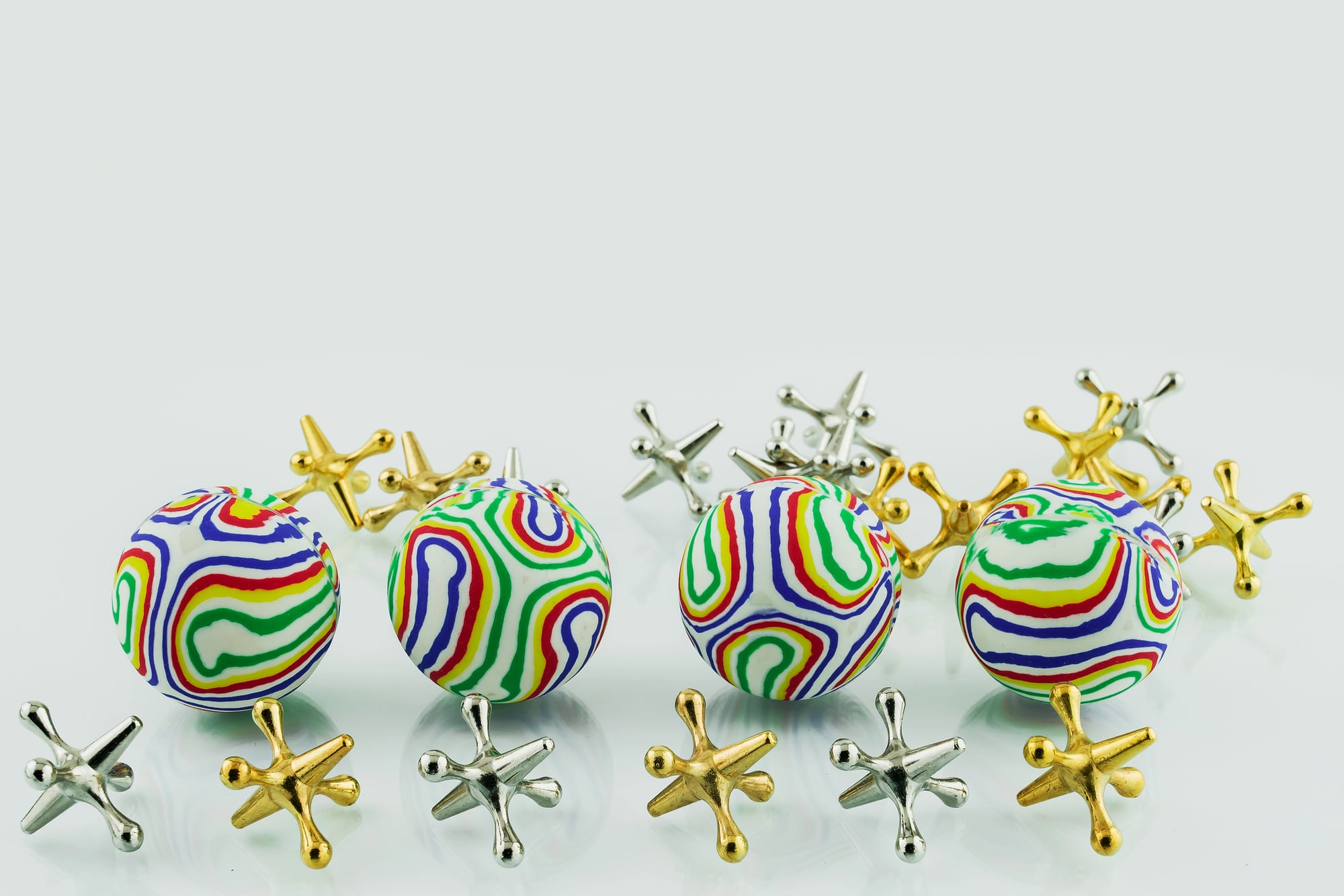
Jacks is almost insultingly simple — a handful of metal spikes and a small rubber sphere, no batteries, no screen, no instructions beyond what another kid showed you. And yet mastering it required genuine dexterity, the kind that took weeks to develop and felt like a real accomplishment when it clicked.
Most kids today wouldn’t last thirty seconds before losing interest.
Clackers
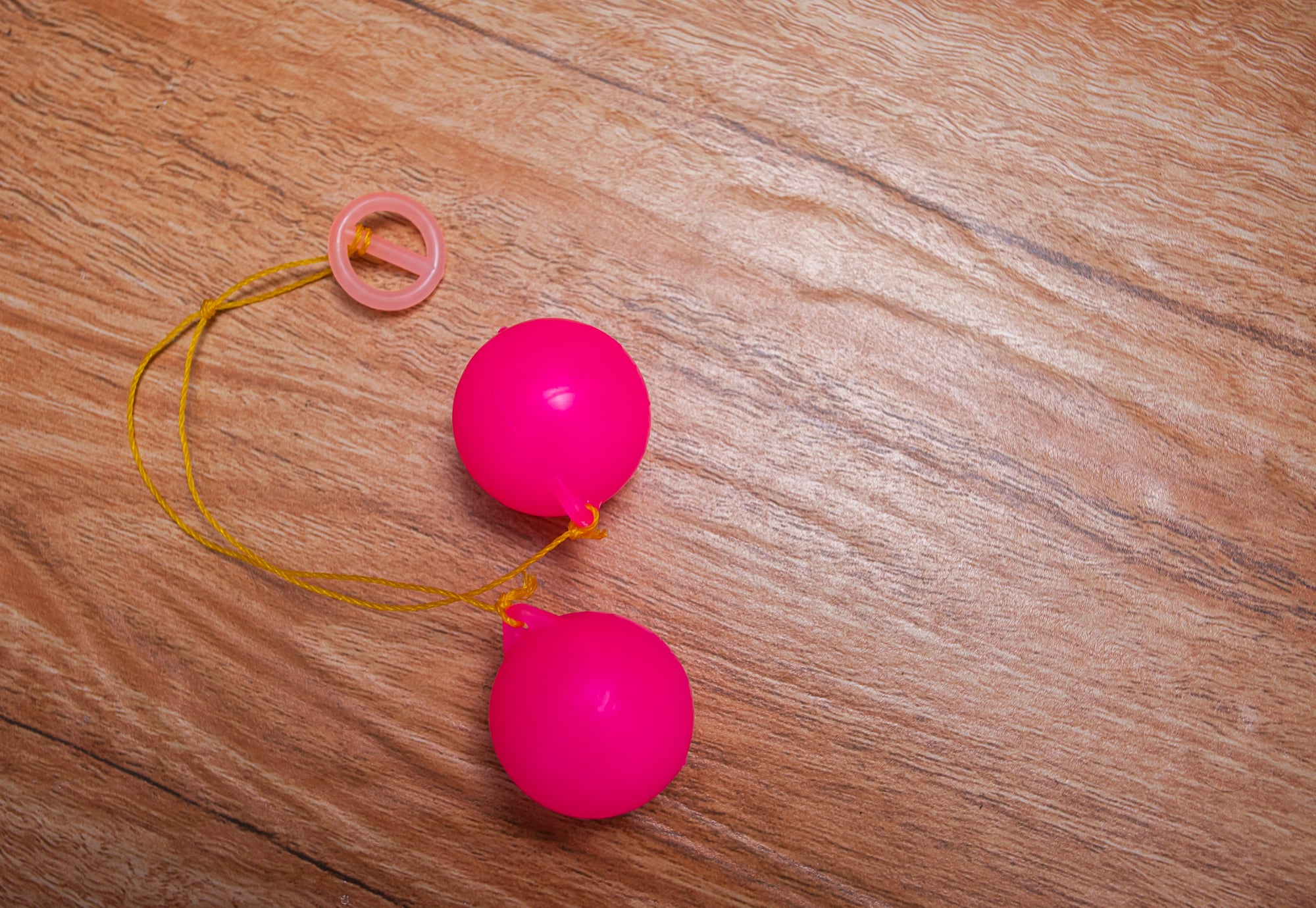
Clackers were two acrylic orbs on a string, and the entire point was to swing them until they smacked together with a sound loud enough to irritate every adult within fifty feet. They were banned from some schools in the 1970s after reports of the orbs shattering mid-swing — which, honestly, only made them more appealing to the kids who still had them.
Danger was the feature, not the flaw.
Tiddlywinks
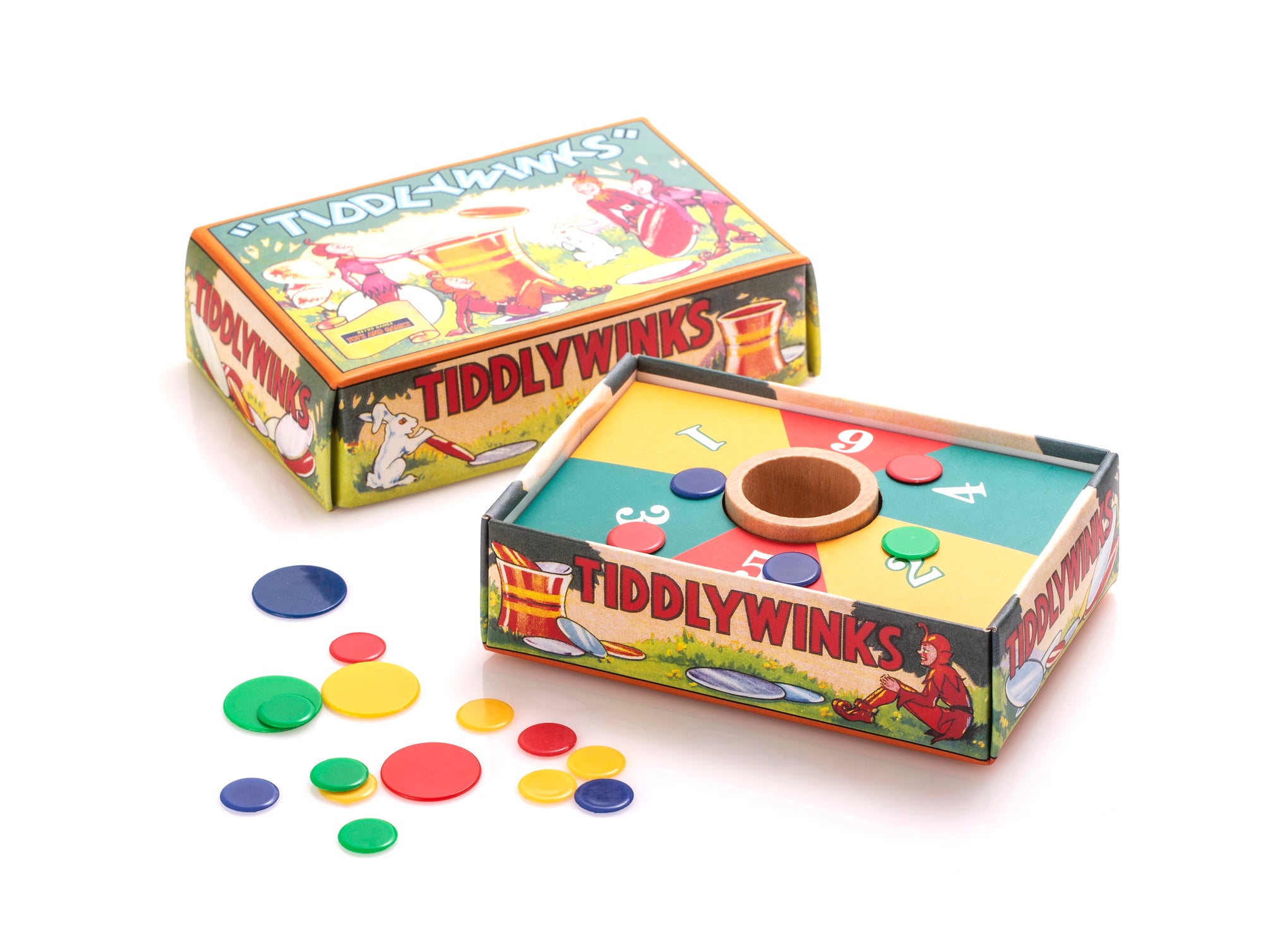
Tiddlywinks asks something that modern entertainment rarely does: patience with a small, fiddly thing that doesn’t reward you immediately. You’d press a larger disc against a smaller one to flip it into a cup, missing more often than not, crouched over a cafeteria table with absolute focus on something the size of a shirt button.
It was a game that corrected you constantly — and you kept playing anyway.
Lawn Darts

Lawn darts — the original, weighted-metal-tip version — were eventually pulled from shelves in 1988 after causing serious injuries, which means an entire generation of kids grew up knowing exactly what they were and exactly why they were forbidden, which is its own kind of cultural transmission. The game involved lobbing heavy finned projectiles toward a ground target from some distance away, the kind of backyard activity that now exists only in liability-awareness training videos.
To be fair, they were genuinely dangerous. And genuinely fun.
Marbles
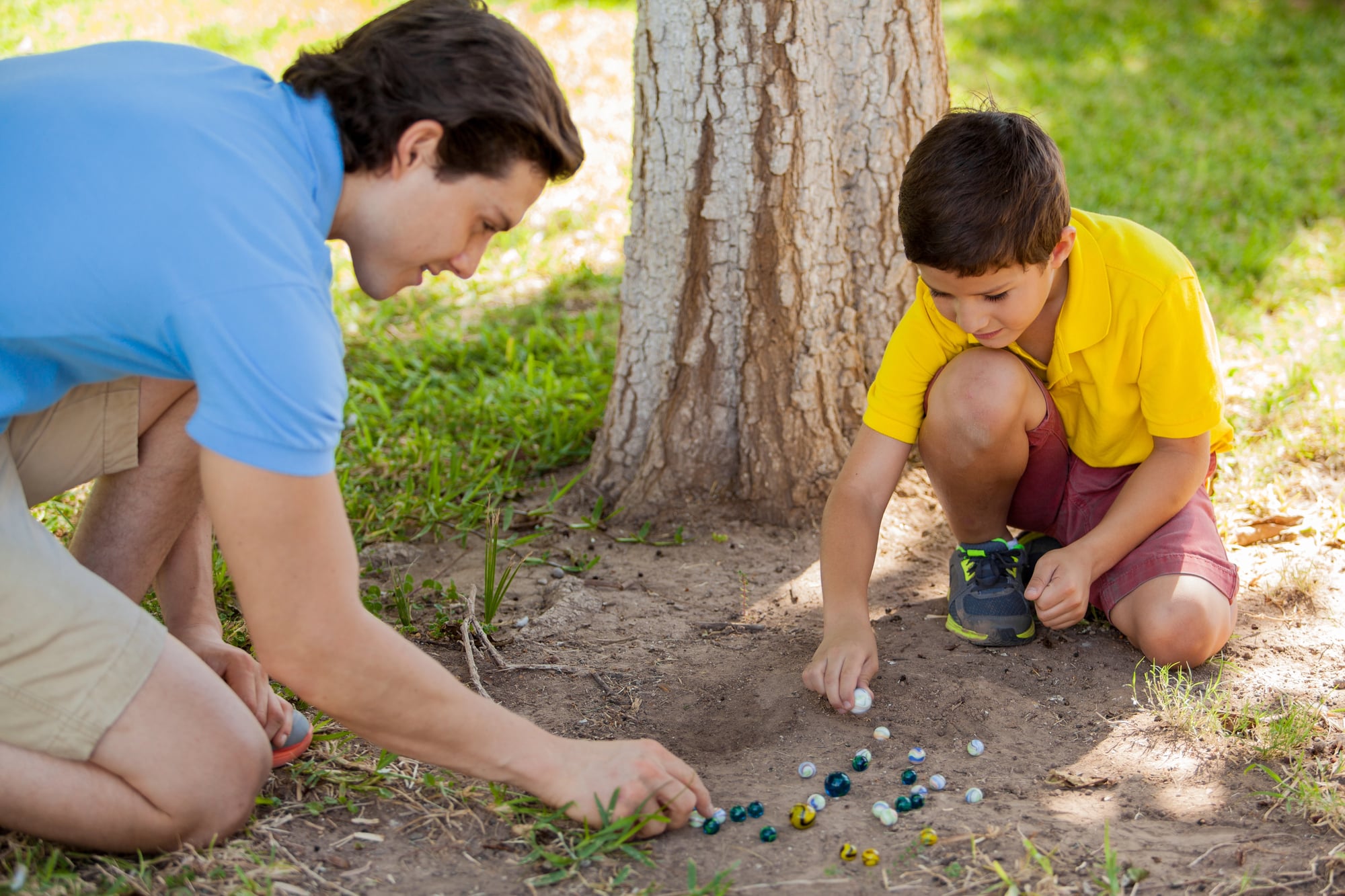
Marbles as a serious playground pursuit is essentially extinct, which is a shame, because the game had real stakes. You played for keeps — meaning if you lost, your marbles were gone, taken by whoever beat you — and that kind of consequence made every shot matter in a way that no digital scoreboard ever quite replicates.
The glass ones caught light beautifully, like small captured planets sitting in the dirt.
Skip-It

Skip-It attached to your ankle and swung in a low orbit while you hopped over it with the other foot, a loop that sounds tedious until you remember the competitive counter on the end that tracked your total skips and turned a solo activity into an obsession. The plastic made a specific hollow clacking sound against pavement that is so deeply encoded in certain memories that hearing it described is almost enough to hear it.
Tiger Toys sold millions of them throughout the late ’80s and ’90s before the concept quietly aged out of playgrounds.
Four Square
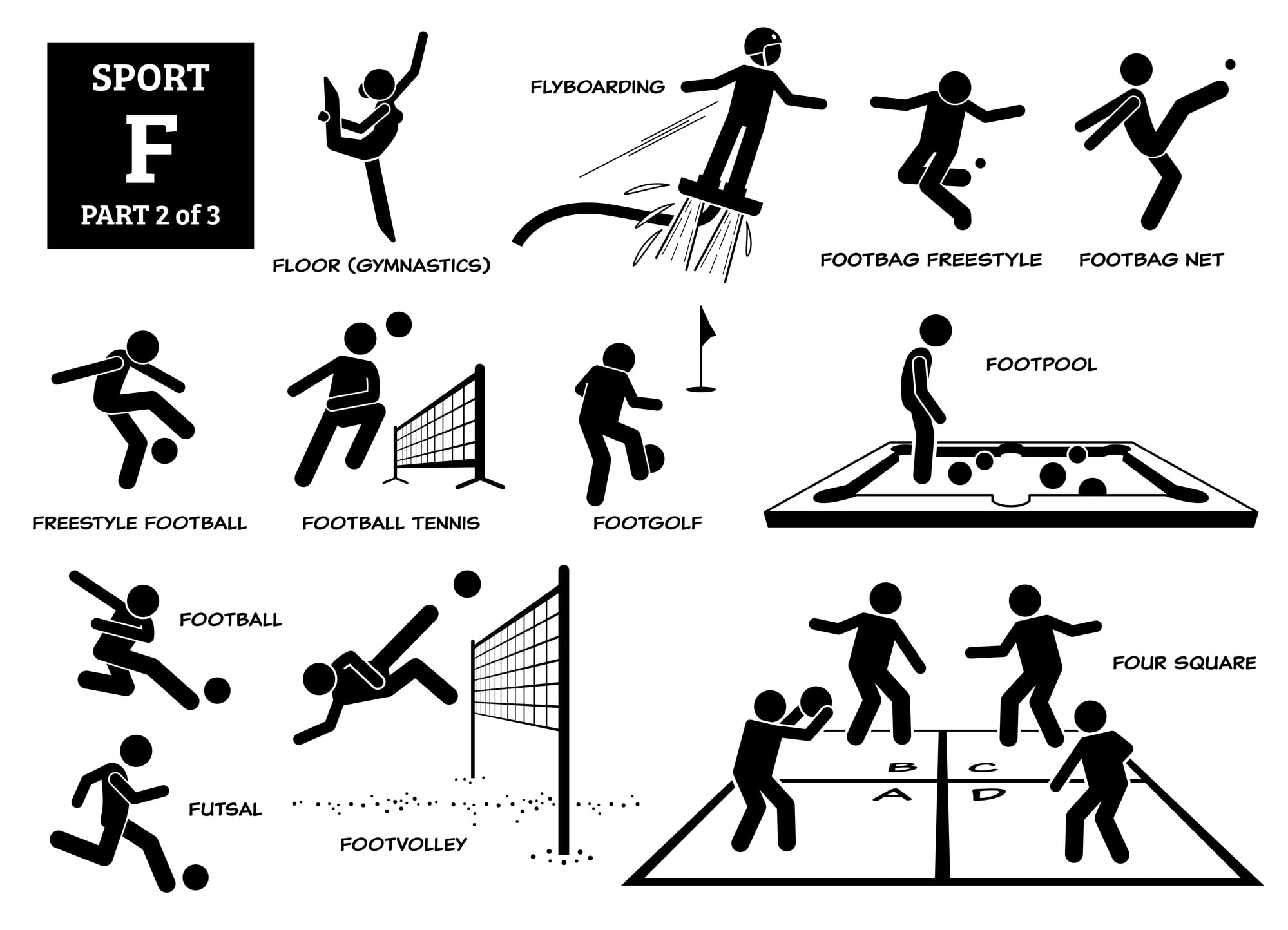
Four square required nothing but a rubber playground orb and a chalked grid, which meant any flat surface became a viable arena — and that accessibility was exactly what made it rule recess for decades. The game was aggressively political: whoever held the “king” square set the rules, invented variations mid-game, and could effectively exile players they didn’t like through creative rulemaking.
It was less a game and more a miniature lesson in how power works.
Chinese Jump Rope
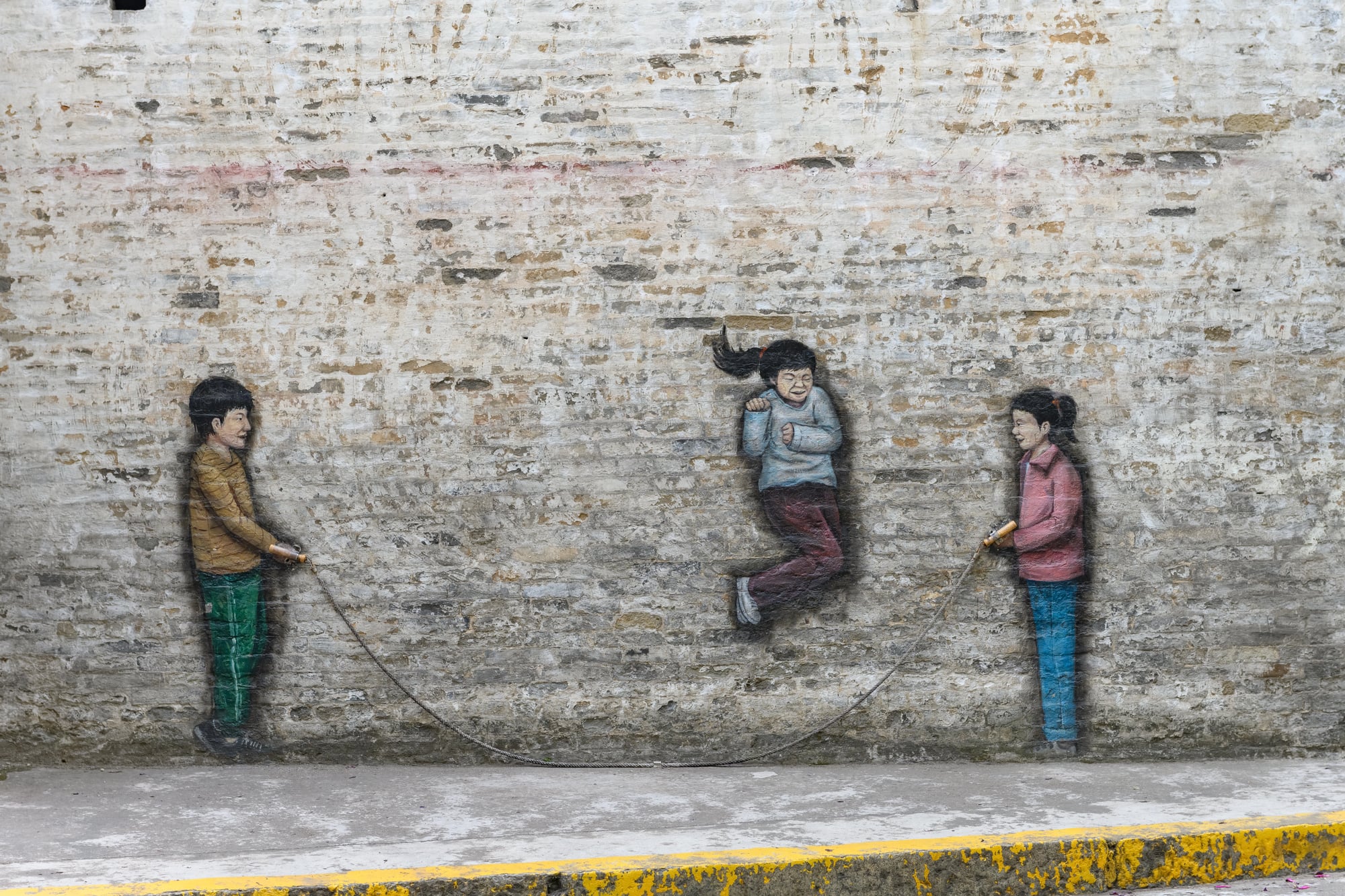
Chinese jump rope — the elastic loop stretched between two sets of ankles while a third player performed increasingly complex jump patterns — was one of those playground activities that rewarded practice in a deeply visible way, the difference between a beginner and an expert obvious from twenty feet away. The elastic itself was cheap, sold in small packages, and could be knotted together from multiple pieces when one wasn’t long enough.
It had a quiet choreographic elegance that nobody called choreographic elegance at the time.
Hacky Sack
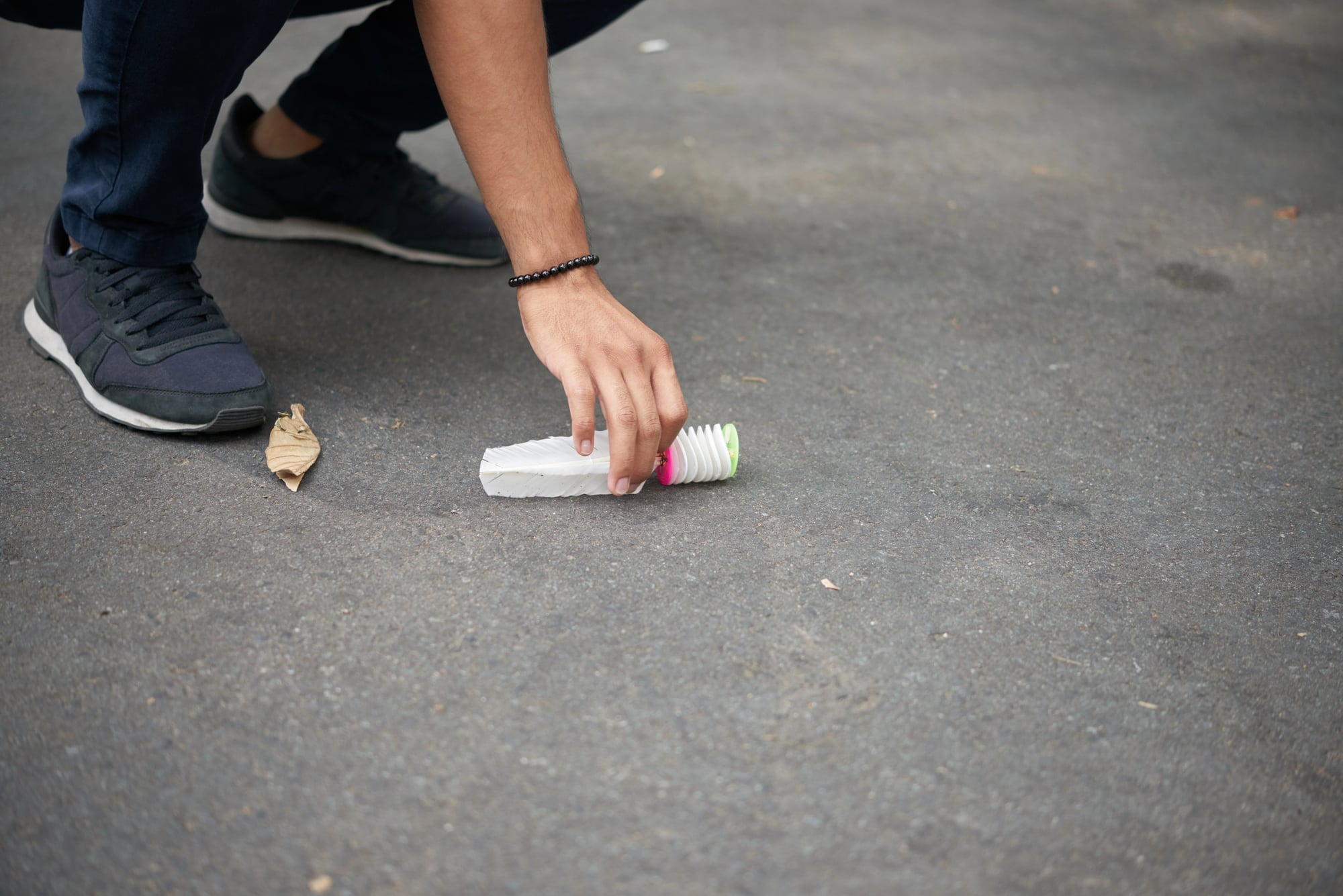
Hacky sack is the rare recess toy that asks you to be bad at it in public for a long time before you get good — and that shared incompetence was, weirdly, the social glue. A circle of kids, none of them especially skilled, keeping a small crocheted sack airborne through increasingly awkward kicks and knees, laughing when it hit the ground, which was constantly.
The Wham-O company popularized it in the early ’80s, though the footbag concept is older, and at its peak it was the universal signal for a certain kind of laid-back, slightly alternative playground personality.
Pogs
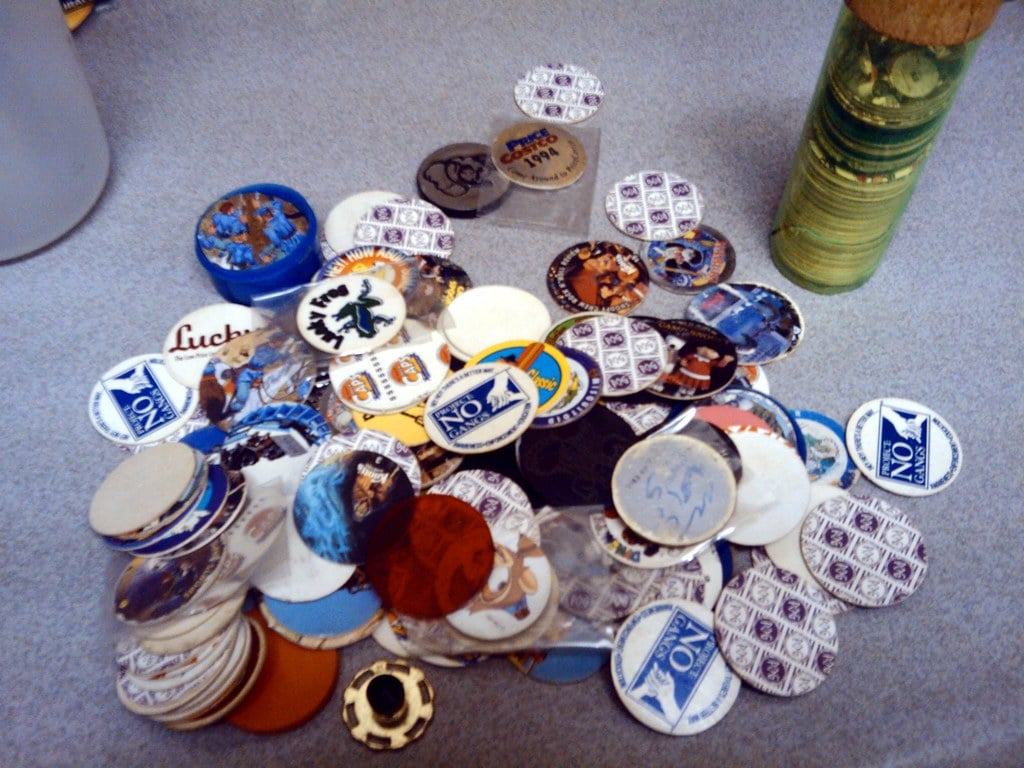
Pogs arrived with the aggression of a trend that knew it was a trend and didn’t care — cardboard discs printed with skulls and flames and cartoon faces, slammed with a heavy “slammer” to flip your opponent’s stack. They were cheap, collectible, loseable, and banned from dozens of schools by 1995 because playing for keeps made them gambling-adjacent, which is a sentence that sounds absurd but was a real administrative crisis at the time.
Their entire lifespan as a cultural phenomenon was roughly three years, start to finish.
Spirograph
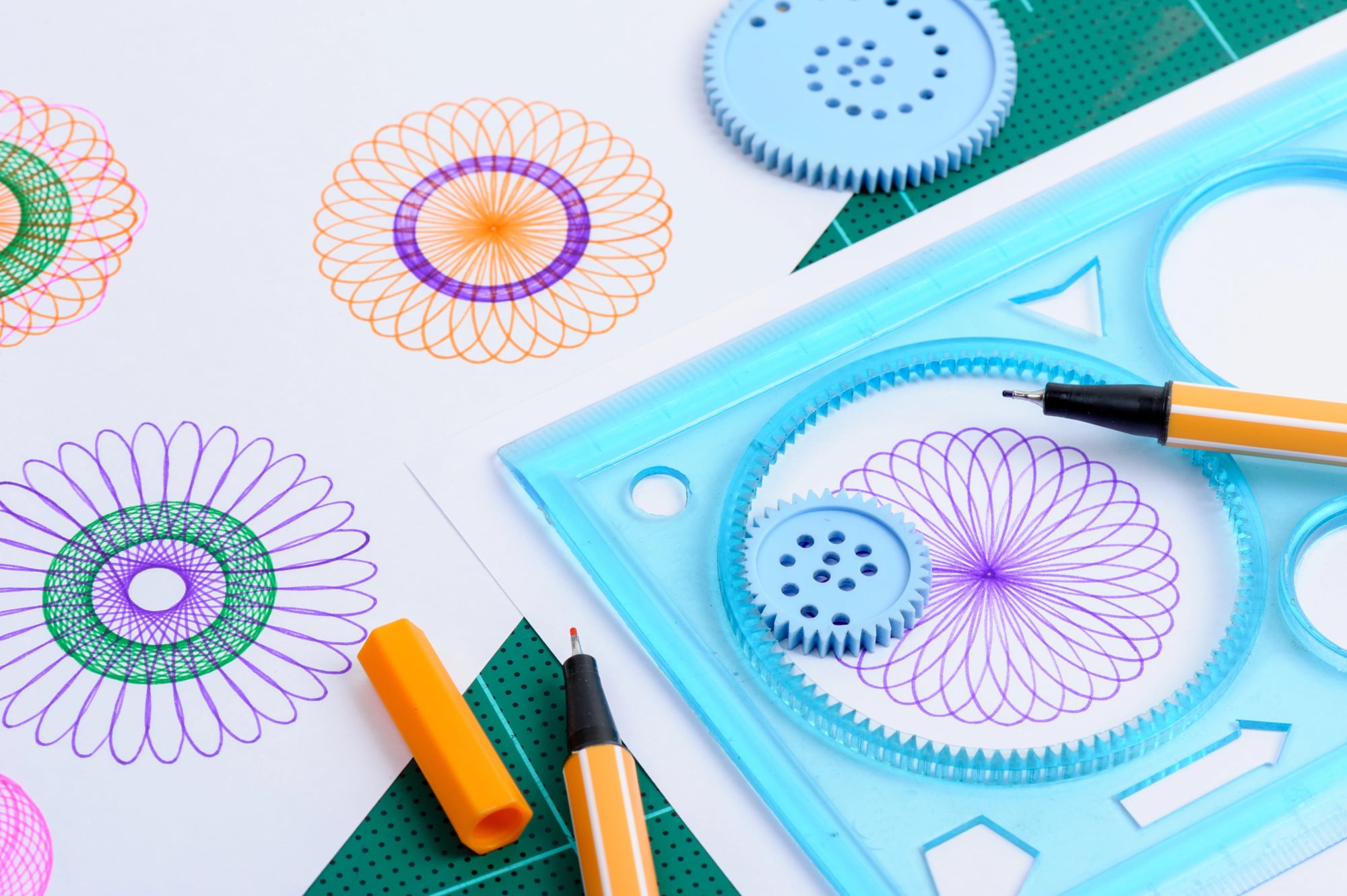
Spirograph (the Kenner version, specifically) was a collection of plastic toothed rings and wheels that, when held against a pen and guided around a fixed point, produced geometric patterns with an almost eerie perfection. The frustrating part — and there was always a frustrating part — was that lifting the pen mid-rotation ruined the whole design, so you had to commit fully, hold steady, and trust the process in a way that felt disproportionately philosophical for a children’s art toy.
The results looked like something a machine made, which was exactly the point.
Potato Head (The Original Set)
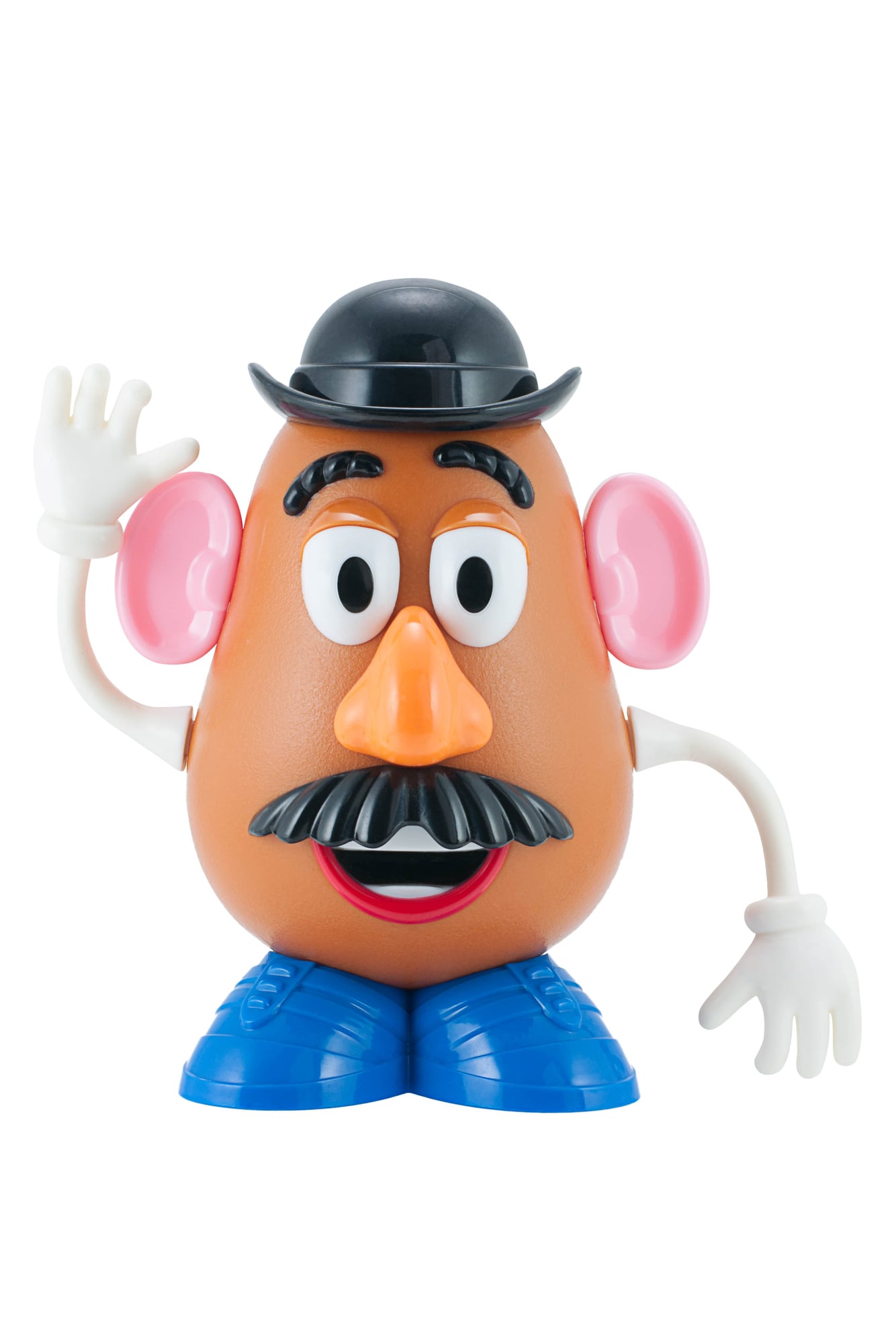
The original Mr. Potato Head — the 1952 version — came with real push-pin facial features intended to be stuck into an actual potato, which tells you something important about how differently childhood risk was assessed seventy years ago. Hasbro eventually switched to the plastic potato body, making it safer and, honestly, making it feel slightly less like a genuine interaction with the physical world.
Kids who played with the real-vegetable version experienced something that no amount of plastic facsimile has quite replicated since.
Hula Hoop

The Hula Hoop is one of those objects that looks simple until you try it, and then suddenly reveals itself to be a skill with a real learning curve — one that some bodies catch quickly and others stubbornly resist for weeks. Wham-O sold twenty-five million of them in the first four months after the 1958 launch, which remains one of the fastest product adoptions in toy history.
By recess in the ’80s and ’90s, they were institutional, the kind of object you’d find in a dusty gym closet alongside jump ropes and nothing else of note.
Viewmaster
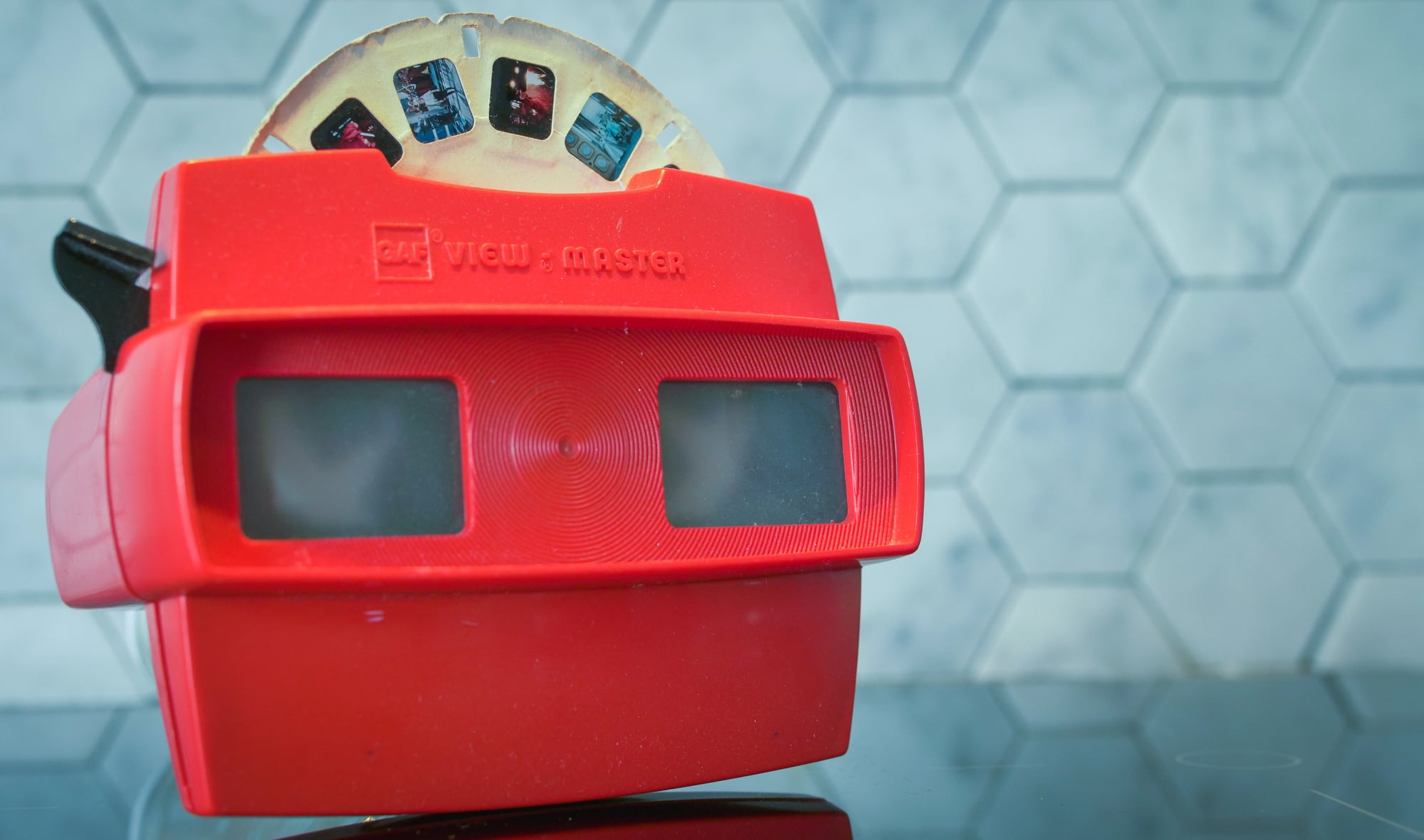
The Viewmaster sits in a strange emotional category — personal, quiet, solitary — that made it less a recess toy and more a rainy-day-inside-the-classroom toy, the kind pulled out when the teacher gave up on structured time. You’d click through a reel of paper-thin images: the Grand Canyon, dinosaurs, scenes from a Disney film, each one a perfectly framed stereo photograph that turned cheap plastic into something approaching wonder.
The reels themselves were the real product; the viewer was just the delivery mechanism.
Yo-Yo
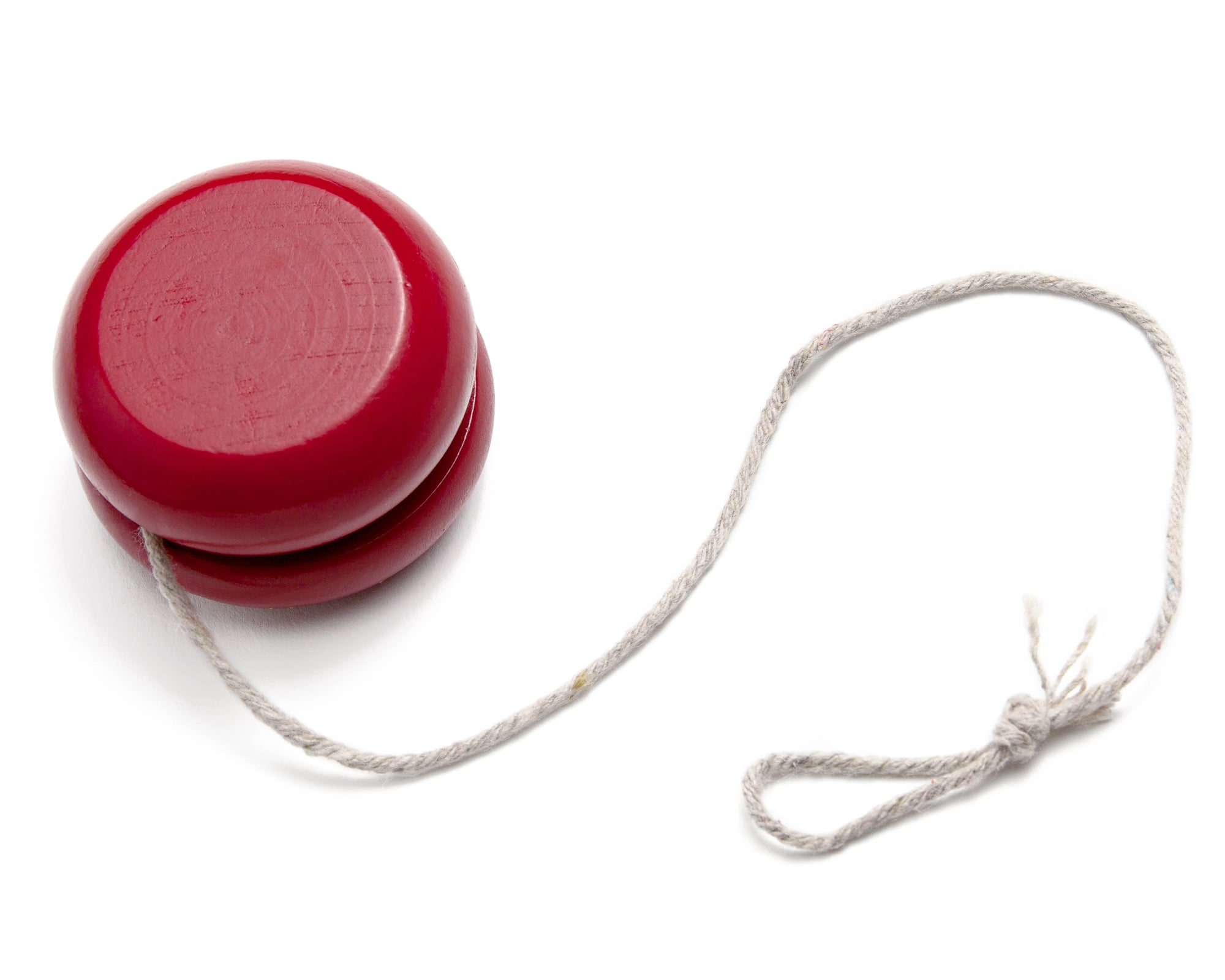
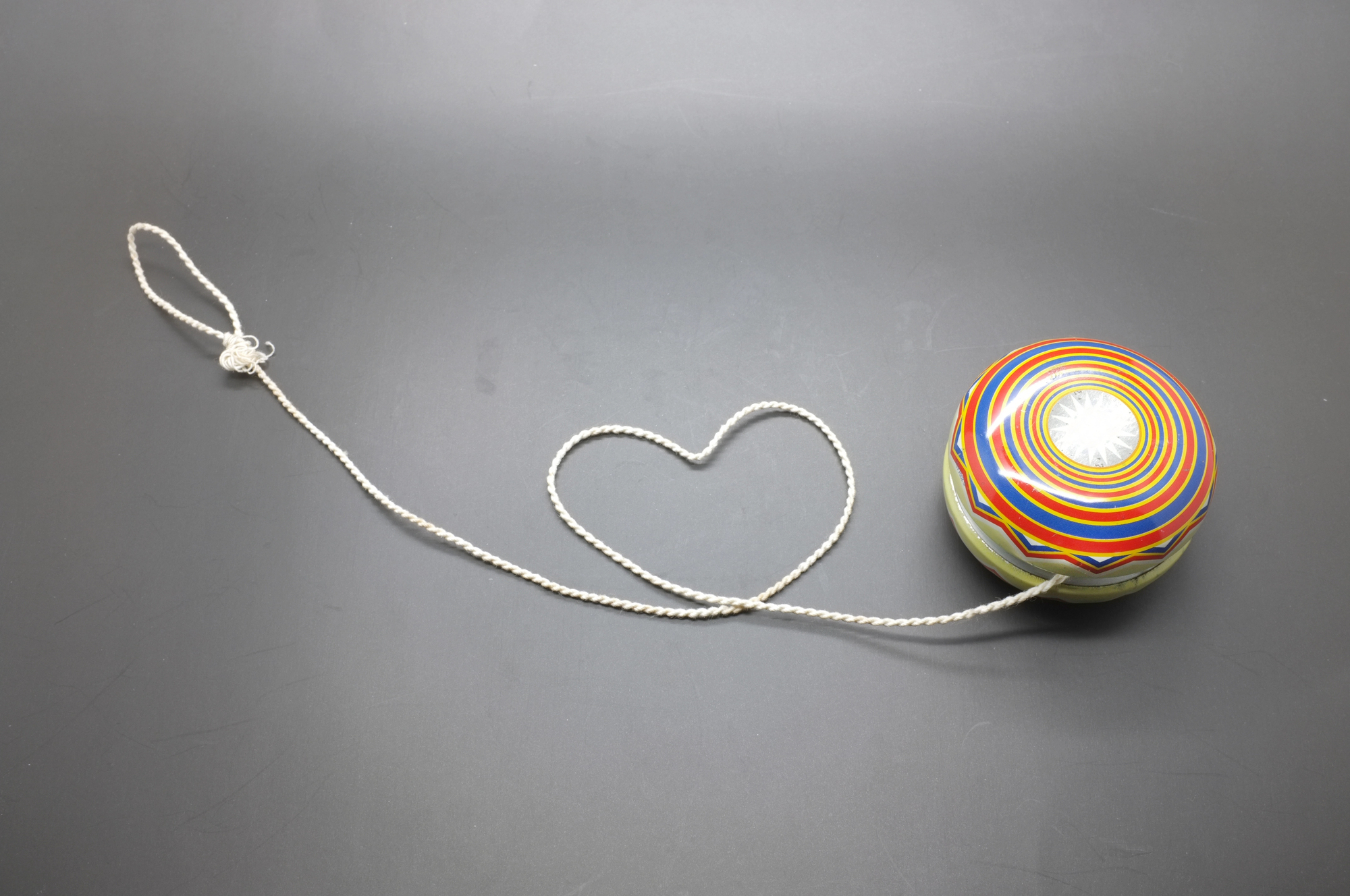
The yo-yo has been around in various forms for centuries, but its recess dominance peaked in waves — the Duncan Butterfly era of the ’60s, the Tom Kuhn resurgence in the ’80s, and the Yomega Brain era of the late ’90s that made sleeping and returning automatic. It was one of those rare playground objects where virtuosity was genuinely visible and genuinely impressive: a kid who could walk the dog, rock the baby, and land a trapeze was a figure of real admiration in a way that required no explanation.
You either had the hands for it or you didn’t.
Lite-Brite
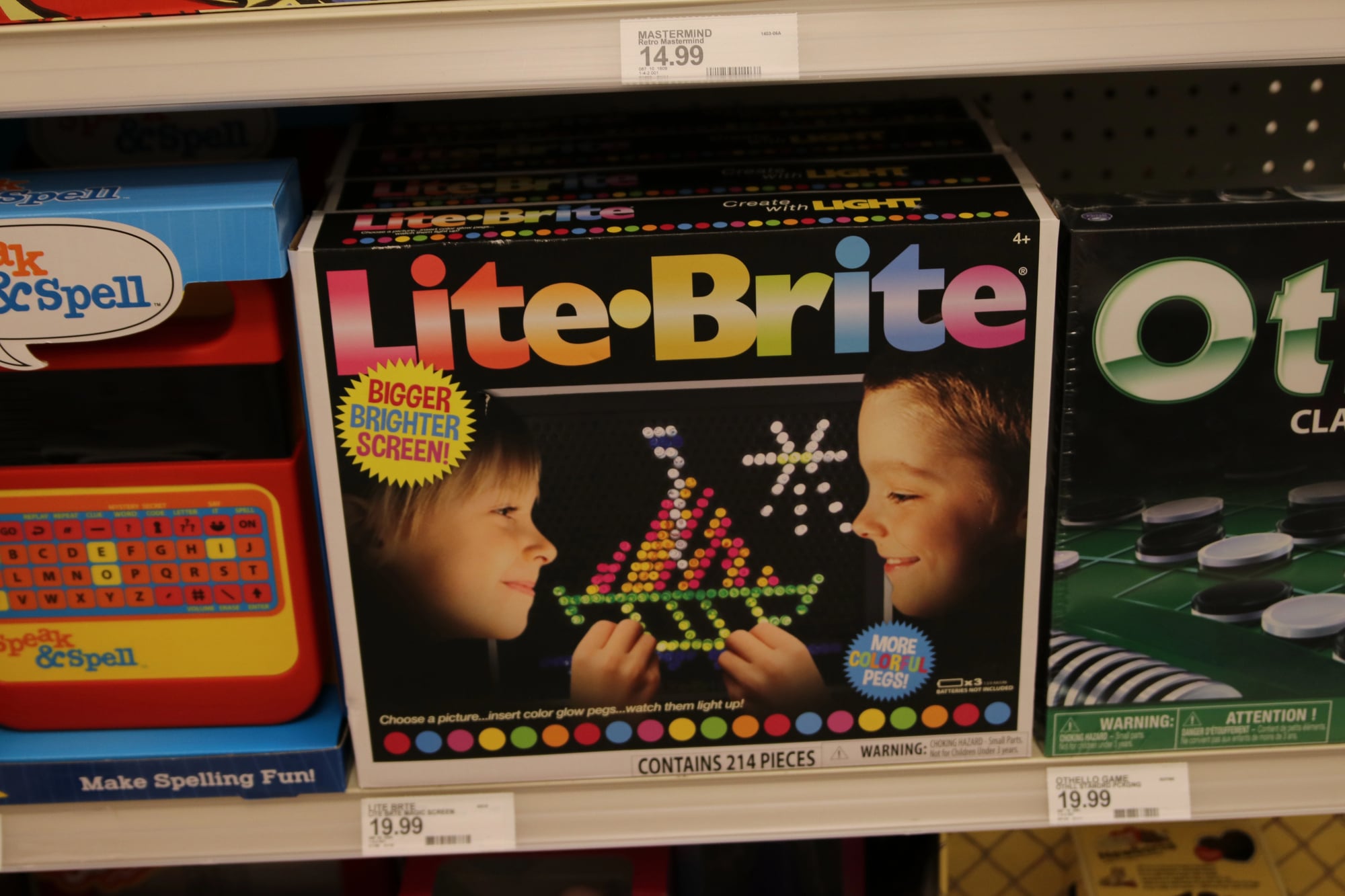
Lite-Brite was less a toy and more a low-resolution light installation for children — a grid of openings behind a black paper template, filled with translucent colored pegs that glowed when the box inside was switched on. The specific satisfaction of pushing a peg fully home, feeling it click into the grid with the right resistance, is the kind of physical detail that memory preserves with unusual fidelity.
Hasbro’s version launched in 1967, and every subsequent update has been chasing that original peg-and-glow formula without quite improving on it.
Magic 8-Orb
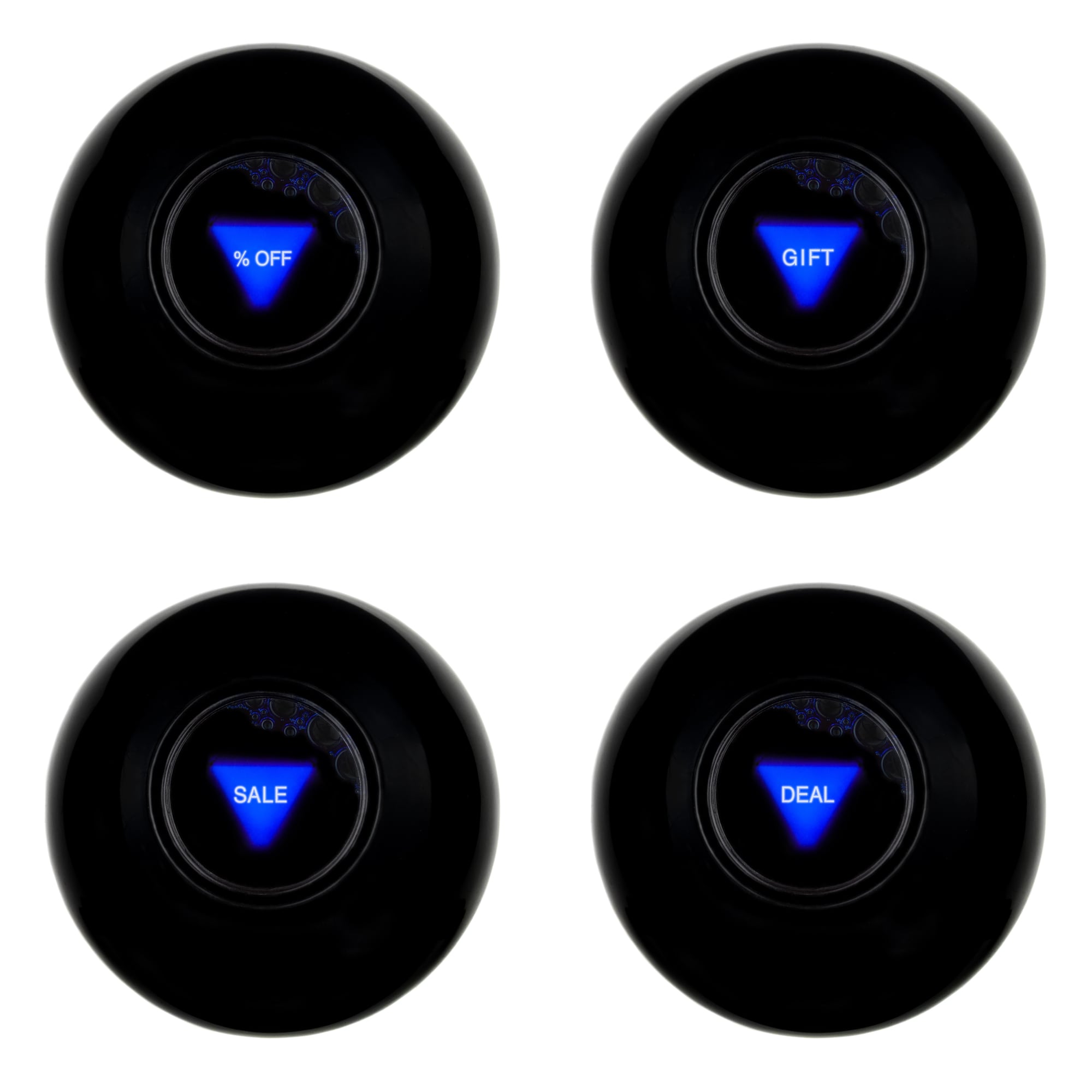
The Magic 8-Orb is a fundamentally absurd object — a hollow sphere filled with blue liquid and a twenty-sided icosahedron with answers printed on each face — that was treated with genuine reverence by generations of children who knew perfectly well it was random and consulted it seriously anyway. “Signs point to yes.” “Don’t count on it.”
“Reply hazy, try again.” The ambiguous answers were the best ones, because they gave you permission to hope without committing to certainty.
It’s one of the few toys that understood childhood anxiety without being designed to address it.
Etch A Sketch
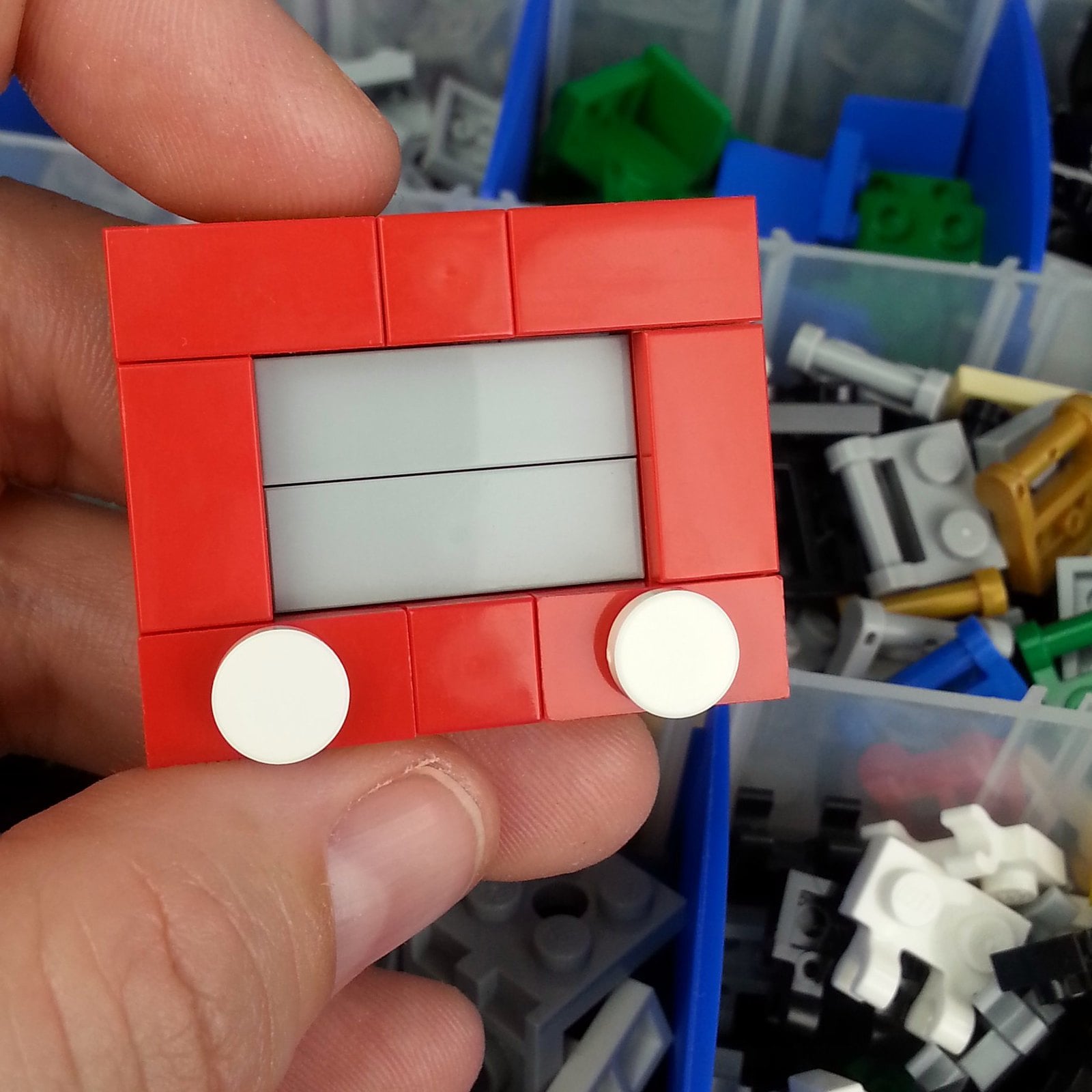
Etch A Sketch gives you two knobs — one for horizontal, one for vertical — and asks you to draw something that way, which is like being handed a typewriter and asked to write in cursive. The Ohio Art Company launched it in 1960, and the core sadism of the design has never been altered: you can only draw in one unbroken line, turning and turning those knobs, and a single shake erases everything permanently.
People who could draw portraits on an Etch A Sketch were operating at a level that felt genuinely supernatural.
Stretch Armstrong
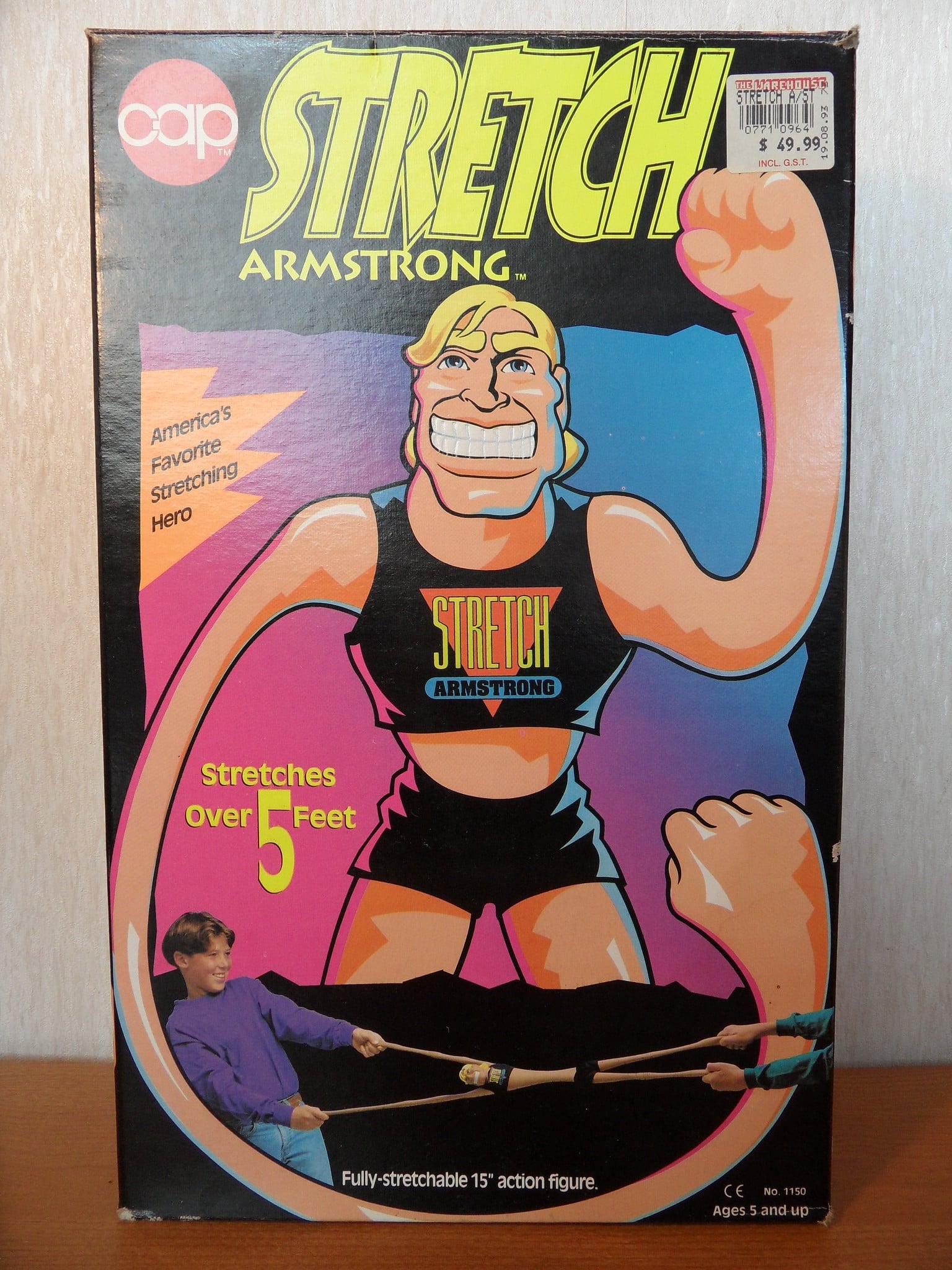
Stretch Armstrong was a gel-filled latex figure that could be pulled to several times its resting length without tearing — which sounds like a straightforward toy until you remember that virtually every child who owned one eventually destroyed it trying to find its limit. The tan, expressionless face and the specific cold weight of the figure are sensory memories that have survived decades in otherwise unreliable minds.
Kenner released the original in 1976, and the toy’s entire appeal was its indestructibility — a dare disguised as a plaything.
Spirited Debate: The Boomerang

A boomerang actually works — returns to the thrower when thrown correctly with the right angle and rotation — but almost no child who owned one ever made it work, which is a gap between promise and reality so wide it became its own kind of character-building exercise. The Australian returning boomerang has been in use for tens of thousands of years; the plastic versions sold in American toy stores in the ’80s operated on somewhat more ambiguous physics.
Most recess sessions ended with the boomerang stuck in a chain-link fence.
Rubik’s Cube
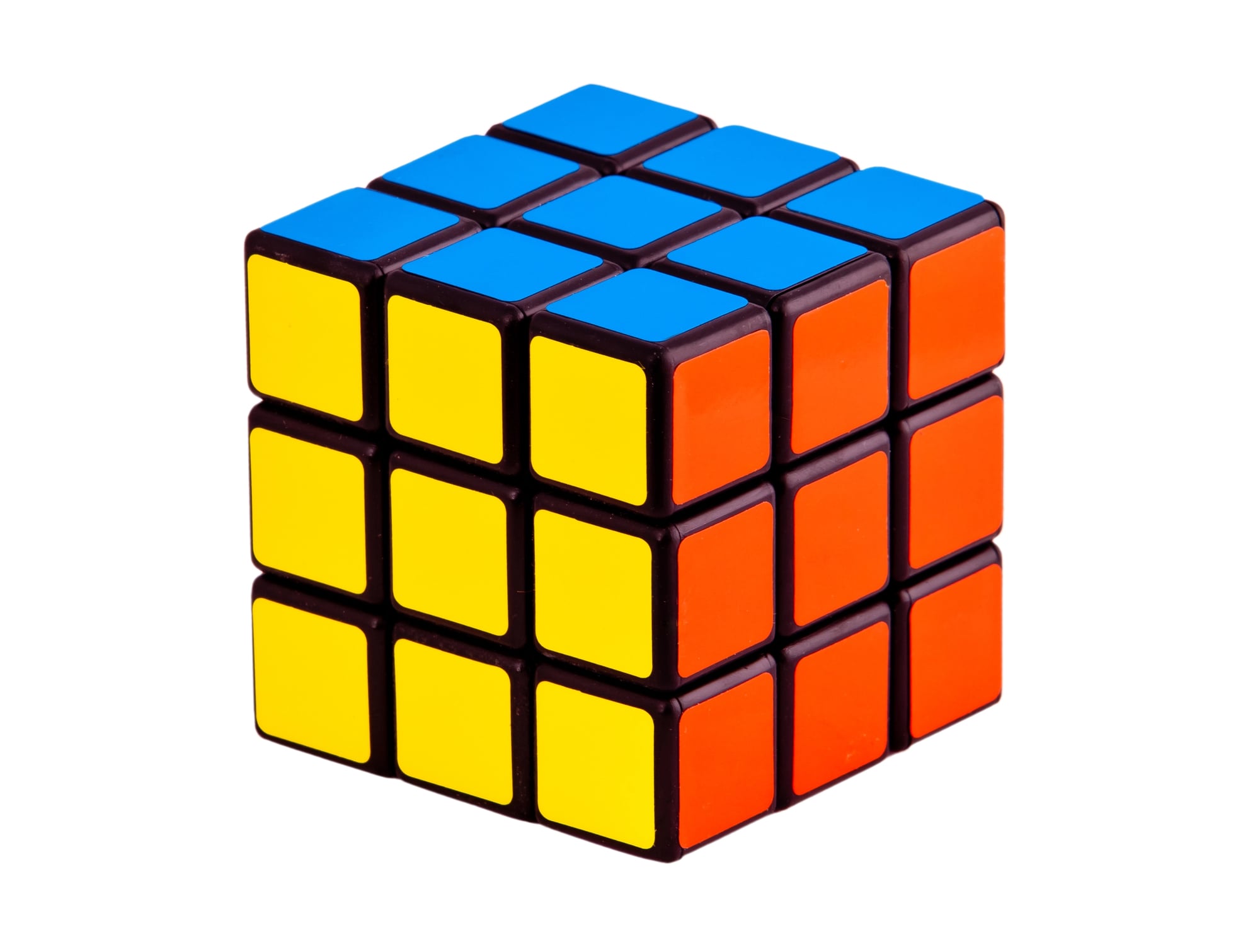
The Rubik’s Cube arrived in American toy stores in 1980 and immediately sorted children into two populations: those who solved it and those who quietly peeled off the stickers. Ernő Rubik designed it in 1974 as a structural puzzle, not a toy — a way to understand three-dimensional movement — and the gap between that intention and the million-unit sales that followed is one of the more interesting commercial accidents in toy history.
The fastest competitive solvers today finish in under four seconds, which means the puzzle you gave up on in 1987 is now a professional sport.
Silly Putty
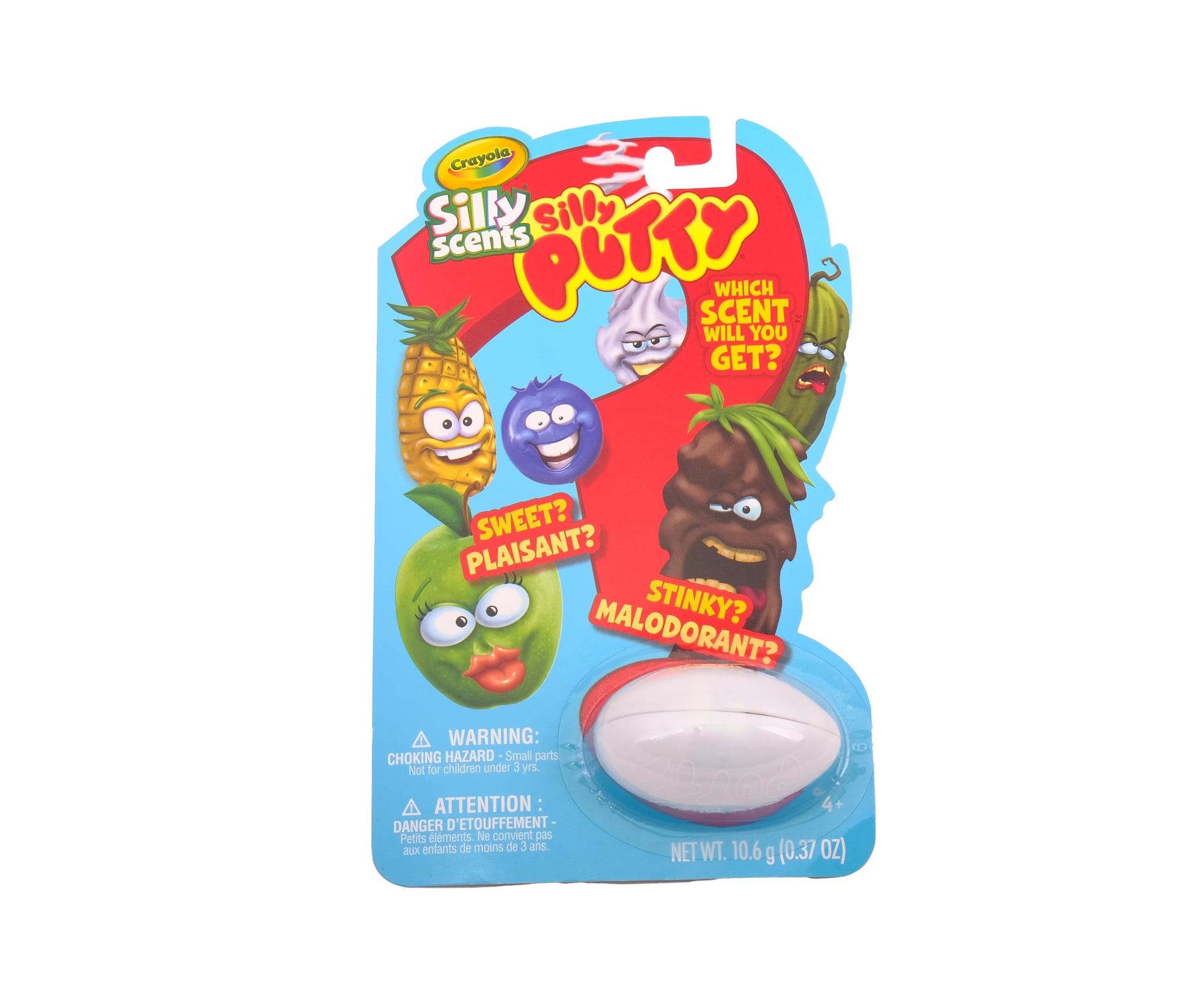
Silly Putty was a wartime accident — a failed synthetic rubber substitute developed at General Electric in 1943 — that ended up in a toy store, then in a plastic egg, then in the hands of roughly every American child for the next half century. You could press it against a newspaper comic strip and lift an exact reverse transfer of the image, a trick that felt like actual reproduction technology in the hands of a nine-year-old.
It bounced, it stretched, it shattered when you hit it with a hammer — a single material that broke every expectation of how a solid should behave.
Tinker Toys
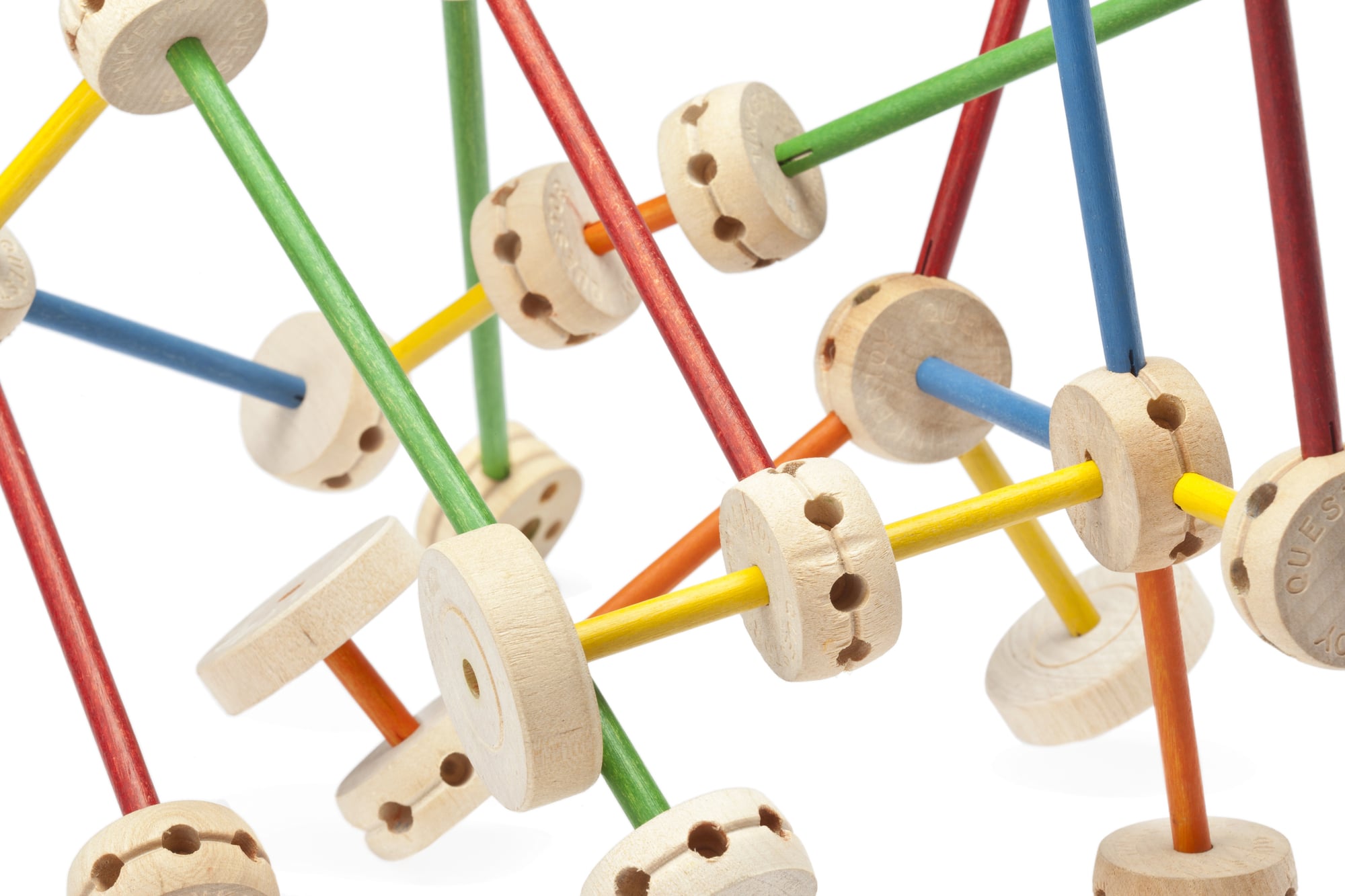
Tinker Toys — the wooden dowel-and-spool construction set created by Charles Pajeau in 1913 — occupied a quieter, more contemplative corner of playtime than the louder toys around them. There was no correct thing to build; the spools had openings at regular intervals and the dowels fit snugly, and from that simple grammar you could construct a windmill, a ferris wheel, something vaguely animal-shaped, or a structure with no name that you called a “machine.”
The Questor Corporation acquired the brand in the 1970s, and eventually Hasbro absorbed it, but the original wooden pieces had a weight and smell that no plastic update has replicated.
Slap Bracelets
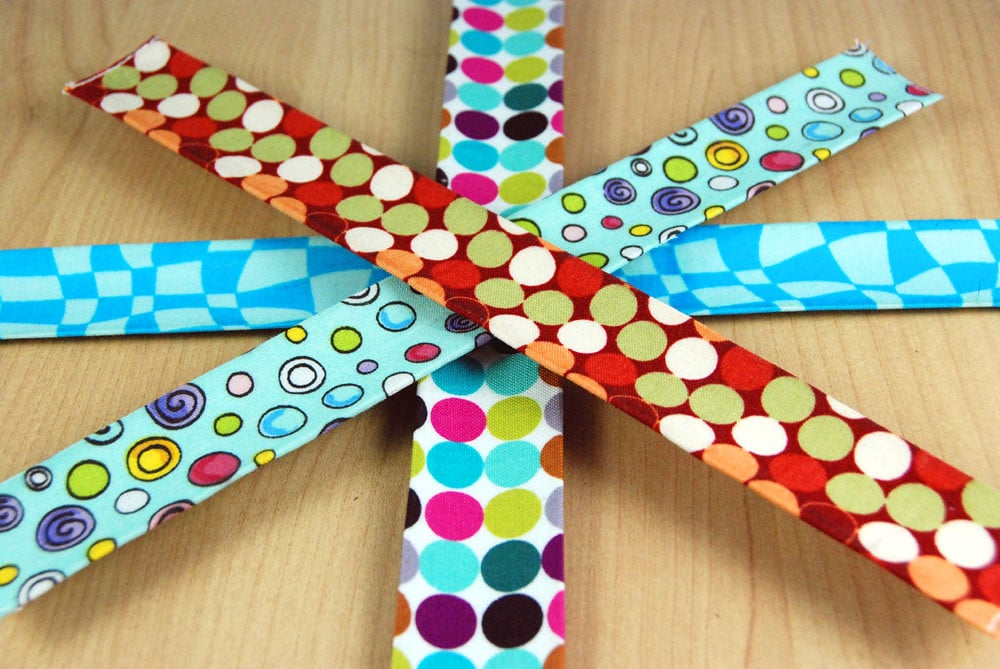
Slap bracelets — the flexible steel strips wrapped in fabric or vinyl that coiled around your wrist when you smacked them against your arm — were banned from so many schools in 1990 that the bans themselves became part of the toy’s identity. The edge of the steel strip could occasionally cut through worn fabric and nick skin, which is a real but minor hazard that was treated with the institutional seriousness of a genuine safety crisis.
The bracelets were cheap, satisfying, collectible, and deeply irritating to adults in authority — which covered all the necessary requirements for playground success.
Sock’em Boppers
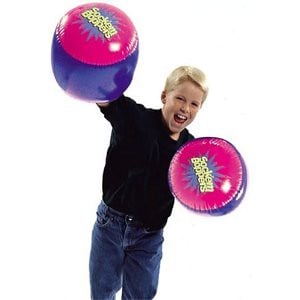
Sock’em Boppers — the inflatable boxing gloves from the late ’90s commercial that promised “more fun than a pillow fight” — turned gentle childhood aggression into an officially sanctioned product. They were large enough to diffuse real impact and made a satisfying hollow thud on contact, which was the entire design brief.
The commercial was on television constantly, the jingle was inescapable, and every kid who received a pair for a birthday or holiday immediately tried to find out how hard you could actually hit someone before the “fun” categorization stopped applying.
When the Blacktop Was the World
There’s a version of childhood that existed entirely outdoors, bounded by a chain-link fence and a bell schedule, where the equipment was cheap and the stakes felt enormous. The toys on this list weren’t sophisticated — most of them were plastic and metal and rubber, designed cheaply and sold in bulk — but they asked something of you: attention, patience, coordination, the willingness to lose and try again in front of everyone.
Recess was never really about the toys. It was about learning to occupy time without being told exactly what to do with it — which turns out to be a skill that doesn’t have an obvious replacement.
More from Go2Tutors!

- The Romanov Crown Jewels and Their Tragic Fate
- 13 Historical Mysteries That Science Still Can’t Solve
- Famous Hoaxes That Fooled the World for Years
- 15 Child Stars with Tragic Adult Lives
- 16 Famous Jewelry Pieces in History
Like Go2Tutors’s content? Follow us on MSN.