17 Interesting Facts About Noodles
Most people think they know noodles. They slurp them, twirl them, and toss them with sauce without a second thought. But beneath that familiar comfort lies a world of surprising history, wild science, and downright bizarre traditions that span continents and centuries.
Here are 17 fascinating facts about noodles that reveal just how extraordinary these simple strands really are.
Marco Polo Didn’t Bring Noodles to Italy
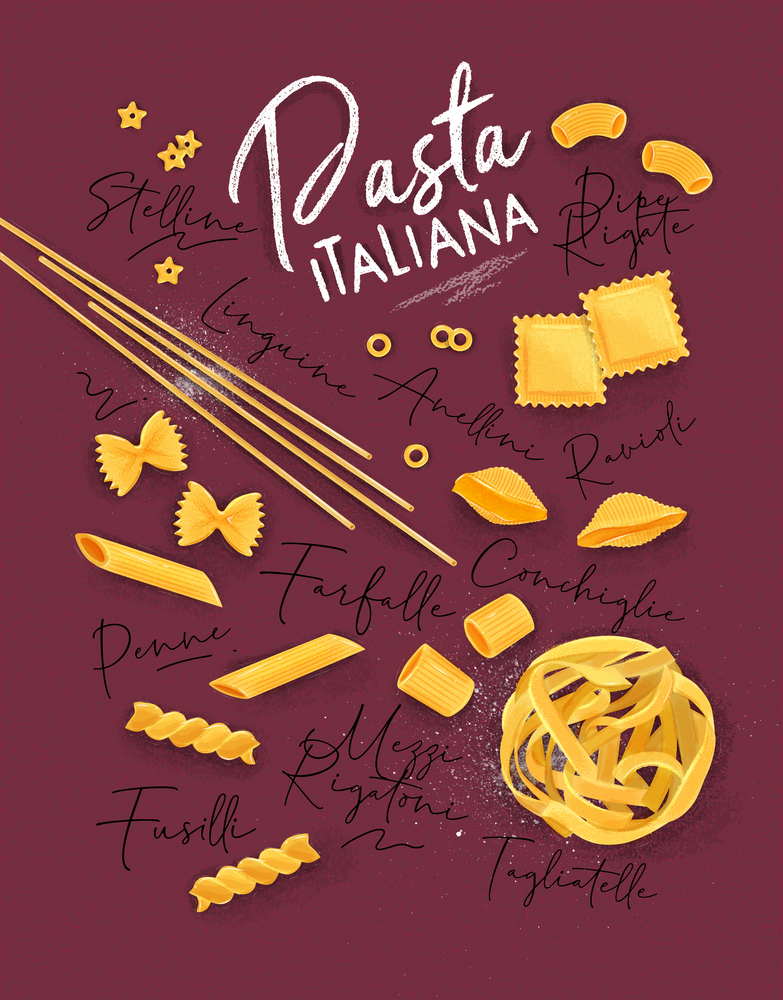
The famous explorer gets credit for introducing pasta to Europe after his travels to China. Complete myth. Archaeological evidence shows Italians were making pasta-like foods as early as the 4th century BCE. The Chinese were doing it even earlier, but Italy’s noodle game was already strong by the time Marco Polo was born.
Instant Ramen Was Invented by Accident
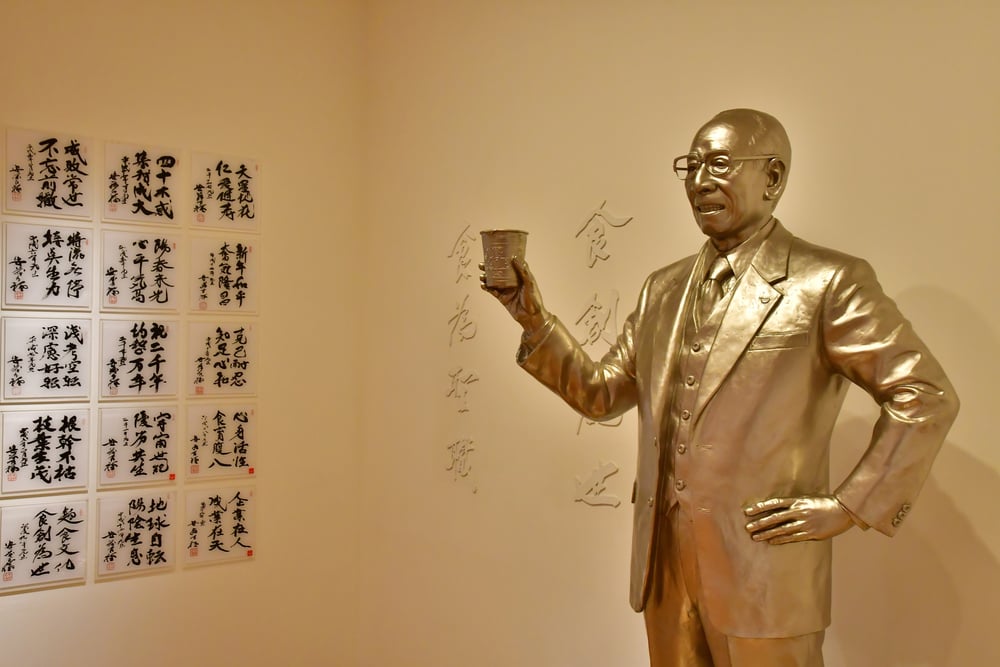
— Photo by packshot
Momofuku Ando wasn’t trying to revolutionize college dorm food in 1958. He was just experimenting with ways to preserve noodles longer. His flash-frying technique created those familiar dried bricks that changed how the world eats. The smell of that first batch probably filled his entire kitchen.
There Are Over 600 Pasta Shapes

Italy takes noodle variety seriously. Each region developed shapes for specific sauces and cooking methods:
- Long thin noodles for oil-based sauces
- Tube shapes for chunky vegetables
- Flat ribbons for cream sauces
- Stuffed varieties for special occasions
Some shapes exist only in single towns.
Soba Noodles Must Contain Buckwheat
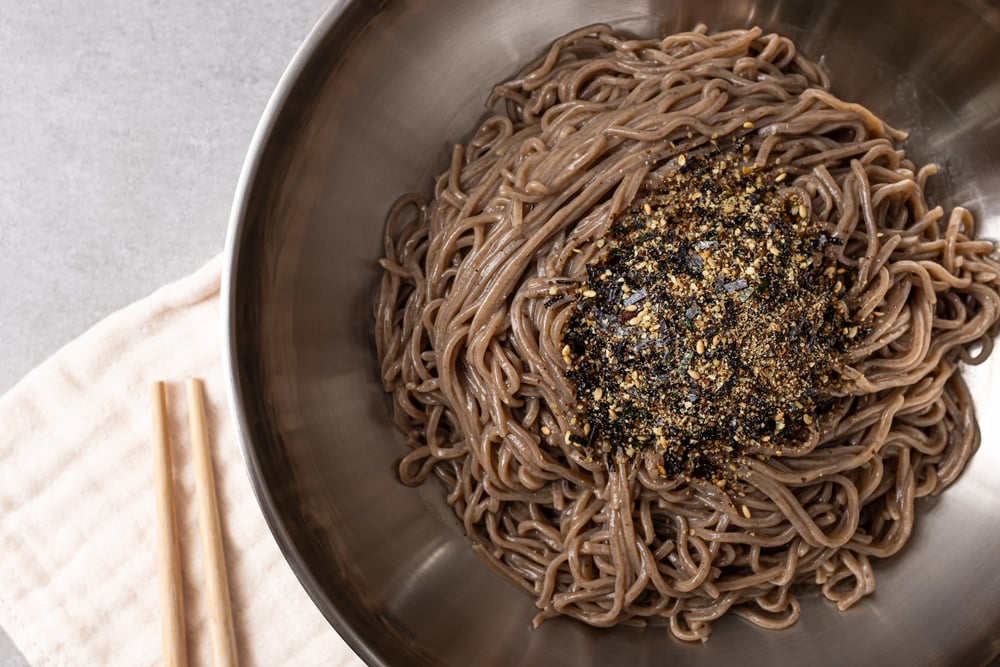
Real Japanese soba contains at least 30% buckwheat flour. But here’s the catch: buckwheat isn’t actually wheat. It’s more closely related to rhubarb. This gives soba its distinctive nutty flavor and slightly gray color that wheat noodles can’t match.
The World’s Longest Noodle Measured Over 10,000 Feet

— Photo by LeeSnider
Chinese chefs in Jinan stretched a single hand-pulled noodle to 10,119 feet in 2017. That’s nearly two miles of continuous dough. The process took hours of careful stretching and folding. One wrong move would have broken the record attempt.
Ramen Shops in Japan Are Incredibly Specialized

Many ramen joints serve only one type of broth. Tonkotsu shops focus on pork bone soup. Shoyu places do soy sauce-based broths. Miso specialists stick to fermented soybean bases. This laser focus creates incredible depth in single flavors rather than trying to do everything.
Pasta Water Is Liquid Gold
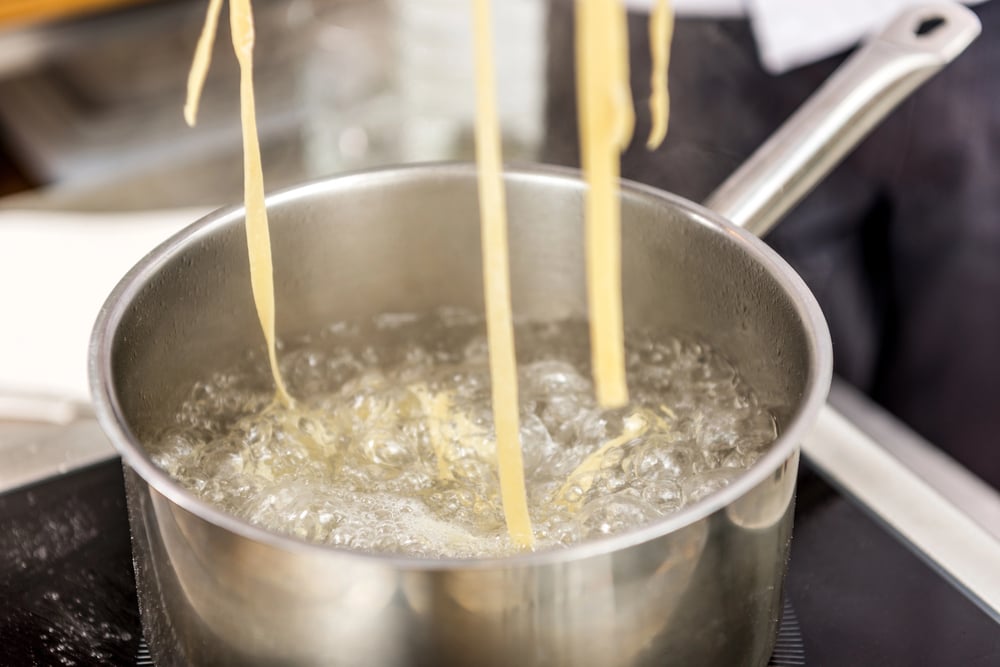
That starchy, salty water left after cooking pasta transforms sauces. Italian chefs call it “liquid gold” because it helps bind oil-based sauces to noodles perfectly. The starch content varies by pasta shape and cooking time. Never pour it down the drain until the dish is complete.
Vietnam Has a Noodle Soup for Every Meal

Pho gets all the attention, but Vietnam’s noodle soup tradition goes far deeper. Bun bo hue for spicy beef cravings. Bun rieu for crab and tomato mornings. Cao lau exclusively from Hoi An’s ancient wells. Each region guards its recipes like state secrets.
Buckwheat Noodles Help Lower Blood Sugar

Unlike wheat pasta, buckwheat noodles have a low glycemic index. They release sugar slowly into the bloodstream. This makes them popular among diabetics and health-conscious eaters. It still tastes good, which helps.
The Fork Was Invented for Pasta

Four-pronged forks appeared in Italy specifically for eating long pasta strands. Before this, people ate pasta with their hands or crude spoons. The fork revolution started in Italian noble courts before spreading across Europe. Pasta literally changed how humans use utensils.
Udon Noodles Need to Be Stepped On

Traditional udon makers wrap dough in plastic and literally dance on it. This develops the gluten structure that gives udon its characteristic chewiness. Modern machines can replicate the pressure, but many artisans still prefer the foot method for authentic texture.
Pasta Shapes Have Legal Definitions in Italy

The Italian government maintains official standards for pasta shapes. Spaghetti must measure between 1.92 and 2.03 millimeters in diameter. Deviation from these specs means it can’t legally be called spaghetti in Italy. They take their noodles seriously.
Cold Noodles Exist Because of Korean Summers
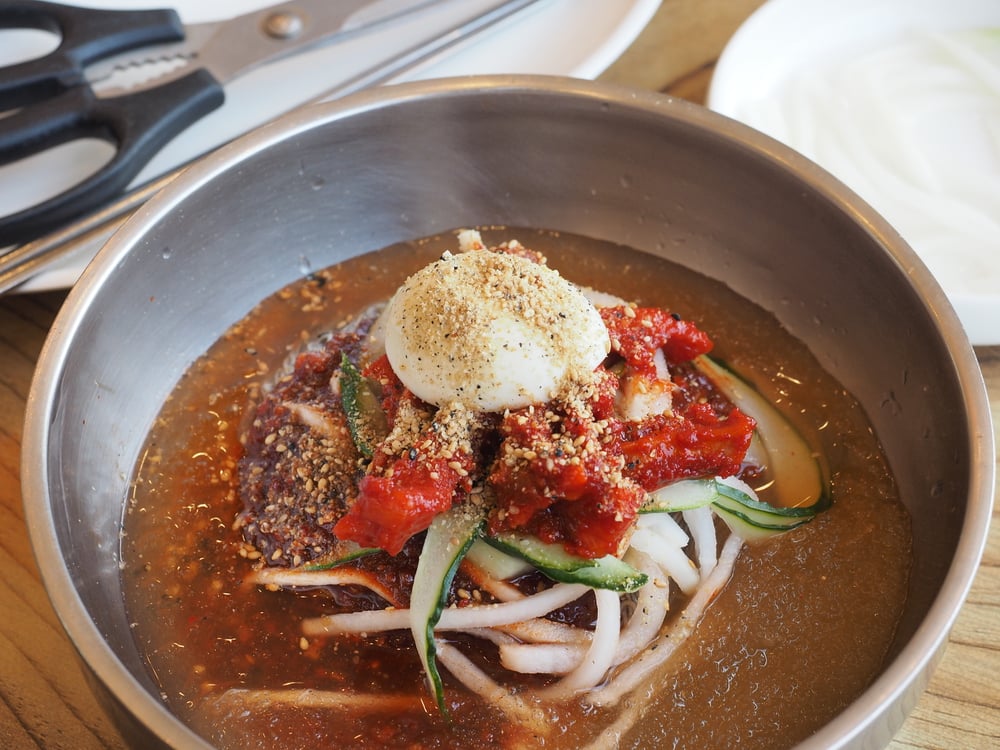
Naengmyeon, Korean cold buckwheat noodles, developed as relief from brutal summer heat. The dish is traditionally served in metal bowls to keep temperatures down. Ice cubes float in the broth. It’s one of the few noodle dishes designed to be refreshing rather than comforting.
Egg Noodles Don’t Always Contain Eggs

Commercial egg noodles often use yellow food coloring instead of real eggs. True egg pasta gets its color and richness from actual egg yolks mixed into the dough. The fake stuff tastes different and has a more rubbery texture.
Chinese Hand-Pulled Noodles Require Years to Master

The technique of La Mian masters is honed over decades. Until one piece of dough is made up of hundreds of thin strands, it is repeatedly stretched and folded. The quantity of noodles doubles with each fold. One piece of dough becomes 256 distinct noodles after eight folds.
Shirataki Noodles Are Almost Zero Calories

Konjac root, which is primarily water and indigestible fiber, is used to make these Japanese noodles. There are less than 20 calories in a full serving. They absorb flavors from the sauce they are cooked in, but they have almost no taste on their own. Well-liked by dieters for clear reasons.
Rice Noodles Must Be Soaked, Not Boiled

Rice noodles become mushy when boiled. Soaking them in hot water until they become pliable is the conventional method. This keeps them from crumbling in soups and stir-fries and maintains their delicate texture. Thickness affects timing.
The Noodle Thread That Binds Us All

From Italian grandmothers rolling fresh pasta to street vendors in Bangkok ladling boat noodles, these simple strands connect cultures in ways that transcend language and borders. Every slurp tells a story.
More from Go2Tutors!

- 16 Historical Figures Who Were Nothing Like You Think
- 12 Things Sold in the 80s That Are Now Illegal
- 15 VHS Tapes That Could Be Worth Thousands
- 17 Historical “What Ifs” That Would Have Changed Everything
- 18 TV Shows That Vanished Without a Finale
Like Go2Tutors’s content? Follow us on MSN.