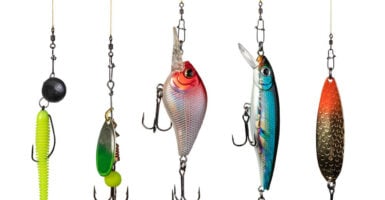
25 Vintage Fishing Lures Now Worth Real Money
Old tackle boxes tend to get handed down without much ceremony. A grandfather’s box ends up in a garage, the lures rust together in a tangle, and nobody looks closely until an estate sale or a move forces the question.
Collectors have been looking closely for decades. Wooden plugs with glass eyes, early plastic baits and even the cardboard boxes they came in can bring surprising sums, and condition decides nearly everything.
The Giant Haskell Minnow
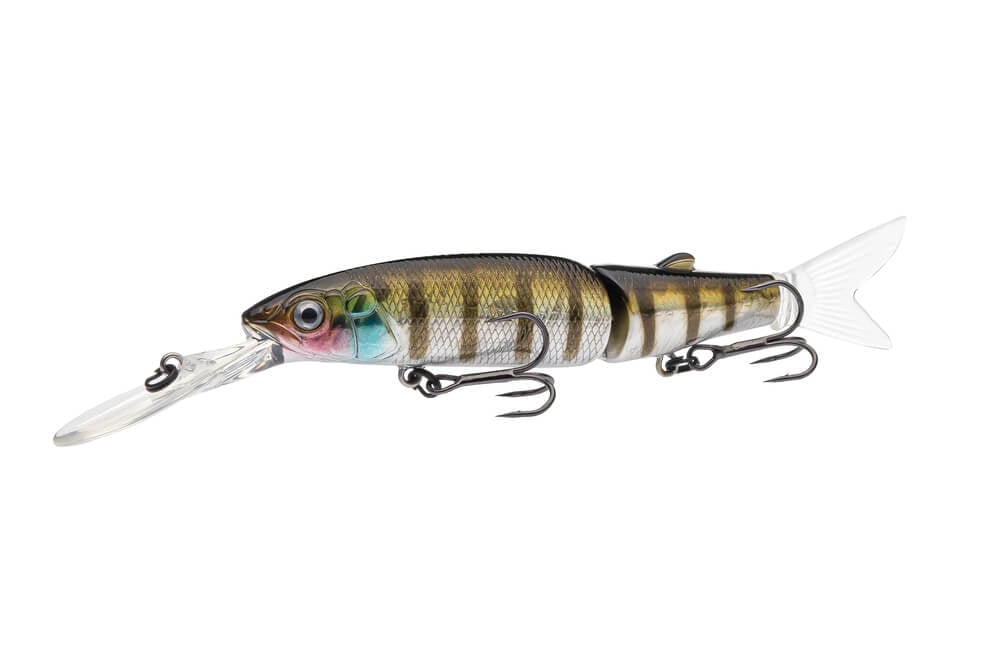
Riley Haskell was a gunsmith in Painesville, Ohio, who made a hollow copper minnow lure around 1859, complete with sculpted scales, fins and a revolving tail. His largest example, a 10-inch lure known as the Giant Haskell, sold at Lang’s Auction in 2003 for 101,200 dollars, a record that made headlines well beyond fishing circles.
Smaller Haskell minnows have since sold for tens of thousands of dollars. Very few survive.
Any metal minnow with a rotating tail and a patent stamp deserves a professional appraisal before anyone fishes with it again.
Heddon’s Slopenose Dowagiac
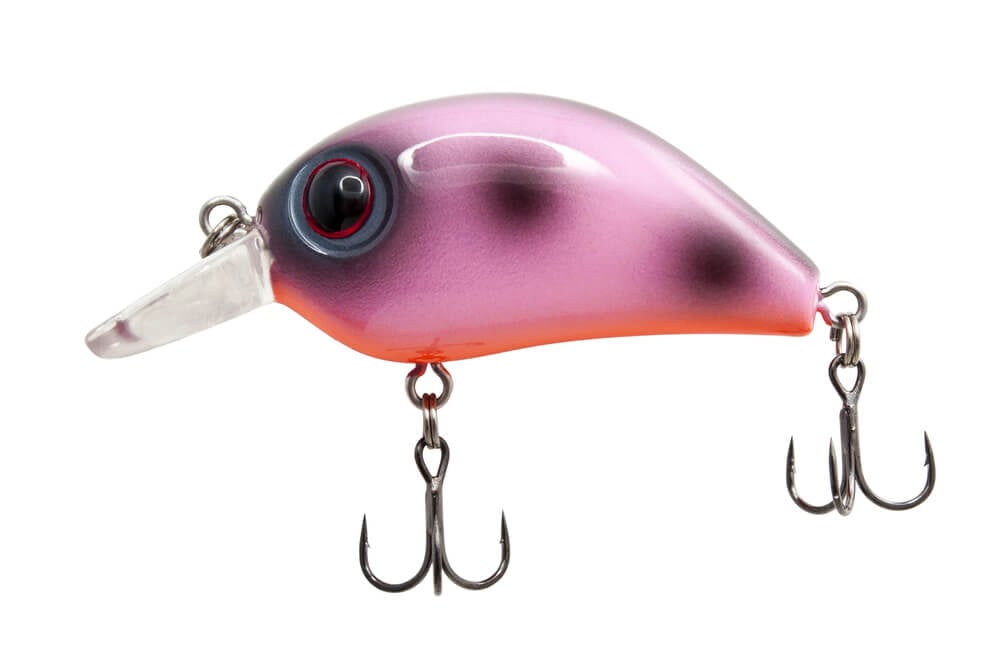
James Heddon was a beekeeper in Dowagiac, Michigan, who began carving wooden lures in the 1890s after watching a bass strike a piece of wood tossed into the water. He and his son formally established James Heddon and Sons in 1902, and among the earliest baits was a lure collectors call the Slopenose, sold as the Dowagiac casting bait.
Early examples with original paint have brought five-figure prices at specialized tackle auctions. Later Heddon lures are far more common.
The earliest ones, with crude hardware and hand-applied paint, are where the serious money sits.
Chautauqua Minnow From Jamestown
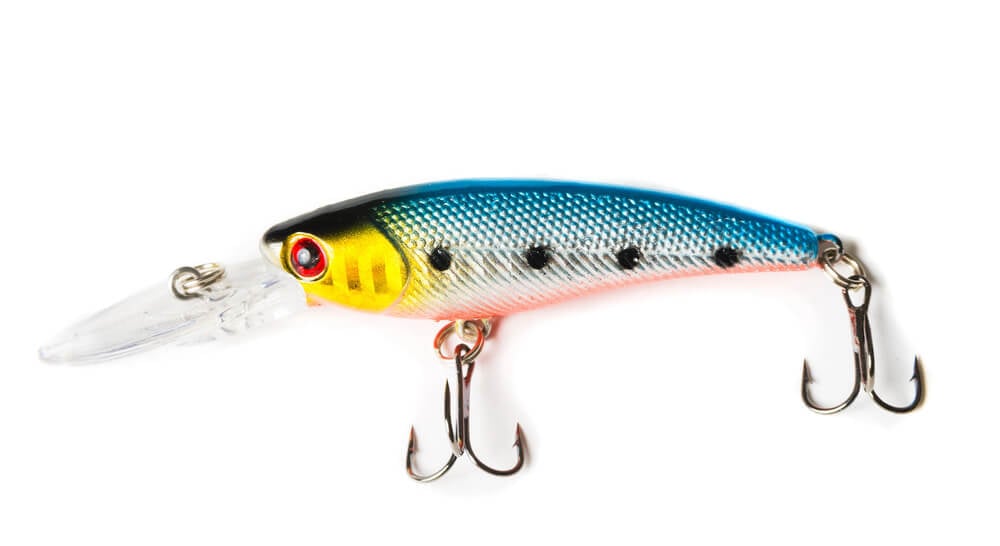
Krantz and Smith of Jamestown, New York, patented the Chautauqua Minnow in 1909, and it featured a weedless trolling hook design that set it apart from other baits of the era. Few were made, and fewer survived decades of hard fishing in lakes and rivers.
One example sold without a box or extras at a Blanchard’s Auction Service sale in Potsdam, New York, for 12,300 dollars. Silver finishes and intact paint are especially prized.
Collectors check closely for repainting, since a touched-up finish can cut the value dramatically.
Shakespeare’s Muskellunge Minnow
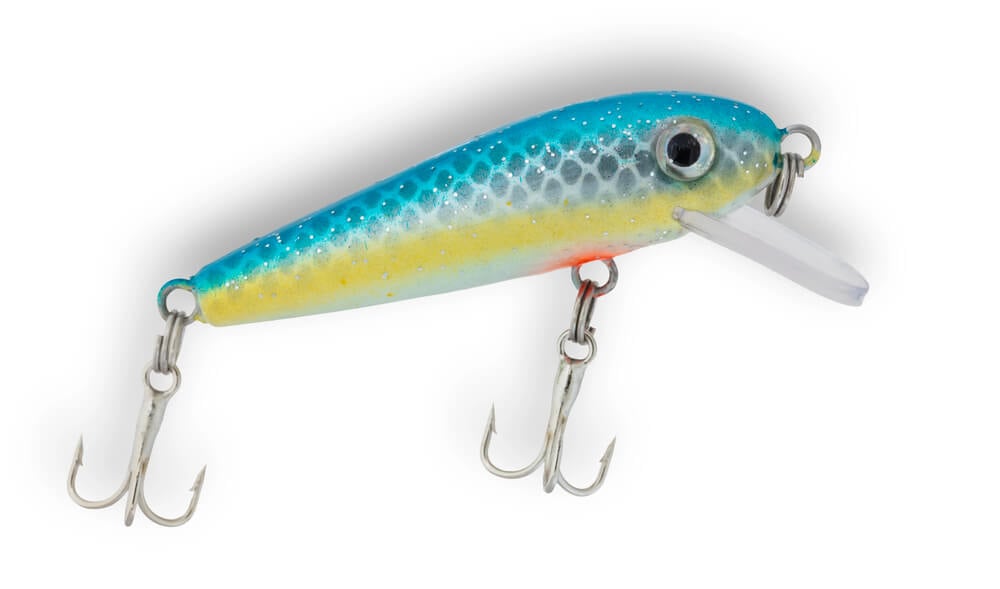
William Shakespeare Jr. built a tackle business in Kalamazoo, Michigan, around 1900, and his wooden minnows became some of the most collected lures in the hobby. A Shakespeare Muskellunge Minnow, a big multi-hook bait for musky, once sold at Lang’s for 23,100 dollars, far beyond its presale estimate.
Common Shakespeare lures from later decades sell for modest sums. The early glass-eyed wooden minnows with original hardware draw the competitive bidding.
Paint loss, replaced hooks and cracked bodies can separate a valuable lure from an ordinary one.
Winchester’s Brief Tackle Years
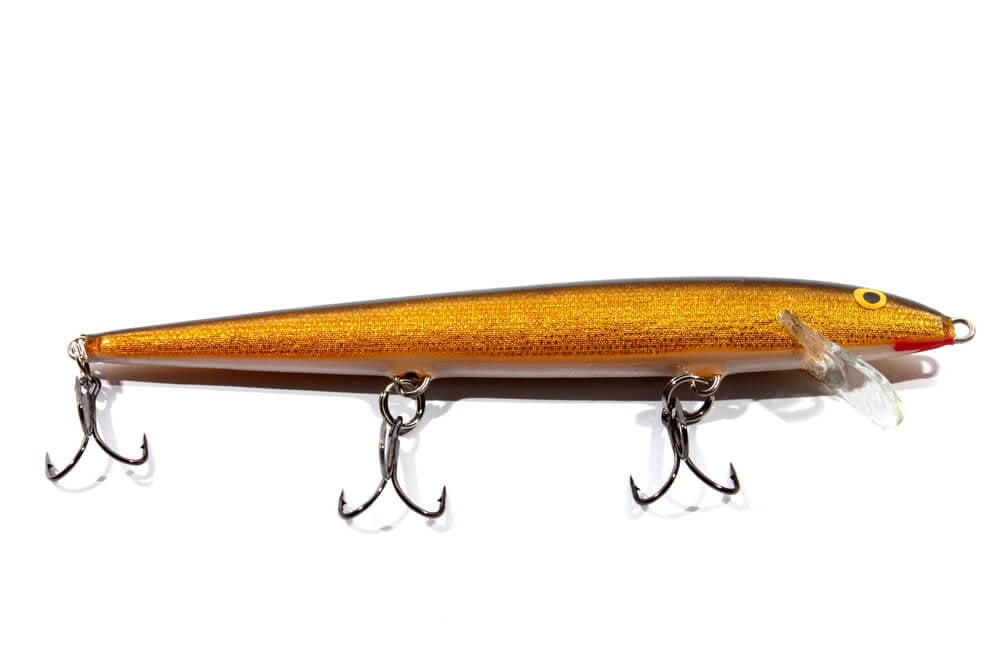
Winchester Repeating Arms Company is famous for rifles, yet after World War I it also made fishing tackle, including wooden lures, following its purchase of the Hendryx company in 1919. Its Multi Wobbler appeared in 1921, alongside three-hook and five-hook minnows.
The company left the tackle business within about a decade, so the lures had a short production run. Gun collectors and lure collectors both chase them, which pushes prices up.
Fakes and fantasy pieces bearing the Winchester name are common, so provenance and authentication matter.
Creek Chub Bait Company Lures
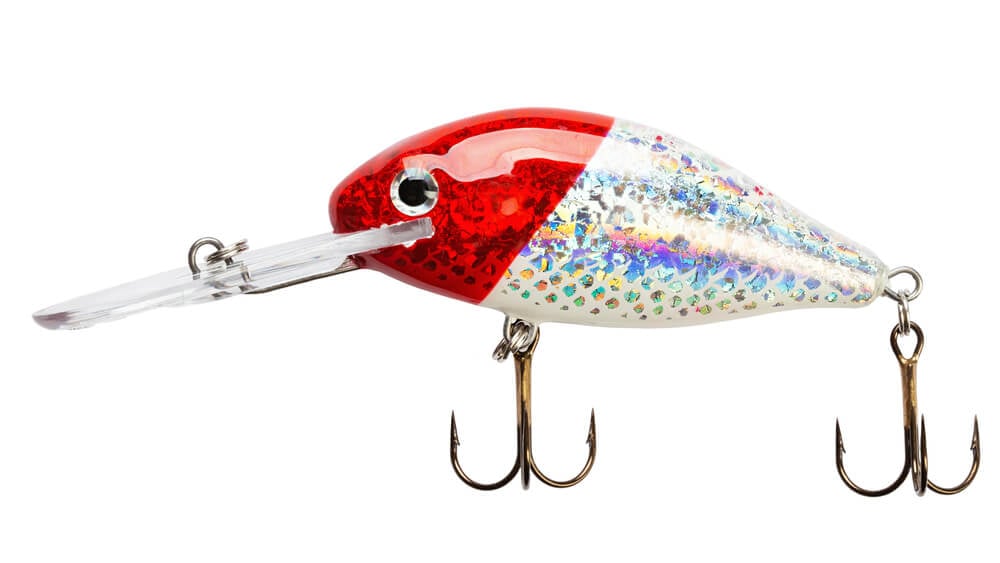
Creek Chub Bait Company was founded in Garrett, Indiana, in 1916, and its Wiggler, Pikie Minnow and Darter became staples in American tackle boxes. The company was known for realistic scale finishes, and its Wigglefish is widely reported as the lure that caught George Perry’s record largemouth bass in 1932.
Most Creek Chub lures are common enough to sell for modest sums. Rare colors, early versions with glass eyes and lures in their original boxes bring considerably more.
Chipped paint and rusted hooks lower values quickly.
Zara Spook and Walking the Dog
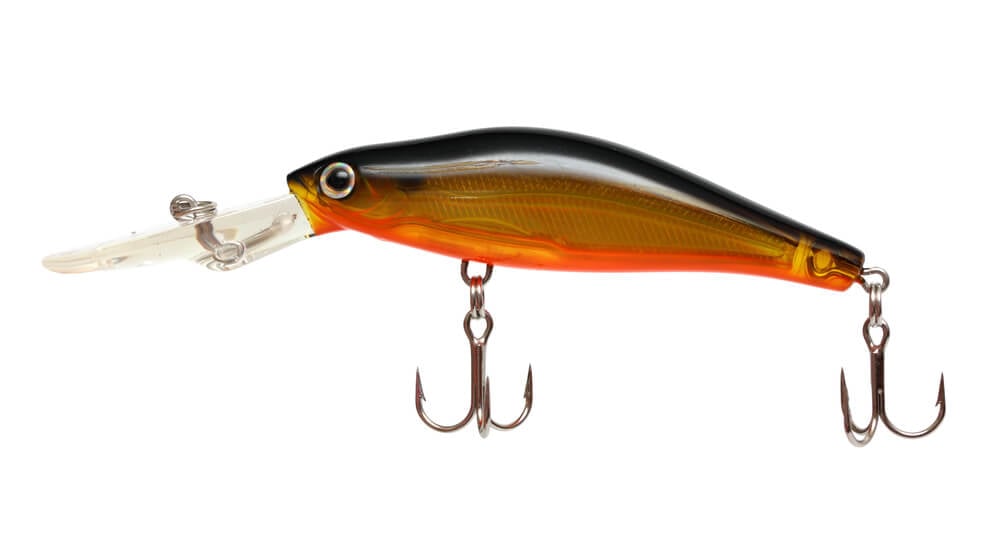
Heddon developed the Zara Spook from an earlier wooden lure called the Zaragossa, and the plastic version arrived in the 1939 catalog. The slender topwater plug made famous a retrieve anglers call walking the dog, a side-to-side zigzag across the surface that imitates a wounded baitfish.
Heddon used the word Spook for its transparent-looking plastic lures. The Zara is still made, so most examples are worth little.
Early versions with period hardware and boxes are what collectors want, and wear from years of fishing reduces value considerably.
River Runt and the Spook Plastics
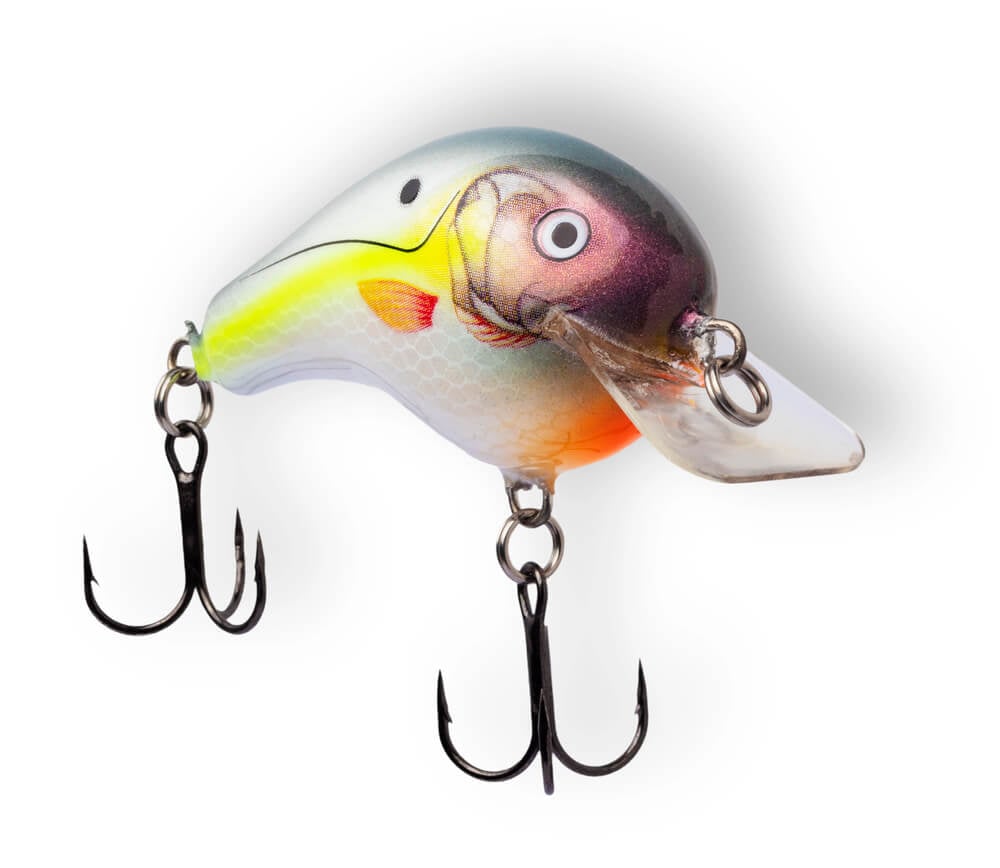
Heddon’s wooden River Runt appeared in its catalog in 1929, and a plastic River Runt Spook followed in 1933, modeled on the larger Heddon Vamp. The plastic version became one of the most successful early plastic lures in the country, with more than a dozen variations produced over the following decades, including jointed, sinking and weedless models.
Nearly every old tackle box seems to hold at least one. Common River Runts sell cheaply at flea markets.
Early colors, rare variations and examples with the original box and paperwork are the ones that bring collector prices.
The Heddon Crazy Crawler
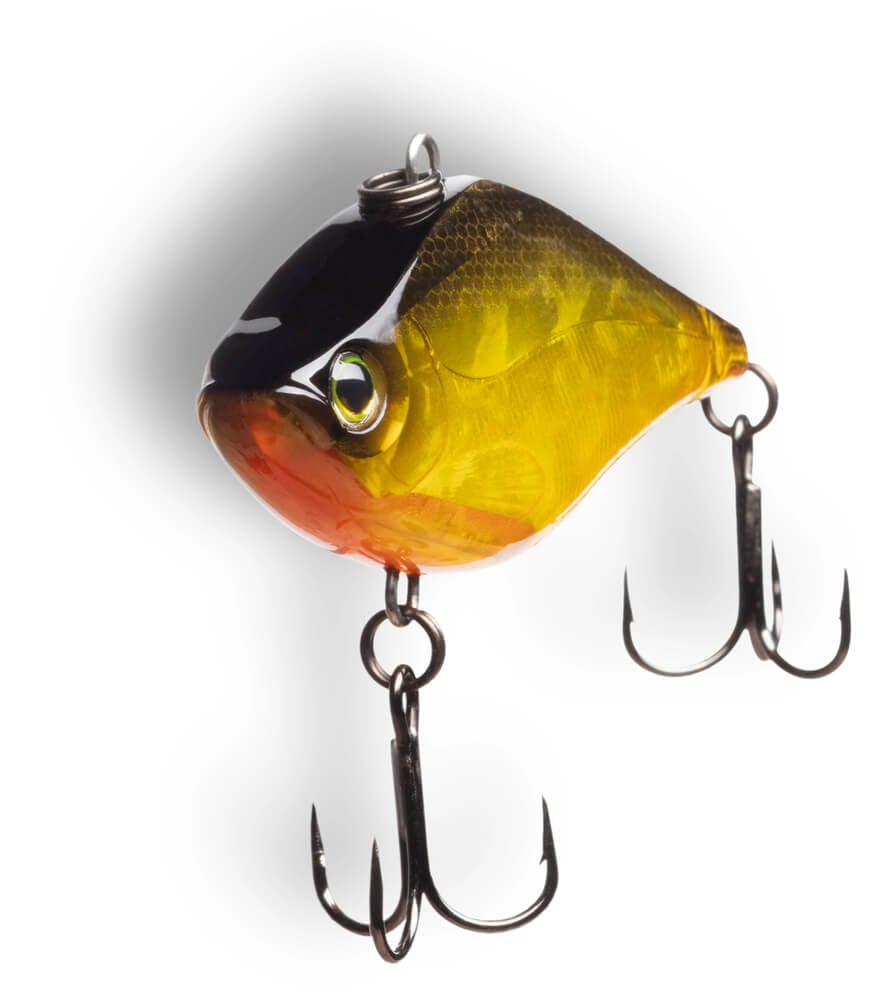
Heddon introduced the Crazy Crawler as new in 1940, after buying the patent rights from an inventor named Jim Donaly. The lure has metal wings that flap as it is reeled across the surface, making a racket that bass find hard to ignore, especially at dusk.
Wooden versions lasted into the 1950s before plastic took over the line completely. Anglers still use newer models on summer evenings.
Wooden originals in uncommon colors draw collector interest, and missing or bent wings sharply reduce what they bring at auction or online.
Heddon Vamp From the 1920s
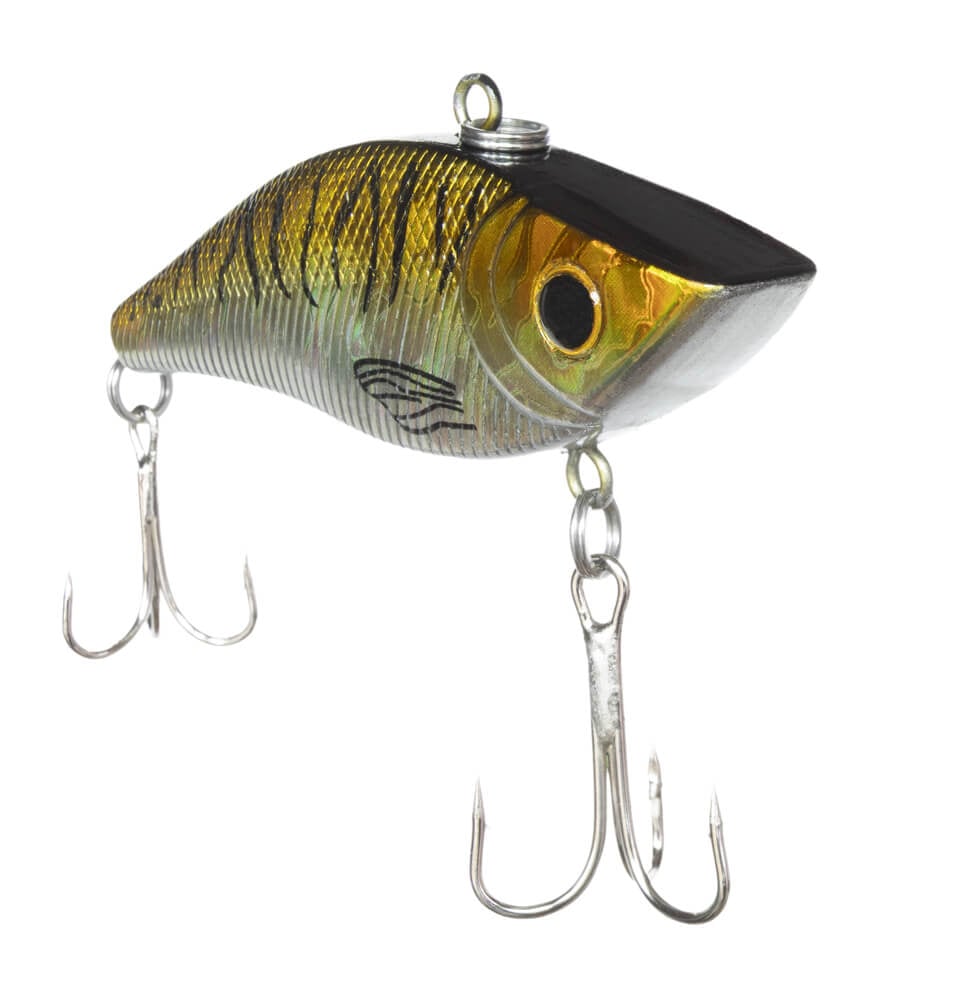
Heddon’s Vamp was a wooden diving plug from around 1920, and its shape later inspired the River Runt and several other baits. It came in several sizes and finishes, including jointed versions and a larger Musky Vamp built for heavier fish.
Glass eyes and early hardware date the oldest examples. The Vamp sold in large numbers, so ordinary fished examples remain affordable for new collectors.
Uncommon colors, mint paint and original boxes push prices higher, while crazed paint, cracked lips and missing hooks drag them down.
Arbogast Jitterbug
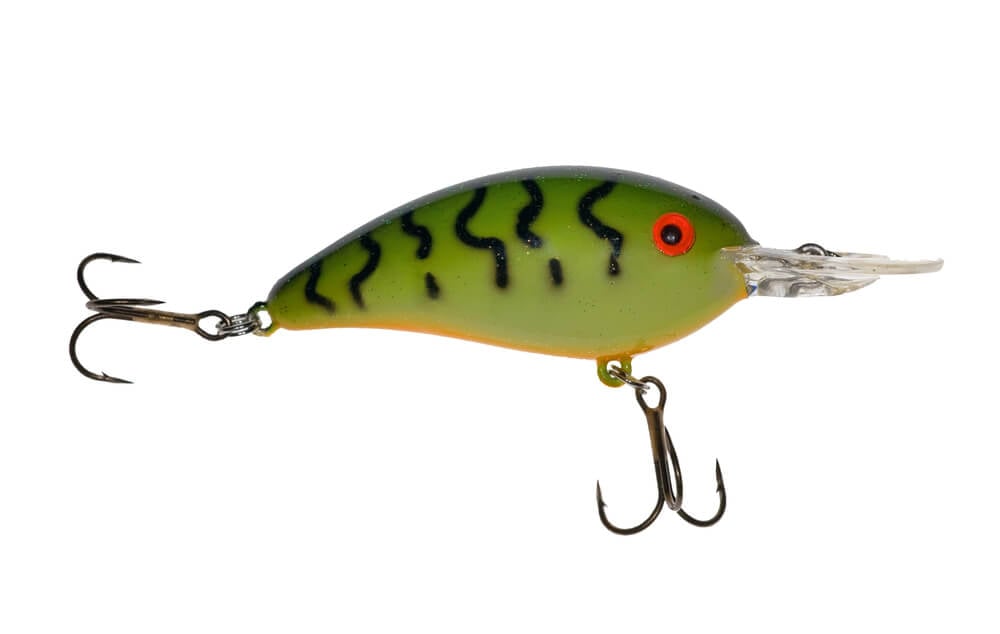
Fred Arbogast of Akron, Ohio, introduced the Jitterbug in the late 1930s, a topwater lure with a wide metal lip that makes it wobble and gurgle across the surface. During World War II, metal shortages forced the company to make some Jitterbug lips out of plastic, and those wartime versions are now a collector curiosity.
Night anglers have trusted the lure for generations. The Jitterbug is still produced, so modern examples are inexpensive.
Early wooden bodies, wartime plastic lips and boxed examples are the versions worth setting aside.
Arbogast Hula Popper
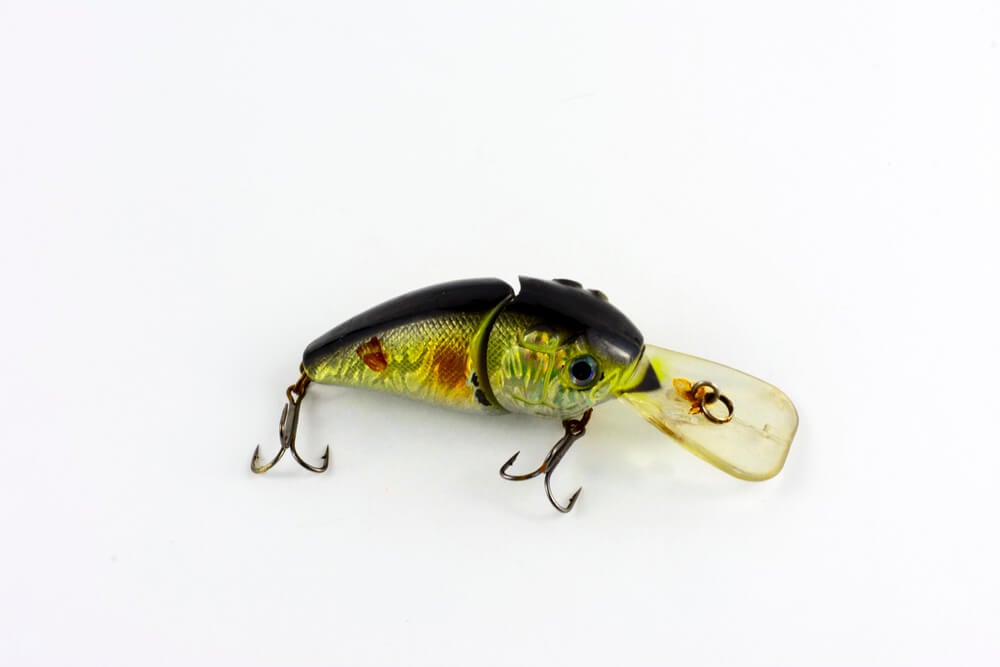
Arbogast’s Hula Popper became a favorite in the years after World War II, a cupped-face topwater bait with a rubber skirt that flutters when the lure sits still. Bass anglers learned to cast it near weed beds, let the rings fade and then pop it forward.
The design was copied widely by other companies. Original Arbogast skirts tend to dry out and crumble, so early examples in good shape are harder to find than the lure’s popularity suggests.
Intact skirts, clean paint and original boxes add real value.
Pflueger Luminous Lures
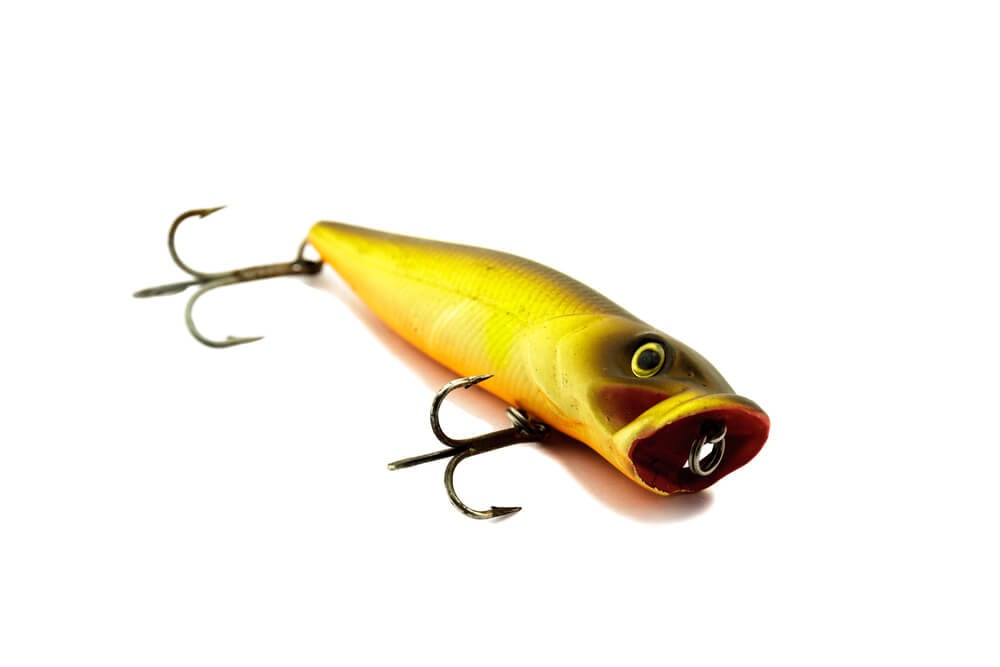
The Enterprise Manufacturing Company of Akron, Ohio, run by the Pflueger family, made fishing tackle from the 1880s and became known for lures coated in luminous paint that glowed in dark water. Pflueger baits such as the Neverfail and the Globe became widely sold through the early 20th century.
Early luminous examples are scarce, since the paint often flaked off with use. Pflueger reels are collectible as well.
Lures with original glow paint, intact hardware and boxes stamped with the Pflueger name bring the strongest prices.
South Bend Bass-Oreno
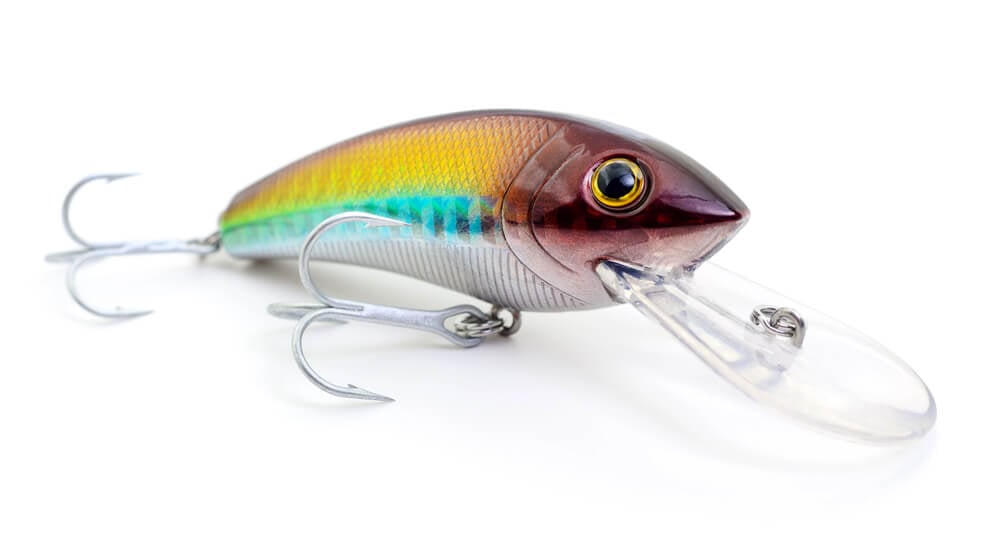
South Bend Bait Company of South Bend, Indiana, made the Bass-Oreno one of the most popular wooden lures of the 1910s and 1920s. Its curved, scooped head gave it an erratic darting action, and the lure sold in huge numbers through hardware stores, sporting goods shops and mail-order catalogs.
South Bend also made rods and reels that collectors chase. Because so many Bass-Orenos were made, ordinary examples sell for modest amounts.
Early glass-eyed versions, rare colors and boxed lures with clean paint are worth more attention.
Original Finnish Rapala Minnows
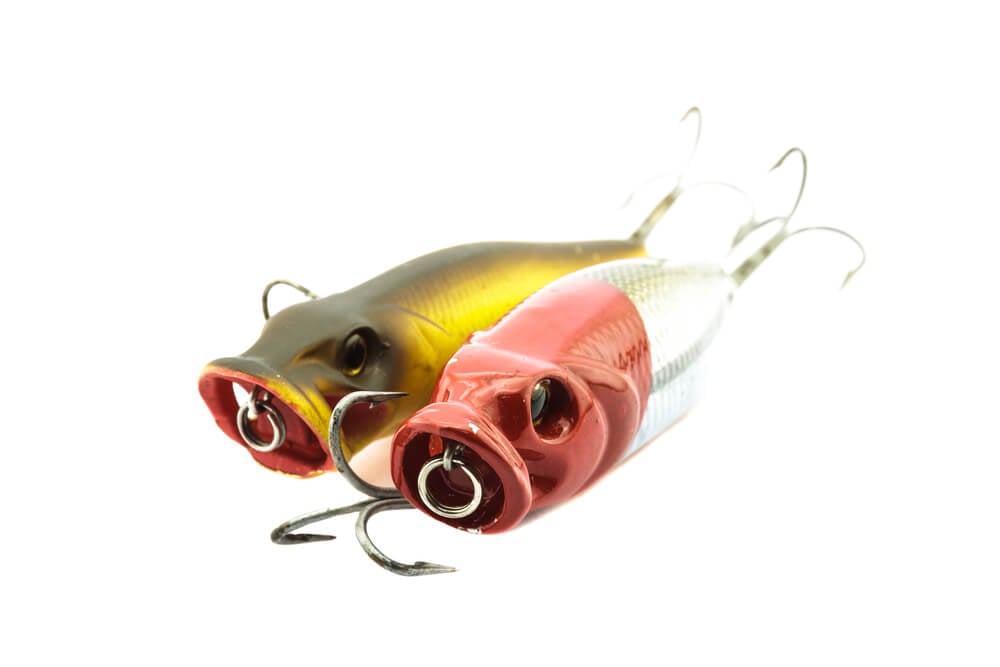
Lauri Rapala carved his first floating minnow in Finland in 1936, shaping it from cork and wrapping it in tinfoil candy wrappers and melted photographic film. The lure reached a mass American audience after Life magazine featured it in 1962, in the same issue that covered Marilyn Monroe’s death.
Demand soared almost overnight, and the small family company in Finland reportedly struggled for years to keep up with American orders. Most Rapalas are modern and inexpensive.
Early Finnish-made examples in original boxes interest collectors, and lures with early markings are the rare finds.
Lazy Ike From Iowa
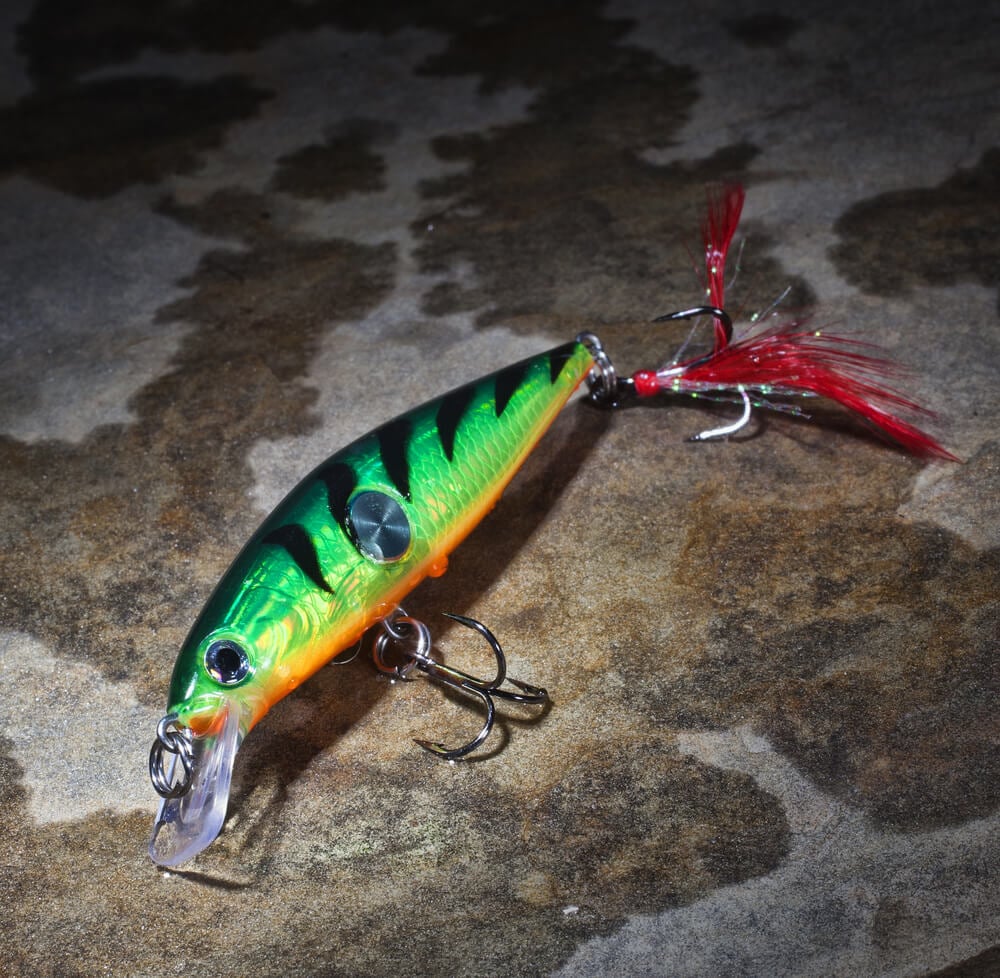
Lazy Ike was an Iowa-born wooden lure that became a favorite in the 1940s and 1950s, with a banana-shaped body and an exaggerated wobble at slow speeds. It sold widely in Midwestern sporting goods stores and bait shops.
Anglers liked it for walleye, bass and panfish, and many fished it until the paint was gone. Common later plastic examples are inexpensive today.
Early wooden Lazy Ikes with clean paint and original boxes bring more, while worn finishes and missing hooks keep most examples at budget prices.
Helin Flatfish
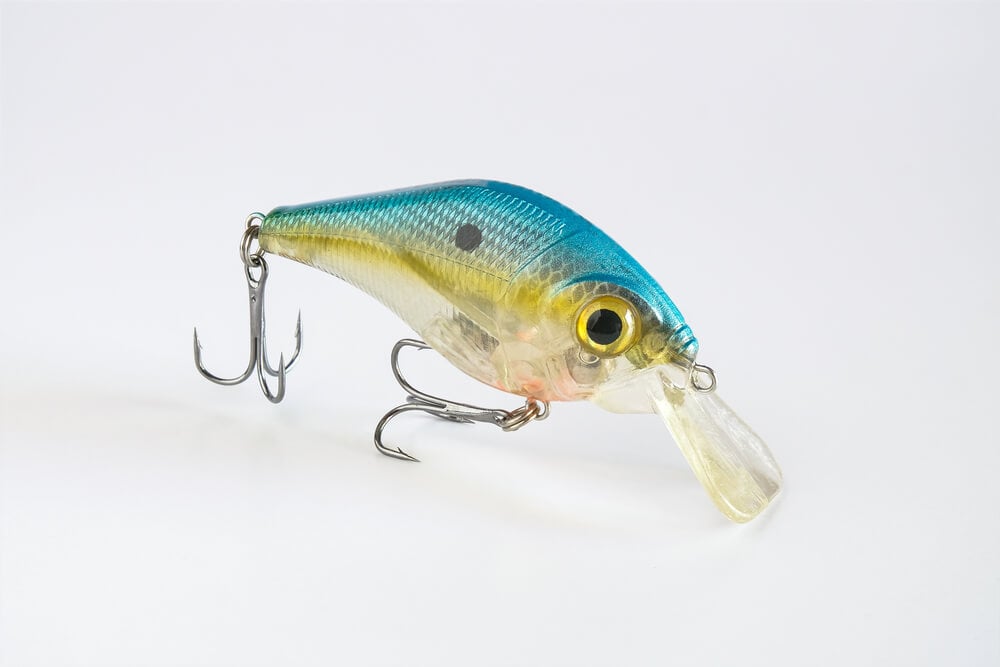
Charles Helin of Detroit introduced the Flatfish in the 1930s, a wide, curved lure with a distinctive wobbling action that made it a favorite for trout and salmon trolling. Huge numbers were sold over the following decades, and the design remains in production under later owners.
That abundance means most Flatfish are worth only a few dollars. Early wooden versions, uncommon sizes and boxes printed with Helin’s original Detroit address are what collectors hunt.
Cracked bodies and rusted hardware sink the value of an otherwise interesting example.
Bomber Lures From Texas
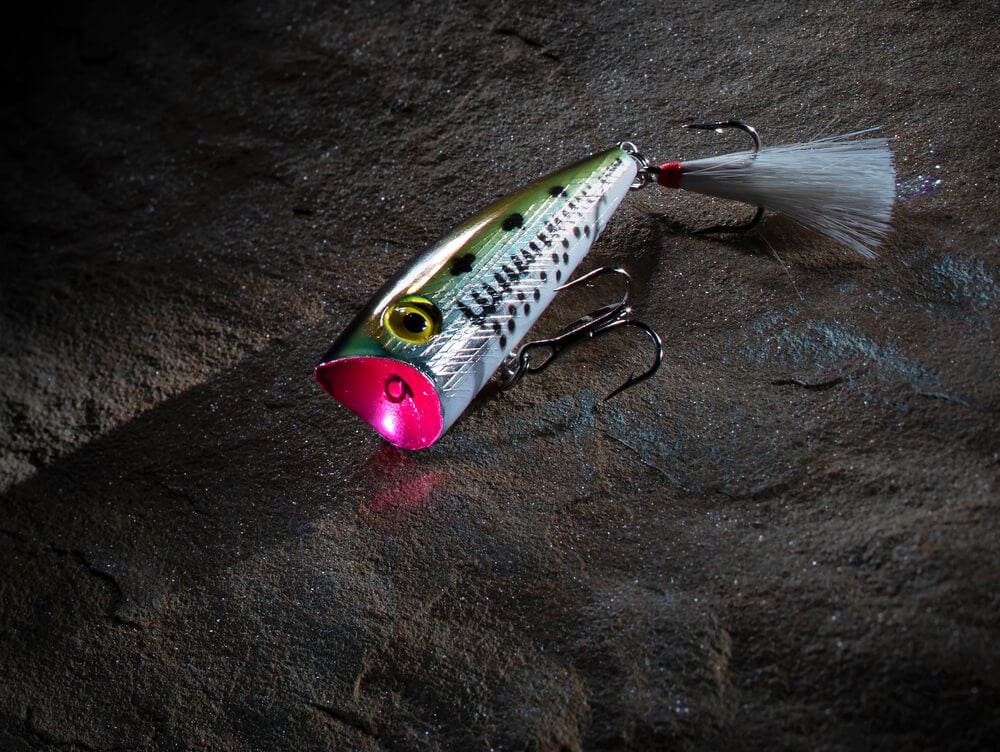
Bomber Bait Company began in Gainesville, Texas, in the 1940s, and its wooden diving plugs became a Southern bass fishing staple. The lures were built to dig deep in the big reservoirs that dams were creating across the South, a new kind of water for bass fishing.
Later models moved to plastic as production grew. Wooden Bombers from the early years, especially in unusual colors, are the ones collectors want.
Water damage, cracked paint and replaced hooks lower their value considerably, so careful storage matters.
The Dardevle Spoon
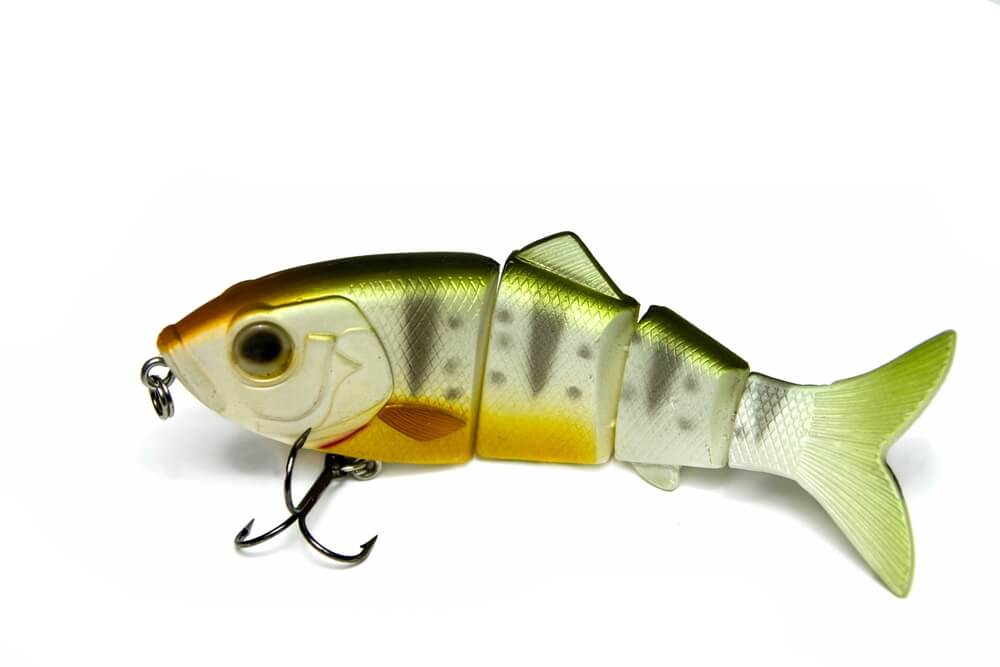
Lou Eppinger of Detroit developed a wobbling brass spoon after a 1906 fishing trip in the Ontario wilderness and sold it as the Osprey by 1912. After World War I he renamed it the Dare Devil, inspired by the nickname of Marines at Belleau Wood, then changed the spelling to Dardevle to avoid offending churchgoing customers.
The red-and-white striped spoon is among the most copied lures in history. Common Dardevles sell cheaply, while early Detroit-stamped spoons and unusual finishes bring more.
Tarnish, pitting and scratched paint all reduce value.
Johnson Silver Minnow
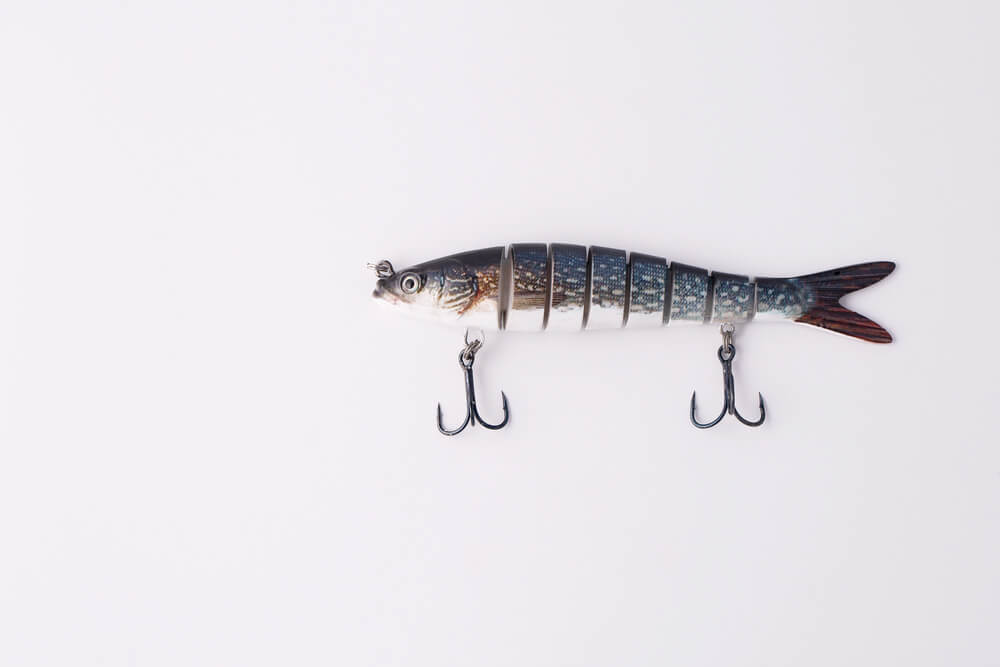
Johnson’s Silver Minnow is a weedless spoon from Chicago that became a classic in the 1920s, designed to slide through weeds and lily pads without snagging. Anglers dressed it with pork rind strips or plastic trailers for pike and bass.
The basic design is still sold, almost unchanged. Early examples with original packaging and clear Johnson markings are collectible in a modest way.
Value depends heavily on plating condition, since worn silver finishes are far more common than bright ones, and pitted spoons sell for very little.
Al Foss Pork Rind Minnows
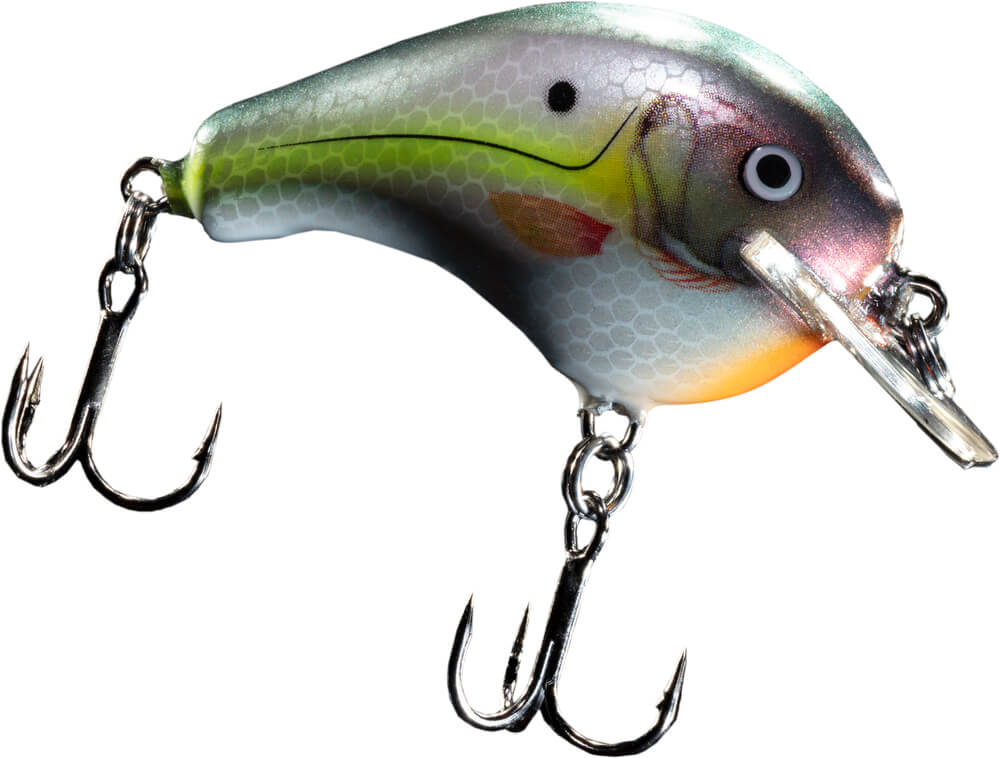
Al Foss made a name in Ohio in the 1910s and 1920s with lures designed to carry strips of pork rind, which gave them lifelike movement in the water. His Oriental Wiggler and related baits were heavily advertised in outdoor magazines of the era.
The lures were metal-headed with hooks shaped to hold the rind in place. They are collectible now for their early design and colorful packaging.
Complete examples with boxes or original advertising cards bring the best prices, and rusted hooks or bent heads reduce interest.
Oscar Peterson Fish Decoys
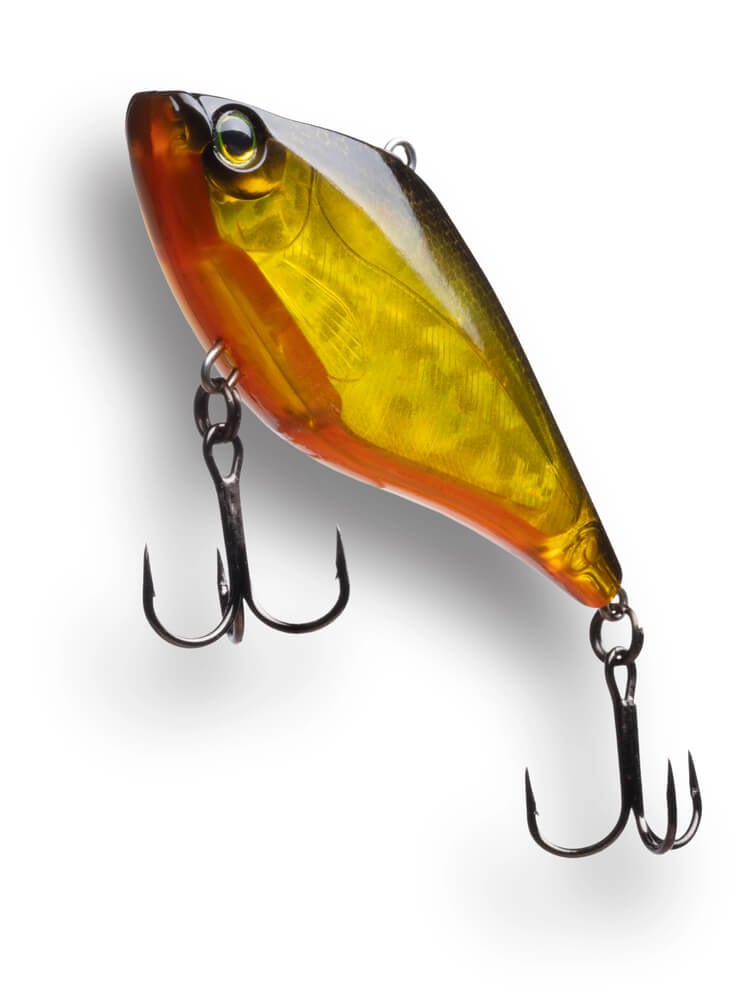
Oscar Peterson of Cadillac, Michigan, carved thousands of wooden fish decoys for ice spearing during the first half of the 20th century. Spear fishermen dangled the decoys through the ice to lure pike and muskie close enough to strike.
Peterson’s painted fish, with their bold colors and simple carving, have since been recognized as American folk art and appear in museum collections. Good examples regularly bring thousands of dollars at auction.
Repainting lowers their value sharply, and reproductions are common enough that experts advise careful authentication.
Original Lure Boxes
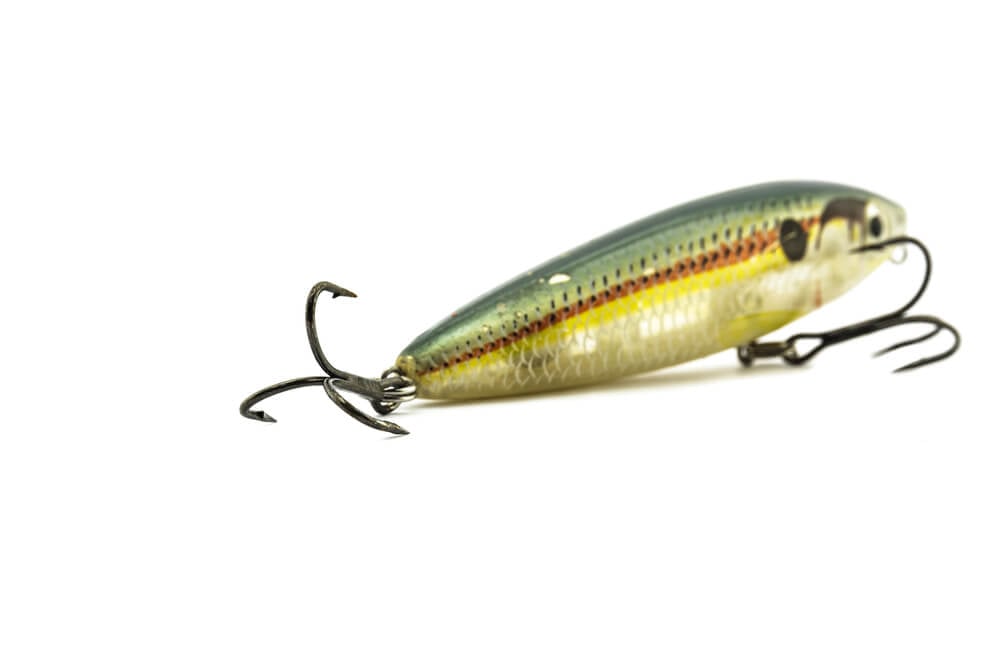
Boxes for vintage lures can be worth as much as the lures themselves, and sometimes more. Early two-piece cardboard boxes with printed illustrations, maker names and model numbers help date a lure and prove it is original.
Collectors often say a correct, clean box can double or triple a lure’s value. Most boxes were thrown away on the dock or burned with the trash, which makes survivors scarce.
Water stains, torn corners and missing end labels reduce value, but even a worn box deserves to stay with its lure.
Hand-Carved Folk Lures
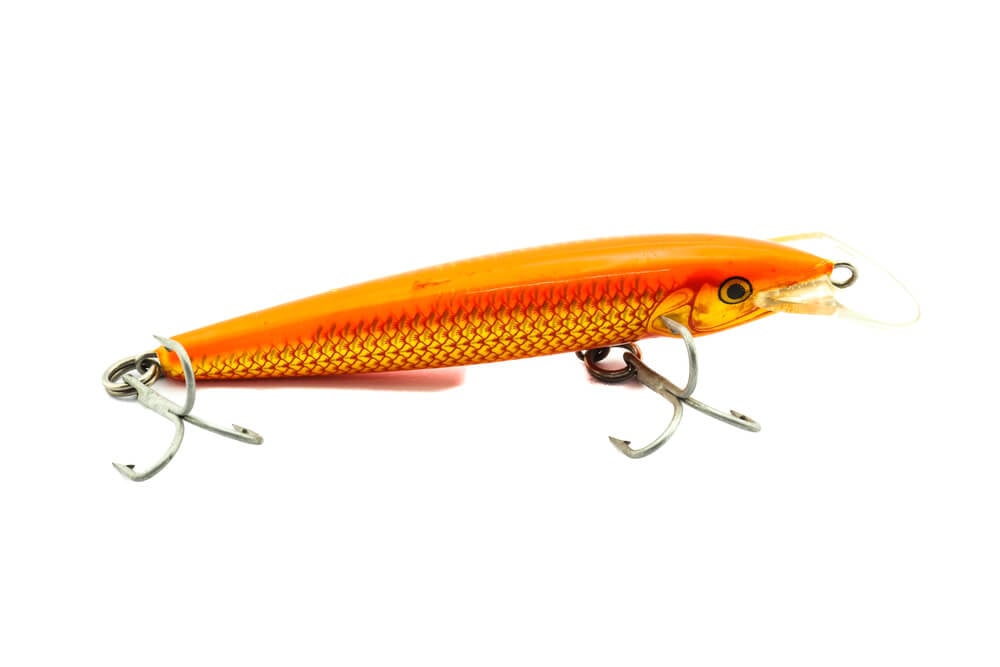
Many anglers in the early 20th century carved their own lures from cedar, pine or broom handles, painting them with house paint and fitting them with whatever hooks were on hand. These folk lures were never mass-produced, so each one is unique.
Collectors value them for craftsmanship, regional character and odd designs that factories would never try. Signed or documented examples are worth the most, especially when tied to a known guide or carver.
Unknown makers sell for less, yet a striking homemade lure still draws folk art buyers.
Heddon Black Sucker Minnow
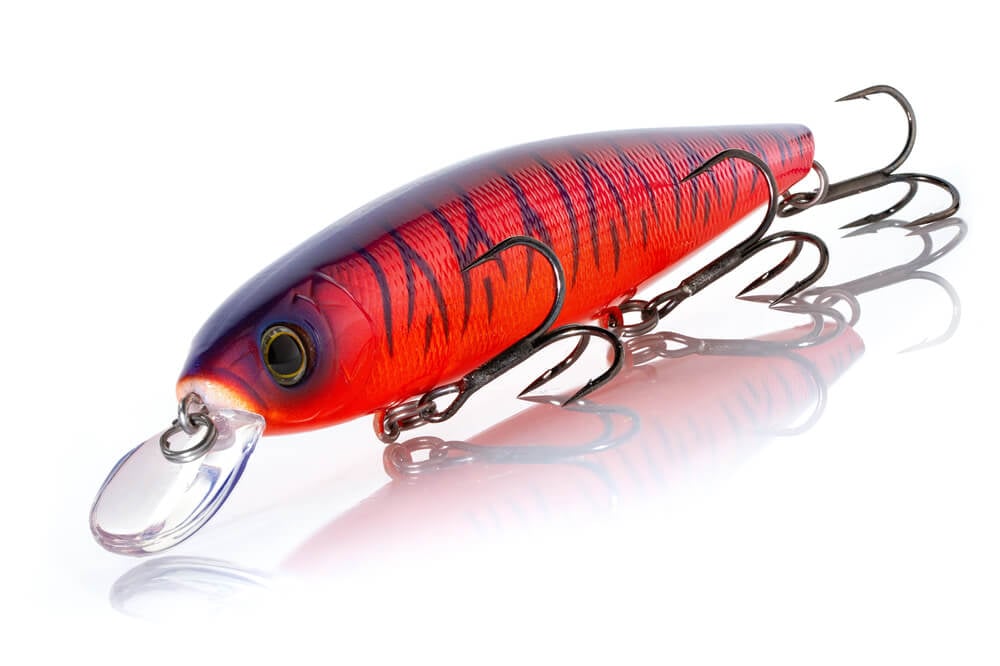
Heddon’s Black Sucker Minnow is one of the rare early Heddon baits that turns up in auction records cited by collector sites at roughly 15,000 to 19,000 dollars. Early Heddon minnows came in limited colors and were heavily fished, so pristine examples are scarce.
Collectors watch for original glass eyes, correct cup hardware and paint that has not been touched up. Experts warn that repainted examples are common and much less valuable.
Any early Heddon minnow in unusual paint deserves an expert look before it is sold.
Tackle Boxes as Time Capsules

Most of the lures in an old tackle box will turn out to be worth a few dollars apiece. That is exactly why the rare ones get overlooked, buried under rusted spoons and tangled line.
The difference between a common plug and a valuable one is often a glass eye, a patent stamp or a cardboard box with a printed fish on the lid. Sorting through a family tackle box before selling it as a lot is time well spent.
Auction houses that specialize in fishing tackle offer appraisals, and collector guides list makers, colors and dates. Even the common lures carry stories of lakes, rivers and long summer afternoons.
Some of them simply carry a price tag as well.
More from Go2Tutors!

- The Romanov Crown Jewels and Their Tragic Fate
- 13 Historical Mysteries That Science Still Can’t Solve
- Famous Hoaxes That Fooled the World for Years
- 15 Child Stars with Tragic Adult Lives
- 16 Famous Jewelry Pieces in History
Like Go2Tutors’s content? Follow us on MSN.