25 Vintage Kitchen Gadgets That Still Work and Sell for More Than Modern Versions
There’s a category of old kitchen equipment that confounds people who assume newer means better. These aren’t decorative relics kept on shelves for their charm — they’re working tools that outperform their modern equivalents in at least one meaningful way, often several.
Cast iron distributes heat better than thin non-stick. A well-maintained mechanical mixer outlasts plastic-bodied modern equivalents by decades.
And the collector market that has formed around many of these items means that grandma’s old gadget sitting in a garage cupboard might be worth more than a brand-new replacement.
Condition drives value, but so does completeness. A cast iron skillet missing its lid, or a stand mixer sold without its original attachments, typically commands half the price or less of a complete example.
When evaluating any of these items, the original accessories are worth tracking down before anything goes on the market.
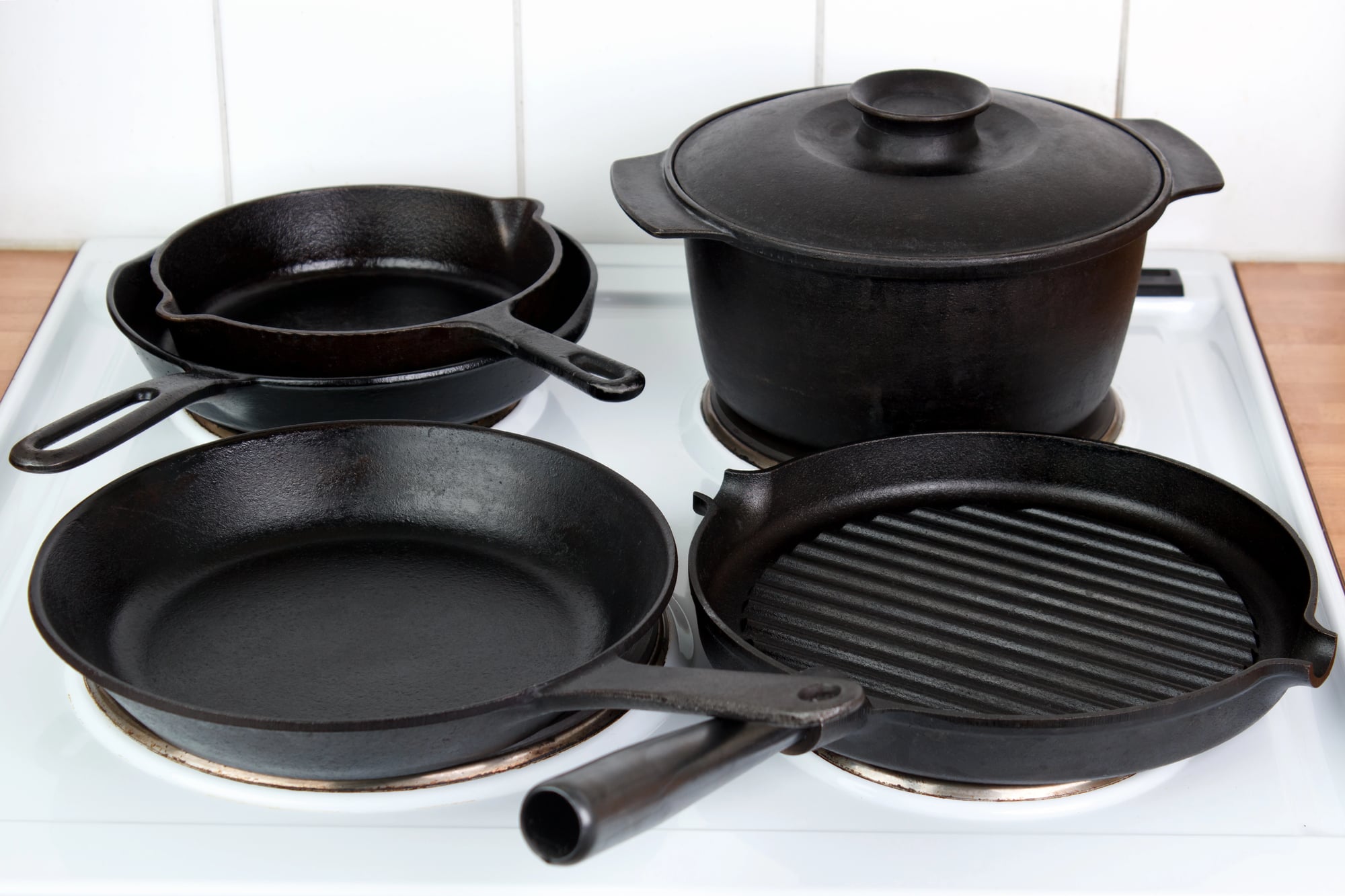
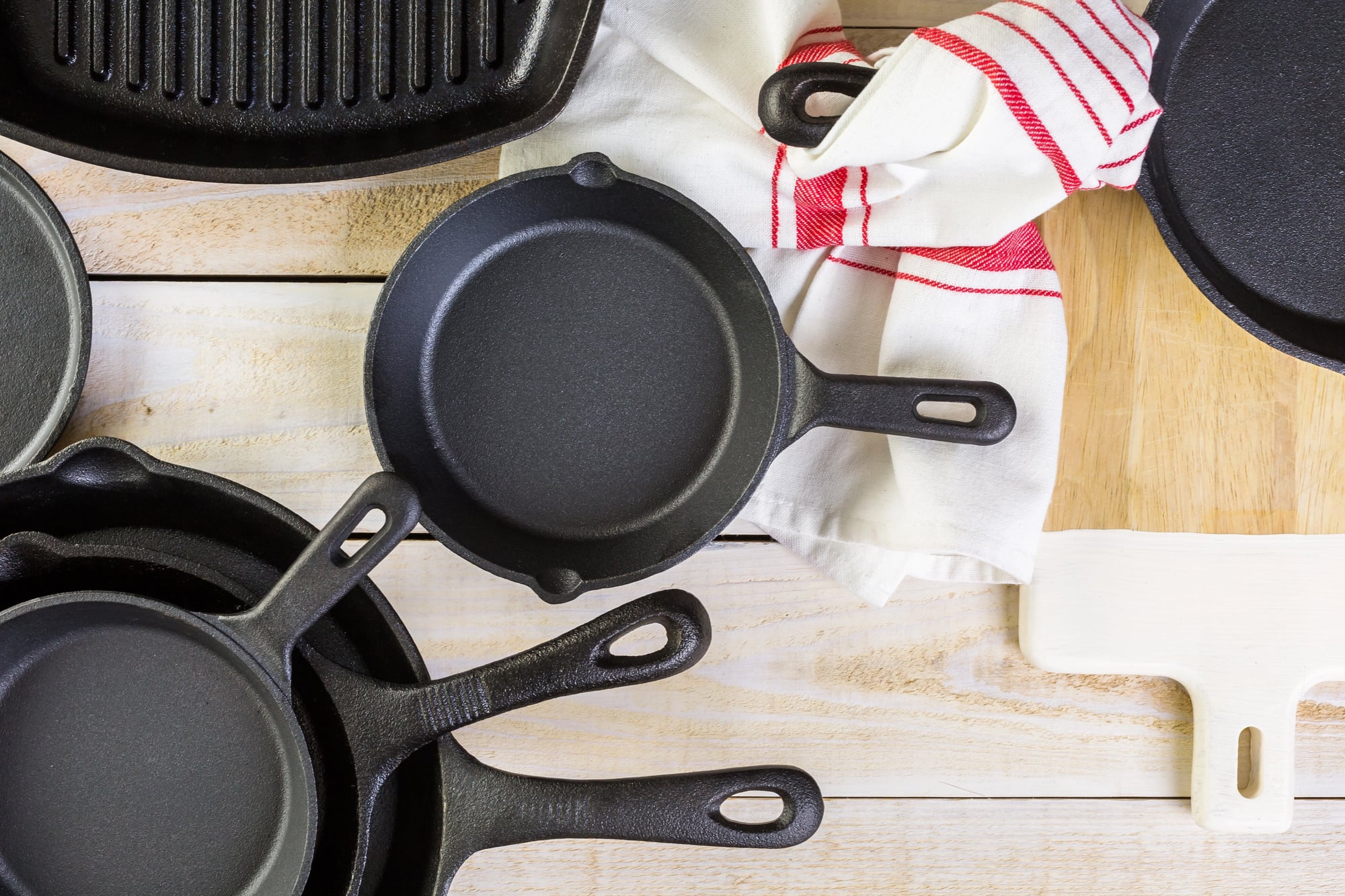
Griswold Cast Iron Skillets
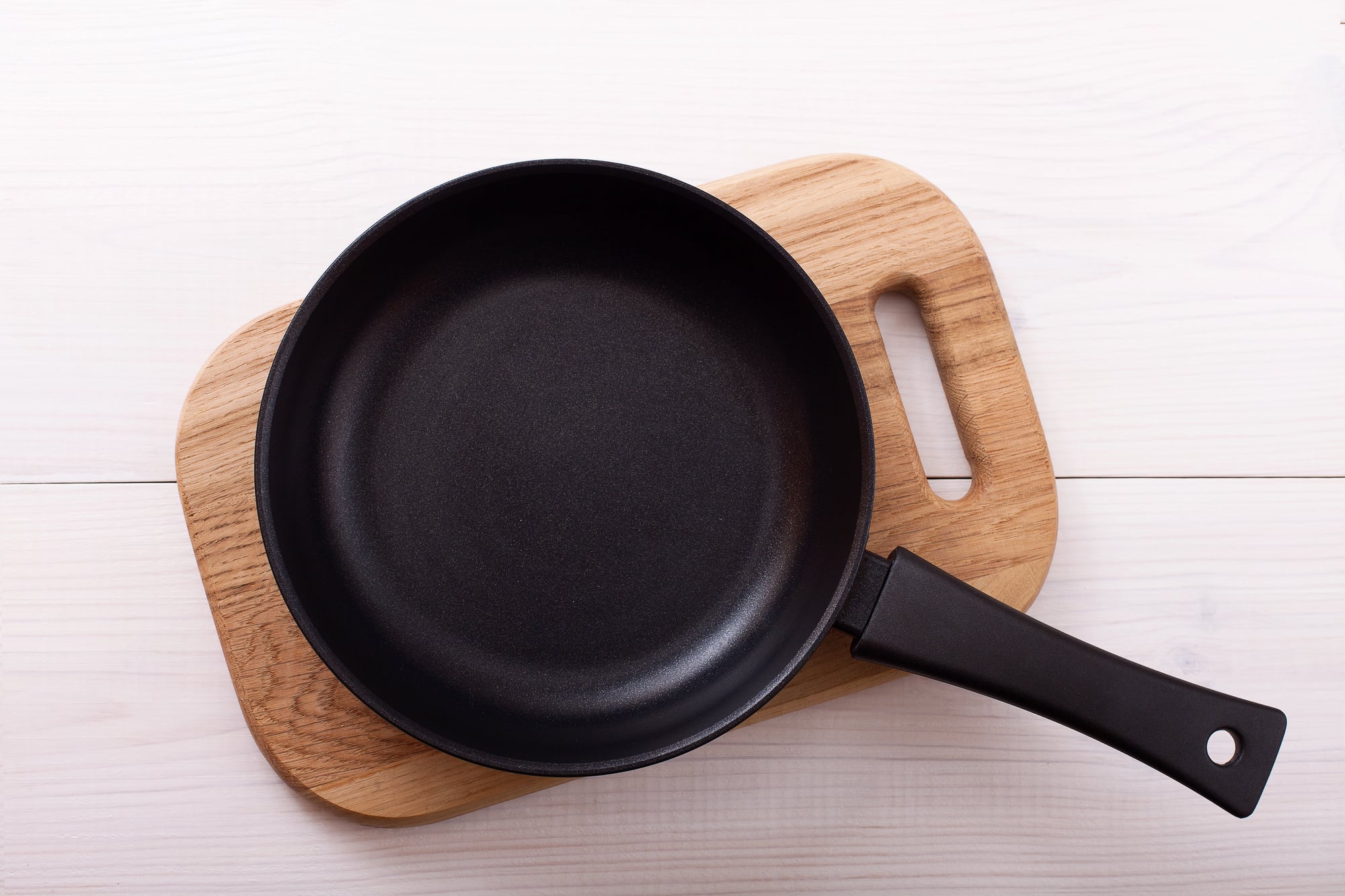
Griswold Manufacturing produced cast iron cookware in Erie, Pennsylvania from 1865 until the company was sold in 1957. The skillets from this period — particularly those with the large block logo — have a machined cooking surface that is measurably smoother than most modern cast iron, which means food releases more easily and cleaning is less effort.
Early Griswold skillets in VG+ condition sell for $200–$1,000 depending on size and logo variant, with the rarer #13 skillet at the high end because so few were made. A new Lodge skillet costs around $30.
The two items are not comparable.
Wagner Ware Cast Iron
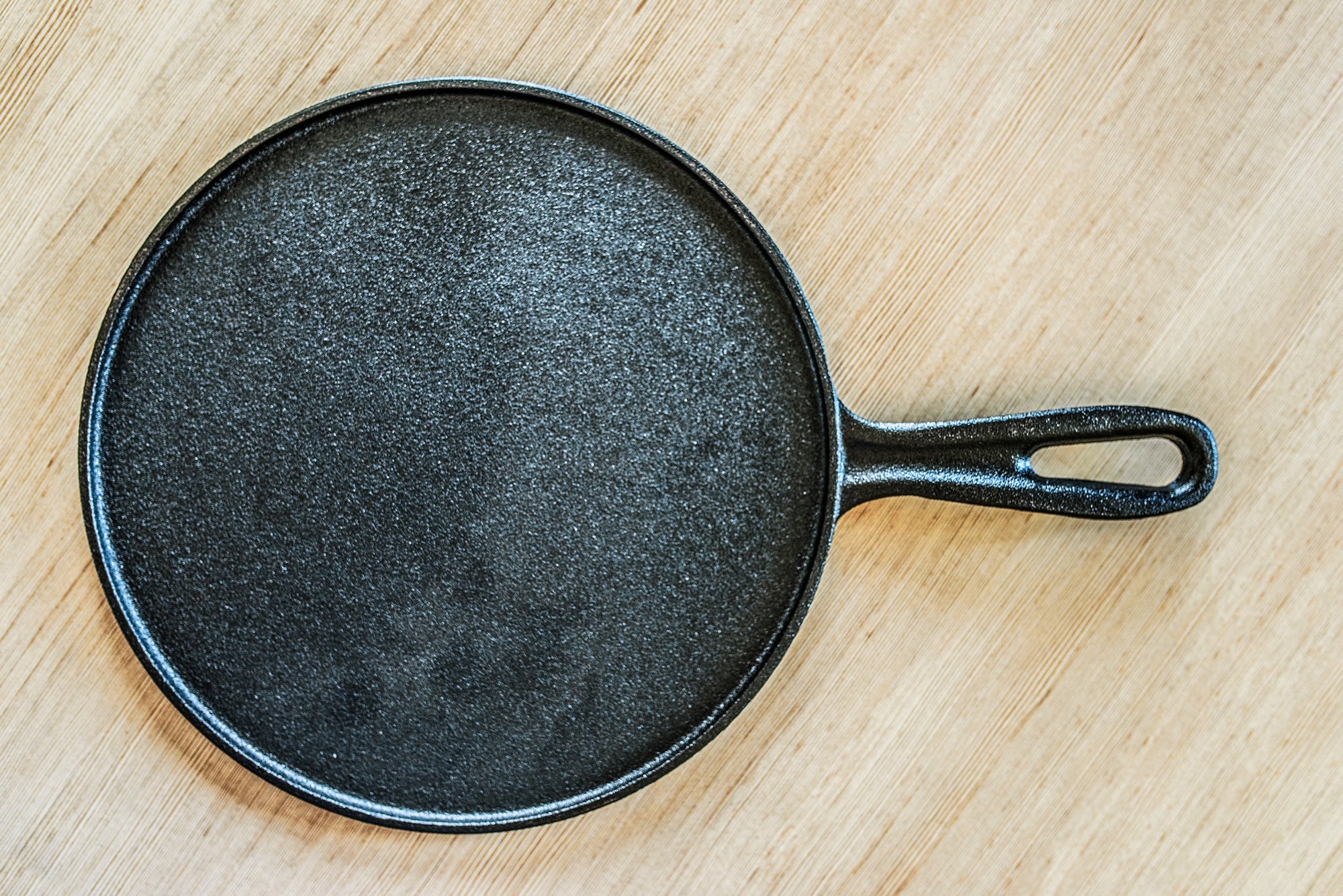
Wagner Manufacturing, also based in Sidney, Ohio, was Griswold’s primary competitor and produced comparably smooth cast iron from the 1890s through the mid-20th century. Wagner pieces are slightly less expensive on the collector market than equivalent Griswolds, with most selling for $80–$400.
The Sidney O marking on the base identifies earlier, more desirable pieces. Both Griswold and Wagner benefited from production techniques that modern mass casting simply doesn’t replicate — the cores were ground and polished before distribution, which is why cooks who have used both won’t go back.
KitchenAid Model K Stand Mixer
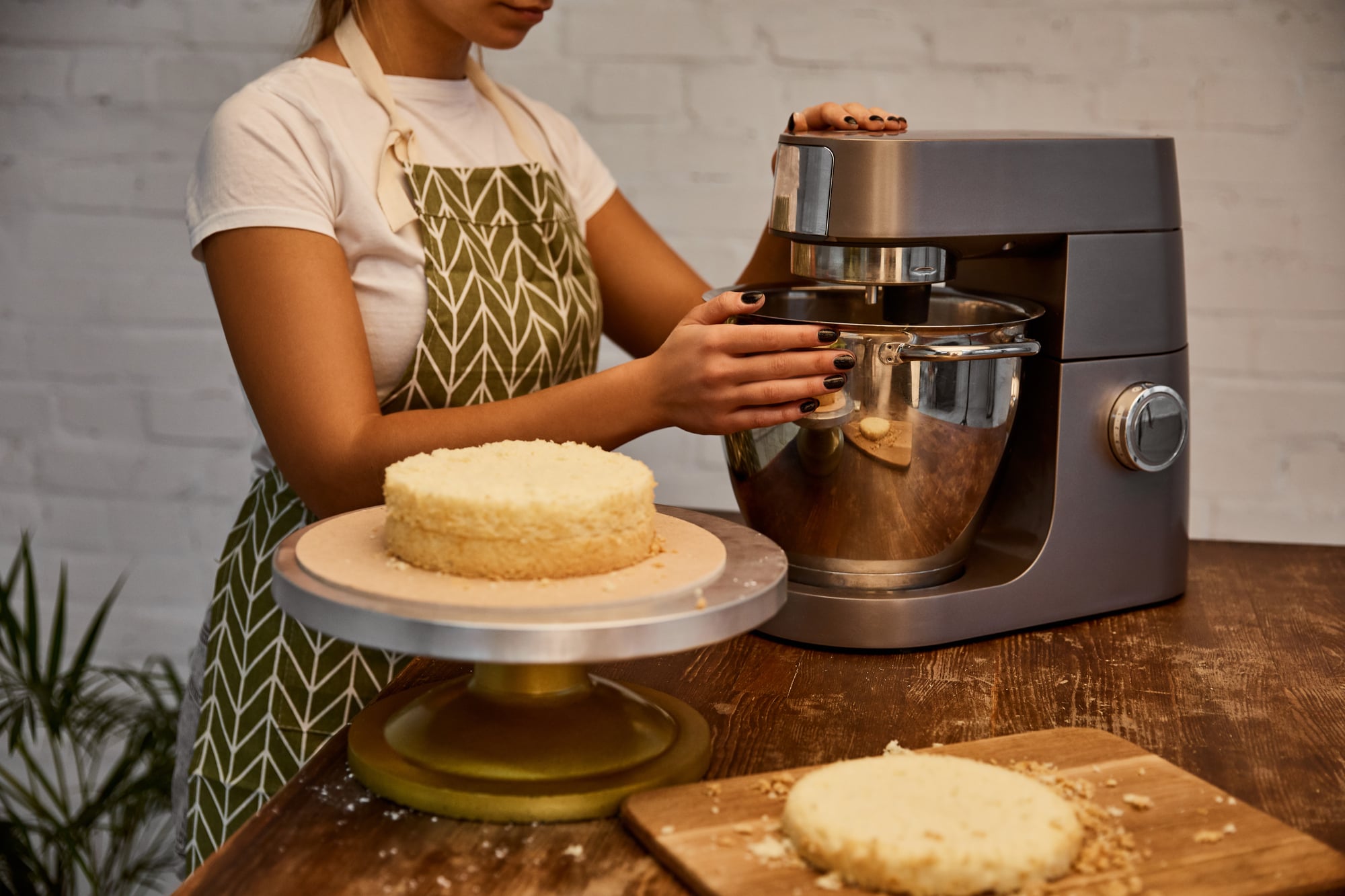
KitchenAid’s Model K, introduced in 1937, sold for $55 at launch — equivalent to over $1,200 in 2025 dollars. These machines were built with Hobart-quality motors and all-metal gearing that the post-1980s plastic-geared versions don’t match for longevity.
Restored Model K mixers in clean condition sell for $300–$1,000 depending on colour and completeness. The rare factory colours — Petal Pink and Sunny Yellow among them — command the highest prices.
Most buyers of a restored early KitchenAid intend to use it daily, which is exactly what it was designed for.
Sunbeam Mixmaster Stand Mixer
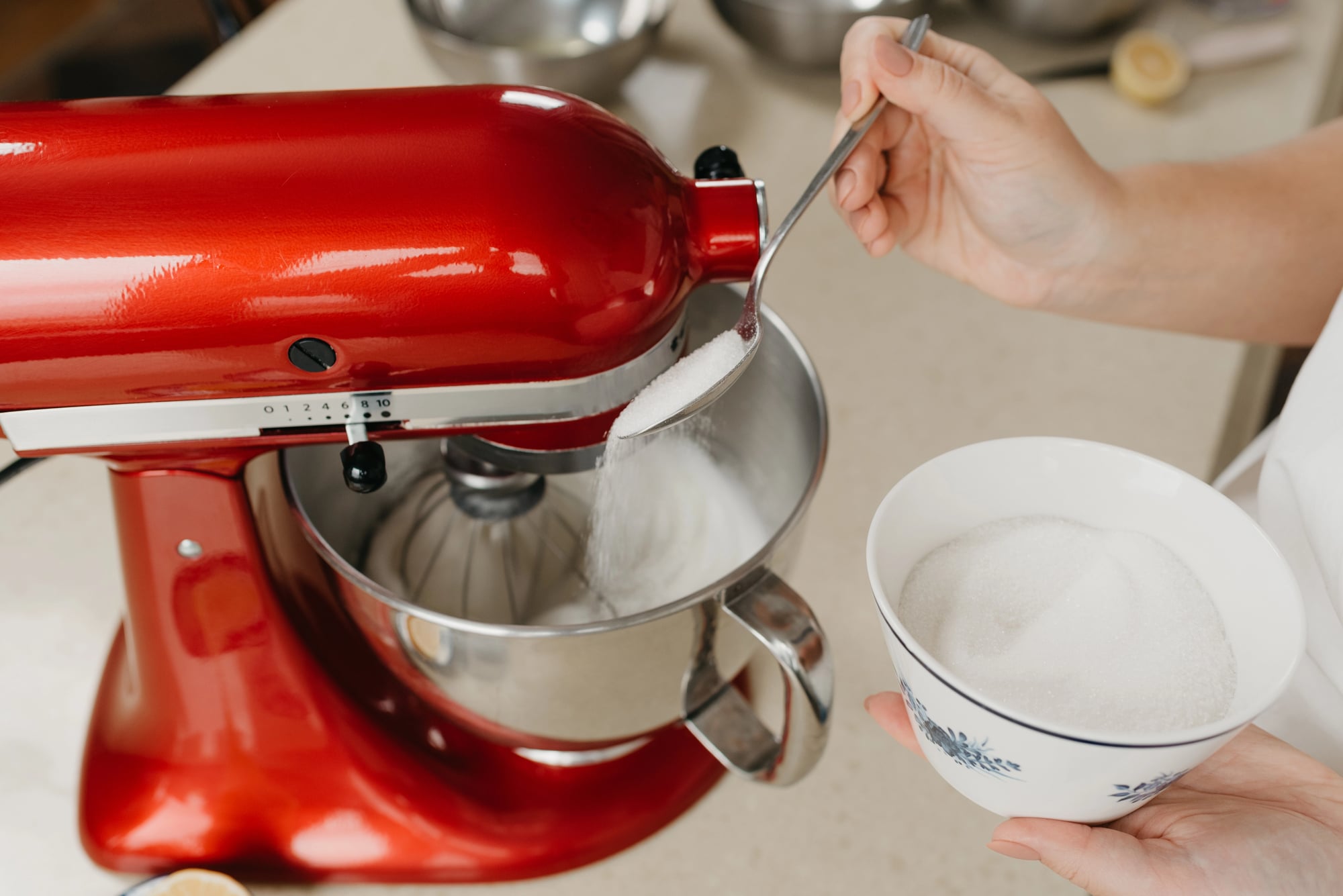
The Sunbeam Mixmaster was a design achievement as well as a kitchen workhorse. Early models from the 1930s and 1940s with chrome finishes and original glass bowls are the ones collectors pursue.
Chrome versions in good condition with original attachments sell for $150–$400. The machine’s 12-speed control dial, designed in the streamline Deco style, became one of the most imitated product designs of the mid-century period.
Working examples fetch more because most buyers want to use them, not just look at them.
Vintage Pyrex Mixing Bowls in Rare Patterns
The Pyrex mixing bowls produced between roughly 1945 and 1986 have developed one of the most passionate collector bases in kitchenware. The material itself — a borosilicate glass that handles thermal shock better than modern tempered glass — is one reason for the sustained demand, but the patterns drive the prices.
A large Blue Dianthus “Cinderella” mixing bowl has sold for over $2,000 on eBay. The Pink Duchess pattern has reached $2,200.
Complete nested sets in rare patterns routinely exceed $500. The bowl your grandmother didn’t like and put away unwashed in 1972 is the one that survived.
Le Creuset Enamelled Cast Iron, Pre-1970
Le Creuset began production in France in 1925 and has maintained continuous manufacturing since. Early pieces — particularly Dutch ovens and braisers from the 1950s and 1960s — are distinguishable by the specific enamel colours used in those decades, including Flame (orange) and a deeper Forest Green that differs from current production colours.
Vintage Le Creuset in working condition sells for $150–$400. People buy them to cook with, because the quality of the cast iron and the enamel bonding on early pieces is at least equal to, and some would say better than, current production.
Corning Ware in Rare Patterns
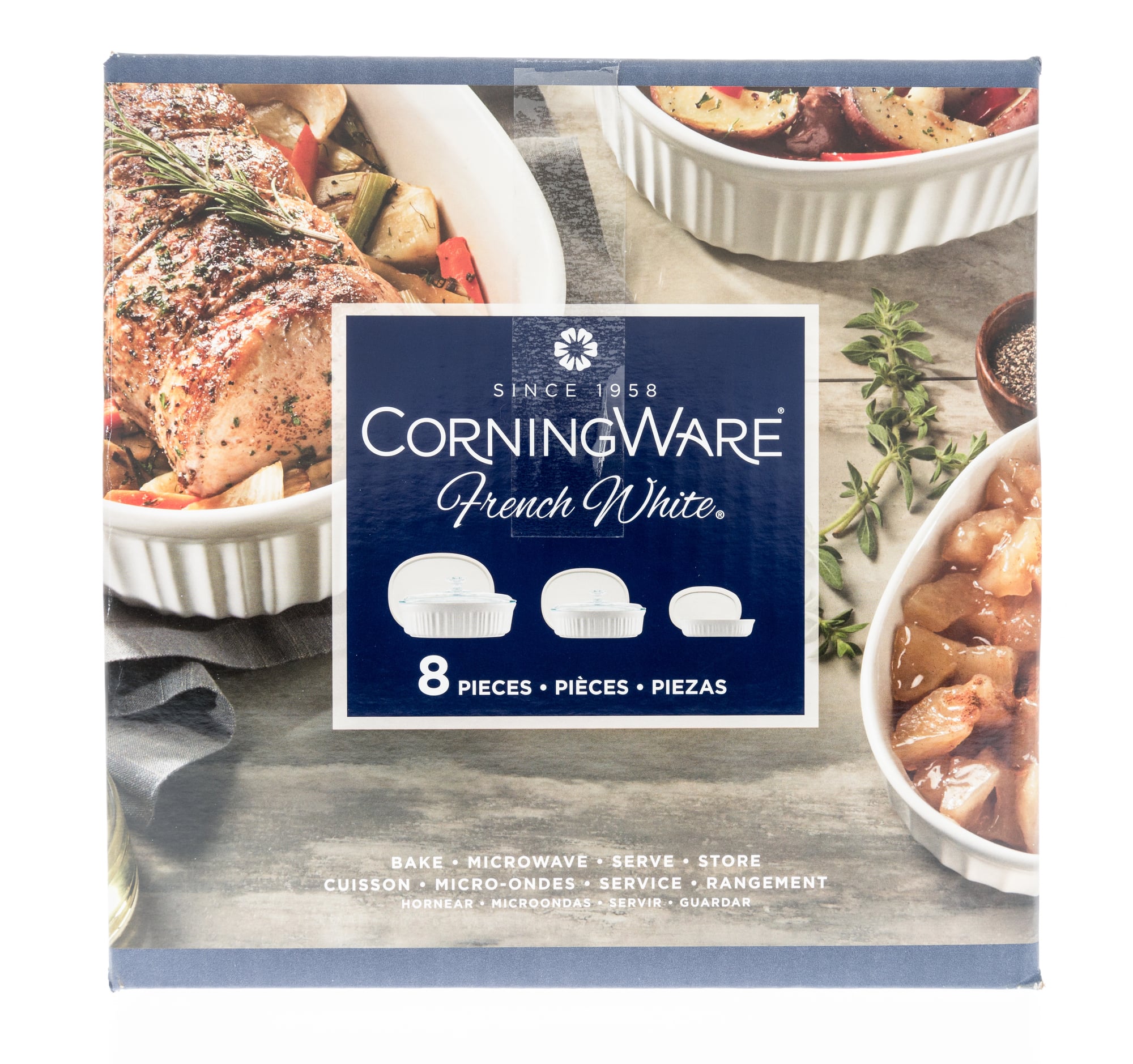
Corning Ware — the white glass-ceramic cookware with printed patterns — was produced from 1958 onwards and was initially so durable that few pieces were ever discarded. The Black Star pattern (also called Cornflower Blue) is the most common, but the rare Renaissance and Floral Bouquet patterns sell for multiples of what standard examples fetch.
A complete casserole set in the Renaissance pattern with glass lids in excellent condition can reach $300–$600. The glass-ceramic material handles oven-to-freezer transitions without cracking, which is a capability no modern equivalent has replicated more cheaply.
Copper Cookware by Mauviel and Dehillerin
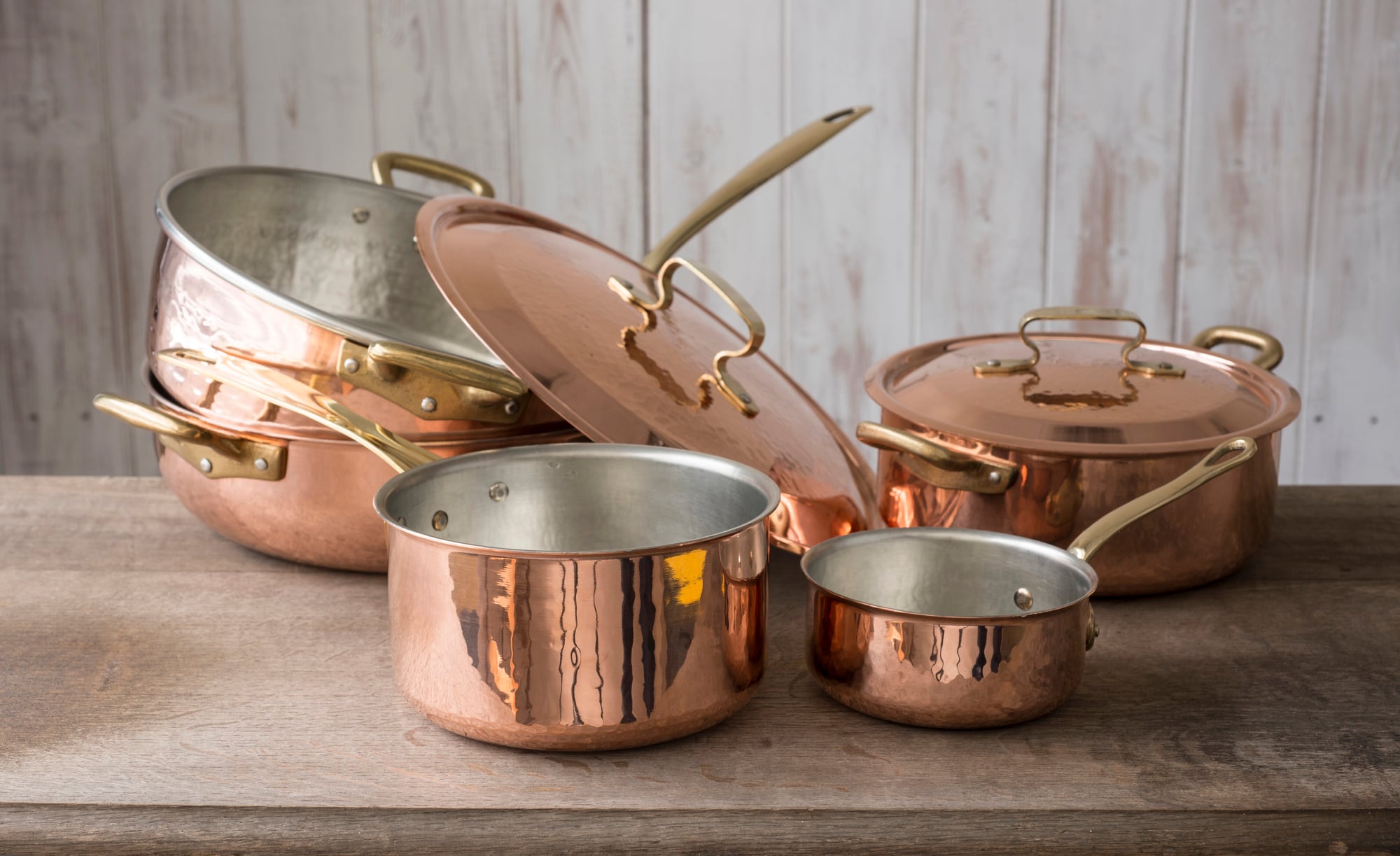
French copper cookware from the 19th and early 20th century — tin-lined by hand, with wrought iron handles riveted through the copper body — is the benchmark by which professional chefs have judged cookware quality for two centuries. Mauviel and E. Dehillerin are the two most recognised names.
A set of matching copper saucepans in graduated sizes with original tin lining and iron handles in clean condition sells for $800–$3,000. The heat responsiveness of thick copper — the way it heats instantly and cools the moment it leaves the flame — isn’t replicated by any modern material at anywhere near a comparable price.
Cast Iron Apple Peelers (Pre-1900, Patented Designs)
Patented cast iron apple peelers from the second half of the 19th century — clamp-mounted devices with geared cranks that peel, core, and slice an apple in a single motion — are both functional kitchen tools and genuine antiques. Rare patented designs from known makers have sold for $395–$1,250 on specialist antique kitchen tool sites.
Standard models in good working order sell for $50–$150. They outperform any modern apple peeler in terms of speed and consistency, and the cast iron construction means they’ll outlast any plastic device by a margin that makes the comparison absurd.
Tin and Enamel Bread Boxes, 1920s–1950s
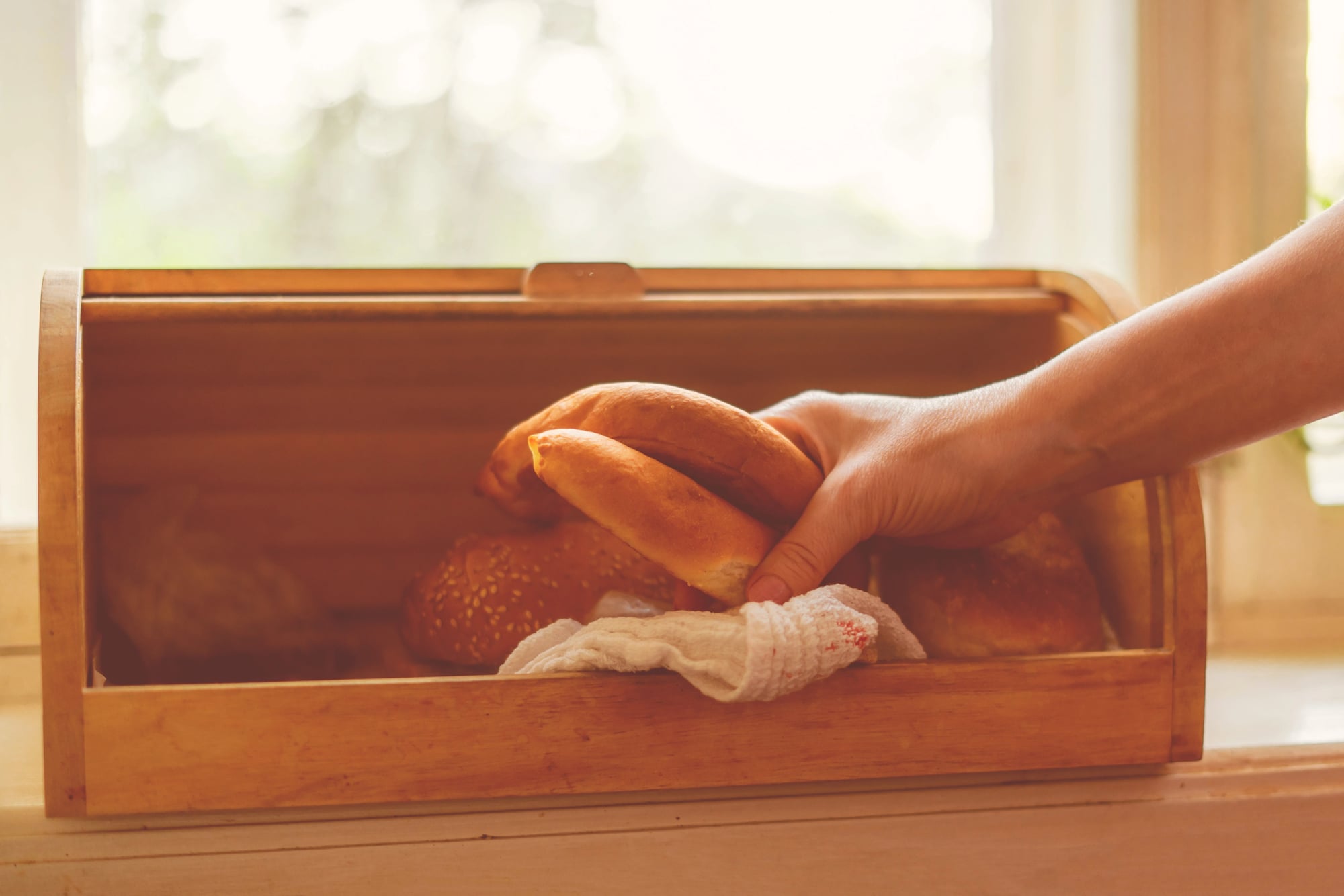
A well-made tin or enamel bread box from the 1920s through 1950s keeps bread fresher than a plastic bag because it regulates humidity rather than trapping moisture. The market for these has grown steadily with the farmhouse kitchen decorating trend, but buyers also use them.
Clean examples in original enamel with no major rust or chipping sell for $80–$200 depending on colour and condition. Yellow and red examples from the Art Deco period are the most sought after.
Mechanical Egg Beaters and Rotary Mixers
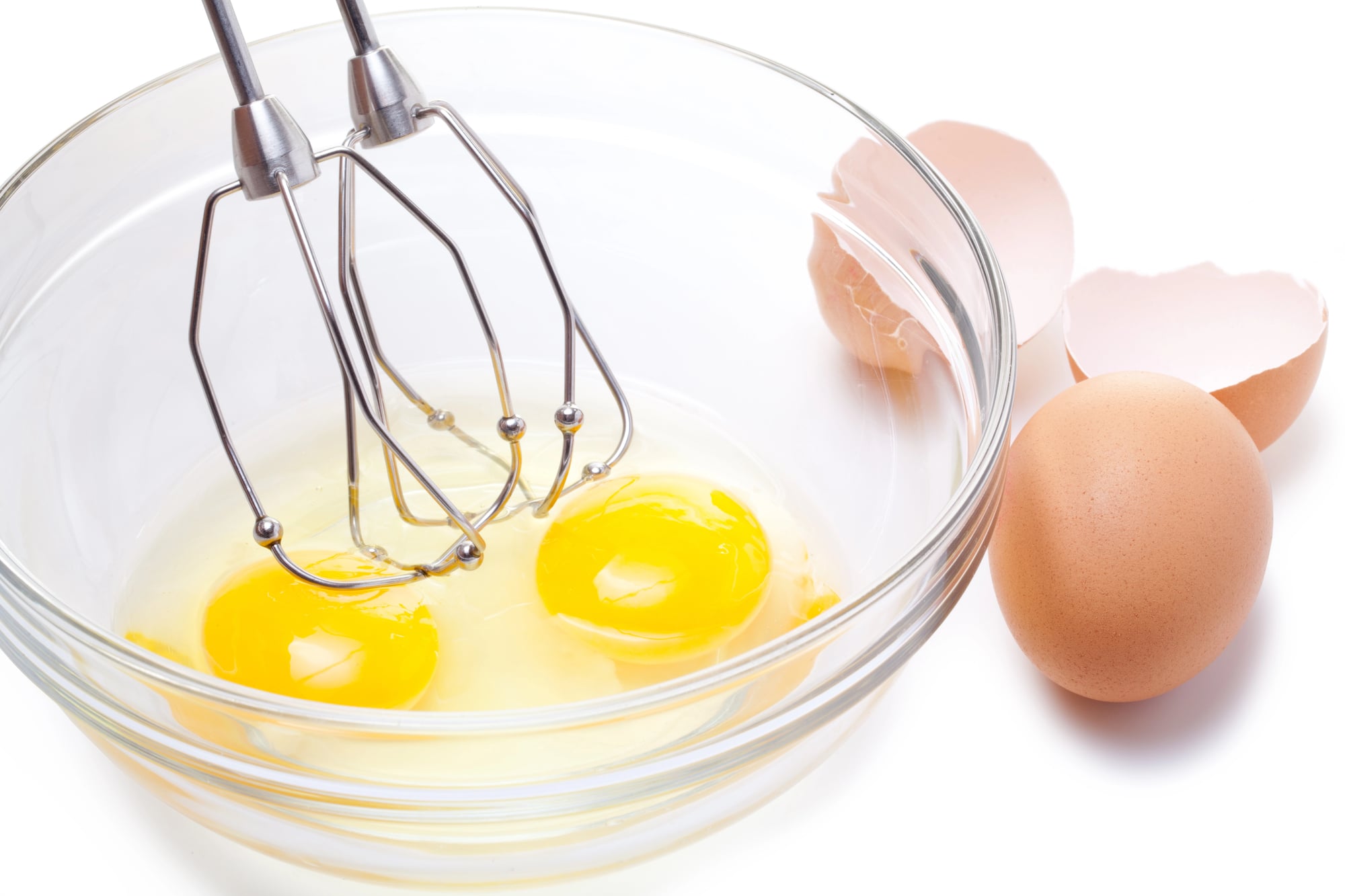
Hand-cranked rotary egg beaters made from tin and steel — the kind that clamped to bowls or stood free on a base — are completely functional tools that require no electricity, no cords, and no plastic components that can fail. The A&J Company and the Ekco company both produced models that are now collected.
A good mechanical egg beater in clean working order sells for $25–$80, which seems modest, but the demand is consistent. Bakers who use them report they outperform cheap electric hand mixers for small quantities.
Peugeot Pepper Mills, Pre-1960
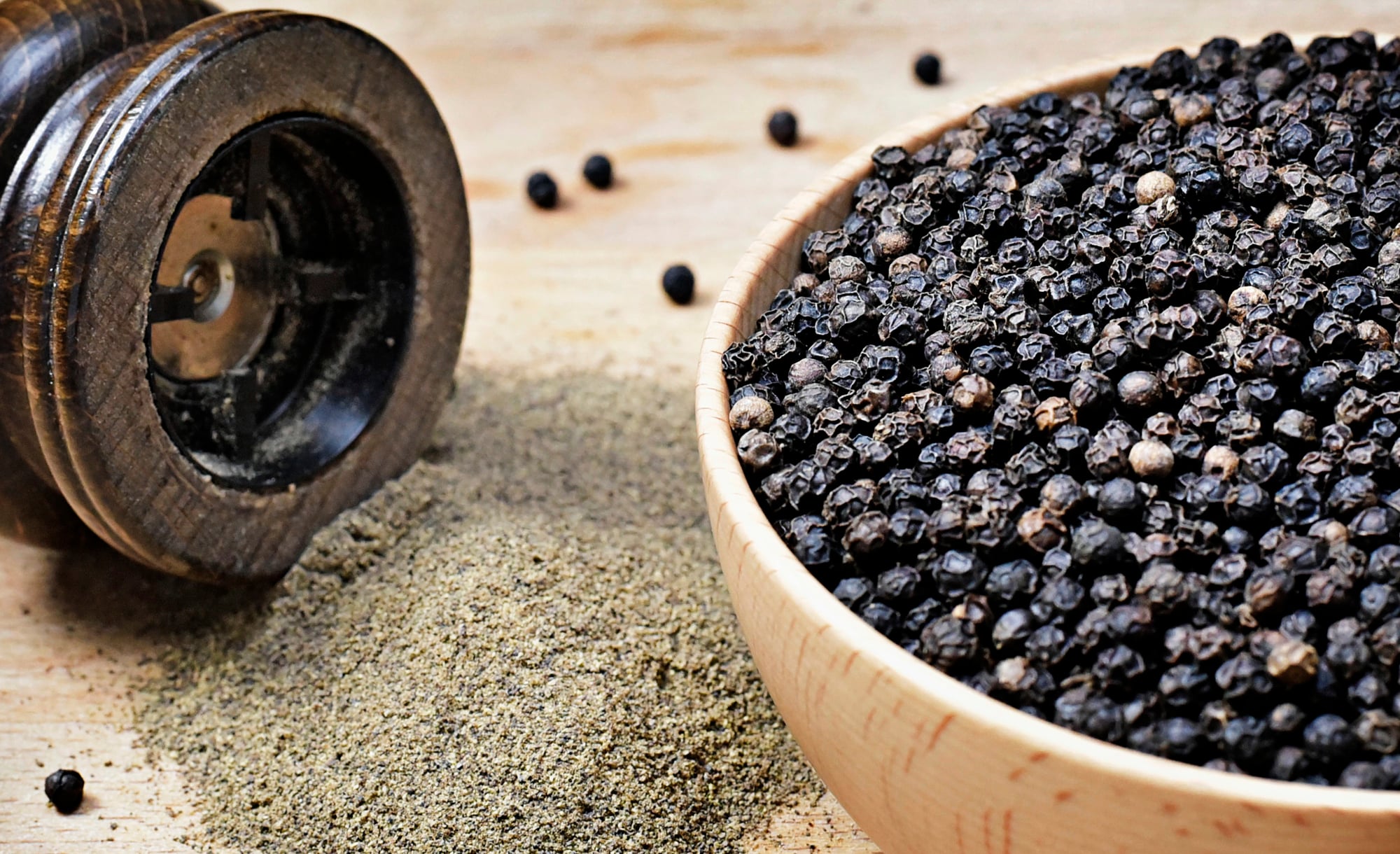
Peugeot began making pepper mills in 1842 using the same steel hardening techniques developed for their early tool and spring production. The pre-1960 wooden models with original Peugeot grinding mechanisms in working condition sell for $100–$300.
The grinding mechanism in an early Peugeot produces a more consistent grind than nearly every modern equivalent under $100, because the hardened steel burrs were engineered to tolerances that cheap imports don’t reach. The mills that have been in use for sixty years are often in better working order than recently purchased alternatives.
Zassenhaus Manual Coffee Grinders
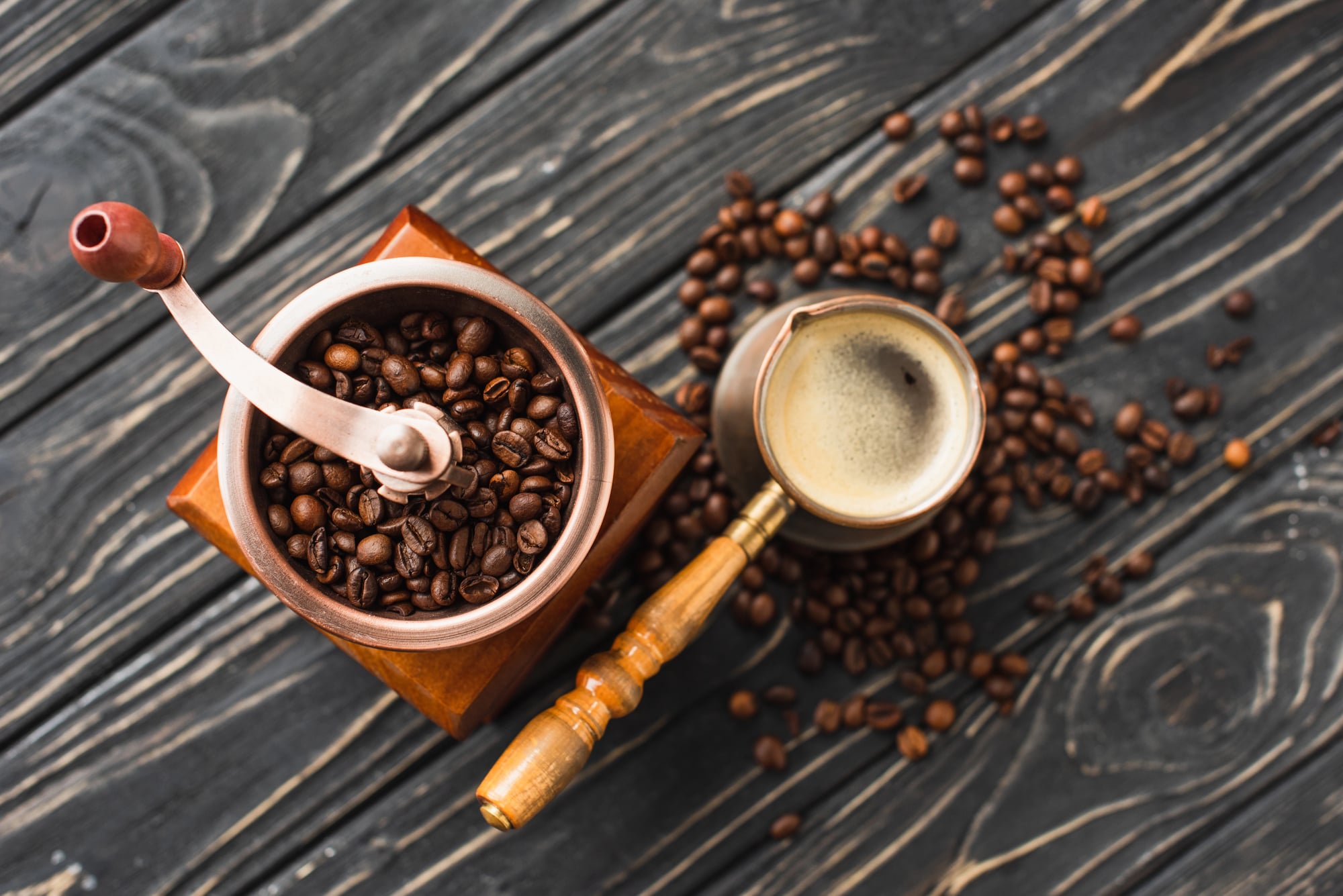
Zassenhaus, a German manufacturer established in 1867, produced wall-mounted and countertop manual coffee grinders with precision-milled steel burrs throughout the late 19th and early 20th centuries. Original Zassenhaus grinders in working condition sell for $80–$300 depending on the model and completeness.
The grind they produce is superior to most electric blade grinders at any price point because burr grinding produces consistent particle size while blade grinding produces chaotic fragments. Coffee enthusiasts who find one of these in a grandparent’s kitchen tend not to let them go.
Vintage Toasters, Particularly Toast-O-Lator Model B
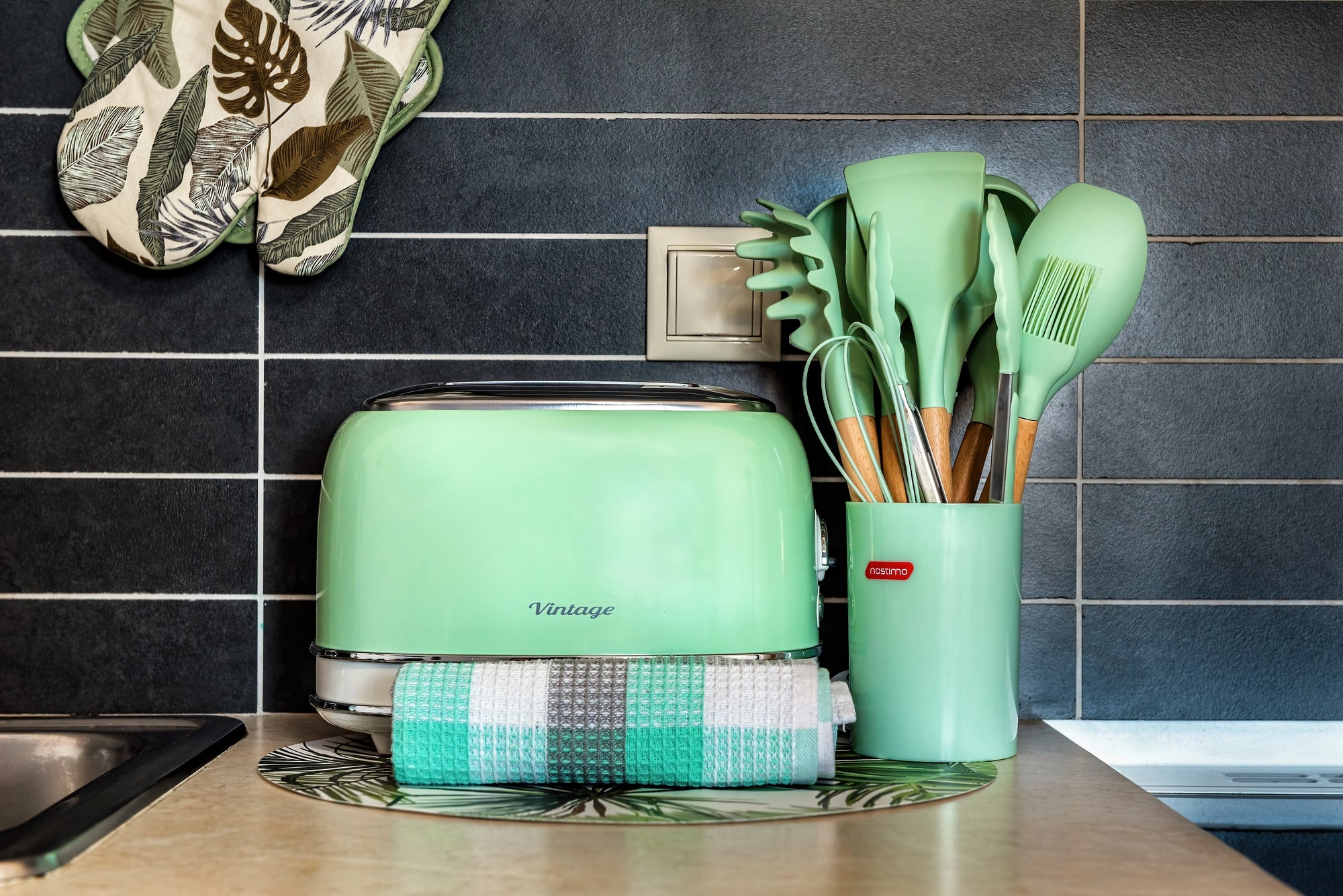
The Toast-O-Lator Model B — produced by the Crocker-Wheeler Company from approximately 1939 to 1952 — operates on a conveyor system that moves bread through the toaster rather than requiring the bread to stand vertically inside. This makes it function better than most modern pop-up toasters for consistent browning and is probably why it was valued at $1,000 when one sold in 2024.
Earlier General Electric toasters from around 1910, with metal frames and porcelain bases, have sold for over $370 for the historical novelty alone. Working vintage toasters command premiums over non-working examples because the buyers actually want to use them.
Fire-King Jadite Kitchenware
Anchor Hocking’s Fire-King line produced milky green “Jadite” glass kitchenware from the late 1930s through the 1970s. The colour — named for its resemblance to jade — became the signature of restaurant diners across America, and the collector market for it is still active.
A complete set of graduated Jadite mixing bowls in good condition sells for $150–$400. Individual pieces such as the Jadite skillet and the Jadite restaurant mug sell for $50–$150 each.
The glass itself is durable and still used daily by the people who buy it.
Tin Canister Sets, 1930s–1950s
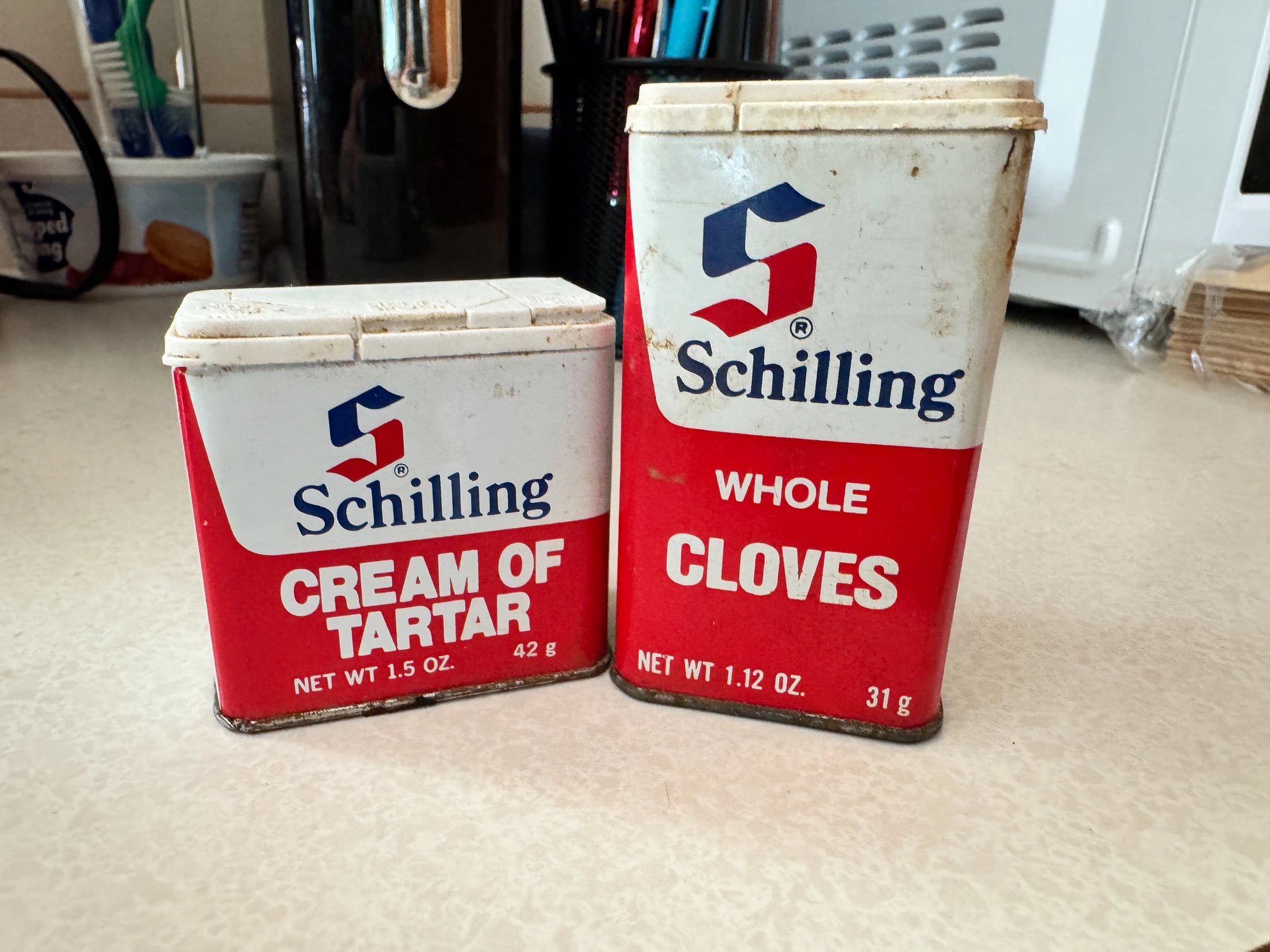
Matching lithographed tin canister sets — flour, sugar, coffee, and tea, often with a biscuit or salt tin completing the set — are one of the most reliably resaleable kitchenware categories. Complete sets in original condition with clear labelling and minimal rust sell for $100–$400 depending on the design.
Geometric Art Deco patterns and Dutch windmill motifs are the most sought-after. The tins function perfectly as storage; the sealed lids keep contents dry, which is exactly what canisters are supposed to do.
Enamelware Pots and Colanders, Pre-1940
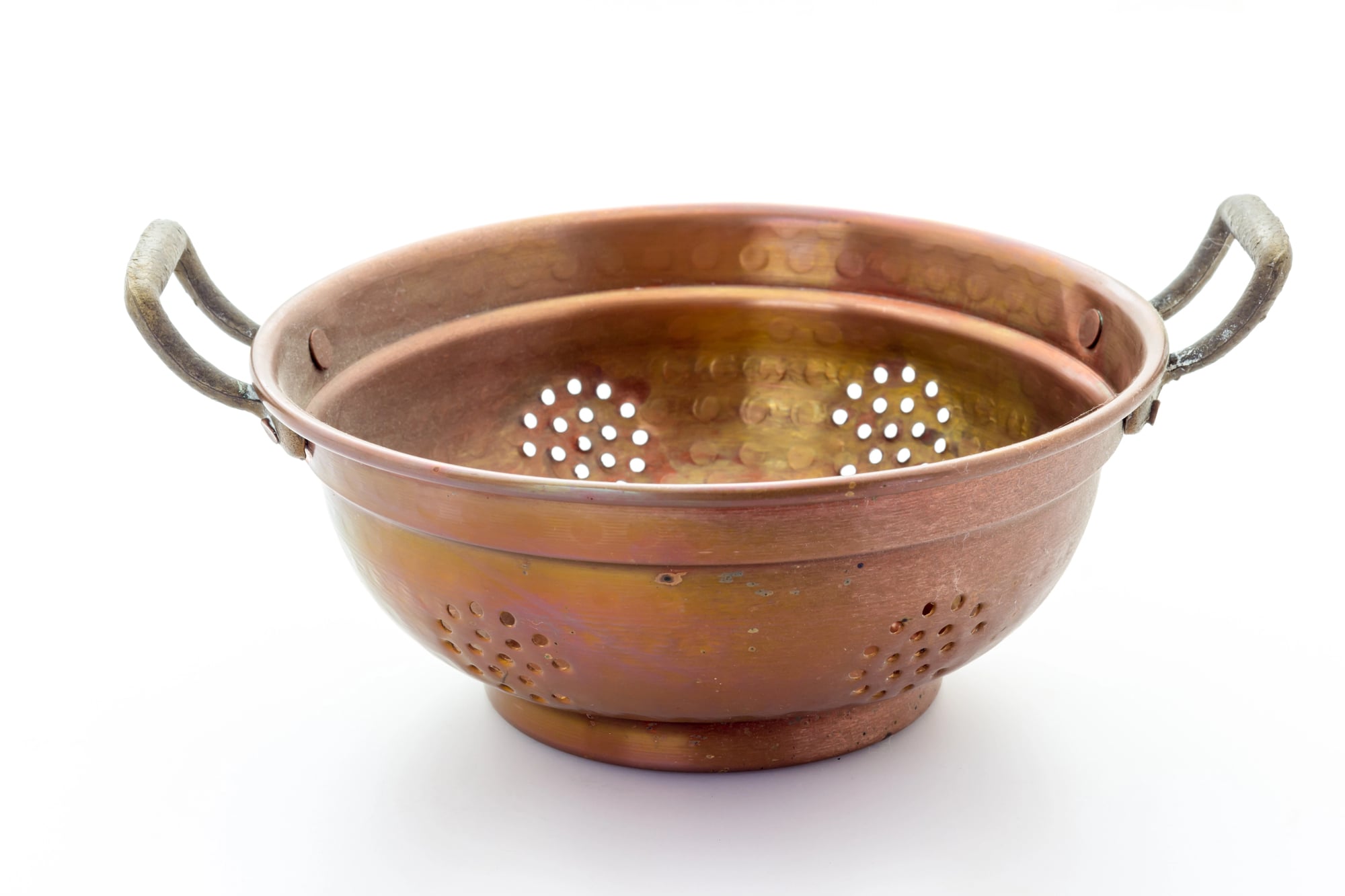
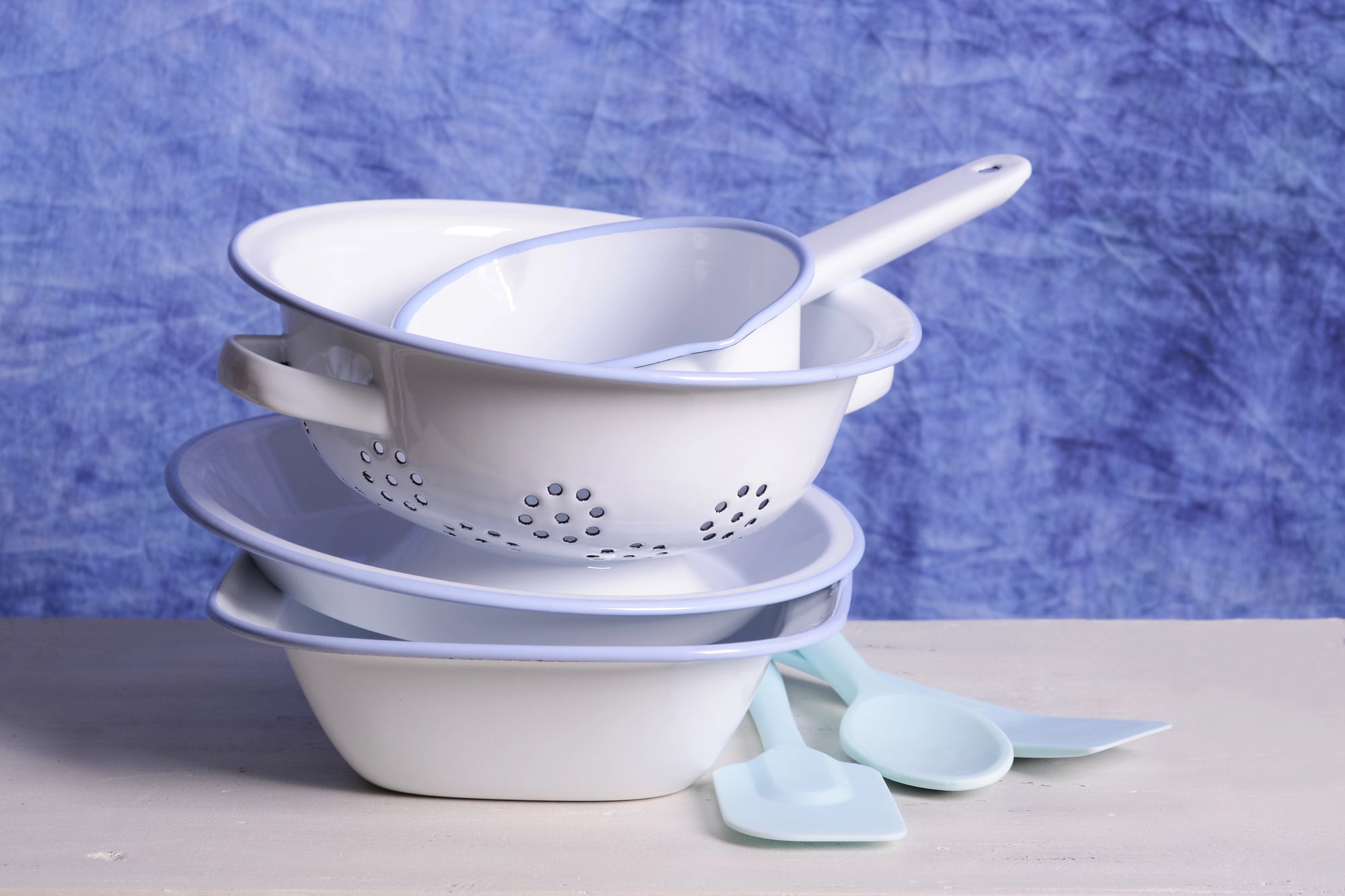
Heavy-gauge enamelware — the speckled blue-grey or solid cream pots with black rims that appear in farm kitchen photographs from the turn of the 20th century — is still being cooked in by people who find it at estate sales. Matching sets of enamelware pots with lids in good condition, minimal chips, and original colour sell for $80–$250.
Individual colanders and washbasins in graphic patterns sell for $30–$100. The enamel on earlier pieces is thicker and harder than modern production, and it doesn’t off-gas at cooking temperatures the way some modern coatings do.
Meat Grinders, Table-Mount Cast Iron
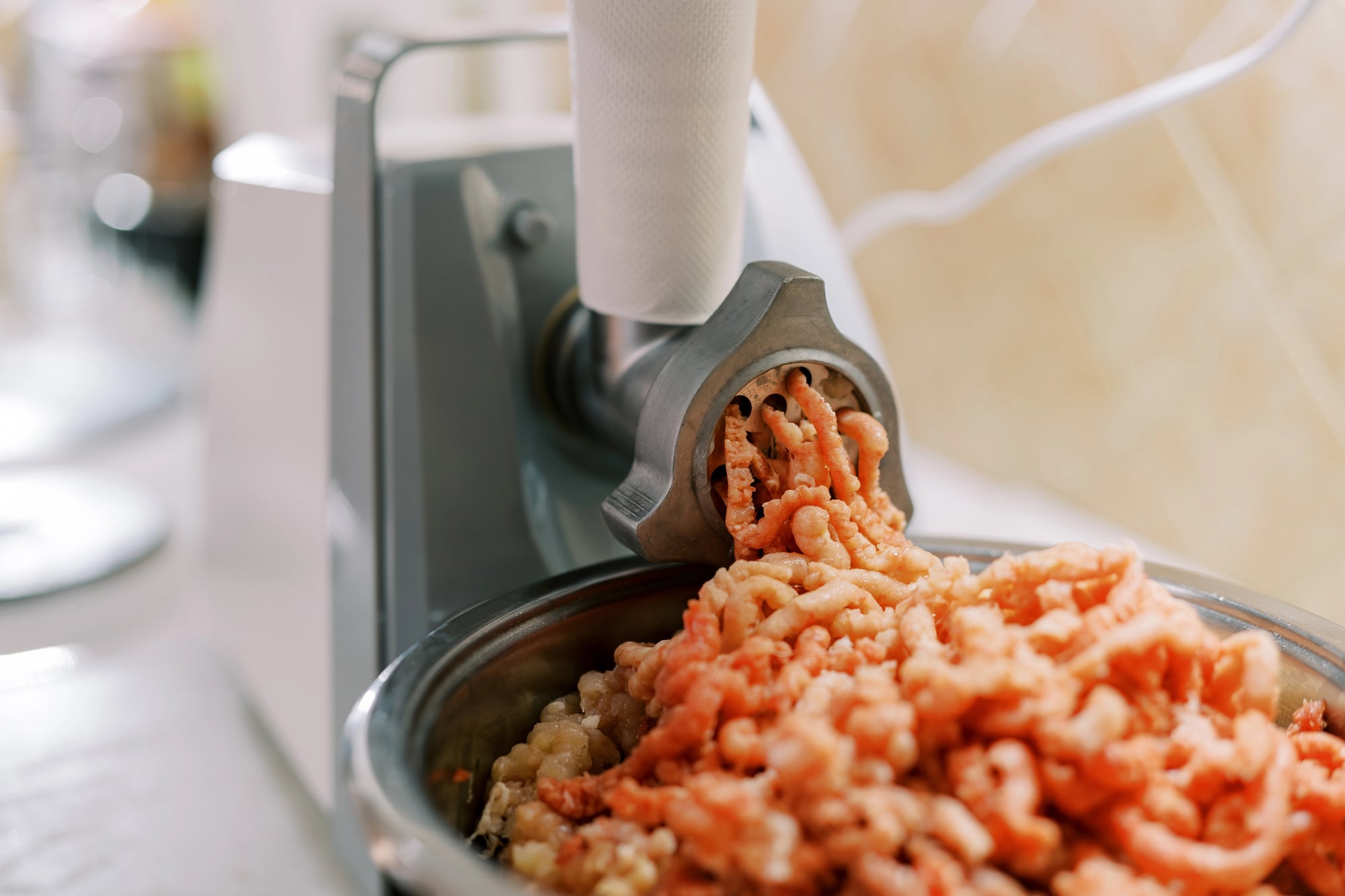
A cast iron hand-cranked meat grinder bolted to a table edge has precisely one advantage over every modern electric equivalent: it never stops working. No motor to burn out, no plastic gears to strip, no electrical components to fail.
Good working examples from the early 20th century sell for $50–$150 and are still used regularly by households that process their own venison or make their own sausage. The #32 Griswold grinder is particularly sought after among people who take their sausage-making seriously.
Vintage Pyrex Flameware
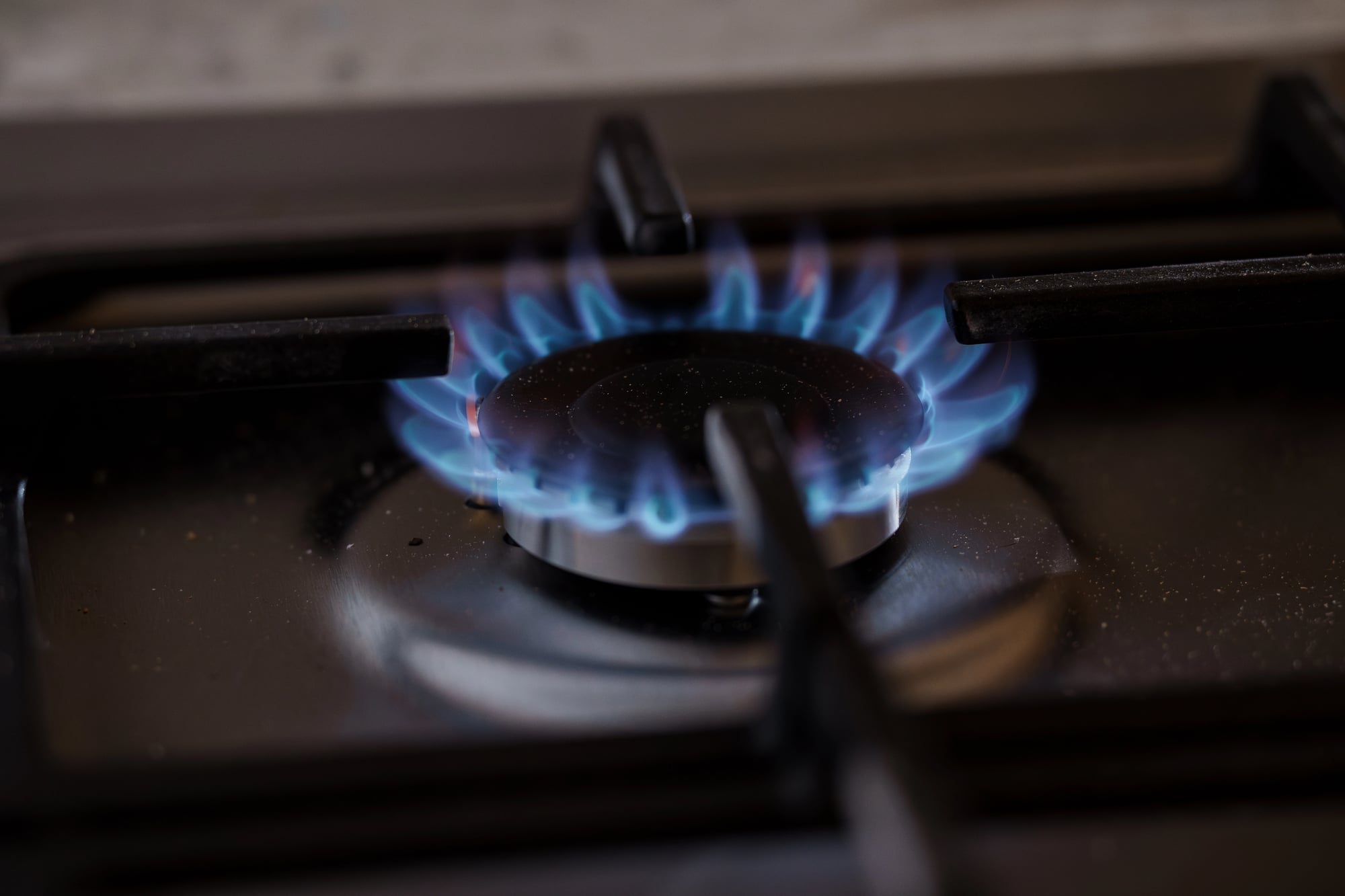
Pyrex Flameware — the blue-tinted glass cookware designed for direct stovetop use — was produced from 1936 to 1979. Unlike the mixing bowls, Flameware was designed to sit on a gas or electric burner, and it works.
A complete percolator set in good condition sells for $100–$300. Glass saucepans from the same line sell for $40–$120.
The borosilicate glass construction means the material can handle direct heat without shattering, which is a genuinely useful property that modern glass cookware typically doesn’t have.
Waffle Irons, Stovetop Cast Iron
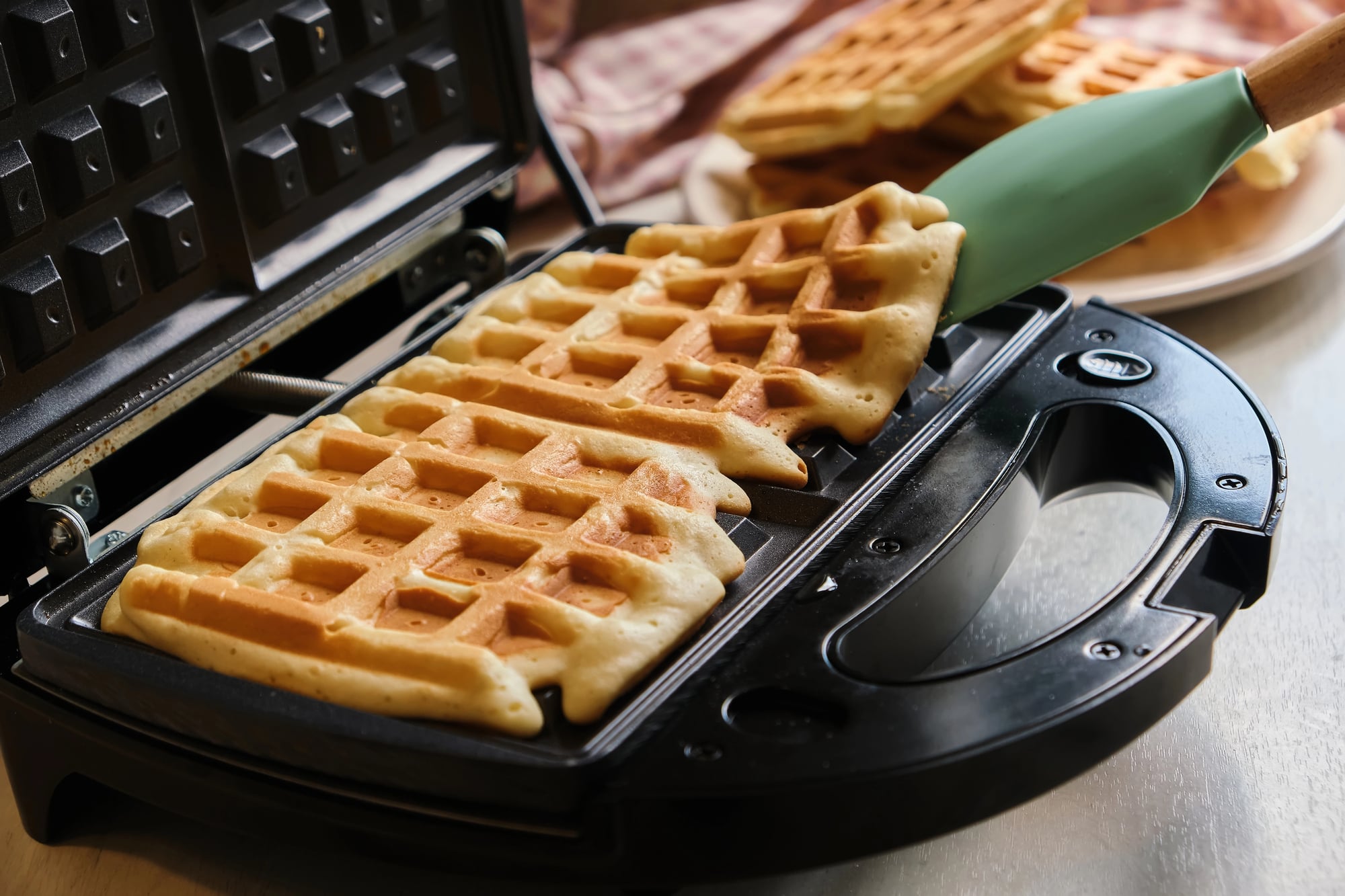
Stovetop cast iron waffle irons — the kind that sat over a gas or wood-burning flame rather than plugging into the wall — are collected for their engineering as much as their function. Early 20th century examples with decorative pattern plates produce deeply patterned waffles that no modern electric iron can match for depth.
Clean examples in working condition sell for $80–$200. The cast iron distributes heat so evenly that the waffle cooks identically from edge to centre, which is why cooks who have tried one tend to replace their electric iron without much deliberation.
Tin Egg Poachers and Steamers
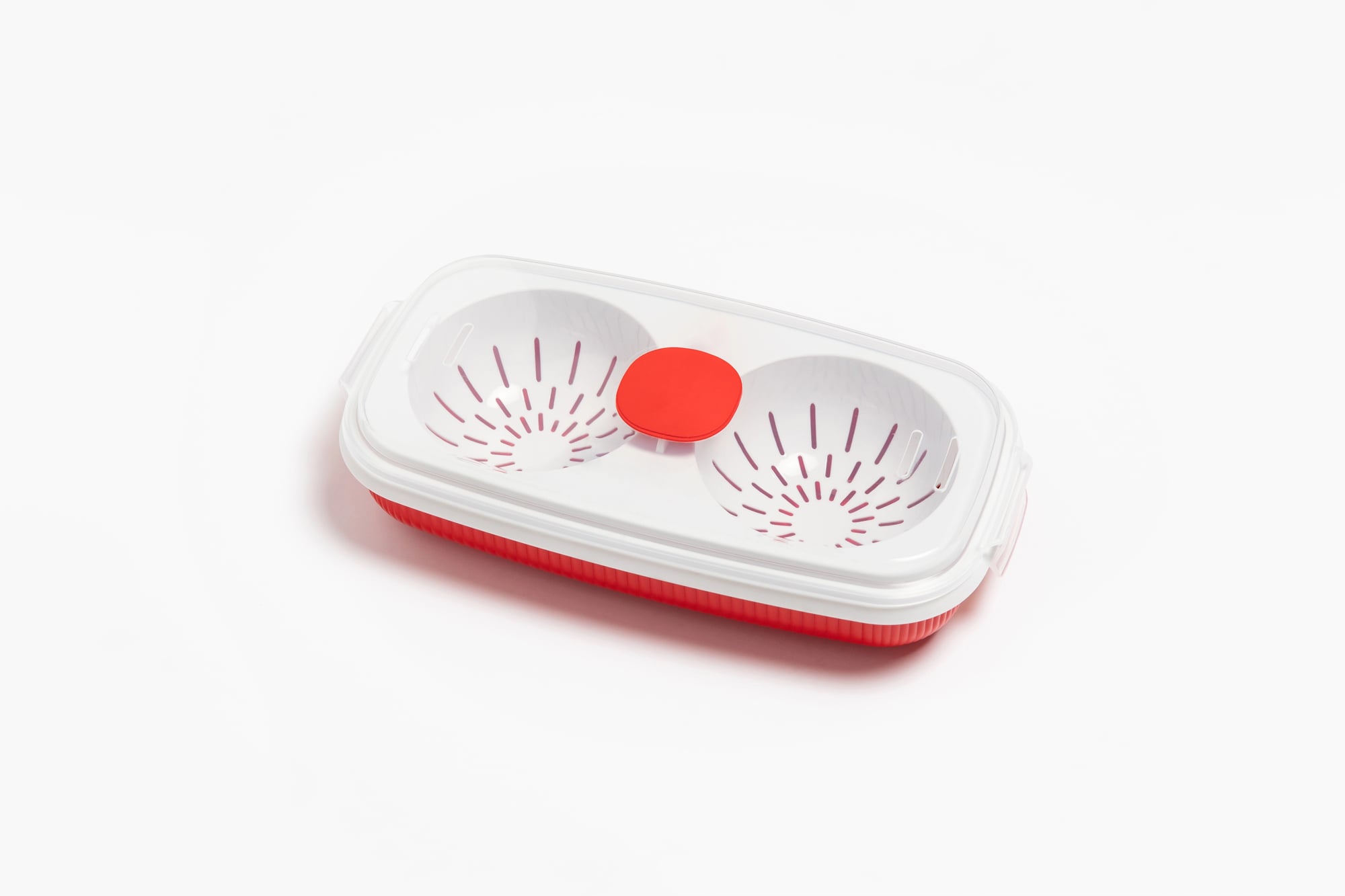
Multi-cup tin egg poachers designed for stovetop use — typically accommodating four to six eggs simultaneously above a water bath — are a precision tool that requires more patience than an electric poacher but produces better results. Clean examples from the 1920s–1950s sell for $40–$100.
They are also nearly indestructible, which is why examples from sixty years ago are found in clean working order far more regularly than 1980s plastic kitchen gadgets that have long since cracked and been thrown away.
Butter Molds and Prints, Carved Wood
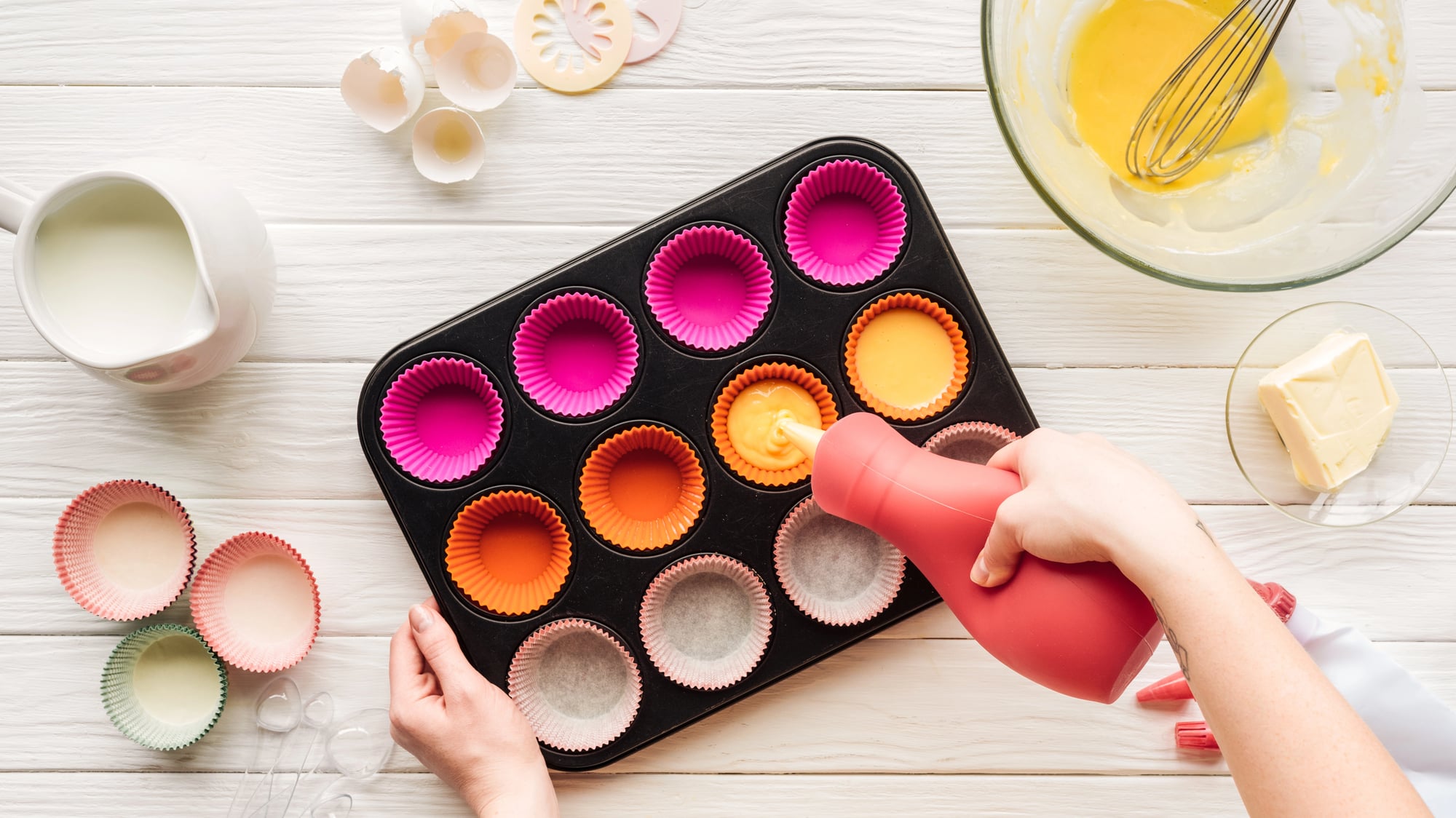
Hand-carved wooden butter molds — used to press and pattern butter into decorative forms for presentation — are both collectible and functional. Examples with intact carving and no cracking sell for $80–$300 depending on the complexity of the design and the wood quality.
Thistle, pineapple, and swan designs are the most sought after. Food historians and bakers who make their own butter still use them; the fact that they produce a more aesthetically interesting result than any modern butter mold available is exactly the kind of detail that sustains collector demand.
Vintage Juice Extractors, Ceramic and Glass
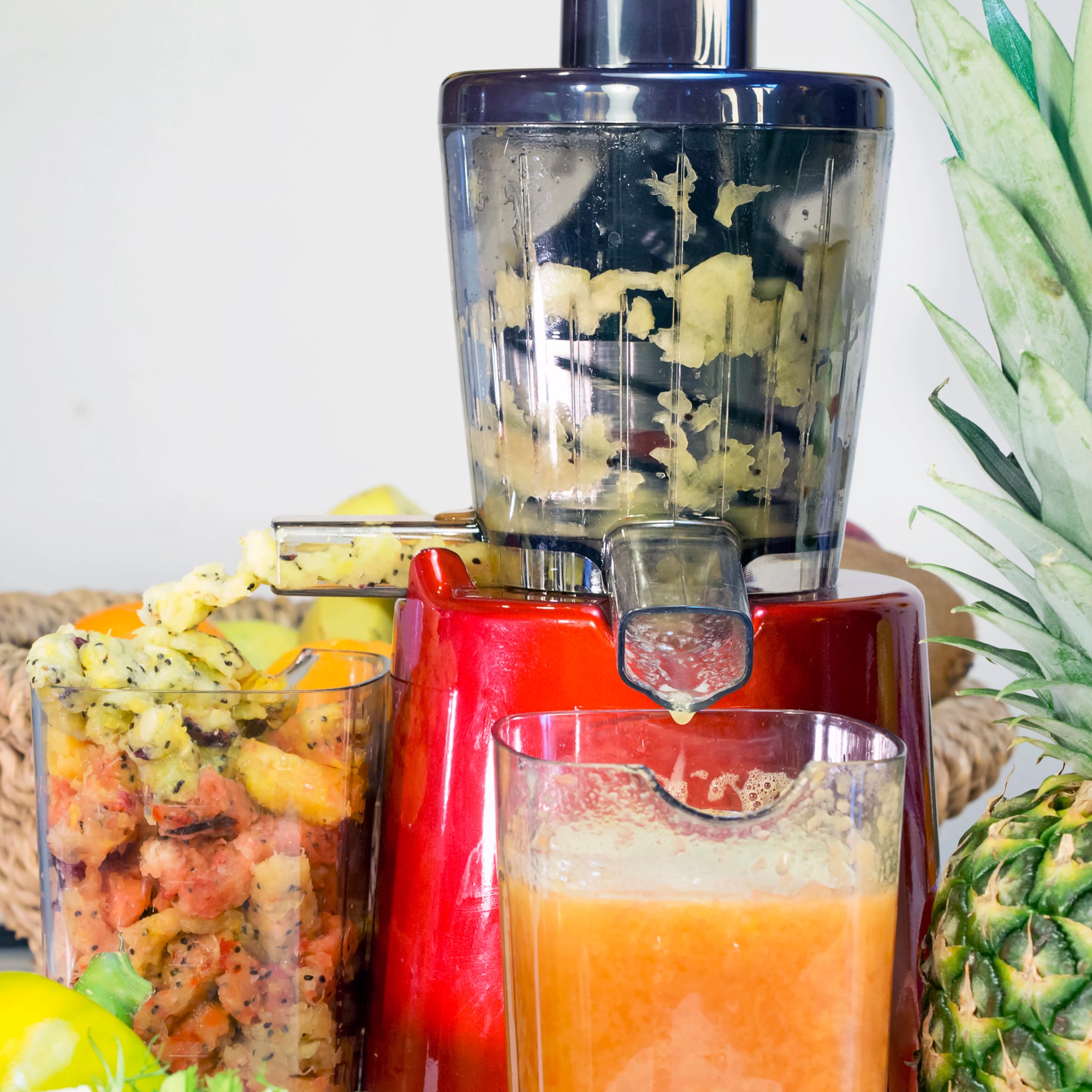
Manual citrus juicers made from heavy ceramic or ribbed glass — the two-piece design with a strainer cone and a collecting bowl — are more functional than they appear. The ceramic versions from the early to mid-20th century, particularly those with coloured glaze and original intact straining discs, sell for $40–$150 in clean condition.
Mexican pottery juicers from the 1940s and 1950s with distinctive glazes have the same functional profile but are collected primarily for their visual appeal.
Thermador and Chambers Gas Ranges
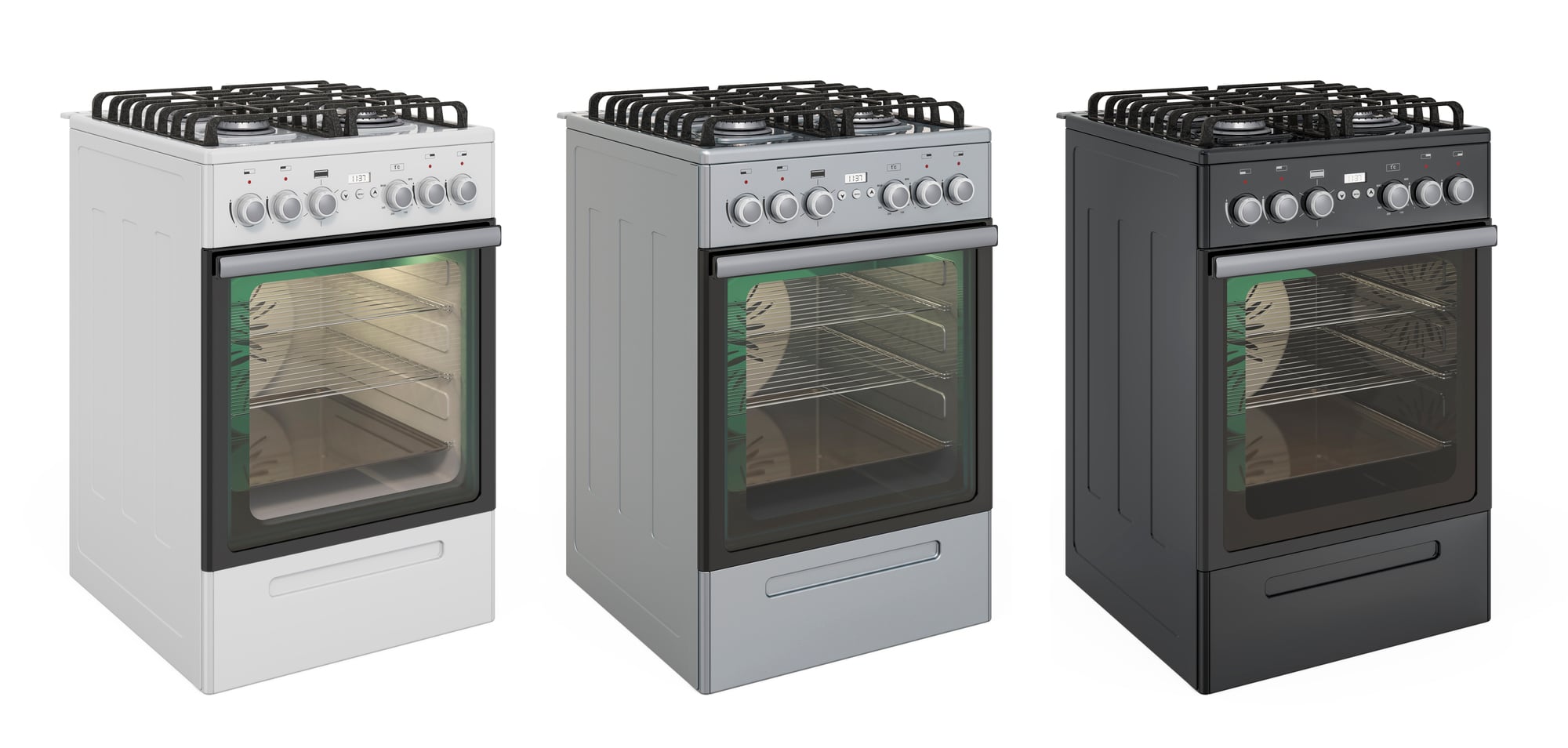
The Chambers Corporation produced gas ranges from the early 20th century through the 1950s that were engineered on the principle that food should finish cooking in residual heat rather than continuous flame. A fully functional Chambers range in good cosmetic condition — cleaned, resealed, with burners working — sells for $3,000–$8,000.
Thermador produced comparable quality in the same period. Both brands built ranges that have outlasted by decades any mass-market range produced since the 1970s.
The waiting list for good restoration examples in some markets is longer than the supply.
Salter Postal and Kitchen Scales, Victorian Era

British-made Salter brass balance scales from the Victorian period — the kind with a flat brass pan suspended over a cast iron or enamel base with calibrated weights — still function with laboratory-grade accuracy and are actively used by bakers who weigh ingredients.
Clean examples with original weights in a fitted case sell for $80–$250. The precision of the mechanism in a well-maintained Victorian Salter scale is equal to or exceeds most modern digital kitchen scales in practical use, and the calibrated weight set doesn’t require batteries.
The Performance Gap Nobody Talks About
Modern kitchen equipment optimises for cost, speed of manufacture, and the domestic assumption that most people replace their appliances every five to ten years. Old equipment optimised for performance and longevity, because the cost to the consumer was high and the manufacturer’s reputation depended on the product lasting.
That gap in design philosophy is the reason a 90-year-old KitchenAid still runs and a five-year-old plastic-geared version sometimes doesn’t.
The collector market for these items is a byproduct of people discovering this performance gap firsthand. Someone finds a cast iron skillet at an estate sale, uses it, and immediately understands why the market for good early Griswold has held steady for twenty years.
The price difference between vintage and new reflects real value, not nostalgia — and on the items where it matters most, that distinction is worth paying attention to.
More from Go2Tutors!

- The Romanov Crown Jewels and Their Tragic Fate
- 13 Historical Mysteries That Science Still Can’t Solve
- Famous Hoaxes That Fooled the World for Years
- 15 Child Stars with Tragic Adult Lives
- 16 Famous Jewelry Pieces in History
Like Go2Tutors’s content? Follow us on MSN.



