25 World Cup Players Who Peaked at the Perfect Moment in the Tournament
There’s a particular cruelty to the World Cup calendar. Players spend four years building toward a single tournament, arrive in form or out of it, and then get maybe seven games — if they’re lucky — to define how history remembers them.
Some players show up exhausted, or injured, or just slightly past their best. But every now and then, a player hits a kind of form in those few weeks that makes everything else in their career look like a rehearsal.
These are the ones worth remembering — the players who didn’t just participate in a World Cup but seemed to exist entirely for it.
Salvatore Schillaci

Nobody expected Schillaci to be the story of Italia 90. He came off the bench in the first match, scored, and then never really stopped — six goals in total, the Golden Boot, and a tournament that made him briefly one of the most recognizable faces on the planet.
Diego Maradona
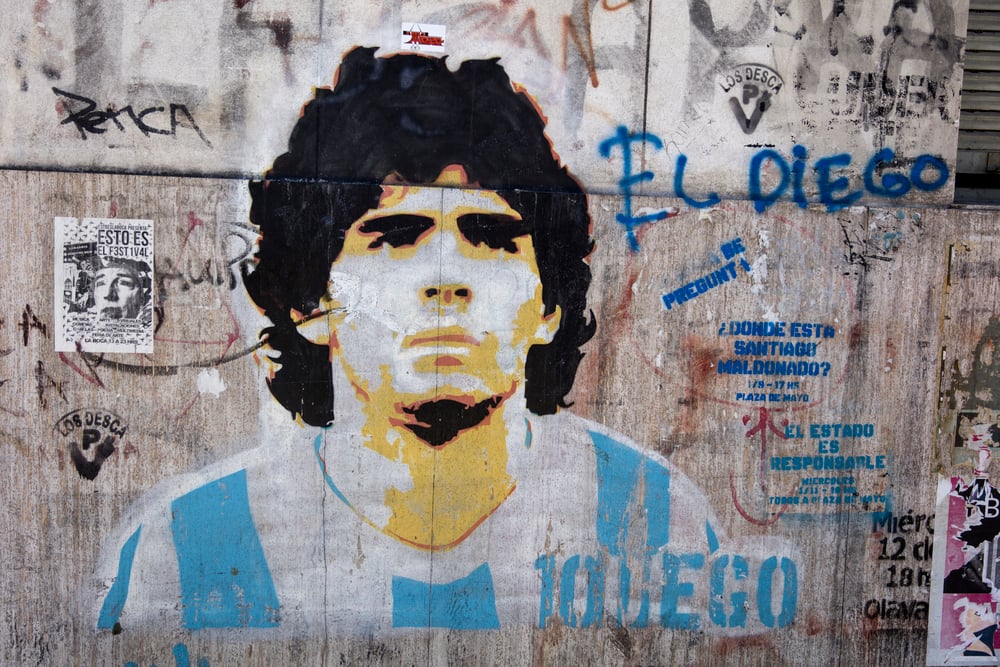
The 1986 World Cup was Maradona operating at a frequency the sport has rarely seen before or since. Two goals against England — one of the most cynical and one of the most transcendent in the history of the game — in a single match, and an entire tournament that felt like it orbited around him personally.
Zinedine Zidane
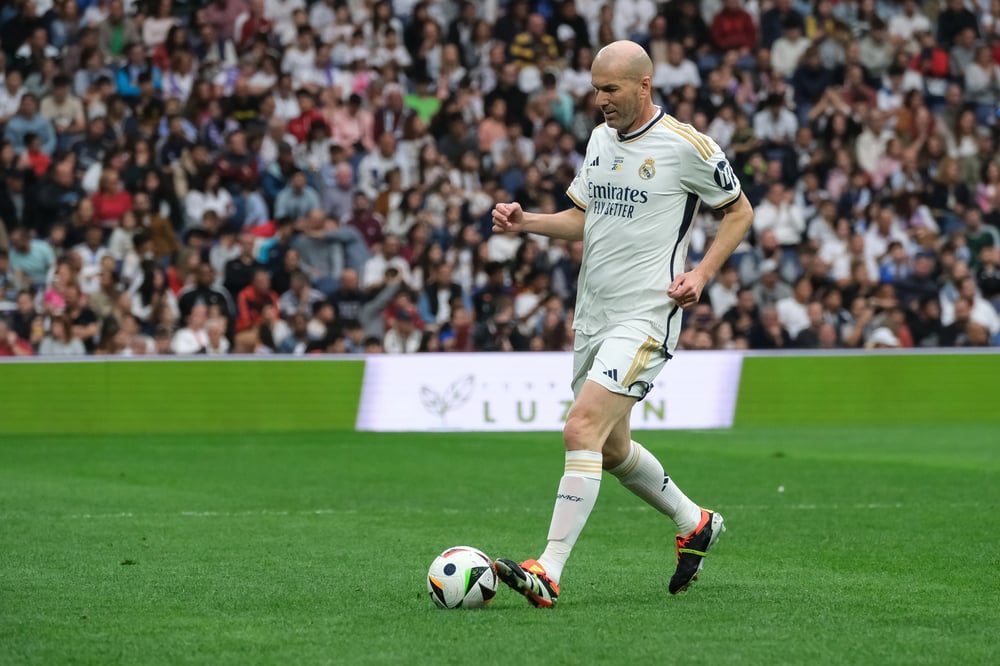
By 2006, Zidane had already retired and then returned to the French national team, and you could be forgiven for thinking the best of him was well behind you. But then he went and put in a performance against Brazil in the quarterfinals that felt less like football and more like a man correcting the historical record, elegant and unhurried in a way that made everyone else on the pitch look slightly panicked.
Just Fontaine

Thirteen goals. One tournament.
That’s it — that’s the sentence. Fontaine scored thirteen times at the 1958 World Cup in Sweden, a record that has stood for nearly seven decades and shows precisely no signs of falling.
Ronaldo
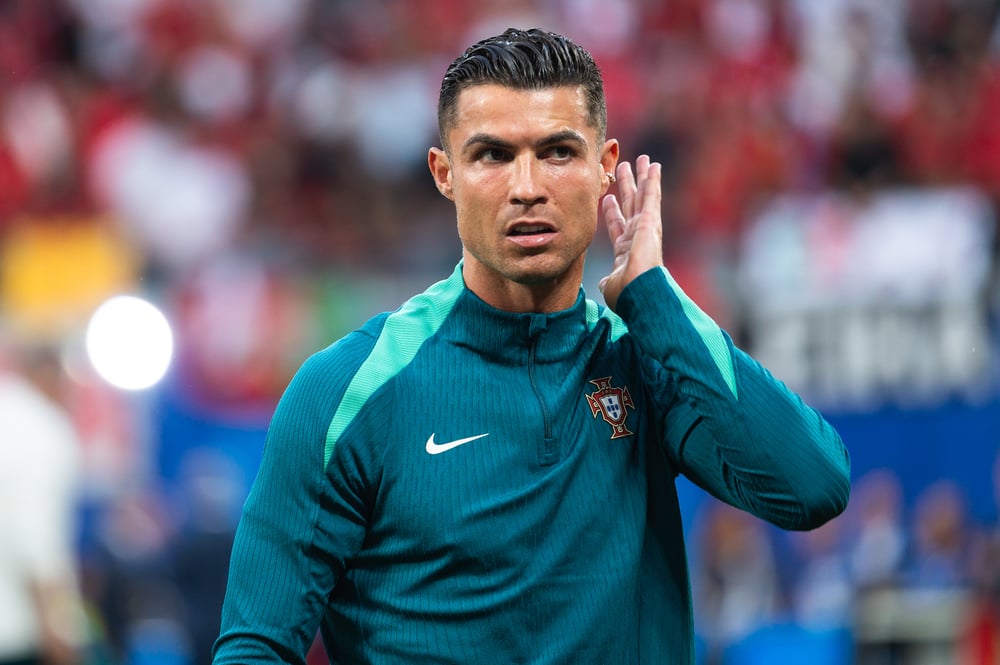
The 2002 World Cup in Japan and South Korea belongs to Ronaldo in a way that’s hard to fully articulate. He’d been ravaged by injury and illness in the years before, had a 1998 final that remains one of football’s strangest and most uncomfortable mysteries, and then he arrived in 2002 looking like someone had given him something to prove — eight goals, a final-winning brace against Germany, and a redemption arc that not even a Hollywood scriptwriter would have dared to pitch.
Luka Modrić
Croatia reaching the 2018 World Cup final was, to put it plainly, a minor miracle built almost entirely on Modrić’s shoulders. He was 32, playing every minute, and still producing the kind of composed, unruffled orchestration in midfield that made opponents look like they were chasing a thought rather than a person.
Peter Schmeichel
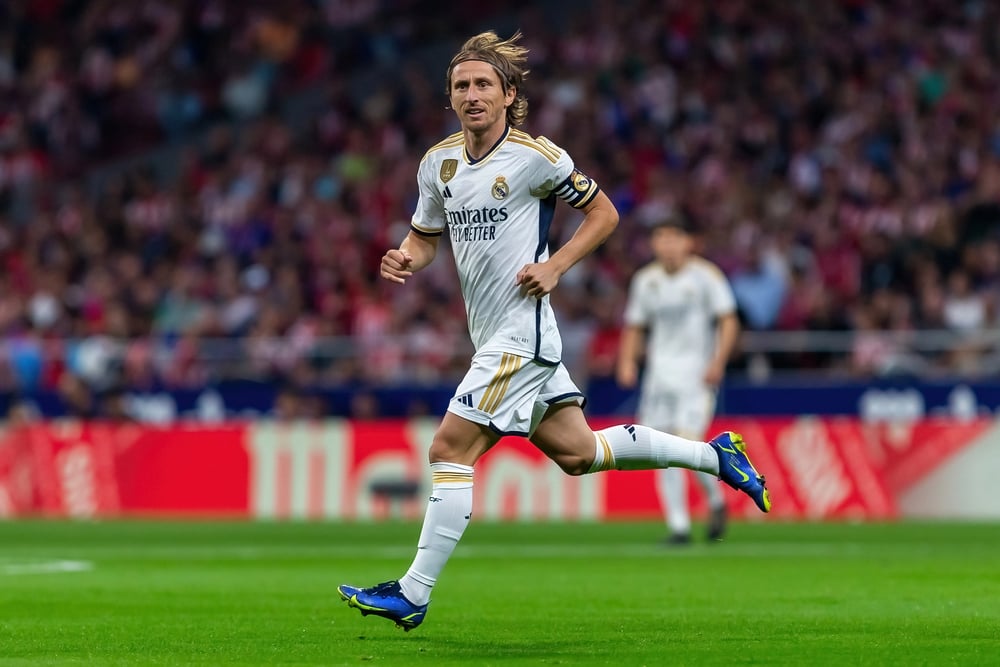
Denmark weren’t even supposed to be at Euro 1992 — which, admittedly, isn’t the World Cup — but Schmeichel’s 1998 World Cup run deserves its own acknowledgment. He was the wall between a Danish side of limited ambition and genuine advancement through the tournament, and the quarter-final exit to Brazil felt less like a defeat and more like the tide finally coming in.
Teófilo Cubillas

Peru’s 1978 World Cup campaign carried Cubillas at its center, a player who had already shown glimpses of brilliance in 1970 but arrived eight years later as something more finished — a midfielder who scored five goals including two free-kicks of genuine ferocity that even now look like they belong to a different era of the sport.
Paolo Rossi

Rossi came into the 1982 World Cup in Spain having served a two-year ban for his involvement in a match-fixing scandal, played three group games without scoring, and looked by most reasonable accounts like a passenger. Then, against Brazil, he scored a hat-trick — and against Poland, two more — and finished the tournament with six goals and a World Cup winners’ medal.
The timing of it was almost absurd.
Roger Milla

In 1990, Roger Milla was 38 years old, had come out of retirement at the personal request of Cameroon’s president, and then proceeded to score four goals, celebrate each one with a dance around the corner flag, and personally drag Cameroon to the quarterfinals. To be fair, nobody had a script for any of that.
Gerd Müller

Müller’s 1970 World Cup performance — ten goals in six matches, including a hat-trick against Bulgaria and a late winner against England in the quarterfinals — arrived at the kind of devastating efficiency that felt almost clinical in its precision, the tournament equivalent of watching someone solve every problem in a room before anyone else realized there was a problem.
Garrincha
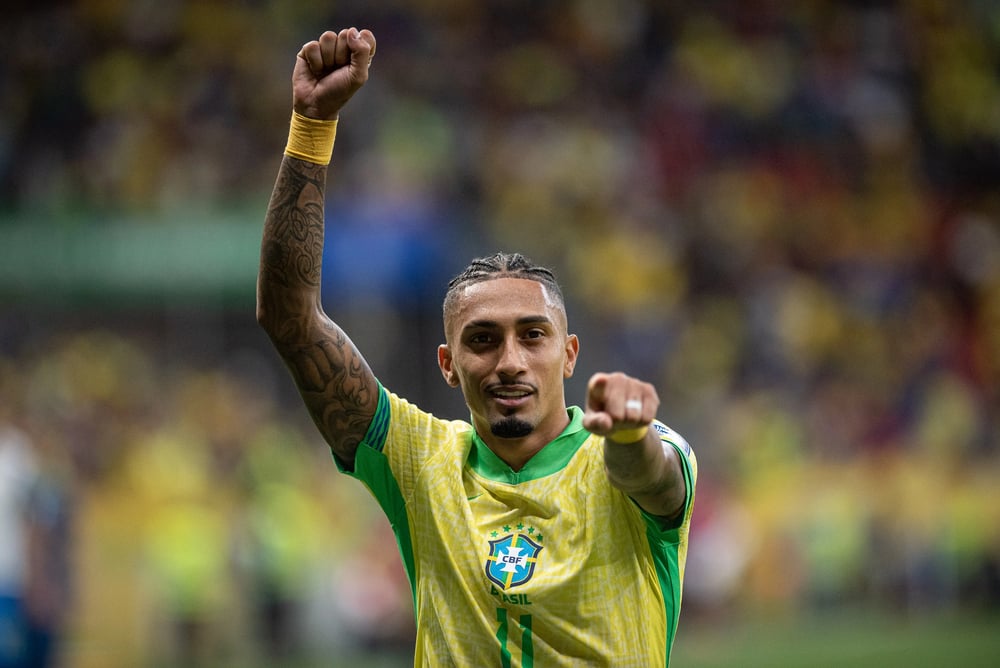
The 1962 World Cup in Chile is sometimes called “Garrincha’s tournament” because Pelé was injured early and Brazil still won, almost entirely on the strength of Garrincha’s bewildering dribbling and two goals in the semifinal against Chile. His right knee bent the wrong way, his spine curved, and he still ran full-backs into the ground with a kind of cheerful indifference to the laws of physical symmetry.
Mario Kempes
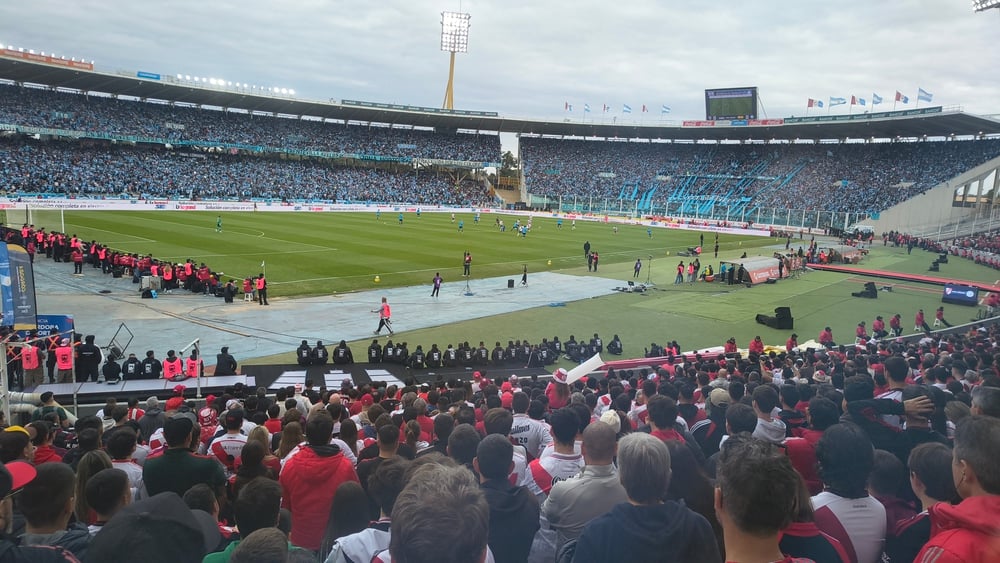
Argentina’s 1978 campaign rested on Kempes in a way that was entirely visible to everyone watching. Six goals, including two in the final against the Netherlands — scored in extra time — and a kind of determination that felt less like inspiration and more like inevitability.
Eusébio
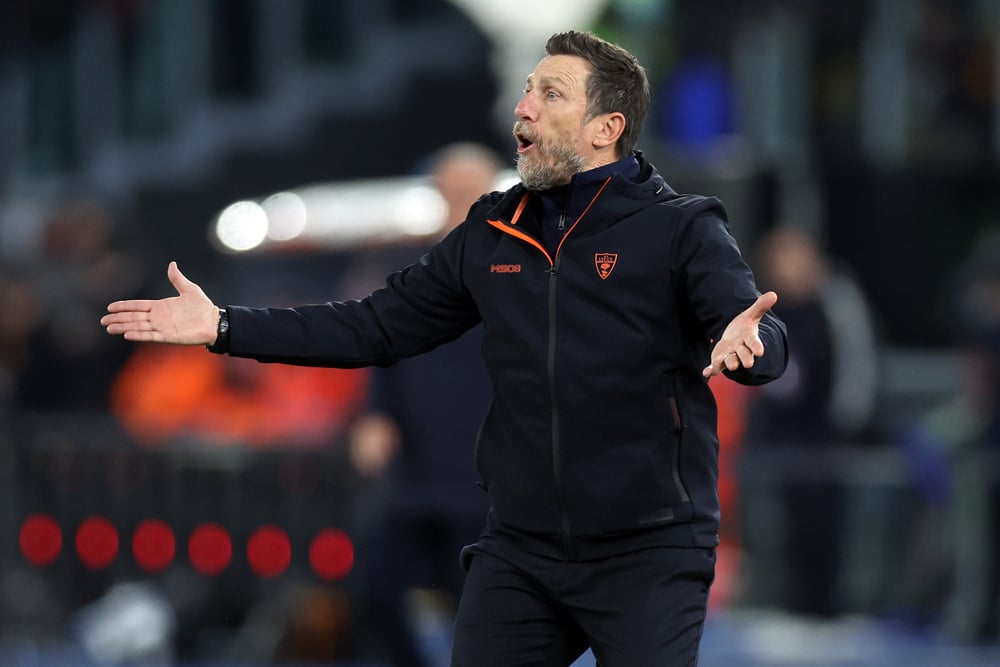
Portugal’s run to the 1966 World Cup semifinals was Eusébio at his most complete and combustible. Nine goals, including four against North Korea after Portugal had somehow found themselves 3-0 down, and a semifinal against England where even a loss couldn’t diminish what he’d produced across the previous weeks.
Kylian Mbappé
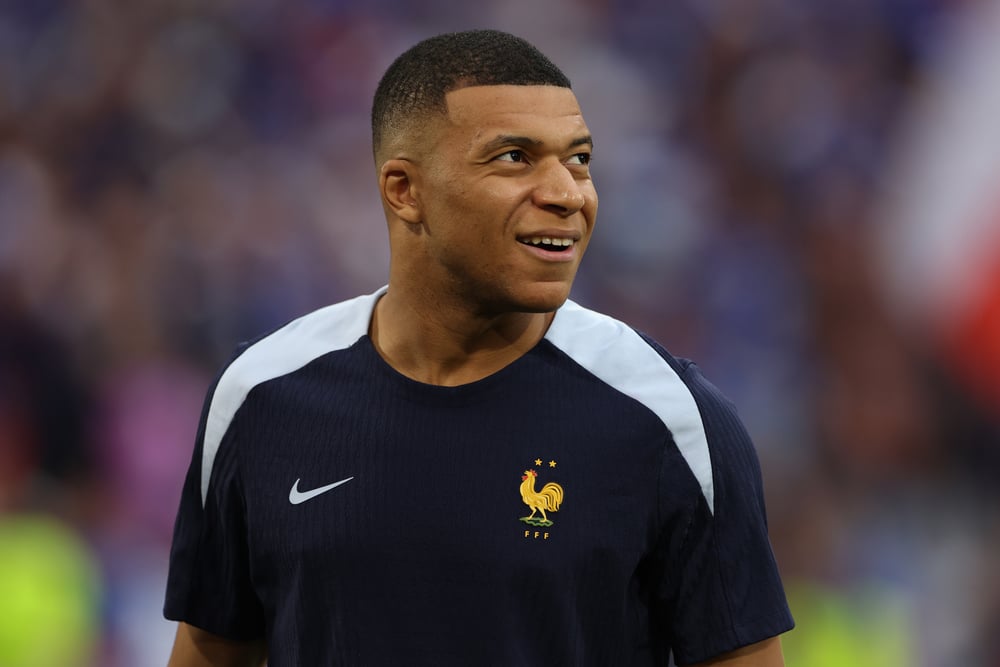
The 2018 World Cup was not supposed to be about a 19-year-old who’d started barely a handful of Champions League matches. But Mbappé arrived in Russia and played as though the tournament had been organized specifically for his introduction — four goals, a man-of-the-match in the final, and the kind of speed that made even experienced defenders look like they were standing in place.
Oleg Salenko

Salenko scored five goals in a single match against Cameroon at the 1994 World Cup — five, in a single game — and shared the Golden Boot with Hristo Stoichkov despite Russia going home in the group stage. He’s probably the only Golden Boot winner whose team didn’t make it out of the groups, which is a distinction that sounds made up but is entirely real.
Hristo Stoichkov

Bulgaria’s 1994 World Cup semifinal run rests so heavily on Stoichkov’s shoulders that it’s almost unfair to the rest of the squad to say so. Six goals, including a free-kick against Germany in the quarterfinals that still gets replayed on highlight packages with a reverence usually reserved for historical events, and a tournament that represented the absolute apex of Bulgarian football, never approached before or since.
Miroslav Klose
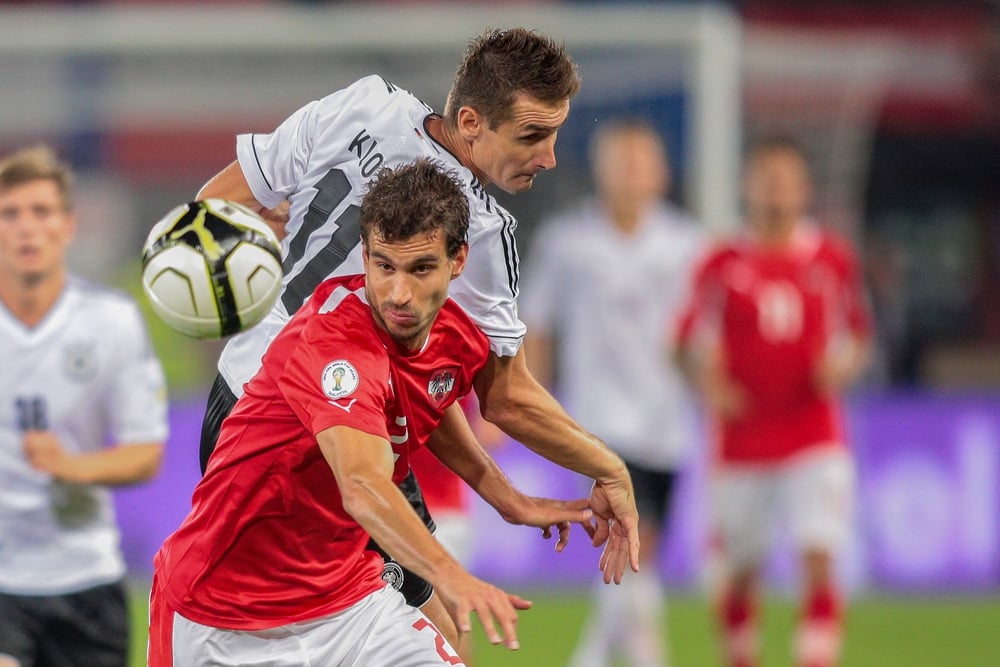
Klose’s 2006 World Cup performance — on home soil, in front of a Germany that had briefly remembered how to enjoy football — brought five goals and a kind of relentless, unshowy efficiency that German supporters found beautiful and opposing goalkeepers found exhausting. He was not the flashiest player in that tournament by a significant distance, and it didn’t seem to bother him at all.
Lothar Matthäus

The 1990 World Cup in Italy was Matthäus operating at the summit of what a midfielder can be — goals, tackles, leadership, and a semi-final penalty against England dispatched with the sort of calm that suggested the occasion simply didn’t have access to him emotionally. Germany won the tournament and he won the Ballon d’Or, which at least occasionally happens to the right person.
Xherdan Shaqiri
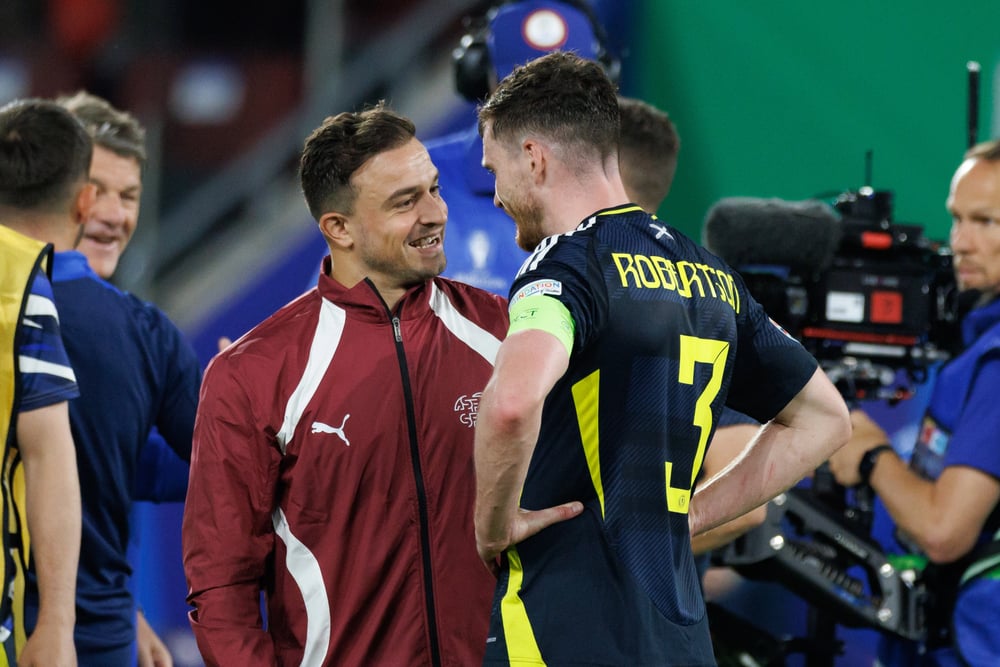
Switzerland’s 2018 group stage featured a moment that the geopolitical context made almost impossible to reduce to pure football: Shaqiri’s winner against Serbia, celebrated with the double eagle gesture, in a room so charged with meaning that the goal itself became almost secondary. But the goal was genuinely stunning — a bicycle kick from a tight angle, hit perfectly — and for one specific tournament match, Shaqiri was the entire story.
Thomas Müller
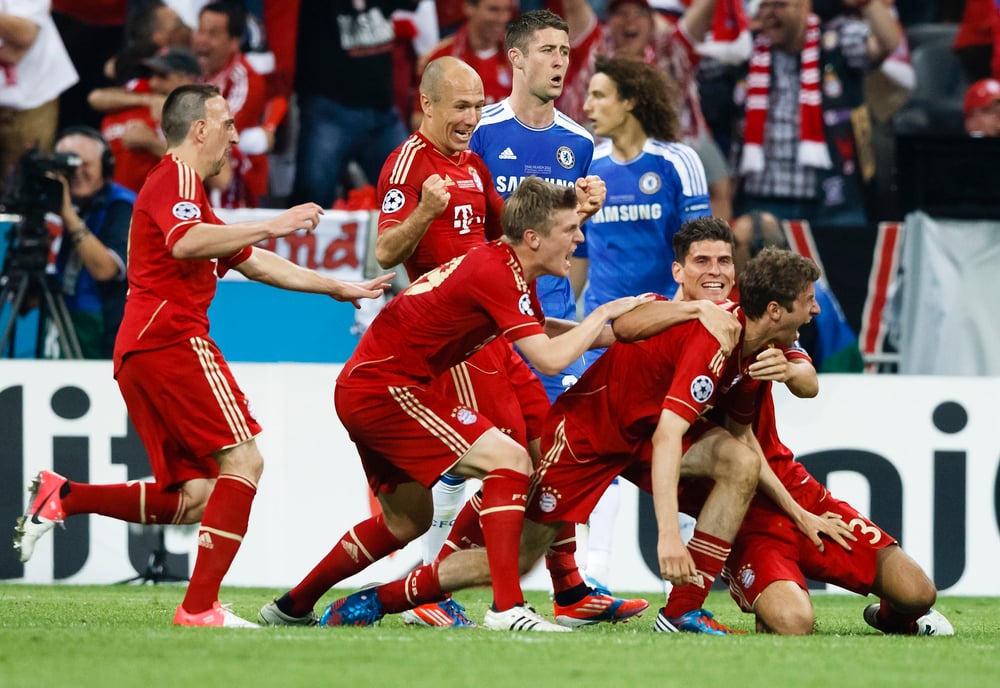
The 2010 World Cup sent Thomas Müller home with the Golden Boot and the Best Young Player award, despite Germany’s elimination in the semifinals. Five goals in the group stage and knockout rounds, and a performance against England in the round of sixteen — where he scored twice and contributed to a result England supporters have not fully processed in the years since.
André Schürrle
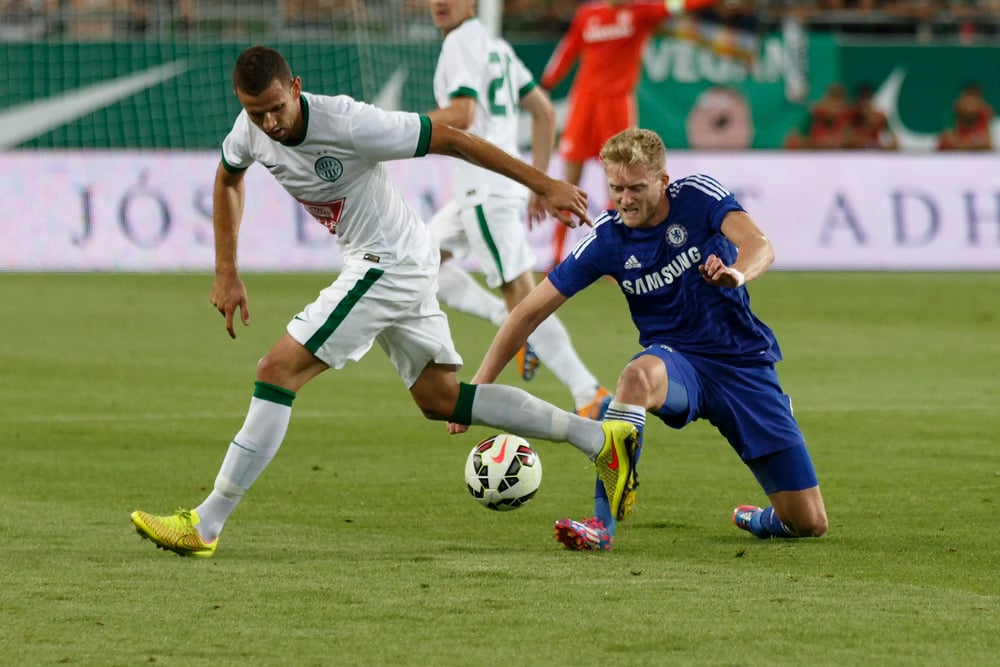
Germany’s 2014 World Cup campaign produced a final remembered for Mario Götze’s winner, but Götze only came on because Schürrle was already doing damage as a substitute — and it was Schürrle’s cross that Götze controlled and finished. Schürrle scored twice against Brazil in the 7-1, arrived at the right moments in the right matches, and played a supporting role so well that the supporting role turned out to be essential.
Mircea Lucescu’s Romania — Ion Dumitrescu
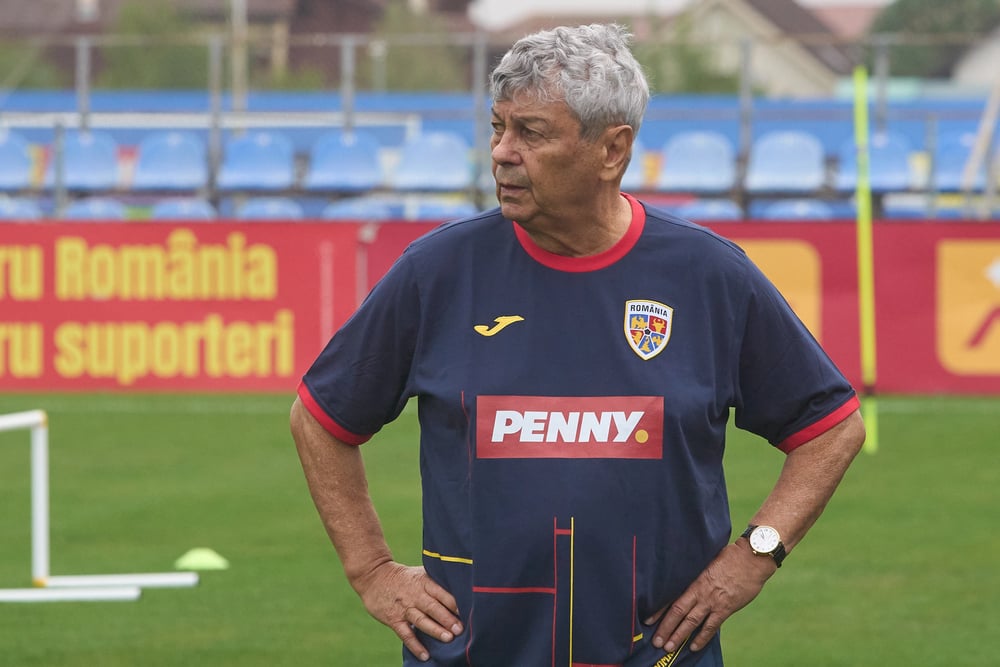
Romania’s 1994 World Cup run through the group stage and knockout rounds into the quarterfinals produced some of the most entertaining football of the tournament, and Dumitrescu was the player at the center of it — two goals against Colombia and two against Argentina, all of them struck with a confidence that belonged to someone who hadn’t read the script about Romania’s traditional tournament ceiling.
Carlos Valderrama

Colombia’s 1990 and 1994 World Cup appearances gave Valderrama a stage that felt proportionate to the spectacle he carried everywhere he went — a six-inch afro, an unwillingness to be hurried, and a passing range that made the pitch seem smaller than it was. The 1994 tournament specifically saw him distribute the orb like someone methodically explaining something very complicated to a very attentive audience.
Fernando Morientes
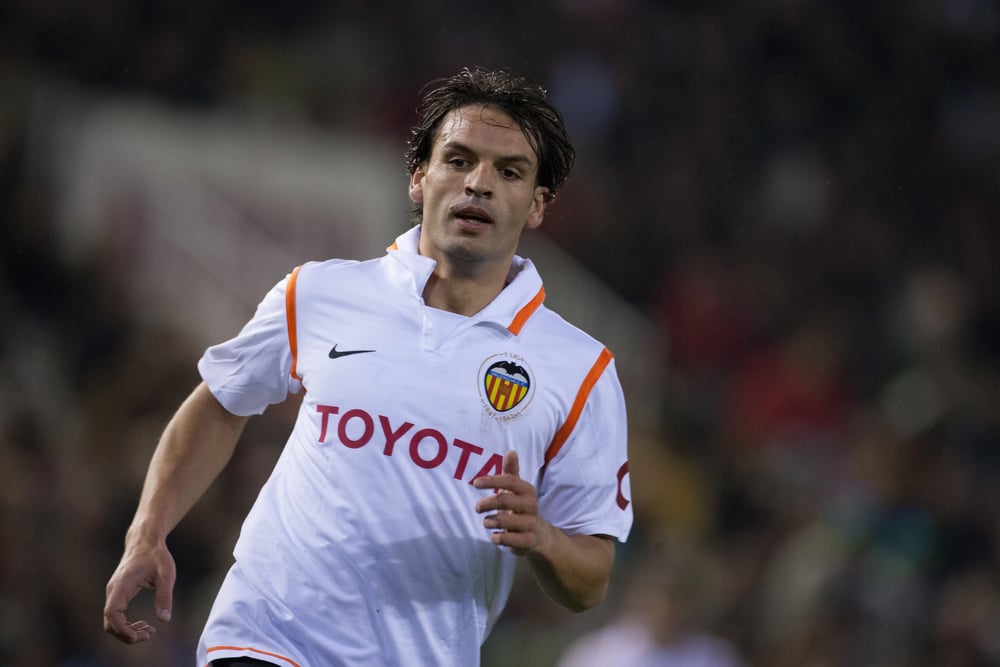
Spain in 2002 was not supposed to get anywhere near a semifinal, and Morientes — operating as a focal point for a team still figuring out how to function in knockout football — scored three goals and held the line in moments where everything could have unraveled. Two controversial refereeing decisions ended Spain’s run, but Morientes had delivered something that the result couldn’t take back.
The Ones Who Showed Up Exactly on Time

What connects all twenty-five of these players is something that doesn’t appear in any statistics column. Form is ordinary.
Fitness is expected. But arriving at the precise intersection of physical peak, psychological readiness, and historical moment — that’s the rarest thing in sport.
Some players spend entire careers trying to manufacture that feeling in a major tournament and never find it. These ones didn’t find it so much as become it, briefly and completely, in the only four weeks that fully mattered.
More from Go2Tutors!

- The Romanov Crown Jewels and Their Tragic Fate
- 13 Historical Mysteries That Science Still Can’t Solve
- Famous Hoaxes That Fooled the World for Years
- 15 Child Stars with Tragic Adult Lives
- 16 Famous Jewelry Pieces in History
Like Go2Tutors’s content? Follow us on MSN.



