27 Animal Behaviors Scientists Still Cannot Fully Explain
There’s a particular kind of humility that only nature can produce. Humans have mapped genomes, landed rovers on Mars, and split atoms — and yet a monarch butterfly navigating to a forest it has never visited can still stop a researcher cold.
Animals do things every day that defy clean explanation, behaviors that slot neatly into neither instinct nor learning, neither chemistry nor chance. Some of these mysteries have been studied for decades.
Some have only recently come to light. All of them serve as a reminder that the natural world is stranger, and more stubborn, than any textbook suggests.
These are 27 animal behaviors that science has observed, documented, and largely failed to fully account for.
Monarch Butterfly Migration
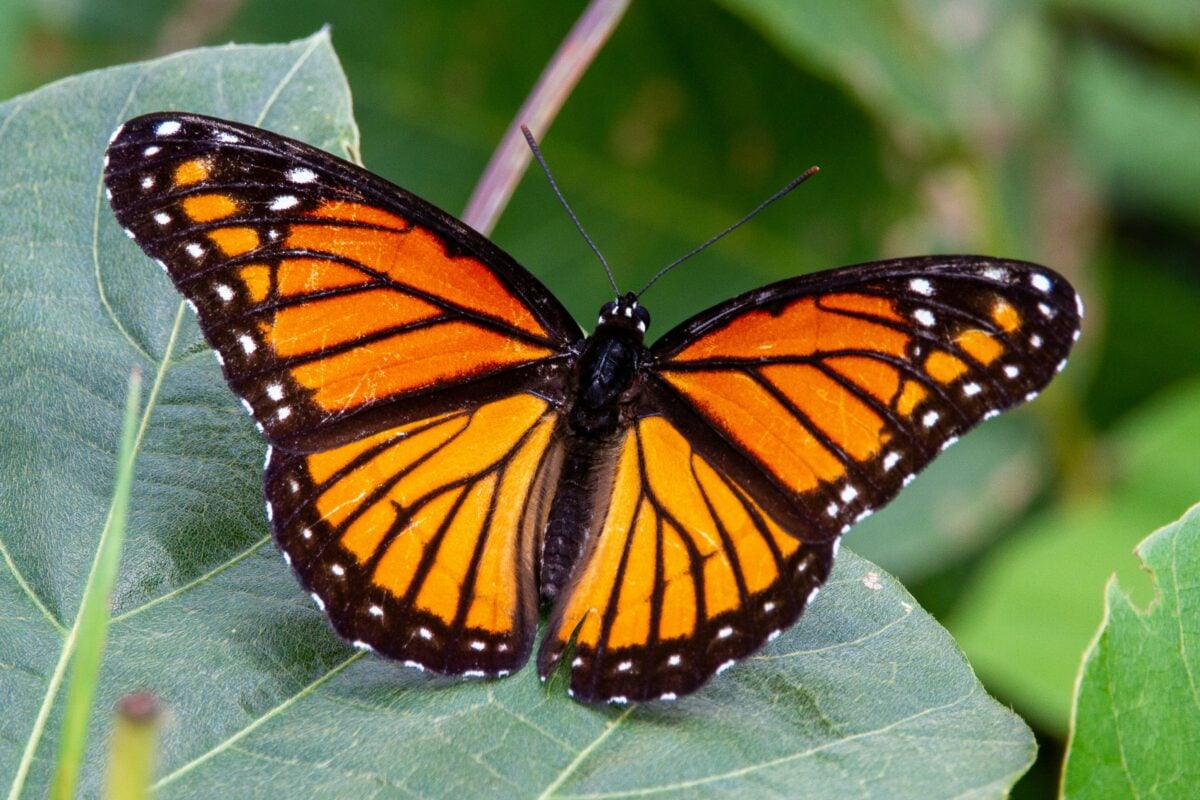
No monarch butterfly alive today has ever made the full round trip. The generation that arrives at the oyamel fir forests of central Mexico each November is four or five generations removed from the one that left the previous spring — and yet they find the same trees, in the same mountains, within the same few square miles.
Scientists have identified magnetic field sensitivity and sun compass orientation as partial contributors, but those mechanisms together don’t fully account for the inherited precision of the route. The map exists somewhere inside the insect, passed down without a single lesson.
Elephant Mourning
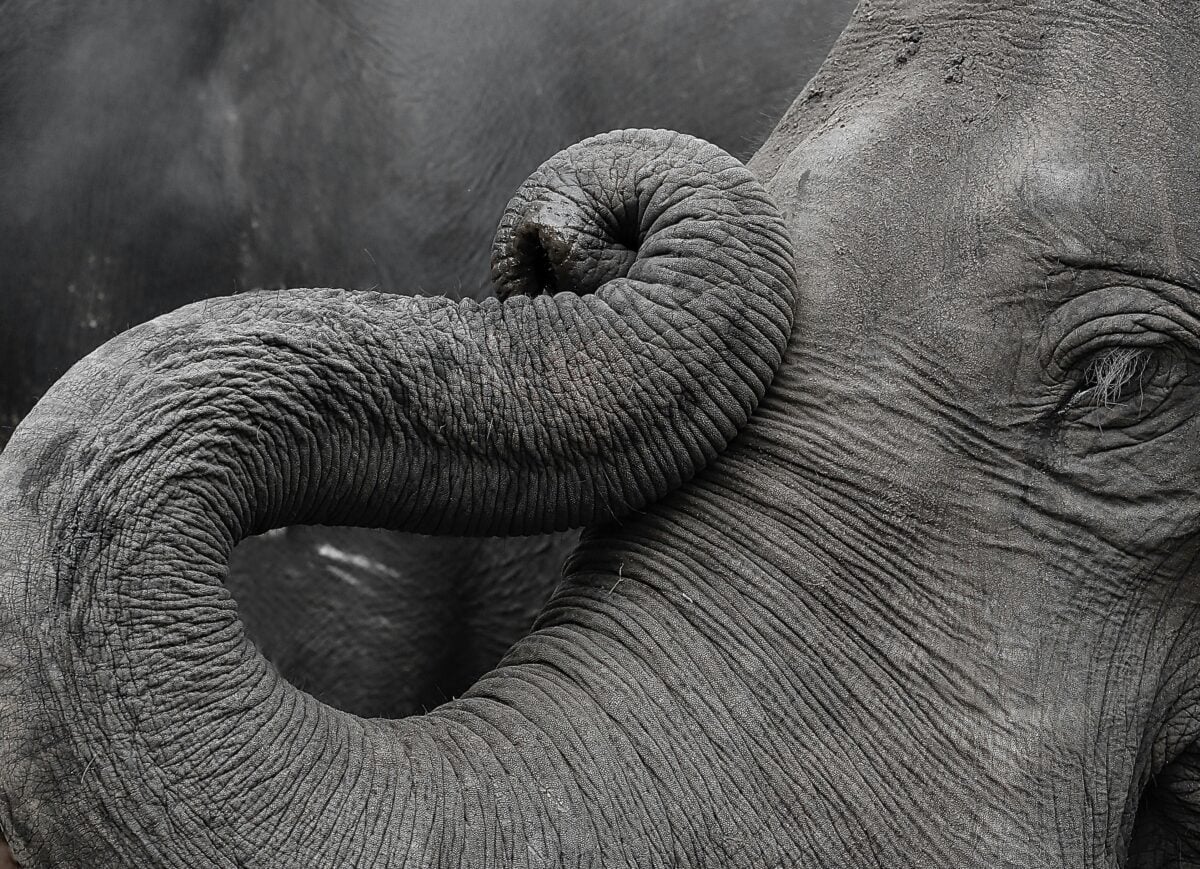
Elephants don’t just notice when one of their own dies — they return. A herd will revisit the bones of a deceased member months or years later, standing quietly, touching the remains with their trunks in a way that reads, uncomfortably, like grief.
Researchers are genuinely divided on what’s happening: whether this is a form of emotional processing, a sensory recognition response, or something that doesn’t fit either category yet. Whatever label gets applied, the behavior itself is consistent enough across populations and generations that ignoring it has stopped being a credible option.
Dog Sense of Owner’s Return

The experiment has been replicated enough times to be taken seriously. Dogs — in controlled conditions, with owners departing at random times and traveling various distances — begin behaving in ways anticipatory of their owner’s return at moments that don’t correlate with routine, sound, or smell.
Rupert Sheldrake’s research on this, particularly with a dog named Jaytee, remains one of the more contested datasets in animal behavior science, not because the results were conclusively debunked but because nobody has produced a fully satisfying conventional explanation. The dog waits by the window.
The owner is still miles away.
Cat Purring

Purring is not simply contentment. Cats purr when injured, when giving birth, when dying — which means the sound means something more complicated than “I’m pleased with the situation.” The frequency of a cat’s purr, typically between 25 and 150 Hz, overlaps with ranges shown to promote bone density and tissue healing in laboratory settings, leading some researchers to theorize that purring is partly self-medicating.
But whether the cat is doing this deliberately, instinctively, or simply because the mechanism fires under stress regardless of context, nobody has settled.
Whale Beaching

Strandings — sometimes involving hundreds of whales at once — have been recorded for centuries, and the explanations proposed have been just as numerous. Naval sonar disruption, illness, navigational confusion caused by geomagnetic anomalies, following a sick leader too close to shore: each theory has supporting evidence and gaping pits.
What makes mass strandings particularly strange is that healthy whales, capable of returning to open water, sometimes refuse to after being guided back — as if leaving were not the priority it would seem to be. Science has not agreed on what the priority actually is.
Ant Zombie Behavior from Ophiocordyceps Fungus
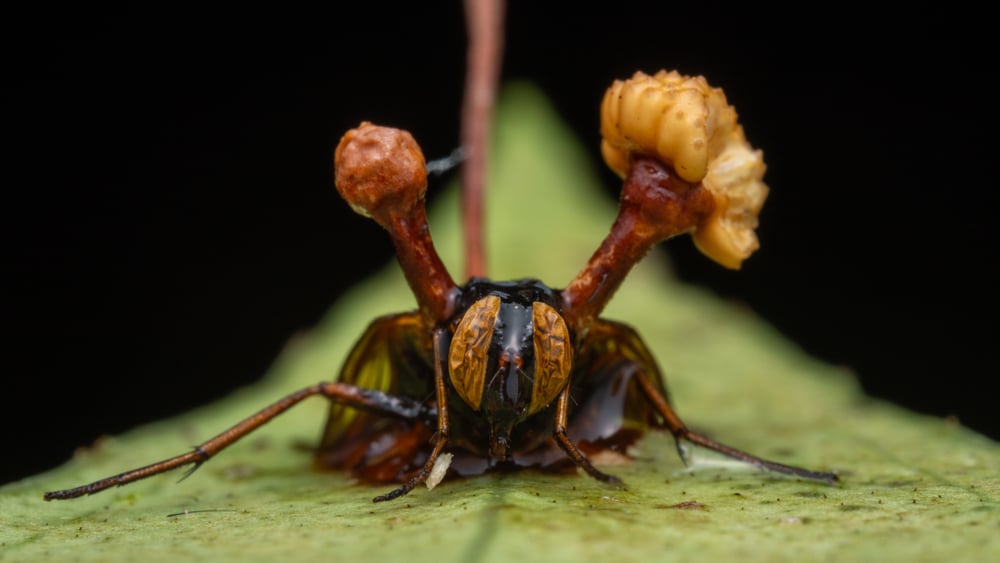
The fungus is understood. The mechanism, partially. But what genuinely unsettles researchers is the precision of the behavior it produces: an infected carpenter ant climbs to a height of roughly 10 inches above the forest floor — not 6, not 14, but consistently around 10 — bites into a leaf vein at a specific angle, and dies.
The fungus then fruits from the corpse. How the fungus navigates an ant’s nervous system to produce not just death-behavior but calibrated, geographically specific death-behavior is a question that remains, in the technical sense, open.
The ant becomes a delivery mechanism it had no say in.
Bird Flocking (Murmuration)
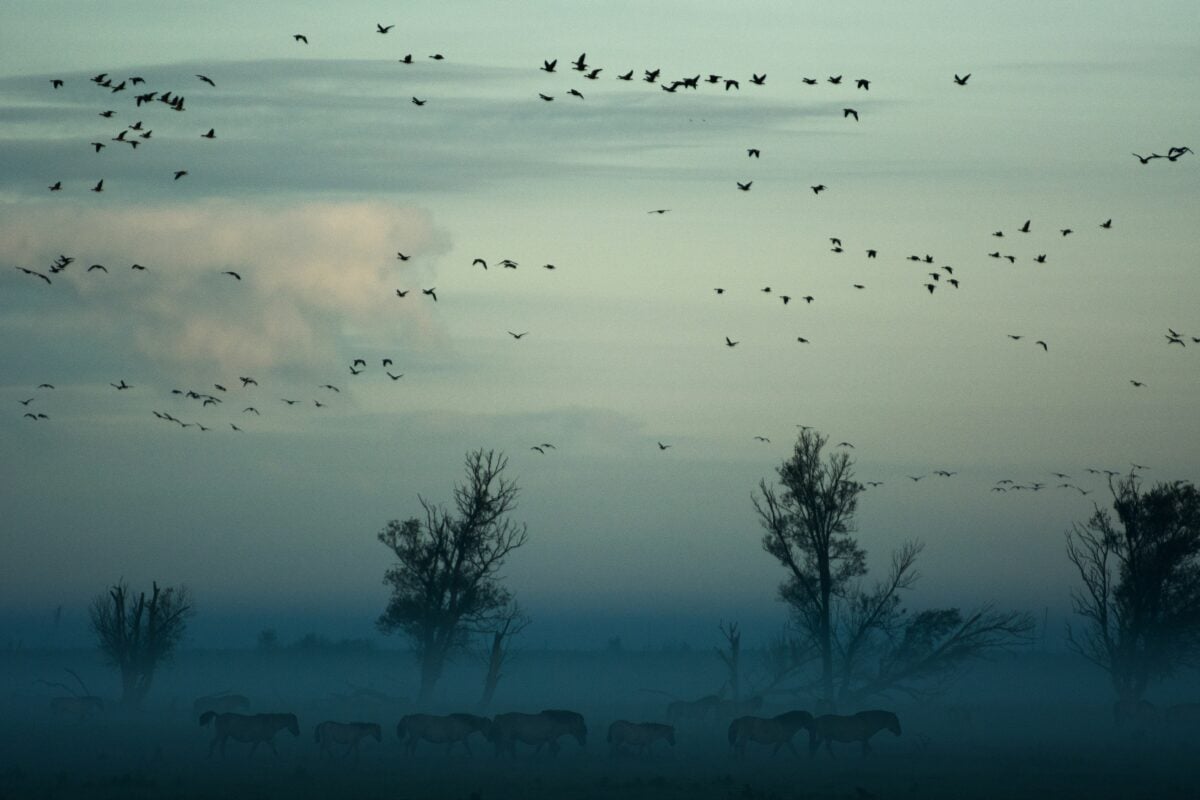
A starling murmuration — thousands of birds banking and folding through the sky like a single liquid thing — operates without a leader, without a signal, without any communication scientists have been able to fully decode. Each bird responds to the seven nearest neighbors, following a set of simple rules that somehow produces behavior of breathtaking complexity, the kind of complexity that doesn’t look like the output of simple rules at all.
Computational models can approximate it. None of them have replicated it.
There’s a gap between what’s modeled and what actually flies, and that gap is still there.
Electric Eel Coordination
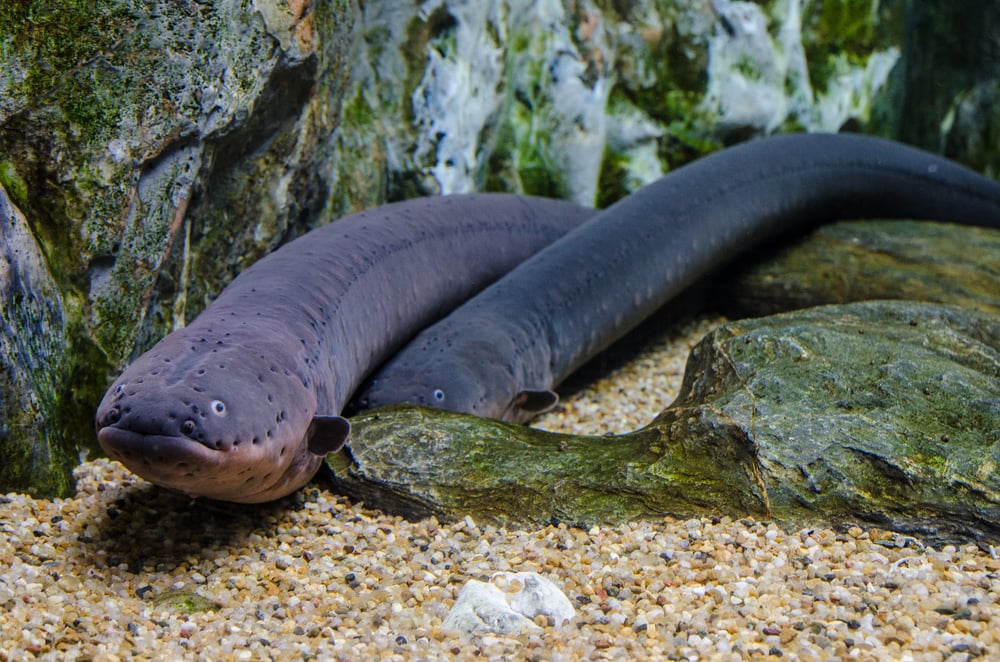
Electric eels don’t just discharge electricity for defense or to stun prey — they appear, in some circumstances, to coordinate those discharges in ways that suggest group behavior, which contradicts most of what was assumed about them as solitary animals. Observations of multiple eels hunting together and timing their electric pulses in what looks like synchronized volleys have left researchers questioning how much of this is coincidence and how much is something that would need to be called cooperation.
For an animal that was considered fundamentally antisocial, that’s a significant revision.
Fish Schooling Synchrony
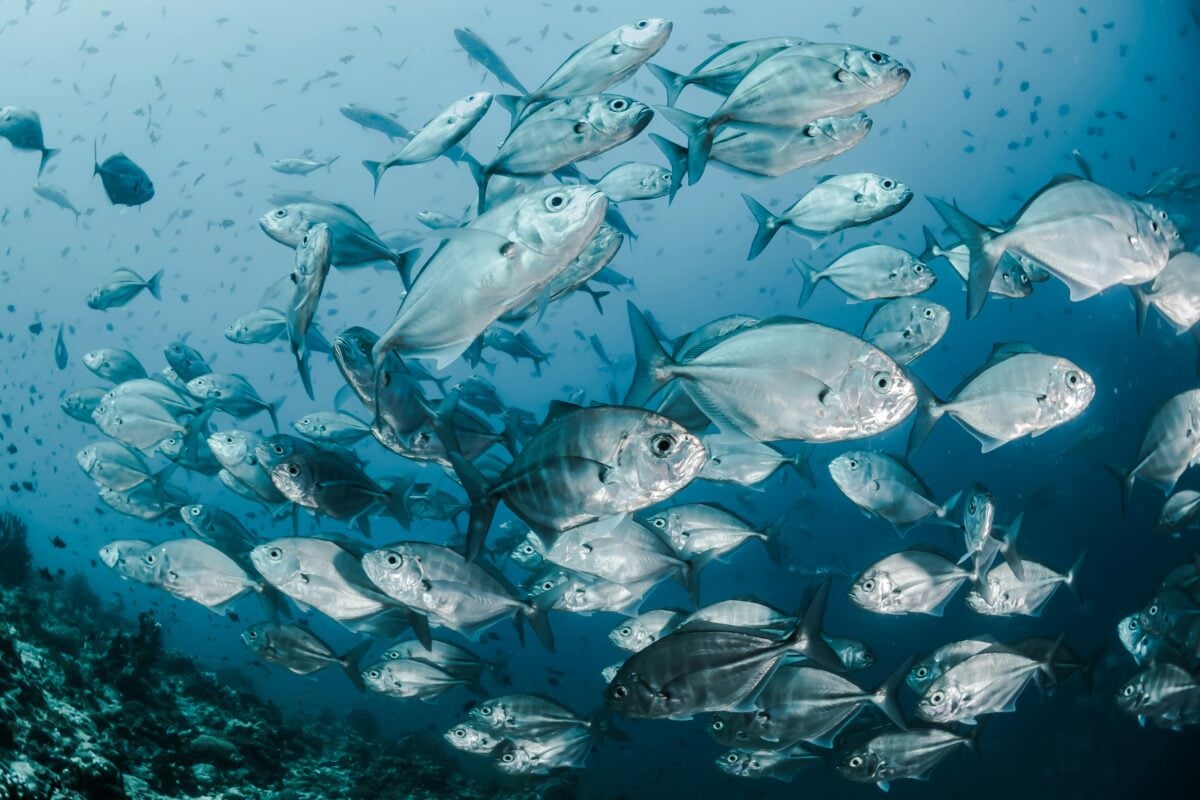
Like murmurations but underwater and arguably more baffling — a school of fish can reverse direction, collectively, in under 20 milliseconds. The fastest a visual signal can travel through a fish’s nervous system is estimated at 40 to 70 milliseconds, which means the fish cannot be responding to what they see in time to produce the behavior observed.
Lateral line sensitivity — the ability to detect pressure changes in the water — offers a partial explanation, but “partial” is doing heavy lifting in that sentence. Something is coordinating them faster than perception should allow.
Octopus Problem Solving

Octopuses have the long-term memory of an animal with no business having long-term memory, given that they live for roughly one to two years and die shortly after reproducing. An octopus that learned to navigate a maze last week navigates it faster today — which is standard enough — but the same octopus will also remember a specific keeper who fed it, a specific tank arrangement it prefers, and apparently whether or not it found a task engaging.
The fact that so much cognitive sophistication developed independently of the vertebrate lineage that produced mammalian intelligence is one of the more intriguing unanswered questions in neuroscience.
Honeybee Waggle Dance Accuracy

The waggle dance is well documented. What’s less documented is how reliably it works at scales that should exceed its resolution.
A forager bee returning to the hive performs a figure-eight dance — the angle and duration encoding the direction and distance of a food source — and recruits bees successfully to navigate to flowers up to 3 miles away based on it. But the dance is performed in the dark, on a vertical surface, and decoded by bees using their feet and antennae.
The precision of information transfer in those conditions, through that medium, shouldn’t be as high as it demonstrably is.
Cat Navigation Home

Cats have returned home after being lost or relocated dozens of miles away, crossing terrain they have never traveled, in some cases crossing rivers, which they are famously disinclined to do voluntarily. The magnetite crystals found in cats’ brains suggest a magnetic sense similar to that in migratory birds, but that alone doesn’t account for the specificity — navigating not just north, but to this yard, this door, this patch of familiar smell.
The homing instinct in cats is real enough that scientists don’t dispute it. The mechanism behind it remains genuinely unclear.
Crow Gifting
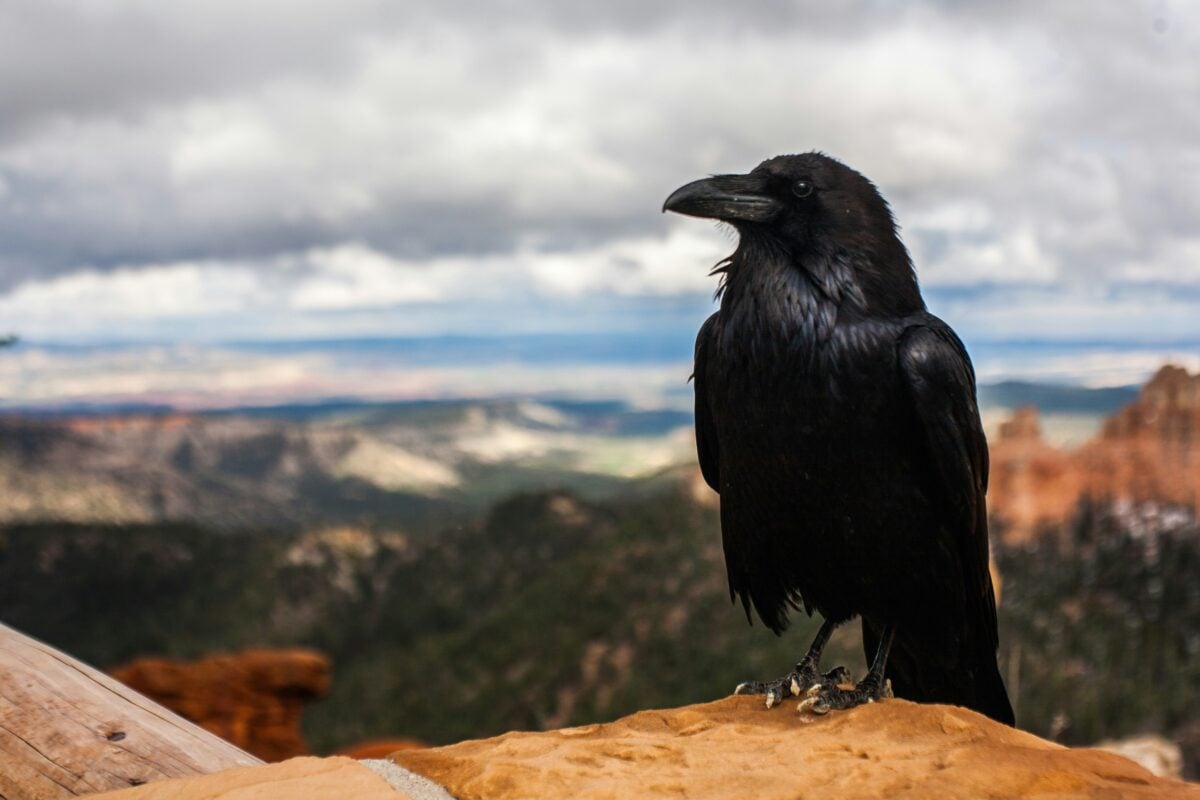
Crows in urban environments have been documented leaving objects — buttons, coins, pebbles, occasionally pieces of glass — for humans who feed them regularly. The behavior is deliberate enough that researchers classify it as reciprocal exchange rather than accident or play, but what exactly is motivating it goes beyond simple reinforcement.
Crows don’t receive food in return for the objects — the gifting happens independently, sometimes days after a feeding interaction. Whether this constitutes something recognizable as gratitude, or a social bonding behavior, or something with no clean human analog, is a question that hasn’t been resolved to anyone’s full satisfaction.
Migratory Bird Magnetic Sense
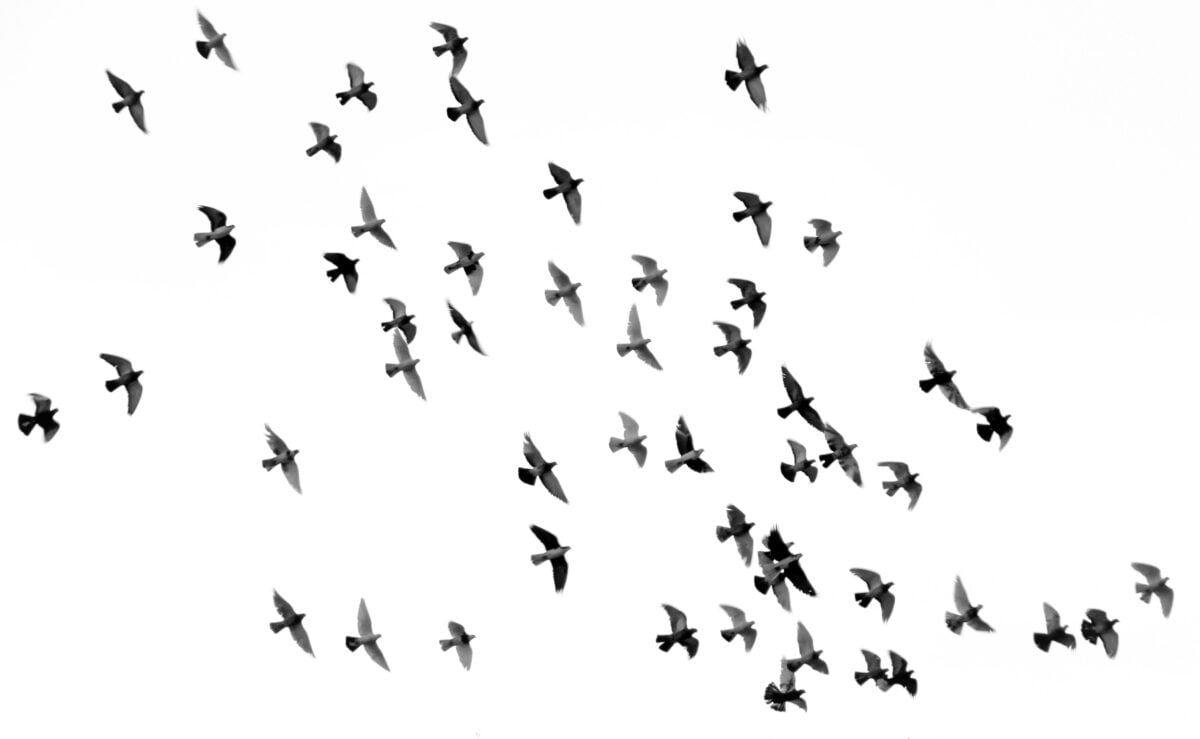
Birds detect Earth’s magnetic field, and this is established. What remains less settled is how they do it at the level of mechanism: two competing models — one involving magnetite crystals in the beak, one involving quantum effects in the eye (specifically, cryptochrome proteins generating radical pairs) — both have supporting evidence and neither has fully won.
The quantum biology explanation is particularly startling because it would mean a bird navigates partly through a process that operates at the quantum level inside its visual system — which is not the kind of thing that’s easy to accept without wanting more proof.
Rat Laughter
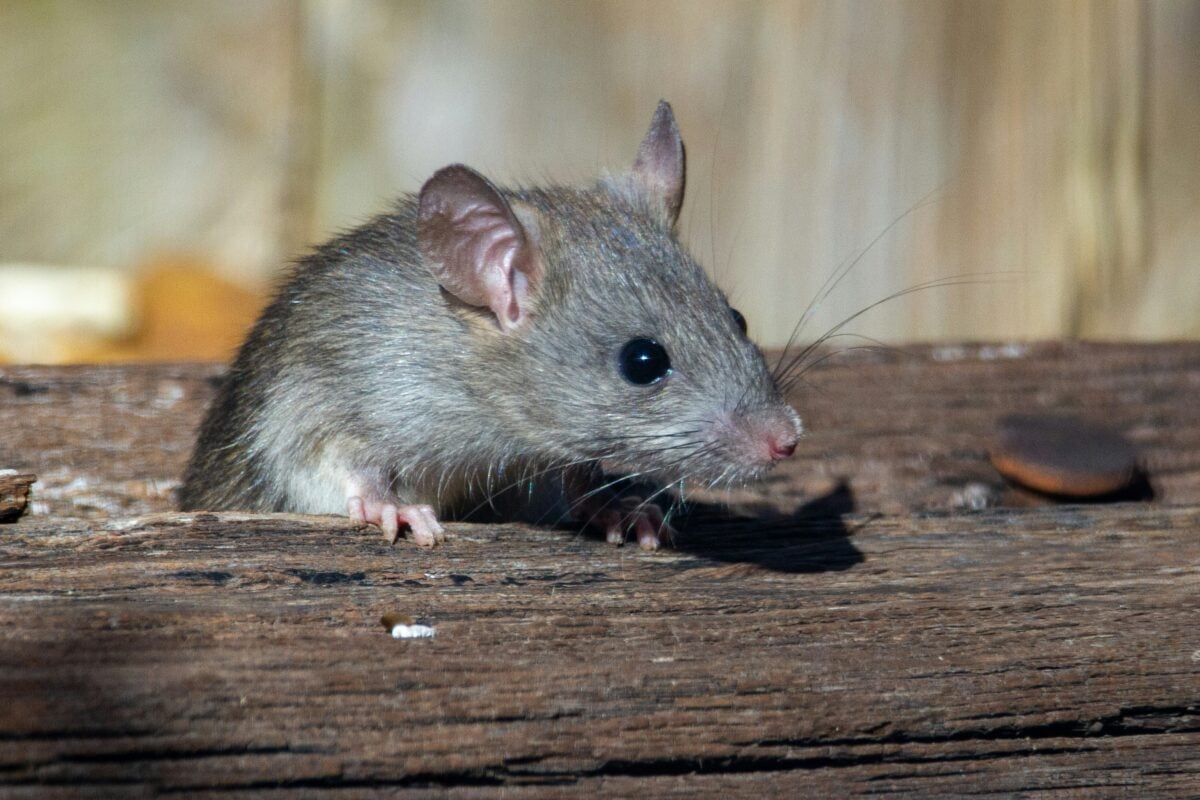
Rats emit ultrasonic chirps at 50 kHz during play and tickling that neurologist Jaak Panksepp characterized as laughter — a claim that was met, initially, with significant skepticism and has since accumulated enough supporting evidence to be uncomfortable to dismiss entirely. Young rats seek out tickling, make the sounds during rough-and-tumble play, and prefer spending time with humans who produce the chirps.
What remains unclear is whether this constitutes emotional experience in any meaningful sense, or a behavioral analog that resembles laughter functionally without carrying the subjective quality that makes laughter what it is in humans.
Dog Cancer Detection

The evidence that dogs can detect cancer through smell alone is, at this point, not seriously disputed — trained dogs have identified bladder, lung, ovarian, and breast cancers with accuracy rates exceeding 90% in controlled studies. What nobody has fully worked out is which compound or combination of compounds they’re detecting, because the olfactory signature of cancer cells in exhaled breath or urine hasn’t been isolated to a degree that would allow a synthetic substitute or a technological replication.
The dog knows. Science is still catching up to what the dog knows.
Turtle Long-Distance Navigation

A sea turtle hatches on a Florida beach, spends decades in the open ocean, and returns — sometimes 1,000 miles or more away — to the same beach to nest. Not the same general coastline.
The same beach, often within a few hundred yards of where it hatched. Magnetic imprinting on the specific geomagnetic signature of the birth beach is the leading explanation, but the fidelity of the return, across decades and vast distances, is still not fully accounted for by any single mechanism science currently has in hand.
Elephant Infrasound Communication

Elephants communicate through infrasound frequencies below the threshold of human hearing, and calls have been recorded traveling several miles across open terrain. What’s strange — strangely specifically — is that distant elephants appear to respond to calls with behavior changes before the sound could have plausibly arrived at normal propagation speeds under certain atmospheric conditions.
There are documented instances of elephants exhibiting alarm or directional movement toward a distressed herd member at a timing that doesn’t reconcile cleanly with what’s known about how sound moves through the relevant terrain. The communication is real.
The physics of how it always works is still being argued.
Slime Mold Route Optimization

Physarum polycephalum — a slime mold, not technically an animal but close enough to belong in this conversation — solved the Tokyo rail network. Researchers placed oat flakes at positions corresponding to major Tokyo area stations and watched the organism grow, retract, and regrow until it had independently produced a network nearly identical to the actual subway system, optimizing for both efficiency and redundancy.
The slime mold has no brain, no neurons, and no previous experience of Tokyo. It found the same solution that human engineers spent decades refining. Nobody has explained how.
Parrot Grammar
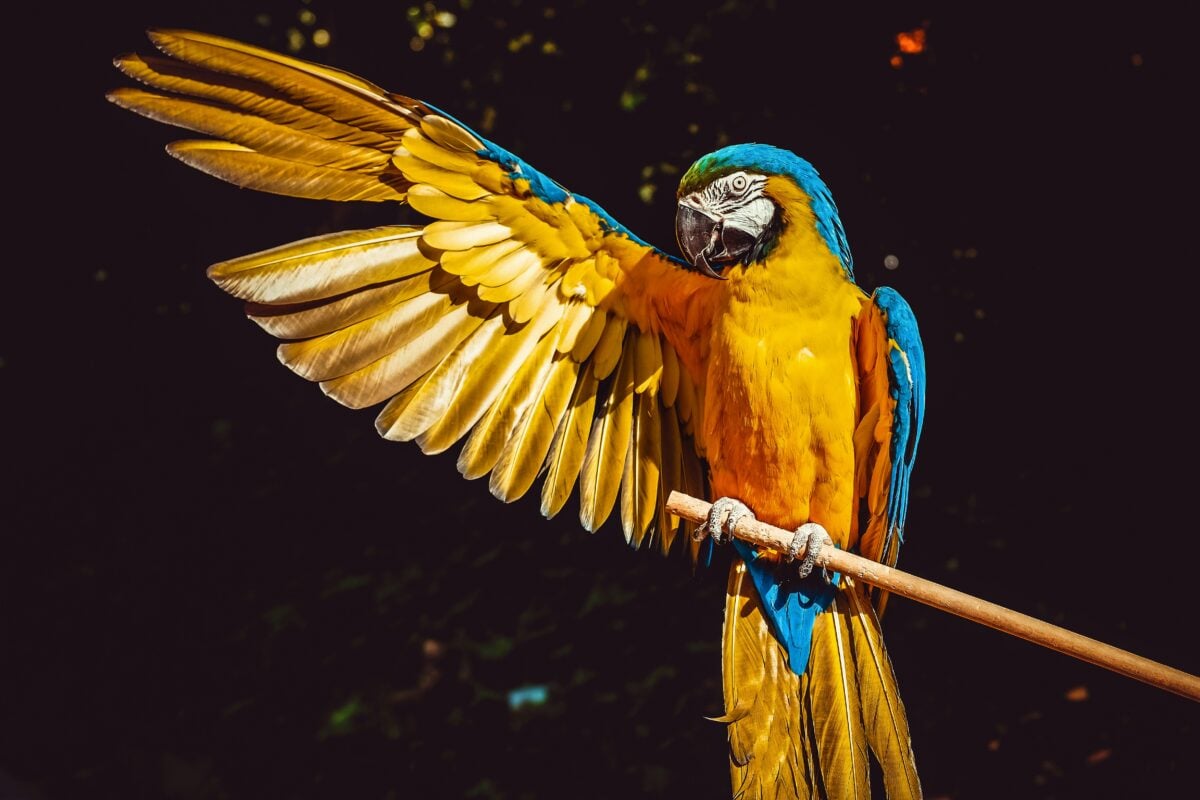
African grey parrots don’t just mimic — and there’s enough research at this point that insisting they’re “just mimicking” is its own kind of denial. Alex, the grey studied by Irene Pepperberg for 30 years, used labels in genuinely novel combinations, asked questions, expressed preferences, and appeared to understand the concept of zero.
Whether this constitutes language in a philosophically rigorous sense is debated — but what’s not debated is that the behavior exceeds any reinforcement-based explanation anyone has made fully work. Alex was doing something with sounds.
What to call that something remains the argument.
Whale Song Evolution

Humpback whale songs change over time — specific patterns spread through populations, old phrases drop out, new ones emerge — in a process that resembles cultural transmission more than it resembles any biological mechanism. Songs in the Pacific have been documented spreading east across the ocean, with populations adopting new patterns within a single season, which is far too fast for genetic explanation and suggests that whales are learning from each other and choosing, in some meaningful sense, to update their songs.
Why the songs change, who starts the changes, and what advantage novelty confers on the singer are all open questions.
Pigeon Racing Navigation

Racing pigeons released hundreds of miles from home return to their loft with a reliability and directional accuracy that multiple competing theories have fought over for more than a century. Magnetic sense, sun compass, olfactory mapping, and infrasound landscape cues have all been proposed, each backed by experiments, none definitively confirmed.
What’s particularly interesting is that pigeons in some areas follow roads and highways rather than taking straight-line routes — which suggests something about how they construct their navigational picture that doesn’t fit the simple magnetic compass story cleanly at all.
Elephant Memory

The phrase “elephants never forget” started as a folk observation and turned out to be supported by research in ways nobody fully anticipated. Elephants recognize individual humans after decades of separation, recall the locations of water sources they visited once during a drought years prior, and — most strangely — appear to remember deceased herd members in ways that shape their behavior during subsequent encounters with those bones.
The hippocampal volume that would support this kind of memory is roughly what you’d expect in an animal of that brain size. What isn’t expected is the emotional texture the memory appears to carry.
Cuttlefish Camouflage
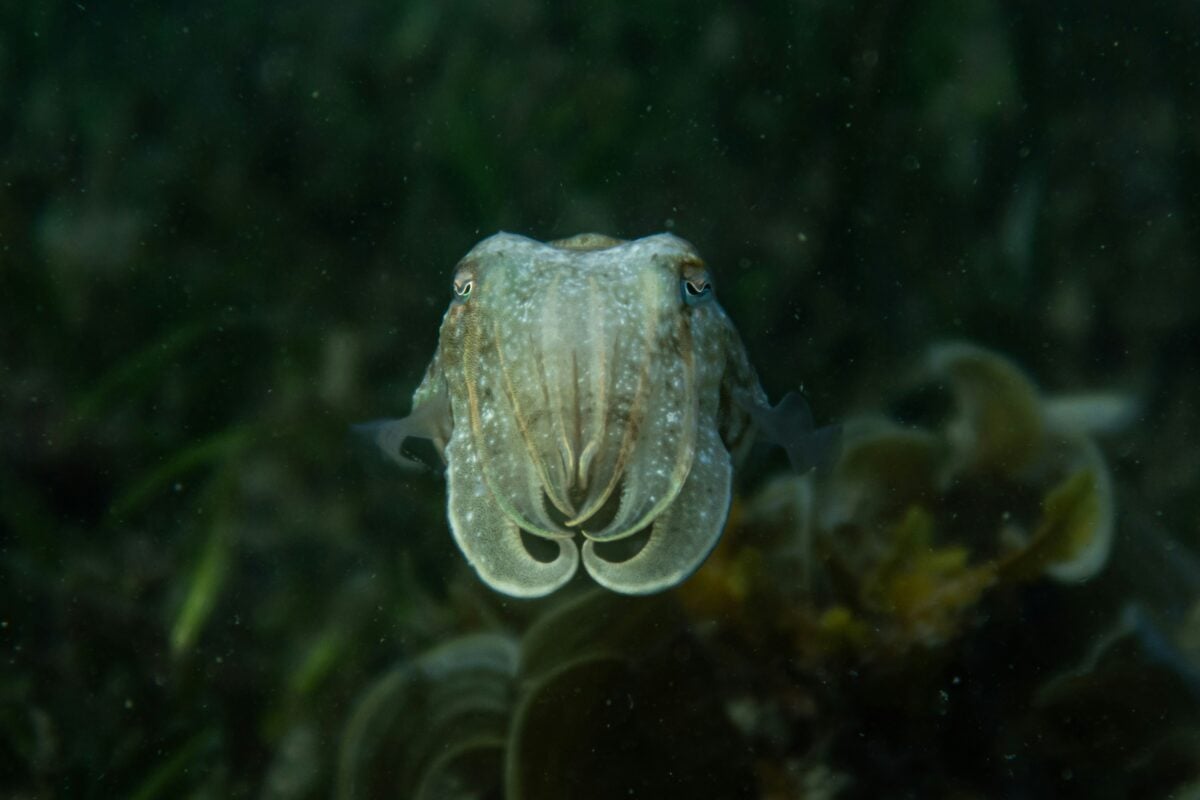
Cuttlefish are colorblind. Their skin contains chromatophores that respond to light, but their eyes have a single type of photoreceptor — which means they shouldn’t be able to perceive the colors they reliably match in their environment. The leading hypothesis is that they use pupil shape to measure chromatic aberration — essentially turning their eye into a spectrometer by adjusting the aperture — but this hasn’t been definitively proven, and even if it were, the speed and accuracy of their color matching would remain something genuinely extraordinary.
They solve a problem with hardware that shouldn’t be able to solve it.
Orca Cultural Transmission
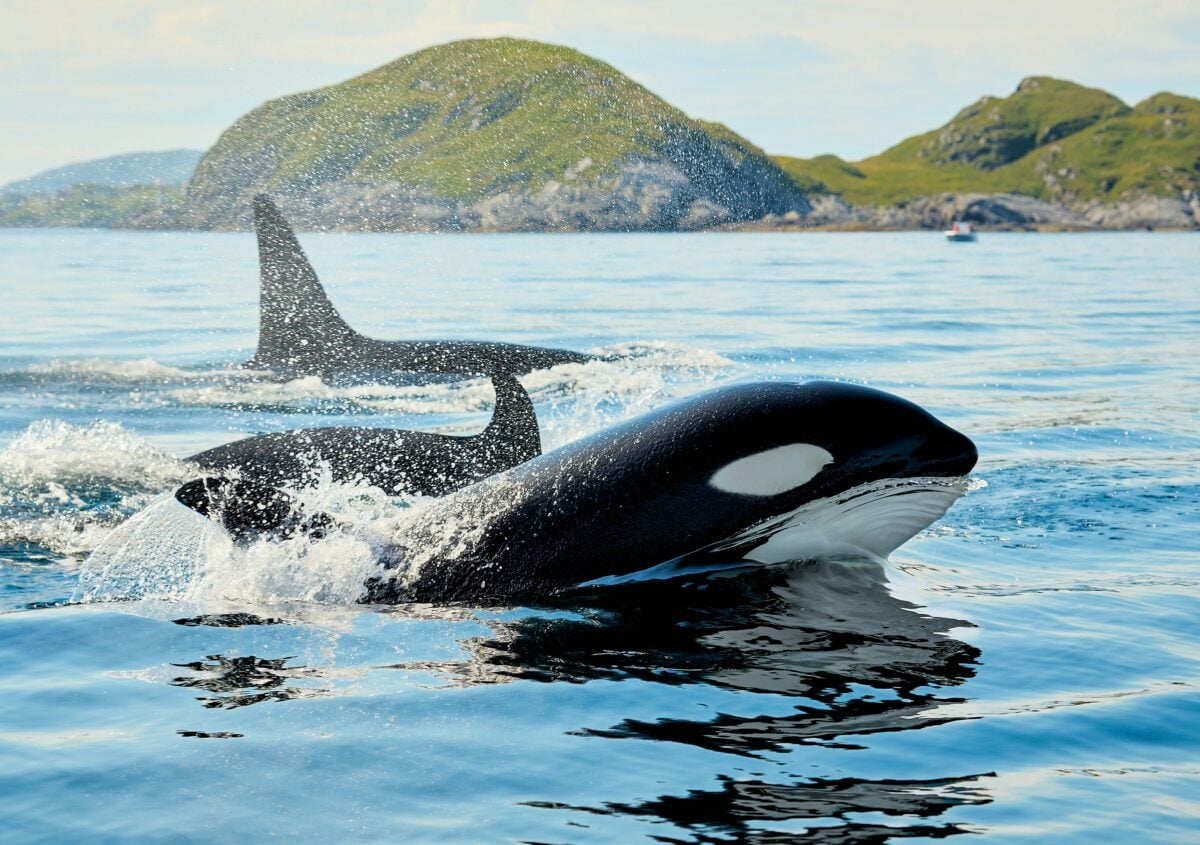
Different orca populations have distinct dialects, hunting techniques, social rituals, and food preferences — and these differences persist across generations not because of genetics but because they’re taught. A pod that beach-hunts seals off Patagonia passes that skill explicitly to calves over years of supervised practice.
What researchers are less certain about is the depth of the cultural structure: whether orca societies have something resembling traditions, taboos, or social norms, and how far the learning extends beyond hunting technique into things that might fairly be called social values. The behavior suggests culture.
The word itself still makes some scientists uncomfortable.
Ant Collective Intelligence

An individual ant is not impressive. An ant colony of several million, operating without central control or any individual with a global picture of the colony’s state, can regulate temperature, manage waste, optimize foraging routes, and mount coordinated defenses with an efficiency that consistently surprises researchers who model it.
Each ant follows simple local rules — respond to pheromone concentration, respond to physical contact, respond to air quality. The colony-level behavior that emerges from those local rules is something qualitatively different from what the rules themselves would predict, and the bridge between the two hasn’t been fully built.
Bear Hibernation Physiology
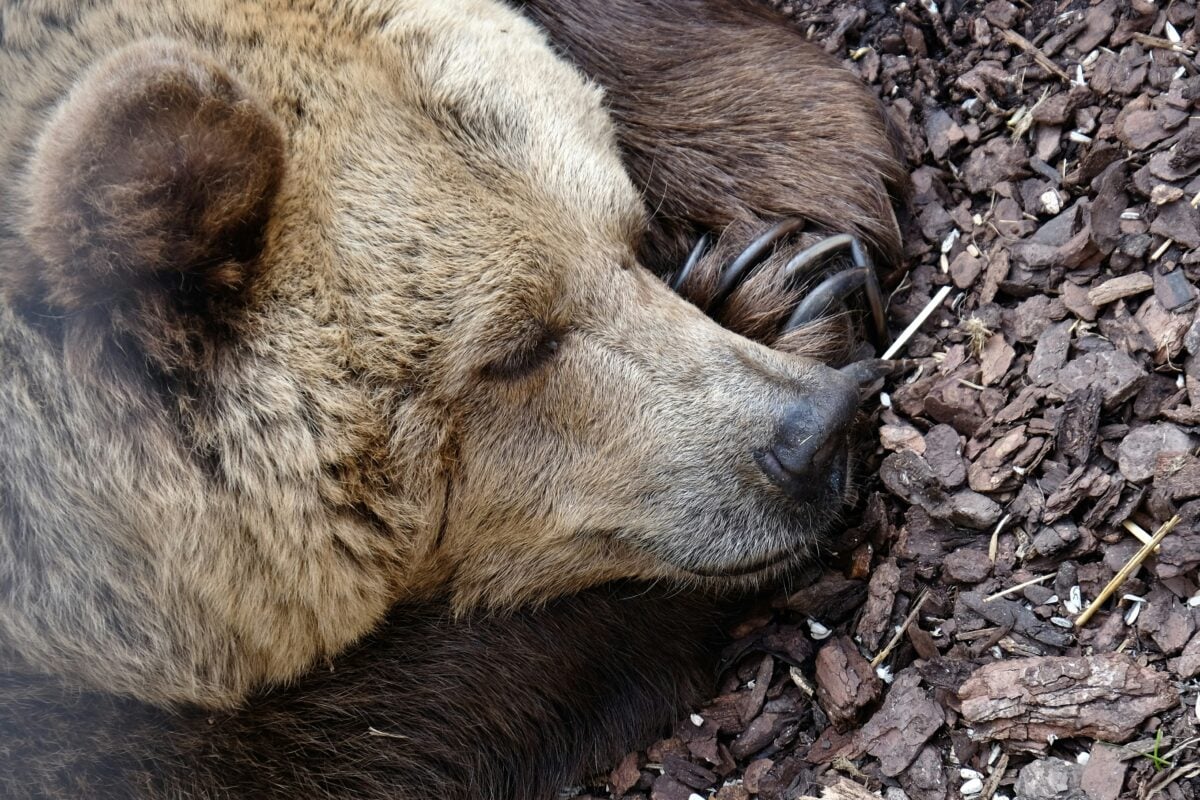
Bears don’t technically hibernate in the classical sense — their body temperature drops only modestly, and they remain responsive to disturbance — but what happens in their bodies during those months of torpor is physiologically remarkable and not fully understood. Bears do not eat, drink, urinate, or defecate for up to seven months, and they emerge with no muscle atrophy and no bone density loss that would correspond to that level of inactivity in any other mammal, including humans.
The metabolic suppression involved has been studied with enormous interest from medical researchers looking at implications for conditions like muscle wasting and kidney disease, but the precise mechanisms that prevent the expected deterioration have not been fully replicated or explained.
The Animals Know Something You Don’t
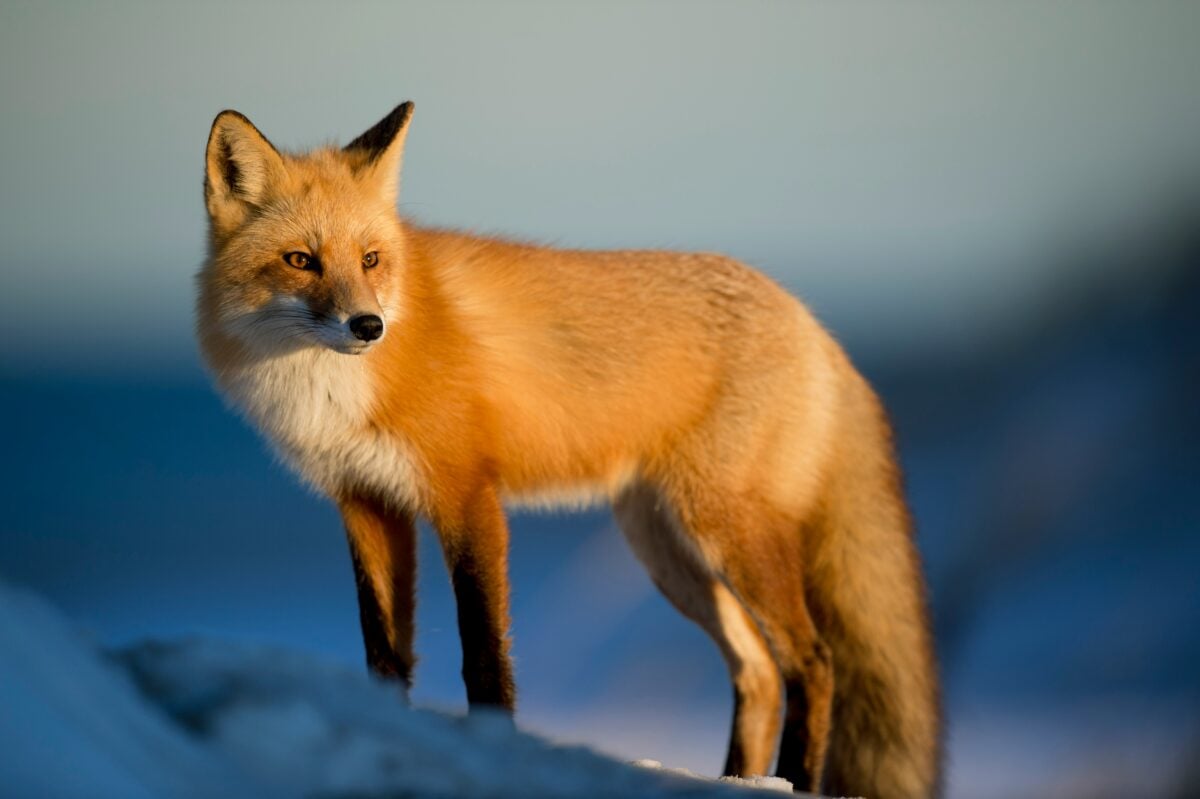
Before the 2004 Indian Ocean tsunami, something happened in wildlife sanctuaries and coastal regions across Southeast Asia: animals moved inland. Elephants strained at their chains and broke free hours before the water arrived.
Dogs refused to go to the beach. Flamingos abandoned low-lying breeding grounds. No seismic instruments had yet triggered alarms.
Various explanations have been proposed — infrasound detection, changes in electromagnetic fields, sensitivity to barometric pressure — and each carries some supporting evidence. None of them, individually or together, fully accounts for the range of species that responded, the timing of those responses, and the apparent specificity of the movement away from coastlines rather than simply toward higher ground.
Animals perceived something. What exactly they perceived, and through which sense, remains the kind of question science tends to leave quietly on the back shelf, acknowledging it’s there without being quite ready to open it.
More from Go2Tutors!

- The Romanov Crown Jewels and Their Tragic Fate
- 13 Historical Mysteries That Science Still Can’t Solve
- Famous Hoaxes That Fooled the World for Years
- 15 Child Stars with Tragic Adult Lives
- 16 Famous Jewelry Pieces in History
Like Go2Tutors’s content? Follow us on MSN.



