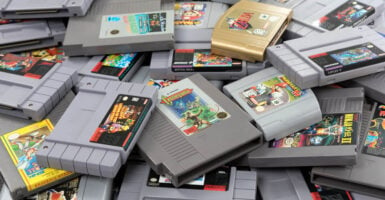
Essential Things We Miss About 1990s Culture
The 1990s was a time when life felt different. People weren’t constantly checking their phones, streaming services didn’t exist, and the internet was still something you had to dial into with a weird sound.
It was a decade of unique fashion, music, and ways of spending free time that shaped an entire generation. Looking back now, it’s clear that the 90s offered something special that we don’t quite have anymore.
So what exactly made the 90s feel like their own world? Let’s dig into the things that people genuinely miss about that era and understand why they mattered so much.
Actually talking on the phone

People used to have real conversations without worrying about being recorded or having their words shared online. When someone called, you knew it was probably something important, and they were actually ready to talk.
The phone itself was an event. Friends would spend hours chatting about absolutely nothing, and somehow it felt meaningful.
Today, a call feels like an interruption, but back then, it was just how people connected.
Renting movies from the video store

Walking into a video rental place like Blockbuster was genuinely exciting. The aisles were packed with physical boxes, each one with a cover you could hold and read.
Picking a movie wasn’t instant. It required thought, discussion with friends, and sometimes taking a risk on something unknown.
The late fees were annoying, sure, but there was something about the ritual that made movie night feel special.
Like Go2Tutors’s content? Follow us on MSN.
Real friendships that weren’t public

Not everything your friends did got posted online. You could have inside jokes, embarrassing moments, and random hangouts that stayed between you and them.
Friendships developed naturally without the pressure of likes or followers. People shared stories in person or through handwritten notes, which meant secrets actually stayed secret.
It was a simpler way to build trust.
Anticipation for album releases
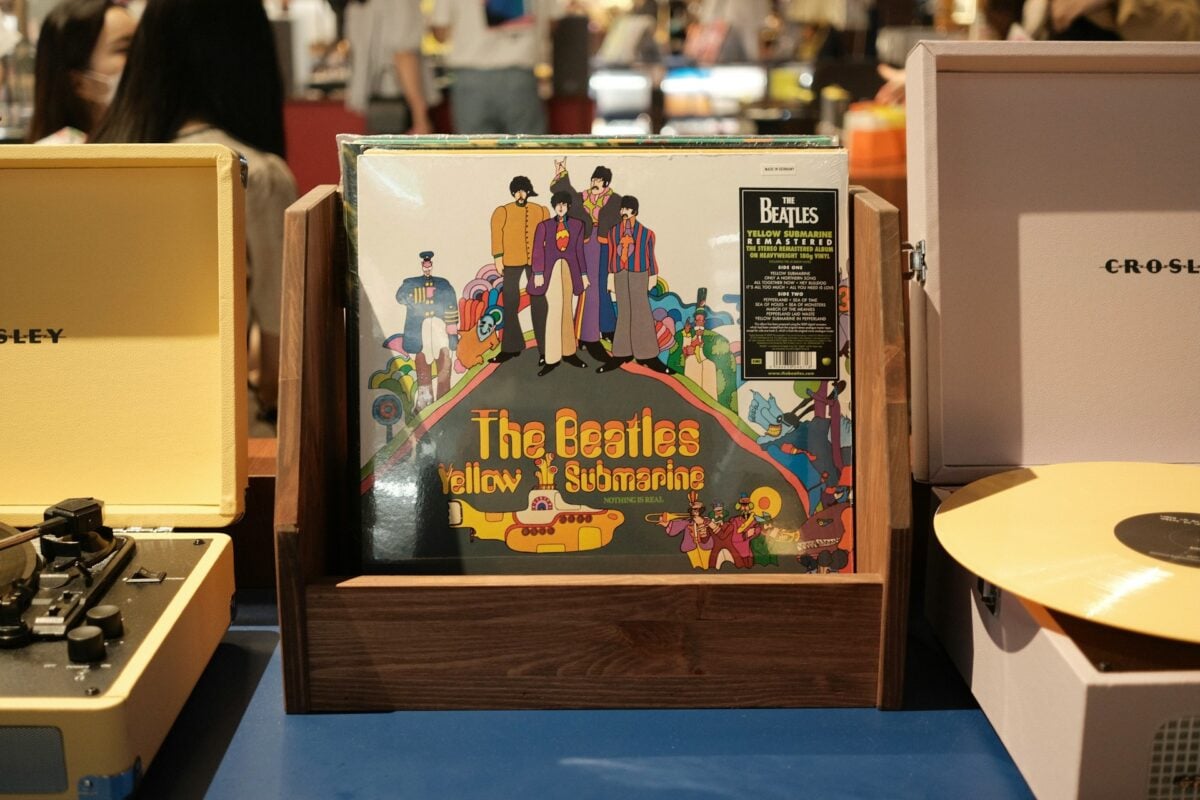
Musicians released albums, and fans actually waited for them. You’d circle the release date on your calendar and plan to buy it the day it came out.
Albums came with actual artwork, lyrics printed on paper, and often a booklet with band photos. Listening to a full album was an experience, not just a shuffle through a playlist.
The wait made the final product feel earned and worth your money.
Saturday morning cartoons

Kids woke up early on Saturdays specifically for cartoons. You couldn’t just watch whenever you wanted, so you made sure you were there.
Networks had specific lineups, and certain shows only appeared on certain channels. It created a sense of community among kids because everyone was watching the same thing at the same time.
Nowadays, any show is available anytime, which means nothing feels special or scheduled anymore.
Like Go2Tutors’s content? Follow us on MSN.
Handwritten letters and postcards
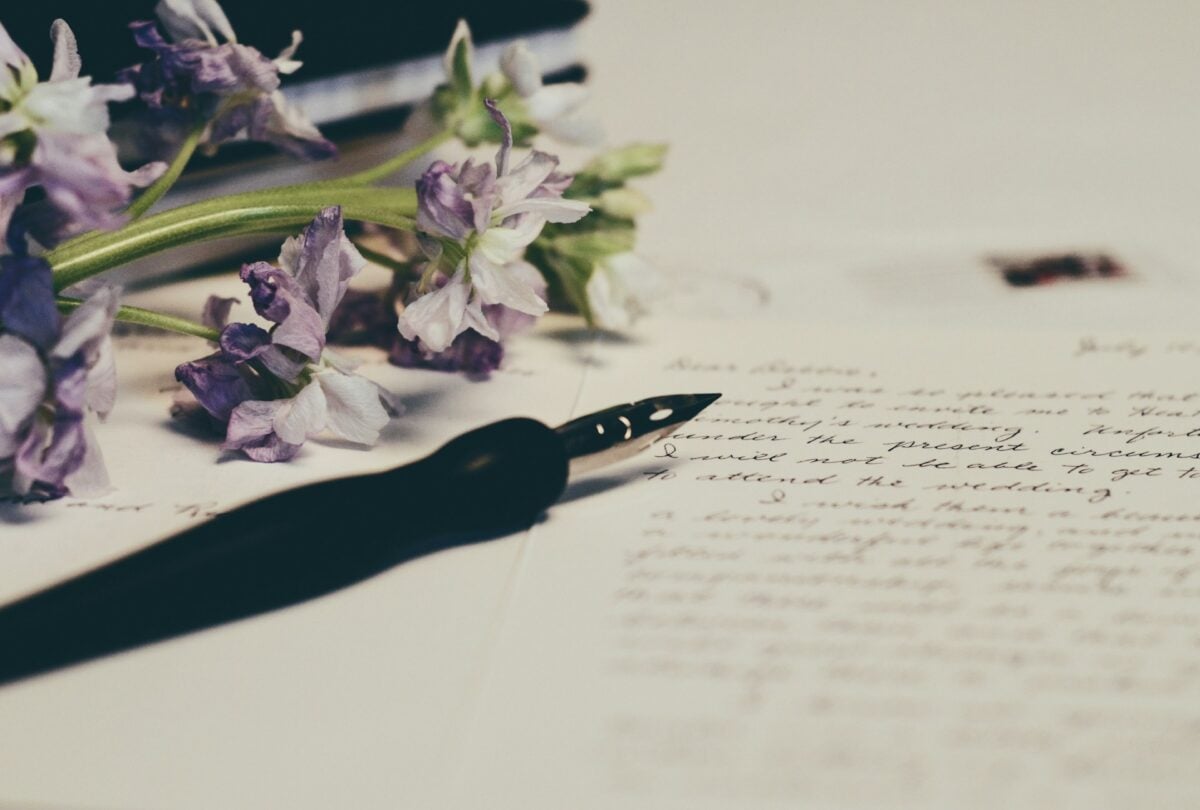
People actually sent mail to each other. Getting something personal in your mailbox that someone took time to write by hand felt incredibly meaningful.
Postcards from friends traveling, notes from crushes, letters from relatives all had a charm that emails can never replicate. There was no rush to respond.
The letters sat on shelves and in boxes, becoming keepsakes. Today, a text message replaces what used to be treasured correspondence.
Mix tapes and burned CDs

Creating a mix tape or CD was an art form. You’d carefully select songs, decide the order, and sometimes add artwork or write the track list on the cover.
Making one for someone meant you were showing them exactly what you wanted them to know about your taste and feelings. The person who received it understood the effort involved.
Playlists today are easy to make and easier to forget about.
Asking directions without GPS

Getting lost was actually part of the adventure. People would stop and ask for directions from strangers, or they’d pull out an actual map and figure it out.
Road trips meant planning routes the night before and sometimes ending up in unexpected places. Finding your way somewhere new felt like a small accomplishment.
There was no blue dot showing exactly where you were at every second.
Like Go2Tutors’s content? Follow us on MSN.
Genuine surprises and spoilers actually meant something

If you hadn’t seen a movie or TV show yet, people worked hard not to tell you what happened. Spoilers were taken seriously because there was no way to rewatch something instantly.
Movies came out at specific times in specific theaters, so you had to go see them. Plot twists actually felt shocking when they happened on screen.
Now, everything leaks online before it even releases, and staying spoiler-free requires avoiding the internet entirely.
Local video game arcades
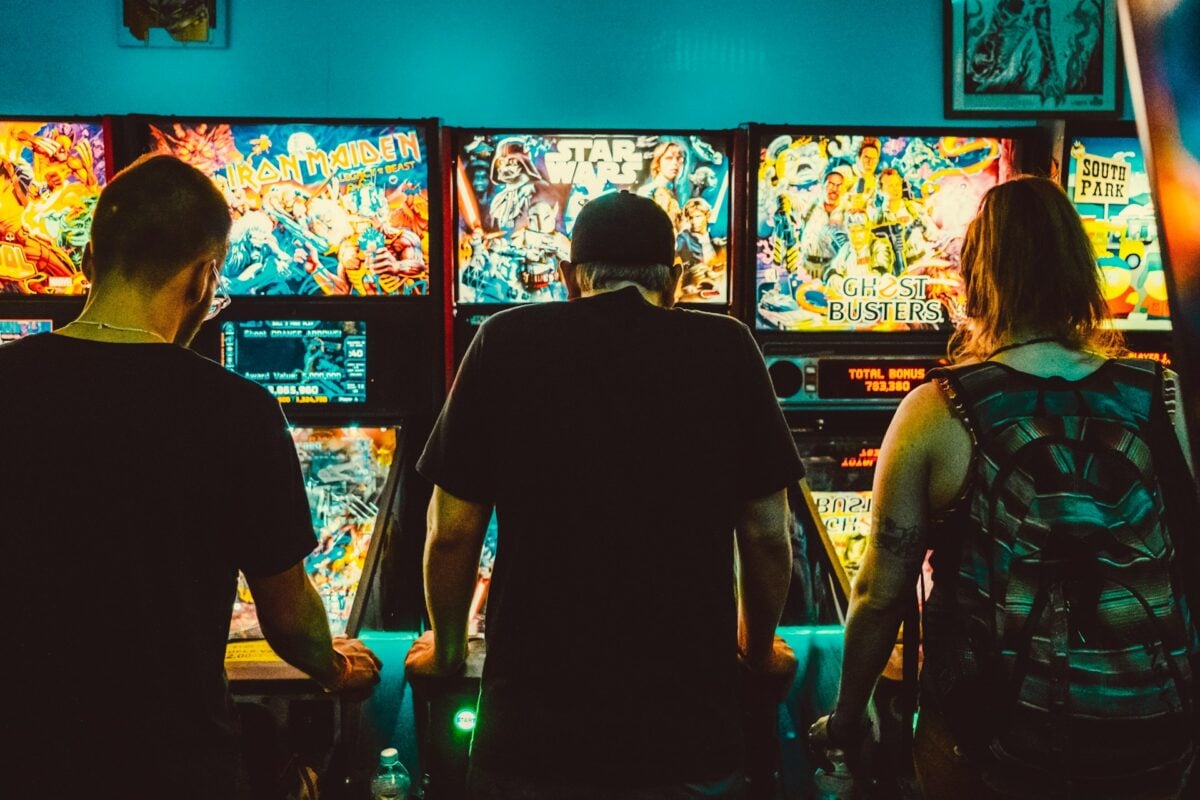
Arcades were social spaces where people gathered just to play games together. You’d bring quarters, challenge your friends, and try to beat high scores.
Games were meant for playing in public, not alone in your room. There was friendly competition and trash talk, but it all felt lighthearted.
The beeping sounds and flashing lights created an atmosphere that home gaming still hasn’t matched.
Buying things that actually lasted

Products were built to last longer, and companies expected to repair them instead of replacing them. If something broke, you took it to a repair shop, and someone fixed it for you.
Planned obsolescence wasn’t as common, so people kept their stuff for years. Warranties meant something real.
Nowadays, it’s often cheaper to buy new than to fix old.
Like Go2Tutors’s content? Follow us on MSN.
Being bored and being okay with it
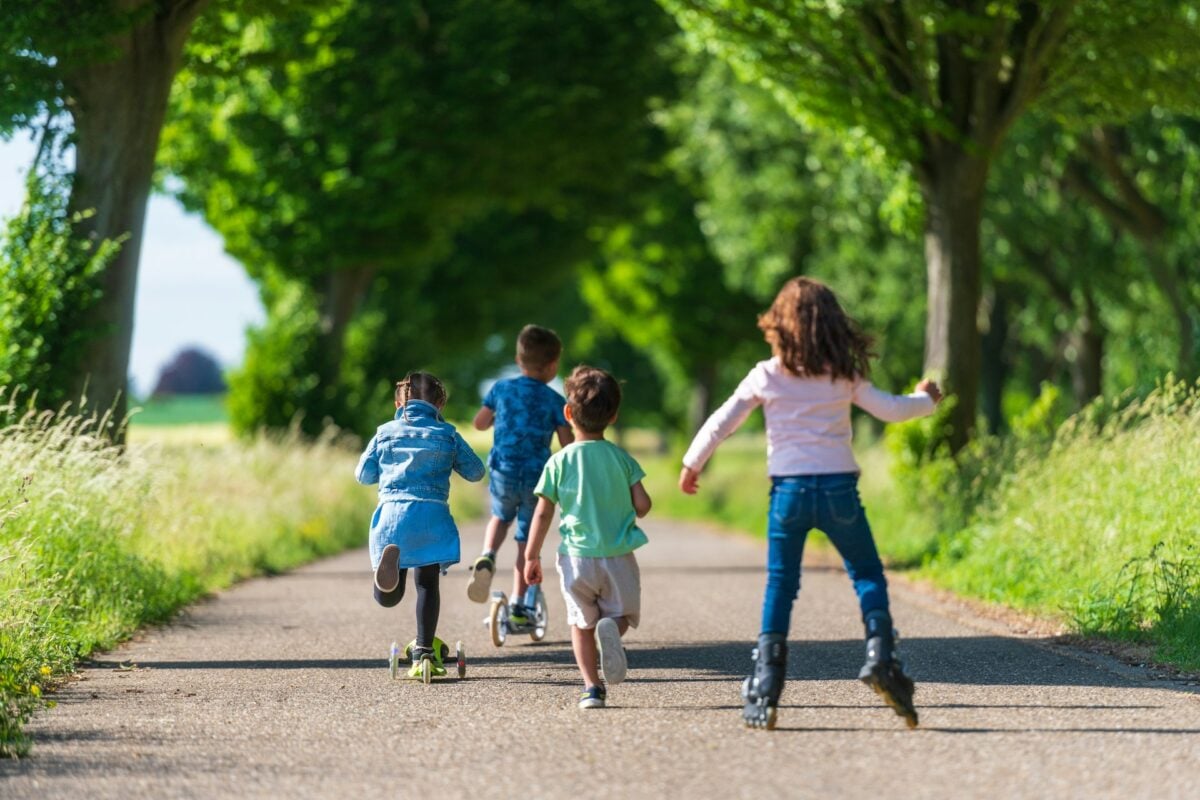
Boredom was actually healthy. Without constant stimulation, people had time to think, daydream, and just exist.
Kids went outside because there was nothing else to do, and it led to creativity and real play. Downtime didn’t need to be filled with apps or notifications.
Boredom pushed people to find things to do, which often led to unexpected adventures and real friendships.
Independent bookstores and record shops

These were hangout spots where people who loved books or music could gather and talk. The owners knew their inventory and could give personal recommendations.
Browsing the shelves was an experience, not a search function. Staff picks and handwritten reviews helped guide your choices.
These spaces created community, and they’re largely gone now, replaced by algorithms and online shopping.
Magazines with substance

Magazines were thick, filled with real articles, photography, and ads that told stories. People read them cover to cover and kept them on coffee tables.
Magazines came out on specific dates, making them feel like events. They covered culture, fashion, music, and lifestyle in ways that felt fresh.
Today’s digital content arrives constantly, but much of it disappears just as fast.
Like Go2Tutors’s content? Follow us on MSN.
Watching TV as a family event
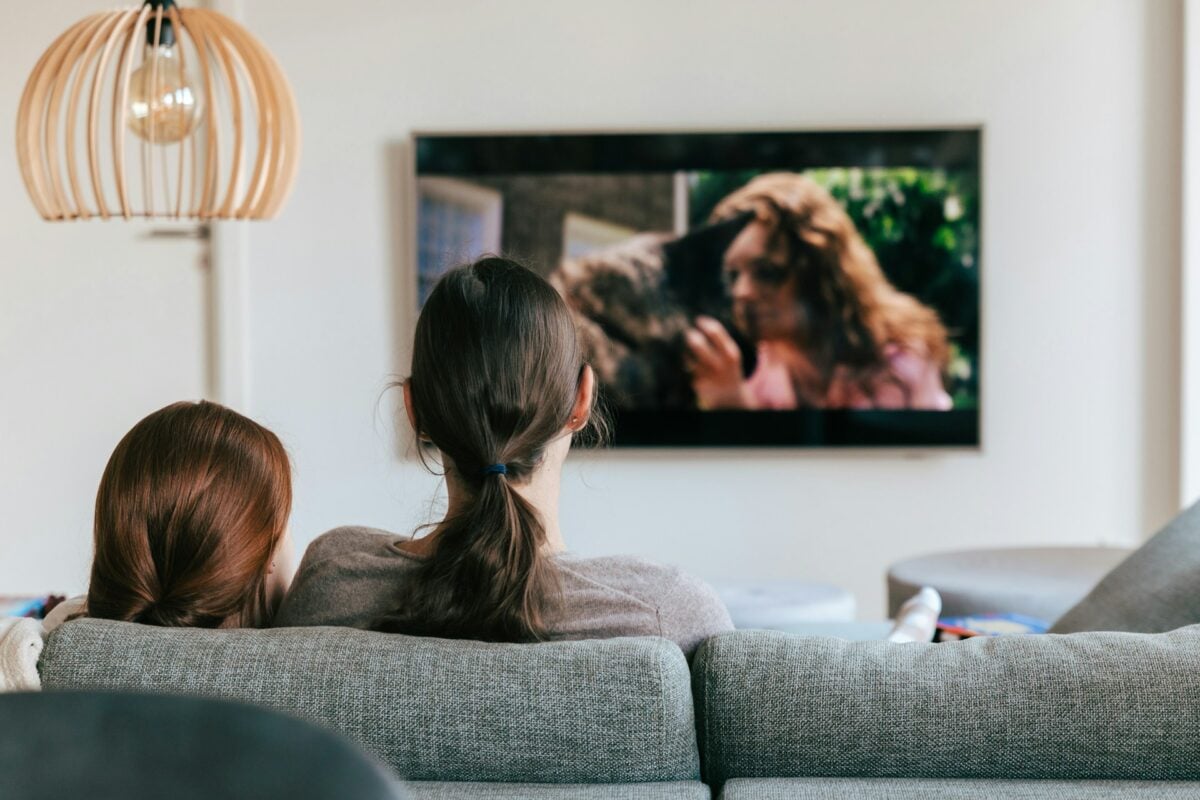
People gathered around the TV together because that was the plan. You watched at a specific time, and everyone experienced it simultaneously.
Commercials meant bathroom breaks and snack runs. Shows became talking points for the whole week.
Families had shared experiences that came from sitting together in front of the screen.
Actual handwriting and penmanship
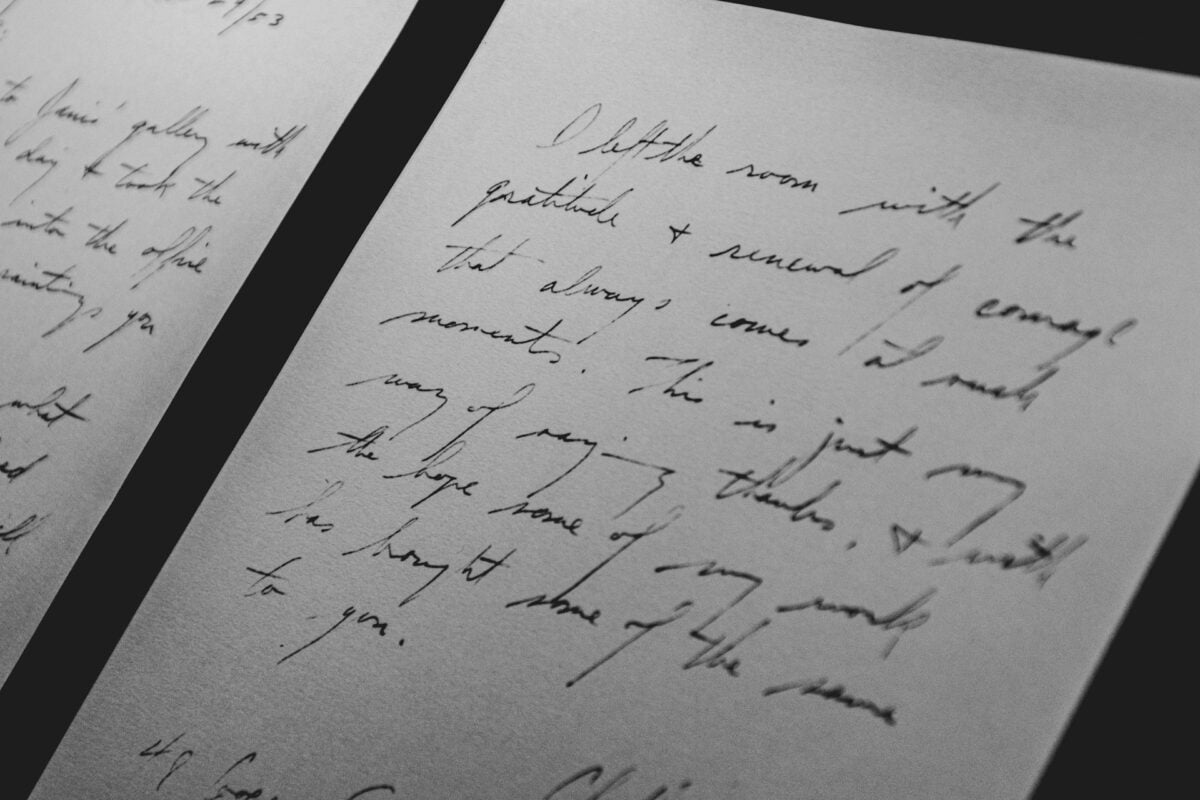
People spent time practicing their handwriting, and it mattered. Notes were personal because they carried someone’s actual handwriting.
Signatures meant something. Journals and diaries were written by hand, making them feel more intimate.
From then to now

The 1990s gave us something that modern life is still trying to replace. Technology has made things faster and easier, but it took away something that mattered.
People were more present, friendships were deeper, and life had natural rhythm and timing.
More from Go2Tutors!

- 16 Historical Figures Who Were Nothing Like You Think
- 12 Things Sold in the 80s That Are Now Illegal
- 15 VHS Tapes That Could Be Worth Thousands
- 17 Historical “What Ifs” That Would Have Changed Everything
- 18 TV Shows That Vanished Without a Finale
Like Go2Tutors’s content? Follow us on MSN.