26 Battles Won by Sheer Luck Rather Than Strategy or Superior Numbers
History likes its winners tidy. Give the credit to a brilliant general, a clever formation, a numbers advantage nobody could overcome, and the story writes itself. But spend enough time actually reading about how wars turned out, and a different pattern shows up again and again: fog rolling in at the wrong moment for one side, a storm arriving on cue, a commander missing a message that would have changed everything.
Some of the most famous victories in military history came down to timing nobody planned and weather nobody controlled. Here are 26 of them.
Battle of Midway
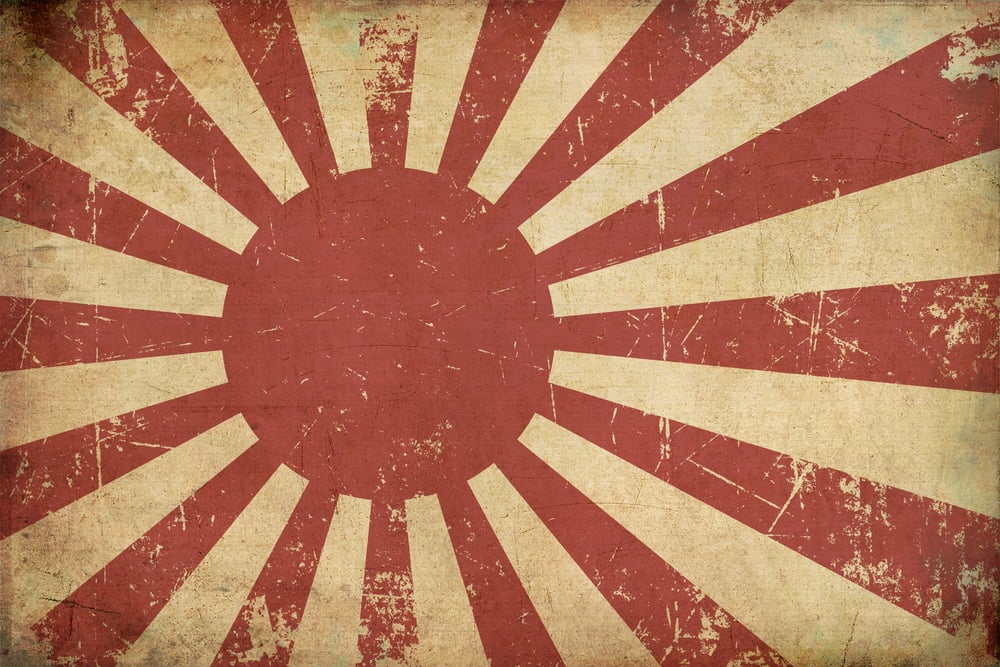
Three American dive bomber squadrons arrived over the Japanese carrier fleet at the exact moment those ships had fuel and ordnance stacked across open decks. Ten minutes earlier or later and the Pacific war looks nothing like it did.
Four fleet carriers sank within minutes, undone less by superior tactics than by catastrophic timing nobody on the American side actually engineered.
Spanish Armada
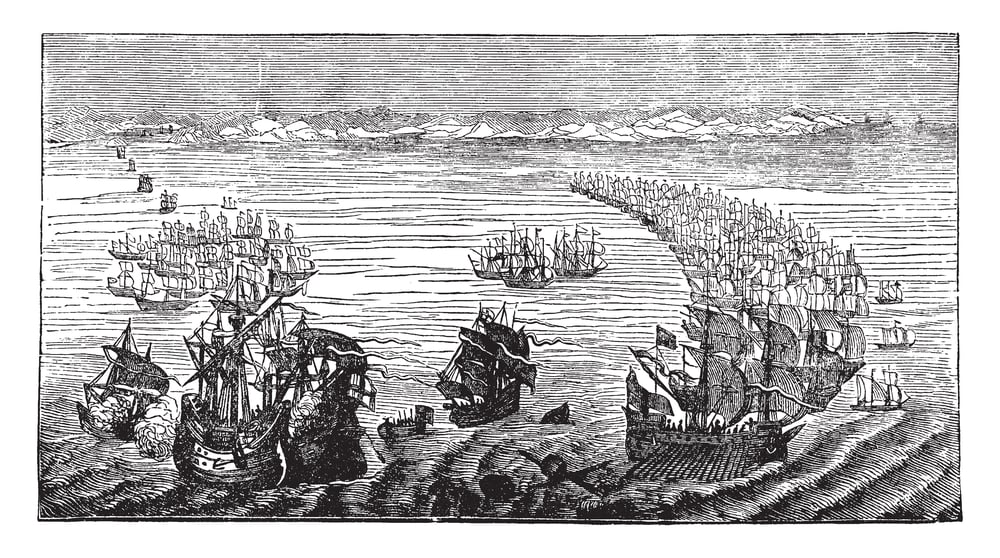
English fireships sent the Spanish fleet scattering into the North Sea, sure, but it was the weather that finished the job: a series of brutal Atlantic storms battered the Armada as it tried to limp home around Scotland and Ireland, sinking ships that English cannons never touched. Some accounts put Spanish losses from the storms higher than losses from actual combat — which tells you something about who really won that campaign.
Philip II built one of the most feared fleets in Europe, and the weather undid it anyway. Nobody at the Spanish court had factored that into the plan.
Battle of Agincourt
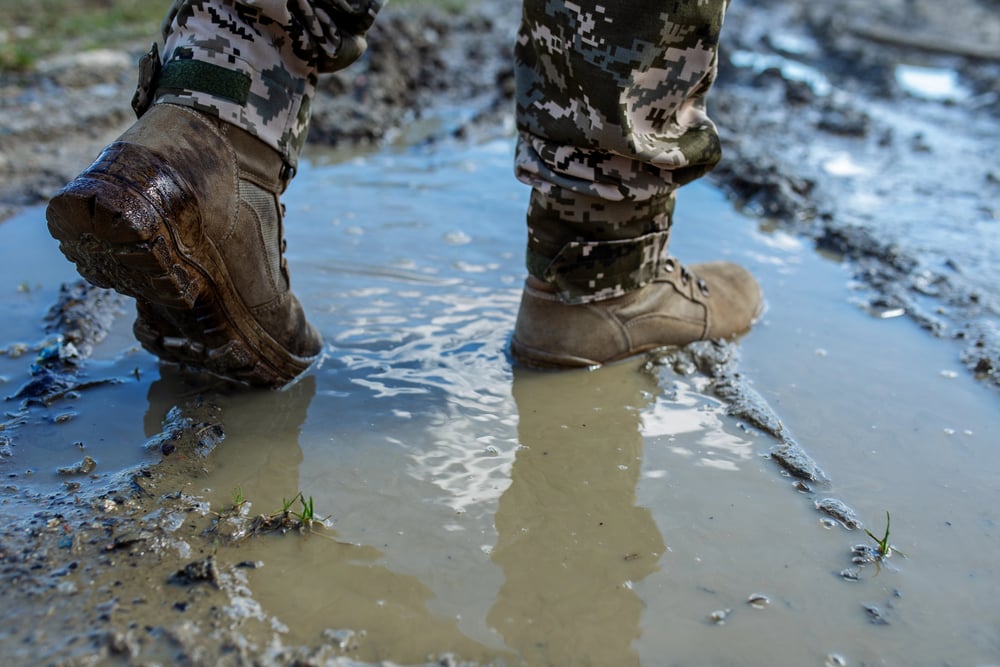
Rain had turned the field into something closer to a swamp than solid ground, and the French knights — heavy with armor, packed shoulder to shoulder — sank into it like anchors dropped in wet sand. The English longbowmen, lighter and quicker underfoot, simply didn’t have that problem.
Mud doesn’t care about lineage or nobility, and on that particular October morning it treated French cavalry with the same indifference it might show a fallen log.
Battle of Long Island

Nobody plans for fog to save an army, but that’s exactly what happened when George Washington’s battered troops needed to escape across the East River under British noses. A thick fog rolled in overnight and held long enough for thousands of soldiers to slip away by boat, undetected, before the British realized the camp was empty.
Without that fog, the Continental Army likely ends in 1776, and the whole conversation about American independence becomes a footnote rather than a founding story.
Battle of Trenton
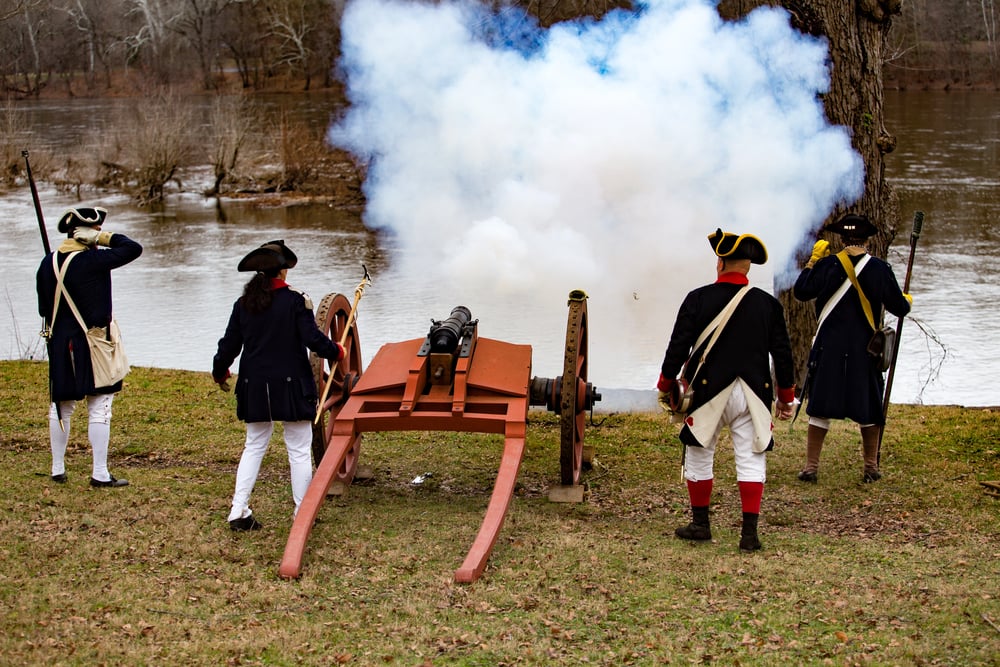
Washington needed cover, and a brutal nor’easter gave it to him. Snow and sleet masked the crossing of the Delaware and the march into Trenton, muffling sound and hiding movement from Hessian sentries who weren’t expecting anyone to move in that weather at all.
The storm that should have stopped the attack ended up being the thing that made it work.
Battle of Yorktown
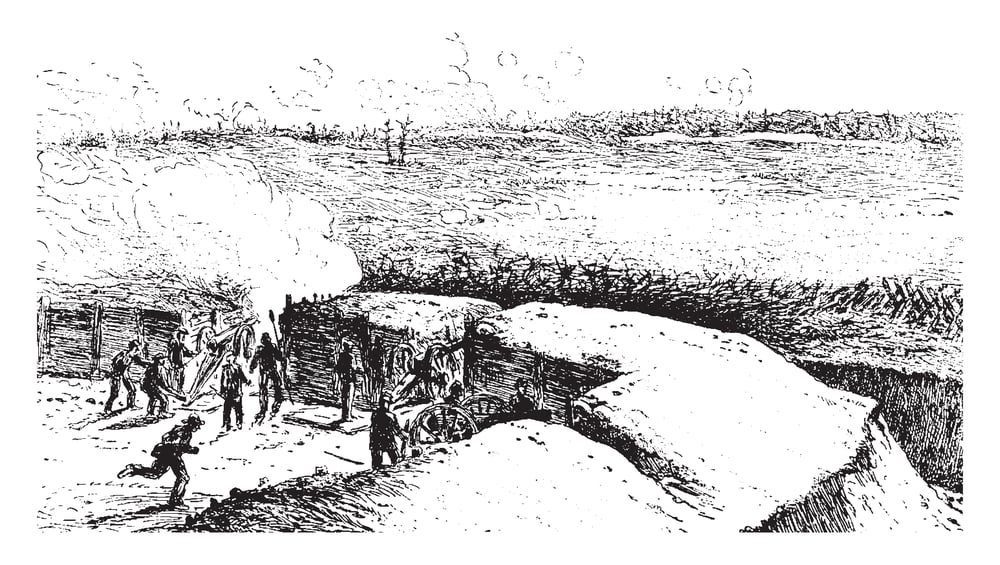
Everything about Yorktown hinges on one detail that had nothing to do with Washington’s planning at all — the French fleet under de Grasse happened to arrive at the Chesapeake at precisely the moment the British needed open water to resupply or retreat. Cornwallis was counting on naval support that never came, not because the British navy was outmatched exactly, but because a French admiral got there first and blocked the bay.
Take away that timing, that one convergence of a French fleet and a trapped British army, and there’s a real argument: the siege fails and the war drags on for years longer. Historians love crediting Washington’s patience here, and fair enough, but patience doesn’t sink a relief fleet that never even had the chance to try.
Mongol Invasions of Japan
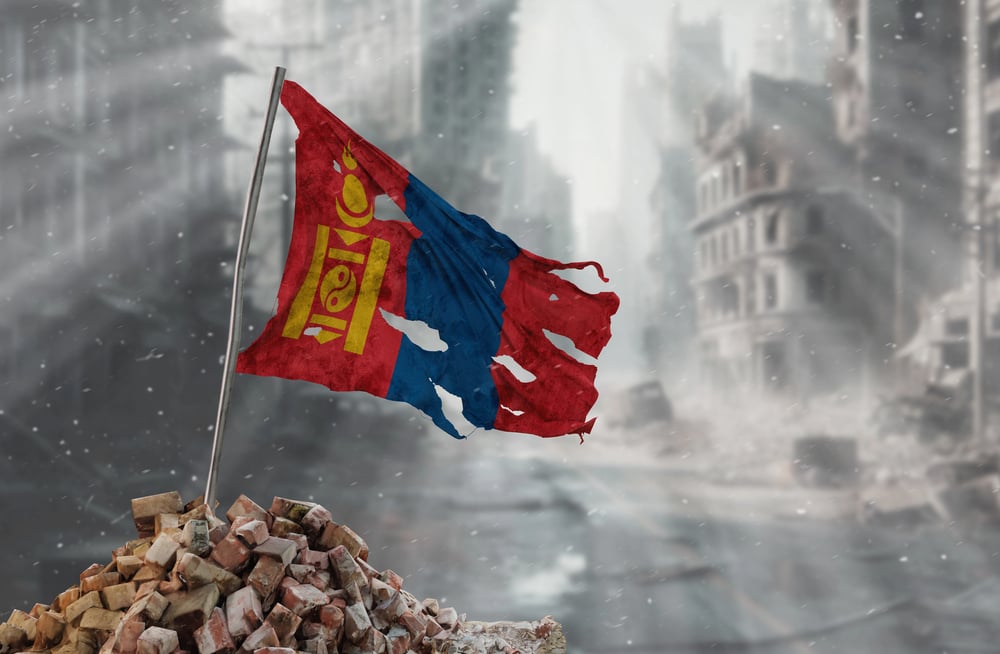
Twice the Mongols assembled invasion fleets aimed at Japan, and twice typhoons arrived at the precise moment those fleets were anchored offshore, destroying ships by the hundreds before a single decisive land battle could unfold. The Japanese called the wind kamikaze — divine wind — because it genuinely felt like something beyond ordinary explanation had intervened on their behalf.
A defense built on faith and coastal fortification got help from something no general could summon on command.
Battle of Waterloo
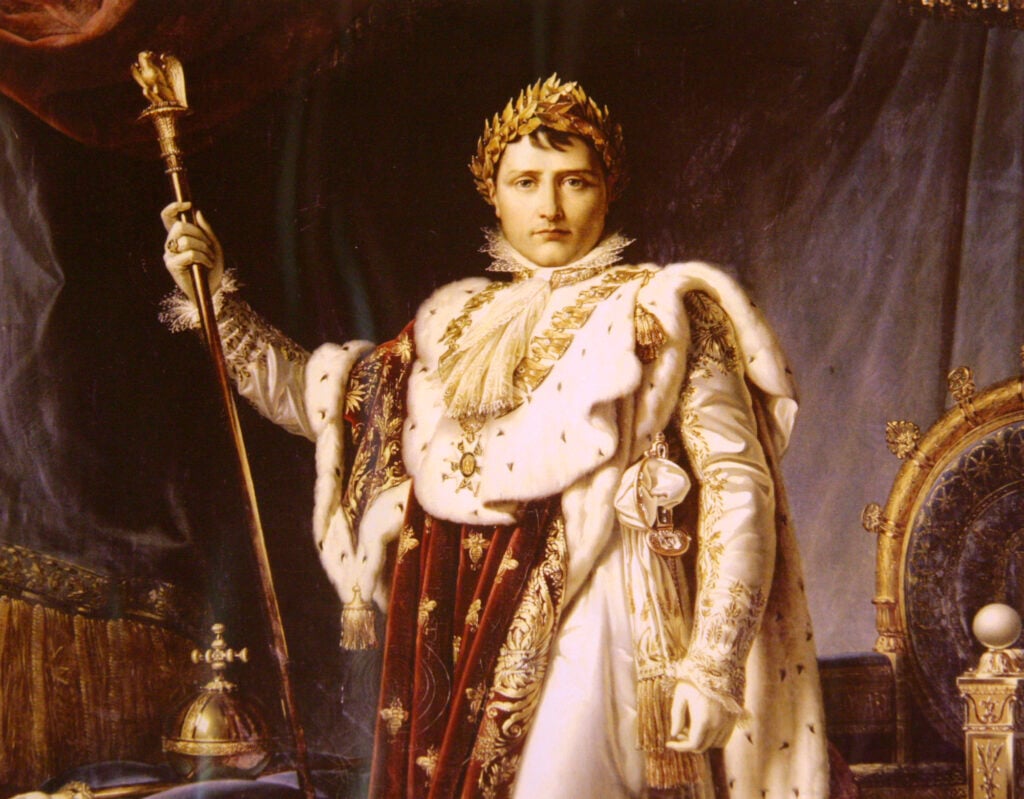
Napoleon lost time; he never got back, and that delay cost him everything. Overnight rain had softened the ground so badly that he postponed his opening attack for hours, waiting for the mud to firm up enough for his artillery to move — hours that gave Blücher’s Prussian forces just enough daylight to arrive and tip the battle against him.
People talk about Wellington’s defensive genius, and it was real, but a few hours of dry ground under different weather might have let Napoleon finish the fight before the Prussians ever showed up.
Battle of New Orleans
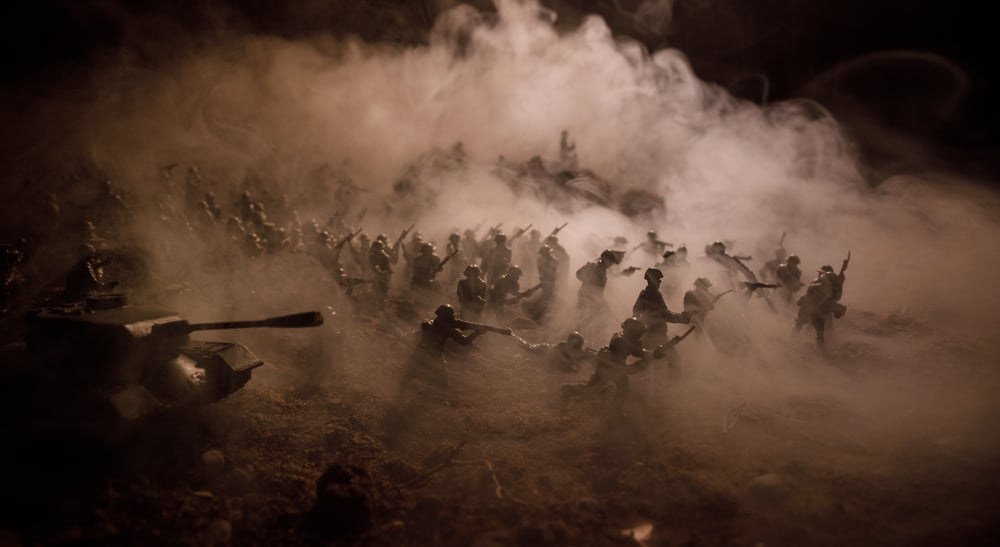
Fog and confusion did more damage to the British assault than the American lines did, at least at first. British columns got disoriented in the pre-dawn haze, some units advancing on the wrong markers entirely, bunching into targets that Andrew Jackson’s artillery couldn’t have asked for better.
The battle became a slaughter almost by accident, and the myth of Jackson’s tactical brilliance owes a quiet debt to a British army that lost its way in the dark.
Battle of Chancellorsville

Stonewall Jackson’s flank march worked because Union commanders simply weren’t looking in that direction, having convinced themselves the Confederate army was retreating rather than repositioning for an ambush through dense woods nobody thought passable. It’s one of the most celebrated tactical strokes in American military history, and yet it depended entirely on Union scouts missing what should have been obvious movement across their own front — an oversight nobody could have counted on in advance, and one that came apart into a strange kind of irony when Jackson was shot by his own pickets that same night, in the same fog of confusion that had handed him the victory hours earlier.
So even the architect of luck got swallowed by it.
Battle of the Bulge
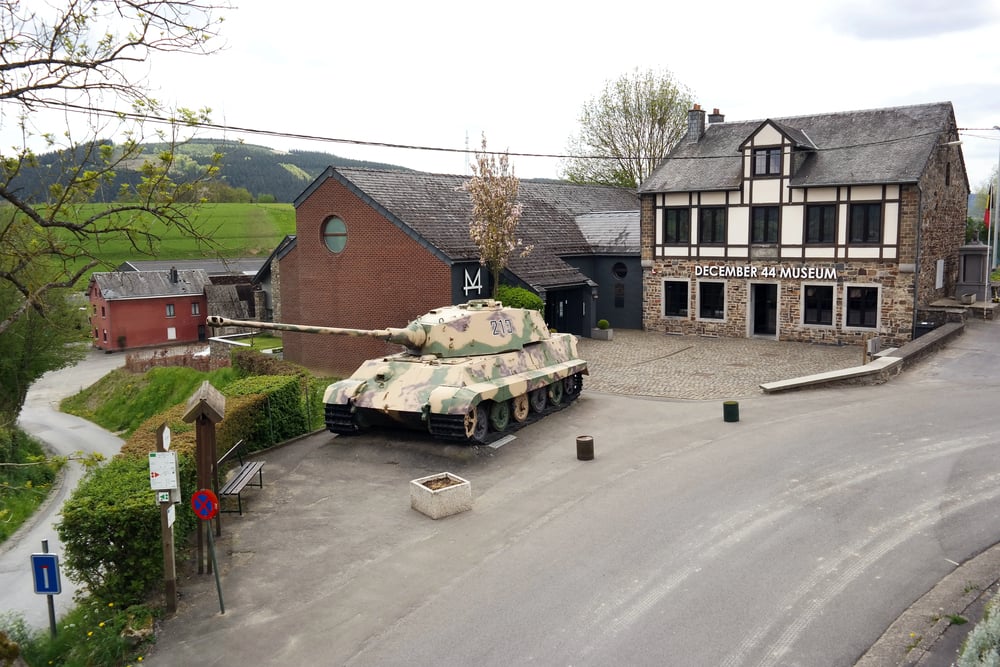
The sky had been the enemy’s best weapon for days, thick cloud cover grounding Allied air support and letting German armor push through the Ardennes with nobody watching from above. Then the weather broke — clear skies arrived right as the German advance was stretched thin and low on fuel, and Allied planes came pouring back into a fight they’d been locked out of.
The clearing sky did what reinforcements couldn’t have managed fast enough on their own.
Battle of Britain
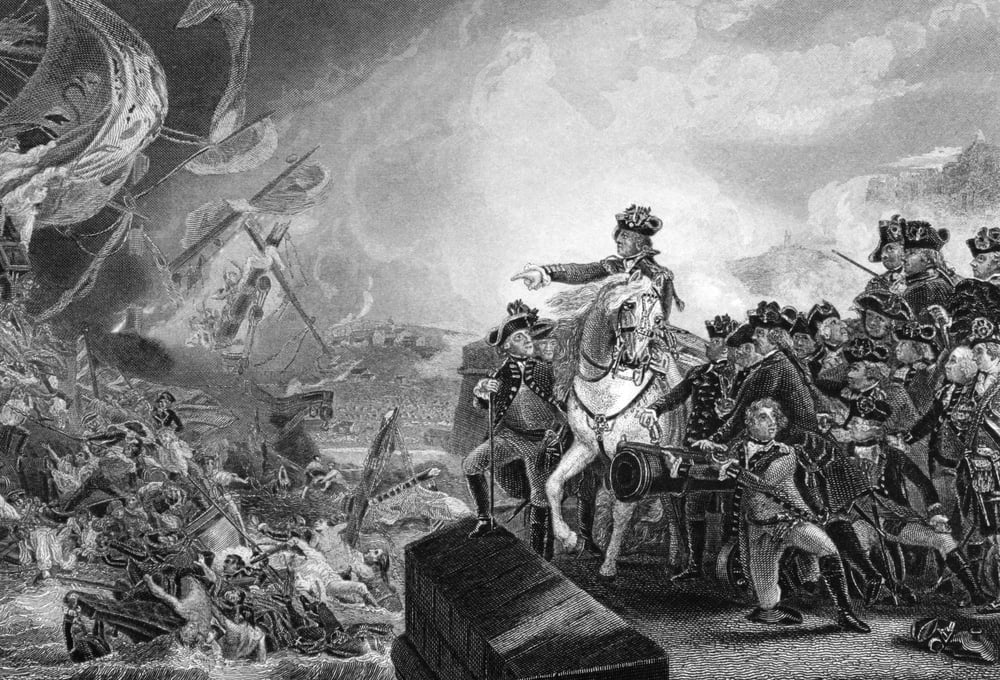
Radar gets called Britain’s secret weapon, and that’s fair, but plenty of pure fortune sat underneath that technological edge. German bombing strategy shifted away from RAF airfields toward London at the exact point British squadrons were nearing collapse, a decision that had nothing to do with British tactics and everything to do with German frustration over a failed assassination-style raid earlier in the campaign.
Give the Luftwaffe another two weeks hitting airfields and the outcome gets a lot less certain, which is saying something for a battle usually remembered as a triumph of grit alone.
Battle of Stalingrad
Winter arrived early and hit hard. German forces, stretched thin and poorly supplied for cold weather fighting, found themselves encircled just as temperatures collapsed to levels their equipment was never built for.
The Soviet counteroffensive gets the credit, deservedly, but a milder winter gives the trapped German Sixth Army options it simply didn’t have.
Battle of Salamis
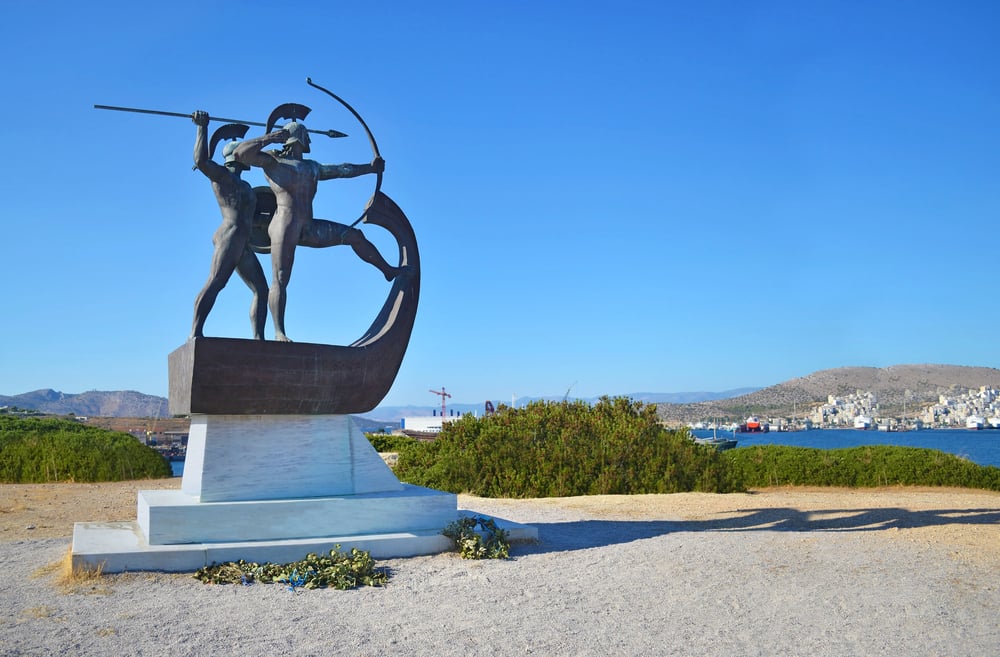
Picture a narrow strait acting like a bottleneck built by geography rather than by any admiral’s cleverness, and you’ve got the real story of Salamis. The Persian fleet, vastly larger than the Greek ships waiting for them, got jammed into that tight channel and turned their own numbers into a liability — too many ships, too little room, oars tangling with oars while Greek triremes picked them apart one at a time.
It reads like a masterstroke of Greek naval strategy, and Themistocles certainly gets the statue for it, but the strait did most of the actual work simply by being narrow.
Battle of Plataea
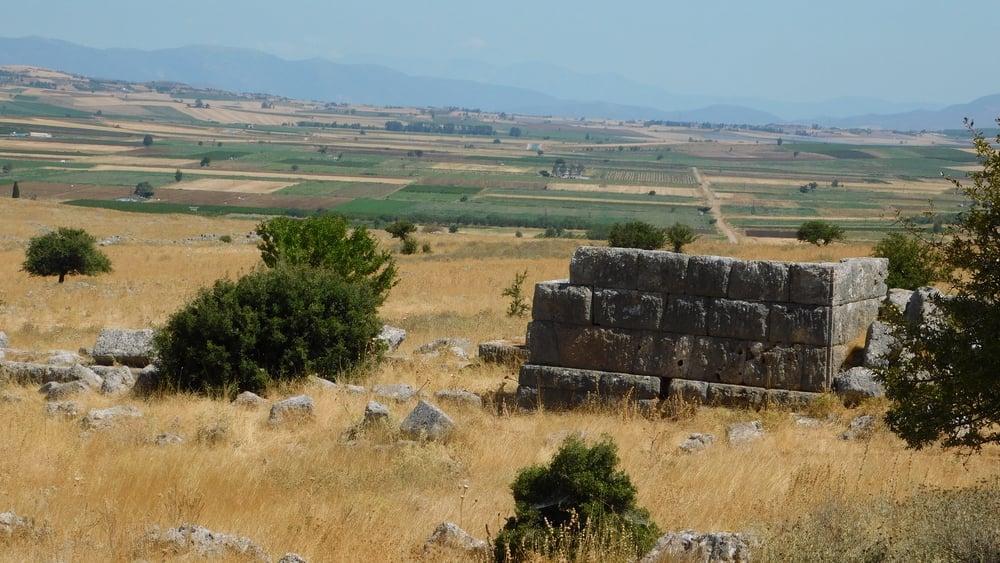
The Persian commander Mardonius made a decision to advance before his full force was properly arranged, and Greek hoplites capitalized on a disorganized enemy rather than out-fighting an organized one. Communication between Persian units broke down at a critical moment, leaving isolated groups exposed to a coordinated Greek advance they weren’t remotely prepared to counter.
Plataea gets filed under “great Greek victory,” but a huge share of that victory belongs to Persian confusion nobody on the Greek side actually caused.
Battle of Marathon
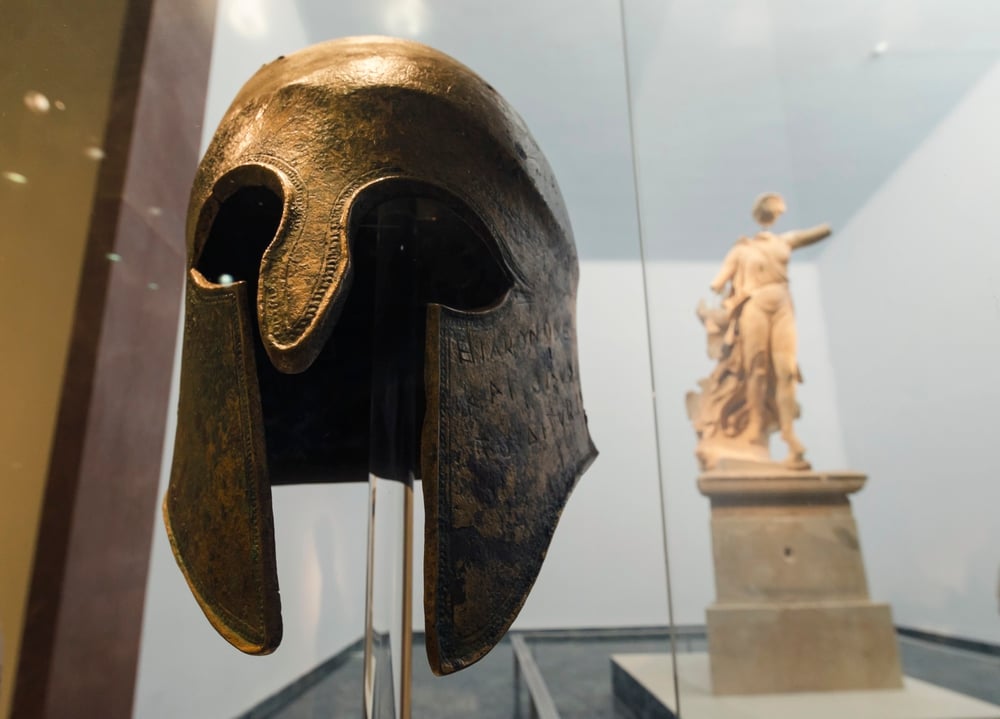
Athenian generals didn’t win Marathon through brilliant maneuvering so much as through the Persian force being caught mid-embarkation, part of their army already back on ships when the Athenian phalanx struck. Numbers that looked overwhelming on paper turned out to be split across two locations at once, present at the battlefield and absent from it in equal measure.
A battle plan that depended on the enemy being fully assembled worked out fine, mostly because the enemy wasn’t.
Battle of Lepanto
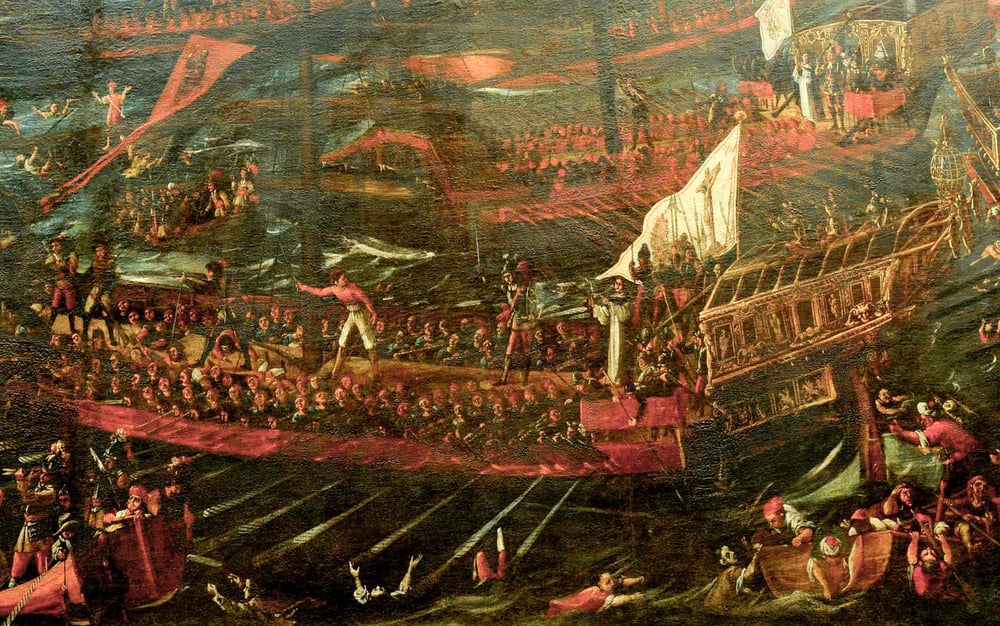
— Photo by WHPics
The wind decided this one before the ships ever closed range. Ottoman galleys lost the wind advantage right as the Holy League fleet gained it, flipping the tactical situation in the final approach and turning what should have been an even naval fight into a rout.
Six-hour battle, thousands of lives, and a meaningful chunk of the outcome traced back to which direction the air happened to be moving that particular morning.
Siege of Vienna
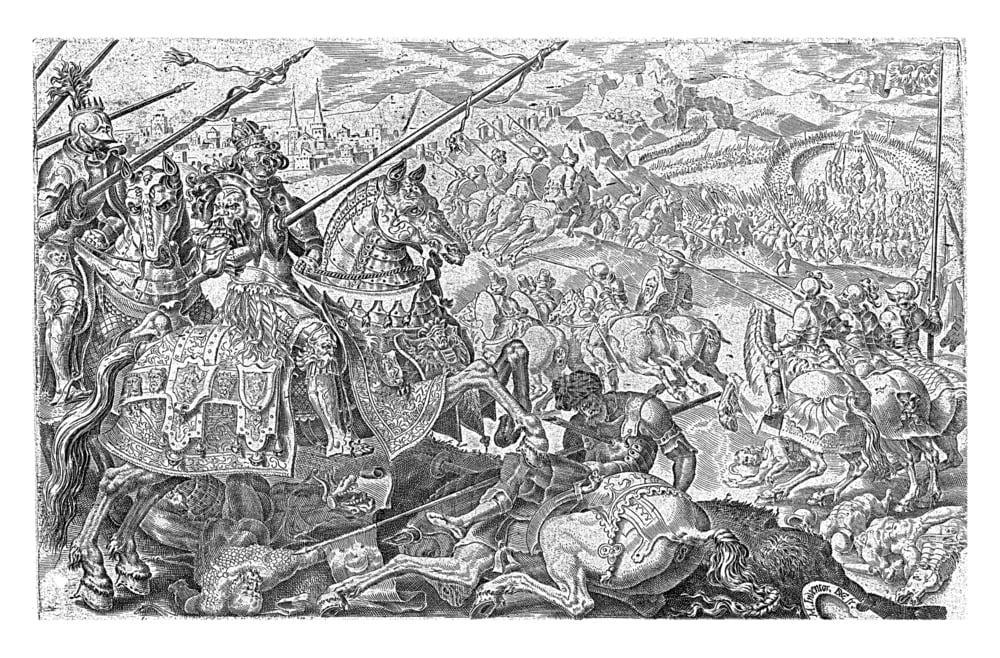
Ottoman forces had Vienna on the edge of collapse after weeks of siege, tunnels dug under the walls, supplies running out inside the city — and then a relief force led by Polish King Jan Sobieski arrived at almost the last conceivable moment, launching one of the largest cavalry charges in European history straight down from the hills above the Ottoman camp. Nobody inside Vienna could have counted on that timing holding up as perfectly as it did, arrival, terrain, and Ottoman exhaustion all lining up within the same afternoon.
The siege that nearly reshaped European history instead ended because help showed up exactly when the defenders had nothing left.
Battle of Rorke’s Drift
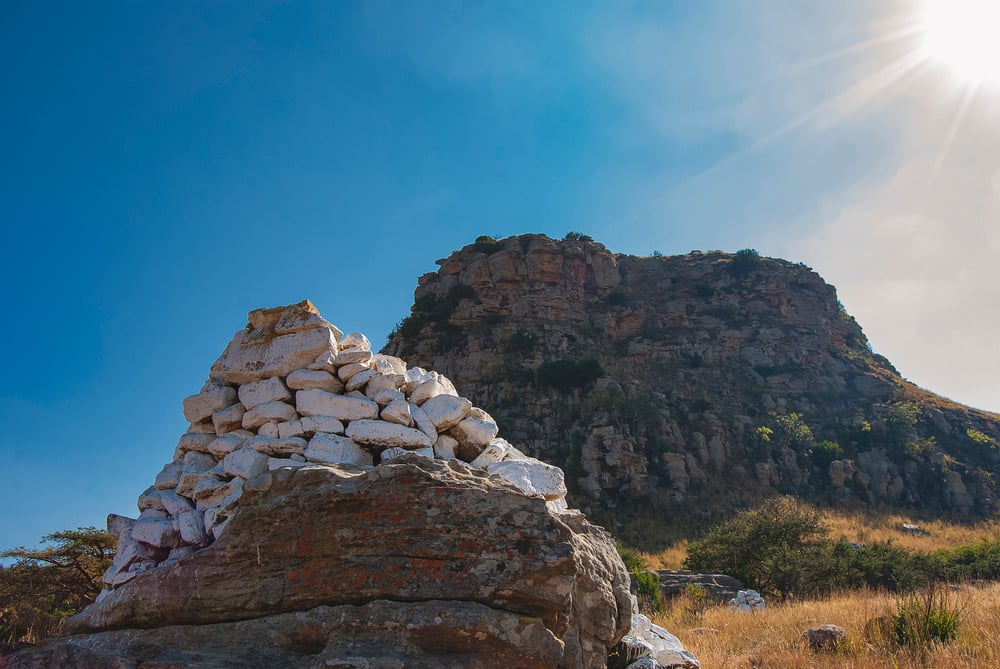
A tiny garrison of British soldiers held off a Zulu force many times its size, and the story gets told as a triumph of discipline under siege. What gets mentioned less is that the Zulu reserve force attacking Rorke’s Drift was already exhausted from a forced march and hadn’t been part of the earlier victory at Isandlwana that same day, fighting on legs that had already given most of what they had.
Discipline held the line, sure, but discipline facing fresher attackers might have told a different story entirely.
Battle of Cowpens
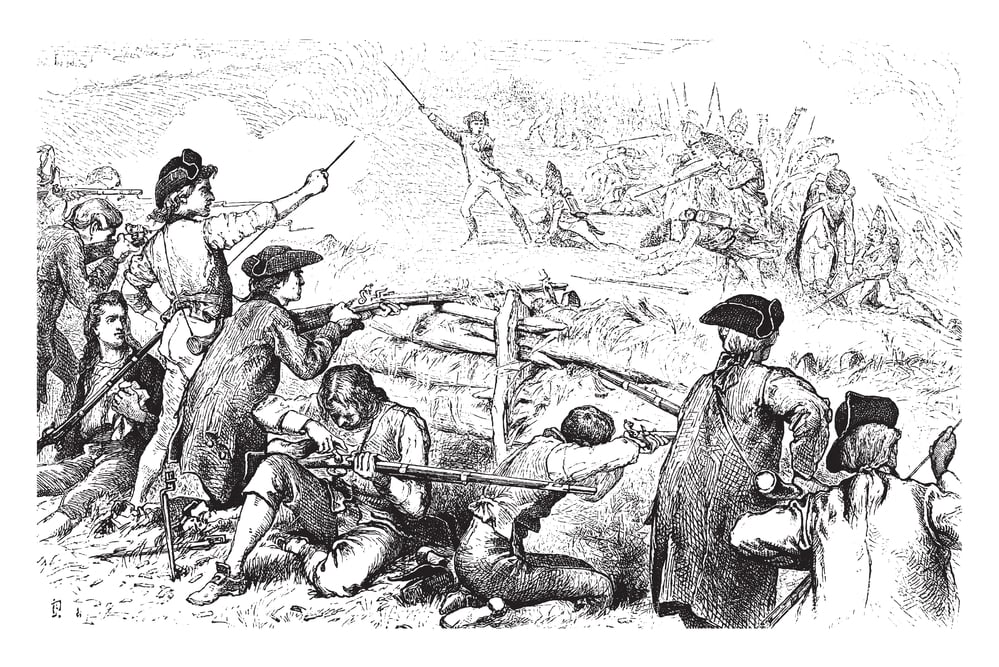
Daniel Morgan gets praised for his double-envelopment tactics at Cowpens, and the praise is earned, but Banastre Tarleton’s British force arrived at the field already worn down from an all-night forced march chasing an enemy that hadn’t actually been trying to run very hard. Exhausted troops charging into a battle plan built specifically to exploit overconfidence and fatigue is a rough combination to survive.
Morgan built the trap, to be fair, but Tarleton walked into it running on no sleep and worse judgment.
Battle of Leyte Gulf
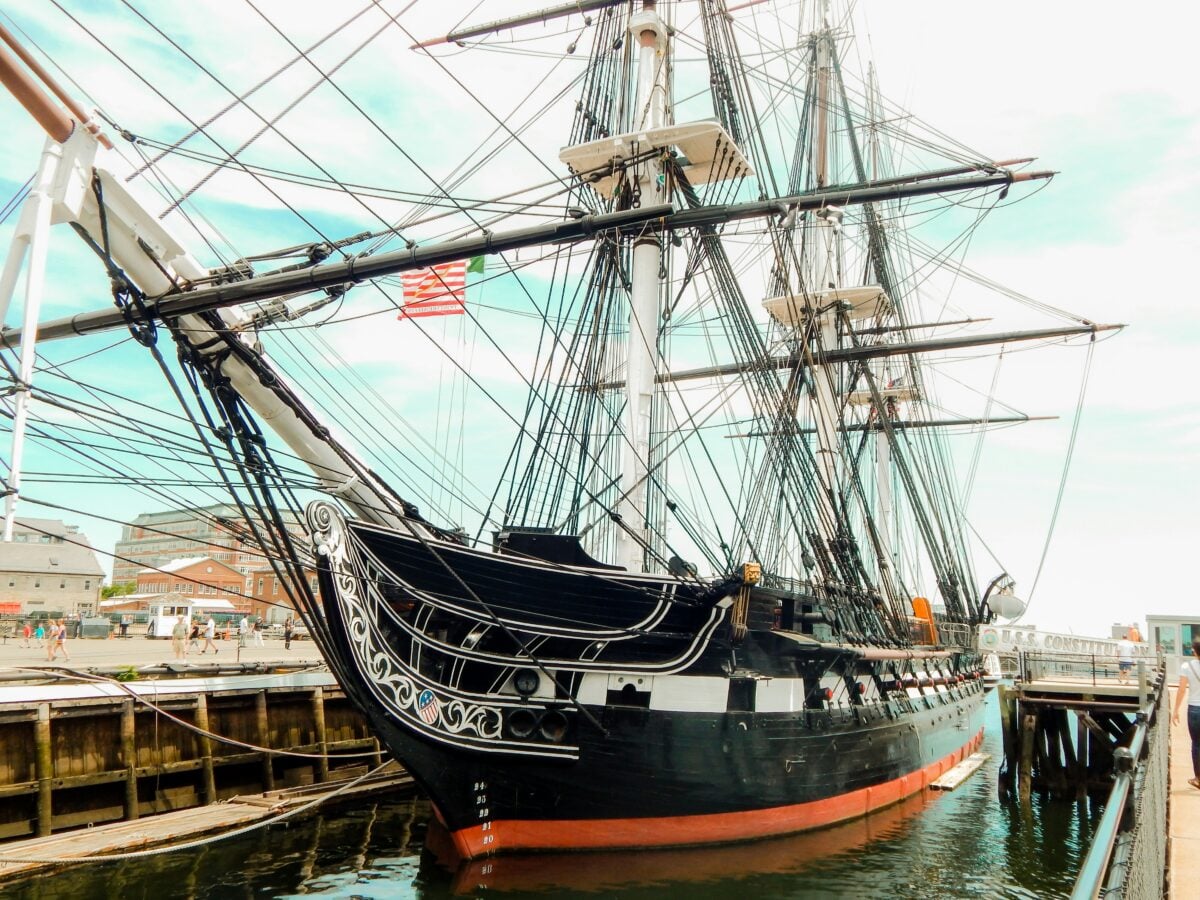
A small American escort force, built for support duty rather than a fight against battleships, found itself staring down a far larger Japanese surface fleet after a series of communication failures left it without the protection it should have had. Then Admiral Kurita, holding every tactical advantage, inexplicably ordered his fleet to withdraw at the exact moment victory was within reach.
Nobody on the American side planned for that decision. It just happened, and it saved an entire invasion force that had no business surviving that morning.
Battle of Coral Sea
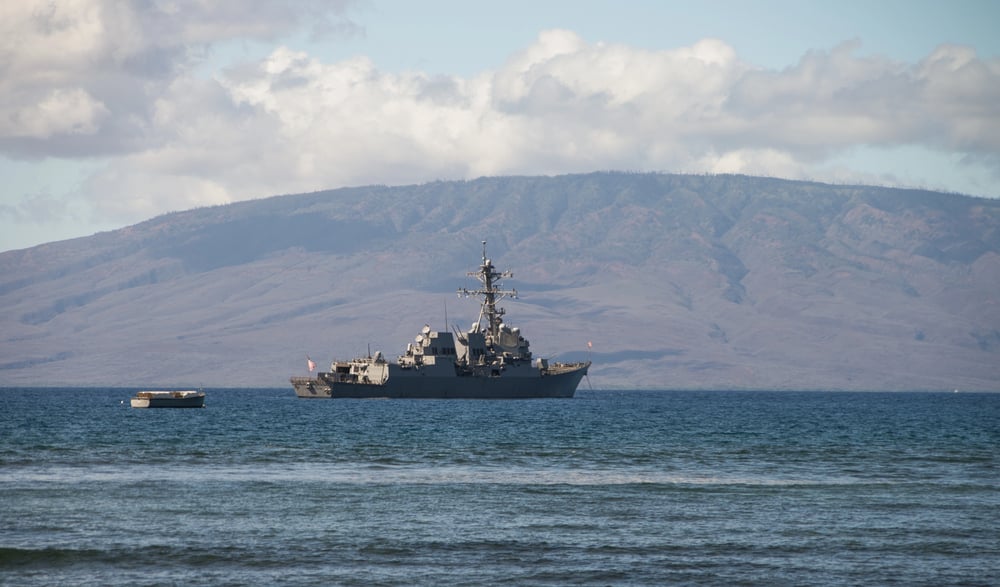
Neither fleet in this battle ever saw the other directly, ships hundreds of miles apart the entire time, planes doing all the fighting across open water in a form of combat still new enough that nobody had fully worked out the rules — and a good deal of what happened next came down to which scout planes spotted which targets first, an outcome shaped as much by cloud cover and radio range as by any admiral’s foresight. American forces stopped a Japanese invasion fleet bound for Port Moresby, technically a tactical draw but a strategic win, and it turned on reconnaissance luck as much as it turned on planning.
So the first carrier battle in history ended up decided largely by who happened to look in the right direction first.
Battle of Adwa
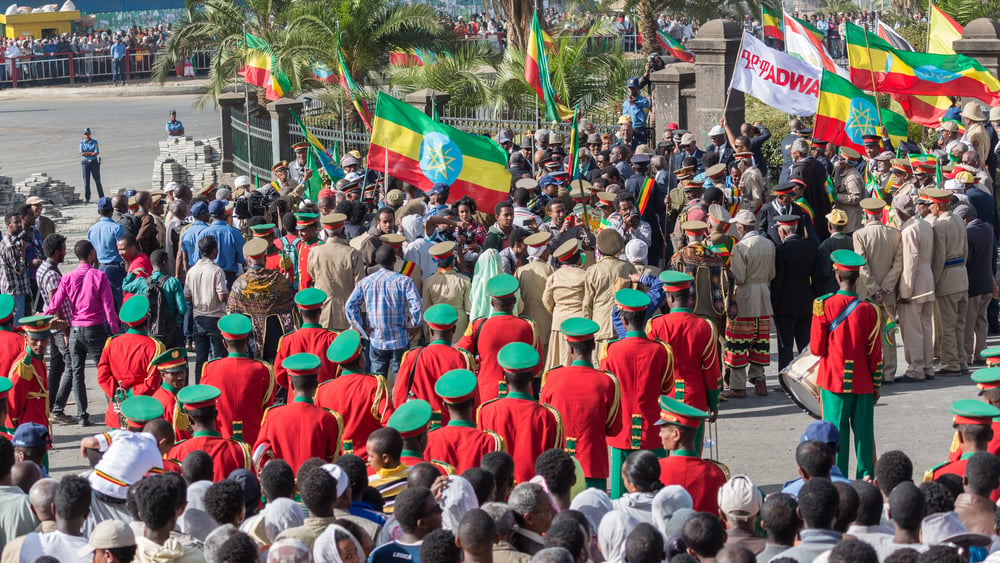
— Photo by derejeb
Italian forces marching into Ethiopian territory in 1896 relied on maps that turned out to be badly wrong, splitting their columns across terrain nobody had properly surveyed and leaving separate Italian brigades isolated from each other when the fighting started. Ethiopian forces under Menelik II, better positioned and far more familiar with the ground, picked apart divisions that should have been supporting one another.
Bad maps don’t sound like the reason a European colonial army lost a war, but at Adwa, that’s close to the truth of it.
Battle of Bannockburn
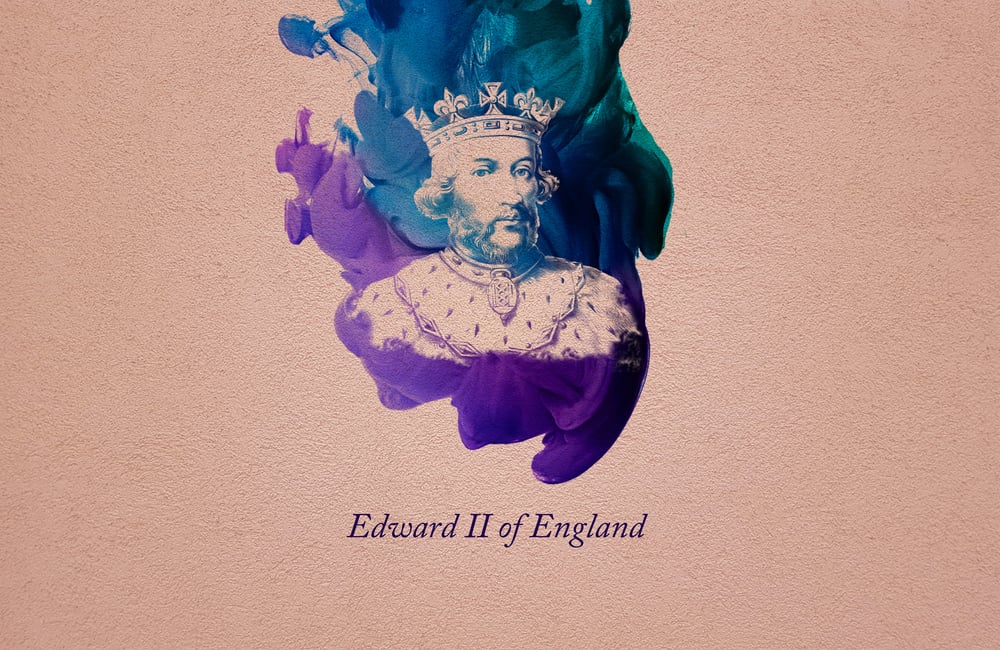
Robert the Bruce did not have the numbers, the cavalry, or the resources Edward II brought north in 1314, and pretending otherwise does Scottish history a disservice. What Bruce had was ground the English didn’t know well, boggy terrain near the Bannock Burn that swallowed English cavalry charges the moment they lost formation, plus an English king who ordered an advance through a landscape nobody had scouted properly.
Edward’s own arrogance about superior numbers did more damage to his army that day than Scottish spears managed on their own, which is about as dry an irony as medieval warfare gets.
Battle of Isandlwana

British forces at Isandlwana had every technological advantage a colonial army could ask for, rifles against spears, and lost anyway because of a supply failure nobody had planned around: ammunition boxes sealed with screws rather than the simpler catches expected, slowing resupply to a crawl right as Zulu forces pressed the attack in overwhelming numbers. A battle that should have been a straightforward demonstration of firepower turned into one of the worst defeats in British colonial history because of hardware nobody thought to test beforehand.
Zulu commanders get credit for the encirclement tactics, and they earned it, but British ammunition crates did a lot of quiet damage on their own.
Battle of Bosworth Field
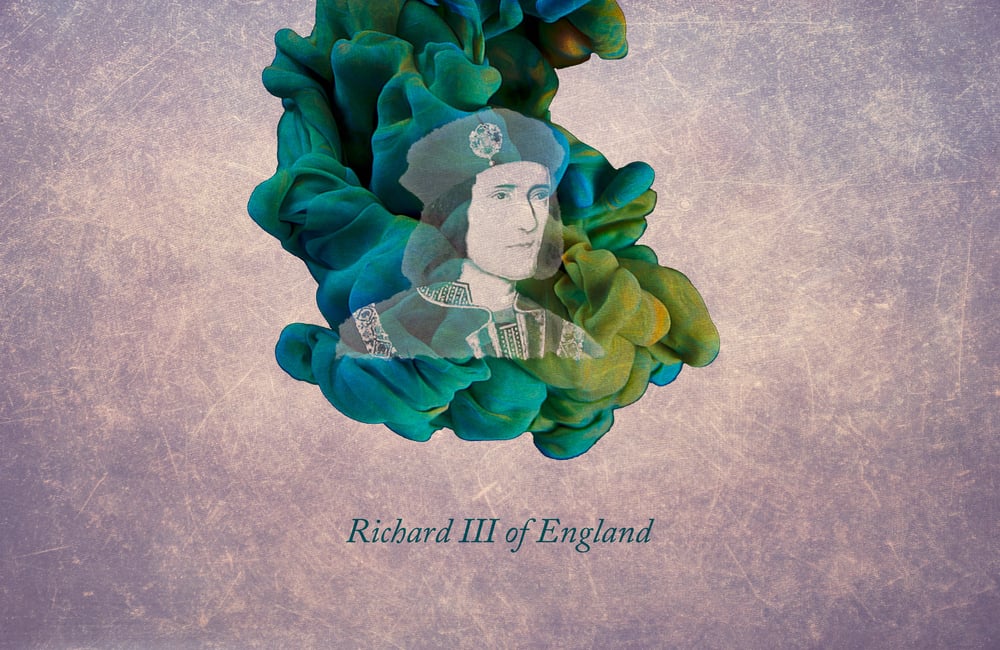
Richard III had more men on the field and a stronger position, right up until Lord Stanley — whose loyalty had been deliberately kept ambiguous for most of the campaign — chose the exact moment of Richard’s cavalry charge to commit his own forces against him instead of for him. That single decision, made by a nobleman who’d spent weeks refusing to declare a side, ended the Plantagenet dynasty and put Henry Tudor on the throne.
Richard’s crown, according to legend, ended up under a hawthorn bush. Bosworth gets remembered as Henry Tudor’s victory, but the real hinge of that battle was one man’s timing, and that man wasn’t even Henry.
The Thin Line Between Genius and Chance
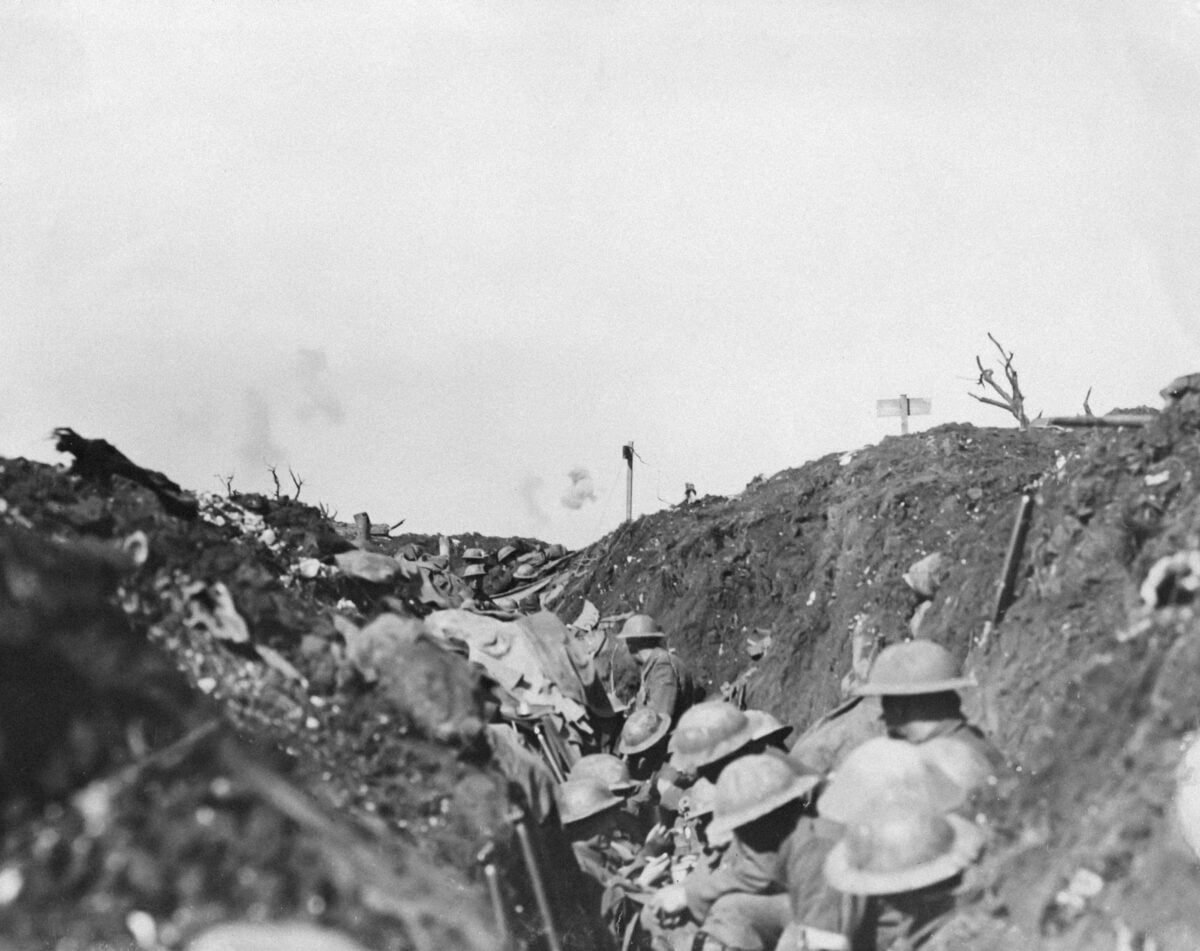
Strip away the medals and the monuments, and a strange number of history’s turning points come down to whether nobody controlled, timing nobody arranged, and decisions made by the other side that had nothing to do with brilliance on the winning one. That’s not a knock against the generals, the soldiers, or the strategists who did their jobs well under pressure — most of them still had to show up, hold the line, and take the opening when it appeared.
But the openings themselves, the fog banks and storms and enemy blunders that made victory possible in the first place, arrived on their own schedule. History prefers a cleaner story than that, one where genius wins and luck stays out of the frame entirely. The record, looked at honestly, tells a messier tale, and honestly a more interesting one.
More from Go2Tutors!

- The Romanov Crown Jewels and Their Tragic Fate
- 13 Historical Mysteries That Science Still Can’t Solve
- Famous Hoaxes That Fooled the World for Years
- 15 Child Stars with Tragic Adult Lives
- 16 Famous Jewelry Pieces in History
Like Go2Tutors’s content? Follow us on MSN.



