25 Storytellers Who Shaped American Culture
A country assembled from strangers needs shared stories more than most, and the United States has always been quick to reward anyone who could supply them. The medium kept changing, from pamphlet to newspaper column to comic strip to public television, and the job stayed the same.
The twenty-five people here worked in nearly every form available. Each left behind a character, a phrase, or a way of seeing that Americans now use without remembering where it came from.
Washington Irving
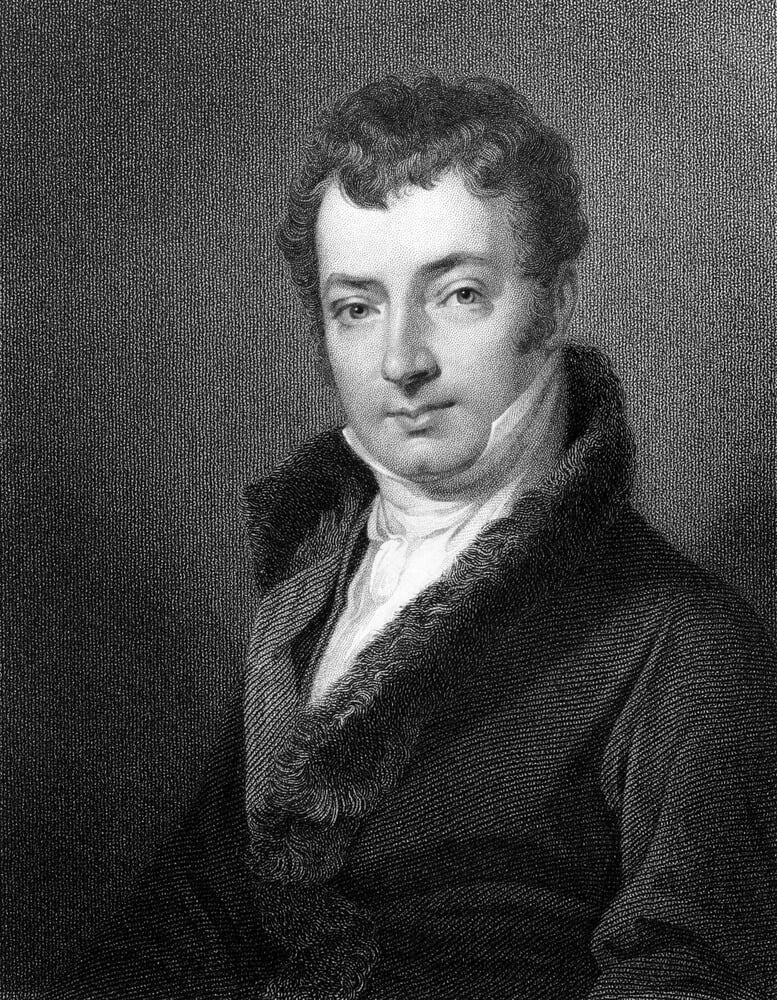
Irving was the first American writer to earn a living and a European reputation by his pen. “Rip Van Winkle” and “The Legend of Sleepy Hollow” both appeared in a collection published in installments in 1819 and 1820, written while he lived in England.
He had a gift for promotion as well. In 1809 he planted missing-person notices in New York newspapers for an elderly historian named Diedrich Knickerbocker, then published the man’s supposed manuscript as a comic history of the city.
He also gave New York the nickname Gotham, and he meant it as an insult.
Edgar Allan Poe
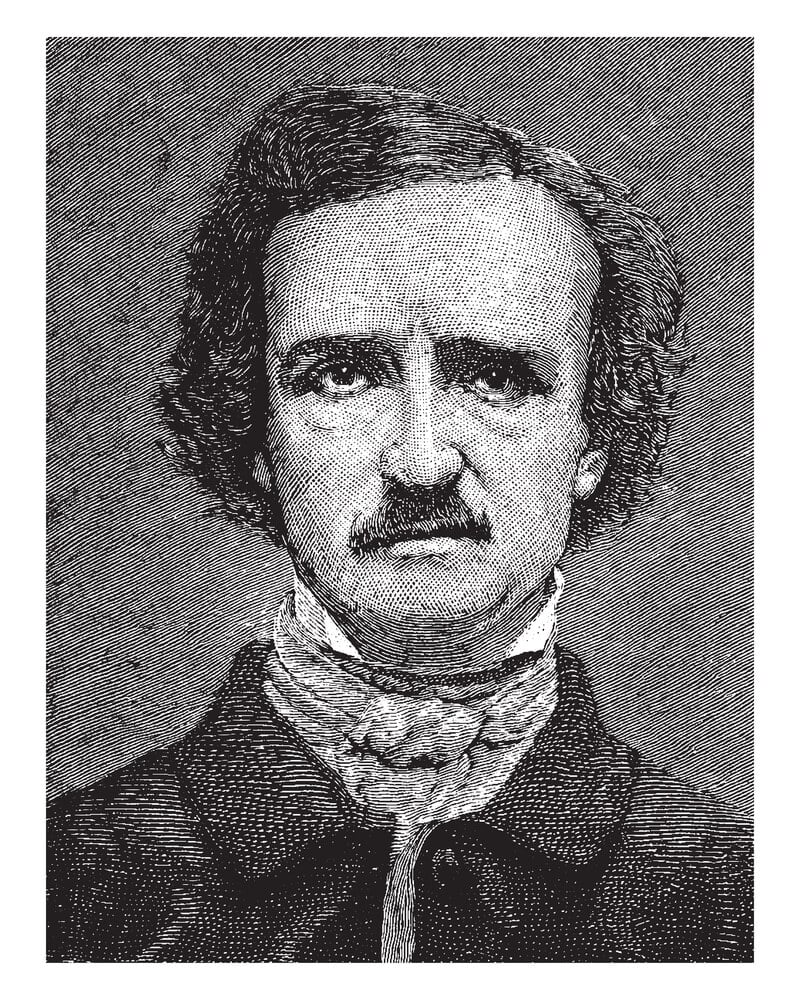
In April 1841 a Philadelphia magazine printed a story in which a brilliant amateur solves a locked-room murder by pure reasoning while the police flounder. With C. Auguste Dupin, Poe invented the modern detective story in a single attempt, and Arthur Conan Doyle later admitted the debt.
“The Raven” made him nationally famous in 1845 and earned him almost nothing. He died in Baltimore four years later at forty.
American mystery writers still compete each spring for a small ceramic bust of his head, known as the Edgar.
Frederick Douglass
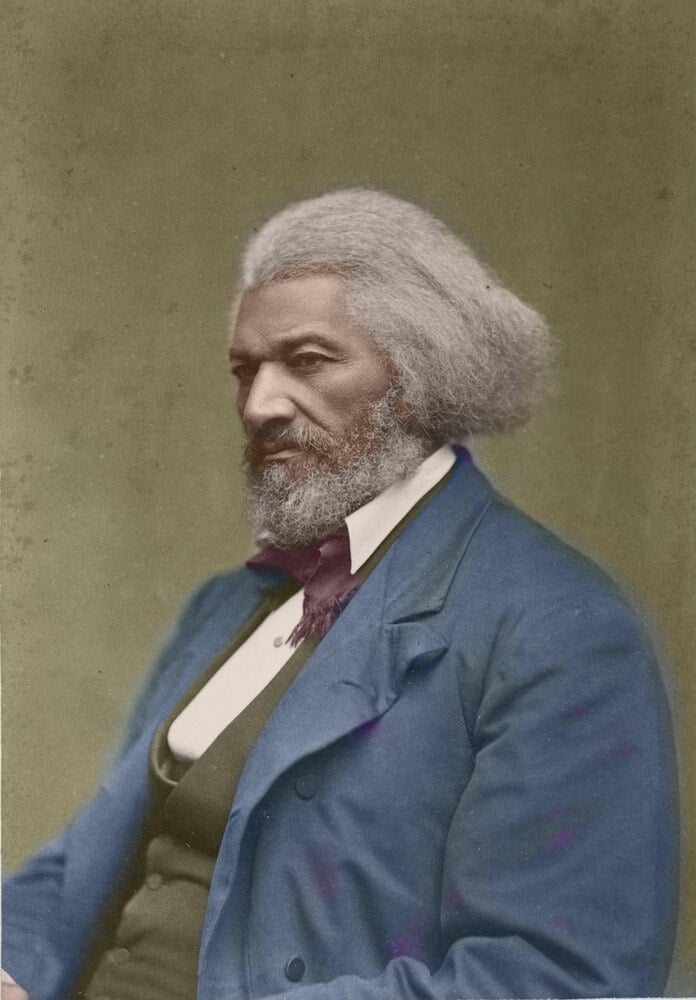
Audiences in the 1840s doubted that so polished a speaker could ever have been enslaved, so Douglass wrote down names, places, and dates. His “Narrative,” published in 1845, sold about 5,000 copies in four months and also identified his legal owner.
He spent nearly two years lecturing in Britain and Ireland until supporters there purchased his freedom. Douglass grasped the power of images as well as words.
He sat for roughly 160 portraits, more than any other American of his century, and he almost never smiled for the camera.
Harriet Beecher Stowe
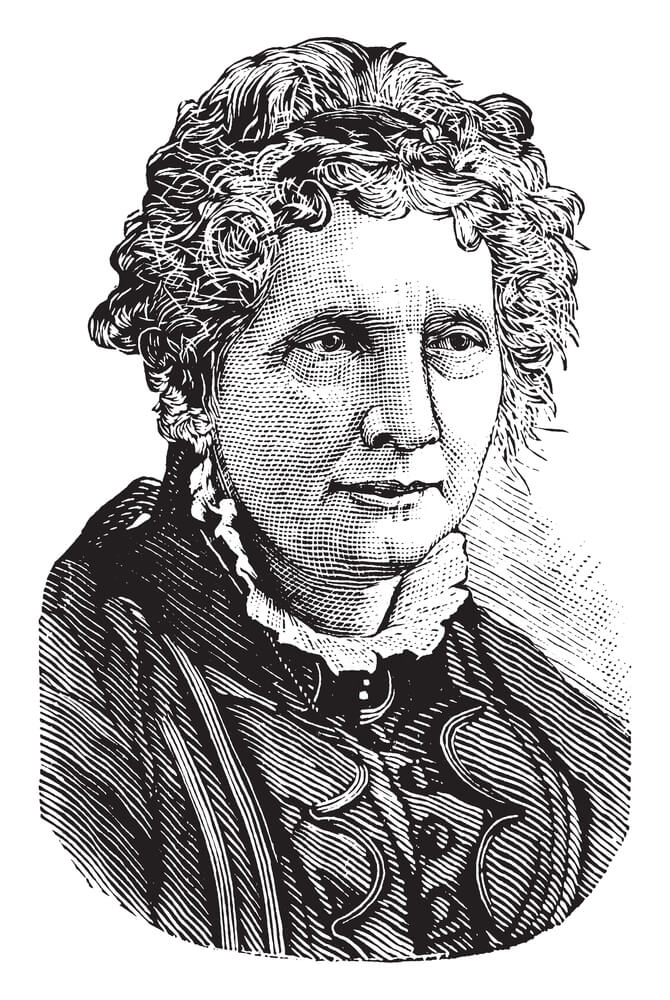
An antislavery weekly began serializing her novel in June 1851, and the planned handful of installments stretched to more than forty. Published as a book in March 1852, “Uncle Tom’s Cabin” sold about 300,000 copies in the United States in its first year and more than a million in Britain.
It became the best-selling novel of the nineteenth century. The famous line in which Lincoln greets her as the little woman who made a great war comes from family tradition and cannot be verified.
The book’s influence on Northern opinion needs no such help.
Mark Twain
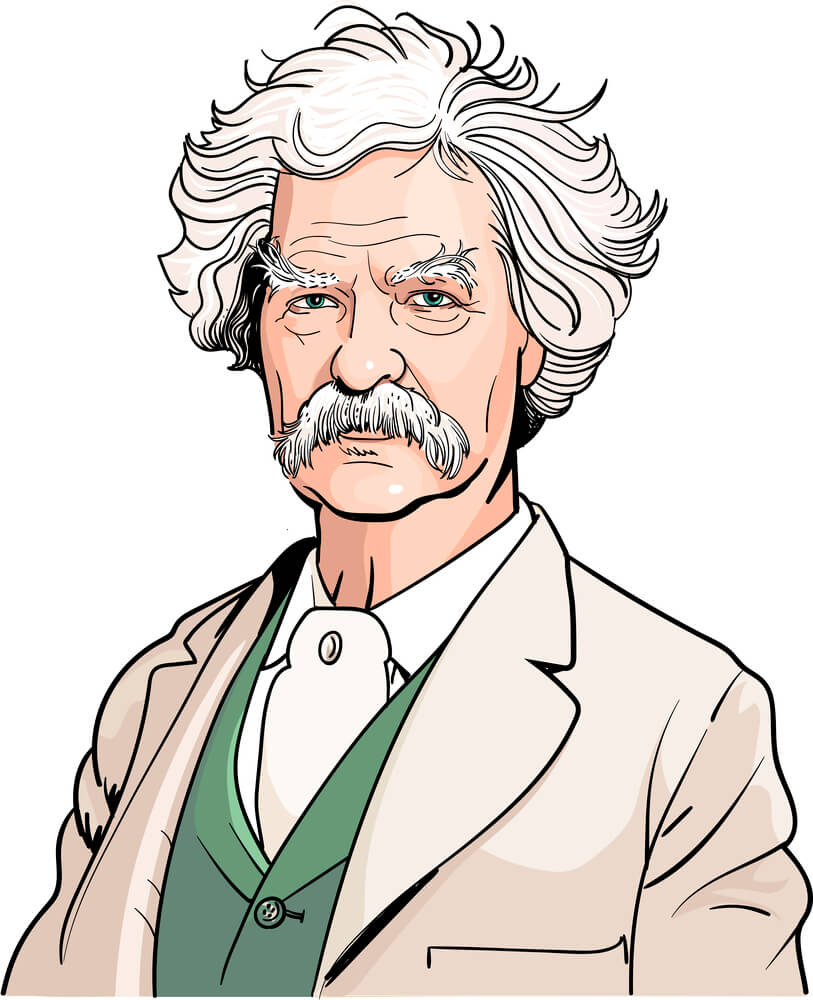
Samuel Clemens was born in Missouri in 1835 under Halley’s Comet and predicted he would go out with it, which he did in 1910. In between he wrote American speech as people actually spoke it.
When the public library in Concord, Massachusetts, banned “Adventures of Huckleberry Finn” in 1885 as coarse, he cheerfully forecast that the publicity would sell thousands of extra copies. Bad investments in a typesetting machine ruined him in his late fifties.
He repaid every creditor in full by lecturing his way around the world in 1895 and 1896.
Louisa May Alcott
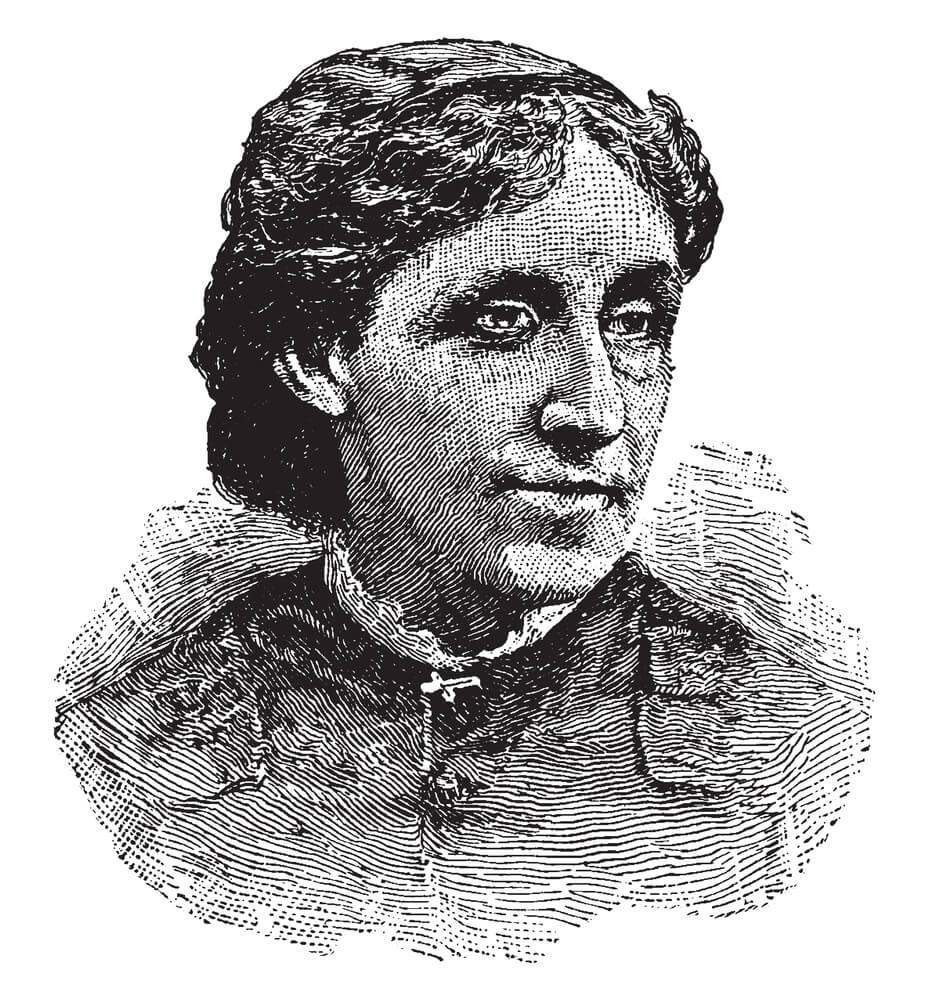
Her publisher asked for a book for girls, and Alcott, who preferred writing lurid thrillers under a pen name, doubted she could produce one. She wrote the first volume of “Little Women” in under three months in 1868, drawing on her own sisters and their threadbare household in Concord.
It sold out at once. Readers flooded her with letters demanding that Jo marry the boy next door.
Alcott refused on principle and married Jo to a middle-aged German professor instead, and the novel has never been out of print.
L. Frank Baum
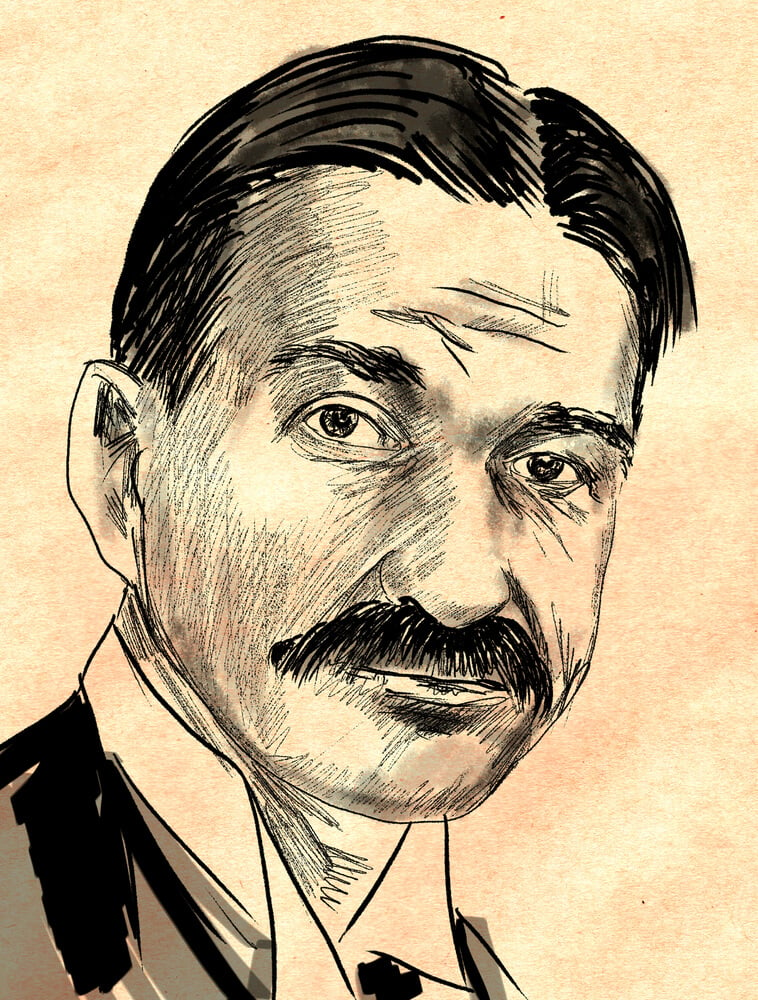
Baum had failed as an actor, a shopkeeper, and a newspaper editor before “The Wonderful Wizard of Oz” appeared in 1900 with illustrations by W. W. Denslow. He set out to write a fairy tale without the European stock figures, and he filled it with scarecrows, cyclones, and a humbug from Omaha.
It was the best-selling children’s book in the country for two years. Baum tried to end the series in 1910 by sealing Oz off from the outside world.
Bankruptcy changed his mind, and he eventually wrote fourteen Oz novels.
Laura Ingalls Wilder
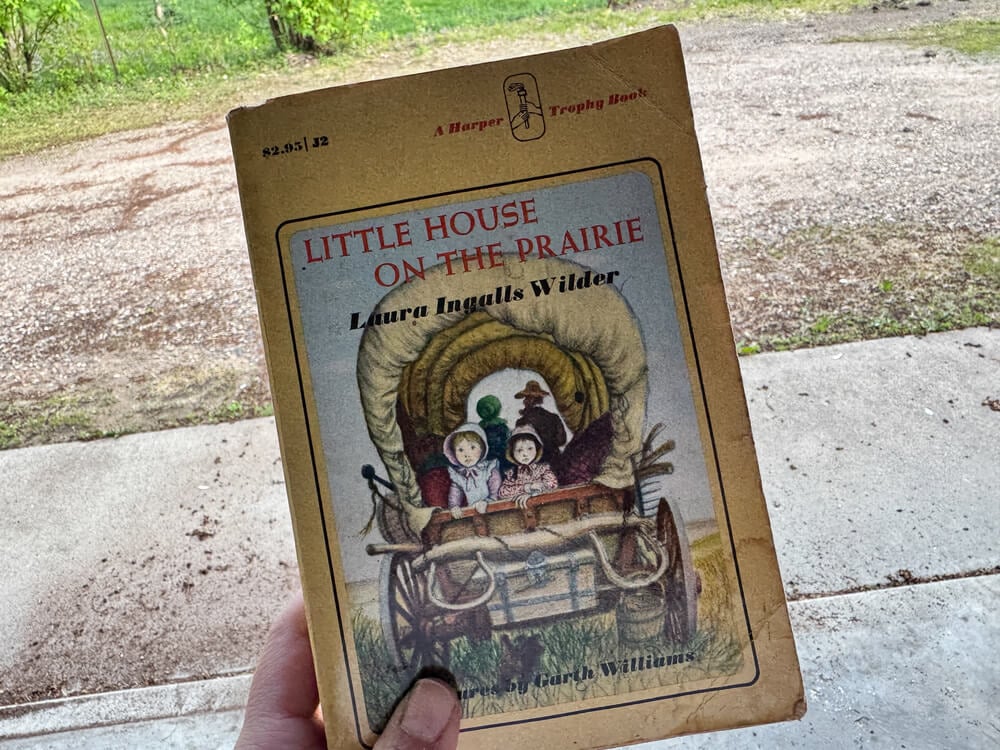
Wilder published her first book in 1932, at the age of sixty-five, after her plain-spoken autobiography failed to find a publisher. Her daughter, the journalist Rose Wilder Lane, edited the series heavily, and scholars still debate how much of the prose belongs to each woman.
The eight novels of frontier childhood shaped how generations pictured the settlement of the prairie, hardships softened and all. The rejected memoir finally appeared in an annotated edition from a South Dakota historical press in 2014.
Its first printing sold out within weeks.
Will Rogers
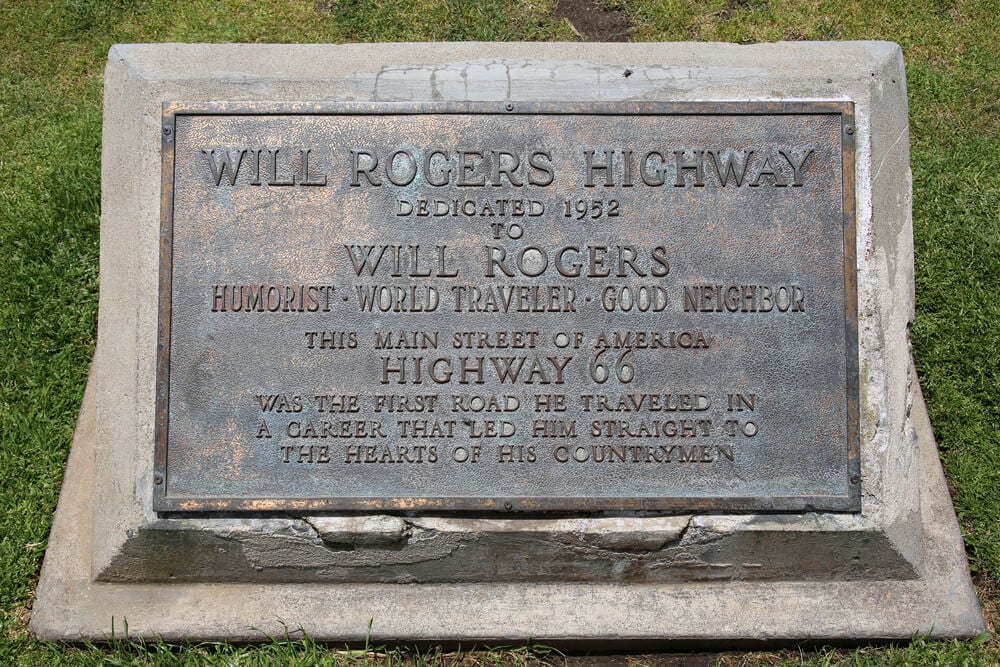
Rogers was born in 1879 in the Cherokee Nation, in what is now Oklahoma, and learned rope tricks before he learned to talk for a living. On the vaudeville stage he began commenting on the news while twirling a lariat, and the commentary took over.
By the early 1930s his brief daily newspaper column reached an estimated 40 million readers, and he was among the top box-office draws in Hollywood. He claimed to know only what he read in the papers.
He died in an Alaska plane crash in 1935 with aviator Wiley Post.
Zora Neale Hurston
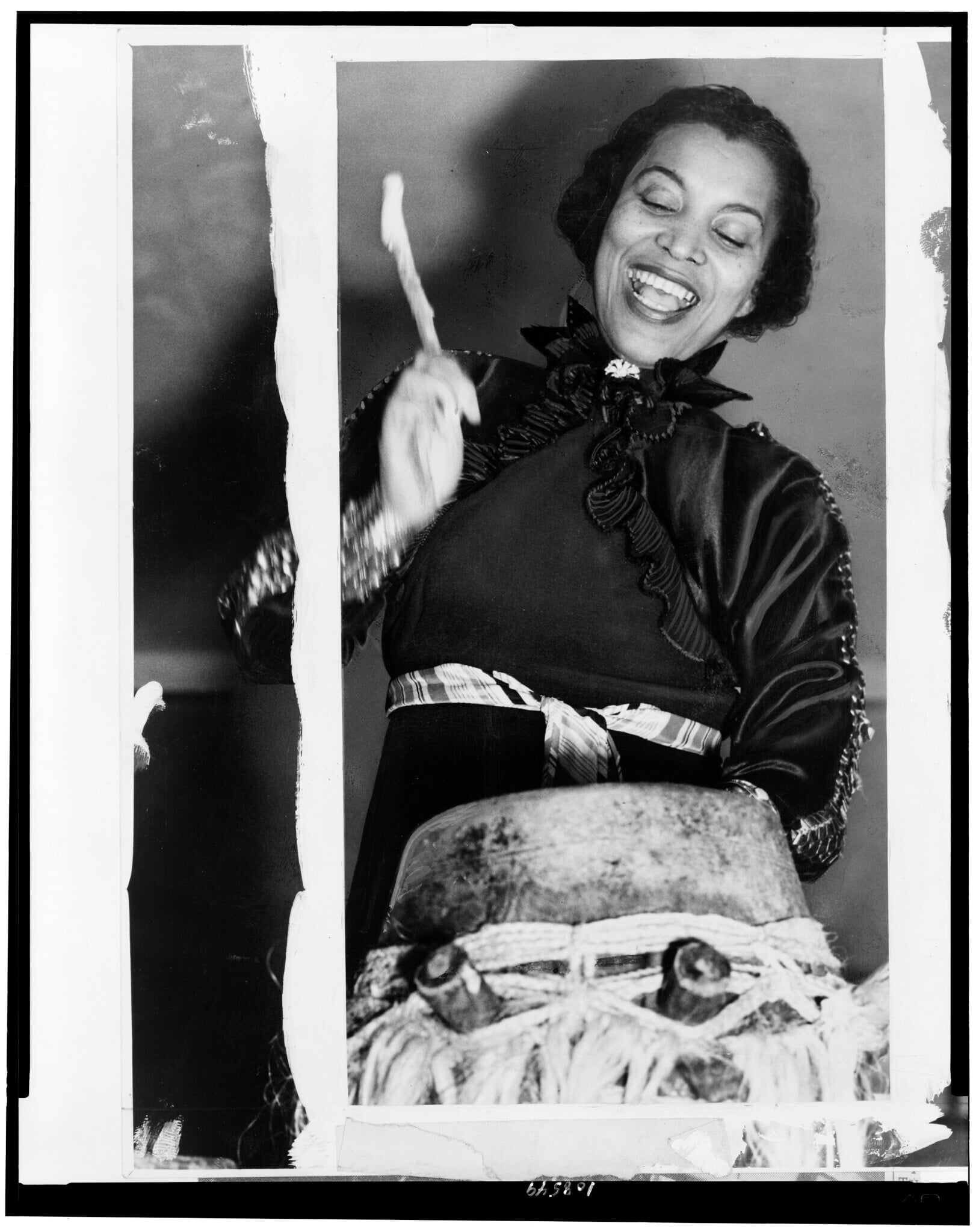
Raised in Eatonville, Florida, one of the first incorporated Black towns in the country, Hurston trained as an anthropologist under Franz Boas and returned South to collect folktales, sermons, and work songs. That fieldwork became “Mules and Men” in 1935.
She wrote “Their Eyes Were Watching God” in seven weeks while doing research in Haiti. She died in poverty in 1960 and lay in an unmarked grave in Fort Pierce until the novelist Alice Walker located the spot in 1973, bought a headstone, and led a revival of her books.
John Steinbeck
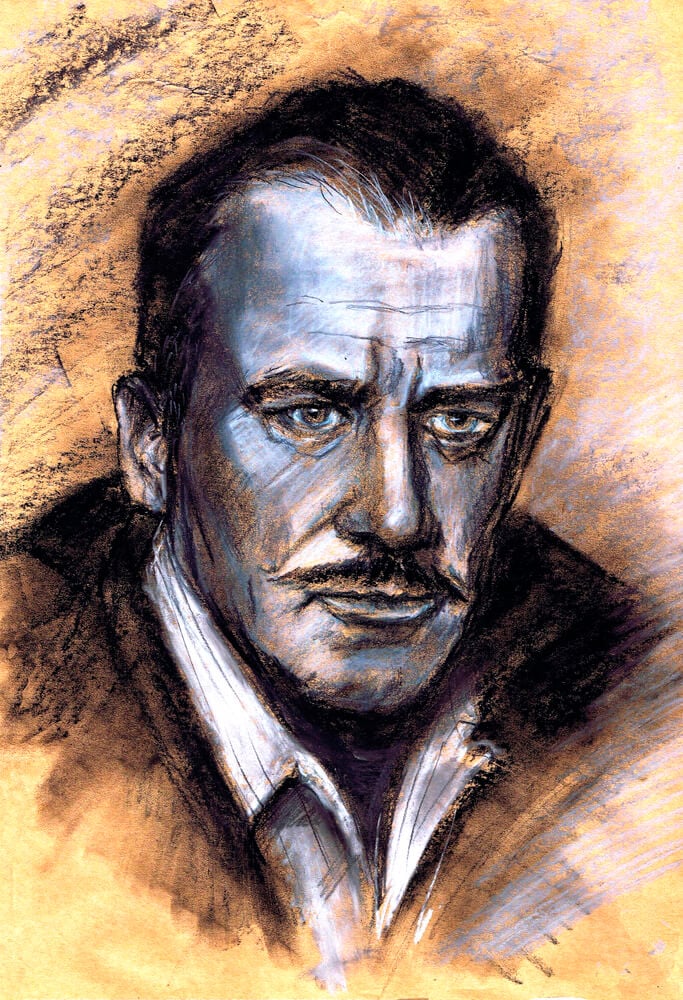
A San Francisco newspaper sent Steinbeck to report on migrant labor camps in 1936, and the assignment grew into “The Grapes of Wrath,” published in April 1939. It was the best-selling book of the year.
It was also banned from the libraries and schools of Kern County, California, where much of the story is set, and burned in several towns. Growers called it a pack of lies, and Eleanor Roosevelt visited the camps and said he had not exaggerated.
The Pulitzer followed in 1940 and the Nobel Prize in 1962.
Walt Disney
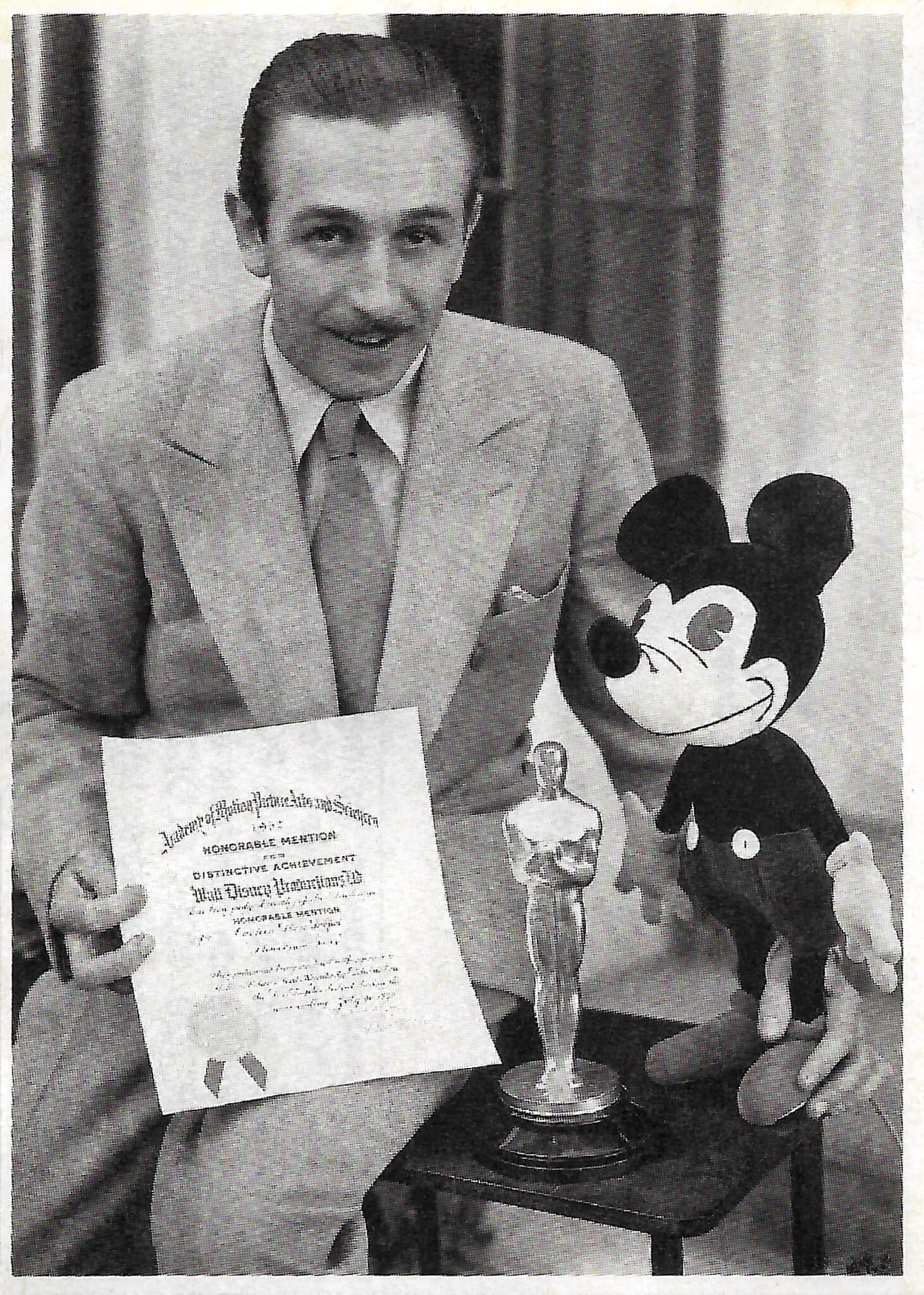
Disney lost the rights to his first successful cartoon character in a contract dispute and sketched a mouse on the train ride home. “Steamboat Willie” opened in New York on November 18, 1928, with synchronized sound, and the studio never looked back.
Hollywood called “Snow White and the Seven Dwarfs” his folly during its three years of production. It became the top-grossing sound film to that point, and the Academy gave him one full-size Oscar and seven miniature ones.
His twenty-two competitive Academy Awards remain a record for any individual.
Norman Rockwell
Rockwell sold his first cover to the Saturday Evening Post in 1916, at twenty-two, and painted more than 320 of them over the next forty-seven years. Each was a complete short story in a single frame, legible from across a room.
His “Four Freedoms” paintings toured the country in 1943 and helped sell about 132 million dollars in war bonds. Critics dismissed him as sentimental.
Then in 1964 he painted a six-year-old Black girl walking to school between federal marshals, and the sentimentalist turned out to have been paying attention all along.
Woody Guthrie
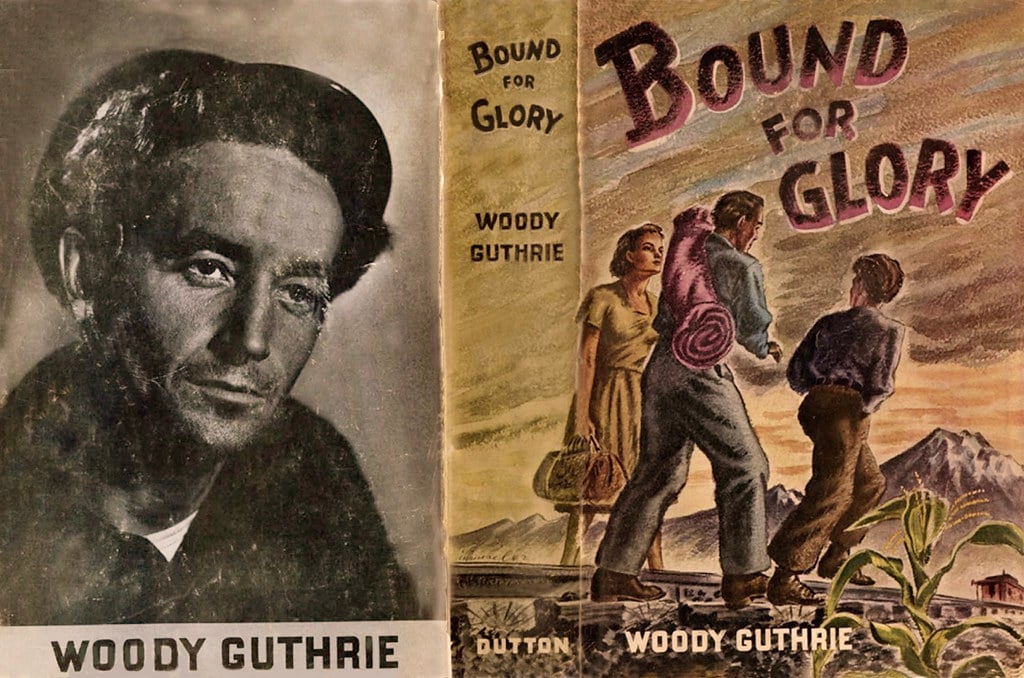
Born in Okemah, Oklahoma, in 1912, Guthrie followed the Dust Bowl migration west and sang about it on Los Angeles radio. In February 1940, tired of hearing Kate Smith’s “God Bless America” on every jukebox, he wrote a reply in a New York hotel room and eventually titled it “This Land Is Your Land.”
Schoolchildren learn the verses about redwood forests and Gulf Stream waters. They rarely hear the ones about the relief office and the sign marked private property.
He wrote more than a thousand songs before Huntington’s disease silenced him.
Dr. Seuss
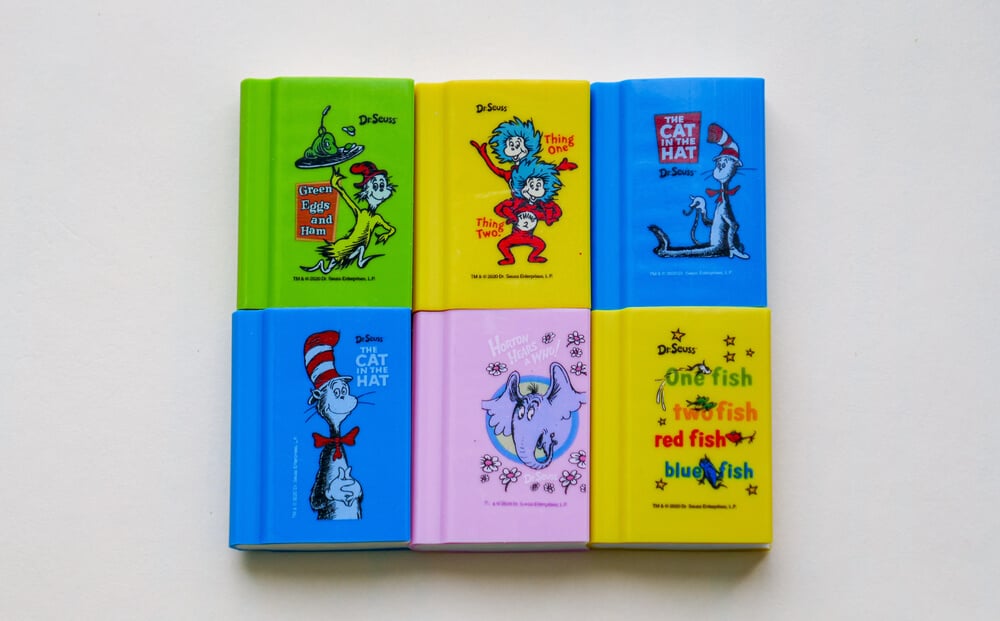
In 1954 the novelist John Hersey complained in Life magazine that children were failing to read because their primers were unbearably dull. A publisher challenged Theodor Geisel to write a better one using a restricted vocabulary list.
“The Cat in the Hat” appeared in 1957 and used 236 different words. Three years later his editor, Bennett Cerf, bet him fifty dollars that he could not write a book using only fifty.
The result was “Green Eggs and Ham,” his best seller of all. Geisel said Cerf never paid up.
Rod Serling

Serling made his name writing live television drama in the 1950s and grew tired of sponsors gutting his scripts. When he tried to dramatize a case based on the murder of Emmett Till, executives moved the setting, changed the victim, and removed every bottle of Coca-Cola from the set to avoid suggesting the South.
He concluded that a Martian could say what a senator could not. “The Twilight Zone” premiered in October 1959, and Serling wrote 92 of its 156 episodes, many of them parables about prejudice, conformity, and nuclear fear.
Jean Shepherd

For more than twenty years beginning in 1955, Shepherd talked without a script on New York’s WOR, often late at night, spinning stories about an Indiana steel-town boyhood. In 1956 he urged his listeners to walk into bookstores and request a novel that did not exist.
Demand grew so convincing that a publisher commissioned a real book under the invented title, and it sold. His magazine stories about a boy who wants an air rifle became the 1983 film “A Christmas Story,” which he co-wrote and narrated.
Studs Terkel
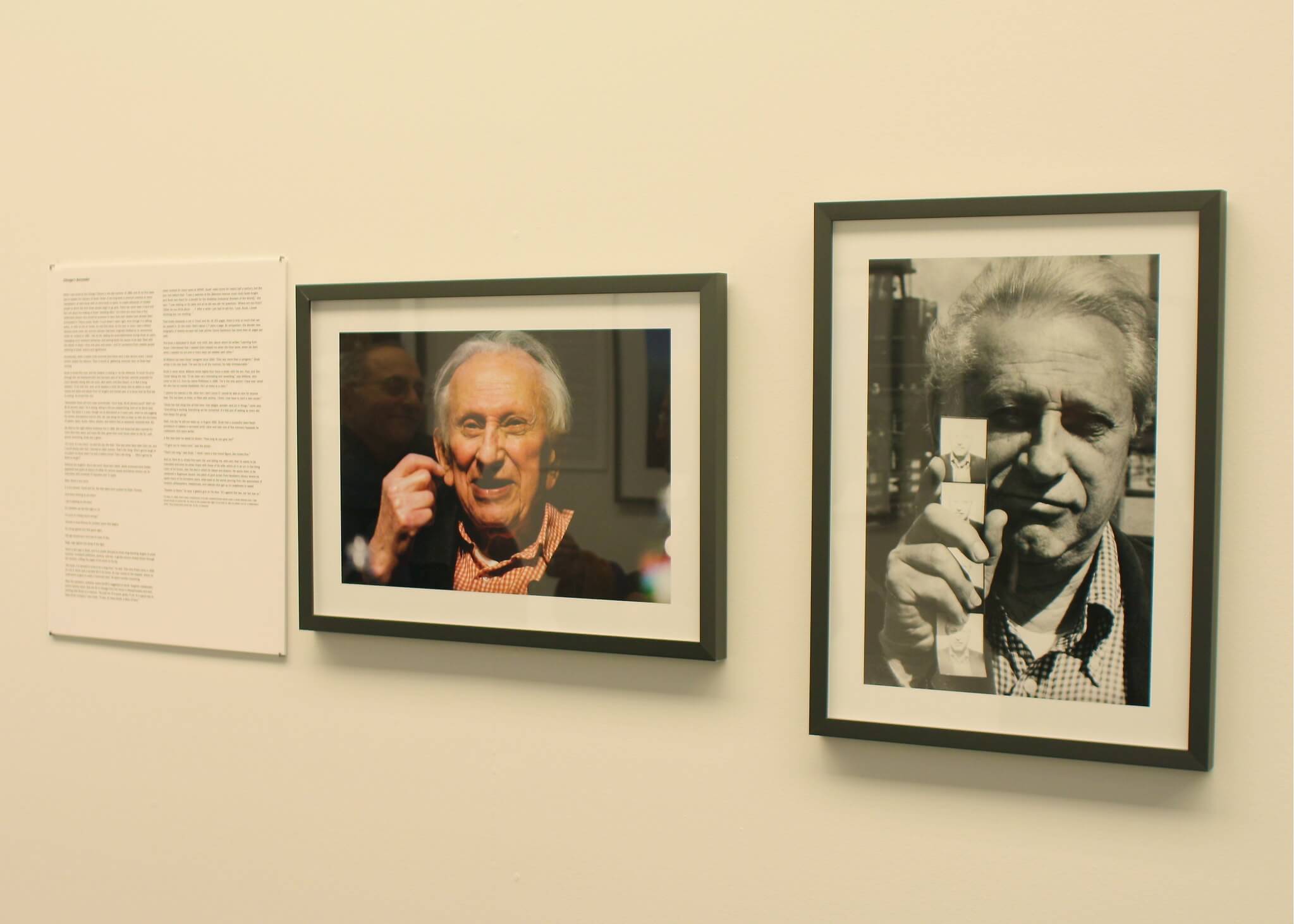
Blacklisted from network television in the early 1950s, Terkel settled into a daily interview program on Chicago’s WFMT that ran from 1952 to 1997. His method was to carry a tape recorder, which he operated badly, to people nobody else interviewed.
Books assembled from those conversations followed, including “Working” in 1974 and an oral history of the Second World War that won the Pulitzer Prize in 1985. He treated a parking attendant’s account of his day as seriously as a historian treats a treaty.
American oral history largely descends from that habit.
Charles Schulz
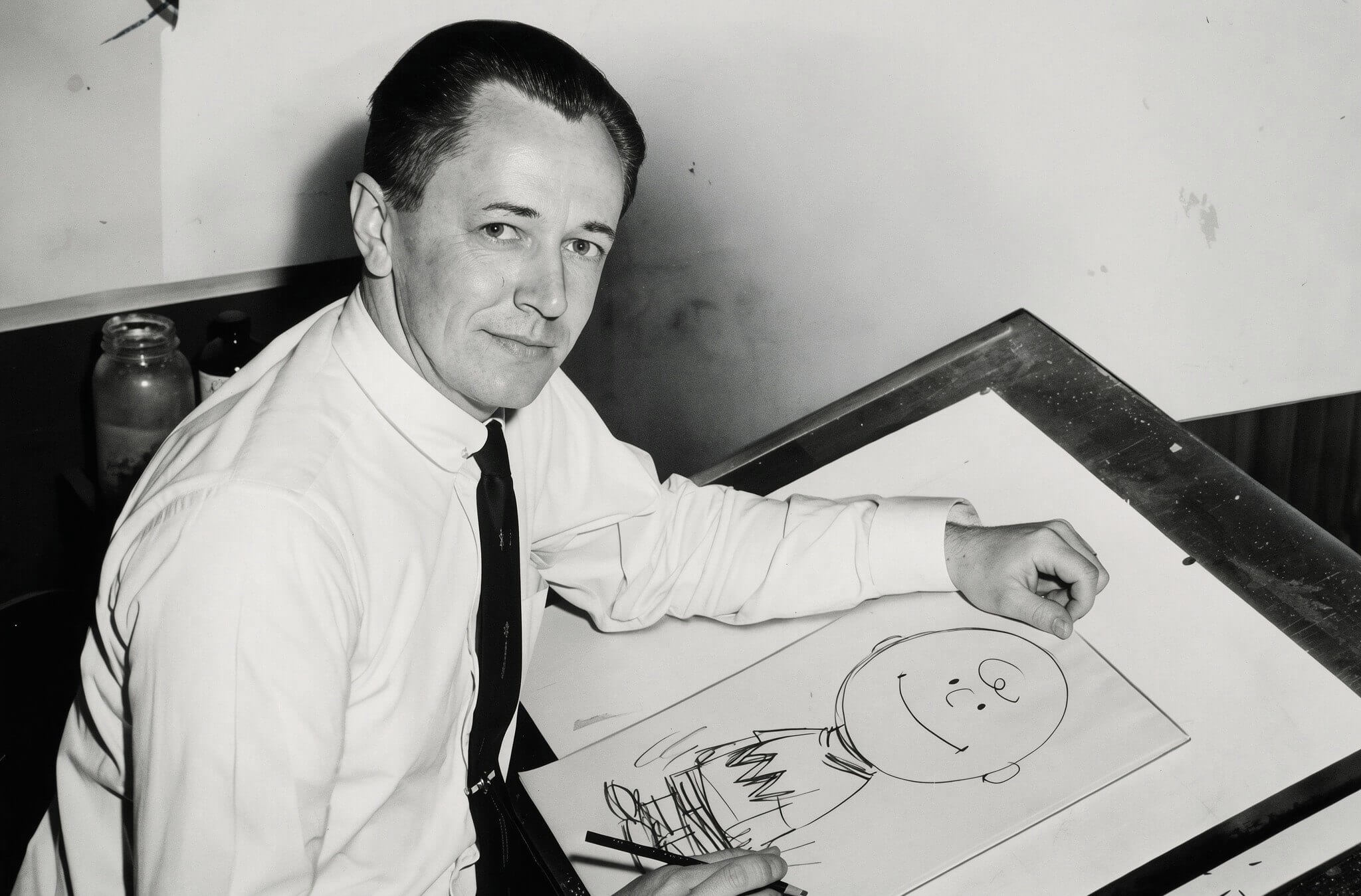
The strip debuted in seven newspapers on October 2, 1950, under a title the syndicate chose and Schulz always disliked. He wrote, drew, inked, and lettered every one of the 17,897 installments himself, without assistants, for nearly fifty years.
At its peak “Peanuts” ran in about 2,600 papers in seventy-five countries. Its hero never won a game, never flew the kite, and never spoke to the little red-haired girl, which was a strange premise for the most popular comic in history.
Schulz died on February 12, 2000, and his farewell Sunday strip ran the next morning.
Stan Lee

Lee had been writing comics for two decades and was ready to quit when, in 1961, he and artist Jack Kirby created a superhero team whose members bickered, sulked, and worried about money. The Fantastic Four sold, and Spider-Man followed in 1962 with artist Steve Ditko, a teenager who fought crime and still could not pay the rent.
Lee’s chatty captions and letters pages made readers feel like club members. How much creative credit belongs to him and how much to Kirby and Ditko remains disputed.
His salesmanship of the shared universe is beyond argument.
Alex Haley
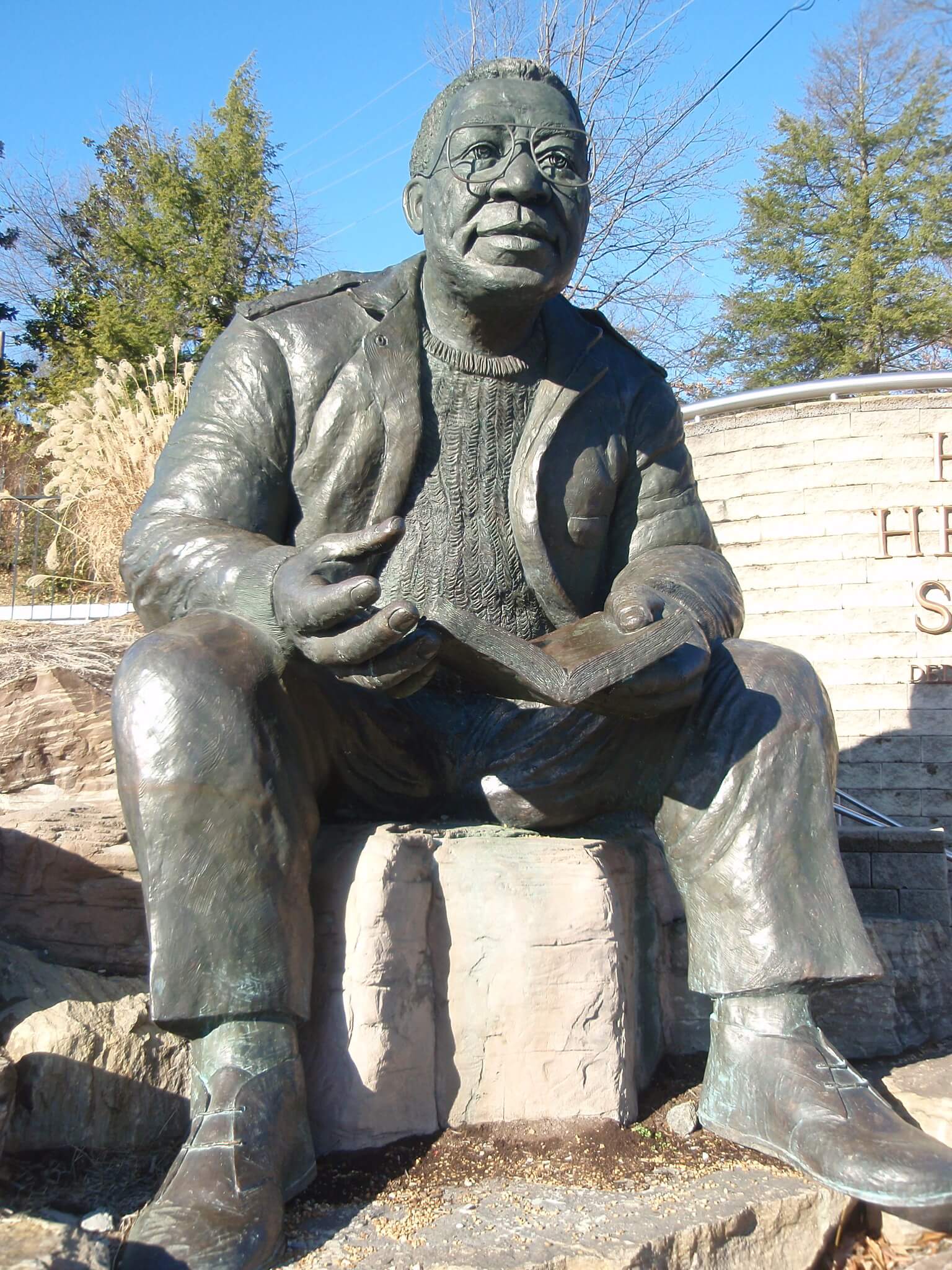
After twenty years in the Coast Guard, Haley built a second career on long interviews and then spent a decade tracing his mother’s family back to a village in the Gambia. “Roots” was published in 1976.
ABC, nervous about the miniseries, scheduled it across eight consecutive nights in January 1977 to get it over with quickly. The finale drew about 100 million viewers, roughly half the country.
Haley later paid $650,000 to settle a plagiarism suit, and genealogists have challenged his research. The surge of Americans searching for their own ancestors was real regardless.
Fred Rogers
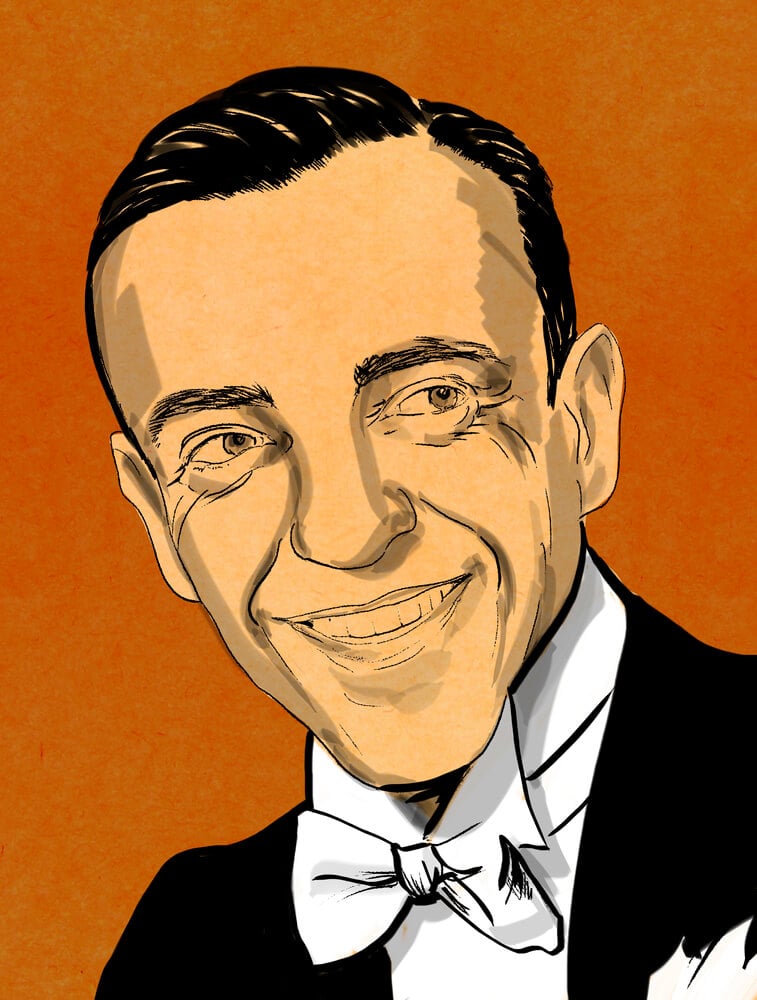
An ordained Presbyterian minister with a degree in music, Rogers brought his program to national public television in February 1968 and made 895 episodes over thirty-three years. He spoke slowly, looked straight into the lens, and told stories about divorce, death, and anger that other children’s programs avoided.
In May 1969 he testified before a Senate subcommittee whose chairman was ready to halve public broadcasting’s budget. Rogers talked for about six minutes and recited the words to a song about managing feelings.
The senator said he had goosebumps and approved the full twenty million dollars.
Toni Morrison
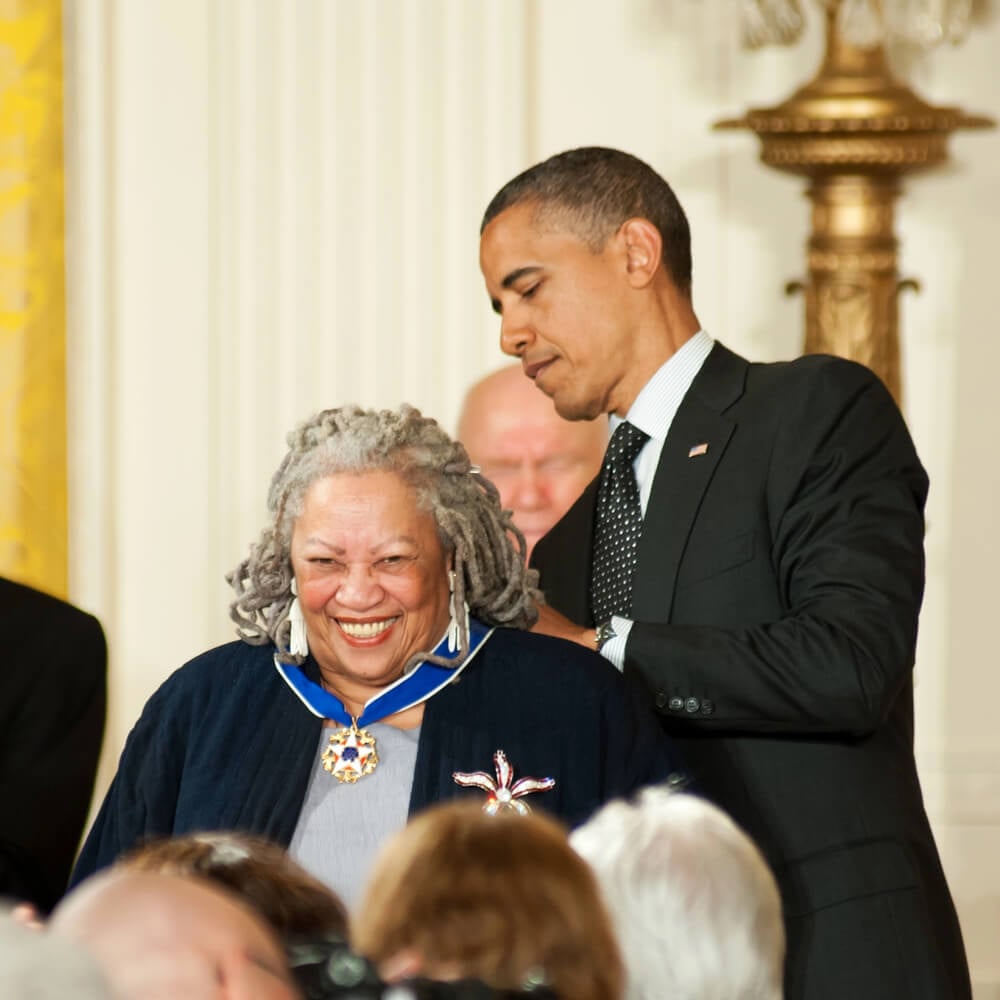
Before her own novels made her famous, Morrison spent nearly two decades as an editor at Random House, where she published Angela Davis, Toni Cade Bambara, and the autobiography of Muhammad Ali. She wrote before dawn, while her sons slept.
“Beloved,” published in 1987, grew from a newspaper clipping about Margaret Garner, a woman who escaped slavery in 1856 and killed her daughter to prevent her recapture. The book won the Pulitzer Prize, and in 1993 Morrison became the first Black woman awarded the Nobel Prize in Literature.
N. Scott Momaday
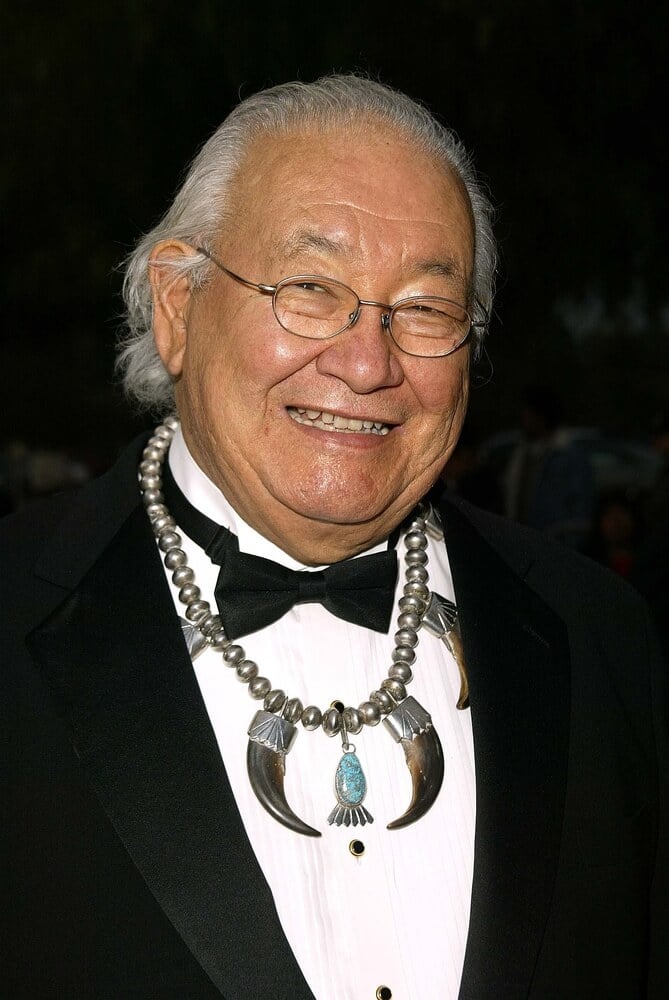
Momaday, a Kiowa writer raised on reservations across the Southwest, published “House Made of Dawn” in 1968, the story of a young veteran unable to find his footing between two worlds. The Pulitzer jury chose it the following year, the first time the fiction prize went to a Native American author.
Critics date a literary movement from that award, and writers such as Leslie Marmon Silko and Louise Erdrich followed through the door. His next book braided Kiowa oral tradition, history, and memoir into a single journey, and he illustrated it with his father’s drawings.
Ray Hicks
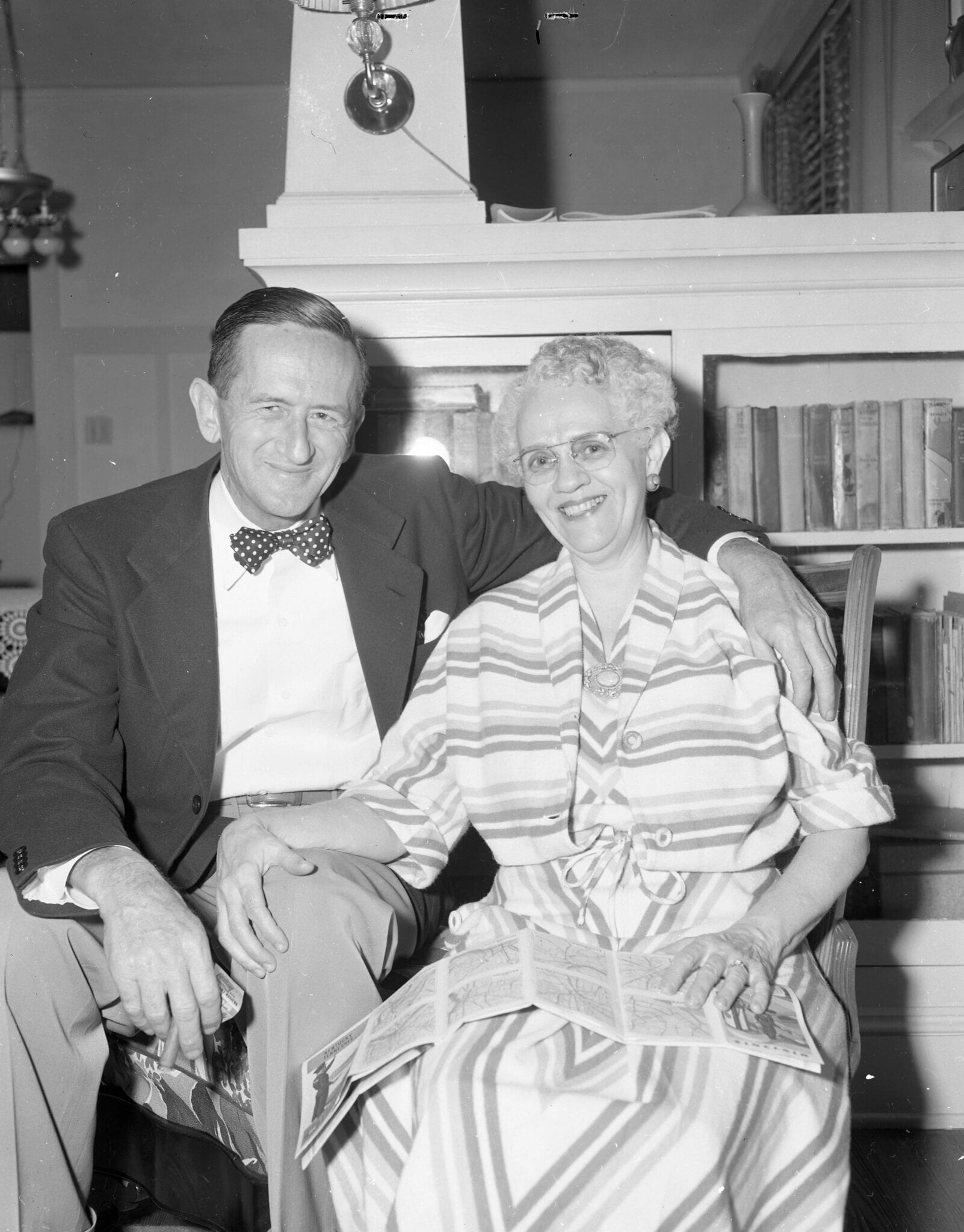
Hicks stood six feet seven, farmed a steep patch of Beech Mountain in North Carolina, and told stories his family had carried from the British Isles in the 1700s. His specialty was the Jack tales, in which a poor boy outwits giants, kings, and the devil.
When the first National Storytelling Festival was held in Jonesborough, Tennessee, in October 1973, he was on the program, and he returned almost every year for the rest of his life. The National Endowment for the Arts named him a National Heritage Fellow in 1983.
Recordings of those performances preserve a mountain dialect that linguists have studied as closely as folklorists have studied the tales.
Whoever Tells It Best Keeps It

Almost none of these people invented their material. Irving borrowed German folktales, Disney borrowed the Grimms, Hicks inherited his repertoire, and Terkel simply held the microphone.
The skill they shared was recognizing which story a young country needed to hear about itself and telling it well enough that no later version could dislodge it. That is a considerable power, and it cuts in more than one direction.
A nation that learned its frontier from Wilder and its childhood from Rockwell also absorbed their omissions. The storytellers who came later, Morrison and Momaday among them, spent their careers writing the missing chapters back in.
More from Go2Tutors!

- The Romanov Crown Jewels and Their Tragic Fate
- 13 Historical Mysteries That Science Still Can’t Solve
- Famous Hoaxes That Fooled the World for Years
- 15 Child Stars with Tragic Adult Lives
- 16 Famous Jewelry Pieces in History
Like Go2Tutors’s content? Follow us on MSN.



