26 Board Games Families Played Before Screens Took Over
There was a stretch of decades when a rainy weekend meant clearing the kitchen table, not opening a laptop. The games that filled that time weren’t always sophisticated, but the ritual of setting up the board became a shared habit passed down through households for generations.
Monopoly
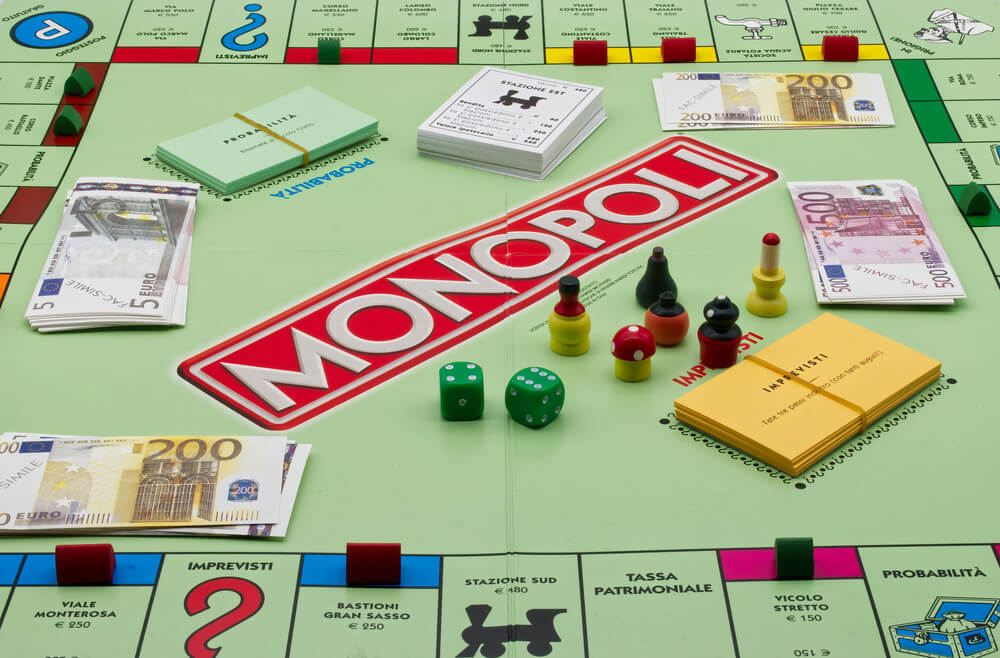
Parker Brothers first published its version of Monopoly in 1935, adapting an earlier design called The Landlord’s Game that had circulated in various homemade forms for decades before. The property-trading game became infamous for the length of its matches, with some family sessions stretching across an entire weekend before anyone actually won.
Clue
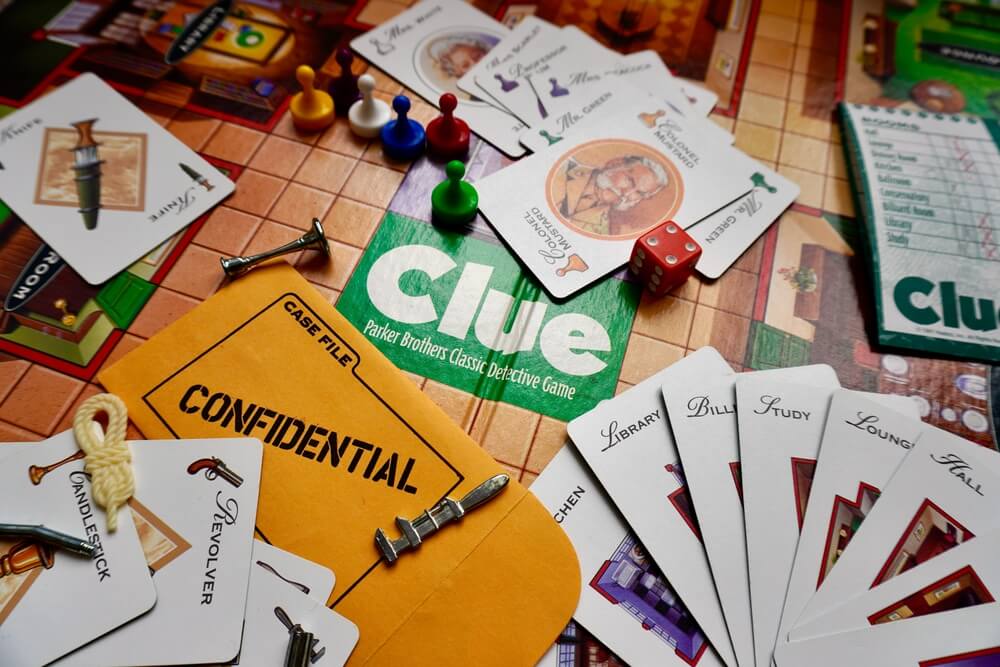
Originally released in Britain in 1949 under the name Cluedo, this deduction game built around solving a murder mystery through a process of elimination became a Parker Brothers staple in the United States soon after. The specific combination of character, weapon, and room that players tried to guess became such a cultural touchstone that “it was Colonel Mustard in the library” entered casual conversation well beyond the game itself.
Sorry!
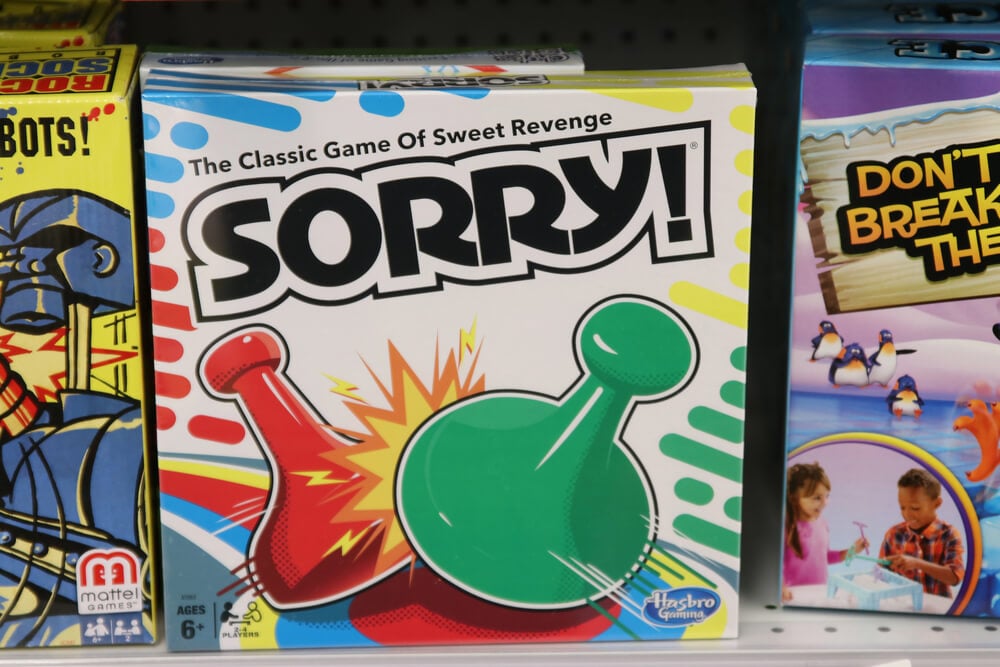
Parker Brothers introduced this cross-and-circle racing game in 1934, built around a simple mechanic where landing on an opponent’s piece sent it back to the beginning of the board. The apologetic exclamation printed directly on the card used to bump a rival became one of the more recognizable pieces of game-specific slang to enter everyday speech.
Life
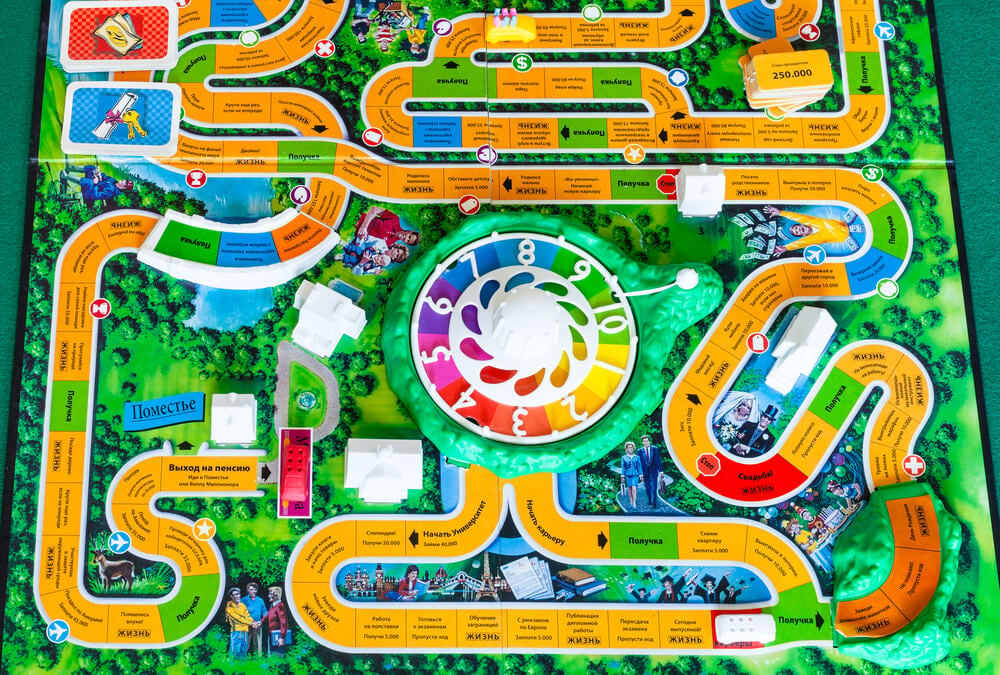
Milton Bradley released The Game of Life in 1960 to mark the company’s hundredth anniversary, reworking an earlier nineteenth-century game into a spinner-driven journey through career, marriage, and retirement decisions. The plastic peg-filled cars used to track family members through the board became one of the most recognizable pieces in any American game closet.
Candy Land
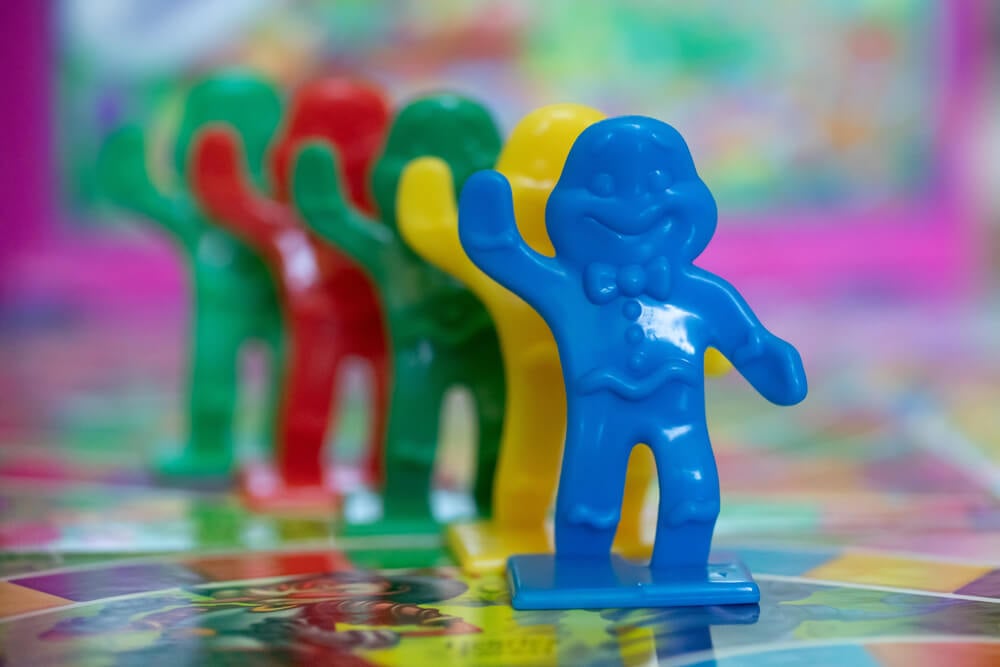
Milton Bradley published Candy Land in 1949, a simple color-matching race game designed originally for young children recovering from illness, requiring no reading ability to play. Its bright, sugary theme and total lack of strategy made it one of the most common first board games introduced to preschool-age children for decades afterward.
Chutes and Ladders
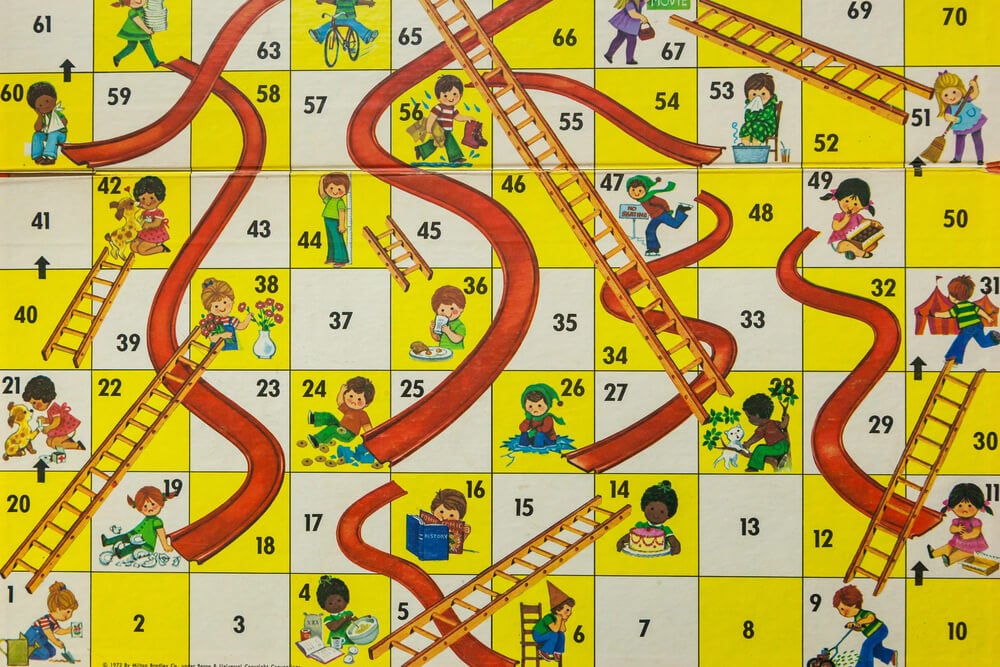
Adapted from a much older Indian game called Snakes and Ladders, Milton Bradley’s American version debuted in 1943, replacing the original’s moral lessons about virtue and vice with a simpler theme of rewards and setbacks. The alternating rush of climbing a ladder and the disappointment of sliding down a chute became a formative early lesson in luck-based games for generations of children.
Trouble
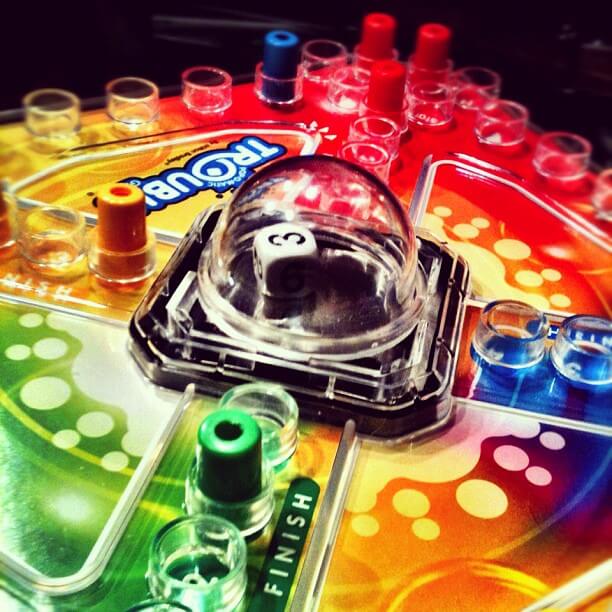
Kohner Bros introduced Trouble in 1965, distinguished by its built-in Pop-O-Matic dice roller, a clear plastic dome that let players roll without ever touching loose dice. The distinctive popping sound of the dice roller became so associated with the game that reproductions of the mechanism have appeared in unrelated products purely to evoke the memory.
Operation
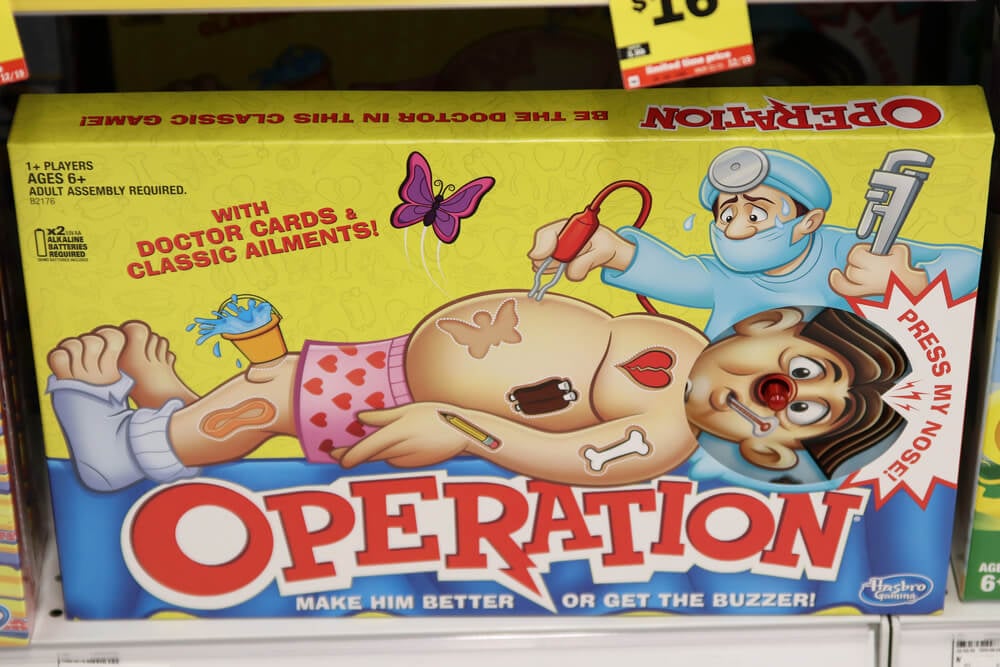
Milton Bradley released this steady-hand game in 1965, challenging players to remove small plastic ailments from a cartoon patient’s body using tweezers without letting the metal edges touch and trigger a buzzer. The patient’s name, Cavity Sam, and the game’s distinctive buzz became instantly recognizable references well beyond anyone who had actually played a full match.
Battleship
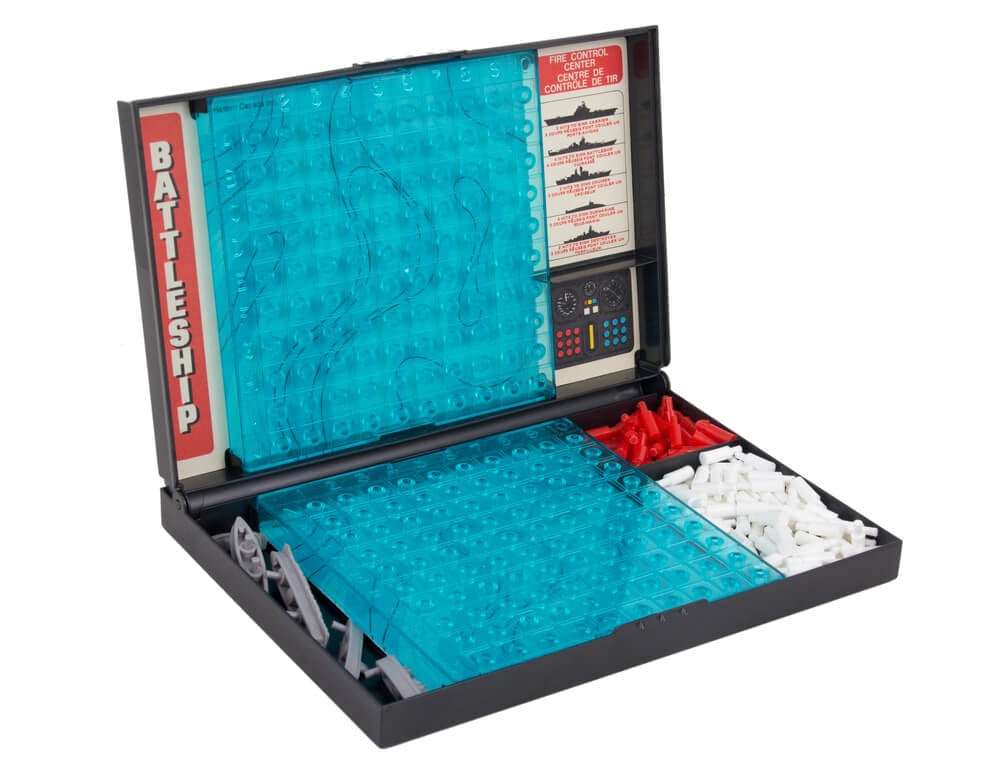
Milton Bradley released a board version of the paper-and-pencil guessing game in 1967, giving players plastic pegs and hidden ship grids to track hits and misses without their opponent seeing the board. The exclamation “You sank my battleship!” became a stock phrase quoted for decades after the specific game session that inspired it was long forgotten.
Yahtzee
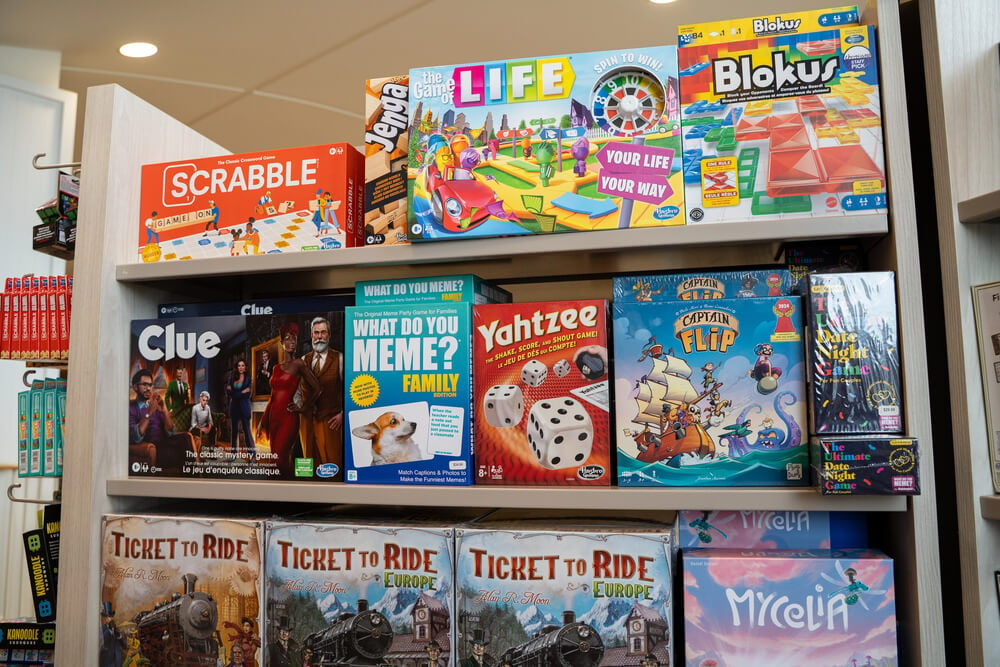
Milton Bradley acquired and began mass-marketing Yahtzee in 1956, based on an earlier dice game whose exact origins remain disputed among game historians. The simple five-dice scoring system proved durable enough to spread from family game nights into bars, workplaces, and eventually mobile phone apps decades later.
Scrabble
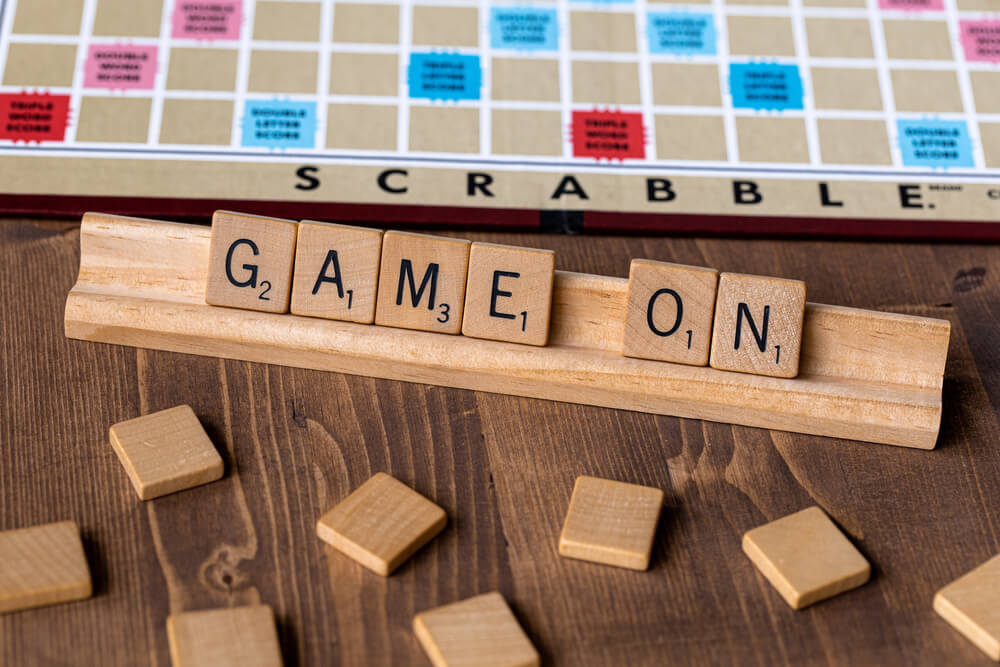
Alfred Mosher Butts developed the word-tile game that became Scrabble during the 1930s and 1940s, though it did not find commercial success until Selchow and Righter picked it up in the early 1950s after a chance encounter with the game at a department store executive’s vacation home. The specific letter-value scoring system, weighted by how often each letter appears in English, remains largely unchanged since the game’s earliest commercial release.
Risk
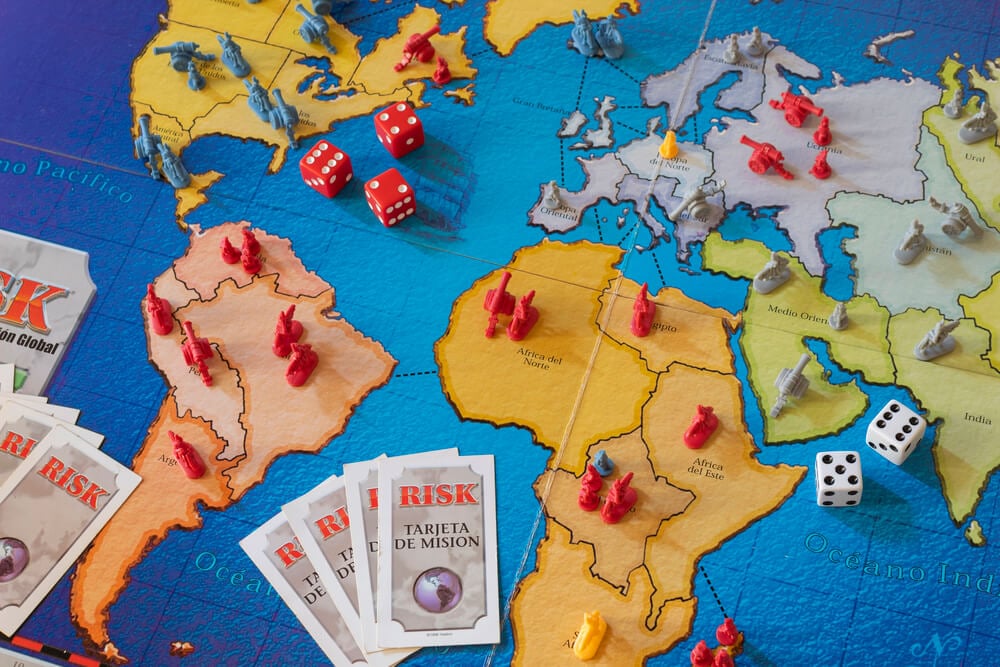
Parker Brothers published Risk in 1959, adapting a French strategy game originally called La Conquête du Monde into an American version built around territorial conquest and shifting alliances. Family matches were notorious for running for hours, occasionally ending in genuine arguments over broken alliances that outlasted the game itself.
Connect Four
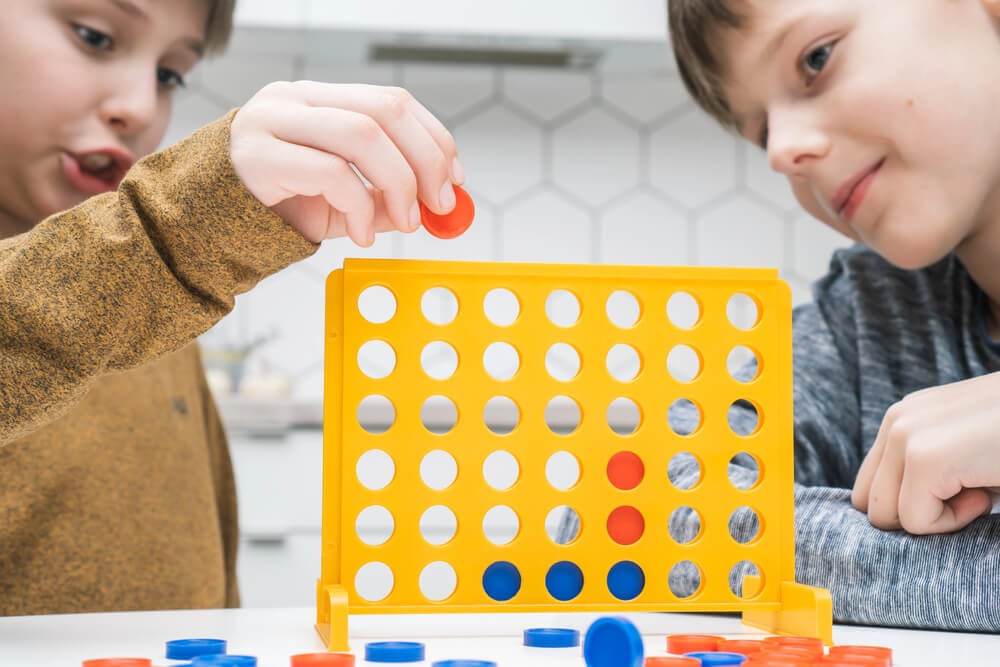
Milton Bradley released Connect Four in 1974, a two-player vertical grid game where the objective was to align four discs in a row before an opponent could do the same. Its simple, quick-to-learn rules made it a common gateway strategy game for children not yet ready for longer, more complex titles.
Mouse Trap
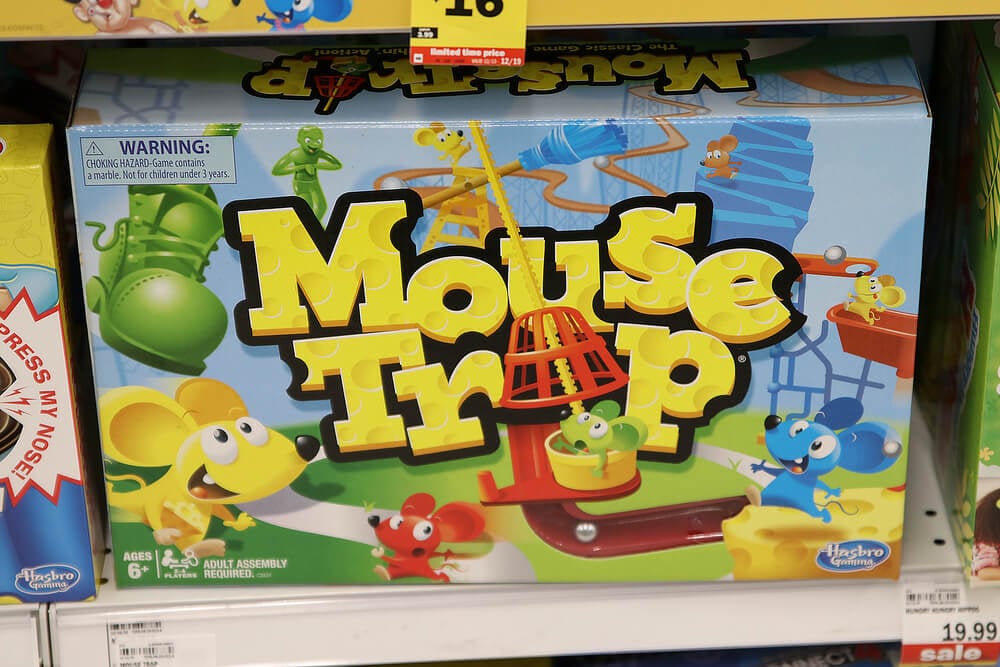
Ideal released Mouse Trap in 1963, built around an elaborate Rube Goldberg-style chain reaction of small plastic parts that players assembled piece by piece over the course of the game before finally triggering the trap. The actual gameplay was widely considered secondary to the appeal of watching the contraption work, and many households kept the trap assembled purely as a display piece.
Guess Who?
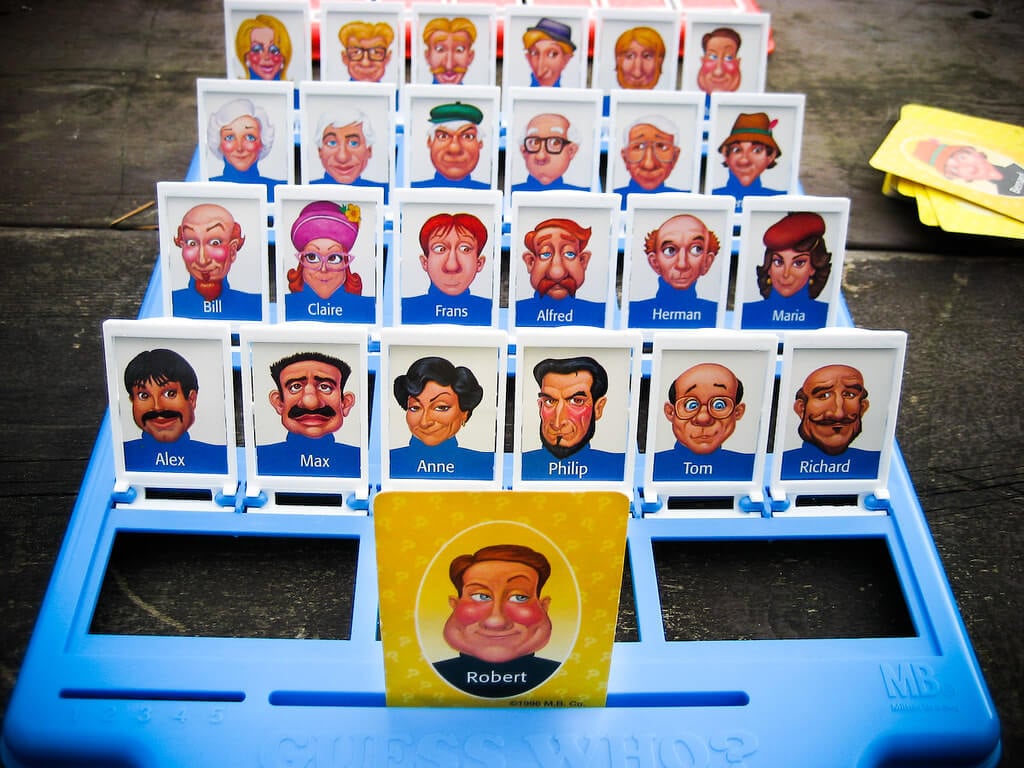
Milton Bradley released this two-player deduction game in 1979, in which players eliminated a grid of cartoon faces by asking yes-or-no questions about physical features until only one candidate remained. The simple format made it one of the most widely recognized entry-level logic games for young children for decades afterward.
Stratego
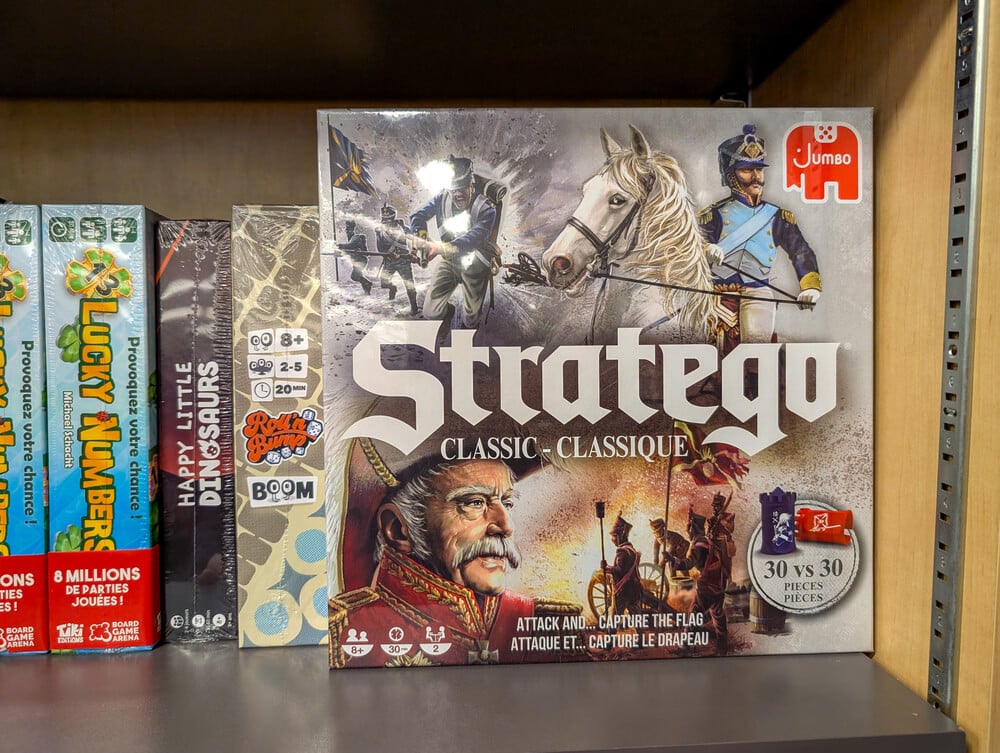
Milton Bradley began distributing Stratego in the United States in 1961, adapting an earlier European design built around hidden military ranks and a bluffing mechanic where players had to deduce an opponent’s piece values before engaging in combat. The game’s slower, more strategic pace set it apart from the faster, luck-driven titles more common on family game shelves.
Aggravation
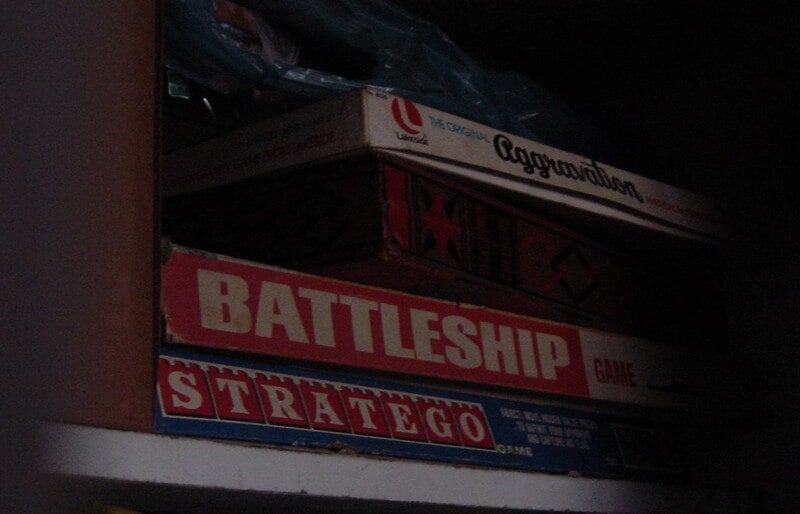
Lakeside released Aggravation in 1962, a marble-racing game built on a cross-shaped board where players tried to move all four of their marbles home while bumping opponents back to the beginning. Regional variations in house rules became so common that many families played versions of the game that differed noticeably from the printed instructions.
Trivial Pursuit
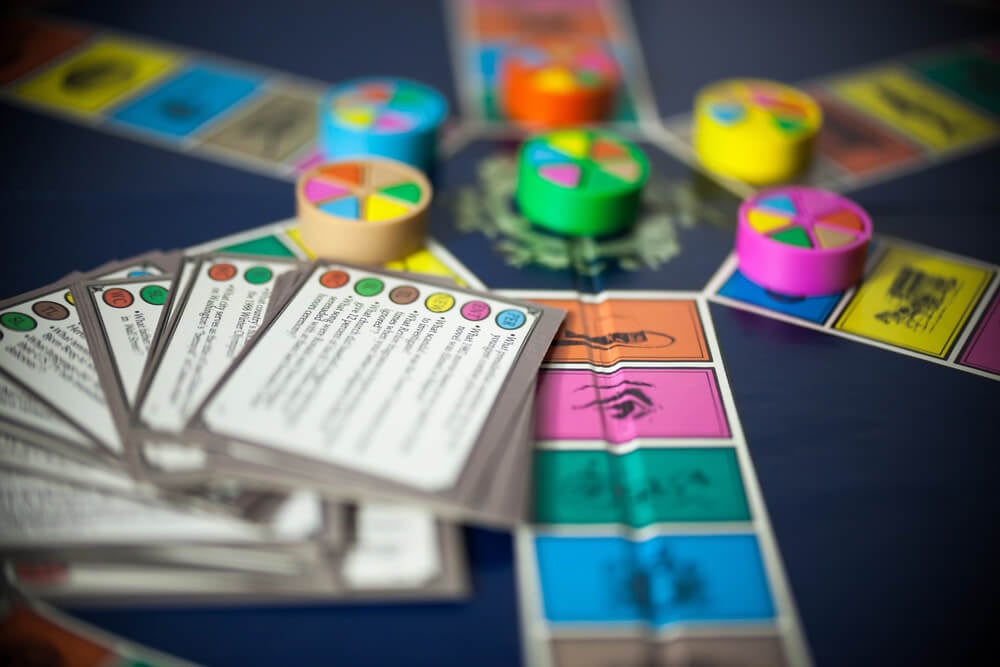
Two Canadian journalists created Trivial Pursuit in 1979, and the game became a genuine cultural phenomenon after its American release in 1982, selling millions of copies at the height of its popularity. The wedge-collecting format, built around six broad categories of general knowledge, became a template that countless spinoff and licensed editions later copied.
Pictionary
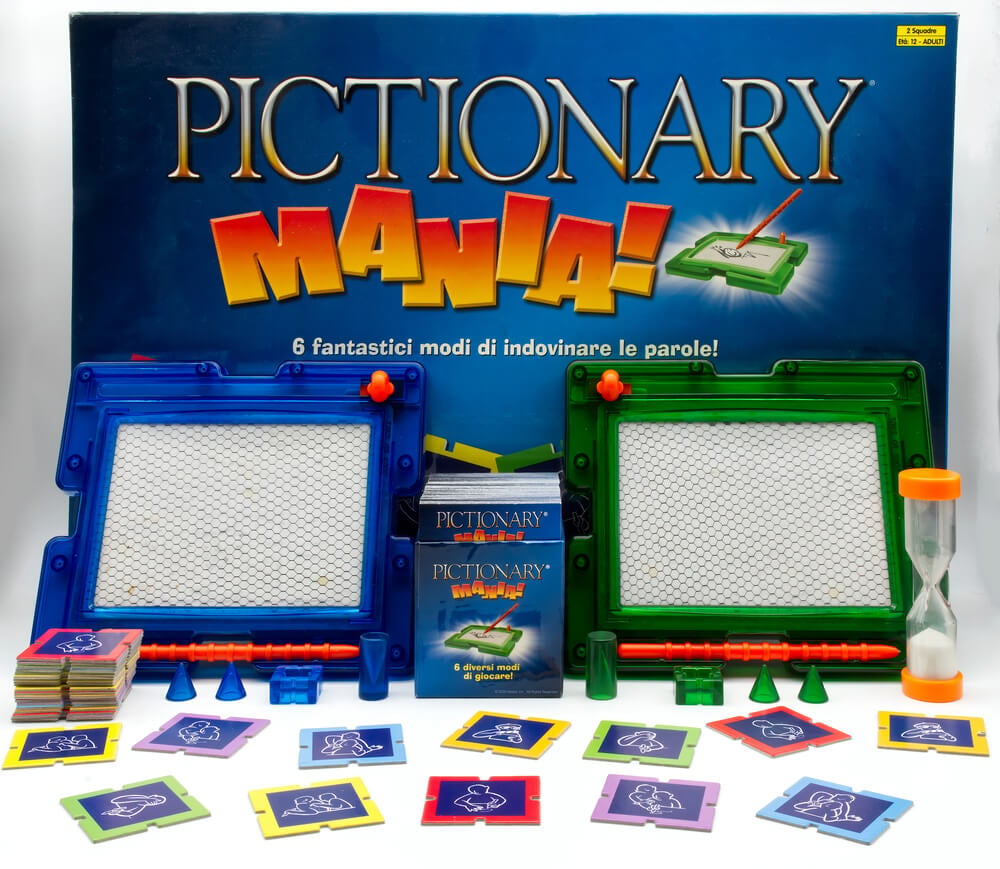
Robert Angel created Pictionary in 1985, combining charades-style guessing with rapid sketching under a timer, a format that quickly became a staple of both family game nights and office parties. The pressure of drawing recognizable images against a countdown clock produced some of the most consistently retold stories from any board game night.
Boggle
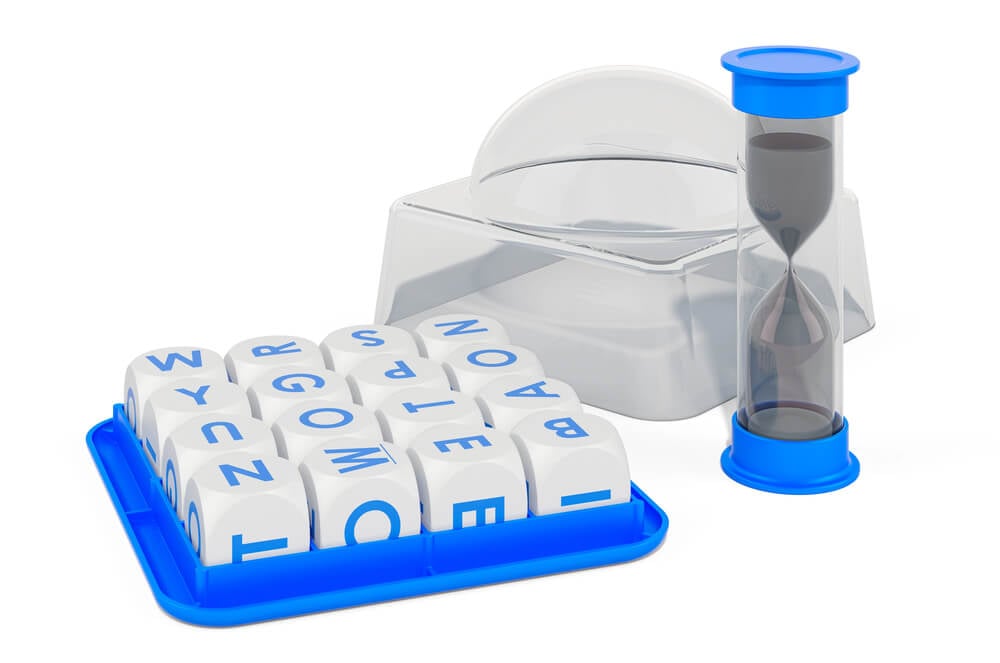
Parker Brothers released Boggle in 1972, a word-finding game built around a shaken grid of letter dice that players raced to form words from within a strict time limit. The rapid, simultaneous nature of the gameplay made it faster-paced than most other word games of its era, appealing to players who found traditional turn-based word games too slow.
Rummikub
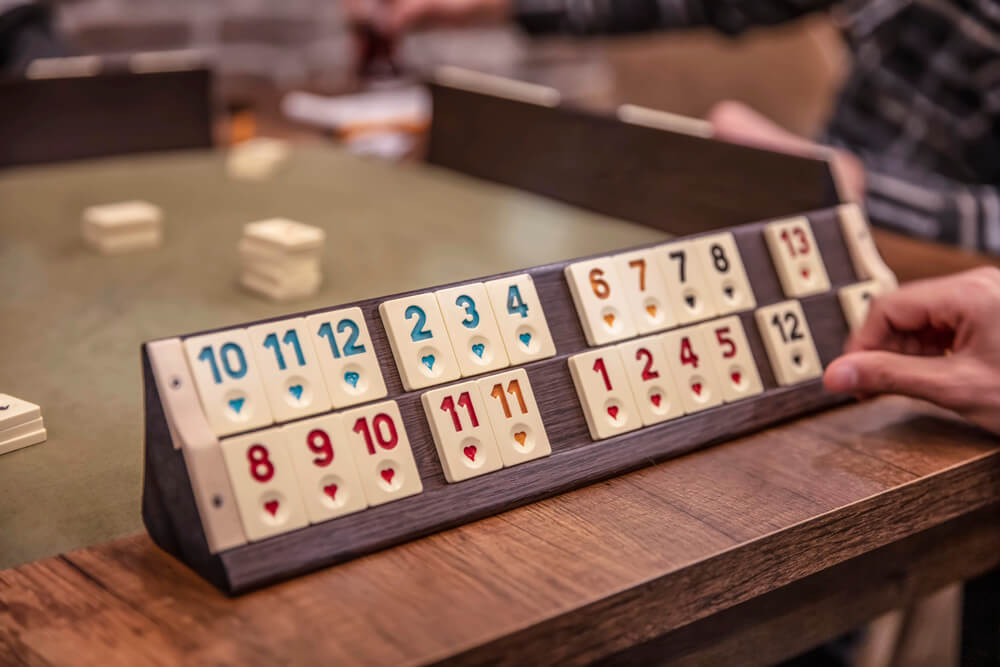
Israeli inventor Ephraim Hertzano developed Rummikub in the 1940s, blending elements of the card game rummy with mahjong-style tile play, and the game found wide American popularity after being named Game of the Year by the American Game Manufacturers Association in 1980. Its emphasis on flexible tile rearrangement, rather than fixed hands, made it a favorite among players who preferred games with room for last-minute strategic pivots.
Parcheesi
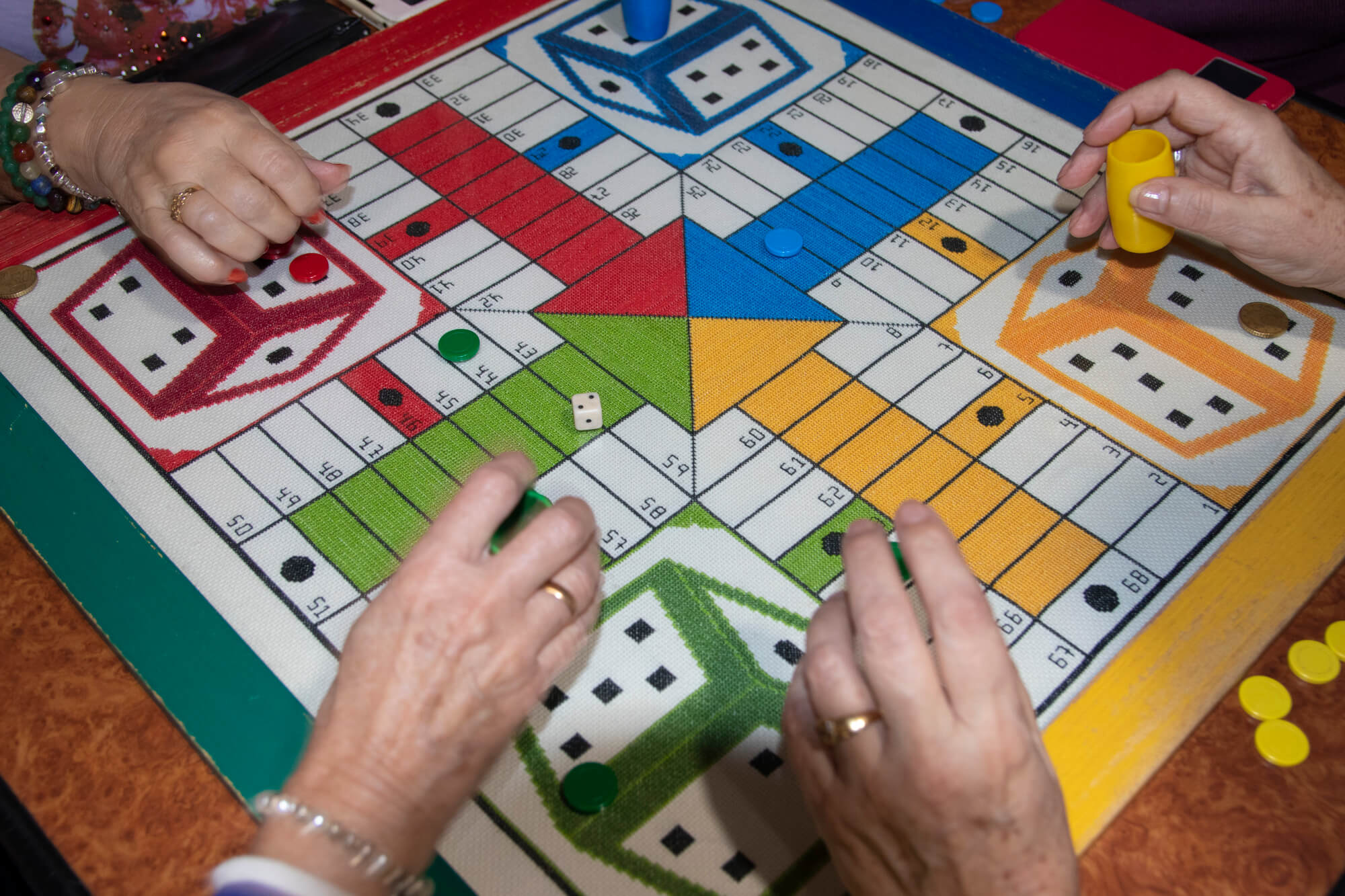
Selchow and Righter released an American version of Parcheesi in 1870, adapting the ancient Indian cross-and-circle game Pachisi into a mass-produced board format that became one of the earliest widely distributed commercial games in the country. Its long American history made it a common household staple well before most of the twentieth-century titles that eventually crowded it off shelves.
Twister
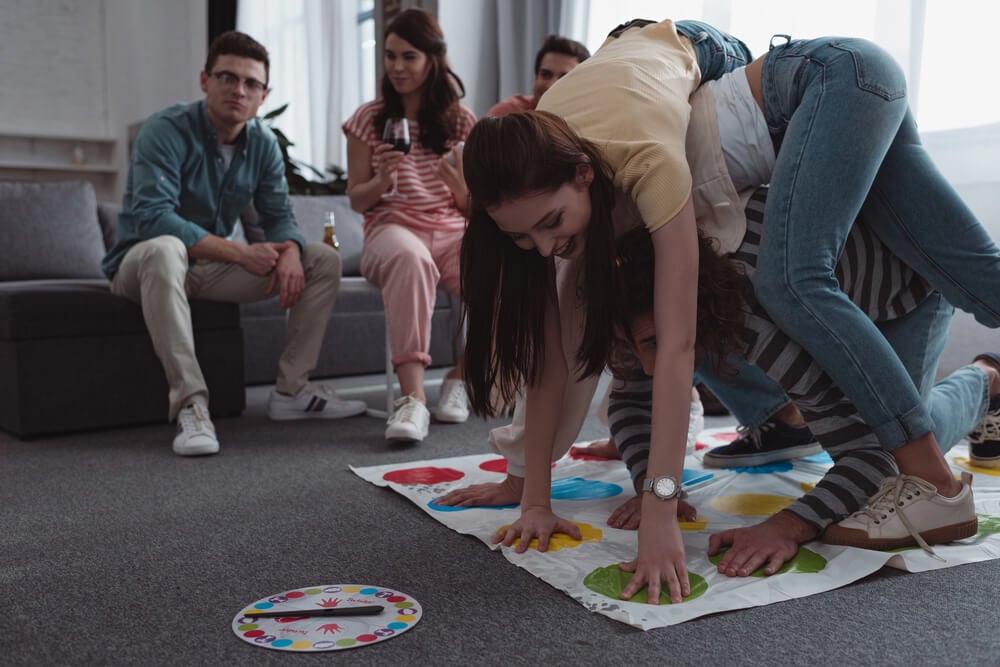
Milton Bradley released Twister in 1966, a physical game built around a large vinyl mat printed with colored circles that required players to contort themselves into increasingly precarious positions based on spinner results. Early sales were modest until a televised appearance featuring two celebrities playing the game turned it into an overnight sensation.
Hungry Hungry Hippos
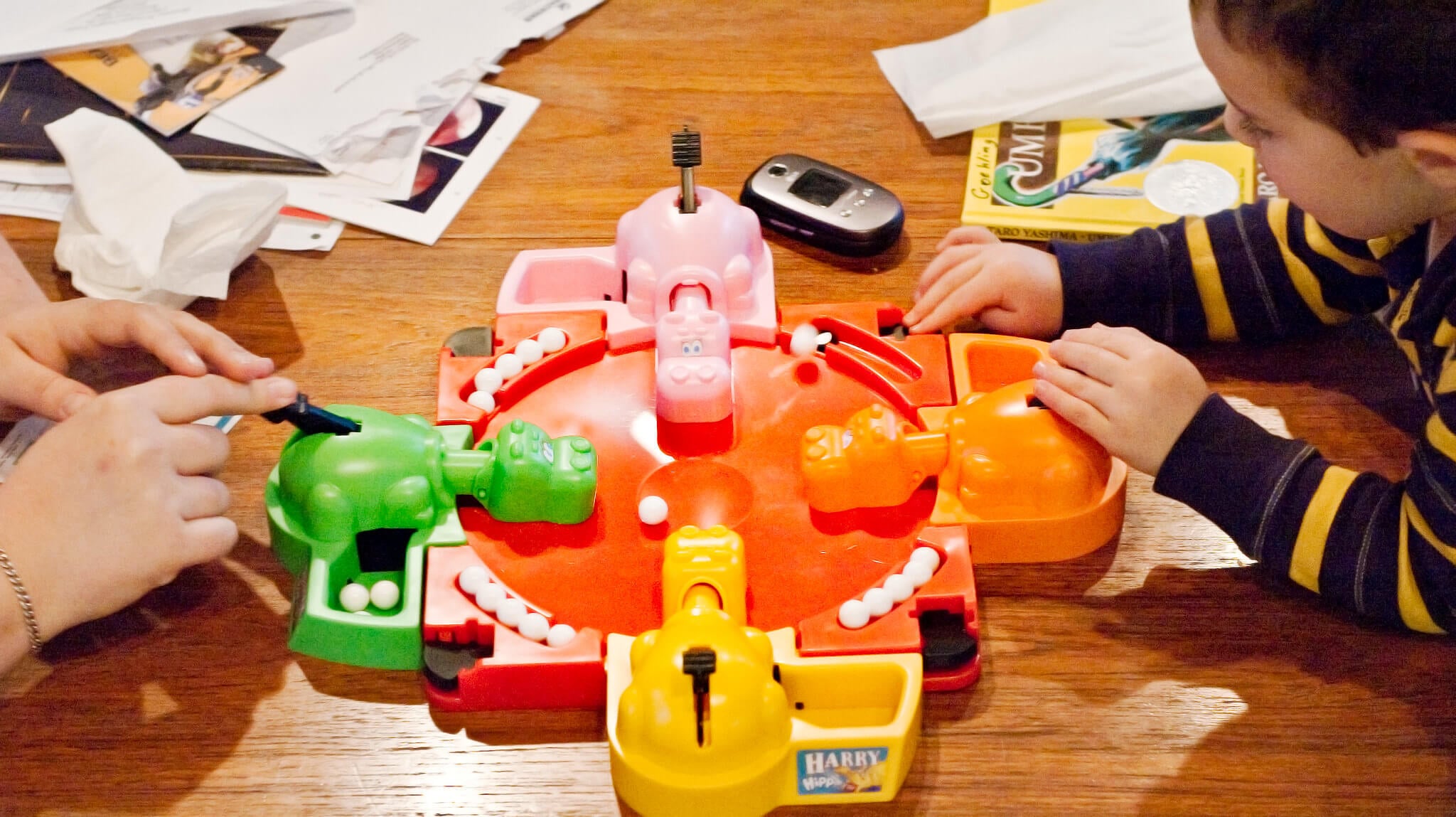
Milton Bradley released this reflex game in 1978, giving each player a plastic hippo head mounted on a lever that snapped forward to gobble marbles scattered across the board. The chaotic, fast-paced mechanic made it one of the most physically active games on any shelf built primarily for younger children.
Perfection
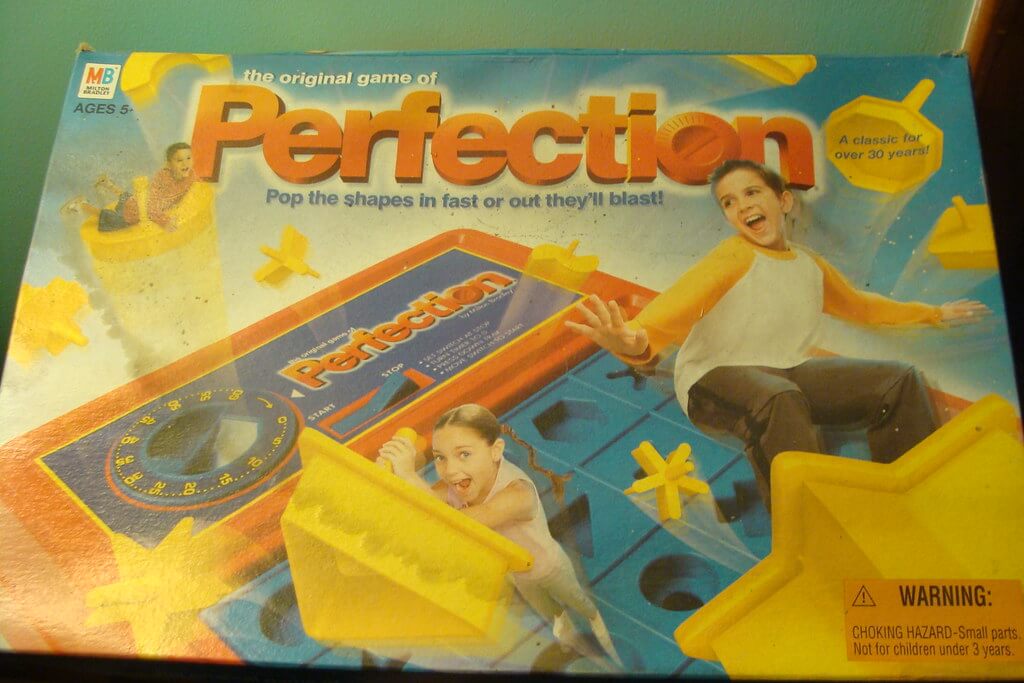
Milton Bradley released Perfection in 1973, a timed shape-sorting game in which a tray of small plastic pieces popped upward with a sudden jolt if players failed to fit them all into their matching slots before the timer ran out. The unpredictable timing of the pop became a defining source of tension that made the game memorable well beyond its simple mechanics.
Chinese Checkers
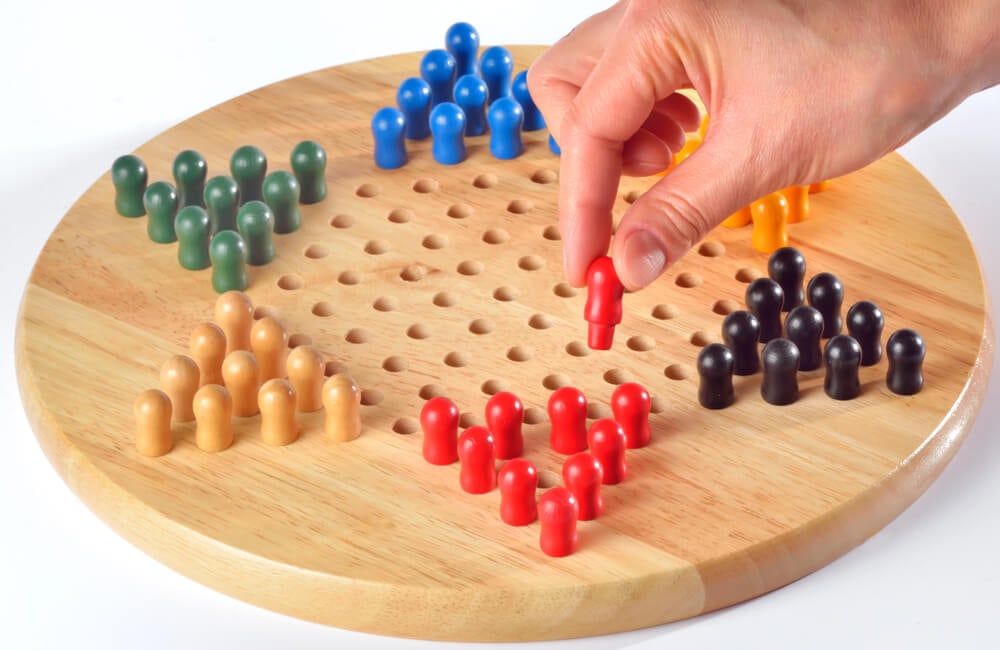
Adapted from an earlier German game and popularized in the United States under a marketing name that had no real connection to China, Chinese Checkers spread through American households by the mid-twentieth century thanks to its inexpensive, colorful star-shaped board. Its simple hop-based movement rules made it accessible to players of nearly any age, contributing to its long run as a household staple.
The Table Cleared for Something Else
Every game on this list depended on a specific kind of patience, the willingness to sit across from someone for an hour with no screen involved and nothing at stake beyond bragging rights. That patience did not disappear overnight, but it thinned out gradually as faster, more immediate forms of entertainment became available in every room of the house.
What is easy to miss looking back is how much of the appeal had nothing to do with the rules printed inside the box. The real game, most of the time, was the argument over the rules, and the fact that everyone had to stay at the table long enough to have it.
More from Go2Tutors!

- The Romanov Crown Jewels and Their Tragic Fate
- 13 Historical Mysteries That Science Still Can’t Solve
- Famous Hoaxes That Fooled the World for Years
- 15 Child Stars with Tragic Adult Lives
- 16 Famous Jewelry Pieces in History
Like Go2Tutors’s content? Follow us on MSN.