26 Breakfast Cereals from the ’80s That Vanished from Shelves
The 1980s invented a specific category of breakfast cereal: products designed entirely around licensed characters and pop culture moments. If a movie was popular, a cereal appeared.
If a video game was trending, breakfast companies launched a tie-in product. The decade treated the cereal aisle as an extension of entertainment marketing.
The results were creative, sometimes delicious, and almost uniformly short-lived. Most of these cereals lasted three to five years before being discontinued.
The business logic was straightforward: ride the wave of a movie or game’s popularity, capture sales during the peak interest moment, and discontinue before the trend passes. Almost none of these cereals were designed with longevity in mind.
They were products of the moment, and when the moment ended, the cereals ended with it.
C3PO

Kellogg’s released a Star Wars-themed honey-sweetened oat cereal featuring the android character C3PO. Introduced in 1984, it was discontinued in 1986 after only two years on shelves.
The cereal coincided with the peak of Star Wars merchandise fever. Some theorize its discontinuation was accelerated by the 1986 Challenger disaster making space-themed products suddenly less appealing.
E.T. Cereal
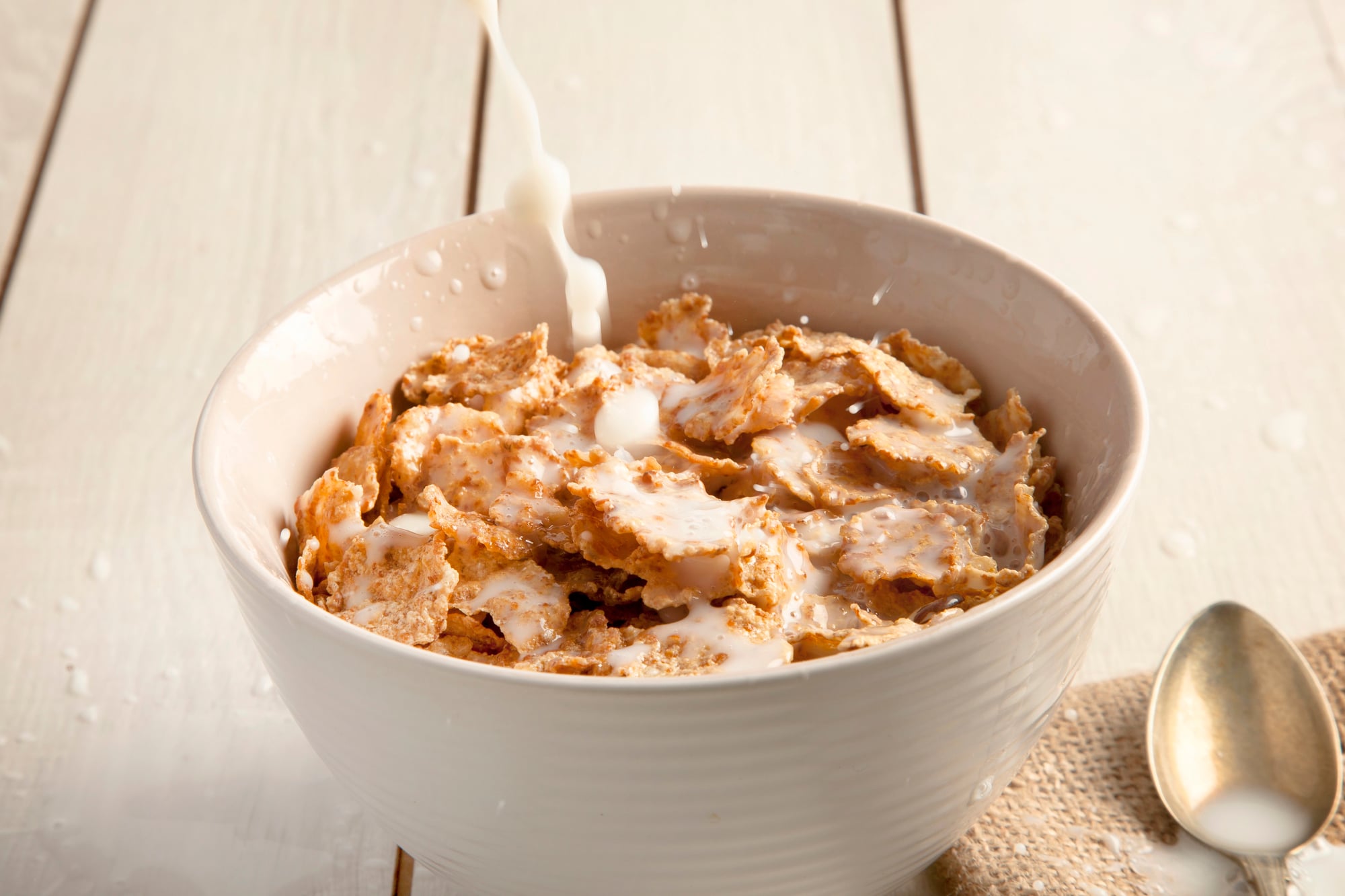
Coming out in 1984 when the E.T. phenomenon was at its peak, this cereal featured peanut butter and chocolate flavors. The movie’s popularity guaranteed initial sales; the cereal’s specific flavor combination couldn’t sustain long-term interest.
It disappeared from stores within a few years.
Pac-Man Cereal
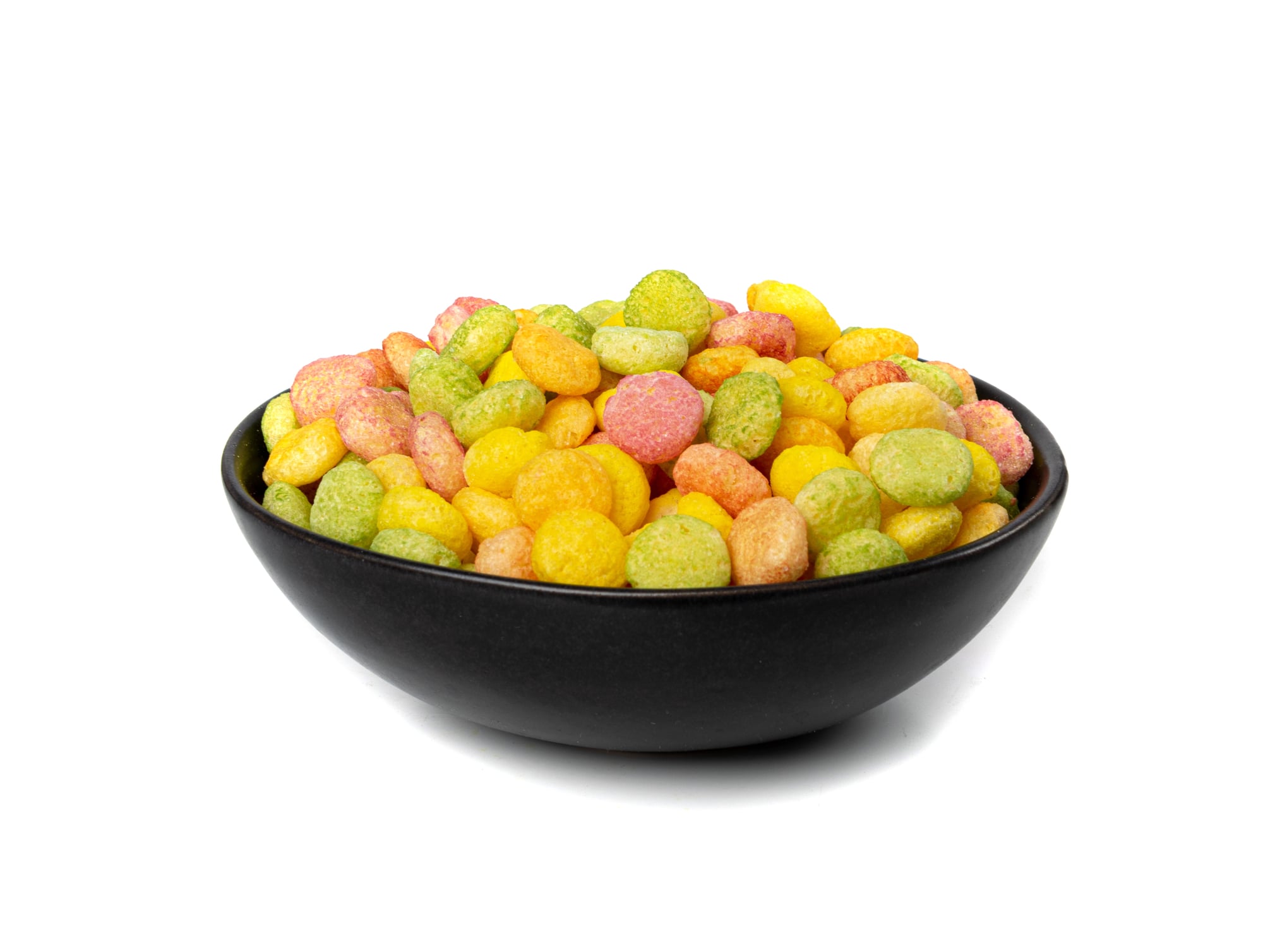
General Mills launched Pac-Man cereal in 1983 with corn puff pieces and marshmallows shaped like the game character and his ghost enemies—Inky, Pinky, Blinky, and Clyde. The cereal featured Super Pac-Man and Ms. Pac-Man variants, but the novelty couldn’t sustain shelf space as the game’s cultural moment passed.
It was discontinued by 1985.
Donkey Kong Cereal
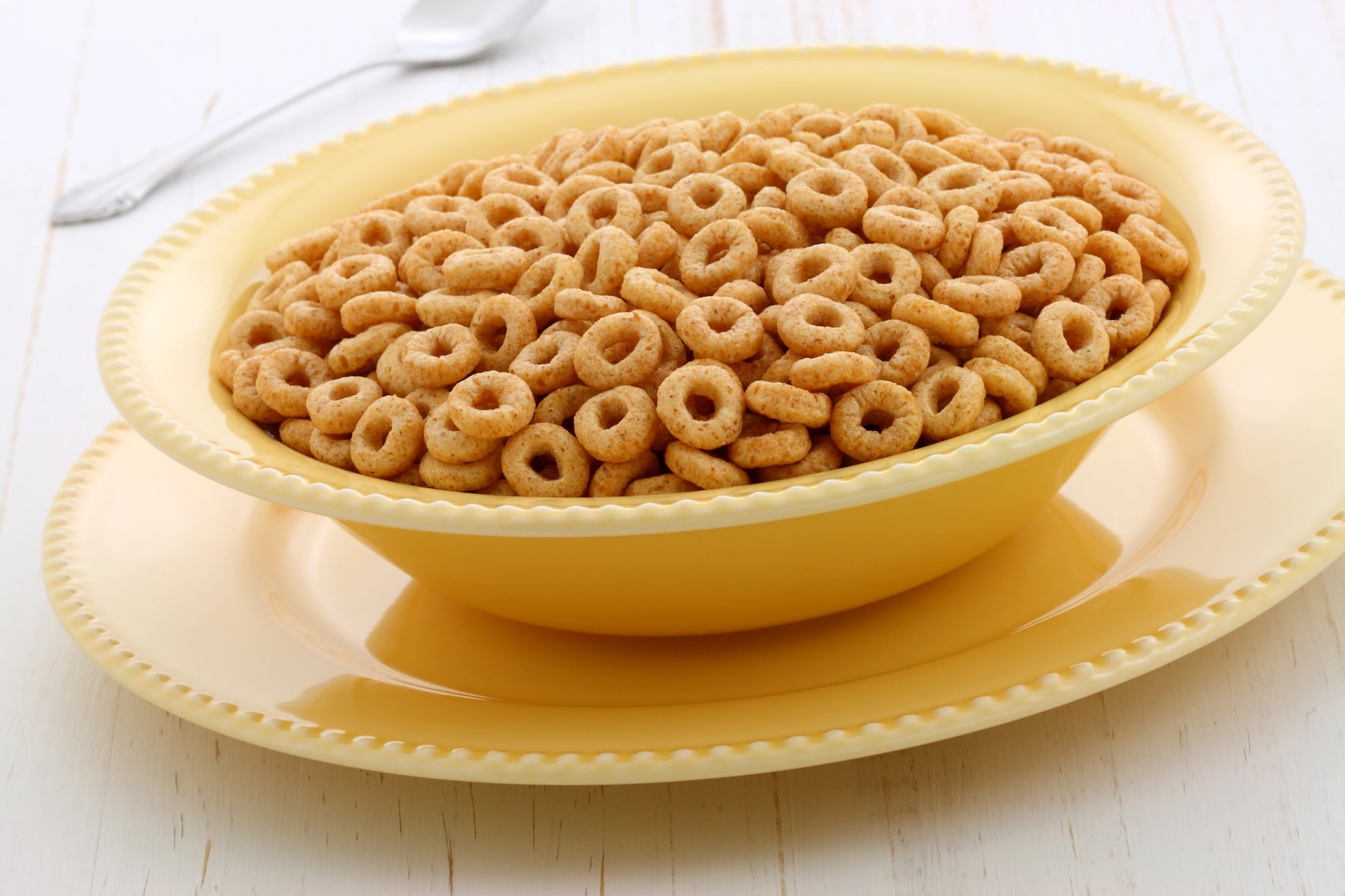
Ralston capitalized on the Donkey Kong arcade game craze with a cereal featuring the game’s characters. Initial popularity spawned a fruit-flavored follow-up, Donkey Kong Junior cereal.
Both cereals ran their course quickly and were discontinued by 1985.
Dunkin’ Donuts Cereal
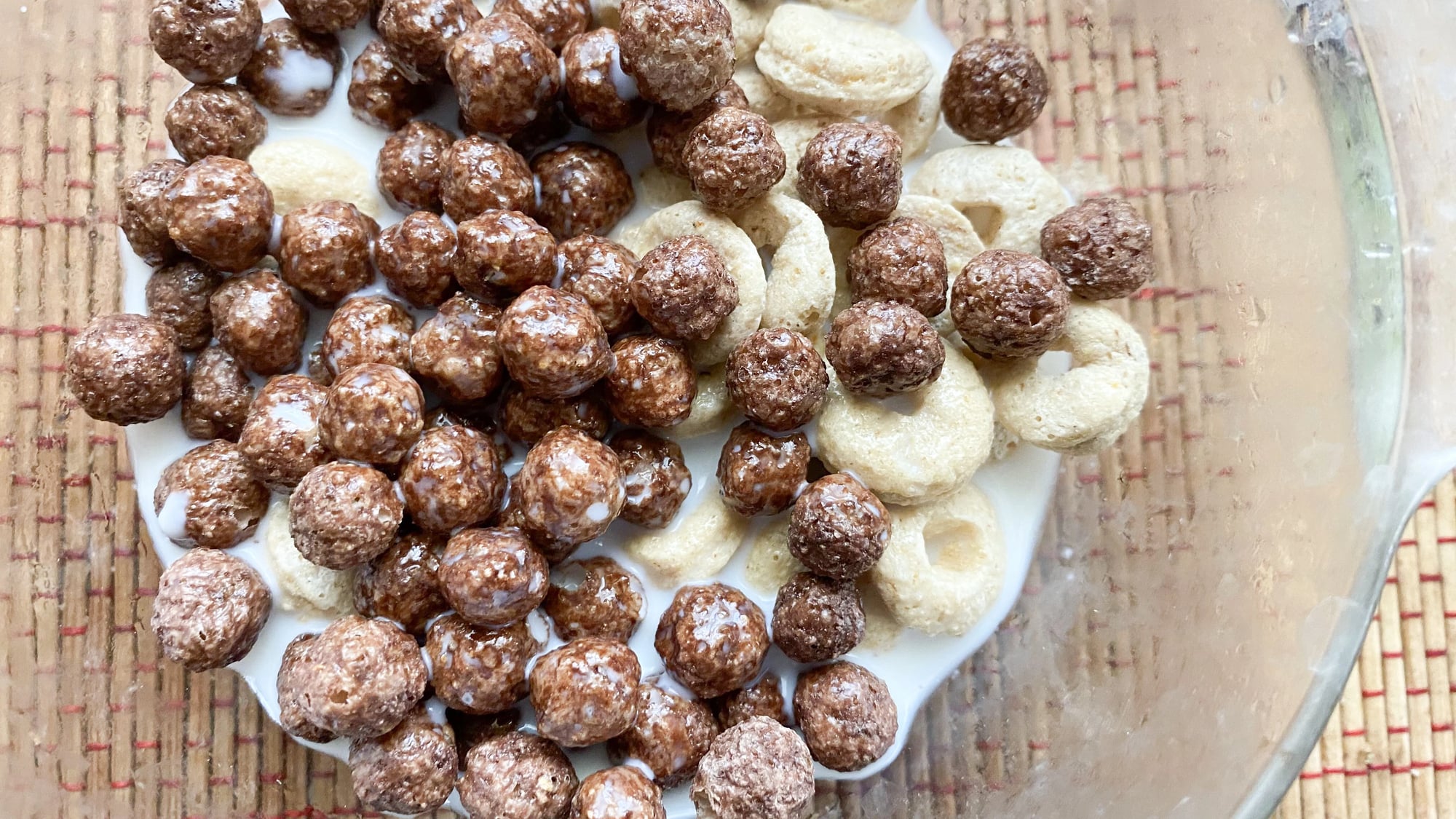
Despite featuring Fred the Baker in commercials and on packaging, this cereal lasted less than two years. The brand couldn’t translate the donut shop’s afternoon appeal into breakfast relevance.
It was a misaligned licensing deal that nobody particularly wanted to eat.
Rocky Road Cereal
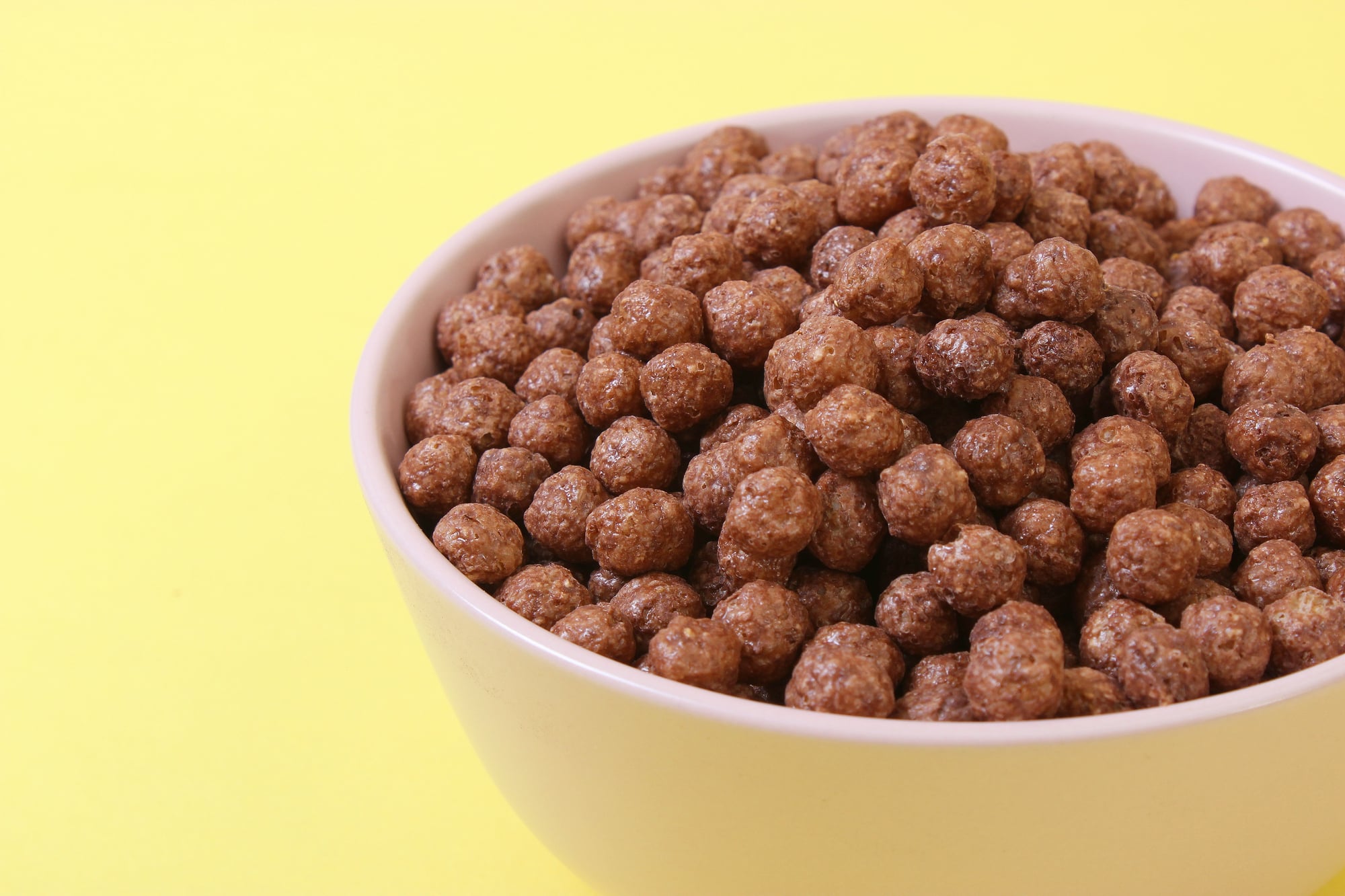
General Mills created this inspired chocolate-nut-marshmallow combination with a cereal band of characters: Van the guitar-playing vanilla puff, Choco the chocolate puff guitarist, and Marsha the marshmallow singer. Despite being delicious and popular, it couldn’t survive beyond 1989.
The concept was too specific; it lacked the staying power of more conventional flavors.
Nintendo Cereal System
Appearing in 1988, this Ralston cereal featured two compartments—one Mario-themed, one Zelda-themed—in the same box. Each compartment had different-colored cereal pieces.
It was perhaps the most ambitious licensing tie-in of the decade, appearing just as Nintendo’s dominance was solidifying. Yet it still couldn’t sustain more than a few years.
Crazy Cow

This Kellogg’s cereal was discontinued in the early 1980s, marked by its distinctive white cow mascot wearing a hat and cowbell. The packaging occasionally included Star Wars trading cards.
Despite being beloved by those who remember it, it never returned.
Ice Cream Jones Cereal

Introduced in 1987 with a catchy jingle (“My name’s Ice Cream Jones, I’m bringing you your ice cream cones”), this Post cereal featured ice cream cone-shaped pieces in vanilla, chocolate, and chocolate chip flavors. Mail-in promotions offered wristwatches and mini echo pianos.
The novelty couldn’t translate to lasting sales.
Smurf-Berry Crunch
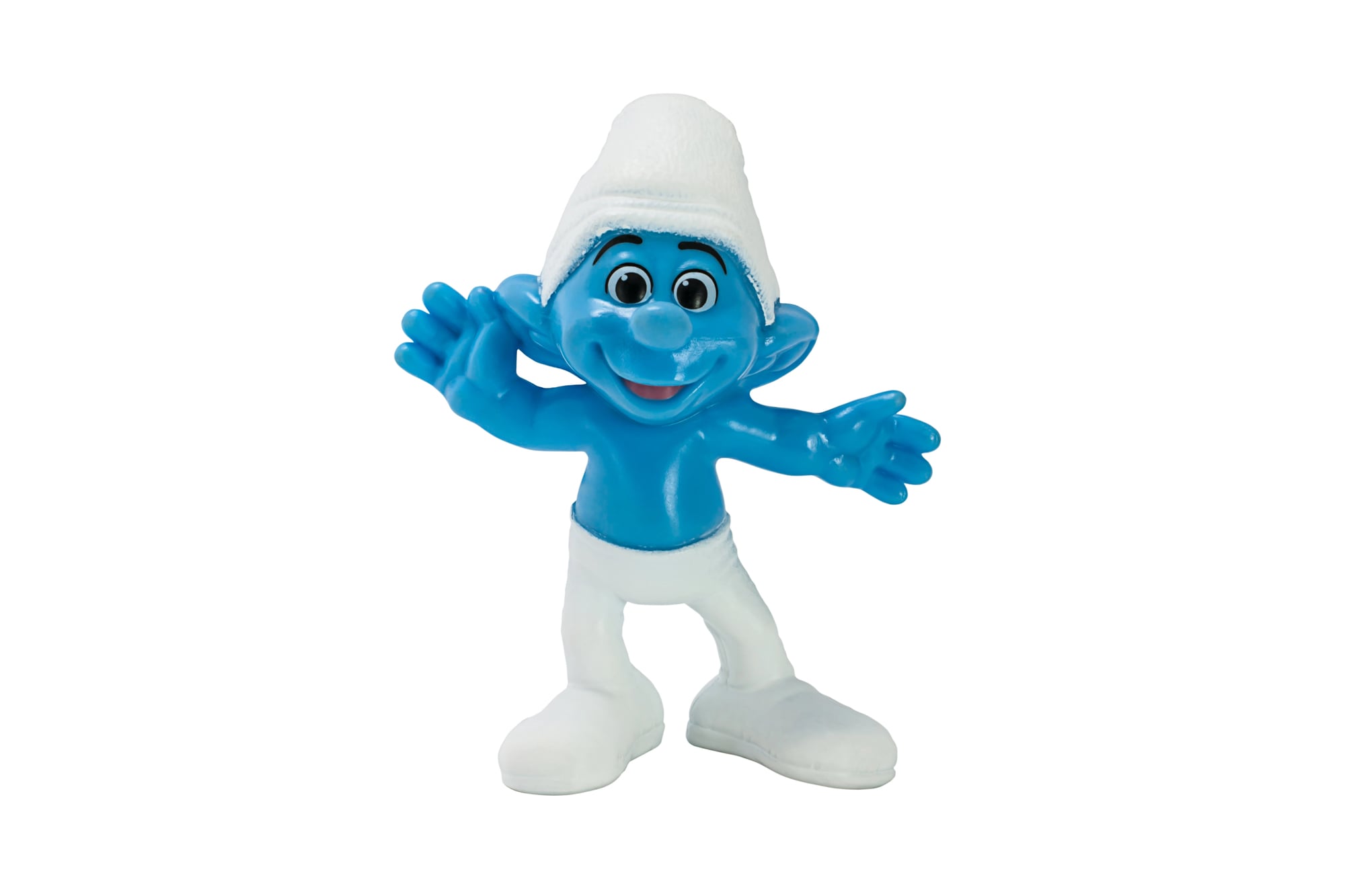
Post discontinued this colorful Smurfs-themed cereal in 1987. The innovative concept—turning your milk different colors—thrilled kids while concerning parents.
Initial novelty appeal couldn’t overcome the color-changing milk gimmick’s one-note appeal.
Nerds Cereal
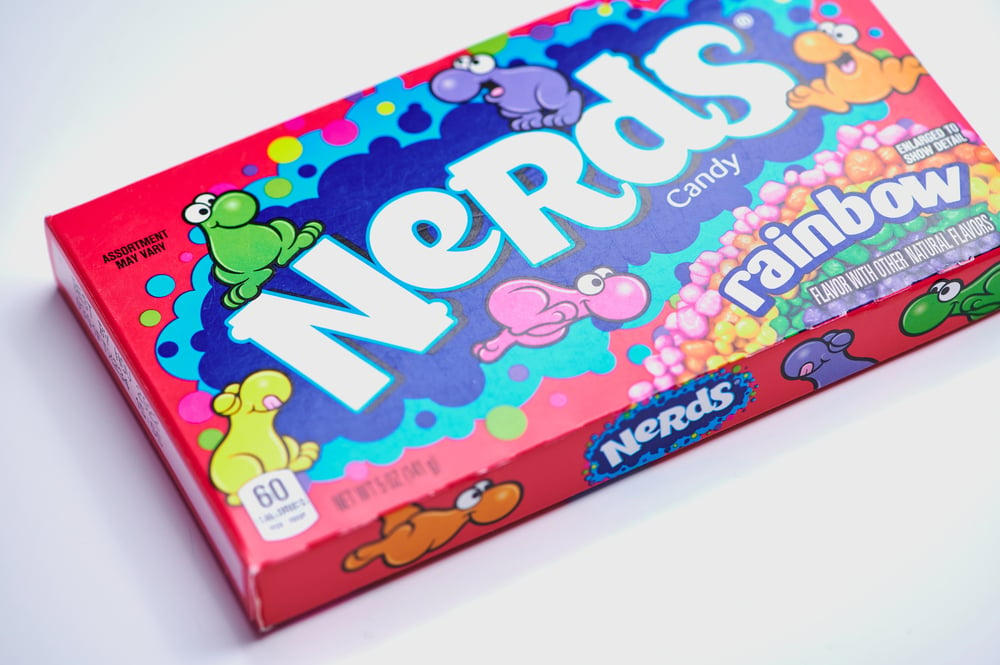
Ralston introduced this candy-inspired cereal in 1985, marketing it as “tingy, tangy, crunchy sweetened.” The tie-in to the popular Nerds candy seemed logical, but the cereal never found its place in a crowded market and was discontinued within a few years.
OJ’s Cereal
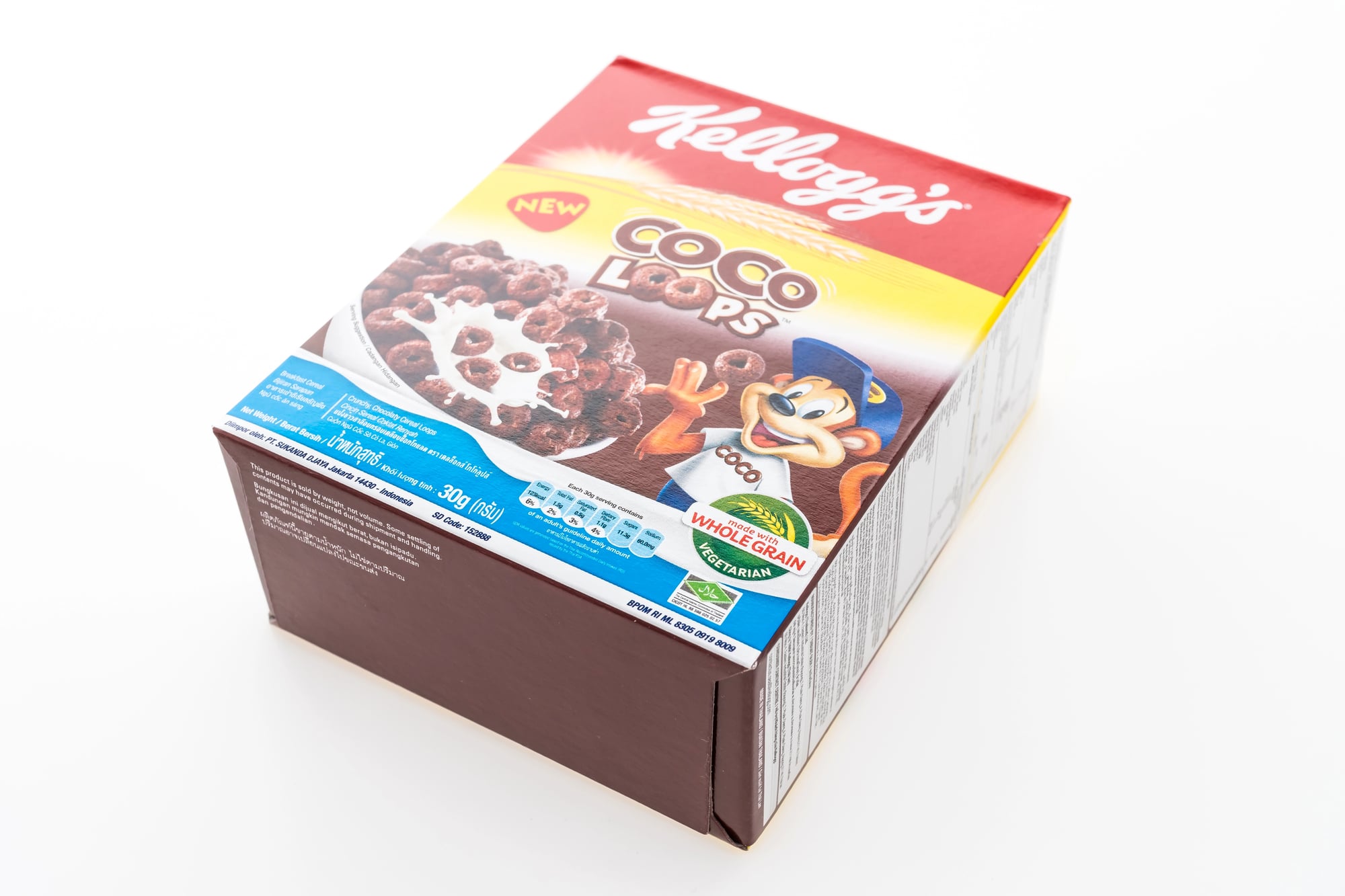
Kellogg’s launched OJ’s in 1985 as an orange-themed breakfast entry. Orange O-shaped pieces claimed to contain Vitamin C equivalent to half a glass of orange juice.
The taste resembled orange Julius mixed with cereal. Mixing orange juice and milk apparently disgusted enough consumers that Kellogg’s discontinued it after one year.
Yummy Mummy Cereal
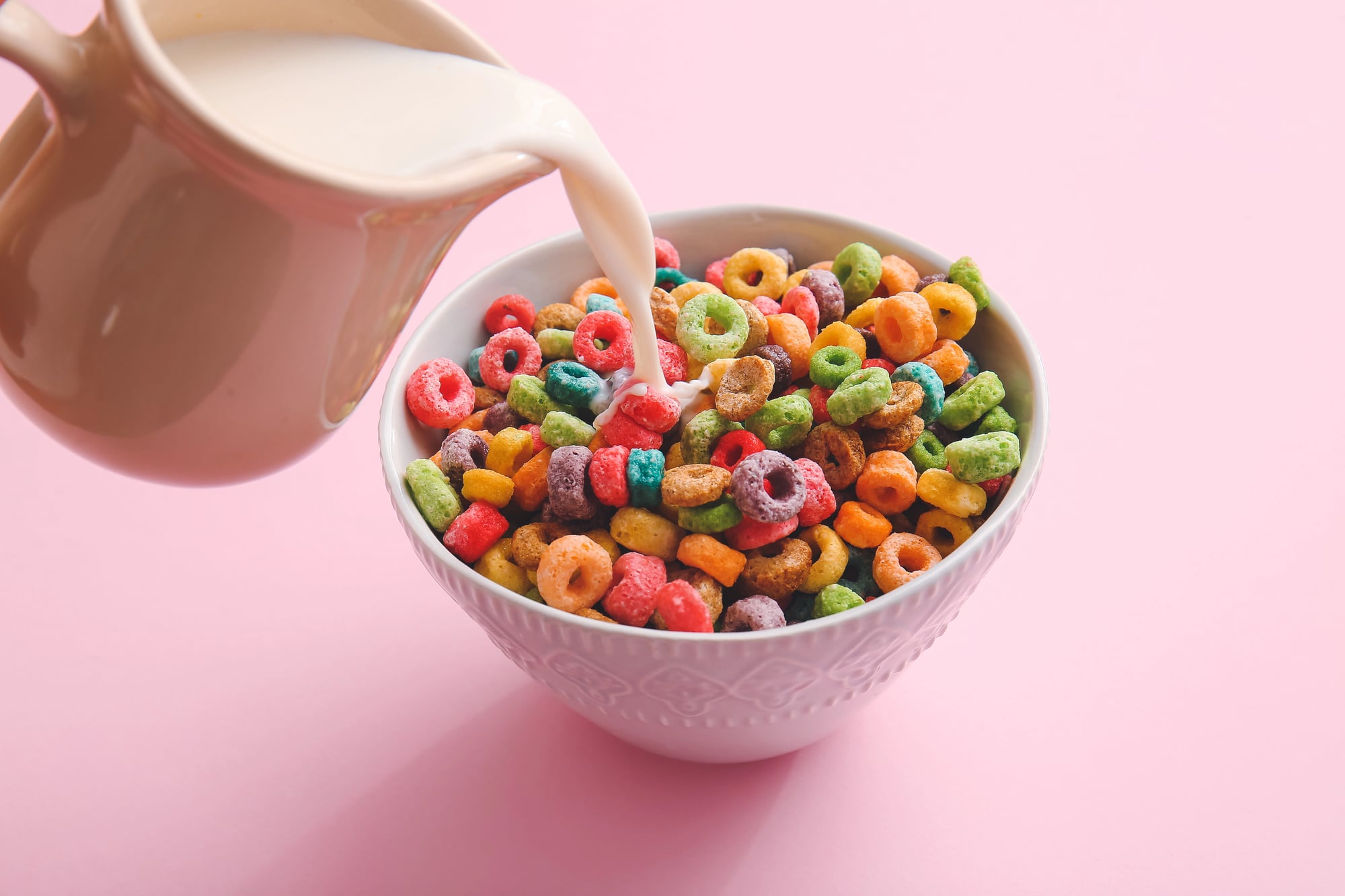
General Mills introduced this tropical punch-flavored cereal with an undead mummy mascot. The combination of flavors was sophisticated—tropical punch with vanilla and varying textures.
Despite its uniqueness, General Mills discontinued it in the early 1990s.
Quisp and Quake

These two cereals competed against each other in the 1960s and early 1970s—Quisp with its alien mascot and Quake with its miner mascot, both featuring the same sweetened corn flavor in different shapes. Quake was discontinued in 1973, and Quisp continued until the late 1970s before being reintroduced in the mid-1980s.
The rivalry marketing was playful; the market eventually consolidated, and both faced discontinuation at various points.
Mr. T Cereal
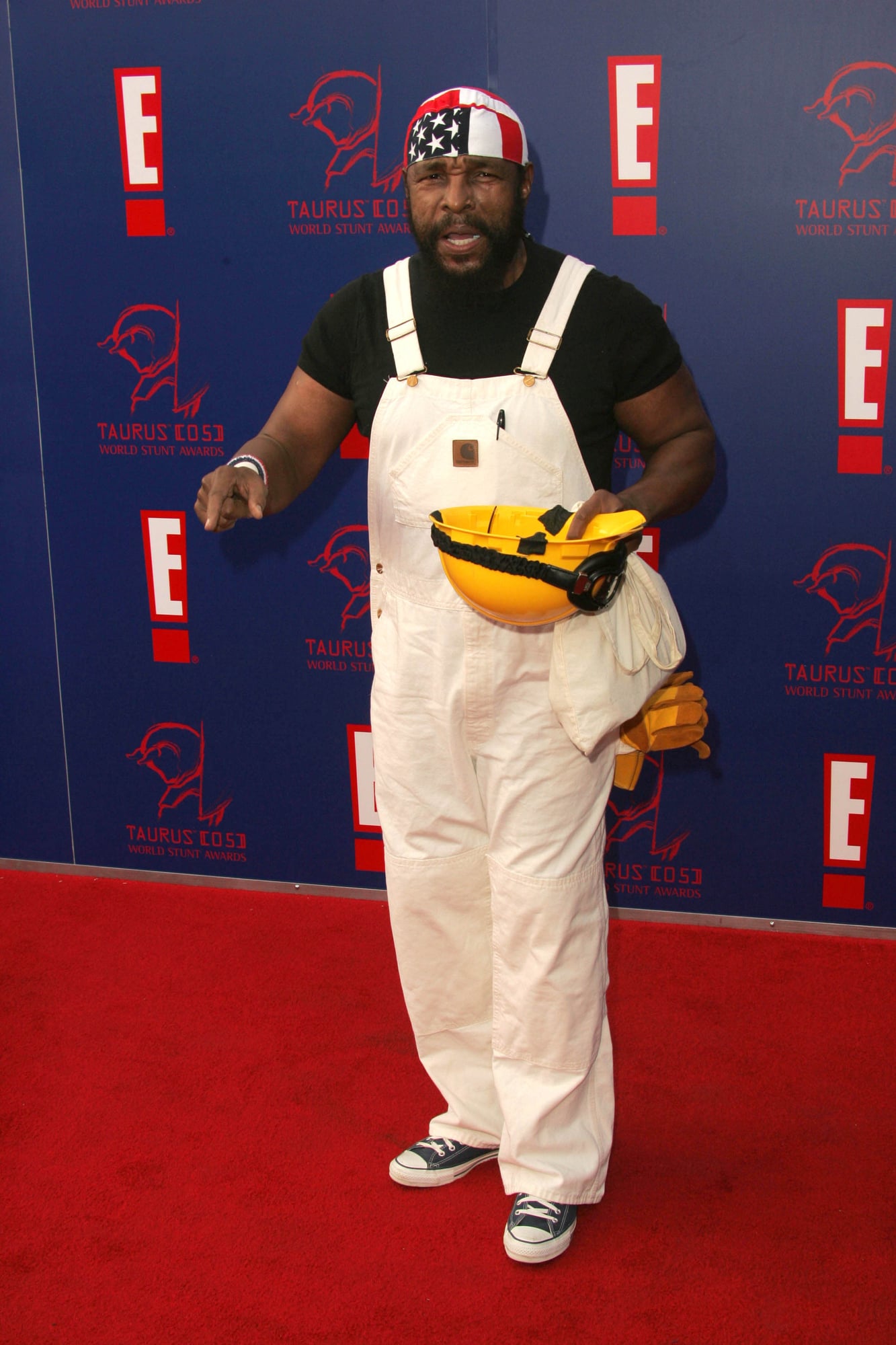
Inspired by the A-Team phenomenon, Mr. T branded cereal attempted to capitalize on the actor’s massive popularity. The novelty of breakfast cereal based on a TV tough guy wore off quickly, and the product disappeared by the mid-1980s.
Smurf Magic Berries
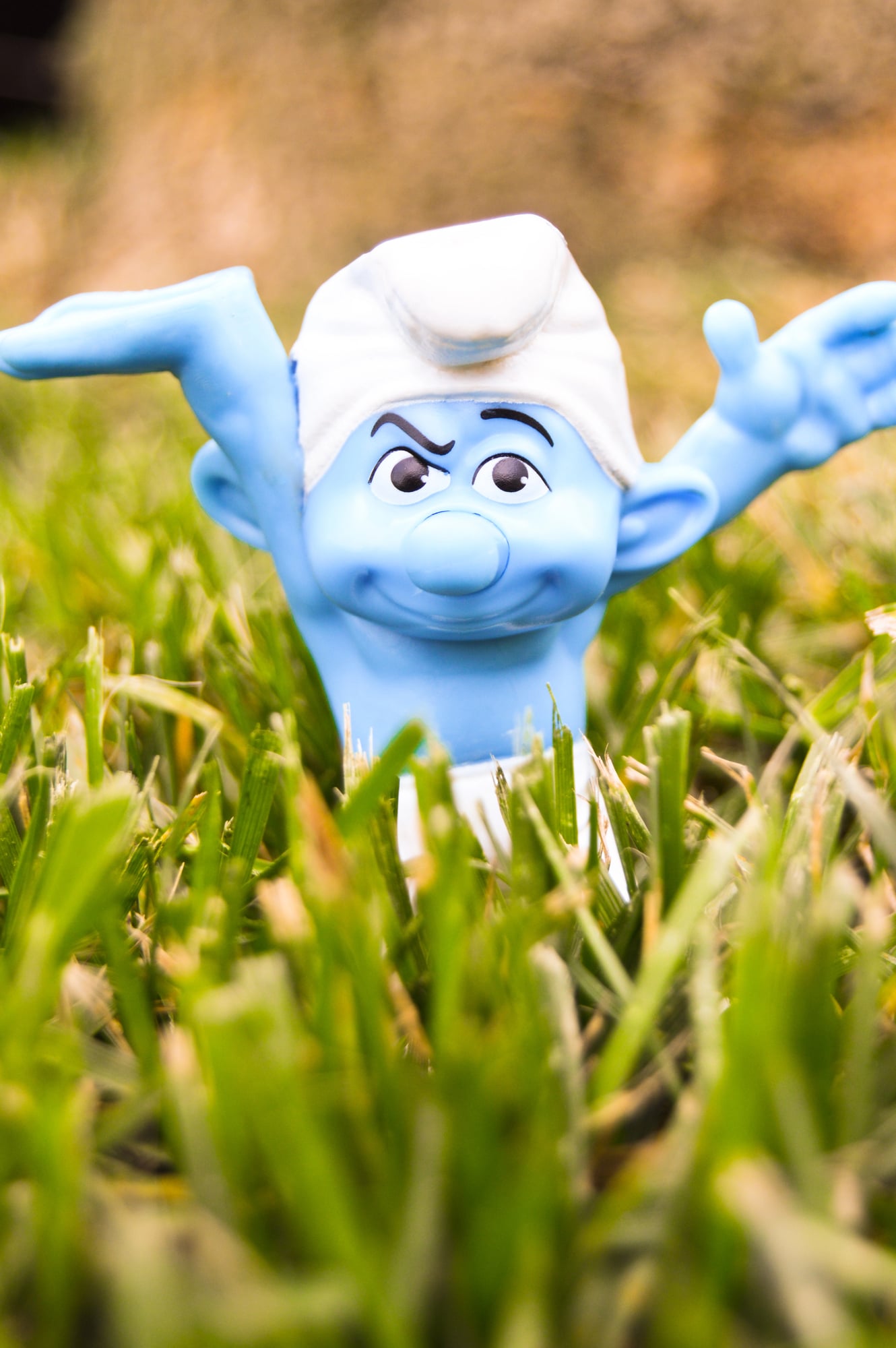
A second Smurf cereal entry, this one had a more generic berry flavor. It competed with Smurf-Berry Crunch but ultimately couldn’t maintain dual product lines.
Both were discontinued within a few years.
Oreo O’s (Original Run)
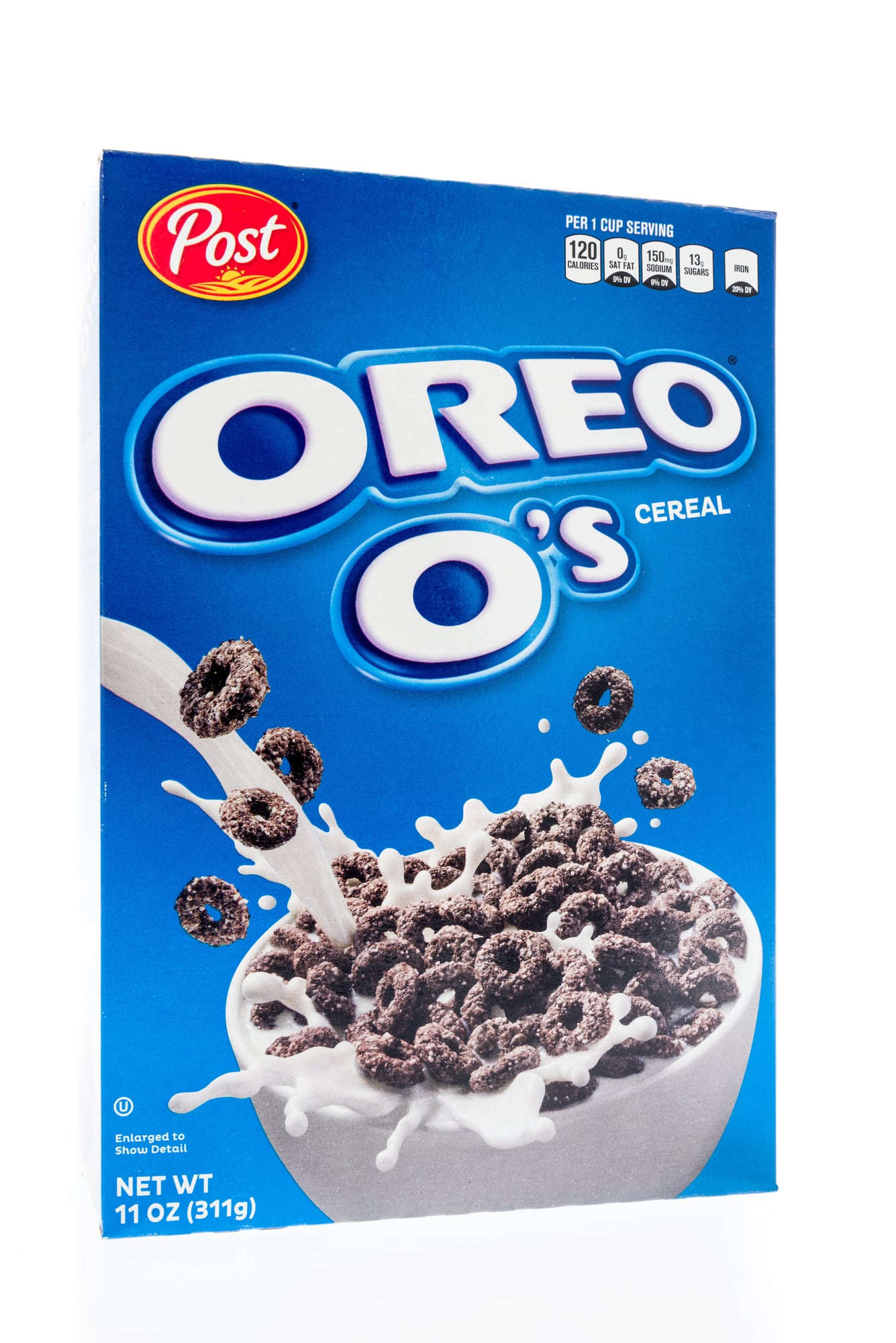
The original 1987 Oreo O’s were eventually discontinued, though the product has been revived multiple times. The original run represents a moment when the cereal existed, vanished, and had to be brought back to meet renewed nostalgia-driven demand.
Crispy Critters

This honey-coated oat cereal was marketed with a distinctive tiger mascot and never achieved the staying power of competitors. It disappeared during the 1980s without developing a sustained following.
Froot Loops Cereal (Limited Editions)
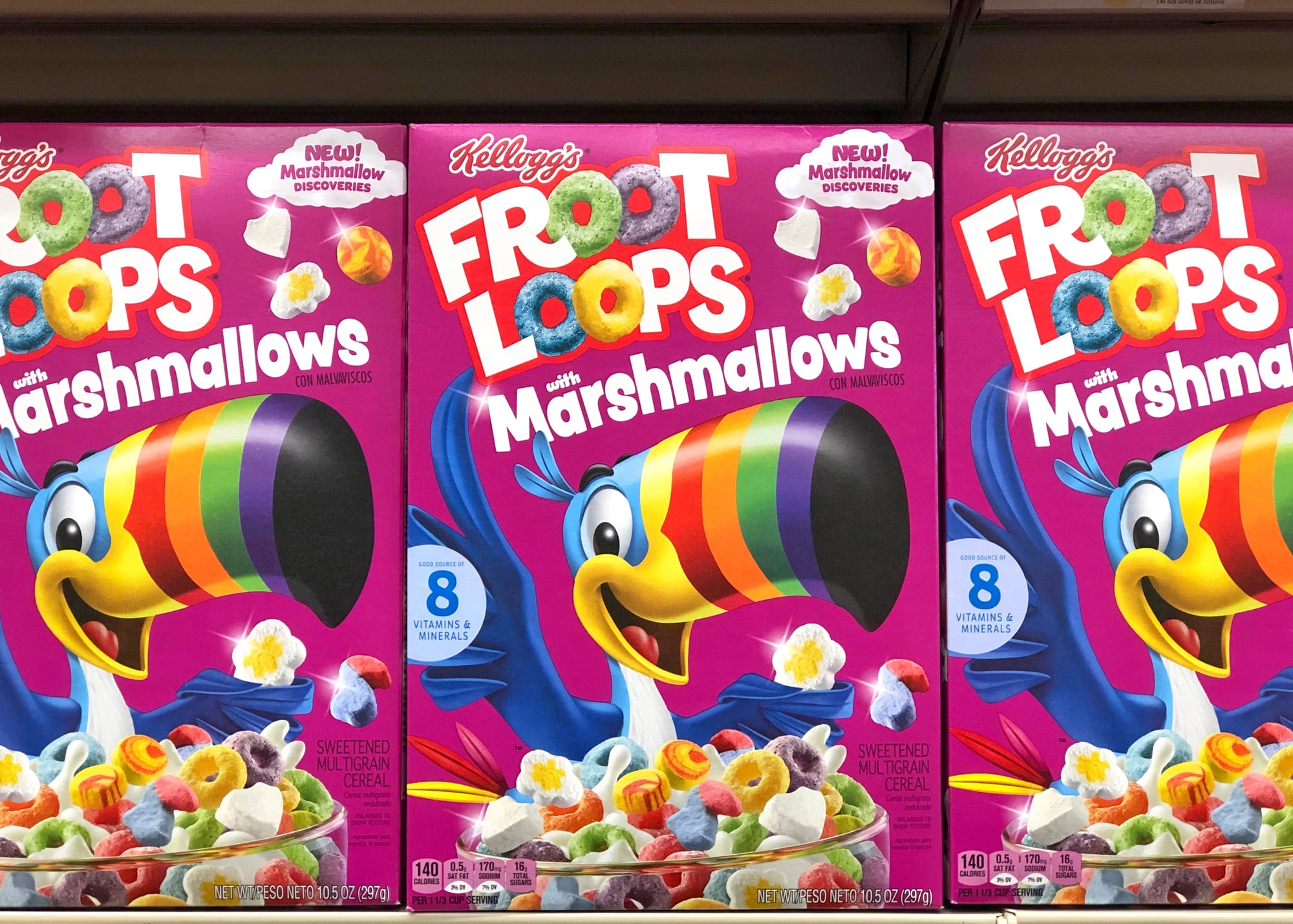
While Froot Loops survived, various 1980s limited edition variations didn’t. Seasonal and special flavors came and went, marking the cereal aisle’s experimental phase.
Fruity Pebbles Variations
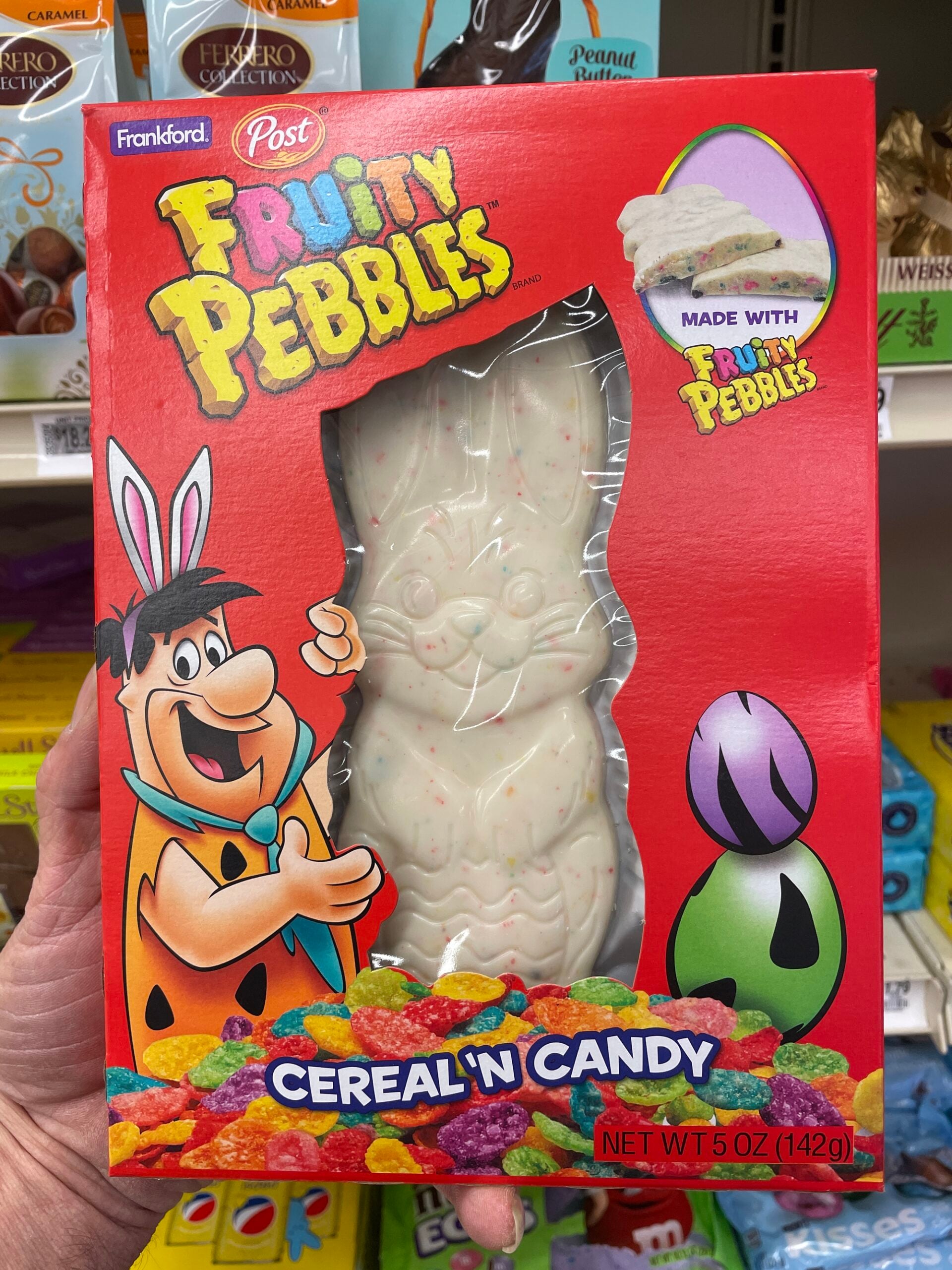
Rice Krispies and Cocoa Krispies variations attempted to expand the Kellogg’s Krispies line during the 1980s with limited success. Some variations disappeared while the core brands survived.
Ghostbusters Cereal
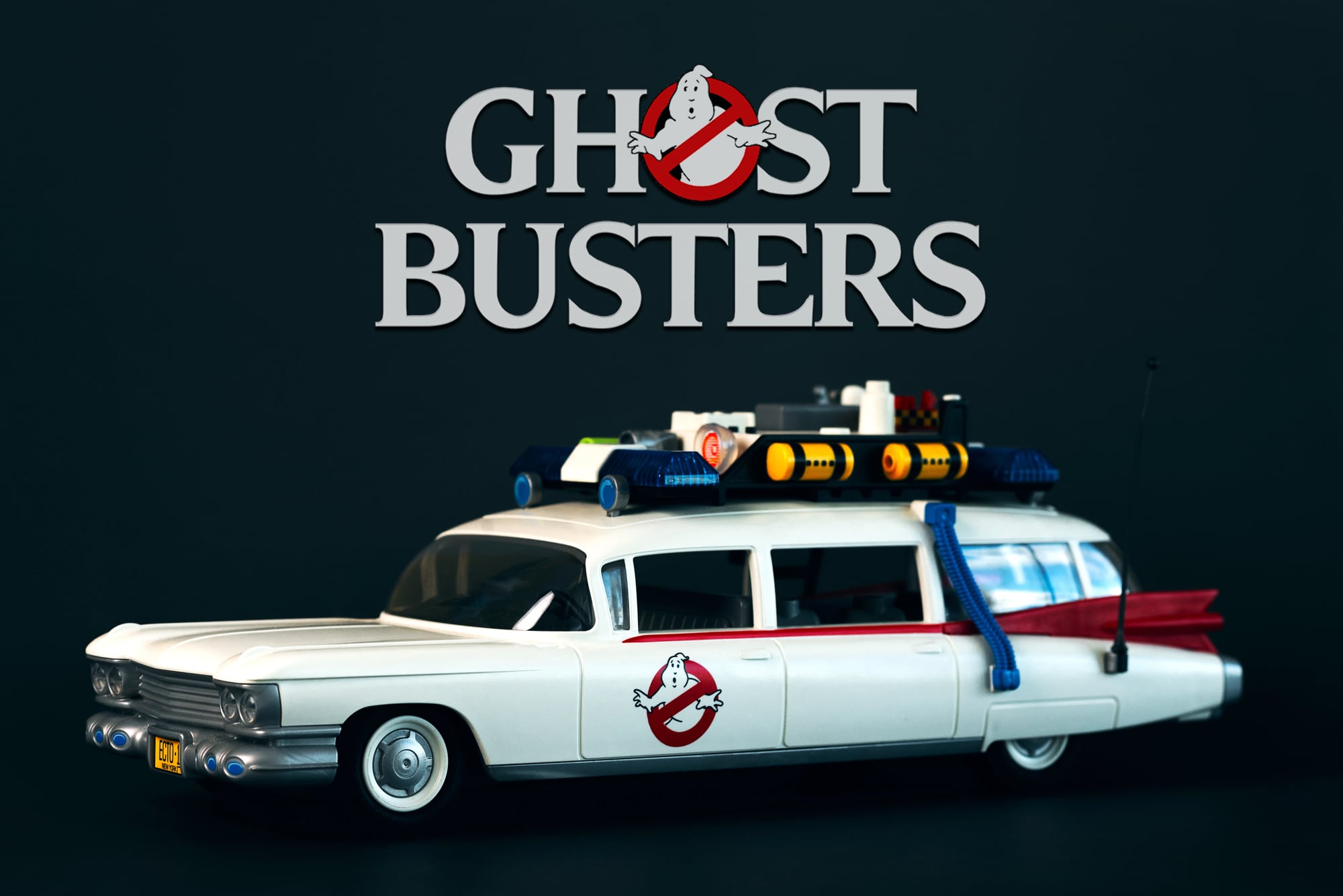
Ralston capitalized on the Ghostbusters phenomenon with themed cereal containing “ghost-shaped” marshmallows. The connection between the comedy horror franchise and breakfast was tenuous at best, and the cereal disappeared as quickly as the first film’s cultural moment.
The Flintstones Chewable Vitamins Cereal

Post attempted to market a vitamin-fortified cereal based on The Flintstones characters. The educational health angle couldn’t overcome the basic appeal limitations.
It was discontinued quickly.
Scrambly Eggs Cereal
This cereal attempted the novelty of cheese-flavored grain pieces, supposedly evoking scrambled eggs. The savory breakfast concept was too far ahead of its time.
It lasted only a few years.
Capt’n Crunch Variations
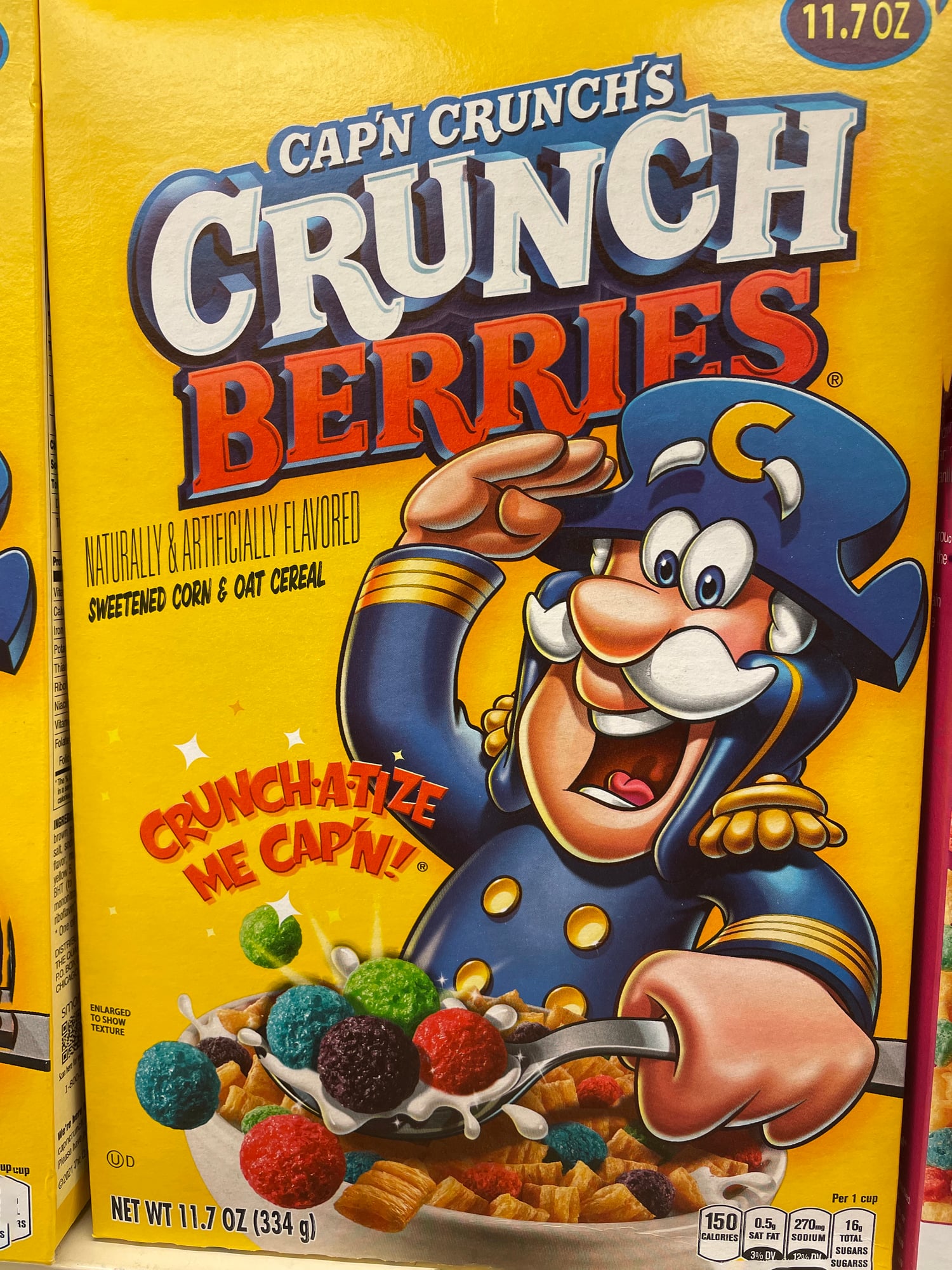
Various Captain Crunch limited editions appeared in the 1980s—special marshmallow mixes, fruit combinations, and flavored variants. Most didn’t survive beyond initial releases.
Sprinkle Spangles
General Mills created this rainbow-colored cereal with varied marshmallow pieces. Despite the appealing concept of sprinkles in breakfast form, the product couldn’t maintain shelf space beyond a few years.
King Vitaman Cereal
Introduced in the late 1970s but gaining popularity in the 1980s, this multivitamin-fortified cereal featured orange-colored pieces shaped like crowns. The health angle didn’t overcome the gimmick, and it eventually disappeared from regular rotation.
The Moment, Not the Permanence

These cereals weren’t failures in design; they were strategic marketing aligned with specific cultural moments. The business model required them to be discontinuous.
Peak with their licensing property, then disappear. The expectation was built into the product from conception.
Some were genuinely delicious; most were specifically engineered to appeal to kids’ desire for sugar and novelty. What none of them achieved was permanence.
The 1980s created a specific category of breakfast cereal designed explicitly to be temporary.
More from Go2Tutors!

- The Romanov Crown Jewels and Their Tragic Fate
- 13 Historical Mysteries That Science Still Can’t Solve
- Famous Hoaxes That Fooled the World for Years
- 15 Child Stars with Tragic Adult Lives
- 16 Famous Jewelry Pieces in History
Like Go2Tutors’s content? Follow us on MSN.



