26 Everyday Items That Were Once Illegal
Plenty of things sitting in kitchen cupboards and closets today were once banned, taxed into oblivion or sold only by people willing to risk a fine. Governments had their reasons, some sensible and some baffling.
Health scares, protection for local industries, moral panics and wartime shortages all played a part. Looking back, the list of forbidden goods says as much about the fears of each era as it does about the items themselves.
Colored Margarine
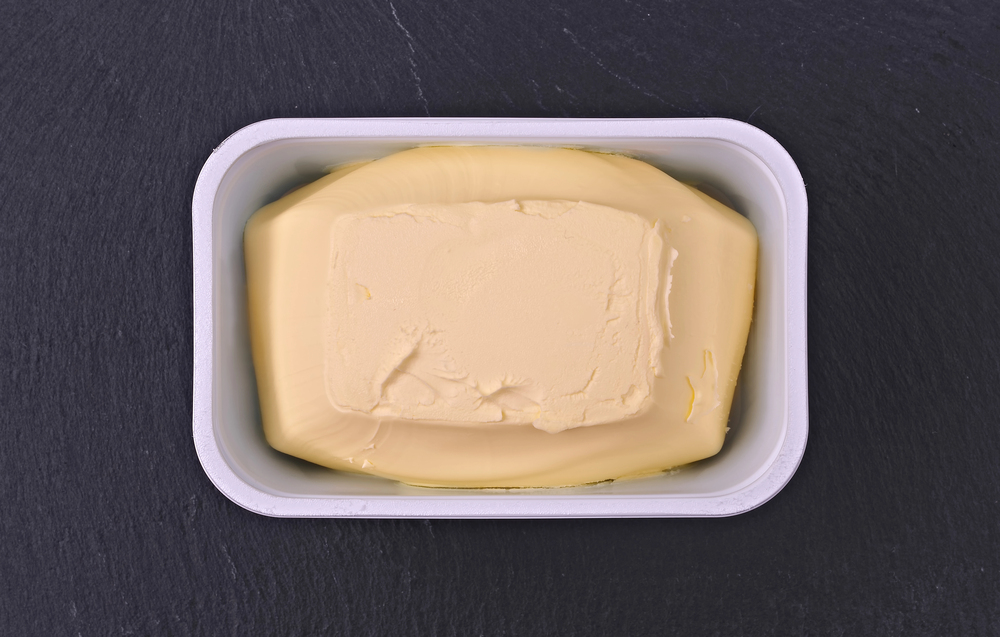
When margarine arrived in the United States in the late 1800s, the dairy industry fought it hard. Many states banned margarine dyed yellow to look like butter, and some required it to be colored pink.
Manufacturers responded by selling white margarine with a packet of dye that shoppers kneaded in at home. Federal taxes on colored margarine were not lifted until 1950.
Wisconsin, the Dairy State, held out longest and did not permit the sale of yellow margarine until 1967, prompting decades of margarine smuggling across the state line from Illinois.
Coffee
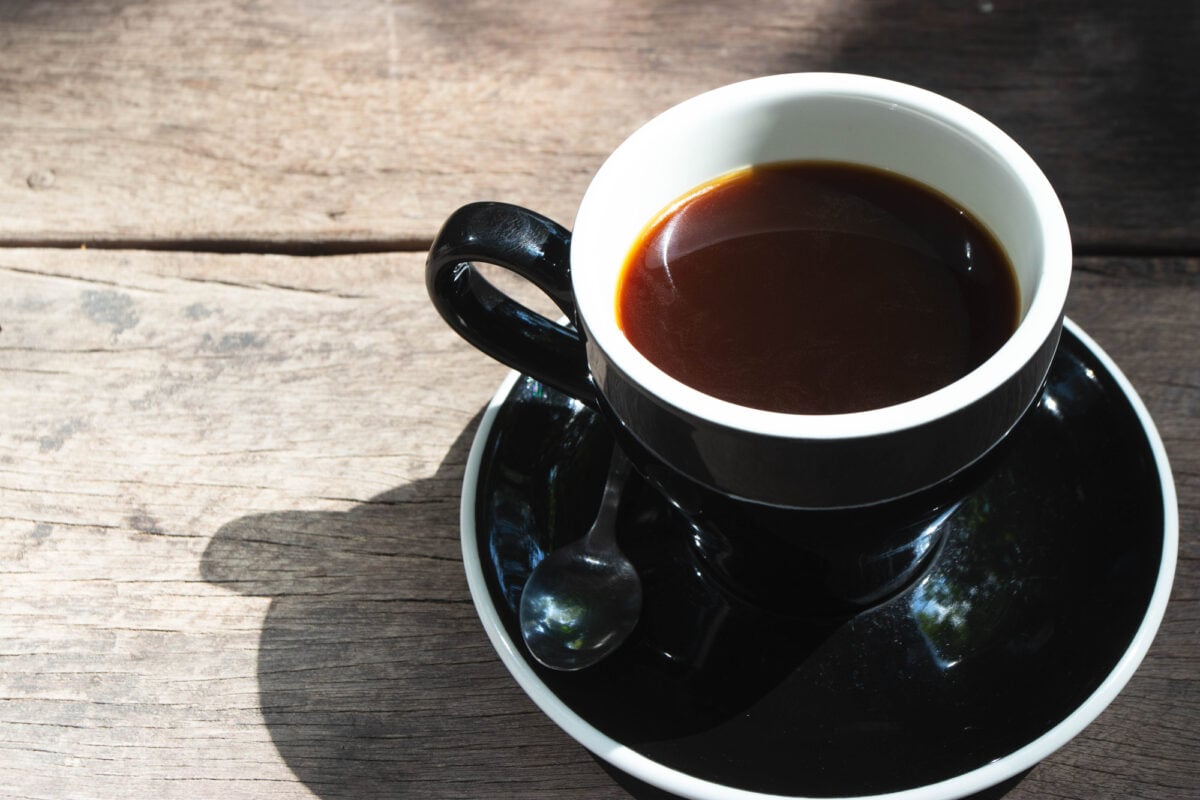
Coffee has been banned repeatedly since it first spread through the Middle East. In 1511, the governor of Mecca, Khair Beg, prohibited it on religious grounds after concluding that coffeehouses encouraged gossip and dissent, though the ruling was soon overturned.
In the 1630s, Ottoman Sultan Murad IV shut down coffeehouses in Istanbul, and accounts claim he punished offenders severely. In England, the restored King Charles issued a proclamation in 1675 to suppress coffeehouses as hotbeds of political gossip, only to withdraw it within days after a public outcry. Coffee won every time.
Chewing Gum in Singapore
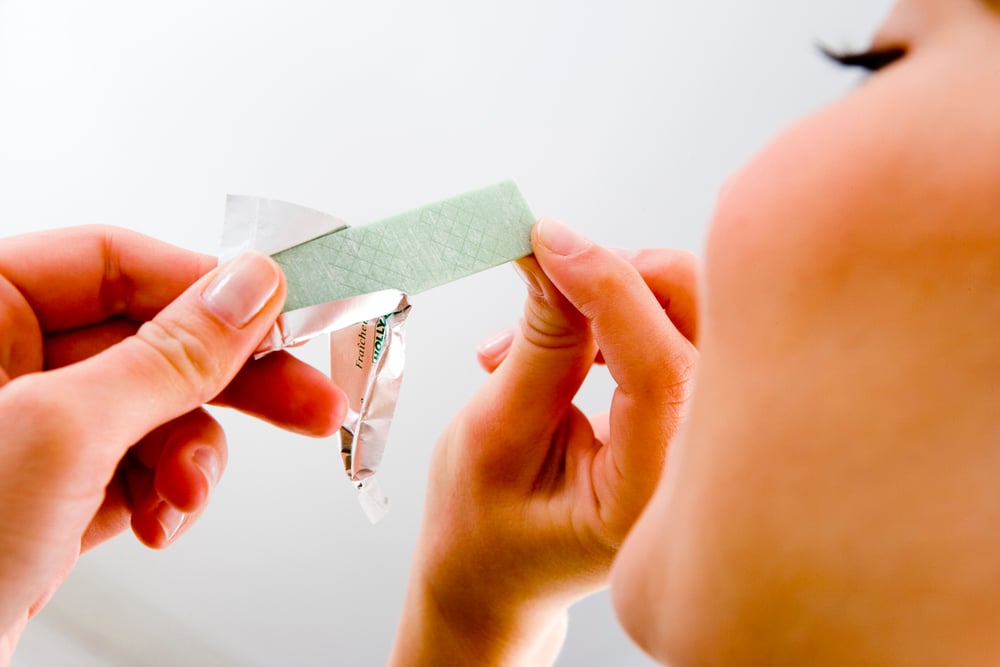
Singapore banned the import and sale of chewing gum in 1992, largely because discarded gum was fouling public spaces and reportedly jamming the doors of the new subway trains. Visitors quickly learned they could not bring packs into the country for resale.
The rule was relaxed in 2004 under a trade agreement with the United States, allowing therapeutic and nicotine gum to be sold by pharmacists and dentists. Ordinary gum remains tightly restricted, which has made the ban one of the most frequently cited examples of the city-state’s famously strict rules.
Absinthe

Absinthe, the green, anise-flavored spirit associated with Paris artists and writers, was blamed for madness and violence in the early 1900s. Switzerland banned it in 1910, the United States followed in 1912, and France did the same in 1915.
Much of the panic centered on thujone, a compound from wormwood, although modern research suggests the real danger was the drink’s high alcohol content. The American ban effectively ended in 2007, when regulators clarified that absinthe with negligible thujone could be sold.
Bottles now sit on shelves in ordinary liquor stores.
Sliced Bread

Sliced bread had only been on the market for about 15 years when the US government banned it in January 1943. The official reason was to save wax paper and reduce the demand on steel used in slicing machines during the Second World War.
The rule proved deeply unpopular with households that had grown used to presliced loaves. Newspapers printed complaints from homemakers struggling to cut bread for school lunches.
The government admitted that the savings were smaller than expected and rescinded the order in March 1943, after less than two months.
Video Games in Greek Arcades

Greece passed a law in 2002 intended to curb illegal gambling on electronic gaming machines. Because the wording was so broad, it effectively banned all electronic games in public places, including arcade cabinets, and even appeared to cover games played on computers in internet cafes.
Some cafe owners were arrested, and tourists were warned that playing games on a laptop in a public space might technically break the rule. The European Commission challenged the law as disproportionate, and the European Court of Justice ruled against Greece in 2006, after which the rules were eased.
Birth Control Pills

When the first oral contraceptive was approved in the United States in 1960, many states still had laws restricting birth control. Connecticut banned the use of any contraceptive, even by married couples.
The law was challenged by Estelle Griswold, executive director of Planned Parenthood of Connecticut, who opened a clinic in New Haven to test it and was arrested. In 1965, the Supreme Court struck down the law in Griswold v. Connecticut, finding a right to marital privacy.
It took until 1972, in Eisenstadt v. Baird, for unmarried people to gain the same legal right.
Beer in Iceland
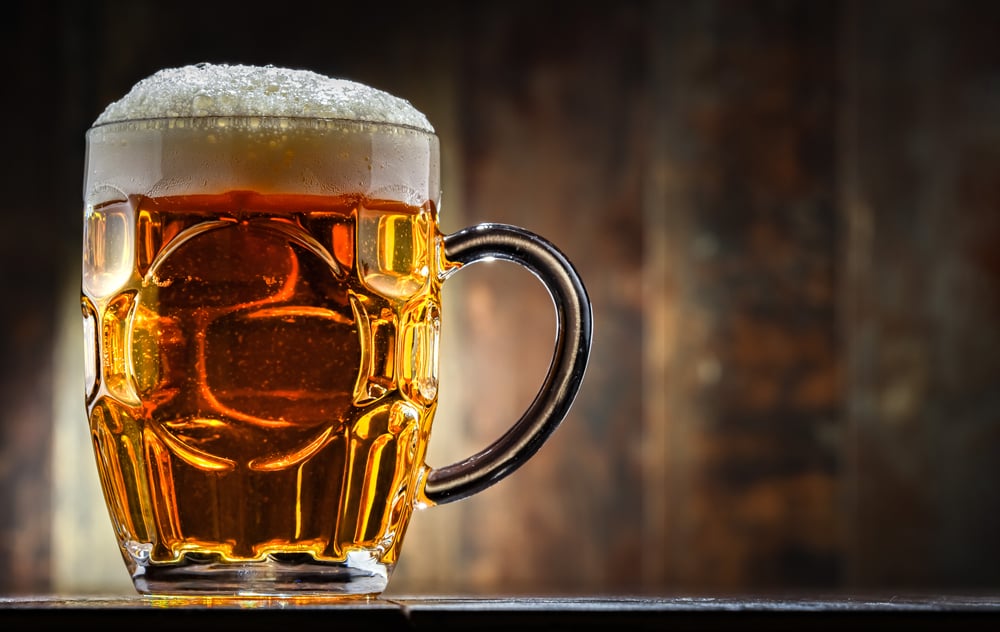
Iceland introduced a total ban on alcohol in 1915. Wine was legalized in 1921, largely because Spain threatened to stop buying Icelandic fish unless Iceland bought Spanish wine, and spirits returned in 1935. Beer stronger than 2.25 percent alcohol stayed illegal, partly because it was considered more tempting to young people and workers.
Some bars mixed legal light beer with vodka to make a substitute. The ban finally ended on March 1, 1989, a date Icelanders now celebrate as Beer Day, often with pub crawls through Reykjavik.
Television in Bhutan
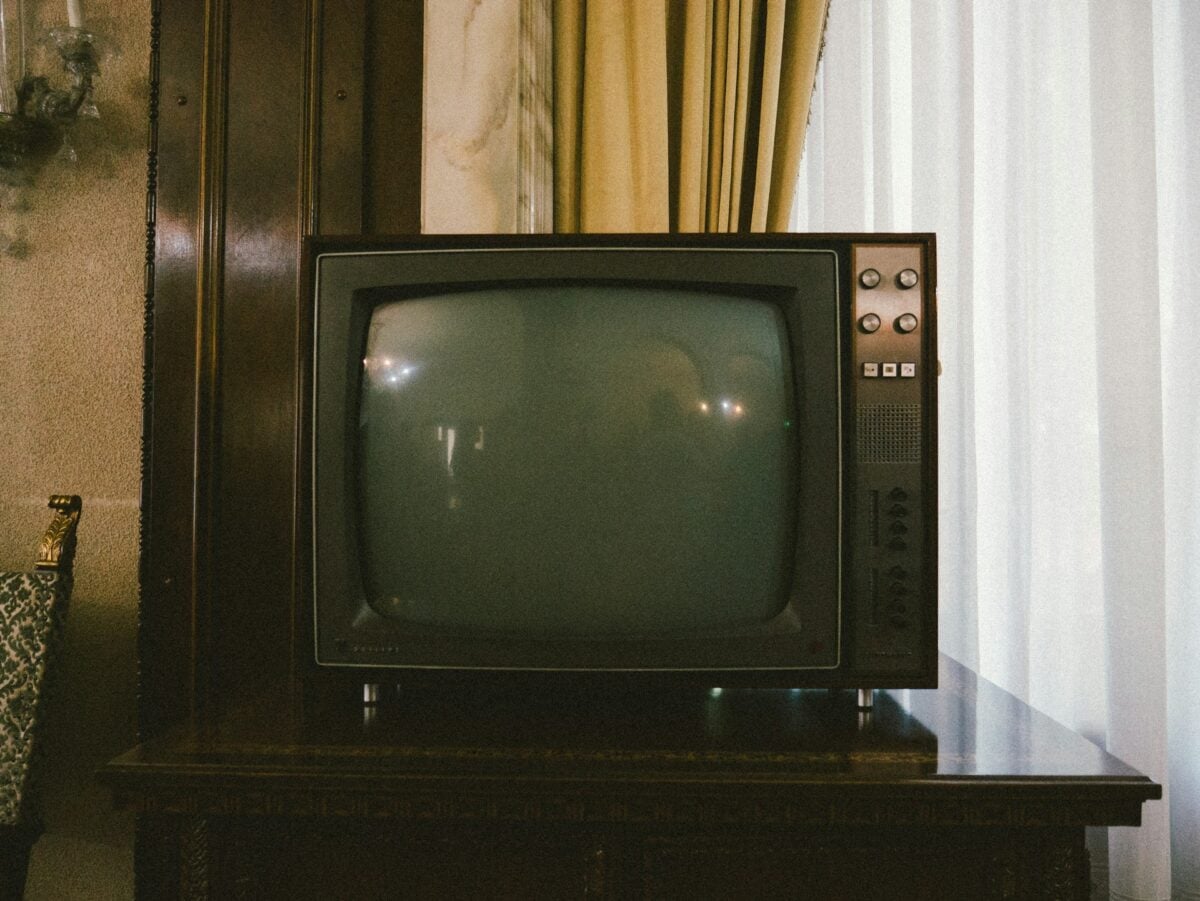
The Himalayan kingdom of Bhutan did not allow television broadcasting until 1999, when King Jigme Singye Wangchuck lifted the ban along with the restriction on internet access. The long prohibition was intended to protect Bhutanese culture from outside influence, and it fit a wider philosophy that later became known for measuring Gross National Happiness.
Before the change, some residents had illegally used satellite dishes, and video players were also available. After the ban lifted, cable TV spread rapidly, and researchers studied how the sudden arrival of foreign programs affected young people.
Printed Calico Cloth

Brightly printed cotton from India, known as calico, became hugely fashionable in England in the late 1600s. English wool and silk weavers feared ruin and rioted, sometimes attacking women wearing the fabric in the street.
Parliament responded with the Calico Acts of 1700 and 1721, which banned the import of printed calicoes and then the wearing of most printed cotton cloth. The law pushed English manufacturers to develop their own cotton industry, which later became the engine of the Industrial Revolution.
The ban was lifted in 1774 as domestic production expanded.
Homemade Salt in British India

Under British rule, the Salt Act of 1882 gave the colonial government a monopoly on the collection and sale of salt, and Indians were forbidden from making their own or buying it from anywhere else. Because salt was a necessity for everyone, the tax fell hardest on the poorest people. In 1930, Mohandas Gandhi led a march of about 240 miles to the coastal village of Dandi and picked up a handful of salt from the shore, breaking the law.
The Salt March inspired civil disobedience across India and drew worldwide attention to the independence movement.
Trousers for Women in Paris
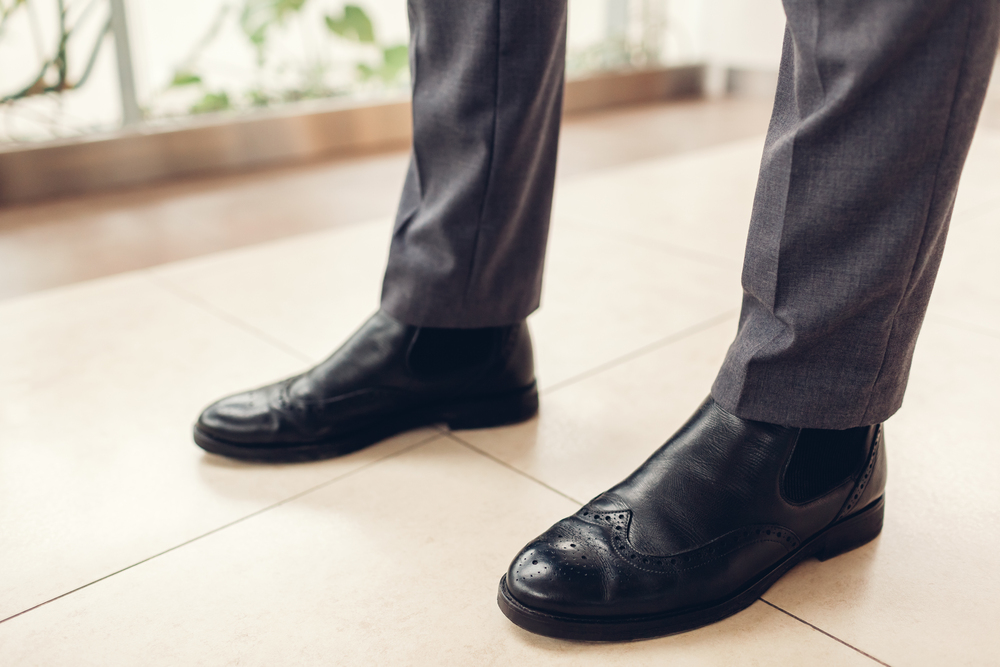
The Paris police prefect issued an ordinance in 1800 requiring women to obtain police permission before wearing trousers in the city. Exceptions were later added for women riding bicycles or horses, provided they held the handlebars or reins.
Few people paid attention to the rule for most of the 20th century, but it remained on the books. It was not formally revoked until 2013, when the French minister for women’s rights declared it incompatible with gender equality laws.
By then, trousers had been standard clothing for women in France for generations.
Skateboards in Norway

Norway banned skateboards in 1978 after officials concluded that the sport caused too many injuries. It became illegal to sell, own or use a skateboard, and the police could confiscate them. Skaters built their own boards and ramps anyway, often hiding them in forests or basements, and some traveled to Sweden to skate legally.
The ban was lifted in 1989, when authorities acknowledged it was unenforceable and that the underground scene was flourishing regardless. Norway later produced skaters who competed internationally, and skateboarding became an Olympic sport in 2021.
Hot Cross Buns Outside Holy Days
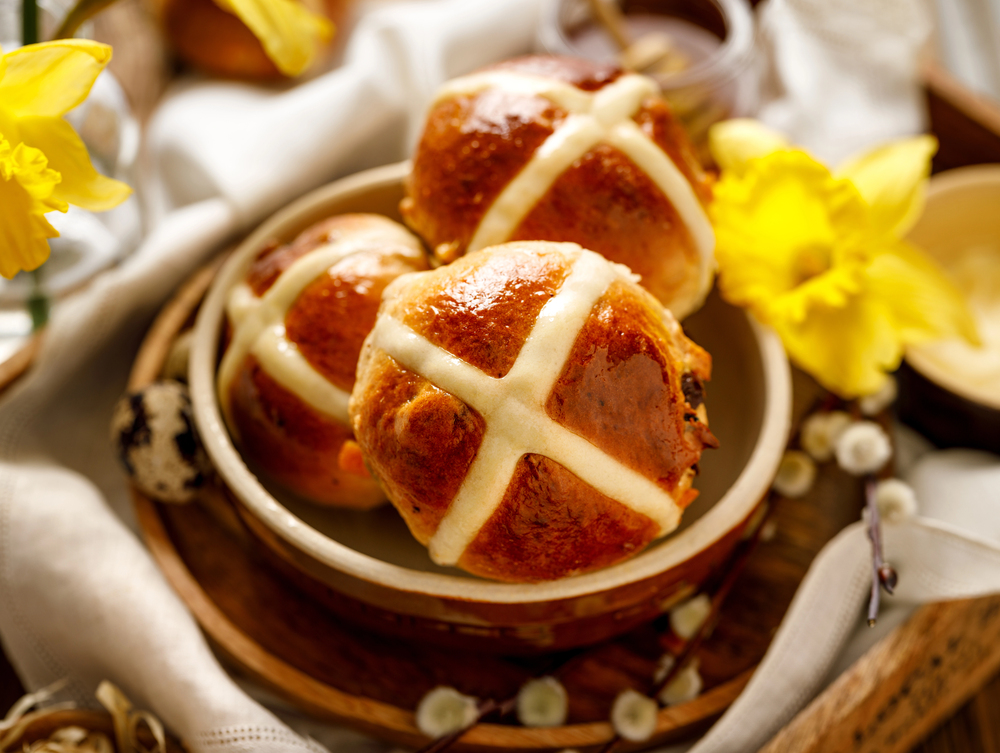
In 1592, under Elizabeth I, the London Clerk of the Markets issued a decree banning the sale of spiced buns and similar breads except on Good Friday, at Christmas and at burials. Spiced breads were considered too special, and possibly too tied to Catholic tradition, to be eaten every day.
Bakers who broke the rule risked having their goods confiscated and given to the poor. People got around it by baking the buns at home.
Today, hot cross buns appear in supermarkets weeks before Easter and sometimes stay on sale all year.
Tattoos in New York City
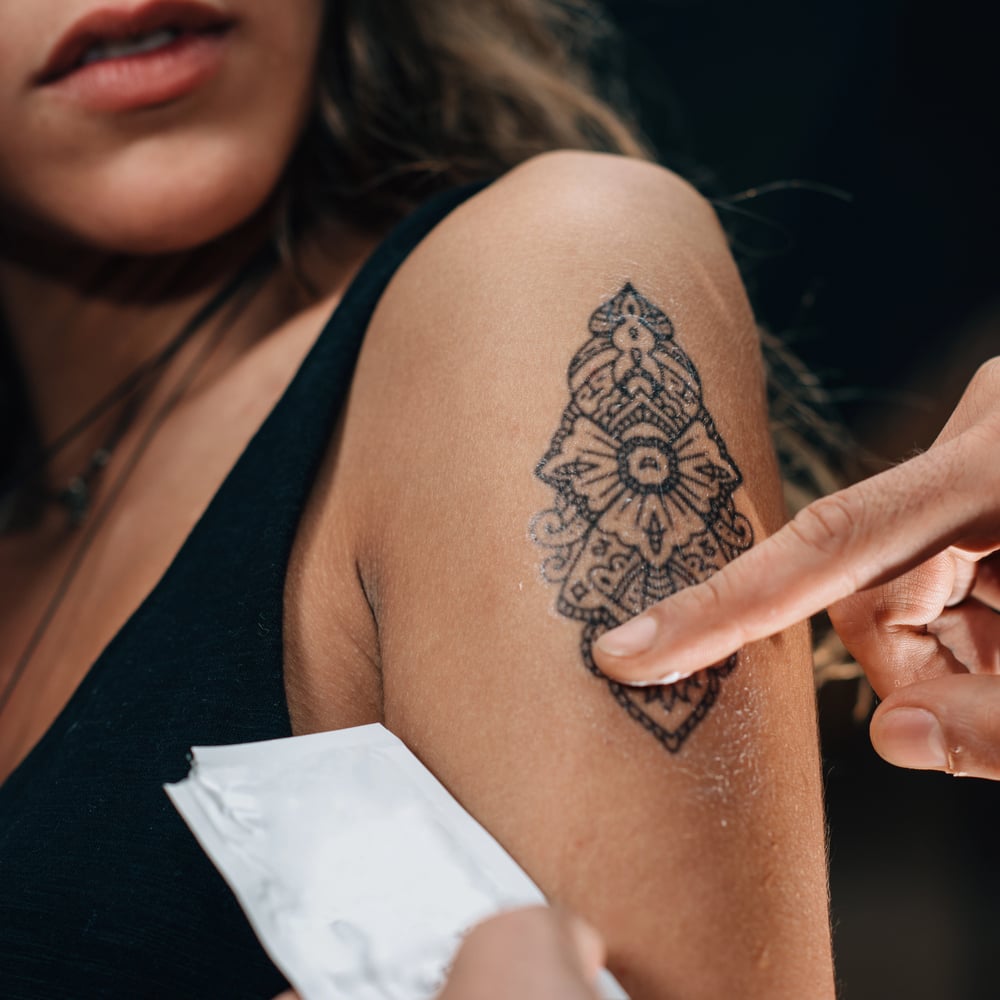
New York City banned tattooing in 1961 after a hepatitis outbreak was blamed on unsanitary needles, even though tattooists disputed the link. The city had been a center of American tattooing, particularly around the Bowery and Coney Island. Artists moved to New Jersey or worked illegally in apartments and back rooms, and the underground scene grew.
The ban lasted until 1997, when the City Council voted to legalize tattooing with licensing and health regulations. Today New York hosts some of the busiest tattoo studios in the world.
James Joyce’s Ulysses
James Joyce’s novel Ulysses was banned in the United States after excerpts published in a literary magazine were prosecuted as obscene in 1921. Copies were smuggled in from Paris and seized by customs officers, who burned many of them.
In 1933, publisher Random House deliberately arranged for a copy to be seized so it could challenge the ban in court. Judge John M. Woolsey ruled that the book was not obscene, and his decision was upheld on appeal.
Random House released its first American edition in 1934, and the novel now appears on lists of the greatest books ever written.
Saccharin in Canada

Saccharin, the artificial sweetener discovered in 1879, was banned as a food additive in Canada in 1977 after studies suggested it caused bladder cancer in rats. The sweetener remained available in Canadian pharmacies as a tabletop sweetener but could not be added to processed foods.
Later research concluded that the effect in rats involved a mechanism not relevant to humans. The United States had considered a similar ban but required warning labels instead.
Canada lifted its restriction in 2014, allowing saccharin back into foods after nearly four decades.
Red Bull in France
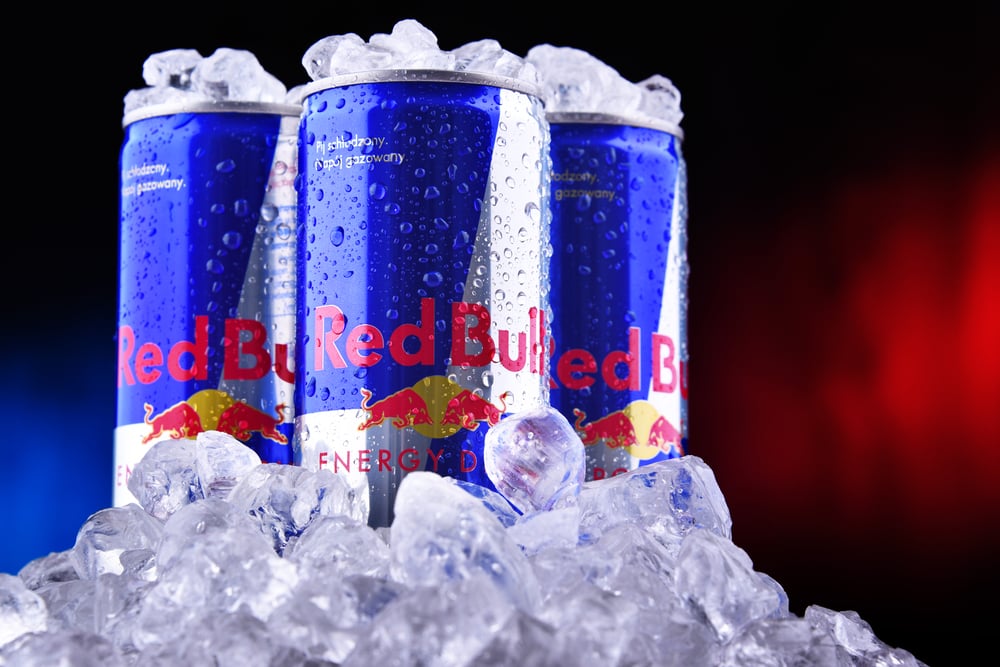
Red Bull was banned in France for about a decade because authorities worried about the health effects of its high levels of caffeine and taurine. The drink was widely available in neighboring countries, and French drinkers bought it abroad.
The European Court of Justice ruled in 2004 that France had not proven a health risk sufficient to justify the ban. France finally allowed Red Bull to be sold in 2008 after its food safety agency concluded there was no evidence of danger at normal consumption levels.
The brand later became a fixture in French stores and sporting events.
Purple Silk in Tudor England

Under the Statutes of Apparel issued by Elizabeth I in 1574, what people wore was regulated by rank. Purple silk and cloth of gold tissue were restricted to the royal family, with certain exceptions for nobles of the highest rank. Other fabrics, furs and trims were limited to specific classes, and wearing clothes above one’s station could lead to fines or confiscation.
These sumptuary laws aimed to preserve social order and protect English textile industries. Purple had long been associated with royalty because the dye was expensive to produce, which made the restriction easy to justify.
Chess Sets in Iran

After the Islamic Revolution in 1979, Iran banned chess, with religious authorities linking the game to gambling and arguing that it distracted people from their duties. Chess clubs closed and public play disappeared, though many families continued to play at home.
In 1988, Ayatollah Khomeini issued a ruling permitting chess as long as it did not involve gambling, and the game quickly revived. Iran has since produced strong players, including Alireza Firouzja, who later moved to France and became one of the highest-rated players in the world before turning 20.
Kilts in the Scottish Highlands

After the Jacobite rising of 1745 was crushed at the Battle of Culloden in 1746, the British government passed the Dress Act, part of the Act of Proscription. It banned Highland dress for men and boys, including the kilt and plaid, except for those serving in Highland regiments. A first offense could bring six months in prison and a second offense transportation to a penal colony for seven years.
The aim was to break the clan system and erase symbols of rebellion. The law was repealed in 1782, and kilts later became a fashionable symbol of Scottish identity.
Private Cars in Bermuda

Bermuda banned motor cars in 1908, soon after the first automobile arrived on the island and alarmed residents and visitors, including author Mark Twain, who supported keeping the island quiet. For nearly four decades, people traveled by horse and carriage, bicycle and boat, and a small railway was built in the 1930s.
The ban was lifted in 1946, partly because military vehicles during the Second World War had already changed the island. Bermuda still restricts cars heavily, allowing just one per household and banning rental cars for visitors.
Gold Coins and Bars in the United States
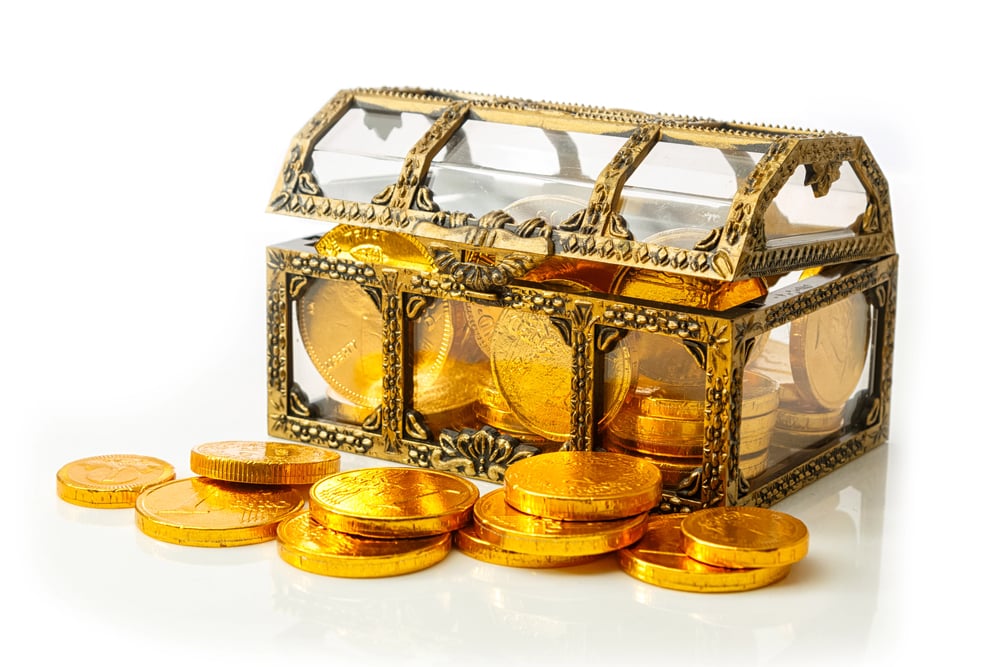
President Franklin D. Roosevelt signed Executive Order 6102 in April 1933, requiring Americans to turn in most of their gold coins, bullion and gold certificates to the Federal Reserve. People were paid 20.67 dollars an ounce, after which the government raised the official price to 35 dollars.
Exceptions were made for jewelry, dental gold and rare coins held by collectors. Violators faced fines and prison.
The restriction lasted more than four decades, until private ownership of gold was legalized again on December 31, 1974, under President Gerald Ford.
English-Language Bibles

In the early 1500s, it was illegal in England to own or distribute Bibles in English without church approval, a rule dating back to the Constitutions of Oxford of 1407. William Tyndale translated the Gospels, Acts and Epistles from Greek and had it printed abroad in 1526, and copies were smuggled into England hidden in bales of cloth.
Church authorities bought up and burned as many as they could find. Tyndale was executed near Brussels in 1536. Within a few years, Henry VIII authorized an official English Bible, much of it based on Tyndale’s work.
Lottery Tickets in Britain

Britain once ran state lotteries to fund projects like the British Museum and London’s Westminster Bridge. They were abolished in 1826 amid concerns about fraud and their effect on the poor, and lotteries were broadly illegal in the country for well over a century.
Small society lotteries were later allowed, but a national game did not arrive until the National Lottery was launched in November 1994. Its first draw was watched by millions on television.
Today, a lottery ticket is one of the most ordinary purchases at any British newsagent.
Golf Clubs in Scotland
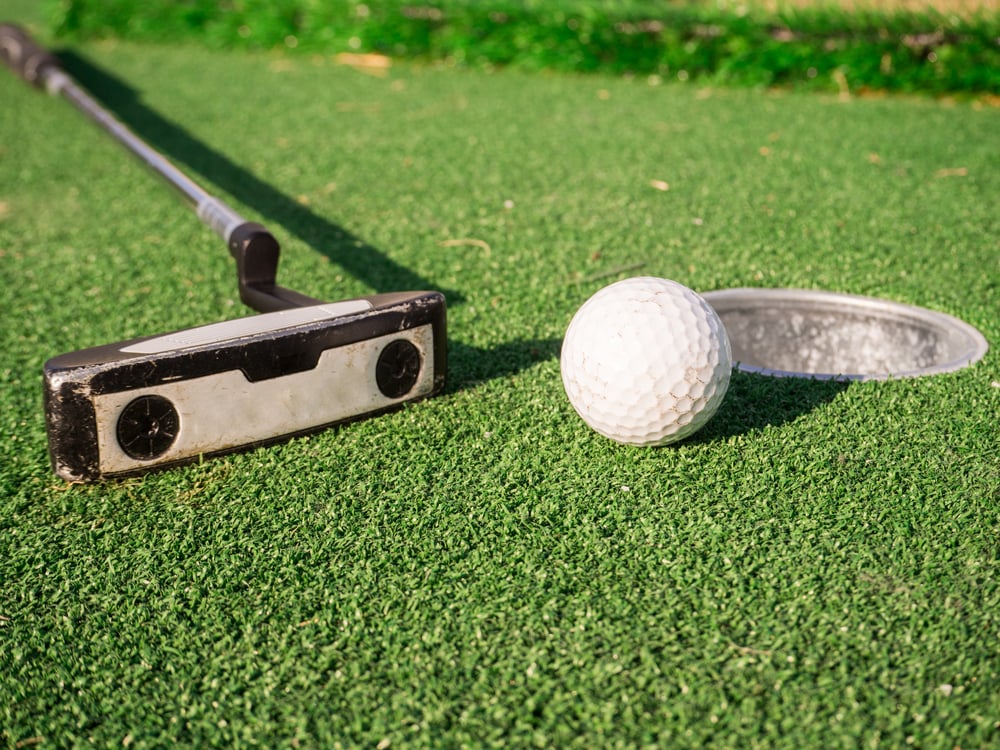
The Scottish Parliament banned golf in 1457, along with another popular sport, during the reign of King James, because young men were spending too much time on the links and neglecting archery practice needed for national defense. The ban was repeated in 1471 and 1491, suggesting it was widely ignored.
It effectively ended in 1502, when James IV signed a peace treaty with England and then took up golf himself, buying clubs from a bow maker in Perth. Scotland is now considered the home of golf, and St Andrews draws players from around the world.
Yesterday’s Contraband, Today’s Grocery List
Most of these bans did not fail because the rules were unenforced. They failed because ordinary people kept wanting the forbidden thing.
Smuggling, home production and quiet defiance usually survived the law. The deeper pattern is how often laws reflect a specific worry of their moment.
Dairy lobbies, wartime shortages, moral panics and colonial control all left marks on what could be bought. Looking at the list, it is hard not to wonder which ordinary items of today will seem strange to ban tomorrow.
More from Go2Tutors!

- The Romanov Crown Jewels and Their Tragic Fate
- 13 Historical Mysteries That Science Still Can’t Solve
- Famous Hoaxes That Fooled the World for Years
- 15 Child Stars with Tragic Adult Lives
- 16 Famous Jewelry Pieces in History
Like Go2Tutors’s content? Follow us on MSN.