17 Myths from Your Childhood That Were Actually Based on Real Things
Remember those fantastic stories your parents or teachers told you when you were little? The ones you eventually dismissed as pure fiction? Turns out many childhood myths and legends actually have surprising historical roots.
The line between myth and reality is often thinner than we realize, with many fantastical tales beginning as exaggerations of actual events or phenomena. Here is a list of 17 childhood myths that were actually based on real things, proving that sometimes truth really is stranger than fiction.
The Tooth Fairy

This beloved childhood figure who exchanges teeth for money originated from Northern European traditions dating back to the 13th century. In Norse culture, children’s teeth were considered good luck charms in battle, and parents would pay for them to make necklaces and talismans.
The modern American tooth fairy emerged in the early 1900s, becoming the winged sprite we know today during the post-war prosperity of the 1950s.
Unicorns
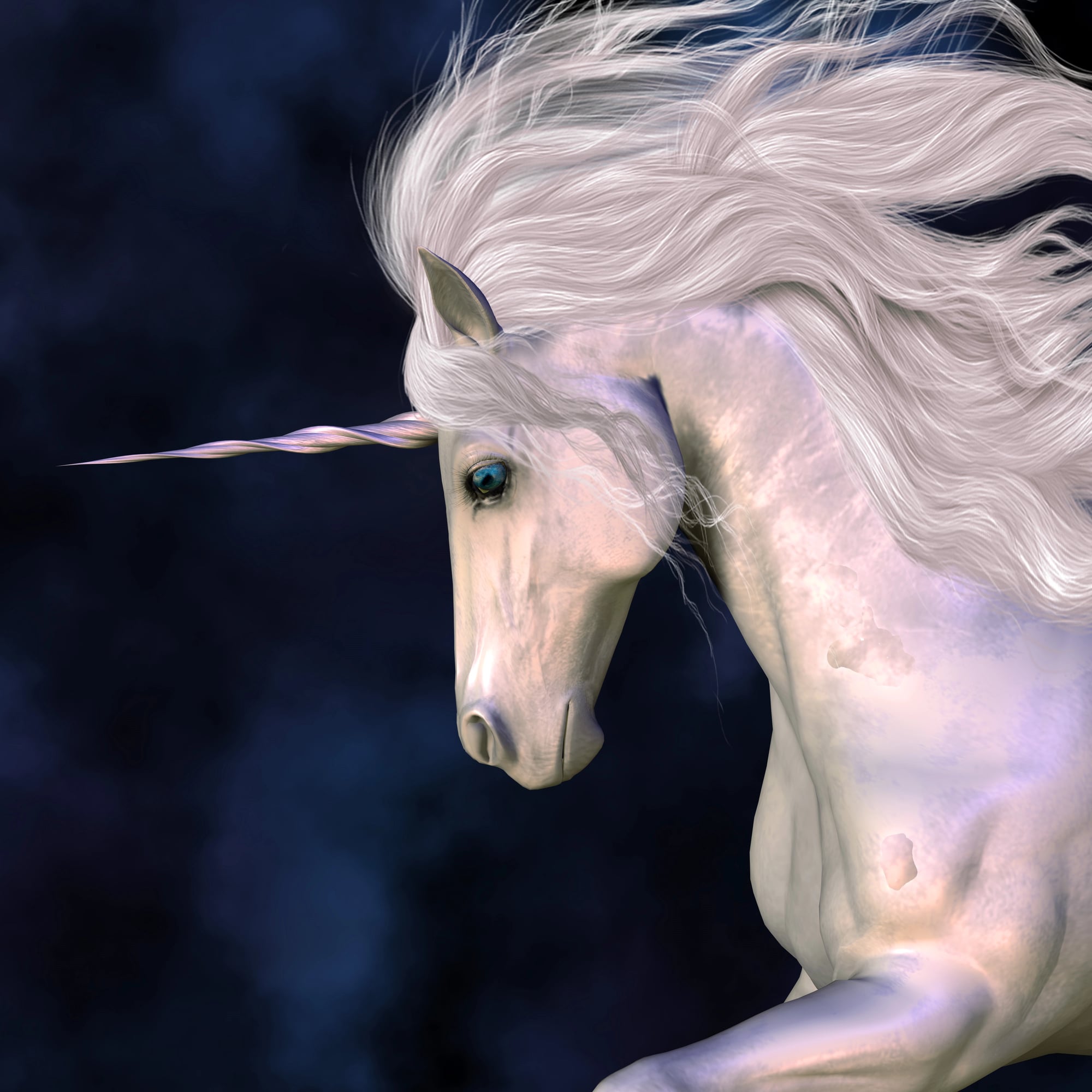
While we know unicorns weren’t real magical horses with healing powers, they weren’t complete fiction either. Early descriptions of unicorns likely came from travelers’ accounts of rhinos, particularly the Indian rhinoceros with its single horn.
Ancient Greek historians like Ctesias described one-horned beasts in India, and even the medieval unicorn tapestries feature animals that look surprisingly rhino-like in body structure.
Like Go2Tutors’s content? Follow us on MSN.
Dragons
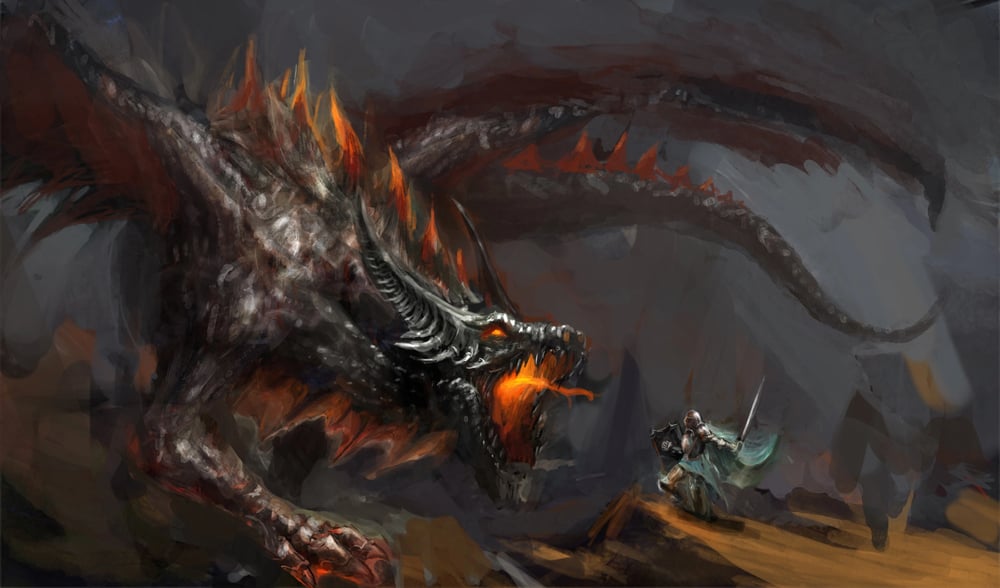
These fire-breathing creatures appear in cultures worldwide not because they actually existed, but because our ancestors discovered dinosaur fossils. Ancient Chinese and European civilizations finding massive fossils created explanations consistent with their understanding of the world.
In China, fossilized dinosaur bones were documented as “dragon bones” and used in traditional medicine for centuries, showing how real paleontological findings shaped mythology.
Vampires

The undead bloodsuckers from Transylvania drew inspiration from real medical conditions and historical figures. Porphyria, a blood disorder that causes extreme sensitivity to sunlight and receding gums (making teeth appear longer), contributed to vampire legends.
Additionally, the brutal 15th-century ruler Vlad the Impaler provided the name and some characteristics for Bram Stoker’s Count Dracula, building on an already established European folklore tradition.
The Pied Piper
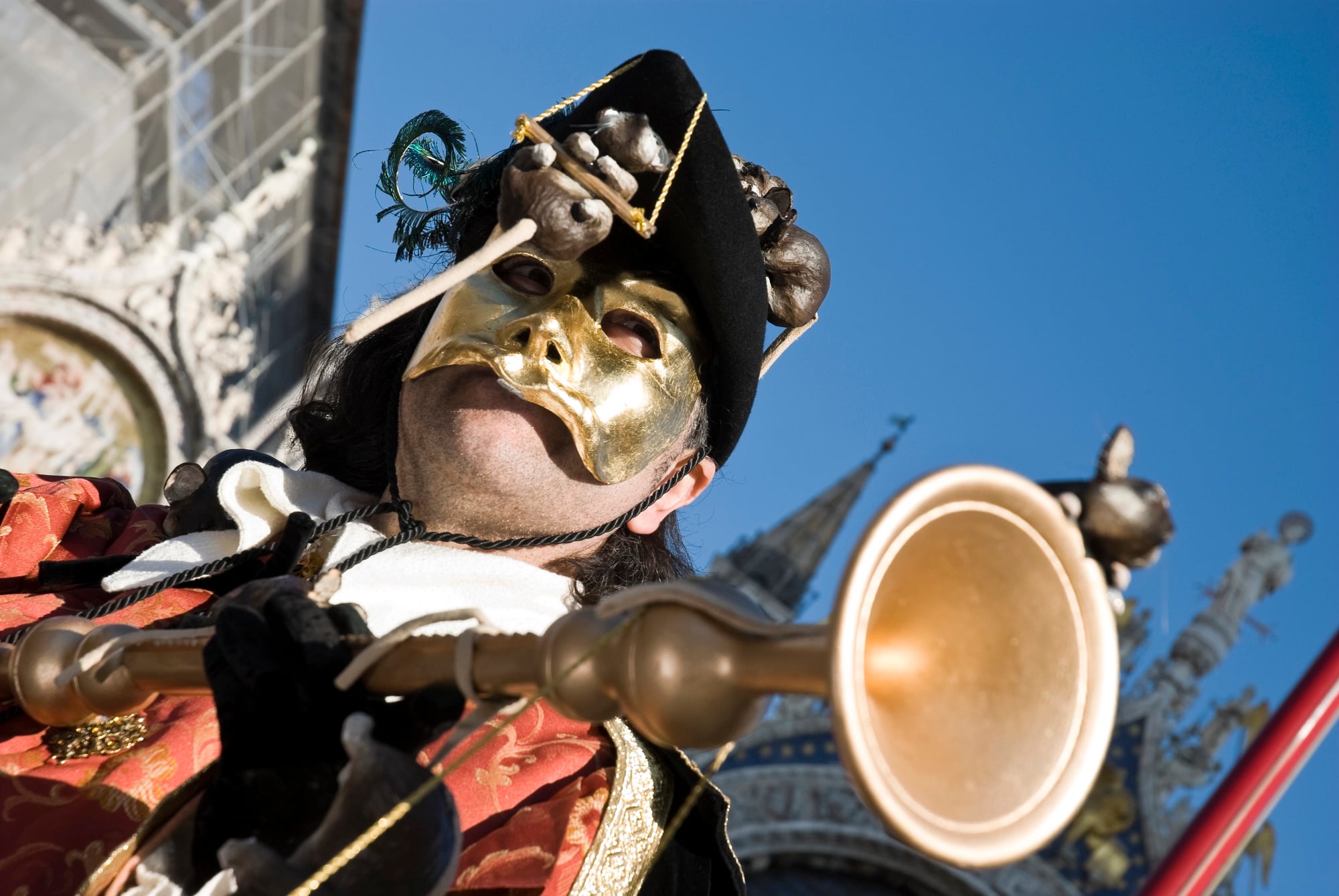
The disturbing tale of the Pied Piper of Hamelin who lured away the town’s children has historical documentation supporting it. Records from the German town of Hamelin note that in 1284, “130 children born in Hamelin were led away by a piper dressed in many colors, and lost at the place of execution near the koppen.”
Historians believe this could reference either a children’s crusade, an emigration movement, or perhaps an epidemic that particularly affected young people.
Like Go2Tutors’s content? Follow us on MSN.
Zeus and Lightning
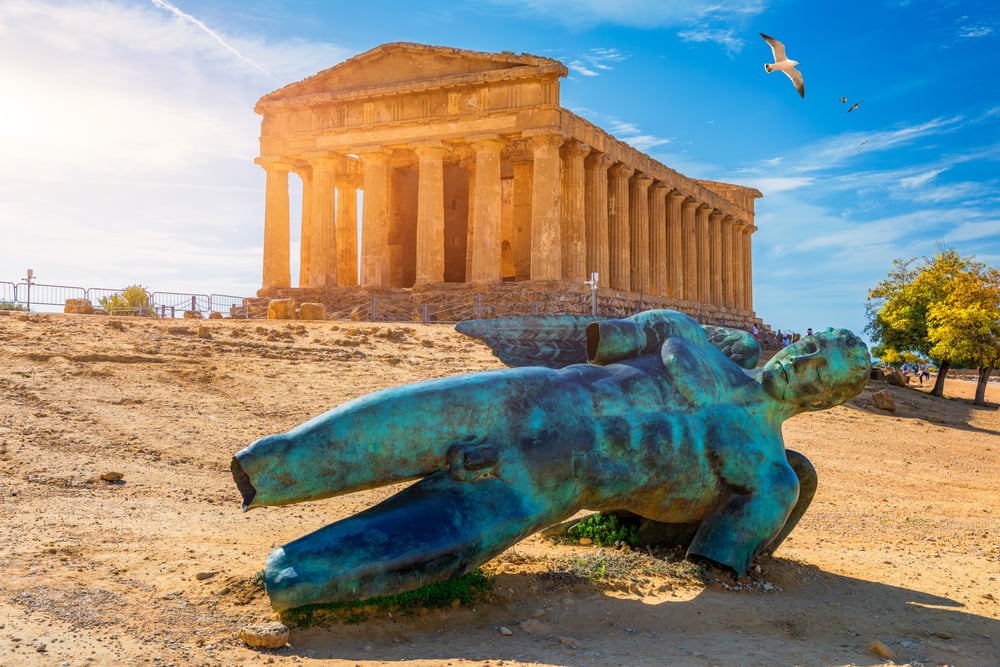
While the Greek god Zeus didn’t actually throw lightning bolts from Mount Olympus, this myth developed from humanity’s attempts to explain natural phenomena before scientific understanding. Ancient Greeks noticed lightning frequently struck mountain peaks, particularly Mount Olympus, which often had its summit obscured by clouds.
This observable pattern led to the logical conclusion that something powerful resided on the mountain, controlling the weather.
Atlantis

Plato’s account of an advanced civilization swallowed by the sea might have been inspired by the Minoan civilization’s downfall. Around 1600 BCE, the Mediterranean island of Thera (modern Santorini) experienced a massive volcanic eruption that decimated the advanced Minoan culture on nearby Crete.
This catastrophic event, combined with tsunami damage, created a real-life template for the story of a sophisticated island civilization disappearing beneath the waves.
Mermaids
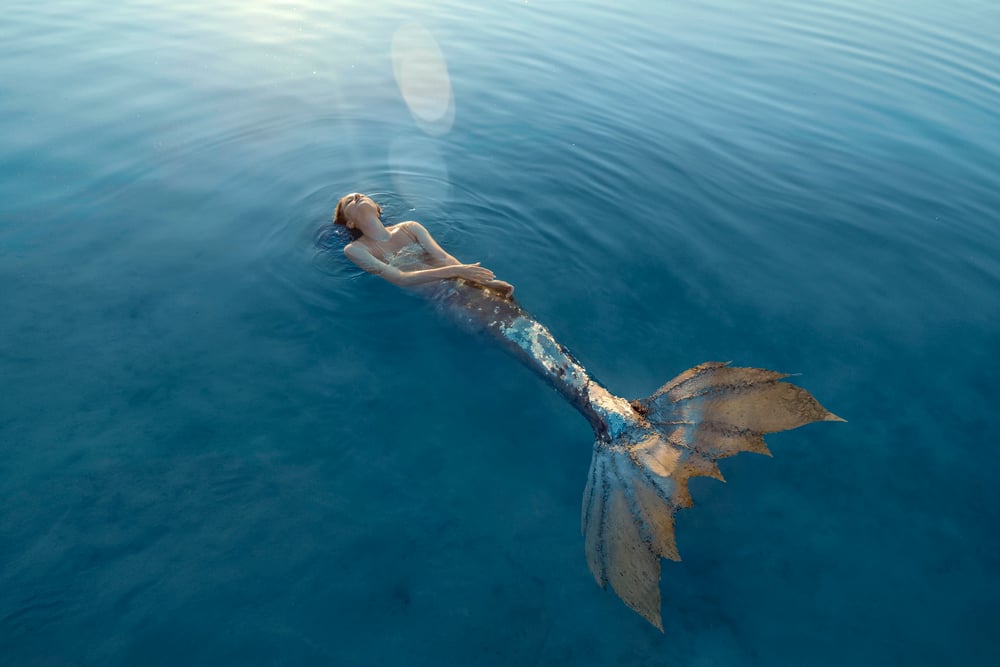
These aquatic humanoids likely originated from sailors spotting manatees and dugongs during long voyages. Early sailors, exhausted and vitamin-deficient after months at sea, misidentified these marine mammals as half-human creatures.
Christopher Columbus himself recorded seeing “mermaids” during his voyages, describing them as “not as beautiful as painted,” unknowingly referring to manatees, whose facial features and upper-body movements can appear vaguely human-like from a distance.
Like Go2Tutors’s content? Follow us on MSN.
King Arthur
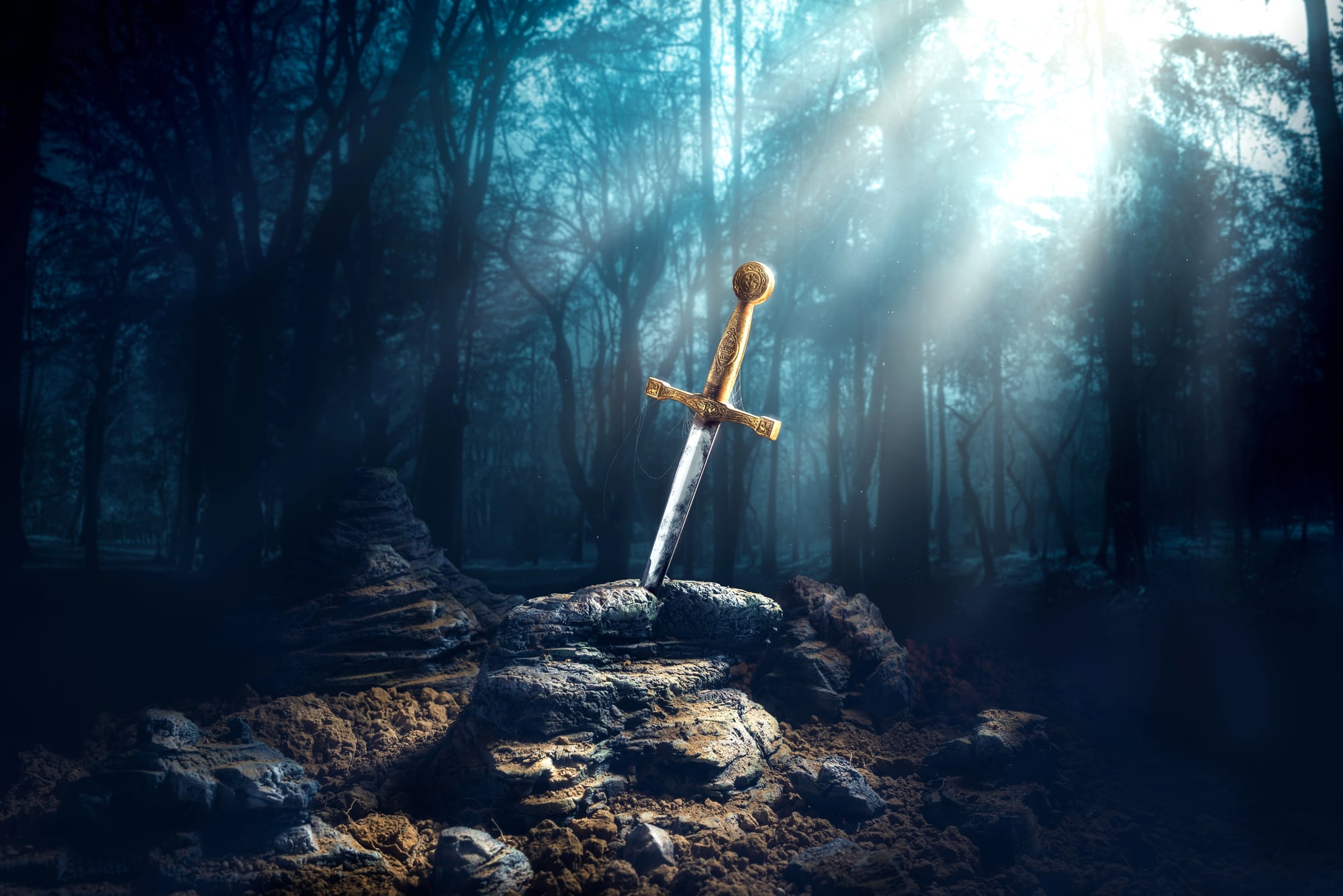
While not a mythical figure in the same way as Zeus or unicorns, the legendary British king’s story grew from seeds of truth. Historians believe Arthur may have been based on a 5th or 6th-century Romano-British leader who fought against Saxon invaders.
Over centuries, bards and writers embellished his exploits, adding magical elements like Excalibur and Merlin, transforming a possibly real military leader into the centerpiece of elaborate medieval romances.
Werewolves
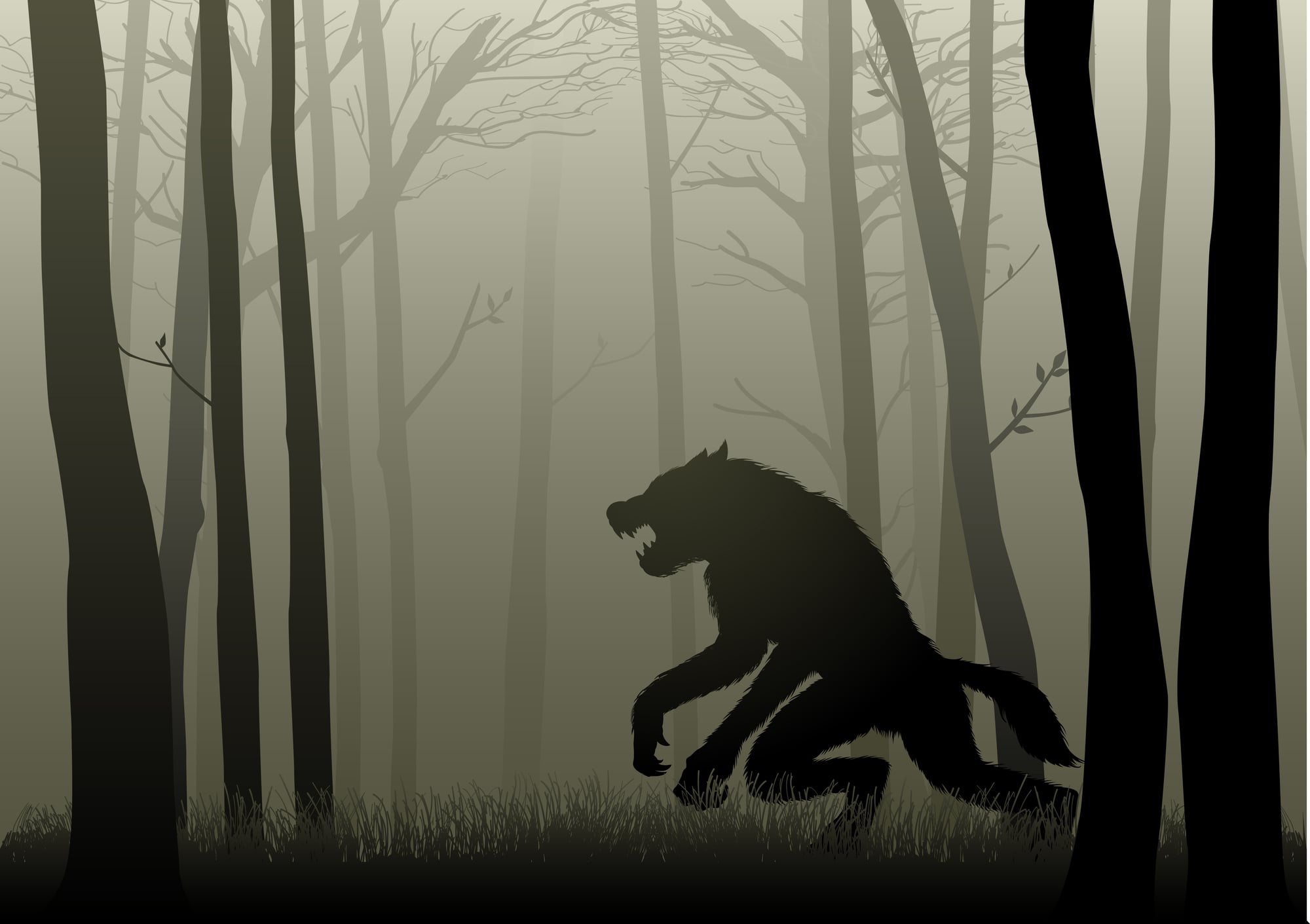
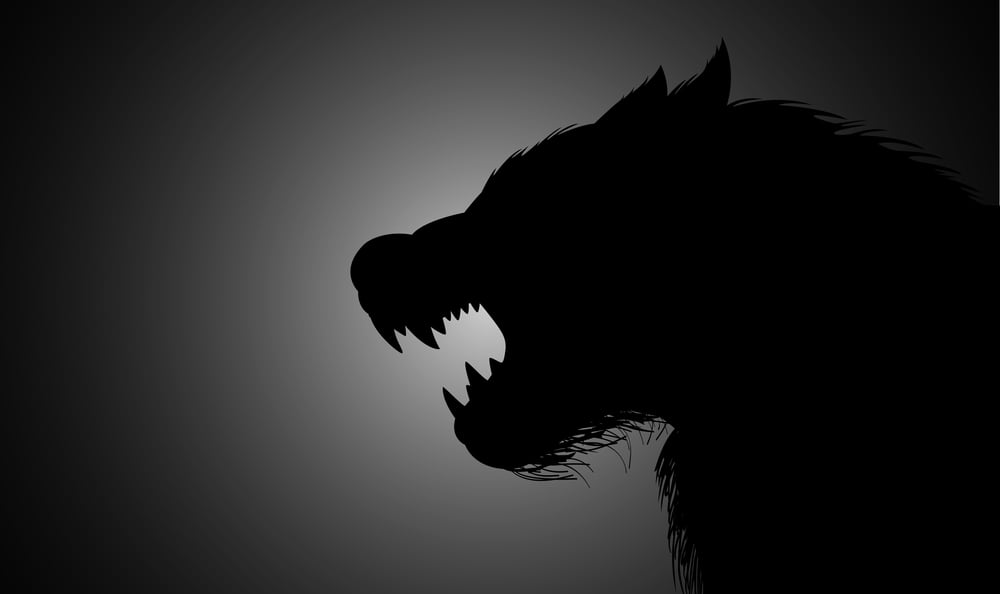
The legend of humans transforming into wolves originated from actual medical conditions and historical events. Certain rare conditions like hypertrichosis (causing excessive hair growth) and porphyria contributed to the werewolf myth.
Additionally, cases of serial killers claiming to transform into wolves, like the 16th-century French nobleman Gilles Garnier, provided “evidence” of werewolves to medieval communities already primed to believe in such supernatural transformations.
Cyclops
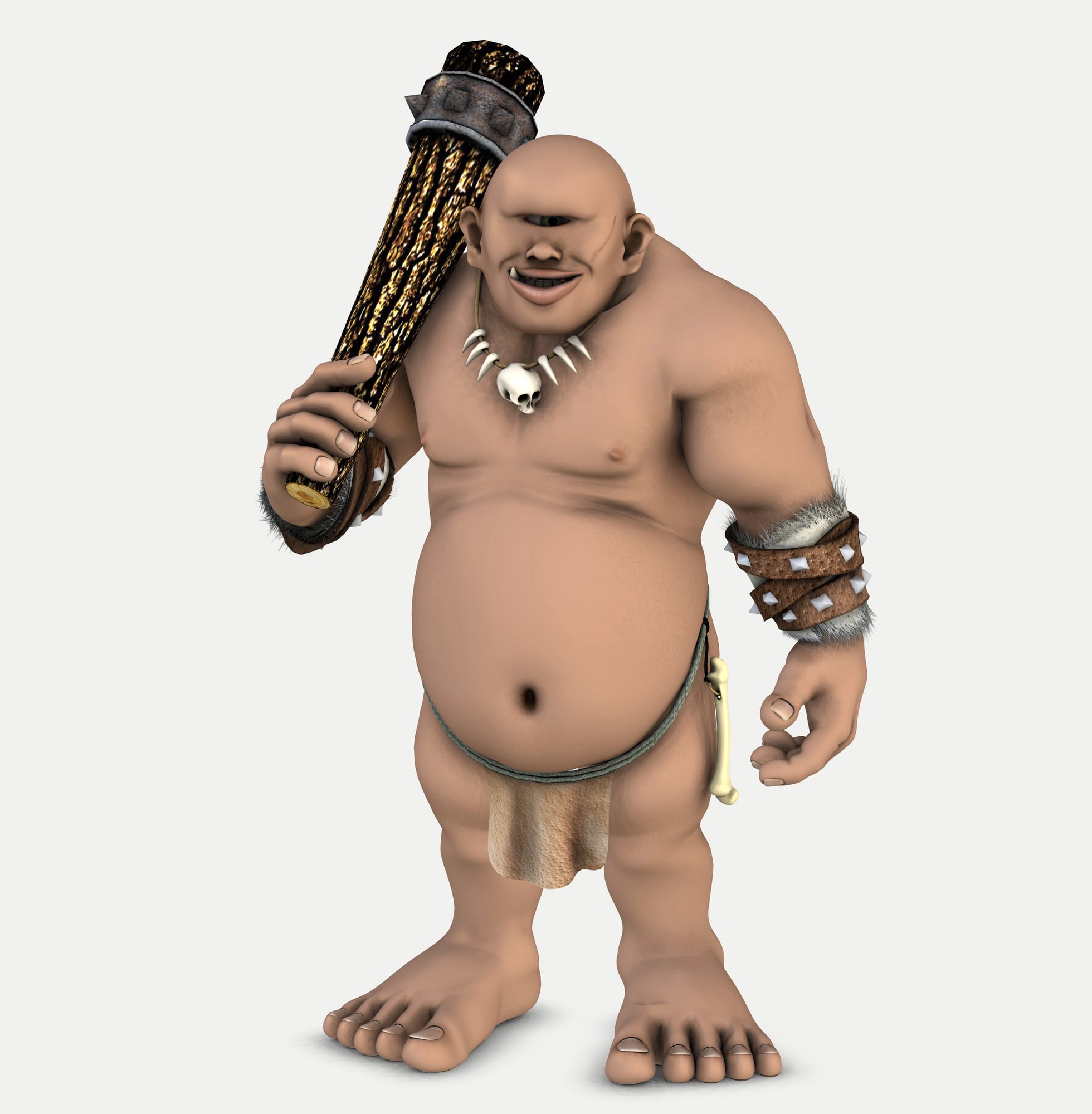
The one-eyed giants from Greek mythology likely originated from ancient discoveries of elephant skulls. The large central nasal cavity in elephant skulls looks remarkably like a single eye socket when viewed from the front.
Ancient Greeks finding these fossils in Sicily and other Mediterranean islands naturally concluded they belonged to giant humanoid creatures with a single eye, creating the basis for Homer’s cyclops in the Odyssey.
Like Go2Tutors’s content? Follow us on MSN.
Thor’s Hammer
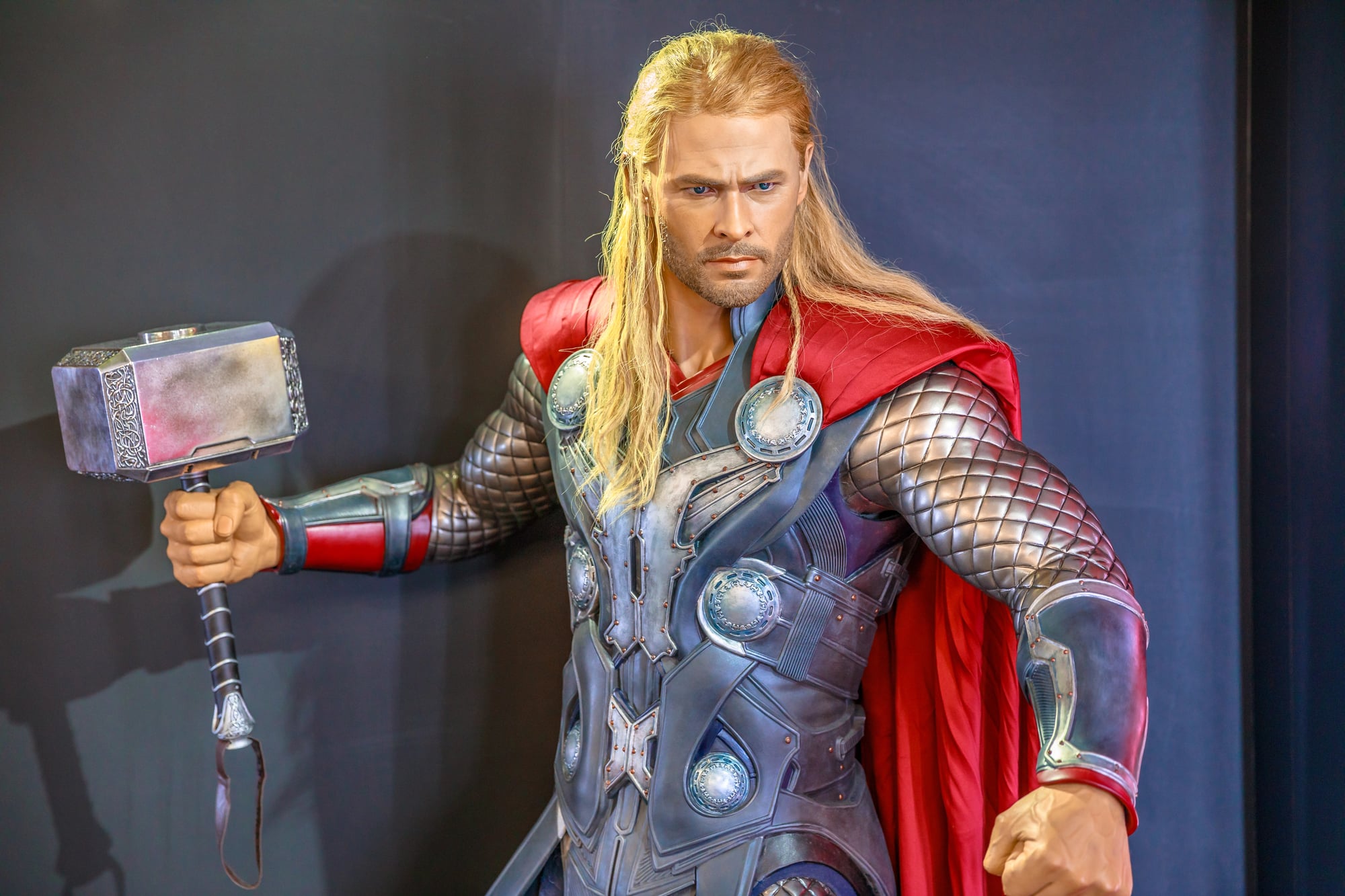
The Norse god’s magical hammer Mjölnir represented something very real to ancient Scandinavians: meteorites. These “thunderstones” that fell from the sky were often composed of iron, a rare and valuable material in early societies.
Ancient Norse blacksmiths discovered that meteoritic iron made superior weapons compared to terrestrial iron, fueling the belief that Thor’s hammer was made from a special metal with extraordinary power.
El Dorado

The Spanish conquistadors’ quest for the legendary city of gold wasn’t pure fantasy. It was based on real Muisca ceremonies in Colombia where tribal leaders would cover themselves in gold dust and make offerings of gold and emeralds in Lake Guatavita.
European misinterpretations and exaggerations transformed this actual ritual into an entire golden city, sparking centuries of destructive expeditions throughout South America.
The Fountain of Youth

This mythical spring promising eternal youth that Spanish explorer Ponce de León supposedly sought was inspired by real mineral springs. Throughout history, various hot springs and mineral waters have been credited with healing properties and rejuvenating effects.
Native American legends about revitalizing waters combined with European folklore about healing springs created the perfect foundation for the more fantastical fountain promising eternal youth.
Like Go2Tutors’s content? Follow us on MSN.
The Kraken

Tales of this ship-destroying sea monster originated from real giant squid sightings. With tentacles reaching up to 43 feet and bodies the size of school buses, these deep-sea creatures were rarely seen intact until modern times.
Sailors who encountered parts of these animals or witnessed them from a distance created increasingly dramatic stories, transforming actual marine biology into mythology that terrorized generations of seafarers.
Trojan Horse
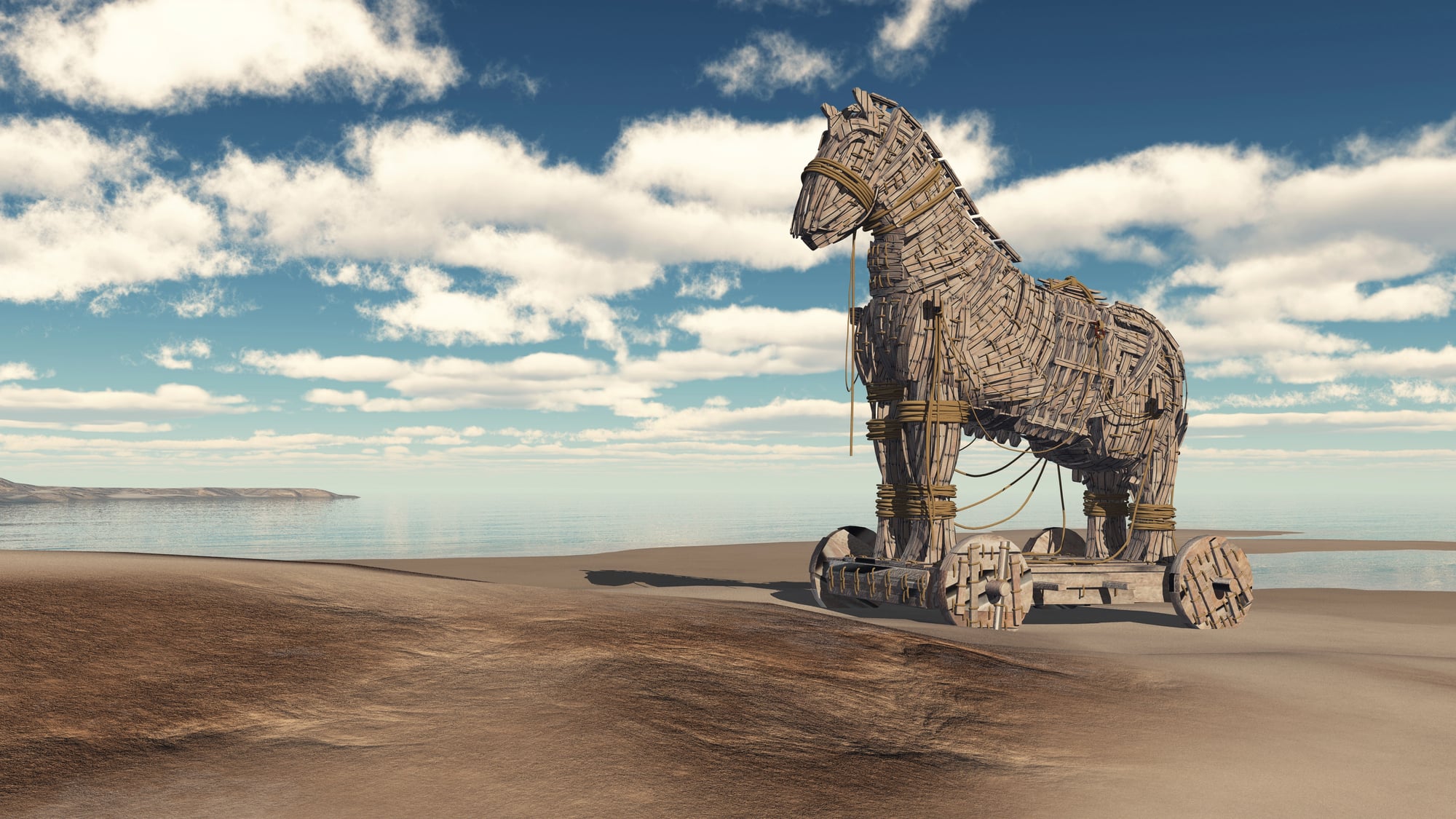
While Homer’s account in the Iliad contains obvious mythological elements, archaeological evidence suggests the Trojan War actually occurred. Troy (Hisarlik in modern Turkey) shows evidence of destruction around 1180 BCE that matches the timeframe of the legendary conflict.
The wooden horse itself might metaphorically represent earthquake damage (Poseidon was god of both horses and earthquakes) or siege engines used against Troy’s walls.
The Phoenix

This mythical bird that rises from its own ashes had roots in real astronomical observations. Ancient Egyptians noticed that the bright star Sirius disappeared for 70 days each year before reappearing, coinciding with the Nile’s annual flooding that brought new life to the land.
This cycle of disappearance and renewal, tied to the bird-headed god Bennu, eventually transformed into the more familiar phoenix myth that spread throughout Mediterranean cultures.
Like Go2Tutors’s content? Follow us on MSN.
The Enduring Power of Mythical Reality
These examples show how humanity’s greatest myths often contain kernels of truth, transformed by time and storytelling. Ancient people weren’t simply inventing fantasies—they were trying to make sense of their world with limited information.
From misidentified fossils to natural phenomena, real historical events provided the raw materials that imagination shaped into our most enduring myths, continuing to fascinate us centuries later.
More from Go2Tutors!

- 18 Unexpectedly Valuable Collectibles You Might Have Lying Around
- 15 Things Every Teenager in the ’70s Did That Teens Today Wouldn’t Understand
- 15 Strange Things People Have Tried to Ban (And Failed)
- 15 Inventions That Were Immediately Banned After Being Created
- 20 Actors Who Were Almost Cast in Iconic Roles
Like Go2Tutors’s content? Follow us on MSN.



