Richest People In Ancient History
Wealth looks different when you measure it across centuries. A billion dollars today means something completely different than it did a thousand years ago.
But some historical figures accumulated so much power and treasure that their fortunes still boggle the mind, even when you adjust for inflation and changing economies. These people controlled resources on a scale that makes modern billionaires look modest by comparison.
Mansa Musa Of Mali
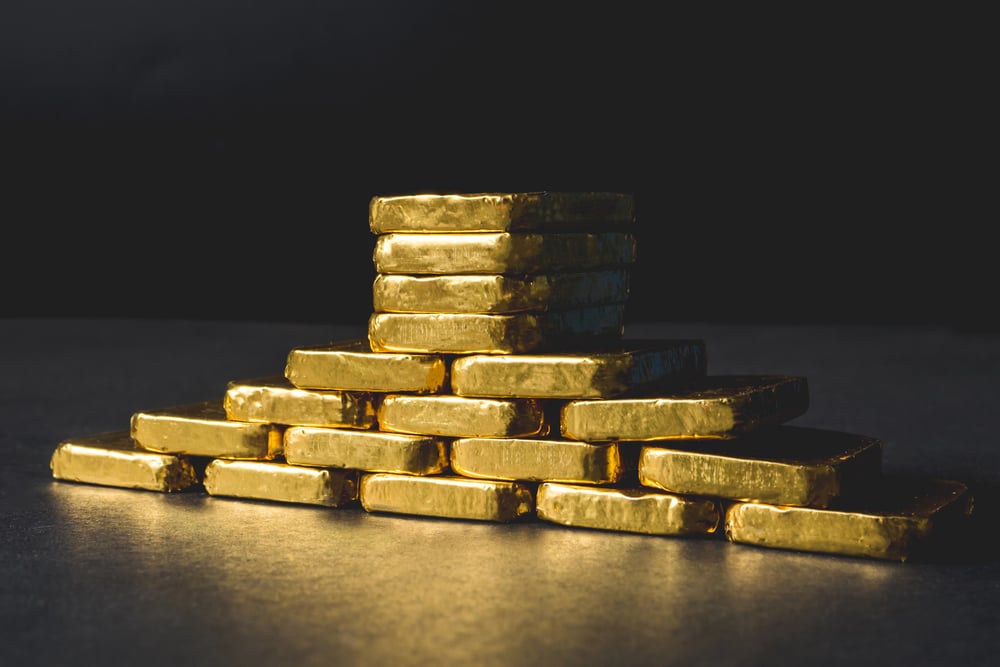
The king of the Mali Empire in the 14th century possessed wealth that historians struggle to quantify. When Mansa Musa made his pilgrimage to Mecca in 1324, he brought so much gold that he crashed the economy of every region he passed through.
Cairo’s gold market didn’t recover for over a decade. His empire controlled the gold and salt trade routes across Africa.
At that time, Mali produced nearly half the world’s gold supply. Mansa Musa ruled over 400 cities and countless mines.
Some estimates put his wealth at around $400 billion in today’s money, though the real figure could be far higher. No one really knows.
The parade he led through Egypt included 60,000 men and 80 camels, each carrying 300 pounds of gold. He gave away so much gold during his journey that he had to borrow money at high interest rates just to get back home.
That kind of spending power defies easy comparison to modern times.
Augustus Caesar
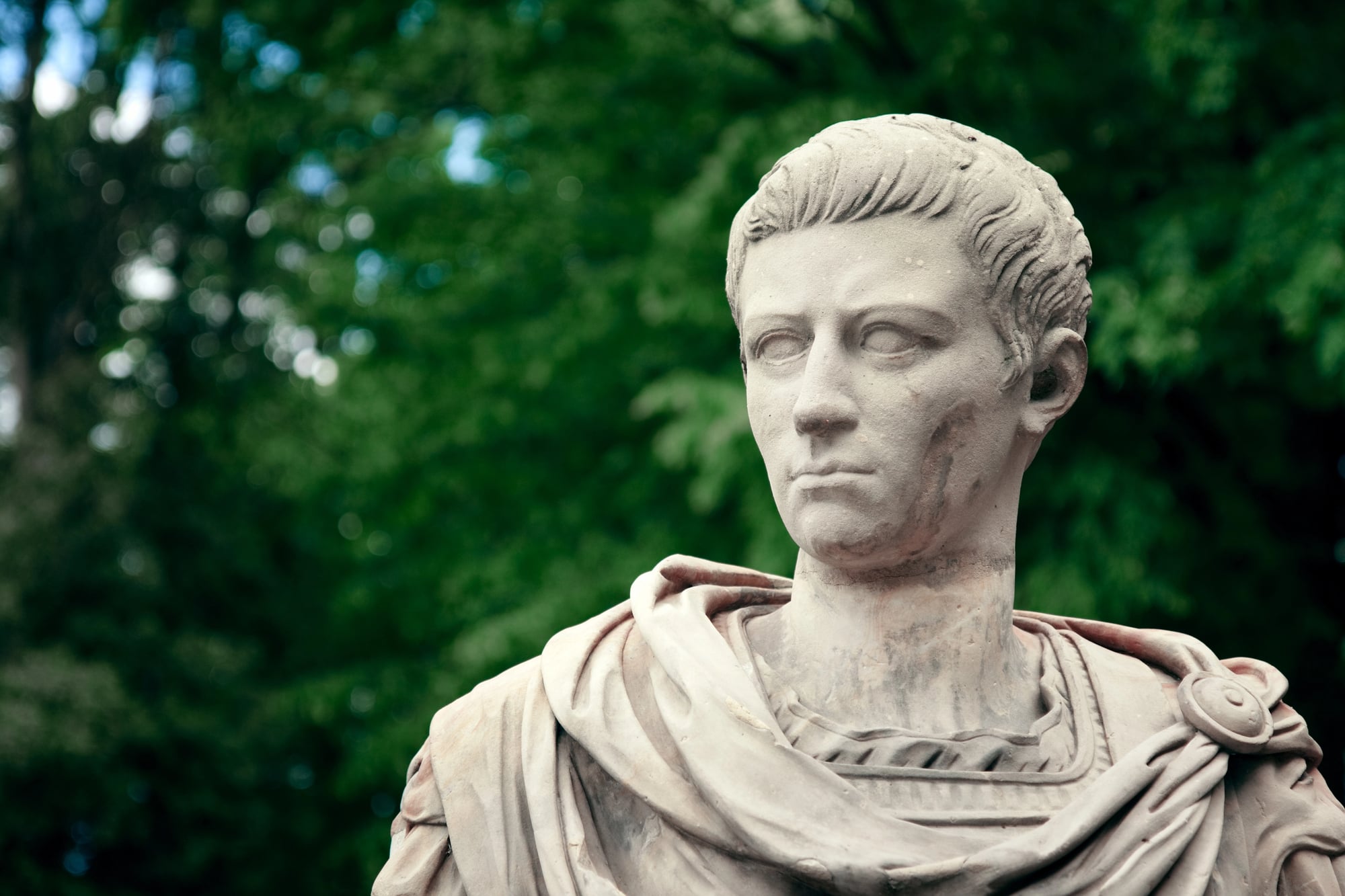
The first Roman Emperor controlled roughly 25 to 30 percent of the entire world’s economic output during his reign. That’s not a typo.
One man controlled a quarter of global wealth. Augustus inherited Julius Caesar’s fortune and then expanded it through conquest and political maneuvering.
He owned Egypt, which served as Rome’s breadbasket and a massive source of personal income. The pharaoh’s treasury became his personal account.
Some historians estimate his net worth at $4.6 trillion in modern currency. Others think that’s conservative.
He could fund wars, build cities, and commission monuments without needing approval from anyone. When you control that much of the world’s resources, the normal rules of economics stop applying.
Croesus Of Lydia
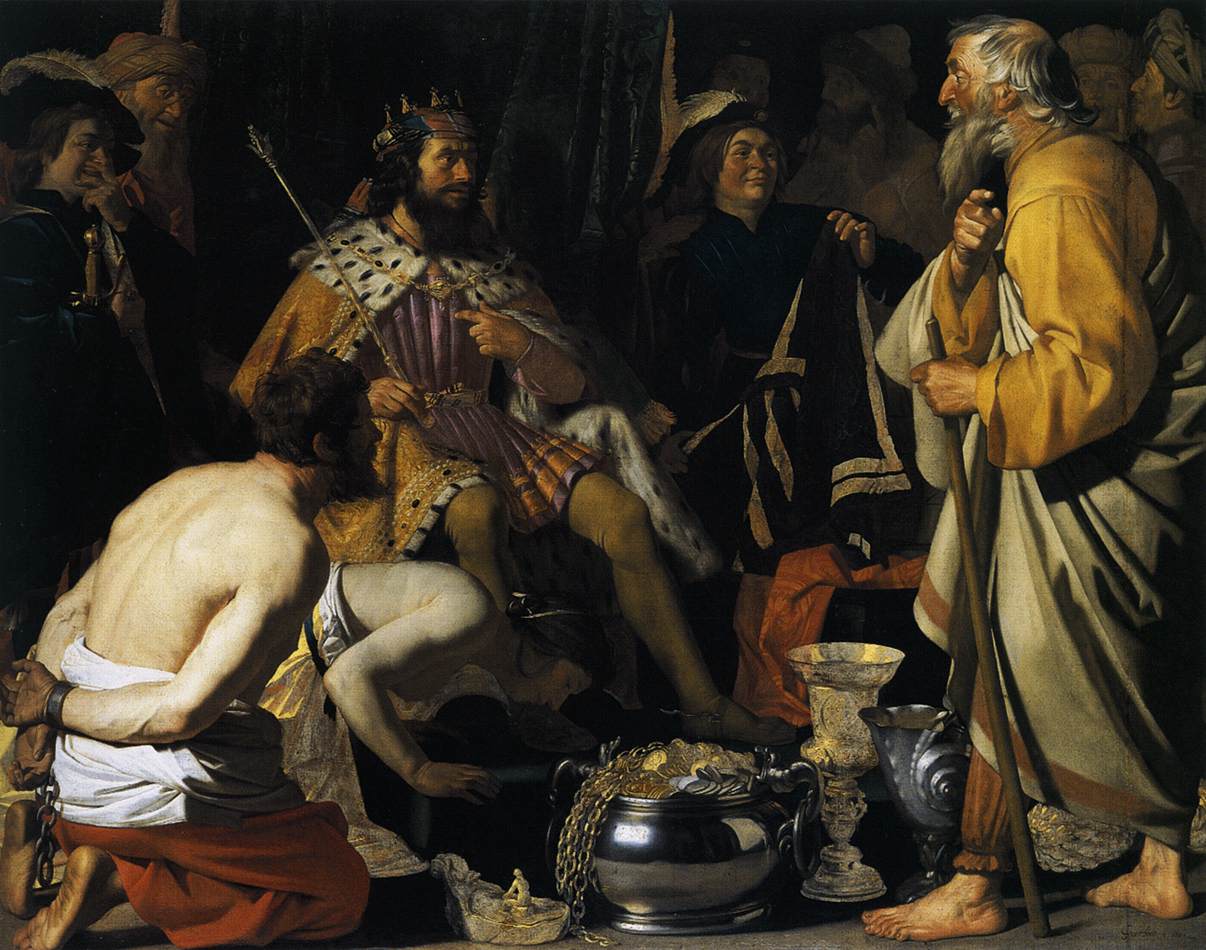
This king’s name became synonymous with wealth for a reason. “Rich as Croesus” wasn’t just an expression—it was a statement of fact that lasted for centuries.
Lydia sat on massive gold deposits, and Croesus controlled them all. His kingdom also minted the first standardized gold coins, which meant he literally controlled the currency.
He accumulated so much gold that his treasury became legendary throughout the ancient world. Greek historians wrote about his consultation with the Oracle of Delphi, where he made offerings so extravagant that people still talked about them generations later.
His wealth allowed him to maintain the most powerful army in the region until Cyrus the Great of Persia finally defeated him. Even in defeat, the treasures found in his palace shocked the conquerors.
King Solomon
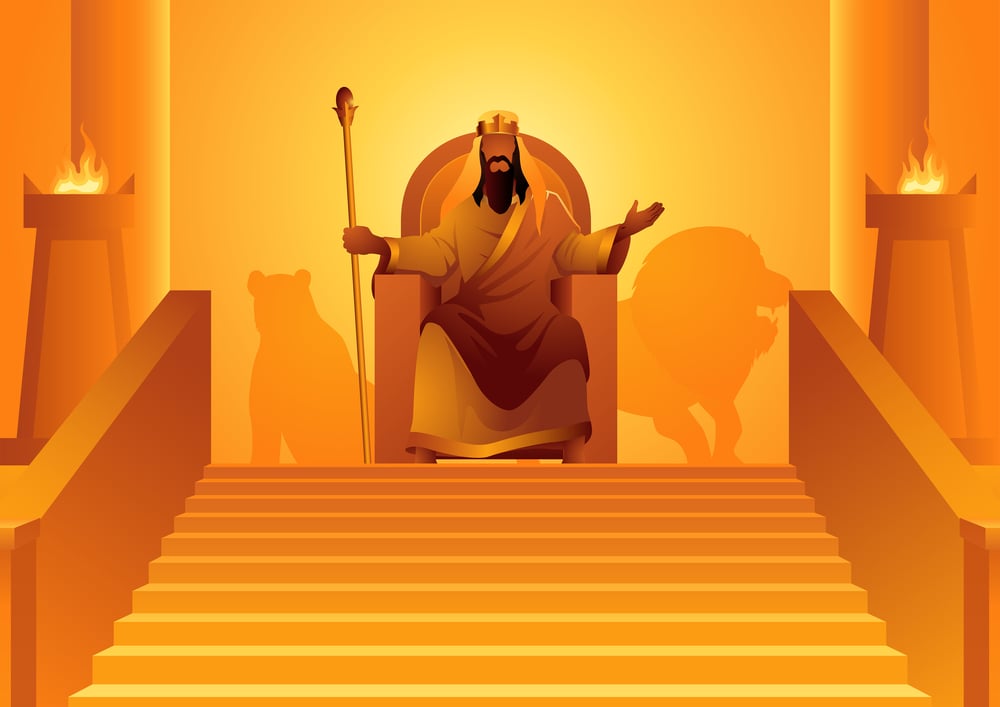
The biblical accounts of Solomon’s wealth describe gold flowing into Jerusalem like water. According to historical texts, 666 talents of gold arrived in his treasury each year.
That’s about 25 tons annually, and that doesn’t count his other revenue streams. Solomon controlled the trade routes between Egypt and Mesopotamia.
Every caravan that passed through paid him tribute. His fleet of trading ships brought exotic goods from distant lands.
The Queen of Sheba reportedly visited him and was so overwhelmed by his wealth that she could barely breathe. The temple he built in Jerusalem used so much gold that its construction alone would cost billions today.
His throne was made of ivory and covered in gold, with lions standing on each step. His drinking cups were gold.
His shields were gold. Everything was gold.
Genghis Khan
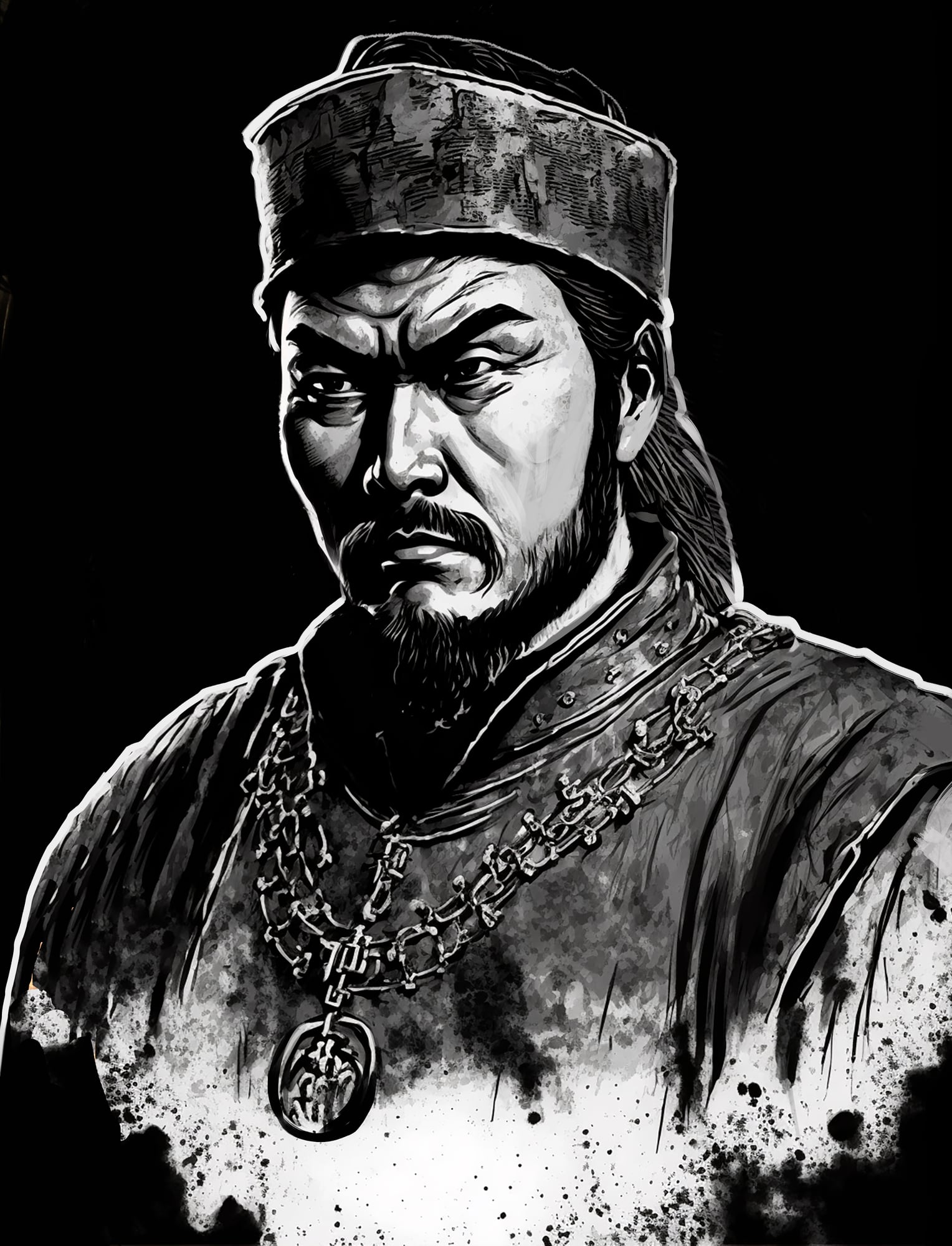
The Mongol conqueror took a different approach to wealth. He didn’t hoard gold in vaults.
Instead, he controlled the largest contiguous land empire in history, which gave him access to everything within it. Genghis Khan’s empire stretched from Korea to Hungary.
Every city, every trade route, every mine, every farm—all of it fell under his domain. The Silk Road became his personal toll road.
When his armies conquered a city, they took everything of value. The accumulated plunder from decades of conquest was staggering.
But he also believed in distributing wealth among his followers, which makes calculating his personal fortune tricky. He owned everything and nothing at the same time.
His power came from control rather than possession, which in practical terms might have made him even richer than those who simply stockpiled treasure.
Akbar I
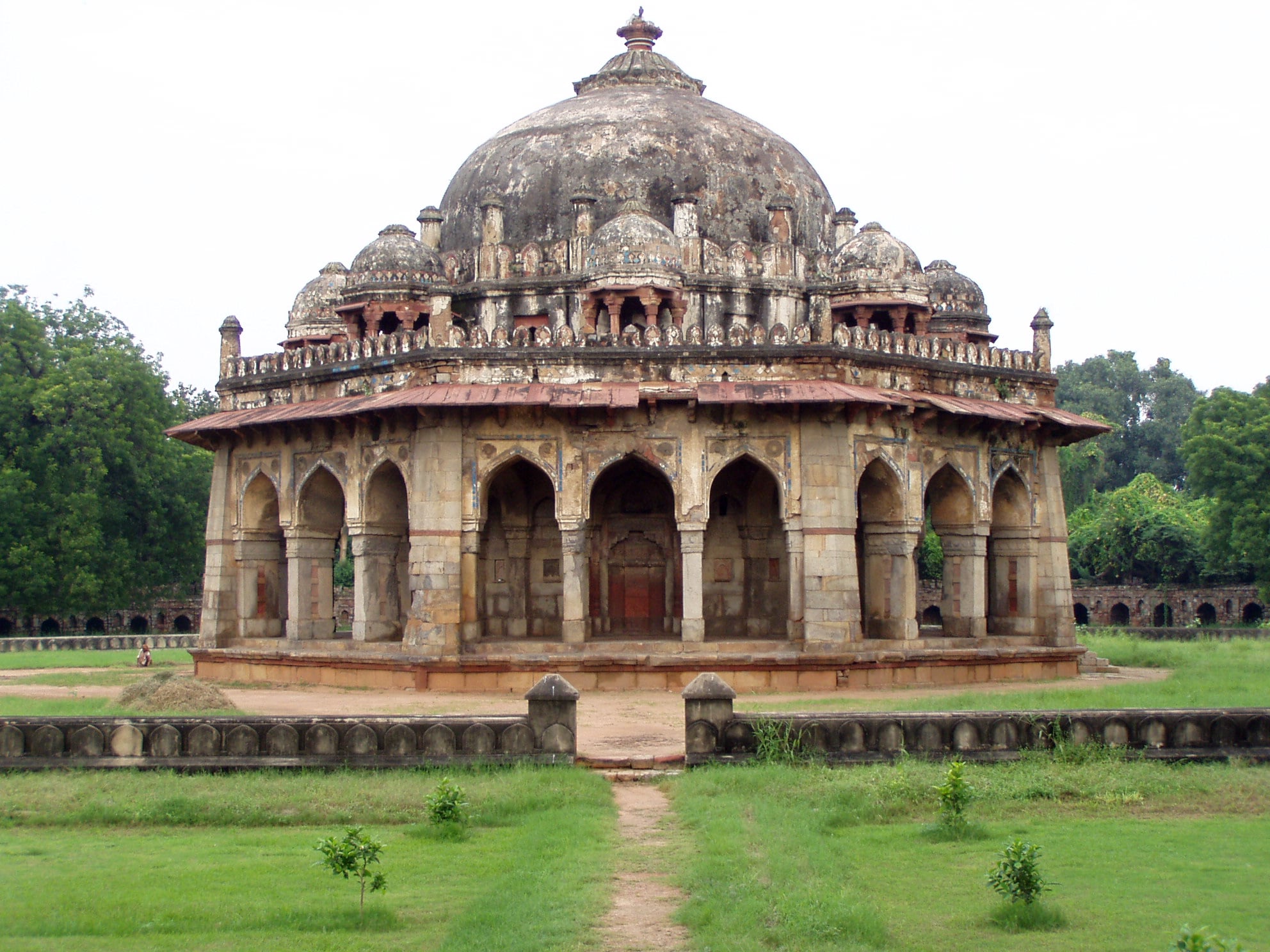
The greatest of the Mughal emperors ruled over an empire that produced roughly one-quarter of the world’s economic output at its peak. Sound familiar?
That’s because India under Akbar rivaled Rome under Augustus in terms of sheer economic dominance. The Mughal Empire’s wealth came from agriculture, trade, and textile manufacturing.
Indian fabrics were prized throughout the world, and Akbar controlled the industry. His treasury collected taxes from millions of subjects.
Foreign visitors described his court as the most magnificent they’d ever seen. His personal collection of jewels became the foundation for many of the crown jewels still displayed in museums today.
The Peacock Throne alone was worth more than most European kingdoms. Akbar’s architectural projects, including portions of Agra Fort, required resources that only someone with nearly unlimited funds could command.
Emperor Shenzong Of Song
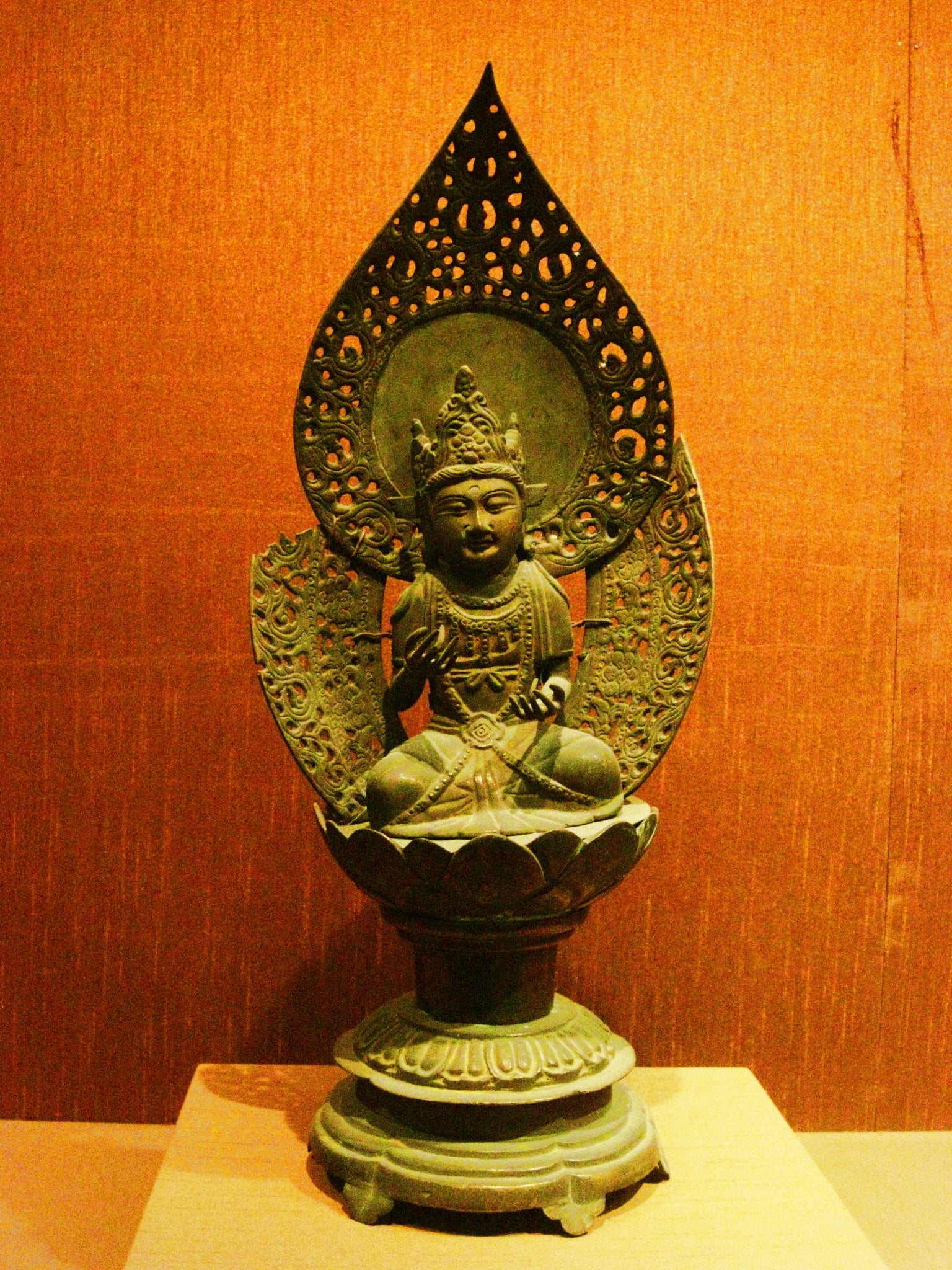
This Chinese emperor presided over the Song Dynasty at its economic peak. China in the 11th century was the most technologically advanced and economically productive civilization on Earth, and Shenzong controlled it all.
The Song Dynasty had mechanized textile production, advanced iron and steel manufacturing, and a sophisticated banking system with paper currency. Shenzong’s empire produced more goods than Europe and the Middle East combined.
His tax revenues alone would translate to hundreds of billions in modern currency. He spent lavishly on public works, military campaigns, and court life.
The Song capital was the largest city in the world, with over a million residents. Shenzong’s personal wealth is hard to calculate because the line between state treasury and imperial property barely existed, but contemporary accounts describe riches that seemed inexhaustible.
Marcus Licinius Crassus
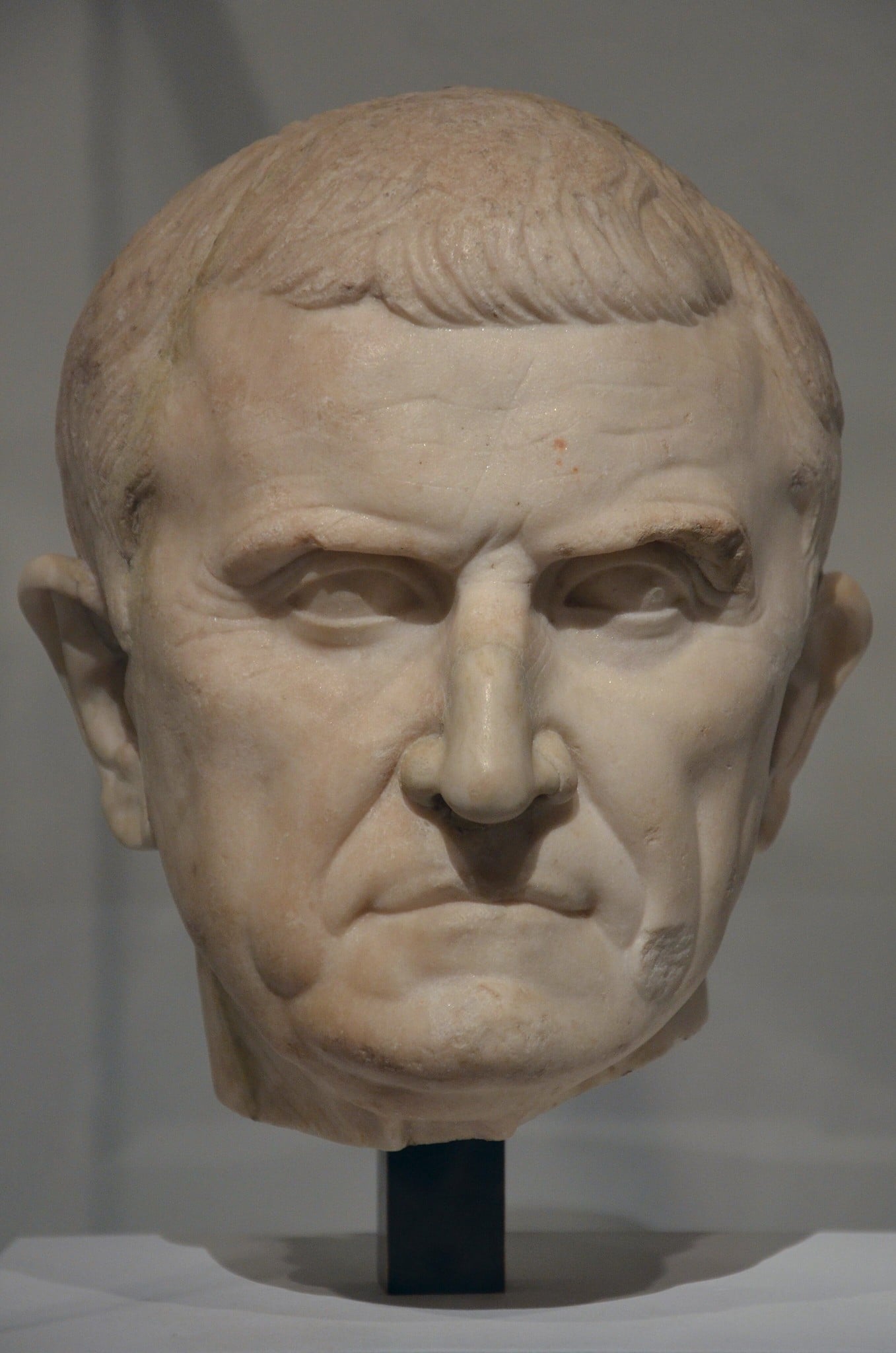
Before the famous triumvirate with Julius Caesar and Pompey, Crassus made his fortune in the ugliest way possible. He ran a private fire brigade in Rome, but with a twist.
When a building caught fire, Crassus would arrive and offer to buy it at a fraction of its value. If the owner refused, he’d let it burn and then buy the ruins for even less.
He also purchased slaves cheaply, trained them in valuable skills, and then rented them out or sold them for profit. His real estate holdings in Rome were massive.
By some estimates, he owned most of the city. Crassus used his wealth to fund military campaigns, including the disastrous invasion of Parthia that ended with his death.
According to legend, the Parthians poured molten gold down his throat after his capture, mocking his legendary greed. His fortune at its peak equaled about 2 percent of Rome’s entire economy—roughly $2 billion in today’s terms.
Alan Rufus

Most people haven’t heard of this Norman nobleman, but he deserves a spot on any list of history’s richest individuals. After helping William the Conqueror take England in 1066, Rufus received massive land grants as a reward.
He ended up owning about 7 percent of England. That might not sound like much, but when you own 7 percent of an entire country, you’re phenomenally wealthy.
His holdings included 250,000 acres of prime agricultural land, plus the income from everyone who lived on it. Adjusted for inflation and economic growth, some historians estimate his fortune at around $180 billion.
He kept a low profile compared to flashier historical figures, but the numbers don’t lie. He was richer than most kings of his era despite being technically a vassal.
Cleopatra VII
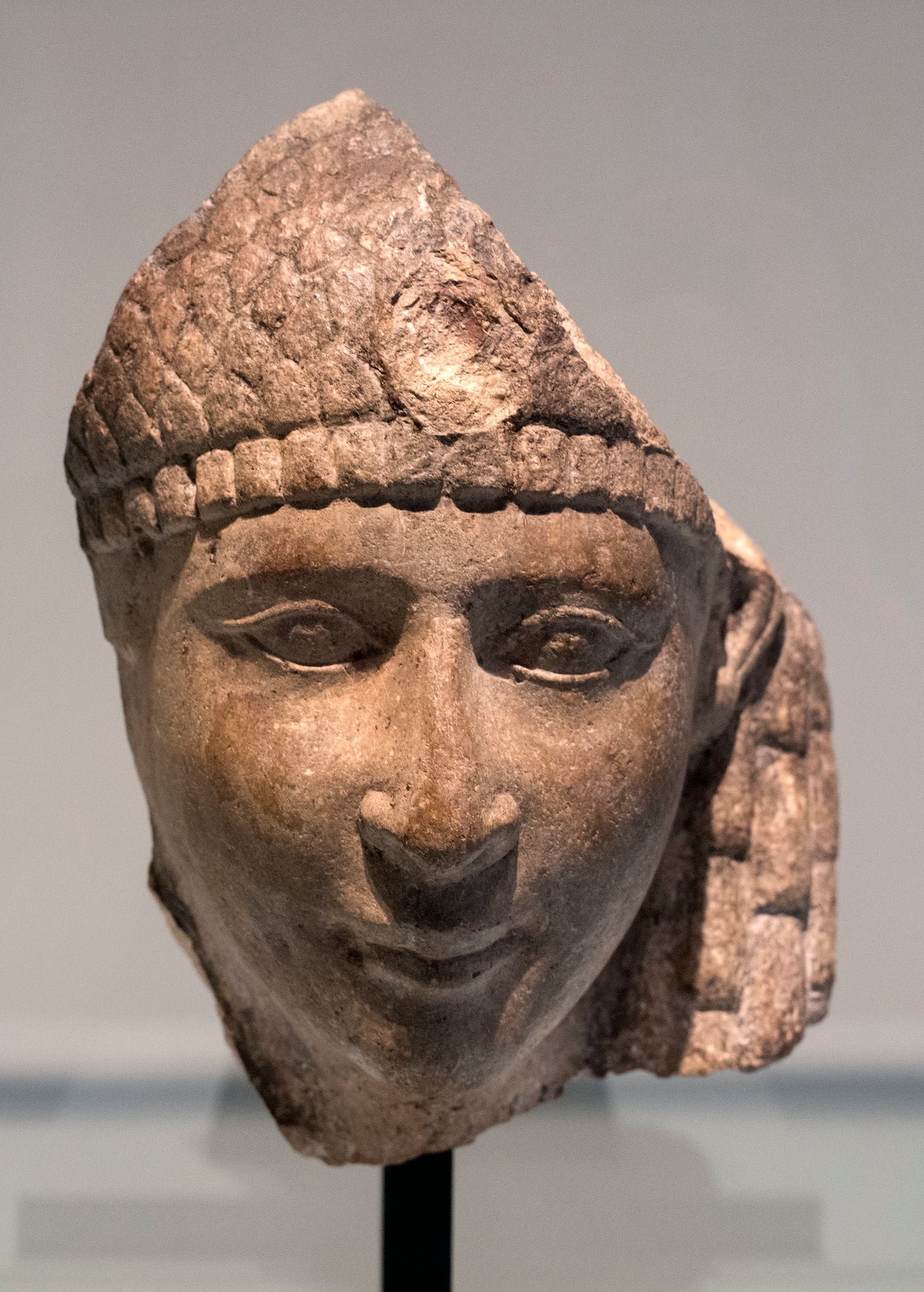
The last pharaoh of Egypt controlled a kingdom that, while past its ancient glory, still possessed enormous wealth. Egypt remained the breadbasket of the Mediterranean, and Cleopatra owned all of it.
Her personal wealth came from owning the land itself. Every harvest, every trade ship, every monopoly on goods like papyrus—all of it flowed through her treasury.
She used this wealth to fund her political alliances and lifestyle. The famous barge she used to meet Mark Antony was covered in gold leaf with purple sails.
That was just one boat. When Octavian (later Augustus) conquered Egypt, he found enough treasure in her palace to pay off all of Rome’s debts and still have enough left over to give every Roman citizen a bonus.
That tells you something about the scale of wealth she controlled.
Atahualpa
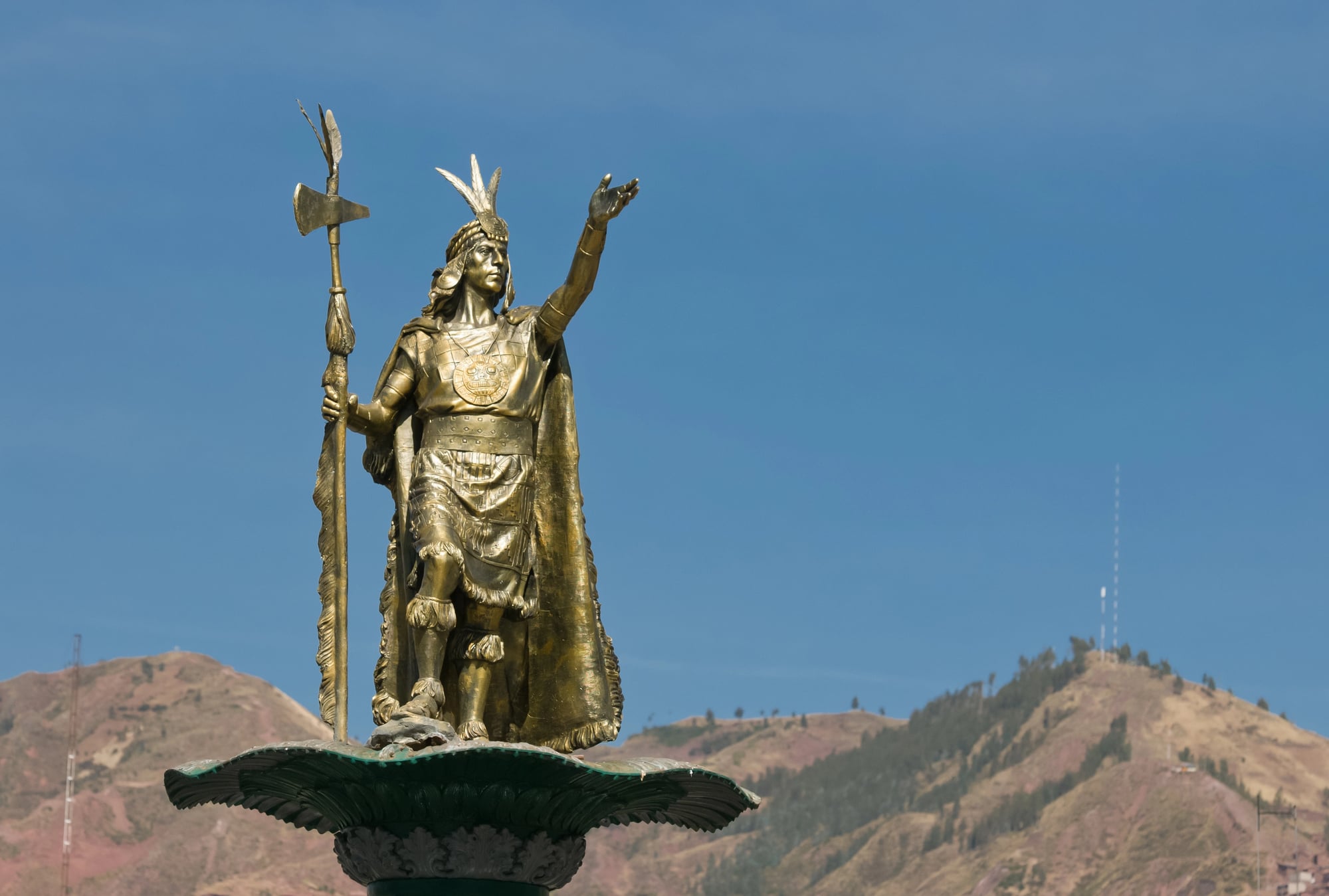
The Inca emperor ruled for less than a year before Spanish conquistadors captured him, but that brief reign revealed just how much wealth the Inca civilization had accumulated. When Francisco Pizarro took Atahualpa prisoner, the emperor offered to fill a room measuring 22 feet by 17 feet with gold in exchange for his freedom.
And he wasn’t talking about gold coins or jewelry—solid gold objects piled as high as a man could reach. The Incas delivered.
They brought in gold from across the empire, melting down precious artifacts and ceremonial objects. The ransom was worth about $50 million in gold alone, but that was just what they could gather quickly.
The total wealth of the Inca Empire was far greater, as evidenced by the treasures that kept emerging for decades after the conquest.
Kublai Khan
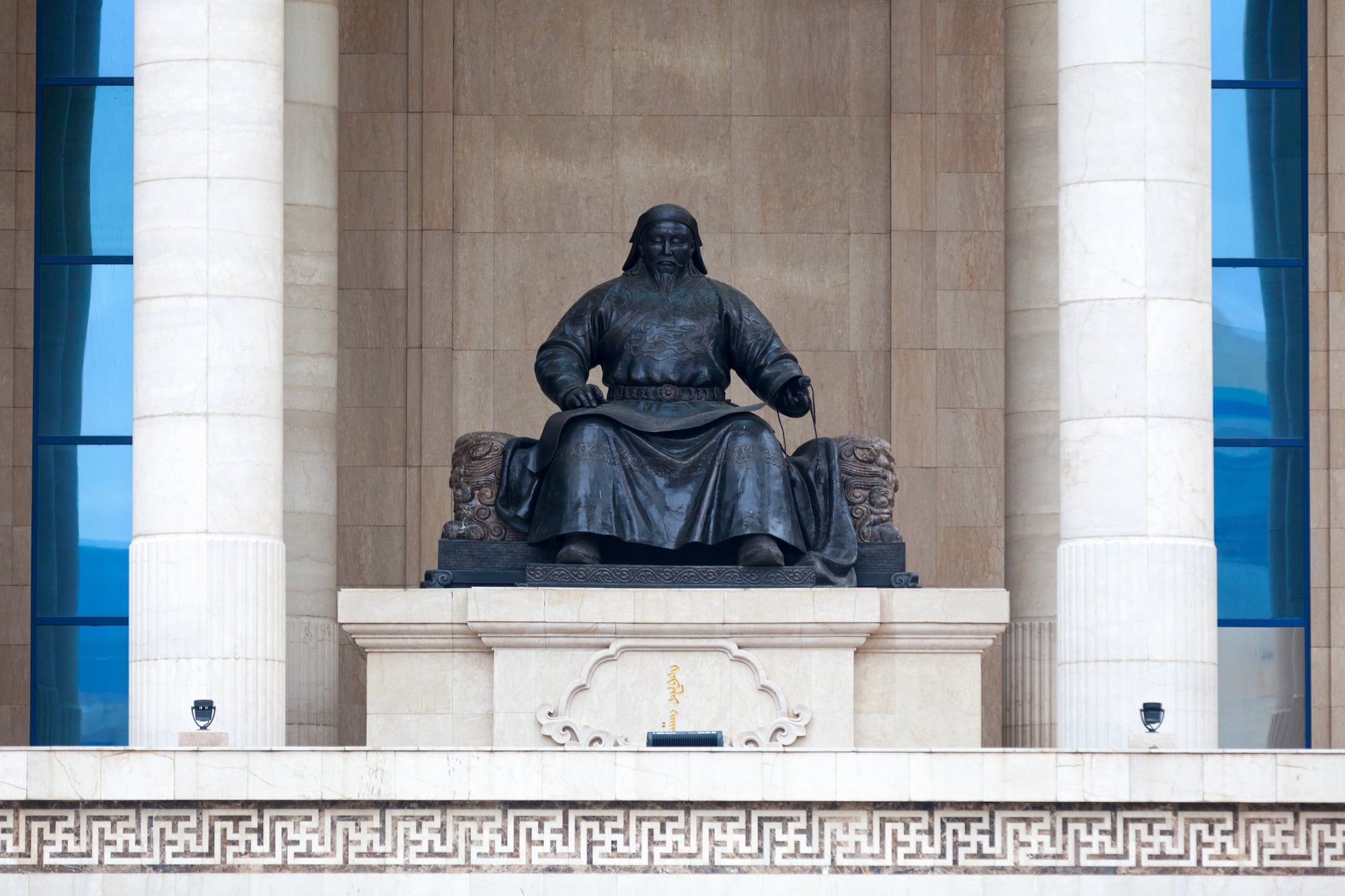
It was under Genghis Khan’s grandson that the empire reached its height. Though his lands were not as vast as those once ruled by his grandfather, Kublai held the most prosperous regions – China first, then Mongolia, followed by Korea, along with large stretches across Southeast Asia.
From his seat in Beijing – a city he turned into an imperial center – Kublai ruled a court that stunned Marco Polo with its grandeur. Spread across many square miles stood the emperor’s sprawling palace grounds.
Guests by the thousands dined on golden dishware during feasts held in vast halls. To flee summer’s warmth, he traveled to retreats in Mongolia, where elegant buildings rose amid open grasslands.
Money flowed into the Yuan Dynasty by managing trade along the Silk Road while squeezing taxes from a busy Chinese economy. Paper money spread across Kublai’s lands because he pushed it hard, tightening his grip on finances.
Exact numbers on his personal riches? Lost to time. Still, running China’s economy back then meant holding onto more value than every nation in Europe combined carried at that point.
Wealth like that bent history without making noise.
The Weight Of Empires
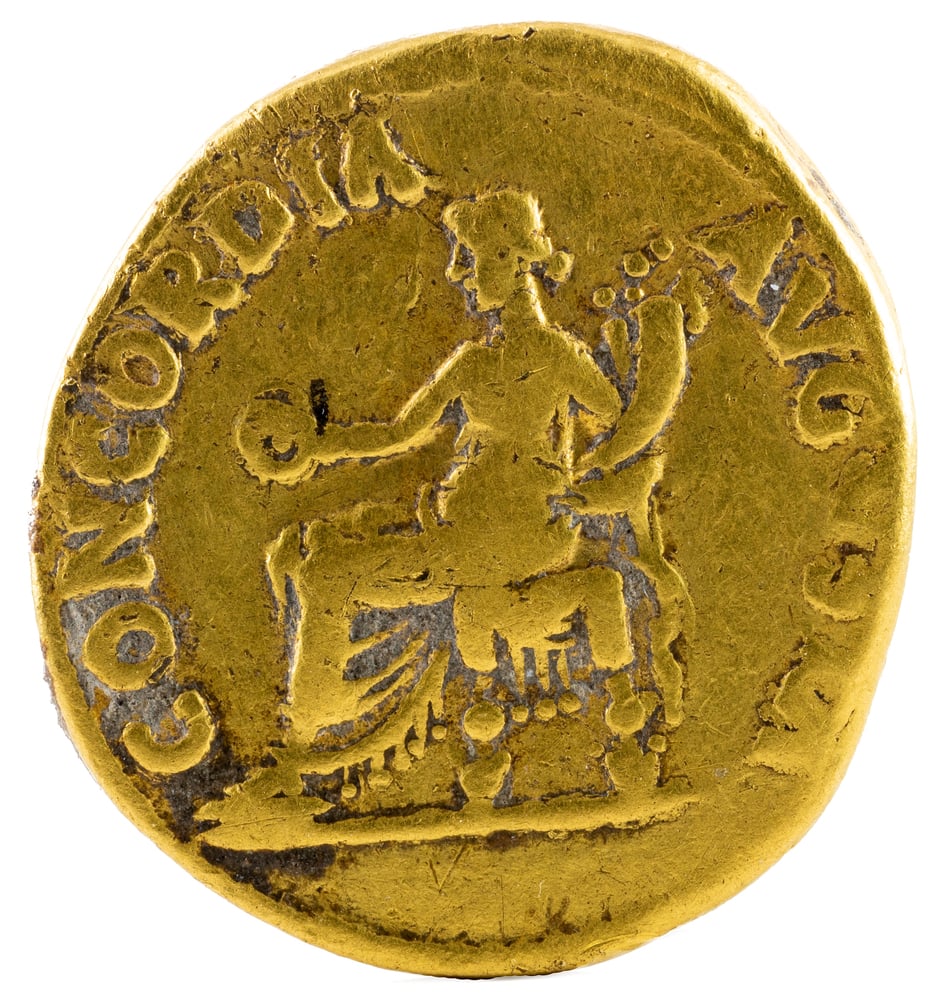
Peering into the past, one truth stands out. Not entrepreneurs topped the list of richest ever.
Power shaped wealth more than commerce did. Across ages, supreme control over land marked the ultra-rich.
Mansa Musa ruled where gold flowed freely. Rome bowed to Augustus during its prime.
At moments when Asia led the world’s economy, Akbar held sway over India. Meanwhile, China responded to Emperor Shenzong.
Dominance came not from markets but mastery of empires. Power built their riches; control over essentials gave them strength.
Gold, territory, paths for commerce, military forces – foundations of fortune long ago. Today’s richest grow fortunes another way: firms, capital moves, new ideas take lead.
Yet if you weigh sheer buying muscle and grip on economies, past rulers remain unmatched. Guessing exact figures behind historic fortunes is hardly an exact science.
What happens when one person holds half the planet’s gold while another builds a business worth trillions? Comparison breaks down fast.
Still, evidence shows up in grand temples raised from nothing, in private forces armed by private funds, even in markets undone by excessive giving. Their money operated beyond normal limits.
Not merely wealthy individuals, these figures moved like entire nations – spending habits shifting borders, turning cities into legends, rewriting trade paths across continents through sheer financial weight alone.
More from Go2Tutors!

- The Romanov Crown Jewels and Their Tragic Fate
- 13 Historical Mysteries That Science Still Can’t Solve
- Famous Hoaxes That Fooled the World for Years
- 15 Child Stars with Tragic Adult Lives
- 16 Famous Jewelry Pieces in History
Like Go2Tutors’s content? Follow us on MSN.



