26 Historical Figures Who Died Poor and Unknown
Success and recognition rarely align. Some of history’s most influential people died in poverty, obscurity, or both.
Their work shaped civilization—medicine, art, science, philosophy—yet society forgot them before their bodies were cold. Others died destitute despite contributing inventions or art that would eventually make fortunes for people born after their deaths.
These 26 figures spent their lives creating value they would never see rewarded.
Vincent van Gogh—1890
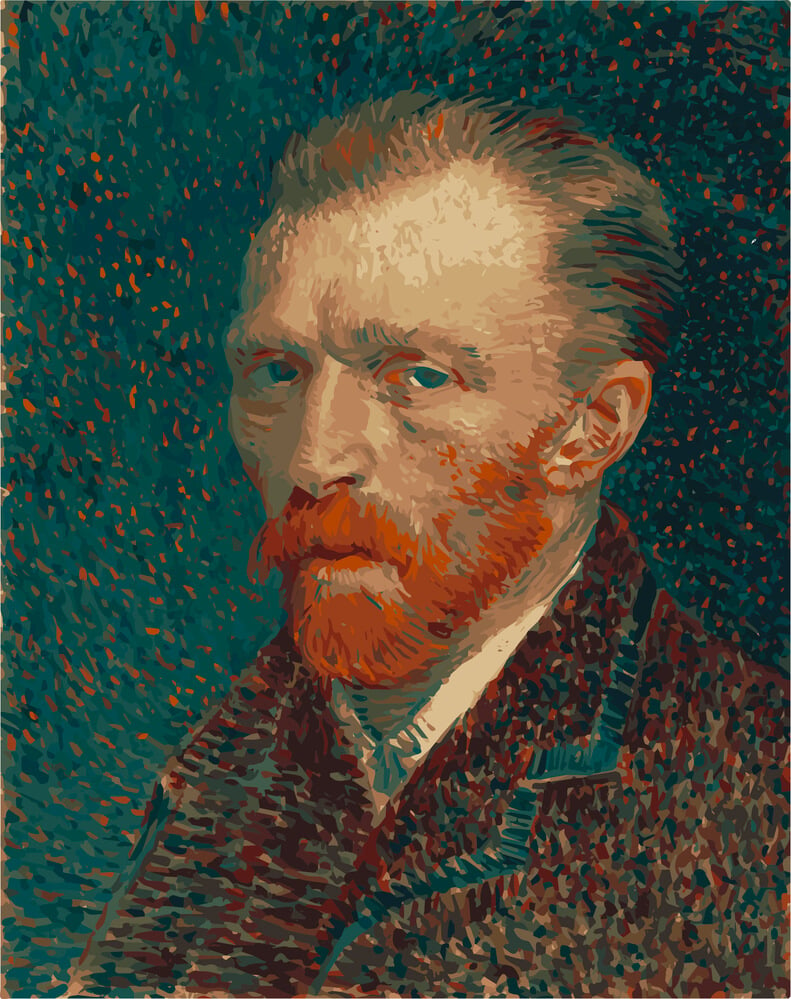
He sold only one painting during his lifetime, for 400 francs. When he died at 37, his work was unknown outside small art circles.
His brother Theo, who supported him financially, died six months later. Van Gogh’s letters reveal constant financial desperation and mental anguish.
Today, his paintings sell for over $80 million. He never knew he would become one of history’s most celebrated artists.
Franz Kafka—1924
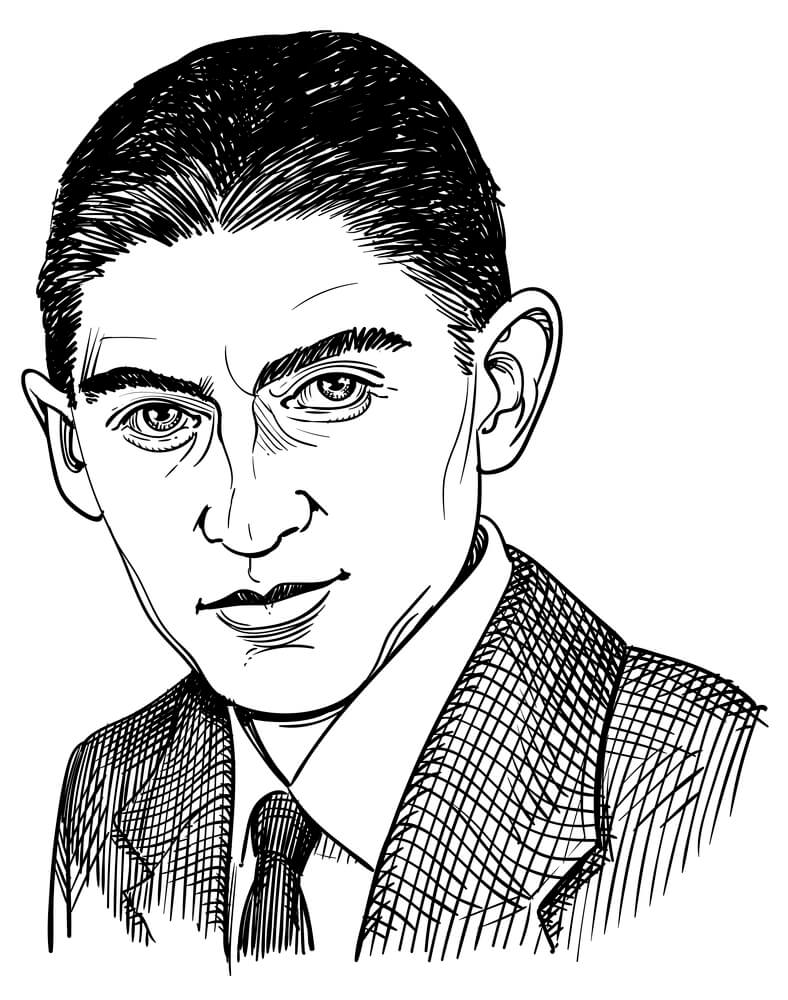
The author who defined existential anxiety died at 40 from tuberculosis. His works were published posthumously, mostly against his wishes.
He lived modestly, worked as an insurance clerk, and struggled financially his entire life. His three sisters—whom he supported—perished in Nazi death camps.
Kafka died believing his writing was a failure. His novels would later define 20th-century literature.
Emily Dickinson—1886
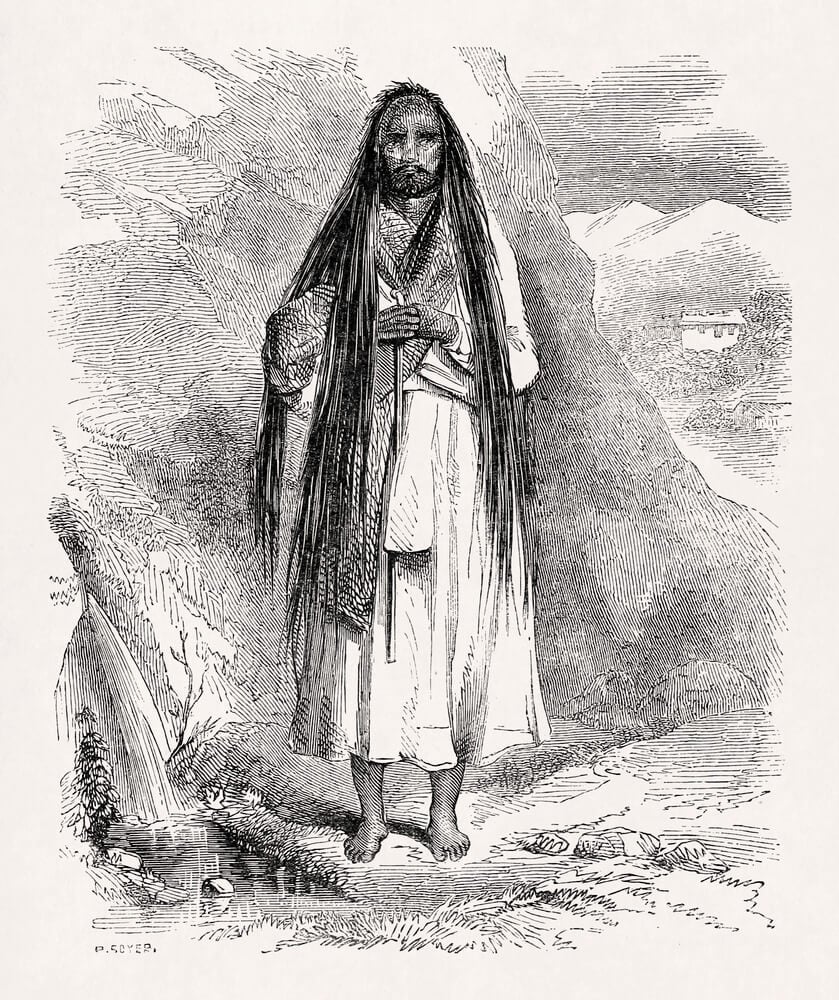
She published only 10 poems during her lifetime, anonymously or under pseudonyms. Dickinson lived her entire adult life in her family home in Amherst, Massachusetts, rarely leaving.
She died at 55, virtually unknown as a writer. Her 1,800 poems were discovered after her death.
Today she’s considered one of America’s greatest poets. She spent her life in obscurity while writing the verse that would define American literature.
Gregor Mendel—1884
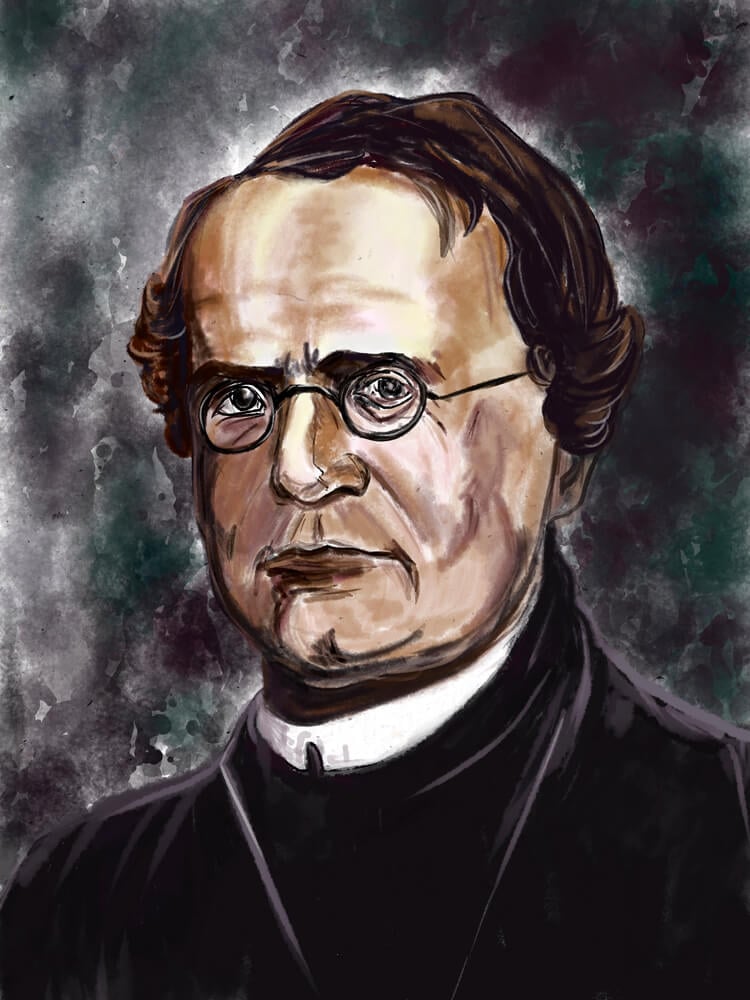
The Augustinian friar discovered the fundamental laws of heredity through pea plant experiments. His work was ignored during his lifetime and remained obscure for 16 years after his death.
He taught in a monastery for a modest salary, never recognized for his revolutionary discoveries. Only after his death did scientists understand that Mendel had essentially founded modern genetics.
Giordano Bruno—1600
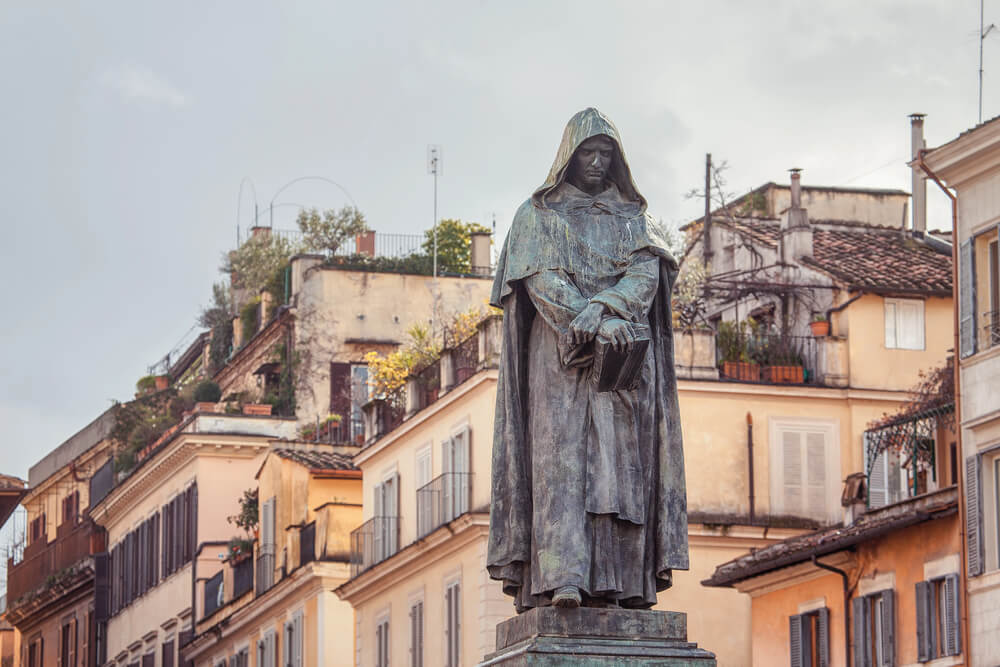
The philosopher was burned at the stake for heresy, his ideas too radical for the Catholic Church. He died in poverty and disgrace, believed to be completely wrong about the cosmos.
It took centuries for history to recognize that Bruno had been closer to truth than his executioners. His philosophical legacy was reclaimed only posthumously.
William Blake—1827
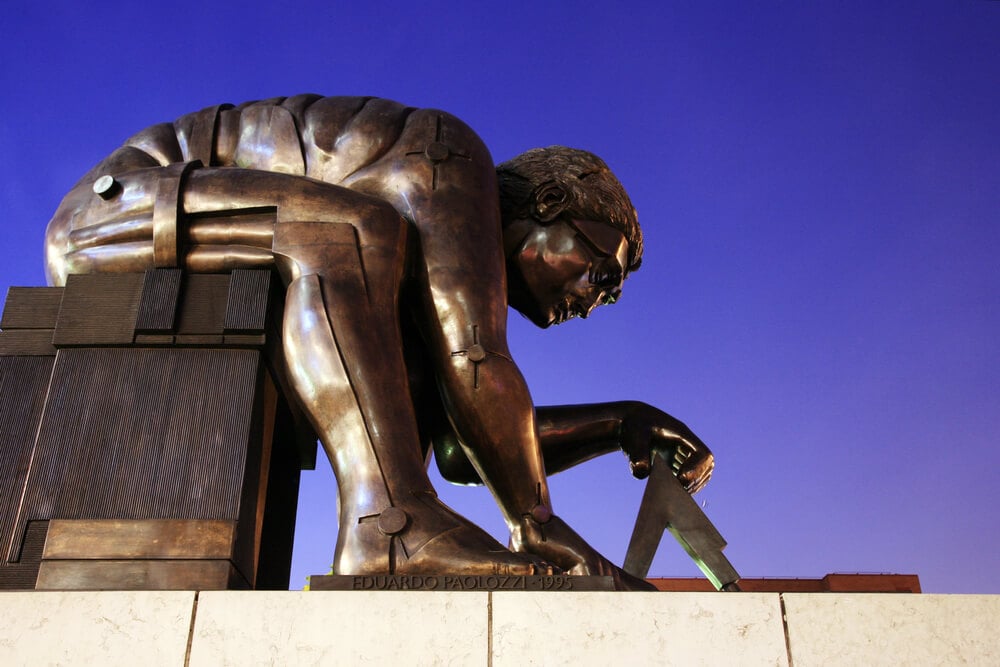
The poet, painter, and printmaker died in poverty at 69. His work was dismissed as mad or incomprehensible during his lifetime.
He was largely forgotten for decades after his death. Blake created some of the most important works of English poetry while working as an obscure engraver, unrecognized and underpaid.
His reputation recovered only in the late 19th century.
Srinivasa Ramanujan—1920
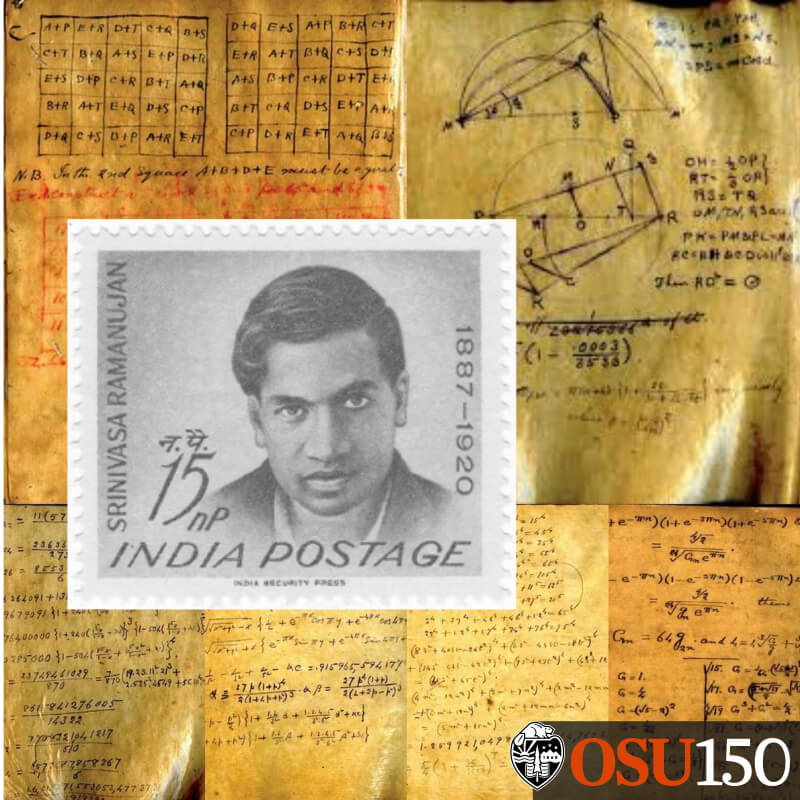
The Indian mathematician discovered thousands of theorems that revolutionized number theory. He lived in poverty in Tamil Nadu before being invited to Cambridge.
He died of tuberculosis at 32, having worked himself to exhaustion. Most of his work was validated only after his death.
He remains one of history’s most brilliant and most obscure mathematicians.
Johann Gutenberg—1468
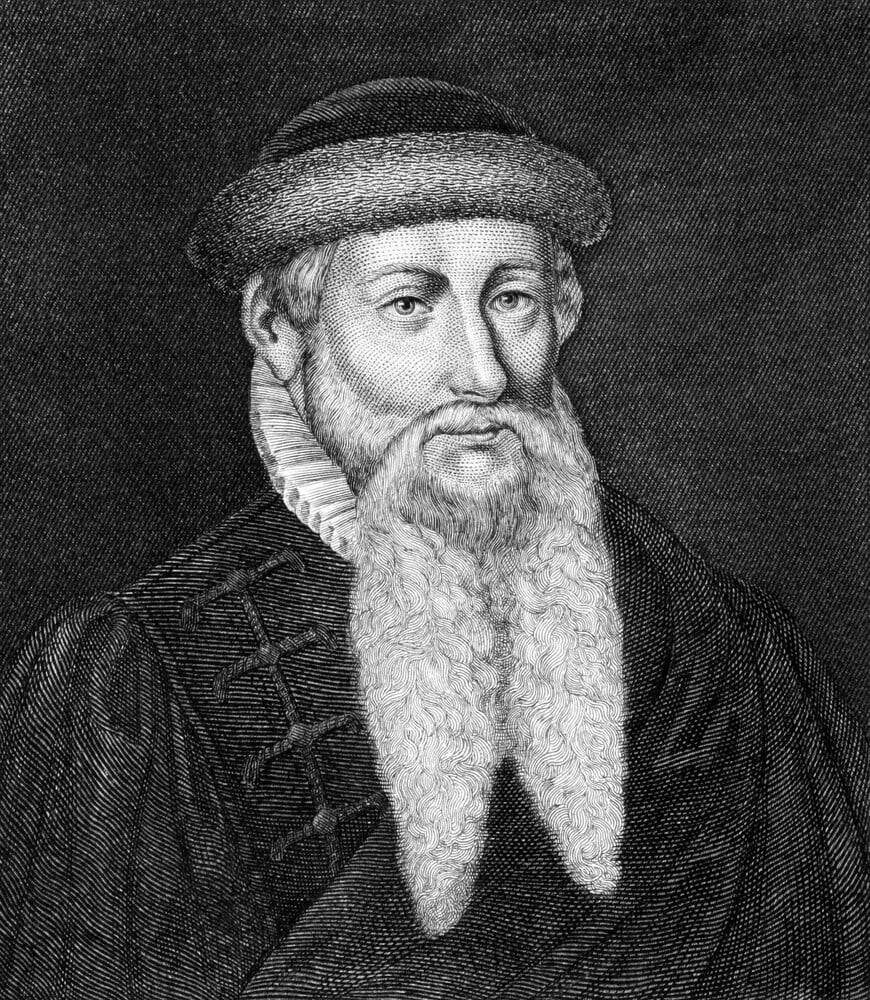
The inventor of the printing press died in poverty, his name barely recorded in historical documents. The printing press revolutionized civilization, but Gutenberg never profited from his invention.
He lived out his final years in obscurity. It took centuries for historians to definitively credit him with the invention that changed the world.
Nikolai Tesla—1943
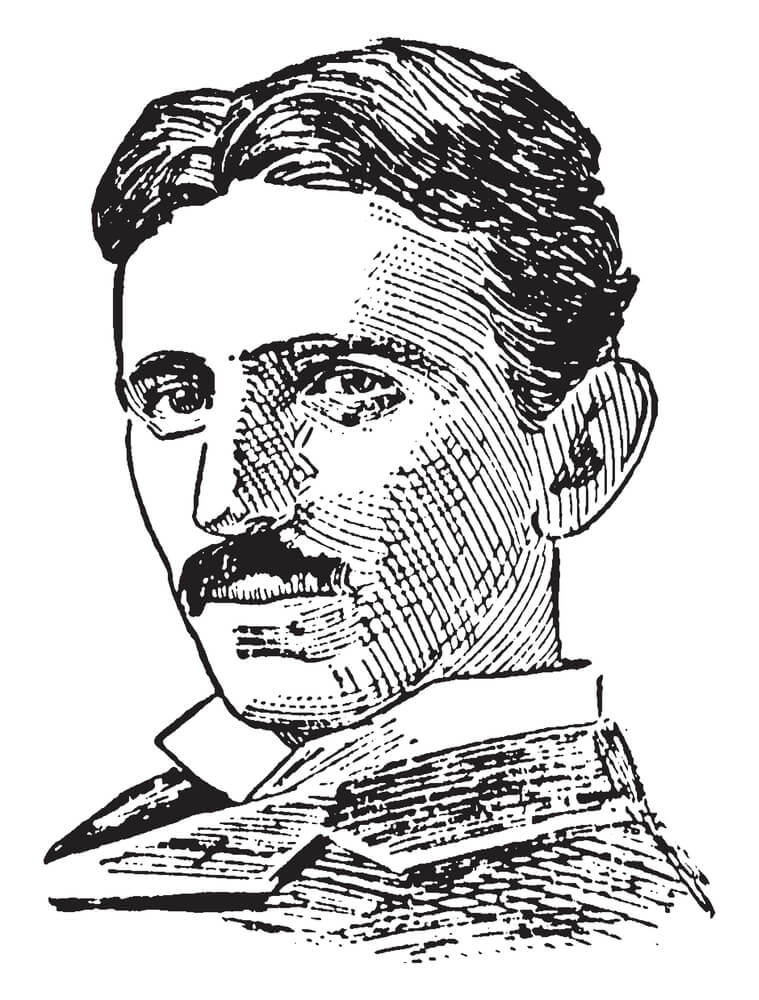
The inventor who pioneered wireless transmission, electric motors, and dozens of other technologies died in a New York hotel room with almost no money. He supported himself through lectures and occasional patronage.
During his lifetime, Thomas Edison received credit for inventions Tesla had pioneered. Tesla died in poverty, believing his greatest work had been stolen or ignored.
His reputation was partially restored only after his death.
Christiaan Huygens—1695
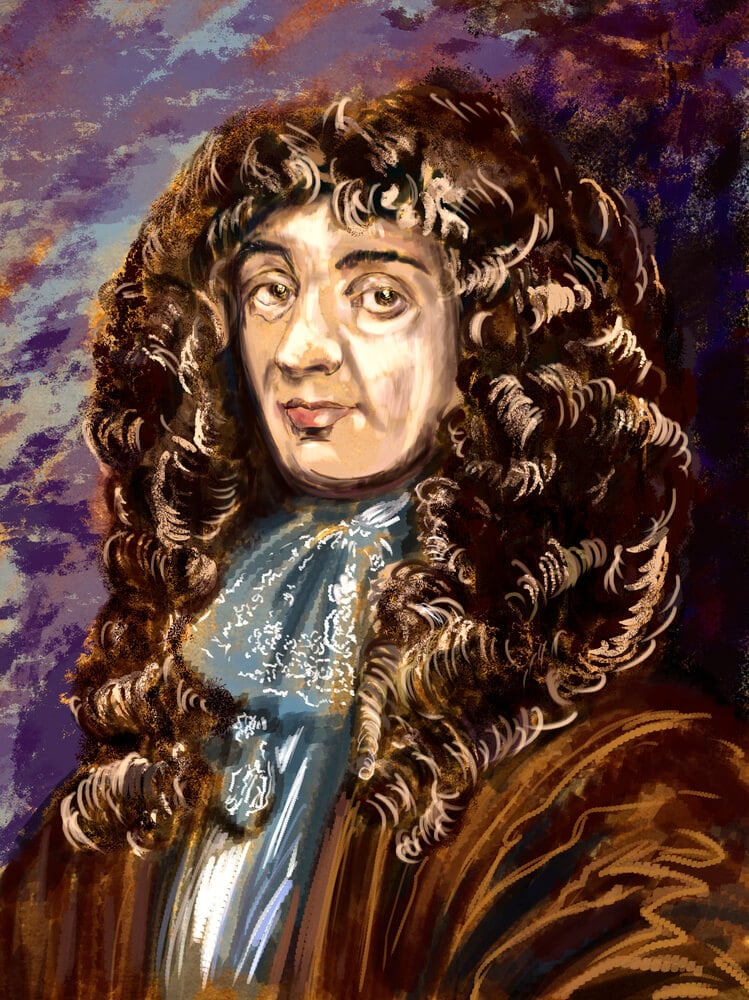
The inventor of the pendulum clock and describer of Saturn’s rings died in poverty despite his contributions to physics and astronomy. His work was overshadowed by Newton’s and went underappreciated during his lifetime.
He lived on a modest stipend from patrons who didn’t always pay reliably. His true significance wasn’t fully recognized until long after his death.
Georg Cantor—1918
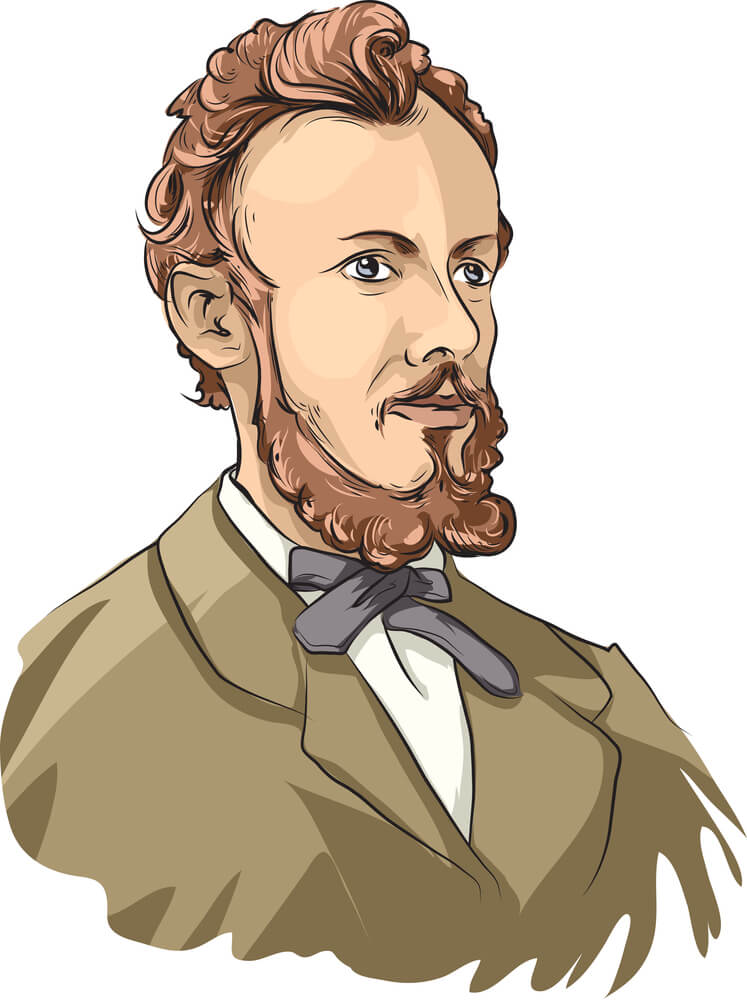
The mathematician who created set theory and expanded understanding of infinity died in poverty and mental illness. His revolutionary ideas were attacked by mathematicians who thought them nonsensical.
Cantor struggled with depression and financial precarity throughout his life. His mathematical framework, once considered useless, became foundational to modern mathematics.
Averroes (Ibn Rushd)—1198
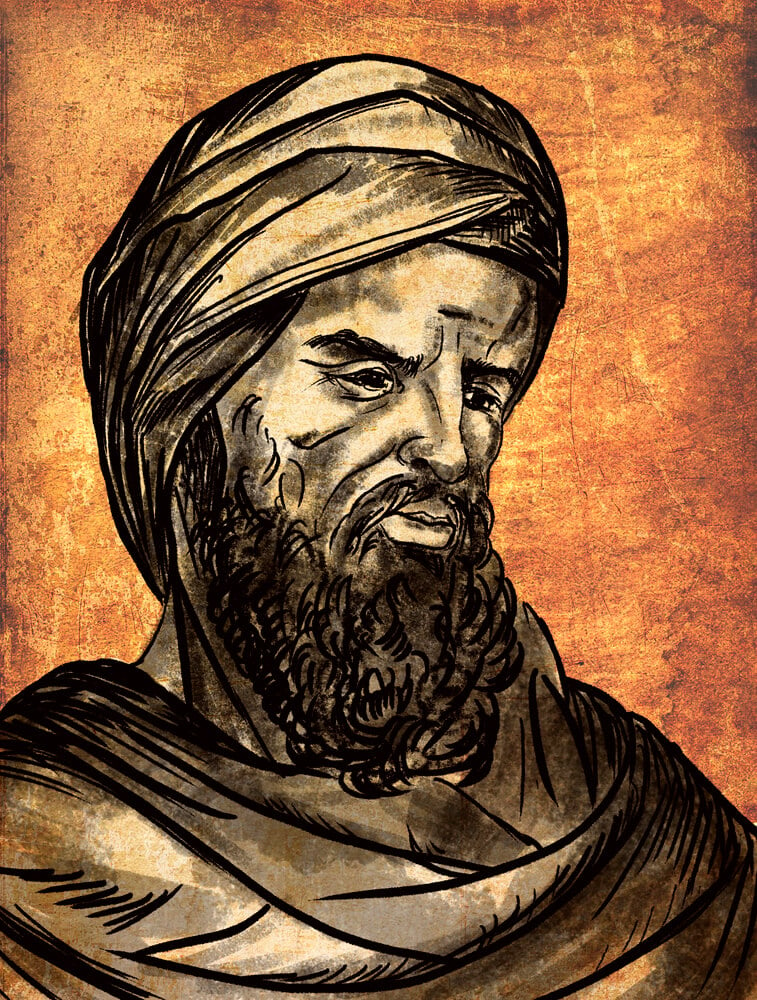
The Islamic philosopher and physician was exiled from Islamic courts for his radical ideas about the relationship between science and faith. He died in poverty in Marrakech, his works burned and condemned.
It took centuries for Islamic and European scholars to recognize that Averroes had been ahead of his time in arguing for the compatibility of reason and revelation.
Matteo Ricci—1610

The Jesuit missionary in China lived in poverty, translating, teaching, and trying to bridge civilizations. He died with little money and minimal recognition.
Only centuries later was his contribution to cross-cultural dialogue recognized. He spent his life in modest circumstances, believing his work might never be appreciated.
Mary Anning—1847
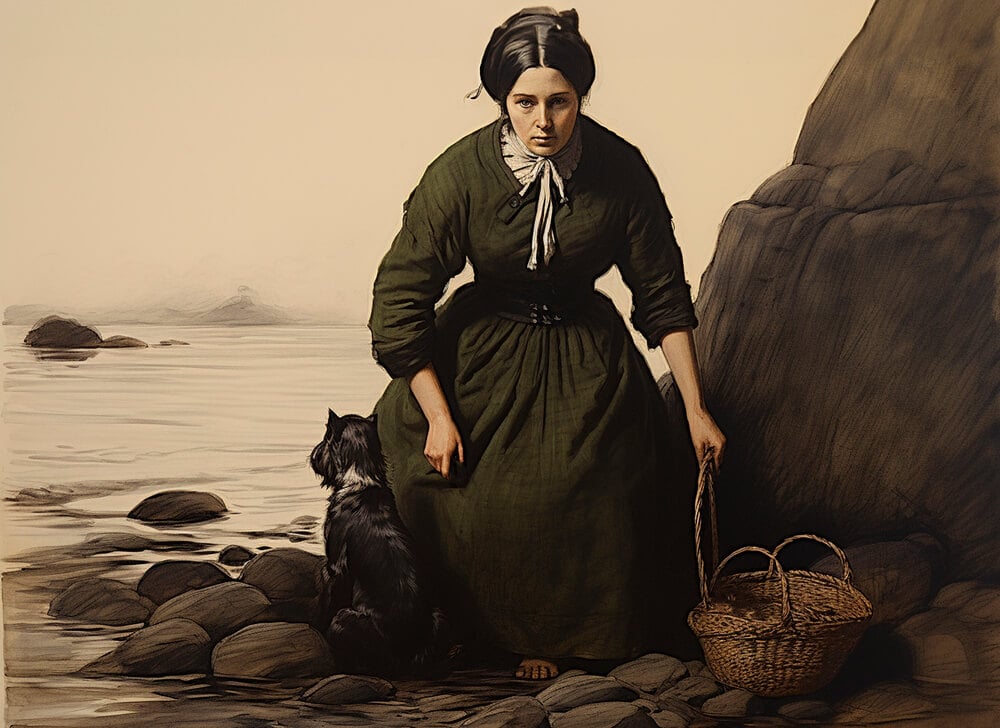
The fossil hunter discovered major paleontological specimens that revolutionized understanding of extinct life. She worked as a laborer, her discoveries often credited to the wealthy men who sponsored her work.
She died in poverty from cancer at 47. Her contributions to paleontology were underappreciated during her lifetime, recognized only after her death when historians looked back at her remarkable discoveries.
Henry David Thoreau—1862
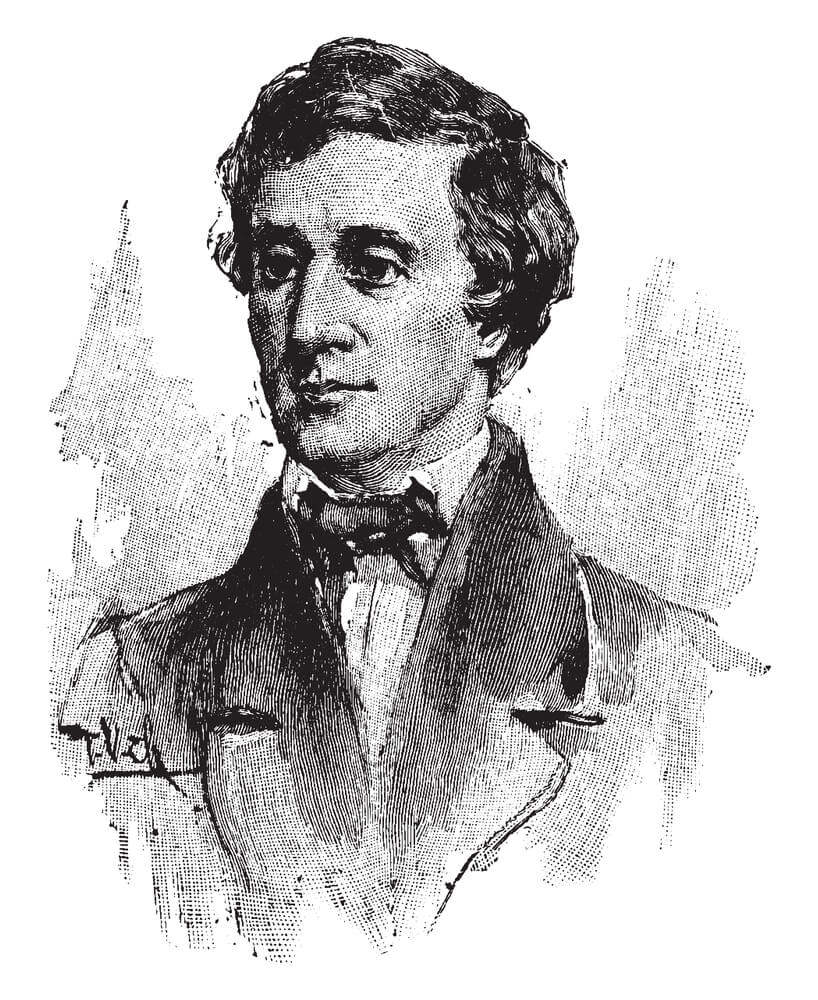
The author of Walden died at 44 of tuberculosis, having sold few copies of his books. He lived deliberately, but not comfortably, struggling financially despite his intellectual significance.
His rejection of materialism was partly forced by economic reality. He died unknown outside New England.
Walden wouldn’t find a large readership until the 20th century.
Harriet Tubman—1913
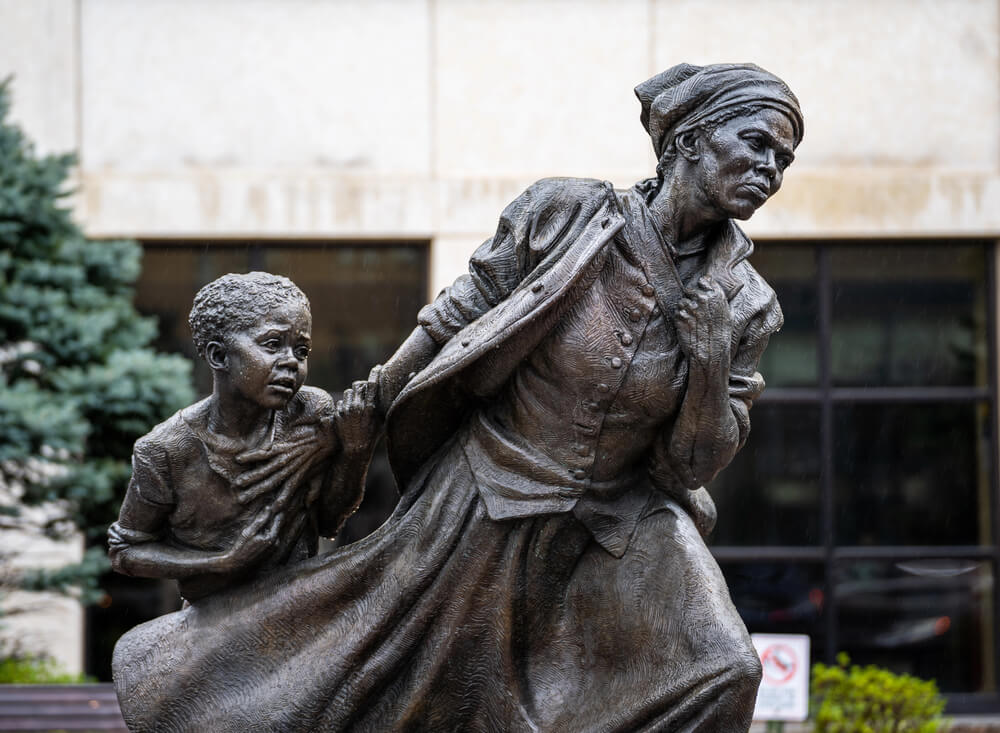
The freedom fighter who led dozens to safety via the Underground Railroad died in poverty. Despite her extraordinary courage and impact, she never accumulated significant wealth.
She spent her final years in a home for African Americans she had founded, living modestly. Her reputation, while strong in abolitionist circles, wasn’t fully recognized by mainstream America until decades after her death.
Santiago Ramón y Cajal—1934
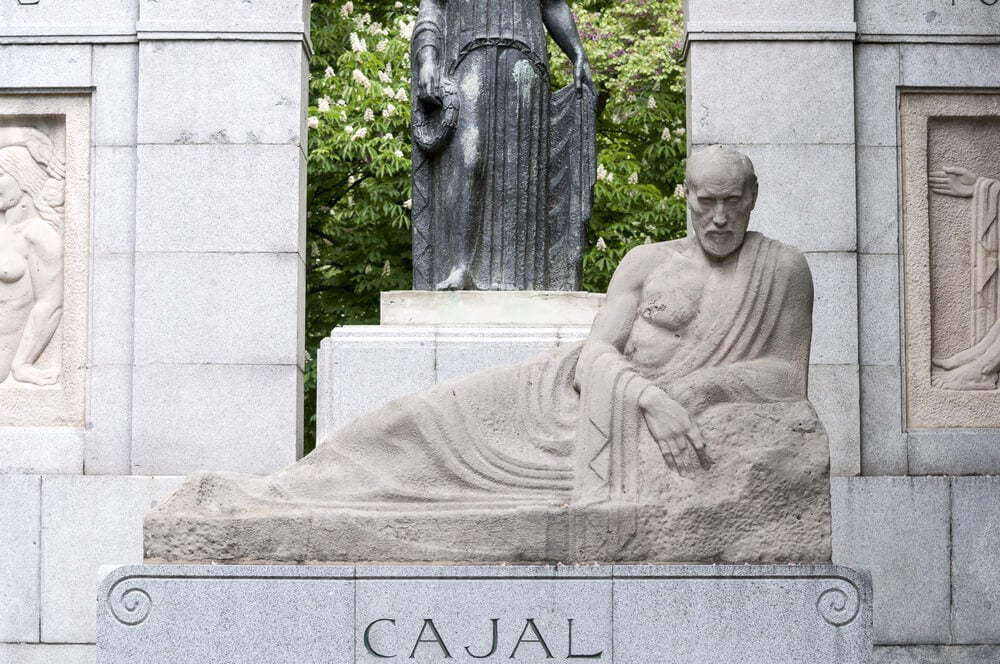
The Spanish neuroscientist who pioneered understanding of the nervous system died with limited recognition outside scientific circles. He worked as a professor on modest salary, conducting groundbreaking research with minimal resources.
His contributions to neurobiology were revolutionary, but he lived simply and without great wealth despite his scientific significance.
Émilie du Châtelet—1749
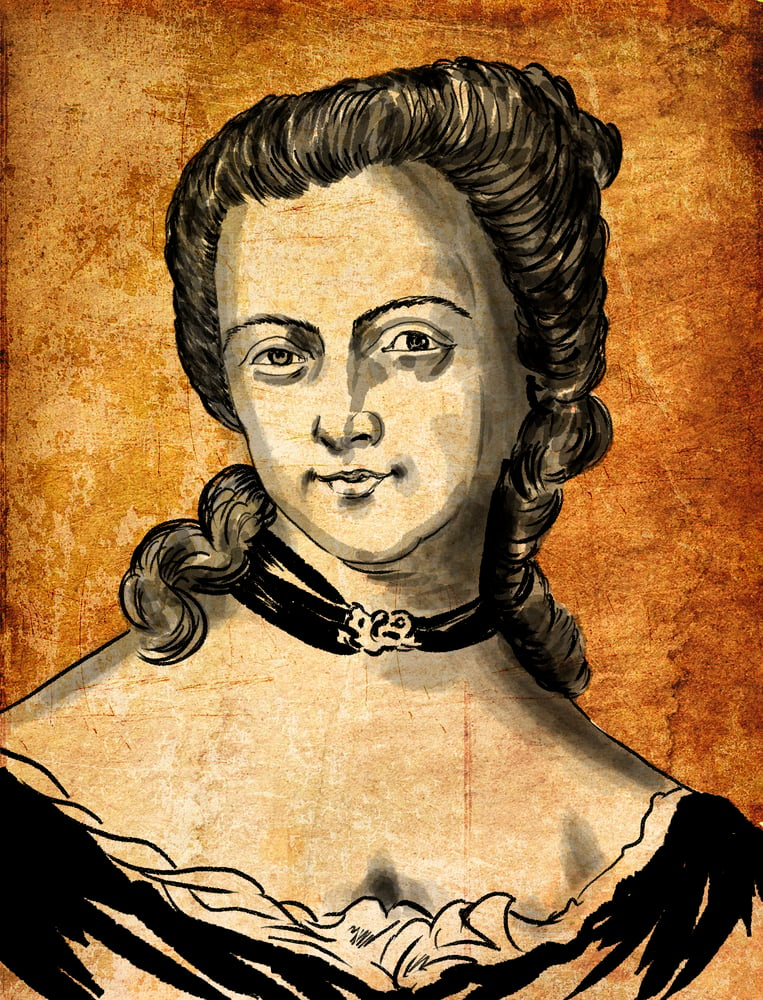
The French mathematician and physicist died in poverty from childbirth complications at 42. Despite her brilliant work on energy and mathematics, she lived in financial precarity, often dependent on male patrons for support.
Her scientific contributions were published only after her death, under the editorship of men who didn’t fully understand or credit her original thinking.
Jedediah Buxton—1772

A mathematician with extraordinary mental calculation abilities, Buxton lived as an uneducated laborer despite his remarkable gift. He performed spectacular calculations for entertainment but died in poverty and obscurity.
His ability was so exceptional that scholars now recognize him as a mathematical genius, but he lived and died as a farm laborer.
Pierre de Fermat—1665

The mathematician who contributed to calculus, optics, and number theory died as a provincial lawyer in France, his mathematical work mostly unpublished and unrecognized during his lifetime. He pursued mathematics as a hobby while working in law.
His contributions were discovered after his death in his personal papers. He never knew his work would revolutionize mathematics.
Émile Zola (Early Life)—Until Success
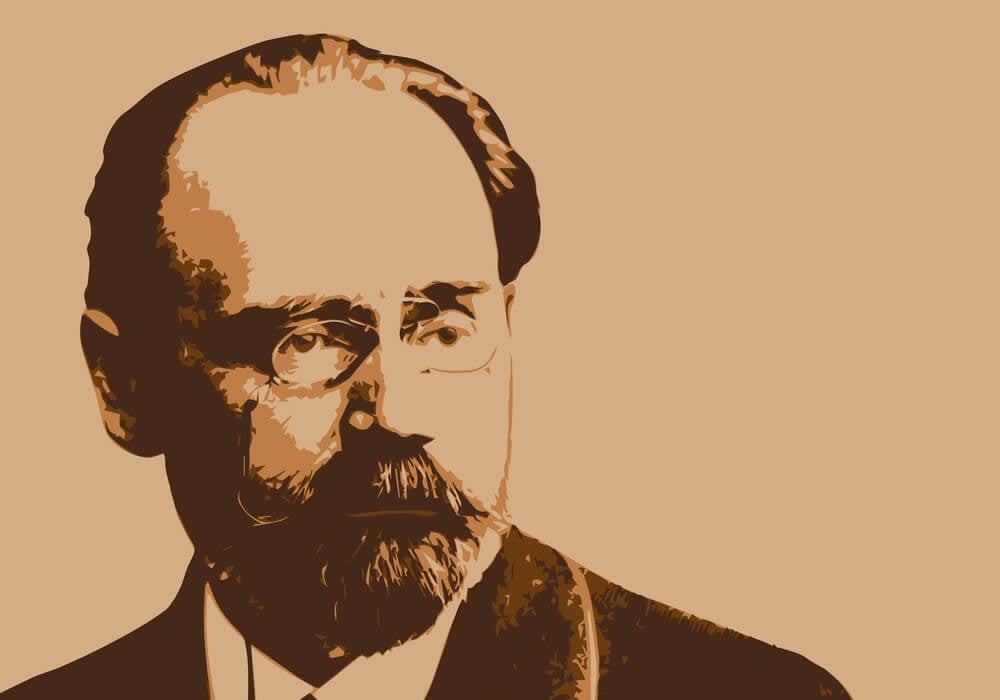
Before his novels found popularity, Zola lived in extreme poverty in Paris, struggling as a journalist and writer. He survived on meager wages, often going hungry.
His early works sold poorly. Only when he was already middle-aged did his novels find an audience and financial success.
His early years were defined by the desperate poverty many writers face.
Amy Johnson—1941
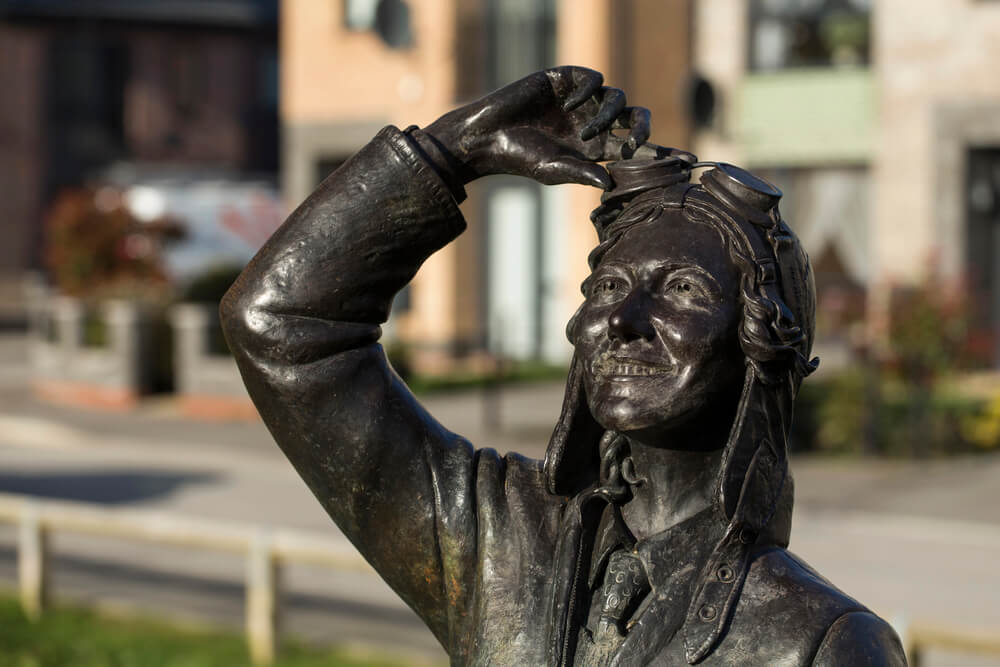
The pioneering aviator who set multiple distance records lived modestly, struggling to find sponsorship and support for her flights. She died in a plane crash at 37, never having achieved the fame or wealth her achievements warranted.
She spent her life as a daring innovator living on the margins of recognition and financial security.
Ignaz Semmelweis—1865

The physician who discovered that hand-washing dramatically reduced childbed fever was ridiculed and rejected by the medical establishment. He died at 47 in a mental institution, broken by the refusal of the medical community to accept his findings.
His life was defined by poverty and isolation. Only after his death was his vindicated as a medical pioneer.
James Barry—1865

The military surgeon was the first woman to qualify as a doctor, but lived in complete secrecy and poverty, hiding her gender while serving in the British military. She died in poverty, her true identity revealed only after her death.
She spent her life living a double life, her revolutionary achievement hidden until after she was gone.
Niels Henrik Abel—1829
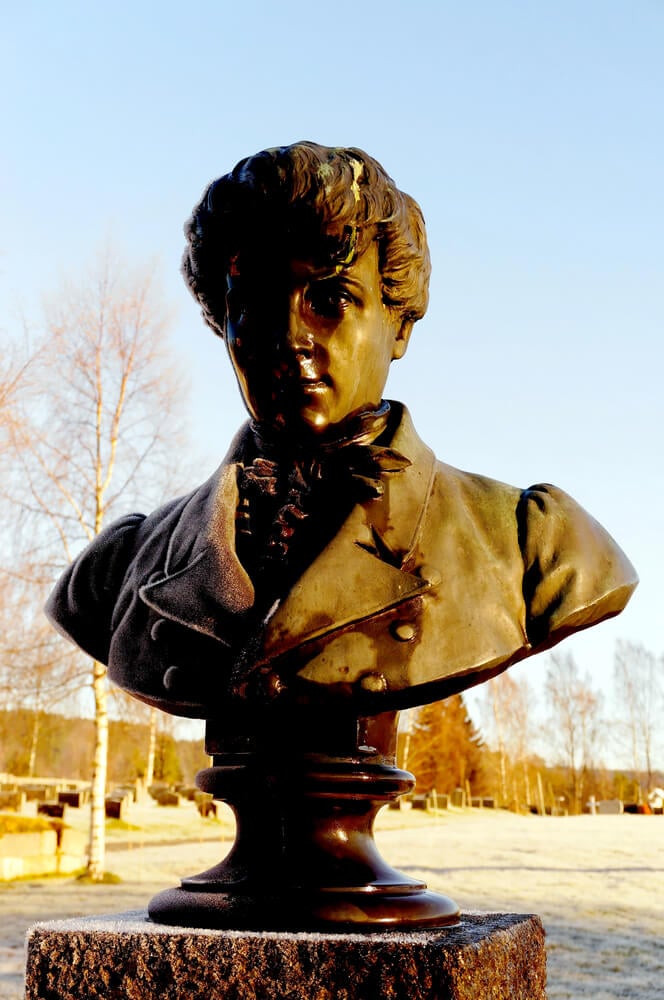
The Norwegian mathematician developed revolutionary work in algebra before dying of tuberculosis at 26. He lived in poverty, working as a tutor and struggling financially.
His most important work was published only after his death. He never knew he would be recognized as one of the greatest mathematicians of his era.
Sophie Germain—1831

The French mathematician who solved Fermat’s Last Theorem worked under an assumed name because women weren’t admitted to mathematical circles. She studied in secret, corresponding with mathematicians who thought she was a man.
She died in poverty from cancer without having received credit for her revolutionary work during her lifetime.
The Cost of Genius

What unites these figures is the gap between their contribution and their recognition. Some created work that defined civilization, yet lived in obscurity.
Others faced deliberate suppression or denial of credit. The pattern suggests that society often cannot recognize genius while it’s alive.
We reward genius posthumously, after the person can no longer benefit from the recognition. These 26 figures paid the price of being ahead of their time.
More from Go2Tutors!

- The Romanov Crown Jewels and Their Tragic Fate
- 13 Historical Mysteries That Science Still Can’t Solve
- Famous Hoaxes That Fooled the World for Years
- 15 Child Stars with Tragic Adult Lives
- 16 Famous Jewelry Pieces in History
Like Go2Tutors’s content? Follow us on MSN.



