26 Household Sounds That Disappeared From American Homes
A house has a soundtrack, and it changes as quietly as the technology inside it. Most of these noises vanished so gradually that nobody marked the exact date they stopped, and a surprising number of them now require an old recording to remember accurately at all.
The Dial-Up Modem Connecting
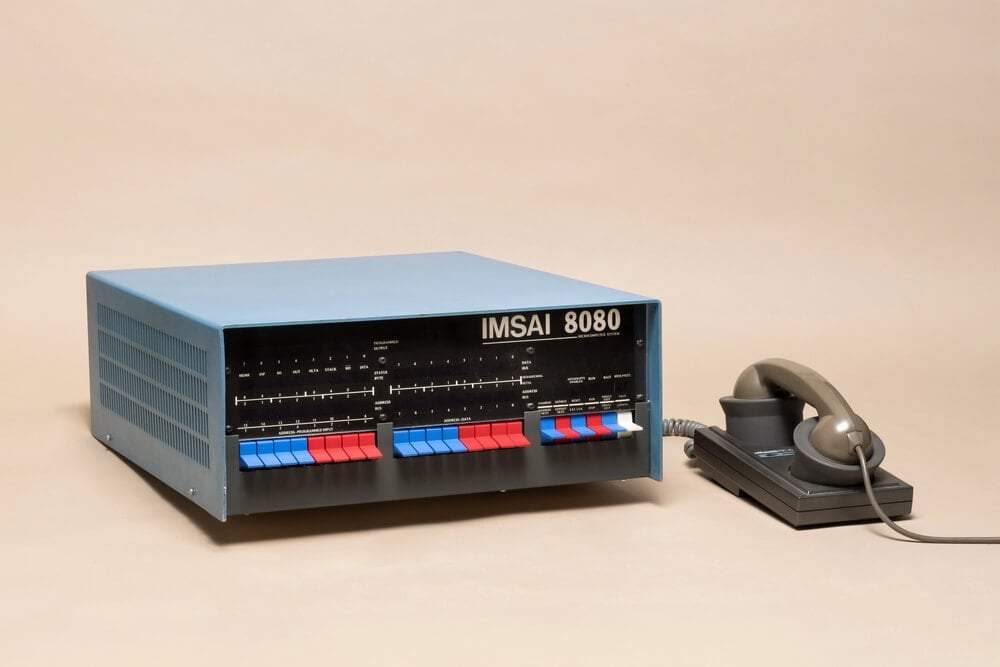
The specific sequence of screeches, static, and rhythmic beeping that played every time a computer connected to the internet through a phone line became one of the most recognizable sounds of the 1990s and early 2000s. Broadband internet made the connection process silent and near-instant, eliminating any audible cue that a connection was even happening.
An entire generation now recognizes the sound only through internet nostalgia clips rather than direct memory.
A Rotary Phone’s Dial Clicking Back
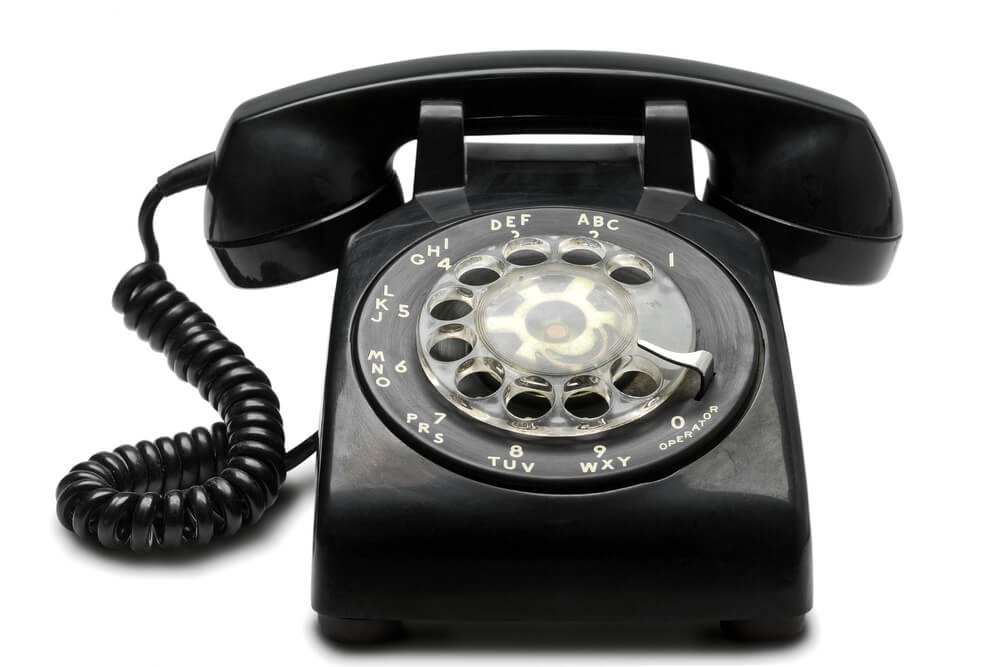
Dialing a rotary telephone required physically turning a numbered wheel and waiting for it to click back into position before dialing the next digit, producing a distinct mechanical rhythm for every phone number entered. Touch-tone phones replaced the mechanism by the 1980s in most homes, and mobile phones eliminated physical dialing almost entirely.
The specific sound of a rotary dial retracting is now unfamiliar to most people born after the technology’s decline.
A Television Being Turned Off With a Visible Shrinking Dot

Older cathode-ray tube televisions produced a distinctive high-pitched electronic whine while powered on and, when switched off, the picture would visibly collapse into a small bright dot before fading to black, accompanied by a faint popping sound. Flat-panel televisions eliminated both the whine and the shrinking dot effect entirely.
Nobody under a certain age has ever actually seen or heard a television turn off this way.
A Typewriter’s Carriage Return Bell
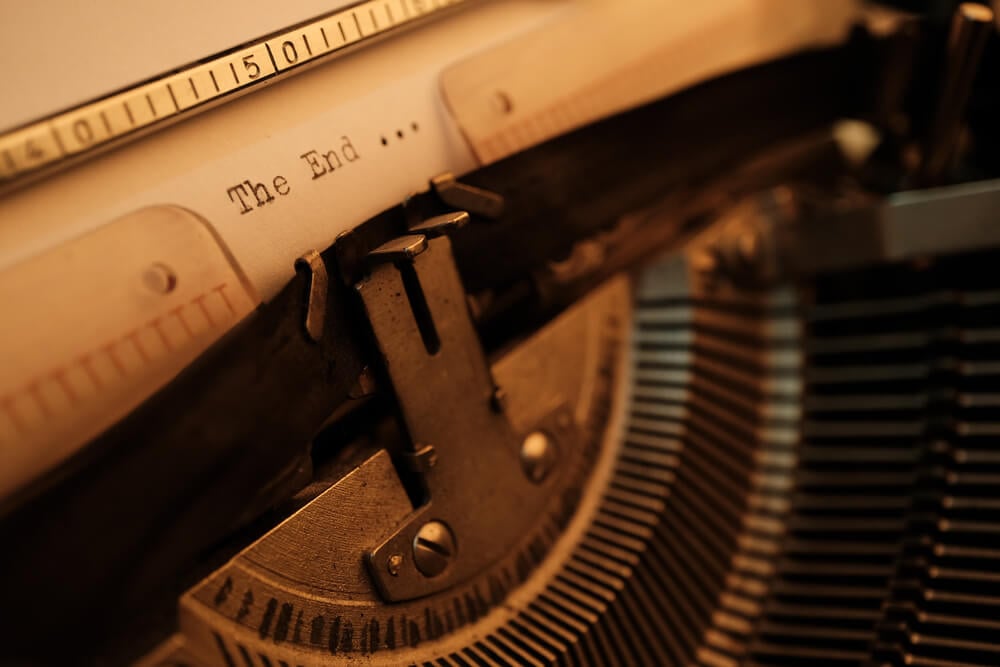
Mechanical and electric typewriters used a small bell to signal that the typist was approaching the end of a line, followed by the distinct mechanical sound of manually pushing the carriage return lever back to the start position. Word processing software eliminated both the bell and the physical carriage entirely, replacing it with automatic, silent line wrapping.
The rhythmic clack-and-ding of a typing pool has become an almost exclusively cinematic sound rather than a real household one.
A VCR Whirring and Clicking During Rewind
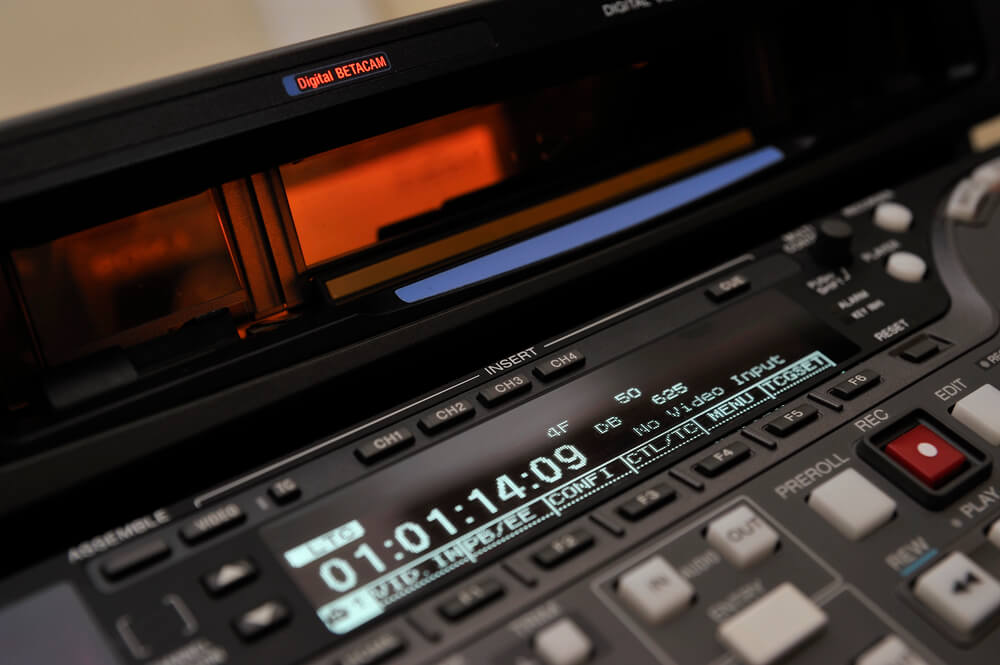
VCRs produced a distinct mechanical whirring sound while rewinding a tape, often accompanied by a final click and a slight thud when the tape reached its end. Streaming media eliminated the entire physical process of rewinding anything, along with the specific anxiety of returning a rental tape that hadn’t been rewound.
The sound is now recognizable mainly through retro-styled sound effects rather than an actual appliance.
A Film Camera’s Shutter and Automatic Advance

Film cameras produced a distinct mechanical click for the shutter followed by a motorized whirring sound as the camera automatically advanced to the next frame, a sound sequence repeated with every single photo taken. Digital cameras and smartphones replaced the mechanism with a silent sensor and, ironically, an artificial shutter sound added back in purely for user feedback.
The genuine mechanical version of that sound has almost entirely disappeared from actual photography.
A Dot-Matrix Printer Grinding Out a Page
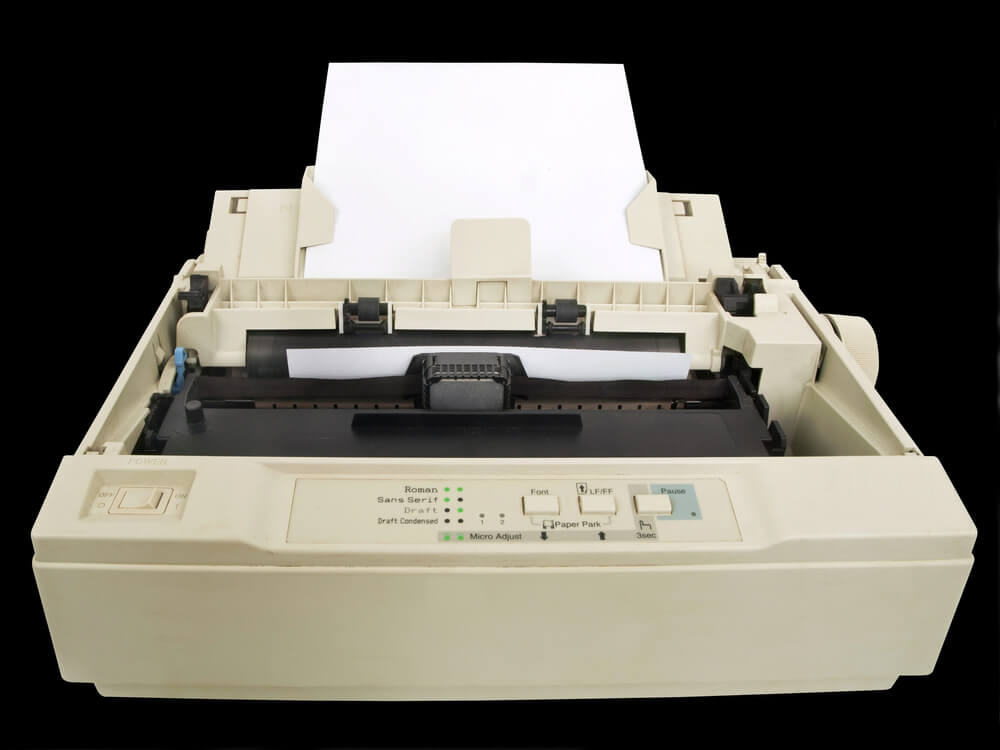
Dot-matrix printers produced a loud, grinding, repetitive mechanical noise as a print head moved back and forth across continuous-feed paper, loud enough to be heard throughout an entire house or office. Inkjet and laser printers replaced the technology almost entirely by the late 1990s, operating far more quietly.
The specific grinding rhythm of a dot-matrix printer working through a long document has become an unfamiliar sound to anyone who didn’t personally use one.
An Answering Machine’s Outgoing Message Beep
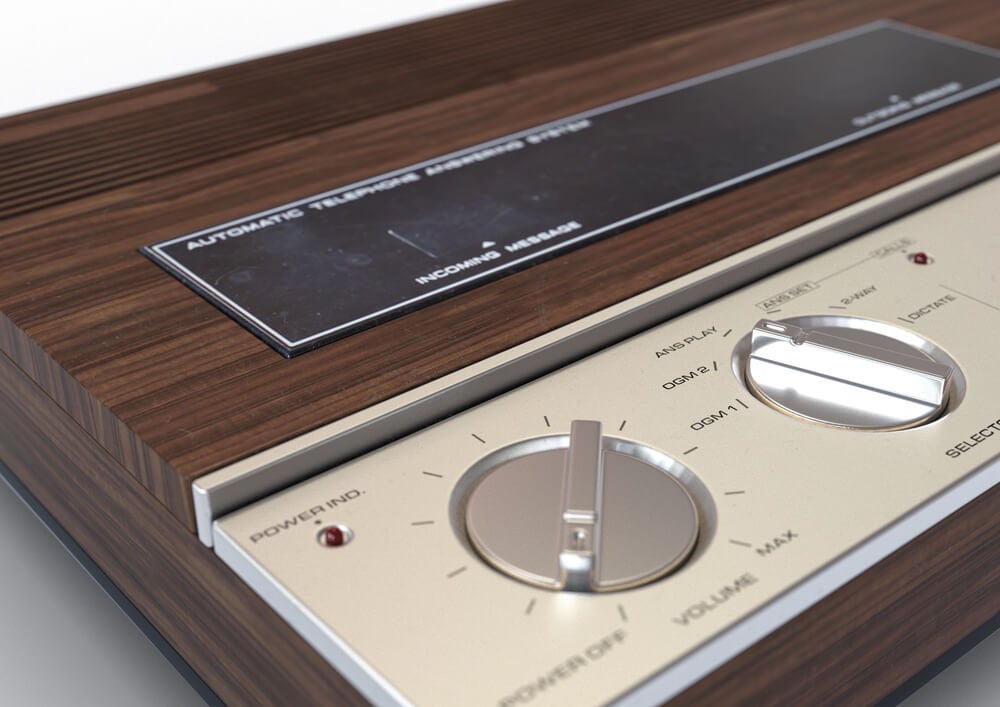
Standalone answering machines played a distinct double beep both when a message began recording and often again during playback, along with a mechanical click as the cassette tape mechanism engaged. Voicemail systems built into phone carriers and, later, smartphones eliminated the need for a physical machine entirely.
The specific two-tone beep of an answering machine has become a dated cultural reference rather than a sound most households still hear.
A Window Air Conditioner’s Compressor Cycling On
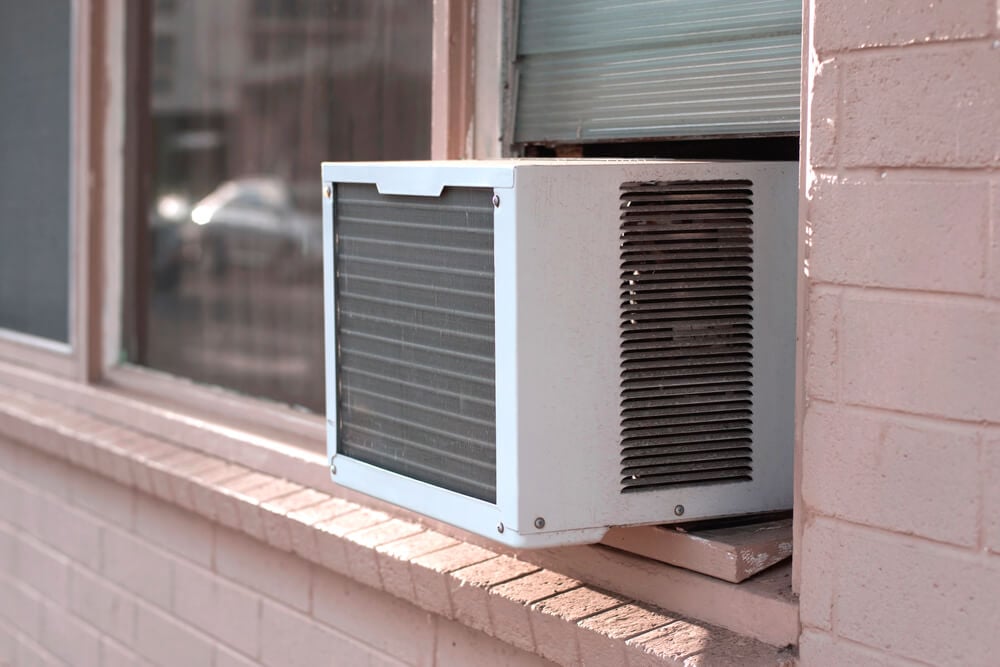
Window-mounted air conditioning units produced a loud mechanical thunk followed by a steady droning hum whenever the compressor cycled on, a sound so common in older apartments that it became part of the ambient background noise of an entire summer. Central air conditioning and quieter modern window unit designs have significantly reduced both the volume and the distinct cycling sound.
Many newer homes never produce this specific noise at all.
A Rotary Egg Timer Ticking Down
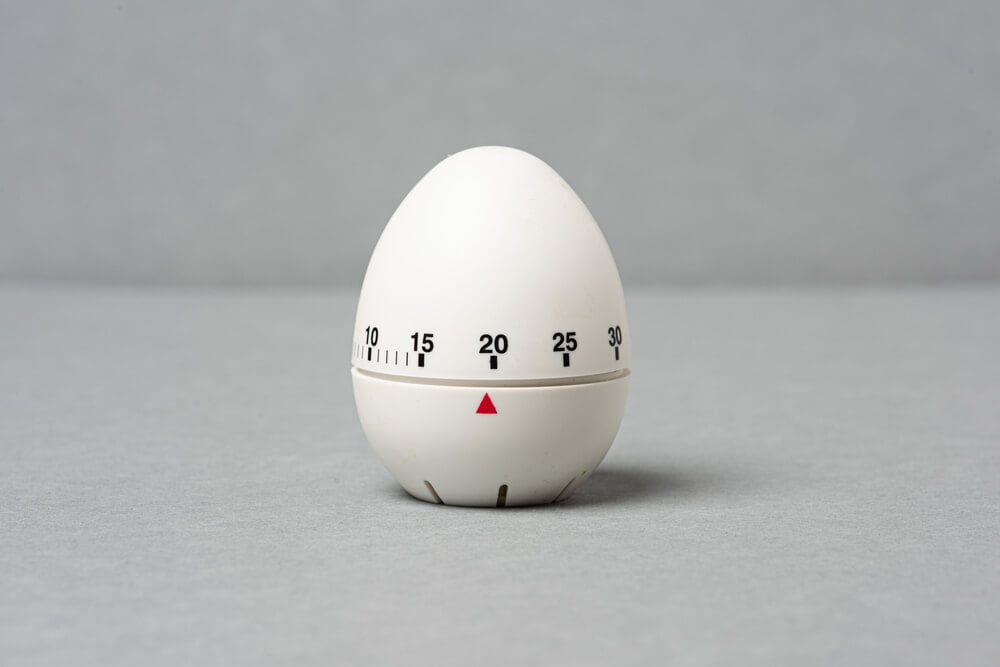
Mechanical kitchen timers used a wind-up spring mechanism that produced an audible ticking sound counting down to a sharp ring when time expired, a fixture of kitchens for generations before digital alternatives. Digital timers built into microwaves, ovens, and smartphones replaced the mechanical ticking with a silent countdown and an electronic beep.
The specific ticking rhythm of a mechanical kitchen timer has become an uncommon sound in most modern kitchens.
A Rolodex Card Flipping
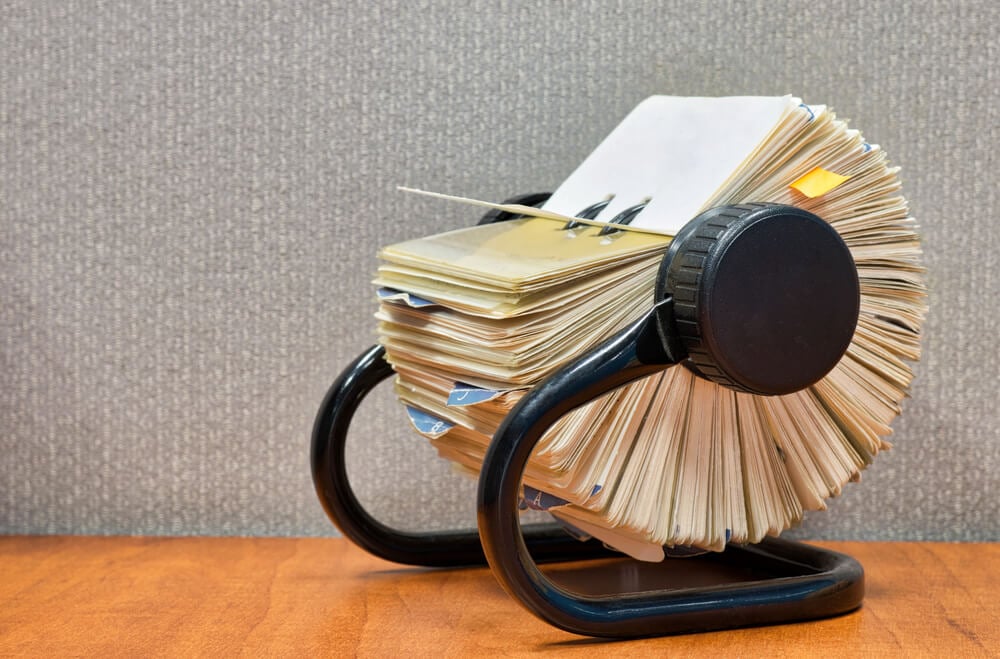
Office and home desks commonly held a Rolodex, a rotating file of small cards holding contact information, producing a distinct flipping and clicking sound as cards were searched by hand one at a time. Digital contact lists on phones and computers eliminated the need for a physical card file almost entirely.
The specific sound of flipping through a Rolodex has become an unfamiliar office sound to most workers who entered the workforce after smartphones became standard.
A Record Needle Dropping Into a Groove
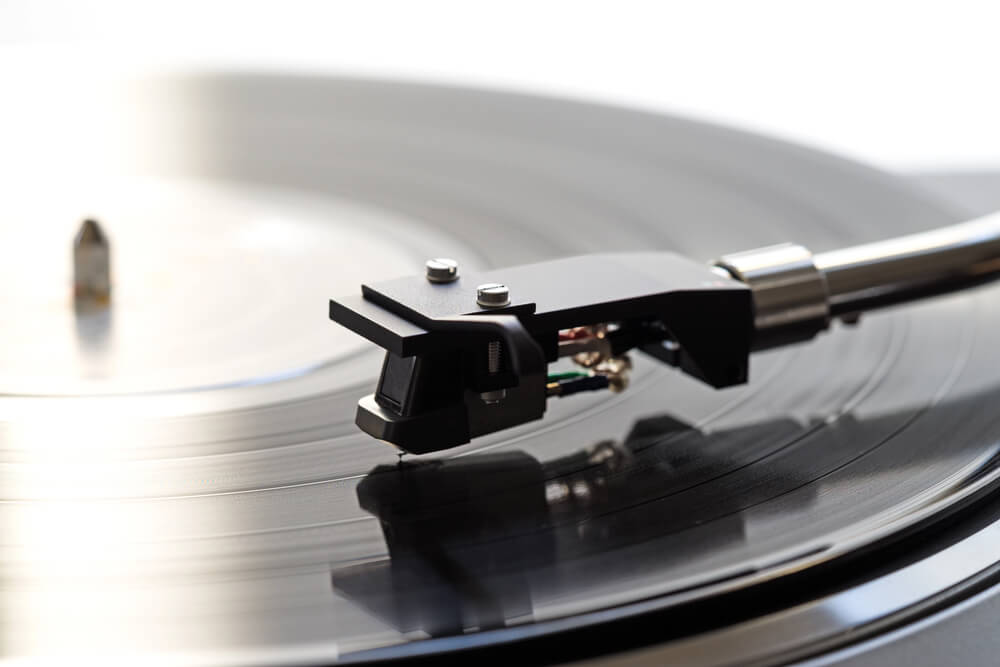
Vinyl records produced a brief, distinct crackle and pop as a turntable needle was manually lowered into the groove before a song began playing, along with a faint continuous surface noise throughout playback. Digital music formats eliminated any audible artifact before or during playback entirely.
Vinyl has seen a genuine resurgence in recent years, but for an entire generation raised on digital formats in between, the needle-drop sound had become unfamiliar before that revival brought it back.
A Rotary Kitchen Wall Phone Ringing
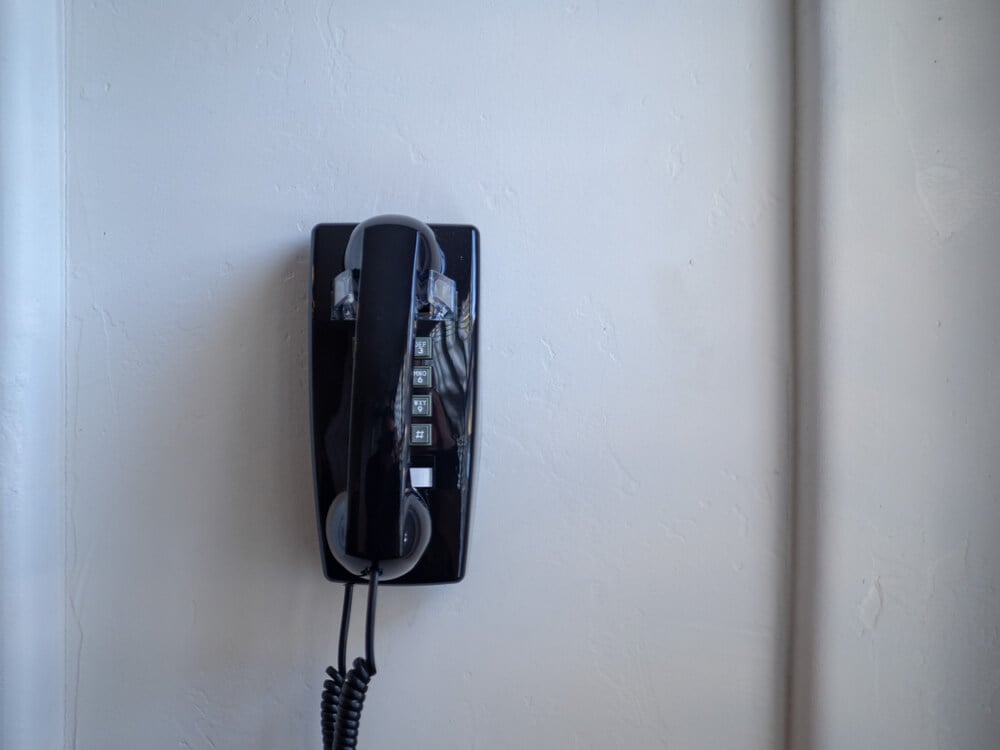
Wall-mounted kitchen telephones with mechanical bell ringers produced a distinctly loud, sharp ringing sound generated by a physical clapper striking metal bells inside the phone housing. Electronic ringtones replaced the mechanical bell mechanism in nearly all phones by the 1990s.
The specific sharp, metallic ring of an old mechanical telephone bell is now used almost exclusively as a stylized sound effect rather than heard from an actual phone.
A Steam Radiator Clanging and Hissing
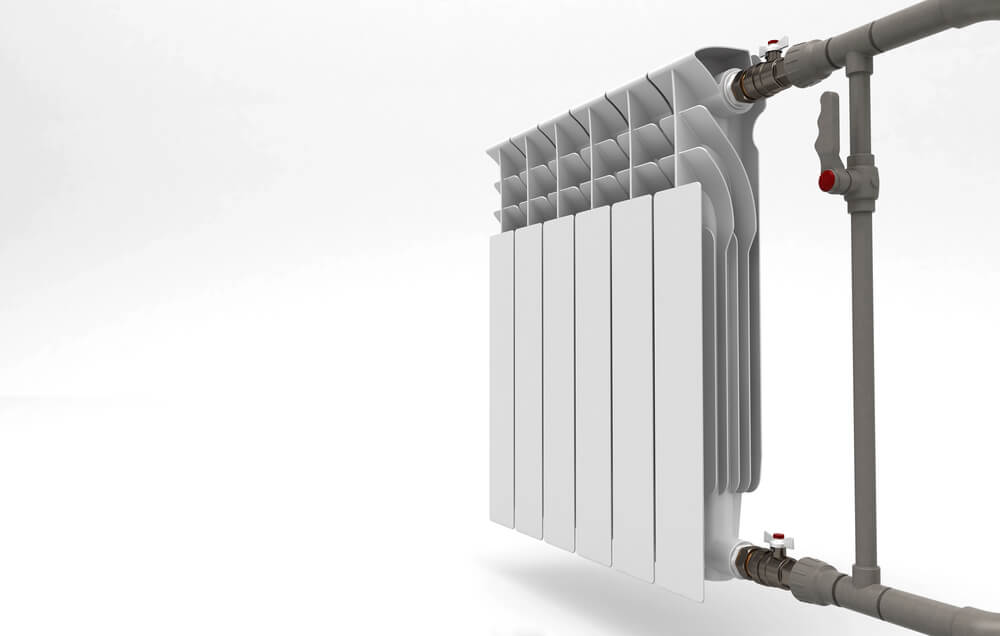
Older homes heated by steam radiators produced a distinct sequence of clanking, knocking, and hissing sounds as pipes expanded and trapped air worked its way through the system at the start of each heating cycle. The knocking was often loud enough to wake residents in the middle of the night during the coldest months.
Forced-air and modern hydronic heating systems installed in most newer and renovated homes eliminated the sound almost entirely, leaving it mainly in older buildings that never converted their original systems.
A Manual Coffee Percolator Bubbling
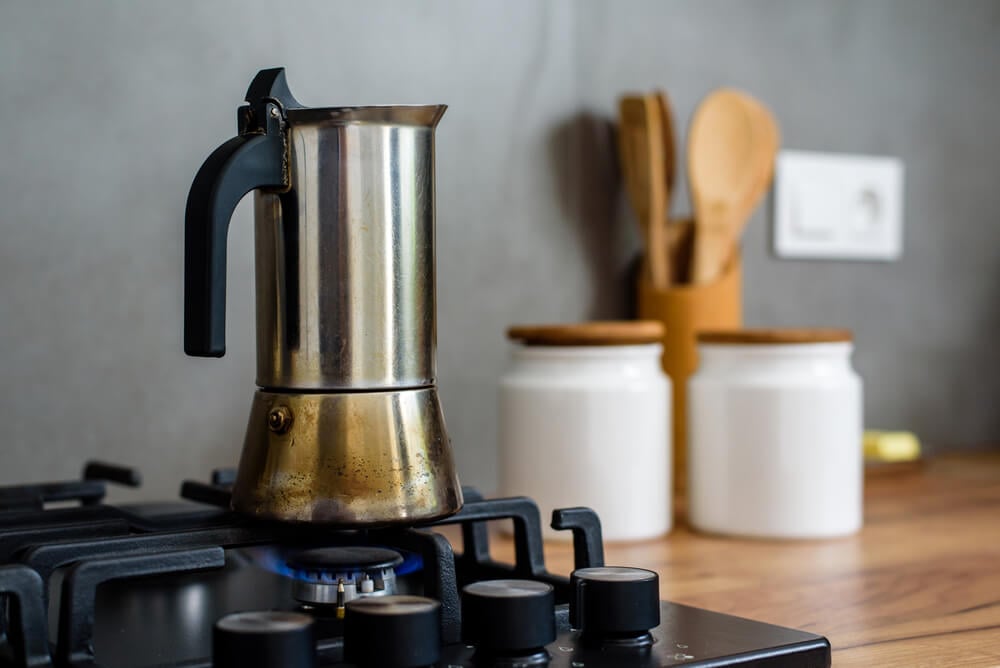
Stovetop percolators produced a distinct rhythmic bubbling and gurgling sound as water cycled repeatedly through coffee grounds, a sound closely associated with the smell of morning coffee for generations of households. Automatic drip coffee makers and single-serve pod machines largely replaced the manual percolator by the later twentieth century, producing a quieter and less rhythmic brewing sound.
The specific building rhythm of a percolator reaching full bubble has become an unfamiliar kitchen sound in most modern homes.
A Manual Can Opener Cranking
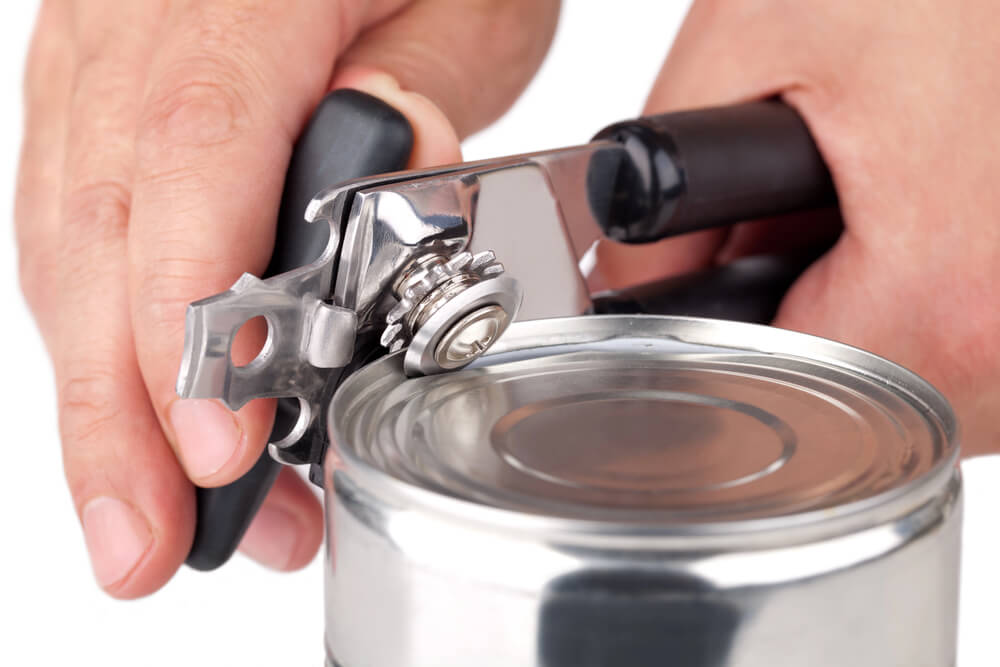
Hand-crank can openers produced a distinct grinding, ratcheting sound as a gear mechanism cut around the lid of a metal can, a sound repeated in some form in nearly every American kitchen on a near-daily basis for generations. Electric can openers reduced but did not eliminate the sound, while the rise of resealable and pull-tab packaging reduced how often any can opener needs to be used at all.
The manual crank version specifically has become less common as electric models and pre-opened packaging have taken over much of its function.
A Sewing Machine’s Rhythmic Motor Hum

Home sewing machines, once common enough that many households used one regularly for mending and clothing construction, produced a steady mechanical hum punctuated by the rhythmic clicking of the needle mechanism. The overall decline in home sewing as a routine household activity, driven by cheap mass-produced clothing, has made the sound far less common in an average home.
It persists mainly among a smaller dedicated hobbyist community rather than as a routine household sound.
A Grandfather Clock’s Hourly Chime
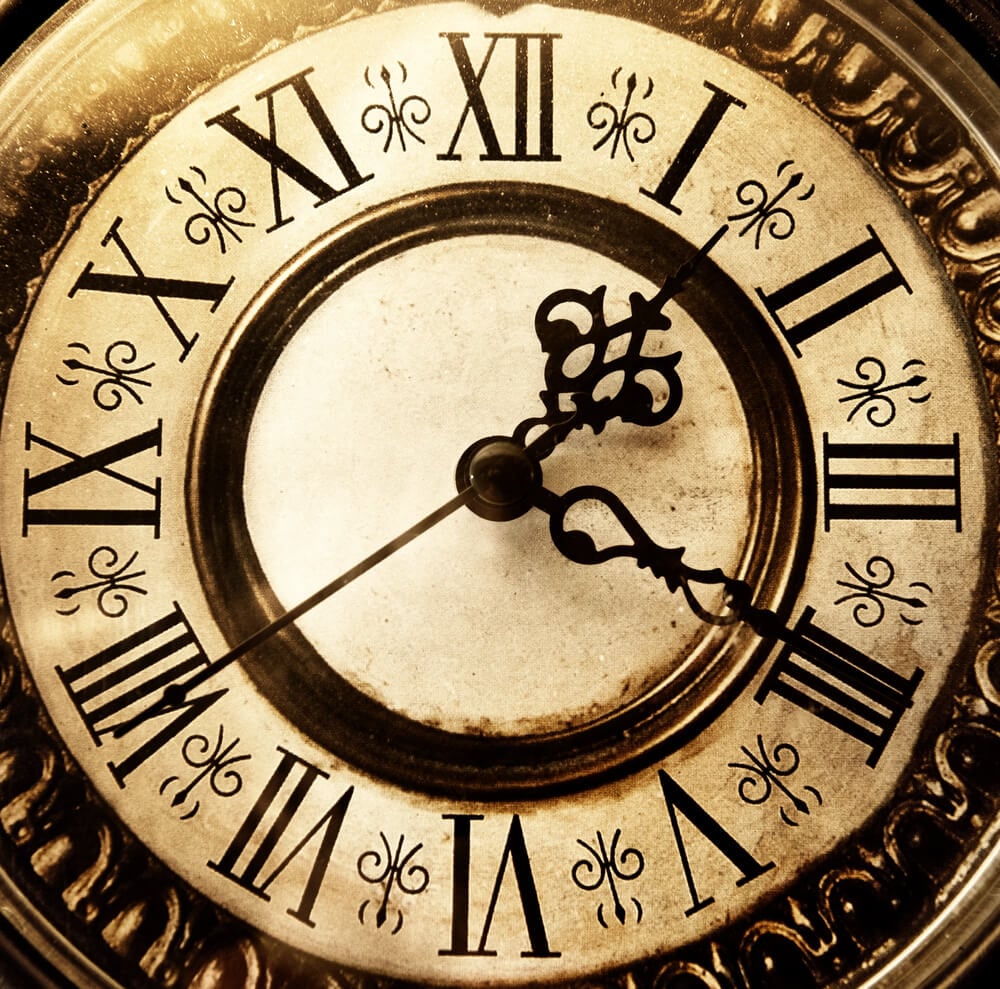
Freestanding pendulum clocks with mechanical chimes were once a common fixture in American living rooms and hallways, marking each hour with a distinct sequence of tones audible throughout the house. Battery-powered and digital clocks eliminated the need for the weight-driven mechanism that produced the chime, and fewer households keep a chiming clock as a regular timekeeping device at all.
The specific layered chime marking each hour has become associated more with an inherited antique than an actively used household clock.
A Rotary Fan’s Mechanical Oscillation Click
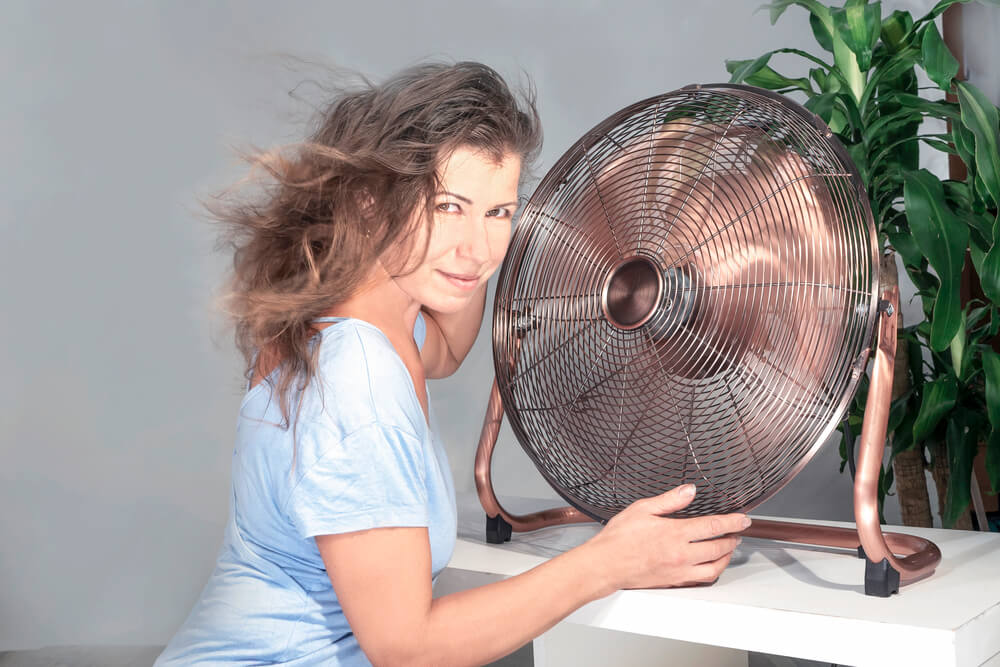
Older electric oscillating fans used a mechanical gear system to sweep side to side, producing an audible clicking sound at each end of the rotation as the mechanism reversed direction. Modern fans, particularly newer bladeless and remote-controlled designs, use quieter motor systems that largely eliminate the distinct clicking sound.
The specific rhythmic click of an old oscillating fan sweeping a room has become less common as fan technology has modernized.
A Doorbell’s Mechanical Buzzer
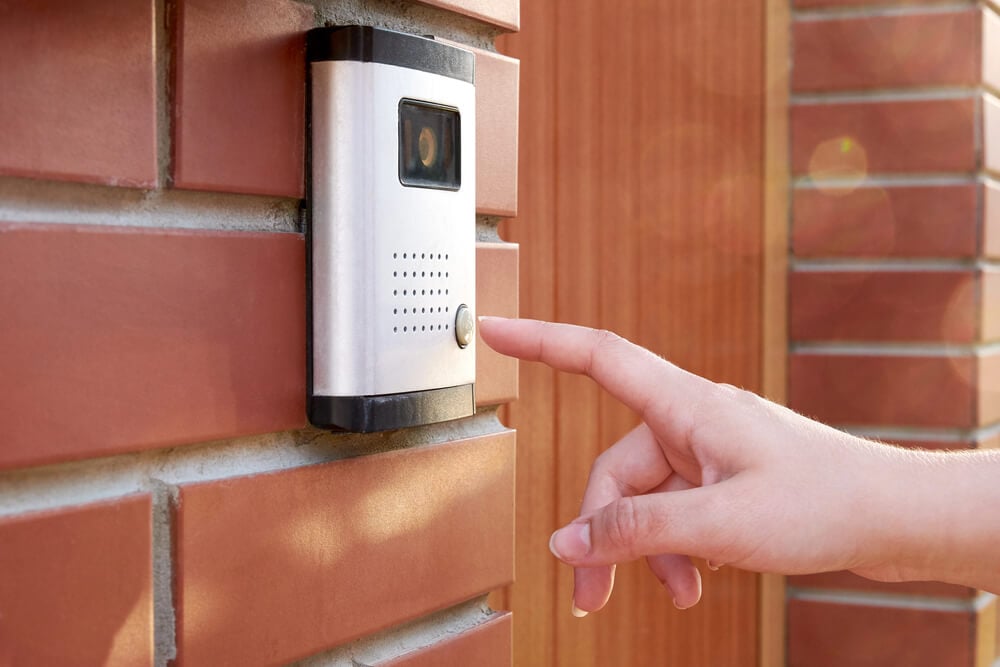
Many older homes used a mechanical buzzer-style doorbell that produced a harsh, continuous buzzing sound for as long as the button was pressed, distinct from the multi-tone chime sounds that became standard later. Modern doorbells, including smart doorbells with customizable digital tones, have almost entirely replaced the mechanical buzzer style.
The specific harsh buzz of an older doorbell system has become an uncommon sound outside of older, unrenovated homes.
A Slide Projector’s Carousel Advancing
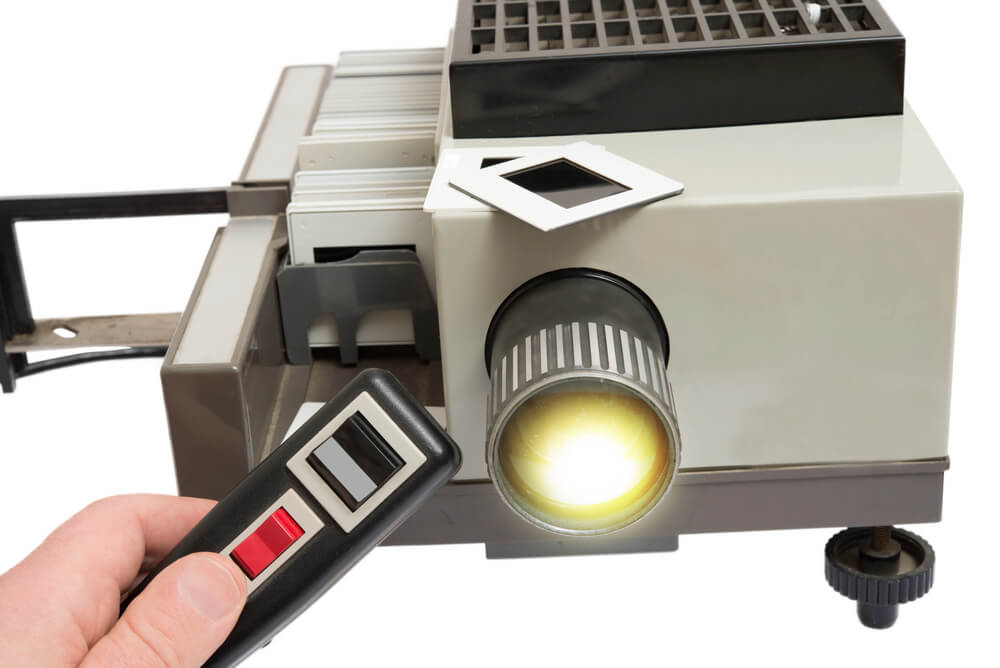
Home slide projectors used a mechanical carousel tray that produced a distinct clunk each time it advanced to the next slide, often paired with the whirring sound of an internal cooling fan running continuously during use. Digital photo displays and television slideshows eliminated the entire physical mechanism.
The specific clunk-and-whir combination of a slide projector cycling through a family vacation has become an unfamiliar sound to anyone who grew up with digital photo storage.
A Manual Adding Machine’s Lever Pull
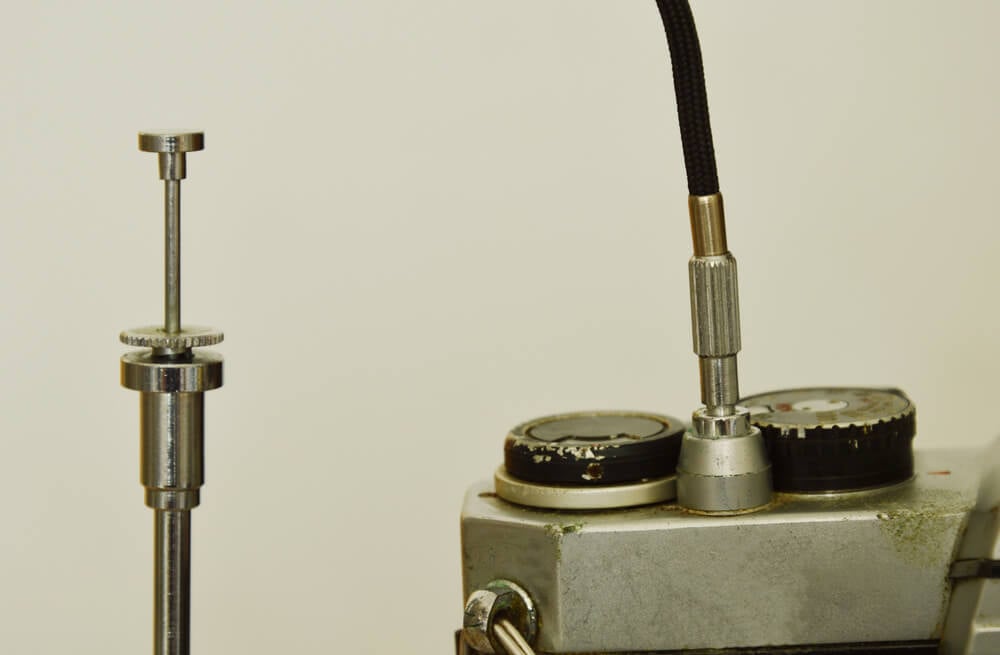
Mechanical adding machines used in many home offices and small businesses required pulling a physical lever after entering numbers, producing a distinct mechanical clunk each time a calculation was processed. Electronic calculators and computer spreadsheet software eliminated the need for any physical lever or mechanical calculation process.
The rhythmic clunk of a lever-operated adding machine has become an almost entirely obsolete household sound.
A Rotary Washing Machine’s Wringer Cranking

Older washing machines equipped with a manual wringer required physically cranking clothing through two rollers to squeeze out excess water, producing a distinct mechanical cranking sound paired with the water being pressed out audibly. Modern washing machines with spin cycles eliminated the manual wringer entirely by the mid-twentieth century in most American homes.
The specific sound of a manual wringer has become almost entirely unfamiliar outside of antique appliance demonstrations.
A Television Channel Changing With a Mechanical Click

Older televisions used a mechanical rotary dial to change channels, producing a distinct clicking sound with each turn as physical contacts engaged inside the set. Remote controls and later digital tuning eliminated the mechanical dial and its associated click entirely.
The specific sound of manually turning a television dial through unused channels has become unfamiliar to anyone who grew up with a remote control as the default method.
A Landline Phone’s Busy Signal
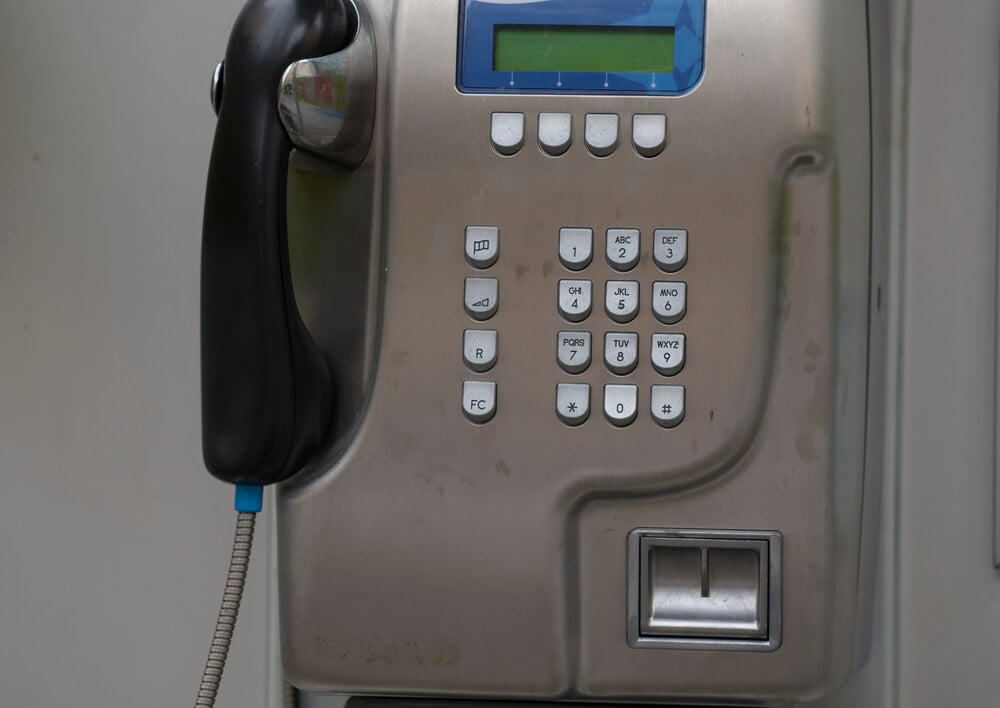
Landline telephones produced a distinct rapid beeping tone, known as a busy signal, whenever a call reached a line that was already in use, a common enough experience that it became a recognizable cultural shorthand for rejection or unavailability. Call waiting and, later, the shift to mobile phones with voicemail eliminated the busy signal from most people’s regular phone experience.
Younger callers today have often never actually heard one outside of an old recording or a stylized sound effect.
A Manual Pencil Sharpener’s Crank
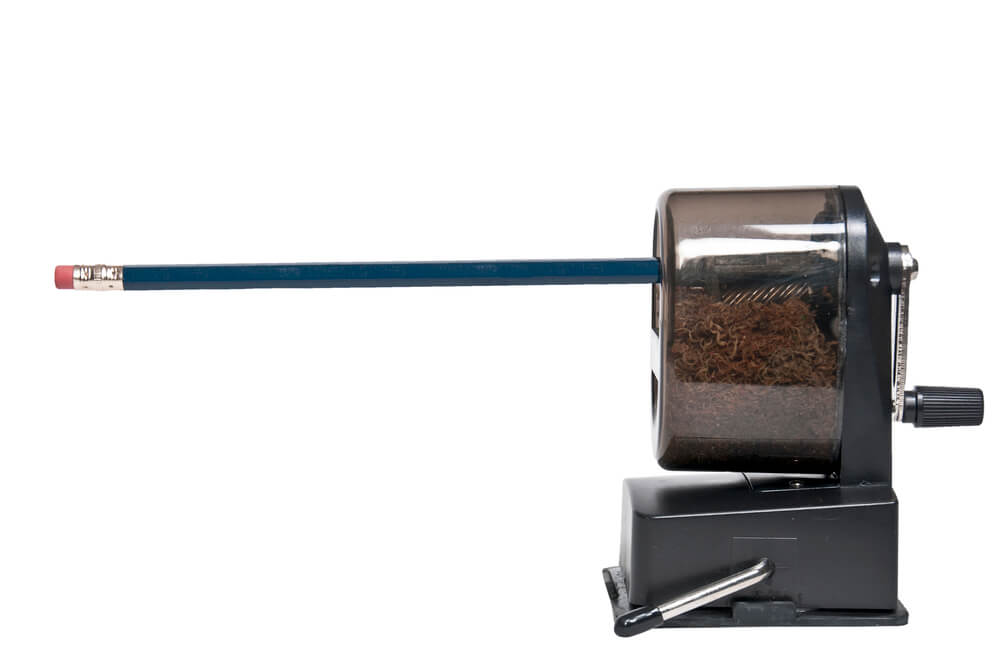
Wall or desk-mounted manual pencil sharpeners required a hand crank to sharpen a single pencil, producing a distinct grinding sound that varied in pitch as the pencil neared a fine point. Electric and battery-powered sharpeners largely replaced the hand-crank mechanism in most schools and offices.
The specific grinding pitch shift of a manual sharpener finishing a pencil has become an unfamiliar sound to many students today.
The Sound of a House Listening Back

None of these sounds disappeared because anyone specifically decided to silence them. Each one was simply a side effect of a mechanical process that eventually got replaced by something electronic, digital, or automated, and the sound went away as an incidental consequence of solving an unrelated problem faster or more quietly.
What’s left behind is a kind of accidental audio record of how domestic technology actually evolved, mechanism by mechanism, each one slightly quieter and slightly less involved than what came before it. A house today is a genuinely quieter place than it was fifty years ago, and almost nobody planned it that way on purpose.
More from Go2Tutors!

- The Romanov Crown Jewels and Their Tragic Fate
- 13 Historical Mysteries That Science Still Can’t Solve
- Famous Hoaxes That Fooled the World for Years
- 15 Child Stars with Tragic Adult Lives
- 16 Famous Jewelry Pieces in History
Like Go2Tutors’s content? Follow us on MSN.



