Old Tech from the 50’s, 60’s and 70’s
Technology moves fast. What seems ancient now once felt like the future. The gadgets and machines from the 50’s, 60’s, and 70’s shaped how people lived, worked, and connected with each other.
These weren’t just tools—they were the first steps toward the digital world you know today.
Transistor Radios Changed Everything
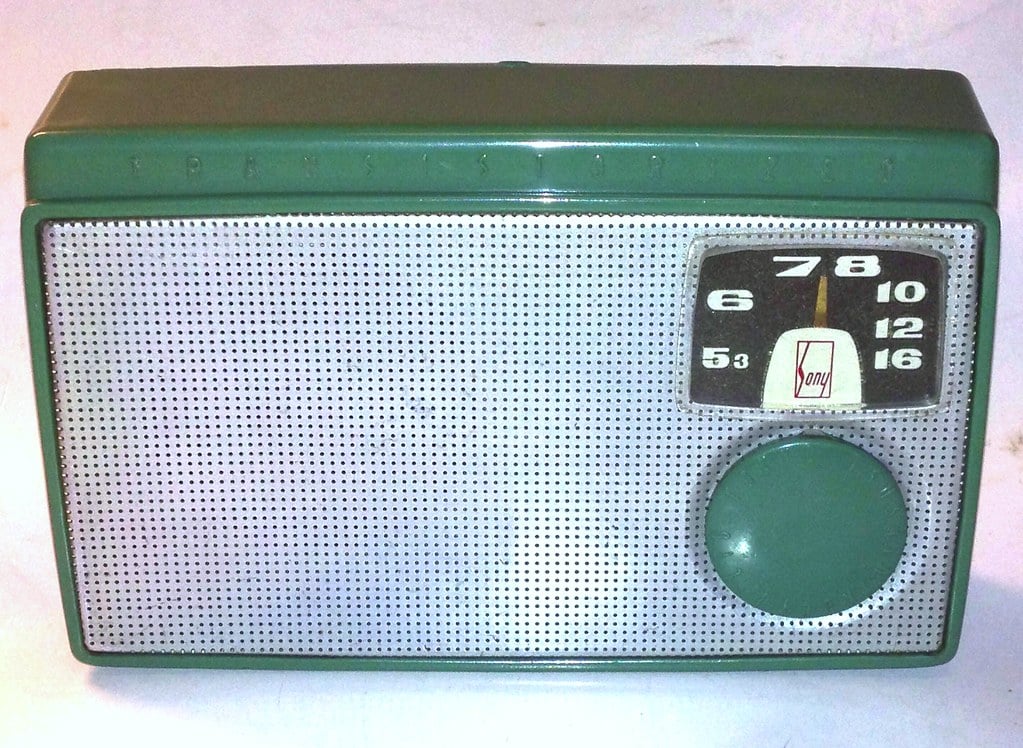
Before the transistor radio came along, radios were bulky pieces of furniture that sat in living rooms. Then Sony released the TR-55 in 1955, and suddenly music became portable.
You could take it to the beach, the park, or anywhere else you wanted to go. These little devices run on batteries and fit in your pocket.
Teenagers especially loved them because they could listen to rock and roll without their parents knowing. The sound quality wasn’t great by today’s standards, but that didn’t matter.
What mattered was freedom.
Rotary Phones Dominated Communication

Pick up the handset, hear the dial tone, and spin the dial for each number. That’s how phone calls worked for decades.
Rotary phones felt solid and permanent, with their heavy bases and coiled cords. Making a call took time.
If you messed up a digit, you had to start over. Long-distance calls cost real money, so conversations stayed short.
The phone sat in one spot—usually the kitchen or hallway—and everyone in the house could hear your conversation. Privacy was a luxury.
Vinyl Records Created Soundtracks for Life
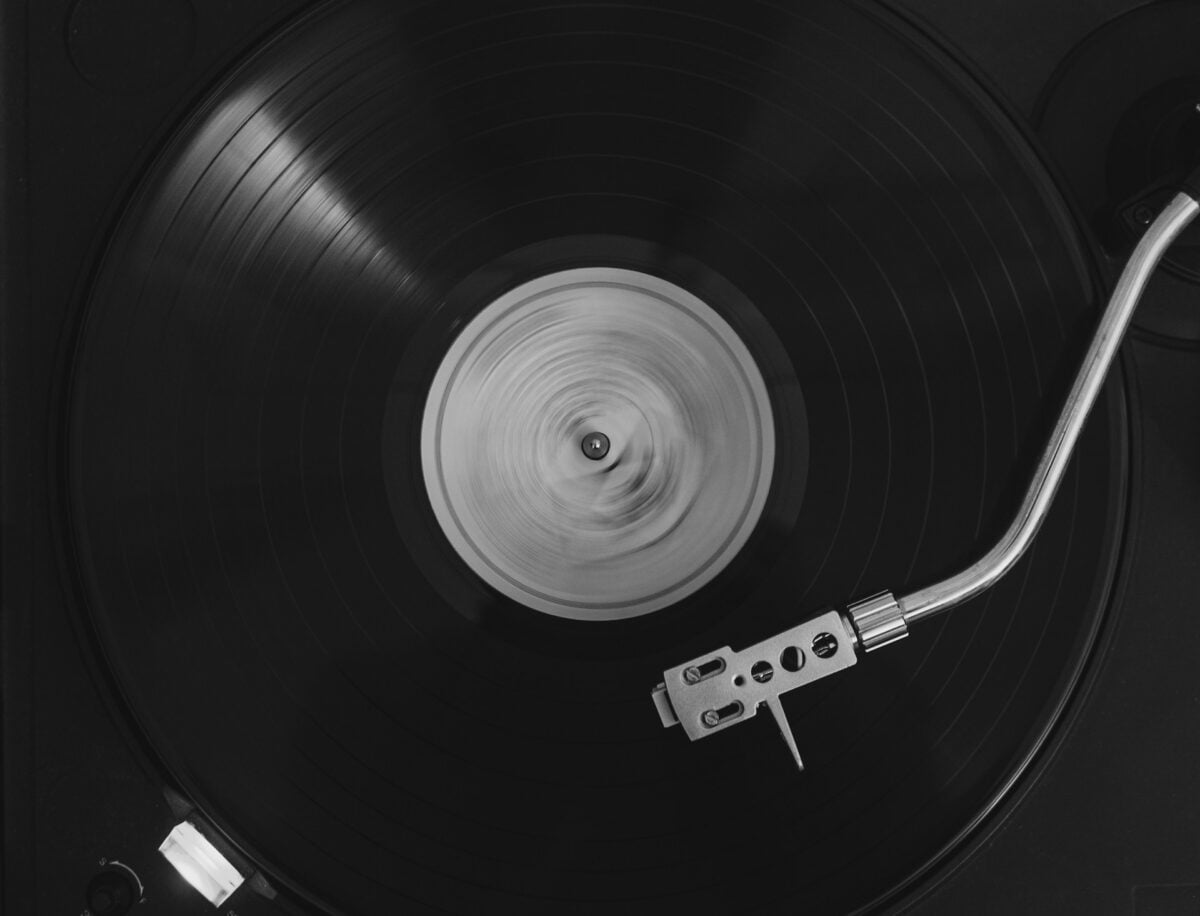
The 33⅓ RPM long-playing record arrived in 1948, but it really took off during the 50’s and beyond. Albums became art. You didn’t just buy music—you bought a whole experience with album covers, liner notes, and the ritual of placing the needle on the groove.
Records scratched easily and skipped if you bumped the turntable. But the sound had warmth that digital music struggles to replicate.
People built entire collections, organizing them carefully on shelves. Flipping through someone’s record collection told you who they were.
Polaroid Cameras Delivered Instant Gratification

Edwin Land introduced the Polaroid camera in 1948, but it became a household staple in the following decades. You took a picture, and within minutes, you held a physical photo in your hands.
No waiting for film development. No trips to the drugstore. The cameras were expensive, and each photo cost money.
You couldn’t take hundreds of shots like you do now on your phone. Every picture mattered.
People waved the photos in the air to help them develop, even though it didn’t actually speed up the process. The slightly washed-out look of Polaroid photos became iconic.
Reel-to-Reel Tape Recorders Captured Sound
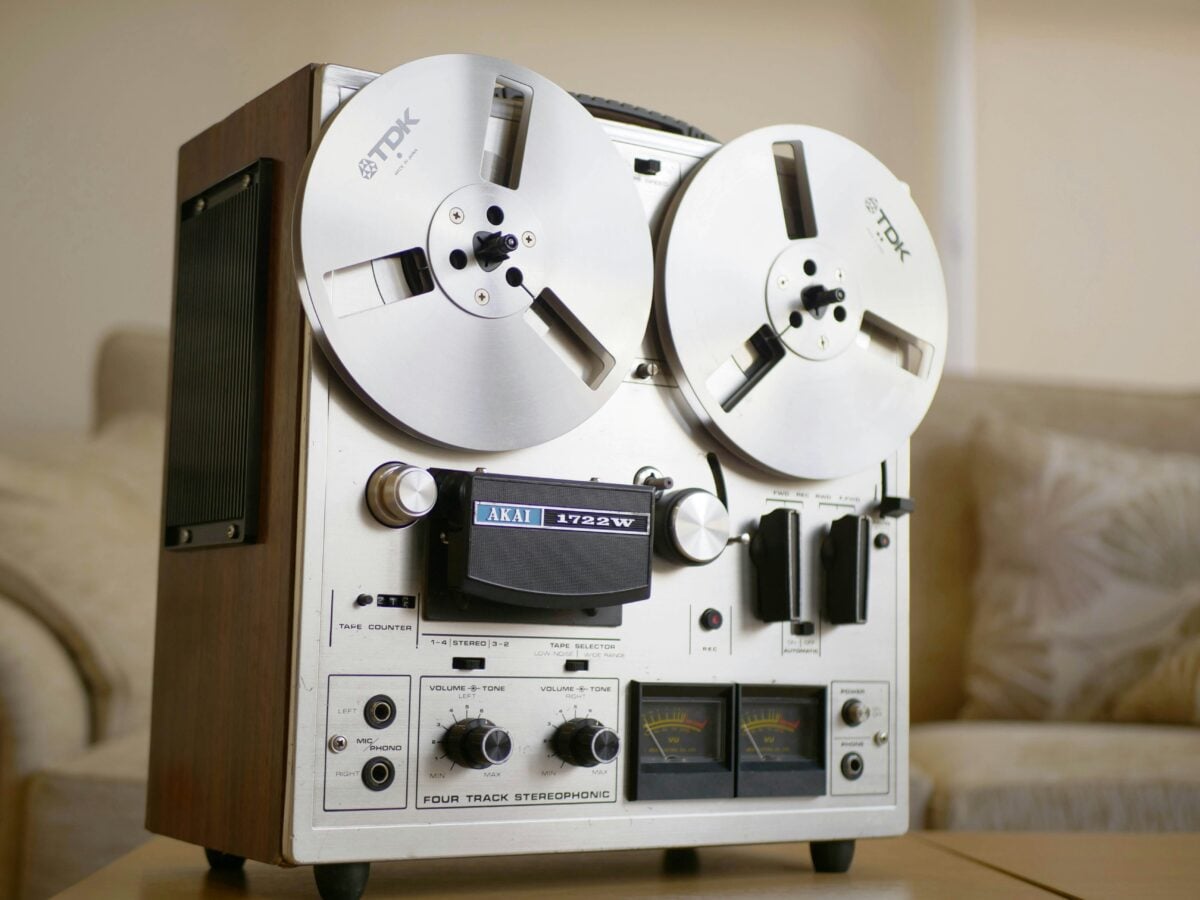
Before cassettes, serious audio recording happened on reel-to-reel machines. These beasts used spools of magnetic tape that you threaded through the machine manually.
Recording studios used them, but some enthusiasts had them at home too. Operating one required patience and skill.
You had to get the tape tension just right, splice sections together with razor blades and special tape, and hope nothing went wrong. The sound quality was excellent for the time, which made all the hassle worthwhile for audiophiles and professionals.
Early Computers Filled Entire Rooms
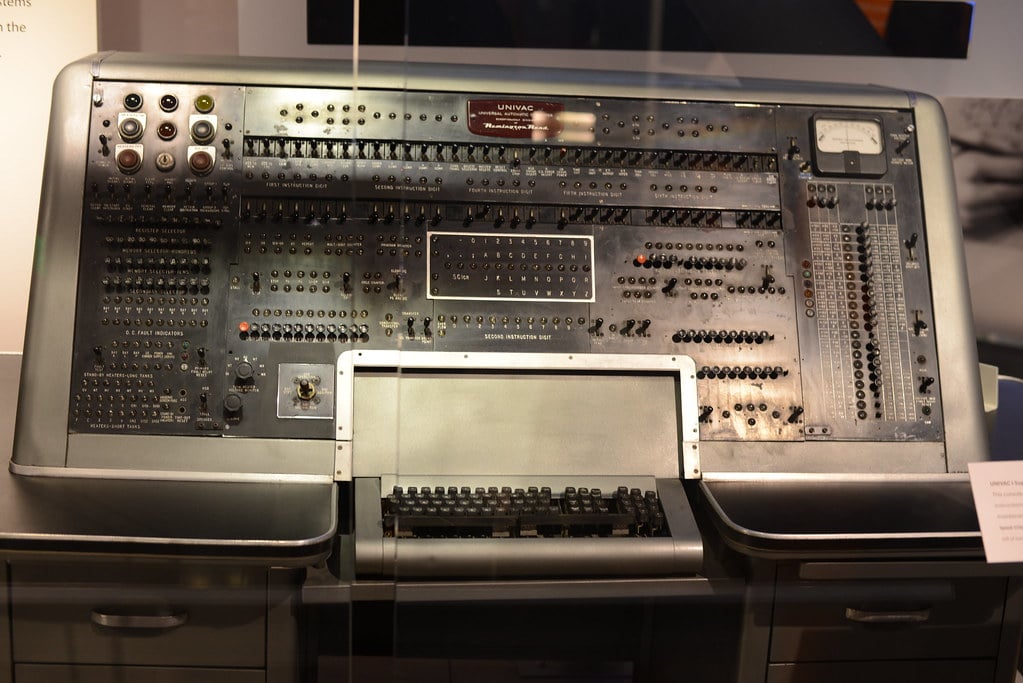
The computers of the 50’s and 60’s bore no resemblance to what you use today. UNIVAC and IBM mainframes took up whole rooms, required special cooling systems, and cost millions of dollars.
They used vacuum tubes that burned out regularly. Programming these machines meant punching orbs in cards, stacking them in precise order, and hoping you didn’t drop the deck.
A single program could require thousands of cards. Mistakes meant starting over.
Only universities, government agencies, and large corporations could afford them.
Cassette Tapes Made Recording Personal

Philips introduced the compact cassette in 1963, and it changed how people experienced music. You could record songs off the radio, make mixtapes for friends, or copy your favorite albums.
The recording industry hated this. The tapes tangled, broke, and degraded over time.
Players ate them regularly, leaving ribbons of tape spooled around the mechanism. But none of that stopped cassettes from dominating portable music for decades.
The ability to create your own playlists felt personal and powerful.
Color Television Transformed Living Rooms

Color TV existed in the 50’s, but it didn’t become common until the mid-60’s. The switch from black and white felt monumental.
Shows like “Bonanza” and “Star Trek” were designed specifically to show off color. The early color sets were expensive and unreliable.
You adjusted multiple knobs trying to get flesh tones that didn’t look green or purple. The picture tube jutted out from the back, making the sets incredibly deep and heavy.
But watching “The Wizard of Oz” go from sepia to technicolor on your own TV was worth every penny.
Touch-Tone Phones Sped Things Up

AT&T introduced touch-tone dialing in 1963 as an alternative to rotary phones. Instead of spinning a dial, you pressed buttons.
Each button made a different tone, which the phone system recognized. The phones looked more modern and made calling faster.
But phone companies charged extra for touch-tone service, so rotary phones stuck around for years. The tones themselves became embedded in culture—movies used them, musicians sampled them, and everyone recognized the sound.
8-Track Tapes Ruled Car Audio

The 8-track tape player became the standard for car stereos in the late 60’s and 70’s. These chunky cartridges held about 80 minutes of music divided into four programs.
When one program ended, the player would click and switch to the next track with an audible “ka-chunk.” The system had problems.
Tapes jammed constantly, and songs sometimes split between programs, interrupting in the middle. Sound quality degraded quickly.
But for a while, cruising with your favorite 8-track playing was the definition of cool.
Pong Brought Video Games Home

Atari released Pong in 1972 as an arcade game, then brought a home version to market in 1975. Two paddles, a square orb, and a net in the middle.
That was it. Yet people spent hours playing this simple tennis simulation.
The home console connected to your TV and came with built-in controllers. You couldn’t change games—the system only played Pong.
But it proved that video games could work at home, paving the way for the entire industry that followed.
Microwaves Redefined Cooking Speed

Microwave ovens entered homes in the late 60’s and early 70’s, though they’d existed in commercial settings since the 40’s. These appliances promised to heat food in minutes instead of hours.
Early models were huge, expensive, and kind of scary. People worried about radiation and whether the food was actually safe to eat. But the convenience won out.
You could reheat leftovers, make popcorn, or defrost meat without planning hours ahead. Cooking habits changed permanently.
Pocket Calculators Replaced Slide Rules

Scientists and engineers relied on slide rules for complex calculations until electronic calculators arrived. The first pocket calculators appeared in the early 70’s and cost hundreds of dollars.
But prices dropped fast. By the mid-70’s, students were using calculators instead of doing long division by hand.
Teachers debated whether this was good or bad for learning. The devices eliminated the tedium of arithmetic, freeing people up for higher-level thinking.
Or making them dependent on machines, depending on who you asked.
Early Video Game Consoles Created New Entertainment
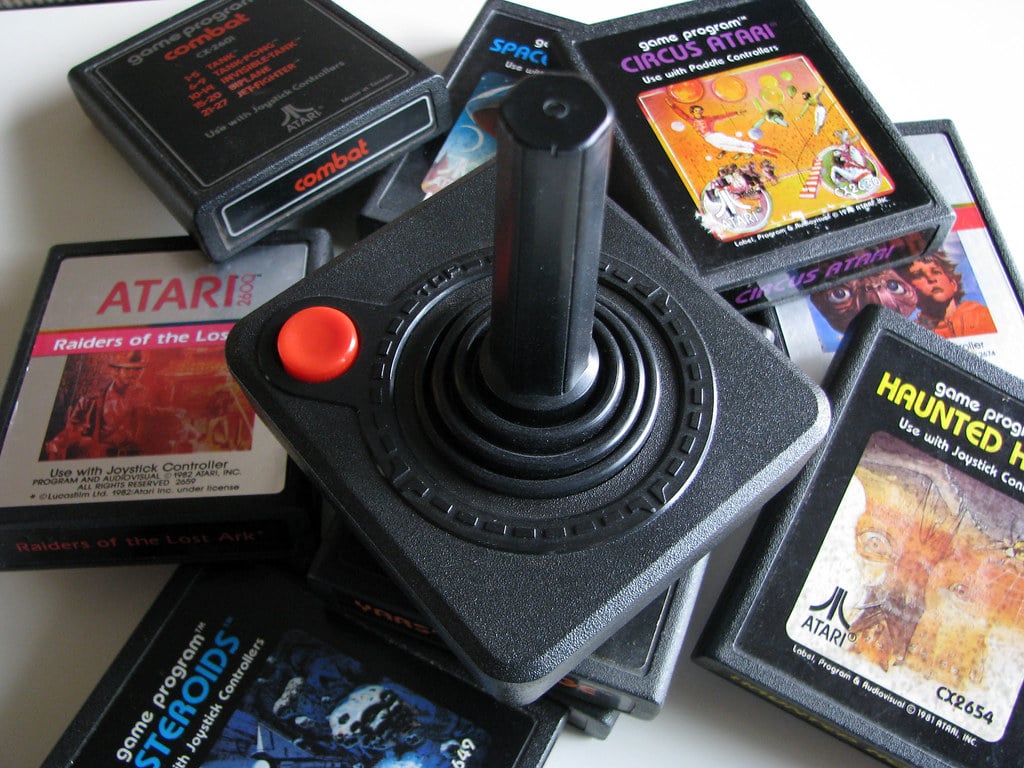
One step past Pong, firms pushed fast into home consoles. First out was the Magnavox Odyssey back in ’72.
Then came Atari’s 2600 five years later. Cartridges snapped in and swapped out, so one machine ran many games.
Blocky shapes filled screens back then. Even so, titles such as “Space Invaders” and “Pac-Man” took off fast.
Children asked adults again and again for gaming systems. They sat for long stretches staring at glowing boxes.
Grown-ups feared it harmed young minds. Ring any bells?
Where Those Decades Led

Old tech from the mid-twentieth century often failed. Frustration followed breakdowns, yet those machines hinted at futures we now live.
Portability emerged back then, along with quick outcomes, private media access, plus digital routines creeping into daily life. Clumsy models paved paths forward – engineers learned through missteps, guided by awkward tools.
Progress hid inside each flawed invention, revealing itself slowly. From those first tests came your phone, shows online, and gadgets without wires.
Not only tech mattered back then – folks learned how tools might actually help day-to-day living. This still unfolds today.
More from Go2Tutors!

- The Romanov Crown Jewels and Their Tragic Fate
- 13 Historical Mysteries That Science Still Can’t Solve
- Famous Hoaxes That Fooled the World for Years
- 15 Child Stars with Tragic Adult Lives
- 16 Famous Jewelry Pieces in History
Like Go2Tutors’s content? Follow us on MSN.