26 Inventions Rejected Before They Sold Millions
The first person to see a new invention is rarely the one who recognizes its value. Some of the most successful products in modern history were turned away, mocked, or dismissed outright before anyone realized what they were actually looking at.
Monopoly

Inventor Charles Darrow pitched his property-trading board game to Parker Brothers in 1934, and the company rejected it, citing 52 separate design flaws in an internal review. Darrow continued selling handmade copies independently, and demand grew quickly enough that Parker Brothers reversed its decision within the same year.
The company eventually acquired the rights and released it nationally, and Monopoly has since sold hundreds of millions of copies worldwide. It remains one of the best-selling board games ever produced.
The Xerox Photocopier
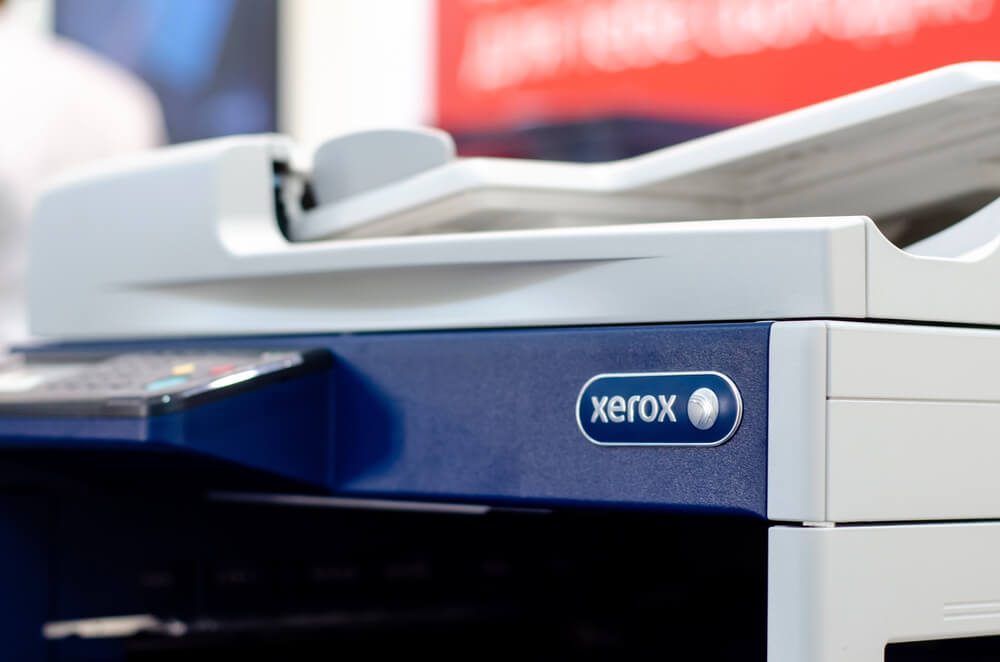
Inventor Chester Carlson developed a dry-copying process in the late 1930s and spent years trying to interest established companies in the technology, facing rejection from more than 20 major corporations, including IBM and Kodak. Most companies saw no clear market for a machine that duplicated documents, since carbon paper already served that function adequately in most offices.
The Haloid Company eventually licensed the technology in the 1940s and rebranded around it, releasing the first Xerox copier in 1959. It became one of the most commercially successful office machines in history.
The Telephone

Alexander Graham Bell and his backers offered to sell the telephone patent to Western Union in 1876 for $100,000, and the company’s president reportedly dismissed it as an interesting novelty with no serious business application. Western Union instead focused on its existing telegraph network, assuming voice communication over wires had limited practical use.
Bell’s own company grew rapidly in the years that followed, eventually becoming the dominant force in American communications. Western Union later attempted, unsuccessfully, to enter the telephone business itself.
Spanx

Entrepreneur Sara Blakely spent nearly two years pitching her footless pantyhose concept to hosiery manufacturers in the late 1990s, and every company she approached turned her down. Manufacturers doubted a product invented by an unknown door-to-door sales professional with no industry background could succeed.
She eventually found a small manufacturer willing to produce a limited run, and Oprah Winfrey’s endorsement in 2000 helped the product reach a national audience almost overnight. Spanx has since sold well beyond a hundred million units across its expanded product lines.
Scrabble

Architect Alfred Butts developed an early version of the word-based tile game in the 1930s and pitched it to several established game manufacturers, all of which rejected it as too intellectual for mass consumer appeal. He continued producing sets independently with a business partner for years with minimal commercial success.
Sales only took off after a department store executive discovered the game on vacation in the early 1950s and pushed for wider distribution. It has since sold well over 150 million sets worldwide.
The Dyson Vacuum
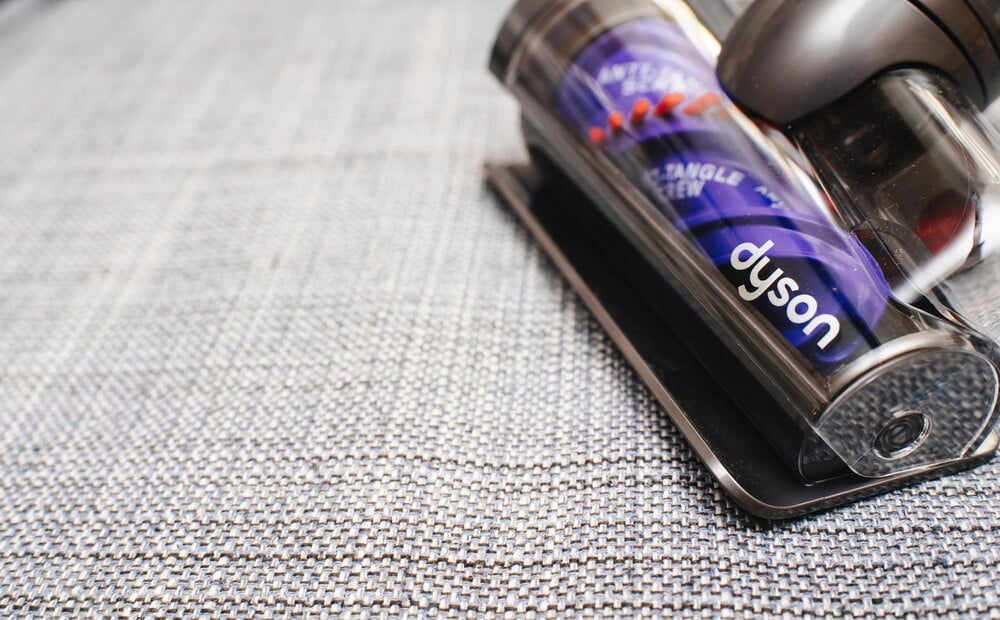
Inventor James Dyson developed a bagless vacuum cleaner design in the late 1970s and spent years pitching it to every major vacuum manufacturer in Britain, all of whom declined, since bagged vacuum replacement filters represented a significant recurring revenue stream they were unwilling to give up. He eventually licensed the design to a Japanese manufacturer, where it launched successfully in 1986 before he could bring it to Western markets under his own name.
Dyson later built his own company around the rejected design, and it has since sold well over a hundred million units worldwide.
Airbnb

The founders of Airbnb pitched their home-sharing concept to investors in 2008, and most declined to fund it, doubting that strangers would ever feel comfortable staying in each other’s homes. Several prominent venture capital firms passed on the company during its earliest funding rounds.
The founders resorted to selling novelty breakfast cereal boxes to keep the company financially afloat during its first year. Airbnb has since facilitated hundreds of millions of stays worldwide and became a publicly traded company.
The Television

Early demonstrations of electronic television technology in the 1920s and 1930s were widely dismissed by press and industry figures who assumed radio would remain the dominant home entertainment medium indefinitely. Some prominent engineers of the era publicly predicted the technology would never achieve commercial viability due to cost and technical limitations.
Television broadcasting expanded rapidly following World War II once manufacturing costs dropped and program content improved. It became the dominant home entertainment medium within a single generation of its dismissal.
The Airplane

The Wright brothers struggled for years to interest the United States military and European governments in powered flight, and several officials publicly doubted their claims even after documented flights had occurred. Some newspapers declined to cover early demonstrations, skeptical that sustained flight was achievable at all.
Military and commercial interest only accelerated significantly after European governments witnessed direct demonstrations years later. Aviation grew into a global industry within decades of the initial widespread rejection.
The Personal Computer
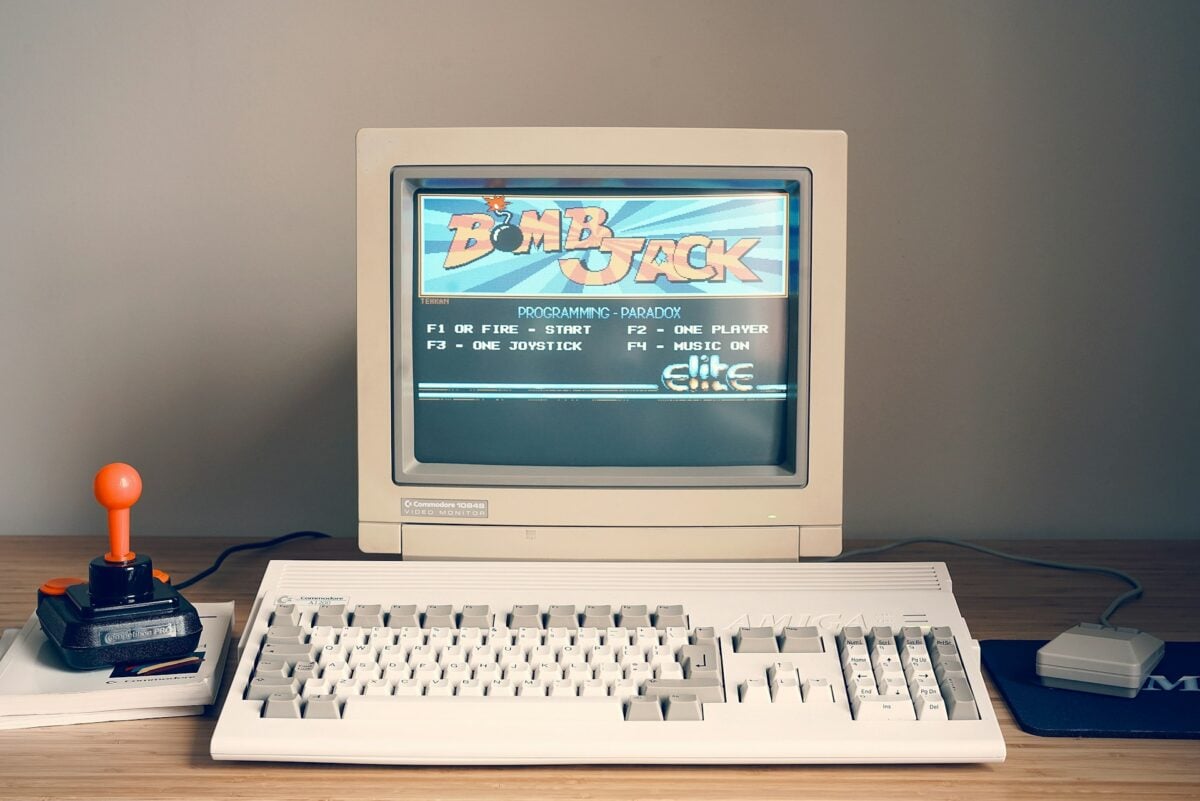
Engineers at Xerox’s research center developed foundational personal computing technology in the 1970s, including a graphical interface and mouse, but Xerox’s own leadership declined to commercialize the innovations for the consumer market. Company executives reportedly could not identify a business case for a computer aimed at individual households rather than corporations.
Apple and other companies later built commercially successful products directly inspired by the rejected Xerox research. Personal computers went on to sell in the hundreds of millions annually within a few decades.
Birdseye Frozen Food

Inventor Clarence Birdseye developed a fast-freezing process for preserving food quality in the 1920s, and grocery retailers initially declined to stock frozen products, doubting consumers would trust or want food kept in freezers. Existing store infrastructure also lacked the freezer cases necessary to display the products properly.
Birdseye’s company eventually partnered with retailers willing to invest in the necessary equipment, and frozen food sales grew steadily once availability improved. The frozen food industry now generates enormous annual sales worldwide.
The Waterbed

Inventor Charles Hall developed the modern waterbed design in the late 1960s and found that several major furniture retailers declined to carry it, viewing it as an impractical novelty unsuitable for mainstream bedroom furniture. Some patent examiners reportedly also expressed skepticism about its practical function during the approval process.
Independent retailers who took a chance on the product found strong demand throughout the 1970s and 1980s. Waterbeds sold in the millions during their peak popularity before newer mattress technology eventually reduced demand.
Velcro

Swiss engineer George de Mestral developed the hook-and-loop fastening system in the early 1950s after studying burrs stuck to his clothing, but textile manufacturers he approached largely dismissed it as an unattractive, overly complicated substitute for buttons and zippers. Adoption remained slow for years, limited mostly to niche industrial and aerospace applications.
Its reputation shifted considerably once NASA used it in spacesuit design during the 1960s space program, drawing significant public attention. Velcro fasteners now appear in consumer products sold in the billions annually across clothing, footwear, and general goods.
The Sony Walkman
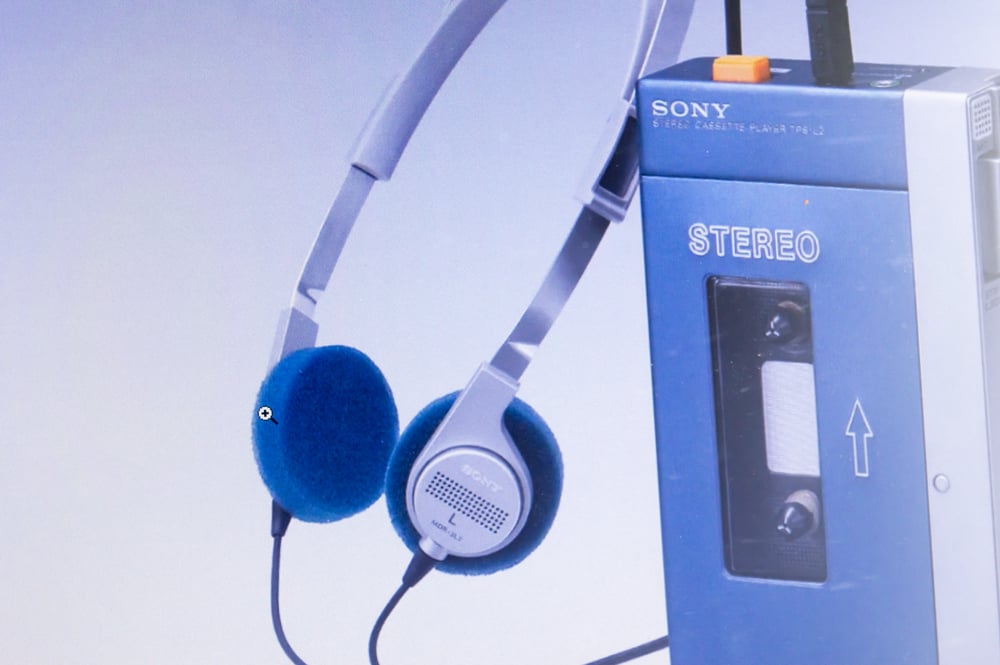
Sony’s own internal marketing team expressed strong doubts about the portable cassette player concept in 1979, questioning why anyone would want a device that played music but could not record it. Several executives argued the product lacked a clear market and initial sales projections were set cautiously low.
Co-founder Masaru Morita insisted on releasing it despite the internal skepticism, and it became an unexpected commercial phenomenon within months. The Walkman sold well over 200 million units across its various models over the following decades.
Cup Noodles

Instant ramen inventor Momofuku Ando pitched his cup-based, hot-water-only noodle concept to Japanese food distributors in the early 1970s, and many doubted consumers would pay a premium for a product that seemed similar to cheaper packaged ramen already on shelves. Retailers were initially reluctant to stock the higher-priced cup format alongside traditional bagged noodles.
A televised demonstration of American food distributors eating the product with forks, rather than the traditional chopsticks, helped popularize an easier global format. Cup Noodles has since sold in the tens of billions of units worldwide.
The Hybrid Car

Automakers largely dismissed hybrid gasoline-electric vehicle technology throughout the 1990s, assuming consumers would not accept reduced performance or higher upfront costs for uncertain fuel savings. Several major manufacturers passed on developing hybrid models for the mass market during this period.
Toyota released the Prius in Japan in 1997 despite continued industry skepticism, and it eventually became a global sales success as fuel costs and environmental awareness increased. Hybrid vehicle sales have since grown into the millions annually across nearly every major automaker.
FedEx’s Overnight Delivery Model

Entrepreneur Fred Smith struggled for years to secure investment for his overnight package delivery concept in the early 1970s, facing repeated rejection from banks and investors who doubted a centralized hub-and-spoke shipping model could operate profitably. The company came close to bankruptcy multiple times during its first years of operation.
Smith persisted through severe financial difficulty until the business model proved viable as demand for reliable overnight shipping grew. FedEx now delivers millions of packages daily across a global logistics network.
The Nike Waffle Trainer
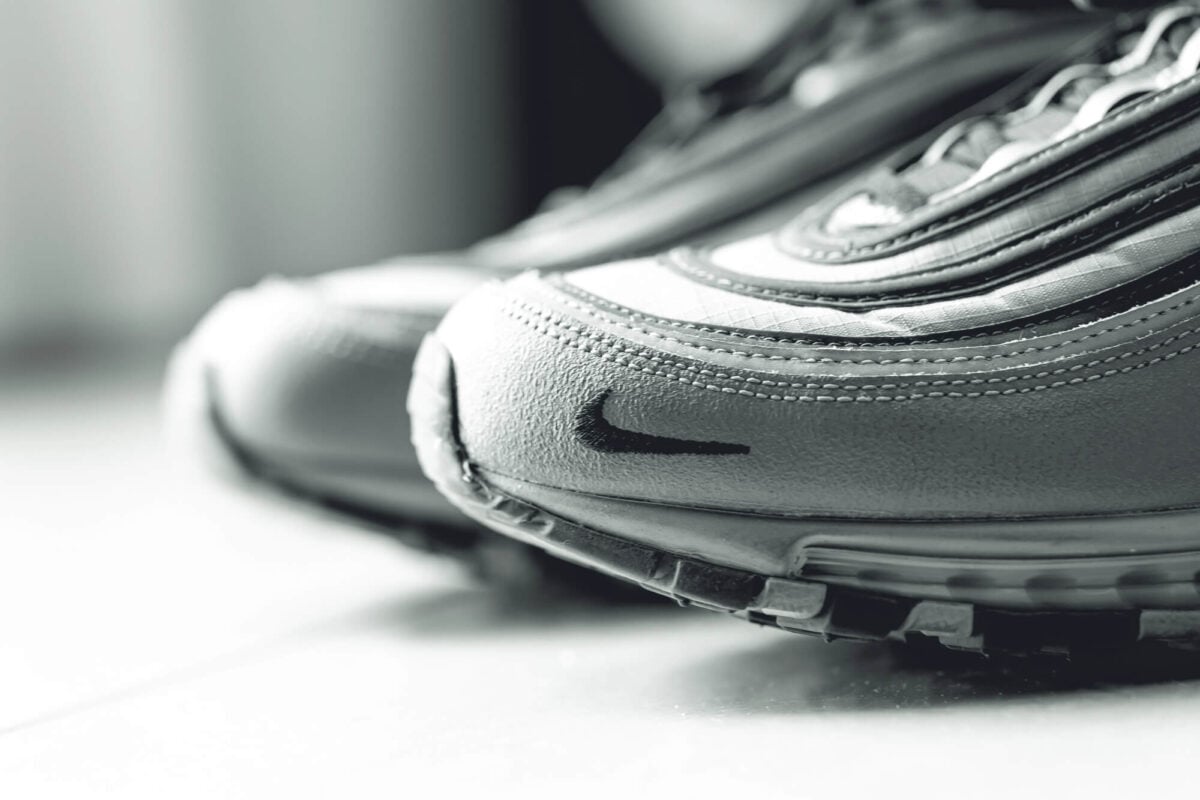
Running coach Bill Bowerman developed a distinctive rubber studded sole in the early 1970s by pouring rubber into a household waffle iron, and several footwear retailers initially doubted the unconventional design would appeal to casual runners. Traditional shoe manufacturers largely stuck with existing flat-soled designs at the time.
Nike released the Waffle Trainer commercially in 1974, and its improved traction helped establish the company’s early reputation in performance running shoes. The design’s underlying principles influenced athletic shoe soles for decades afterward.
Inline Skates

Modern inline skate designs were pitched to sporting goods retailers in the early 1980s, and many buyers doubted a product resembling ice hockey skates would appeal to a broader recreational market outside cold climates. Early inventories often sat unsold in stores that stocked them at all.
A hockey-playing pair of brothers who founded Rollerblade helped popularize the product through grassroots demonstrations and hockey training promotion in the mid-1980s. Inline skating grew into a mainstream recreational activity with sales in the millions by the following decade.
The Snowboard

Ski resorts across the United States widely banned snowboards throughout the 1970s and much of the 1980s, viewing early riders as a safety hazard and a poor fit for their existing ski culture and clientele. Manufacturers struggled to find retail and resort support during this period despite steadily growing grassroots interest.
Resorts gradually reversed course as snowboarding’s popularity became impossible to ignore, with most major resorts allowing it by the early 1990s. Snowboard equipment sales have since grown into a multi-billion-dollar annual industry.
The Sewing Machine
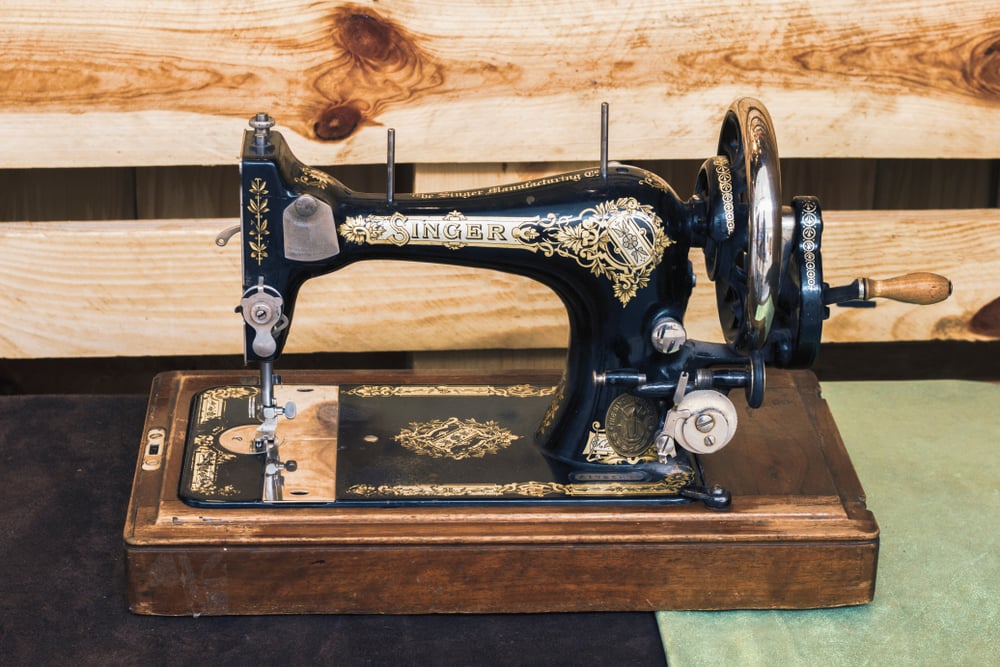
Early sewing machine inventors in the 1830s and 1840s faced fierce resistance from tailors who feared the technology would destroy their livelihoods, and some inventors’ workshops were reportedly targeted by hostile crowds. Isaac Singer’s improved commercial design in the 1850s still faced consumer skepticism about cost and reliability.
Singer’s company pioneered installment payment plans to make the machines more accessible to households, which dramatically expanded sales. Sewing machines eventually sold in the tens of millions and transformed both home and industrial garment production.
The Zipper

Inventor Whitcomb Judson patented an early fastening device in 1893, and the clothing industry showed little interest for decades, viewing it as unreliable and prone to jamming compared to buttons. Improvements to the design in the 1910s failed to significantly change industry attitudes for another decade. The fashion industry only began widely adopting the improved fastener in the late 1920s and 1930s, after B.F. Goodrich popularized the modern name while using it on rubber boots.
Zippers are now manufactured in the tens of billions annually across clothing and consumer goods.
The Credit Card

Diners Club introduced the first widely used charge card in 1950, and many restaurants and merchants initially declined to accept it, skeptical that customers would prefer a paper card over cash for everyday purchases. Banks were similarly slow to enter the market, uncertain whether cardholders would reliably pay their balances.
Adoption accelerated once major banks introduced their own competing card networks in the 1960s. Credit and charge cards now facilitate trillions of dollars in annual global transactions.
The Automatic Dishwasher

Inventor Josephine Cochrane patented an automatic dishwashing machine in 1886, and household consumers showed little initial interest, since most women of the era, as the primary users of home dishwashing, were reportedly satisfied with handwashing dishes and doubted the machine’s value. Cochrane found her earliest and most reliable customers among hotels and restaurants instead, which needed to wash large volumes of dishware quickly.
Home adoption did not grow substantially until the mid-twentieth century, once kitchen designs and household incomes changed considerably. Dishwashers are now standard household appliances installed in a majority of American homes.
The Electric Guitar

Early electric guitar designs introduced in the 1930s, including one nicknamed the Frying Pan for its unusual shape, drew skepticism from traditional musicians and instrument retailers who considered amplified string instruments a passing novelty. Established guitar manufacturers were slow to commit significant resources to the new technology.
Adoption accelerated substantially once popular musicians in the 1950s built entire genres around the instrument’s amplified sound. Electric guitars have since sold in the tens of millions and reshaped the direction of modern popular music.
The Escalator

Department stores in the early 1900s were initially hesitant to install early escalator models, uncertain whether customers would trust a moving staircase enough to use it regularly. Some early public demonstrations were staged specifically to reassure a nervous public that the mechanism was safe. Major retailers gradually installed escalators once demonstrations proved successful and foot traffic patterns improved measurably.
Escalators are now installed by the millions in shopping centers, transit stations, and public buildings worldwide.
Rejection as a Business Plan

What unites every entry on this list is not the eventual success, but the specific and confident reasoning behind the original rejection. Executives at Western Union, Parker Brothers, and Xerox were not careless; they were applying sound business logic to a product that did not yet fit any existing category they understood.
That is precisely why the rejection happened, and precisely why it turned out to be wrong. The lesson is less about persistence for its own sake and more about the limits of pattern recognition.
Every one of these products asked its first audience to imagine a market that did not yet exist, and most people, reasonably, could not.
More from Go2Tutors!

- The Romanov Crown Jewels and Their Tragic Fate
- 13 Historical Mysteries That Science Still Can’t Solve
- Famous Hoaxes That Fooled the World for Years
- 15 Child Stars with Tragic Adult Lives
- 16 Famous Jewelry Pieces in History
Like Go2Tutors’s content? Follow us on MSN.