26 Inventions Retired the Moment Something Cheaper Arrived
Economics crushes ingenuity regularly. Throughout industrial history, products vanished from shelves not because they failed to work but because something cheaper rendered them economically obsolete.
Whether retired by market forces or deliberately suppressed to protect profit margins, these inventions disappeared the moment a cheaper alternative arrived.
Phoebus Cartel Light Bulbs (Deliberately Shortened)

In 1925, major light bulb manufacturers including Osram, Philips, General Electric, and Tungsram formed the Phoebus cartel and deliberately reduced incandescent bulb lifespan from 2,500 hours to 1,000 hours. The strategy pioneered planned obsolescence itself—cheaper to produce but shorter-lived bulbs meant more repeat purchases and higher profits despite actually reducing costs per unit.
Sony Walkman Cassette Players
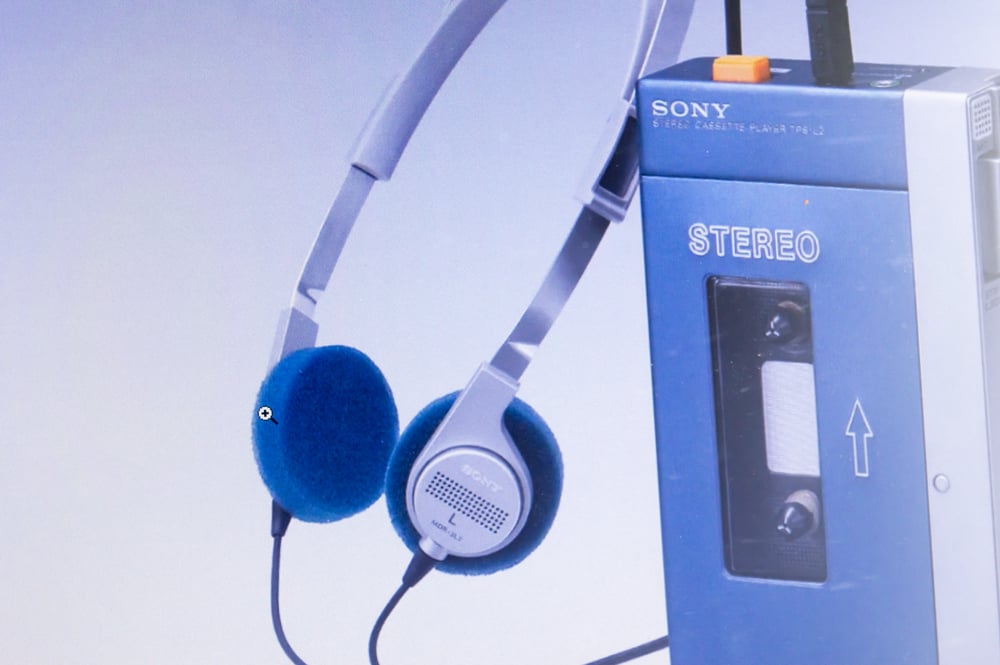
The Sony Walkman, which revolutionized portable music in 1979, was produced for three decades until 2010. It didn’t fail—it was killed by the arrival of the iPod and digital music streaming, which eventually made carrying a dedicated music device unnecessary and therefore uneconomical.
VCR Video Recorders
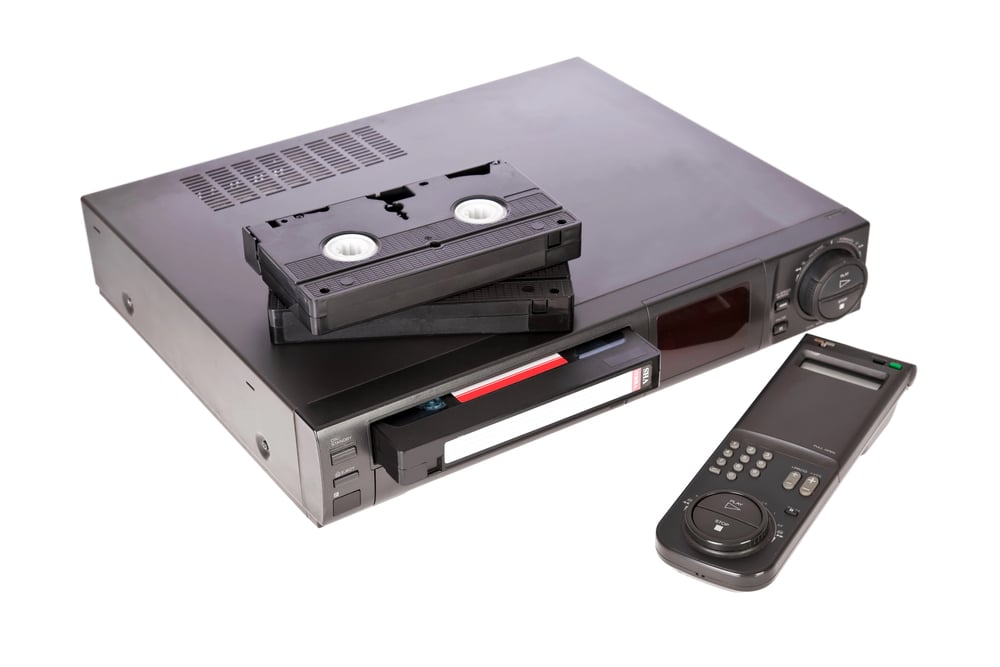
VCRs dominated home entertainment for decades, but when DVD players arrived offering better quality at lower prices, VCRs vanished from retail shelves. The transition happened within years, despite millions of VCRs still functioning perfectly in homes.
DVD Players and Blu-ray Discs

The technology that killed VCRs was itself killed by Netflix and streaming services. DVD players, which outsold VCRs for the first time in 2002, began disappearing from store shelves by 2015 as streaming became cheaper and more convenient than purchasing physical discs.
Typewriter Manufacturing

Typewriters, mechanical marvels refined over a century, were utterly abandoned once word processors and personal computers became affordable enough for consumer purchase. By the 1990s, new typewriter manufacturing had essentially ceased as computers offered more functionality at comparable or lower prices.
Pager Technology

Invented in the 1950s to allow doctors to receive urgent messages, pagers dominated professional communication through the 1980s. They were completely abandoned for consumer use within a decade of affordable cellular phones becoming available, though hospitals still use pagers as backup systems.
Phone Booths and Payphones

Public telephone booths filled city streets for a century, generating steady revenue through coin collection. Affordable cellular phones made them economically obsolete by the 1990s, and within two decades, payphones had largely disappeared from American streets as maintenance costs exceeded diminishing revenues.
Punched Card Data Systems
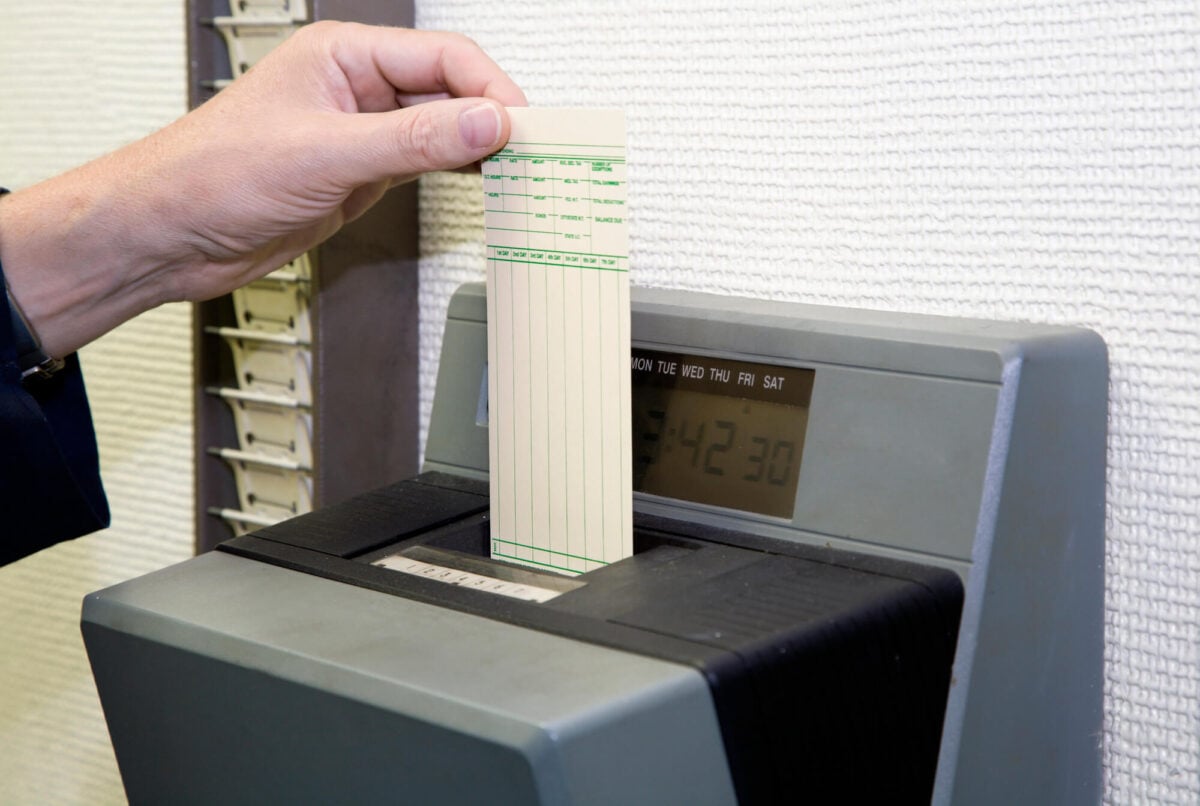
Punched card tabulation systems, refined over nearly a century, governed data processing from the 1890 Census through the 1980s. Direct-recording electronic voting machines and digital computing made the technology so obsolete that no manufacturer bothers with the equipment anymore.
SelectaVision Videodiscs

RCA invested heavily in SelectaVision, a videodisc technology meant to compete with home video. Priced at $695 when VCRs cost $300, SelectaVision failed spectacularly despite technical merit. The technology couldn’t pause or rewind like VHS, and within three years RCA abandoned it after selling only 550,000 units.
DAT (Digital Audio Tape)
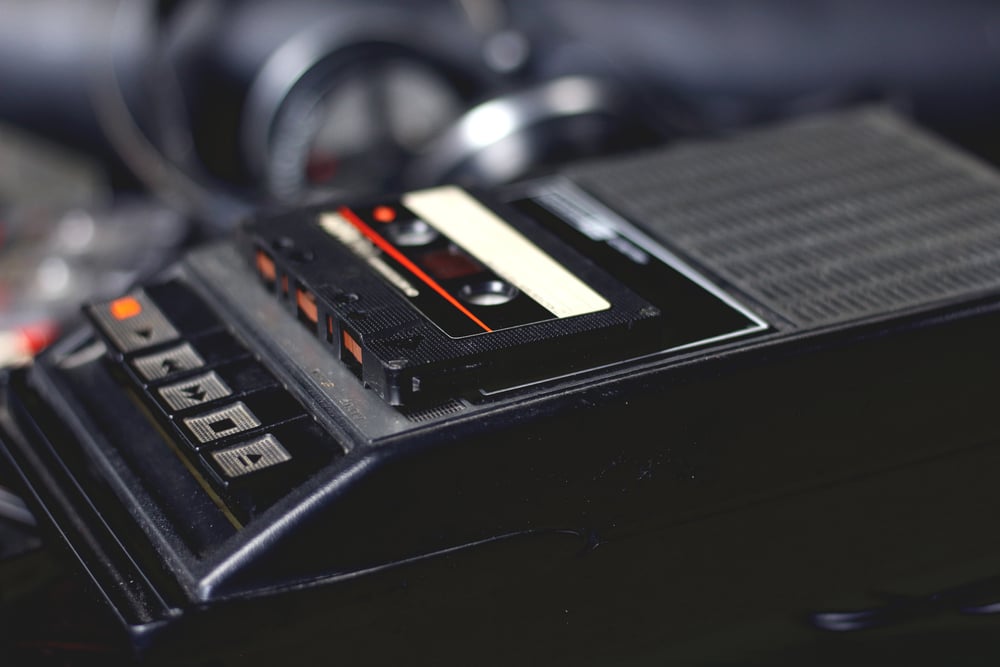
DAT offered perfect digital recording in compact cassette format, threatening record industry profit models. Industry lobbying delayed its US launch so long that cheaper alternatives like CD players and MP3s dominated the market before DAT could establish consumer presence, leaving it relegated to professional studios only.
MiniDisc Players
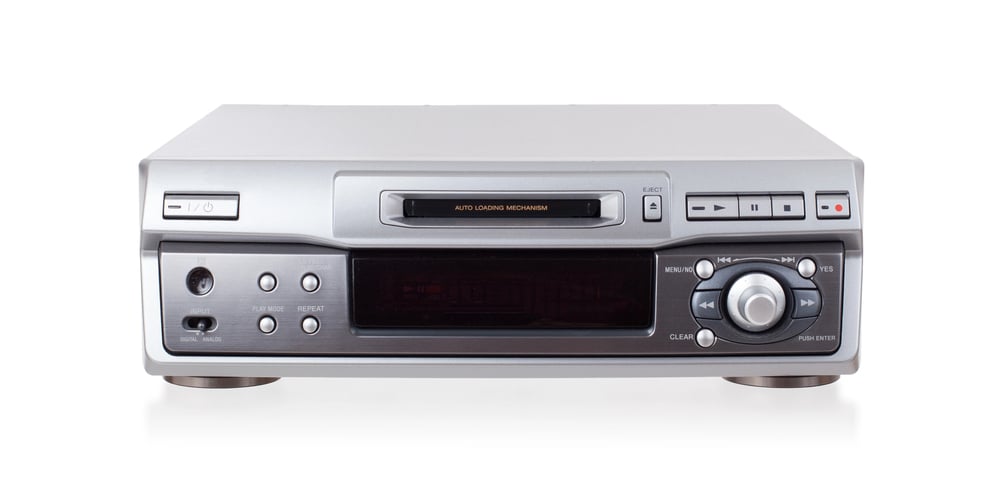
Sony’s MiniDisc format promised recordable digital music in a palm-sized device, but the emergence of cheaper MP3 players and iPods made it obsolete before it achieved mass market adoption. Introduced in 1992, MiniDiscs were effectively abandoned by 2010.
Betamax Video Recorders
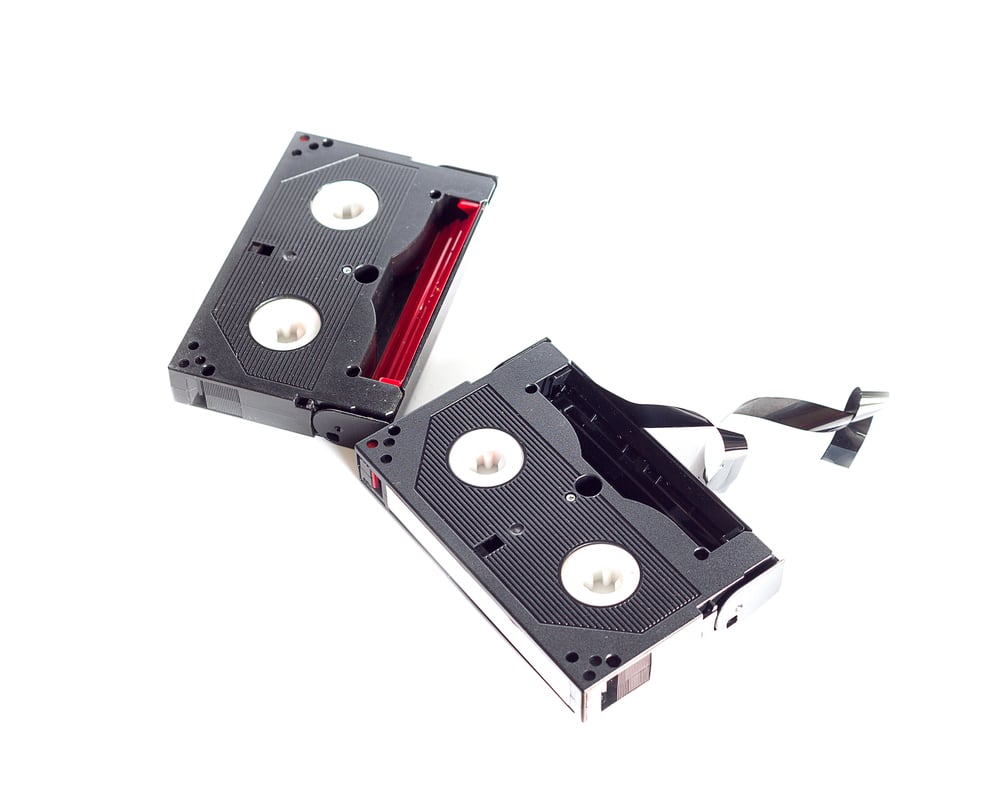
Despite superior picture quality, Sony’s Betamax was more expensive than JVC’s VHS format. When consumers chose cheaper VHS, manufacturers stopped making Betamax machines within a decade despite the format’s technical advantages.
LaserDisc Players
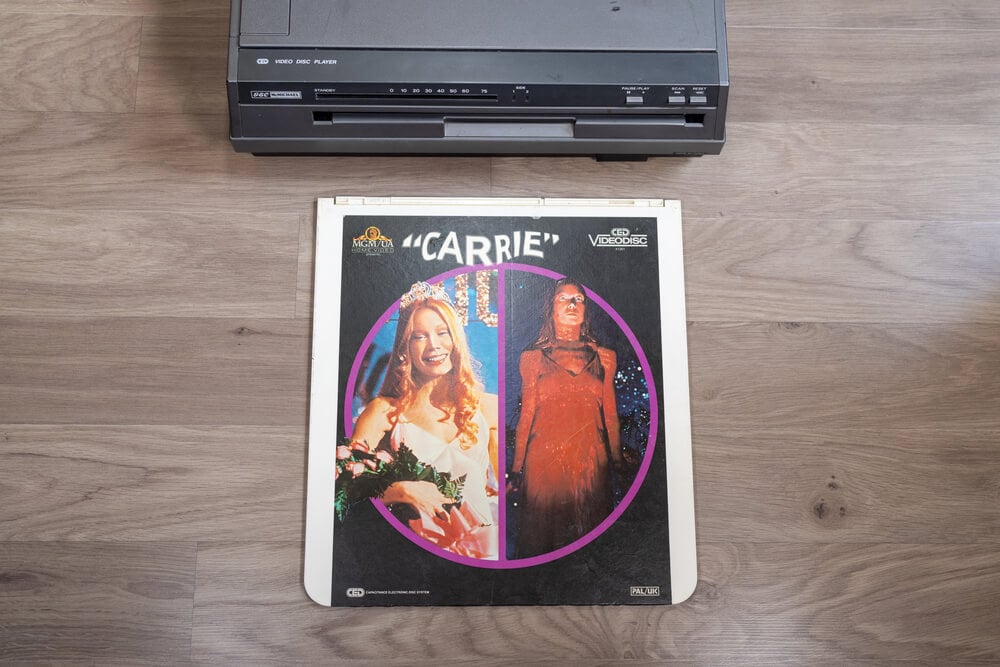
LaserDisc offered superior video quality to VHS but at triple the price. DVD players arrived, offering comparable quality at half the LaserDisc price and also functioning as computer drives, making LaserDisc collectors’ items within years.
Eight-Track Tape Players
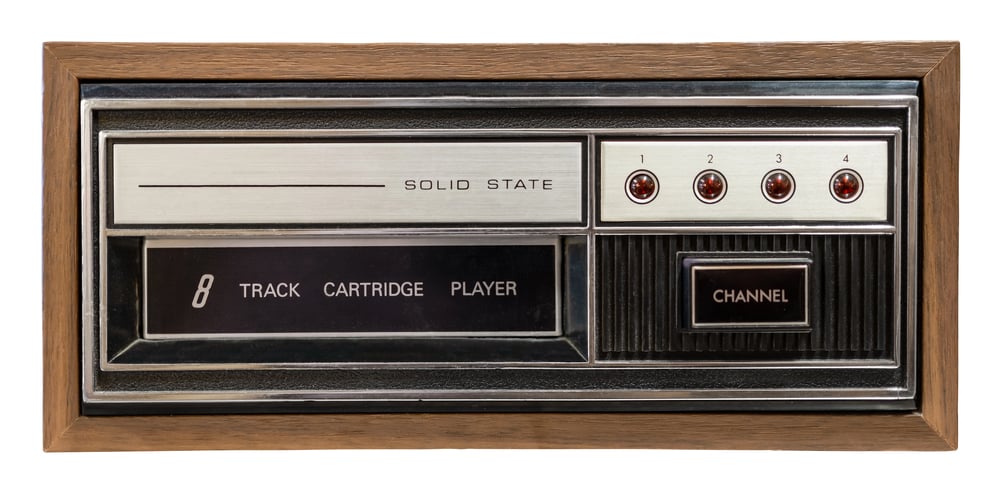
Eight-track cartridges dominated car audio through the 1970s until cheaper, more durable cassette tapes became standard. Eight-track equipment was completely phased out within a decade as manufacturing costs dropped for cassettes and consumer preference shifted.
Walkman Cassette Players and Boomboxes
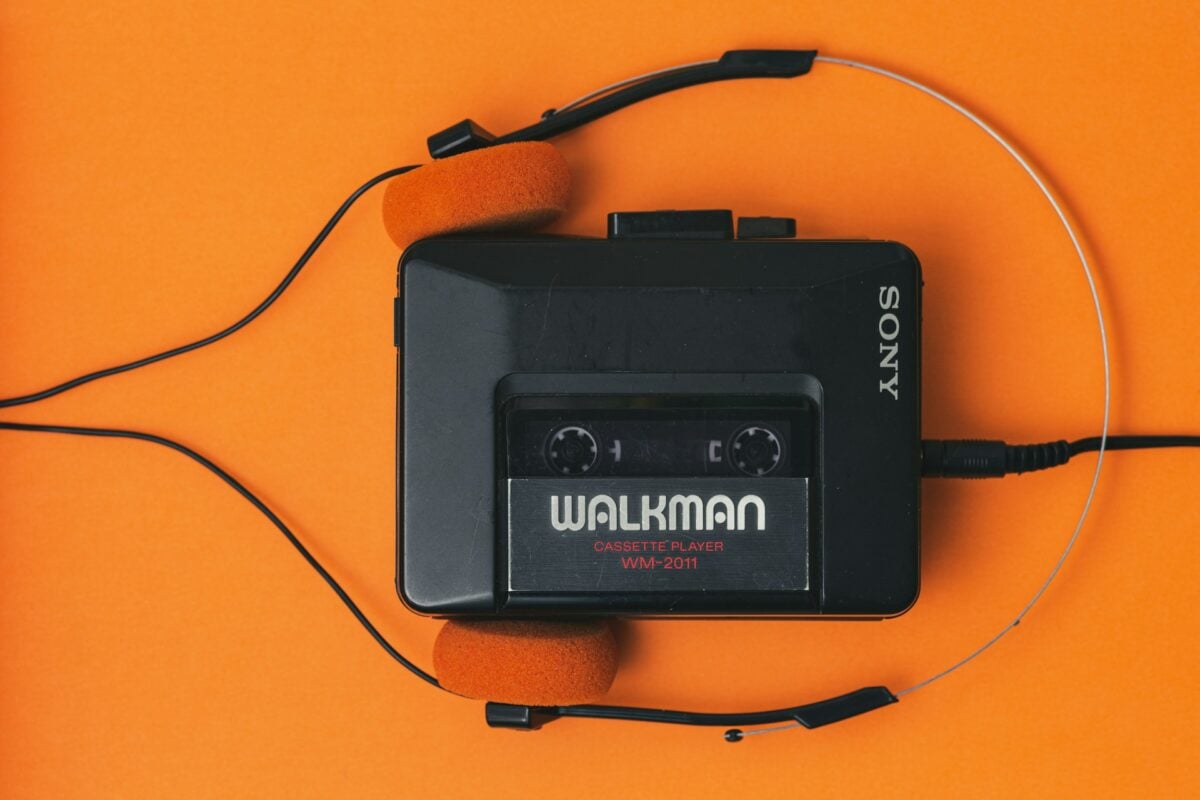
Portable cassette players and battery-powered boomboxes were abruptly abandoned when MP3 players and then smartphones offered superior sound quality, no tape wear, and greater convenience at lower prices by the 2000s.
Crank-Powered Flashlights
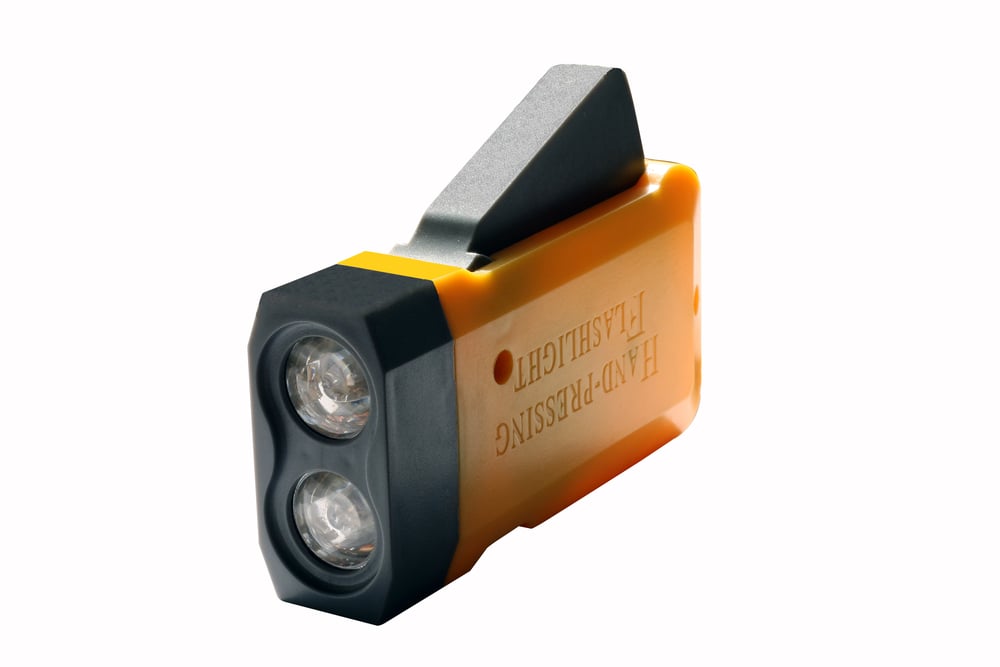
Battery-free crank flashlights offered eternal utility—no batteries ever needed—but flashlight manufacturers viewed them as an existential threat to battery sales. Major manufacturers bought out competing companies or pressured retailers to stop carrying them, effectively suppressing the technology from mainstream markets.
Zippo Lighters with Lifetime Warranty

Zippo’s unconditional lifetime warranty meant customers rarely needed replacements. When the company honored repairs on lighters decades old, it created customer loyalty but also stagnated sales. The model proved economically inefficient compared to disposable lighter profits.
Calculated Products
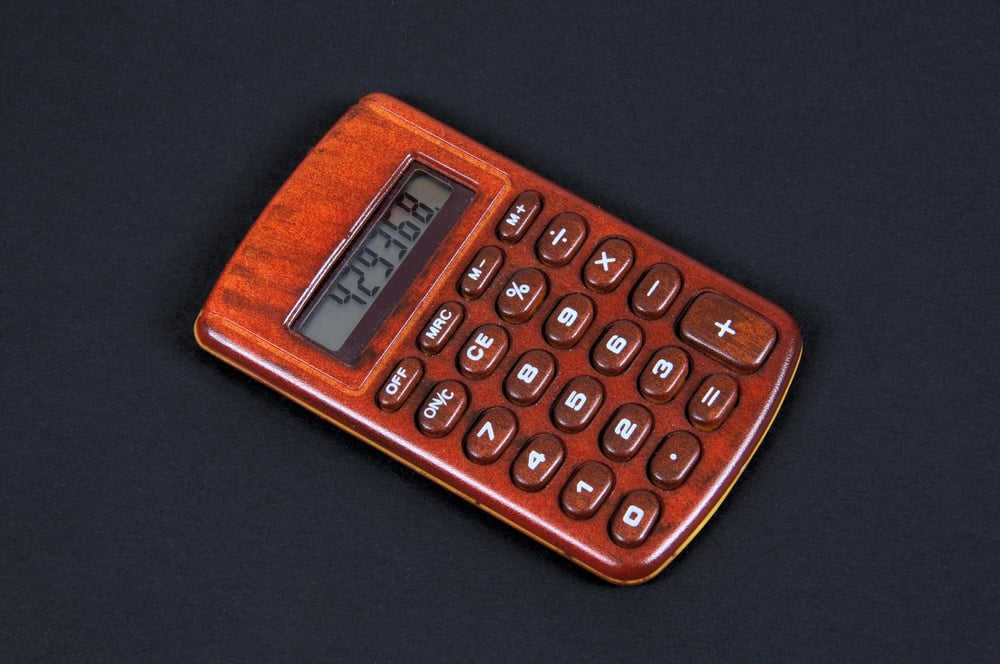
Early electronic calculators that required no battery replacement or maintenance were built so durably they became permanent tools. Calculator manufacturers realized immortal calculators meant the end of steady replacement sales and shifted to designing shorter-lived devices requiring battery replacement.
Floppy Disk Storage

Floppy disks dominated data storage for three decades until CD burners, USB drives, and cloud storage arrived at lower costs with greater capacity. Sony ceased manufacturing the 3.5-inch floppy in 2010, the same year it stopped making Walkman cassette players.
Standalone Alarm Clocks

Alarm clocks were rendered obsolete the moment smartphones incorporated alarm functions at no additional cost. Dedicated alarm clock manufacturing collapsed as consumers abandoned bedside devices for the phone already charging beside them.
Analog Wristwatches

Wristwatches were economically viable as long as they served a unique function: telling time portably. Once smartphones displayed time automatically, wristwatches became redundant luxury items rather than essential tools, with most consumers seeing no reason to carry dedicated timepieces.
Standalone GPS Devices

Garmin and other GPS manufacturers enjoyed a brief decade of dominance before Google Maps and Apple Maps were integrated into smartphones. Dedicated GPS navigation devices disappeared from retail shelves within years as the smartphone function rendered them economically obsolete.
Digital Cameras

Cameras specifically designed for digital photography were abandoned almost as soon as smartphone cameras became decent enough for casual use. Point-and-shoot digital cameras that sold millions in the 2000s are now obsolete, with phone cameras having superior quality at zero additional cost.
Car Phone Systems
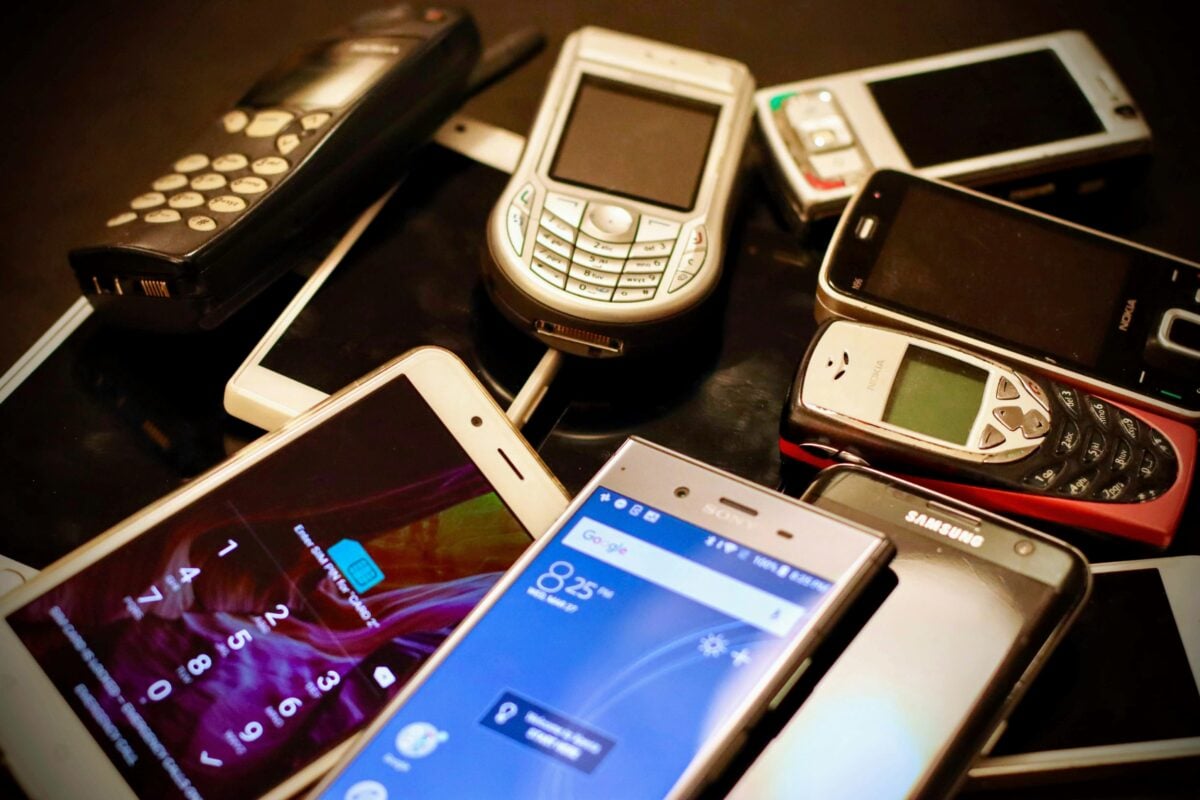
Mobile phones that were permanently mounted in cars, requiring thousands of dollars in installation, were instantly obsolete when affordable portable cellular phones arrived. The integrated car phone systems were simply left in vehicles as they failed, never replaced.
35mm Film Photography Equipment

Kodak invented digital photography but shelved it to protect film profits. When consumers embraced digital photography anyway, Kodak’s film business collapsed almost overnight. Professional and amateur photography equipment designed for film became expensive scrap.
Portable CD Players
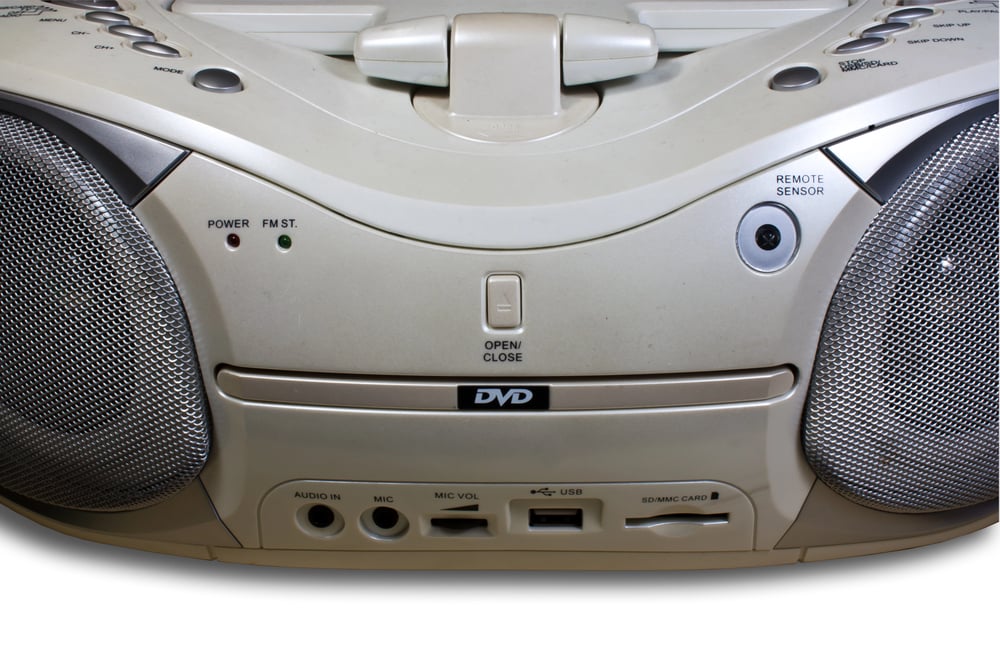
The iPod in 2001 delivered music without CDs, physical media, or moving parts. Portable CD players, sold by millions in the 1990s, were abandoned within years despite functioning perfectly. The economics simply favored MP3s over spinning media.
The Conclusion: When Economics Kills

These products didn’t fail from defect or poor design—most worked flawlessly decades after discontinuation. They died because economics demanded their replacement, either through genuine innovation offering better value or through deliberate suppression to protect profit margins.
The graveyard of consumer goods is filled with perfectly functional inventions retired the moment something cheaper arrived.
More from Go2Tutors!

- The Romanov Crown Jewels and Their Tragic Fate
- 13 Historical Mysteries That Science Still Can’t Solve
- Famous Hoaxes That Fooled the World for Years
- 15 Child Stars with Tragic Adult Lives
- 16 Famous Jewelry Pieces in History
Like Go2Tutors’s content? Follow us on MSN.