26 Lego Sets Now Worth A Fortune
A box of plastic bricks is not supposed to appreciate like a stock. Yet certain retired Lego sets have climbed from toy-aisle prices to sums that would cover a decent used car, and the adults paying them usually remember exactly which box they never got.
Scarcity explains part of it. Lego retires most sets within a couple of years, sealed copies get opened and built, and the survivors shrink in number every time someone tears into the shrink wrap.
What remains is a market where the cardboard can matter as much as the bricks inside.
Ultimate Collector’s Millennium Falcon
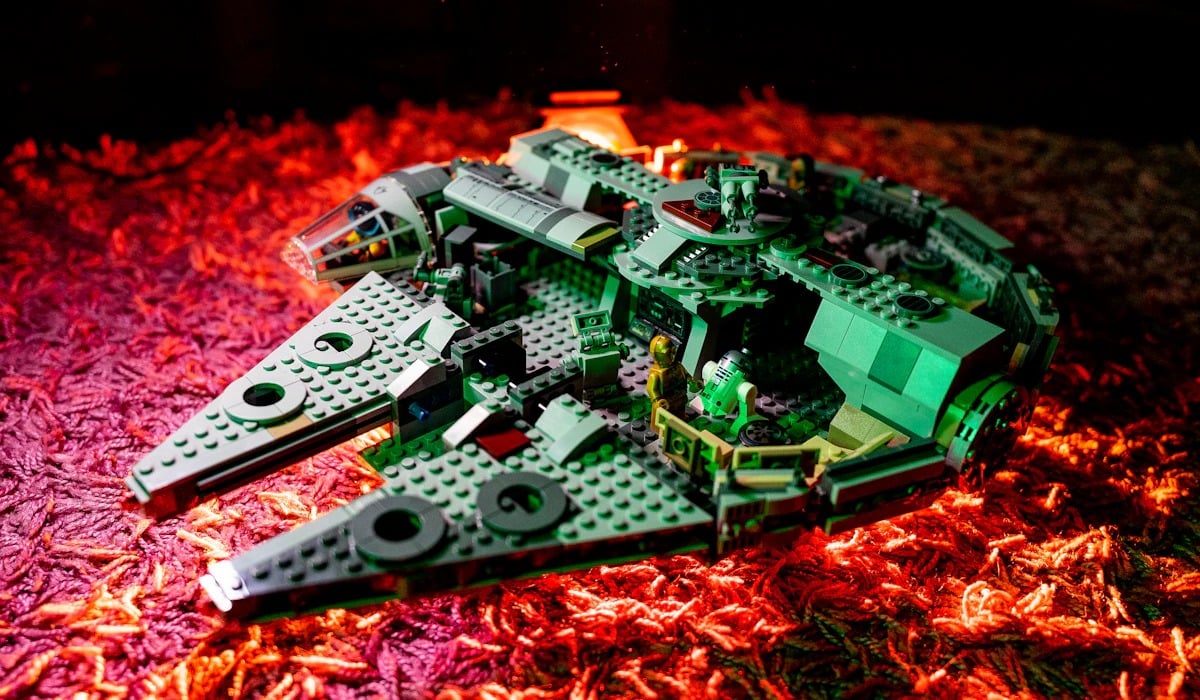
Set 10179 arrived in 2007 with 5,197 pieces and a price of about 500 dollars, which made it the most expensive Lego set sold up to that point. Early copies shipped with a numbered certificate of authenticity, and those first-edition boxes carry a premium of their own.
Sealed examples typically trade for roughly 2,800 to 4,000 dollars in 2026, while built copies with all five minifigures and the ring-bound instruction book often land between 1,000 and 1,500. The 2017 remake, set 75192, is larger and more detailed, and it cooled the frenzy somewhat.
Collectors still want the original.
Cafe Corner
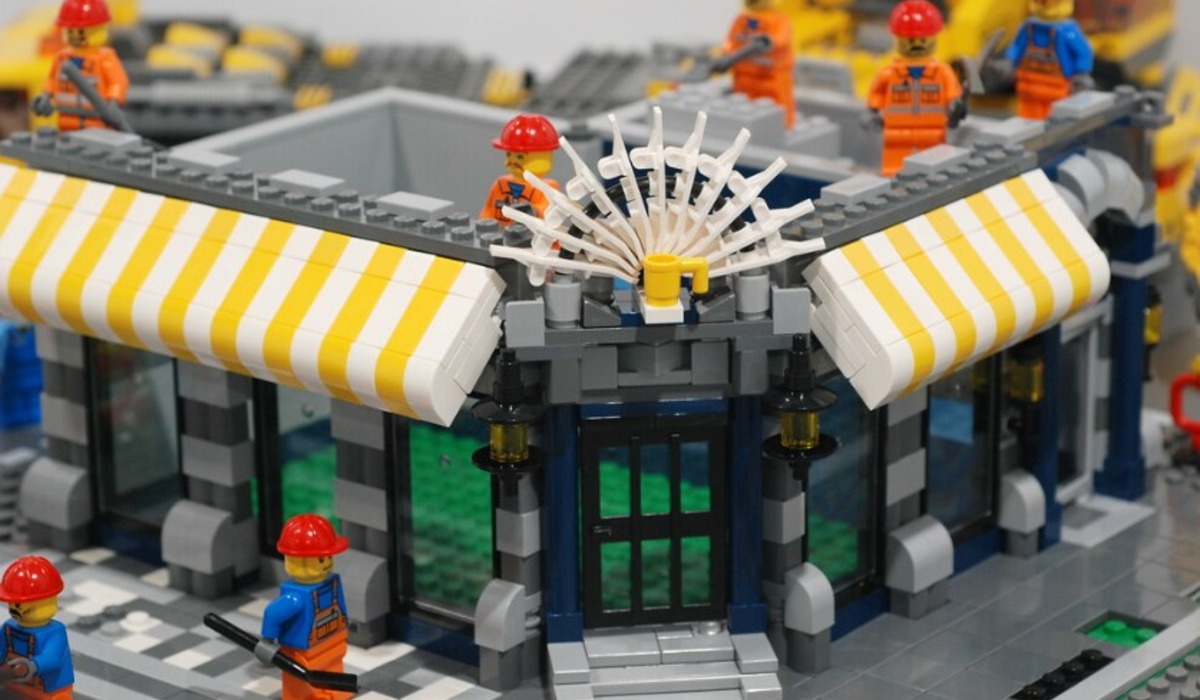
Designer Jamie Berard’s corner hotel opened the modular buildings line in 2007, and few sets in that line have come close to it on price since. Set 10182 used 2,056 pieces, cost about 140 dollars and had no interior at all, only bare floors behind a handsome facade with a tall vertical hotel sign.
Sealed copies often sell for 2,500 to 4,000 dollars. Used ones typically bring 650 to 1,000, provided the three minifigures are present and the dark red and tan bricks have not faded on a windowsill.
Every later modular was built to line up beside it on the same sidewalk.
Imperial Star Destroyer and Its Magnetic Hull
Magnets hold this ship together. Set 10030, released in 2002, used 3,096 pieces to build a wedge more than three feet long, with the big hull panels clipped to an internal frame by magnet elements instead of studs.
Retail was about 270 dollars at launch, and a tiny Rebel blockade runner came in the box for scale. Sealed copies now typically sell for 1,500 to 2,300 dollars and used ones for around 600 to 900, though light gray panels that have yellowed in a sunny room drag a copy toward the bottom of that range.
Owners also grumble about hulls that sag over time.
Cloud City and the Printed Boba Fett
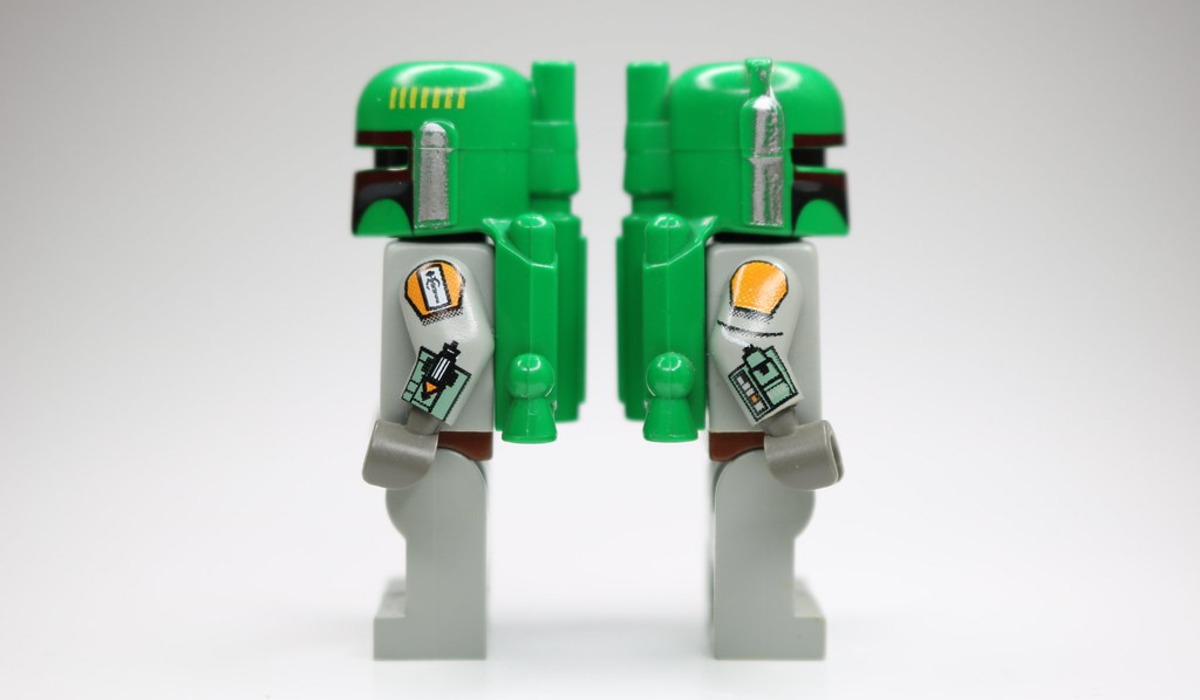
One minifigure does most of the work here. Set 10123, a 2003 playset of 698 pieces that sold for about 100 dollars, included a Boba Fett with printing on his arms and legs, a level of detail Lego rarely gave any figure at the time.
That figure alone often sells for 2,000 dollars or more when the print is crisp. Complete used sets typically bring about 3,000 dollars, and price guides put sealed boxes well into five figures.
Buyers inspect the Fett before anything else, because a swapped-in common version of the bounty hunter turns an expensive listing into an ordinary one.
Taj Mahal
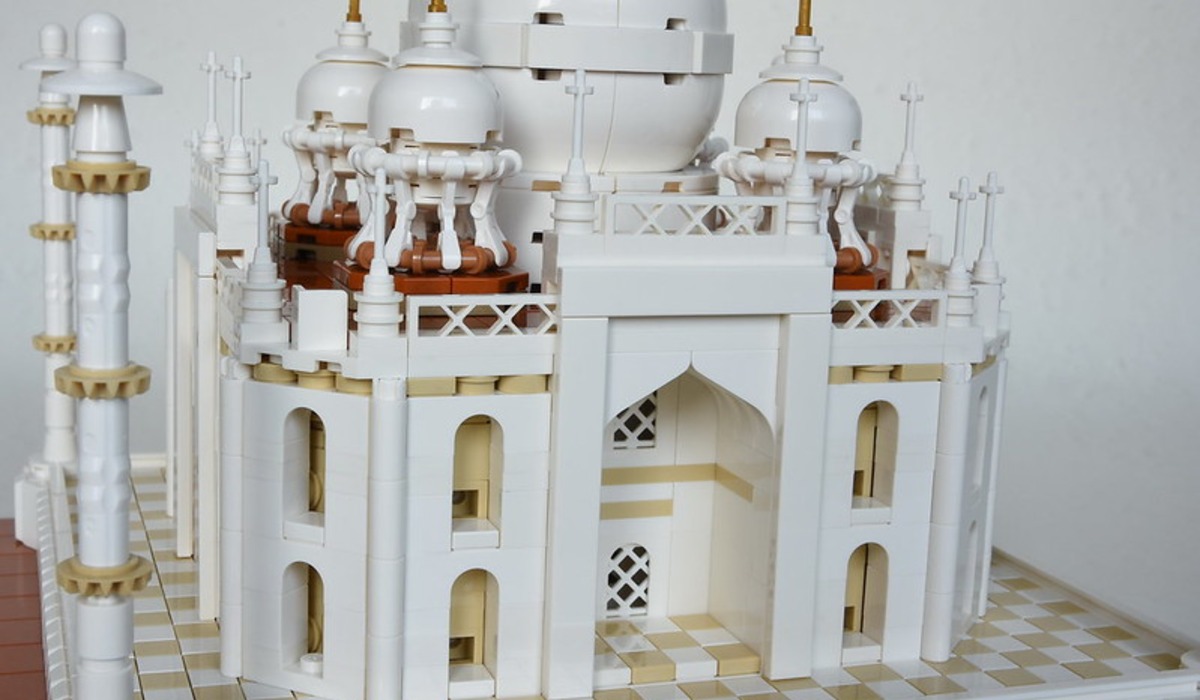
Reissues giveth and reissues taketh away, and set 10189 is the proof. Released in 2008 at about 300 dollars, its 5,922 pieces made it the largest Lego set by piece count for years, and sealed copies climbed past 2,000 dollars once it retired.
Then Lego brought back a nearly identical version in 2017 as set 10256. Prices for the original dropped sharply, and in 2026 a sealed 2008 box more often sells for about 650 to 1,100 dollars, with used copies far lower if the white bricks have gone cream.
Investors still cite it as a warning.
Green Grocer
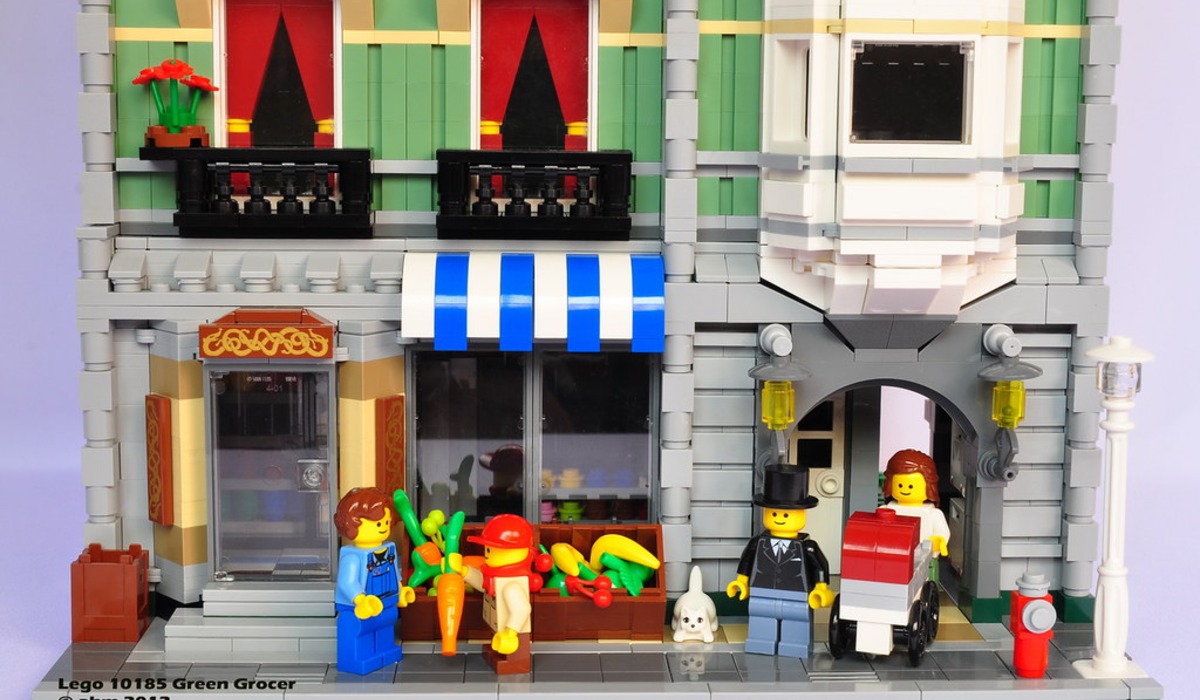
Sand green did a lot for this building. Set 10185 arrived in 2008 with 2,352 pieces at about 150 dollars, wrapping a ground-floor grocery and two floors of apartments in a color Lego had seldom produced in quantity.
It was also among the first modulars with furnished interiors, including a grandfather clock and a row of mailboxes in the hallway. Sealed boxes typically sell for 1,500 to 2,300 dollars in 2026.
Opened copies run about 750 to 1,150, and sellers who cannot produce the instruction booklets and all four minifigures should expect an offer nearer the low figure.
Death Star II, Caught Mid-Construction
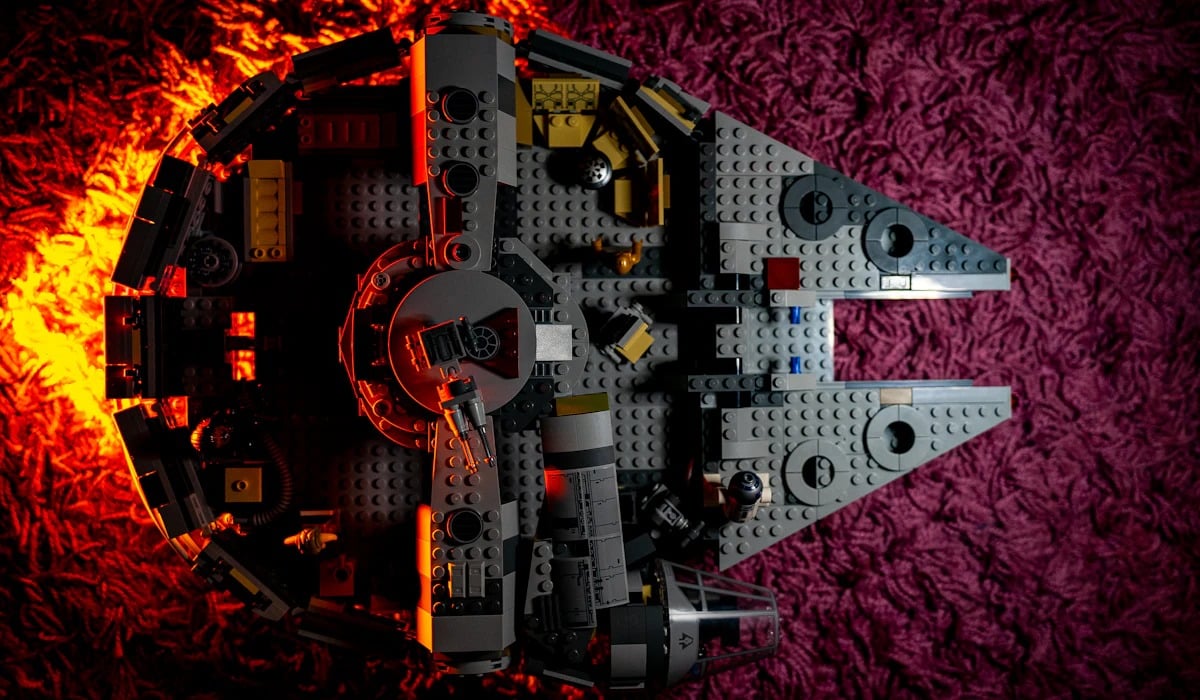
Nothing in the box of set 10143 was a minifigure. Released in 2005, the model spent its 3,441 pieces on the half-finished battle station from Return of the Jedi, with jagged open decks, a superlaser dish and a miniature Star Destroyer perched on the display stand.
It sold for about 270 dollars at launch. Sealed boxes often bring about 3,000 to 4,500 dollars now, and opened copies closer to 600 to 900.
Buyers of used examples ask for a full inventory against the parts list, since rebuilding thousands of near-identical gray plates to find the gaps is nobody’s idea of a weekend.
Grand Carousel
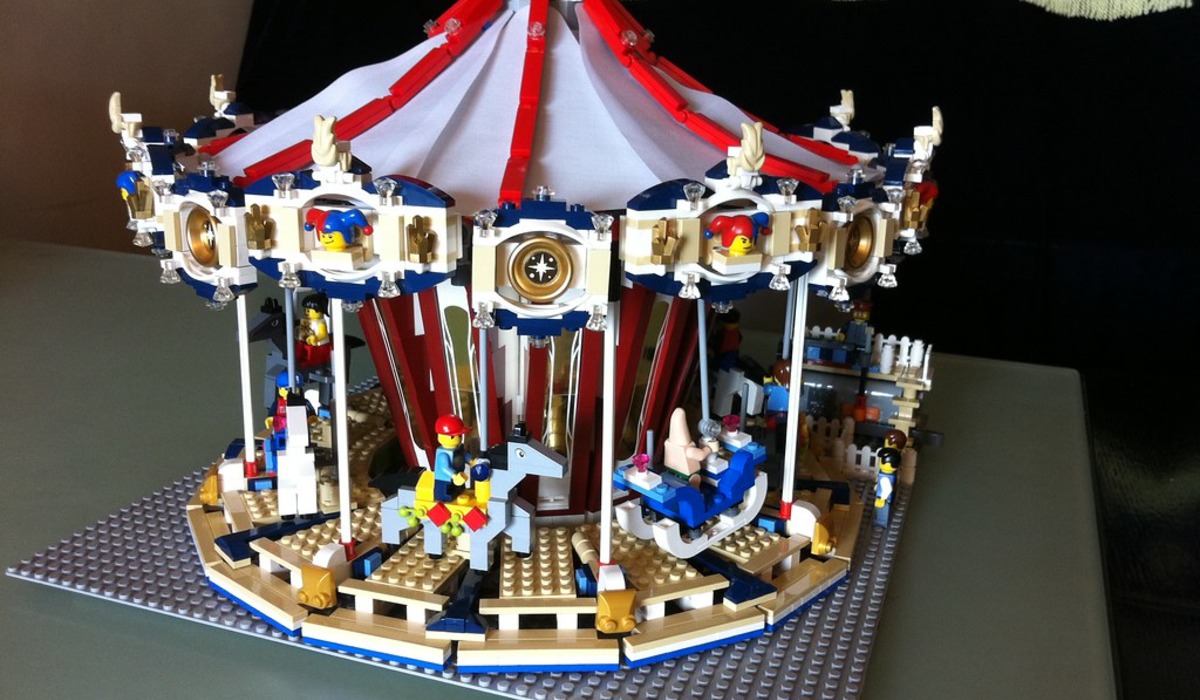
Music plays while the horses rise and fall. Set 10196, released in 2009 for about 250 dollars, packed 3,263 pieces around a Power Functions motor and a sound brick, then topped everything with a fabric canopy.
It remains one of the more elaborate mechanical models Lego has sold to the public. Sealed copies typically trade for 2,500 to 3,500 dollars.
Used ones often bring 800 to 1,100, but only in working order: a dead sound brick, a stained canopy or a motor that stalls under load each knocks a meaningful sum off the asking price.
Super Star Destroyer Executor
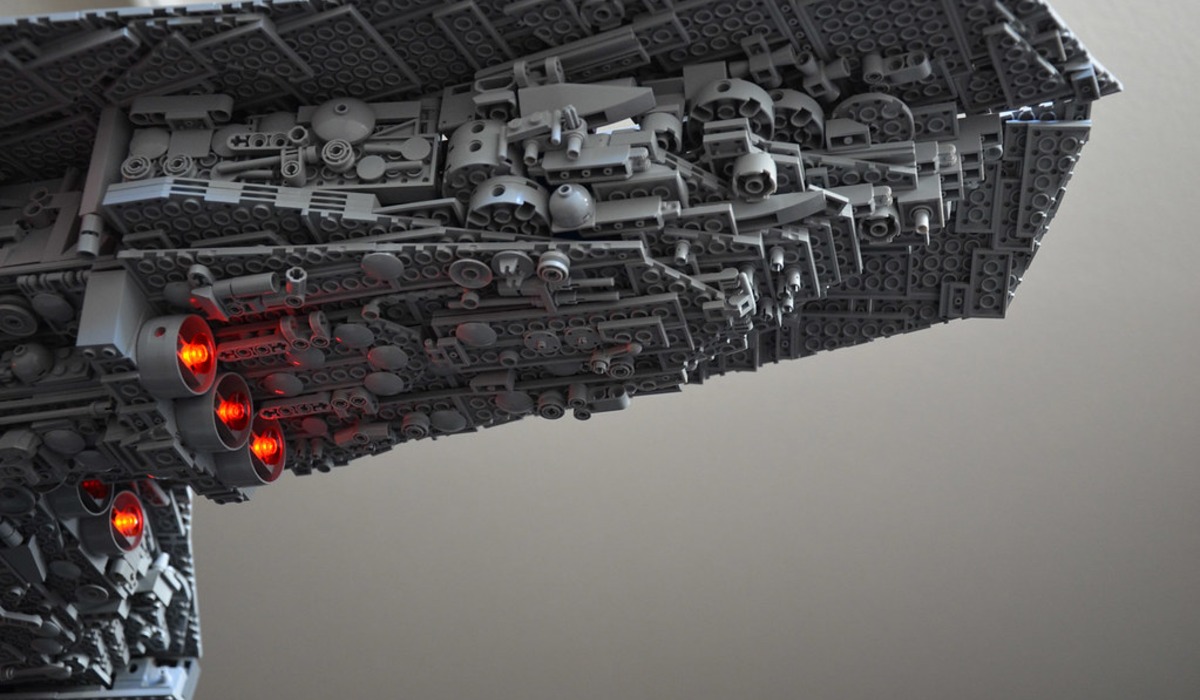
At nearly 50 inches from bow to engines, set 10221 needed a shelf few living rooms had. Lego released Darth Vader’s flagship in 2011 with 3,152 pieces at about 400 dollars, and hid a small command bridge under a lift-off panel for Vader, Admiral Piett and three bounty hunters.
Sealed examples often sell for 1,300 to 1,900 dollars in 2026. Built copies usually bring 700 to 1,000, and the gap narrows when the seller still has the original box and inner cartons.
Shipping a used one assembled is a reliable way to receive a refund request.
Market Street
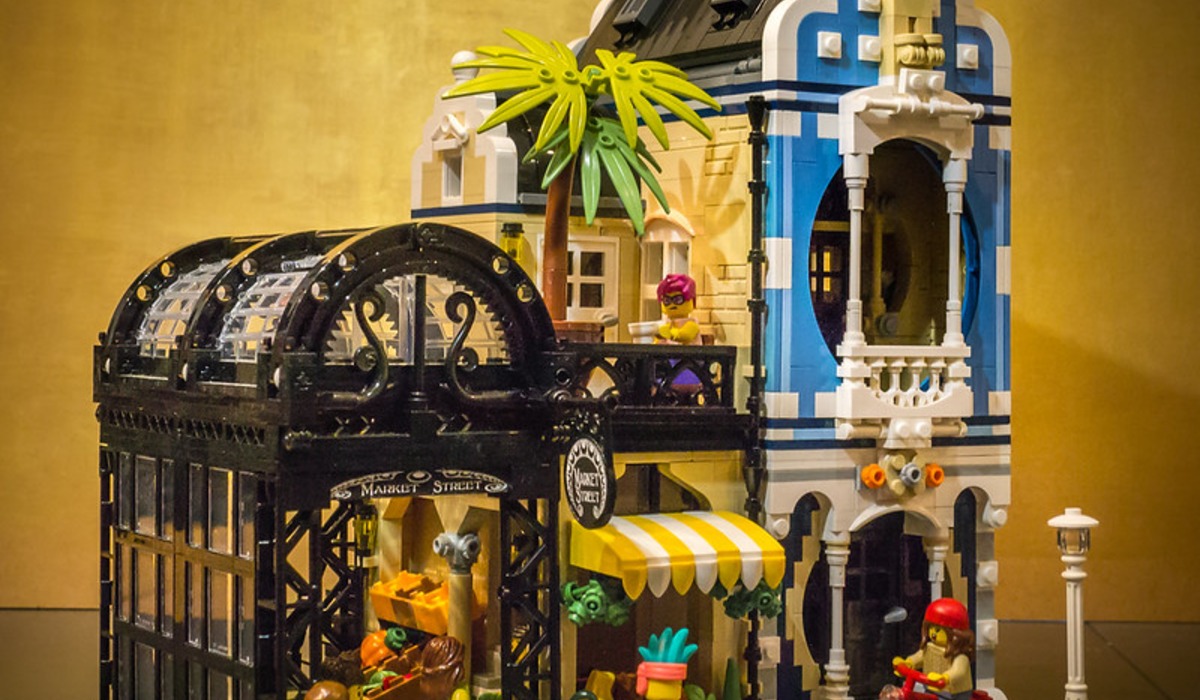
Dutch fan builder Eric Brok designed this one, and Lego sold it in 2007 under its Factory banner as set 10190. The 1,248-piece townhouse cost about 90 dollars and leaned on medium blue, an uncommon shade then, with floors that lift apart and can be restacked in a different order.
For years modular collectors debated whether it even belonged in the series. The market settled that argument.
Sealed copies typically go for 2,500 to 4,000 dollars and used ones for 550 to 850, with the scarce blue bricks checked closely for scratches and bite marks.
Statue of Liberty in Sand Green
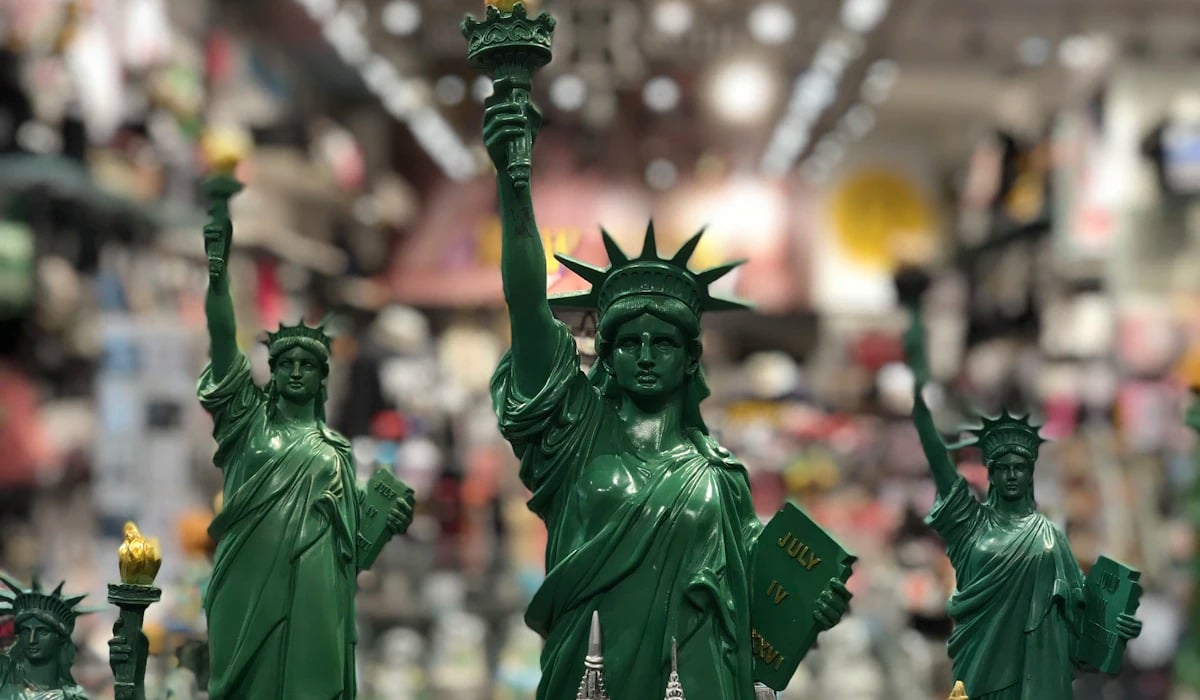
Almost every visible brick in set 3450 is sand green, which in 2000 was a color few builders owned in any quantity. The 2,882-piece sculpture stood close to three feet tall and sold for about 200 dollars, mostly through Lego’s own catalog and stores.
Many copies were reportedly broken up for parts, which thinned the supply of intact ones. Sealed boxes often sell for 2,000 to 3,500 dollars in 2026 and complete used copies for roughly 700 to 1,000.
Sand green discolors unevenly, so a statue with mismatched patches is priced as a parts lot again.
Darth Maul in Red and Black Brick
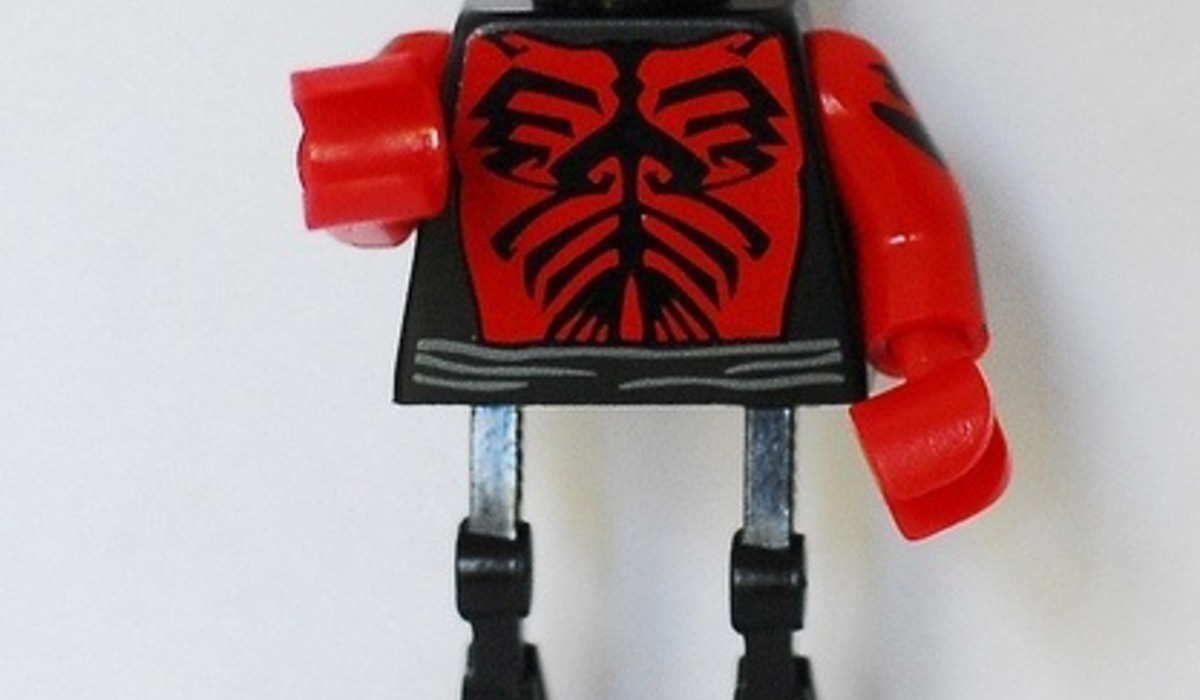
Busts were a rare format for Lego in 2001, and set 10018 was a strange, striking one. It stacks 1,868 mostly red and black pieces into the tattooed head and shoulders of the villain from The Phantom Menace, well over a foot tall, with no mechanism and no minifigure.
Retail was about 150 dollars. Sealed copies are often valued at 2,500 to 4,500 dollars today, while used examples typically bring 550 to 800.
Red bricks from that period can fade toward orange in sunlight, and a face built from two shades of red loses much of its menace.
Black Seas Barracuda
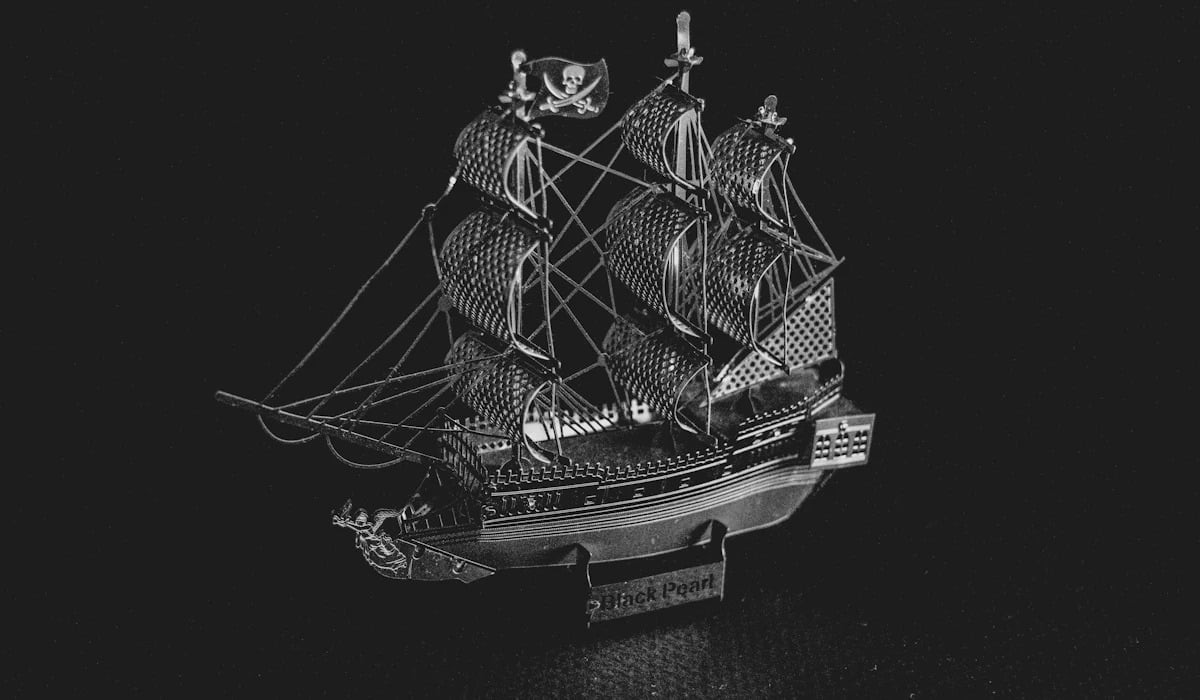
Captain Redbeard’s ship led the first wave of Lego Pirates in 1989. Set 6285 came with red and white striped cloth sails, a row of cannons and a crew that gave the minifigure something new: faces with eye patches and stubble in place of the standard smile.
Lego reissued it in 2002 as set 10040, and a 2020 tribute set imagined the wreck as an island hideout. Complete used originals typically sell for 300 to 500 dollars, and sealed 1989 boxes for several thousand.
Frayed sails, replaced rigging string and a missing monkey are the usual deductions.
Eiffel Tower
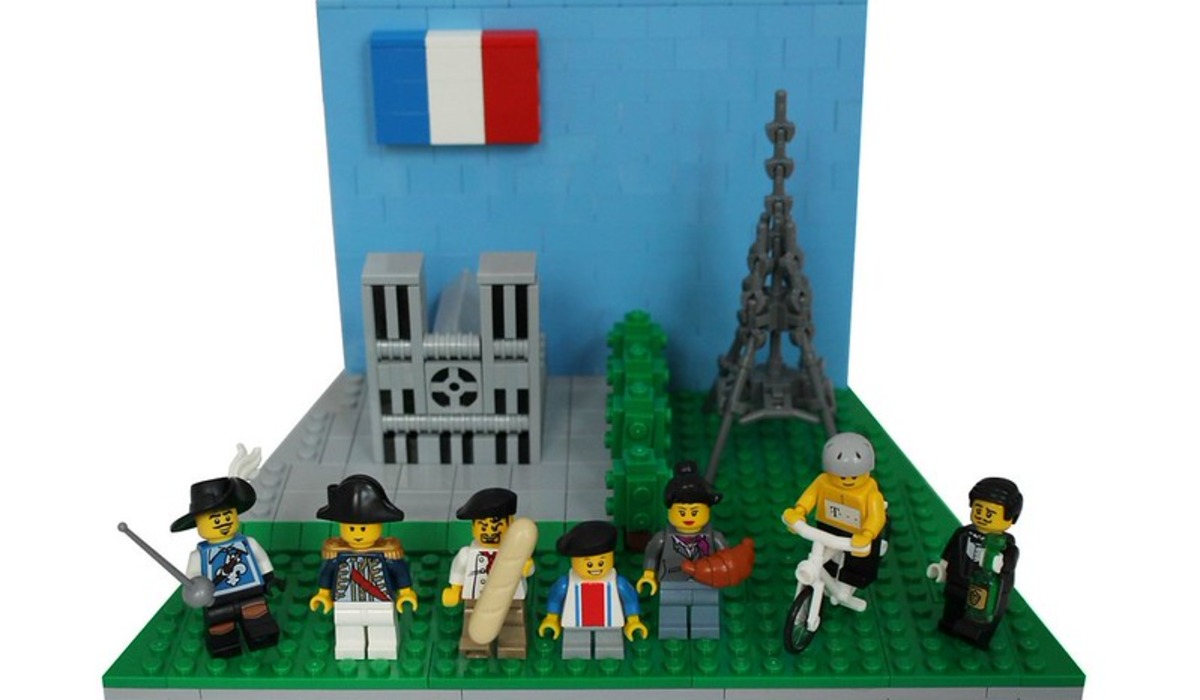
Lego’s first big attempt at the Paris landmark, set 10181, appeared in 2007 at a scale of one to 300. Its 3,428 pieces rose to about three and a half feet, nearly all in dark gray, for roughly 200 dollars.
Sealed copies typically bring 1,100 to 1,700 dollars and used ones 250 to 400, though demand softened after a far larger 10,001-piece tower arrived in 2022. Condition problems are mostly structural.
The lattice relies on hundreds of thin rails and clips, and stressed or cracked clips are hard to spot in listing photos.
Galaxy Explorer
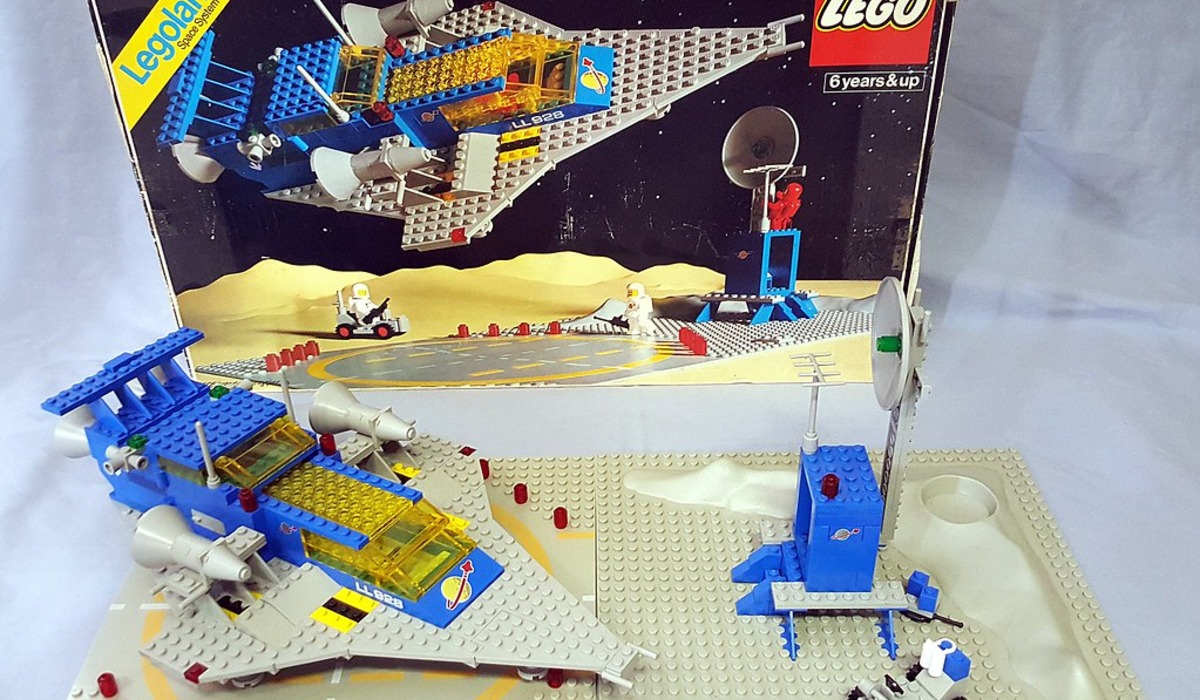
Classic Space peaked early. Set 928, sold in North America as 497, landed in 1979 with a blue and gray wedge of a spaceship, transparent yellow windows, a small rover in the rear bay, cratered moon terrain and a printed landing pad.
Jens Nygaard Knudsen, the designer credited with the modern minifigure, also shaped the theme. Complete used copies often sell for 150 to 350 dollars in 2026, and sealed examples can run into the thousands.
Cracked canopies, worn gold logo prints on the astronauts and broken helmet chin straps separate the cheap copies from the dear ones.
Rebel Blockade Runner
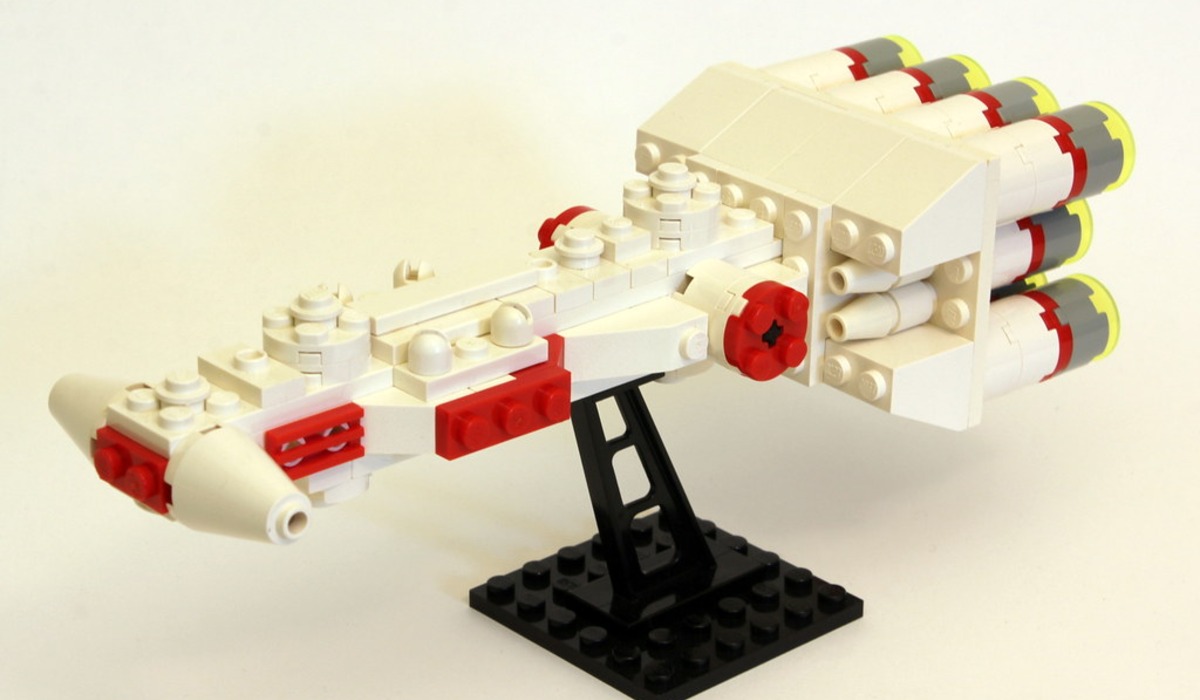
Audiences in 1977 saw this ship before any other, fleeing across the screen in the opening shot of Star Wars. Lego turned it into set 10019 in 2001, a 1,747-piece model priced around 200 dollars with eleven engines clustered at the stern.
It was among the earliest large collector models in the line. Sealed boxes typically trade for 1,500 to 2,500 dollars and used copies for 600 to 1,000.
The display plaque matters more than expected, because its big sticker was often applied crooked or has peeled, and clean replacements are not original.
Yellow Castle
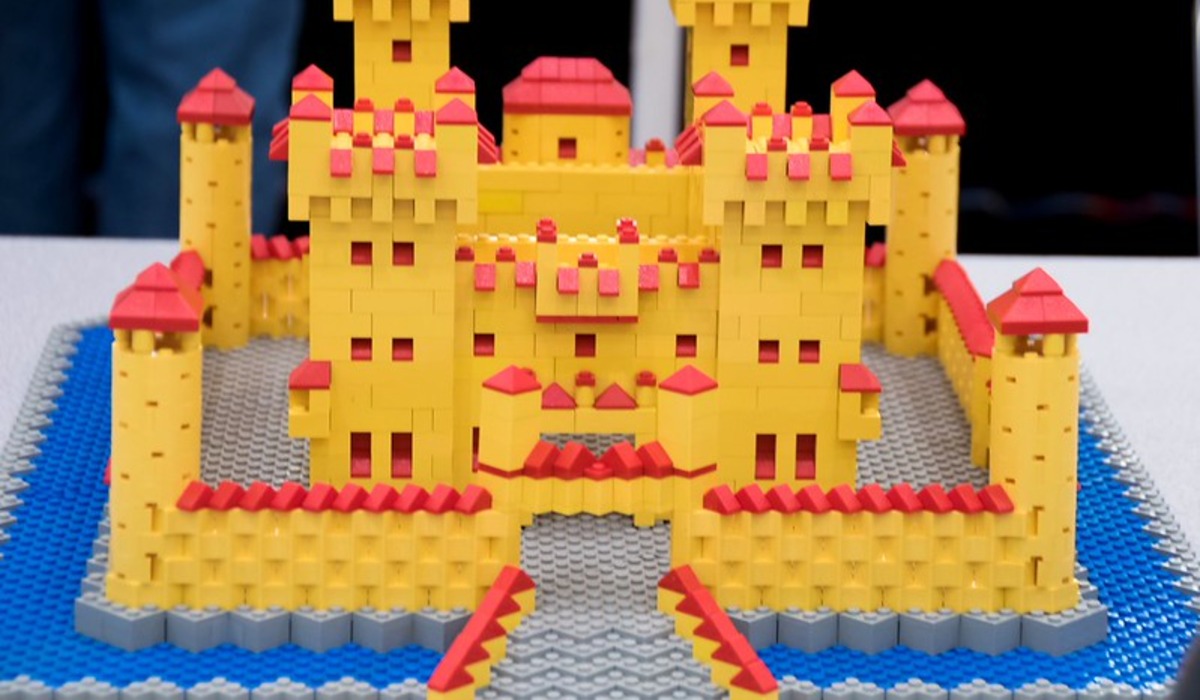
Before gray castles, there was a yellow one. Set 375 came out in 1978, the same year the modern minifigure appeared, and gave more than a dozen knights a drawbridge, crenellated towers and horses built from ordinary bricks.
Designer Daniel August Krentz is credited with it. In North America it was later sold under the number 6075.
Complete used copies often bring 250 to 450 dollars, and boxed examples a good deal more. The knights’ emblems were stickers on many copies, so peeling or missing decoration is the first thing a careful buyer photographs.
Emerald Night
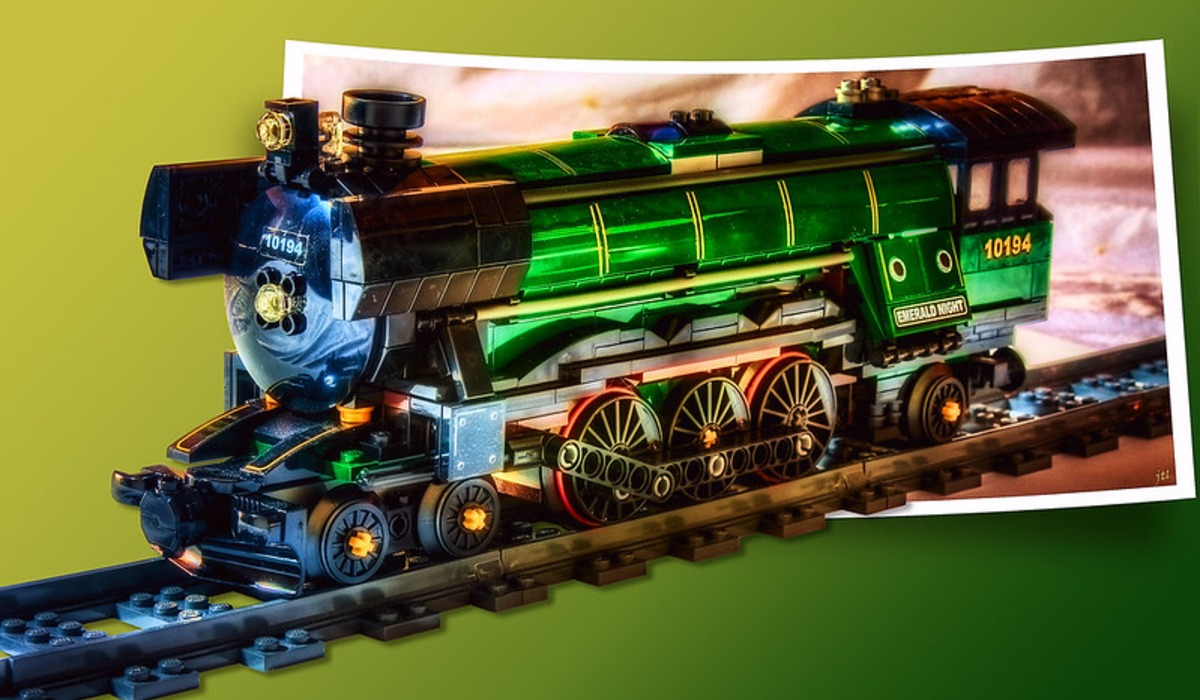
Train fans had asked for a proper steam locomotive for years. Set 10194 delivered one in 2009: a dark green engine and tender with a tan and dark red passenger coach, 1,085 pieces, about 100 dollars.
Lego produced large new driving wheels for it, and the model could be motorized with Power Functions parts sold separately. Sealed copies typically sell for 700 to 1,100 dollars in 2026, and used ones for 350 to 550.
Prices run higher when the motor kit is included and lower when the coach windows, an uncommon part, turn out to be scratched.
Technic Super Car
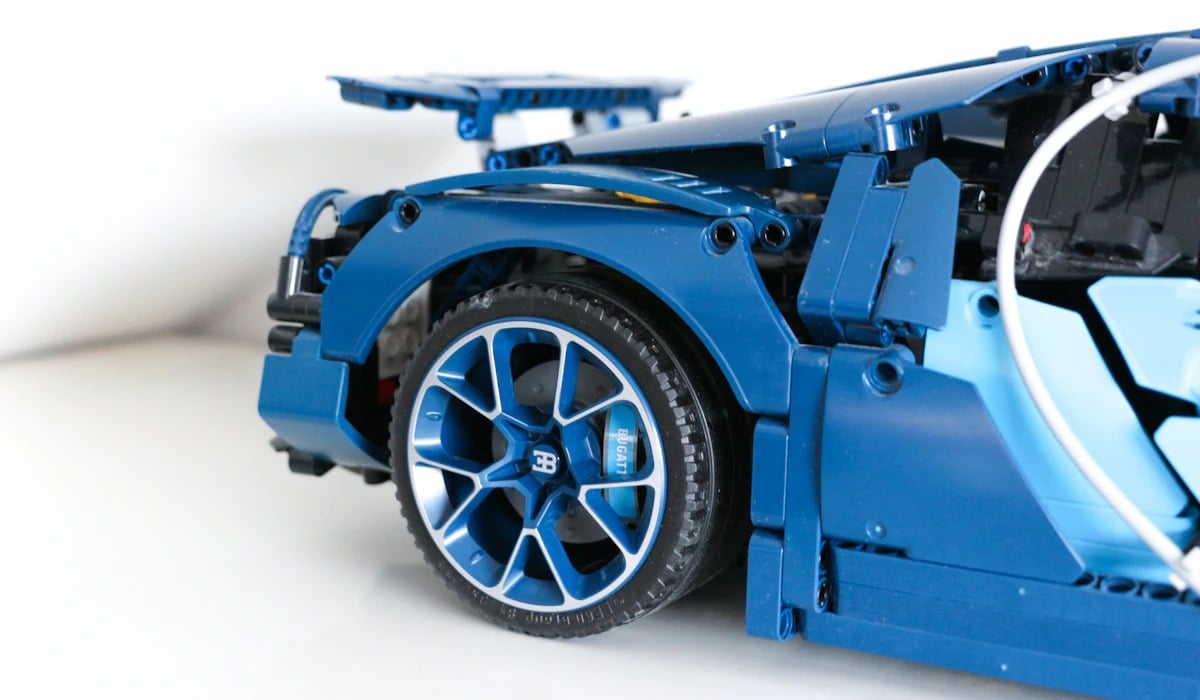
Four-wheel drive, four-wheel steering, a V8 with moving pistons, a four-speed gearbox, independent suspension and pop-up headlights all fit inside set 8880. Released in 1994 with 1,343 pieces, the black car was the most mechanically ambitious Technic model of its day, and many adult builders name it as the reason they came back to Lego.
Sealed boxes often go for 1,000 to 1,600 dollars. Used copies typically sell for 230 to 400, depending on whether the gearbox still shifts cleanly and the rubber tires have survived three decades without cracking.
Airport Shuttle Monorail
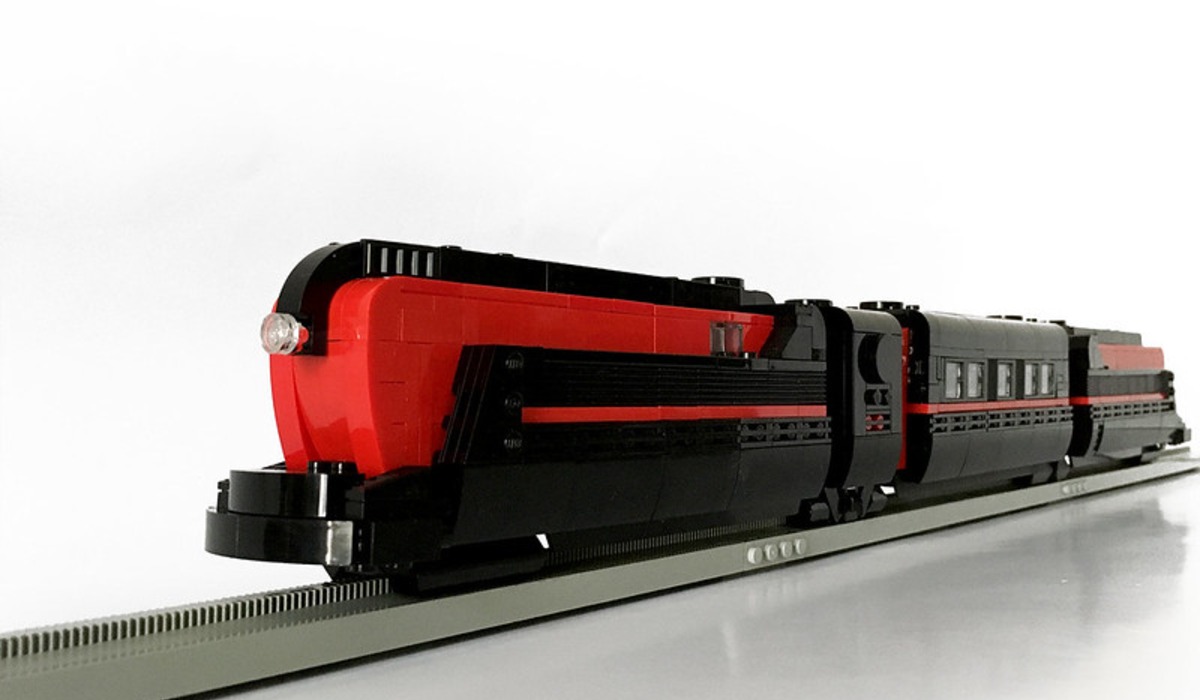
Only a handful of Lego sets ever used the monorail system, and set 6399 from 1990 is the one Town collectors chase. A battery motor drives a red and white train along raised track between two stations, reversing automatically at the end of the line.
Lego dropped the system in the 1990s, so every length of track on the market is decades old. Complete used copies often sell for 600 to 1,200 dollars in 2026, and sealed ones for several times that.
A motor that runs and track without snapped connectors are worth more than a pretty box.
Imperial Flagship
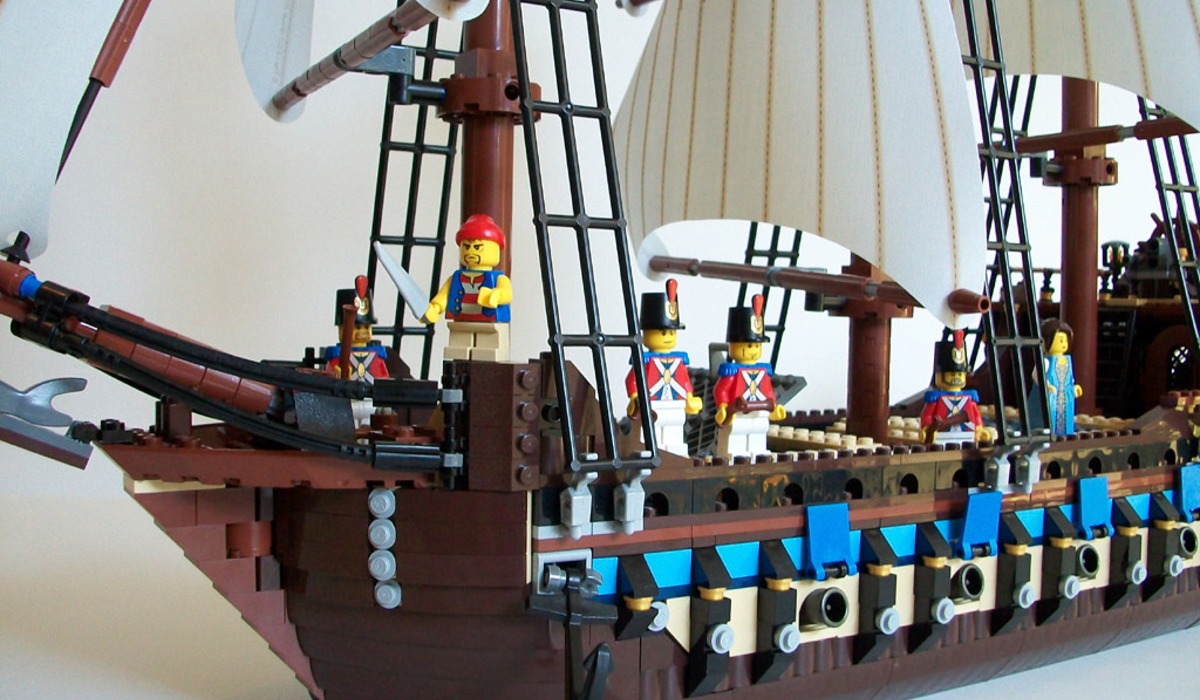
Three masts and nine minifigures made set 10210 one of the largest sailing ships Lego had released when it appeared in 2010. The 1,664-piece vessel cost about 180 dollars, stretched well over two feet and carried a captain’s cabin, a galley and a brig below deck.
It sold for a fairly short time. Sealed copies typically bring 1,200 to 1,900 dollars now, and used ones 900 to 1,300.
The printed cloth sails crease easily and yellow with age, and careful buyers count all nine figures, the governor’s daughter included, before paying for a secondhand lot.
X-wing Fighter From the First Collector Wave
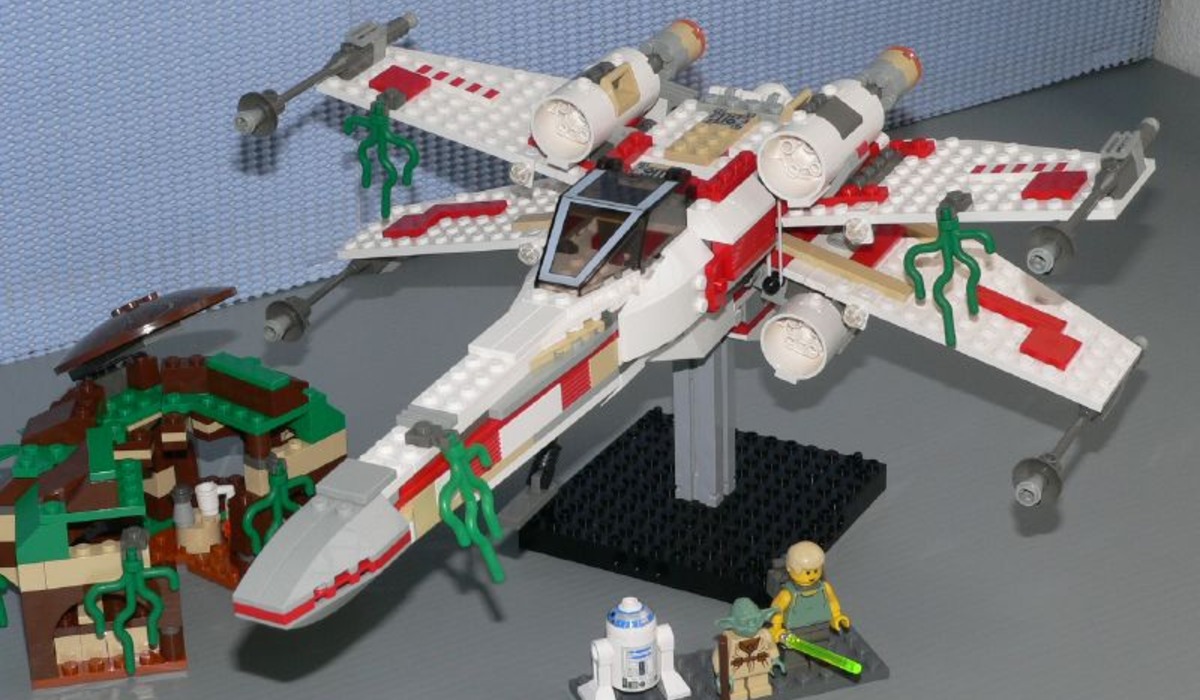
Lego launched its Ultimate Collector Series in 2000 with two models, and set 7191 was one of them. Roughly 1,300 pieces went into an X-wing far larger than any minifigure could fly, with wings that open and close by turning a control at the rear.
It sold for about 150 dollars. Sealed boxes often sell for 1,000 to 1,600 dollars and used copies for 250 to 400.
Several newer collector X-wings have trimmed demand, and the white bricks of 2000 are prone to yellowing, which sellers tend to describe as patina.
Four-by-Four Crawler Exclusive Edition
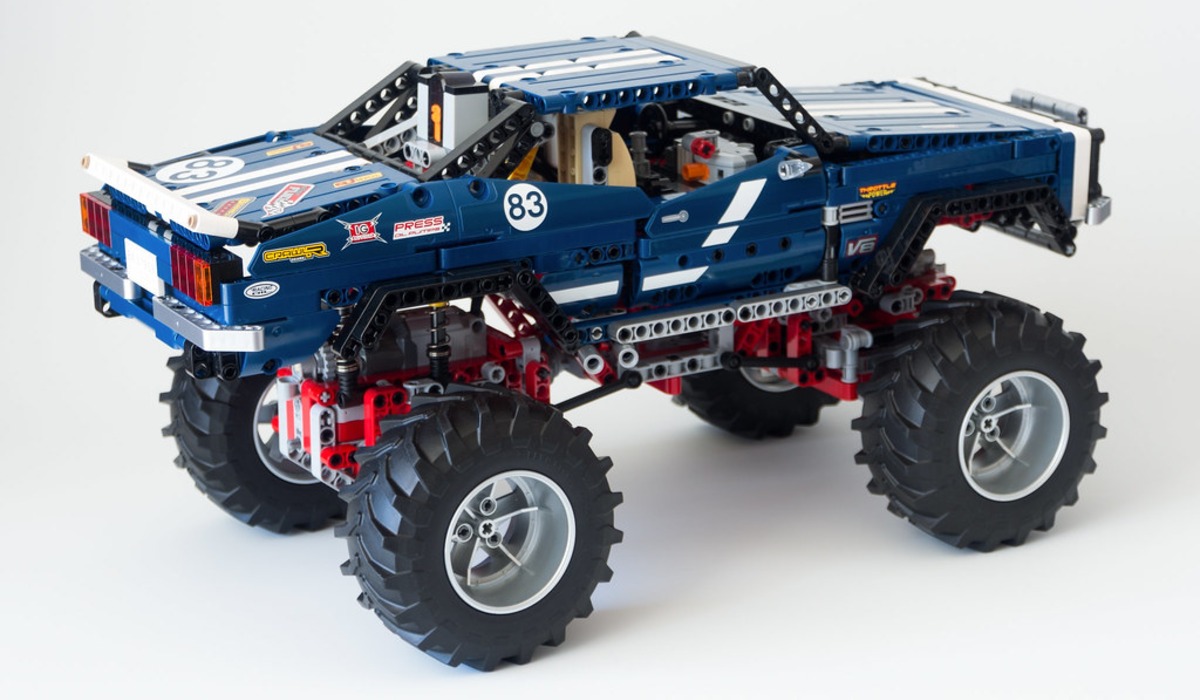
A fan contest chose the bodywork for set 41999, and Lego built only 20,000 copies. Released in 2013, it put a dark blue pickup body on the chassis of an existing remote-control Technic crawler, and each copy carried its own numbered license plate.
The limited run sold through quickly. Sealed examples typically trade for 450 to 700 dollars in 2026 and used ones for 350 to 500.
Because the model was meant to be driven, buyers ask about the motors, the battery box and any scuffing on the chrome-finished trim before they ask about the box.
Marina Bay Sands
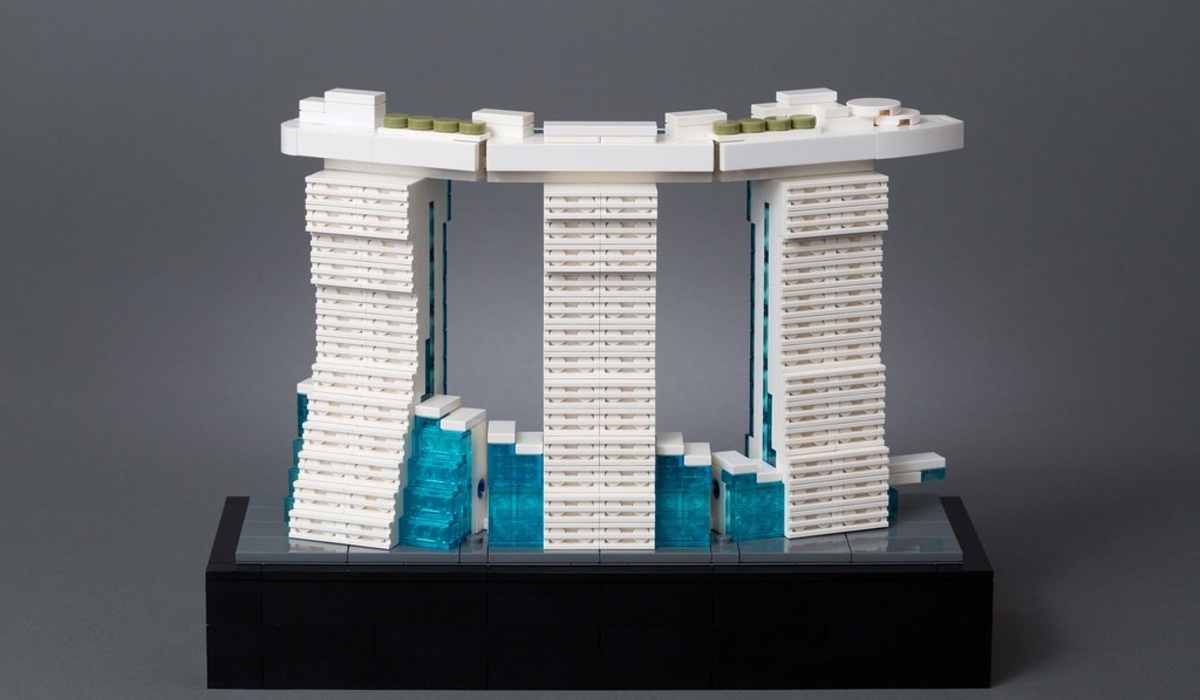
Most Architecture sets sold everywhere. Set 21021, a 602-piece model of the Singapore hotel with the long deck across its three towers, did not.
Lego released it around 2013 in a run reported at 10,000 copies, sold mainly in Singapore, which left collectors elsewhere to pay import prices from the first week. Sealed copies often sell for 800 to 1,300 dollars today, and opened ones for less than half that.
A later Singapore skyline set includes a small version of the hotel, yet the original’s limited run has kept its price well above the rest of the line.
King’s Castle
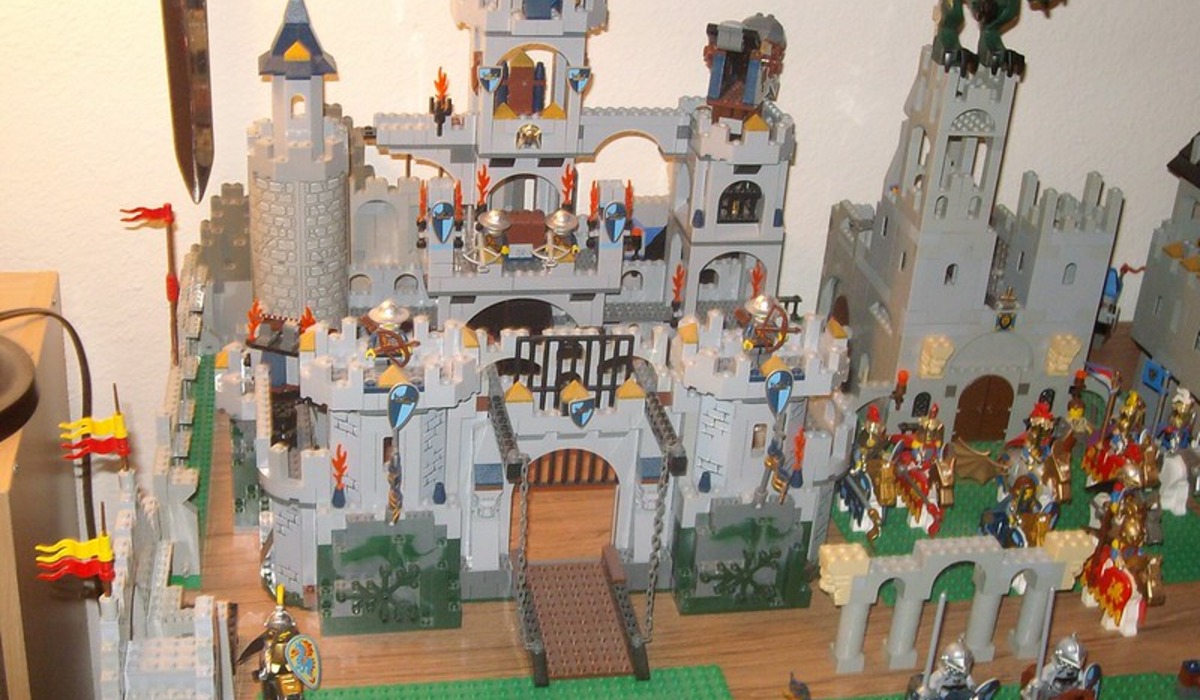
Hinges were the clever part. Set 6080, released in 1984, let its gray walls swing open so the courtyard could be reached from behind, and it arrived as Lego introduced its molded horse.
Lion-crest knights, a working drawbridge and a portcullis completed a fortress that defined the Castle theme for a decade of children. Complete used copies typically sell for 200 to 350 dollars.
Sealed boxes are scarce enough to reach well into four figures. Gray bricks of that age often show a brownish cast, and worn printing on the shields and torsos lowers a price quickly.
Molding Machines From the Inside Tour
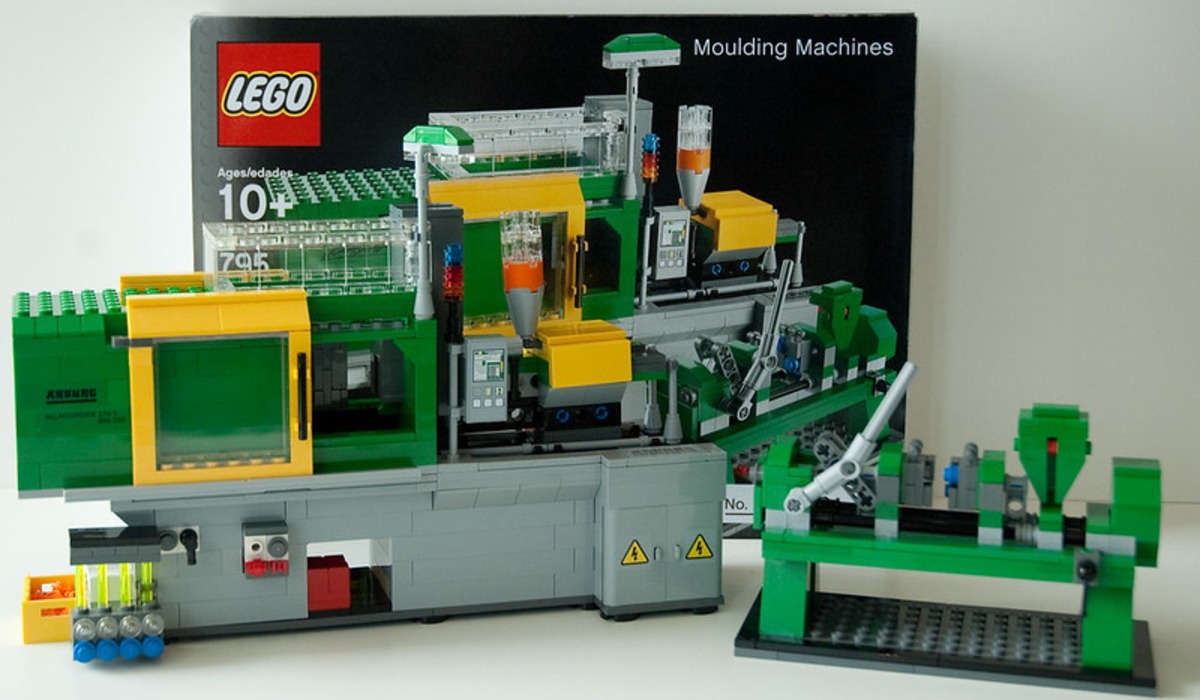
Hardly anyone has seen set 4000001 in person. Lego gave it to guests on its 2011 Inside Tour, a paid behind-the-scenes visit to company headquarters in Denmark, and the run is reported at just 68 copies.
The model shows two of the injection machines that make Lego bricks, a hand-operated one from the 1940s beside a modern automated one. Copies rarely come up for sale, and price guides value them at roughly 2,000 dollars or more apiece.
Provenance counts for as much as cardboard here, so tour paperwork and an unopened box both push the figure higher.
Instructions for an Accidental Investment

None of these sets was designed as an asset. Lego priced them as toys and display pieces, packed them in ordinary cardboard and expected them to be opened.
The fortunes came later, from retirement schedules, grown-up nostalgia and the plain arithmetic of fewer intact copies each year.
That arithmetic cuts both ways. A reissue can deflate a price in a single season, as Taj Mahal owners learned, and a sealed box gives nothing to the person who wanted to build it.
The happiest collectors tend to be the ones who bought a set because they liked it. Any profit was a bonus brick.
More from Go2Tutors!

- The Romanov Crown Jewels and Their Tragic Fate
- 13 Historical Mysteries That Science Still Can’t Solve
- Famous Hoaxes That Fooled the World for Years
- 15 Child Stars with Tragic Adult Lives
- 16 Famous Jewelry Pieces in History
Like Go2Tutors’s content?Follow us on MSN.