15 Cities That Changed Their Names Completely
Cities are like people in many ways—they grow, they evolve, and sometimes they decide they need a completely fresh start. Throughout history, urban centers around the world have shed their old identities and embraced entirely new names, often reflecting major political upheavals, cultural shifts, or the desire to break free from colonial pasts.
Some of these transformations happened gradually over decades, while others occurred almost overnight following revolutionary changes. Here is a list of 15 cities that completely reinvented themselves with brand new names.
Constantinople to Istanbul
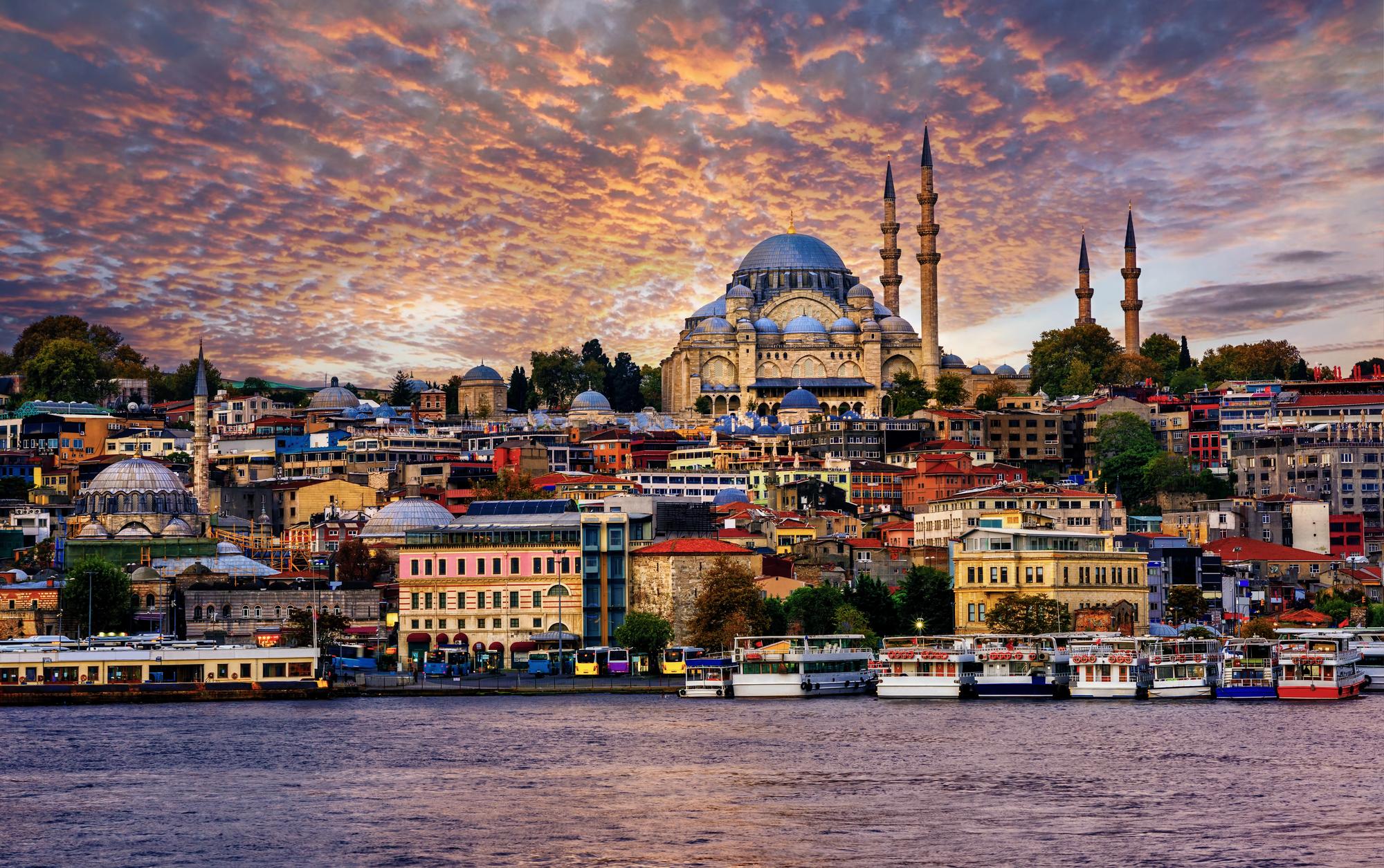
The city that straddles Europe and Asia underwent one of history’s most famous name changes when Constantinople became Istanbul in 1930. Under Mustafa Kemal Atatürk’s modernization reforms, the Turkish government formally recognized Istanbul, although the locals had been referring to it informally for centuries. The transformation represented Turkey’s transition from Ottoman rule to a contemporary republic.
Leningrad to St. Petersburg
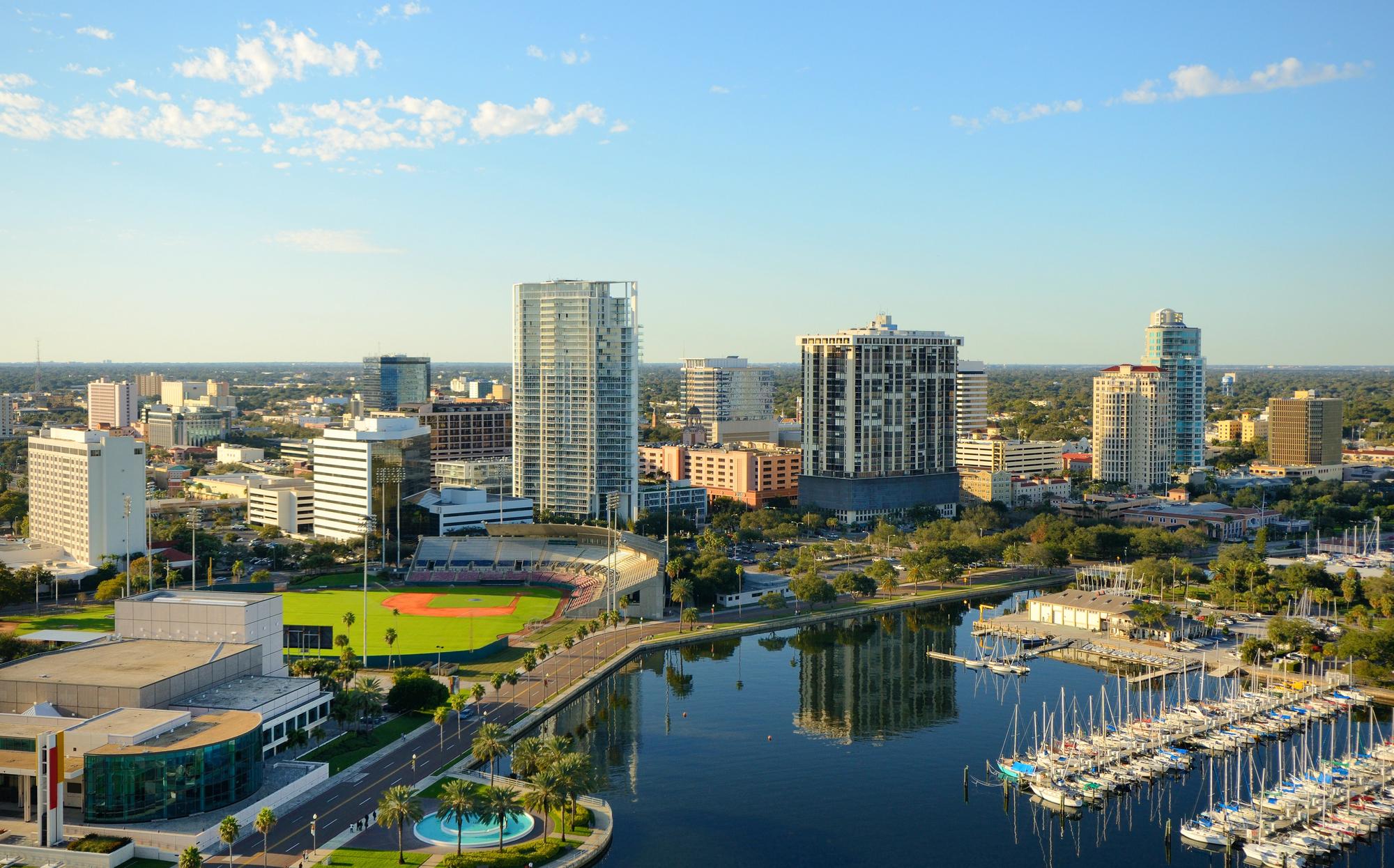
In 1991, the city reverted to its pre-revolutionary name, St. Petersburg, following the collapse of the Soviet Union. Russia’s attempt to reestablish a connection with its pre-communist past was symbolized by the transition from Leningrad to St. Petersburg. The residents voted overwhelmingly to restore the name that Peter the Great had given his ‘window to Europe’ in 1703.
Bombay to Mumbai
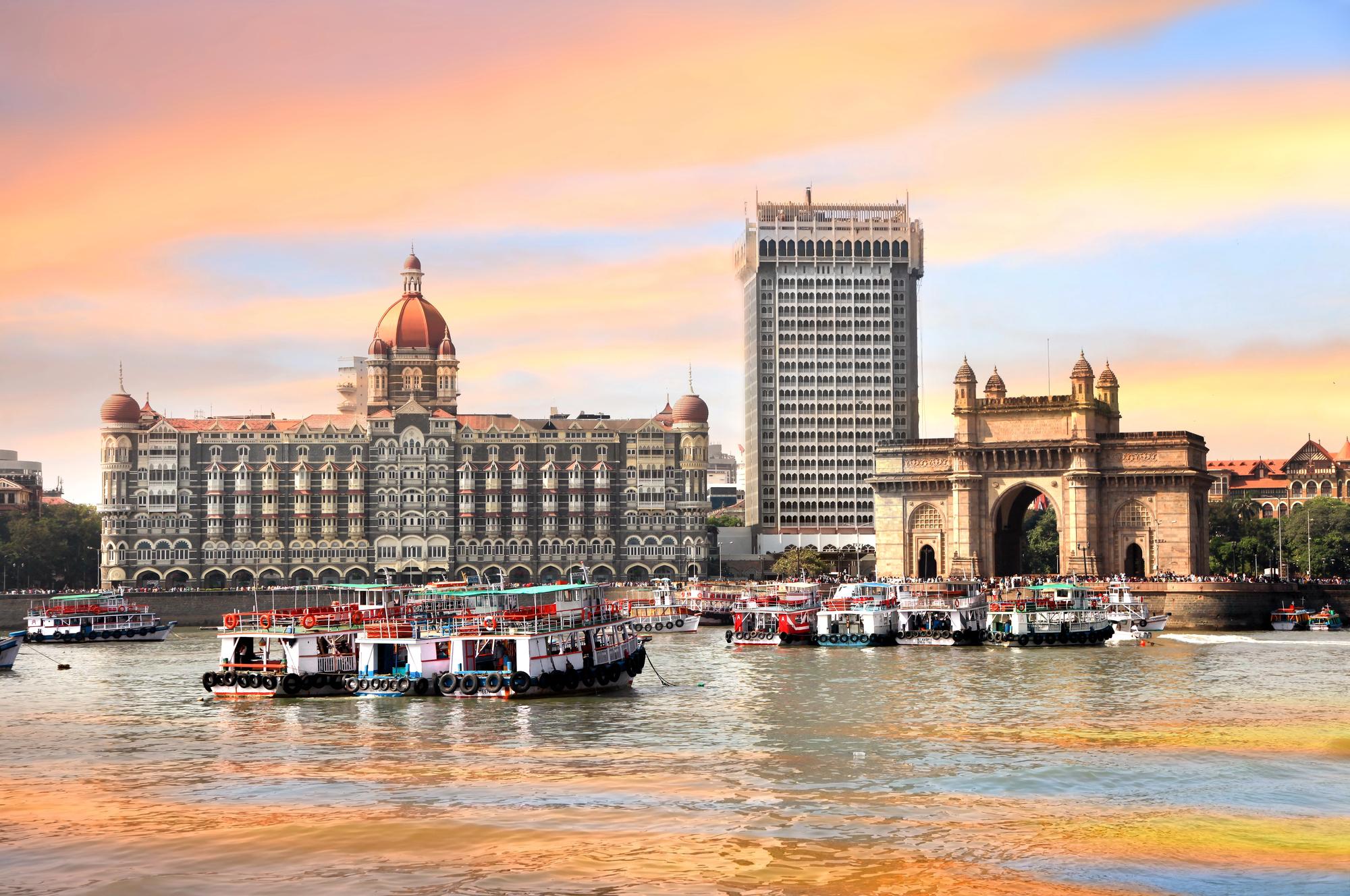
India’s financial capital officially became Mumbai in 1995, though the change had been building momentum since the 1980s. The Shiv Sena party pushed for the switch to honor Mumbadevi, a local Hindu goddess, and to remove what they saw as a colonial remnant. The transition took years to complete, with many international businesses and publications gradually adopting the new spelling.
Madras to Chennai
Another major Indian city transformation occurred when Madras became Chennai in 1996, just one year after Mumbai’s change. The Tamil Nadu government chose Chennai to reflect the region’s Dravidian heritage and language. The name derives from Chennapattanam, honoring a local Telugu ruler, making it more culturally authentic than the British-imposed Madras.
Calcutta to Kolkata
West Bengal completed India’s trio of major metropolitan name changes when Calcutta officially became Kolkata in 2001. The government argued that Kolkata better reflected the Bengali pronunciation of the city’s name. This change was part of a broader movement across India to reclaim indigenous place names that had been anglicized during colonial rule.
Peking to Beijing
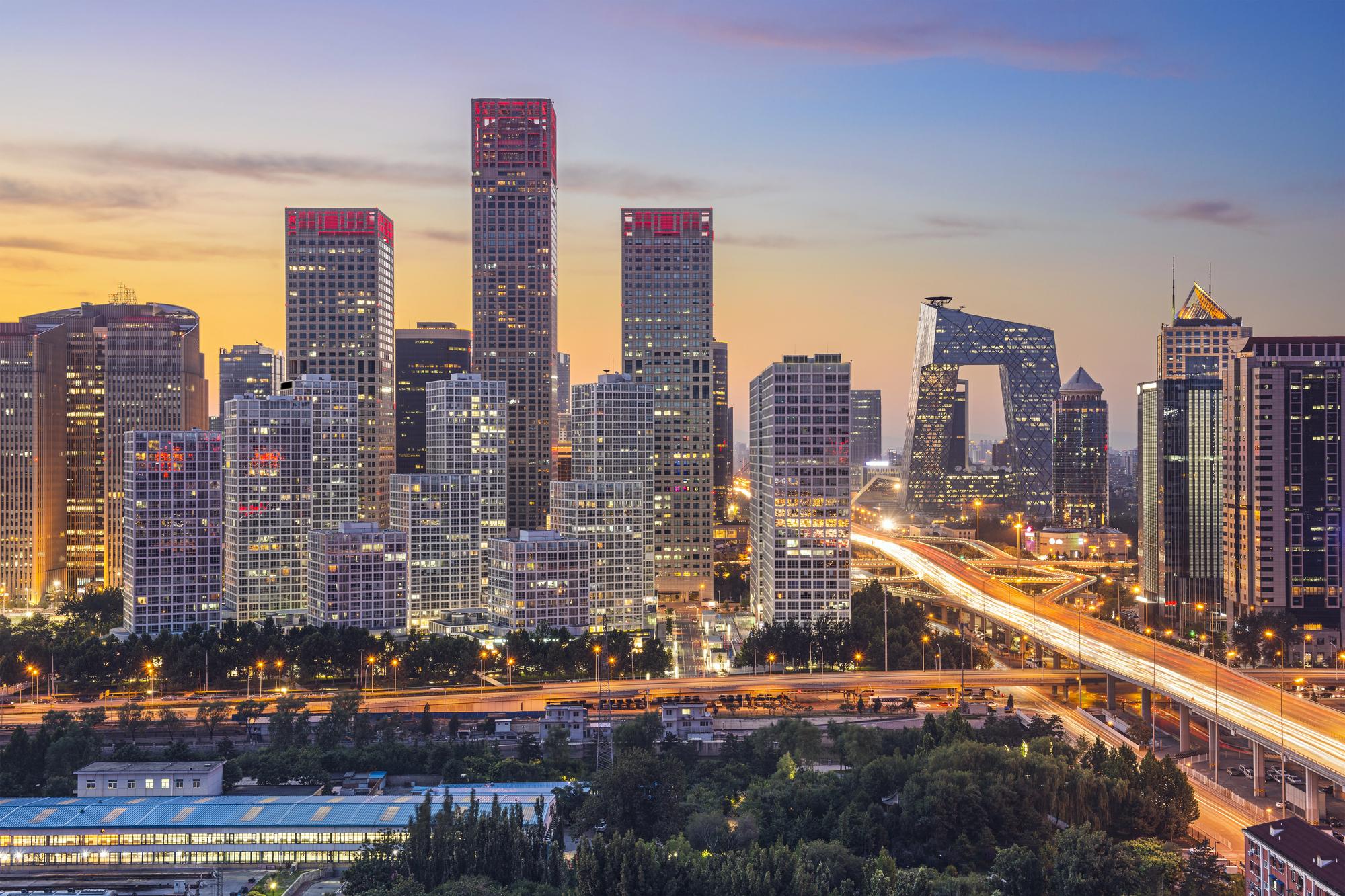
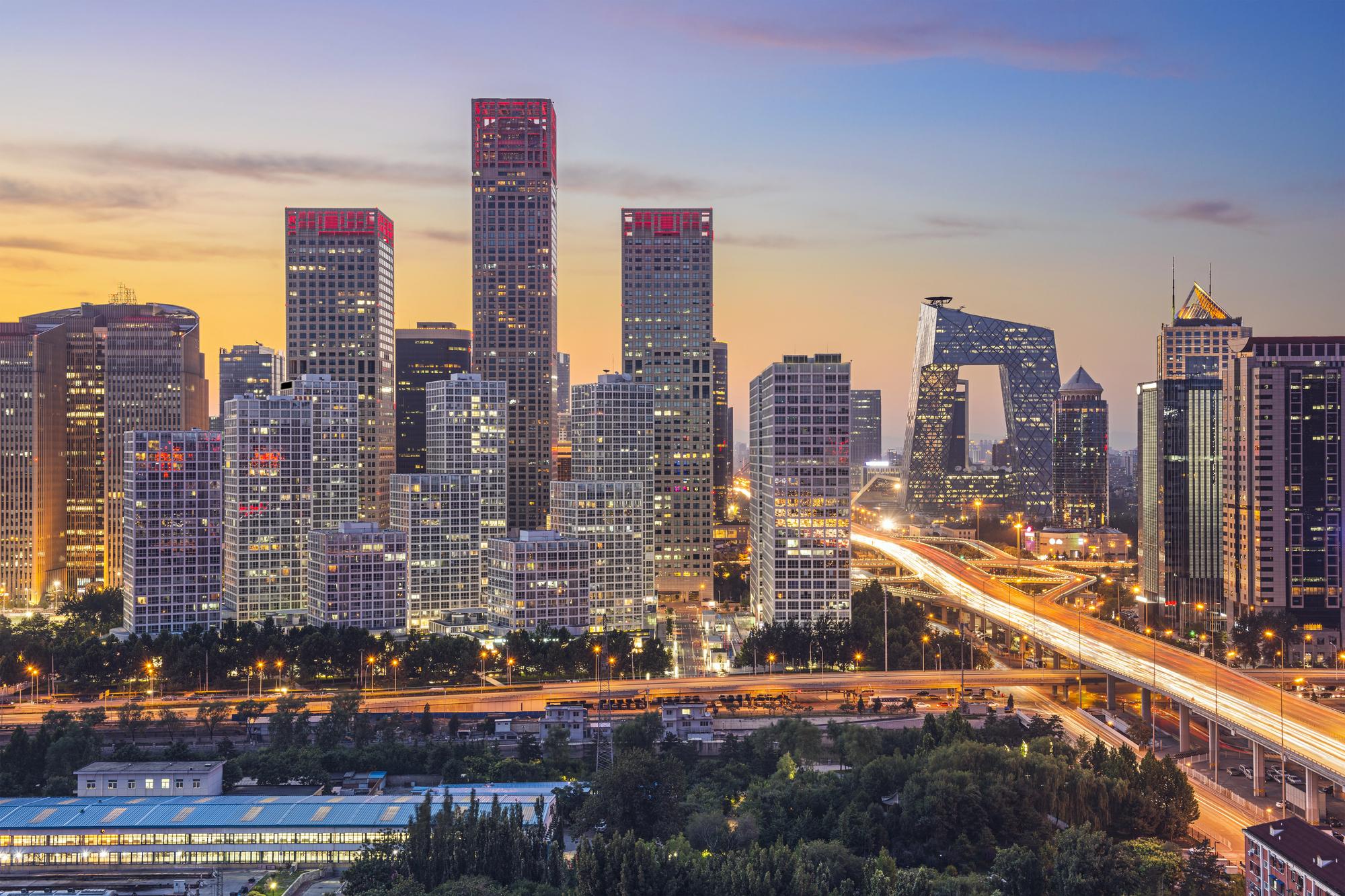
China’s capital underwent its transformation in the Western world during the 1980s when Peking gave way to Beijing in international usage. The change reflected the adoption of the Pinyin romanization system, which more accurately represents Mandarin pronunciation. While Chinese speakers always called their capital Beijing, the rest of the world finally caught up with the proper pronunciation.
Rangoon to Yangon
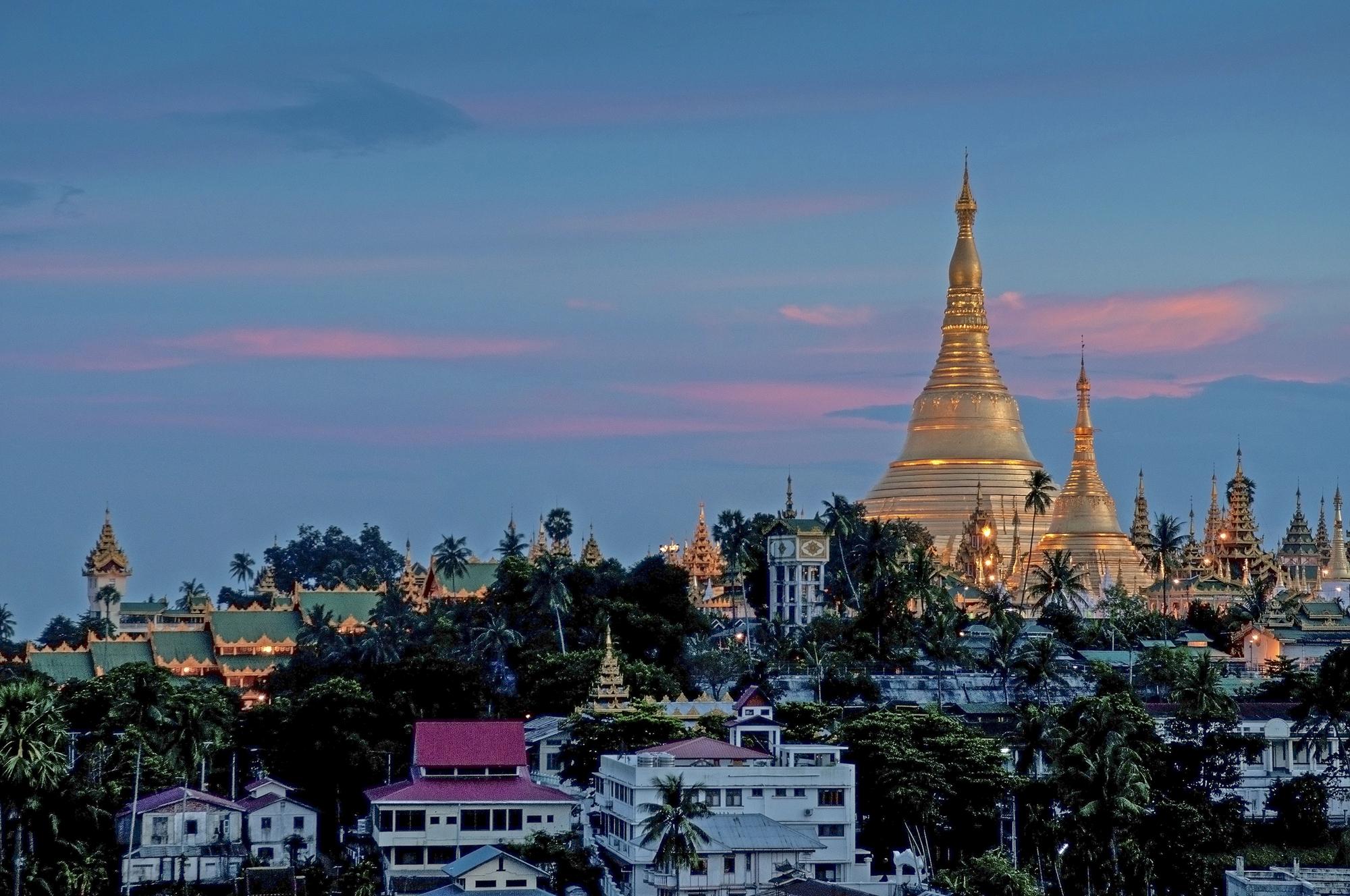
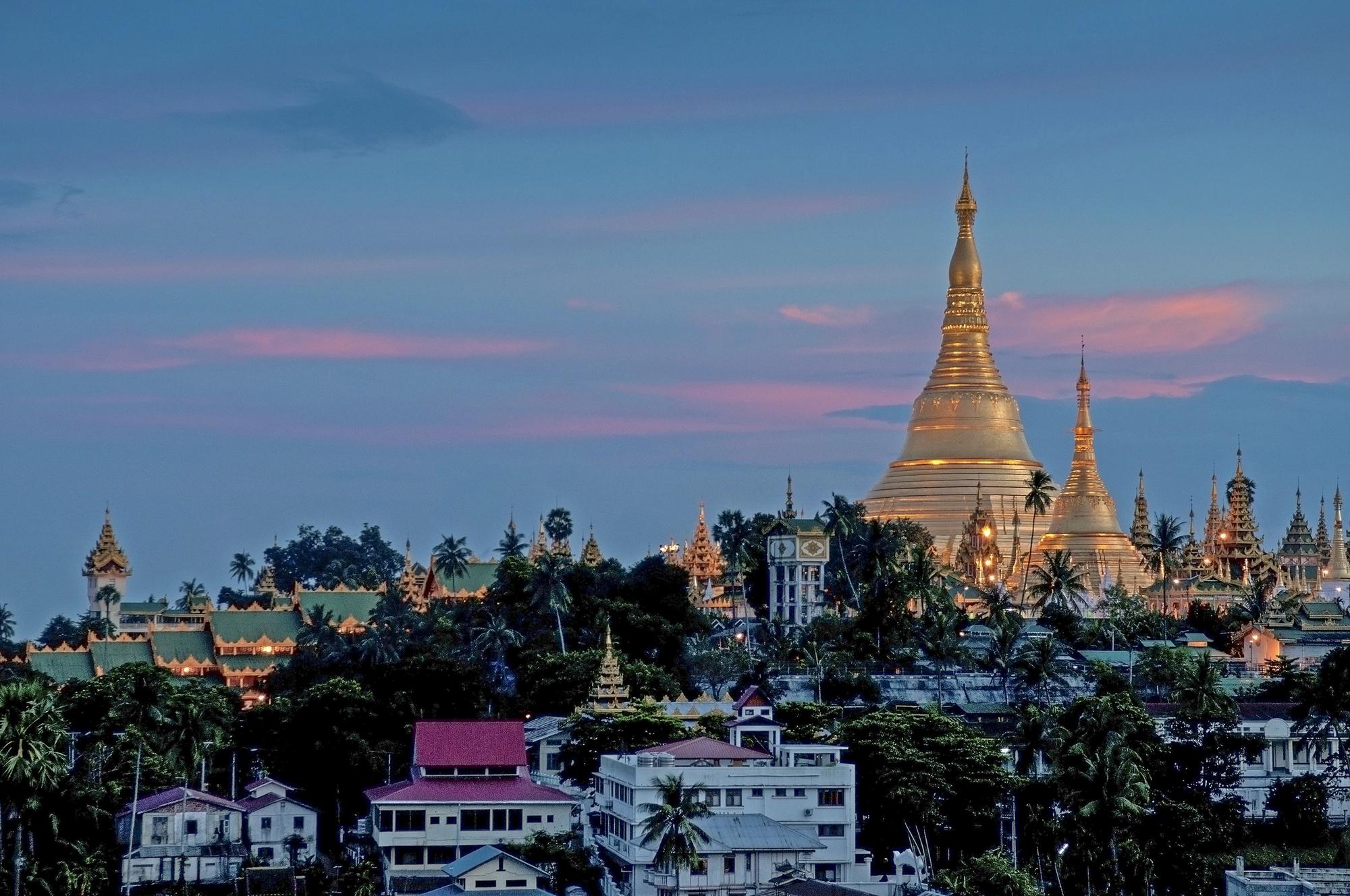
Myanmar’s largest city switched from Rangoon to Yangon in 1989 as part of the military government’s broader effort to remove colonial-era names. The junta also changed the country’s name from Burma to Myanmar during the same period. Yangon means ‘end of strife’ in Burmese, though the name change coincided with continued political turmoil in the country.
From Saigon to Ho Chi Minh City
In 1976, the city in southern Vietnam was renamed Ho Chi Minh City in remembrance of the revolutionary leader who had passed away seven years earlier. After the Vietnam War ended and North and South Vietnam were reunited under communist governance, the name was changed. Many locals still refer to the city as Saigon, particularly when talking about the central districts.
Salisbury to Harare
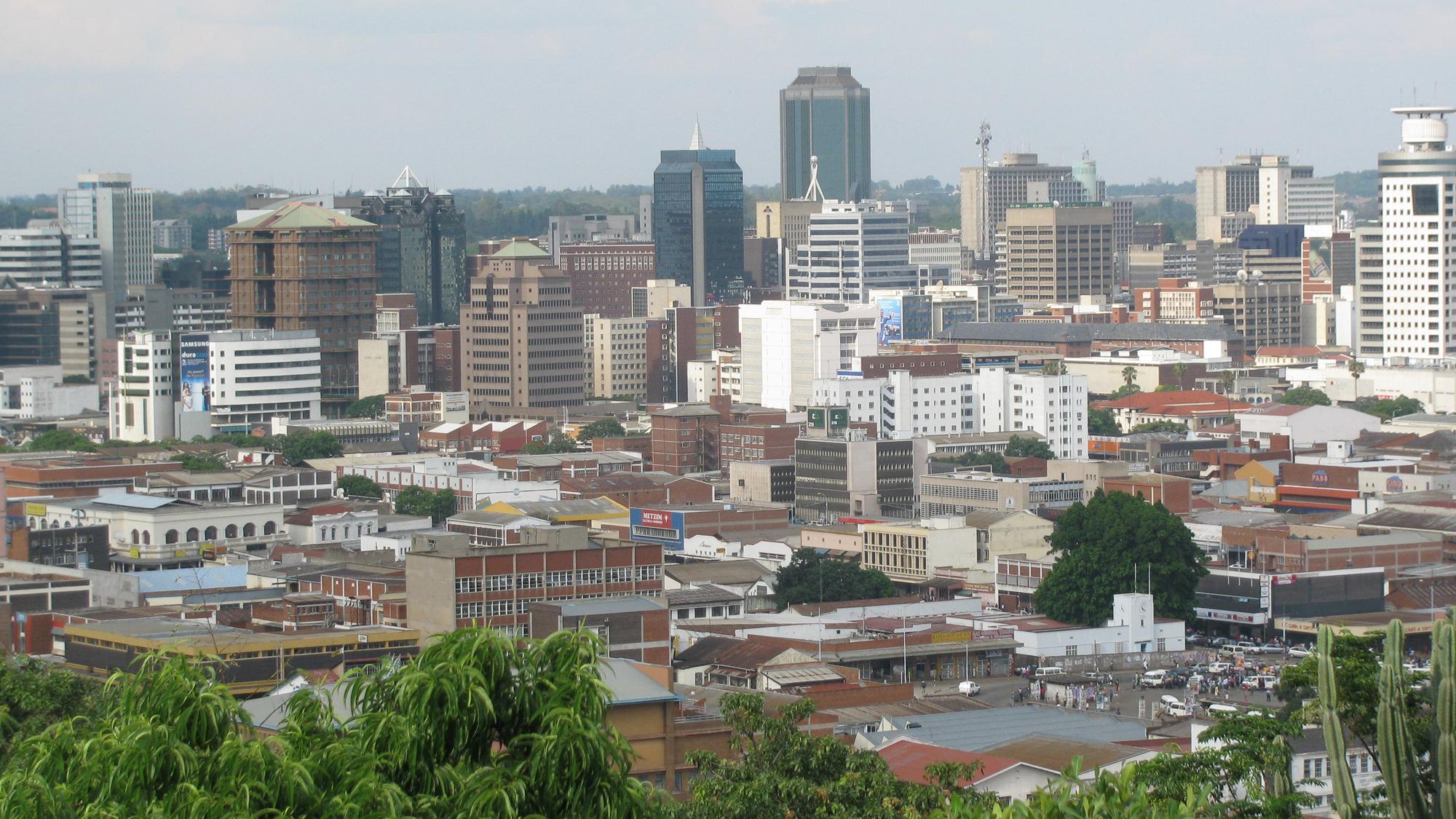
Two years after Zimbabwe’s independence from Britain, in 1982, the capital city of Zimbabwe changed from Salisbury to Harare. Chief Neharawa, who governed the region prior to colonial settlement, is honored by the new name. This modification was a part of Zimbabwe’s larger initiative to give the newly independent country indigenous names instead of colonial ones.
Leopoldville to Kinshasa

The Democratic Republic of Congo’s capital shed its colonial name Leopoldville for Kinshasa in 1966, six years after independence from Belgium. The city had been named after King Leopold II, whose brutal rule over the Congo became one of history’s most notorious examples of colonial exploitation. Kinshasa comes from the name of a fishing village that once stood on the same site.
From New Amsterdam to New York
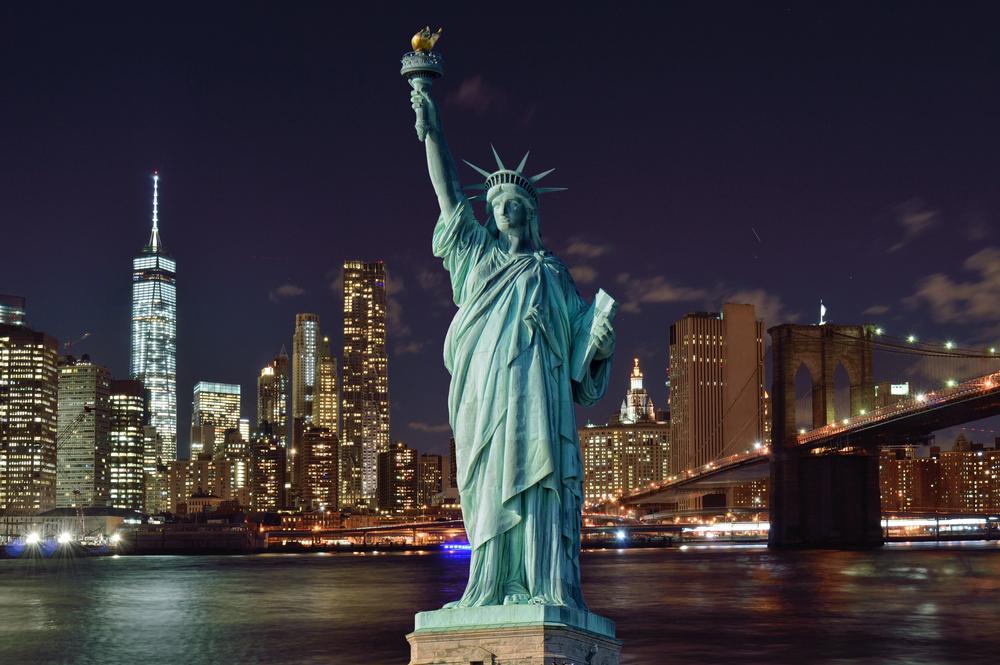
When New Amsterdam changed its name to New York in 1664, it was one of the biggest urban changes in American history. English domination in what would become the most significant city in the United States began when the English took control of the Dutch colony and renamed it after the Duke of York, who would go on to become King James II.
From Stalingrad to Volgograd
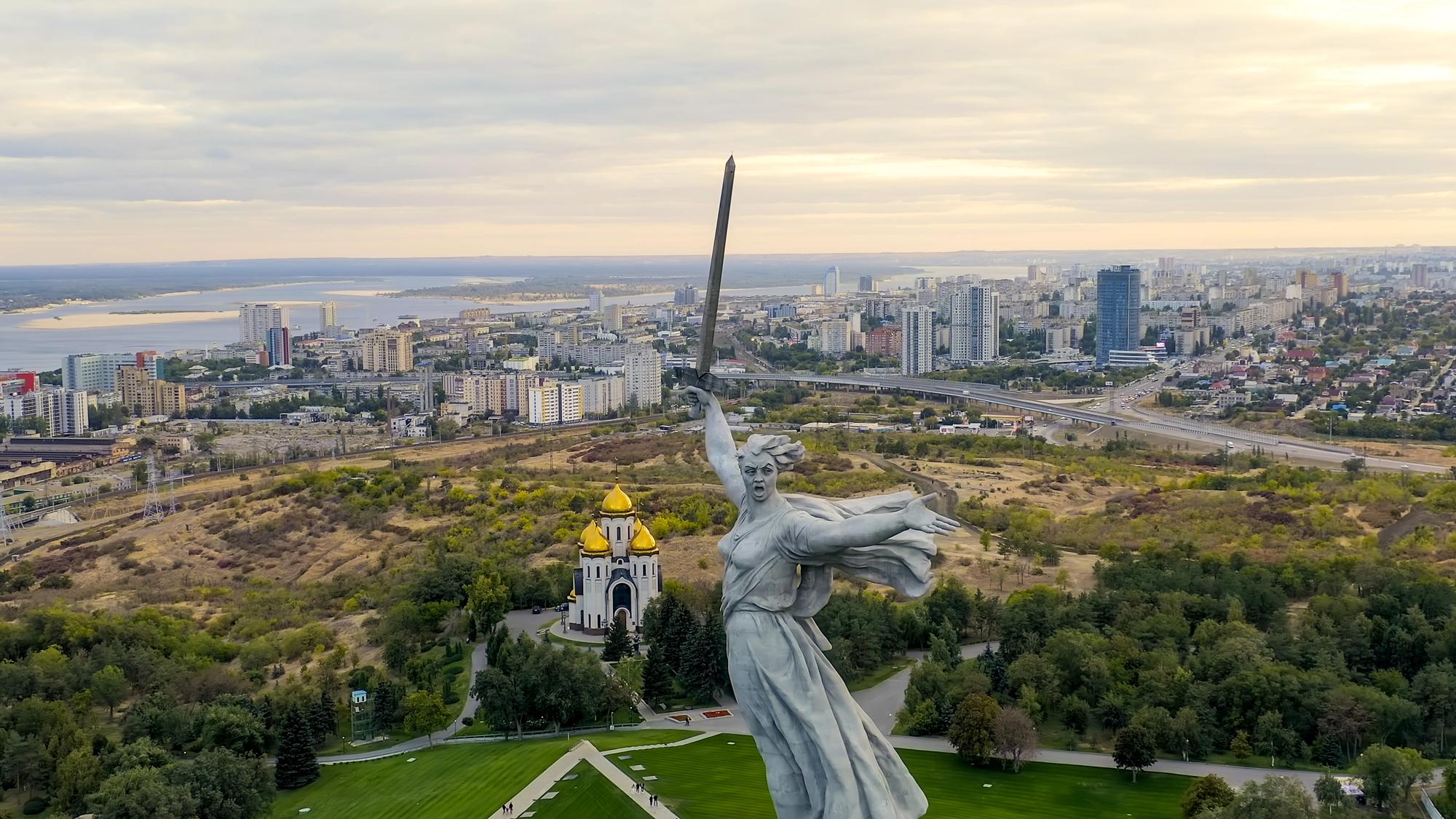
As part of Nikita Khrushchev’s de-Stalinization campaign in 1961, the city that came to represent the pivotal moment of World War II was renamed Volgograd from Stalingrad. Referring to the main river it is situated on, the new name merely means “Volga city.” It’s interesting to note that the city was originally known as Tsaritsyn before being renamed in Stalin’s honor in 1925.
Karl-Marx-Stadt to Chemnitz
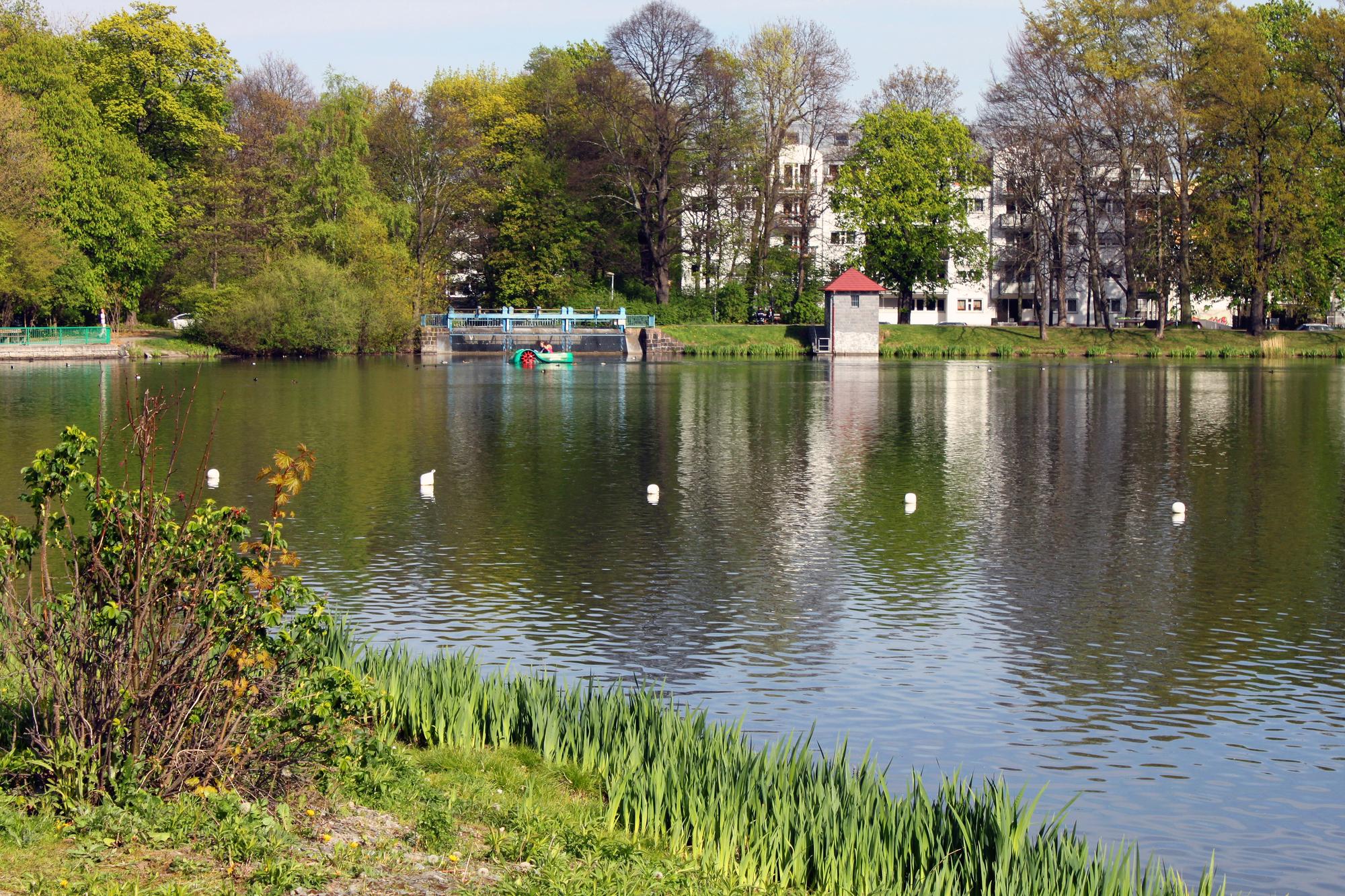
East Germany’s third-largest city returned to its original name of Chemnitz in 1990 after German reunification. It had been renamed Karl-Marx-Stadt in 1953 to honor the communist philosopher who was born in nearby Trier. The restoration of the medieval name Chemnitz, which means ‘stony brook,’ symbolized the city’s desire to reconnect with its pre-communist identity.
Maputo to Lourenço Marques

Maputo took the place of Lourenço Marques, the Portuguese colonial name for Mozambique’s capital, one year after the country’s independence in 1976. The new name honors Chief Maputsu, who ruled the area before Portuguese colonization. This transformation was part of Mozambique’s broader effort to create a distinct national identity distinct from its colonial past.
Christiania to Oslo
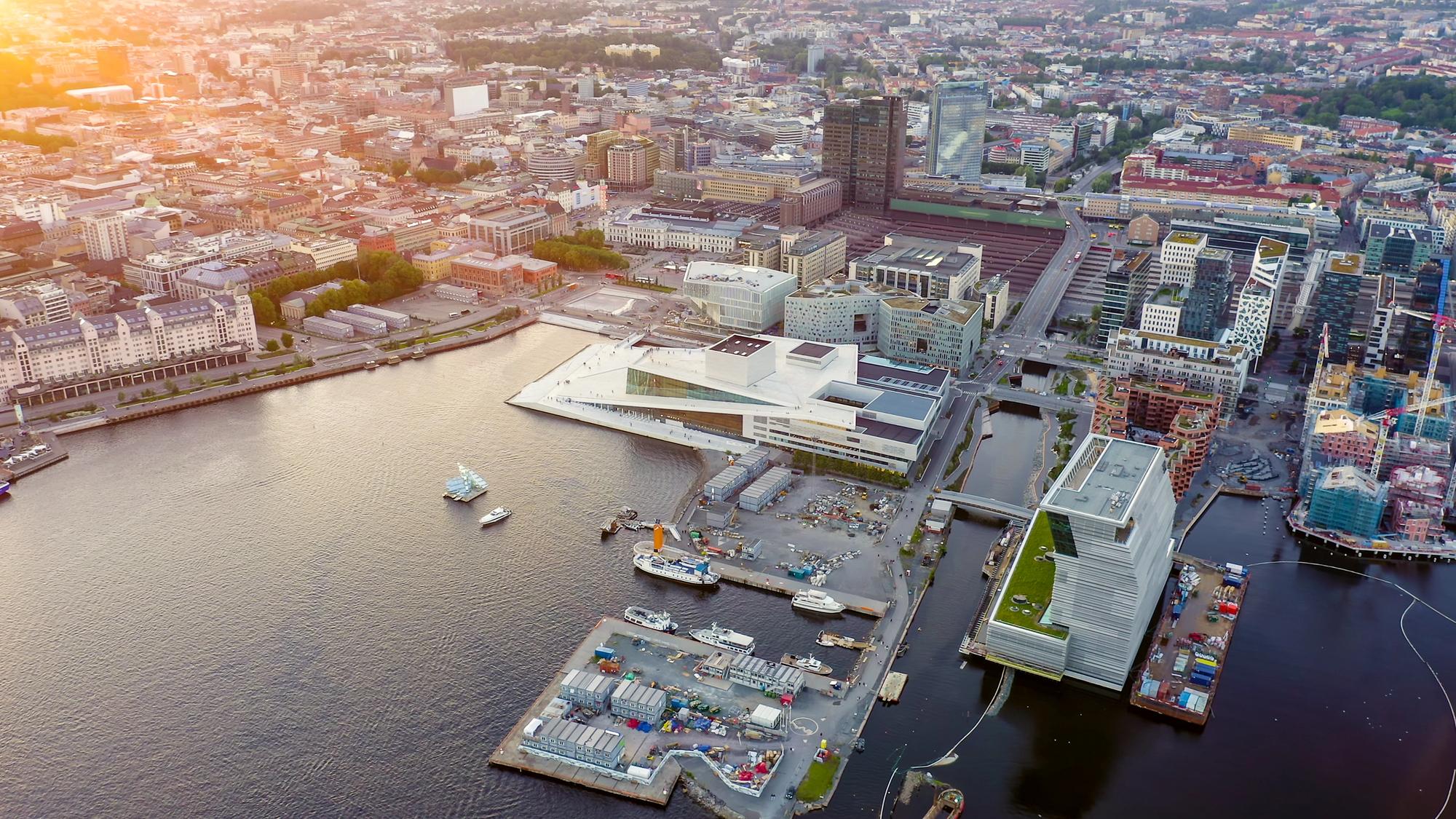
Norway’s capital, Oslo, underwent a significant transformation before the majority of the cities on this list, changing from Christiania to Oslo in 1925. In 1624, King Christian IV rebuilt the city and renamed it Christiania after a devastating fire. The adoption of the medieval name Oslo served as a symbol of Norwegian nationalism and the desire to reclaim pre-Danish heritage following centuries of foreign dominance.
When geography meets politics
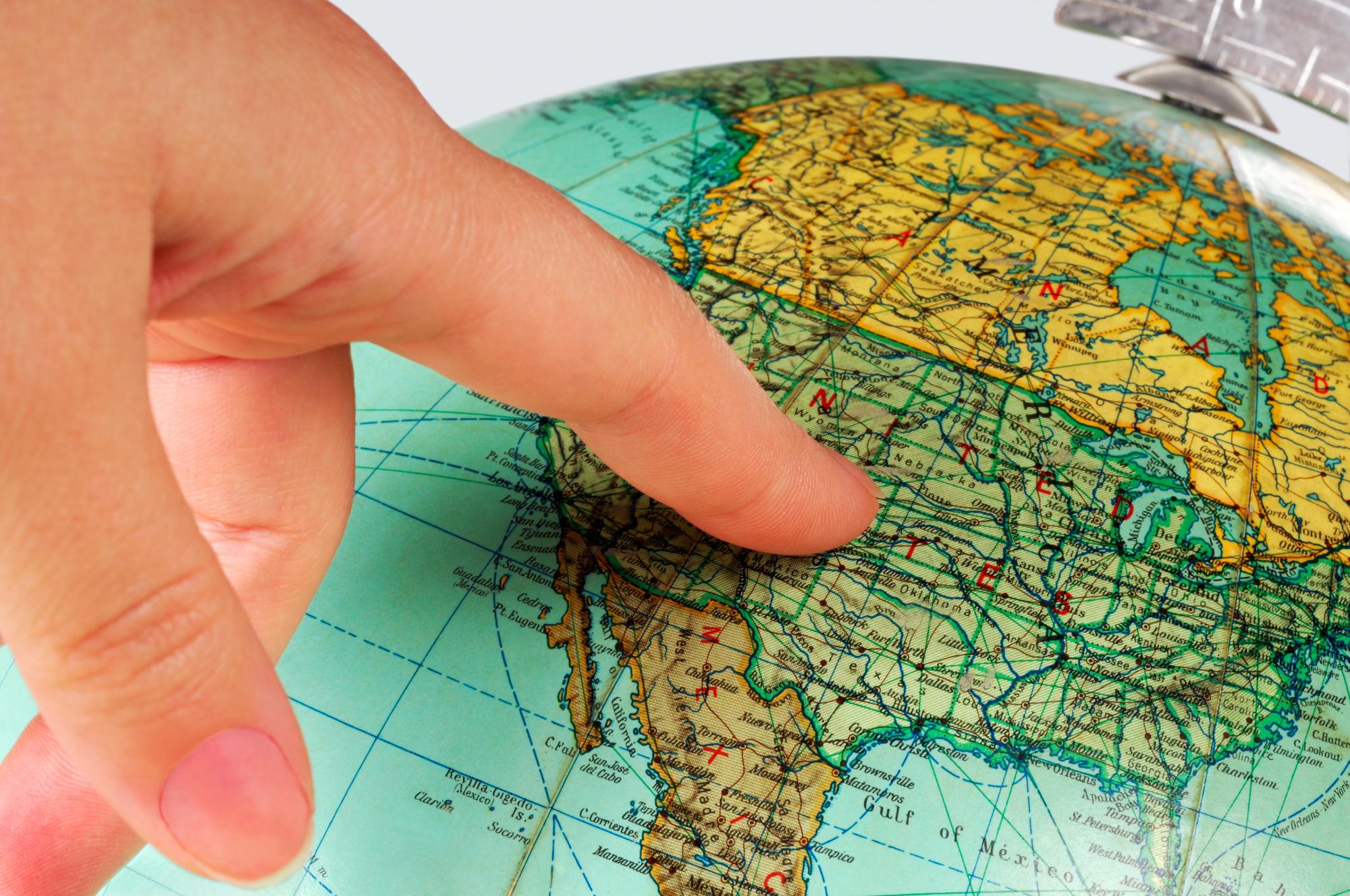
These urban transformations reveal how deeply place names are connected to power, identity, and historical memory. Cities don’t just change their names on a whim—these decisions usually reflect seismic shifts in political control, cultural awareness, or national consciousness. Whether driven by decolonization movements, political revolutions, or the simple desire for linguistic accuracy, these name changes show how places constantly reinvent themselves as the world around them evolves.
More from Go2Tutors!

- The Romanov Crown Jewels and Their Tragic Fate
- 13 Historical Mysteries That Science Still Can’t Solve
- Famous Hoaxes That Fooled the World for Years
- 15 Child Stars with Tragic Adult Lives
- 16 Famous Jewelry Pieces in History
Like Go2Tutors’s content? Follow us on MSN.