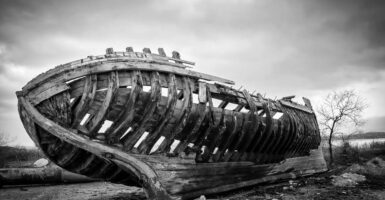
Photos of 15 Eerie Submerged Luxury Liners Explored by Divers
Beneath the surface of oceans and lakes around the world lie some of the most haunting reminders of maritime luxury. These sunken passenger vessels, once symbols of elegance and technological achievement, now rest in watery graves that have become underwater museums for brave divers.
Each wreck tells a story of human ambition, tragedy, or simply the relentless passage of time. The grand staircases that once welcomed wealthy passengers now provide passage for curious fish, while opulent dining rooms have become feeding grounds for marine life.
These submerged giants offer divers a unique glimpse into maritime history, though accessing them requires skill, courage, and often a tolerance for the macabre beauty of decay.
Titanic
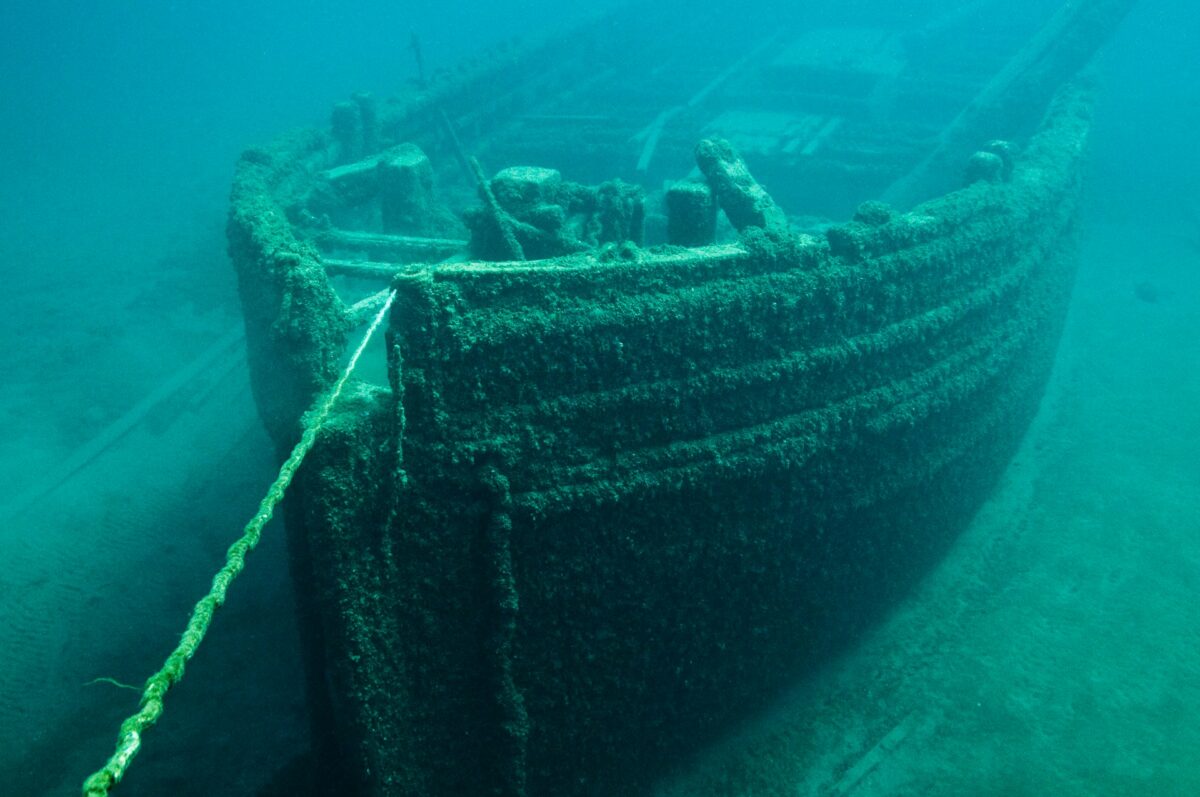
The most famous shipwreck needs no introduction. Two and a half miles down in the North Atlantic, she’s deteriorating faster than expected.
The bow section still commands respect. That’s where most of the iconic images come from.
Andrea Doria
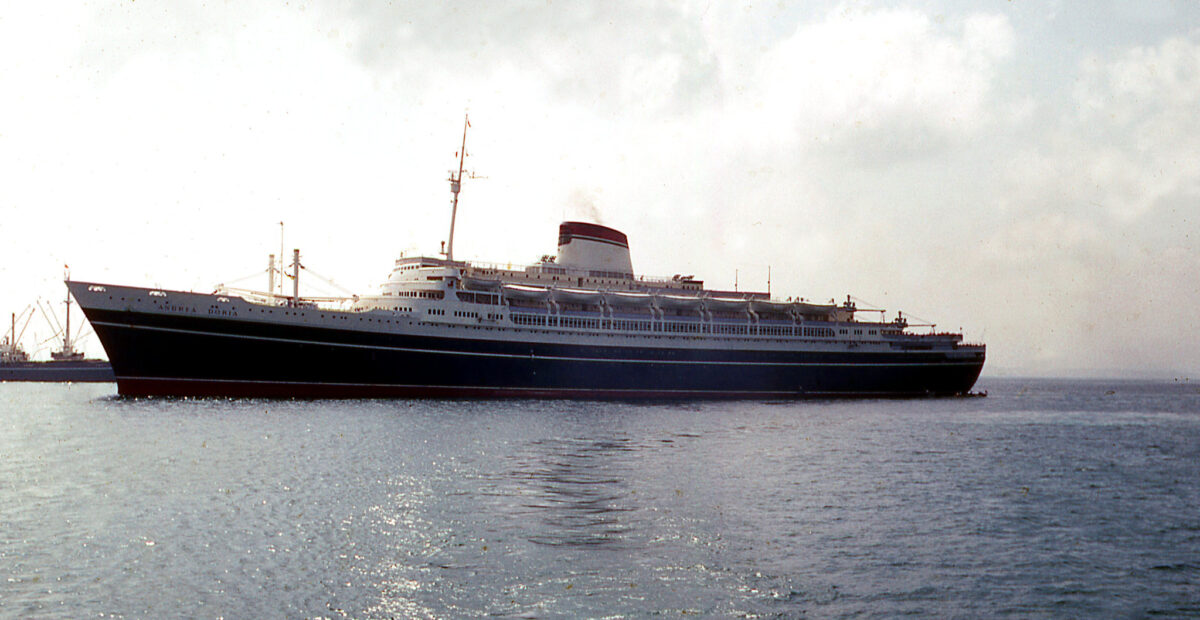
This Italian liner went down off Nantucket in 1956 after a collision, and divers have been calling it the “Mount Everest of wreck diving” ever since. The comparison isn’t just about difficulty (though the depth, currents, and low visibility certainly qualify) — it’s about the strange magnetism that draws people to attempt something they know might not end well.
The ship sits at 240 feet, which means technical diving, decompression stops, and the kind of nitrogen narcosis that makes even experienced divers do things they wouldn’t consider on the surface. And yet people keep going back, drawn by stories of china still stacked in the dining rooms and Chrysler cars still strapped down in the cargo hold (though most of the easily accessible treasures disappeared decades ago).
So many divers have died on this wreck that it’s earned a reputation as cursed, but that only seems to make it more appealing to the kind of person who thinks technical diving is a reasonable weekend activity.
Lusitania
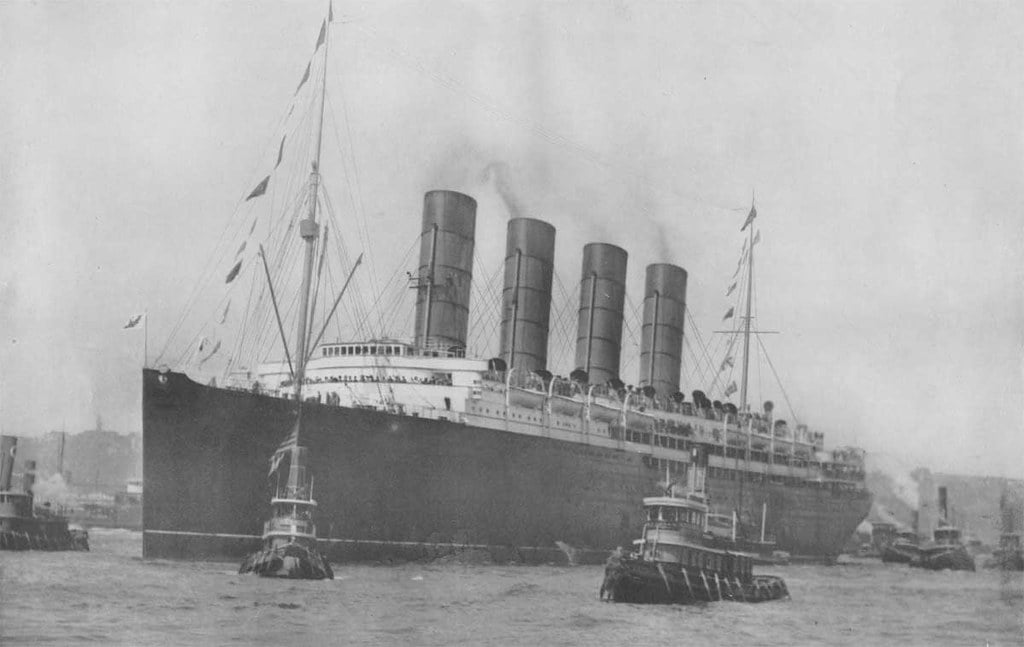
The torpedo that sank her in 1915 turned this Cunard liner into both a war grave and a political symbol. Divers who reach her off the Irish coast find a ship that’s been claimed as much by politics as by the sea.
The wreck lies on her starboard side in 300 feet of water. Technical diving territory, complicated by strong currents and the Irish government’s protective restrictions.
What divers find is a ship that’s collapsing in on herself, the superstructure pancaked and twisted. The most haunting aspect isn’t the damage from the torpedo — it’s how ordinary objects persist. Portholes still frame views of nothing but darkness.
The bronze propellers remain pristine while the steel hull crumbles around them.
Britannic
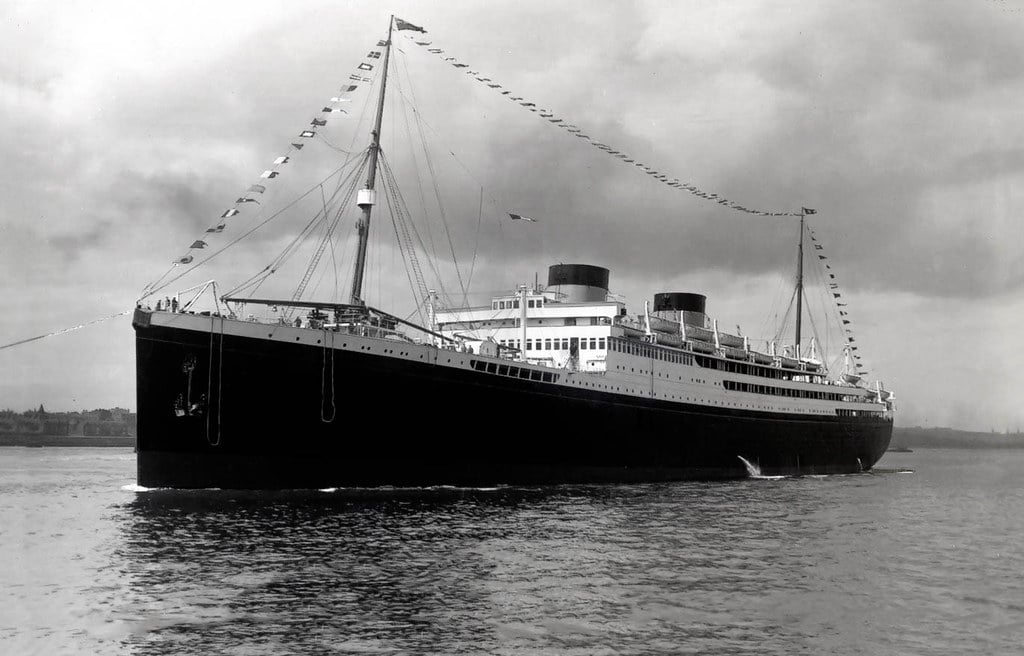
She was supposed to be unsinkable, the improved sister ship of the Titanic, but a mine in the Aegean Sea had other plans. What makes Britannic different from her more famous sibling isn’t just that she’s accessible to recreational divers at 400 feet (still deep, but manageable), it’s that she sank in her wartime role as a hospital ship, stripped of luxury fittings and painted white with large red crosses.
Divers describe swimming through what feels like a massive medical facility that happens to be underwater. The ship is remarkably intact — she sank in relatively shallow, warm water and hasn’t been picked over by salvagers to the same degree as other wrecks.
You can still see the davits where lifeboats hung, the modifications made to accommodate wounded soldiers, the practical changes that transformed a luxury liner into a floating hospital. There’s something particularly unsettling about exploring a ship designed to save lives that couldn’t save itself.
Empress of Ireland
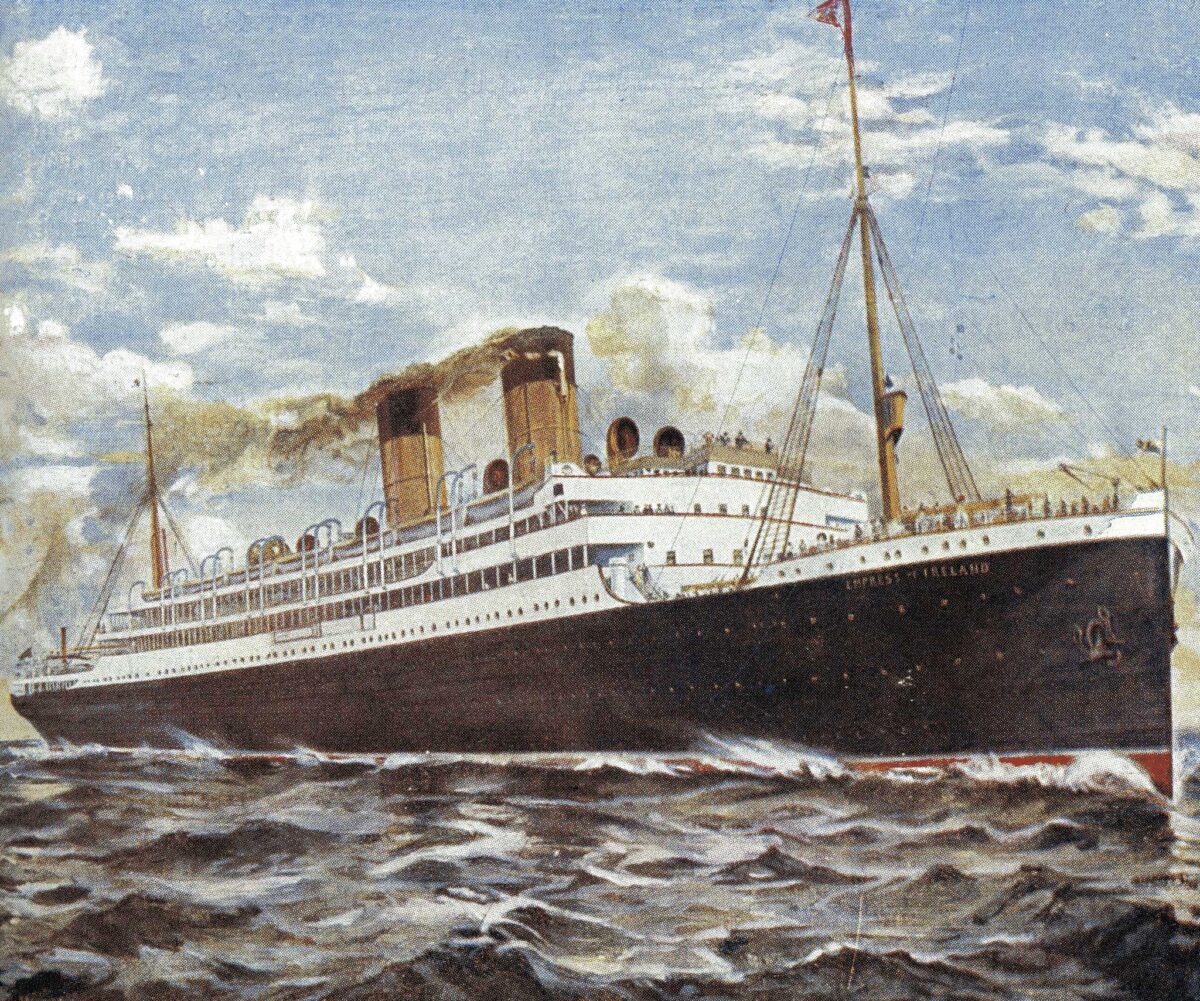
This Canadian Pacific liner sank in the St. Lawrence River in 1914, taking more than 1,000 people with her in what remains one of Canada’s worst maritime disasters. The ship sits upright in 130 feet of water, which puts her just within reach of advanced recreational divers willing to deal with cold water, strong currents, and near-zero visibility.
What strikes divers first is how intact she remains. The superstructure is still recognizable, and you can swim through areas that once housed passengers who never made it to the lifeboats.
The dining saloon, the cig room, the passenger cabins — they’re all there, filled with silt instead of people. Fish swim through doorways where passengers once walked, and the ship’s bell sits silent in water that amplifies every sound except the voices that once filled these spaces.
Wilhelm Gustloff
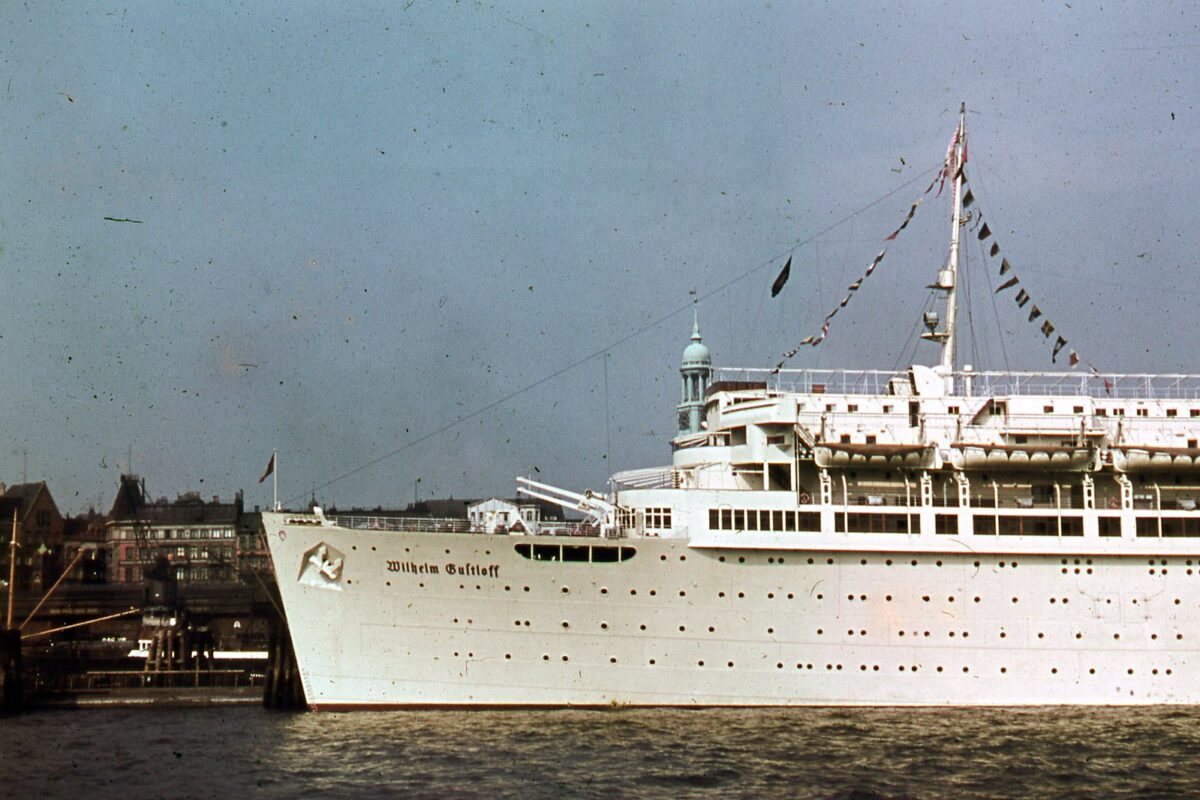
Most people haven’t heard of this German ship, which makes the scale of her tragedy even more sobering. When she sank in 1945, she took an estimated 9,400 lives with her.
The Soviet submarine attack happened in winter. In the Baltic.
The ship was packed with refugees fleeing the advancing Red Army — far beyond her capacity. She sits in 150 feet of water, but political complications make diving her nearly impossible.
The few divers who’ve reached her describe a wreck that’s become a mass grave, still holding the personal effects of thousands of people whose stories died with them.
Cap Arcona
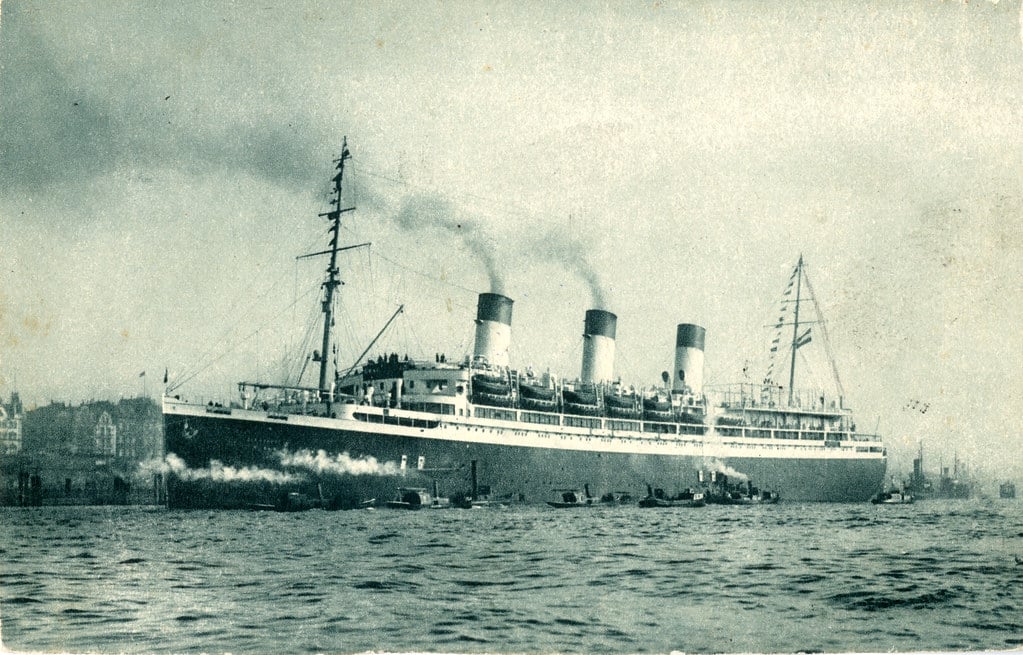
Another German liner with a grim wartime story, though this one involves a tragic case of mistaken identity. British planes attacked her in 1945, not knowing she was carrying concentration camp prisoners the Nazis were trying to evacuate (or eliminate — historians still debate the true purpose of the voyage).
The attack killed more than 5,000 people who had survived the camps only to die in sight of liberation. She lies in the Baltic Sea, and the few divers who’ve explored her describe a wreck that feels haunted by more than just maritime tragedy.
The ship was stripped and partially salvaged after the war, but enough remains to provide a glimpse into what was essentially a floating war crime. Swimming through her remains means confronting not just the usual melancholy of shipwrecks, but the specific horror of how ships can be weaponized against the people they’re meant to protect.
SS Normandie
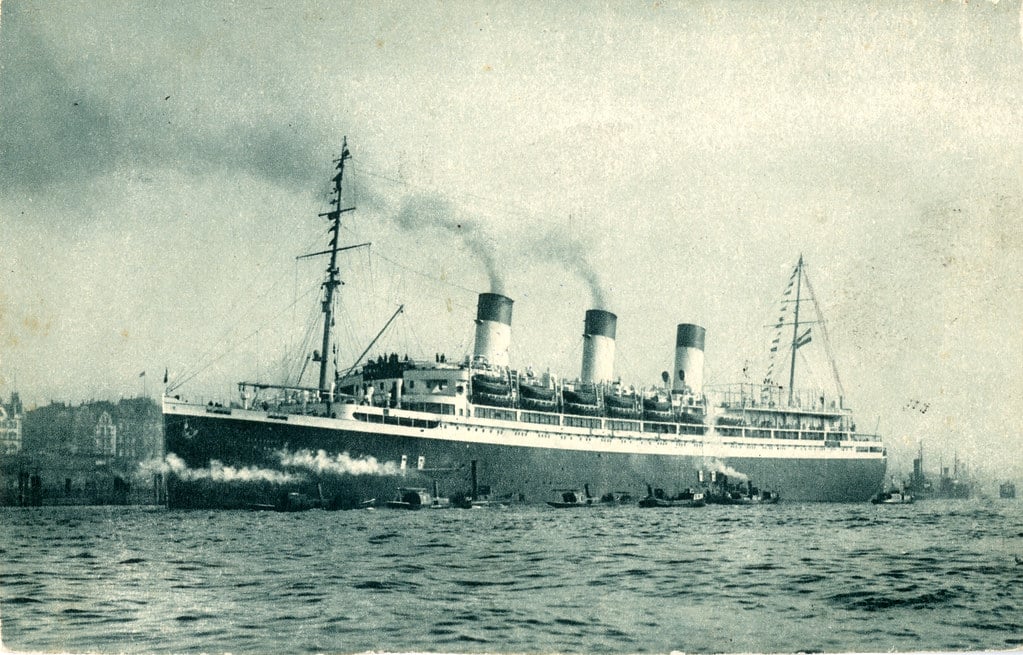
She never sank in open water — instead, she caught fire and capsized at her dock in New York Harbor in 1939 while being converted to a troopship. The cause was either sabotage or spectacular incompetence, depending on which account you believe.
Most of the ship was scrapped after she was raised, but parts of her remain scattered around New York Harbor. Divers occasionally find pieces of what was once the most luxurious ship on the Atlantic — fragments of Art Deco fittings, pieces of the dining room that once hosted movie stars and millionaires.
It’s like finding pieces of a broken palace, except the palace was designed to cross oceans.
Oceanos
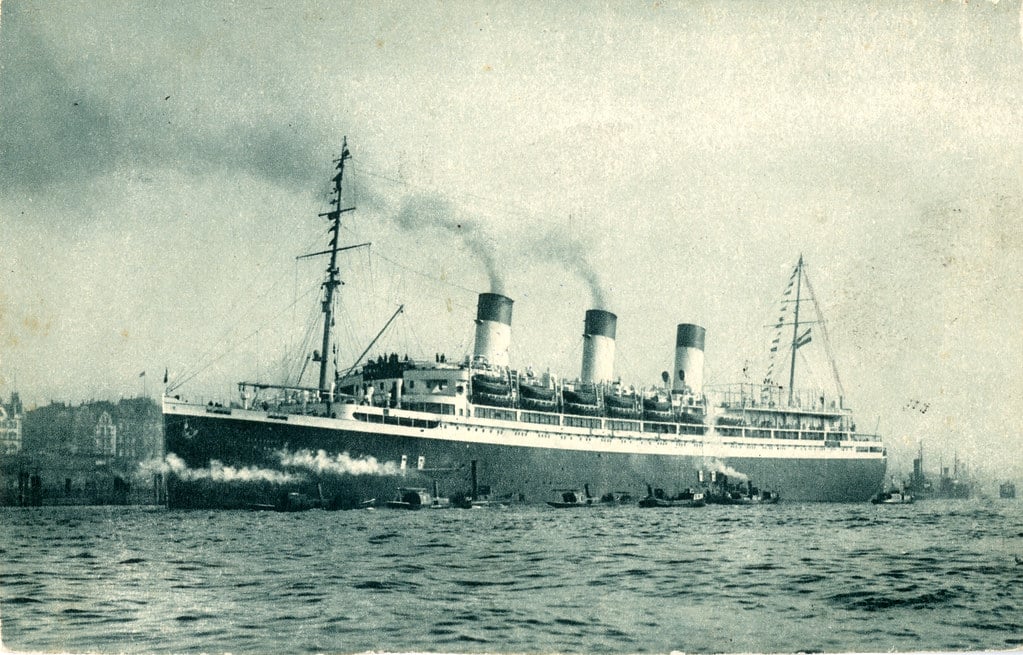
This Greek passenger ship sank off South Africa in 1991, and what makes her wreck particularly eerie isn’t just that she’s relatively recent — it’s that the sinking was caught on video. The captain abandoned ship before the passengers, leaving the entertainment staff to organize the evacuation.
She sits upright in 300 feet of water, which puts her in technical diving territory. The ship is remarkably preserved because she’s only been down for three decades, so divers can still recognize features from the video footage of her final hours.
Swimming through her is like exploring a disaster you watched on television, except now you’re inside it. The disco where passengers danced the night before the sinking is still recognizable, filled with fish instead of people.
SS Republic
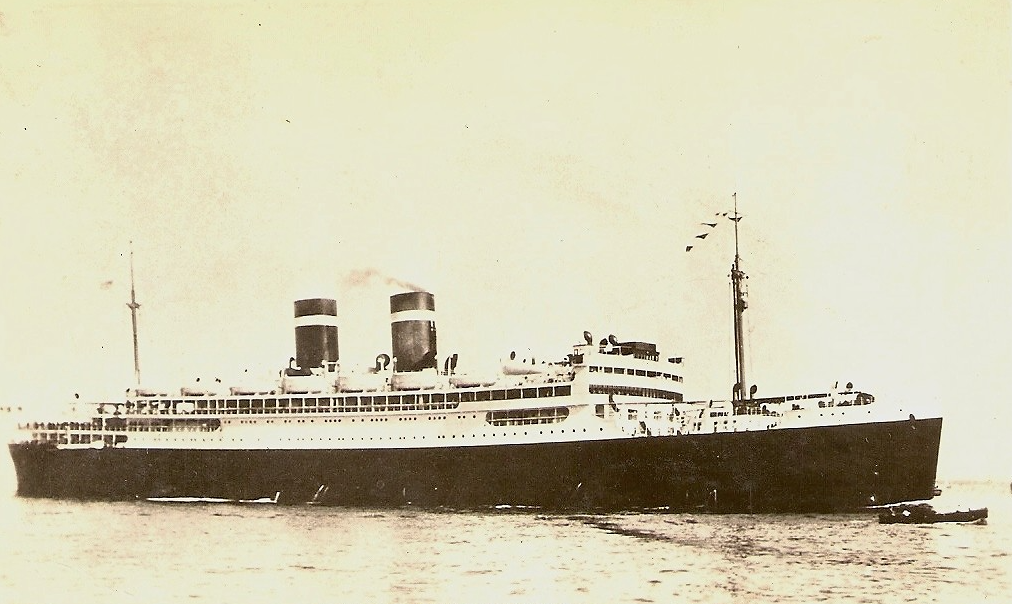
She was a Civil War-era steamship carrying passengers and a fortune in coins when she sank in a hurricane off Georgia in 1865. What makes her interesting to divers isn’t just the historical period — it’s that she represents the transition from sailing ships to steam power, and from wooden hulls to iron.
The wreck sits in 1,700 feet of water, so only the most advanced technical divers and ROV operators can reach her. What they find is a time capsule from American maritime history, with personal effects that tell stories of people traveling during one of the country’s most turbulent periods.
Coins scattered across the sea floor, luggage that never reached its destination, and the remains of a ship that bridged two eras of maritime technology.
Princess Sophia
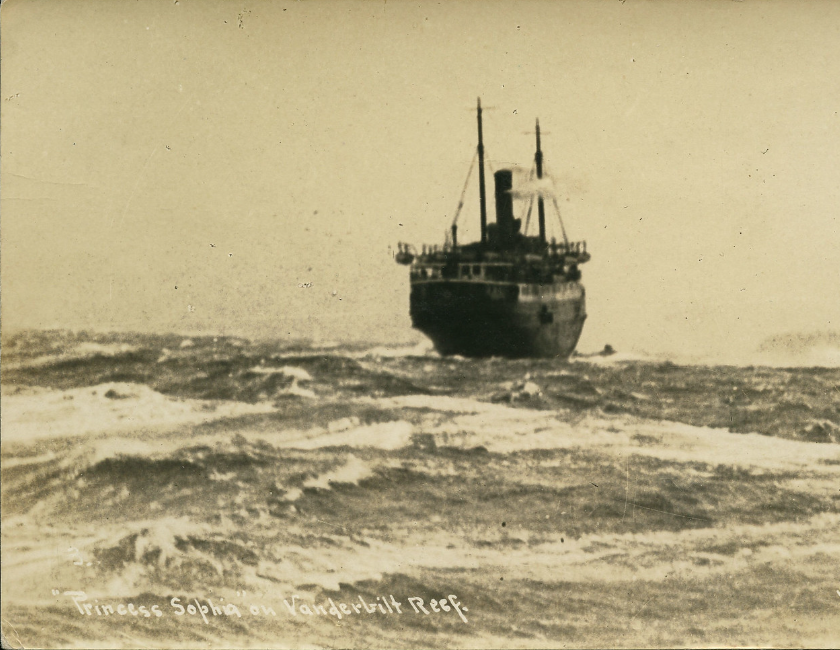
This ship ran aground on Vanderbilt Reef in Alaska in 1918 and then sat there for 40 hours while rescue ships waited nearby, unable to approach because of the weather. When the storm finally broke the ship free, she slipped off the reef and sank immediately, taking all 353 people aboard.
She lies in pieces in relatively shallow water, scattered across the reef that killed her. Divers who brave the cold Alaska waters describe a wreck that’s been picked apart by storms and time, but where personal items still surface regularly.
Dishes, jewelry, ship’s fittings — reminders that people lived and died here while rescue ships watched from a safe distance.
MV Salem
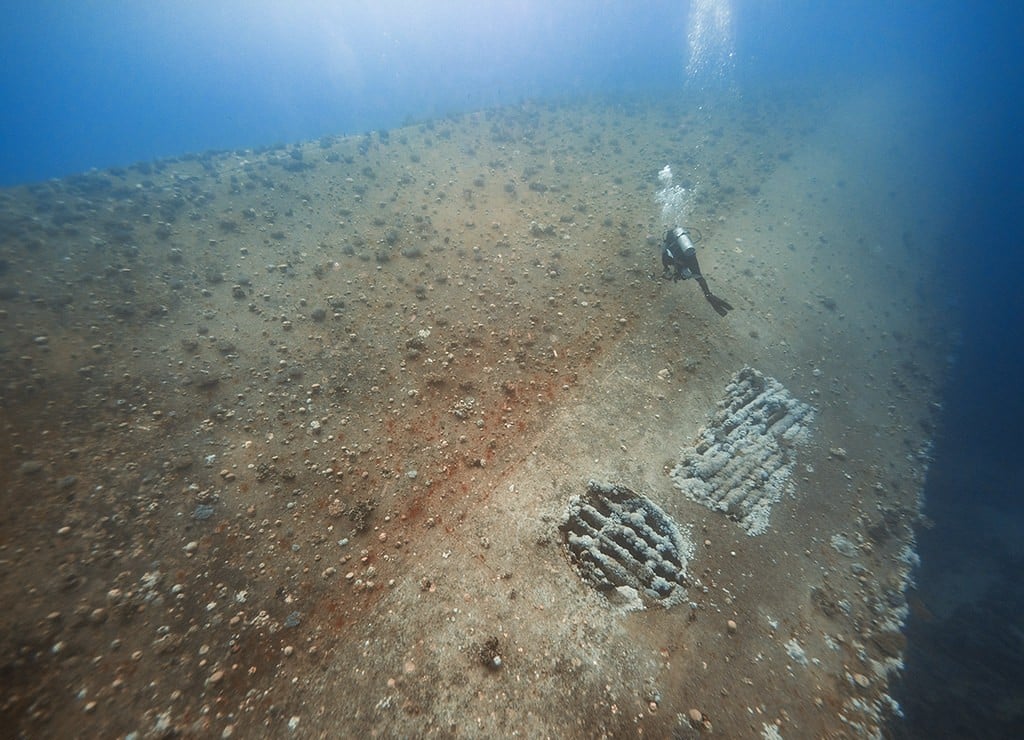
This Egyptian passenger ferry sank in the Red Sea in 2006 after catching fire during a overnight voyage from Saudi Arabia. More than 1,000 people died, many of them Egyptian workers returning home.
The ship sits upright in relatively shallow water, making her accessible to recreational divers. What they find is a modern passenger ship that became a death trap when safety systems failed and crew members took the lifeboats before helping passengers.
Cars are still parked on the car deck, and personal belongings are scattered throughout passenger areas. It’s a reminder that maritime disasters didn’t end with the Titanic — they just stopped making headlines in the Western press.
SS Morro Castle
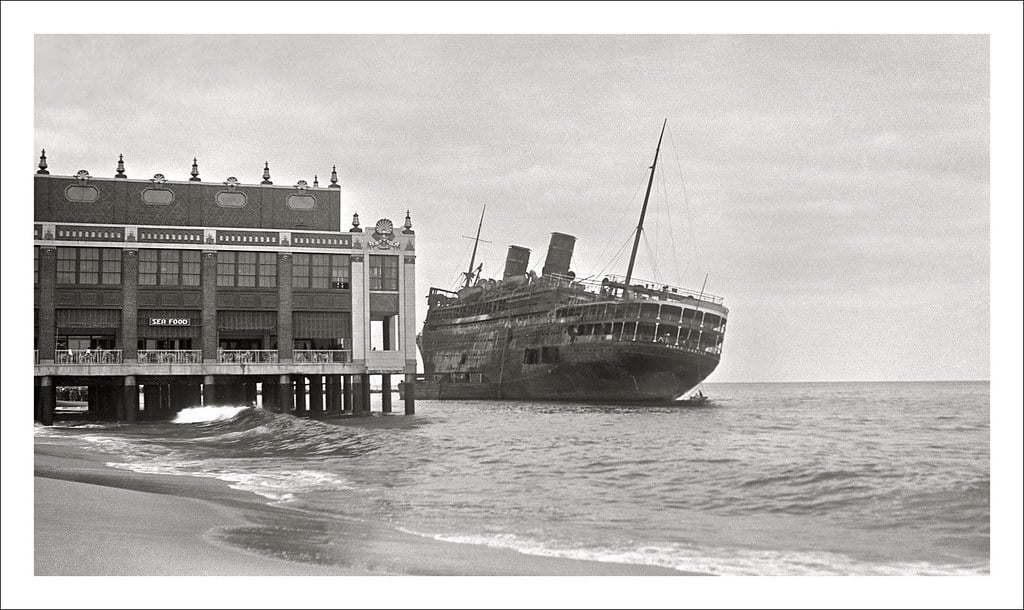
She caught fire off the New Jersey coast in 1934 and burned for days while spectators watched from shore. The ship eventually beached herself, becoming a tourist attraction before breaking apart in storms.
Most of the ship is gone now, broken up by decades of surf and storms, but divers can still find pieces scattered along the seafloor. Propeller blades, sections of hull, artifacts from passenger areas — fragments of a disaster that became entertainment for beachgoers who treated a burning ship like a fireworks display.
The wreck serves as a reminder that disasters often become spectacles, especially when they happen close enough to shore for people to watch safely.
SS Eastland
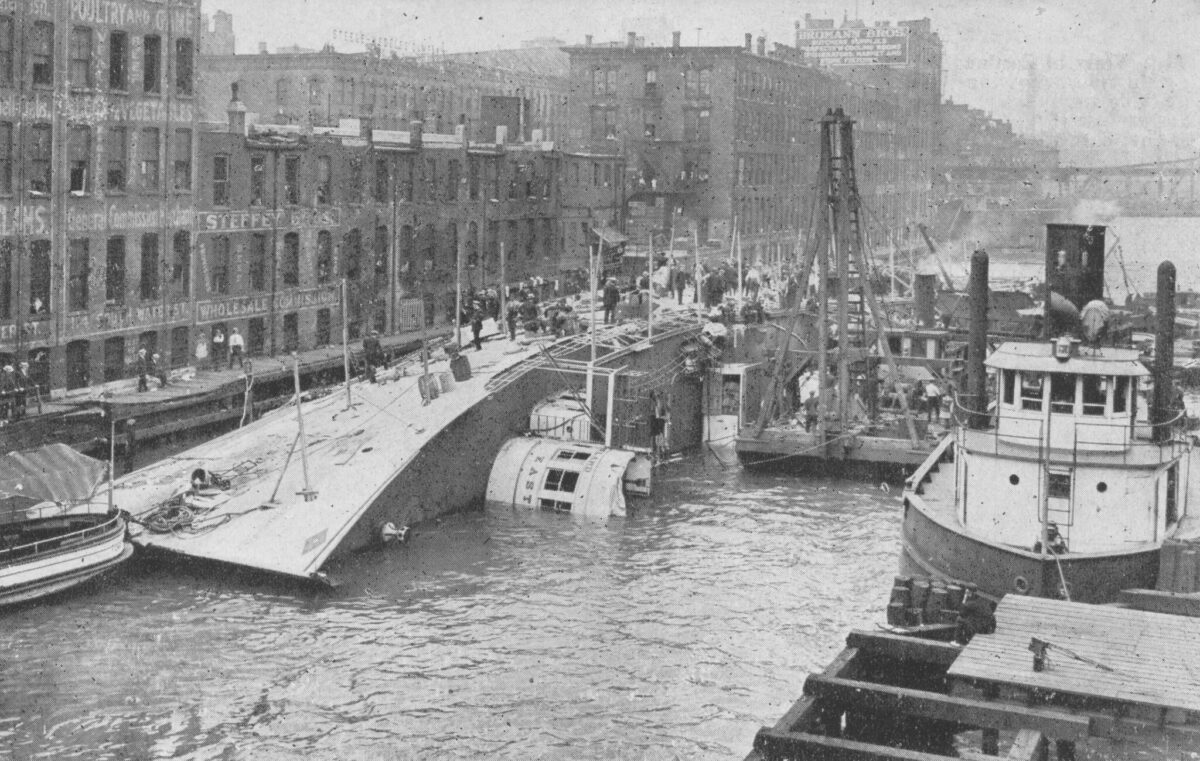
This ship didn’t sink in open water — she capsized at her dock in Chicago in 1915, killing 844 people in what remains one of the worst maritime disasters in Great Lakes history. The ship was top-heavy and unstable, and when passengers crowded to one side to wave goodbye, she simply rolled over.
The ship was raised and eventually scrapped, but pieces of her remain scattered around Chicago-area dive sites. What makes diving these fragments particularly haunting is that the disaster happened in a river, in a city, with thousands of people watching from the shore and nearby buildings.
Swimming through these remains means confronting a disaster that happened not in the remote ocean, but in someone’s backyard.
Costa Concordia
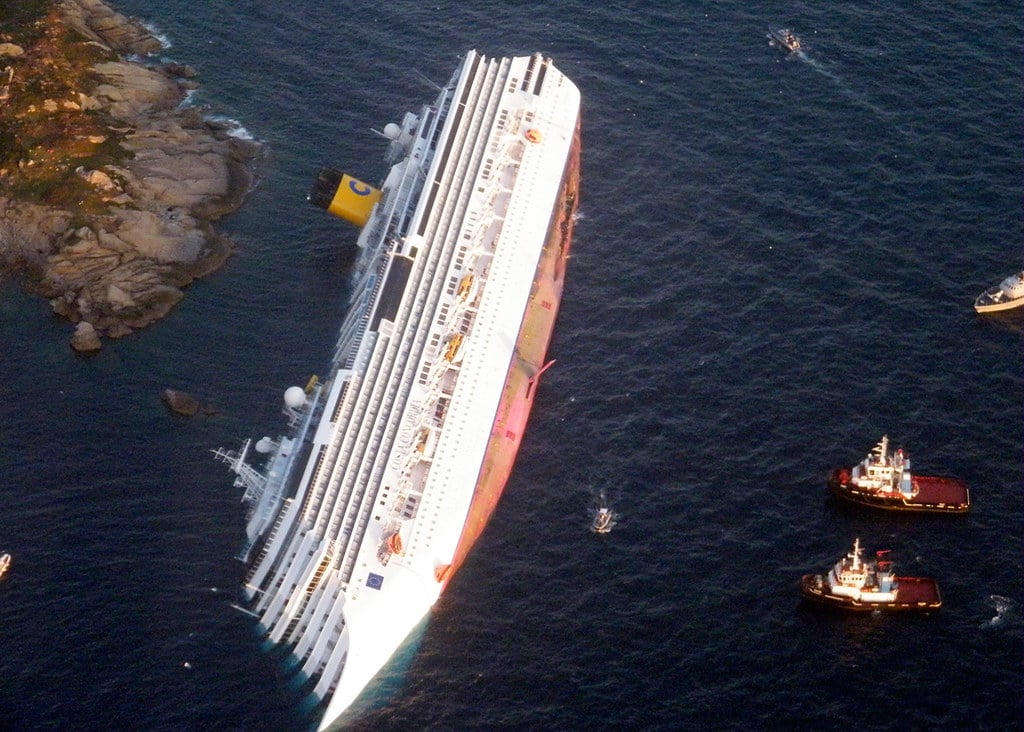
The most recent addition to the list of passenger ship disasters, she ran aground off Italy in 2012 when her captain decided to perform an unauthorized close pass by Giglio Island. Thirty-two people died, and the ship spent years lying on her side like a beached whale.
The ship was eventually raised and scrapped, but not before becoming a symbol of how maritime disasters happen in the age of social media. Passengers posted updates to Facebook while the ship was sinking, and the captain’s phone conversation with coast guard officials became a viral sensation.
For the brief period when she was accessible to divers, the Costa Concordia offered a glimpse into a 21st-century disaster — complete with smartphones still plugged into charging stations and digital cameras documenting the chaos.
Ghosts in the Deep
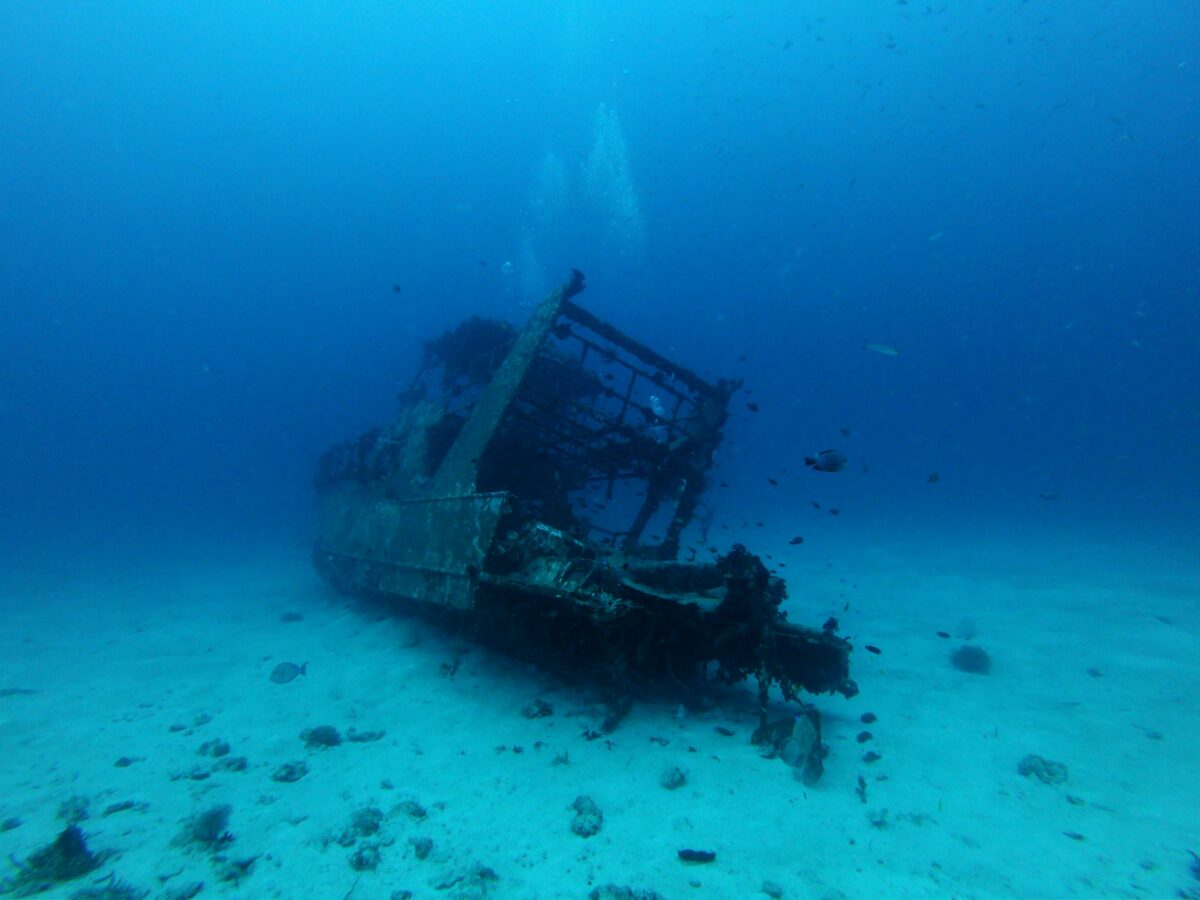
These wrecks represent more than just maritime history — they’re underwater monuments to human ambition, fallibility, and the sea’s indifference to both. Each dive is a conversation with the past, conducted in sign language and measured in air consumption.
The luxury liners that once represented the pinnacle of human achievement now serve as artificial reefs, their grand ballrooms and first-class suites home to creatures that never bought a ticket. There’s something fitting about that transformation, as if the ocean has reclaimed these symbols of human dominance and given them a purpose that has nothing to do with passenger manifests or profit margins.
For the divers who visit them, these wrecks offer a reminder that all our grand plans eventually submit to forces larger than engineering or ambition.
More from Go2Tutors!

- The Romanov Crown Jewels and Their Tragic Fate
- 13 Historical Mysteries That Science Still Can’t Solve
- Famous Hoaxes That Fooled the World for Years
- 15 Child Stars with Tragic Adult Lives
- 16 Famous Jewelry Pieces in History
Like Go2Tutors’s content? Follow us on MSN.