26 Old Pocket Watches That Collectors Pay Top Dollar For Based on the Maker Alone
Open an antique pocket watch and the first thing most people look at is the dial. But the collectors who actually know what they’re doing look at the movement — specifically, at the name engraved on the brass plate underneath.
That name changes everything. Two watches that look nearly identical on the outside can be separated by tens of thousands of dollars in value the moment you flip them open and read who made them.
The maker’s reputation matters because it reflects what’s actually inside: the precision of the jewels, the quality of the escapement, the care taken in finishing the bridges and plates. These 26 makers built reputations that have outlasted the men who founded them, and collectors will pay for that name alone — even before condition, case material, or complications enter the equation.
Patek Philippe

No name in pocket watchmaking commands more respect than Patek Philippe, and the auction record backs it up. The Henry Graves Supercomplication — a gold pocket watch commissioned in 1925 and completed in 1933 with 24 complications, including a celestial map of New York as seen from Graves’s Fifth Avenue apartment — sold at Sotheby’s in 2014 for $24 million.
Even modest Patek Philippe pocket watches in plated cases regularly attract serious collector attention, because the brand’s movement quality has been extraordinary since the firm’s founding in Geneva in 1839. Condition dependent, expect a wide range from several thousand to well into six figures for complicated examples.
Vacheron Constantin

With a founding date of 1755, Vacheron Constantin is the oldest watchmaker in continuous operation, and its pocket watches reflect a depth of institutional knowledge that is impossible to replicate. The brand made enormous quantities of exceptional pocket watches across the 18th and 19th centuries, and serious examples — particularly those with grand and petite sonnerie complications — regularly achieve six figures at auction.
Even simpler Vacheron time-only pocket watches in silver cases can reach well beyond what their appearance suggests, purely on the strength of the name and the quality of the movement underneath.
Breguet
Abraham-Louis Breguet was the most inventive watchmaker of the 18th century, and the firm he founded in Paris in 1775 is still making watches under that name today. His original creations — genuine antique Breguet pieces from the late 1700s and early 1800s — are extraordinarily rare and command extraordinary prices at auction, often exceeding $1 million for significant examples.
Breguet invented the tourbillon, the overcoil hairspring, and the shock-protection system that bears his name. Collectors know that a genuine early Breguet is a piece of horological history, not just a watch.
A. Lange & Söhne
The original A. Lange & Söhne, founded in 1845 in Glashütte, Saxony, by Adolf Lange, produced some of the finest German pocket watches ever made before the factory was nationalised following World War II. Original pre-war Lange pocket watches — particularly those in gold cases with high-grade movements — are increasingly sought after as collectors recognise that German watchmaking of this period stood alongside the very best Swiss work.
The three-quarter plate design, distinctive to Glashütte makers, is immediately recognisable to knowledgeable buyers and signals exceptional finishing.
Audemars Piguet
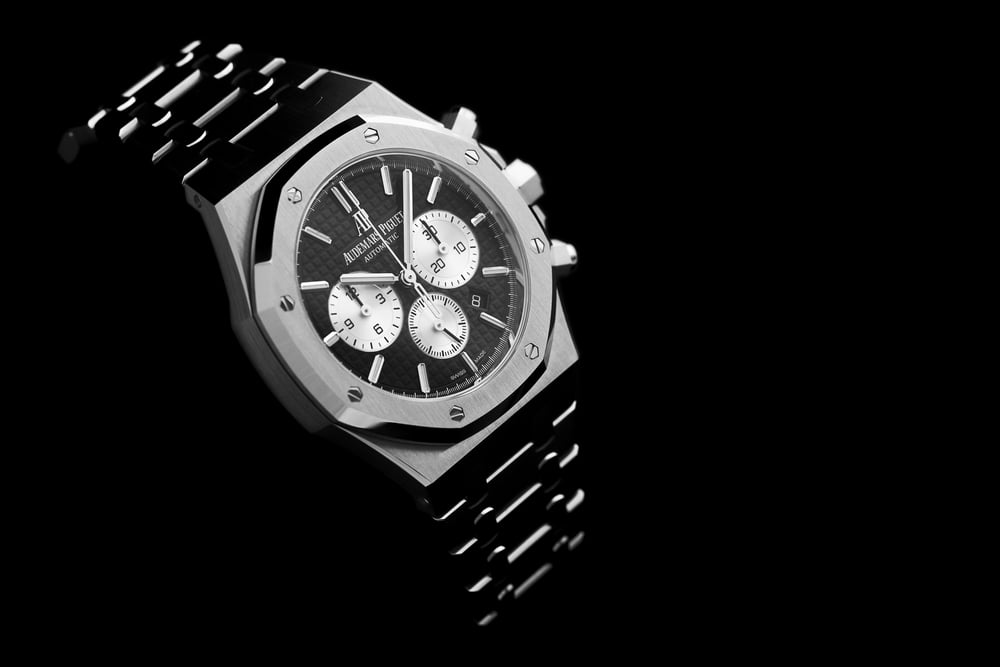
Before Audemars Piguet became famous for the Royal Oak, it spent decades as the preferred manufacturer of the most complicated pocket watches in the world — often producing movements for other prestigious houses under private label arrangements. The firm’s own signed pocket watches, particularly complicated examples from the late 19th and early 20th centuries, are extraordinarily rare and attract intense competition at auction.
A single-button chronograph with minute repeater in an 18k gold case, signed Audemars Piguet, can easily reach six figures in good condition.
IWC (International Watch Co.)
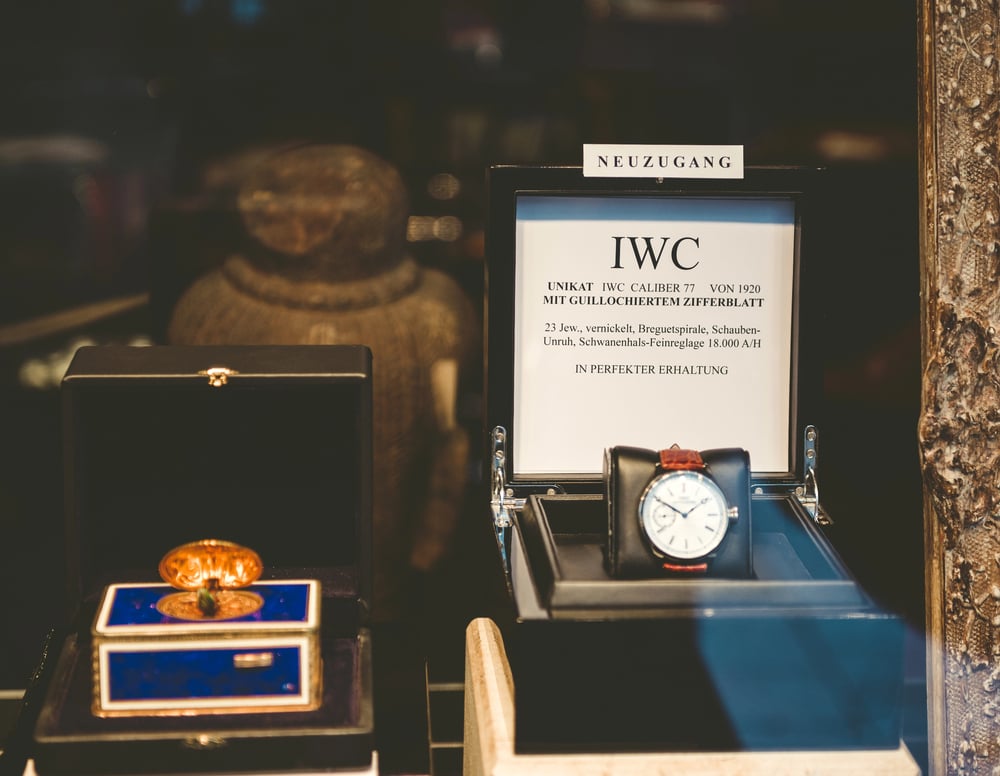
Founded in 1868 in Schaffhausen, Switzerland, by an American engineer named Florentine Ariosto Jones, IWC built its reputation on the production of precision pocket watches that combined American manufacturing efficiency with Swiss finishing. The firm’s pocket watches — particularly those in gold cases from the early 20th century, and military-issued examples from both World Wars — attract serious collector interest.
An IWC pocket watch in original condition with documented military provenance can command a significant premium over standard examples, even in silver cases.
Longines
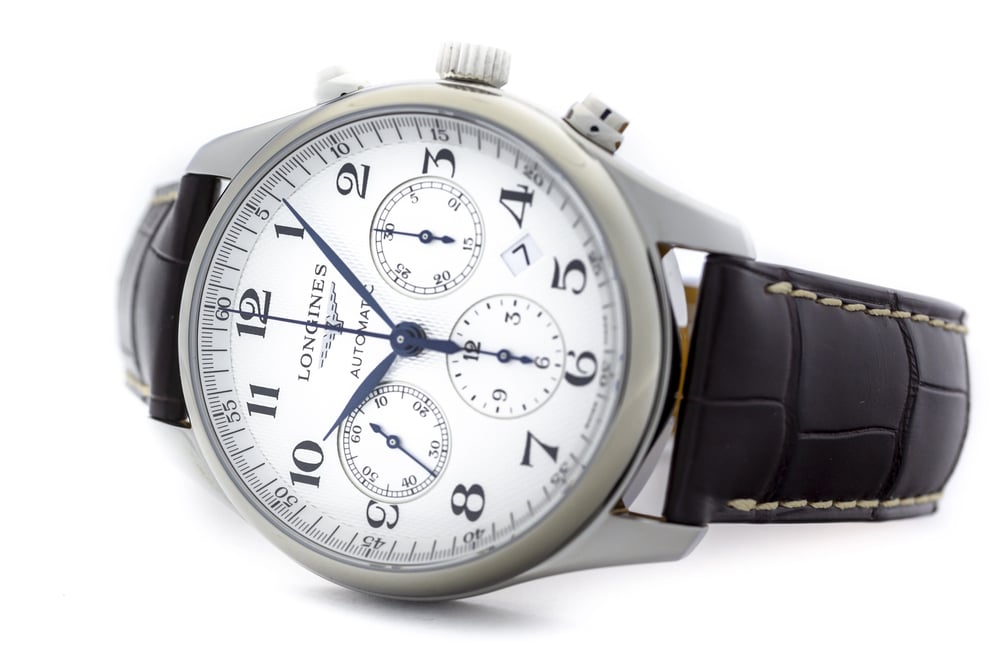
Longines was a dominant force in precision timekeeping for most of the 19th and 20th centuries, and its association with official sports timing — particularly equestrian events, where the company has been timing the Kentucky Derby since 1958 — gives its pocket chronographs a particular story. The brand’s early rattrapante and split-seconds chronographs, produced from the 1870s onwards, are historically significant pieces that serious collectors seek out.
A fine Longines pocket chronograph in an original gold case can reach several thousand dollars based on the maker’s name alone, even without documented racing history.
Hamilton

Hamilton is the quintessential American railroad pocket watch maker, and its highest-grade railroad models — particularly the 950, the 992B, and the Railway Special — are the watches most serious American collectors target first. Hamilton supplied the U.S. military with enormous quantities of pocket watches and deck watches across both World Wars, and military-issue Hamilton pieces in original condition carry premiums that purely reflect the combination of the name and the provenance.
A Hamilton 23-jewel 950 in an original gold-filled case can reach $500 to $1,500 in excellent condition, with gold cases pushing higher.
Waltham
The American Waltham Watch Company was, for a period in the mid-19th century, the largest watch manufacturer in the world, and its top-grade pocket watches — the Vanguard, the Crescent Street, and the Royal — were among the most accurate mass-produced timepieces of their era. Collectors specifically target the 21-jewel Vanguard in motor-barrel configuration, which represents the pinnacle of Waltham’s technical achievement.
A Waltham Vanguard in a gold-filled case in excellent condition typically fetches $250 to $500, with solid gold cases and original boxes pushing considerably higher.
Elgin
Elgin was the other pillar of American pocket watchmaking, producing watches from 1864 to 1968, and its high-grade railroad models — the Veritas and the Father Time — remain popular with collectors who appreciate the quality of the movements relative to the entry price. Elgin Veritas watches in 21-jewel configuration are considered railroad-grade and must be timed to standards that most Swiss watches of the same era couldn’t consistently meet.
As of 2024, market data showed some Elgin models rising by nearly 50% in value year-over-year, reflecting renewed collector interest in American-made precision movements.
Illinois Watch Company
The Illinois Watch Company produced watches in Springfield, Illinois from 1869 to 1927, when it was acquired by Hamilton. Its top-grade railroad watches — particularly the Bunn Special and the Sangamo Special — are consistently identified by collectors as undervalued relative to their quality, and prices have been rising steadily.
The Bunn Special in 21-jewel configuration is one of the most precisely adjusted railroad watches ever produced in America, and collectors specifically seek it out. Good examples in gold-filled cases typically trade between $200 and $600.
Seth Thomas
Seth Thomas was one of the earlier American pocket watch makers, producing watches from its plant in Thomaston, Connecticut beginning in the 1880s. The brand’s railroad-grade models — particularly the No. 18 in 17-jewel configuration — are popular with entry-level collectors because they represent genuine American railroad history at accessible price points.
Seth Thomas pocket watches rarely command the premiums of Hamilton or Waltham at the top end, but signed examples in good condition are consistently in demand at estate sales and online auctions.
South Bend Watch Company
South Bend produced watches from Indiana between 1902 and 1929, and its top-grade models — the Studebaker, named after the town’s famous carriage and automobile manufacturer — are among the most visually distinctive American railroad pocket watches because of their unusual dial designs. The association with the Studebaker name adds a layer of American industrial history that appeals to collectors beyond the watch community.
Fine examples in original gold-filled cases can trade well above what their lower production numbers would suggest.
Elgin Father Time
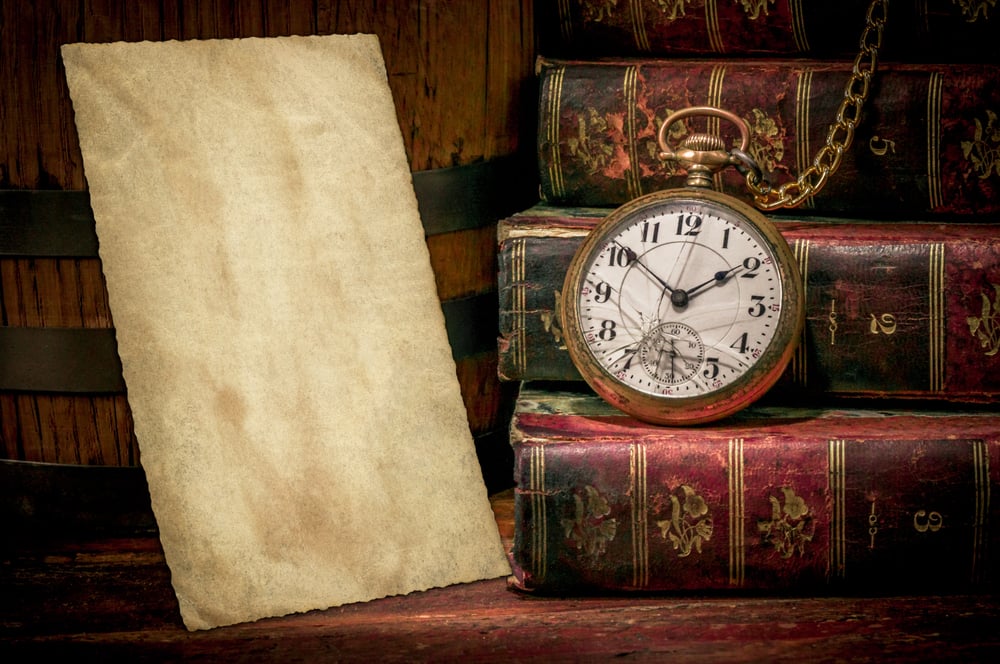
The Father Time was Elgin’s most recognisable railroad-grade model, named for the image engraved on its movement plates and produced across multiple grades and configurations. A 21-jewel Father Time in a gold-filled hunting case with original dial in excellent condition is one of the more accessible entry points into high-grade American pocket watch collecting, regularly trading between $150 and $400 at auction.
The combination of the Elgin name and the specific Father Time designation is enough for experienced buyers to move quickly without extensive inspection.
Omega
Omega’s pocket watches pre-date its dominance in wristwatches and represent some of the finest Swiss precision work of the late 19th and early 20th centuries. Military-issue Omega pocket watches — particularly British-issued examples from World War I and World War II — are the most eagerly pursued by collectors, because the combination of the maker’s name and the military markings creates a provenance story that drives prices well beyond condition alone.
A WWI British military-issue Omega pocket watch in wearable condition typically fetches $300 to $800, with pristine examples in original cases reaching more.
Tissot

Tissot was producing excellent Swiss pocket watches decades before it became widely known for affordable wristwatches, and its early precision timepieces — particularly those produced for the pocket watch competitions held at observatory trials in the late 19th century — are the ones serious collectors target. Observatory trial pocket watches are a specific collector category where the maker’s name and the documented trial results together determine value more than any other factor.
A Tissot with documented observatory placement in original condition is a genuinely rare find.
Movado
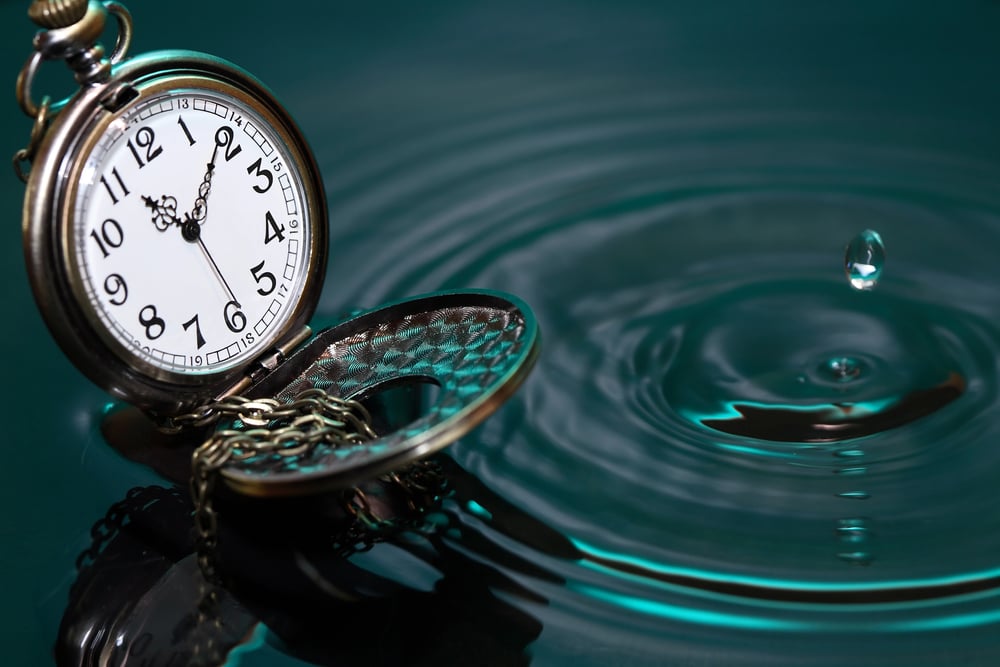
Movado’s pocket watches from the late 19th and early 20th centuries represent a period when the company was producing extremely refined Swiss movements for discriminating buyers. The name carries weight with collectors who are familiar with the brand’s pre-wristwatch history, and gold-cased Movado pocket watches with enamel dials in excellent condition regularly attract serious bidders.
Movado’s artistic enamel work in particular — pocket watch cases featuring painted miniatures or guilloché enamel dials — pushes prices into the thousands for the finest examples.
Le Coultre
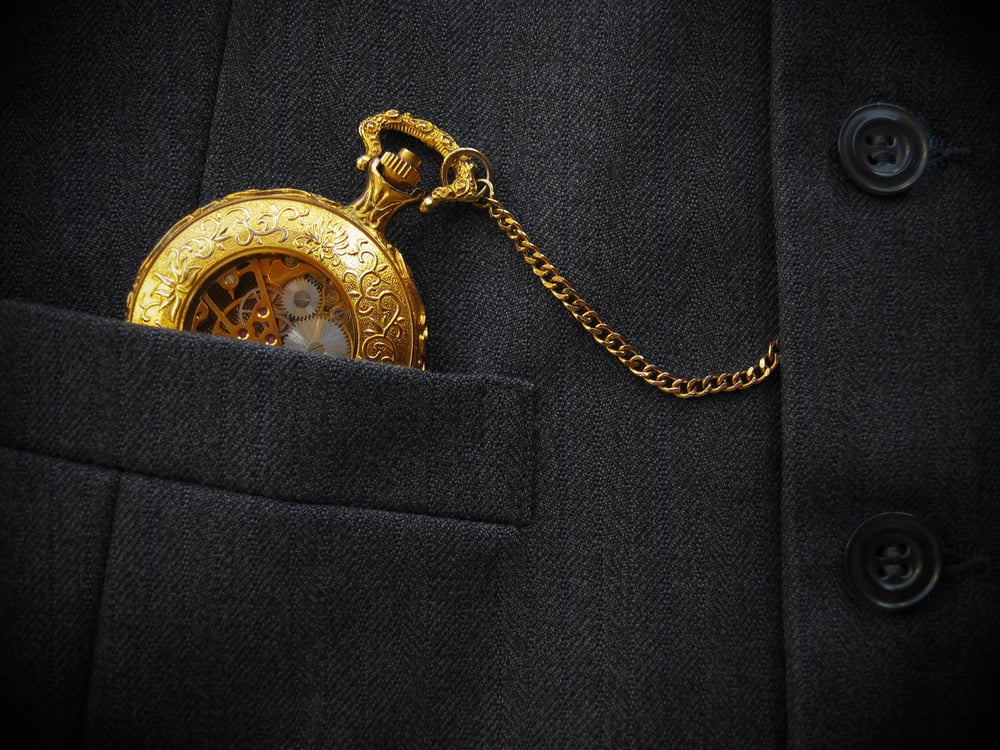
Before Jaeger and LeCoultre merged in 1937, Le Coultre was primarily a movement manufacturer of legendary reputation, supplying ébauches to the most prestigious houses in Switzerland. Pocket watches signed Le Coultre — rather than by the retailer who ordered the movement — are particularly valued because they represent the manufacturer selling directly under its own name.
The firm’s atelier master complications, particularly minute repeaters and perpetual calendars, rival those of Patek Philippe in their technical execution and attract comparable collector interest when they come to market.
Urban Jürgensen
Urban Jürgensen studied under Abraham-Louis Breguet himself, and the pocket watches bearing his name — produced in Copenhagen from the early 1800s — are among the most coveted by connoisseurs who specialise in 19th-century horology. Jürgensen catered to monarchs and aristocrats across Europe, and his movements are finished to a standard that most contemporaries couldn’t approach.
A genuine, signed Urban Jürgensen pocket watch is one of the rarest and most expensive things a collector can find in this category.
Ulysse Nardin
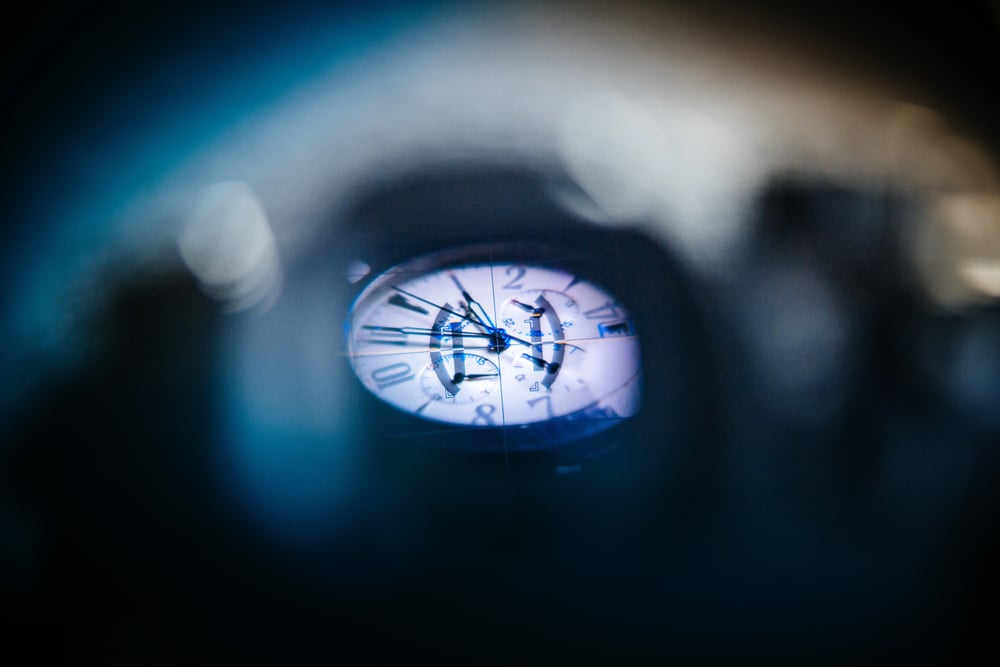
Ulysse Nardin built its 19th-century reputation almost entirely on marine chronometers — the precision timekeeping instruments used for celestial navigation — and the firm won 18 Grand Prix awards at international observatory competitions. Its pocket watches, particularly deck watches intended for naval use, are the specific pieces collectors seek.
A documented Ulysse Nardin deck watch in original brass box with original papers is the kind of find that stops serious collectors immediately, combining the maker’s name with a provenance that tells a complete story.
Zenith

Zenith has been making movements in Le Locle since 1865 and won an extraordinary number of chronometry prizes in the late 19th and early 20th centuries. Its pocket watches — particularly observatory-level chronometers with documented prize results — are exactly what specialised collectors are hunting.
The firm’s association with precision is so deeply established that even ordinary Zenith pocket watches in silver cases attract attention from collectors who know the name, because the movement quality was consistently high across the entire production range.
Charles Frodsham
Charles Frodsham was the leading English pocket watch maker of the 19th century, operating from New Bond Street in London and supplying to the highest levels of British society, including the Royal Family. An English fusee pocket watch signed Frodsham in an 18k gold case is precisely the kind of piece that commands a room at auction, because English watchmaking of this quality is now extremely rare and increasingly recognised by international collectors who had previously focused on Swiss makers.
Thomas Mudge
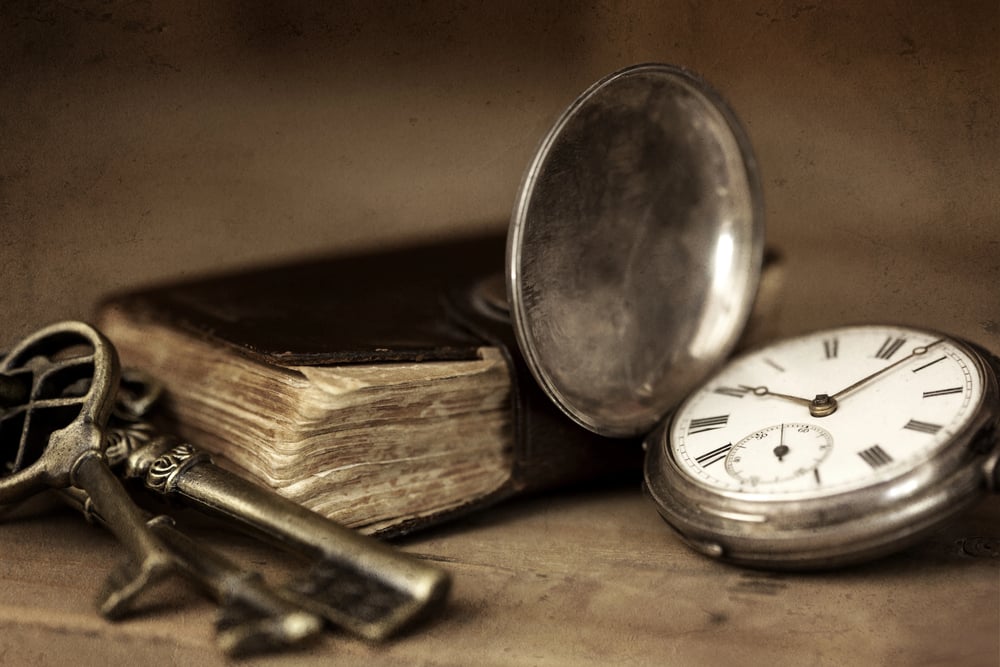
Thomas Mudge invented the lever escapement in the 1750s — the mechanism that became standard in virtually every mechanical watch produced for the next two centuries. Mudge signed only a tiny number of watches himself, and genuine examples are museum pieces as much as collector items.
If one appears at auction, it generates bidding from institutions and serious private collectors simultaneously, because owning a Mudge is owning a piece of the mechanism that made modern watchmaking possible.
Rolex (Pocket Watches)
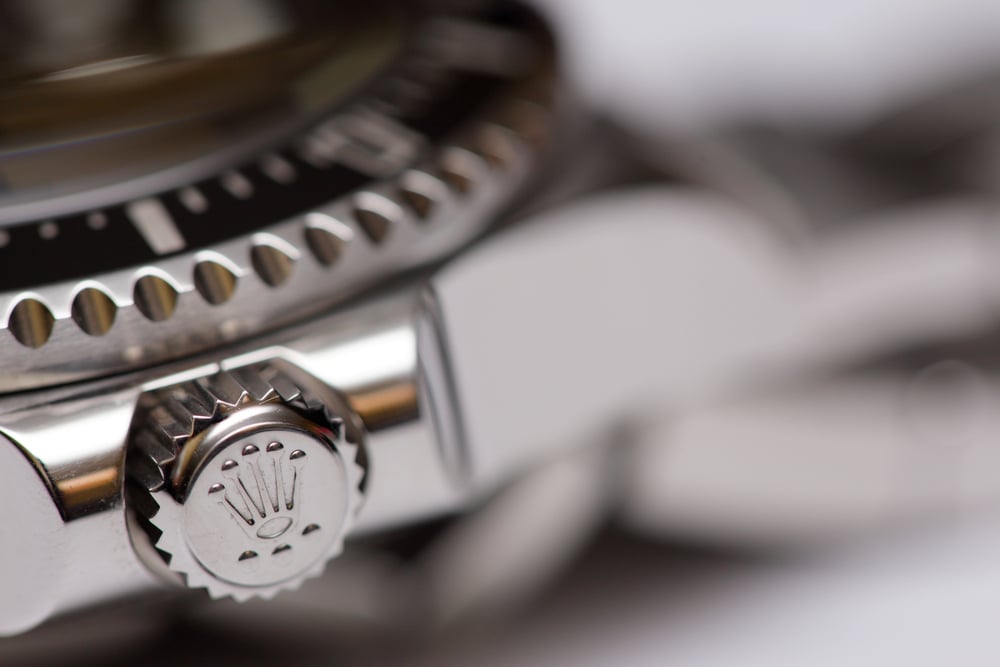
Rolex produced pocket watches in the early 20th century before committing entirely to wristwatches, and these early examples carry the maker’s name at a point when the brand’s reputation was still being established. A pocket watch signed Rolex from the 1910s or 1920s in an 18k gold case is one of those unusual collector pieces that appeals to both watch generalists and Rolex specialists simultaneously, creating bidding competition across two different collecting communities.
The rarity of Rolex pocket watches in the market pushes prices well above what the movement quality alone would justify.
Girard-Perregaux

Girard-Perregaux made some of the finest pocket chronometers of the 19th century, and the firm’s tourbillon pocket watches — particularly the famous three-gold-bridge tourbillon — are considered masterpieces of Swiss watchmaking. The three-bridge tourbillon design, introduced in 1867 and awarded a gold medal at the Paris Universal Exhibition, is visually unlike any other tourbillon configuration, which makes examples easy to identify and highly specific in their collector appeal.
E. Howard & Co.
E. Howard was one of the earliest American pocket watch manufacturers, beginning production in 1858, and its watches were known for their uncommonly high finishing quality even by Swiss standards. Howard watches are often cited by horologists as the finest American pocket watches ever produced in terms of movement decoration, and collectors who specialise in American work treat them accordingly.
A Howard in a gold case with original dial in excellent condition is a prestige piece in American pocket watch collecting that commands respect well beyond what the brand’s relative obscurity might suggest.
What the Name Actually Buys You
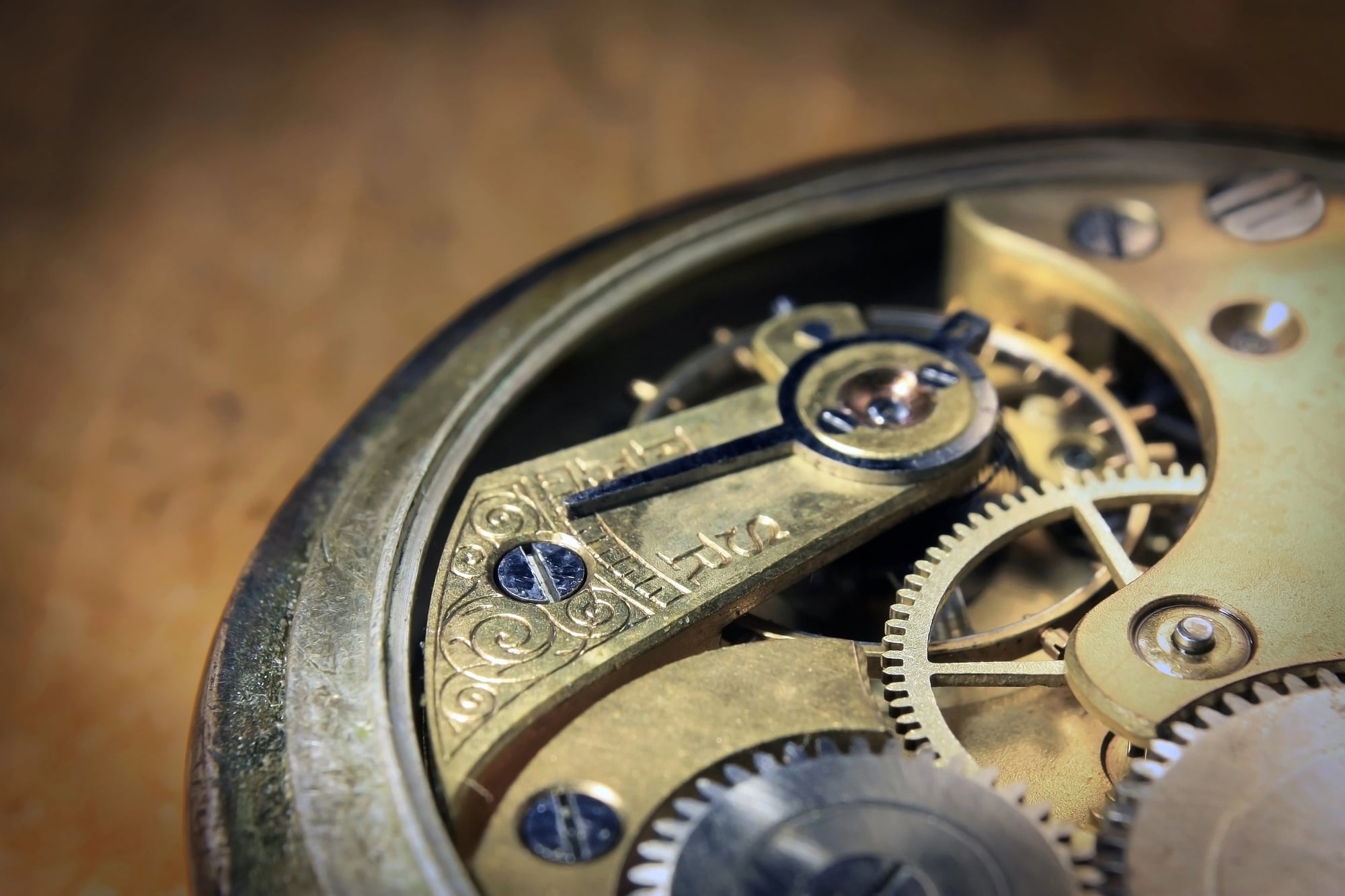
A pocket watch’s maker tells you something that no amount of external examination can: what standard was being aimed for when the movement was built. These brands didn’t become valuable retrospectively — they were valuable at the time of manufacture because they represented the highest level of what was possible in precision engineering.
The collector market has simply codified what was already true. The name engraved on the movement is, in most cases, the single most important piece of information about what a pocket watch is worth.
Everything else — case material, dial condition, whether the watch runs — adjusts the number up or down from a baseline that the maker established more than a century ago. Knowing whose name to look for before you open the case is the difference between walking past a significant find and recognising one.
More from Go2Tutors!

- The Romanov Crown Jewels and Their Tragic Fate
- 13 Historical Mysteries That Science Still Can’t Solve
- Famous Hoaxes That Fooled the World for Years
- 15 Child Stars with Tragic Adult Lives
- 16 Famous Jewelry Pieces in History
Like Go2Tutors’s content? Follow us on MSN.



