25 Photographs That Changed Public Opinion Overnight
A single photograph occasionally does what years of reporting and argument cannot: it collapses an abstract issue into one unmistakable image that a broad public cannot look away from. The following photographs were all real, widely published images whose publication is documented to have shifted public sentiment, policy, or both, often within days of appearing in print.
“The Napalm Girl,” Vietnam War

Associated Press photographer Nick Ut’s 1972 photograph of nine-year-old Phan Thi Kim Phuc running down a road after a South Vietnamese napalm attack, her clothes burned away and her body severely injured, was published on front pages worldwide and is widely credited with intensifying American public opposition to the Vietnam War. The image won the 1973 Pulitzer Prize for Spot News Photography and remains one of the most reprinted war photographs in history.
“Tank Man,” Tiananmen Square
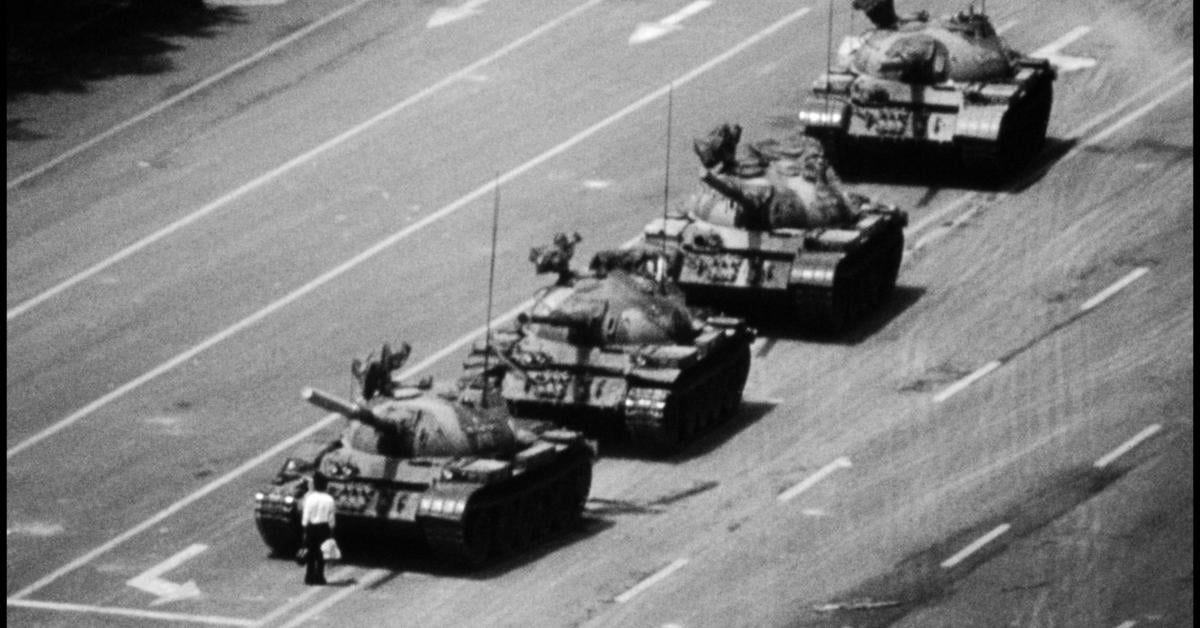
An unidentified man standing alone in front of a column of tanks near Tiananmen Square in Beijing on June 5, 1989, the day after a violent military crackdown on pro-democracy protesters, was captured by several photographers, most famously Jeff Widener of the Associated Press. The image became an instantly recognizable global symbol of individual defiance against state power, despite the man’s identity and fate remaining unknown to this day.
“Earthrise,” Apollo 8
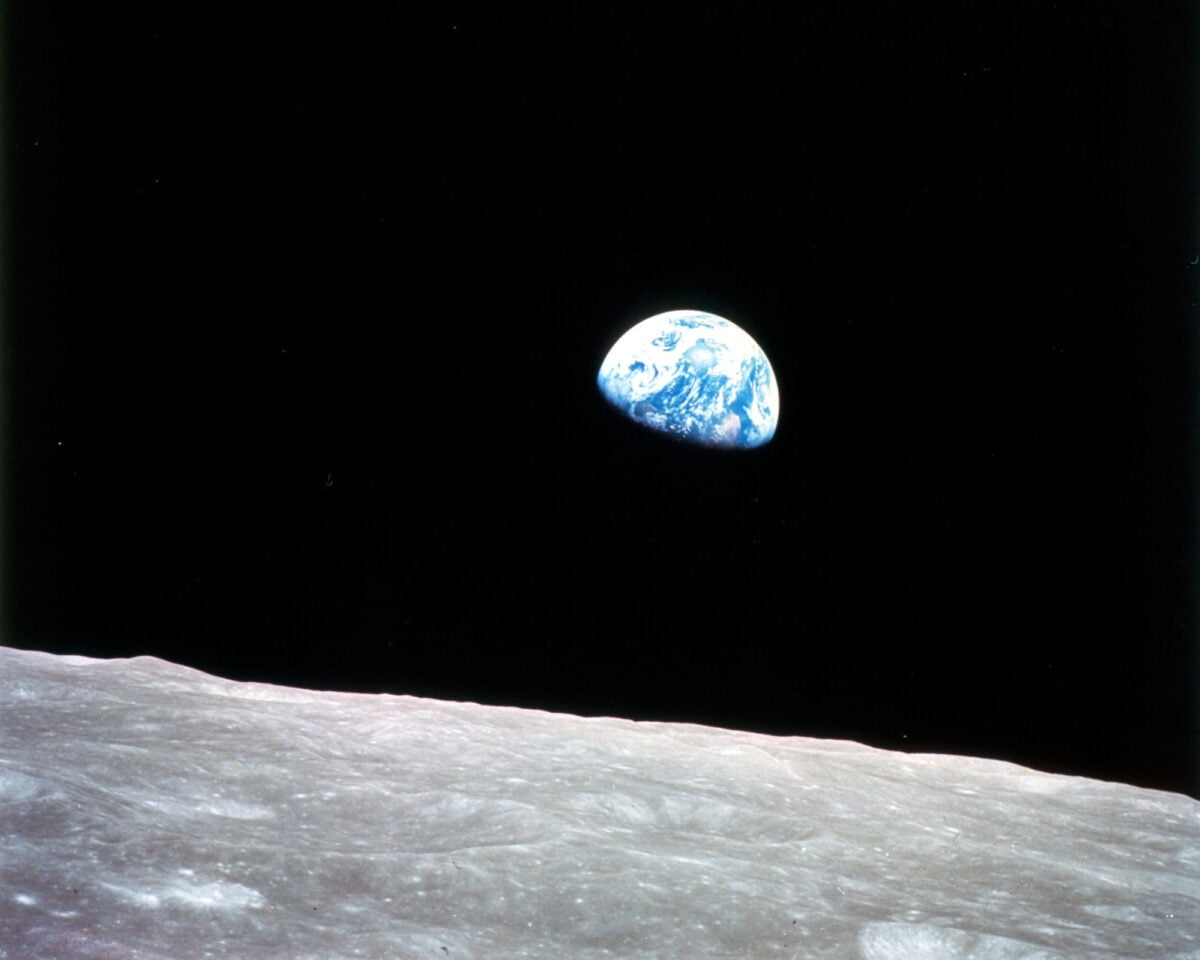
Astronaut William Anders photographed Earth rising over the lunar horizon during the Apollo 8 mission in December 1968, producing an image that gave humanity one of its first full views of the planet from space. Nature photographer Galen Rowell later called it “the most influential environmental photograph ever taken,” and it is widely credited with helping catalyze the modern environmental movement, including the first Earth Day just over a year later.
“Migrant Mother,” Great Depression
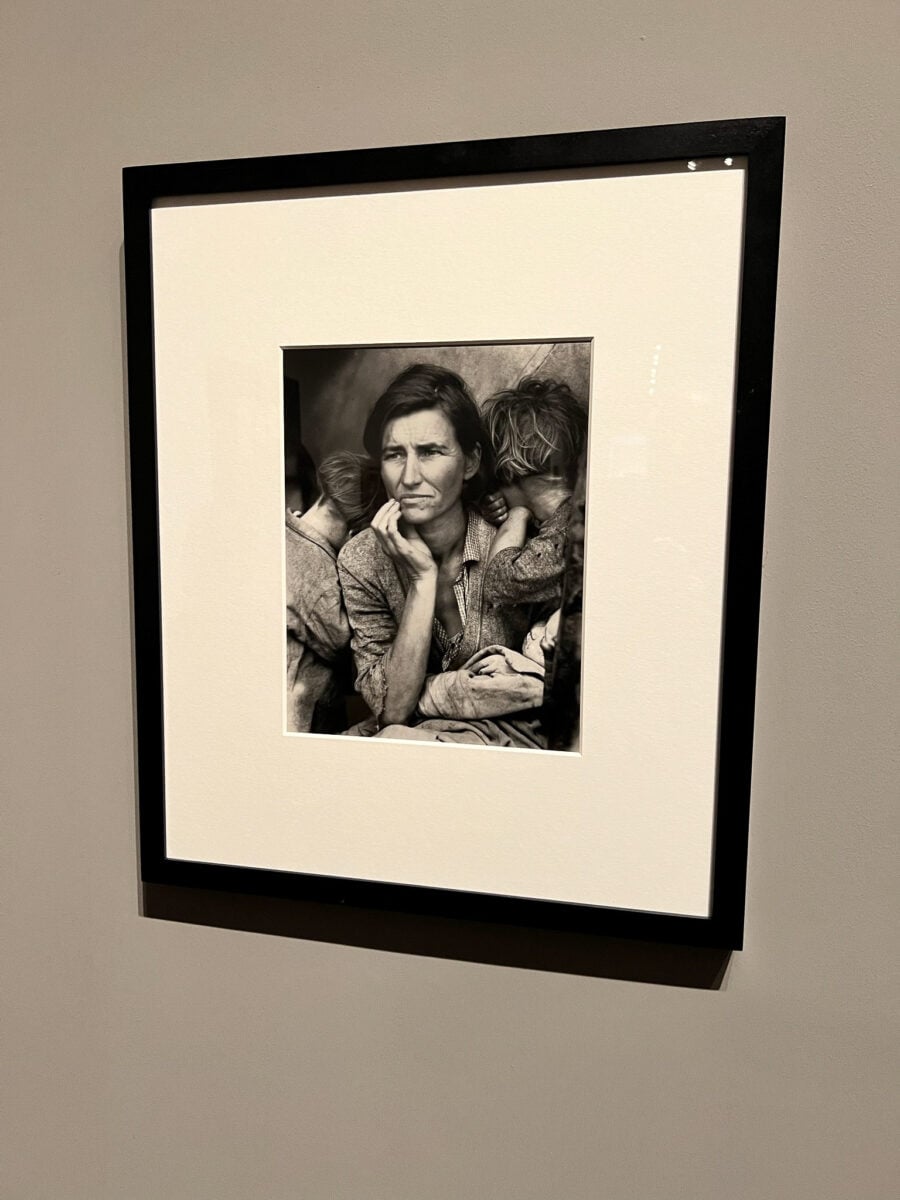
Dorothea Lange’s 1936 photograph of Florence Owens Thompson, a destitute migrant farmworker with three of her children, was taken for a federal Farm Security Administration project documenting Depression-era poverty. Its publication prompted immediate emergency food aid to the California pea-pickers’ camp where it was taken and became one of the defining visual symbols of the Great Depression in the United States.
The Bridge Beating, Selma
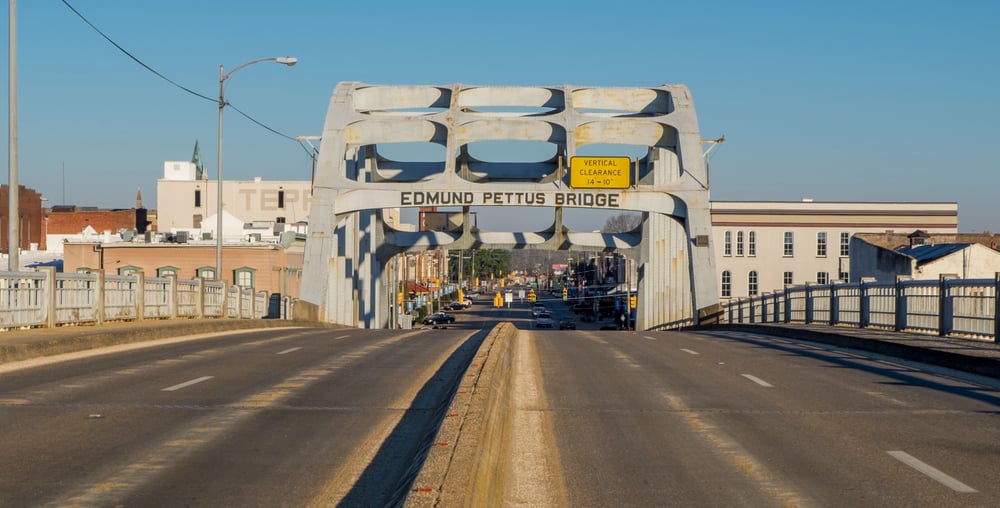
Photographs and television footage of Alabama state troopers attacking peaceful civil rights marchers with clubs and tear gas on the Edmund Pettus Bridge in Selma on March 7, 1965, an event that became known as “Bloody Sunday,” were broadcast and published nationally within days. Public outrage over the images is widely credited with accelerating the passage of the Voting Rights Act, signed into law less than five months later.
“The Vulture and the Little Girl,” Sudan Famine
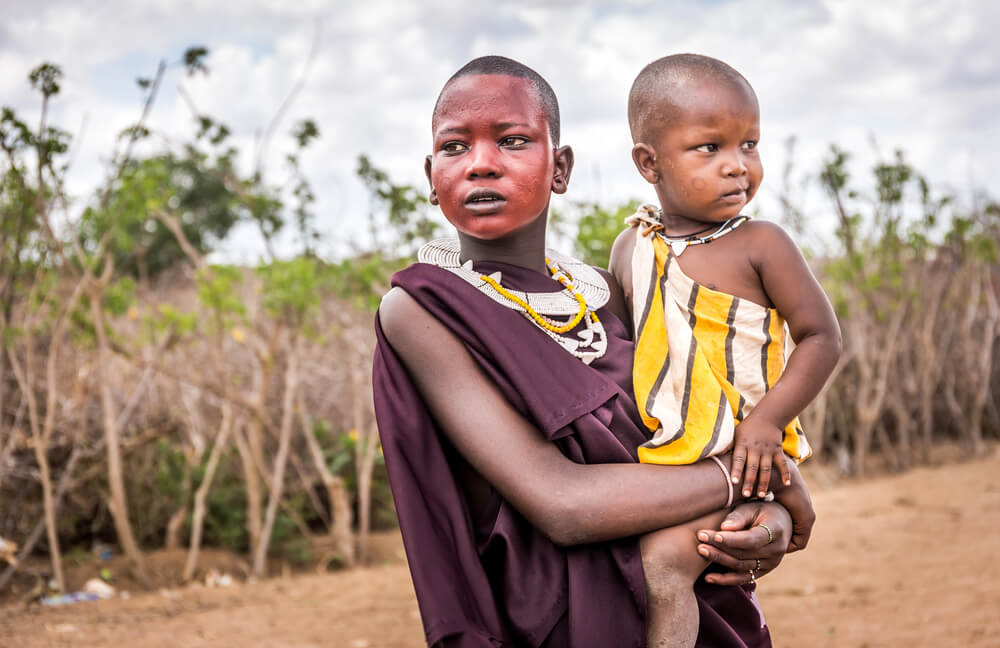
— Photo by AndyCandy
Kevin Carter’s 1993 photograph of an emaciated Sudanese child collapsed on the ground with a vulture perched nearby, taken during a severe famine, won the 1994 Pulitzer Prize but also generated intense public criticism over why Carter had not intervened to help the child. The controversy that followed shaped ongoing ethical debates within photojournalism about the obligations of photographers documenting human suffering.
Emmett Till’s Open-Casket Funeral Photograph
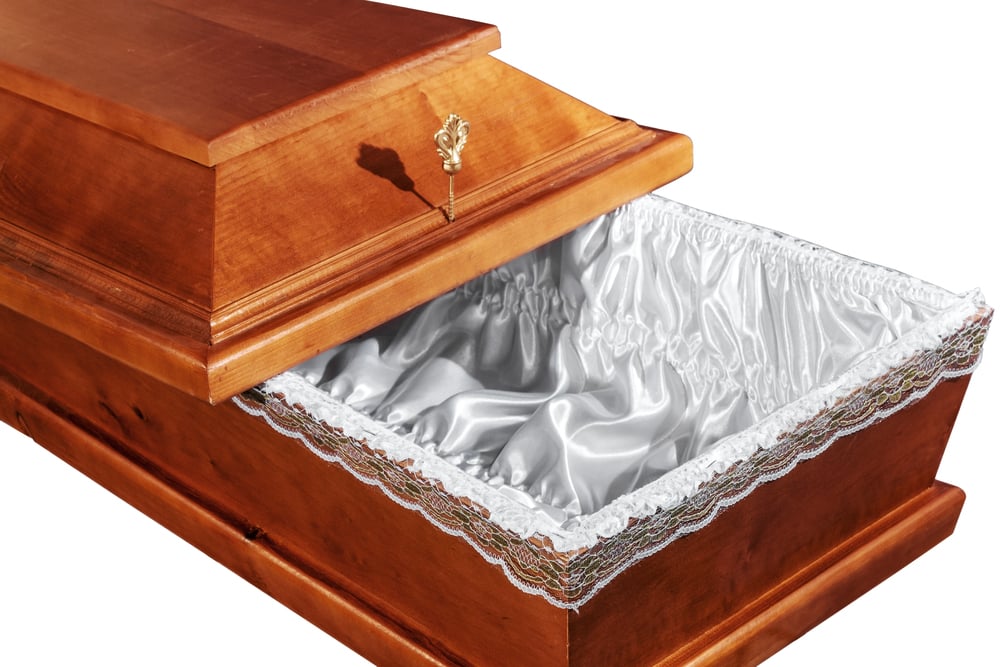
Jet magazine’s 1955 publication of a photograph showing the severely disfigured body of 14-year-old Emmett Till, lynched in Mississippi, at his mother’s insistence on an open casket so the public could see what had been done to him, is widely credited by historians as a catalyzing moment for the American civil rights movement. Till’s mother, Mamie Till-Mobley, explicitly stated she wanted the world to see the reality of racist violence.
“The Burning Monk,” Thich Quang Duc
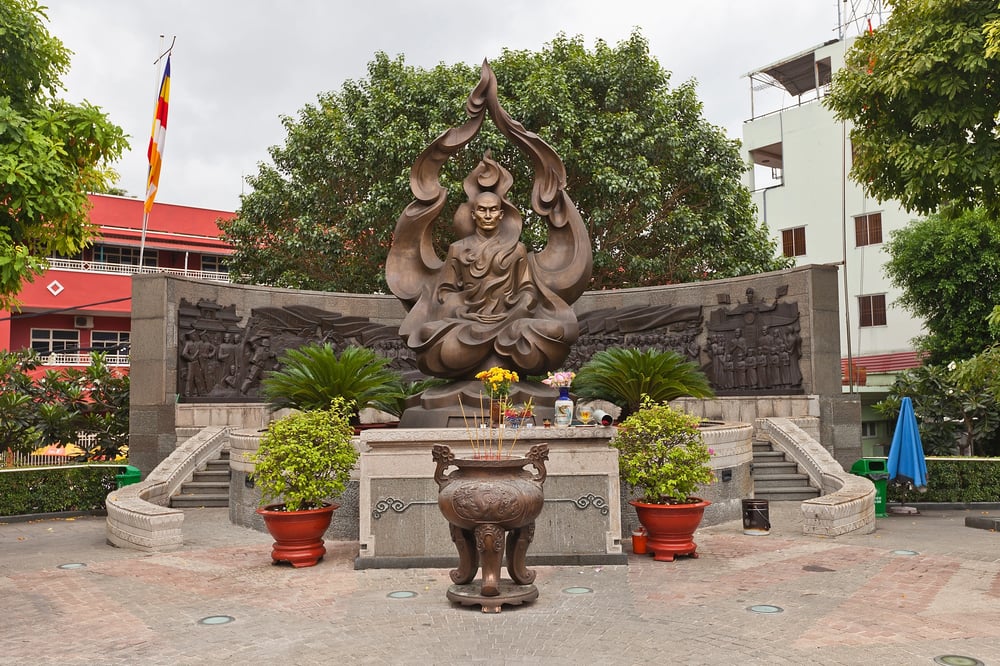
Malcolm Browne’s 1963 photograph of Buddhist monk Thich Quang Duc’s self-immolation in Saigon, a protest against the South Vietnamese government’s treatment of Buddhists, shocked international audiences and reportedly prompted U.S. President John F. Kennedy to remark that no photograph in history had generated as much emotion worldwide. The image won the 1963 World Press Photo of the Year and intensified international scrutiny of the Diem government, which was overthrown later that year.
The Berlin Wall Falling, 1989
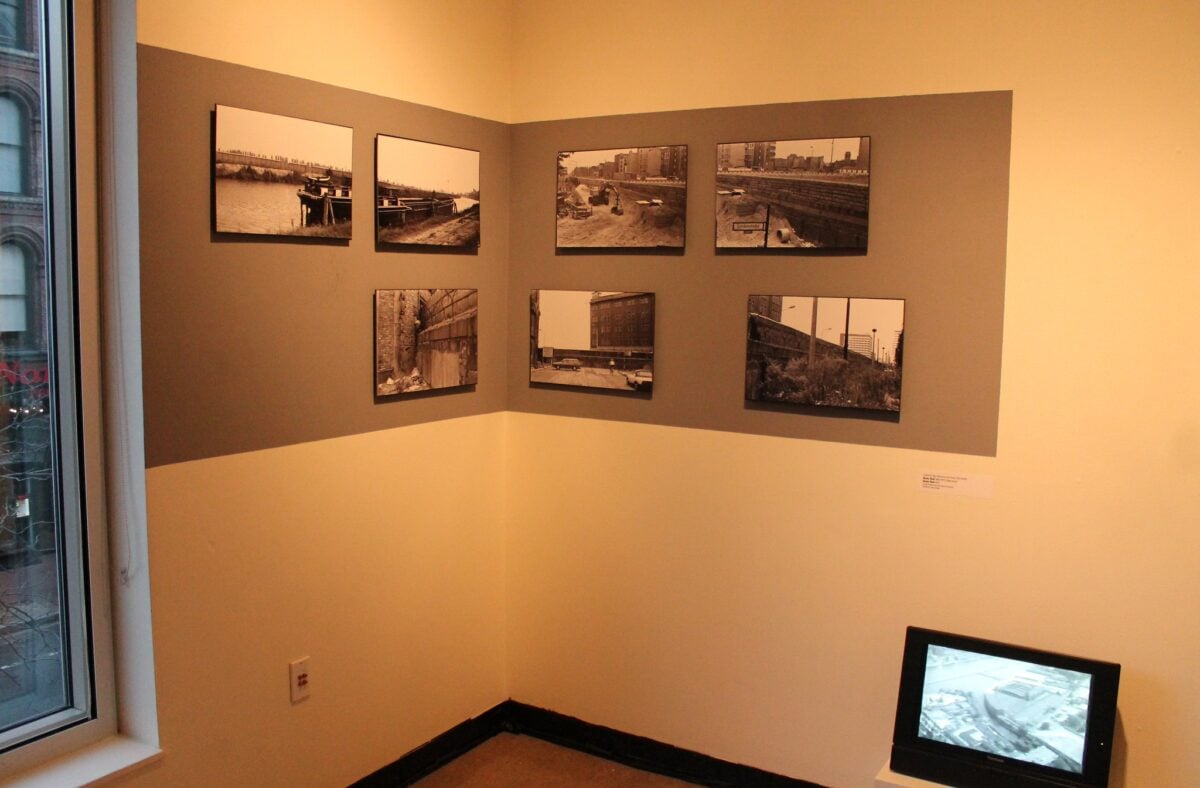
Photographs of jubilant crowds tearing down and standing atop the Berlin Wall in November 1989, taken by numerous photojournalists on the scene, were transmitted globally within hours and became instant visual shorthand for the end of the Cold War division of Europe. The images ran on front pages across dozens of countries simultaneously and are frequently cited as among the most widely reproduced news photographs of the 20th century.
Alan Kurdi, Syrian Refugee Crisis

Nilufer Demir’s 2015 photograph of the body of three-year-old Syrian refugee Alan Kurdi, who drowned attempting to reach Europe by boat, washed ashore on a Turkish beach, was published worldwide and is widely credited with shifting European public and political sentiment toward accepting more refugees in the following weeks. Several European governments cited the public reaction to the image when announcing expanded refugee policies shortly afterward.
Buchenwald Liberation Photographs

Photographs taken by U.S. Army photographers documenting conditions at the Buchenwald concentration camp upon its liberation in April 1945, including images later published widely in American and European press, provided some of the first direct visual evidence of Nazi camp atrocities for general publics. General Dwight Eisenhower reportedly ordered extensive documentation specifically because he anticipated future denial of the atrocities.
“V-J Day in Times Square”
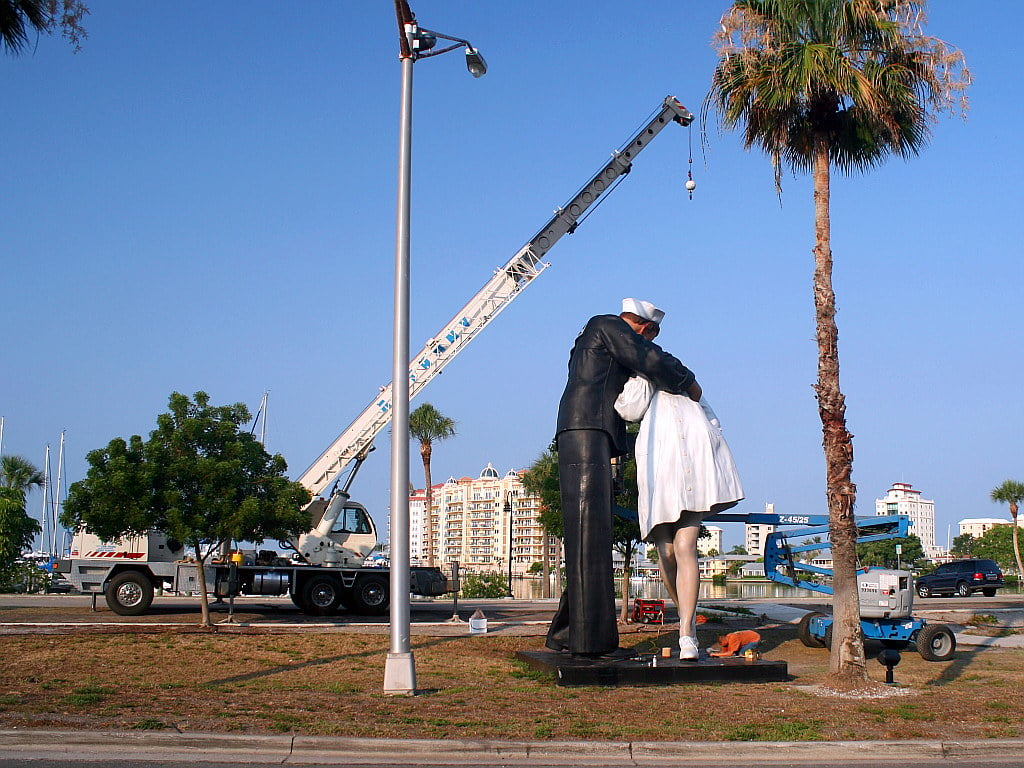
Alfred Eisenstaedt’s photograph of a sailor kissing a stranger in Times Square on the day Japan’s surrender ended World War II became one of the most widely reproduced images of American celebration and relief at the war’s end. The photograph’s subjects were not definitively identified for decades, and the image remains a subject of retrospective ethical debate given the woman’s later statements that the kiss was unexpected and non-consensual.
The Kent State Shooting Photograph

John Filo’s 1970 photograph of a young woman kneeling over the body of a student killed when Ohio National Guard troops opened fire on Kent State University protesters won the Pulitzer Prize and became an immediate symbol of the deep national divide over the Vietnam War and domestic protest. Public reaction to the image contributed to a wave of campus strikes across hundreds of American universities in the days that followed.
The Hindenburg Disaster
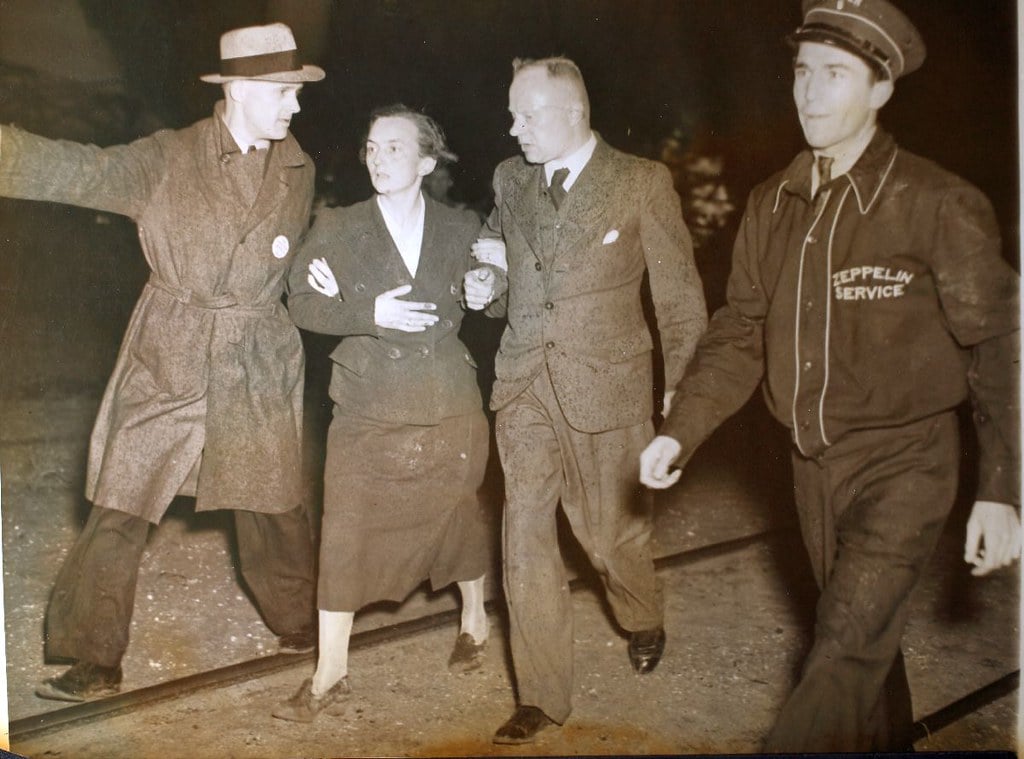
Photographs and newsreel footage of the German airship Hindenburg bursting into flames while attempting to dock in New Jersey in May 1937, captured by numerous photographers present for what was expected to be a routine arrival, were published globally within a day. The disaster’s extensive visual documentation effectively ended commercial passenger airship travel, an industry that had been actively competing with early transatlantic airplane service.
The Rodney King Beating Video Frame
Amateur videographer George Holliday’s 1991 footage of Los Angeles police officers beating motorist Rodney King, widely distributed as still frames in print media alongside the video, brought unprecedented public visibility to allegations of police brutality that had long been reported by Black communities but rarely documented on camera. The footage’s release intensified a national conversation about policing that continued through the officers’ acquittal and the resulting 1992 Los Angeles riots.
The Iwo Jima Flag Raising
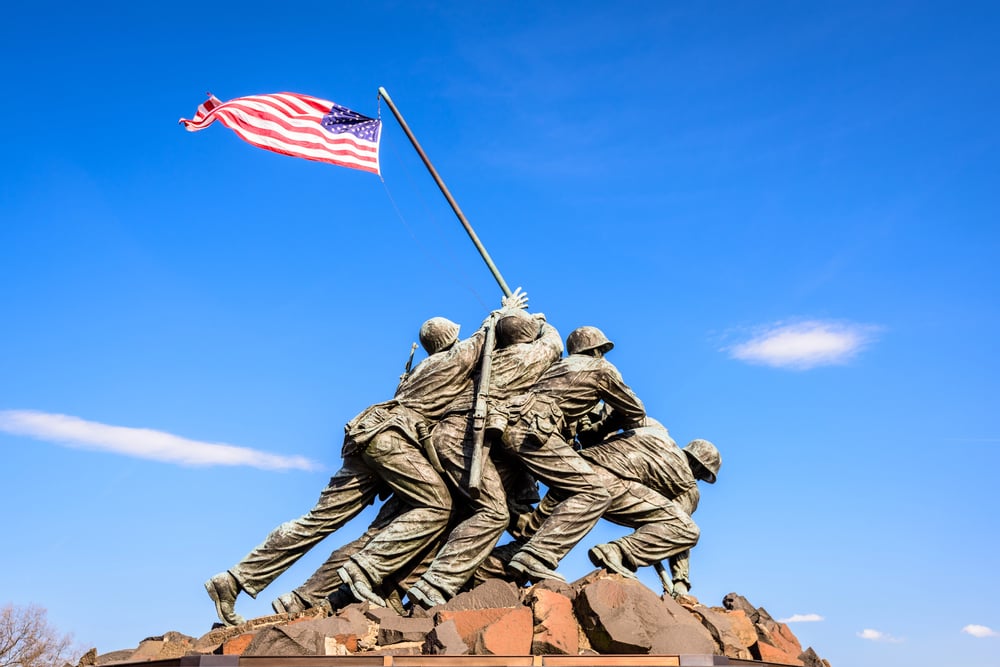
Joe Rosenthal’s 1945 photograph of U.S. Marines raising the American flag atop Mount Suribachi during the Battle of Iwo Jima became an instant symbol of American resolve in the Pacific theater and was used to sell an unprecedented volume of war bonds. It won the Pulitzer Prize the same year it was taken, an unusually rapid recognition, and later became the basis for the U.S. Marine Corps War Memorial in Arlington, Virginia.
The Boston Marathon Bombing Aftermath Photographs
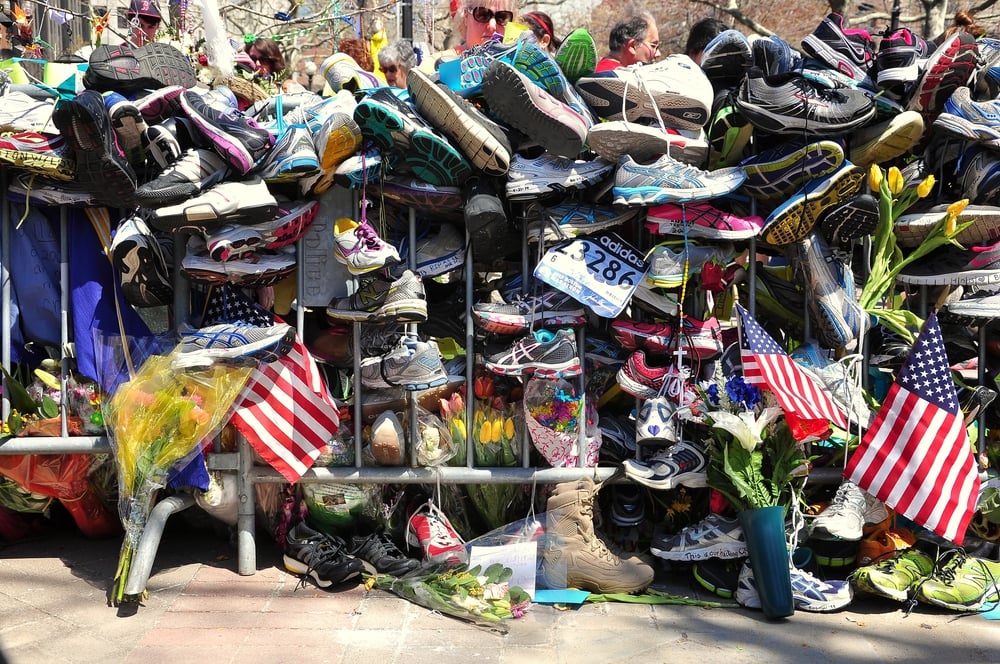
— Photo by dinhhang
Widely published photographs from the immediate aftermath of the 2013 Boston Marathon bombing, including images of first responders and bystanders aiding the injured, shaped an intense national debate over how graphic news imagery should be in covering domestic terrorism. Several major publications faced public criticism over their specific editorial choices in the following days.
The Central Park Five Case Coverage Photographs
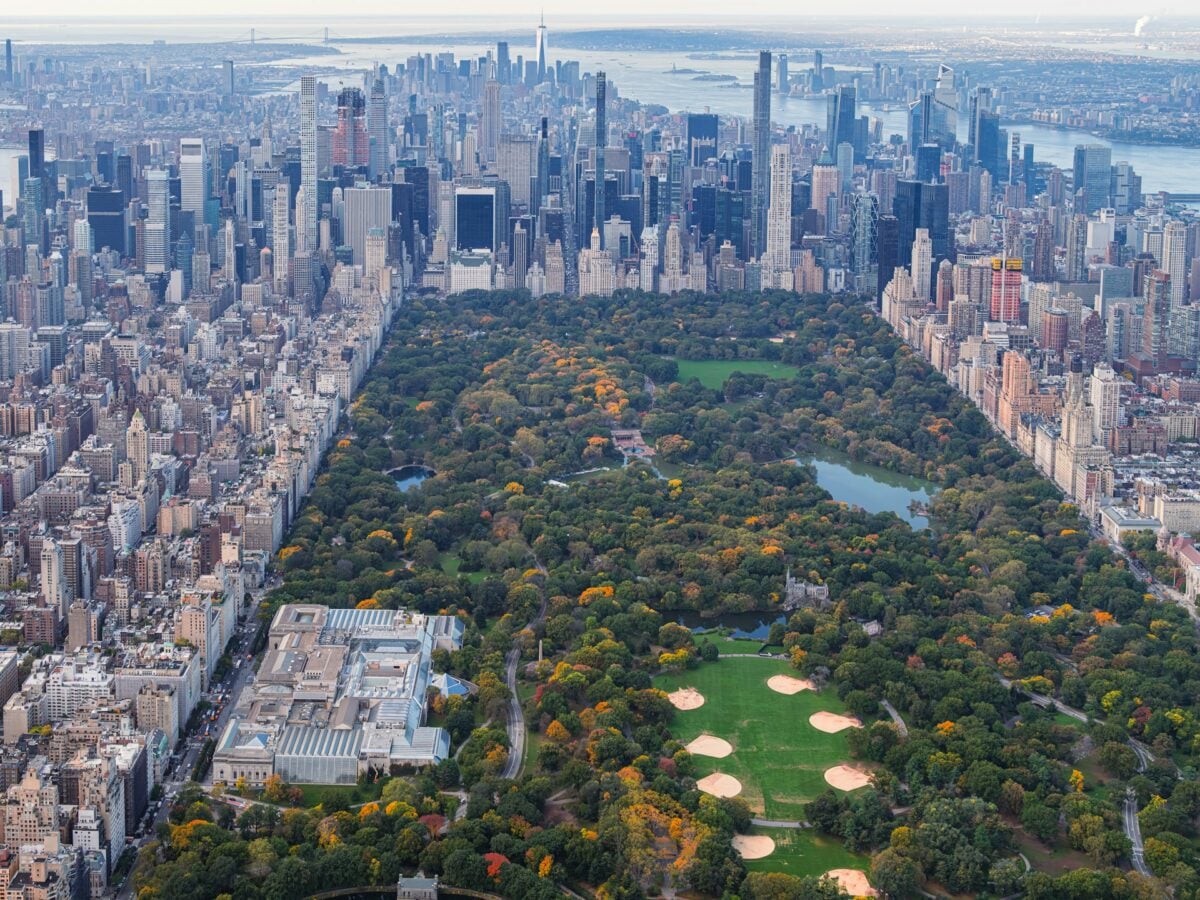
Widely circulated newspaper photographs and coverage surrounding the wrongful 1989 conviction of five teenagers in the Central Park jogger case shaped public perception heavily at the time, and the case’s eventual 2002 exoneration, after the actual perpetrator confessed, prompted significant public reassessment of how media coverage had influenced the original prosecution. The case remains a frequently cited example of how photographic and press coverage can shape public assumptions of guilt.
The Loch Ness Monster “Surgeon’s Photograph” Hoax
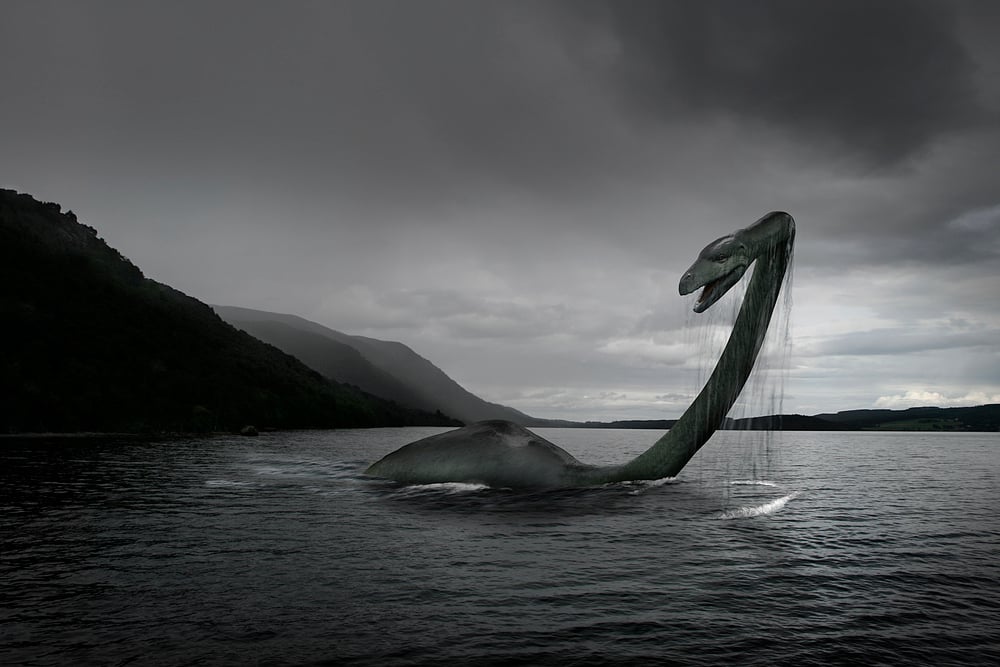
The 1934 “Surgeon’s Photograph,” purporting to show the Loch Ness Monster’s head and neck emerging from the water, was published widely and shaped decades of public belief in the creature’s existence before being revealed as a staged hoax involving a toy submarine in 1994. Its long-term cultural impact demonstrates how a single widely believed photograph can shift public opinion even when later proven false.
The Challenger Explosion Photographs
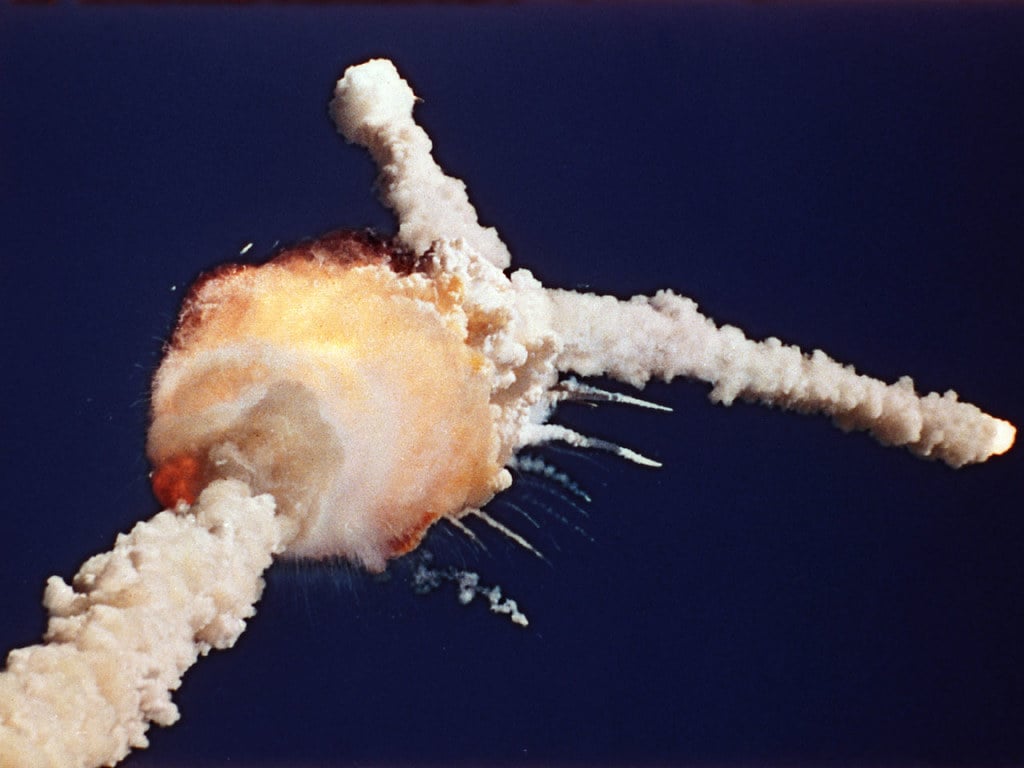
Widely published photographs of the Space Shuttle Challenger’s disintegration shortly after launch in January 1986, watched live by millions including many schoolchildren due to the presence of teacher-astronaut Christa McAuliffe aboard, prompted an immediate national reassessment of NASA’s safety culture. The resulting Rogers Commission investigation led to significant changes in shuttle program oversight.
The Abu Ghraib Prisoner Abuse Photographs

Photographs documenting the abuse of detainees by U.S. military personnel at Iraq’s Abu Ghraib prison, first published in 2004, generated immediate international outrage and significantly damaged U.S. public diplomacy efforts during the Iraq War. The images prompted congressional hearings, courts-martial of several soldiers involved, and lasting scrutiny of detention practices in U.S. military operations.
The Flag-Draped Coffins Photograph Controversy
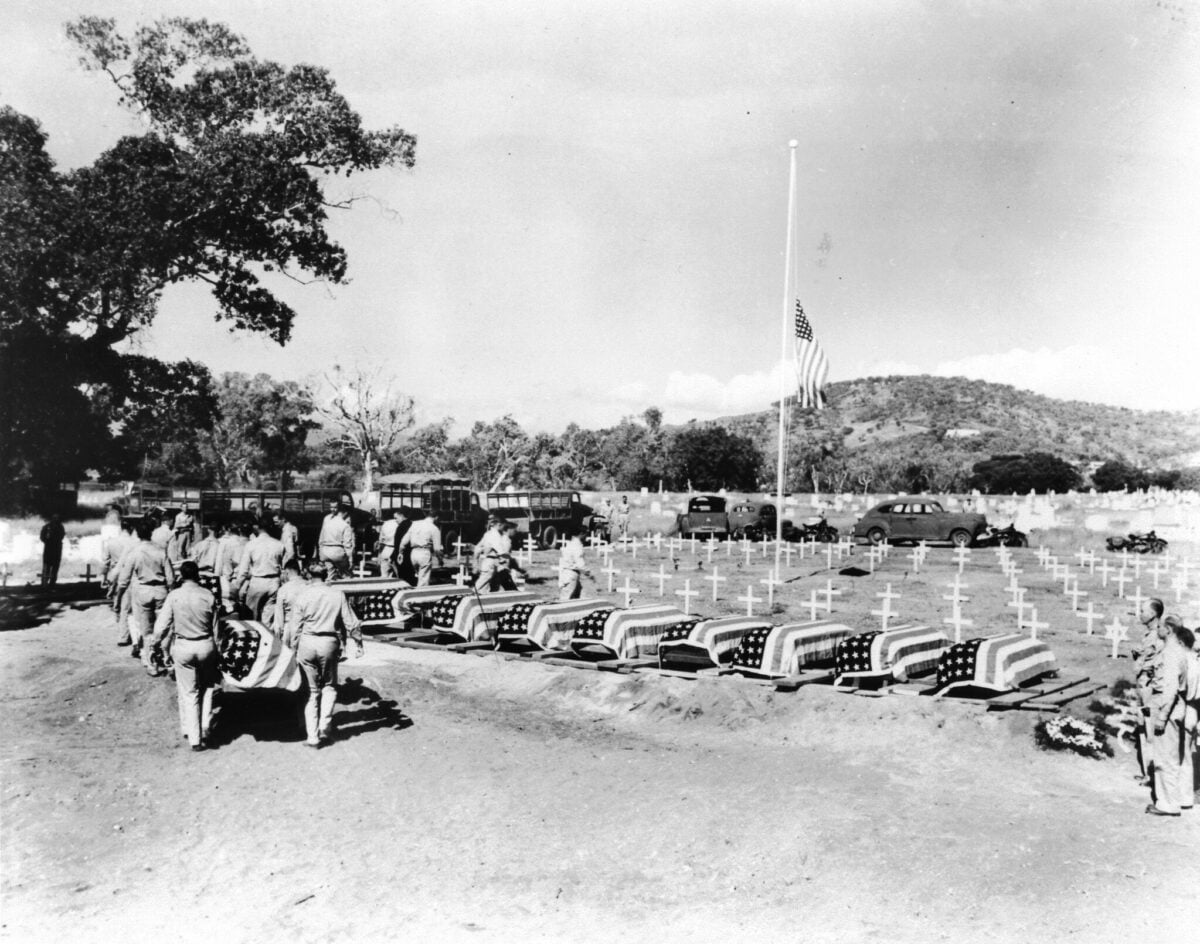
A 1991 U.S. Department of Defense policy banning media photographs of flag-draped military coffins returning from overseas conflicts became a significant point of public controversy when the ban was enforced during the Iraq and Afghanistan wars, and photographs that did emerge, including a widely circulated 2004 image obtained through a public records request, reignited debate over government control of war imagery. The policy was formally lifted in 2009.
The Blue Marble, Apollo 17
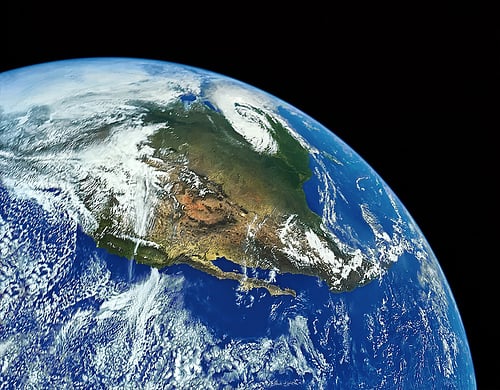
The 1972 “Blue Marble” photograph of Earth taken by the Apollo 17 crew, showing a fully illuminated view of the planet from space, became one of the most widely reproduced photographs in history and further reinforced the environmental consciousness that had begun forming after “Earthrise” four years earlier. It remains a standard visual reference in environmental advocacy and science education worldwide.
Photographs Documenting the Wounded Knee Massacre Aftermath

Photographs taken in the aftermath of the 1890 Wounded Knee Massacre, showing the bodies of Lakota men, women, and children killed by U.S. troops, circulated in the following years and later became central evidence cited in 20th-century reassessments of U.S. government policy toward Native American nations. The images remain a frequently referenced historical record in ongoing discussions of accountability for the massacre.
What a Single Frame Can Do That Words Cannot
Nearly every photograph on this list shares a common trait: it compressed a complicated, ongoing situation into a single moment a viewer could absorb in seconds. That compression is exactly what makes these images powerful, and exactly what makes them ethically complicated, since a single frame necessarily leaves out context that a longer report would include.
What separates these photographs from the millions of other newsworthy images taken the same year is not just their content but their timing: each landed at a moment when public sentiment was already shifting, and gave people something concrete to point to. A photograph rarely changes minds by itself.
It changes minds by arriving at exactly the moment enough people were already primed to look.
More from Go2Tutors!

- The Romanov Crown Jewels and Their Tragic Fate
- 13 Historical Mysteries That Science Still Can’t Solve
- Famous Hoaxes That Fooled the World for Years
- 15 Child Stars with Tragic Adult Lives
- 16 Famous Jewelry Pieces in History
Like Go2Tutors’s content? Follow us on MSN.