26 Paintings Destroyed by the Regimes That Ordered Them
Art has always been a dangerous business. Painters create, governments judge, and history watches.
The most chilling irony in art history might be the number of masterpieces destroyed not by enemies, but by the very regimes that commissioned them in the first place. When power turns on its own artists, the reasons vary—political shifts, religious upheaval, or simple paranoia.
But the pattern remains consistent: rulers who once celebrated these works later deemed them too dangerous to exist. The paintings that follow represent some of history’s most tragic losses, each one a testament to the volatile relationship between art and authority.
Caravaggio’s Lost Saint Matthew
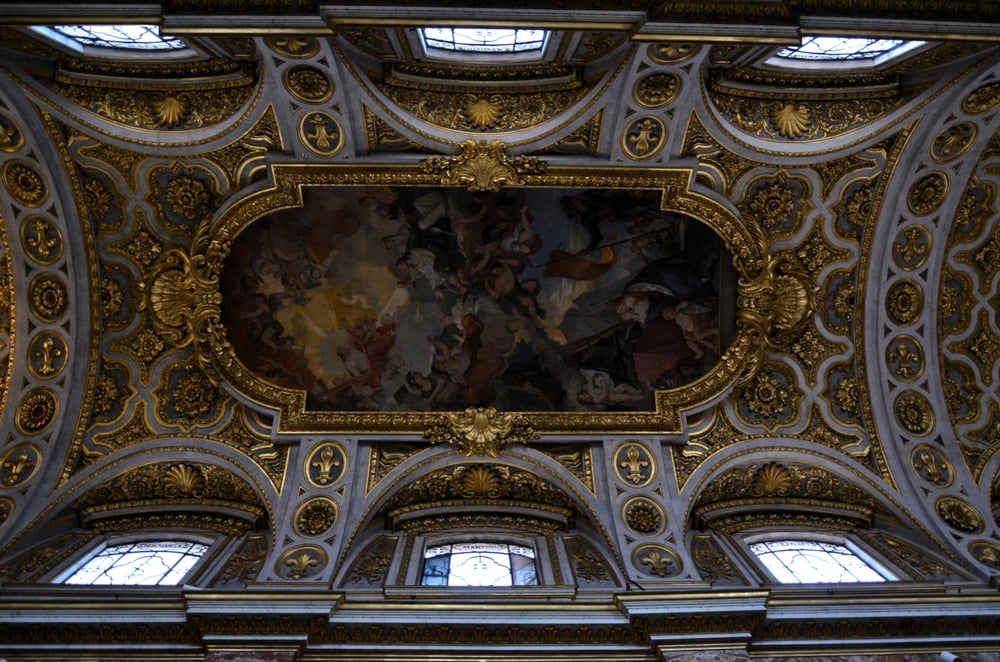
The first version of Caravaggio’s “The Inspiration of Saint Matthew” featured an angel guiding the apostle’s hand too intimately for the church commissioners. They rejected it as indecent; Caravaggio painted a more conservative replacement, and the original disappeared into private hands before being destroyed in World War II.
The Massacre of the Innocents by Poussin
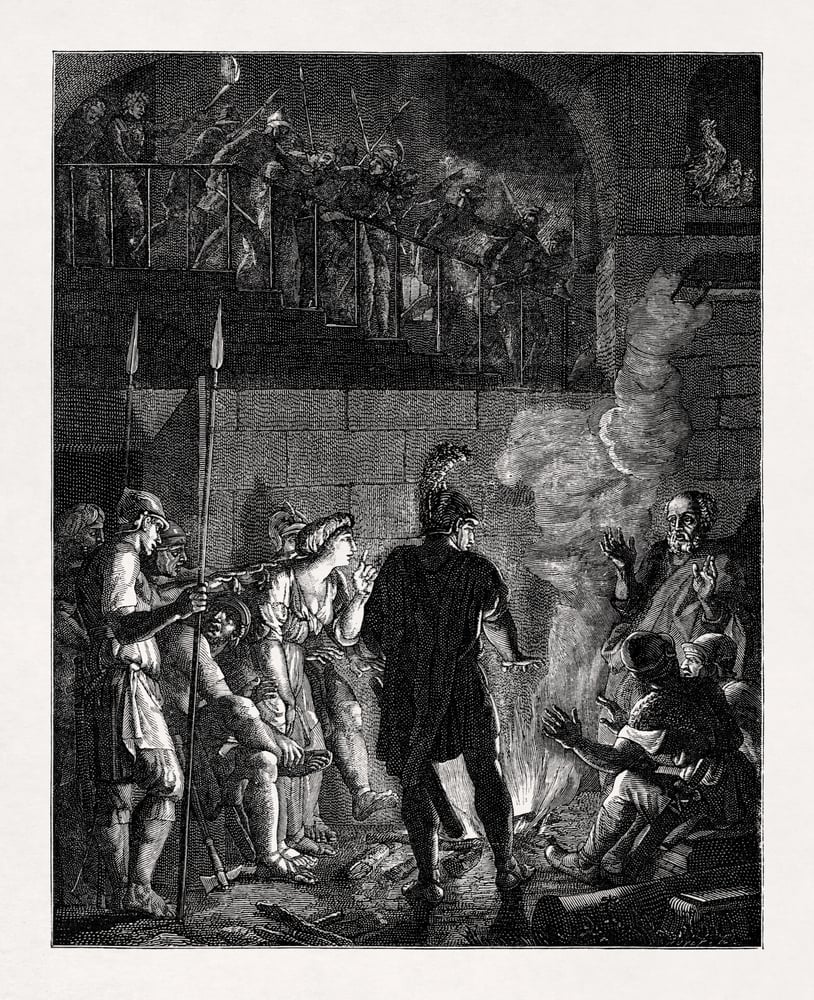
Commissioned by Cardinal Richelieu to demonstrate royal power, Poussin’s brutal biblical scene became too uncomfortable when public opinion turned against monarchical excess. The Cardinal himself ordered the work destroyed, claiming it promoted violence against children.
Rubens’ Marie de’ Medici Rejected Panels
The Medici Cycle originally included panels showing Marie’s political machinations and failed conspiracies. When these proved embarrassing to the family legacy, Marie herself ordered the most compromising scenes removed and destroyed; even queens have their limits.
The Emperor’s Divine Mandate
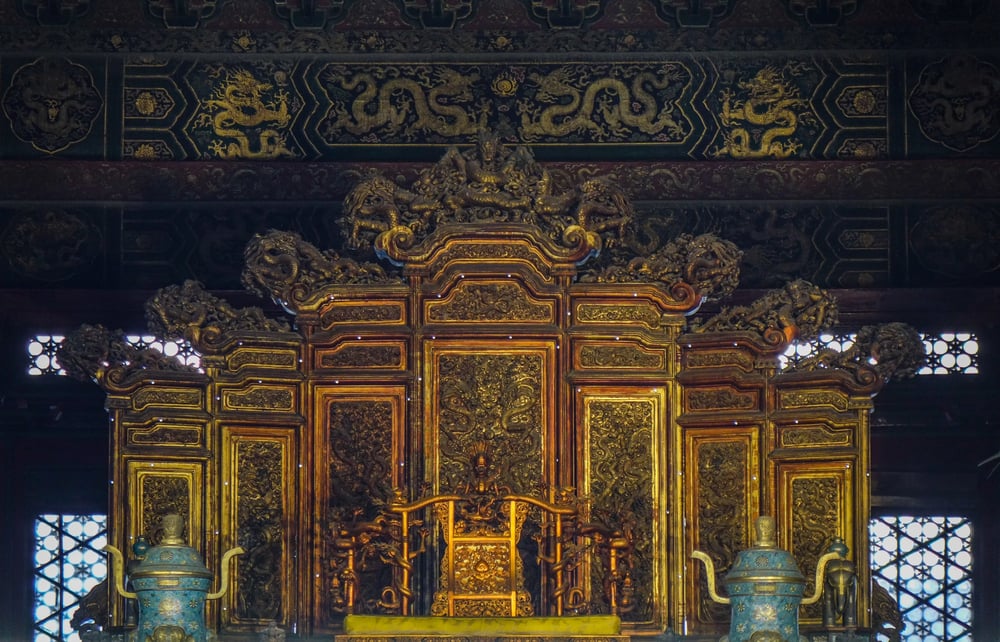
This monumental work (whose artist remains unknown, though court records suggest it was commissioned around 1740) depicted the Qing Emperor receiving the Mandate of Heaven directly from celestial beings—a bold theological statement that initially pleased the imperial court. But when Jesuit missionaries raised concerns about the painting’s syncretic blend of Christian and Confucian imagery (the celestial figures bore uncomfortable resemblances to Christian angels, while maintaining distinctly Chinese features), and when rival court factions began using the work to question the emperor’s religious orthodoxy, the same emperor who had celebrated its completion ordered it burned in the Forbidden City’s courtyards; so much for divine approval—it turns out even heaven-sent authority has its political complications.
Goya’s Lost Royal Indiscretions
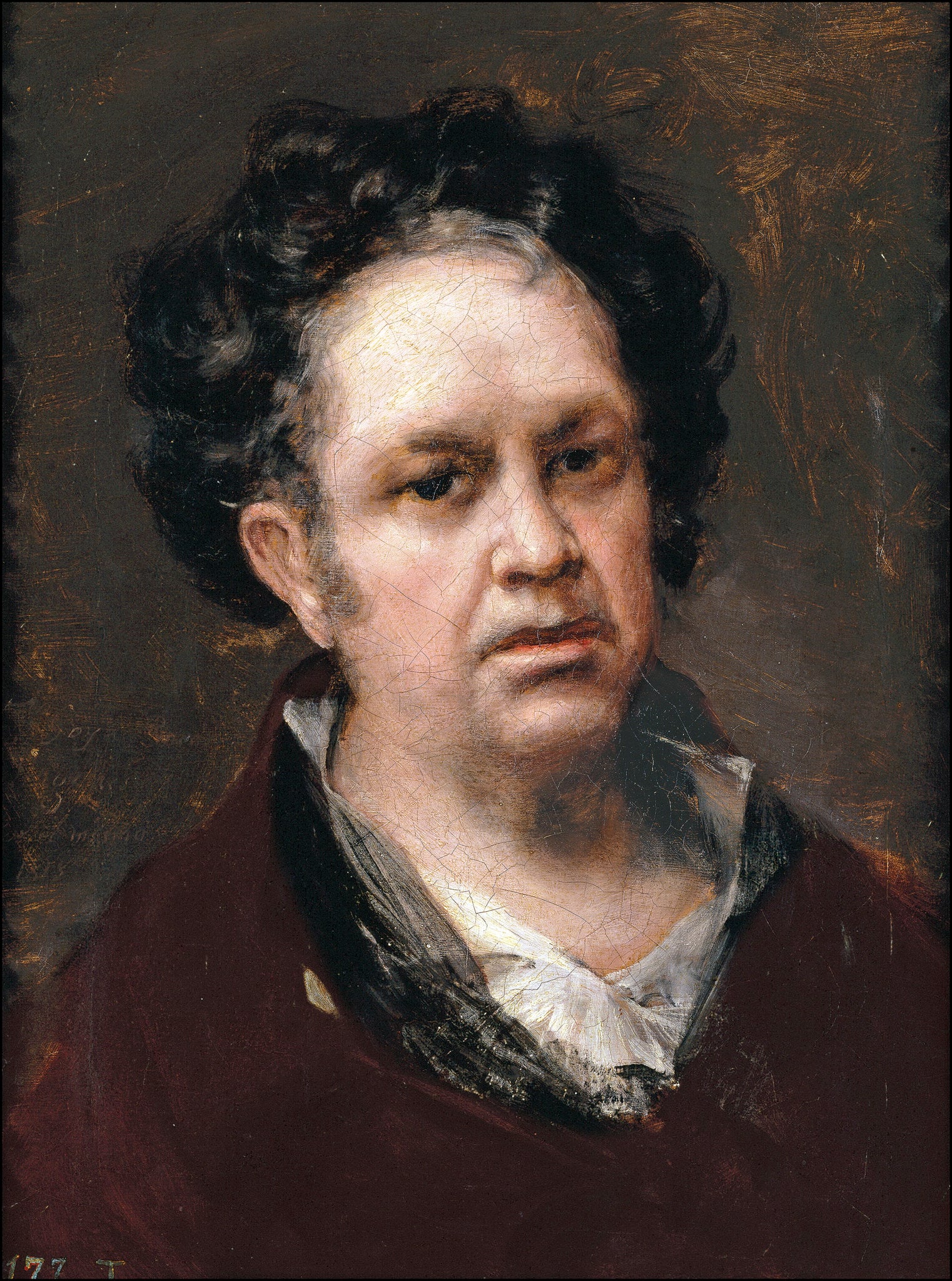
Before “The Family of Charles IV” made the Spanish royalty look foolish enough, Goya painted an even more satirical version. The king took one look at his exaggerated features and ordered the canvas destroyed; the replacement was diplomatic enough to survive.
Portraits of the Purged
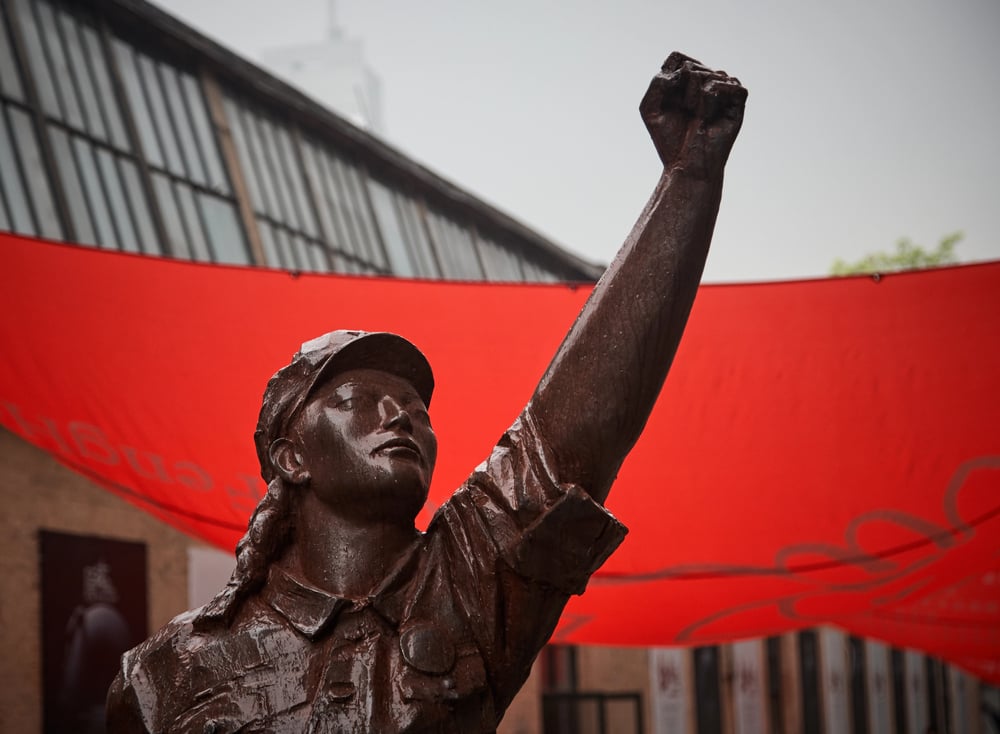
Stalin’s regime became famous for editing photographs, but they destroyed paintings too. Countless portraits of fallen party members disappeared from government buildings; the artists who painted them often followed their subjects into oblivion.
The Heretical Sistine
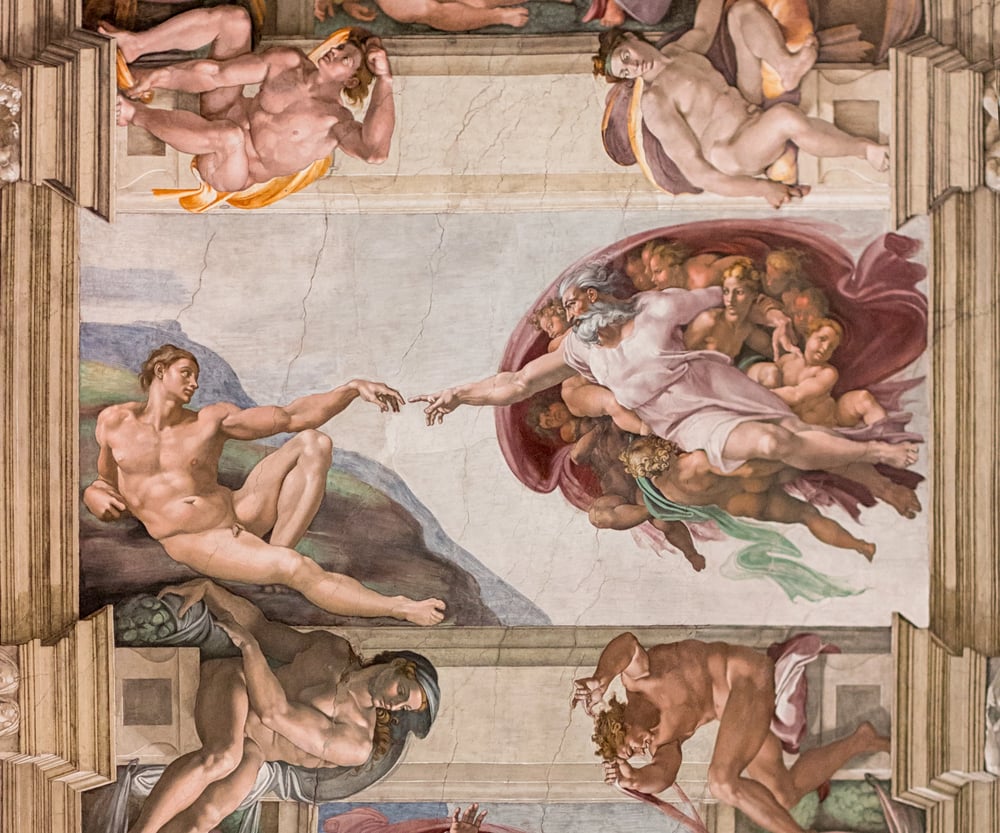
Michelangelo’s original designs for the Sistine Chapel included far more controversial theological imagery. Pope Julius II himself ordered several sections painted over after church scholars deemed them doctrinally dangerous; the master’s first thoughts were apparently too bold even for the Renaissance papacy.
Velázquez’s Scandalous Venus
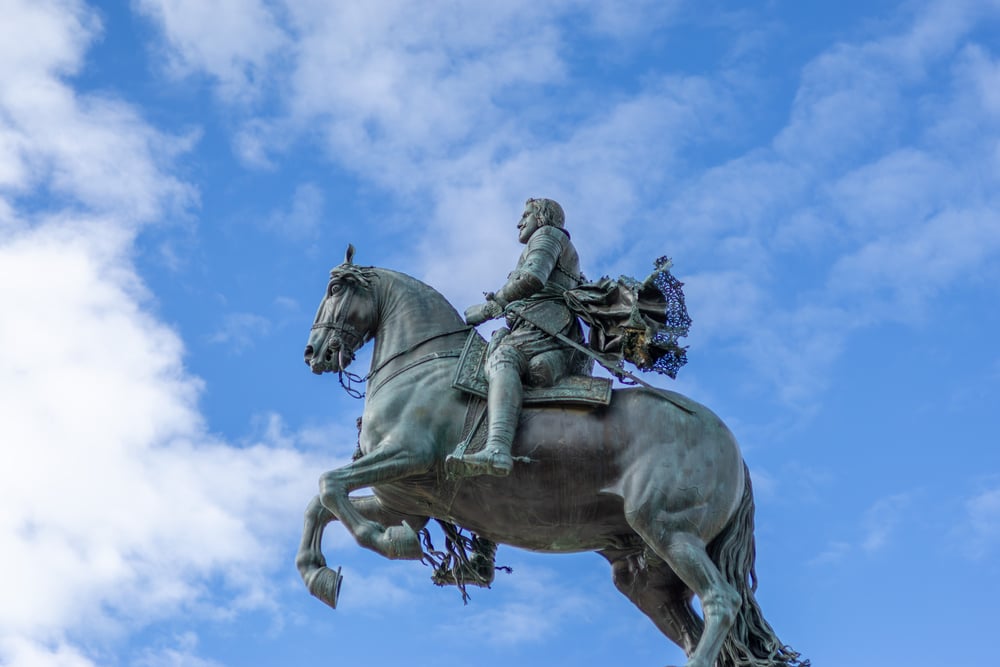
The artist painted multiple versions of reclining Venus figures for Philip IV’s private collection. When the king’s confessor convinced him these works promoted moral corruption, several were destroyed by royal order; only “Venus at her Mirror” survived, and that barely.
Revolutionary Erasure
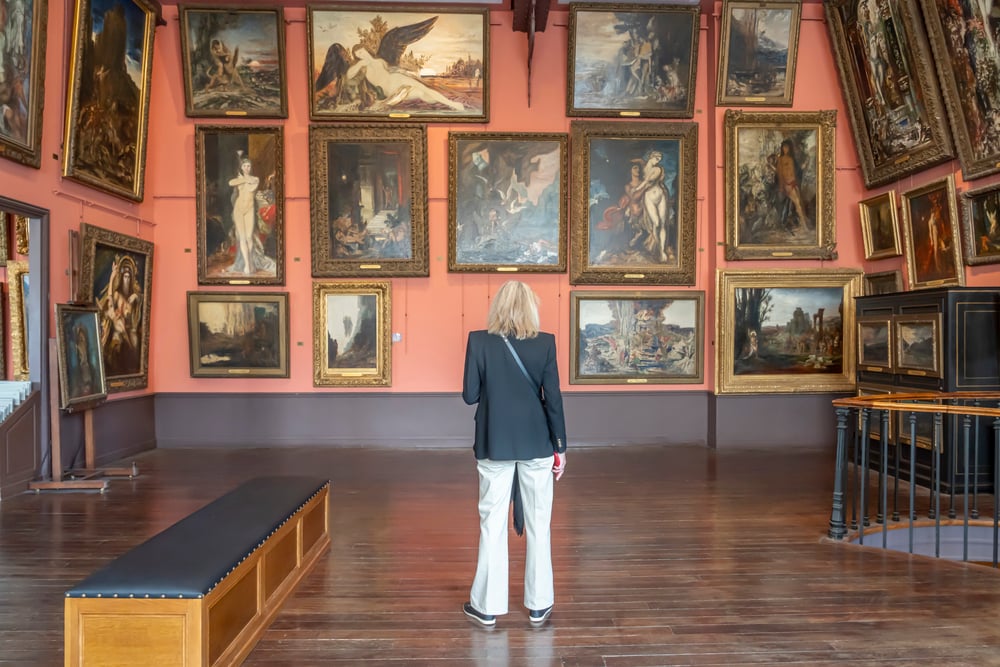
The French Revolution commissioned hundreds of paintings celebrating republican virtue. When Napoleon rose to power, many of these same works were deemed politically inconvenient.
Revolutionary heroes became embarrassing reminders of chaos. The paintings disappeared into government storage before being quietly destroyed.
Imperial Portraits of the Fallen
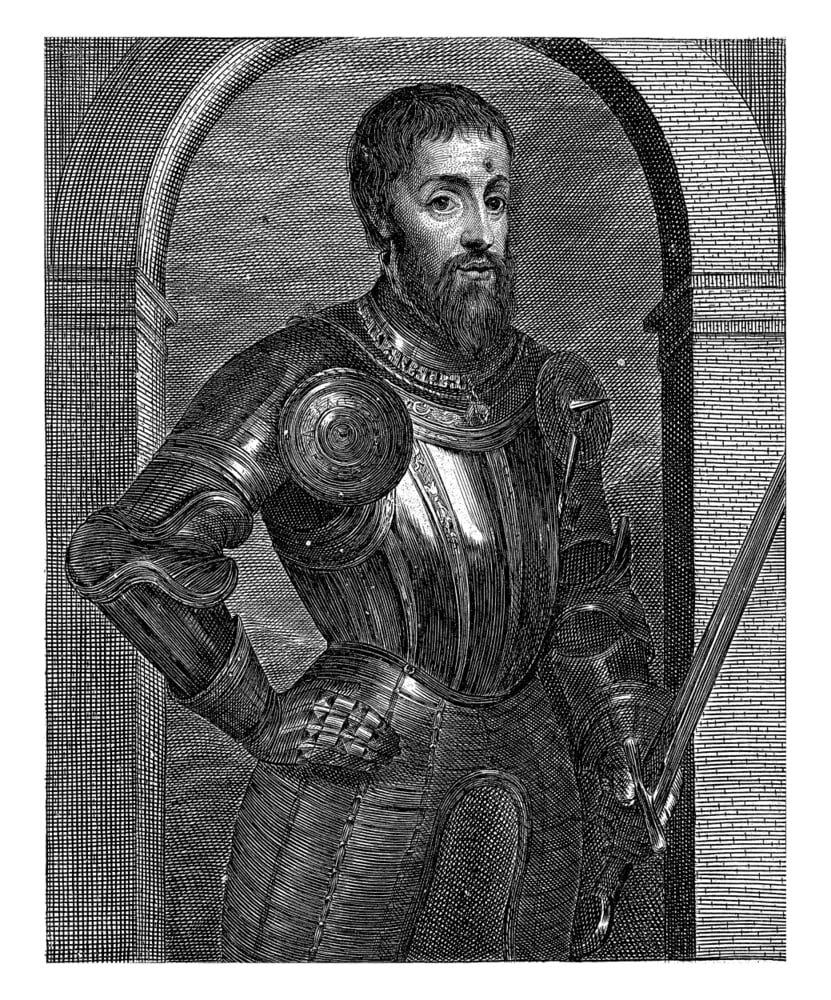
The Habsburg court maintained an elaborate gallery of dynastic portraits, each one a statement of legitimacy and power—until the particular branch of the family depicted fell from favor, married poorly, or (heaven forbid) converted to Protestantism. When Archduke Ferdinand secretly married beneath his station in 1637, his portrait and those of his immediate family were removed from the gallery and, according to court records, “reduced to ash in the palace furnaces by order of His Imperial Majesty.”
The emperor’s reasoning was straightforward: fallen nobility shouldn’t occupy wall space needed for successful relatives. And yet the irony runs deeper than simple space management—Ferdinand’s transgression wasn’t just personal but artistic, since his unauthorized marriage called into question the very premise of these dynastic portraits: that blood and breeding could be made visible through paint and canvas.
The Buddha’s Communist Fate
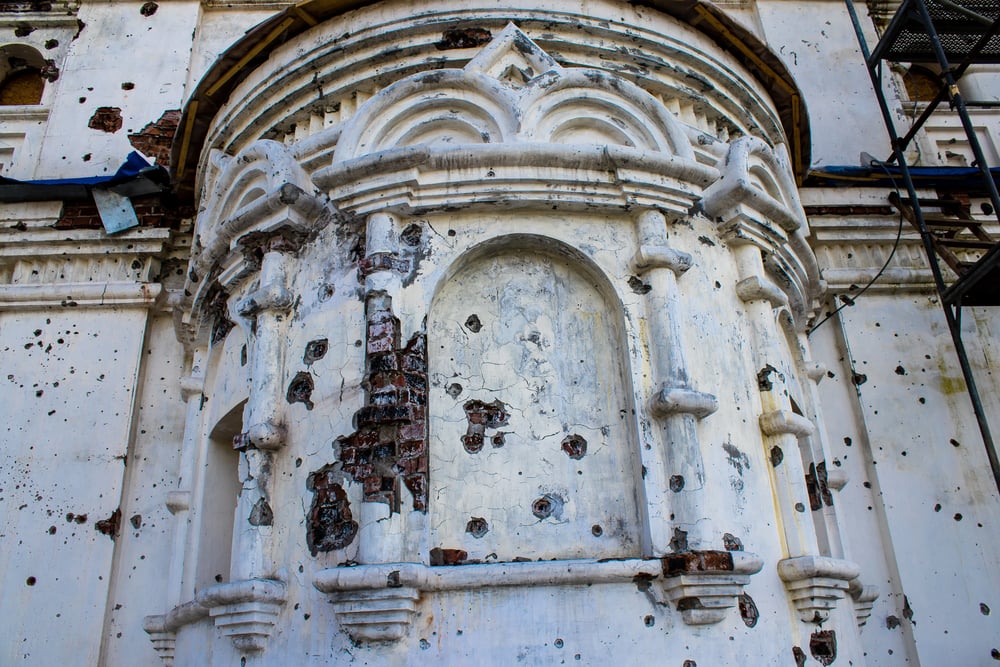
Traditional Buddhist paintings in Chinese monasteries faced systematic destruction during the Cultural Revolution. Many had been commissioned by previous Communist officials trying to appear culturally sensitive; when the political winds shifted, those same officials ordered the works destroyed to prove their revolutionary purity.
Portraits of Henry VIII’s Wives
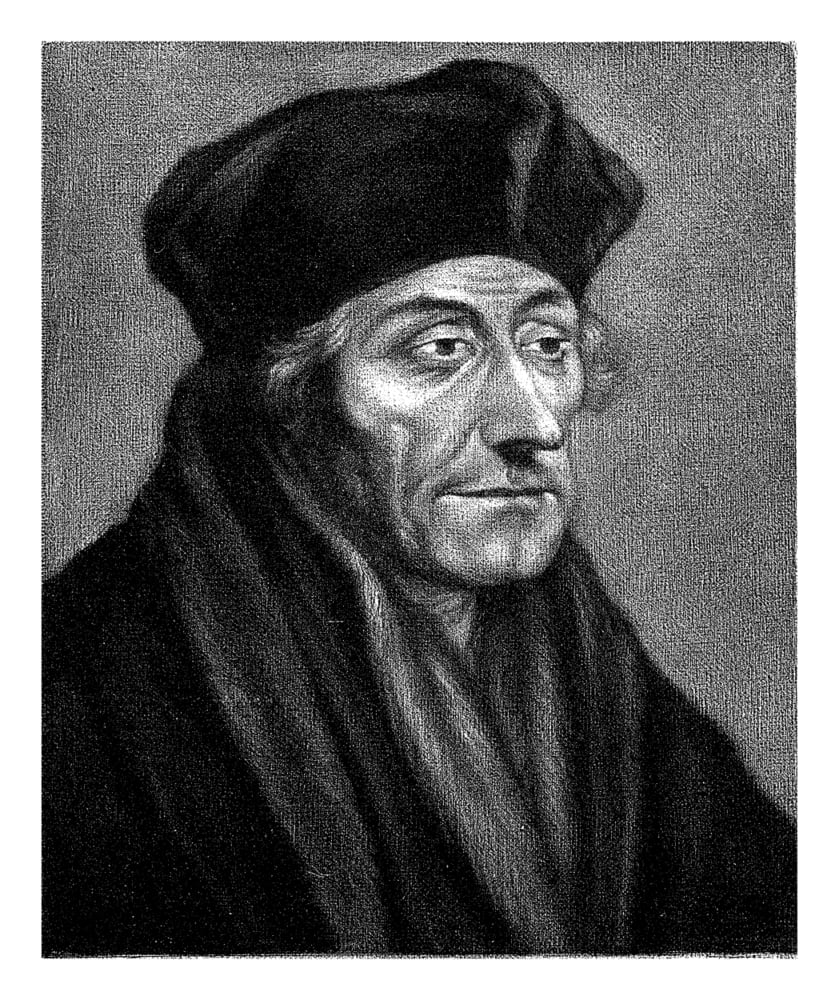
Hans Holbein painted multiple portraits of Henry’s wives before their marriages fell apart. As each queen fell from grace, her portrait was removed from court and destroyed; political survival meant erasing inconvenient faces from the royal collection.
The Pope’s Pagan Mistake
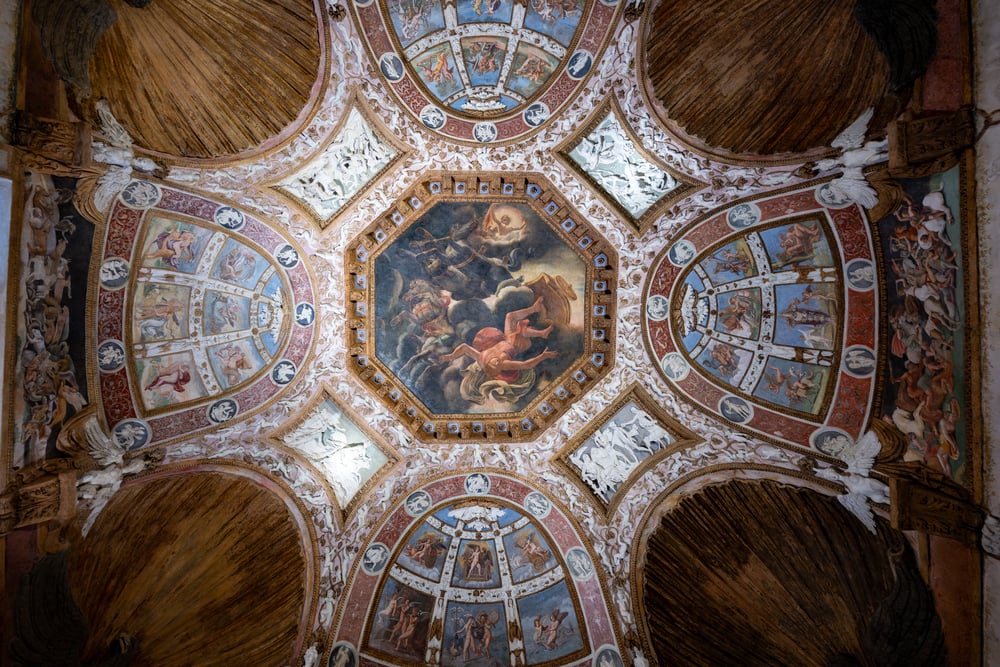
Renaissance popes loved classical mythology until they remembered they were supposed to be Christian. Multiple papal commissions featuring pagan gods and goddesses were quietly destroyed when reformist pressure mounted; spiritual authority apparently couldn’t coexist with Jupiter and Venus.
Napoleonic Propaganda Reversed
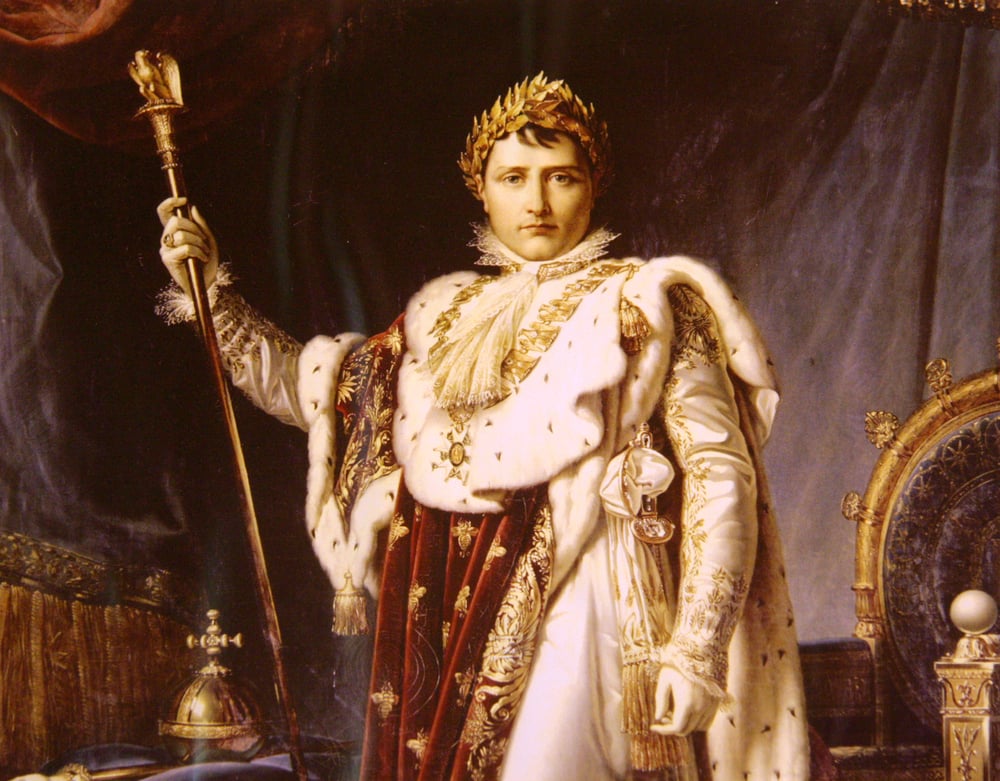
The Directory commissioned massive paintings celebrating Napoleon’s early victories. When those same leaders began to fear his growing power, they ordered the heroic images destroyed; today’s hero becomes tomorrow’s threat with remarkable speed in politics.
The Tsar’s Modernist Experiment
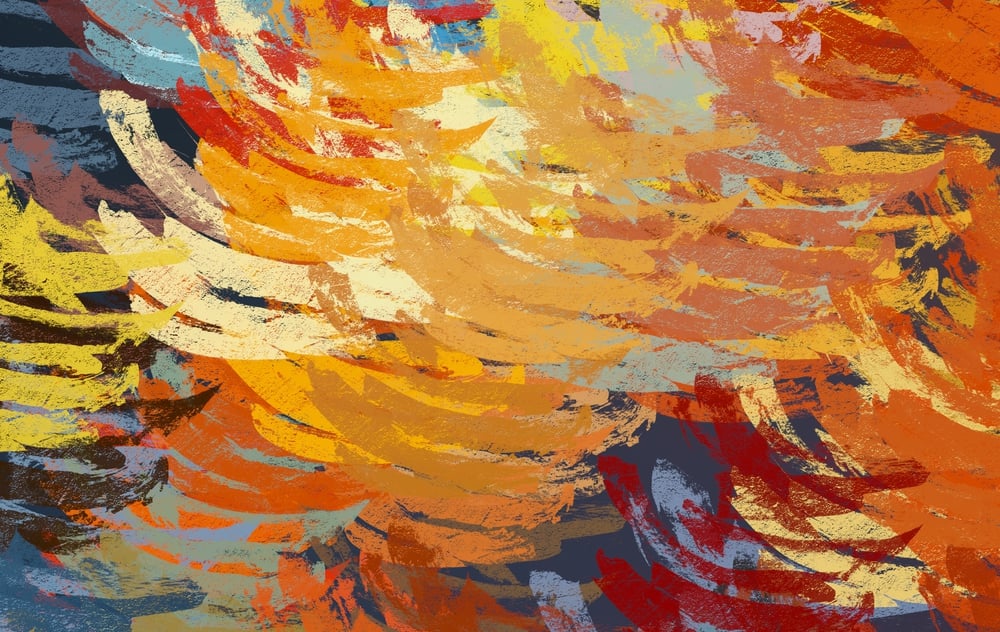
Nicholas II briefly embraced avant-garde Russian artists, commissioning several abstract works for the Winter Palace. When conservative nobles complained about “degenerate” art corrupting the monarchy, the Tsar ordered the paintings removed and destroyed; progressive taste has its limits when revolution is brewing.
Reformation Casualties
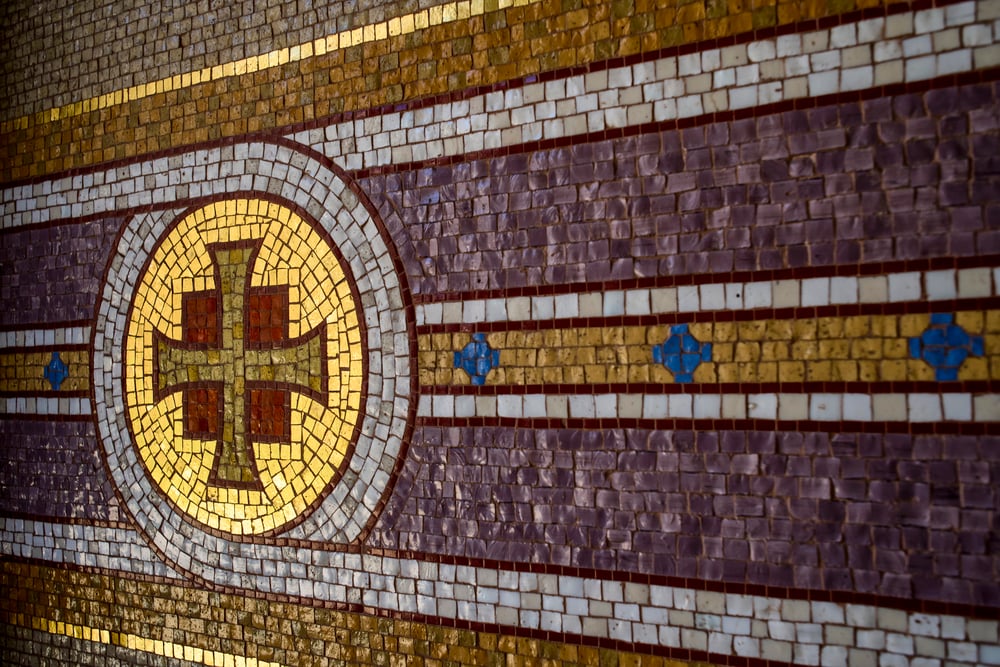
Henry VIII commissioned elaborate religious paintings for English churches before breaking with Rome. When the Reformation began, those same Catholic images became evidence of papal corruption; the king who ordered them painted also ordered them destroyed.
The Emperor’s Truth
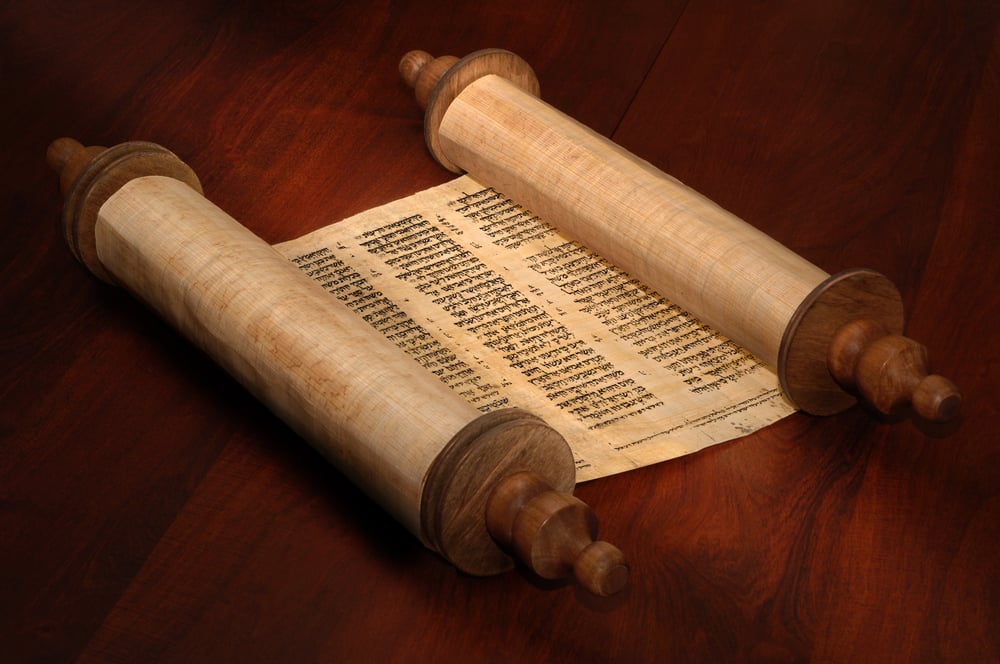
This particular work emerged from the Tokugawa court around 1720, where an unnamed artist had been commissioned to create a series of paintings documenting the shogun’s daily rituals—a project intended to emphasize the divine nature of imperial routine. One panel depicted the shogun in his private bath, rendered with the same ceremonial dignity as his public appearances, but when court officials realized the implications (showing the emperor’s humanity might undermine his godlike status), the same advisors who had approved the commission became its harshest critics; the painting was destroyed within days of its completion, and court records suggest the artist was reassigned to less sensitive subjects like landscape and flowers—safer territory where human vulnerability couldn’t accidentally slip into the frame.
Mao’s Personality Cult Reversals
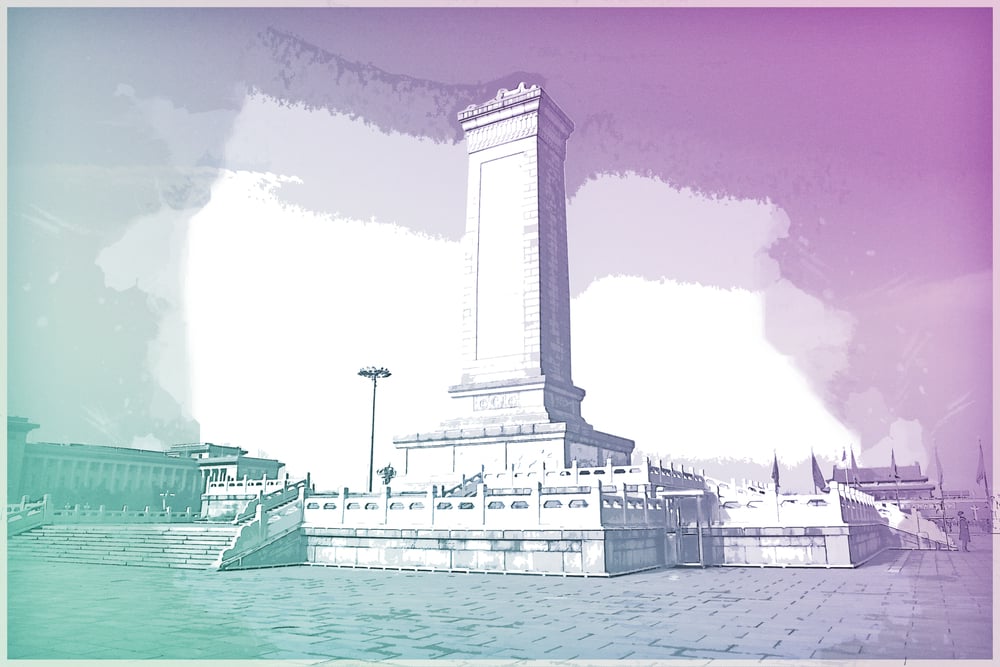
During the Cultural Revolution, thousands of paintings depicted Mao as an almost divine figure. After his death, when the government wanted to move away from personality cult worship, many of these same propagandistic works were quietly destroyed by the state that had commissioned them.
The Medici’s Religious Miscalculation
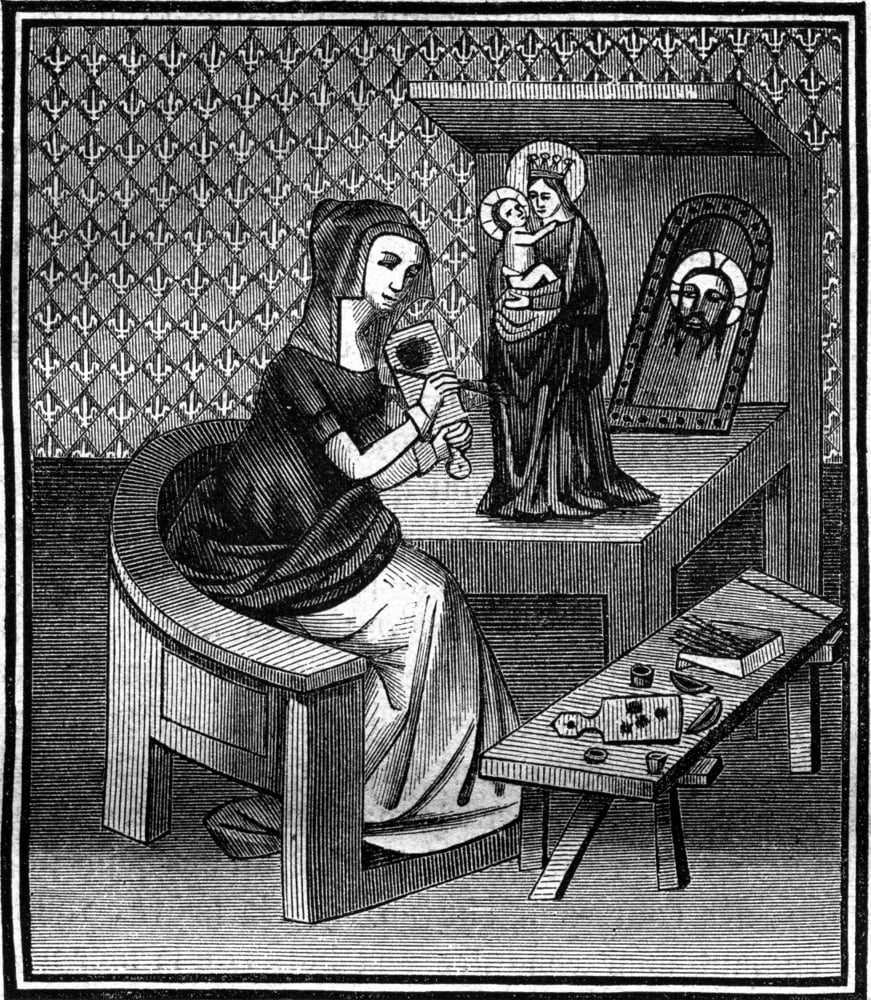
Cosimo de’ Medici commissioned paintings blending Christian and pagan themes, thinking it showed sophisticated humanism. When the Counter-Reformation arrived, those same works became evidence of heretical thinking; the family ordered their destruction to protect their political standing.
Stalin’s Deleted Comrades
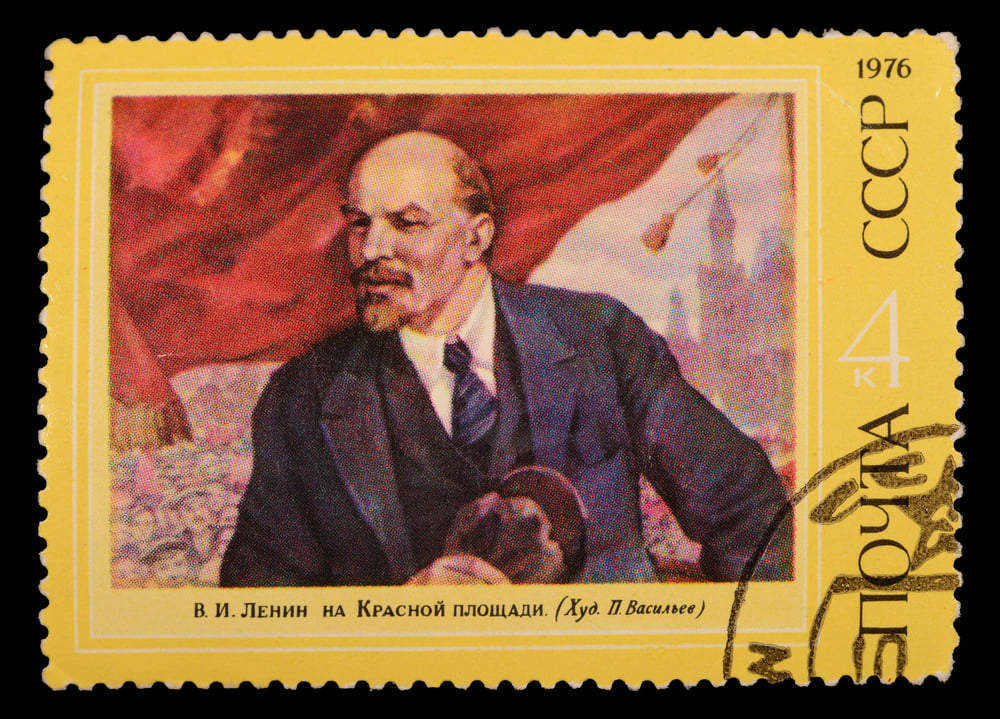
Soviet artists painted Lenin surrounded by his revolutionary companions. As Stalin eliminated his rivals, each painting was altered or destroyed; the original compositions became too dangerous to display, showing men who were now officially enemies of the state.
Royal Portraits of the Divorced
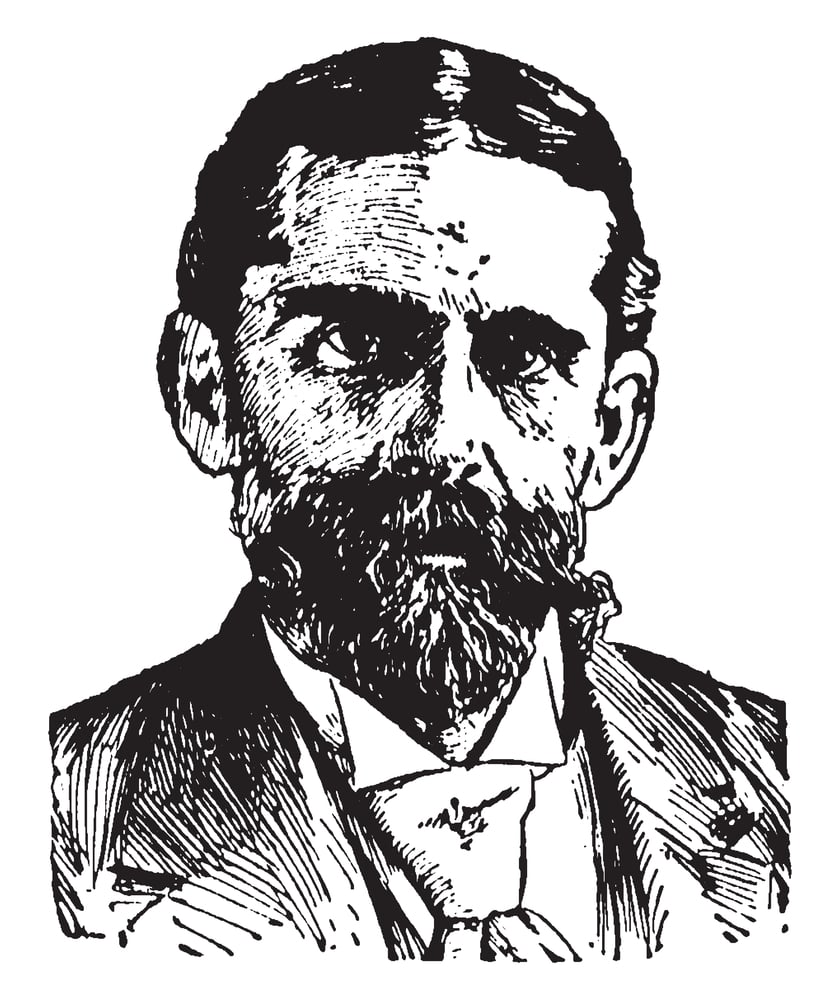
Charles I commissioned Van Dyck to paint his happy family life. During the English Civil War, Parliamentary forces destroyed these images as symbols of royal excess; the king who celebrated his domestic happiness in paint lost both his family harmony and his head.
The Qing Dynasty’s Western Mistake
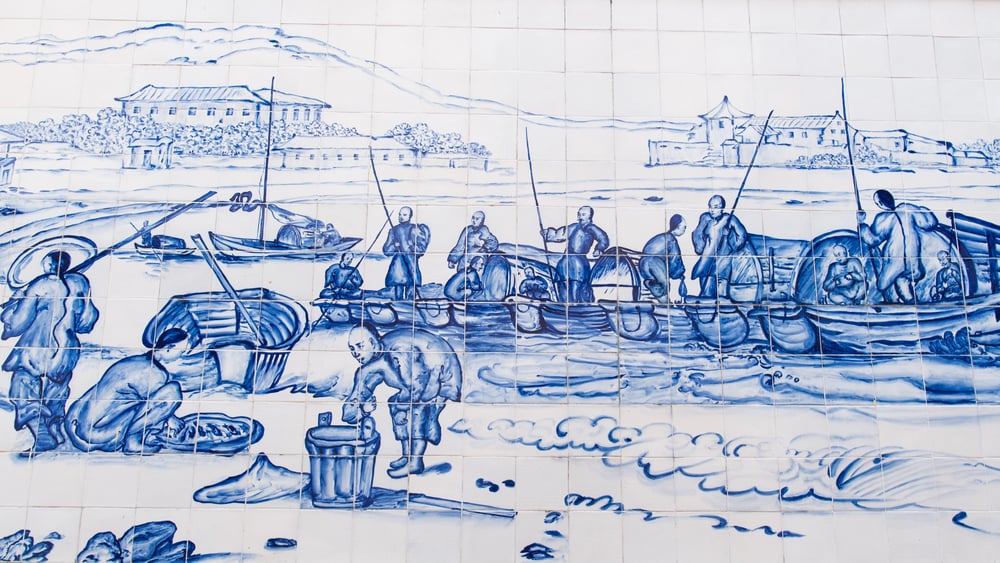
Emperor Kangxi commissioned Jesuit artists to paint religious scenes for the Forbidden City, hoping to show cultural tolerance. When anti-foreign sentiment rose, his successors ordered these Western-influenced works destroyed as evidence of foreign corruption infiltrating Chinese culture.
Nazi Degenerate Art Reversals
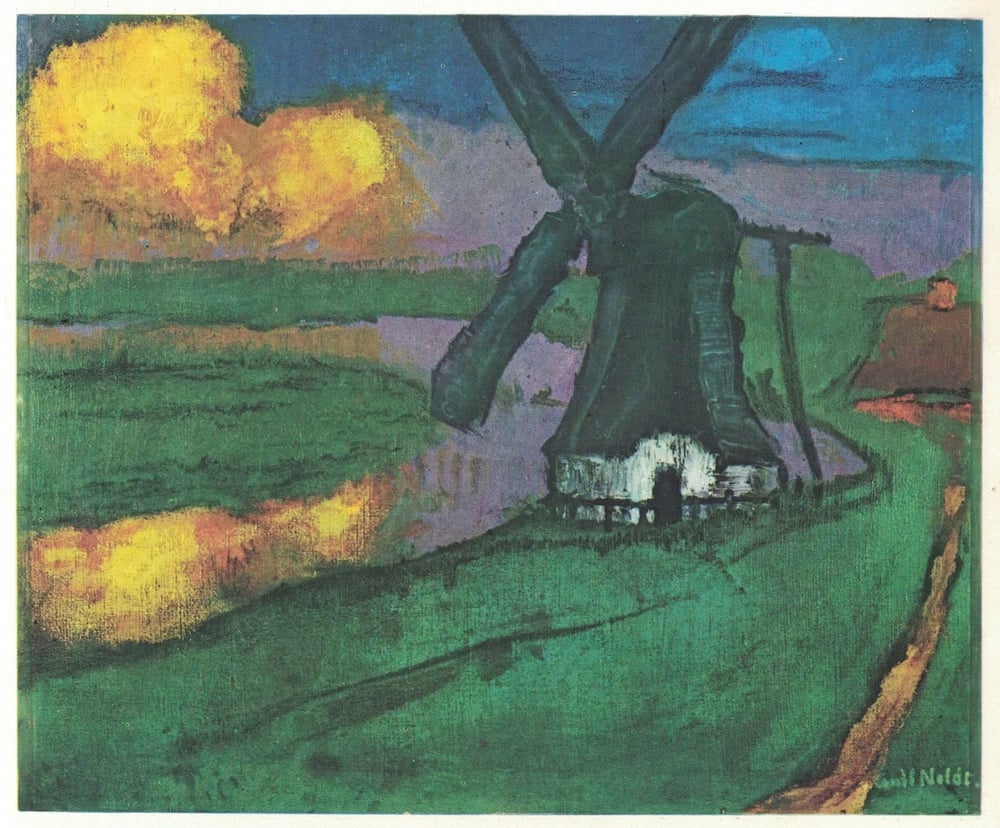
The Weimar Republic commissioned modernist artists for government buildings. When the Nazis rose to power, those same works were labeled “degenerate art” and destroyed; progressive taste became evidence of cultural decay with remarkable political speed.
The Sultan’s Figurative Art
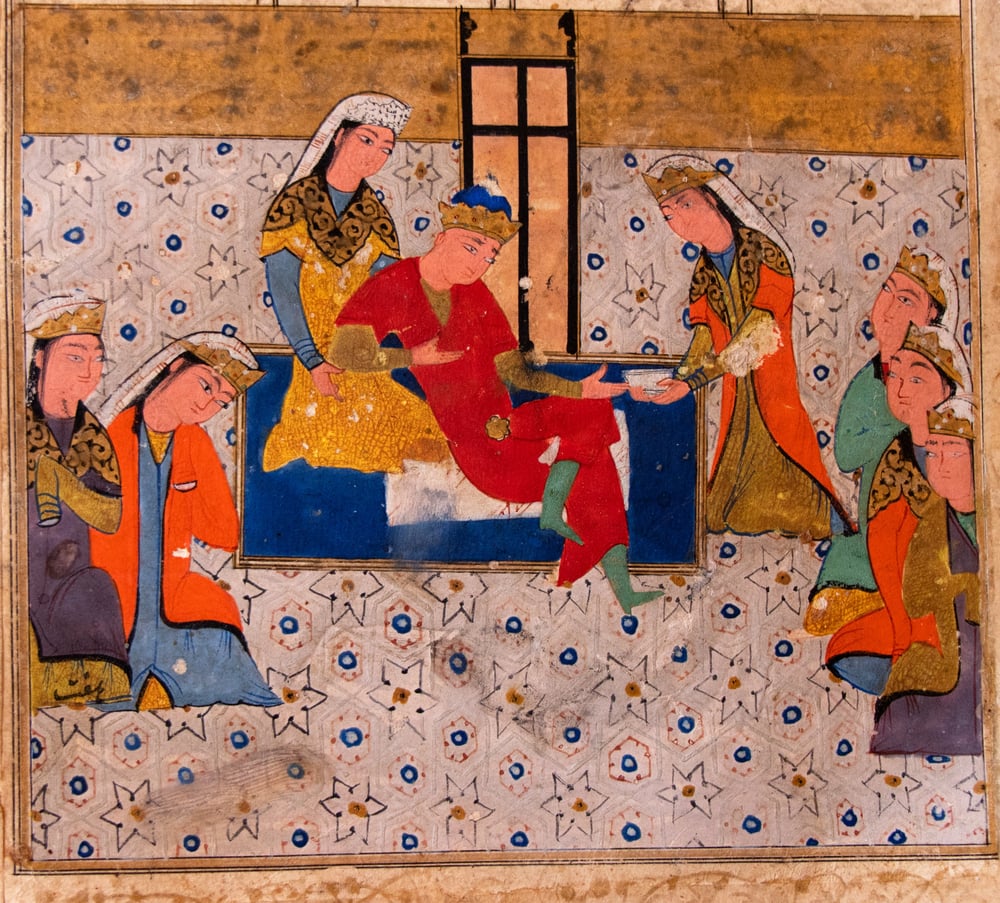
Islamic rulers occasionally commissioned figurative paintings despite religious prohibitions. When conservative clerics gained influence, these works were destroyed to prove the ruler’s orthodox faith; political survival trumped artistic appreciation.
Revolutionary France’s Monarchist Past
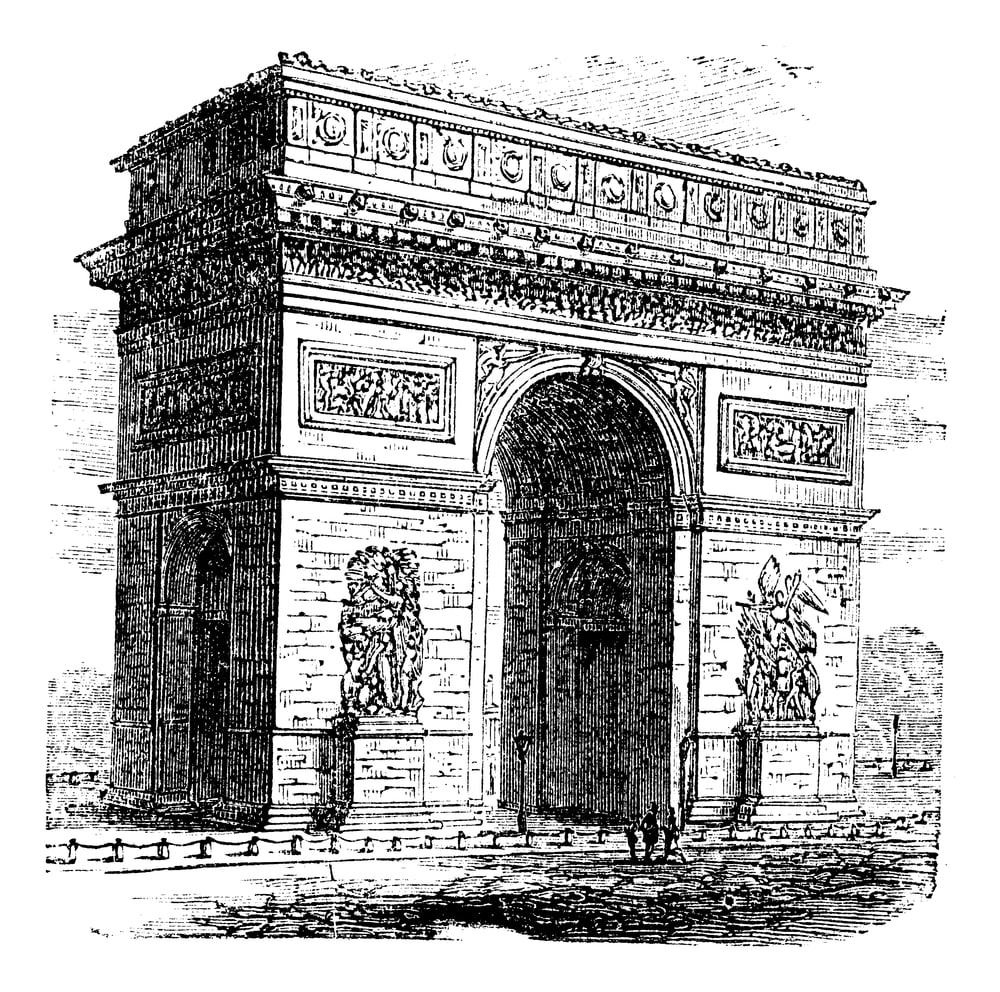
The Revolutionary government initially preserved royal art collections as “people’s property.” When political radicalism intensified, those same works were destroyed as symbols of aristocratic oppression; cultural preservation lost to political purity.
Cromwell’s Catholic Purge
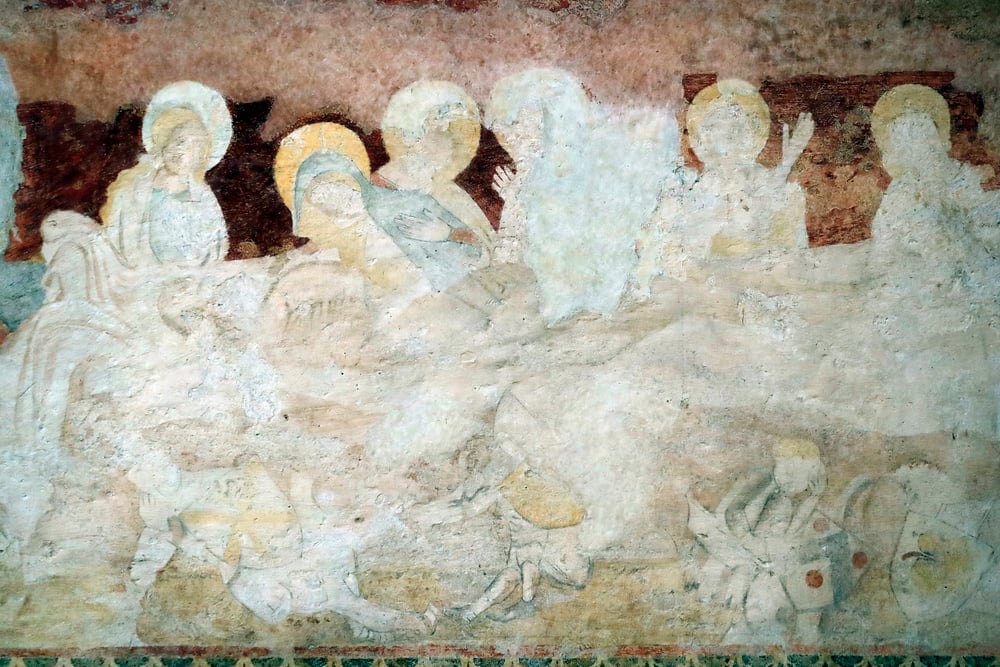
Parliament commissioned artists to document England’s Protestant transformation. Some works included Catholic imagery for historical context; when Puritan influence peaked, even these contextual references were deemed too dangerous and the paintings were destroyed.
The Final Canvas
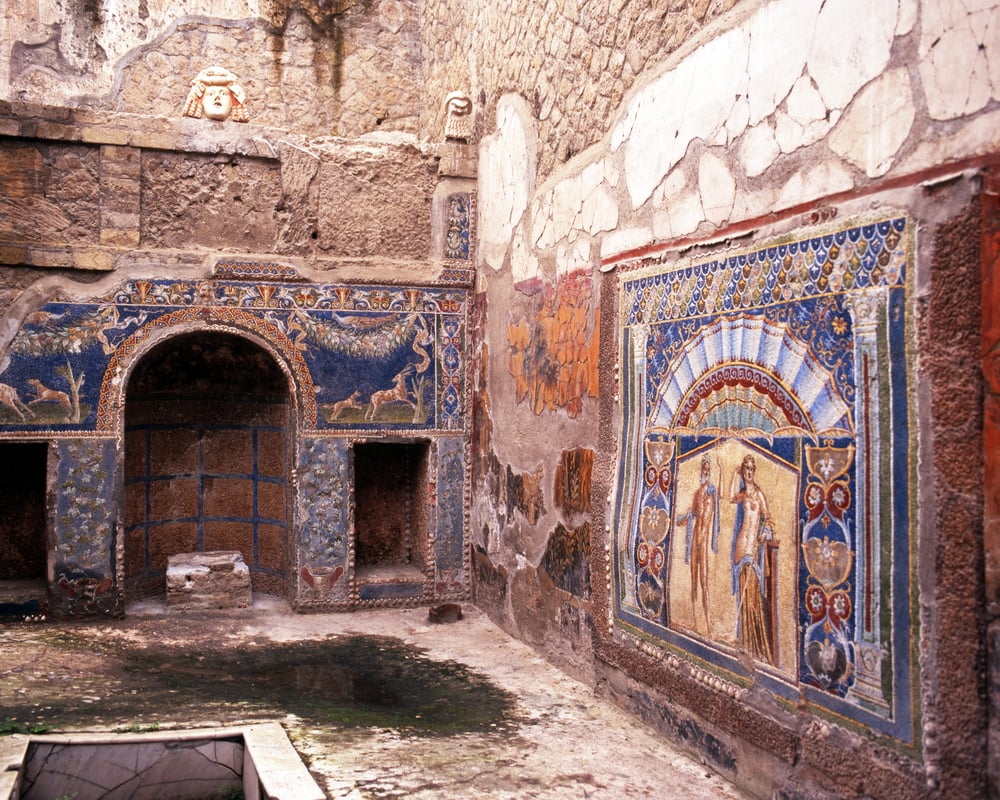
When power turns against art, the pattern never changes—only the excuses do. Religious corruption, political subversion, moral decay, foreign influence: the charges vary, but the outcome remains constant. Masterpieces burn because their creators captured truths that became inconvenient. These lost works remind us that artistic patronage has always been a double-edged relationship.
The same authority that enables great art can just as easily erase it. Perhaps that’s why the paintings that survive feel so precious—they’re not just beautiful objects, but evidence of the moments when power and creativity managed, against all odds, to coexist.
More from Go2Tutors!

- The Romanov Crown Jewels and Their Tragic Fate
- 13 Historical Mysteries That Science Still Can’t Solve
- Famous Hoaxes That Fooled the World for Years
- 15 Child Stars with Tragic Adult Lives
- 16 Famous Jewelry Pieces in History
Like Go2Tutors’s content? Follow us on MSN.