26 Photographs the Public Waited Decades to See
Some of the most important photographs ever taken sat in a box, a drawer or a locked archive for years, sometimes decades, before anyone outside the photographer’s immediate circle ever saw them. The reasons vary: censorship, death, legal disputes, simple neglect, or film that was never developed in the first place.
What connects them is the strange fact that the image existed the whole time, fully formed, waiting for someone to finally look.
Vivian Maier’s Street Photography
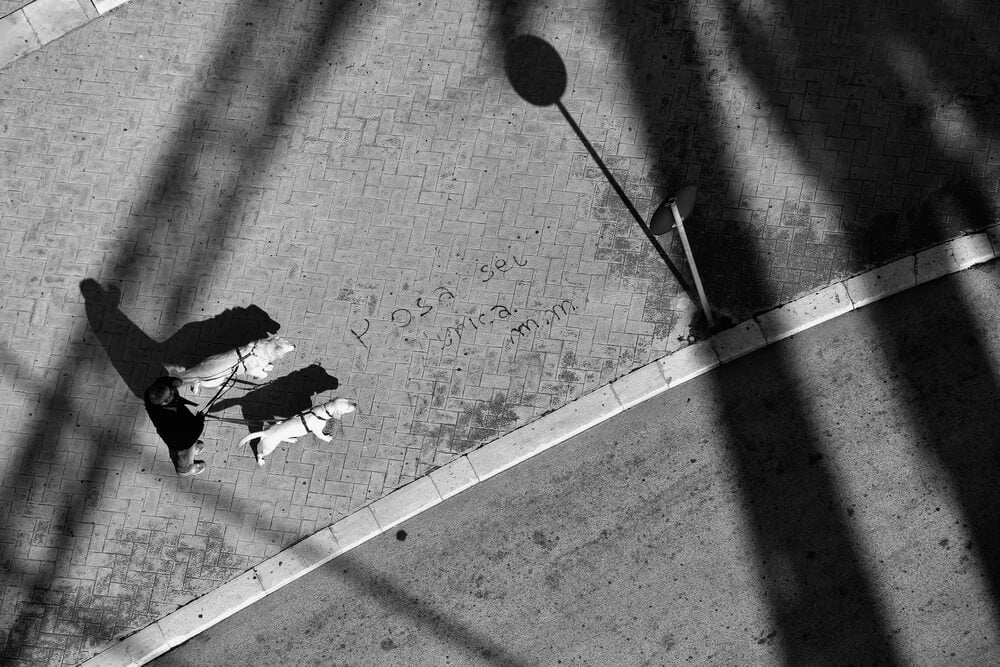
A Chicago nanny by profession, Maier shot more than 100,000 photographs of street life throughout the mid-twentieth century, developing only a fraction of them during her own lifetime. Her work remained almost entirely unknown until a box of her negatives was purchased at a storage locker auction in 2007, years before her death, and gradually brought to public attention through gallery exhibitions and a documentary film.
She never lived to see the widespread recognition her photography eventually received.
Robert Capa’s Mexican Suitcase
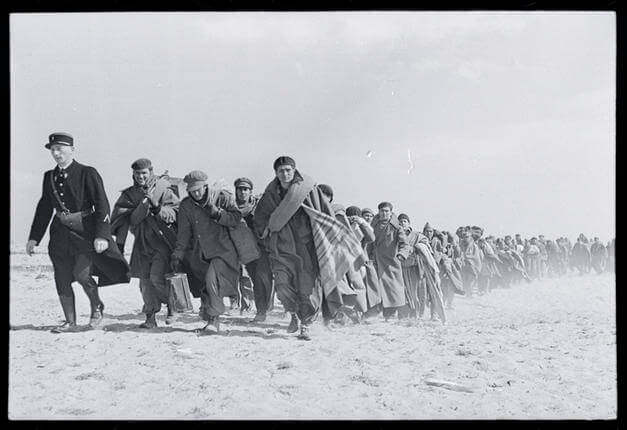
Roughly 4,500 negatives shot by Capa and fellow photographers during the Spanish Civil War in the 1930s were believed lost for decades after vanishing during the chaos of the war’s final months. The negatives resurfaced in Mexico City in 2007, having traveled an undocumented path across multiple countries and hands before finally being authenticated and exhibited.
The rediscovery filled in significant gaps in the visual record of one of the twentieth century’s defining conflicts.
Nicéphore Niépce’s View from the Window at Le Gras
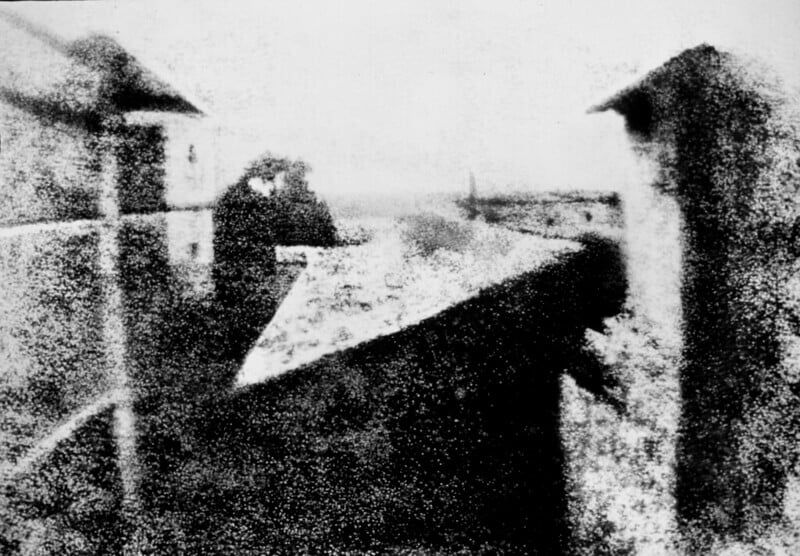
Widely credited as the oldest surviving photograph, this faint image captured around 1826 or 1827 by the French inventor was essentially forgotten and unrecognized for over a century. It resurfaced in 1952 after researchers tracked it down in a private collection, following years of searching based on written references to its existence.
The photograph’s rediscovery reshaped the accepted timeline of photography’s invention.
Garry Winogrand’s Final Unprocessed Rolls
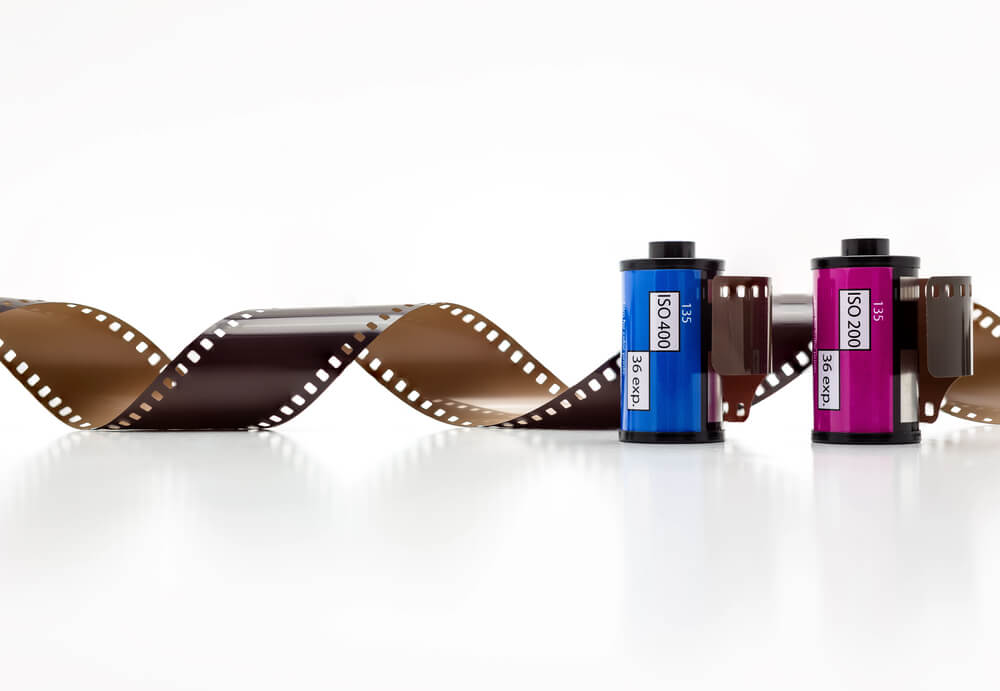
At the time of his death in 1984, this influential street photographer left behind roughly 2,500 rolls of film that had never been developed, along with thousands of already-processed but unedited images. Archivists and curators spent years working through the material, and exhibitions drawing on this posthumous archive continued to introduce new work well after his death.
The scale of unseen material effectively doubled the known body of his work decades after he stopped shooting.
Yosuke Yamahata’s Nagasaki Photographs
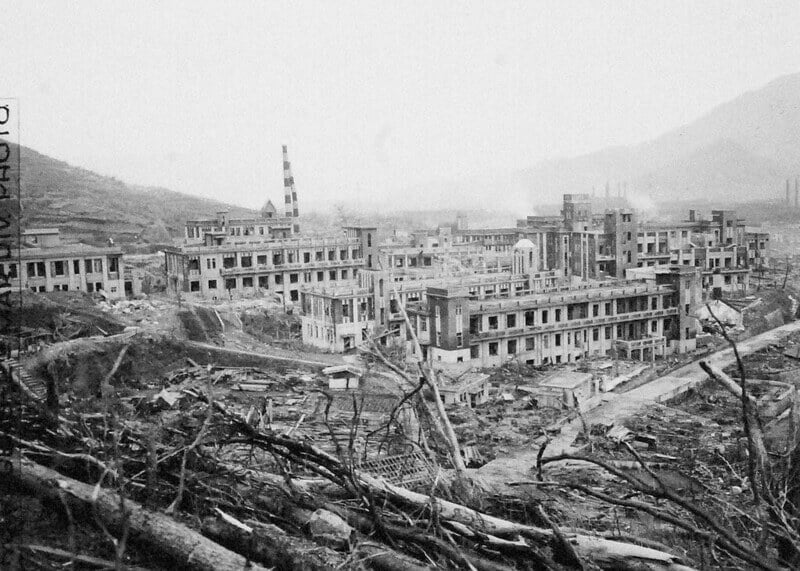
Commissioned to document the aftermath of the atomic bombing within days of the event in 1945, Yamahata’s photographs were subject to occupation-era censorship restrictions that limited their publication for years afterward. The images did not reach wide public circulation until the early 1950s, once those restrictions began to lift.
They remain among the only extensive photographic documentation of the bombing’s immediate aftermath.
Ansel Adams’ Manzanar Photographs
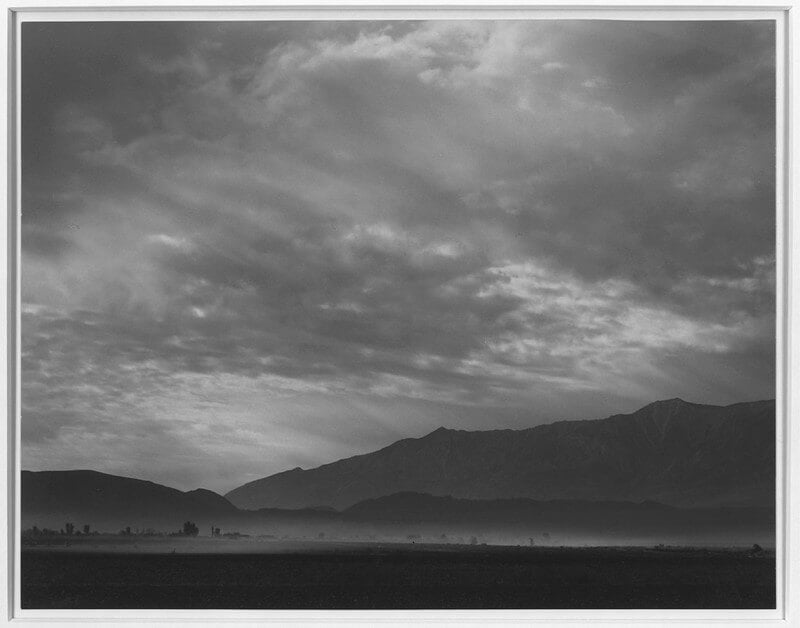
Adams documented daily life inside a Japanese American incarceration camp during the Second World War, producing a body of work that complicated the era’s official narrative and received limited attention at the time it was made. The photographs gained substantially wider recognition and reexamination decades later, as public understanding of the camps’ history evolved.
Adams himself donated the collection to the Library of Congress, ensuring its long-term preservation even as public attention lagged behind.
The Full Zapruder Film Frames
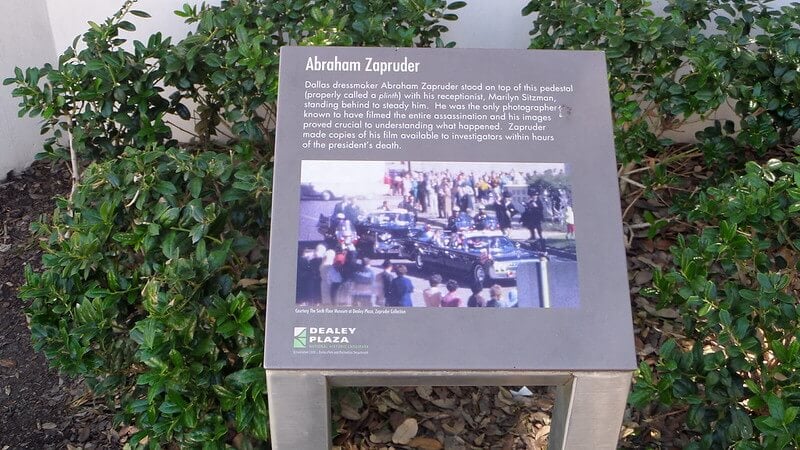
Abraham Zapruder’s home movie footage of the 1963 assassination of President Kennedy was quickly acquired and restricted from full public broadcast for years, with only select frames appearing in print media initially. The complete footage was not broadcast on American television until 1975, more than a decade after it was filmed.
Its eventual wide release significantly shaped ongoing public debate about the events it captured.
Diane Arbus’s Posthumous Archive
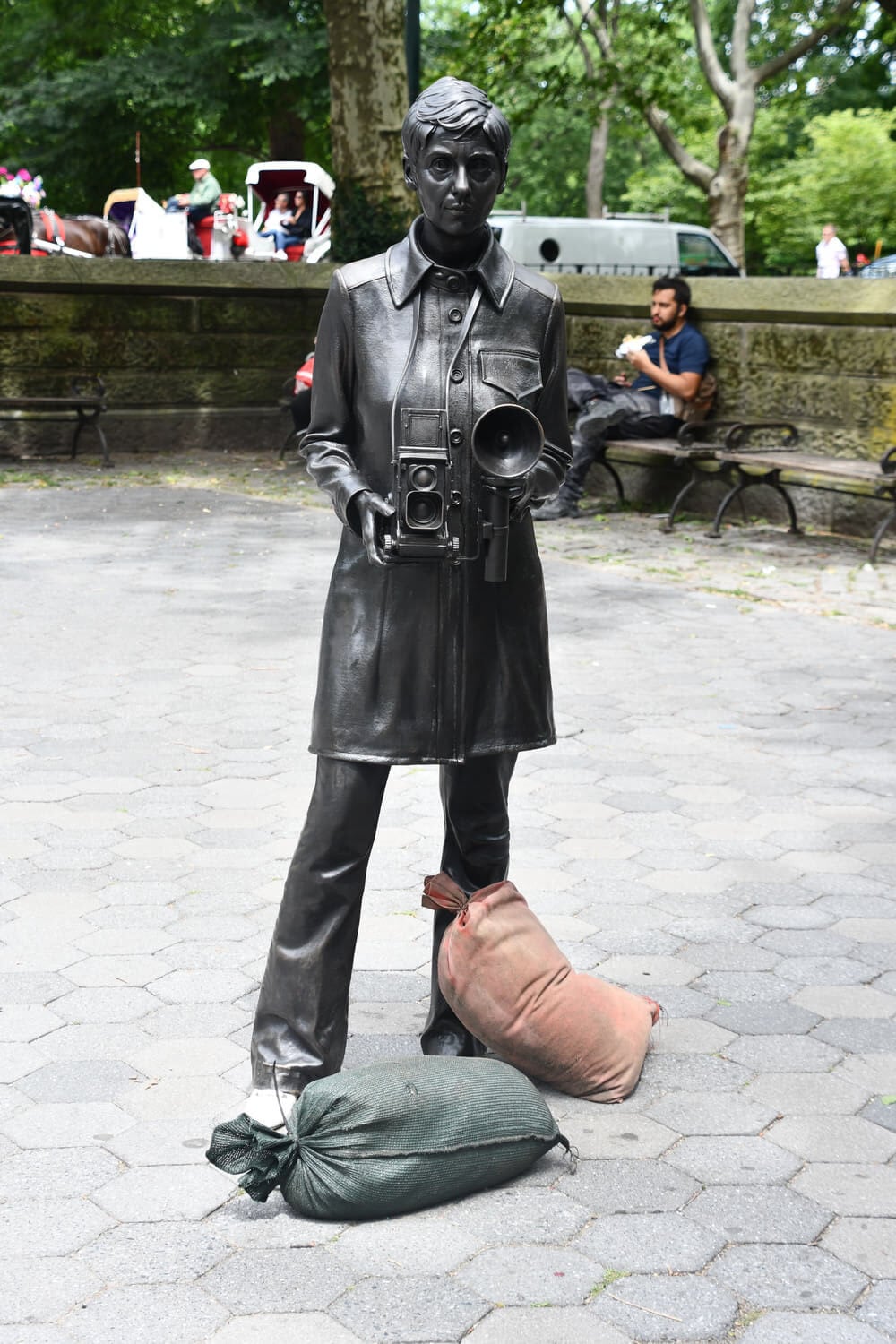
Following her death in 1971, a substantial portion of Arbus’s negatives and contact sheets remained largely unpublished and unexhibited for years as her estate carefully managed access to the work. Major retrospective exhibitions in subsequent decades drew on material the public had never seen, reshaping critical understanding of her full body of work beyond her most famous published images.
The careful pacing of the archive’s release has itself become a subject of scholarly discussion.
Dorothea Lange’s Full Migrant Mother Contact Sheet
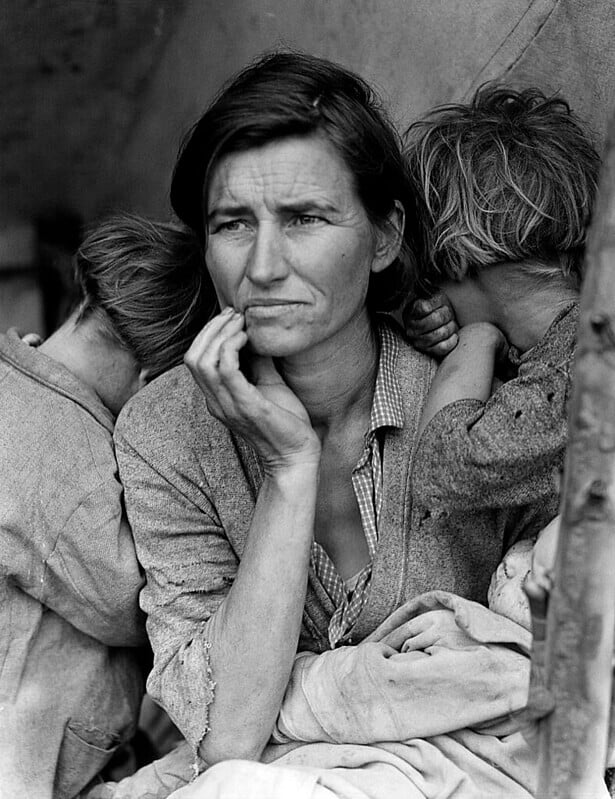
While one image from this 1936 photo session became one of the most reproduced photographs in American history almost immediately, the complete sequence of frames Lange shot that day, showing the same family from different angles and distances, remained comparatively obscure for decades. Researchers and historians later used the fuller sequence to reconstruct more context around the photograph’s circumstances.
The single iconic frame continues to overshadow the rest of the sequence in public memory.
W. Eugene Smith’s Minamata Photographs
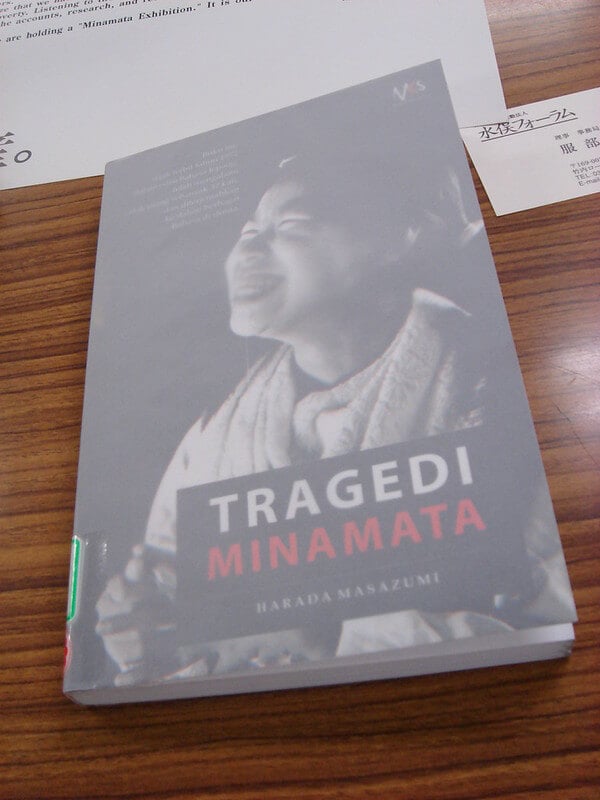
Documenting industrial mercury poisoning in a Japanese fishing community, Smith’s photographs faced legal pressure and distribution obstacles that delayed wider publication for years after they were taken in the early 1970s. One particularly powerful image from the series was later withdrawn from circulation at the family’s request, decades after its initial publication, adding another layer to the work’s complicated public history.
The series remains a landmark of photojournalism precisely because of how hard it was to bring to light.
Lewis Hine’s Child Labor Documentation
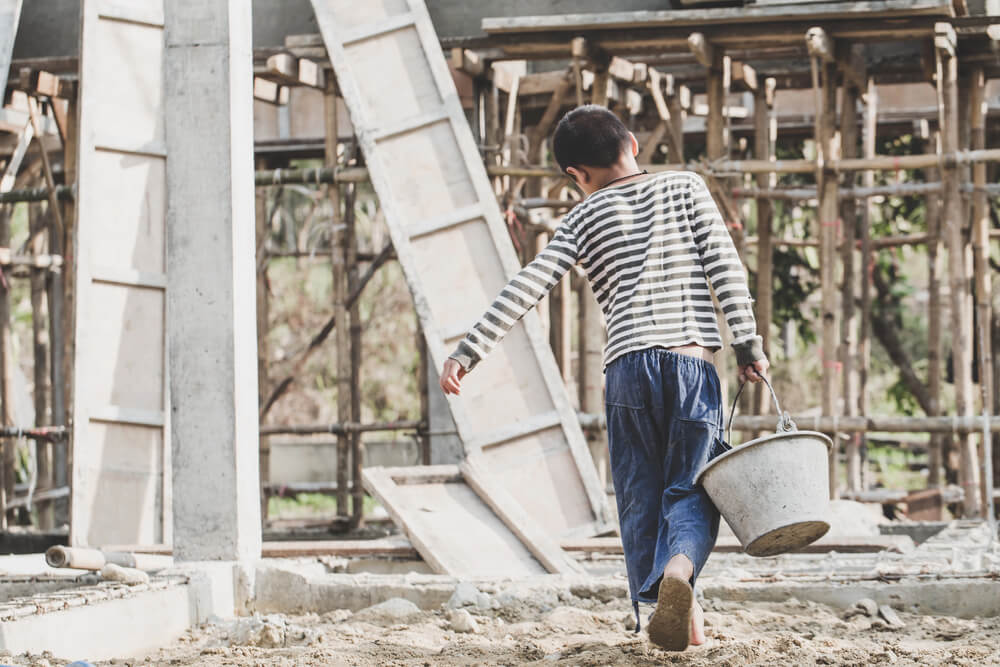
Commissioned by a reform organization to document children working in factories and mines in the early twentieth century, Hine’s photographs were initially seen mainly by policymakers and reform advocates rather than the general public. Decades later, as the photographs entered public archives and museum collections, they became widely recognized as foundational documents of American social reform photography.
Their influence on public understanding of the era grew substantially after their original, narrower circulation.
Margaret Bourke-White’s Buchenwald Photographs
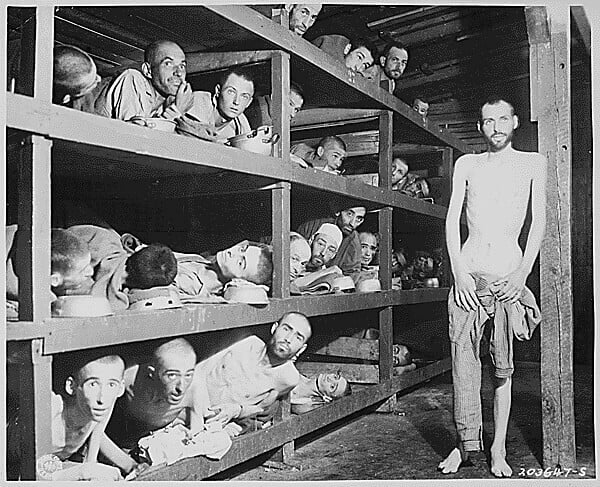
Present at the liberation of the Buchenwald concentration camp in 1945, Bourke-White’s photographs from that day were partially published in the immediate aftermath but the full extent of her documentation was not widely exhibited until later retrospectives of her career. Her personal account of the emotional difficulty of making the images at the time only became widely known through later publication of her own writings.
The gap between the images being taken and being fully understood in context speaks to how slowly Holocaust documentation entered broader public consciousness.
Robert Frank’s The Americans Outtakes
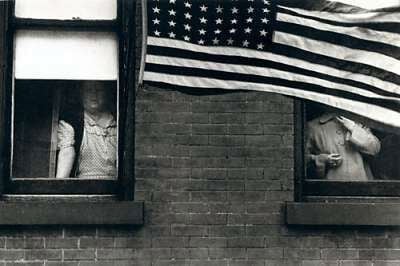
Frank shot roughly 28,000 frames during his cross-country travels in the mid-1950s but selected only 83 for his landmark published collection, leaving the vast majority of the work unseen by the public for decades. Archival research and later exhibitions gradually brought additional frames from the project to light, offering a fuller picture of the working process behind one of the most influential photography books ever published.
The unseen material continues to inform scholarly reassessment of the project.
Weegee’s Unpublished Crime Scene Negatives
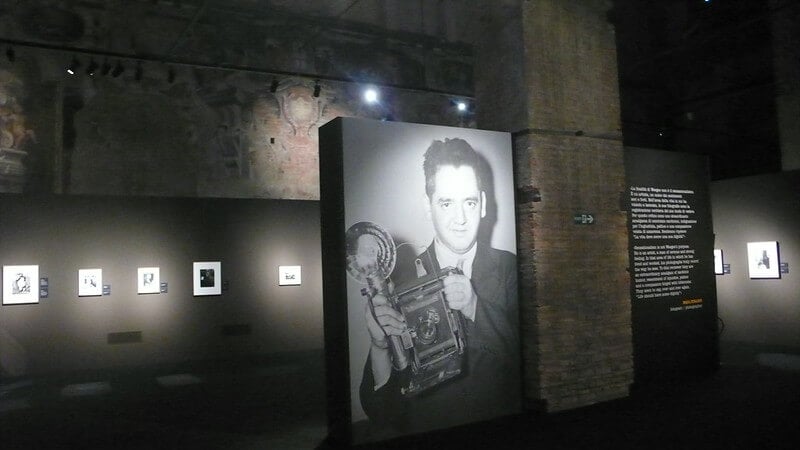
This New York tabloid photographer, known for arriving at crime scenes often before police, produced a far larger volume of work than what appeared in newspapers or his published collections during his career. His full archive, acquired by a museum after his death, revealed thousands of images the public never saw during his lifetime.
The unpublished material has since informed a substantially fuller understanding of his working methods and range.
The First Photograph of Earth from a V-2 Rocket
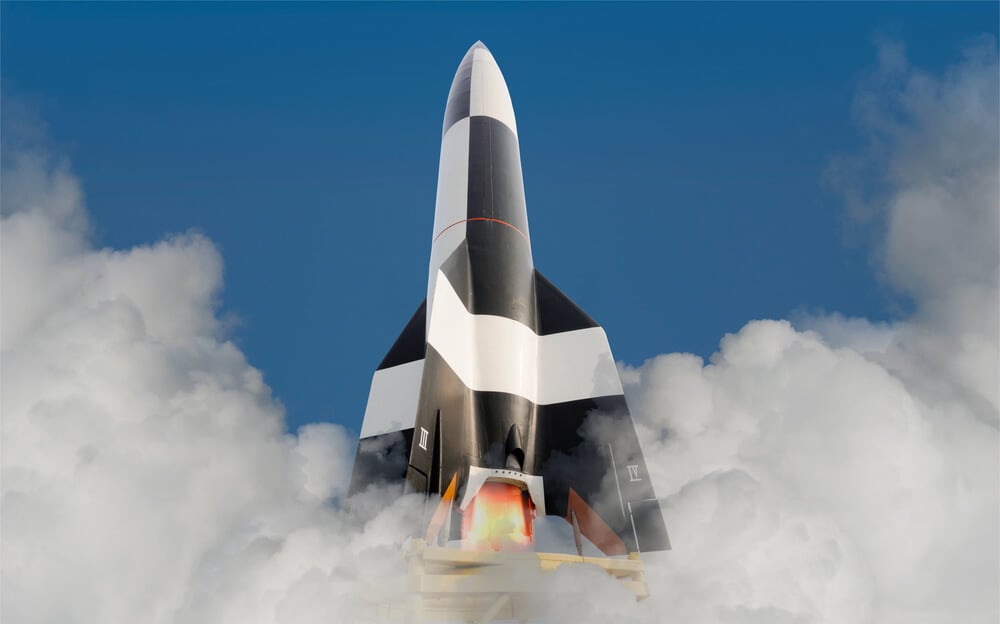
Captured in 1946 using a camera mounted on a captured German rocket launched from a New Mexico test site, this image showing Earth’s curvature from suborbital altitude predated the space age by more than a decade. Though not classified in the way later reconnaissance imagery would be, the photograph received limited public attention at the time compared to the space photography that followed years later.
It is now recognized retrospectively as a genuine milestone that was largely overlooked when it happened.
Berenice Abbott’s Changing New York Negatives
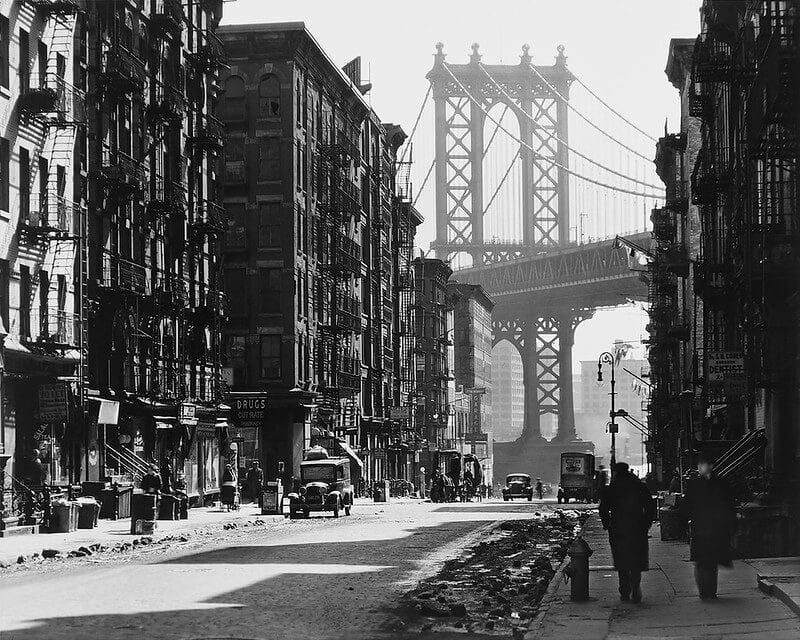
Documenting the rapid transformation of New York City’s architecture and street life during the 1930s, Abbott produced a body of work considerably larger than what appeared in her published collection from the project. Additional negatives from the archive continued to surface in exhibitions and publications for decades afterward.
The full scope of the project only became apparent to the public well after its original completion.
The Tank Man Photograph
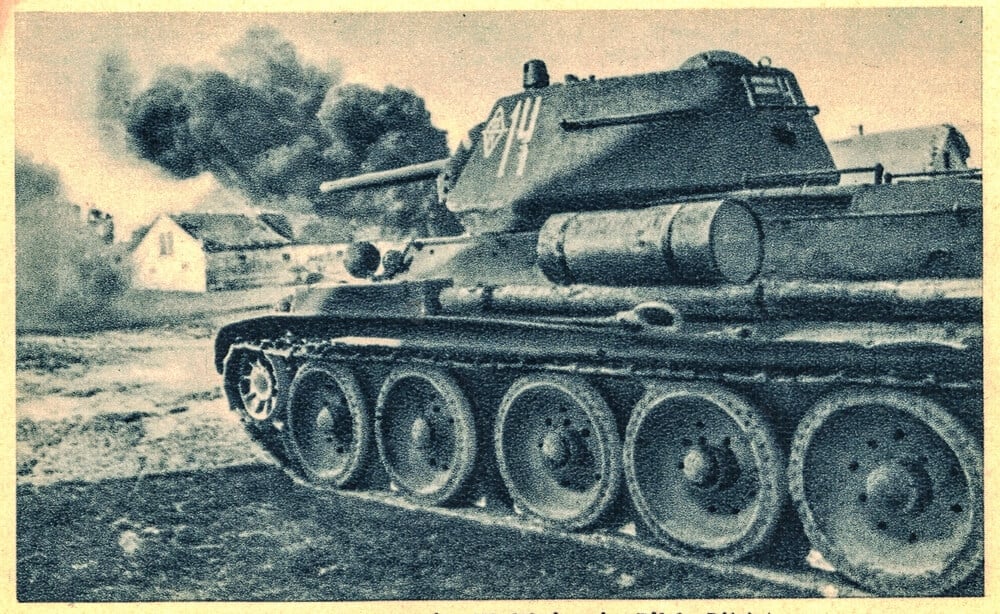
Taken during the 1989 protests at Tiananmen Square, this image of a lone figure standing before a column of tanks was published internationally within days, but the identity of the man photographed and the photographer’s full account of the moment remained obscured for years afterward due to the political sensitivity surrounding the event. Several photographers captured the moment from different vantage points, and the fuller picture of how many versions exist only became widely understood over time.
The man’s ultimate fate remains unknown to this day.
Bert Stern’s The Last Sitting
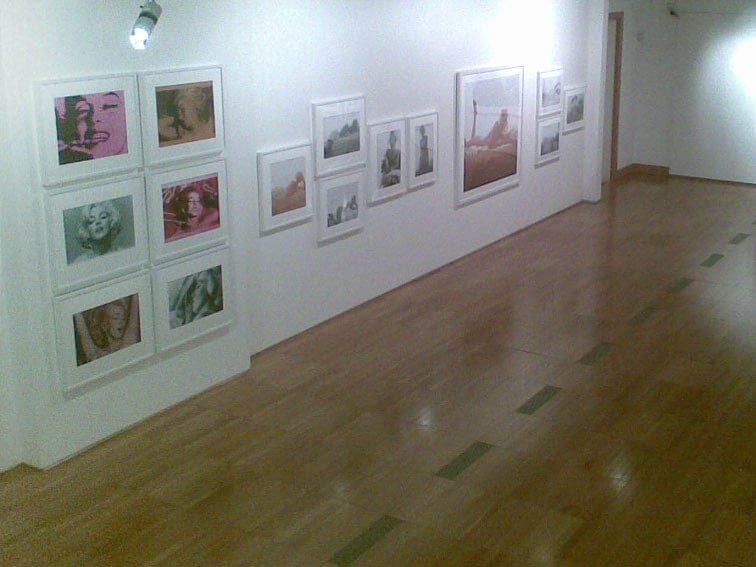
Photographed just weeks before Marilyn Monroe’s death in 1962, this extensive photo session produced thousands of frames, many of which Monroe herself marked for destruction and which Stern held back from publication for years afterward. Portions of the collection were published gradually over subsequent decades, with some images not appearing publicly until long after the session took place.
The gradual release has made the collection a recurring subject of renewed public interest each time additional material surfaces.
The Titanic’s Last Known Photograph
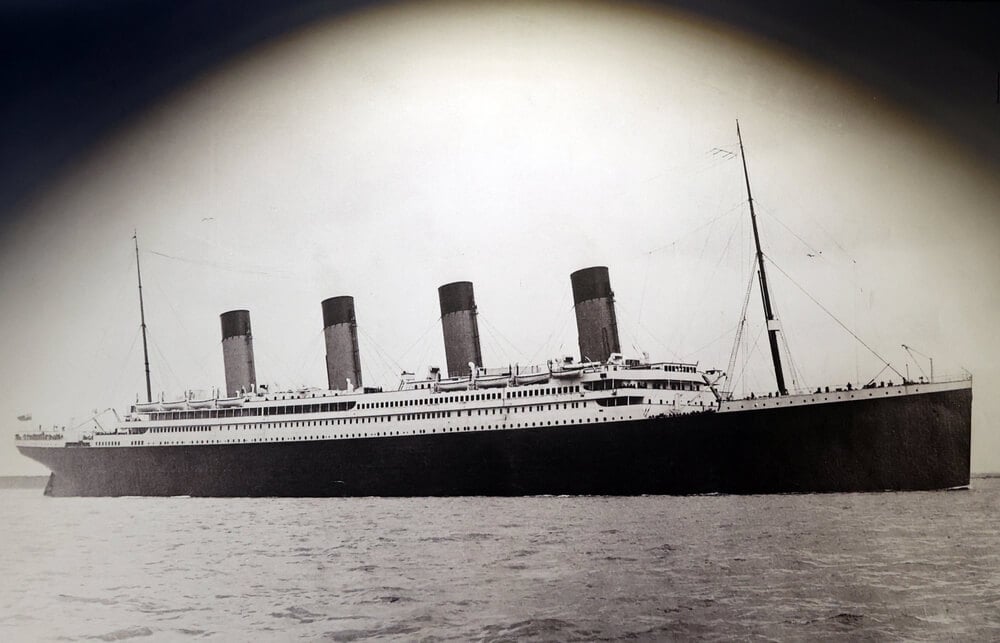
A passenger aboard a ship that briefly crossed paths with the Titanic reportedly captured an image believed to show the vessel shortly before its final voyage’s tragic end, though the photograph’s full context and authentication took considerable time to establish after the sinking. Debate over specific claimed images from the ship’s final hours has continued among maritime historians for decades.
The uncertainty surrounding these images reflects how chaotic documentation was in the era before instant, verified photography.
Gordon Parks’ Farm Security Administration Outtakes
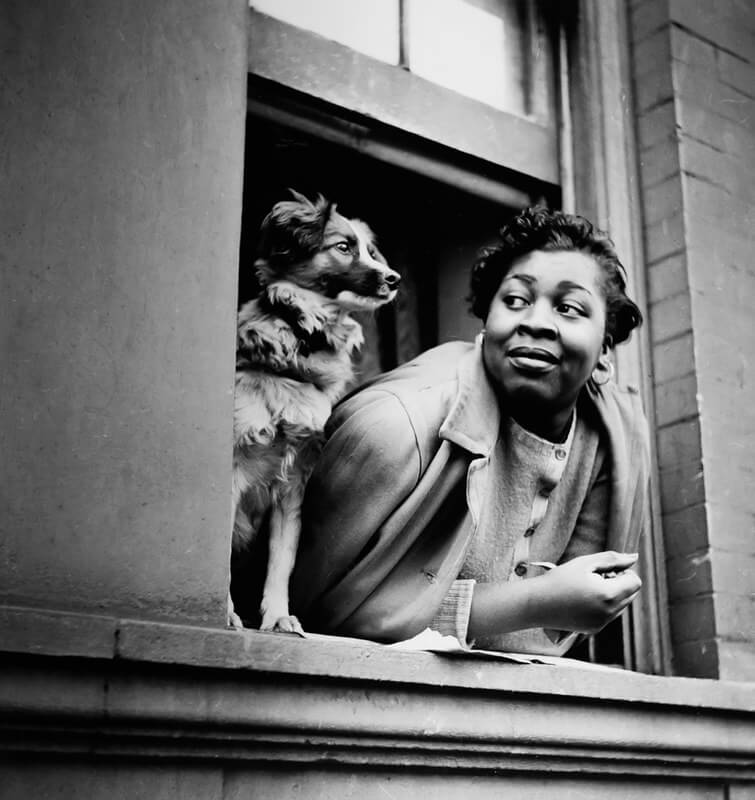
Best known for a single iconic 1942 portrait made during his time documenting government relief programs, Parks produced a far larger body of work during this period than what received wide circulation at the time. Archival research decades later brought additional images from this period to broader public attention, expanding understanding of his early career beyond the single most famous frame.
The fuller archive has reshaped how his development as a photographer is understood.
NASA’s Apollo Program Archive Photographs
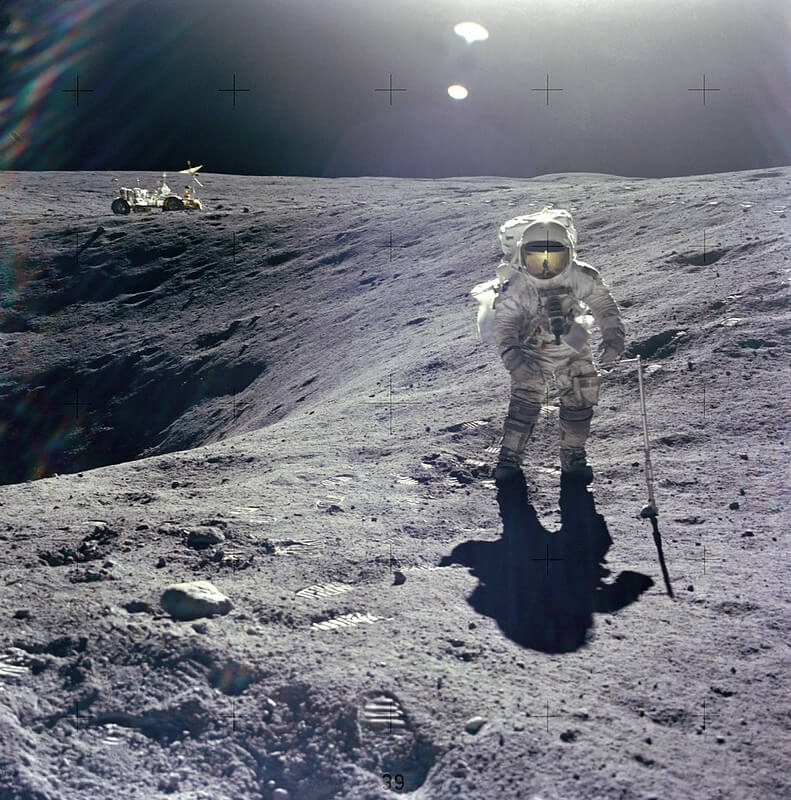
Beyond the small number of iconic images from the Apollo lunar missions that became instantly famous, NASA’s full photographic archive from the program contains thousands of frames that received minimal public attention for decades after the missions concluded. Digitization efforts in more recent years have brought significant additional material to public view for the first time.
The gap between what was captured and what the public actually saw remained substantial for a remarkably long time.
Helen Levitt’s Unpublished Street Photography
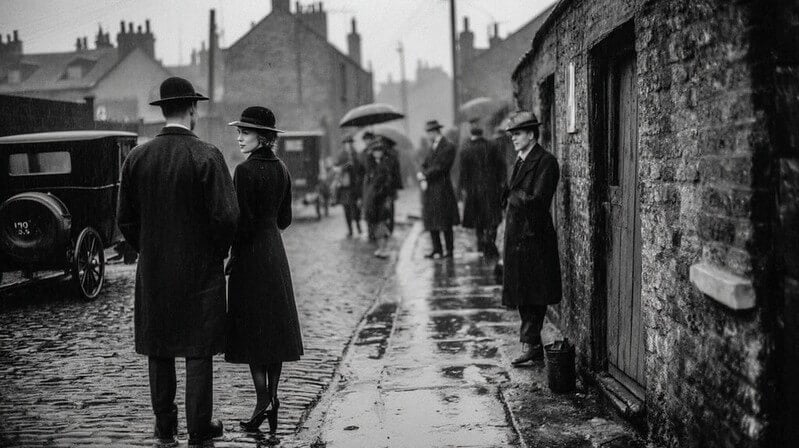
This New York photographer’s extensive archive of street photography, much of it shot over decades beginning in the late 1930s, included significant unpublished material that only entered wider circulation through later retrospective exhibitions and posthumous archival work. Color work she produced later in her career was particularly underrecognized during her lifetime compared to her earlier black-and-white photography.
Later exhibitions worked specifically to bring this overlooked portion of her career to public attention.
Francesca Woodman’s Photographic Archive
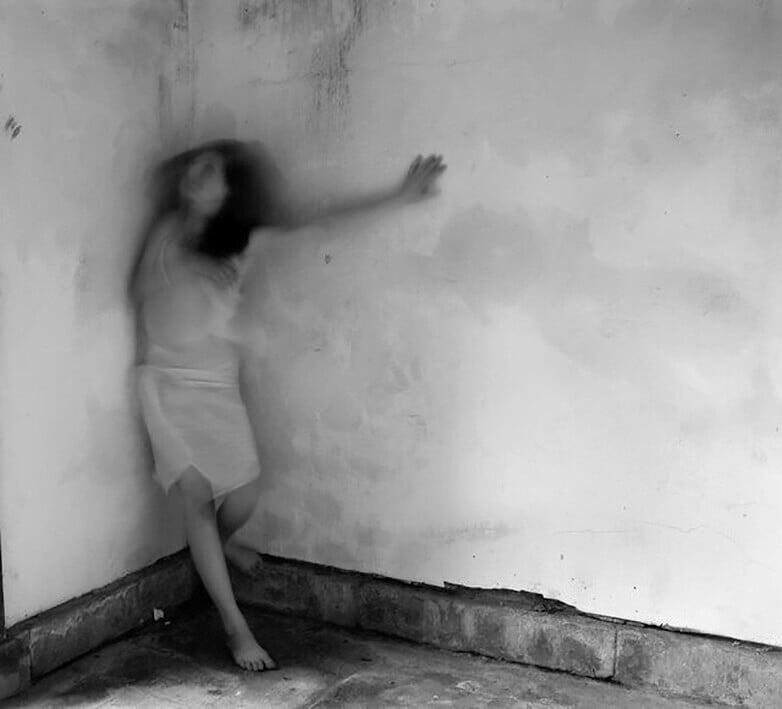
Woodman died in 1981 at just twenty-two years old, leaving behind an extensive body of photographic work that her family carefully managed and gradually released over subsequent decades rather than publishing immediately. Major retrospective exhibitions years later introduced much of this archive to a public audience for the first time.
The gradual, careful release has significantly shaped how her short but influential career is now understood.
The Hindenburg Disaster’s Full Negative Sequence
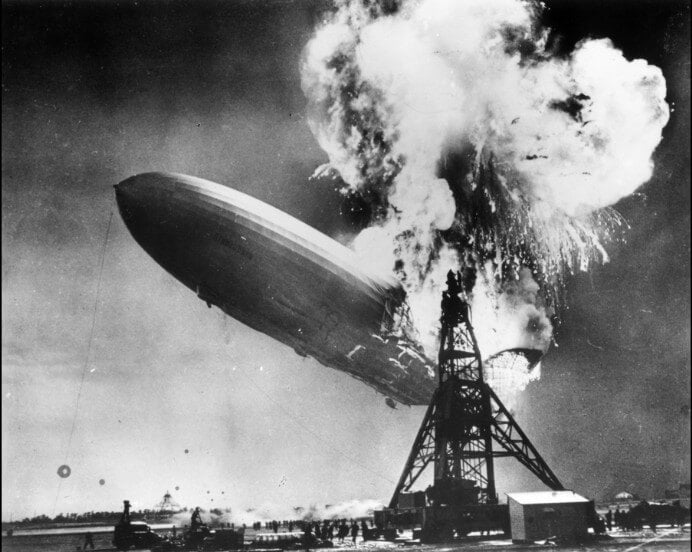
While a small number of dramatic images from the 1937 airship disaster became instantly famous, the full sequence of frames captured by photographers present that day was considerably more extensive than what circulated in the immediate aftermath. Additional frames from various photographers present continued to surface in archives and retrospectives for decades.
The event’s visual record remained incompletely understood by the public for a surprisingly long stretch of time.
Saul Leiter’s Color Street Photography
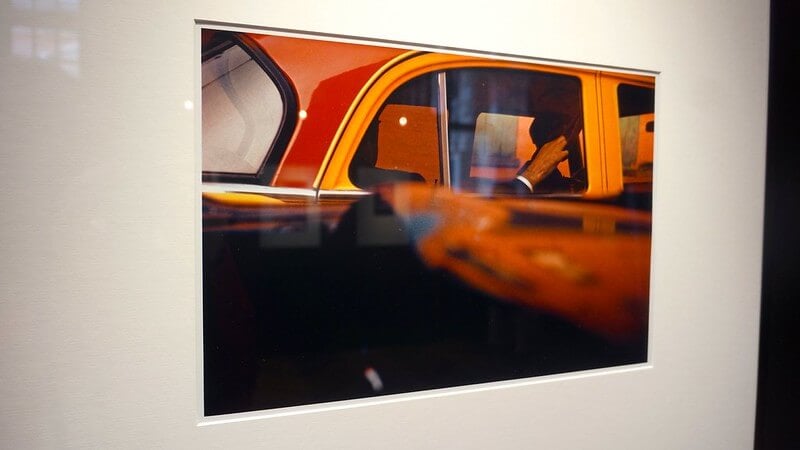
Leiter shot extensive color street photography beginning in the late 1940s, decades before color photography was widely accepted as a serious artistic medium, and much of this work remained essentially unseen by the public until galleries began exhibiting it in the early 2000s. He continued working in relative obscurity for most of his career despite the eventual significance attributed to this early color work.
The decades-long gap between creation and recognition is now considered central to understanding his place in photography history.
Charles Cushman’s Kodachrome Slide Collection
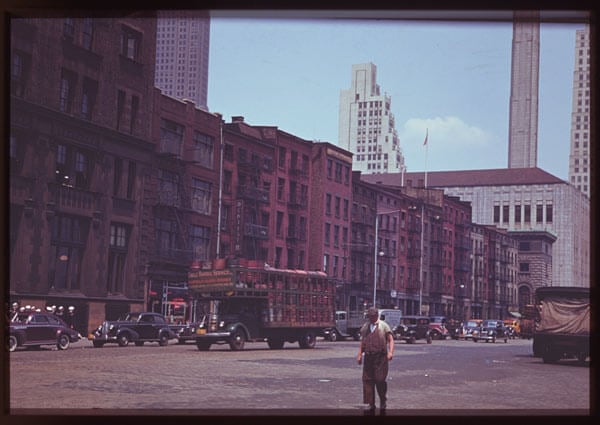
An amateur photographer with access to early color Kodachrome film, Cushman shot roughly 14,000 color slides documenting American cities and daily life across several decades beginning in the 1930s. His collection remained a private hobby largely unknown outside his immediate circle until it was donated to a university archive after his death in 1972.
Digitization efforts decades later finally brought his uniquely early color documentation of the era to wide public attention.
The Photographs That Waited Anyway
None of these images became more true with time. What changed was not the photograph but the world’s willingness, or ability, to actually look at it: a censorship order lifted, a storage locker opened at auction, an archive finally cataloged, a family finally ready to let the work be seen.
The photograph did its job the moment the shutter closed. Everything after that was just waiting.
That gap between capture and recognition says something uncomfortable about how the public actually decides what matters. It is rarely the moment itself that determines significance, but the timing, luck and persistence involved in someone eventually bringing that moment back into the light.
The best photographs, it turns out, can wait as long as they need to.
More from Go2Tutors!

- The Romanov Crown Jewels and Their Tragic Fate
- 13 Historical Mysteries That Science Still Can’t Solve
- Famous Hoaxes That Fooled the World for Years
- 15 Child Stars with Tragic Adult Lives
- 16 Famous Jewelry Pieces in History
Like Go2Tutors’s content? Follow us on MSN.