Stories behind the World’s Most Famous Photos
Some images stick with us long after we’ve seen them.
They freeze moments that define entire eras.
They capture human emotion at its rawest.
They document events that changed the course of history.
Behind every iconic photograph lies a story that’s often more compelling than the image itself.
The circumstances that led to the shutter clicking reveal layers of meaning that a single glance can’t convey.
The people captured in the frame reveal layers of meaning that a single glance can’t convey.
What happened after the photo was taken reveal layers of meaning that a single glance can’t convey.
Here’s a closer look at the real stories behind some of the most recognized photographs ever taken.
Lunch atop a skyscraper

Eleven men sit casually on a steel beam suspended 850 feet above New York City, eating lunch and chatting as if they’re on solid ground.
This 1932 photograph became an enduring symbol of American grit during the Great Depression.
The identities of most workers remained unknown for decades.
Researchers eventually tracked down two of the men.
Both were Irish immigrants who had traveled to America seeking work during tough economic times.
The photo was actually a publicity stunt orchestrated by Rockefeller Center to promote the new building.
The danger was absolutely real.
Those workers genuinely spent their days building skyscrapers without safety harnesses.
Many didn’t make it home.
The burning monk

Thích Quảng Đức sat down in the middle of a busy Saigon intersection in June 1963.
He doused himself in gasoline.
He set himself on fire while remaining perfectly still in meditation.
Malcolm Browne captured the horrifying moment.
The image shocked the world.
It turned international opinion against the South Vietnamese government.
The Buddhist monk was protesting the persecution of Buddhists by the Catholic regime of President Ngô Đình Diệm.
Browne almost missed the shot because he thought the tip about a protest was exaggerated.
The photograph won a Pulitzer Prize.
It helped accelerate American involvement in Vietnam.
Tank man

A single person standing in front of a column of tanks became the defining image of the 1989 Tiananmen Square protests.
The young man carried nothing but shopping bags.
He repeatedly blocked the lead tank as it tried to maneuver around him.
This created a standoff that lasted several minutes.
Multiple photographers captured the scene from different hotel balconies.
Jeff Widener’s version became the most famous.
Nobody knows for certain who the man was or what happened to him afterward.
Witnesses say bystanders pulled him away into the crowd.
The Chinese government has worked hard to erase this image from its internet.
It is one of the most censored photographs in that country.
Afghan girl

Steve McCurry photographed a 12-year-old refugee in a Pakistani camp in 1984.
Her piercing green eyes staring directly into the camera became the most recognized cover in National Geographic history.
Sharbat Gula had fled Afghanistan after Soviet aircraft killed her parents.
She spent years living in refugee camps with little hope of returning home.
McCurry searched for her for 17 years.
He finally located her in 2002.
She was still living in difficult circumstances.
Her face had aged and hardened.
Those distinctive eyes confirmed her identity through biometric analysis.
The photo brought attention to the refugee crisis.
Gula herself received little benefit from her fame until much later.
Migrant mother

Dorothea Lange spent only ten minutes photographing Florence Owens Thompson and her children at a pea picker’s camp in California during 1936.
Thompson was 32 years old but looked much older.
She was worn down by poverty and the struggle to feed seven children after her husband died.
Lange took six shots.
She got closer with each frame.
The final image became the face of Depression-era suffering.
Thompson later said she regretted allowing the photo.
It brought her family no help.
It brought unwanted attention.
The picture helped convince the government to send aid to migrant camps.
By the time assistance arrived Thompson and her family had already moved on to find work elsewhere.
V-J Day in Times Square
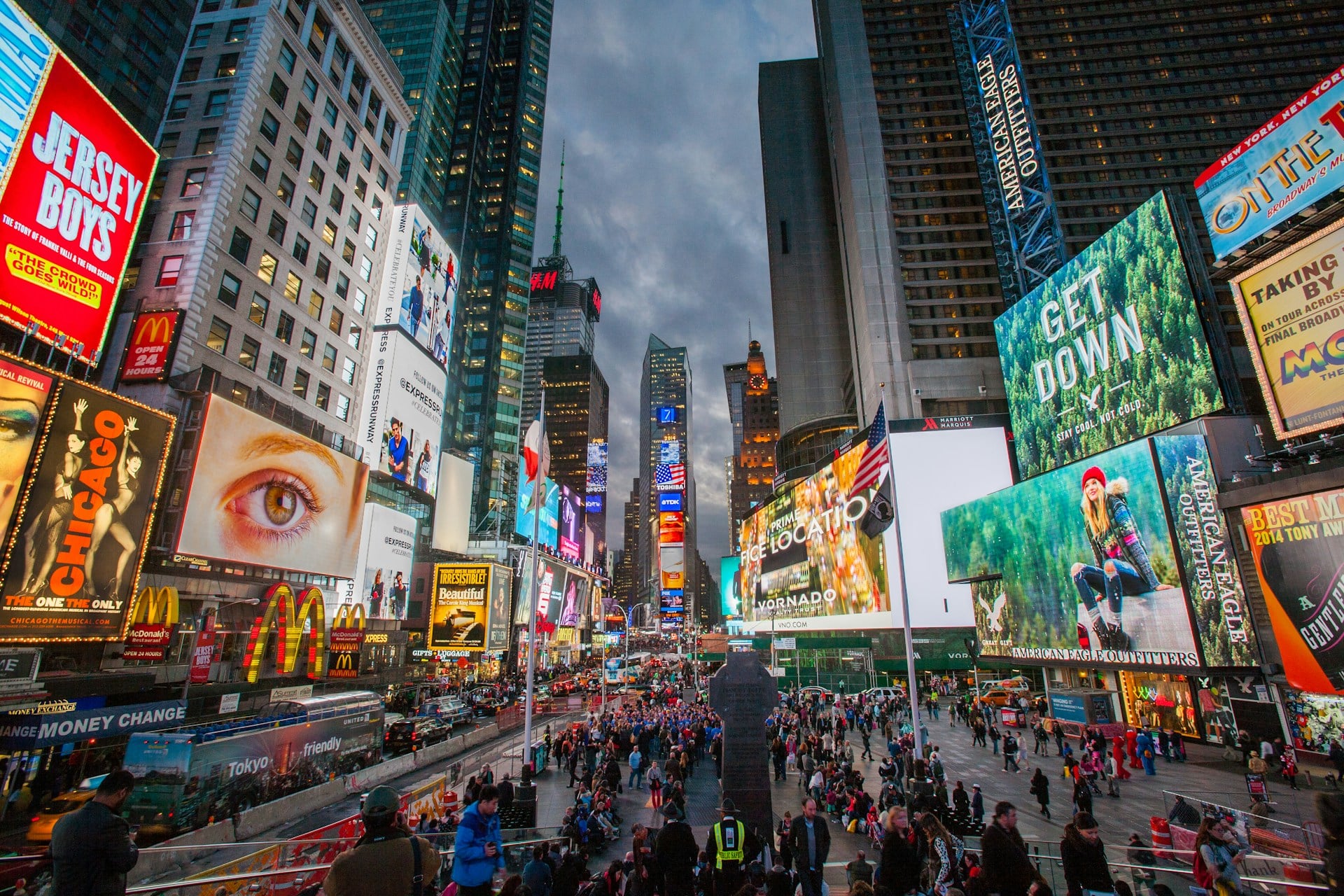
Alfred Eisenstaedt captured a sailor kissing a nurse in Times Square on August 14, 1945.
Crowds celebrated Japan’s surrender and the end of World War II.
The image looks romantic and spontaneous.
The truth is more complicated.
The sailor George Mendonsa grabbed dental assistant Greta Zimmer Friedman without warning.
She tried to pull away.
She didn’t know the man.
Multiple people claimed to be the couple over the years.
This led to lawsuits and arguments.
Dental records and forensic analysis eventually confirmed the identities decades later.
Earthrise
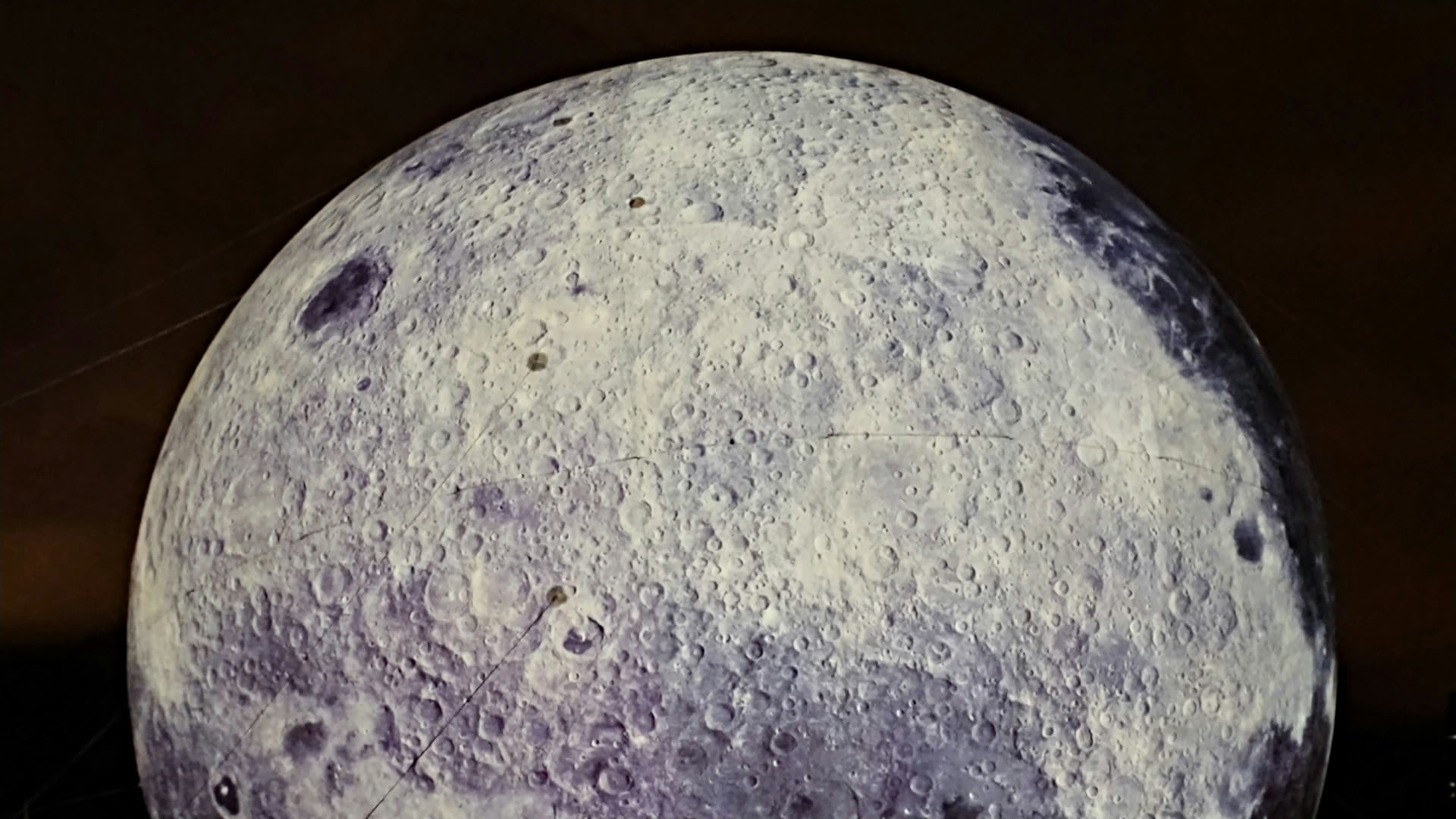
William Anders looked out the window of Apollo 8 on Christmas Eve 1968 and saw Earth rising above the moon’s gray horizon.
He grabbed a camera loaded with color film and took the shot that would fundamentally change how humans viewed their home planet.
The astronauts weren’t supposed to be taking artistic photos during this critical mission.
Anders recognized something profound in that moment.
Environmental movements later adopted the image to show Earth’s fragility and isolation in space.
They went to explore the moon.
They instead discovered Earth.
Napalm girl
Nick Ut photographed nine-year-old Kim Phuc running unclothed down a road.
She was screaming in pain after a South Vietnamese napalm attack hit her village in 1972.
The Associated Press initially refused to distribute the photo because of the child’s lack of clothing.
Editors recognized its importance.
They sent it worldwide.
Ut drove Kim to a hospital after taking the picture.
He likely saved her life.
The two remained close friends for decades.
The photograph turned American public opinion further against the Vietnam War.
It won a Pulitzer Prize.
Kim survived with severe burns.
She eventually moved to Canada.
She became a peace activist.
She forgave the people who dropped the bombs.
The falling man

Richard Drew photographed a man falling from the North Tower of the World Trade Center on September 11, 2001.
His body was perfectly vertical against the building’s lines.
The image appeared in newspapers the next day.
It was quickly pulled after readers complained it was too disturbing.
Families of victims denied their loved ones could be the person in the photo.
They were unable to accept that someone they knew chose to jump rather than burn.
Investigators believe the man was Jonathan Briley.
He was a sound engineer who worked at Windows on the World restaurant.
His family has never confirmed this.
The photo remains controversial.
It forces viewers to confront the impossible choices people faced that day.
Raising the flag on Iwo Jima

Joe Rosenthal’s photograph of six Marines raising the American flag on Mount Suribachi in February 1945 became the most reproduced image in history.
This was actually the second flag raising that day.
Marines had put up a smaller flag hours earlier.
A commanding officer wanted a larger one for better visibility.
Three of the six men in Rosenthal’s photo died in combat before the battle for Iwo Jima ended.
The photographer faced accusations that the image was staged.
This plagued him for the rest of his life.
The raising was real.
He simply captured it at the perfect moment.
The Vulture and the little girl

Kevin Carter photographed a starving Sudanese child collapsed on the ground while a vulture waited nearby in 1993.
The image won a Pulitzer Prize.
It sparked outrage over why Carter didn’t help the child before taking the picture.
Carter claimed the bird was actually several feet away.
He chased it off after getting the shot.
Aid workers were nearby.
The criticism destroyed him emotionally.
Post-traumatic stress from covering violence across Africa worsened it.
He died by his own hand three months after receiving the Pulitzer.
He left a note that mentioned being haunted by memories of killings.
It mentioned starvation.
It mentioned pain.
Behind the Gare Saint-Lazare
Henri Cartier-Bresson captured a man leaping over a puddle in Paris in 1932.
His reflection was perfectly mirrored in the water at the exact moment before his foot touched down.
This single image came to define Cartier-Bresson’s concept of the decisive moment.
The split second when composition and meaning align perfectly.
The photographer waited patiently behind the train station for something interesting to happen.
He saw movement through a gap in a fence.
He clicked without looking through the viewfinder.
The photo demonstrated that street photography could be art.
It was not just documentation.
Cartier-Bresson never revealed who the jumping man was.
The person likely never knew they’d become part of photography history.
The Babe bows out
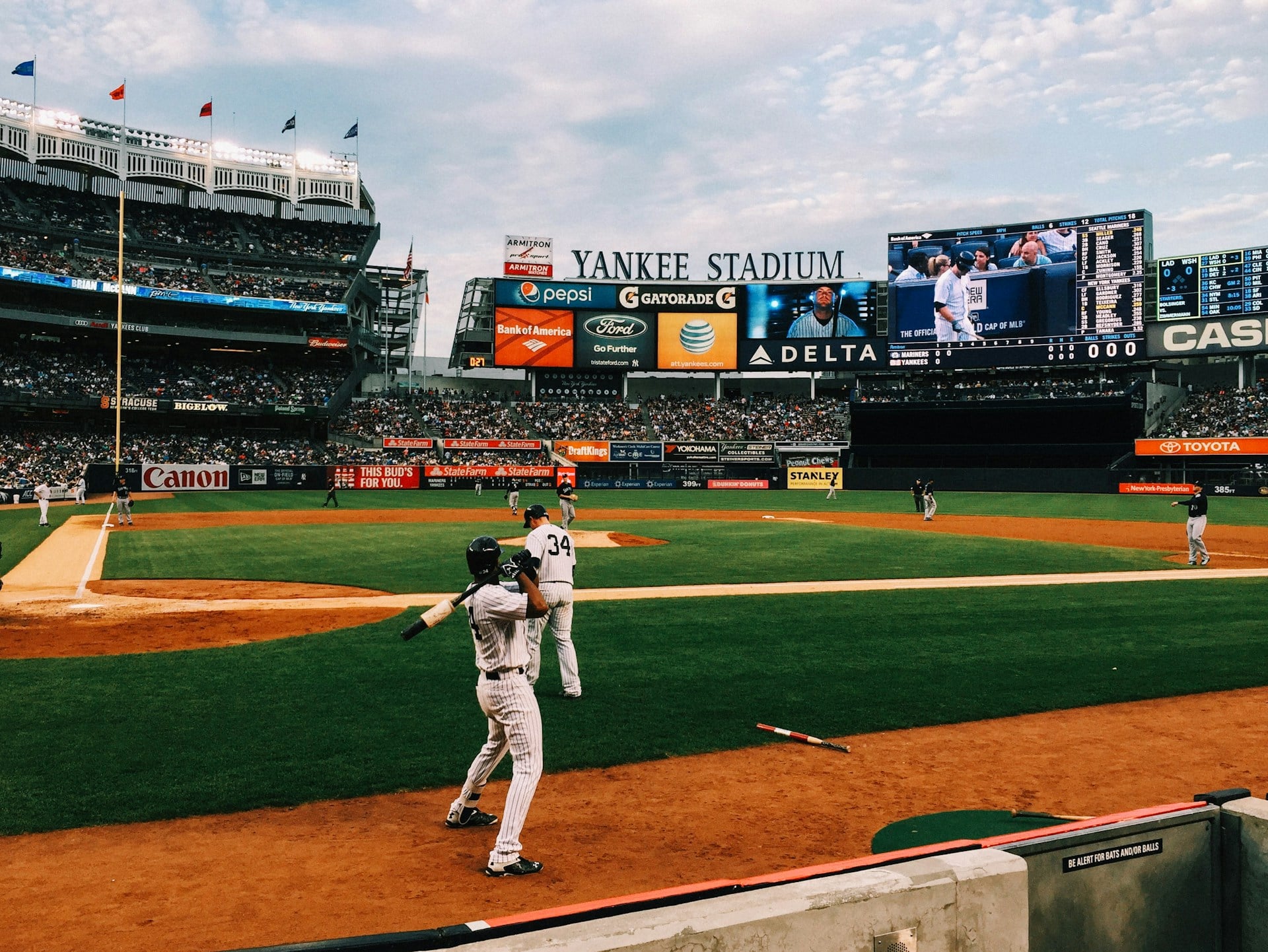
Nat Fein captured Babe Ruth from behind as he stood at home plate in Yankee Stadium one last time in 1948.
His body was bent and weakened by cancer.
He used a bat as a cane.
Ruth died two months later.
This was one of the last photos of America’s greatest baseball hero.
Fein positioned himself in the stands behind home plate because all the other photographers crowded around the front.
His unique angle created a more powerful image.
The photograph won the Pulitzer Prize.
It was the first sports photo ever to receive that honor.
Viewers feel sadness when looking at it.
It shows a champion reduced to leaning on the symbol of his past glory.
Pillars of creation
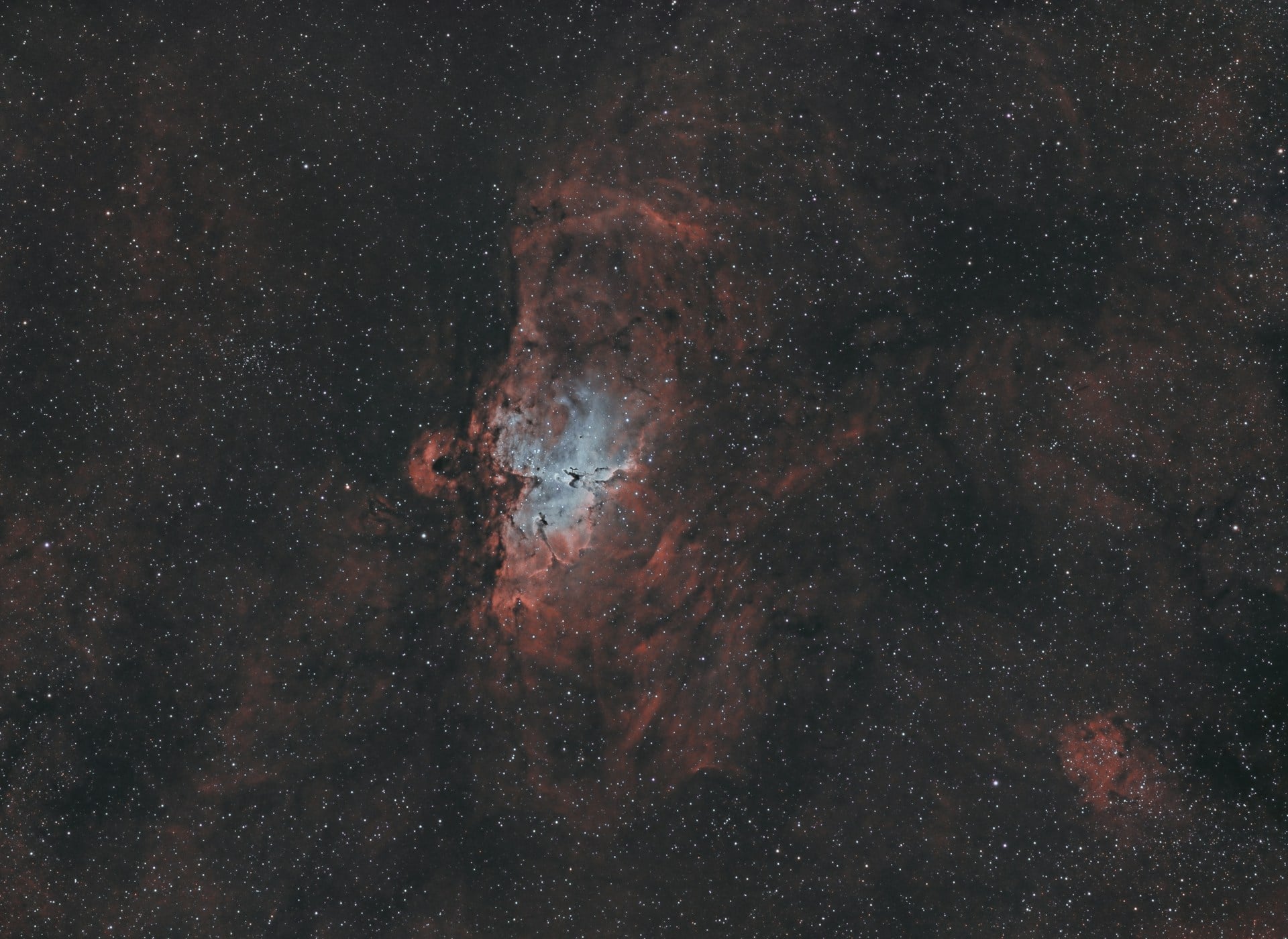
The Hubble Space Telescope captured towering columns of gas and dust in the Eagle Nebula in 1995.
The image brought deep space into public consciousness.
These pillars are actually star nurseries where new solar systems form.
They are located 6,500 light years from Earth.
The photo’s popularity stems from how it makes the incomprehensibly vast universe feel almost touchable.
It turns astronomy from abstract numbers into visual wonder.
Scientists later determined that these specific pillars probably don’t exist anymore.
A supernova likely destroyed them 6,000 years ago.
Since they’re so far away we’ll keep seeing them for another thousand years.
The image reminds us that when we look at stars we’re always seeing the past.
The situation room

Pete Souza photographed President Obama and his national security team watching the raid on Osama bin Laden’s compound in real-time on May 1, 2011.
The cramped room was full of tense faces.
Secretary of State Hillary Clinton had her hand over her mouth.
It captured the anxiety of watching a military operation unfold with no ability to control it.
Souza was the only photographer allowed in the room.
He had to stay silent and unobtrusive.
The image sparked debates about whether it was staged.
Everyone in the room confirmed they were watching live video feeds.
They were receiving updates.
Powerful people looked powerless.
They waited to learn if the mission would succeed or end in disaster.
When images outlive the moment

These photographs transcended their original purpose.
They became something larger than the events they documented.
Some brought attention to injustice.
Others captured collective joy or grief.
A few changed how humans see themselves in the universe.
The stories behind them reveal that iconic images rarely happen by pure luck.
They result from photographers being in the right place.
They result from recognizing significance in real time.
They sometimes risk everything to capture truth.
What we remember about these photos often differs from what actually happened.
That gap between perception and reality is part of what makes them worth examining.
They’re not just pictures.
They are time capsules that preserve moments when history turned.
They preserve moments when history suffered.
They preserve moments when history celebrated.
They preserve moments when history simply paused long enough to be seen.
More from Go2Tutors!

- The Romanov Crown Jewels and Their Tragic Fate
- 17 Halloween Costumes Once Considered Taboo
- Famous Hoaxes That Fooled the World for Years
- 15 Child Stars with Tragic Adult Lives
- 16 Famous Jewelry Pieces in History
Like Go2Tutors’s content? Follow us on MSN.