26 Records Pickers Check For Every Time
Most vinyl sitting in a thrift store crate is worth exactly what it looks like: a worn, common pressing that will sell for a dollar or two if it sells at all. Experienced pickers move through those same crates fast, skipping the obvious filler and pausing only on the handful of signals that actually separate a valuable find from a common one.
None of these checks require rare expertise, just the habit of looking past an album cover to the details that determine what a record actually is.
The Matrix Number in the Runout Groove
The runout groove, the smooth ring between the last track and the label, carries etched or stamped codes that identify the specific pressing plant and press run behind a given copy. Pickers check this detail first because two copies of the same album with identical covers can have dramatically different values depending on which pressing produced them.
Original Country of Release

A record pressed in its original country of release is typically worth more than an import or a later foreign pressing of the same album, particularly for major American and British artists. Checking the label and catalog number against known original releases is often the fastest way to confirm whether a copy is a true first pressing.
Catalog Number Consistency

Matching the catalog number printed on the label against known reference numbers for a true first pressing helps confirm authenticity faster than most other checks, since reissues and later pressings frequently carry different catalog numbers even when the cover art looks identical. Pickers who specialize in a particular genre often memorize the correct numbers for the titles they search for most.
Deadwax Etchings From Mastering Engineers

Certain mastering engineers left personal initials or symbols etched into the deadwax of records they worked on, and specific engineers have become associated with especially prized sound quality among collectors. Recognizing a known engineer’s mark can turn an otherwise ordinary-looking pressing into a genuinely sought find.
Original Blue Note Jazz Pressings
Original pressings of Blue Note jazz recordings from the mid-1950s through the mid-1960s, featuring major artists on the label’s roster, consistently rank among the most valuable finds in the vinyl collecting world. Reissues share the same cover art and track listing, making the runout etchings the most reliable way to confirm an original pressing.
Early Beatles UK Parlophone Pressings
Original United Kingdom pressings of early Beatles albums on the Parlophone label command significantly more than later reissues or American pressings of the same records. Specific label variations within the Parlophone pressings themselves can further affect value, which is why serious collectors study label design details as closely as the music itself.
Rare Blues Recordings on Sun or Chess

Original pressings from labels like Sun and Chess, which documented foundational blues and early rock and roll recordings, carry substantial value due to both their historical importance and their genuinely limited surviving numbers. Many of these original pressings were produced in small runs that never anticipated the later collector demand.
Withdrawn or Recalled Cover Art
Occasionally a record’s original cover art was withdrawn shortly after release due to a legal dispute, controversy, or licensing issue, making surviving copies with the withdrawn artwork significantly scarcer than the standard replacement cover that followed. Pickers specifically look for cover variations that do not match the version most commonly found.
Colored and Picture Disc Vinyl

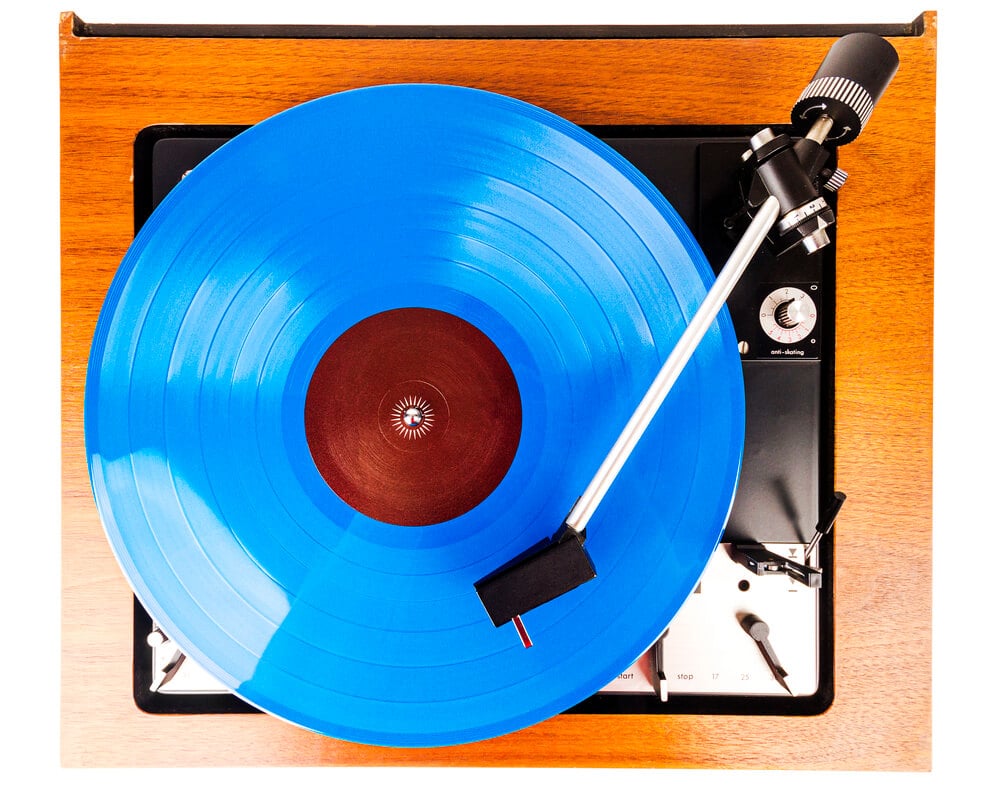
Records pressed on colored vinyl or as picture discs, rather than standard black vinyl, were often produced in limited promotional runs that make them scarcer than the standard commercial pressing of the same album. Condition matters even more with colored vinyl, since certain dye formulations are more prone to visible wear over time.
Promotional White Label Copies
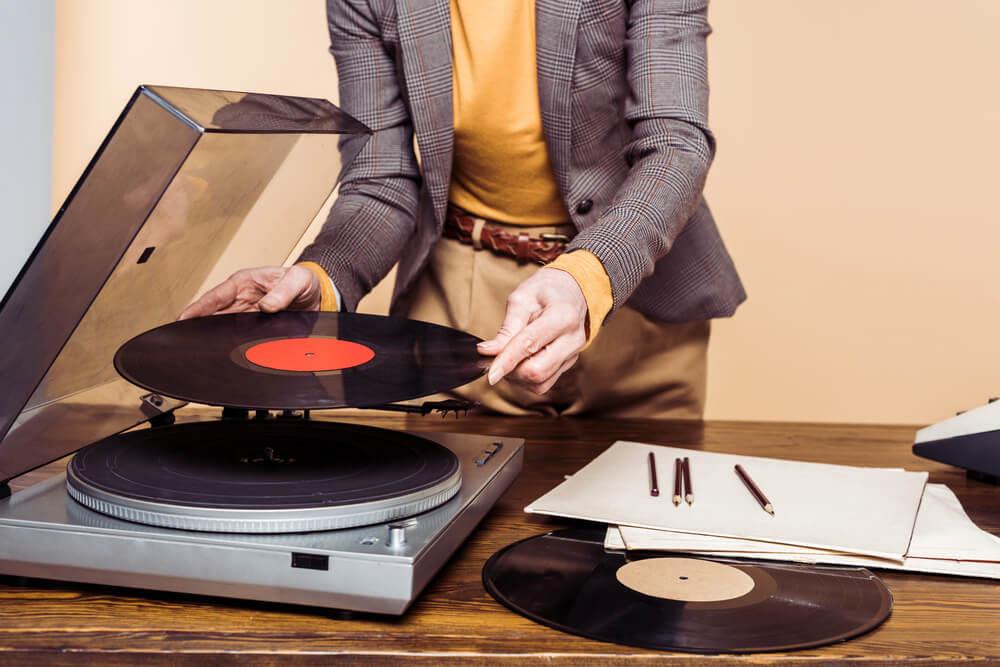
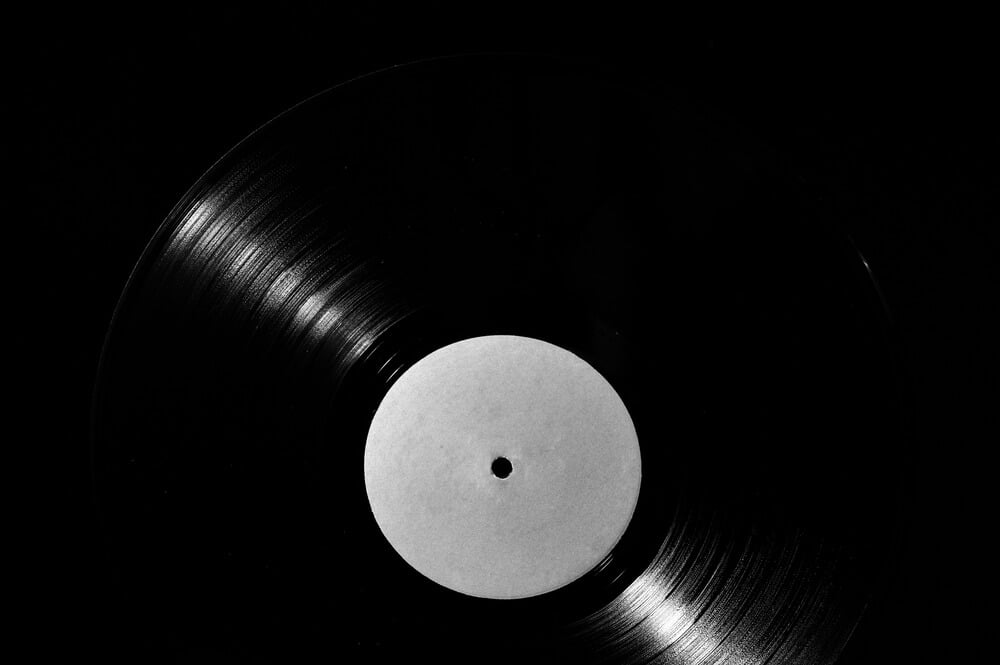
White label promotional copies, distributed to radio stations and reviewers ahead of a record’s commercial release, were typically produced in far smaller numbers than the retail pressing and sometimes include mixes or edits that never appeared on the final commercial release. A white label alone is enough to make an experienced picker stop and check further.
Sealed, Unopened Copies

A factory-sealed copy of a desirable album, particularly one old enough that survival in unopened condition is genuinely uncommon, carries a substantial premium over even a mint-condition opened copy. Pickers treat an intact factory seal as a strong signal worth verifying before assuming a record has simply never been played.
Limited Regional Pressings

Records pressed in small numbers for a specific regional market, often by independent labels that lacked national distribution, can develop outsized collector value decades later precisely because so few copies were ever produced. These titles are frequently unfamiliar even to experienced pickers, which is part of why they get overlooked at low prices.
Independent Label Radio Promos
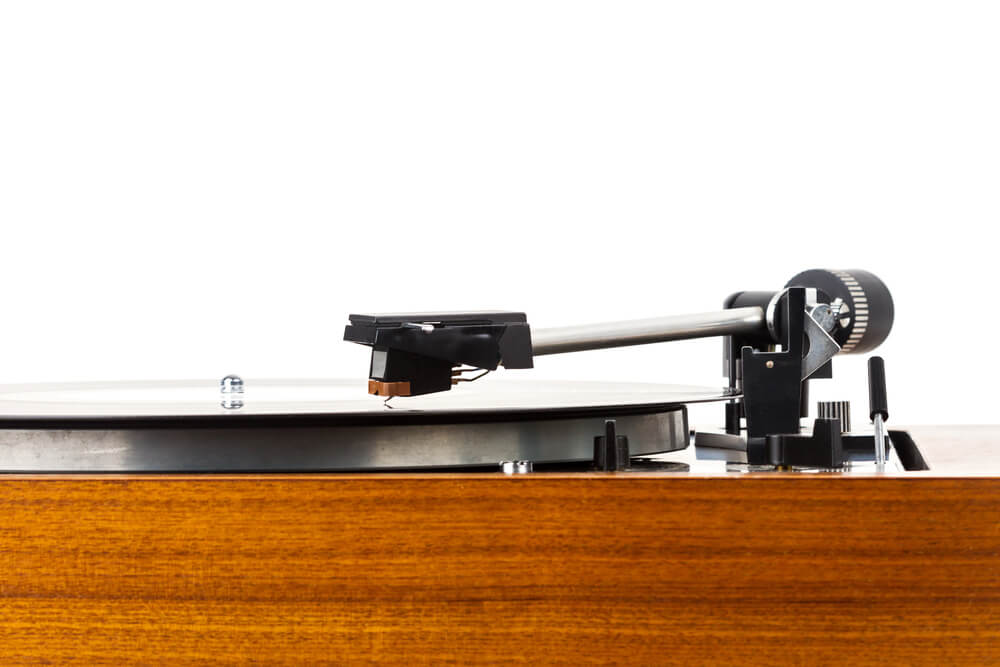
Small independent labels sometimes pressed radio promotional copies in numbers as small as a few hundred, intended purely for airplay rather than retail sale. Surviving copies of these small print runs can command real value specifically because so few were produced in the first place, regardless of how well known the artist later became.
Grading the Record Separately From the Sleeve

Experienced pickers grade the vinyl itself and its accompanying sleeve as two separate factors rather than a single combined condition, since a record can be in excellent playing condition while its original sleeve shows heavy wear, or vice versa. Treating these as separate values prevents both overpaying and underselling a mixed-condition find.
Warp and Surface Damage
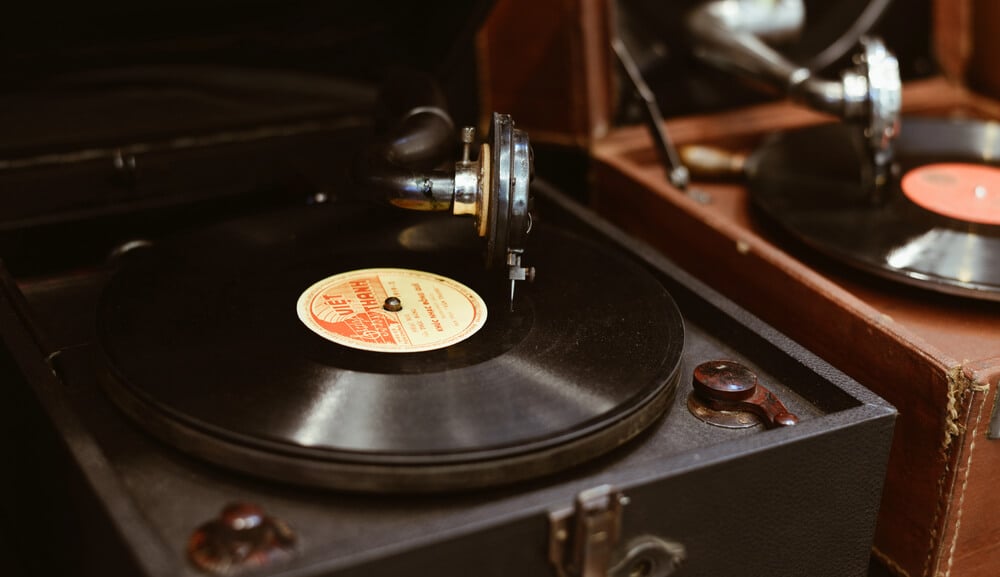
A visibly warped record is generally treated as having little to no collector value regardless of its rarity or title, since even mild warps can affect playback and severe warps make a record functionally unplayable. Checking a record’s flatness by holding it up to a light source is one of the fastest condition checks a picker performs before considering anything else about a copy.
Original Inner Sleeves and Inserts
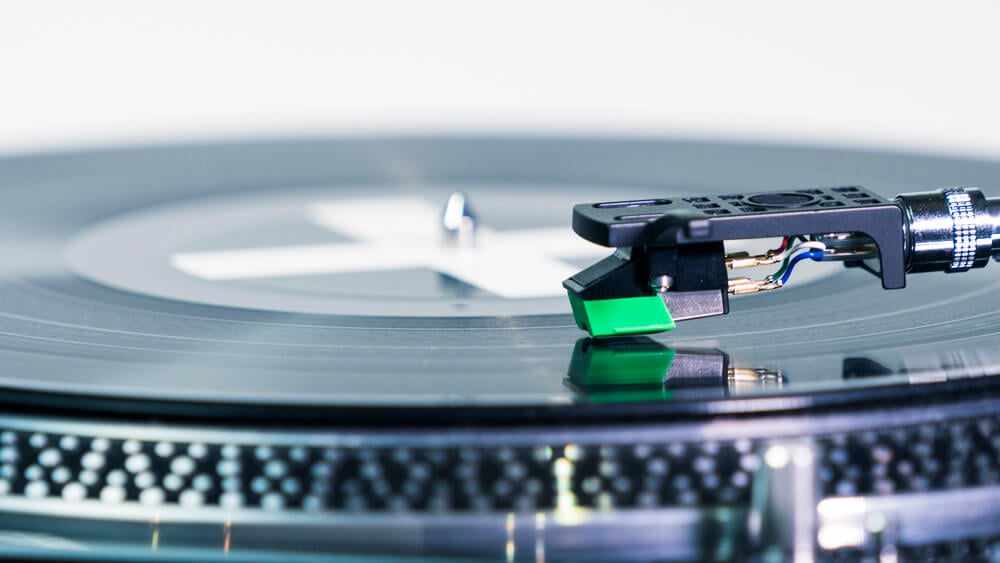
Original printed inner sleeves, lyric inserts, and posters that shipped with certain albums add meaningful value when present and intact, since these paper components were far more likely to be lost or damaged over decades than the record itself. A complete original package, rather than just the vinyl and outer sleeve, is what separates a strong find from an ordinary one.
Mono Versus Stereo Pressings

For albums released during the transitional period when both mono and stereo mixes were commonly pressed, the mono version is sometimes considerably more valuable to collectors who consider it the artist’s intended mix, particularly for certain mid-1960s rock albums. Checking the label for a mono designation can reveal value that a quick glance at the cover would miss entirely.
Mobile Fidelity and Audiophile Reissues
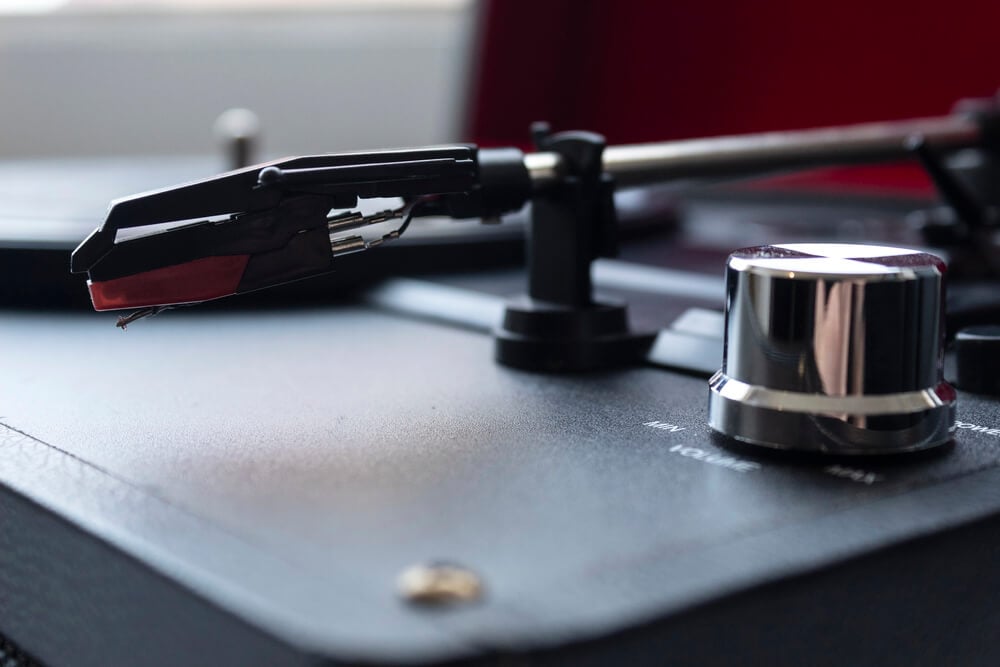
Reissues from specialty audiophile labels known for exceptional mastering and pressing quality have developed their own dedicated collector market, sometimes commanding prices approaching or exceeding original pressings of the same album. These reissues are usually clearly labeled, making them one of the easier premium categories for a picker to identify quickly.
First Pressing Label Variations
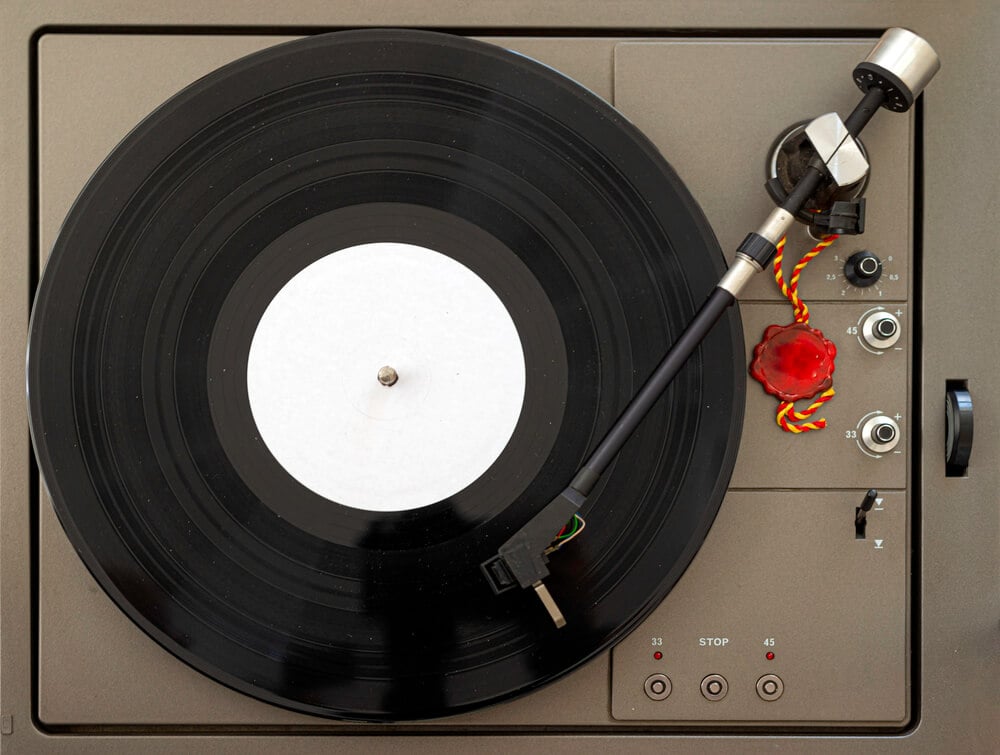
Record labels frequently changed their visual design over a title’s production run, meaning the earliest pressings of an album often carry a specific label variant that later pressings do not share. Collectors who specialize in a particular label study these variations closely enough to date a pressing within months just from the label design alone.
Artist Signatures

A record jacket or label bearing an artist’s authentic signature carries meaningful additional value beyond the pressing itself, provided the signature can be reasonably verified. Unverified signatures are common enough in casual thrift finds that experienced pickers treat an unconfirmed autograph as a bonus to investigate rather than an assumed windfall.
Small Independent Punk and Regional Releases

Early punk and regional independent releases, often self-financed and pressed in runs of only a few hundred copies, have developed dedicated collector followings well beyond their original scale of distribution. These records are frequently unmarked by any major label branding, making them easy to overlook next to more recognizable major-label titles.
Classical Pressings From Notable Orchestras
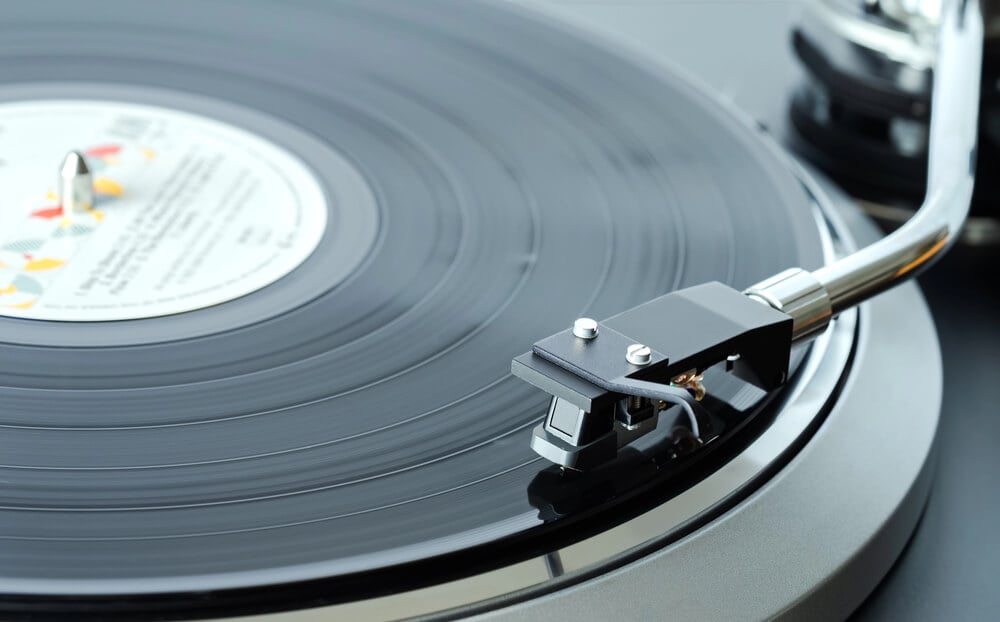
Certain classical recordings from renowned orchestras and conductors, particularly early stereo-era pressings with strong sound engineering, have built a specialized collector market distinct from popular music collecting. These records are commonly underpriced in general thrift bins precisely because classical sections tend to draw fewer casual pickers.
Early Motown Singles
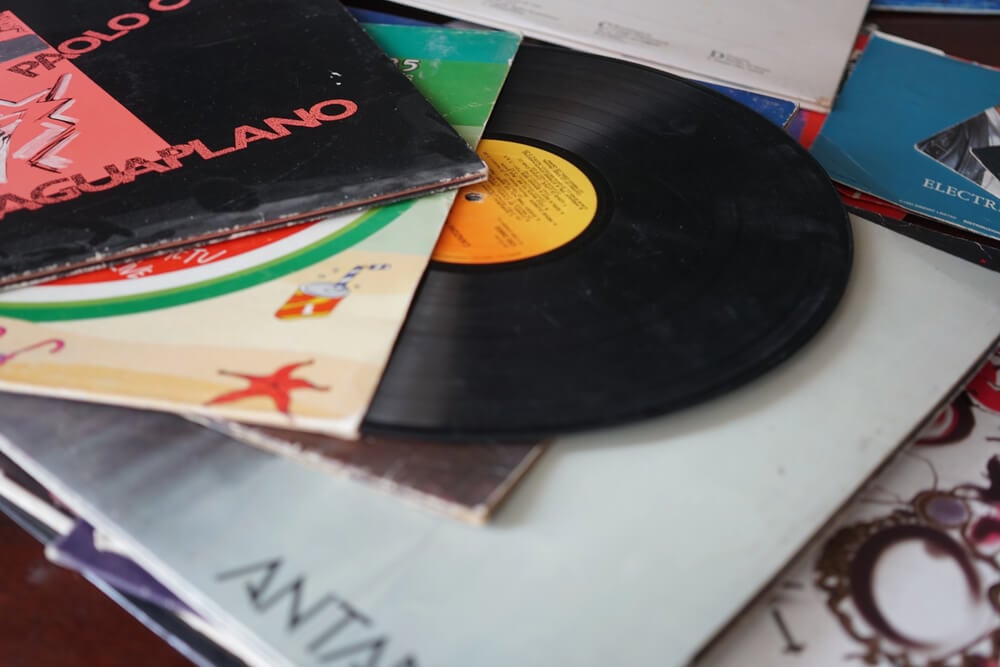
Original Motown 45 rpm singles from the label’s earliest years carry real value among collectors focused on the label’s specific catalog and pressing history, distinct from the more widely reissued full-length album versions of the same songs. Condition and original picture sleeves, when present, significantly affect the value of these smaller-format finds.
Test Pressings
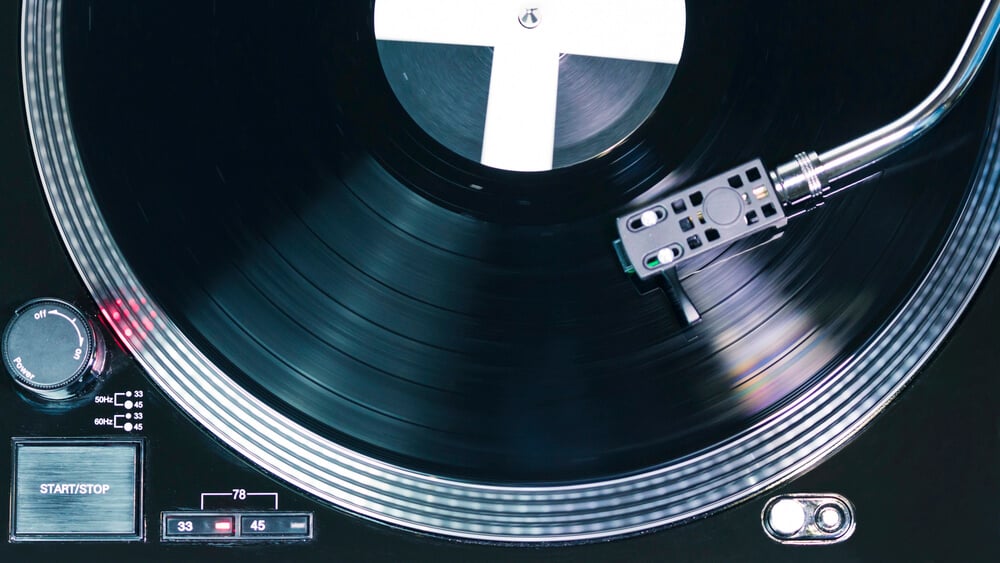
Test pressings, produced in extremely small numbers to check sound quality before a full commercial run began, are among the rarest category of vinyl a picker can encounter, often featuring plain white labels with handwritten details rather than standard printed artwork. Their scarcity alone makes them valuable regardless of how well known the associated commercial release later became.
Cutout and Deletion Marks
A small notch, corner punch, or drill mark on a record’s cover indicates it was sold as a discounted cutout after a label discontinued the title, a detail that can lower a copy’s value among purist collectors even when the vinyl itself is in excellent condition. Recognizing cutout marks helps a picker set realistic expectations before assuming a clean-looking copy is worth full collector price.
Discogs and Recent Sale Comparisons
Before committing to a purchase, experienced pickers cross-reference a specific pressing against recent actual sale prices on marketplaces built for vinyl collectors, rather than relying on a general price guide that may not reflect current demand. This final check turns a promising find into a confirmed one, separating genuine value from a hopeful guess based on rarity alone.
The Crate as a Puzzle
None of these checks work in isolation. A picker who finds a promising catalog number still checks the runout groove, still checks the label variant, and still checks the condition of the sleeve before deciding a record is worth buying, because any single detail on its own can mislead as easily as it can confirm.
That layered approach is exactly why casual browsers walk past records that an experienced picker recognizes immediately. The value was never hidden. It was sitting in plain sight, waiting for someone who knew exactly where on the record to look.
More from Go2Tutors!

- The Romanov Crown Jewels and Their Tragic Fate
- 13 Historical Mysteries That Science Still Can’t Solve
- Famous Hoaxes That Fooled the World for Years
- 15 Child Stars with Tragic Adult Lives
- 16 Famous Jewelry Pieces in History
Like Go2Tutors’s content? Follow us on MSN.