13 American Streets Photographed During Wartime Blackouts
Between 1941 and 1944, American cities learned to live with a new kind of night. Neon was dimmed, windows were covered, and street corners that had glowed for decades went quiet on cue. Cameras were there for much of it, and the pictures that survive show familiar places looking unfamiliar.
The archives holding these images are scattered across libraries, museums, and local historical societies. Some captions are playful, some are grim, and a few are simply matter-of-fact. Together they record how ordinary streets handled an emergency that mostly never arrived.
Times Square Under the August 1942 Dim-Out
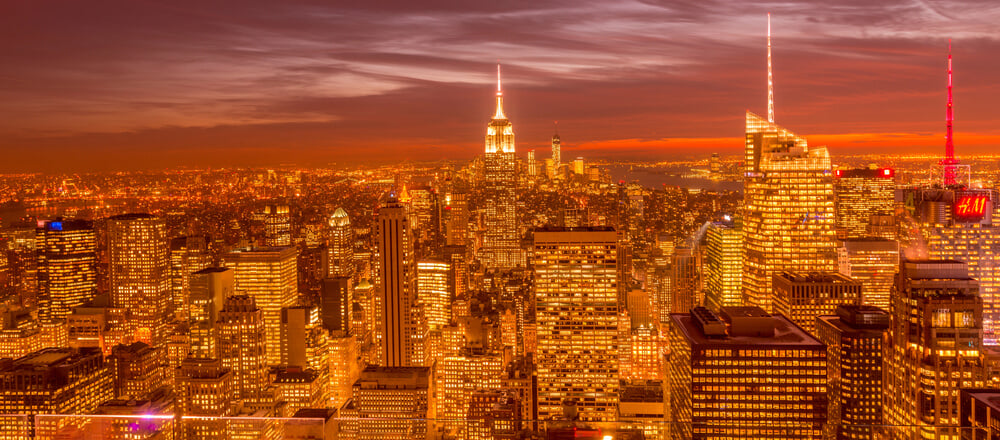
The Museum of the City of New York holds a photograph captioned “Times Square August 1942 Dim But Never Dismal,” shot while the district’s famous signs were turned down. The same collection includes a picture titled “Dim-Out Traffic” and another called “Bright Idea in Dim-Out,” which shows a couple kissing in the half-light. The Library of Congress catalogs its own view of Times Square during the wartime dimout at night, and the George Eastman Museum holds a print titled “Dimout, Times Square, New York.” For a crossroads built on glare, the cameras found plenty to say about the shadows.
Ann Arbor’s Blackout Violation and Its Reflection
The Ann Arbor District Library preserves a news photograph titled “Blackout Violation and Reflection, November 1942.” The title suggests a lit window, or perhaps a lit storefront, caught in the glass of something else nearby. It comes from the library’s collection of Ann Arbor News photographs, which documents a college town adjusting to wartime rules. A single stray light, framed twice, made for the sort of picture a local editor would have wanted.
Copley Square and the Drill Victim in the Ambulance

One Boston photograph from 1942 shows a person posing as a victim during an air raid drill being placed in an ambulance at Copley Square. The setting is one of the city’s grandest public spaces, which makes the staged emergency feel even more theatrical. Volunteers in drills like this practiced the unglamorous work of moving casualties who were not actually hurt. The image captures rehearsal at its most literal, with a real ambulance and a pretend patient.
Detroit’s Air Raid Drills of 1942
The Walter P. Reuther Library at Wayne State University catalogs a set of images titled “Air Raid Drills, Detroit, 1942.” Detroit mattered enormously to wartime production, so the city had every reason to take its practice seriously. The Daily Racing Form even ran a short item in May 1942 headlined “Detroit Blackout Success.” A city that built war machines by day spent some of its nights learning how to disappear.
Wakefield’s Civil Defense Drill of June 7, 1942
The Wakefield collection on the NOBLE digital heritage network includes a photograph labeled “Civil defense drill, June 7, 1942.” The same collection also holds a 1942 image of Taylor’s Hardware, a reminder that ordinary Main Street businesses sat inside the same wartime story. Small-town drills like this one involved neighbors in armbands rehearsing roles they hoped never to use. The date on the caption is the kind of precise detail that turns a casual snapshot into a document.
Los Angeles on the Night of the Battle
On February 26, 1942, the Los Angeles Times published photographs of the incident now remembered as the Battle of Los Angeles. Air raid alarms had sounded in the early hours, searchlights swept the sky, and anti-aircraft guns fired at targets that were never conclusively identified. The streets below sat in blackout while spectators craned their necks upward. The episode remains one of the strangest nights of the home front, and the newspaper pictures are its most durable record.
Seattle After Pearl Harbor
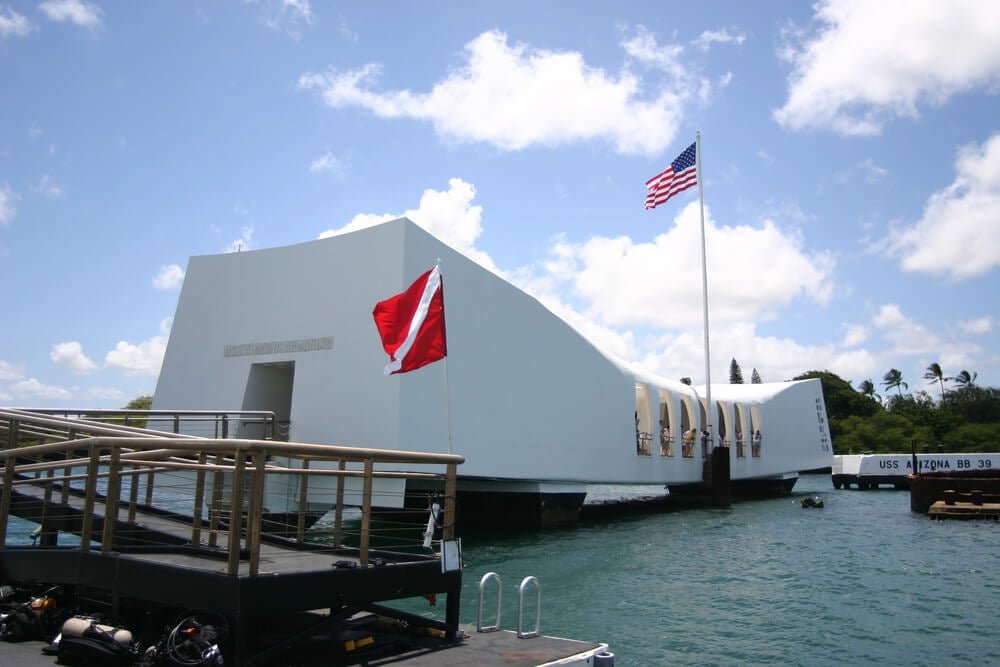
Seattle Met later revisited the city’s Pearl Harbor blackout in its “Past Lives” column, and HistoryLink has documented the period as well. The Pacific Northwest felt exposed in December 1941, and blackout rules arrived almost immediately. Downtown streets that normally shone along the waterfront were ordered dark. For a port city with the open Pacific beyond its horizon, the drill was not a formality.
St. Louis and the Night It Went Dark
A St. Louis Today archive story recalls the night a World War II blackout drill darkened the city. Even in the middle of the country, far from either coast, civic leaders wanted the lights to go out on command. The piece draws on newspaper photographs of a downtown suddenly stripped of its glow. A river city in the Midwest had no reason to expect bombers, but it rehearsed anyway.
Pittsburgh’s Long Run of Blackouts
The Brookline Connection, a neighborhood history site, maintains a page titled “Pittsburgh World War II Blackouts (1941-1944),” and the Post-Gazette has written about the city going dark and preparing for war. The date range in the title is notable, because it covers nearly the entire American war and not just a single scare. Steel country had factories worth protecting, and the hillside neighborhoods made darkness especially dramatic. Residents of one neighborhood kept careful records of how those years felt.
Gallatin, Missouri, in September 1942
The Daviess County Historical Society in Missouri published an account titled “World War II Blackout in Gallatin,” dated September 18, 1942. Gallatin is a small county seat, which shows how far the blackout network reached into rural America. Courthouse squares and farm-town main streets were asked to follow the same rules as big-city boulevards. The practice drill turned a quiet Missouri evening into a community event.
Broome County’s 1942 Rehearsals

A regional news feature on World War II blackout drills in Broome County, New York, describes how the area prepared in 1942. Upstate manufacturing towns were part of the same defensive plan as coastal cities, and their air wardens took the work seriously. Archival images from the era show volunteers and ordinary streets adjusted to a new routine. The county’s drills belong to the long list of rehearsals that taught civilians how to behave in an emergency.
Central Pennsylvania in May 1942
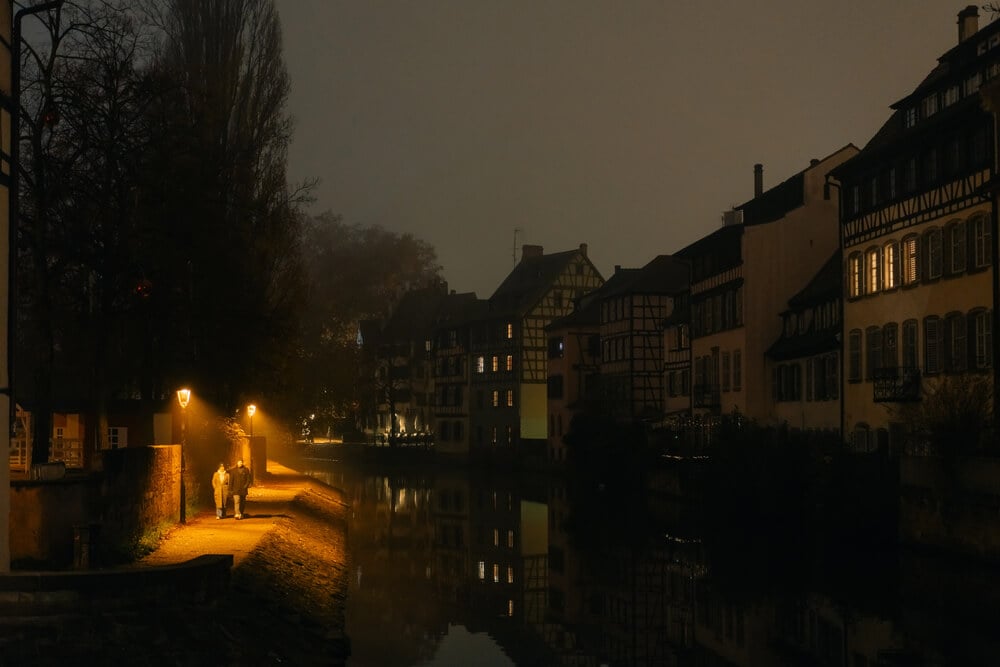
The Wynning History blog posted a feature titled “Blackout Drills” about the practice runs of May 1942 in central Pennsylvania. Small boroughs and valley towns took part in the same program as Pittsburgh and Philadelphia. Warnings sounded, porch lights went out, and wardens walked their blocks checking for slivers of light. Photographs and recollections from the region show how seriously neighbors treated the exercise.
Sutton’s Nine-State Blackout Test
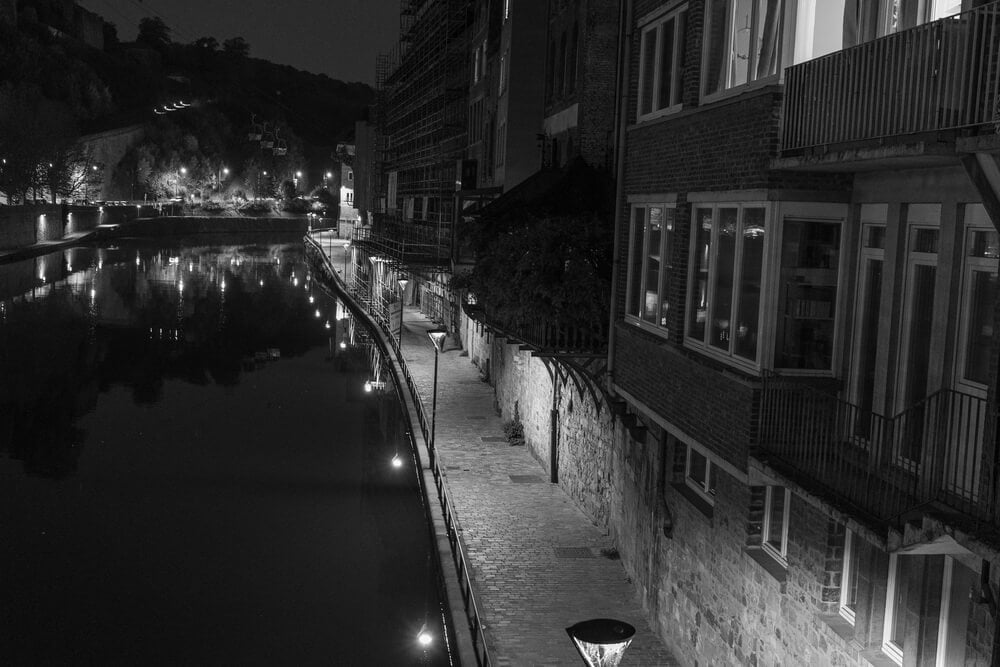
The Sutton Historical Society in Massachusetts has written about a 1942 nine-state blackout test exercise. Coordinating that many states at once required a lot of paperwork, plenty of volunteers, and a willingness to switch off lights across a wide stretch of the Northeast. A rural town like Sutton was one small piece of that large, carefully timed experiment. The local record shows how a regional drill looked from the perspective of a single town.
What the Dark Left Behind
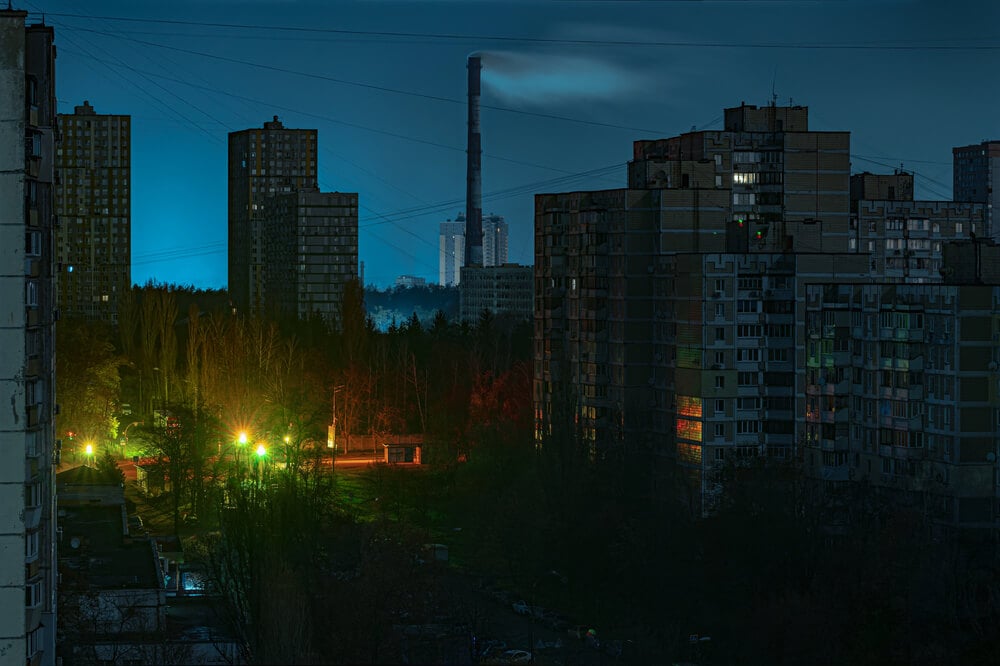
Almost none of these streets were ever bombed. The pictures matter because they show a country practicing for something it hoped to avoid, one switch and one drawn curtain at a time. Cities large and small joined the same rehearsal, from Times Square to Gallatin.
Looking at them now, the most striking thing is how ordinary the effort appears. People who had spent decades lighting their streets learned to dim them in a matter of weeks, and then went back to work. The photographs preserve the moment between the flick of a switch and the return of ordinary life.
More from Go2Tutors!

- 27 Silver Dollars and Half Dollars Worth Keeping
- 28 Restaurant Menu Items Nobody Orders Anymore
- 17 Places Built in Seemingly Impossible Spots
- 27 Vintage Rings Worth More Than They Look
- 25 Restricted Sites Tourists Can’t Enter
Like Go2Tutors’s content? Follow us on MSN.