26 Rulers Overthrown by the People They Trusted Most
Power creates a particular kind of loneliness. The higher a ruler climbs, the fewer people they can genuinely trust — and the more consequential that question of trust becomes.
The most dangerous enemies are almost never the declared ones. History’s most decisive falls tend to come from inside: a general who shifts loyalty, a court official who opens the gate, a family member with a knife and a better claim.
The ruler who dies at the hands of a foreign army usually lost something closer to home first.
What follows is a record of that specific category of undoing — not conquest from outside, but collapse from within. The bodyguard who turns.
The advisor who conspires. The ally who realises the moment has arrived.
Julius Caesar (44 BCE)
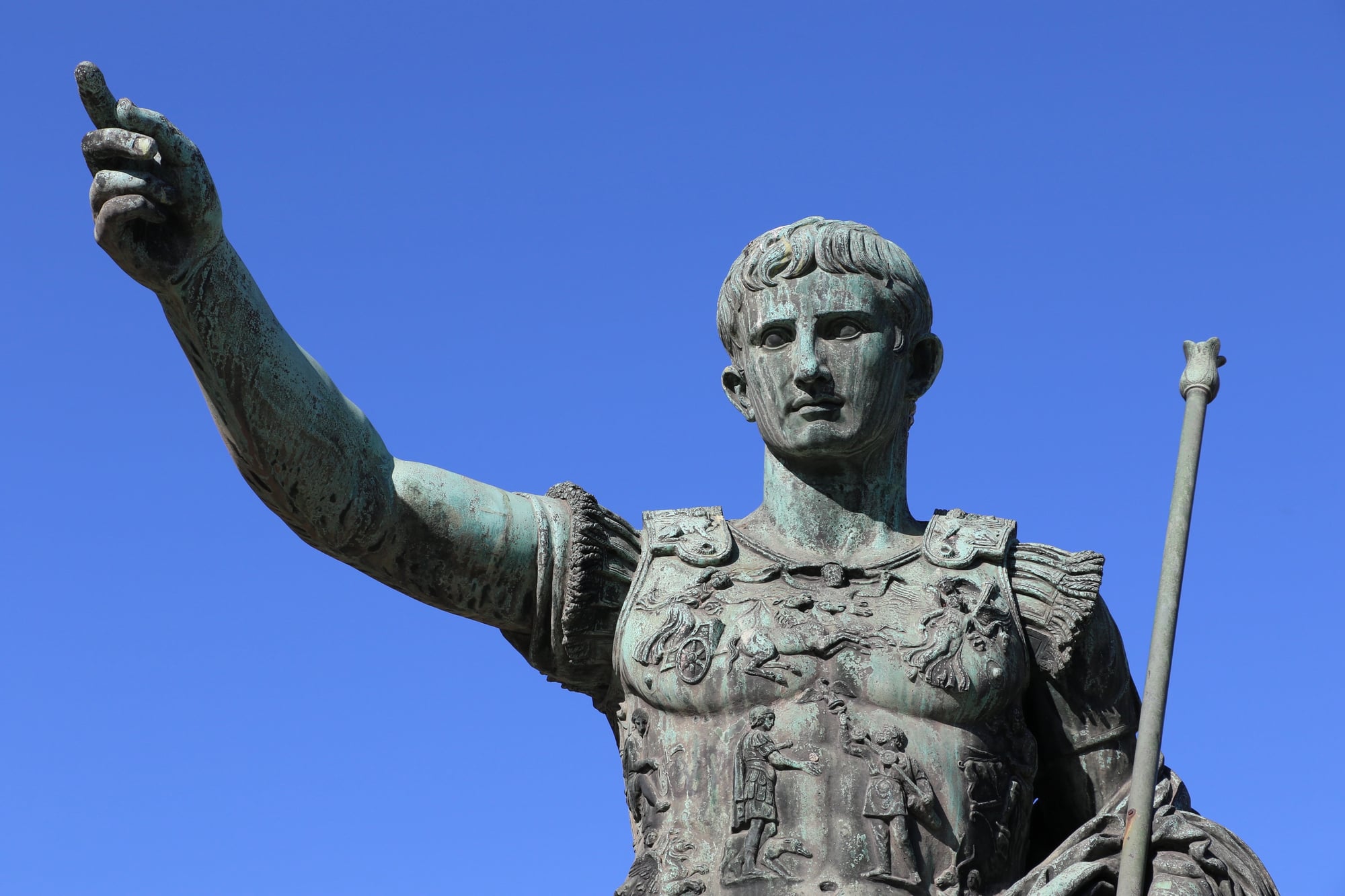
Caesar had elevated many of his assassins personally. Brutus, the most famous of the conspirators, had received favour from Caesar throughout his career and was considered by many to be almost a protégé.
When the group of senators stabbed Caesar on the Ides of March 44 BCE — twenty-three wounds in total — the betrayal was not incidental. It was organised by men who knew the schedule of his movements, the layout of the Senate, and who would hesitate.
The phrase “Et tu, Brute?” may be Shakespeare rather than history, but the sentiment it captures — that the blow from a friend cuts differently — is entirely accurate.
Caligula (41 CE)
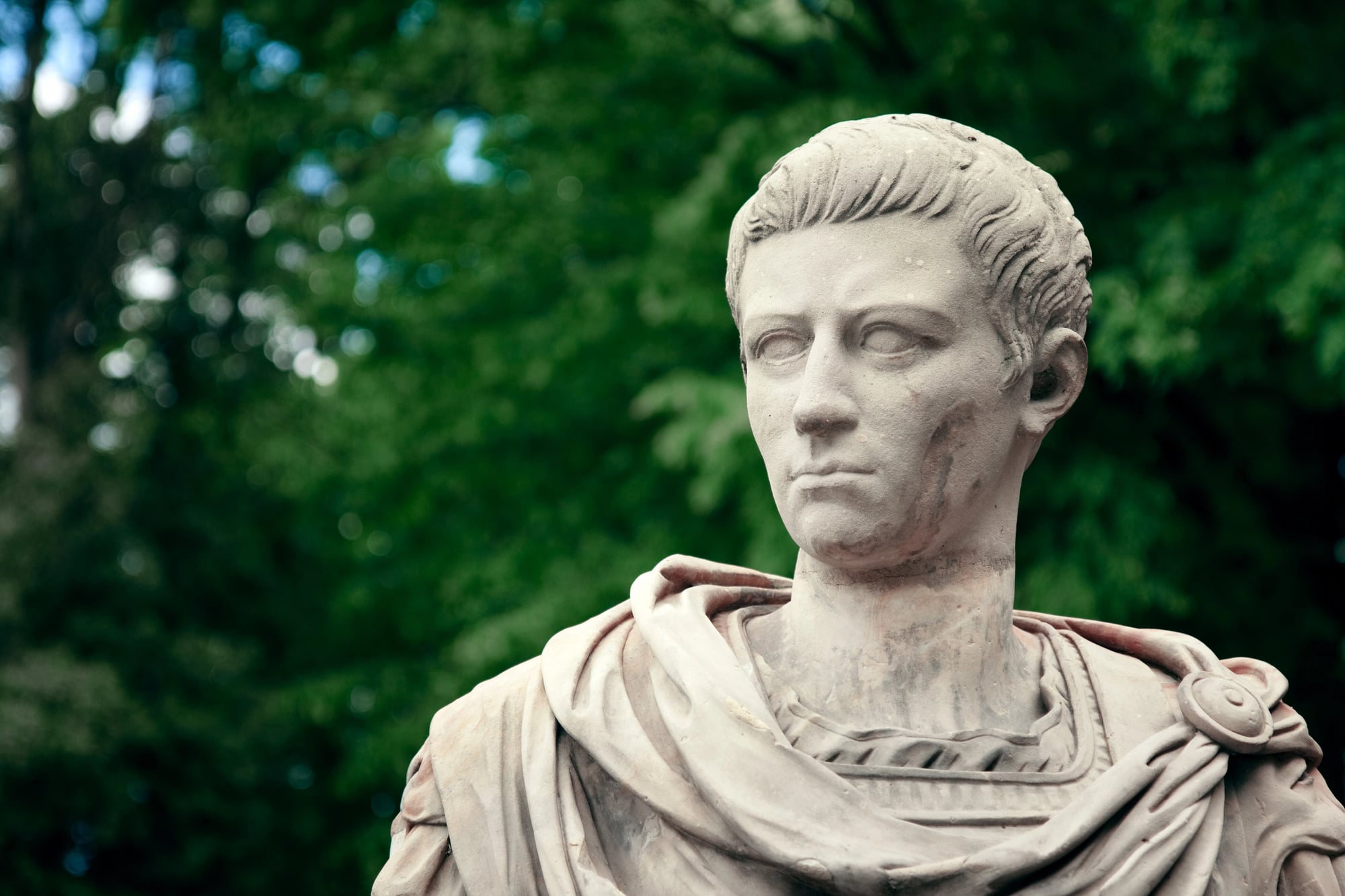
Caligula’s rule lasted less than four years before members of the Praetorian Guard — the very unit responsible for protecting the emperor — killed him in a palace corridor. The conspirators included senior officers who had operated in his immediate circle, along with several senators.
Caligula’s erratic behaviour had created enough fear within his own court that those closest to him calculated that eliminating him was safer than remaining loyal. His wife and daughter were killed the same day.
Commodus (192 CE)
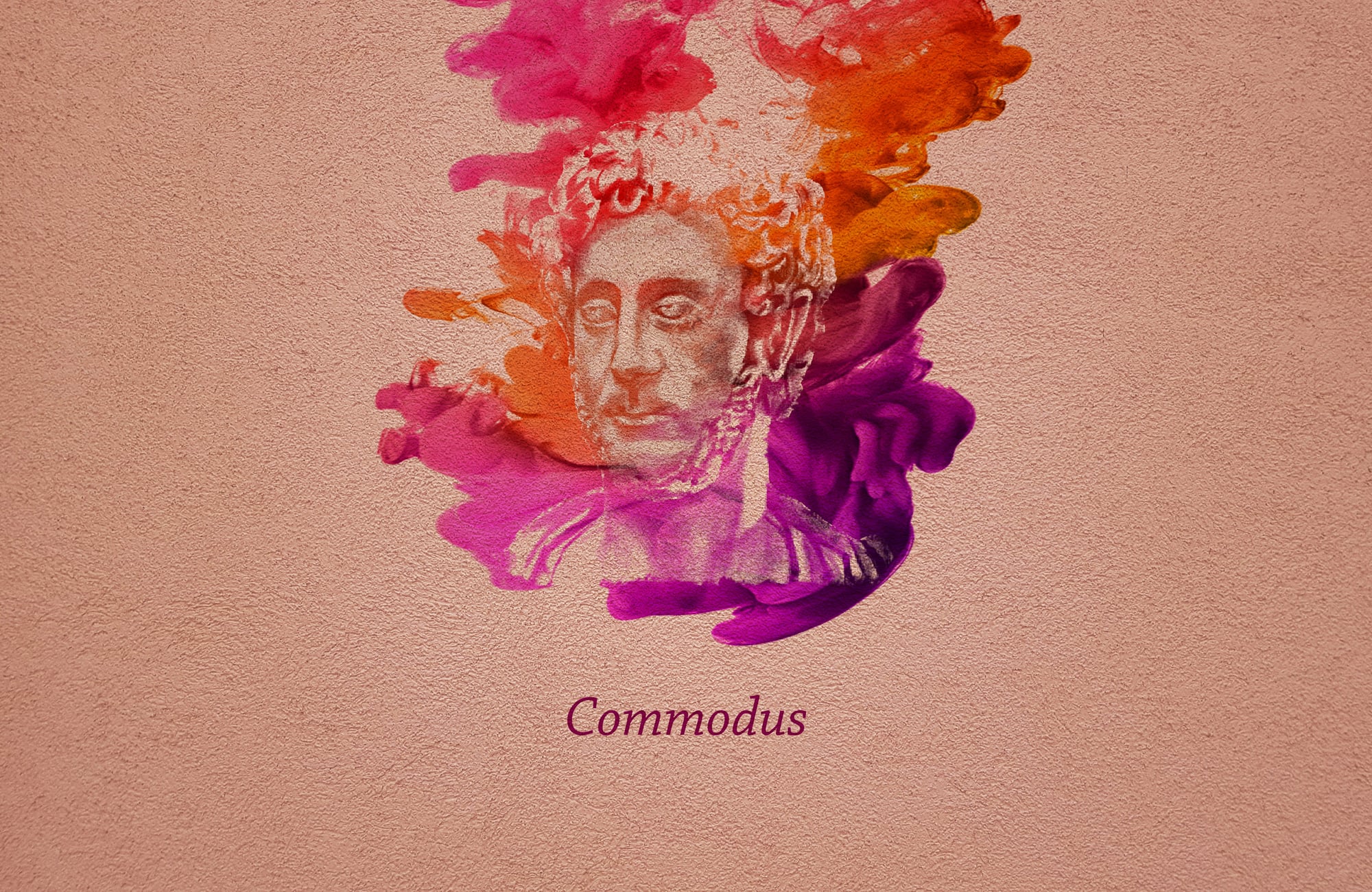
Commodus was strangled in his bath by a wrestler named Narcissus, who had been hired for the task by a group of his own advisors. The plot was organised after the emperor’s mistress, Marcia, discovered she was on his list of intended executions.
She poisoned his food; he vomited up the poison. Narcissus finished the job.
The people who arranged his death were not political opponents from the outside — they were the inner circle of his court, acting out of self-preservation. The Senate declared him an enemy of the state the same night.
Domitian (96 CE)
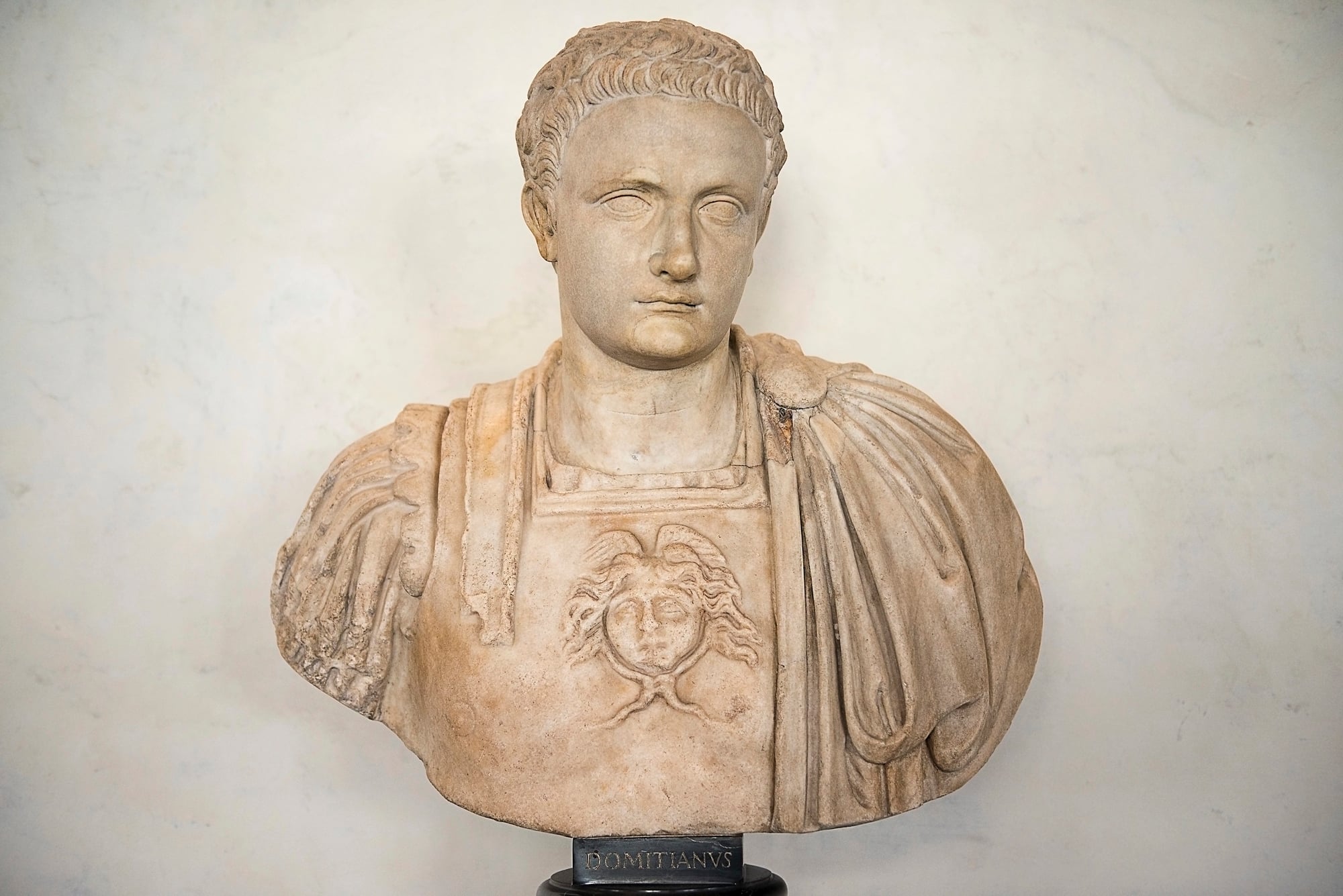
Like Commodus, the Roman Emperor Domitian was killed by members of his household staff and personal advisors. His chamberlain, Parthenius, organised the conspiracy.
A freedman named Stephanus carried out the assassination in Domitian’s bedroom. The killers knew the layout of the private imperial quarters, knew his routines, and had access that no outside enemy could have achieved.
Domitian had spent much of his reign trying to eliminate threats to his power — but he had not identified the ones that were closest.
Nero (68 CE)
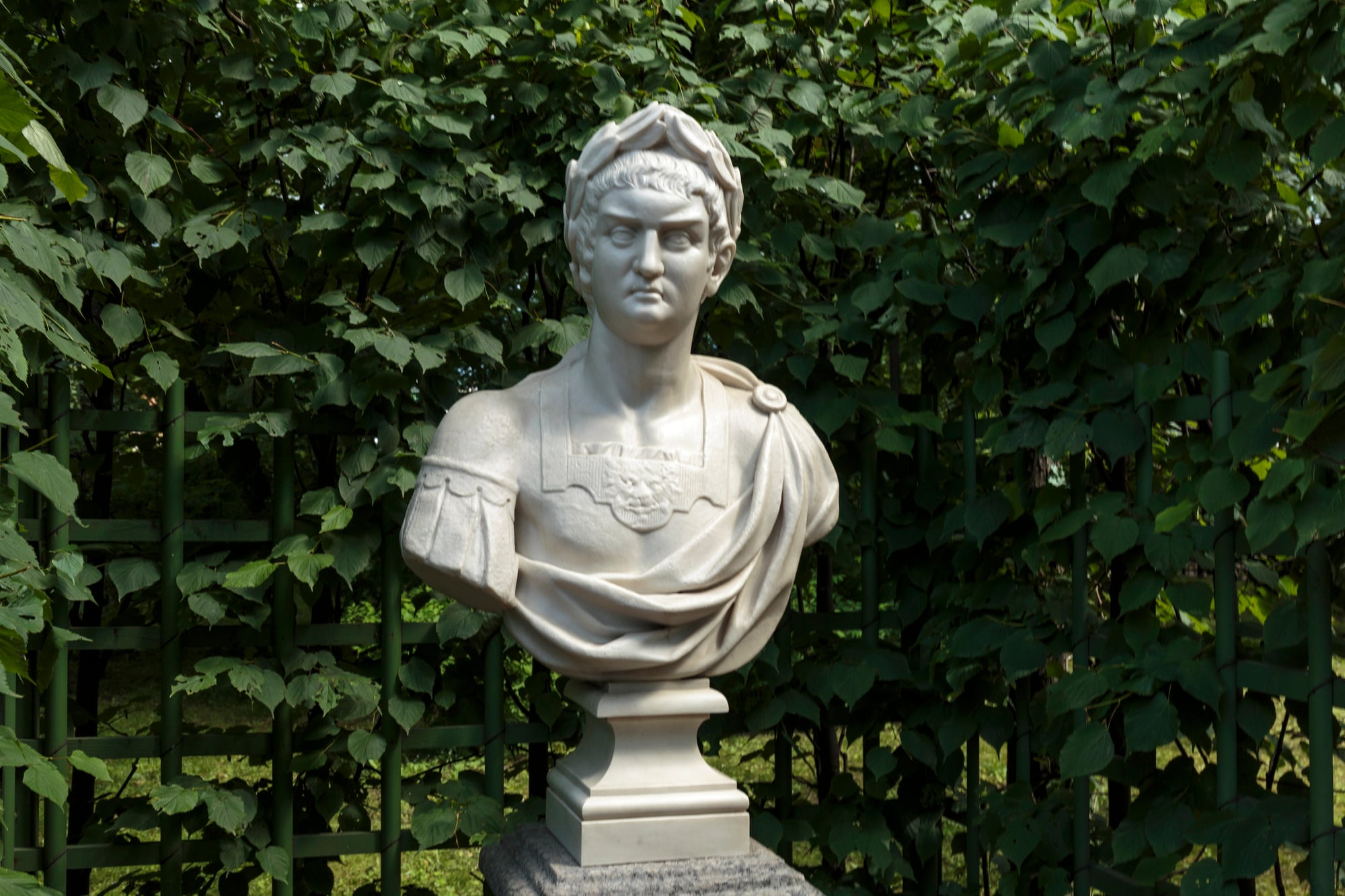
Nero did not die at the hands of his inner circle directly, but his fall was made complete by the defection of everyone who had previously supported him. His Praetorian Guard withdrew their loyalty to him, the Senate declared him an enemy of the state, and his freedmen and personal servants abandoned him one by one.
He eventually fled Rome and, with no one left to protect him and soldiers closing in, died by his own hand at a villa outside the city. The end of his reign was not a military defeat — it was a cascading withdrawal of the loyalty of people who had once served him.
Richard II of England (1399)
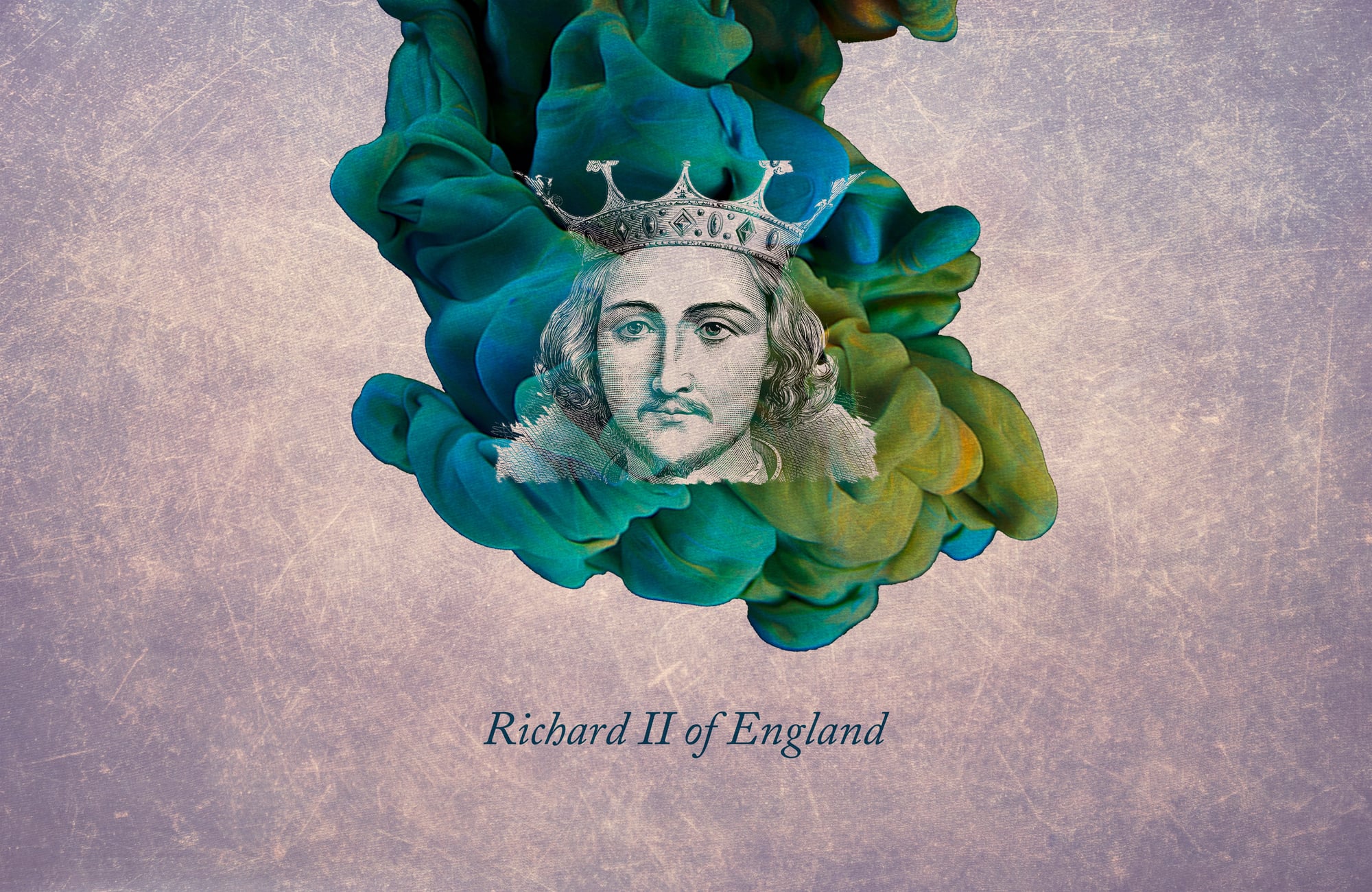
Richard II lost his throne to his cousin Henry Bolingbroke — a man he had previously exiled and whose lands he had seized. Henry returned with an army, but what sealed Richard’s fate was the collapse of support among the English nobility, including people Richard had relied on.
As Henry advanced, members of Richard’s own court quietly reassessed their positions. He was captured, forced to abdicate, and died in captivity in 1400, the circumstances of his death still debated by historians.
A king who had made enemies of his most powerful subjects discovered that those subjects were not powerless.
Shaka, King of the Zulus (1828)

Shaka built the Zulu Kingdom into a formidable military and political force through a combination of tactical innovation and near-constant expansion. By the later years of his reign, his behaviour had become increasingly brutal and erratic, particularly following the death of his mother.
In September 1828, he was assassinated by his half-brothers Dingane and Mhlangana, along with a servant named Mbopha kaSithayi. All three were part of his closest household.
Dingane subsequently ruled the Zulu Kingdom until 1840, suggesting the assassination was planned with succession already determined.
Tsar Paul I of Russia (1801)
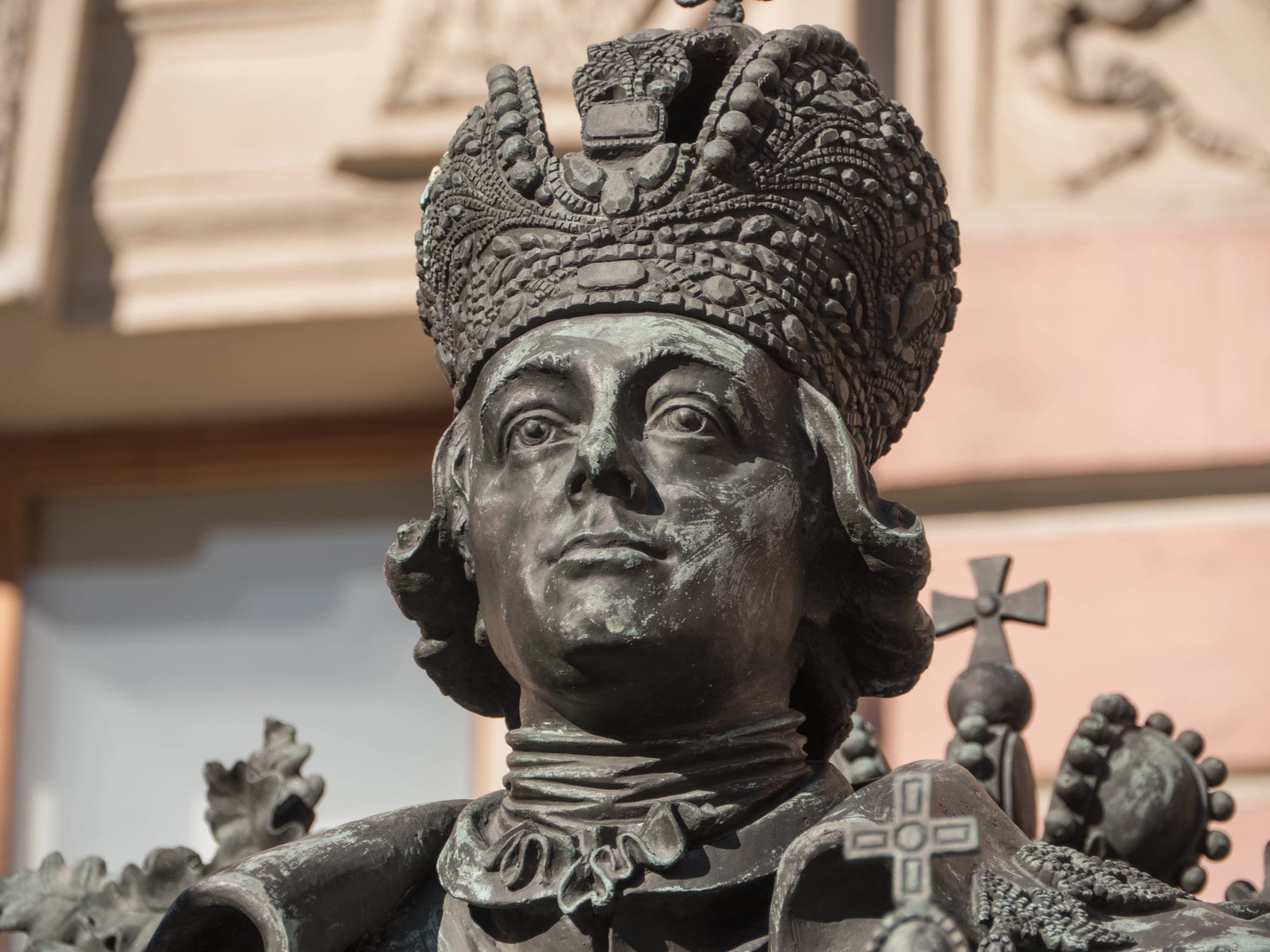
Paul I of Russia was murdered in his own bedroom by a group of military officers and court officials, some of whom had been involved in planning the conspiracy for years. His son Alexander was aware of the plot, though historians debate the extent to which he sanctioned the killing itself.
The conspirators suffocated Paul and beat him to death in the Mikhailovsky Castle, where he had moved specifically because he felt unsafe at the Winter Palace. He had been right to feel unsafe — but about the wrong building.
Tsar Nicholas II of Russia (1917)
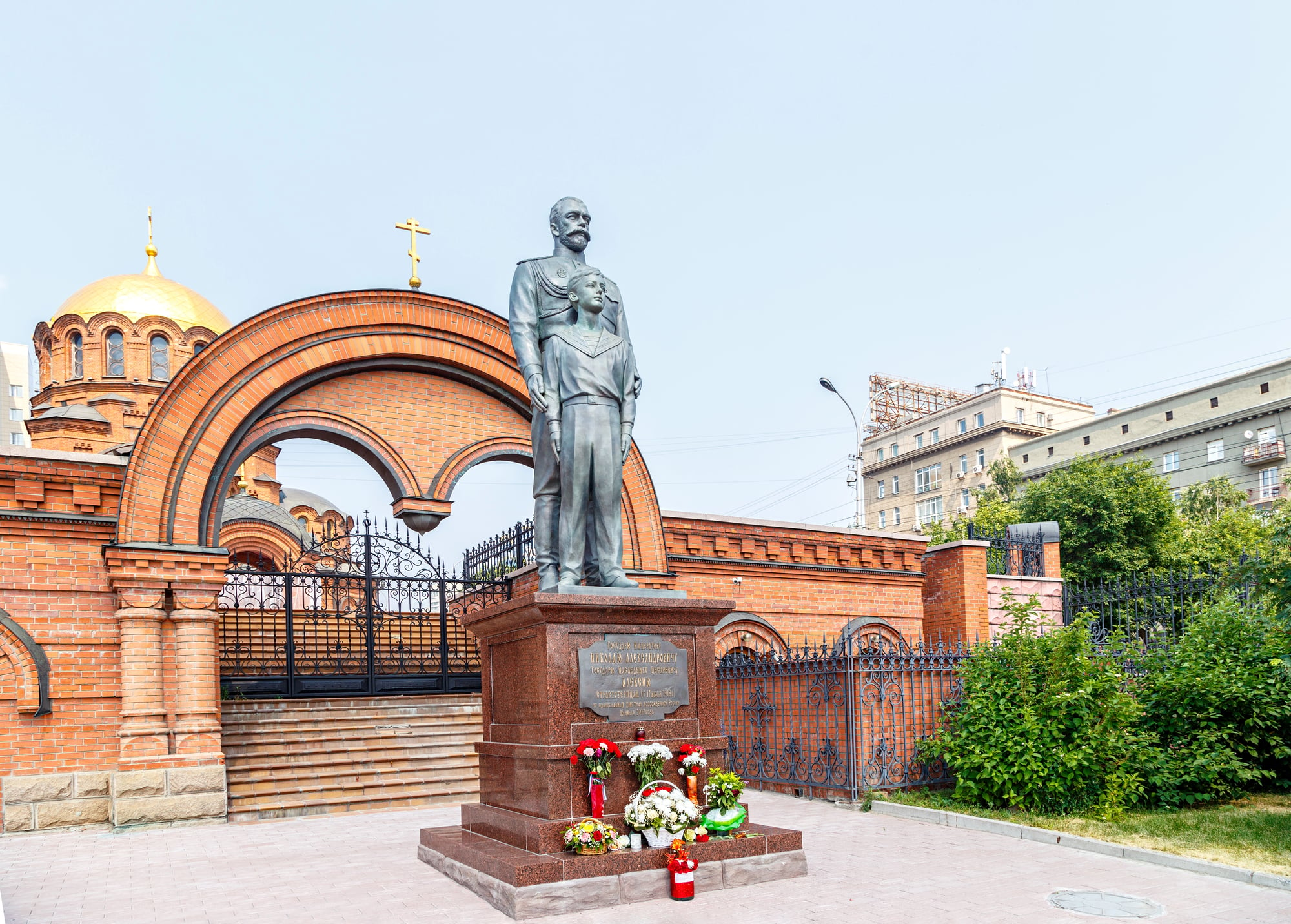
Nicholas II was not directly overthrown by his own trusted advisors in the manner of an assassination, but the abdication forced upon him in February 1917 was driven in significant part by the defection of his generals. During the unrest that swept Russia in early 1917, the military commanders who had previously given him their loyalty informed him that continuing to support the Tsar was no longer viable.
Without military backing, there was no throne to hold. He signed the abdication document within days of learning that even his closest commanders would not defend him.
Artaxerxes III of Persia (338 BCE)
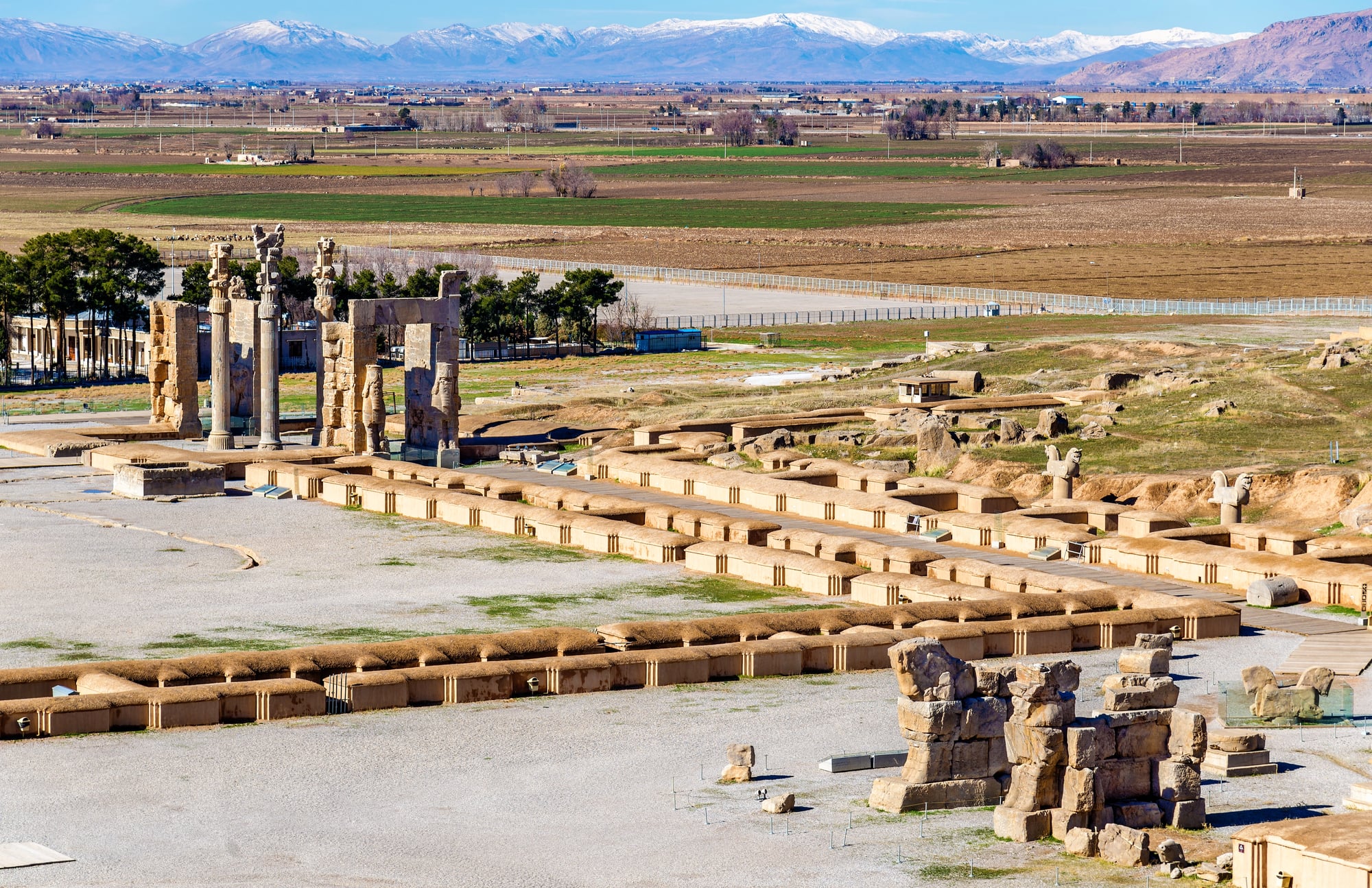
Artaxerxes III, king of the Achaemenid Empire, was poisoned by Bagoas, a court eunuch who had served as one of his most powerful officials. Bagoas had used his position as a royal advisor to accumulate extraordinary influence.
After poisoning Artaxerxes, he installed a succession of compliant rulers before being forced to drink poison himself by Darius III. The series of events illustrates a recurring pattern in Persian court politics: the advisor who cannot be eliminated becomes the advisor who eliminates.
Shah Mohammad Reza Pahlavi of Iran (1979)
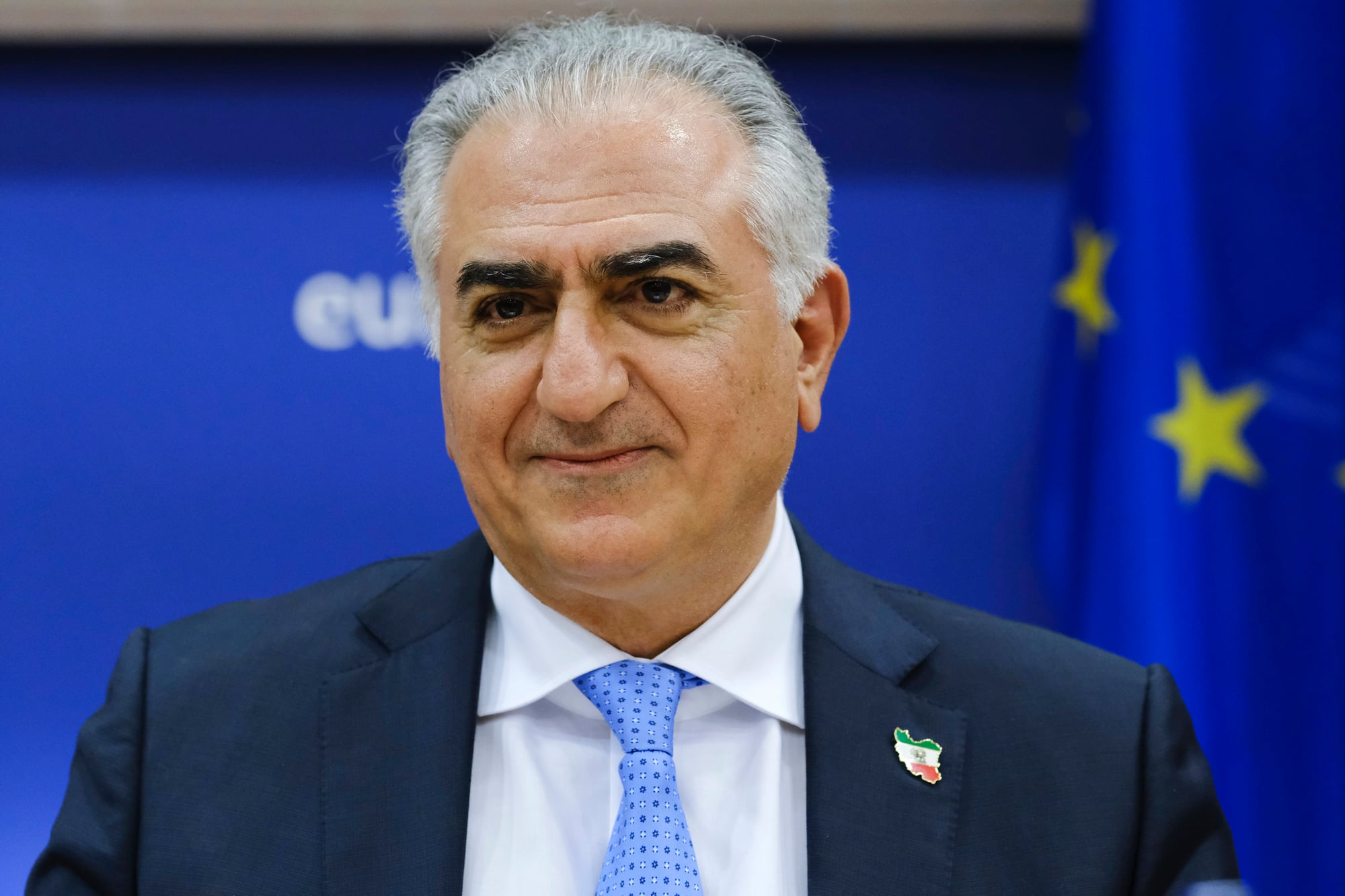
The Shah of Iran fled the country in January 1979 not because a foreign army had defeated him, but because the structures he had built around himself — including SAVAK, his feared intelligence service — could not contain the internal pressure building against him. Crucially, the military that had sustained his rule for decades began to fracture.
Officers who had served loyally for years began refusing to fire on protesters. Once the military declined to act as enforcers, the regime had nothing left to hold the country together.
The Shah left on the pretence of a holiday and never returned.
Muammar Gaddafi (2011)
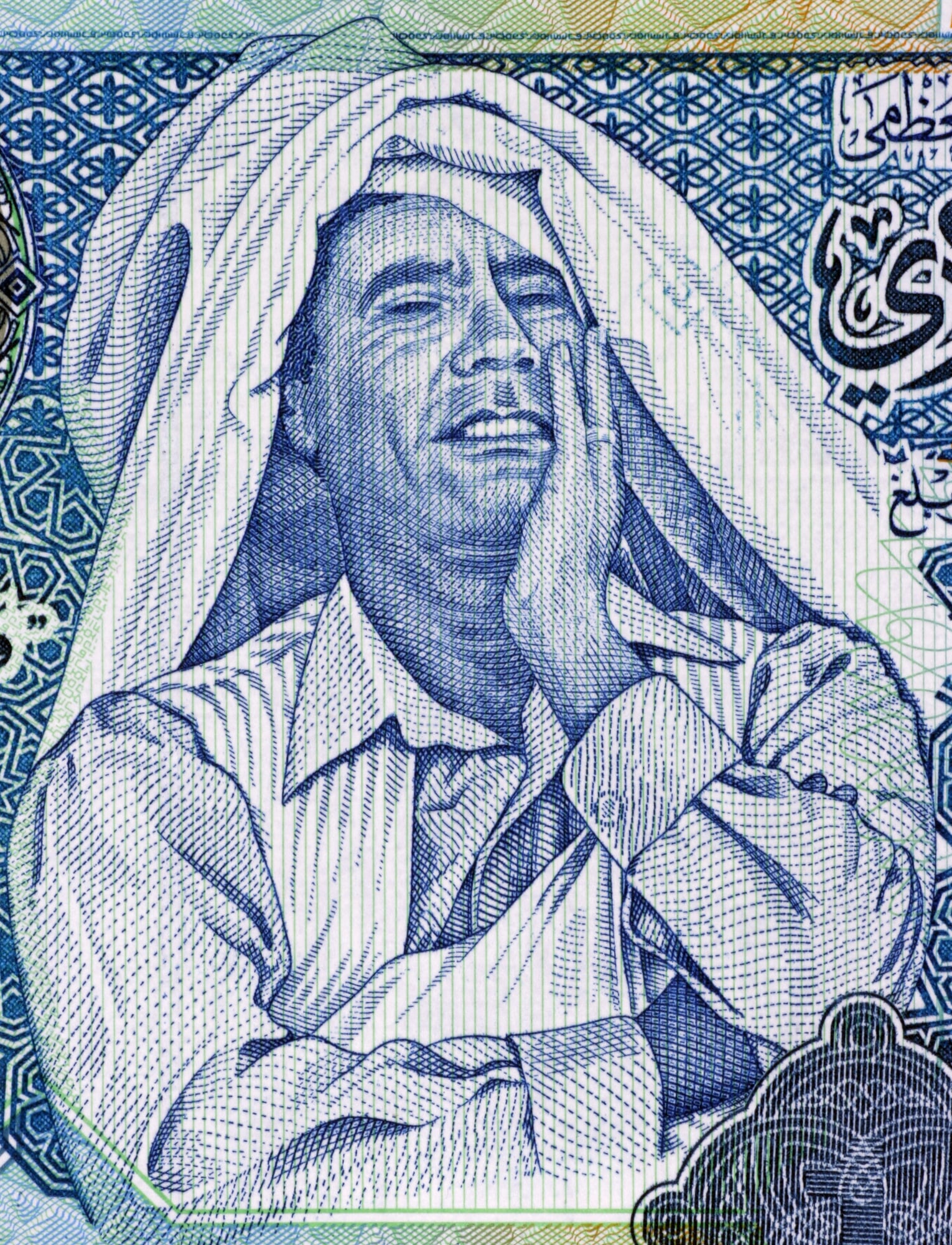
Gaddafi ruled Libya for forty-two years and survived multiple assassination attempts and international sanctions. His eventual fall in 2011 came through a combination of popular uprising and the defection of senior officials and military commanders who had served him for decades.
His interior minister, military officers, and even diplomats abroad publicly switched sides as the rebellion gained ground. Gaddafi was captured and killed by rebel forces in his hometown of Sirte on 20 October 2011.
People who had operated at the heart of his government made the calculation that he was no longer survivable.
Robert Mugabe of Zimbabwe (2017)
Mugabe ruled Zimbabwe for thirty-seven years and was, at various points, genuinely popular. His downfall in November 2017 came from within his own party and military.
When he attempted to position his wife Grace as his successor by dismissing Vice President Emmerson Mnangagwa — a long-serving loyalist — the military intervened. Generals who had fought alongside Mugabe during the independence struggle placed him under house arrest.
He resigned on 21 November 2017. The man who removed him had served his government for decades.
The party that expelled him had been his vehicle to power.
Ferdinand Marcos of the Philippines (1986)
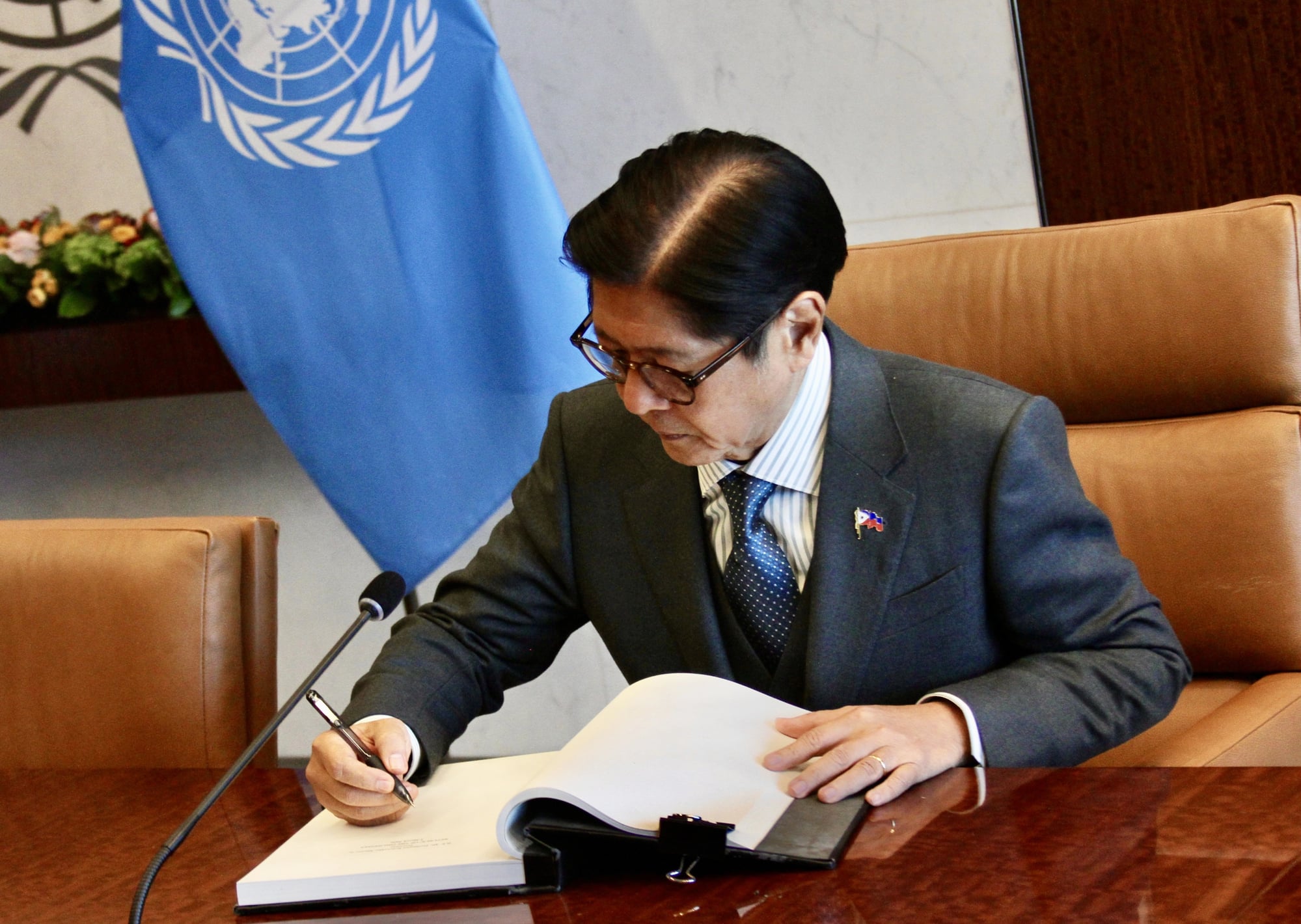
Marcos declared martial law in 1972 and ruled the Philippines for two decades. His fall in 1986 came through the People Power Revolution, but the decisive moment was the defection of Defence Secretary Juan Ponce Enrile and General Fidel Ramos — both long-standing insiders — who withdrew their support publicly and called on the population to protect them.
The military, which Marcos had relied upon completely, began choosing sides. The United States, which had backed Marcos for years, eventually facilitated his flight to Hawaii.
He died there in 1989.
Nikita Khrushchev (1964)
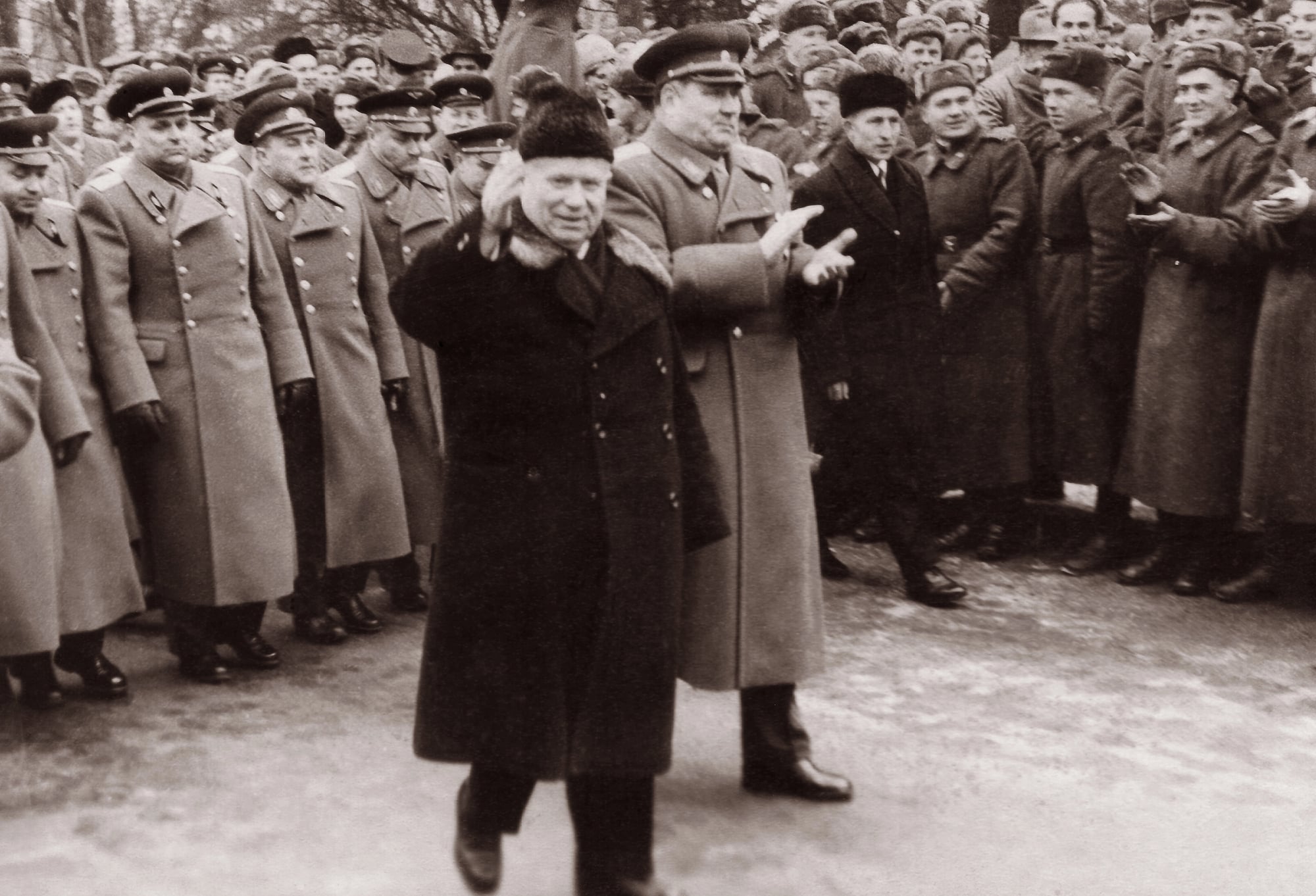
Khrushchev was removed from power in October 1964 while on holiday, in a coup organised by members of the Politburo and Central Committee — men he worked alongside daily. Leonid Brezhnev led the conspiracy.
When Khrushchev flew back to Moscow, he was met at the airport and told his resignation was expected. The people who removed him were not dissidents or revolutionaries — they were his colleagues.
He lived out the rest of his life in obscure retirement and died in 1971.
Nicolae Ceaușescu of Romania (1989)
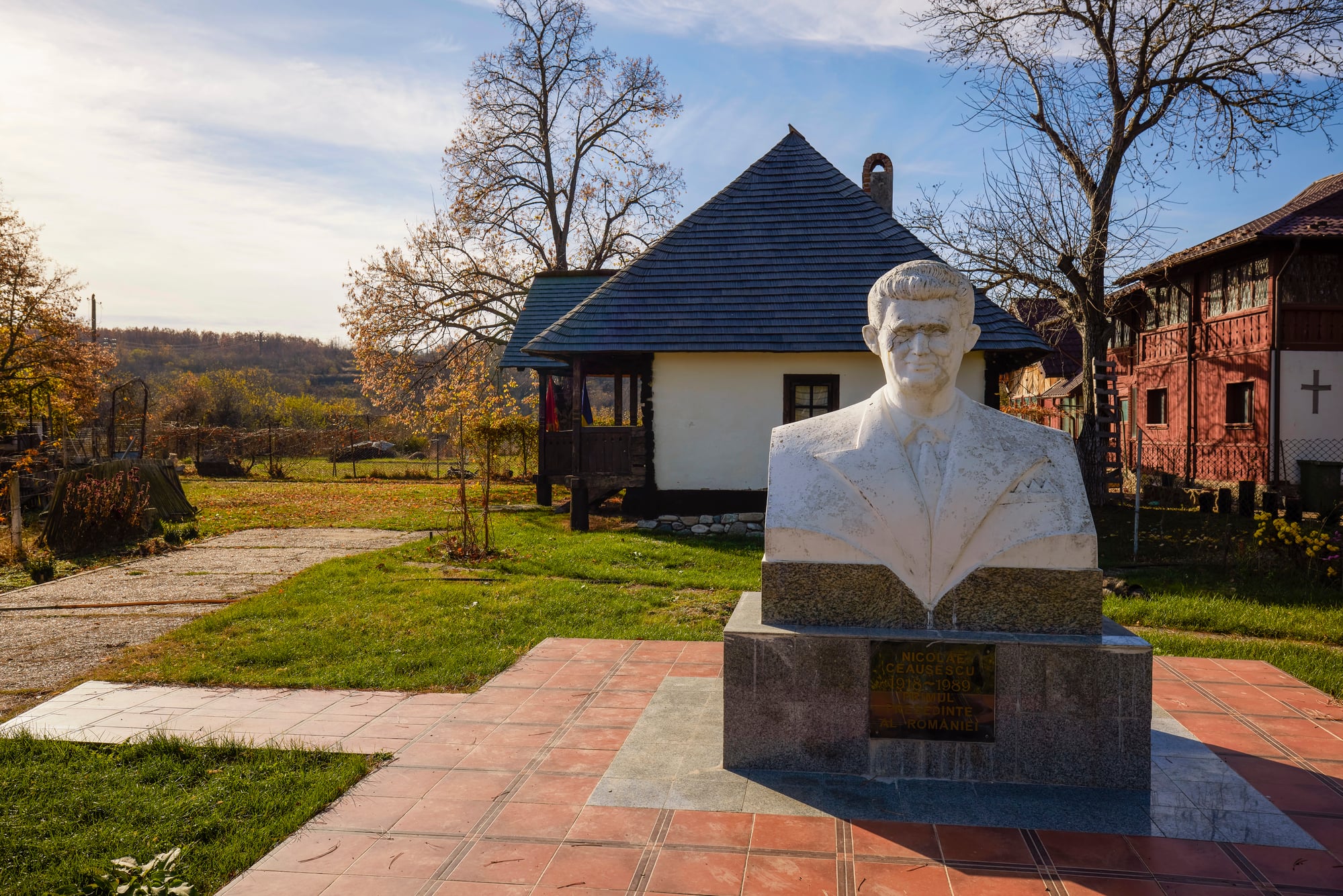
Ceaușescu’s fall in December 1989 was one of the most dramatic of the Eastern European revolutions. He had been in power for twenty-four years and had believed his security apparatus would protect him.
Instead, the Securitate largely refused to act against the uprising. Elements of the Romanian military switched sides.
At a public rally in Bucharest, the crowd began to boo — live on state television — and Ceaușescu’s expression showed the moment he understood that something had changed permanently. He and his wife Elena fled by helicopter, were captured, and were executed on Christmas Day 1989.
Saddam Hussein (2003)
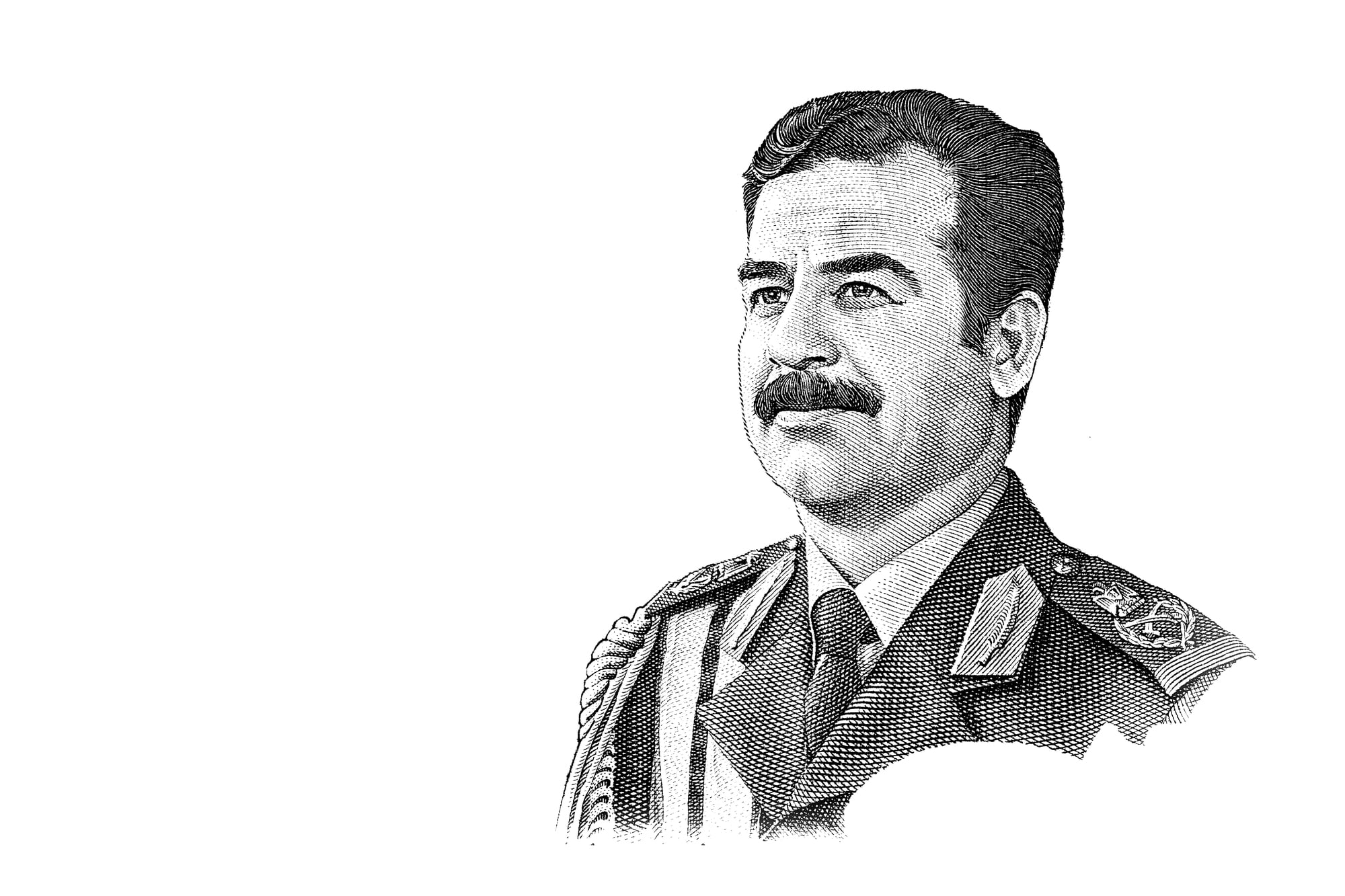
Saddam spent decades purging anyone who might challenge him, executing military commanders and officials at the first sign of disloyalty. When the U.S.-led invasion began in 2003, the army that was supposed to defend Iraq performed minimally, with many units dissolving rather than fighting.
Some of the officers who had served him for years simply went home. Others made private accommodations with advancing forces.
Saddam was found hiding in a small underground space near a farmhouse at Ad-Dawr in December 2003, captured without resistance. He was tried, convicted of crimes against humanity, and executed in December 2006.
Jean-Bédel Bokassa of the Central African Republic (1979)

Bokassa had himself crowned Emperor in 1977 in a ceremony that cost approximately a third of the country’s annual government budget. France, which had funded his regime, eventually removed him by force in September 1979 — using Operation Barracuda to install his predecessor David Dacko, who had become Bokassa’s personal advisor.
Dacko, the man Bokassa had removed from power and then brought into his inner circle, was the instrument of his removal. The operation was conducted while Bokassa was abroad, and he returned to an empty throne.
Idi Amin of Uganda (1979)

Idi Amin was overthrown in April 1979 by a combination of Tanzanian forces and Ugandan exiles. The Ugandan military, which Amin had purged repeatedly throughout his rule in attempts to eliminate potential rivals, did not provide effective resistance.
Officers who remained loyal either fled or surrendered quickly. The eight years of systematic elimination of anyone who might challenge him had produced a military too hollowed out by fear and paranoia to defend him when it mattered.
He fled to Libya and later settled in Saudi Arabia, where he died in 2003.
Mobutu Sese Seko of Zaire (1997)
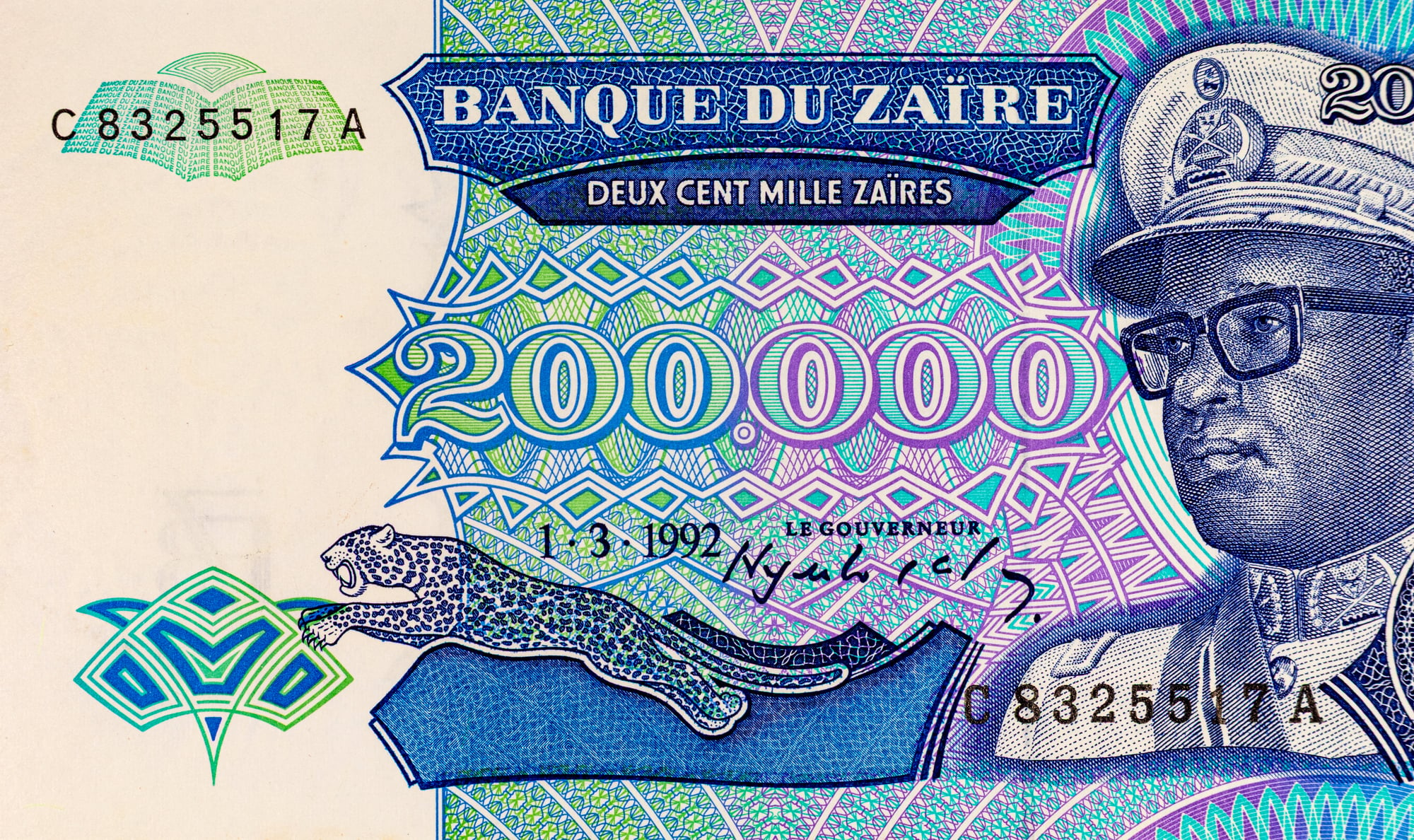
Mobutu had ruled Zaire for thirty-two years, constructing a regime built on personal loyalty and patronage. By the mid-1990s, the economy had collapsed and the army he had cultivated had fractured.
When Laurent-Désiré Kabila’s rebel forces advanced in 1996 and 1997, the military that Mobutu had paid and privileged for decades largely disintegrated. Some units switched sides.
Others simply stopped fighting. Mobutu fled in May 1997, dying of cancer in Morocco four months later.
The army he had spent a career buying loyalty from was unable or unwilling to save him.
Emperor Shōwa (Hirohito) of Japan — Surrender Declared Despite Military Opposition (1945)

The August 1945 surrender announcement was made over the objections of elements within the Japanese military who had served the Emperor and viewed surrender as dishonour. The night before the announcement, a group of officers seized the Imperial Palace in a coup attempt aimed at preventing the recording of the Emperor’s surrender message from being broadcast.
The coup failed. The soldiers who had fought for years in Hirohito’s name were, in the final hours, attempting to prevent him from speaking.
The Emperor’s decision held, but only narrowly, and only because the conspirators could not locate the recording in time.
Fulgencio Batista of Cuba (1959)

Batista fled Cuba on New Year’s Day 1959, as Fidel Castro’s forces closed in. His army, which he had equipped and organised, had proved unable to suppress the guerrilla campaign that had been building for years.
Senior military officers who had received patronage from Batista negotiated separate arrangements rather than make a final stand. The regime that had seemed entrenched simply ran out of people willing to fight for it.
Batista boarded a plane for the Dominican Republic in the early hours of January 1st and never returned.
Francisco Pizarro (1541)
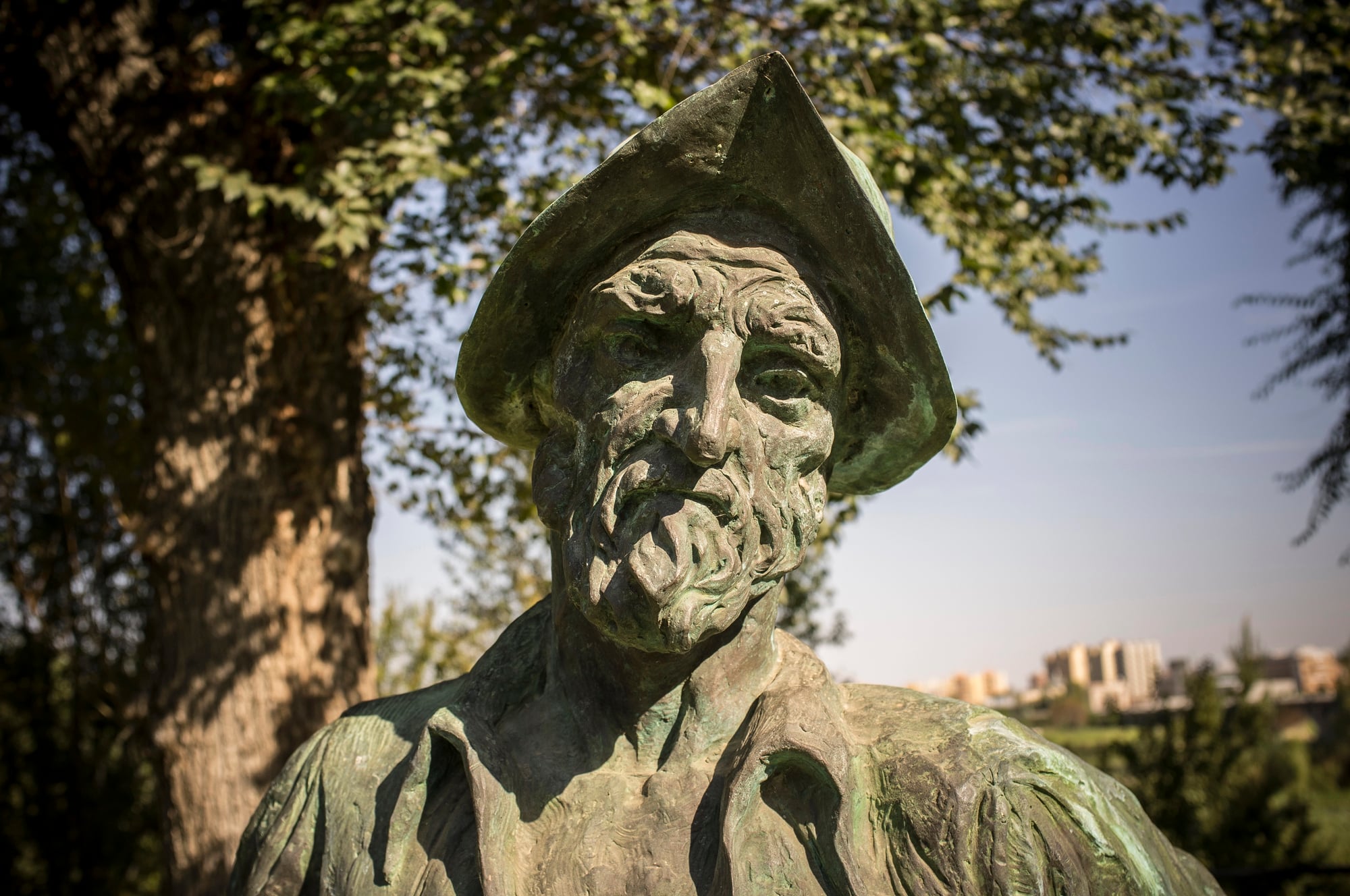
Pizarro and Diego de Almagro had partnered in the conquest of Peru. When their alliance fractured over the division of territory and wealth, civil war followed.
Almagro was eventually captured and executed on Pizarro’s orders in 1538. Three years later, supporters of Almagro’s son stormed Pizarro’s palace in Lima and killed him.
The men who killed him were the surviving members of the faction he had defeated — people with whom he had once shared the project of conquest. His death came from the world he had built, administered by its discarded partners.
Amenemhat I of Egypt (c. 1962 BCE)
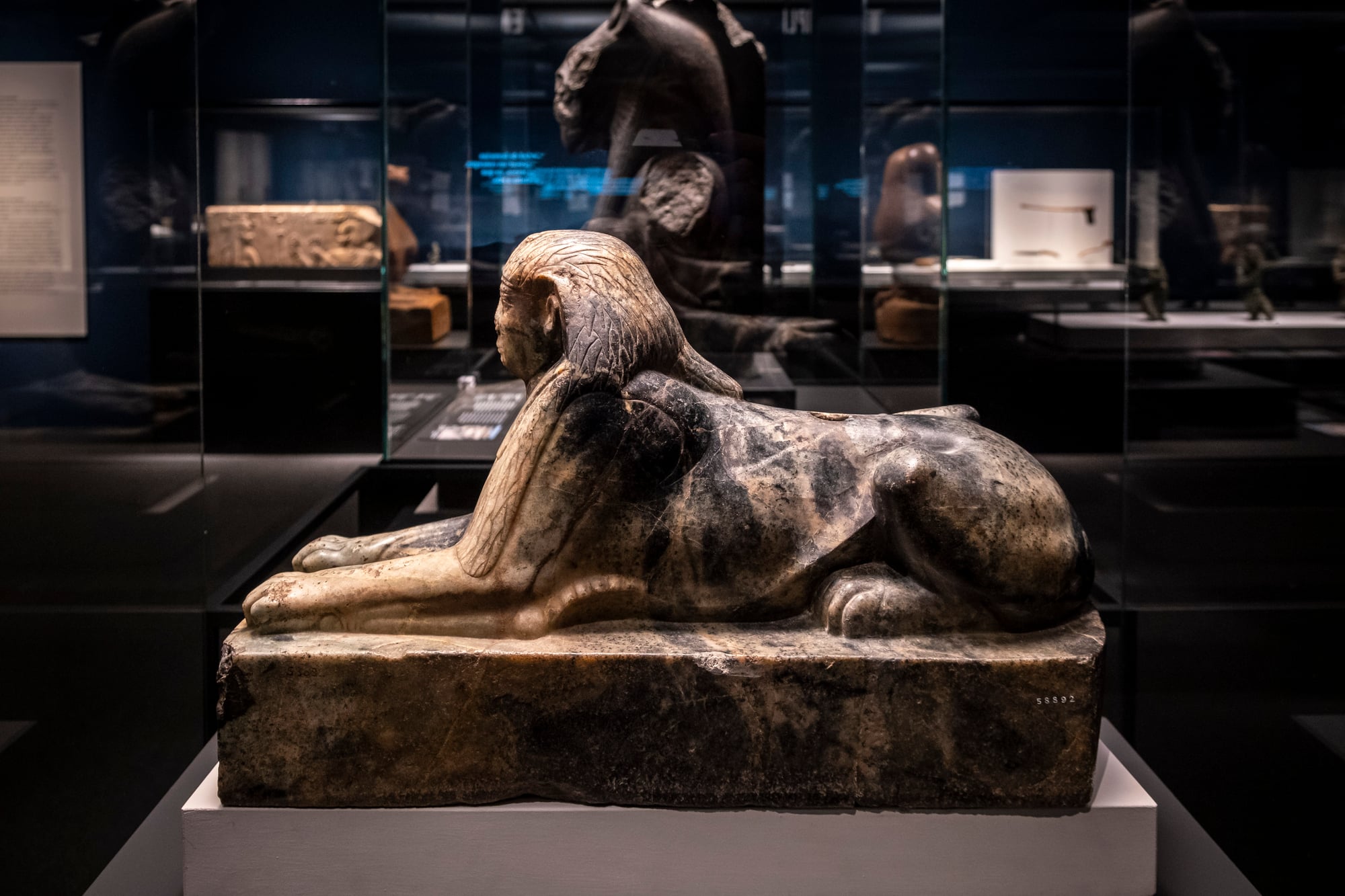
The ancient Egyptian Pharaoh Amenemhat I, founder of the Twelfth Dynasty, was assassinated in an internal palace conspiracy, likely while he slept. His son Senusret I, who was on a military campaign at the time, returned to claim the throne.
The nature of the conspiracy is described in a literary text called the “Teachings of Amenemhat,” in which the dead pharaoh warns his son to trust no one, not a brother, a friend, or a companion — advice passed down from a ruler killed by people who had access to his most private quarters.
Ramesses III of Egypt (c. 1155 BCE)
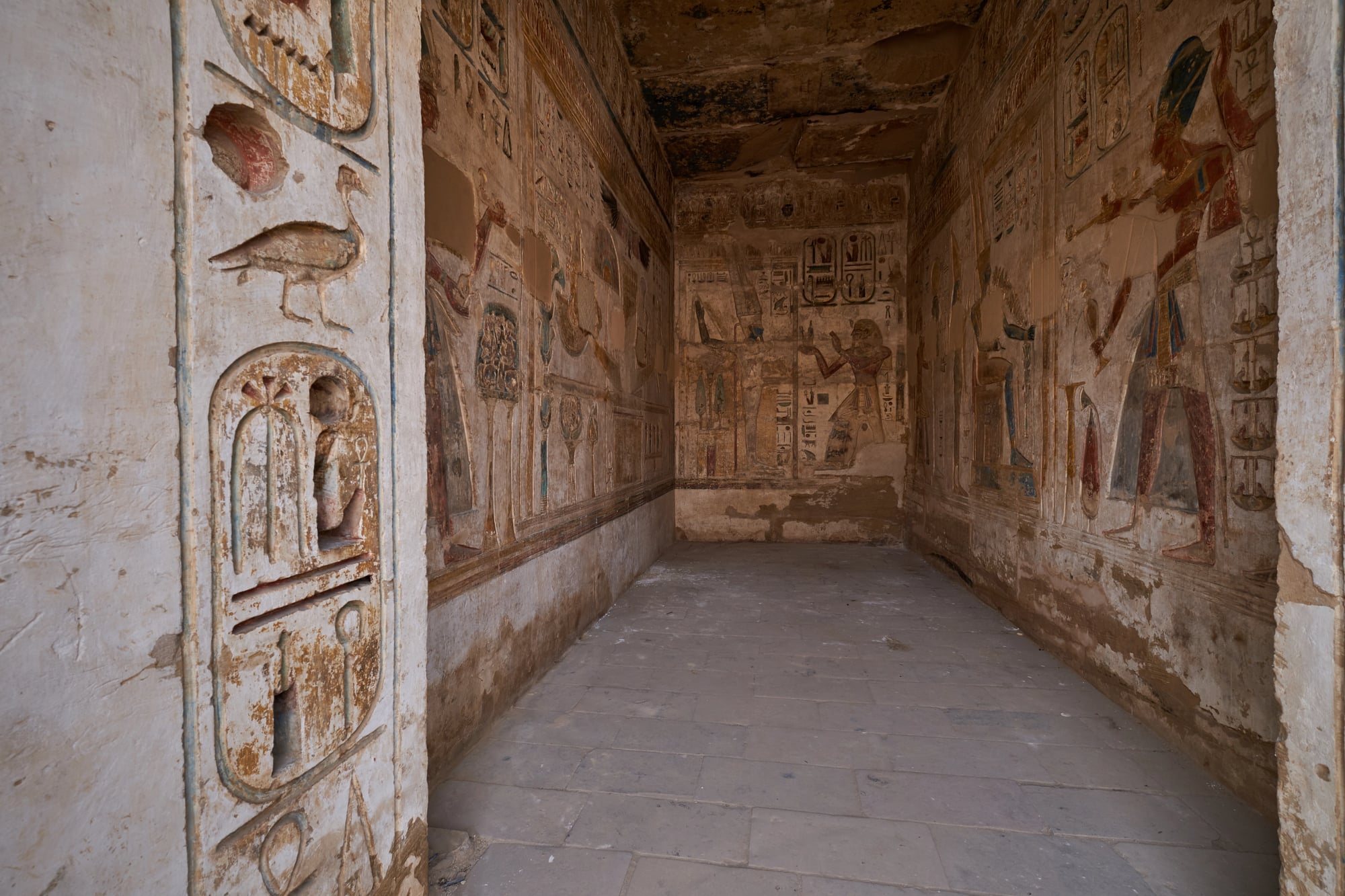
Ramesses III, one of ancient Egypt’s most celebrated warrior pharaohs, was the victim of a conspiracy known to historians as the Harem Conspiracy. His secondary wife Tiye and a group of court officials plotted to kill him and place her son Pentawere on the throne.
Modern forensic examination of the royal mummy, conducted in 2012, revealed that his throat had been cut deeply enough to have been fatal. Several of the conspirators were tried and convicted in what Egyptian records describe as the earliest documented legal proceedings for royal assassination.
The conspiracy came from within the household he lived in daily.
Kenyan President Jomo Kenyatta — The Coup Attempt of 1982
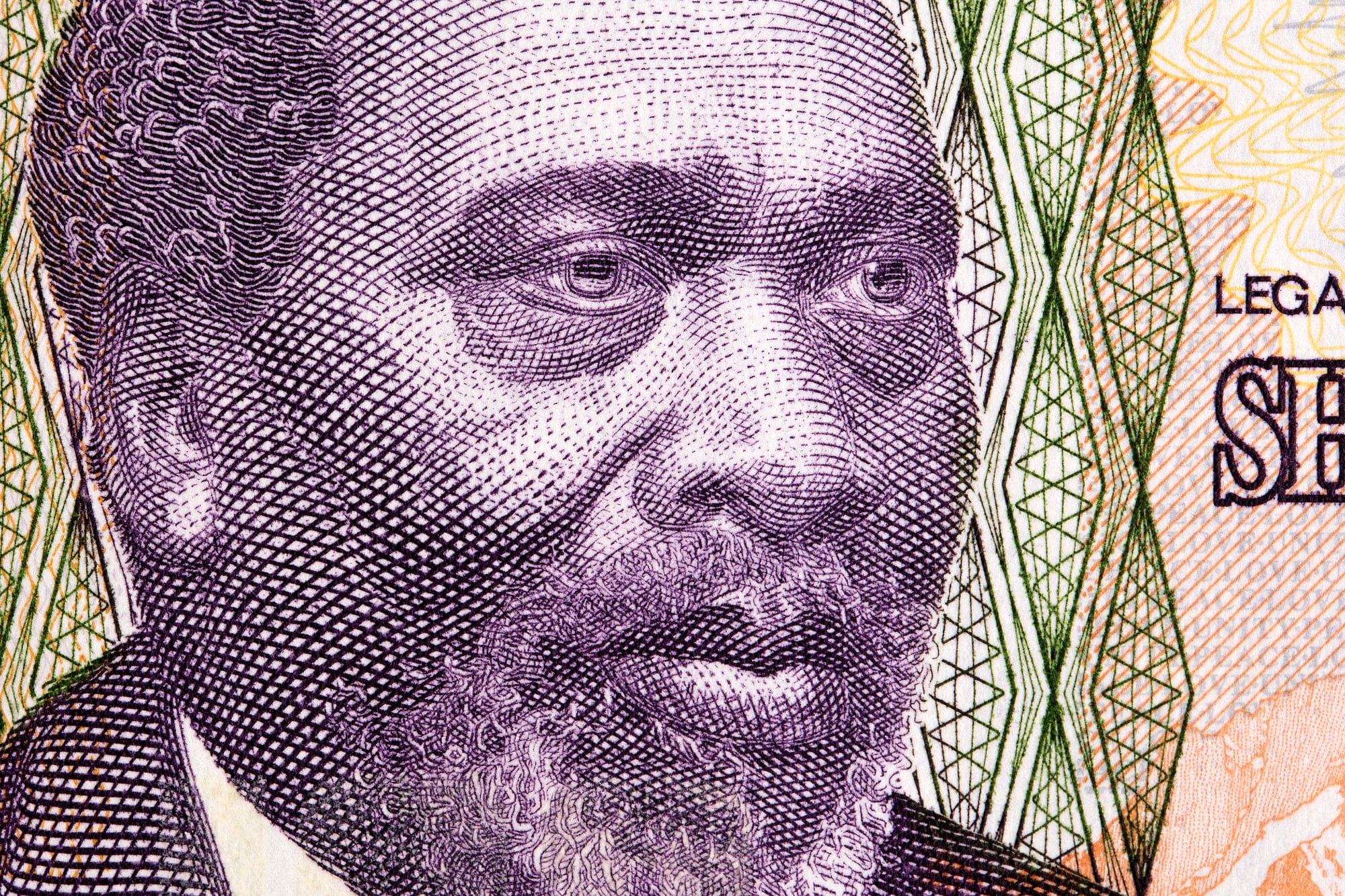
Though Kenyatta had died in 1978 and Daniel arap Moi was president by the time of the 1982 coup attempt, the structure of the event illustrates the recurring pattern: junior members of the Kenyan Air Force launched an attempted coup against Moi in August 1982. The plotters were not foreign agents — they were members of the Kenyan military, people operating inside the very institutions the government had built.
The coup was suppressed within hours, but the discovery that the threat came from within the Air Force rather than from a recognised opposition was its own demonstration of how routine insider betrayal had become as a mechanism of political change.
The Pattern That Keeps Repeating
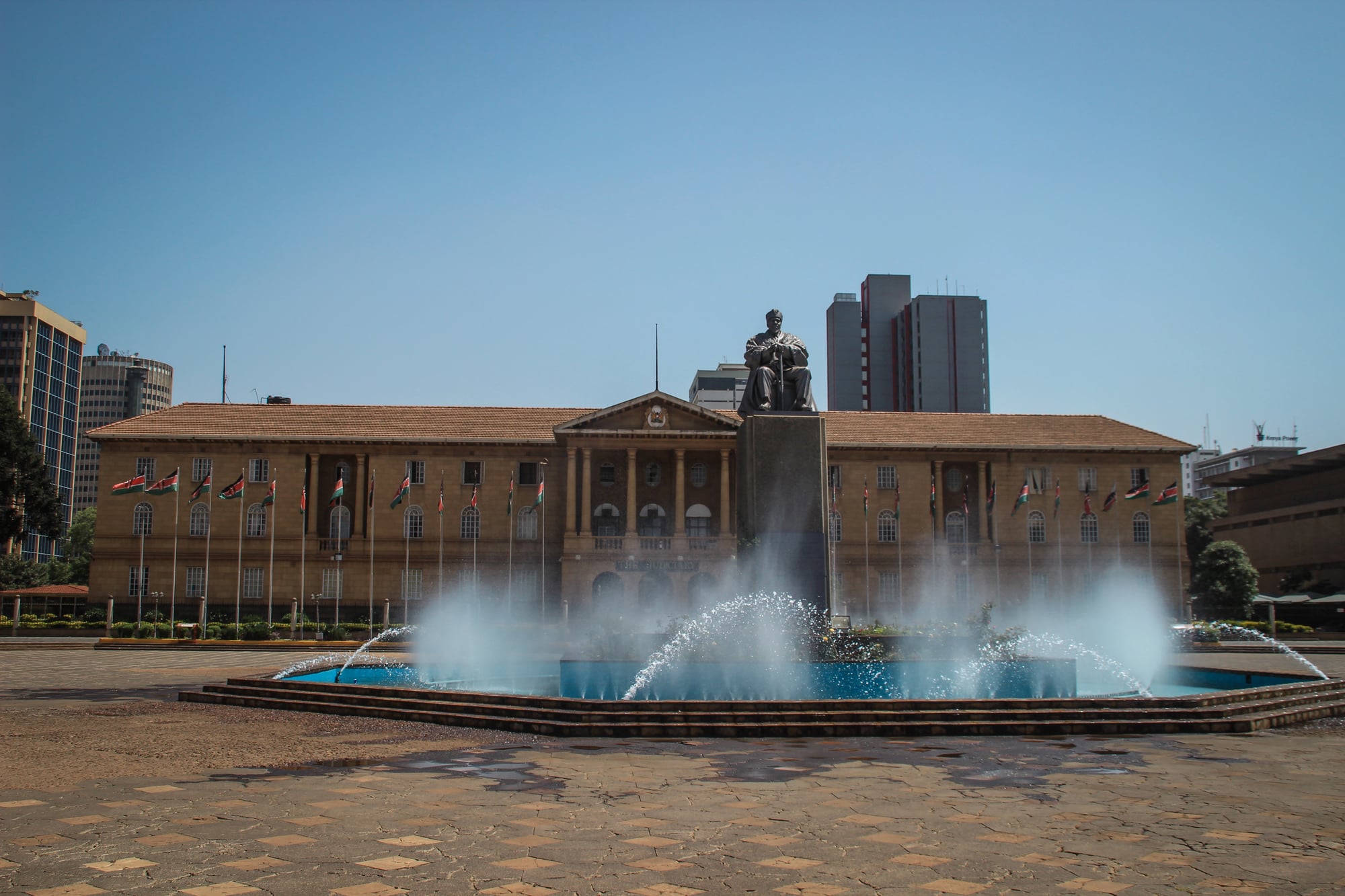
What connects these twenty-six cases across thousands of years and dozens of different political systems is the same: power does not protect against those it has made close. The very act of elevating someone — giving them access, knowledge, proximity — creates the capacity for betrayal that outside enemies cannot match.
The advisor who knows the schedule. The general who controls the troops.
The official with the key. Machiavelli wrote in The Prince that no ruler is safe once their supporters decide the calculation has changed, because the ruler’s power derives from the same people most capable of ending it.
The history of rulers overthrown by those they trusted is not a history of foolishness. Most of these rulers were intelligent people who understood the danger of enemies.
What they could not prevent was the moment when the cost-benefit analysis shifted for someone standing in their own rooms — when the risk of continued loyalty exceeded the risk of acting. That moment arrives unpredictably, cannot be fully anticipated, and has ended more powerful reigns than any foreign army in recorded history.
More from Go2Tutors!

- The Romanov Crown Jewels and Their Tragic Fate
- 13 Historical Mysteries That Science Still Can’t Solve
- Famous Hoaxes That Fooled the World for Years
- 15 Child Stars with Tragic Adult Lives
- 16 Famous Jewelry Pieces in History
Like Go2Tutors’s content? Follow us on MSN.



