26 Secret Prison Camps Operated During World War II
Most people know about the major theaters of World War II — the beaches of Normandy, the Pacific islands, the Eastern Front’s brutal arithmetic of attrition. But behind the official narrative of the war ran a parallel architecture of secrecy: detention sites, interrogation centers, and holding facilities that governments on every side preferred not to discuss, and in many cases actively concealed.
Some of these places housed enemy combatants. Others held civilians, scientists, political prisoners, or people whose only real offense was existing at the wrong moment in history.
A handful weren’t discovered until decades after the guns fell silent. These are 26 of the most significant secret prison camps operated during World War II — places that shaped the war’s outcome, fed its darkest chapters, or simply waited in the shadows until someone finally thought to look.
Camp 020
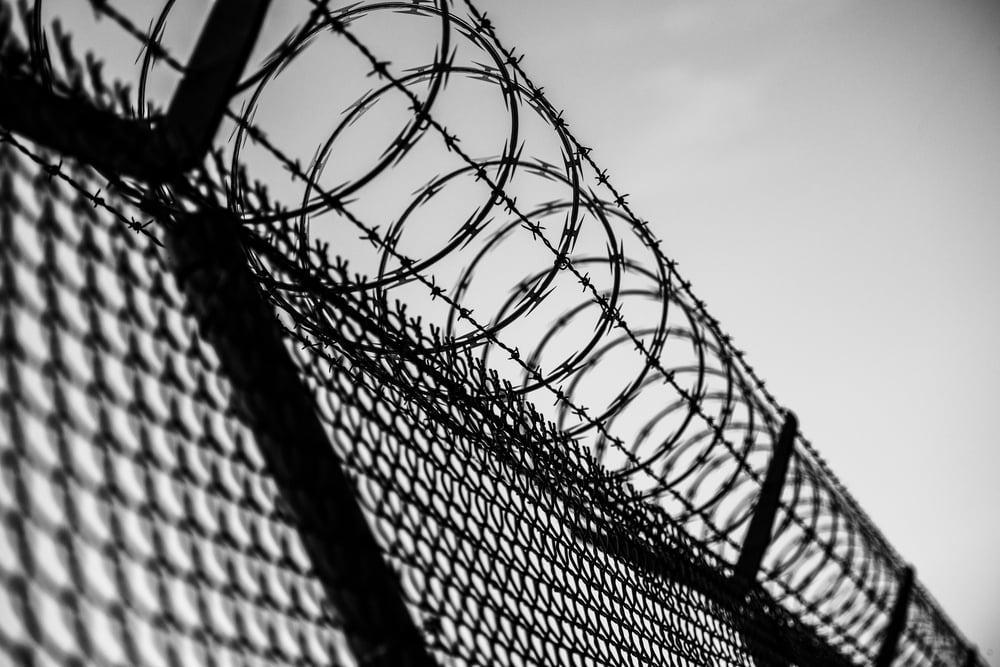
Camp 020 was Britain’s most tightly controlled wartime interrogation facility, housed inside Latchmere House — a Victorian building in Ham, Surrey, about 10 miles southwest of central London. The camp processed nearly every German spy who landed on British soil, and the interrogators there turned a remarkable number of them into double agents feeding false intelligence back to Berlin.
Ran Tin Tin this was not: the methods were psychological rather than physical, but the psychological pressure applied was described by inmates as genuinely relentless.
Fort Hunt
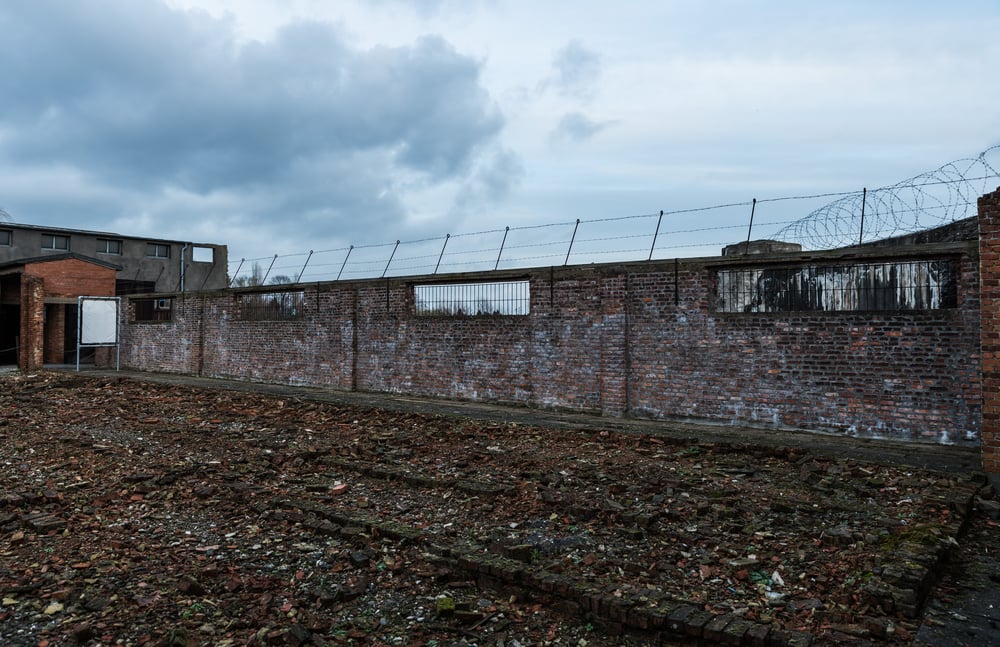
Fort Hunt, Virginia, operated quietly along the Potomac River just south of Washington, D.C., and the U.S. government kept its existence classified for decades after the war ended. Known internally as P.O. Box 1142, the facility held high-value German prisoners — scientists, military officers, intelligence assets — in surprisingly comfortable conditions designed specifically to encourage conversation.
Turns out the most effective interrogation tool the Americans found wasn’t coercion at all: it was a warm meal, a chess set, and a hidden microphone in every room.
Natzweiler-Struthof
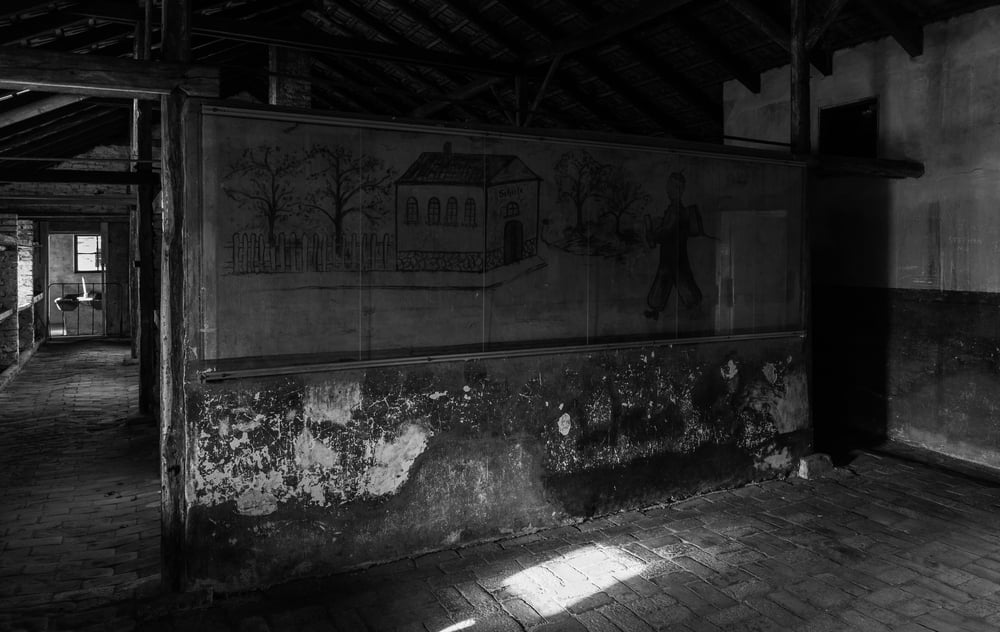
Natzweiler-Struthof sits in the Vosges Mountains of Alsace, France — the only Nazi concentration camp established on territory that is now part of modern France — and it operated with a particular methodical coldness even by the standards of the Reich’s camp system. Prisoners there were used in medical experiments, including exposure to phosgene gas and typhus injections, and the camp received at least 86 Jewish victims murdered specifically so their skeletons could be used in an anatomical collection at the Reich University of Strasbourg.
The mountain setting, beautiful and indifferent, makes the history feel even more vertiginous.
Dulag Luft
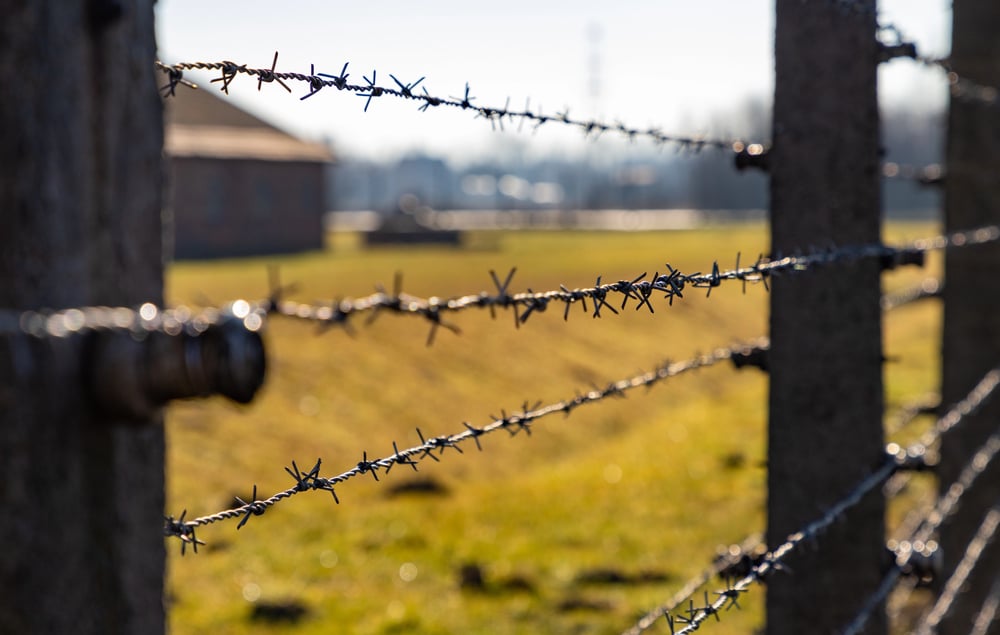
Dulag Luft was the Luftwaffe’s primary transit and interrogation camp for Allied airmen, located near Oberursel, Germany — and it worked because it was patient. German interrogators at the camp had assembled extraordinary files on Allied air units, pulling from radio intercepts, downed aircraft, and prisoner debriefs, so they could walk into an interrogation already knowing a pilot’s squadron, base, and commanding officer’s name.
The airmen sitting across from them often had no idea how much was already known, which is exactly how the Germans wanted it.
Camp Tracy
Camp Tracy — officially the Combined Services Detailed Interrogation Center — operated out of a converted ranch property in Byron, California, and the surrounding farming communities had no idea what their neighbor actually was. The facility held Japanese prisoners of war considered too valuable for the standard POW system, including naval officers captured after Midway whose knowledge of Imperial Japanese Navy operations was considered priceless.
What the prisoners didn’t know — and what remained classified for over 60 years — was that the entire facility was wired for audio and every conversation was being transcribed.
Sagan Cooler
The “cooler” at Stalag Luft III, near Sagan in what is now Poland, wasn’t technically a separate camp but a punishment block that functioned as one — a small, deliberately uncomfortable set of isolation cells where repeat escape offenders were warehoused. It became famous partly because of what prisoners did while inside: planned more escapes.
The cooler produced some of the most detailed tunnel engineering blueprints ever conceived under wartime detention, which is either a tribute to human ingenuity or a suggestion that solitary confinement doesn’t work the way its architects think it does.
Bełżec
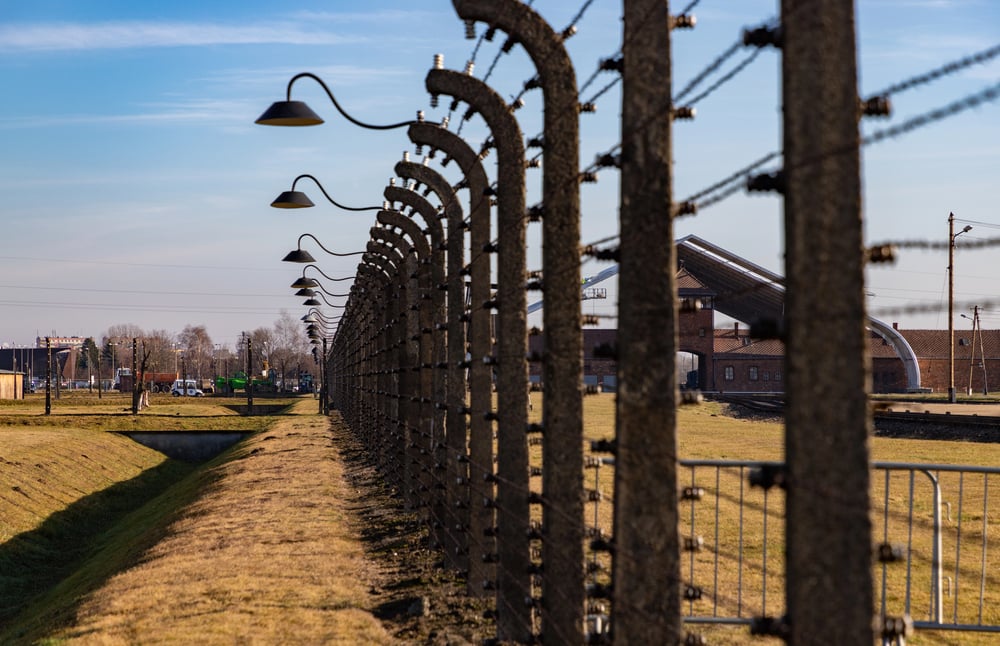
Bełżec operated as an extermination camp in occupied Poland beginning in March 1942, and it was built with a specific operational logic — maximum throughput, minimum evidence — that distinguished it even within the Nazi camp system. An estimated 430,000 to 500,000 people were murdered there in under a year, and when the camp was dismantled in 1943, the Germans plowed the site, planted trees over the mass graves, and built a farmhouse on the land.
For years the site appeared on no official maps, which is perhaps the most calculated form of erasure imaginable.
CSDIC India
The Combined Services Detailed Interrogation Centre India, operating out of the Red Fort in Delhi, processed prisoners from the Burma and Pacific campaigns and remained so obscure that its records were only partially declassified in the 1990s. The facility was particularly focused on Japanese prisoners — who were exceptionally rare, since Japanese military doctrine at the time treated surrender as dishonorable — and the intelligence gathered there about Japanese troop movements and supply chains contributed directly to British and American planning in Southeast Asia.
To be fair, the Red Fort had seen interrogations before, across centuries of occupation; it was, in some sense, already accustomed to the work.
Chełmno
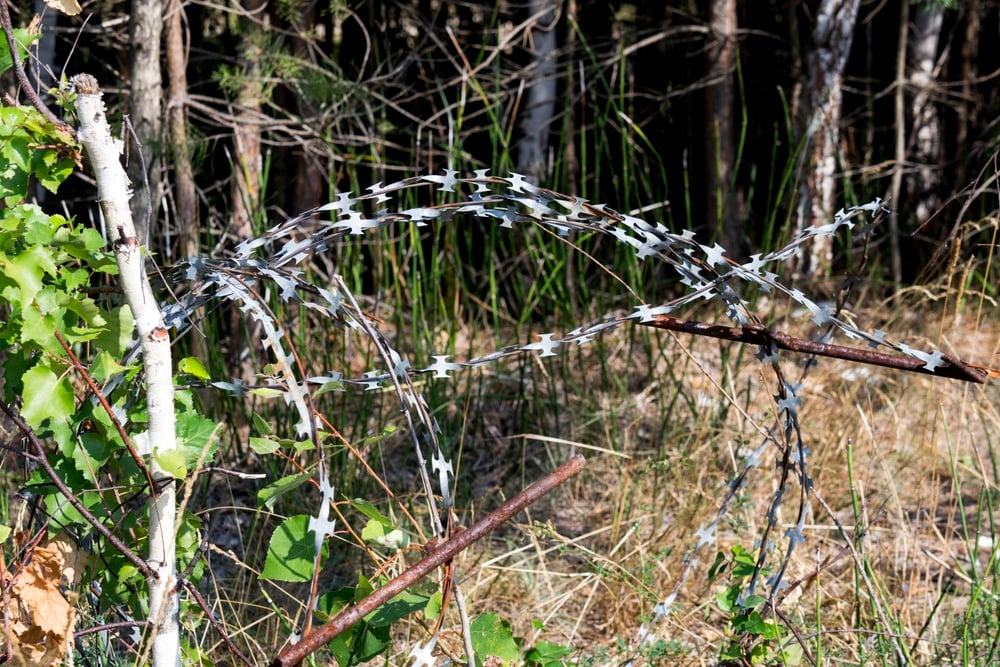
Chełmno — known in German as Kulmhof — was the first Nazi extermination camp to begin operations, killing its first victims in December 1941 using gas vans rather than the fixed chambers later constructed elsewhere. The camp operated in the Reichsgau Wartheland region of occupied Poland, and its victims were primarily Jews from the surrounding Łódź area, with estimates of the total killed ranging between 150,000 and 340,000.
Unlike the Operation Reinhard camps, Chełmno left almost no survivor testimony because almost no one survived.
Pergamon Villa
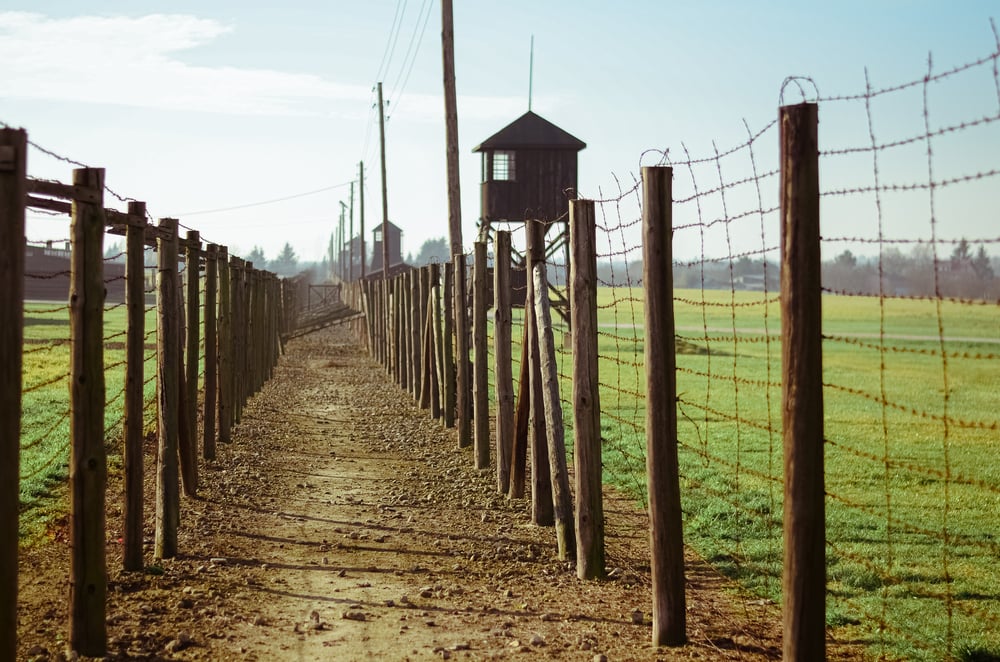
The Pergamon Villa, a large house in the Berlin suburb of Wannsee, was used by the Abwehr — Germany’s military intelligence service — as a holding and interrogation site for agents captured by or working for the Reich. It operated in the murky overlap between intelligence work and detention, where prisoners weren’t always officially prisoners and the paperwork, deliberately, didn’t always reflect what was happening inside.
So it existed in a bureaucratic shadow, which was precisely the point.
SIME Cairo
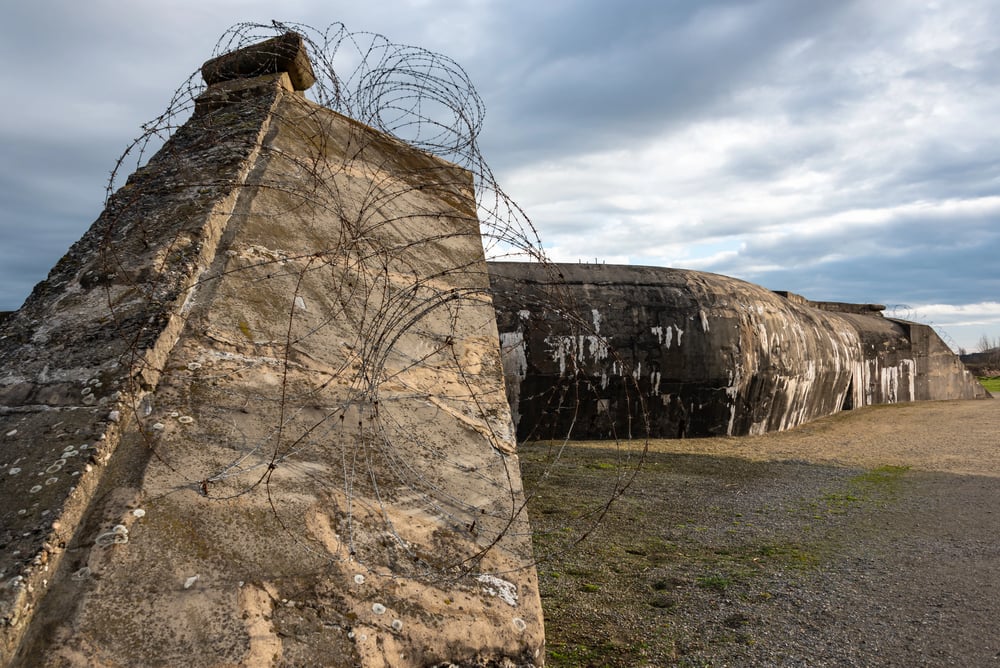
The Security Intelligence Middle East facility in Cairo operated out of a nondescript building and processed spies, suspected agents, and persons of interest across the entire North African and Middle Eastern theater — a geographic footprint that made it one of the busiest intelligence detention facilities outside of Europe. British interrogators there worked in conditions that were barely controlled, managing a constant stream of prisoners representing dozens of nationalities, allegiances, and languages, with translators frequently in shorter supply than the prisoners they were needed for.
The files that eventually surfaced from SIME Cairo read less like official records and more like the administrative debris of an operation that was improvised almost entirely in real time.
Dachau Station Z
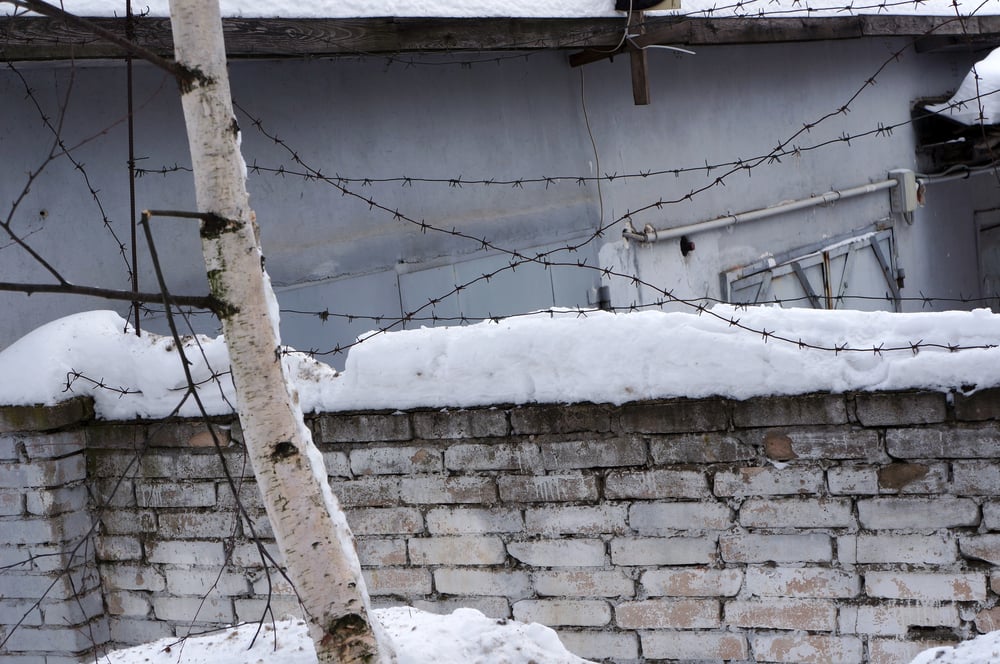
The area known informally as Station Z at Dachau — the camp’s execution and cremation compound — was kept physically separated from the main prisoner population and was not documented in official SS records in a way that acknowledged its purpose. Executions there included a series of Soviet POW shootings in 1941 that the camp administration initially attributed to deaths from illness.
The gap between what the records said and what actually happened is one of the more meticulously documented examples of bureaucratic concealment in the entire history of the camp system.
Tost Internment Camp
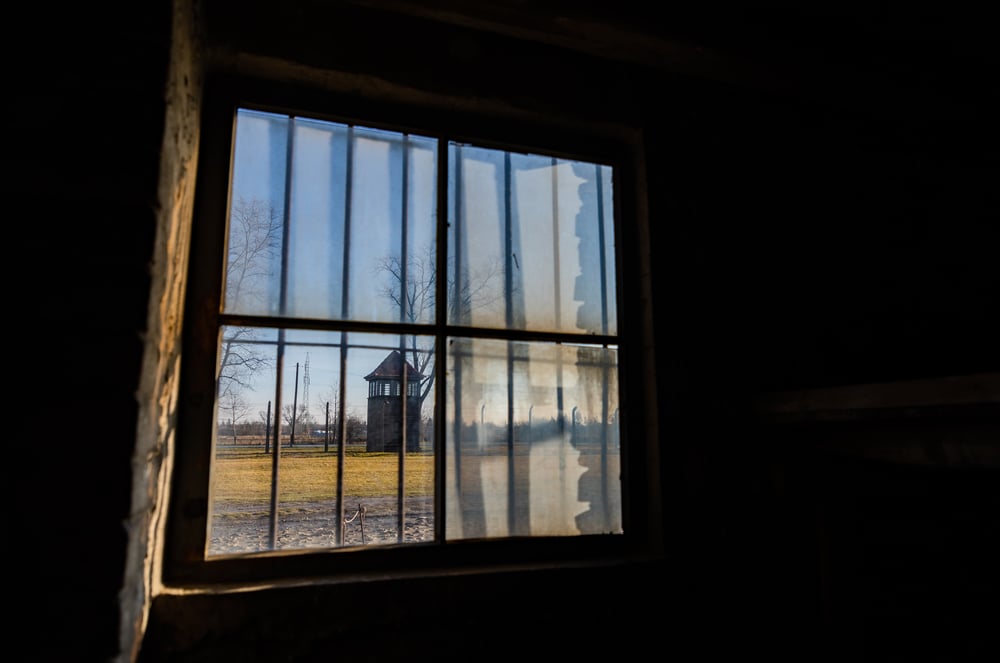
Tost, in German-occupied Poland, was used to intern civilian enemy nationals — primarily British and American citizens caught in Europe when the war began — under conditions that differed substantially from combat POW camps and received almost no coverage in the Allied press. The novelist P.G. Wodehouse was among those interned there, a detail that seems almost too strange to be real until you read his account of it, which was characteristically cheerful in a way that made him plenty of postwar enemies.
The camp existed in a legal and logistical middle ground — not quite a concentration camp, not quite a standard POW facility — that the Germans seemed to find useful precisely because it was so difficult to categorize.
Khatyn Forest Interrogation Site
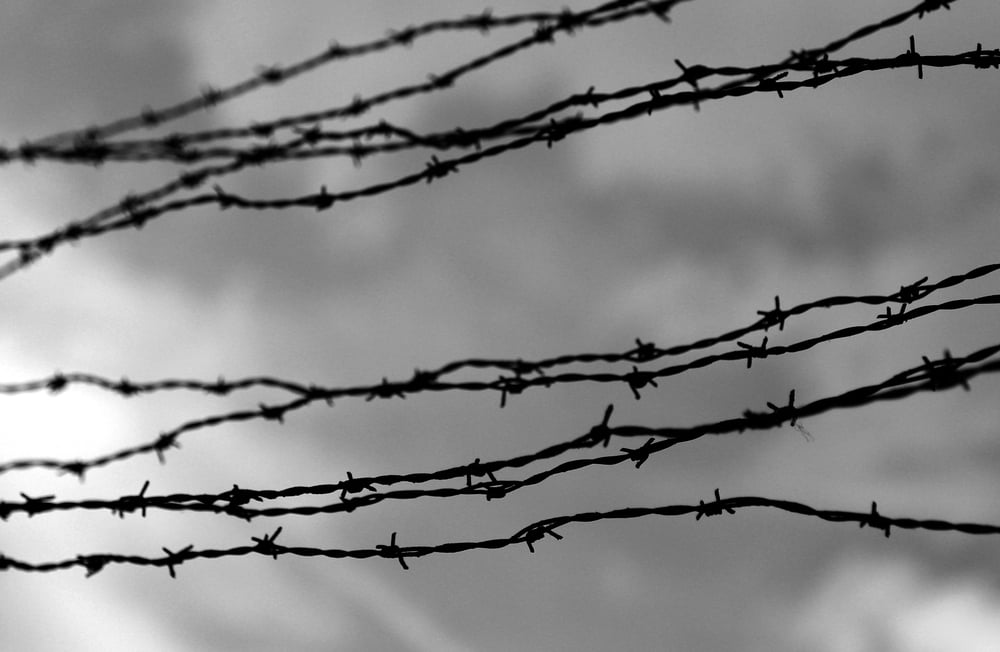
Near the village of Khatyn in occupied Belarus, the Germans established temporary detention and interrogation facilities as part of anti-partisan operations, using the dense forested terrain as both a tactical shield and a burial resource. The sites were intentionally temporary — built to process, extract, and eliminate without leaving the kind of permanent infrastructure that could be later identified and documented.
And yet the ground there holds evidence that has taken archaeologists decades to piece together.
Ofuna Camp
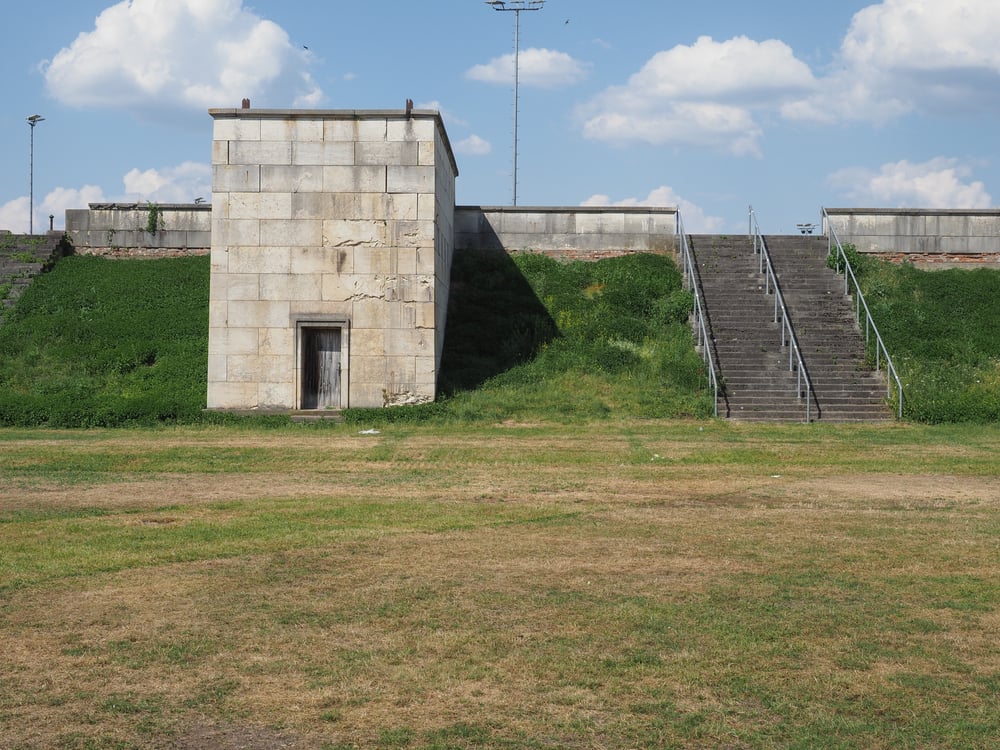
Ofuna was a Japanese naval interrogation camp near Kamakura, Japan, that the Japanese government deliberately kept off the official POW camp registry — which meant its prisoners had no legal standing under the Geneva Convention and no contact with the Red Cross. Prisoners were kept in isolation, systematically malnourished, and subjected to beatings that guards apparently administered with a practiced routine.
Louis Zamperini, the American bombardier who later became the subject of the book and film Unbroken, was held at Ofuna and described the camp’s psychological climate as something specifically engineered to dissolve the human sense of self.
The London Cage
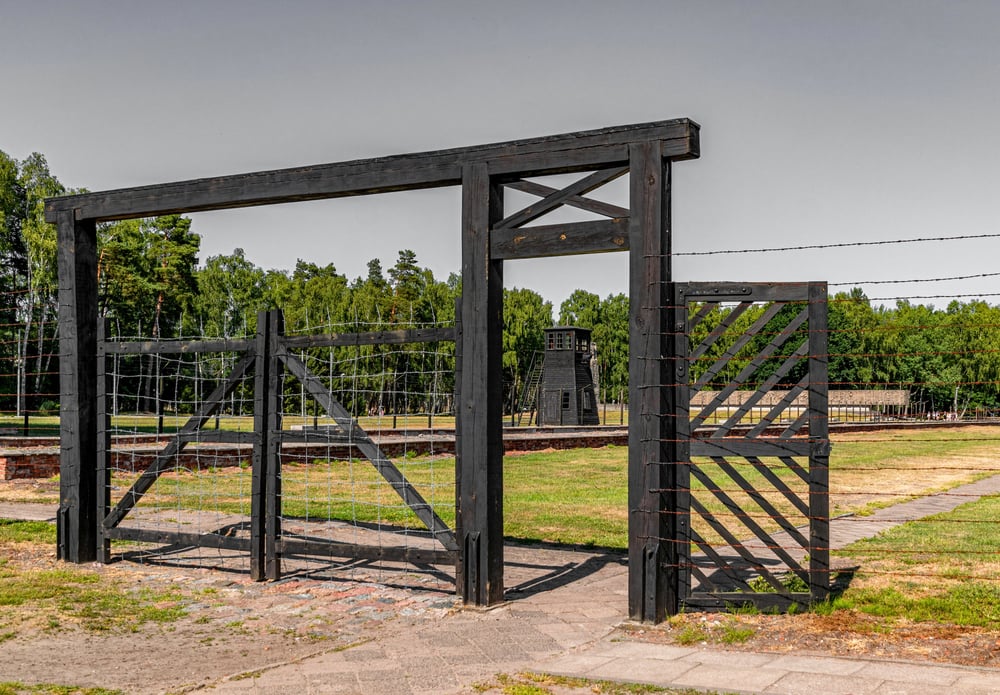
The London Cage was a prisoner of war holding and interrogation facility run by British military intelligence inside three requisitioned houses at Kensington Palace Gardens — some of the most expensive real estate in the city — and it operated there from 1940 to 1948. Colonel Alexander Scotland, who ran the facility, later wrote a memoir about it that British authorities attempted to suppress for over a decade, concerned about the interrogation techniques it described.
The incongruity of a secret wartime interrogation center planted inside one of London’s most elegant residential streets is either darkly funny or a very deliberate piece of camouflage — and probably both.
Mauthausen-Gusen
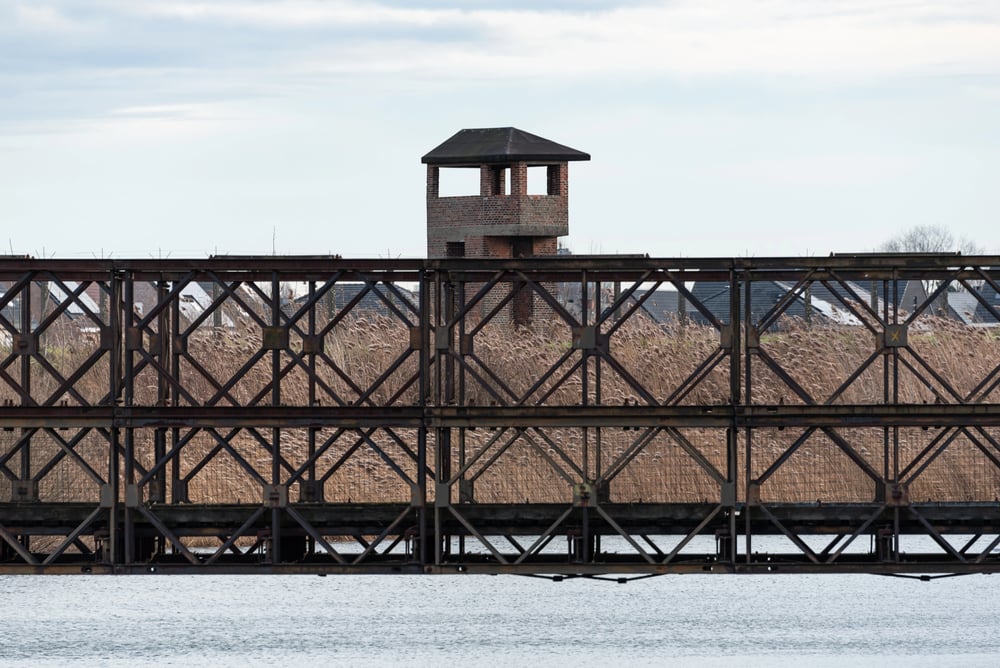
Mauthausen-Gusen in Austria was classified by the SS under a special Category III designation — meaning it was reserved for prisoners considered incorrigible and where the expectation, built into the camp’s design, was death rather than labor. The granite quarry at the site, with its 186-step “Stairs of Death” down which prisoners were forced to carry stones weighing up to 110 pounds, became one of the most recognizable symbols of deliberately constructed mortality in the entire camp system.
Prisoners from over 30 nations died there, including a significant number of Spanish Republicans who had fled France after the fall of the Republic.
Tule Lake Segregation Center
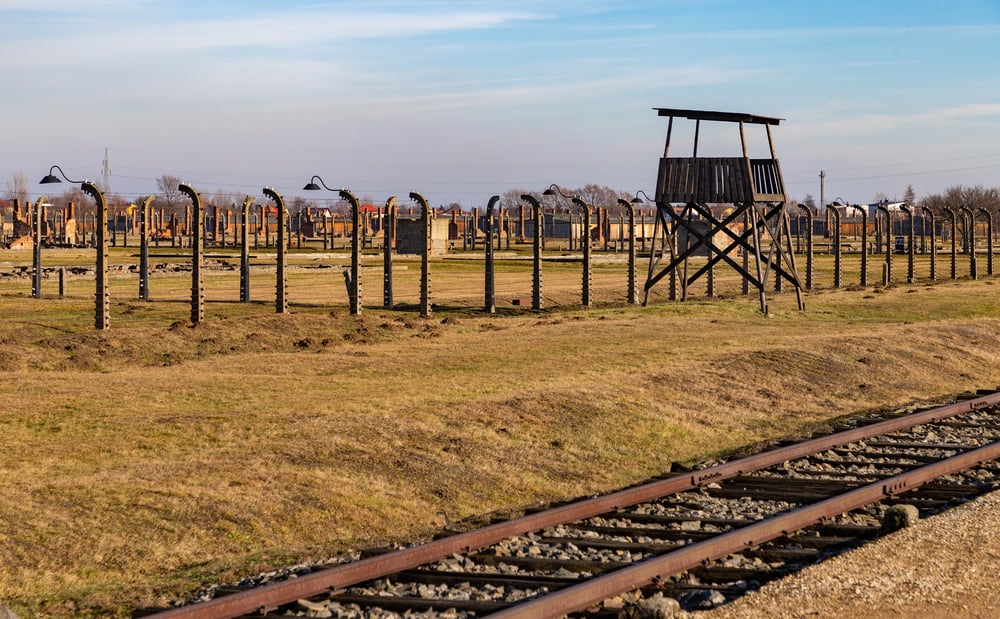
Tule Lake in northern California began as one of ten War Relocation Authority camps for Japanese Americans, but in 1943 it was converted into a segregation center for those deemed “disloyal” — a designation that included people who had simply asked to return to Japan, or who had refused to answer loyalty questionnaires under protest. At its peak Tule Lake held over 18,000 people behind fences, guarded by military police with tanks stationed at the perimeter.
The tank detail, in particular, seems like a statement: that’s not security, that’s a message.
Stutthof
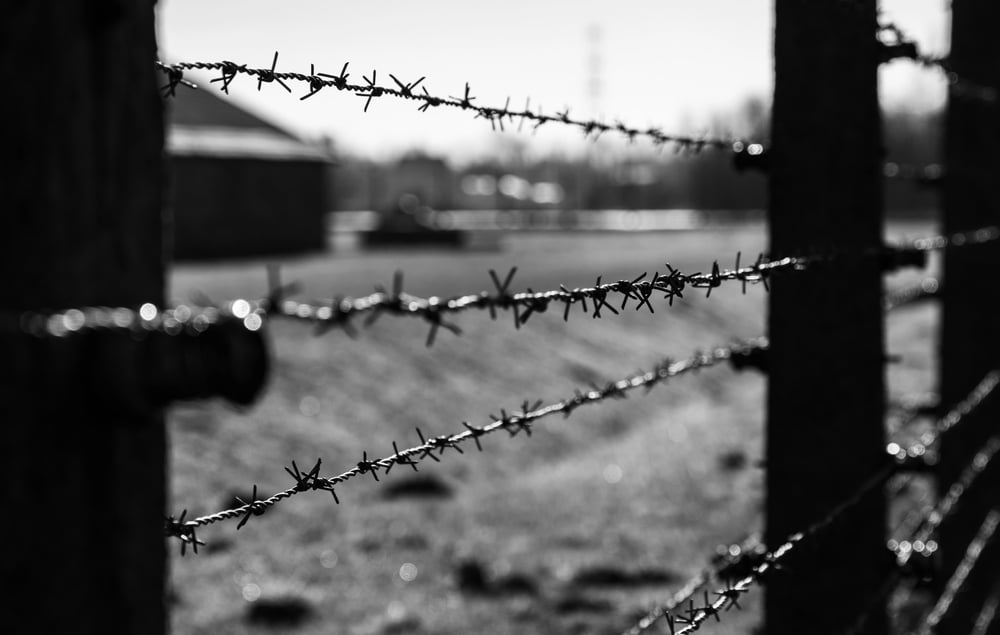
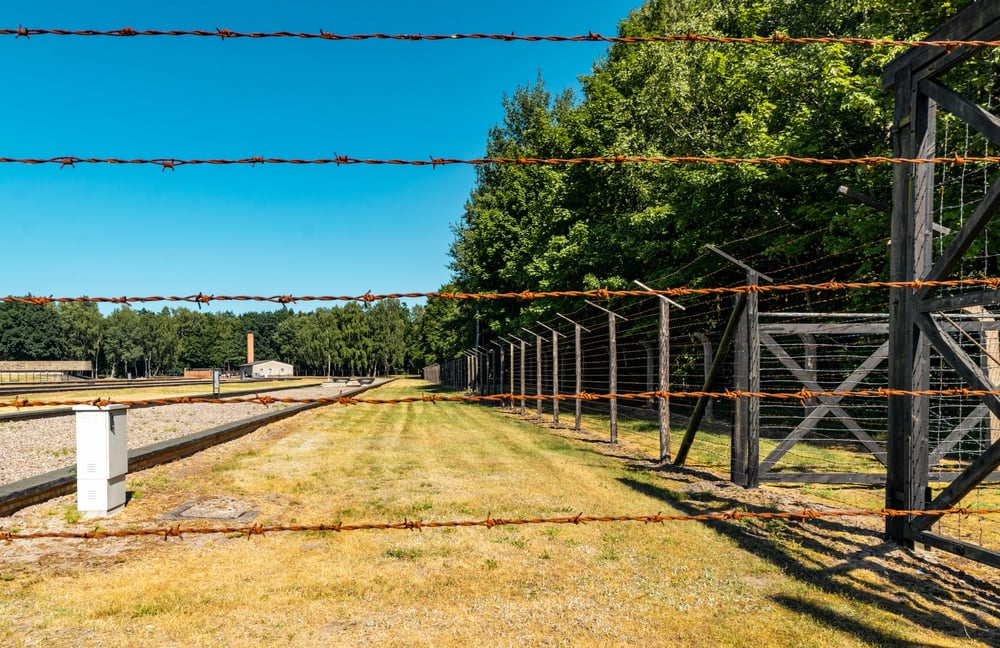
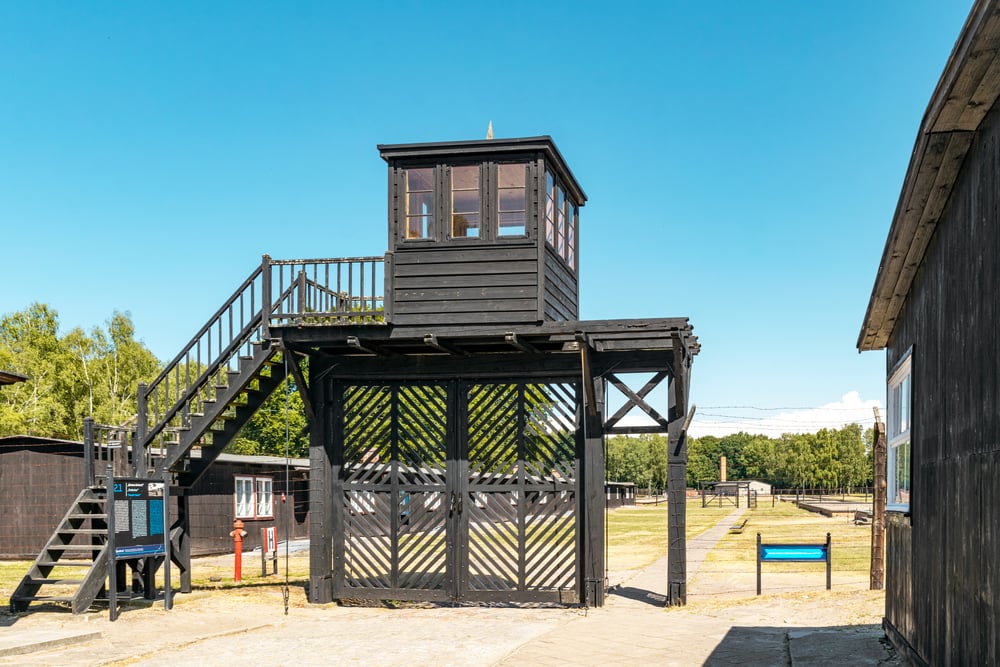
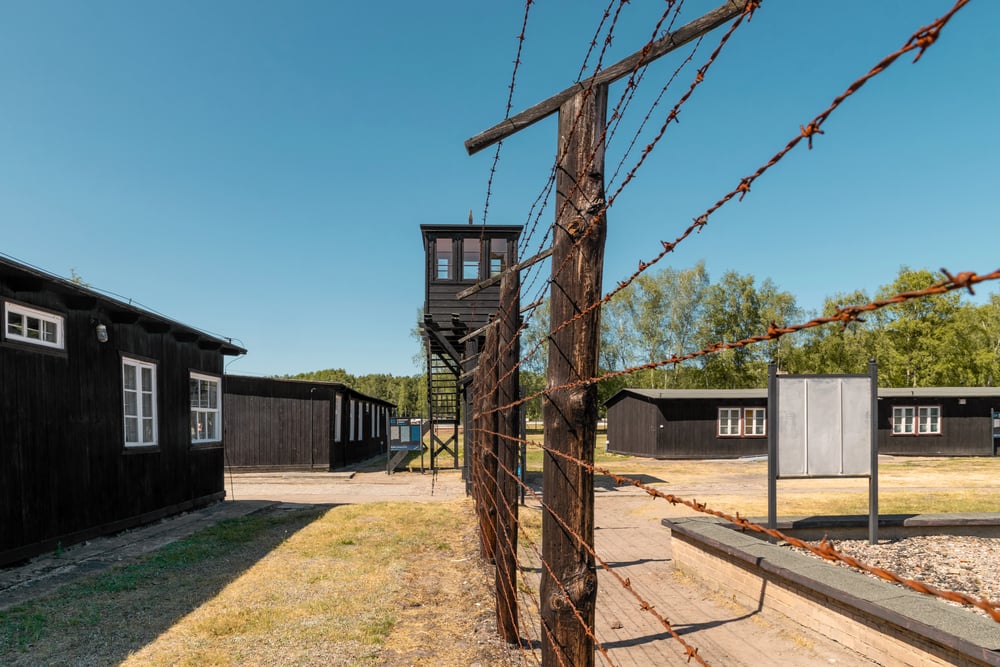
Stutthof, located about 22 miles east of Danzig in occupied Poland, was the first camp established by the Germans outside of Germany’s 1939 borders and one of the last to be liberated, in May 1945. It began as a civilian internment facility for Polish citizens and evolved, as the war expanded, into a full concentration camp through which over 100,000 people passed.
The progression from makeshift internment to systematic mass murder at Stutthof is documented in camp records that survived the war almost entirely intact — a bureaucratic record that nobody thought to destroy, possibly because nobody expected to lose.
Pacific Theater Island Camps
Throughout the Pacific, the Japanese military operated temporary detention facilities on occupied islands — Guadalcanal, Formosa, Wake Island — that were functionally invisible to any international oversight and left almost no administrative paper trail. Allied POWs held in these locations reported conditions that varied wildly depending on the commanding officer present, creating a system where individual temperament determined survival odds more than any formal policy.
Some of these sites weren’t definitively located until American military historians began interviewing survivors in the 1970s and 1980s.
Rivesaltes Camp
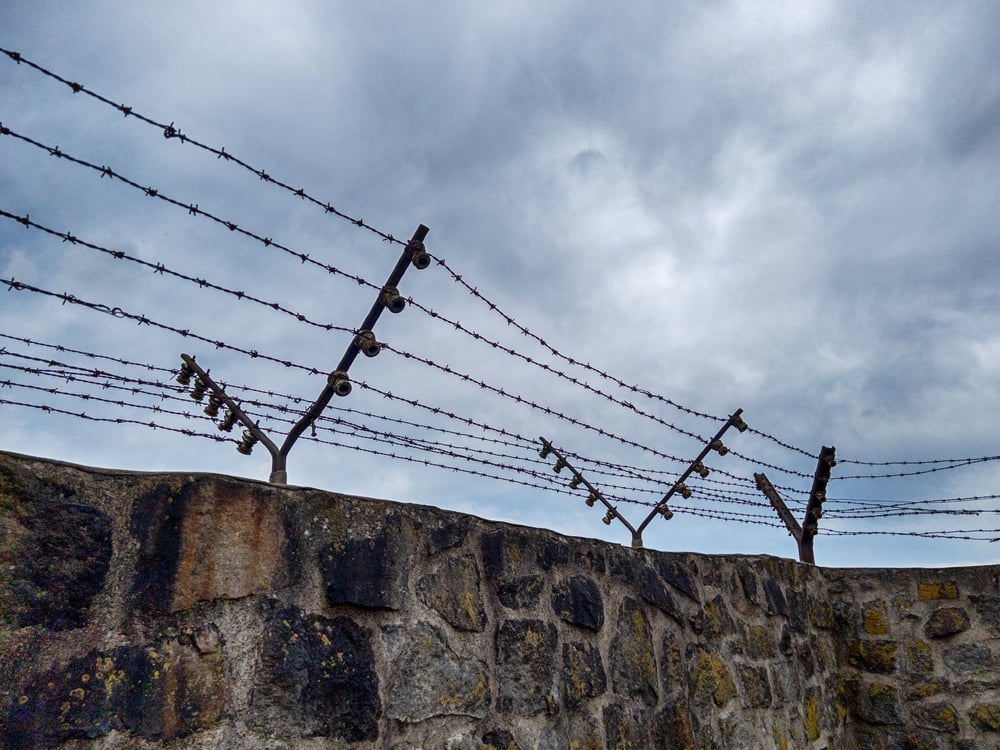
Rivesaltes, near Perpignan in southern France, operated under Vichy French authority as an internment camp for foreign Jews, Romani people, and Spanish refugees — a facility that technically belonged to a government that technically wasn’t at war but was functioning as a willing instrument of the Reich’s deportation machinery. Over 2,000 people were deported from Rivesaltes to Drancy and from there to Auschwitz.
The camp was used for other purposes after the war, including housing Algerian harkis in the 1960s, and its history as a site of continuous state detention across multiple eras is something the French government engaged with very slowly and very reluctantly.
CSDIC Bad Nenndorf
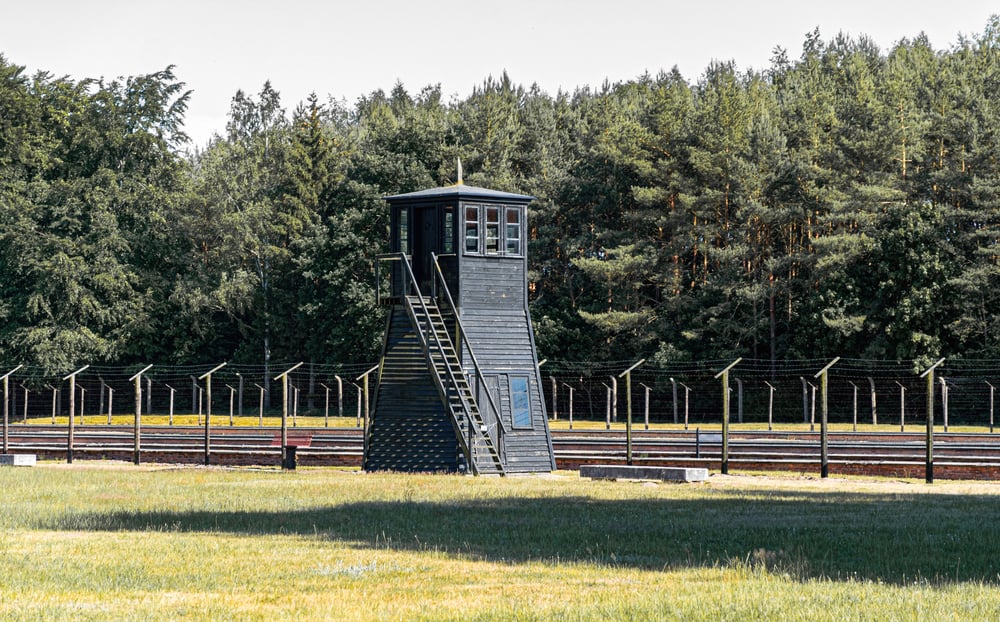
Bad Nenndorf was a British interrogation facility in postwar Germany — operating from 1945 to 1947 — but its roots and methods were deeply continuous with wartime intelligence detention practices, processing former Nazi officials, SS members, and suspected Soviet agents. A 1947 British government inquiry found that prisoners there had been subjected to starvation, prolonged exposure to cold, and physical abuse.
The resulting scandal briefly surfaced in the British press before being substantially buried, and the full files weren’t released until 2005.
Jasenovac
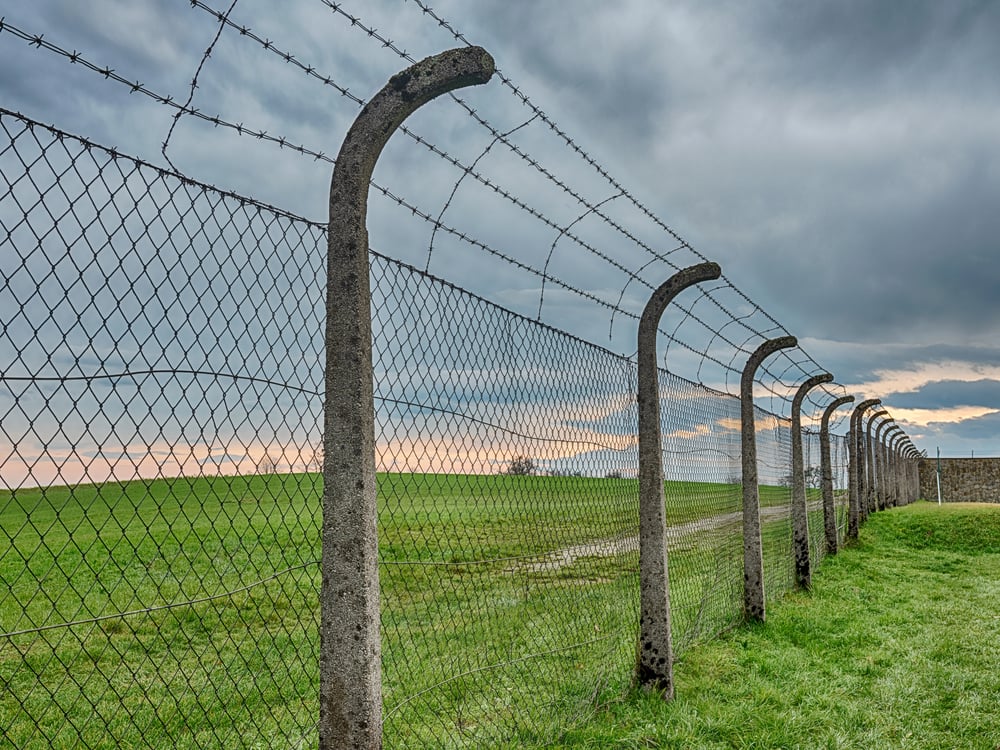
Jasenovac was a concentration camp complex in the Independent State of Croatia, operated not by the Germans but by the Ustaše — the Croatian fascist movement — and it carried out mass killings of Serbs, Jews, and Romani people with a violence that reportedly disturbed even some German SS officers assigned to the region. The camp left relatively few survivors and the Ustaše destroyed most of their own records before retreating in 1945, which has made precise victim counts the subject of fierce historical dispute ever since.
But not even the dispute changes what the physical and testimonial evidence, taken together, clearly confirms.
Theresienstadt
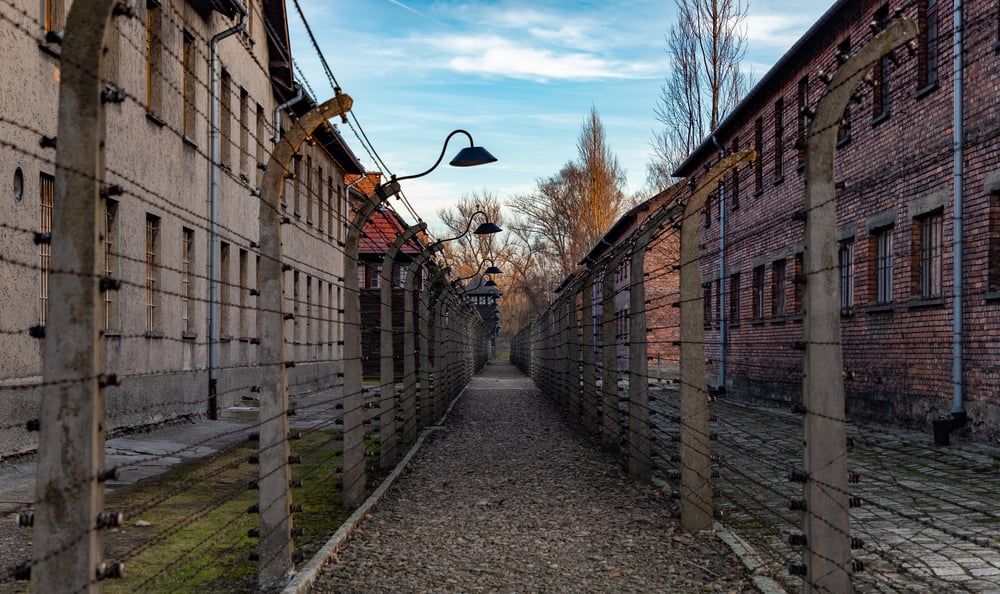
Theresienstadt in occupied Czechoslovakia was constructed to serve a dual purpose — functioning as an actual concentration camp while simultaneously operating as a Potemkin village for Red Cross inspectors and international observers. The Nazis used the presence of prominent Jewish intellectuals, artists, and musicians to stage performances and construct the appearance of a functioning cultural community, even as deportations to Auschwitz proceeded at regular intervals from the same train platform.
The Red Cross inspection of June 1944 was, by any honest accounting, one of the more catastrophic failures of institutional gullibility in modern history.
Tokyo’s Omori Camp
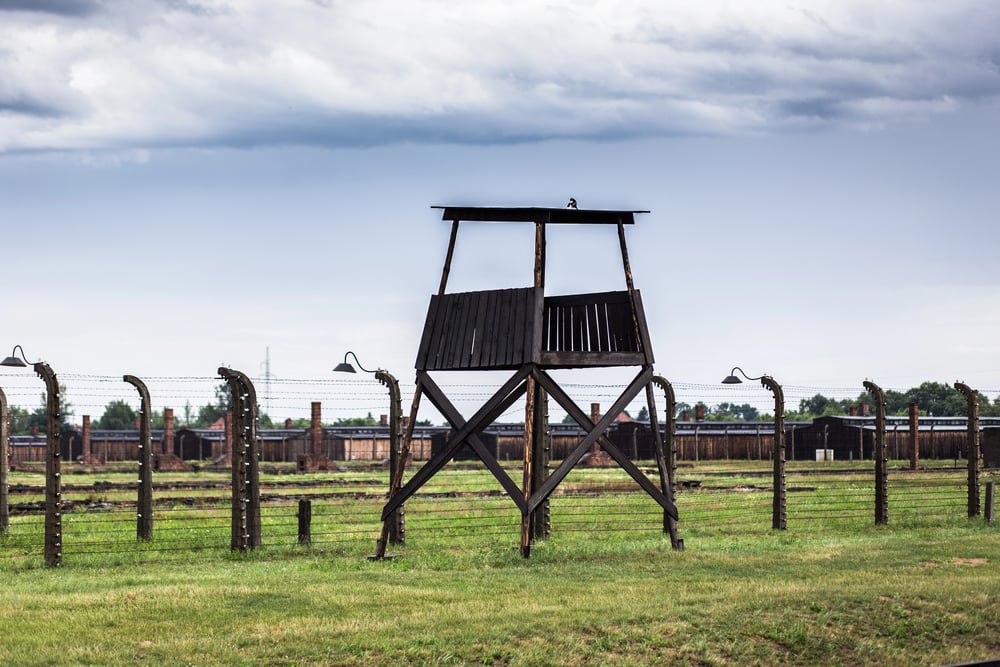
Omori Camp, located on a man-made island in Tokyo Bay, was Japan’s most prominent prisoner of war facility for Allied officers and was simultaneously one of the most visible — positioned close enough to the city that prisoners could sometimes hear Tokyo’s daily sounds drifting across the water — and one of the least accessible to outside inspection. The camp commander Mutsuhiro Watanabe, nicknamed “the Bird” by prisoners, was later identified as a suspected war criminal, and the U.S. occupation authorities named him among the most wanted.
He evaded capture by hiding in rural Japan for several years, living under an assumed name, which is about as uncomplicated a measure of guilt as you’re likely to find.
Sobibór
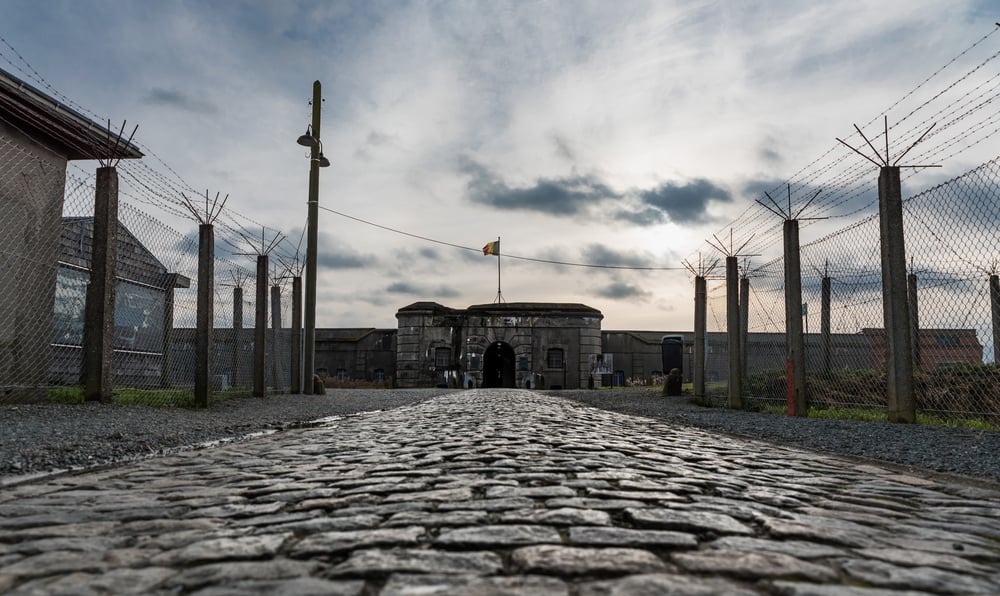
Sobibór in occupied Poland operated as an extermination camp from May 1942 until a prisoner revolt in October 1943 — one of only two successful armed uprisings in a Nazi extermination camp — prompted the Germans to immediately close, dismantle, and plant over the entire facility. Approximately 170,000 to 250,000 people were murdered there, and the Germans’ decision to obliterate the site after the uprising speaks to their understanding of what the evidence meant.
Archaeology conducted at Sobibór in the 2010s recovered the gas chamber foundations the Nazis had worked so hard to bury.
Where the Ground Remembers
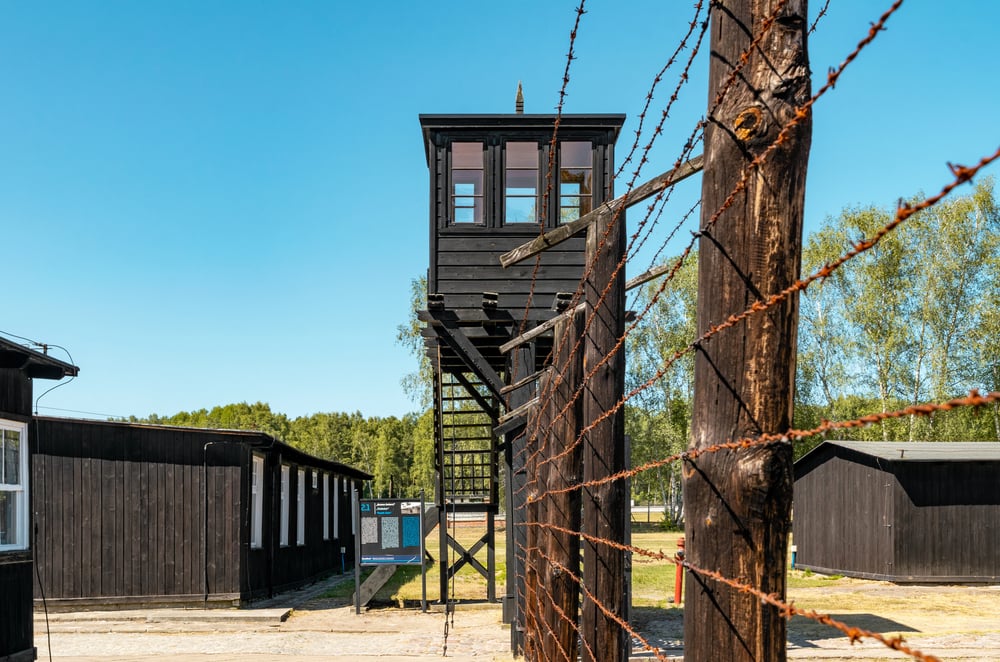
Secrecy, it turns out, has a shelf life. Governments can destroy records, plow fields, plant trees, and change the names on maps — but the ground keeps its own accounting, and eventually someone always looks.
The camps described here span multiple continents, multiple governments, and multiple ideologies, which makes it tempting to treat them as separate stories. They aren’t.
They’re the same story told over and over in different languages about what happens when authority decides that certain people can be made to disappear without consequence. The most important thing history does with places like these isn’t memorialize them — it’s refuse to let them stay secret.
More from Go2Tutors!

- The Romanov Crown Jewels and Their Tragic Fate
- 13 Historical Mysteries That Science Still Can’t Solve
- Famous Hoaxes That Fooled the World for Years
- 15 Child Stars with Tragic Adult Lives
- 16 Famous Jewelry Pieces in History
Like Go2Tutors’s content? Follow us on MSN.



