The Collecting Habits of the Super Rich
When most people think about collecting, they picture stamp albums or maybe a few vintage records gathering dust in the attic. But for the ultra-wealthy, collecting takes on an entirely different meaning.
These individuals don’t just buy things—they hunt down the rarest, most valuable items on the planet, often spending millions without batting an eye. So what exactly do billionaires and multimillionaires choose to collect? Let’s take a look at some of the most fascinating collecting habits of the super rich.
Classic cars
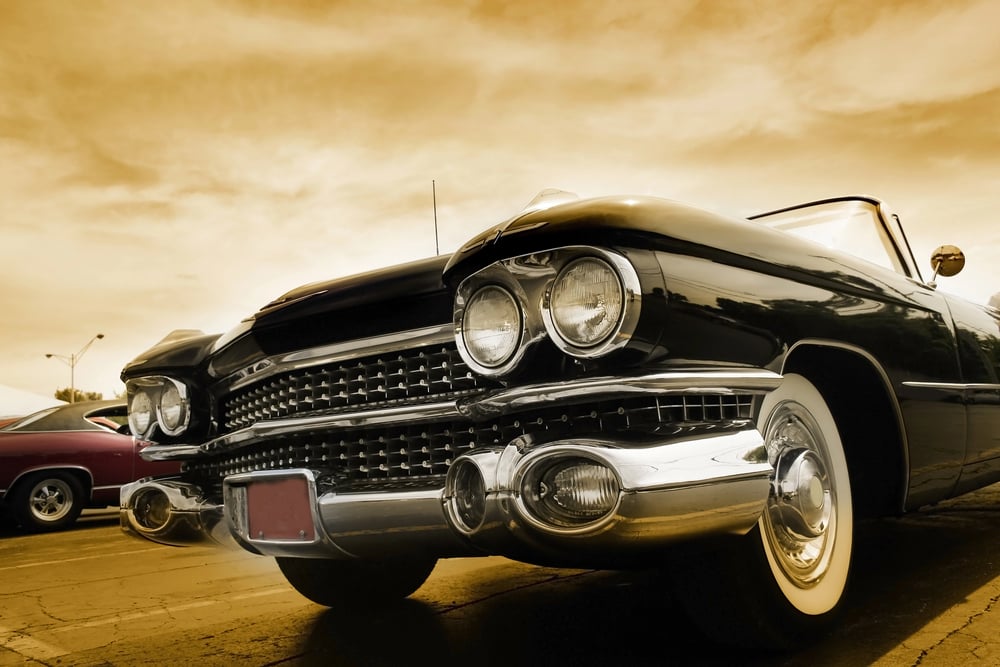
The world’s wealthiest don’t just drive expensive cars—they hoard them in temperature-controlled garages that would make most car dealerships jealous. Jay Leno owns over 180 vehicles, while the Sultan of Brunei reportedly has around 7,000 cars in his collection.
These aren’t your average luxury vehicles either. We’re talking about rare Ferraris, vintage Bugattis, and one-of-a-kind custom builds that cost more than most people’s houses.
Some collectors never even drive these cars. They just sit there, pristine and untouched, gaining value year after year.
Fine art masterpieces

Billionaires treat art like stocks, except the dividends come in the form of bragging rights and cultural prestige. Ken Griffin paid $500 million for two paintings in one week—a Willem de Kooning and a Jackson Pollock.
These collectors don’t just buy art to hang on their walls. They see it as an investment, a status symbol, and sometimes a way to dodge taxes through donations.
Private collections often rival major museums, with some wealthy individuals building entire wings just to house their acquisitions.
Rare wines

Wine collecting among the rich goes far beyond having a nice bottle for dinner. Some collectors own cellars with tens of thousands of bottles, including vintages that date back over a century.
A single bottle of 1945 Romanée-Conti sold for $558,000 at auction, and that’s just one example. Many billionaires never even taste their most valuable wines.
They keep them stored at perfect temperatures, tracking their value like stocks on the market. It’s not about drinking—it’s about owning something that hardly anyone else can.
Ancient artifacts
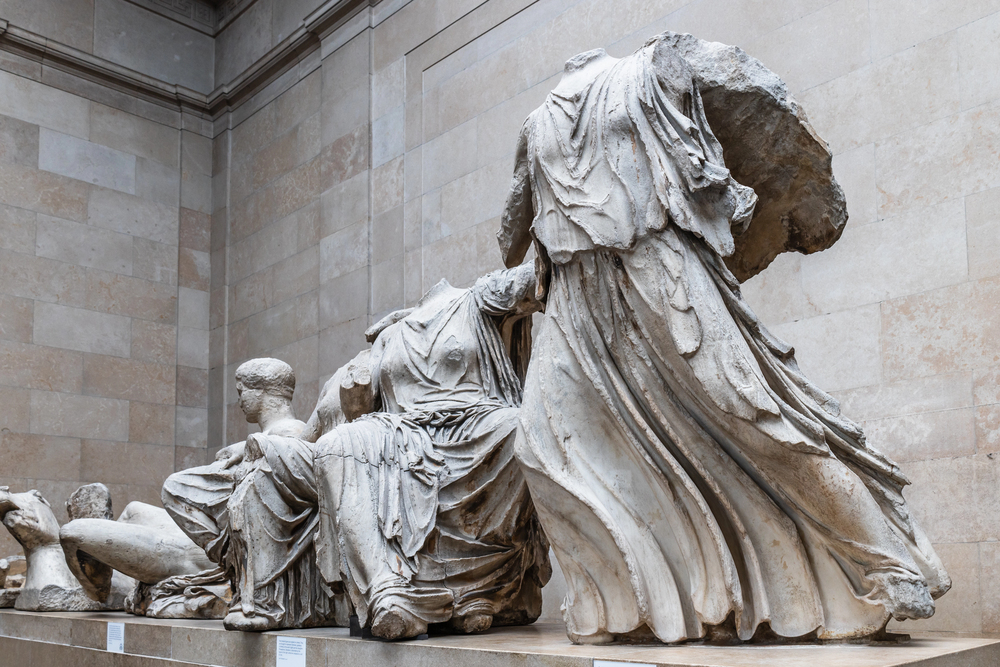
The super rich have a peculiar fascination with objects that are thousands of years old. Roman coins, Egyptian sculptures, and Greek pottery fill the private collections of many billionaires.
While museums struggle to fund excavations, wealthy collectors can simply write a check and take home a piece of history. This habit has sparked controversy because some artifacts are obtained through questionable means.
Still, that doesn’t stop collectors from paying millions for items that once belonged to ancient civilizations.
Luxury watches
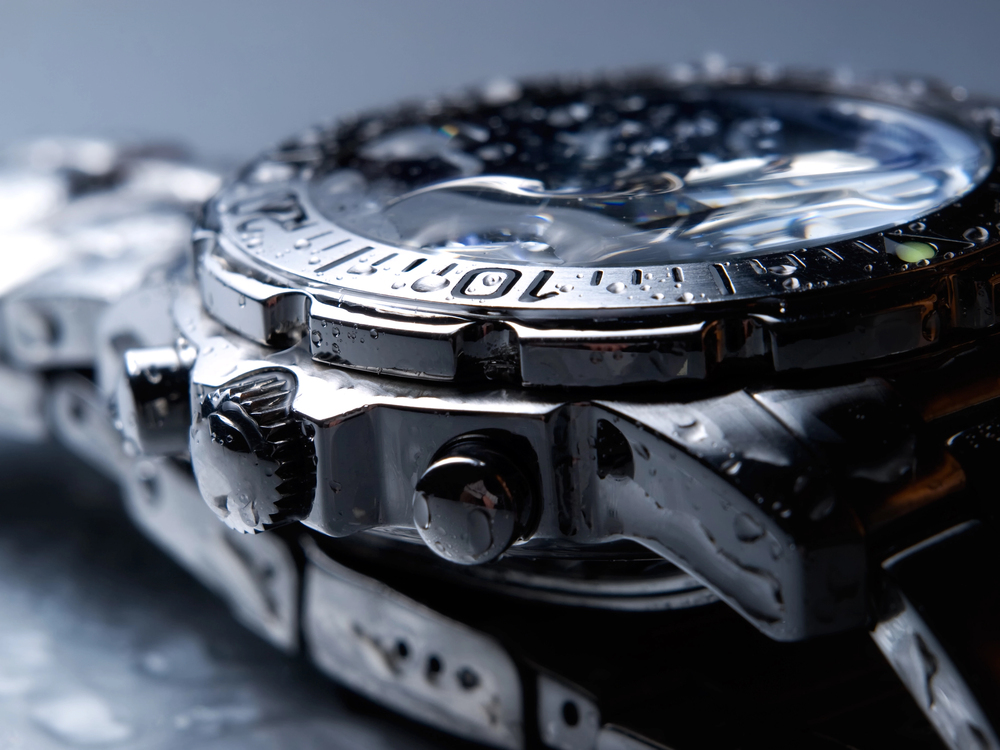
Timepieces have become one of the most competitive collecting categories among the wealthy. A Patek Philippe Grandmaster Chime sold for $31 million, setting a world record.
Collectors obsess over specific models, limited editions, and vintage pieces that were only made in small quantities. Some people own hundreds of watches, far more than they could ever actually wear.
The appeal isn’t just about telling time—it’s about owning a piece of mechanical artistry that took master craftsmen years to create.
First edition books

Rare books attract a certain type of wealthy collector who values literature and history. A copy of the Bay Psalm Book sold for over $14 million, while a first edition of Shakespeare’s plays can fetch similar amounts.
These collectors aren’t necessarily reading these books. They’re preserving them in climate-controlled vaults, handling them with gloves, and treating them like sacred objects.
The older and rarer the book, the more desirable it becomes, especially if it has a connection to a famous historical figure.
Dinosaur fossils

Yes, you read that right—billionaires buy dinosaur skeletons. Nicolas Cage once outbid Leonardo DiCaprio for a dinosaur skull (though he later had to return it because it was stolen).
A Tyrannosaurus rex skeleton named Stan sold for $31.8 million in 2020. These massive fossils often end up in private estates rather than museums, which frustrates scientists who want to study them.
But for collectors, owning a creature that lived millions of years ago is the ultimate conversation piece.
Private islands

When you have more money than you know what to do with, why not buy an entire island? Larry Ellison purchased 98% of the Hawaiian island of Lanai for around $300 million.
Richard Branson owns Necker Island in the British Virgin Islands. These aren’t just vacation homes—they’re private kingdoms where the ultra-wealthy can escape the rest of the world.
Some islands come with entire ecosystems, beaches, and enough space to build whatever the owner dreams up.
Vintage guitars

Music memorabilia has become a serious business among wealthy collectors. Kurt Cobain’s guitar from Nirvana’s ‘Smells Like Teen Spirit’ music video sold for $6 million.
Eric Clapton’s ‘Blackie’ Stratocaster went for nearly $1 million. These aren’t instruments meant to be played.
They’re relics from music history, often displayed behind glass or locked away in vaults. Collectors compete fiercely at auctions, driving prices higher with each bid.
Meteorites
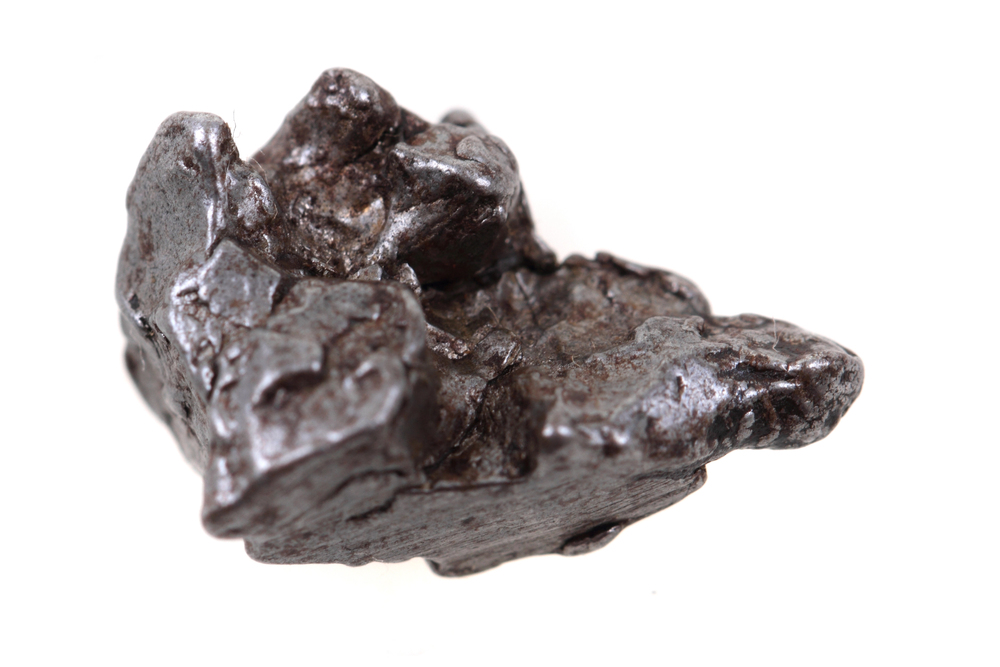
Rocks from outer space have become surprisingly popular among the super rich. Some meteorites sell for more per gram than gold, especially if they come from Mars or the moon.
Collectors love the idea of owning something that traveled through space for millions of years before landing on Earth. These chunks of metal and rock get displayed on custom stands, often lit dramatically to show off their unique textures.
It’s one of the few things on Earth that literally isn’t from Earth.
Historical documents

Original manuscripts, letters, and documents signed by famous people command enormous prices. The Magna Carta sold for $21.3 million.
Letters written by Abraham Lincoln, Albert Einstein, or other historical figures regularly fetch hundreds of thousands at auction. Wealthy collectors see these items as tangible connections to pivotal moments in history.
They’re not just buying paper—they’re buying the actual words and thoughts of people who changed the world.
Designer handbags

While most people might own one or two nice handbags, wealthy collectors accumulate hundreds or even thousands. Hermès Birkin bags are particularly coveted, with some rare versions selling for over $500,000.
These collectors treat handbags like fine art, storing them in temperature-controlled rooms and rarely using them. The secondary market for luxury bags has exploded, with some bags appreciating in value faster than traditional investments.
It’s fashion meets finance.
Sports memorabilia
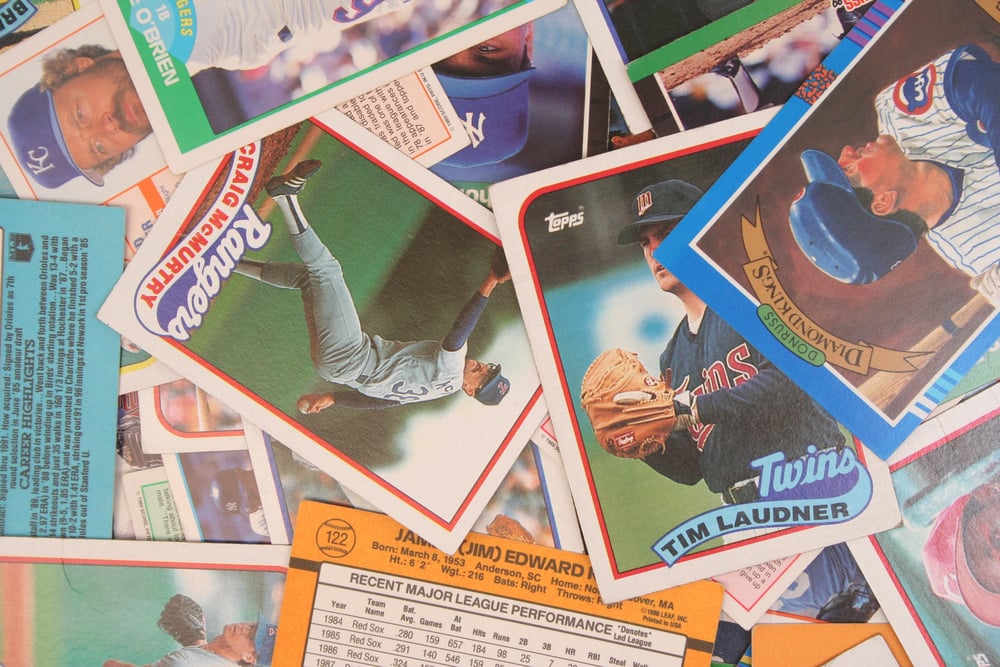
The super rich love to own pieces of sports history. A baseball card of Mickey Mantle sold for $12.6 million.
Game-worn jerseys, championship rings, and equipment used by legendary athletes all find their way into private collections. These items represent moments that millions of people watched but only one person can own.
Collectors often grew up watching these sports heroes, so buying their memorabilia is a way to capture that childhood excitement.
Rare coins
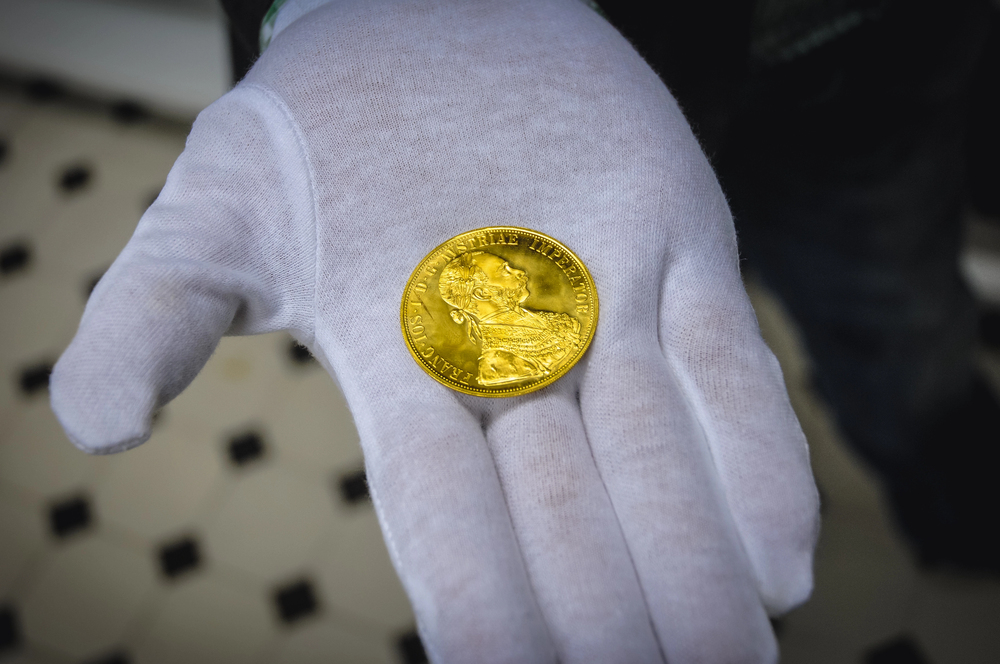
Numismatics—the study and collection of currency—has attracted wealthy collectors for generations. A 1794 silver dollar sold for over $10 million because it was one of the first coins minted by the United States government.
Ancient Roman coins, rare gold pieces, and error coins with printing mistakes all have dedicated followings. Collectors appreciate the history, artistry, and scarcity of these tiny metal discs.
Some collections are worth hundreds of millions of dollars.
Vintage fashion

High fashion from past decades has become a major collecting category. Original Chanel suits from the 1960s, Dior gowns from the 1950s, and other vintage pieces are snapped up by wealthy collectors.
These aren’t clothes meant to be worn—they’re preserved as examples of fashion history. Some collectors have entire rooms dedicated to vintage couture, with each piece carefully stored to prevent deterioration.
Fashion houses sometimes buy back their own vintage pieces to display in company archives.
Jewels and gemstones

Not many folks get to lay eyes on the gemstones hoarded by the ultra-wealthy – they go far beyond everyday accessories. One pink diamond pulled in 71 million bucks at sale.
Rarities like vividly hued diamonds or treasures tied to big moments in history often reach those heights too. What draws buyers? Flawless quality, shade unlike any other, stories that stretch back centuries.
A single piece once owned by Marie Antoinette brought in sums hard to picture. Tiny as they are, these rocks hold fortunes without looking bulky.
Space memorabilia

Things that traveled beyond Earth sell for crazy amounts. Take a moon lander from Apollo – those catch the eye of deep-pocketed buyers.
So do spacesuits worn by astronauts. Even gear from the orbiting lab up there pulls interest.
One example – a rocket part from Apollo 11, fished out of seawater, went to Jeff Bezos for 28 million dollars. For some, these aren’t just gadgets – they’re proof we once reached farther than ever before.
Holding one feels like touching that bold chapter yourself. With more flights planned ahead, demand could climb steadily. Still, only a few get their hands on such relics.
Fans gather here because they care deeply about their treasures

One look at what millionaires gather tells you plenty about fortunes beyond counting – ownership shifts from cash into curated spaces where passion lives. Not simply buying, rather building realms shaped by private taste and long pursuit.
Over time, shelves fill, rooms change purpose, life narrows around gaps only certain objects can close. When death arrives, some treasures vanish into public halls; others scatter through high-stakes bidding weeks later.
Beginnings feel light – a casual interest in pigments, engines, fragments from ancient rock – but weight accumulates slowly. Even those swimming in bank figures chase scraps of wonder like everyone else.
Objects matter, silence speaks louder when a room holds nothing but fossils older than continents.
More from Go2Tutors!

- The Romanov Crown Jewels and Their Tragic Fate
- 13 Historical Mysteries That Science Still Can’t Solve
- Famous Hoaxes That Fooled the World for Years
- 15 Child Stars with Tragic Adult Lives
- 16 Famous Jewelry Pieces in History
Like Go2Tutors’s content? Follow us on MSN.