26 Soft Drinks Pulled From Shelves That Fans Still Request
The soda aisle looks stable from the outside, dominated by the same handful of colas and lemon-lime drinks that have sat there for generations. Underneath that surface, though, beverage companies have launched and quietly buried dozens of flavors, formulas, and entire product lines, some after years of genuine popularity.
A few of these drinks came back briefly, riding waves of fan nostalgia before disappearing again. Most never returned at all, surviving now only in the memory of people who used to buy them by the case.
Crystal Pepsi
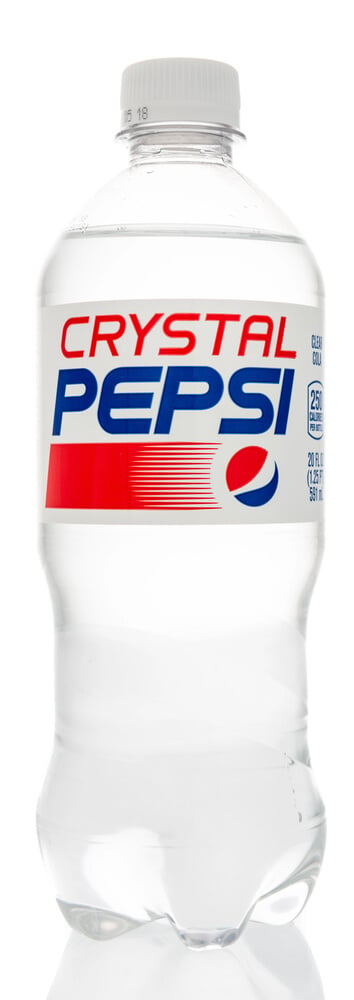
PepsiCo launched Crystal Pepsi in 1992, a clear cola marketed as a purer, more natural alternative to standard Pepsi, backed by a Super Bowl ad and roughly forty million dollars in marketing. The product captured only about half a percent of the soda market within two years, and PepsiCo pulled it from shelves in 1994.
Fan demand brought it back for brief limited runs in 2016 and again for a thirtieth-anniversary release in 2022, though neither run became a permanent product.
Surge
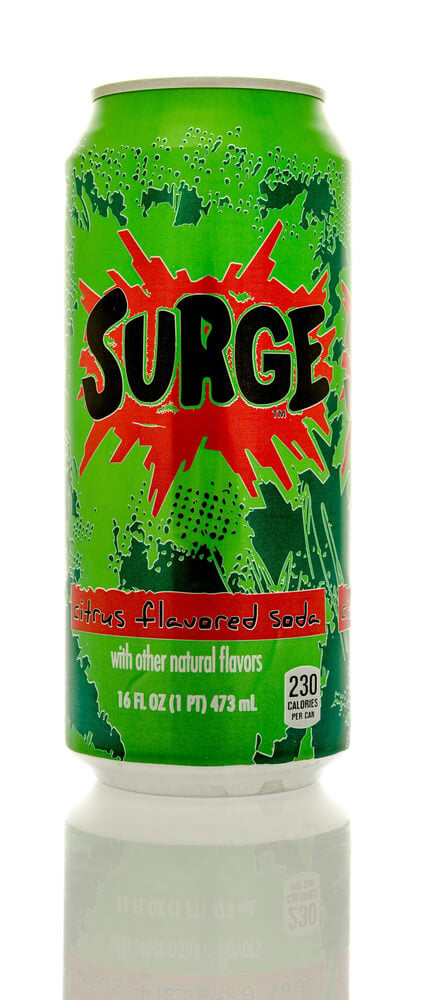
Coca-Cola launched Surge in 1996 as a highly caffeinated, citrus-flavored answer to Mountain Dew, marketing it heavily toward teenagers through extreme sports imagery. Some school districts banned it from vending machines over exaggerated concerns about its caffeine content, and sales slowed enough that Coca-Cola discontinued the drink in 2003.
A grassroots fan campaign eventually pushed Coca-Cola to bring Surge back as a limited Amazon-exclusive release in 2014, and it has appeared in intermittent limited runs since.
OK Soda
Coca-Cola launched OK Soda in 1993, deliberately aiming the citrus-flavored drink at Generation X with self-aware, anti-marketing advertising and comic-book-style artwork on the cans. The strategy of appealing to skepticism toward advertising confused more shoppers than it won over, and the drink never expanded beyond a handful of test markets.
Coca-Cola discontinued OK Soda by 1995, and it remains a favorite among collectors of unusual advertising memorabilia from the era.
Josta
PepsiCo launched Josta in 1995 as one of the first nationally distributed energy sodas, combining fruit flavors with guarana, a natural source of caffeine drawn from a South American plant. It built a small but dedicated following among younger drinkers looking for something outside the standard cola lineup.
PepsiCo discontinued Josta in 1999 as the broader energy drink category shifted toward dedicated brands like Red Bull rather than soda-format products.
New Coke
Coca-Cola reformulated its flagship cola in 1985, discontinuing the original formula entirely and replacing it with a sweeter recipe informally dubbed New Coke. Public backlash was immediate and intense enough that Coca-Cola brought the original formula back within three months under the name Coca-Cola Classic.
The reformulated version lingered under various names, eventually becoming Coke II, before Coca-Cola discontinued it entirely in 2002.
Tab
Coca-Cola launched Tab in 1963 as one of the first diet colas on the American market, and it built a loyal following, particularly among women, that outlasted the introduction of Diet Coke nearly two decades later. Sales steadily declined for years as Diet Coke absorbed most of the diet cola market.
Coca-Cola discontinued Tab in 2020, and longtime drinkers who had stayed loyal to the original diet cola for decades were left without a direct replacement.
7 Up Gold
Seven-Up introduced 7 Up Gold in 1988, a spiced, cola-like beverage with a cinnamon and cherry flavor profile that departed sharply from the brand’s usual lemon-lime identity. The unusual flavor confused shoppers expecting a standard soda from a lemon-lime brand, and it sold poorly enough that the company pulled it within the same year it launched.
It remains one of the shortest-lived major sodas from a mainstream American beverage company.
Pepsi A.M.
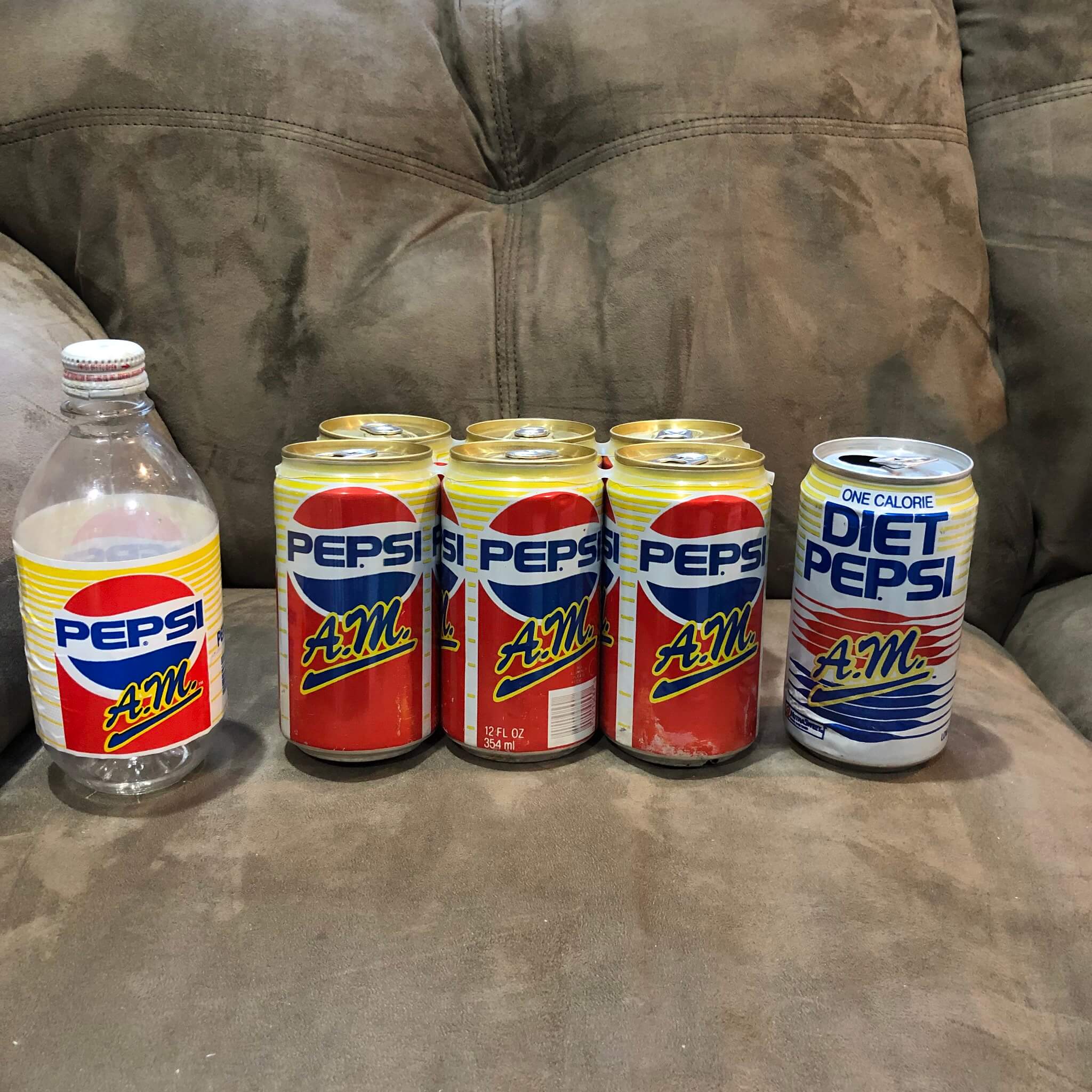
PepsiCo launched Pepsi A.M. in 1989, a cola formulated with extra caffeine and marketed specifically as a morning alternative to coffee. The concept struggled to convince shoppers that a soda belonged in a breakfast routine, and PepsiCo pulled it from shelves within about a year of its debut.
It is remembered today mostly as an example of a marketing concept that never matched how people actually thought about their morning routine.
Pepsi Blue
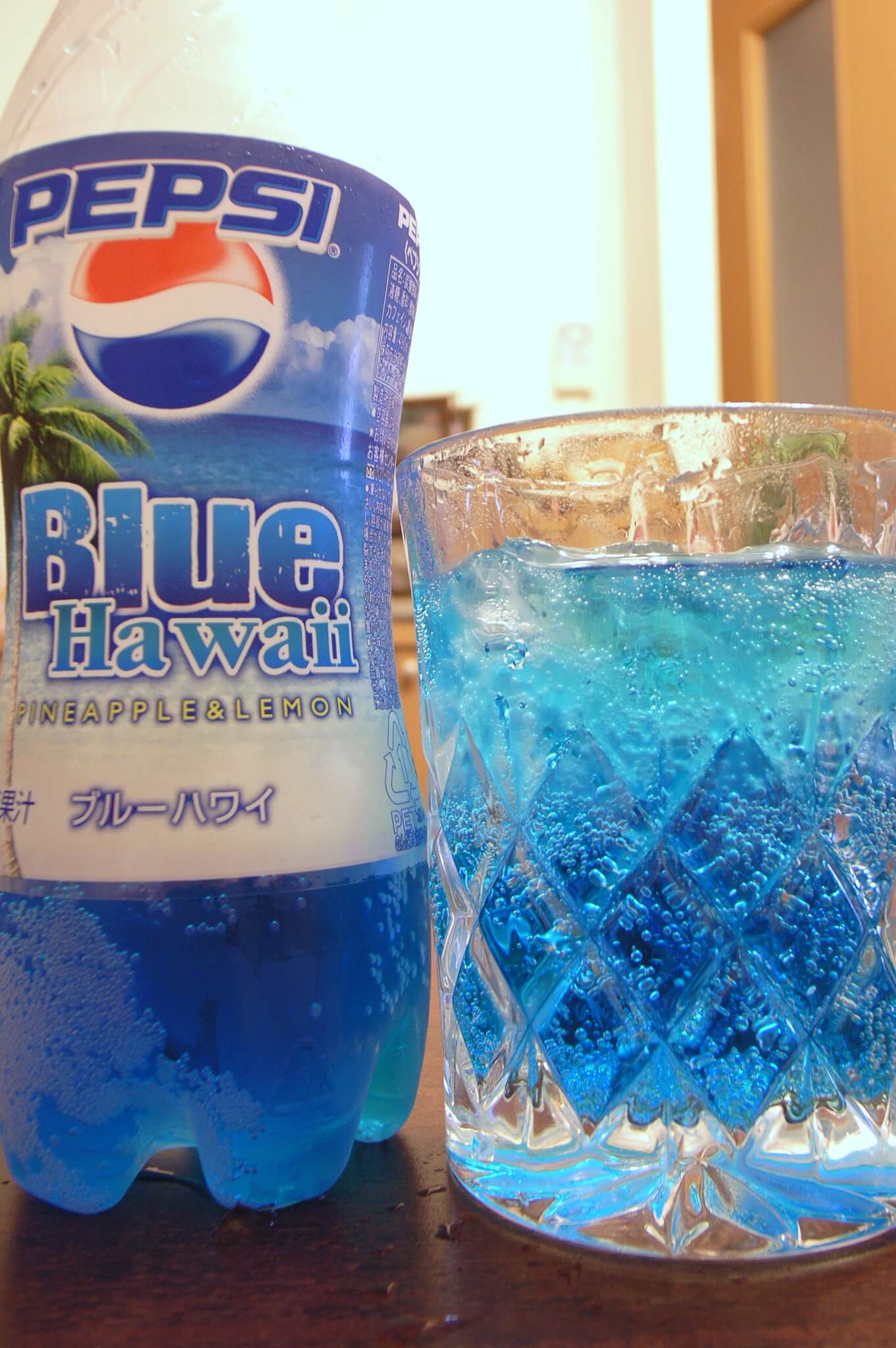
PepsiCo released Pepsi Blue in 2002, a bright blue, berry-flavored cola aimed at younger drinkers during an era when brightly colored, unusually flavored sodas briefly became a competitive trend. It sold reasonably well in its first year before interest faded quickly, and PepsiCo discontinued it in the United States by 2004.
It found a longer life in some overseas markets even after disappearing from American shelves.
Sprite Remix
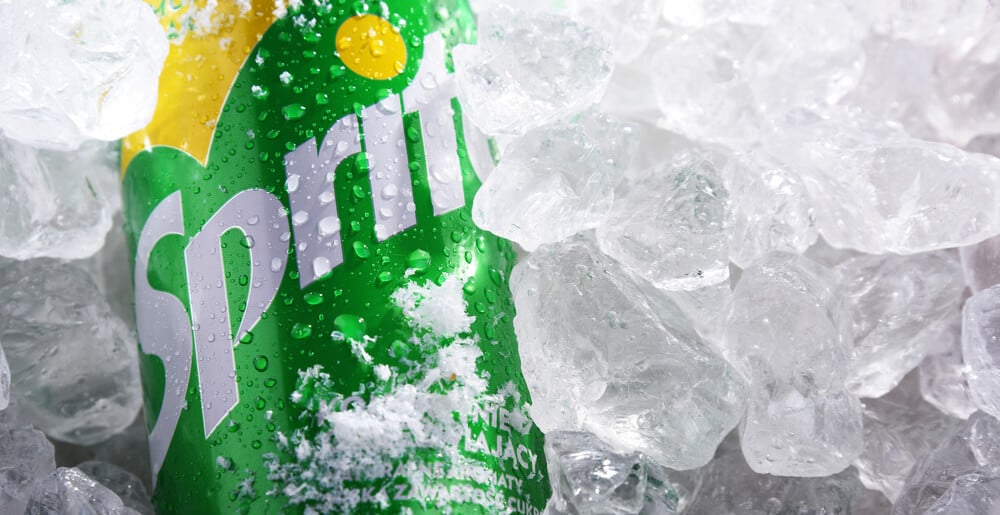
Coca-Cola introduced Sprite Remix in 2003, a fruit-flavored twist on standard Sprite that came in several rotating flavors including a tropical blend and an aruba jam variation. The line performed well enough to spawn multiple flavor variants over a few years before Coca-Cola gradually phased the entire concept out by the late 2000s.
It remains a frequently mentioned entry among fans of mid-2000s flavored soda experiments.
Dr Pepper Red Fusion
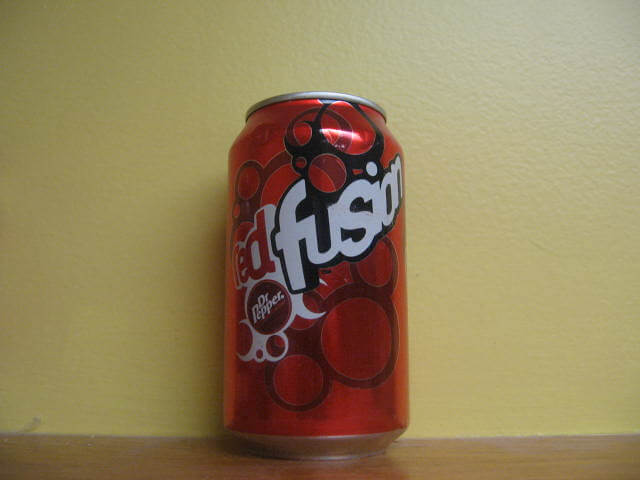
Dr Pepper released Red Fusion in the early 2000s, blending its signature flavor with berry notes and packaging it in distinctive metallic red cans with a racing stripe design. The drink built a cult following despite modest overall sales and was discontinued within a couple of years of its launch.
Fan-led online petitions calling for its return have circulated periodically ever since, without success.
Vault
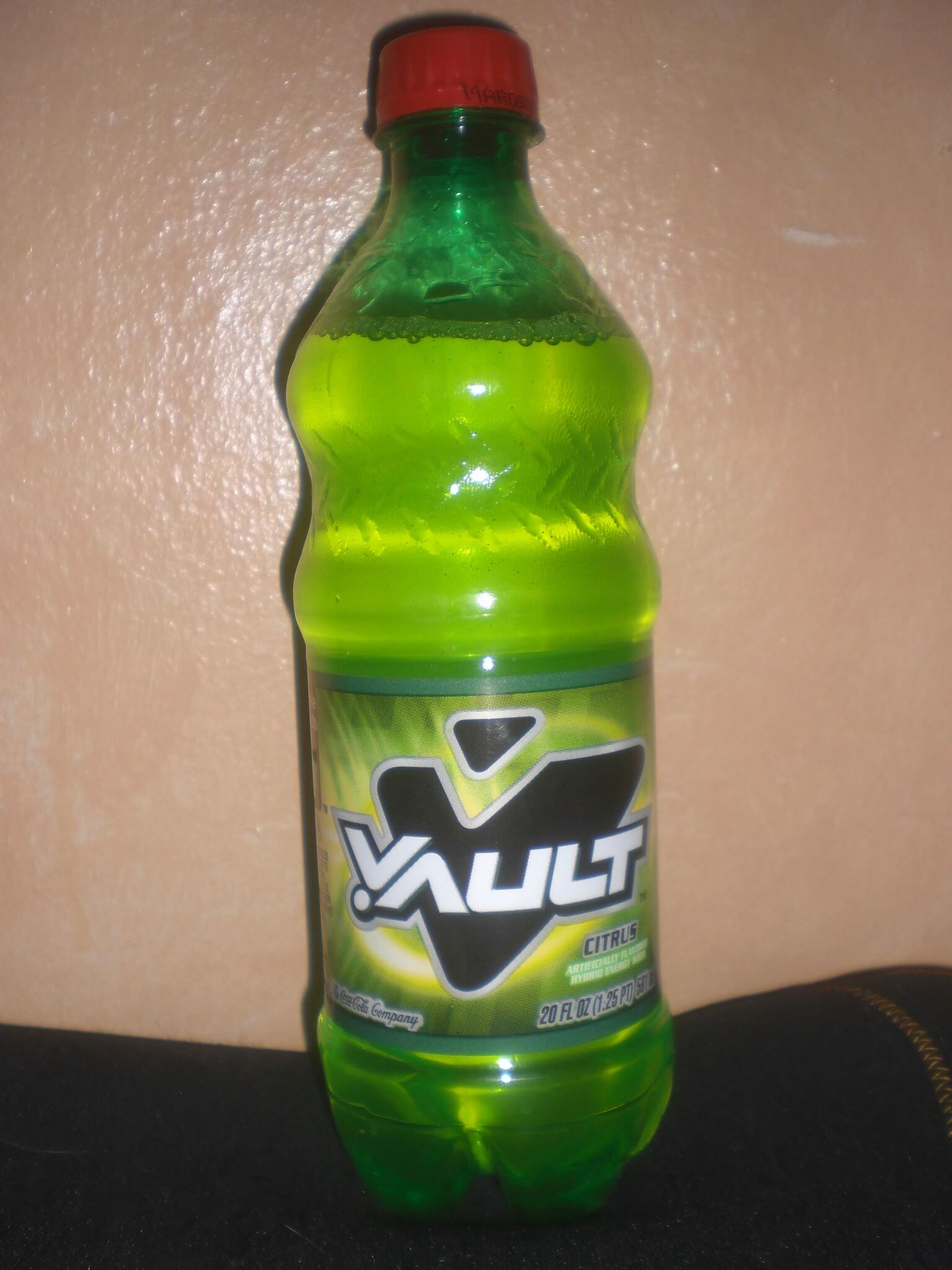
Coca-Cola launched Vault in 2005 as a citrus-flavored hybrid soda and energy drink aimed directly at Mountain Dew’s core audience. It found a dedicated following, particularly among gamers and younger drinkers, before Coca-Cola discontinued it in 2011 as the company consolidated its citrus soda lineup around the older Mello Yello brand.
Some fans have described the discontinuation as a case of Coca-Cola quietly favoring its legacy product over its newer, better-reviewed one.
Storm
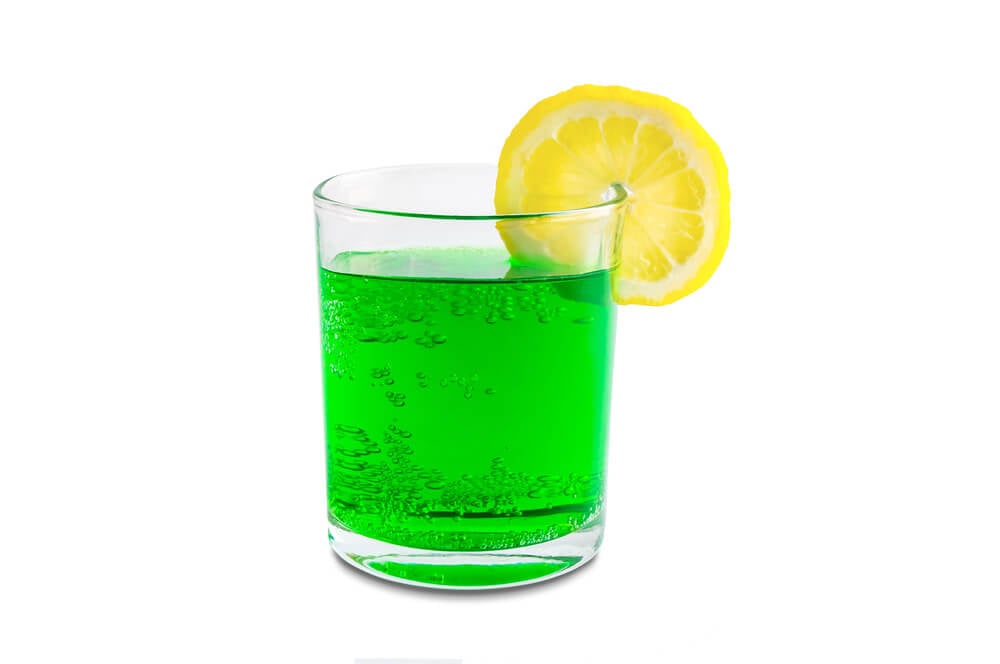
PepsiCo introduced Storm in the late 1990s as a lemon-lime soda meant to compete directly with 7 Up and Sprite, an unusual move for a company that already distributed Sierra Mist in some markets. The drink never gained significant traction against two well-established competitors and was discontinued within a few years.
It remains a lesser-known entry even among dedicated soda historians, overshadowed by PepsiCo’s more prominent lemon-lime attempts.
Slice
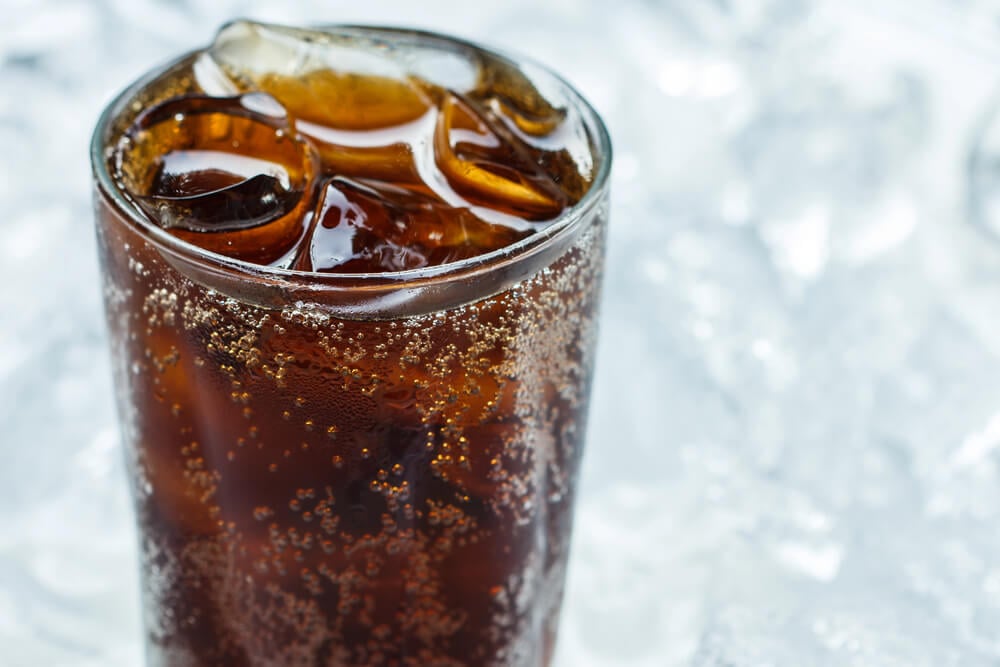
PepsiCo launched Slice in 1984 as one of the first mainstream sodas to contain real fruit juice, building a strong following through the late 1980s and early 1990s across several fruit flavors. PepsiCo gradually folded the brand into Sierra Mist and other products through the 2000s, and the original Slice lineup largely disappeared from most American markets.
Some flavors survived in select regional and international markets even after the core U.S. lineup was discontinued.
Orbitz
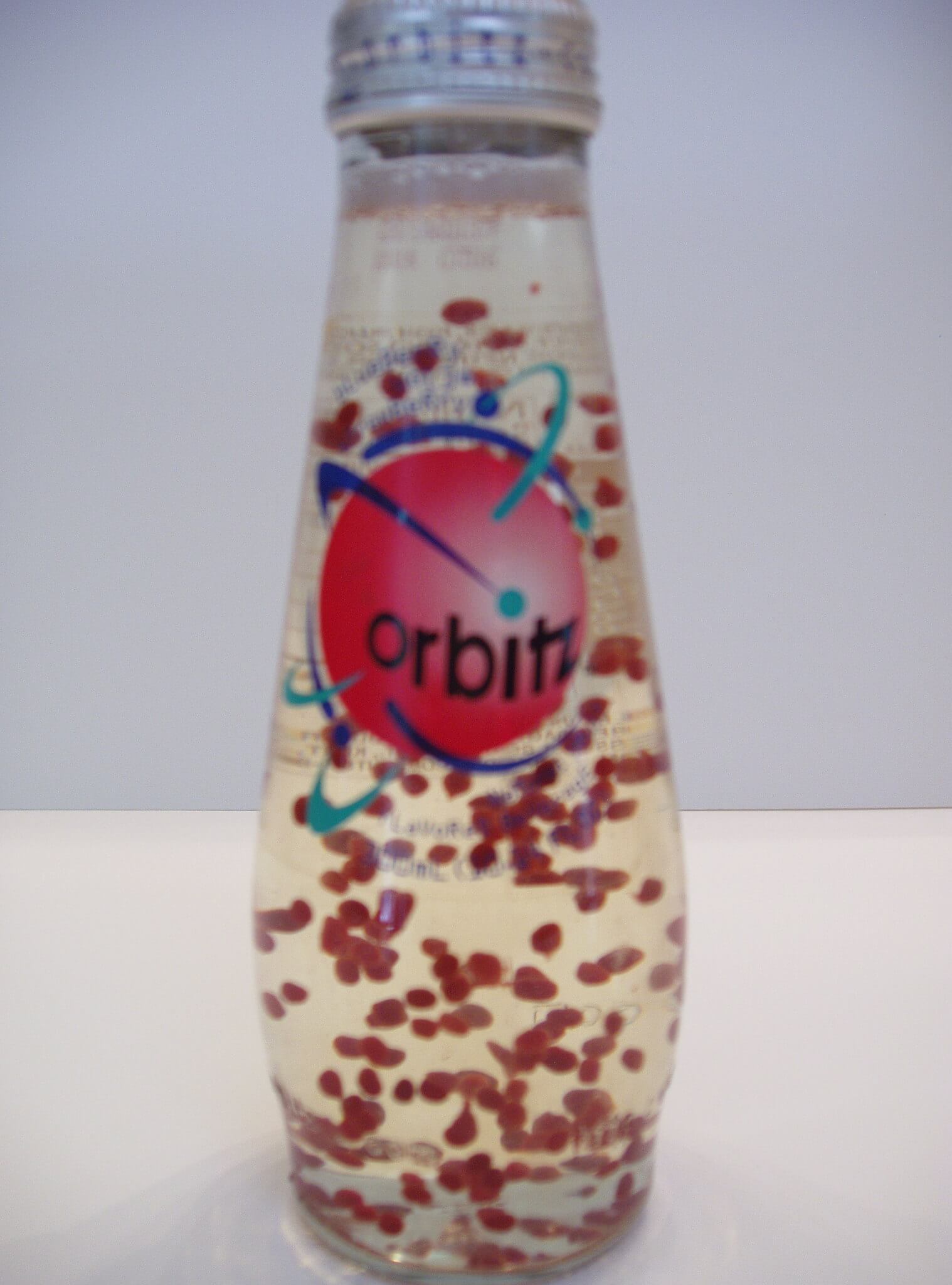
Clearly Canadian released Orbitz in 1997, a soft drink suspending small colorful spheres of gelled fruit flavor throughout the liquid, giving it a distinct lava-lamp appearance on store shelves. The novelty factor drove initial curiosity purchases, but the drink’s actual flavor and texture failed to win over repeat customers, and it was discontinued within about a year.
Unopened bottles have since become minor collectibles, valued more for their strange appearance than for anything related to taste.
Pepsi Kona
PepsiCo tested Pepsi Kona in select markets in 1996, blending its cola with real coffee flavoring in an early attempt to capture drinkers who wanted both caffeine sources in one can. The drink never expanded beyond limited regional distribution and was quietly discontinued after its test run.
It predated a wave of coffee-cola hybrids that other companies would try with similarly limited success in the years that followed.
Coca-Cola BlāK
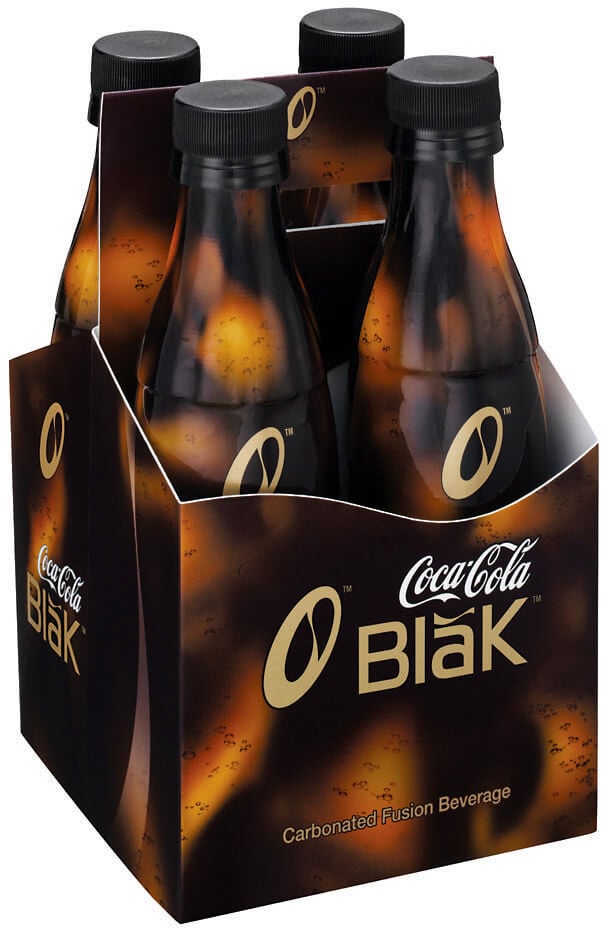
Coca-Cola released BlāK in 2006, a coffee-flavored cola aimed at adult drinkers looking for a more sophisticated soda option, packaged in a distinctive black can. It launched in several international markets alongside the U.S. before Coca-Cola discontinued the entire line by 2008 amid weak overall sales.
It remains one of several coffee-cola hybrids that beverage companies have tried and abandoned over the past few decades.
Hi-C Ecto Cooler
Coca-Cola’s Hi-C brand released Ecto Cooler in 1987 as a tie-in with the animated Real Ghostbusters cartoon, a bright green citrus drink that built a passionate childhood following well beyond the cartoon’s original run. Coca-Cola discontinued it in 2001 once the tie-in license lapsed, though it has returned briefly for limited seasonal releases around Halloween in several years since.
Each limited comeback tends to sell out quickly among adult fans buying it purely on nostalgia.
Like Cola
Seven-Up introduced Like Cola in 1982, a caffeine-free cola aimed at drinkers who wanted a traditional cola flavor without the stimulant, an unusual positioning for the era. It struggled to find an audience willing to give up regular caffeinated cola, and Seven-Up discontinued it within a few years.
It predated the broader caffeine-free cola category that later became a standard offering across most major cola brands.
Tab Clear
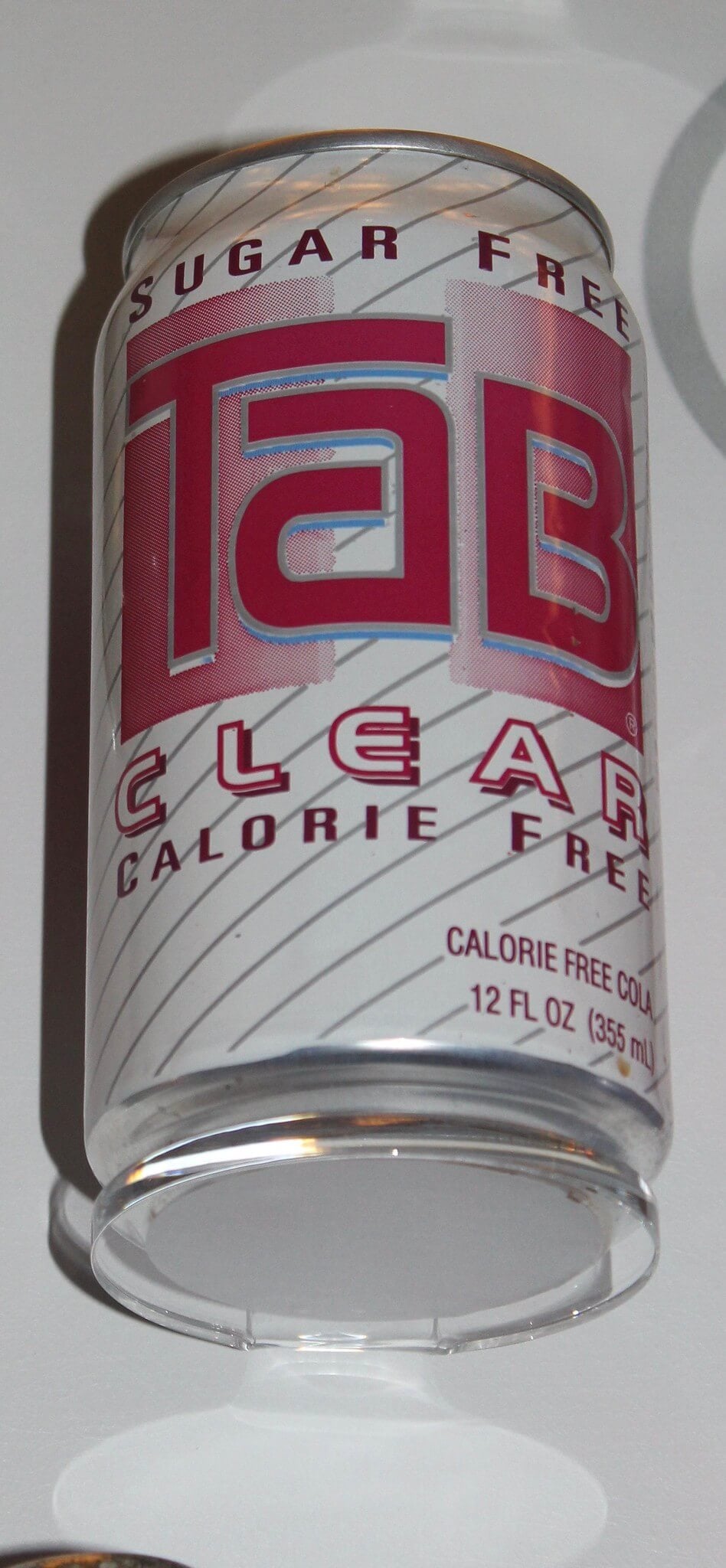
Coca-Cola released Tab Clear in 1992, riding the same short-lived clear beverage trend that produced Crystal Pepsi that same year, marketing it as a diet cola without artificial coloring. The clear cola trend collapsed almost as quickly as it began, and Coca-Cola pulled Tab Clear from shelves within about a year of launch.
It is remembered today mostly as evidence of how briefly the entire clear-soda fad actually lasted.
Fruitopia
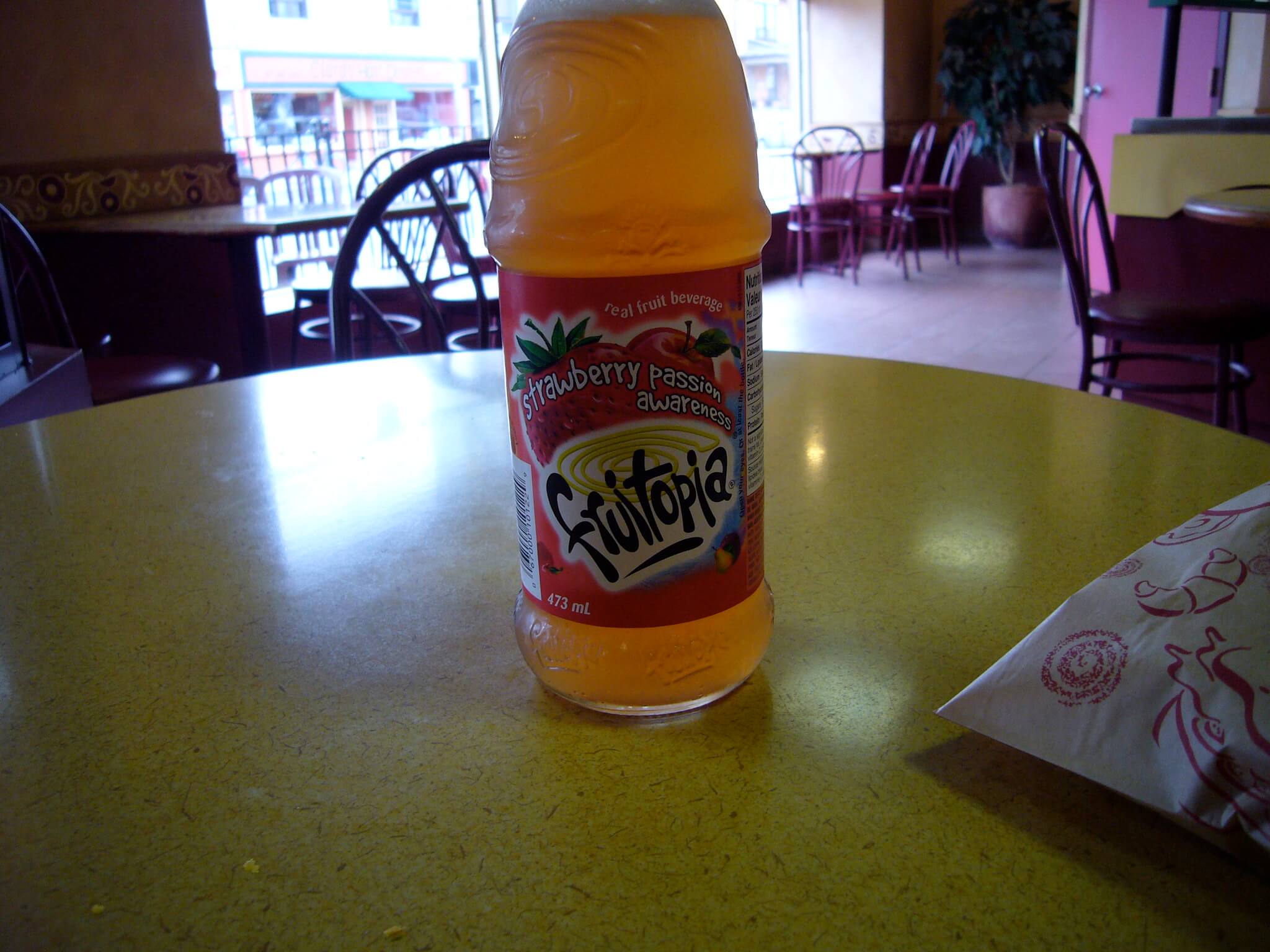
The Coca-Cola Company launched Fruitopia in 1994, a line of fruit-flavored beverages marketed with trippy, counterculture-inspired branding aimed at teenagers and young adults. It sold well through the 1990s before interest gradually faded, and Coca-Cola discontinued most of the U.S. lineup by the mid-2000s.
Some Fruitopia flavors have continued to sell in Canadian markets even after disappearing from most American shelves.
Jolt Cola
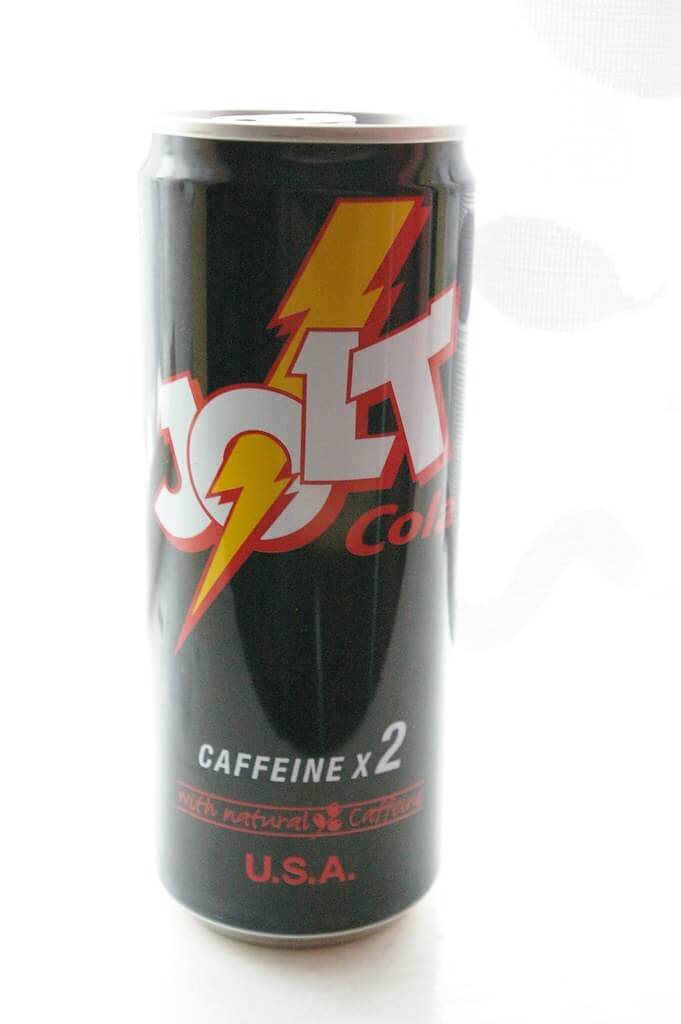
Jolt Cola launched in 1985 marketed explicitly around its high caffeine content, using the slogan promising all the sugar and twice the caffeine of standard colas. It built a strong following among college students and early computer programmers through the 1990s before energy drinks like Red Bull began eating into its core audience.
The original manufacturer discontinued mainstream distribution around 2009, and while smaller successor companies have occasionally revived the name, it never returned to its earlier level of availability.
Pepsi Free
PepsiCo introduced Pepsi Free in 1982, one of the first widely distributed caffeine-free colas from a major American beverage company, aimed at drinkers who wanted the taste of Pepsi without the stimulant. It sold well enough to spawn a diet version and remained on shelves through much of the 1980s.
PepsiCo eventually folded the concept into its standard Caffeine-Free Pepsi branding, effectively discontinuing the separate Pepsi Free name by the early 1990s.
Diet Coke with Splenda
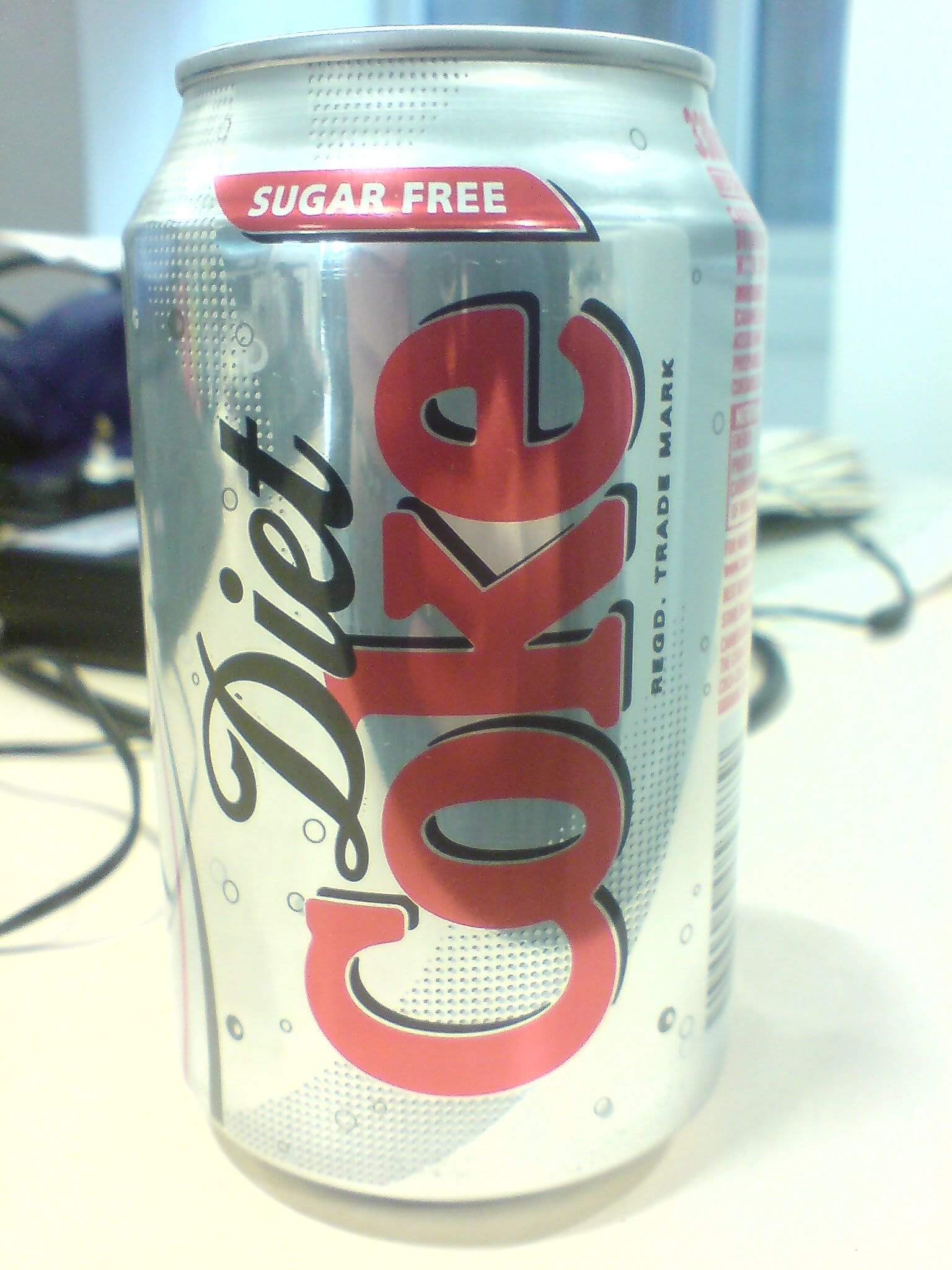
Coca-Cola launched Diet Coke sweetened with Splenda in 2005, offering an alternative to the aspartame used in standard Diet Coke for drinkers concerned about that sweetener. It found a smaller but loyal audience over the following several years.
Coca-Cola discontinued it around 2010 as the company consolidated its diet cola lineup, leaving Splenda-loyal Diet Coke drinkers without a direct replacement within the brand.
Pepsi ONE
PepsiCo introduced Pepsi ONE in 1998, a diet cola sweetened with a blend designed to taste closer to regular Pepsi than standard diet colas of the era, marketed around its single calorie per serving. It maintained a modest but steady following for over two decades.
PepsiCo phased the brand out in the early 2020s, rolling its positioning into the broader Pepsi Zero Sugar lineup instead.
Diet Pepsi Max
PepsiCo sold a highly caffeinated diet cola under the Pepsi Max name in the United States starting in the mid-2000s, positioned as an energy-forward alternative to standard diet sodas. PepsiCo eventually discontinued the U.S. version and rebranded its caffeinated diet cola offerings under other names, even as Pepsi Max remained a major product in international markets.
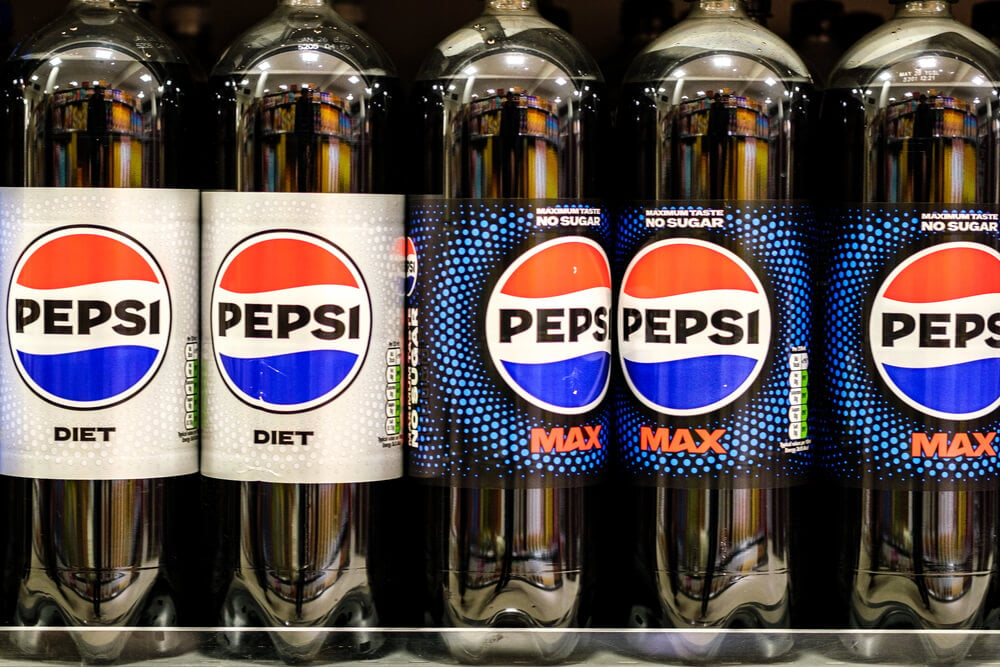
American fans of the original U.S. formula still occasionally ask stores about a product that technically survives, just not under the name or formula they remember.
Gone, But Not Forgotten
Every drink on this list found an actual audience before it disappeared, which is what separates a fondly remembered flop from the far larger pile of sodas that failed so completely nobody remembers they existed at all. Beverage companies discontinue products constantly for reasons that rarely have anything to do with whether people liked the drink, and everything to do with shelf space, marketing budgets, and whether a flavor fits neatly into a portfolio built around a handful of flagship brands.
What keeps these particular sodas alive in conversation, decades later in some cases, is the specificity of the memory attached to them: a particular can shape, a particular ad campaign, a particular summer. That kind of attachment rarely shows up in a sales report, which may be exactly why so many of these drinks got cut despite it.
More from Go2Tutors!

- The Romanov Crown Jewels and Their Tragic Fate
- 13 Historical Mysteries That Science Still Can’t Solve
- Famous Hoaxes That Fooled the World for Years
- 15 Child Stars with Tragic Adult Lives
- 16 Famous Jewelry Pieces in History
Like Go2Tutors’s content? Follow us on MSN.