Strange Side Effects Of Living in Extreme Cold
There’s a specific kind of quiet that comes with deep winter in places like northern Canada, Siberia, or interior Alaska. The cold doesn’t just change the weather — it changes you.
People who’ve spent years living where temperatures drop below -30°C talk about the experience the way others talk about living at high altitude or near the ocean. It rewires small things.
It rewires big things. And some of what it does to the human body and mind is genuinely strange.
Your Nose Becomes a Different Organ
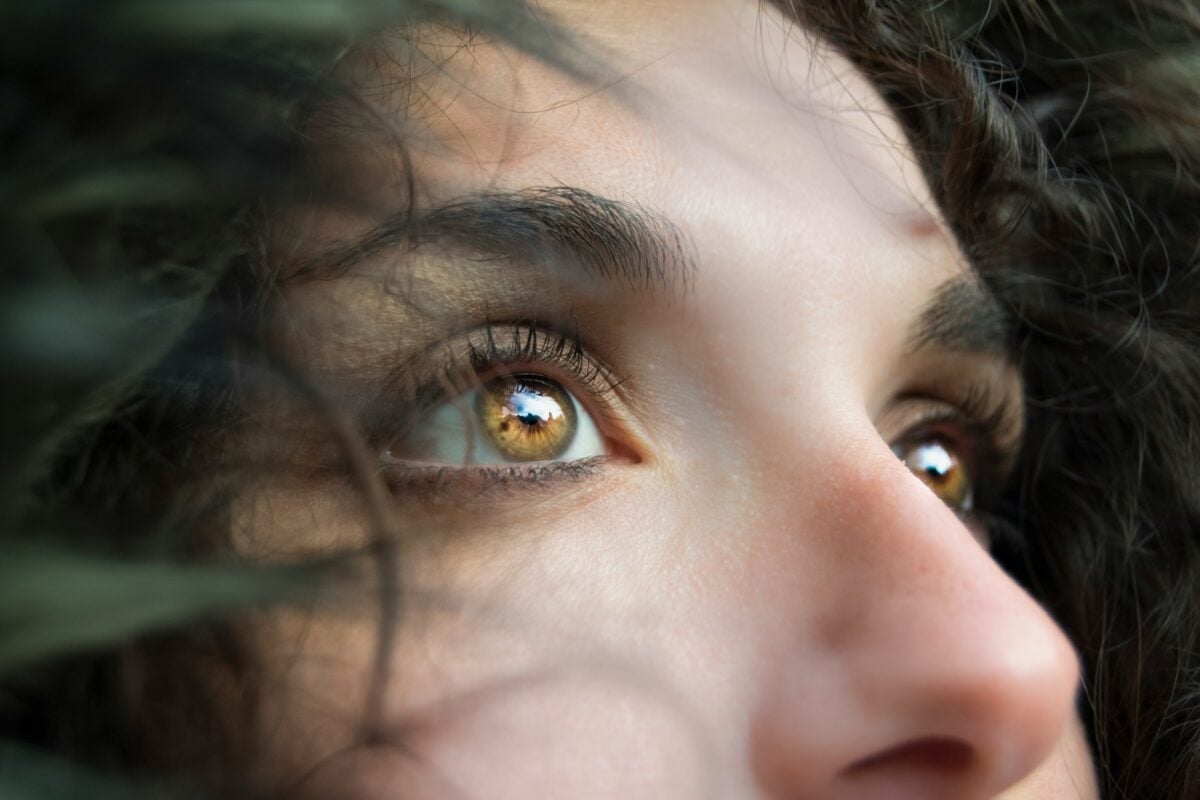
In extreme colds, your nasal passages go into overdrive. The body warms incoming air before it reaches your lungs, and to do that, your nose produces a lot more mucus.
A lot more. Cold-weather residents quickly learn that sneezing or blowing your nose outside can mean instant freezing — a moment of discomfort that newcomers never quite see coming.
Beyond the inconvenience, the constant work your nasal tissue does in the cold makes it more prone to small bleeds. Dry, frigid air pulls moisture from the delicate lining, and over time, frequent nosebleeds become just another part of winter life.
You Start Craving Fat Like You’ve Never Craved Anything

The body is honest about what it needs when the temperature drops far enough. People living in extreme colds report strong, specific cravings for fatty foods — butter, lard, animal fat — in a way that feels almost primal.
And it is. Fat is the most calorie-dense fuel available, and the body knows it burns more to simply stay warm.
Indigenous communities in Arctic regions have eaten high-fat diets for thousands of years, not by accident, but because the body demands it. Move somewhere cold enough and your appetite will follow suit, whether you expect it to or not.
Your Perception of Time Gets Distorted
Long winters in extreme northern or southern latitudes mess with your sense of time in subtle but real ways. When daylight shrinks to four or five hours a day for months at a stretch, the normal rhythms that structure the day — sunrise, high noon, sunset — compress into a narrow window and then disappear.
People describe losing track of what hour it is, then what day it is, then eventually what week it is. The darkness flattens time. It’s not always unpleasant, but it’s disorienting in a way that takes years to fully adjust to, if adjustment ever fully comes.
Your Skin Literally Changes Texture
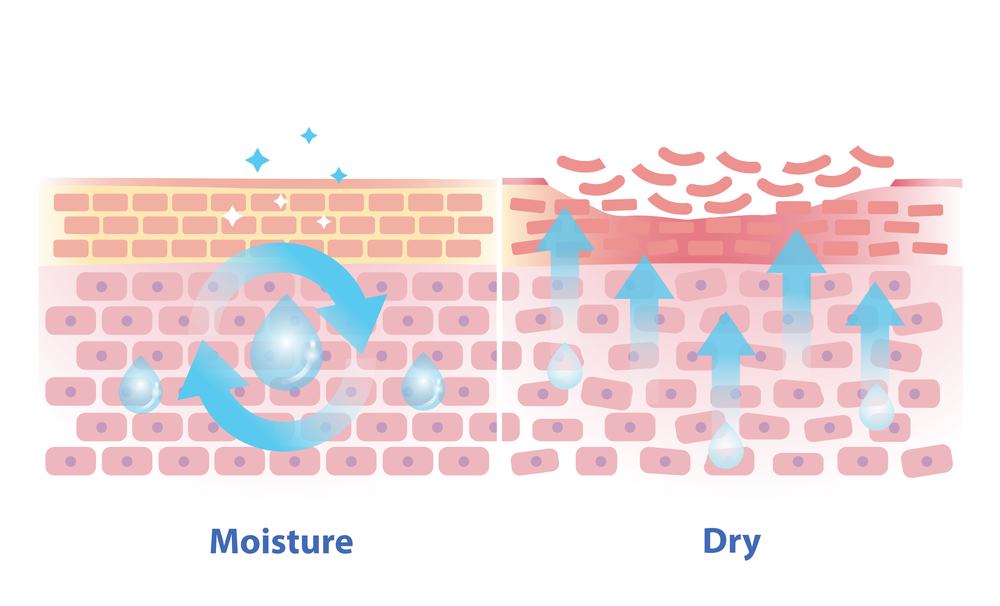
Extreme cold and the dry air that tends to come with it strips moisture from skin faster than most moisturizers can replace it. Long-term cold-climate residents often develop noticeably thicker, rougher skin on exposed areas — hands, face, ears.
The body responds to repeated cold stress by building up protective layers. Some people find their skin becomes permanently drier.
Others notice a kind of permanent ruddiness on the cheeks and nose from blood vessels that have been repeatedly dilated and constricted over many winters. It’s a look that’s almost diagnostic — you can sometimes spot someone who’s spent decades in a cold climate just by looking at their face.
You Get Better at Detecting Weather With Your Body
After enough winters, people who live in extreme cold develop something close to a physical intuition for incoming weather. A certain ache in old joints, a pressure shift that sits behind the eyes, the way the air feels different in the throat before a major storm — these signals become readable with experience.
It’s not magic. It’s pattern recognition built up over years of paying close attention because your life depended on it. In places where a sudden storm can strand you or drop the temperature fast enough to be dangerous, reading subtle weather cues becomes a practical skill.
Sleep Changes — and Not Always for the Better

Cold environments have a complicated relationship with sleep. On one hand, cooler temperatures tend to improve sleep quality for most people.
On the other hand, extended darkness floods the brain with melatonin for far longer than it’s designed to handle, leaving people feeling groggy, heavy, and difficult to wake even after long sleep.
Some people in extreme northern communities describe sleeping ten, eleven, or even twelve hours during the darkest months and still feeling tired. The body wants to hibernate in a way that modern life doesn’t accommodate, and the tension between those two things is exhausting in its own right.
Your Relationship With Silence Shifts

There’s a specific acoustic phenomenon that happens at extreme cold temperatures. Sound travels differently — or barely at all.
In temperatures below around -40°C, the air becomes so dense that ambient noise is almost completely absorbed. The result is a silence that feels physical.
Heavy. Like wearing earmuffs that no one can see.
People who’ve lived in it describe it as one of the stranger sensory experiences they’ve had. It can feel peaceful, but it can also feel deeply isolating in a way that regular quiet doesn’t quite reach.
You realize how much background noise you normally take for granted when all of it simply stops.
Your Immune System Runs on a Different Schedule

Cold air doesn’t cause illness directly — that’s a persistent myth — but extreme cold creates conditions that affect immune function in real ways. Viruses like influenza survive longer in cold, dry air.
People spend more time indoors in closer contact. And the physiological stress of regulating body heat in severe cold pulls energy away from immune surveillance.
Long-term cold residents often describe a kind of winter immune rhythm — healthy in the fall, hit with something significant in January or February, then recovery by spring. The body adapts, but the adaptation has its own costs.
Breathing Becomes a Skill You Have to Learn Again

Winter bites hard when you inhale too fast. The sharp chill slips straight into deep lung passages if breath escapes through open lips.
That sudden tightness some feel? Airways reacting, clamping shut under icy stress.
People who live there adapt without thinking – nose-breathing comes first. Fabric drapes over face, trapping warmth before each draw of air.
A scarf does more than comfort – it changes temperature by the time oxygen reaches sensitive tissue. People who push their bodies hard outside in bitter cold can end up with a lasting cough after many seasons – the result of deep breathing in air so frigid it strains the respiratory system.
This irritation tends to ease once they shift to milder weather, though recovery may stretch across several months before the lungs settle completely.
Your Mood Shifts With the Seasons
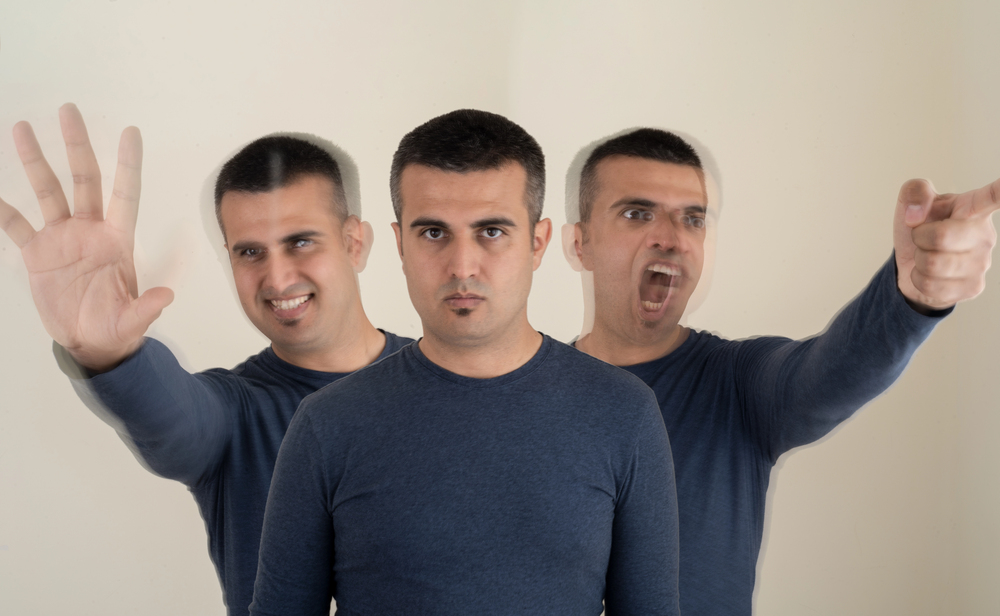
Darkness arrives, then routines slow down whether you want them to or not. Not quite sadness, more like weight settling into bones by midwinter.
Studies name the pattern, yet those who’ve seen months without sun tell different stories. Moods shift gradually, shaped by absence rather than event. First comes quiet – imposed, unavoidable.
Later on, emotions flatten out, not broken but blurred, like colors under ice. Later on, once actual sunlight shows up toward the end of winter or just after spring begins, everything shifts like a spark catching.
Folks say they feel their bodies wake up, as if something inside flips open. Strength pours back fast, out of nowhere.
They start talking more, meeting up, moving around. That kind of change happens so sharply that those who’ve lived there years stop blaming themselves – mood swings become part of the calendar, nothing broken.
Your Relationship With Fire and Heat Becomes Intense
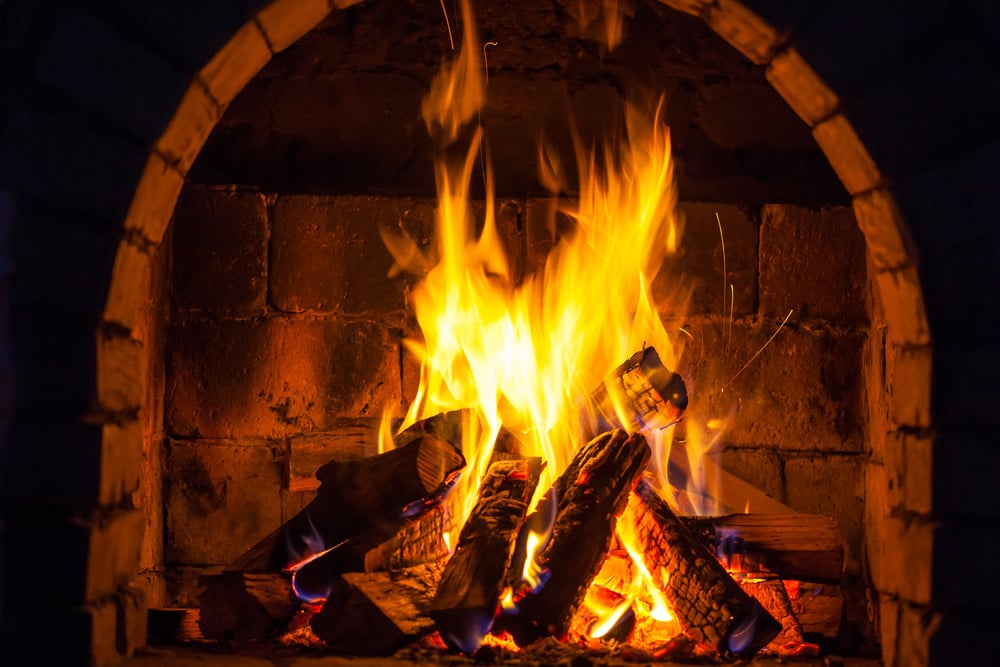
Frozen air changes how you see heat – suddenly it matters more than usual. Not just survival, but something that shapes hours, fills thoughts.
Staring at flames brings a quiet comfort hard to explain without having shivered for days. Chopping wood, loading stoves, those actions carry a kind of pride.
Warmth feels earned only after long stretches where every breath hangs sharp and white.
Cold like that changes how warmth feels. In temperatures dropping to minus forty, a drink such as tea isn’t just cozy – it becomes something deeper.
Instead of simple pleasure, it acts like rescue. Each sip resets more than mood; it alters rhythm.
Because of this shift, routines form without notice. Once built into daily life, those patterns stay fixed – long after the cold fades away.
Your Sense of Smell Changes in Unexpected Ways

When air turns cold, fewer scent particles float through it – those are the bits our noses pick up. Winter hushes everything, leaving little to smell. Snow sits quiet, without aroma. The earth, locked in frost, gives off no odors.
Take a meal outdoors, its fragrance fades fast. Out of nowhere, things feel slightly off when senses dial down.
Stepping inside after being out in the chill, you hit a wave of kitchen aromas or cologne – sharp, almost startling, needing a second to settle into it. Those who’ve survived several harsh winters mention how smell seems sharper then, as if the nose learns to catch only what matters – smoke, leaking fuel, something living close by – while ignoring the usual background hum found in milder times.
Your Body Clock Resets Around Survival, Not Convenience
Frost shifts what lives quiet in the bones. Heat becomes urgent, while numb tips of limbs pull notice.
Meals transform into units of staying warm, tracked without words. A low rhythm takes hold, guiding where the mind rests. In warmer spots, these signals get lost in the static.
Suddenly, here, attention shifts toward them by force. Something about winter wakes people up.
Moving out of cozy spaces makes them feel fingers, air in lungs, how skin tightens – things missed earlier. Comfort is gone, true, but sharpness arrives when weather demands notice.
The cold does not hint. It takes grip. Attention spreads where heat is used to dull edges.
Cold That Sinks In Stays

Winter stays in your bones long after you’ve left it behind. People who spent over a decade in icy zones know warmth doesn’t always come back.
A chill digs into hands, feet, joints – spots blood hardly touches. While standing by the radiator helps, it won’t erase everything.
Months under southern sun may pass, yet a certain breeze brings the old ache rushing in. The body remembers what the mind tries to forget. Cold touches flesh, changes it slowly through repeated seasons.
When temperatures drop, blood slips toward the core – away from fingers, toes. The body remembers each winter, storing traces under nerves where sensation lingers.
Sharp air returns, and something deep begins humming – a half-forgotten rhythm waking up.
Frost underfoot alters the way skin takes air. When cold stays put, bone packs on thickness. Blood reroutes itself, no permission sought.
Muscle picks up a slower kind of fire. Every change slips in without noise.
Not one acts like you can say no.
More from Go2Tutors!

- The Romanov Crown Jewels and Their Tragic Fate
- 13 Historical Mysteries That Science Still Can’t Solve
- Famous Hoaxes That Fooled the World for Years
- 15 Child Stars with Tragic Adult Lives
- 16 Famous Jewelry Pieces in History
Like Go2Tutors’s content? Follow us on MSN.