26 Songs Banned from Radio That Charted Anyway
Radio stations and broadcasting authorities have attempted to suppress songs for decades, wielding the power to refuse airplay as a moral cudgel against perceived threats to public decency. Yet bans frequently backfired spectacularly, transforming controversial tracks into cultural flashpoints and chart-toppers precisely because they were forbidden. The act of suppression itself became advertisement—whispered about in schoolyards, sought out deliberately by listeners determined to hear what authorities deemed too dangerous for broadcast.
The songs that survived radio bans and charted anyway represent moments when public appetite overpowered institutional gatekeeping. Some addressed bodily autonomy, others critiqued war and injustice, and still others simply contained subject matter or language that stations deemed unmarketable. What they share is an enduring resistance to erasure.
The Pill – Loretta Lynn
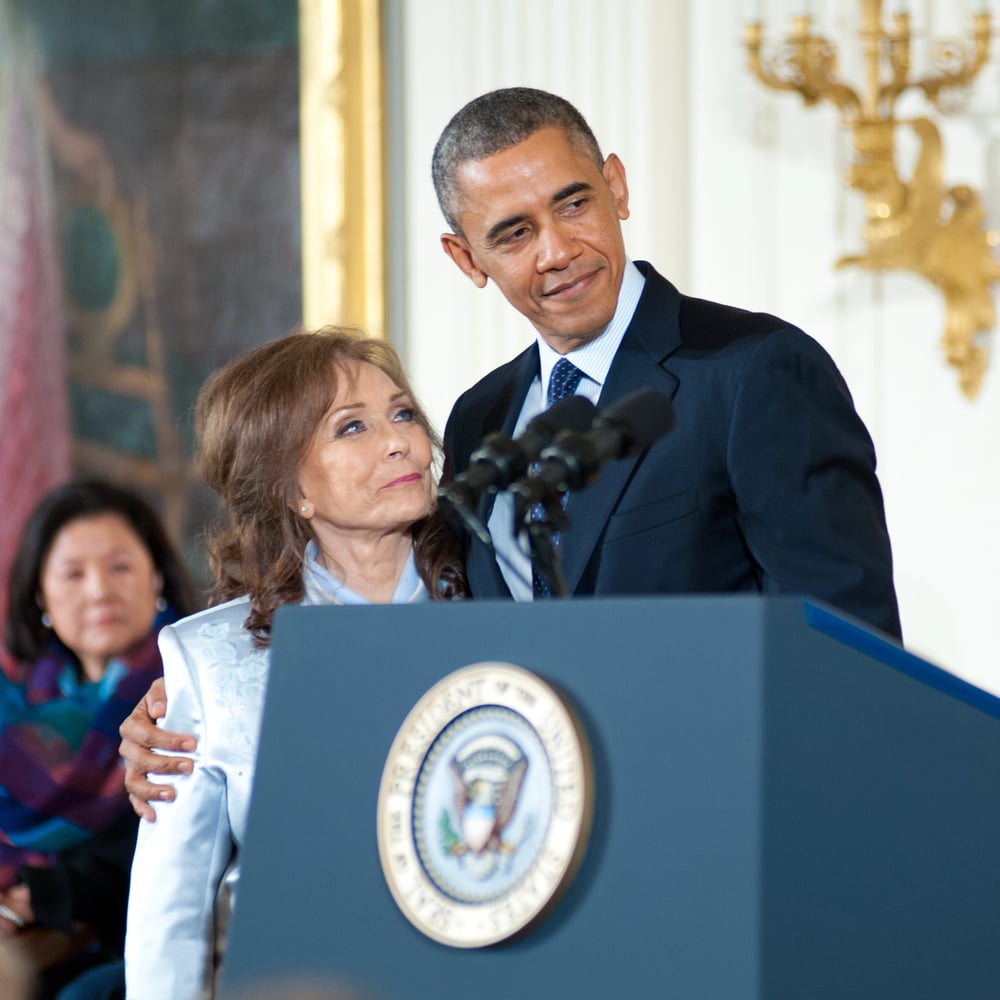
Loretta Lynn’s 1972 country classic addressed birth control and a woman’s freedom from endless pregnancy cycles, topics the genre industry preferred remain unspoken. Dozens of radio stations banned the track outright, but the song cracked the Top 10 of the Billboard Hot 100. Lynn later recalled that once it reached the charts, stations had no choice but to play it: they’d been forced to lift the ban against their stated principles.
Physical – Olivia Newton-John
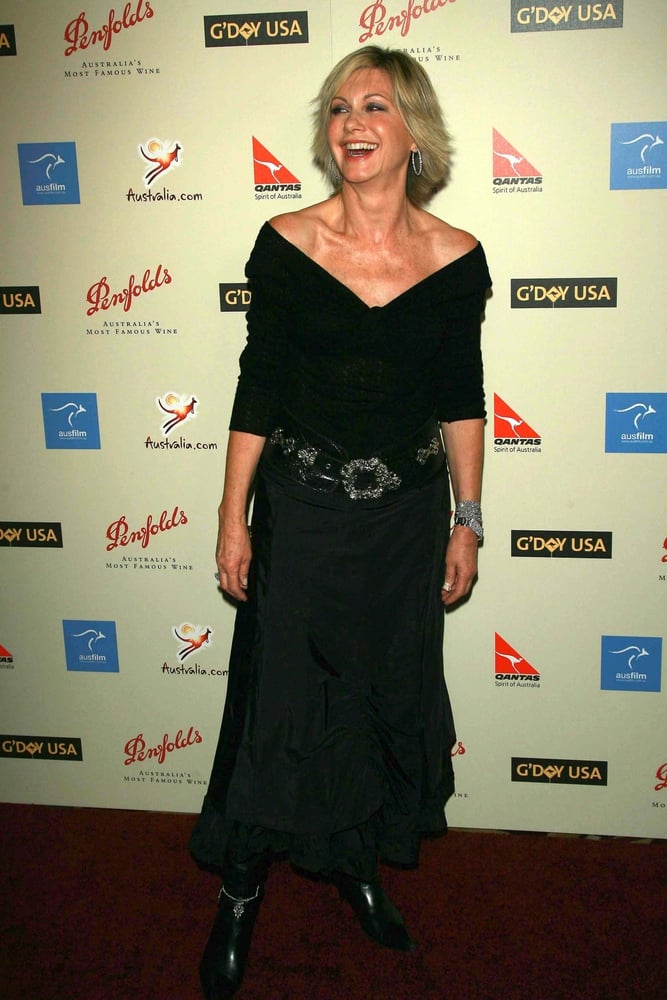
Beneath its aerobics-themed video lay lyrics dripping with intimate innuendo: “Let me hear your body talk,” “I took you to an intimate restaurant, then to a suggestive movie.” Radio stations in conservative markets, particularly Utah, refused to play the track despite mounting evidence of listener demand. “Physical” eventually spent ten weeks at number one on the Billboard Hot 100, becoming the longest-running chart-topper of the entire decade and selling over two million copies.
Louie Louie – The Kingsmen

The Kingsmen’s slurred, mumbled vocals sparked rumors that the lyrics concealed explicit content—so pervasive were the whispers that the FBI launched a 31-month investigation into the 1963 hit. The bureau ultimately concluded it couldn’t decipher a single word from the recording. Still, the scandal cemented the song’s reputation and drove sales; it became one of the most legendary garage rock hits despite (or because of) the controversy surrounding it.
My Generation – The Who
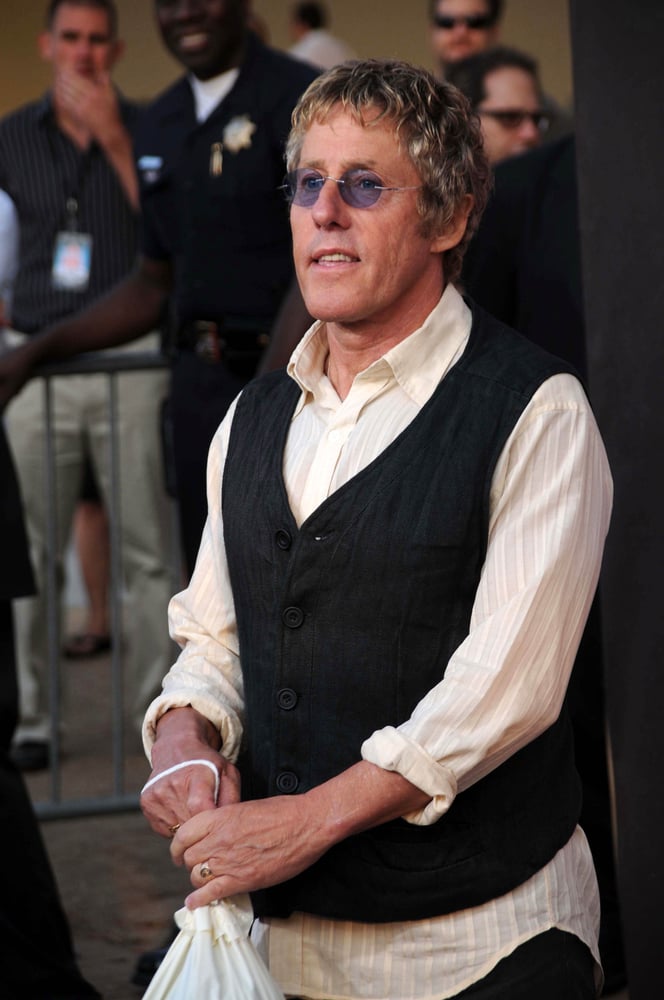
BBC executives banned The Who’s 1965 anthem not for the lyrics themselves but for frontman Roger Daltrey’s signature stutter, interpreted as insensitive mockery of people with speech disorders. The stammer was actually an accident—Daltrey later revealed he was struggling with complex lyrics in a freezing studio and the stutter emerged from his teeth chattering. The song reached number two on UK charts and became The Who’s defining statement.
Relax – Frankie Goes to Hollywood

On January 11, 1984, BBC Radio 1 disc jockey Mike Read publicly smashed “Relax” in two during his show, claiming he refused to broadcast the intimately suggestive debut single. BBC leadership swiftly banned the track across all its radio and television channels. The prohibition proved catastrophically counterproductive: the song spent five consecutive weeks at number one on the UK charts and peaked at number ten on the Billboard Hot 100, becoming one of the best-selling UK singles ever.
Lola – The Kinks

The Kinks’ 1970 classic about a cross-dresser in a Soho bar was banned by the BBC, but not for its daring gender narrative—broadcasting guidelines prohibited product endorsements, and the original lyric mentioned Coca-Cola. Ray Davies flew back from a U.S. tour stop to re-record the line as “cherry cola,” and the track climbed to number two in the UK and number nine on the Billboard Hot 100, becoming one of the band’s signature achievements despite the bureaucratic obstruction.
Eve of Destruction – Barry McGuire

Barry McGuire’s scathing 1965 critique of Vietnam War policy, nuclear weapons, and civil rights failures topped the Billboard Hot 100 in September while simultaneously being blacklisted by hundreds of radio stations, including across the entire RKO General network. The ban only amplified the song’s urgency among listeners hungry for honest commentary about national turmoil. McGuire had inadvertently created a protest anthem that achieved massive commercial success precisely because it posed threats that authorities recognized immediately.
Like a Prayer – Madonna
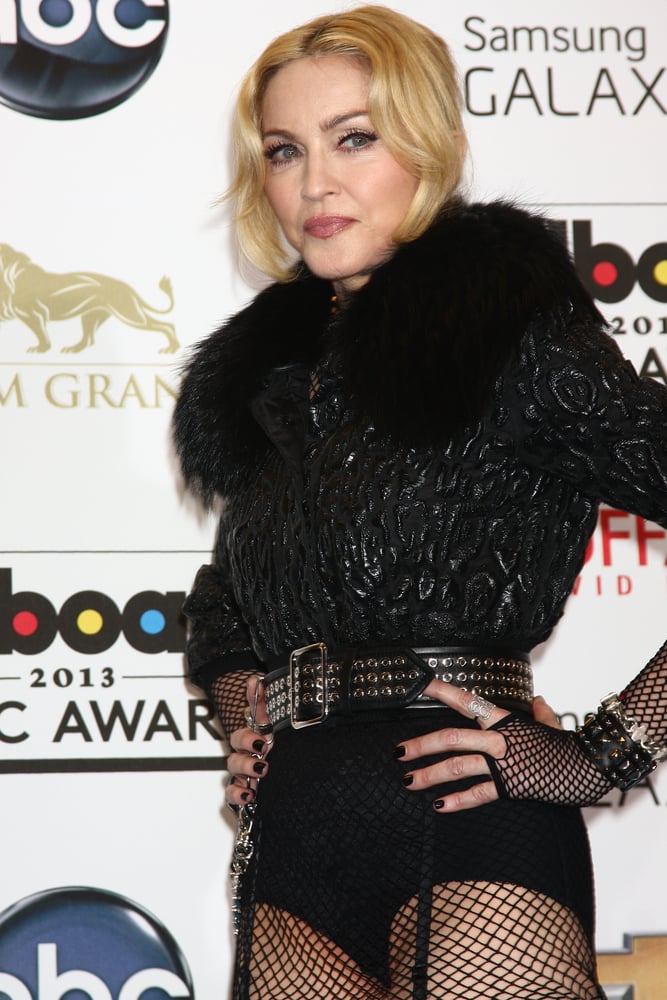
Madonna’s 1989 single triggered religious controversy when its accompanying video depicted her kissing a Black saint and dancing in front of burning crosses—themes the artist refused to alter despite pressure. Radio stations hesitated to play the track, and Pepsi canceled a $5 million endorsement deal, but “Like a Prayer” became Madonna’s seventh number-one hit on the Billboard Hot 100, proving that prohibition could not contain her artistic vision.
Imagine – John Lennon
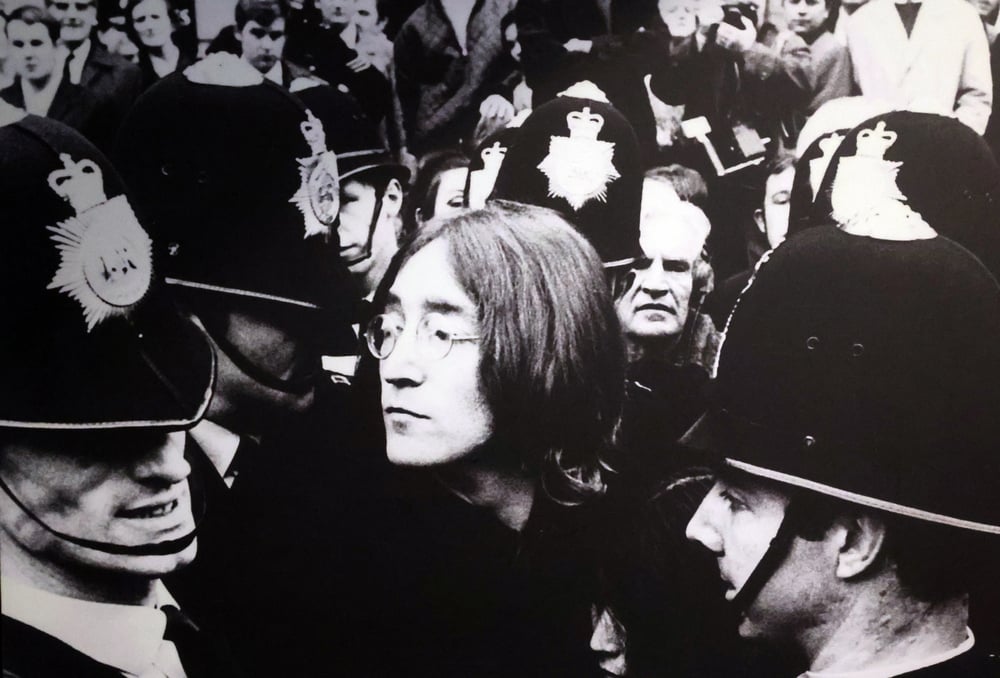
John Lennon’s 1971 meditation on peace and unity faced bans from various radio stations uncomfortable with his explicit rejection of nationalism and organized religion. Some broadcasters worried the song encouraged listeners toward dangerous idealism. Yet “Imagine” endured to become one of the most performed songs in history—a standard at peace rallies, state funerals, and moments of collective mourning precisely because its suppression only reinforced its message.
Monster Mash – Bobby “Boris” Pickett
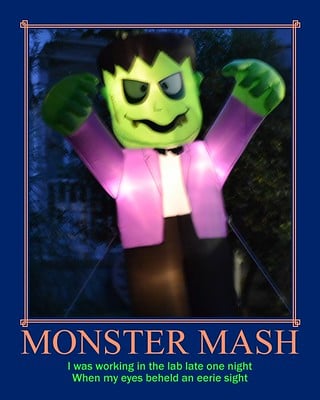
Incongruously, Britain’s BBC deemed Bobby “Boris” Pickett’s Halloween novelty “Monster Mash” far too morbid to air despite its cheerful, harmless lyrics. The ban stretched from the song’s release until 1973, when the BBC finally lifted it. Upon return to airwaves, the track reached number three on UK charts and has since become an enduring seasonal standard that neither ban nor time could diminish.
Lucy in the Sky with Diamonds – The Beatles
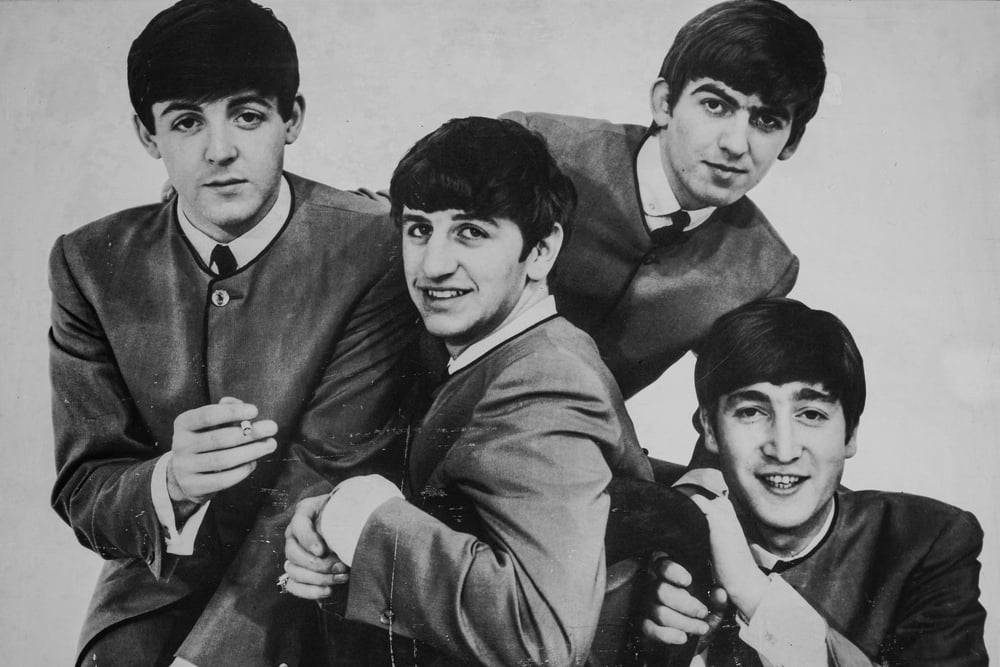
The Beatles’ “Lucy in the Sky with Diamonds” from Sgt. Pepper’s Lonely Hearts Club Band (1967) was banned by the BBC over whispers that the title formed the acronym LSD, suggesting hidden drug advocacy. John Lennon insisted he’d drawn inspiration from his son Julian’s painting titled with the same words—a clarification that only invited further skepticism. Despite (or because of) the ban, the track became one of their most celebrated songs.
Patches – Dickey Lee

Dickey Lee’s 1962 hit told the story of two young lovers from different social classes whose parents forbid their relationship, culminating in the girl’s drowning and the boy’s despair. Many U.S. radio stations banned the track due to its teen self-harm theme, viewed as potentially damaging to young listeners. The song nonetheless charted successfully and remains a poignant portrait of class-based romantic tragedy.
The Twist – Chubby Checker
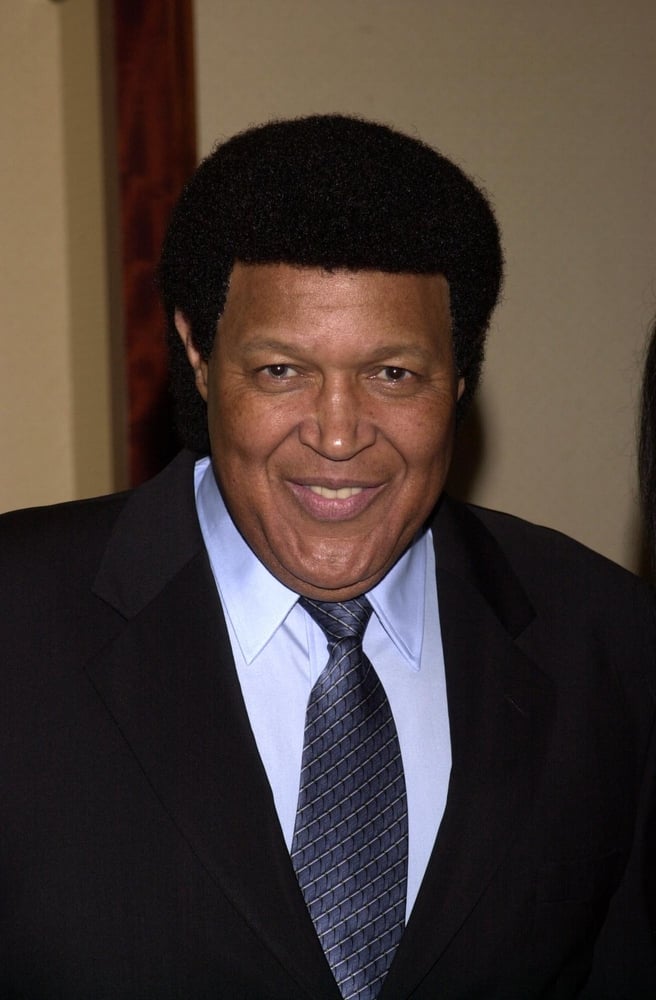
Chubby Checker’s “The Twist” faced bans from radio stations across America in 1961, only to become the most significant dance record in rock history—achieving the unprecedented feat of becoming a number-one hit on two separate occasions (1961 and 1962) and spending nine months total on the Billboard Best Seller charts despite limited airplay in certain markets.
Will You Still Love Me Tomorrow – The Shirelles

The Shirelles’ 1960 classic about intimacy was banned by numerous radio stations for its mild intimate content, yet it became historic as the first number-one hit by a Black female group and the inaugural number-one song on the newly launched Billboard Hot 100 chart. The track sold over a million copies, proving that audiences wanted what stations initially refused to broadcast.
Deep in the Heart of Texas – Bing Crosby
The BBC banned Bing Crosby’s cheerful 1942 hit “Deep in the Heart of Texas” not for offensive content but because the song was too enjoyable—its infectious rhythm caused factory workers to stop their wartime production work and clap along to the beat. The broadcaster refused play during manufacturing shifts, yet the song became a hit in markets not subject to wartime manufacturing constraints.
Brown Eyed Girl – Van Morrison
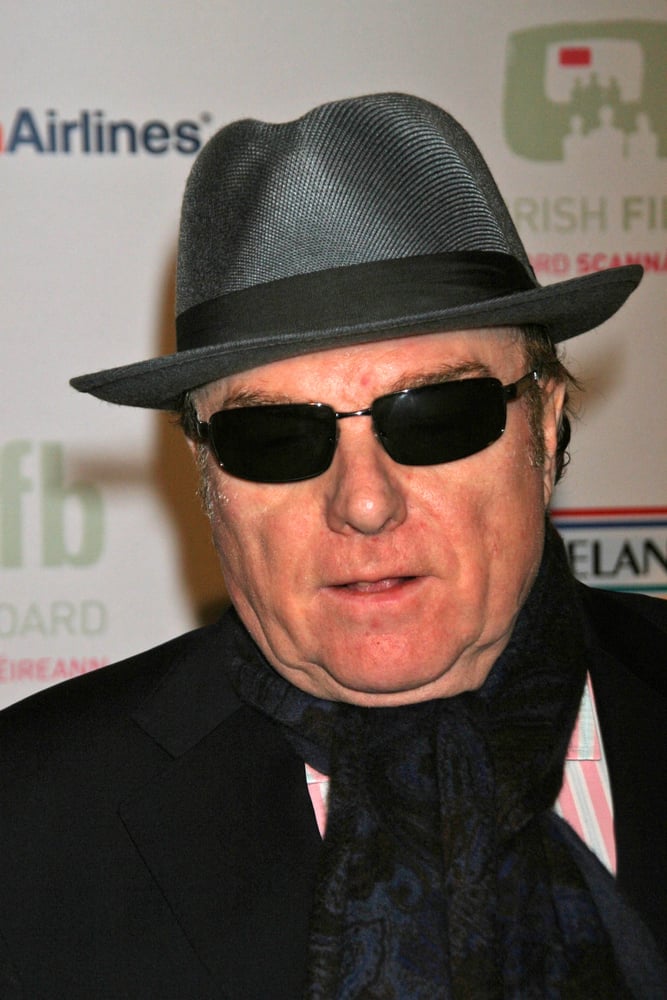
Van Morrison’s 1967 soft rock classic included the line “making love in the green grass,” which some radio stations considered inappropriate for airplay. Though a family-friendly edited version received rotation on certain stations, audiences preferred and ultimately championed the original version, which charted successfully and became a staple of summer radio and wedding playlists decades later.
Born in the USA – Bruce Springsteen

Bruce Springsteen’s 1984 megahit has recently been subject to censorship on UK radio over its Vietnam War-era lyric referencing a “yellow man,” now recognized as offensive racial language regardless of the song’s broader anti-war intent. The Born in the USA album sold approximately 15-20 million copies worldwide and became one of Springsteen’s signature achievements despite periodic suppression.
Money for Nothing – Dire Straits
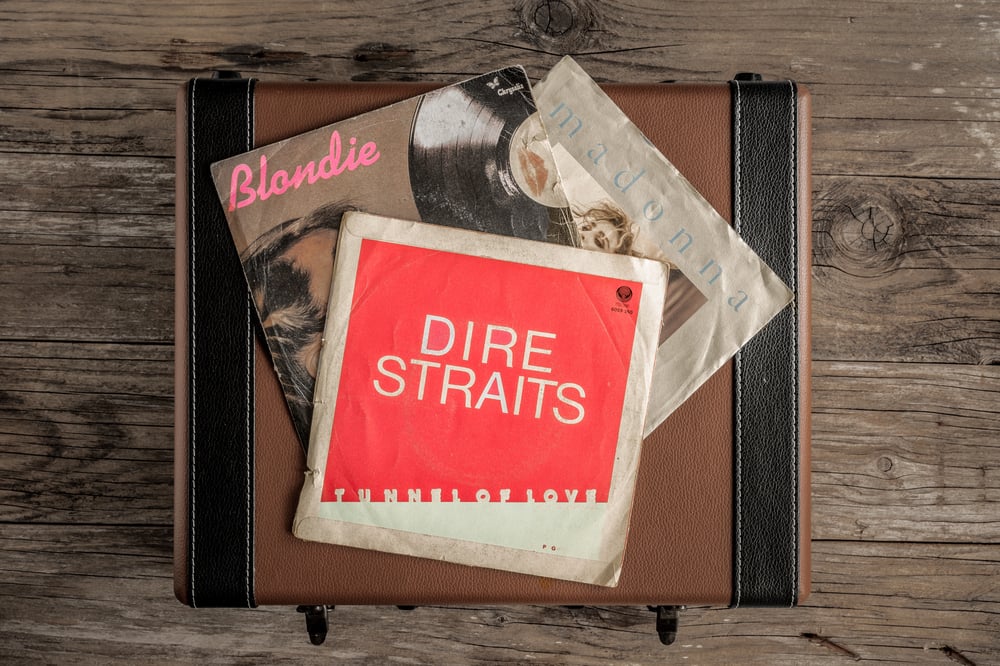
Dire Straits’ 1985 hit contained a homophobic slur in its original lyrics that sparked outrage and led to radio edits and removal from some markets entirely. Later releases often omit or replace the offensive word, but the controversy did not prevent the track from becoming a massive radio and MTV success.
Brown Sugar – The Rolling Stones
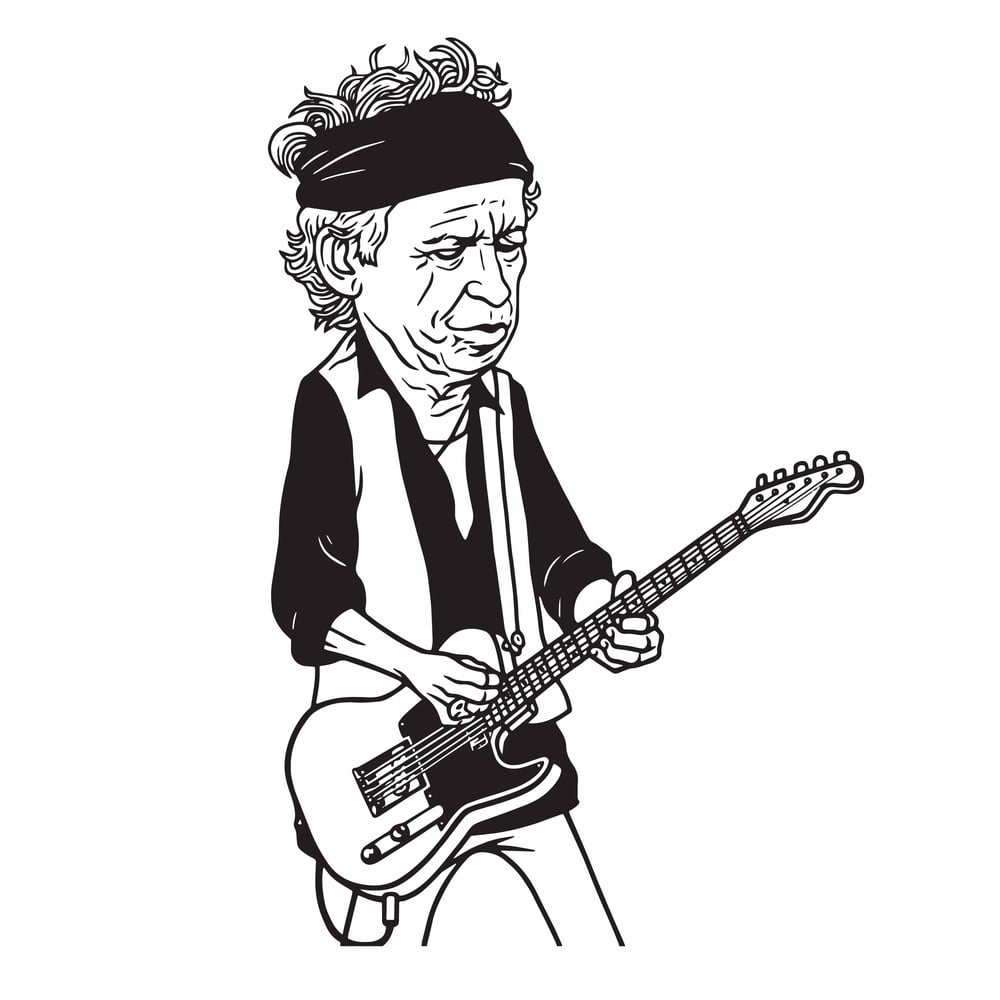
The Rolling Stones’ 1971 blues rocker faced bans in various radio markets due to its references to slavery and intimate subject matter, concerns that seemed to miss the song’s critical intent. Despite suppression in conservative markets, “Brown Sugar” became one of the Stones’ most enduring classics and remains a standard on classic rock radio worldwide.
Rumble – Link Wray
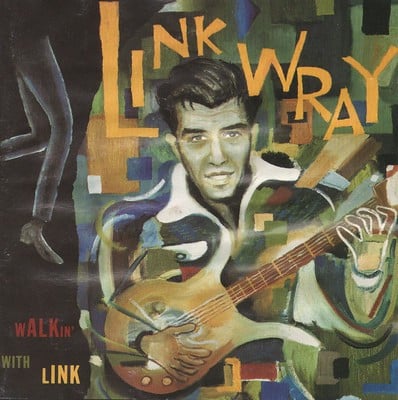
Link Wray’s 1958 instrumental required no words to generate controversy—radio stations banned “Rumble” believing the title referred to gang fights and street violence, making it unsuitable for broadcast. The suppression only enhanced its reputation as dangerous and innovative; the track charted successfully and stands as a landmark in rock guitar history.
Eve of the War – Hawkwind
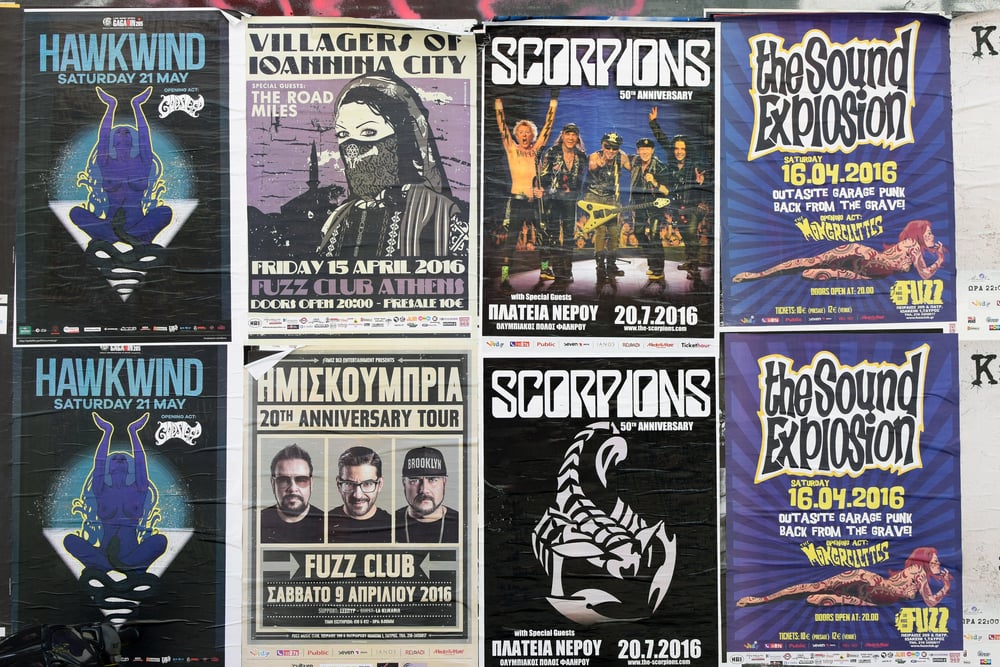
Progressive rock outfit Hawkwind’s apocalyptic vision faced bans for its graphic descriptions of nuclear conflict and societal collapse. The song charted despite (or because of) its refusal to soften its warnings about technological warfare and environmental devastation.
God – John Lennon
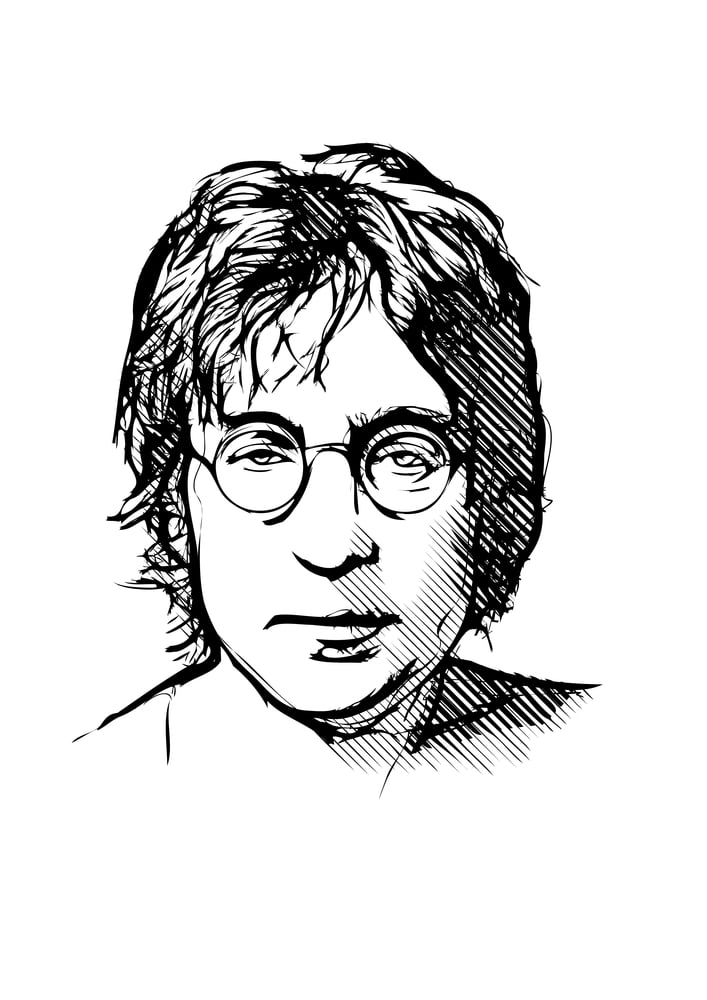
John Lennon’s 1970 album track explicitly rejecting various religious and political ideologies faced suppression in heavily religious markets and conservative radio stations. Though not a major commercial single, the song’s existence and circulation represented Lennon’s willingness to challenge fundamental beliefs, earning bans that only reinforced his commitment to artistic honesty.
Judas – Madonna
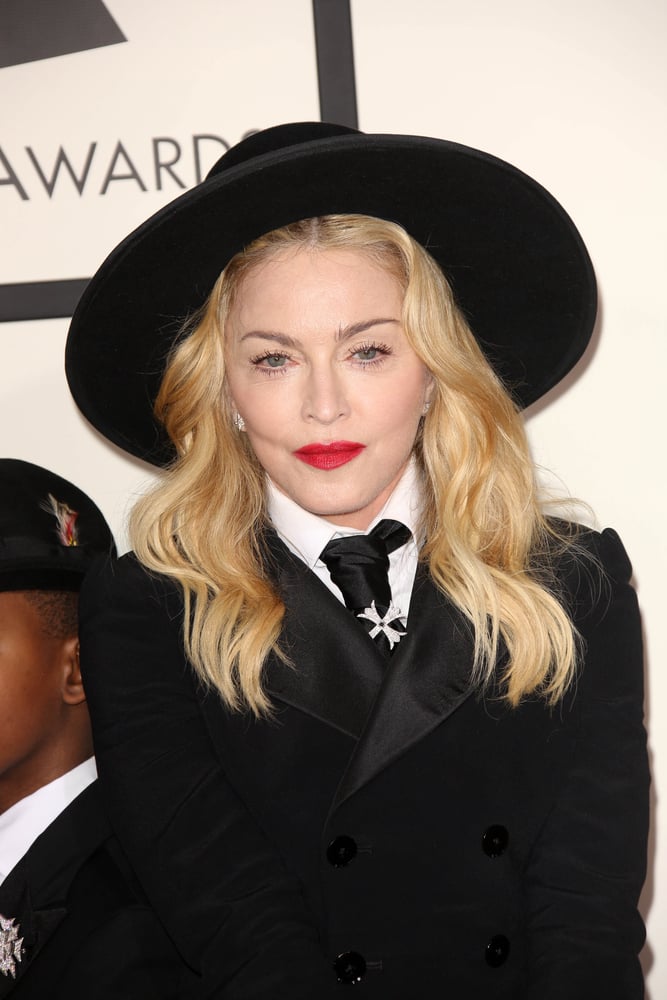
Madonna’s 2011 single from her MDNA album sparked religious controversy worldwide and was immediately banned in Lebanon for offensive treatment of Christian imagery and concepts. The track still reached the charts internationally despite the suppression, demonstrating that Madonna’s power transcended regional bans.
Love Game – Lady Gaga

Lady Gaga’s 2009 nightclub hit faced radio bans for its intimately suggestive lyrics, particularly the intriguing line “I want to take a ride on your disco stick.” Gaga admitted the innuendo was intentional and unapologetic, yet the song still charted successfully across markets.
Two Tribes – Frankie Goes to Hollywood

Frankie Goes to Hollywood’s second single, released summer 1984, simultaneously topped the UK charts while “Relax” rose back to number two—an extraordinary achievement only previously accomplished by Elvis Presley, The Beatles, and John Lennon. The track faced radio restrictions similar to its predecessor but overcame suppression through pure commercial momentum.
A Boy Named Sue – Johnny Cash
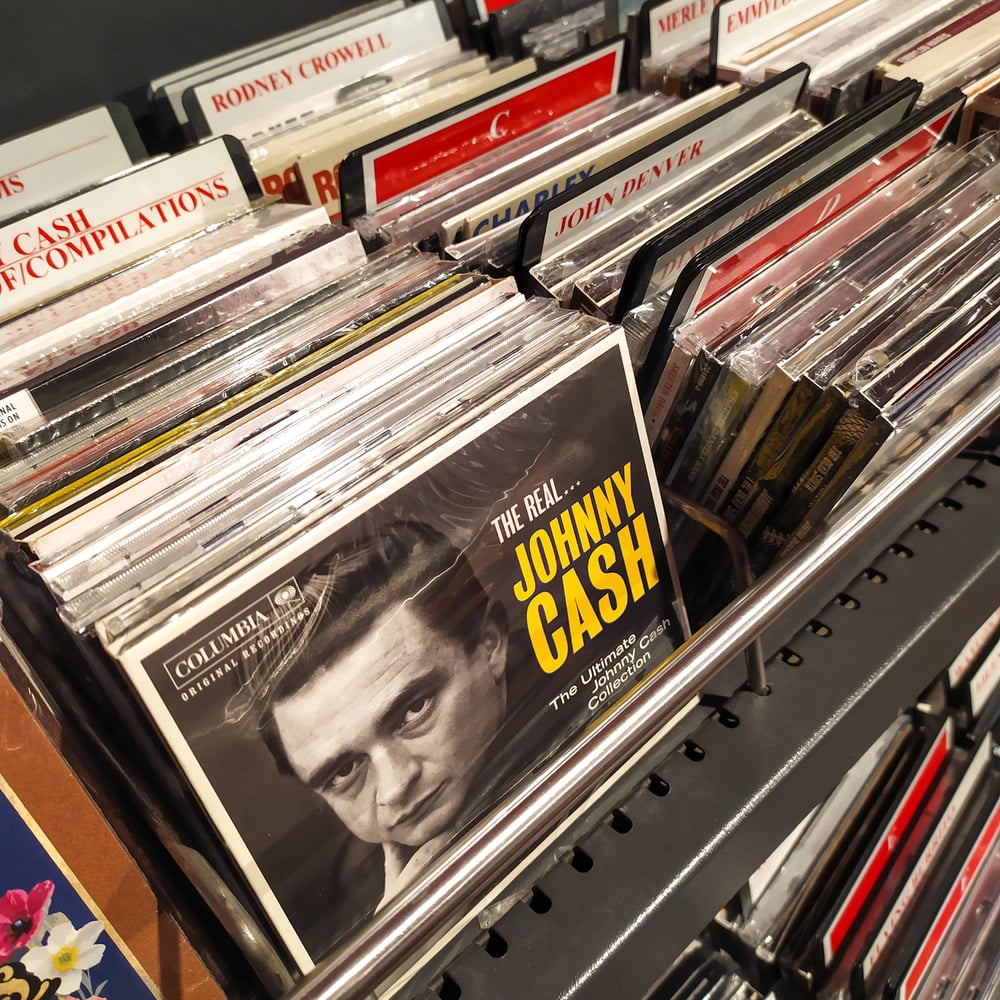
Johnny Cash’s spoken-word novelty about a boy given a girl’s name faced bans from country radio for its mild profanity and unconventional subject matter. The song nonetheless charted successfully and became one of Cash’s most recognizable recordings, proving that country audiences were willing to embrace harder-edged material.
The Persistence of Forbidden Art
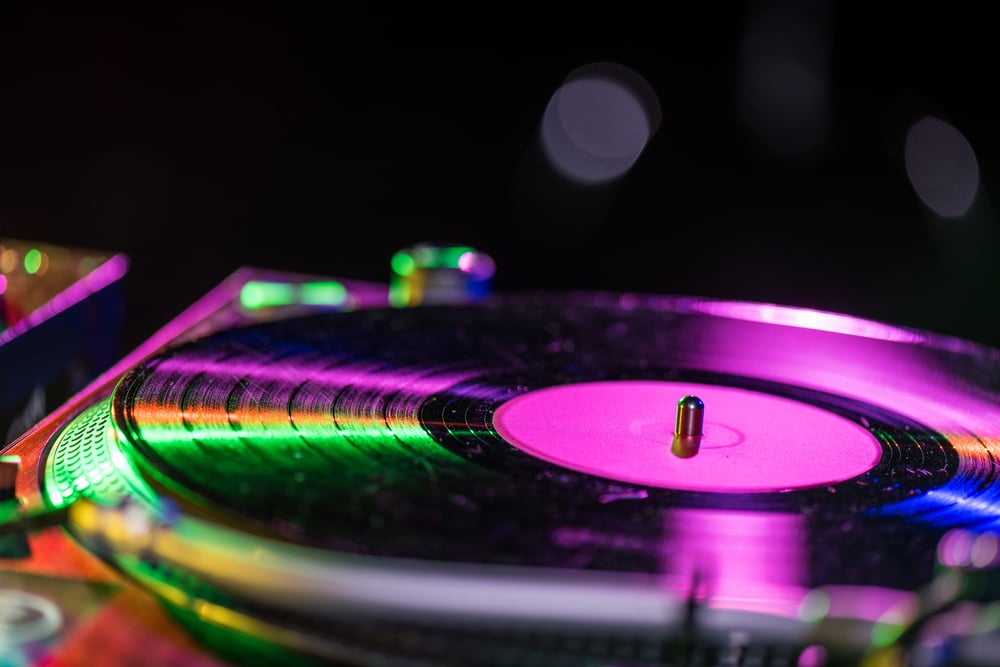
Censorship attempts represent a peculiar form of validation—authorities acknowledge a song’s power precisely by trying to silence it, inadvertently confirming that the track contains ideas dangerous enough to warrant suppression. Radio bans transformed controversial songs into rebellious cultural touchstones, granting them significance that routine commercial success alone could not provide. The artists who created forbidden music did not compromise to gain access; they persisted, and history vindicated their refusal to be silenced.
The songs that survived radio bans and charted anyway remain testaments to artistic integrity and audience resistance to institutional control. Each one proved that suppression, far from eliminating problematic speech, merely amplified its reach and transformed its creators into martyrs of artistic freedom—a victory far more durable than any chart position alone could guarantee.
More from Go2Tutors!

- The Romanov Crown Jewels and Their Tragic Fate
- 13 Historical Mysteries That Science Still Can’t Solve
- Famous Hoaxes That Fooled the World for Years
- 15 Child Stars with Tragic Adult Lives
- 16 Famous Jewelry Pieces in History
Like Go2Tutors’s content? Follow us on MSN.