15 Classic Sitcoms That Tackled Serious Issues
Sitcoms weren’t always just about cheap laughs and silly situations. Back in the day, some shows actually had the guts to talk about real problems.
Writers snuck important messages into episodes between the punchlines, figuring people might listen if they were already entertained. These weren’t your typical feel-good family shows. Here’s a list of classic sitcoms that got serious when it mattered.
All in the Family

Archie Bunker was supposed to be the joke, but plenty of viewers missed that point entirely. Norman Lear created this character to expose how ridiculous prejudice looked when you really examined it.
Problem was — some people actually agreed with Archie’s rants. Episodes covered everything from intimate dysfunction to women’s health issues, topics that would’ve gotten censored anywhere else on television.
MAS*H

Korea was just the backdrop. Everyone knew this show was really dissecting Vietnam while the war was still happening.
Army doctors spent their days patching up kids who’d probably die anyway — talk about a no-win situation. Hawkeye Pierce cracked jokes because the alternative was going completely insane.
Like Go2Tutors’s content? Follow us on MSN.
Maude

Bea Arthur played a woman who wouldn’t shut up about women’s rights, and network executives hated every minute of it. The abortion episode got death threats. Seriously.
Maude was middle-aged, married, and already had kids — yet she still faced an unwanted pregnancy. Revolutionary stuff for 1972.
The Jeffersons
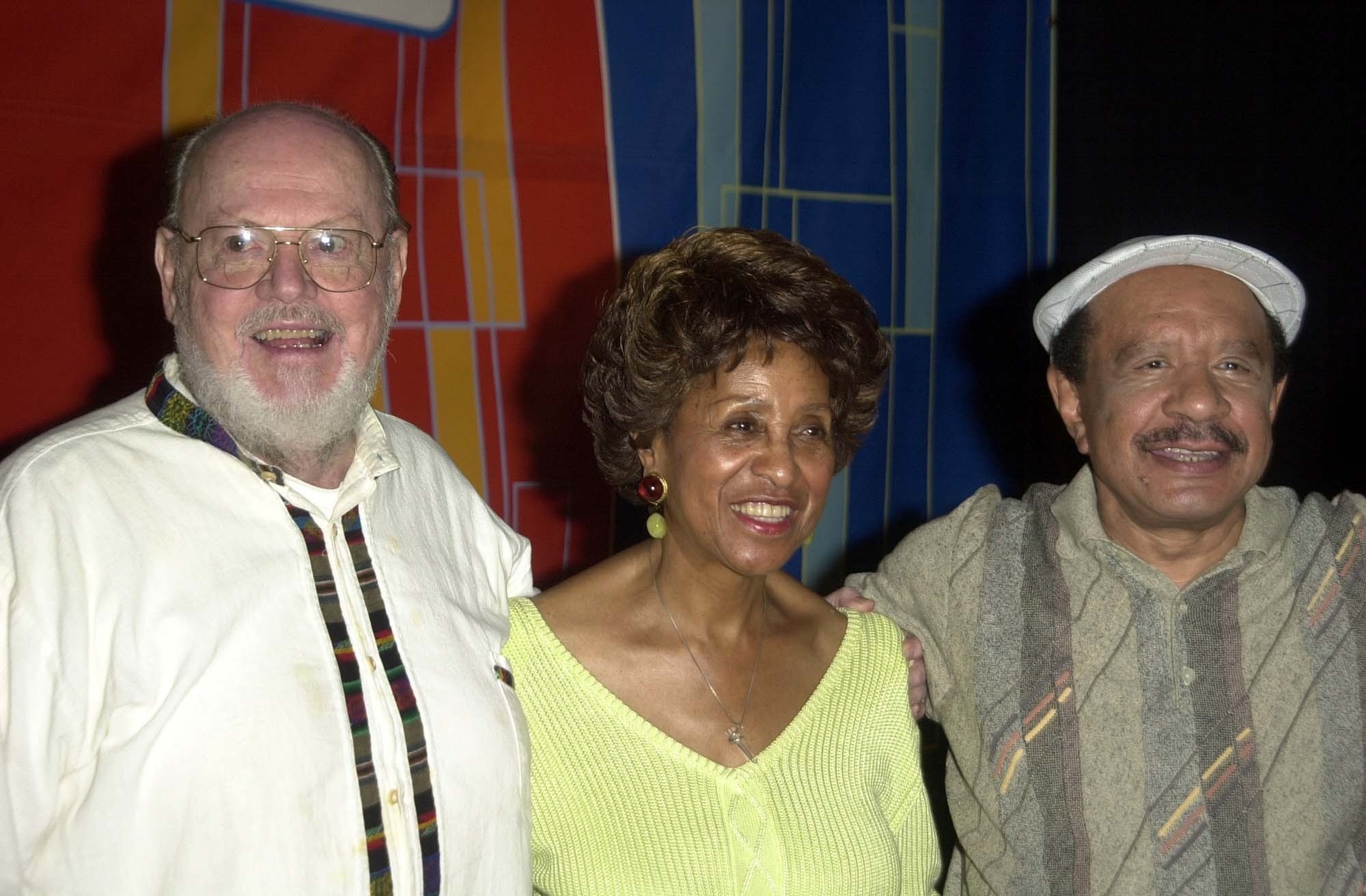
George Jefferson moved to a fancy apartment but couldn’t move past his own hang-ups about race and class. Success didn’t make him less of a bigot — it just gave him better clothes and a doorman.
Louise tried to keep him grounded while he navigated high society, usually badly.
Good Times
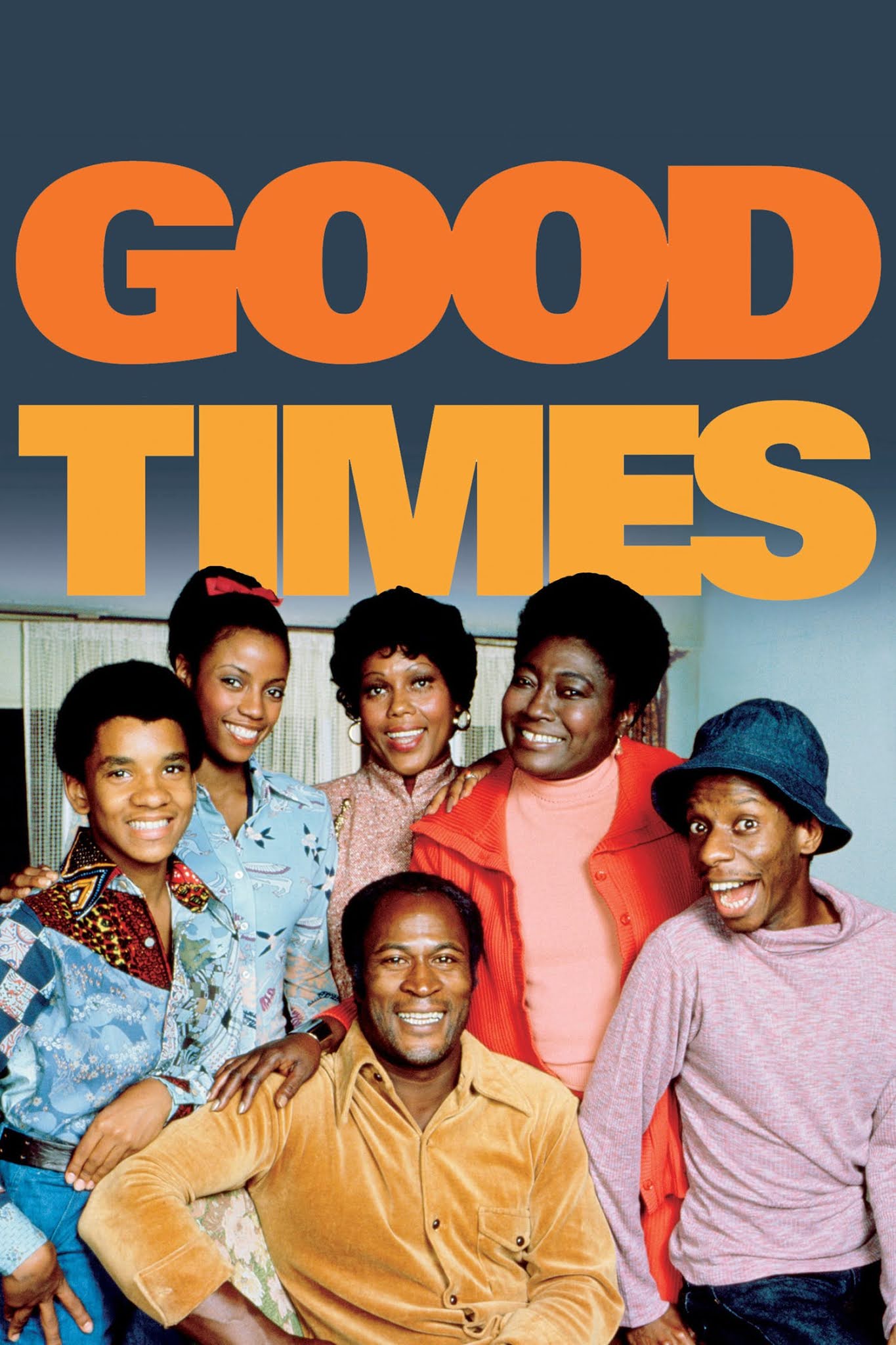
This show pulled no punches about poverty in urban America. When James Evans died suddenly, the family fell apart financially.
Thelma got pregnant, Michael turned angry, and J.J. became the clown to distract everyone from their problems. Florida held it together through sheer willpower and not much else.
Like Go2Tutors’s content? Follow us on MSN.
One Day at a Time

Divorce wasn’t trendy in the 1970s — it was scandalous. Ann Romano had to work because she needed money, not because she wanted a career.
Her dating life was a minefield of judgment from neighbors and relatives. Meanwhile, her teenage daughters dealt with typical problems without a father figure around to help.
Diff’rent Strokes

Those “very special episodes” got heavy fast. Child abuse, kidnapping, drug dealers targeting kids — this show went places that made parents squirm.
Arnold and Willis were Black boys living with a rich white man, which raised questions about identity and belonging that nobody wanted to answer.
Facts of Life
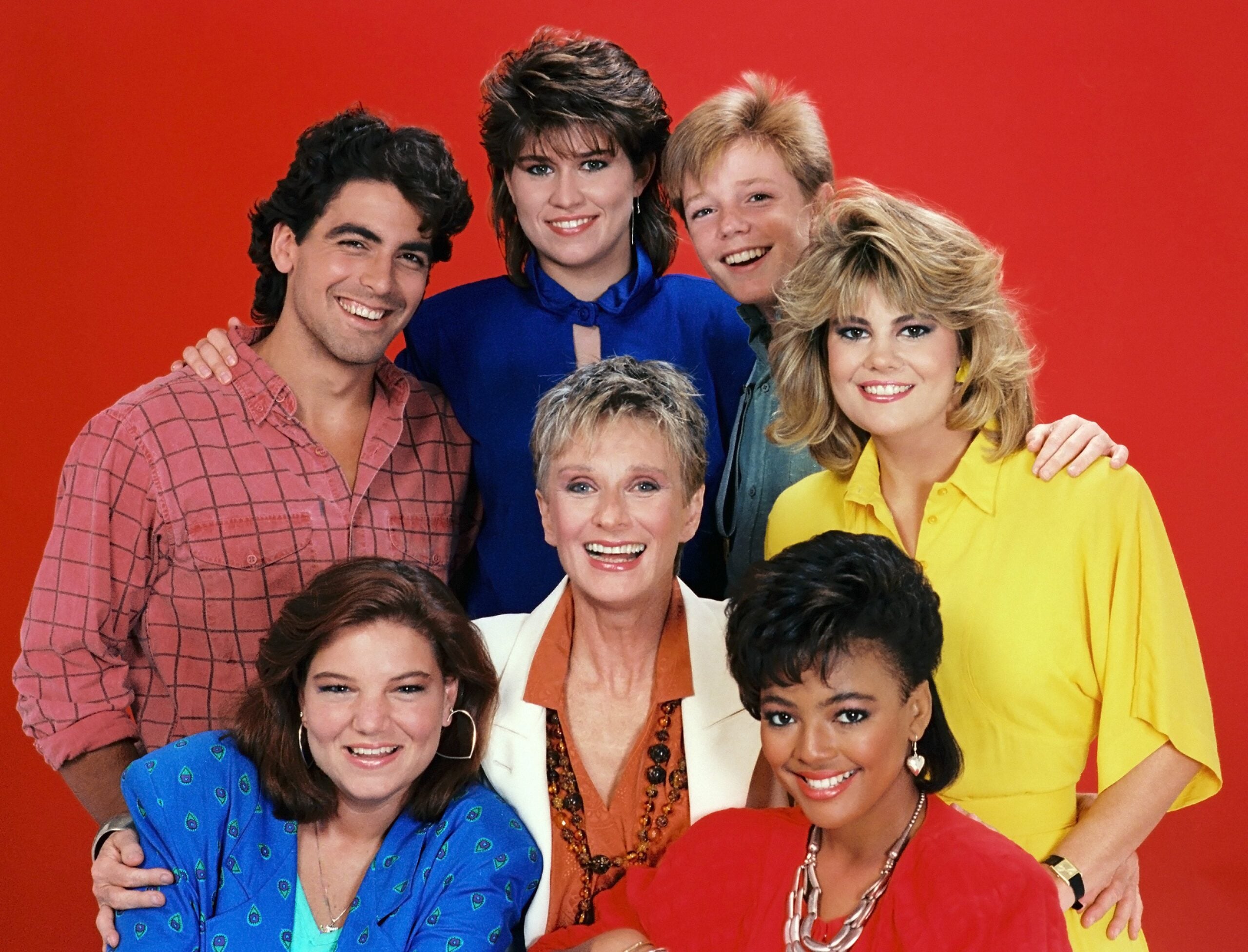
Rich girls had problems too, apparently. Blair dealt with eating disorders despite her privileged background.
Natalie faced weight discrimination from classmates and teachers. The boarding school setting was supposed to protect these kids, yet they still encountered the same cruel realities as everyone else.
Like Go2Tutors’s content? Follow us on MSN.
Family Ties

Alex Keaton was every 1980s parent’s nightmare — a kid who worshipped money and conservative politics while his hippie parents watched in horror.
The show explored what happened when families couldn’t agree on basic values. Alex’s panic attacks revealed that even seemingly confident teenagers could crack under pressure.
Growing Pains

The Seaver family lived in suburbia but couldn’t ignore urban problems forever. When they encountered homeless people, it shattered their comfortable worldview.
Mike’s academic struggles frustrated his psychiatrist father, who expected perfection from his kids but got normal teenagers instead.
Roseanne

Finally, a working-class family that looked and acted like actual working-class people. The Conners fought about money constantly because they never had enough.
Roseanne worked multiple jobs while Dan’s construction business went up and down with the economy. Love didn’t pay the bills or fix broken appliances.
Like Go2Tutors’s content? Follow us on MSN.
The Cosby Show
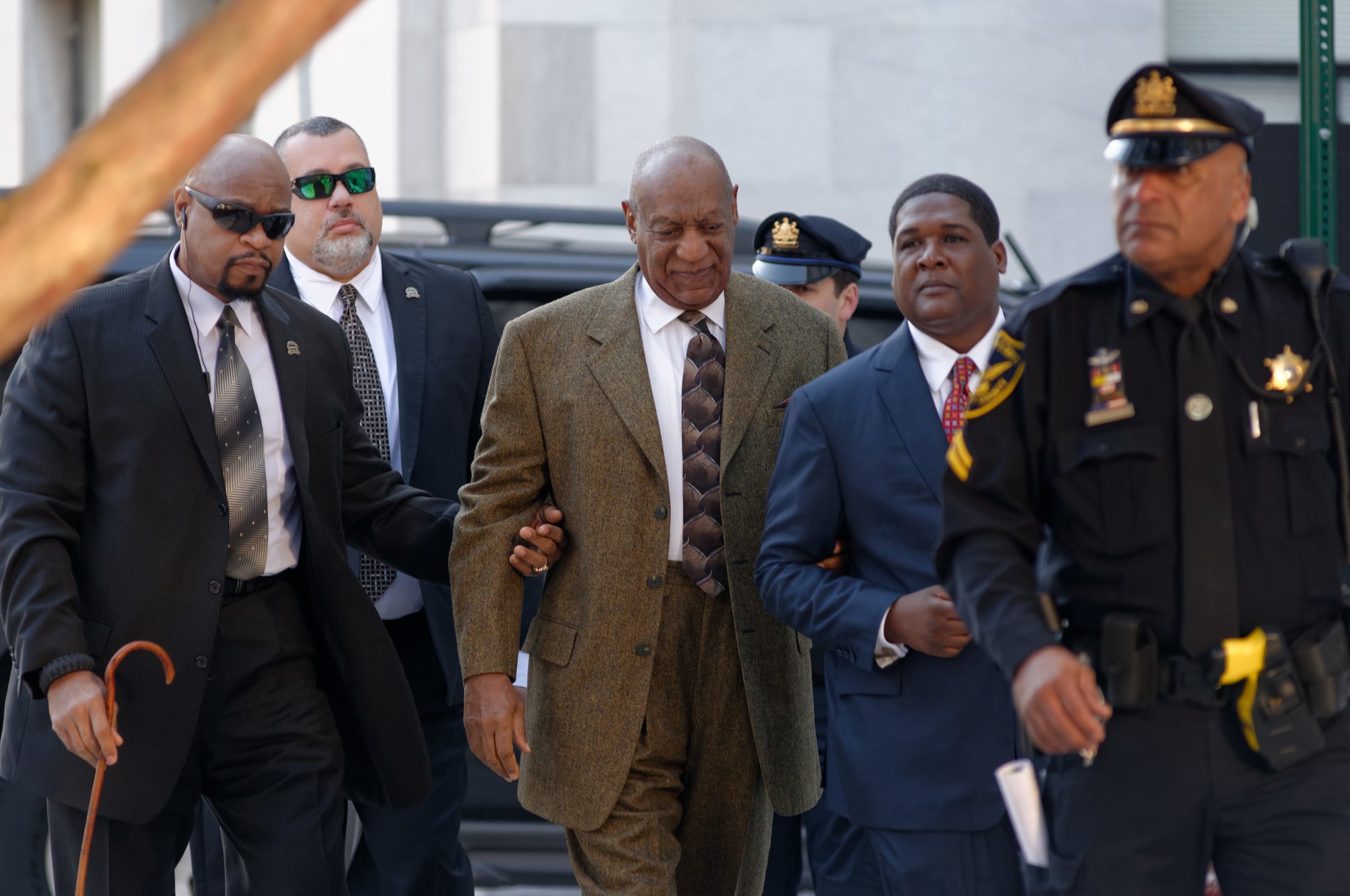
The Huxtables were everything white America needed to see — successful, educated, stable Black parents raising accomplished children. Cliff was a doctor, Clair was a lawyer, and their kids excelled in school.
Yet they still faced subtle racism that viewers might’ve missed if they weren’t paying attention.
Cheers

Sam Malone owned a bar despite being a recovering alcoholic, which seems like terrible career planning. The regulars showed up because they had nowhere else to go.
Norm was unemployed, Cliff lived with his mother, and Frasier’s marriage was falling apart. Everyone needed that barstool more than they’d admit.
Night Court

New York’s night court saw society’s castoffs every single evening. Homeless defendants, mentally ill suspects, prostitutes, petty criminals — people the system had already given up on.
Judge Stone tried to inject humanity into legal proceedings that were designed to process problems, not solve them.
Like Go2Tutors’s content? Follow us on MSN.
Designing Women
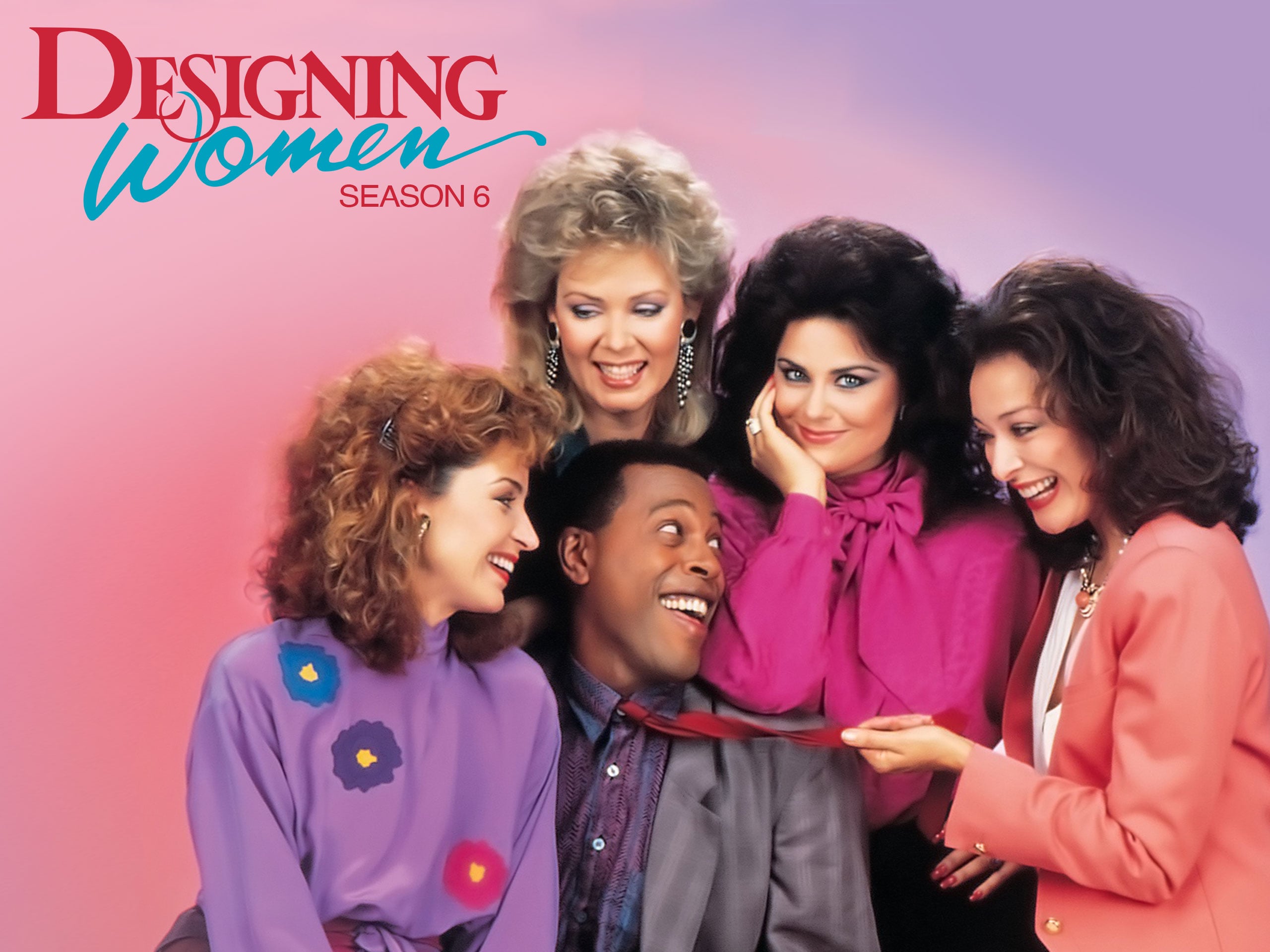
Julia Sugarbaker’s speeches could melt steel beams. This wasn’t some gentle Southern belle routine — these women had fire and weren’t afraid to use it.
AIDS discrimination, domestic violence, abortion rights — they tackled every controversial topic while maintaining their wit and charm.
When Television Actually Meant Something

These shows understood that entertainment could educate without being preachy about it. Viewers were smart enough to recognize important messages when they weren’t being beaten over the head with them.
Comedy made difficult topics easier to swallow, but the topics were still there waiting to be digested. Modern television still tries to capture what these pioneers accomplished — sneaking vegetables into the candy without ruining the taste.
More from Go2Tutors!

- 18 Unexpectedly Valuable Collectibles You Might Have Lying Around
- 20 Little-Known Historical Battles That Had Huge Consequences
- 20 Historical Artifacts That Scientists Can’t Explain
- 15 Inventions That Were Immediately Banned After Being Created
- 20 Actors Who Were Almost Cast in Iconic Roles
Like Go2Tutors’s content? Follow us on MSN.